Hours at an average pace
Showing 100 books
About 802 hours for 100 of 100 books with measured lengths. Estimates use 250 words a minute, adjusted for each book's difficulty. At 2 hours a day, about 401 days for those books.
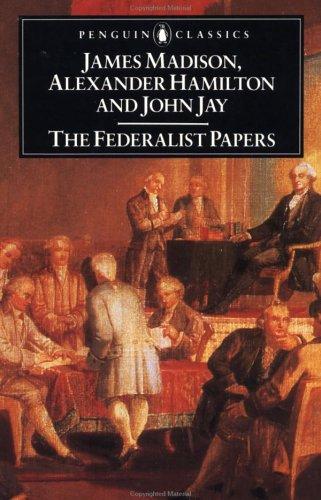
The foundational text of American constitutional theory, cited by the Supreme Court.
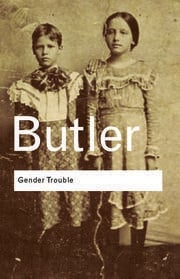
No. 2 on this list. Gender Trouble: Feminism and the Subversion of Identity
Judith Butler · 1990
Difficult9.7 hours
Gender Trouble is taught on virtually every gender studies, feminist theory, and queer theory syllabus globally, appearing widely in sociology, philosophy, cultural studies, and political science courses. Butler's text has been described by scholars as one of the most influential academic books of the 20th century and is as close to canonical as any work in the humanities published after 1980. Its position on university reading lists across North America, Europe, and beyond is unambiguous — a status granted to very few academic monographs.
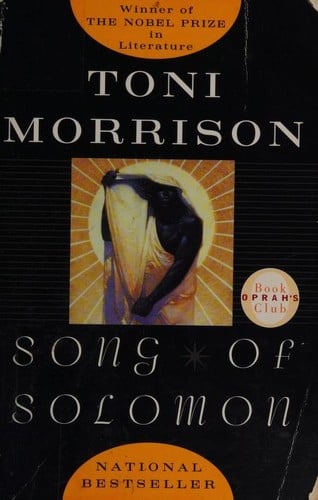
Morrison sent a young Black man on a mythic quest through four generations of his family's buried history, fusing African-American folklore, biblical allusion, and the cadences of blues and gospel into a narrative structure no American novel had attempted before. The novel proved that flight — literal and metaphorical — could carry the full weight of Black American experience from slavery to self-knowledge.
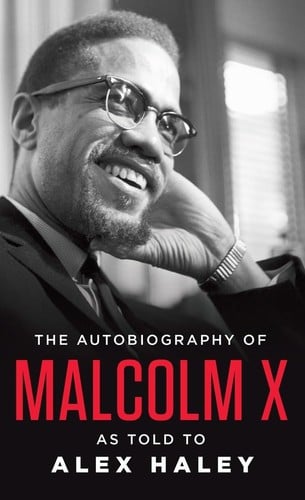
It is widely taught in American history and literature courses, is named among Time's most important nonfiction books of the century, and is an essential text in African American studies.
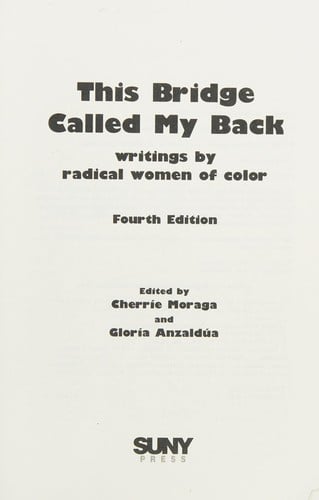
This Bridge Called My Back is required reading in women's studies, ethnic studies, and American literature courses across the United States and beyond. Since its 1981 publication it has appeared on thousands of university syllabi, ranking among the most-taught feminist texts in higher education, comparable in academic penetration to Beloved within its fields. It is listed on essential reading guides across multiple disciplines and remains continuously in print.
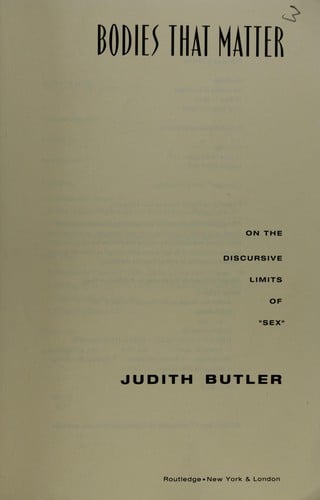
Bodies That Matter is a foundational text of queer theory and gender studies, assigned in virtually every graduate curriculum in those fields worldwide alongside Gender Trouble. It is one of the defining theoretical works of the 1990s in the humanities and remains a live reference in current scholarship.
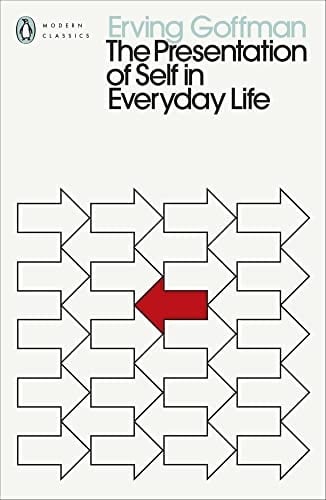
Appears on thousands of sociology, communication studies, and social psychology syllabi worldwide and is the foundational text for dramaturgical theory in social science. No comparable introduction to microsociology is as widely assigned across disciplines — sociology, anthropology, communication, performance studies, and cultural theory all treat it as required reading.
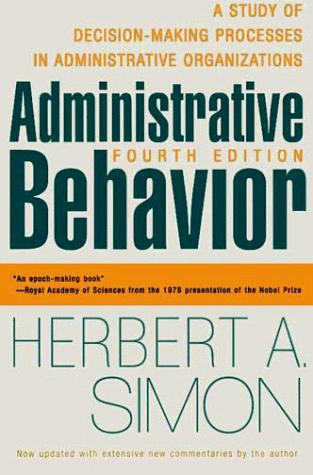
Administrative Behavior is foundational in organizational theory and public administration curricula worldwide. It is assigned in business schools, public policy programs, and political science departments as a standard text. Simon received the Nobel Prize in Economics in 1978 partly on the basis of the theory of bounded rationality developed here, cementing the book's place in the canonical literature of multiple disciplines.
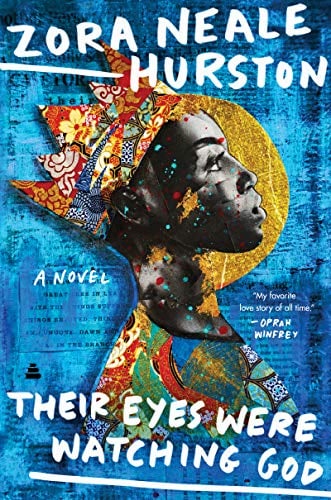
No. 9 on this list. Their Eyes Were Watching God
Zora Neale Hurston · 1937
Challenging5.3 hours
Taught in schools: Common Core text exemplars (Appendix B) (US)
Appears on 3,011 university syllabi according to the Open Syllabus Project (86.97th percentile), placing it among the most-taught American novels. Featured on TIME's All-TIME 100 Novels list and published in prestigious Library of America and Everyman's Library editions — markers of sustained institutional recognition. Available in 9 Wikipedia languages, reflecting global reach in academic and literary circles.
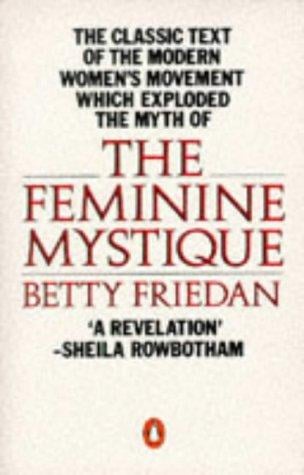
The Feminine Mystique appears on hundreds of women's studies, American history, and sociology syllabi across the United States and internationally. Time magazine named it one of the 100 most important nonfiction books of the 20th century, and it features on Modern Library and similar 'essential nonfiction' lists. Its Wikipedia article exists in dozens of languages with substantial coverage of its reception and cultural impact.
No. 11 on this list. Letter from Birmingham Jail · Martin Luther King Jr. · 1963
King wrote this letter on scraps of newspaper in a Birmingham jail cell, responding to eight white clergymen who had called the civil rights demonstrations 'unwise and untimely.' The result is one of the most important documents in American history—a masterpiece of rhetoric that systematically dismantles the arguments for gradualism and 'waiting' while making the case for nonviolent direct action. King distinguishes between just and unjust laws, invokes Socrates, Augustine, Aquinas, and Buber, and delivers a devastating critique of the 'white moderate' who prefers order to justice. The letter moves from philosophical argument to prophetic witness, from the particular injustices of Birmingham to the universal struggle for human dignity. King writes with the cadences of the Black church, the precision of a trained theologian, and the moral authority of a man willing to go to jail for his beliefs. The letter transcends its immediate context to stand as one of the great statements on justice, conscience, and civil disobedience in any language.
Moderate27 min
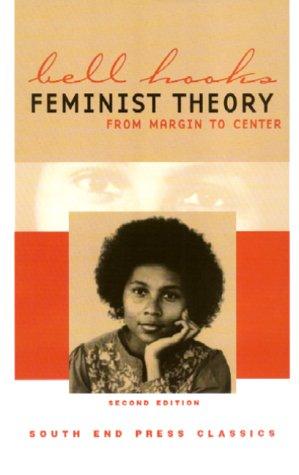
Start this bookNo. 12 on this list. Feminist Theory: From Margin to Center · bell hooks · 1984
This book is required reading in virtually every women's studies, gender studies, and cultural theory program. It sits alongside Simone de Beauvoir and Audre Lorde as essential feminist theory, taught across sociology, critical race theory, and cultural studies courses globally. Within its field it occupies the same foundational status that canonical literary texts hold in literature departments.
Moderate3.9 hours
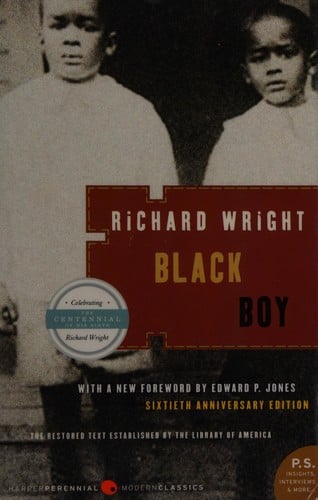
Start this bookNo. 13 on this list. Black Boy · Richard Wright · 1945
Black Boy is a fixture in American secondary and university curricula, routinely assigned in courses on African American literature, autobiography, and twentieth-century American history. It appears on widely used reading lists alongside Native Son and Frederick Douglass's Narrative. The book has maintained continuous institutional presence since its 1945 publication and Book-of-the-Month Club selection.
Easy5.3 hours
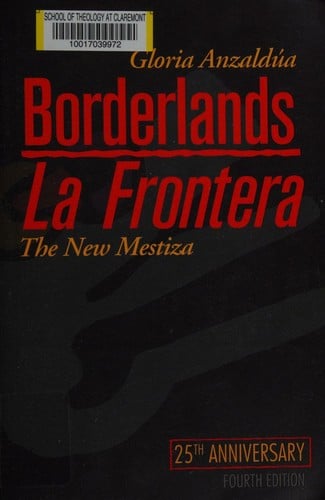
Start this bookNo. 14 on this list. Borderlands/La Frontera: The New Mestiza · Gloria Anzaldua · 1987
Foundational text of Chicana feminism, border studies, and queer theory. Universally taught in relevant fields.
Easy2.7 hours
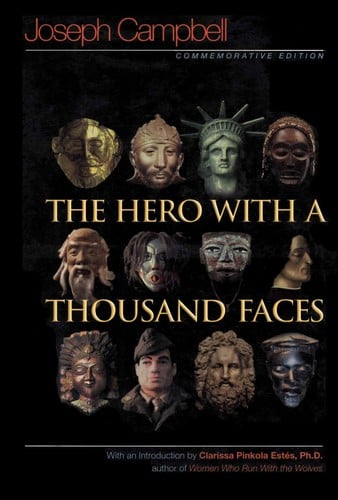
Start this bookNo. 15 on this list. The Hero with a Thousand Faces · Joseph Campbell · 1949
Joseph Campbell opens with a Freudian reading of an Arapaho folktale and never looks back. A woman falls through a hole in the sky while digging up a buffalo plant. An Aztec prince descends into the underworld to retrieve the bones of the dead. A Polynesian hero is swallowed by a whale. Campbell lines up hundreds of these stories from six continents and argues they are all the same story: a hero ventures from the ordinary world into a region of supernatural wonder, wins a decisive victory, and returns transformed. He calls this the monomyth — departure, initiation, return — and maps each stage with taxonomic precision: the Call to Adventure, the Belly of the Whale, the Meeting with the Goddess, the Apotheosis. The comparative method is relentless. A Navaho vision quest illuminates the Buddha's meditation under the Bo Tree, which rhymes with Christ's temptation in the desert. Campbell reads all of it through Jung and Freud, treating gods as projections of the psyche and mythic journeys as metaphors for psychological maturation. The second half widens from the individual hero to the cosmos itself — creation, virgin birth, the dissolution of worlds. The prose is mid-century academic, formal but clear, carried by the momentum of one extraordinary story after another. Readers who want to know why myths from unrelated cultures keep telling the same story will find Campbell's answer here, built from the evidence itself.
Moderate8.5 hours
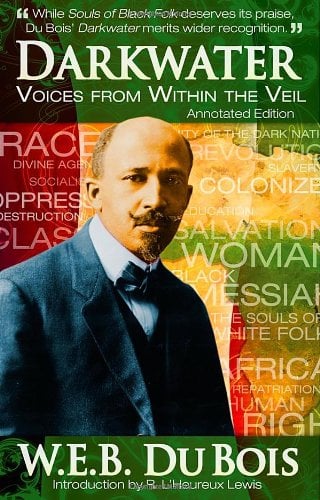
Start this bookNo. 16 on this list. Darkwater · W. E. B. Du Bois · 1920
Darkwater appears on hundreds of university syllabi across African American studies, American literature, political theory, and history courses. While not as universally taught as The Souls of Black Folk, it is considered essential reading in Du Bois scholarship and is regularly assigned in courses on race, colonialism, and early twentieth-century American thought. Published by Dover, Oxford, and Harcourt, it has remained continuously in print for over a century. The database signals are absent, but this reflects a data gap — the book's canonical status in its fields is well-established.
Moderate4.5 hours
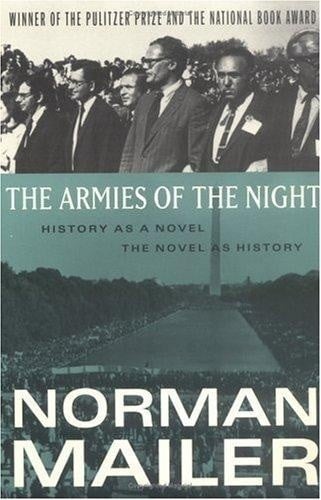
Read nowNo. 17 on this list. The Armies of the Night · Norman Mailer · 1968
Won both the Pulitzer Prize for General Nonfiction and the National Book Award in 1969 — an extraordinarily rare double — cementing its place in the American literary canon. Taught regularly in American literature, journalism, and creative nonfiction courses. Appears on most authoritative 'great American nonfiction' lists alongside In Cold Blood and Let Us Now Praise Famous Men.
Moderate7.1 hours
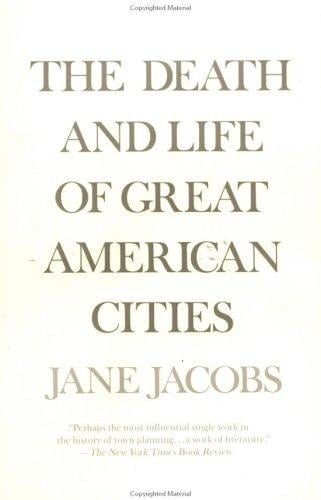
Start this bookNo. 18 on this list. The Death and Life of Great American Cities · Jane Jacobs · 1961
Standard required reading in urban planning, architecture, public policy, sociology, and geography programs worldwide. Within its domain it functions as mandatory orientation text—virtually no urban planning curriculum omits it. Its canonical status within applied social science exceeds that of most novels, though it does not appear as broadly as literary classics across all disciplines.
Moderate10 hours
Start this bookNo. 19 on this list. Ain't I a Woman · bell hooks · 1981
In 1981, a 29-year-old Gloria Jean Watkins — writing under the name bell hooks — published an argument that neither the civil rights movement nor the women's movement had bothered to make: that black women in America occupied a position erased by both. hooks starts in the hold of slave ships, where African women were stripped, beaten, and raped alongside men, then sold into a system that denied them the 'femininity' white culture used to define womanhood itself. She traces this erasure forward through Reconstruction, the suffrage movement, and the rise of second-wave feminism, showing how white feminists repeatedly centered their own experience while black male activists asked black women to subordinate gender to race. The title borrows from Sojourner Truth's 1851 speech, and hooks writes with that same refusal to let anyone off the hook. Her chapters on the myth of the black matriarch and the devaluation of black womanhood remain some of the clearest articulations of how racism and sexism operate not as parallel systems but as a single interlocking machinery. The prose is direct, the anger controlled, the scholarship grounded in lived history. Readers looking for intersectional feminism before the term existed will find its intellectual foundation here.
Easy3.7 hours
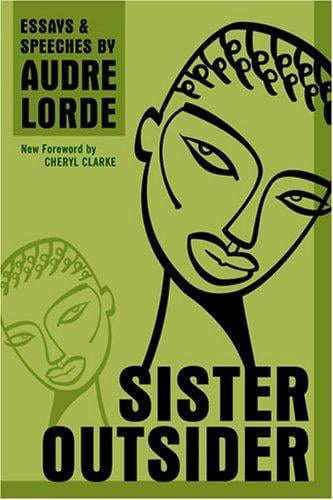
Start this bookNo. 20 on this list. Sister Outsider · Audre Lorde · 1984
Sister Outsider is a staple in gender studies, Black studies, and feminist theory courses across American and European universities. It appears on hundreds of syllabi and is widely considered essential reading in intersectional feminism and queer theory. Its individual essays — particularly 'The Master's Tools Will Never Dismantle the Master's House' — are among the most frequently anthologized nonfiction pieces in the humanities.
Challenging5.1 hours
Start this book
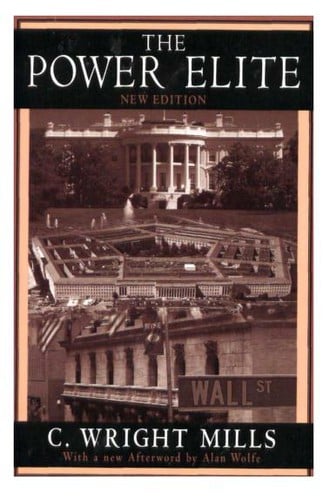
No. 21 on this list. The Power Elite · C. Wright Mills · 1956
The Power Elite has been assigned in political science, sociology, and American studies courses for decades and appears on virtually every major reading list for students of power and inequality. The book coined a term — 'power elite' — that became standard political vocabulary, a marker of canonical status that few social science texts achieve. No syllabus count or Wikipedia data was returned by the database, but the book's place in the American intellectual canon is not in question.
Challenging14 hours
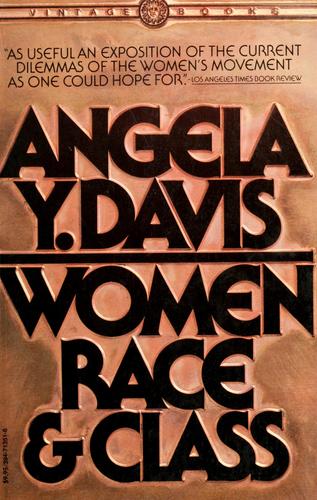
Start this bookNo. 22 on this list. Women, Race & Class · Angela Davis · 1981
A fixture on syllabi in Women's Studies, African American Studies, Sociology, and History courses across US universities since its 1981 publication. Required reading in virtually every Black feminist theory course and central to the canon of intersectional scholarship. Widely included on lists of essential texts in feminist and critical race theory.
Moderate4.7 hours
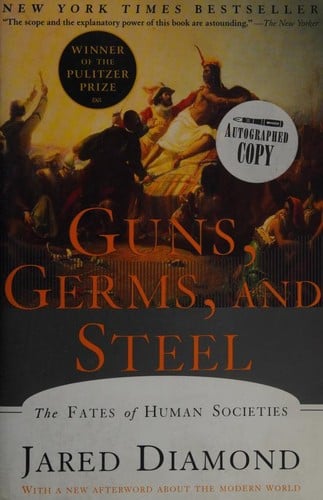
Start this bookNo. 23 on this list. Guns, Germs, and Steel · Jared Diamond · 1997
The verified data signals show no syllabus or Wikipedia entries on file for this title, but Guns, Germs, and Steel has been a fixture of introductory world-history, geography, and anthropology courses since the late 1990s and was adapted into a three-part PBS/National Geographic documentary in 2005. It sits below a literary classic like The Great Gatsby in curricular ubiquity but comfortably ahead of a work with only cult-course status.
Moderate9.2 hours
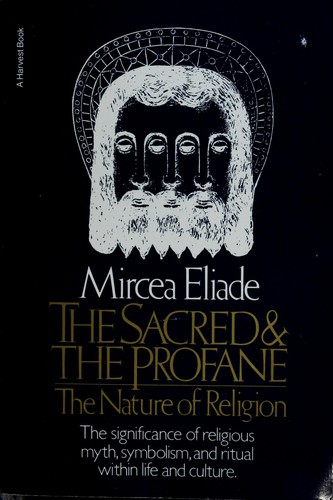
Start this bookNo. 24 on this list. The Sacred and the Profane · Mircea Eliade · 1957
Mircea Eliade begins with a stone. Not every stone is sacred — only one that strikes homo religiosus as a revelation of something that transcends it. The stone is worshipped because it is sacred, not because it is a stone. From this deceptively simple distinction, The Sacred and the Profane constructs a full account of how religious man inhabits a different universe from his secular neighbor — a universe organized around sacred centers, inhabited by cyclical time that returns to origins, suffused with a nature that is never merely natural. Eliade moves through four dimensions of existence — space, time, nature, and human life — showing in each case how the religious experience transforms it structurally. A house is not just shelter but a cosmic axis, its hearth a link between earth, sky, and underworld. The New Year is not a calendar convention but an annihilation of used-up time and a return to the moment of creation. Water does not merely wash — it dissolves and regenerates. The examples accumulate from Babylonian ritual, Vedic cosmology, Australian Aboriginal Dreamtime, Polynesian creation myths, Greek hierogamy, and dozens of other traditions, all organized around the same underlying structures. The book's argument cuts quietly against secular modernity. Desacralized man, Eliade suggests, has not escaped religion — he has merely forgotten it, and pays for the forgetting with an existence unmoored from any cosmic center. Reading Eliade requires patience with theoretical vocabulary (hierophany, axis mundi, imago mundi) but rewards it with a framework that reorganizes how religious experience across all cultures coheres.
Moderate3.2 hours
Start this bookNo. 25 on this list. The Yellow Wall-Paper · Charlotte Perkins Gilman · 1892
It is a fixture of American literature and women's studies courses and widely anthologized. Its place sits just below the great canon, and the Open Library record lists it among open syllabus project works.
Moderate6.2 hours
Start this bookNo. 26 on this list. Undoing Gender · Judith Butler · 2004
Undoing Gender occupies a foundational position in queer theory, trans studies, and feminist philosophy syllabi, widely assigned in gender studies, philosophy, sociology, and cultural studies programs internationally. It consolidated Butler's central role in these fields while extending her arguments into new domains.
Difficult12 hours
Start this bookNo. 27 on this list. Alexander Hamilton · Ron Chernow · 2004
The definitive modern biography of Alexander Hamilton, widely assigned in American history, political science, and constitutional law courses at universities across the United States. It has become the standard reference work on Hamilton's life, and its cultural footprint expanded enormously after inspiring Lin-Manuel Miranda's Broadway musical 'Hamilton' in 2015.
Easy19 hours
Start this bookNo. 28 on this list. The Path To Power · Robert A. Caro · 1982
The volume is widely assigned in political biography and American history courses, and it anchors the Years of Lyndon Johnson series. It is a modern classic of the genre rather than a universal curriculum fixture.
Easy18 hours
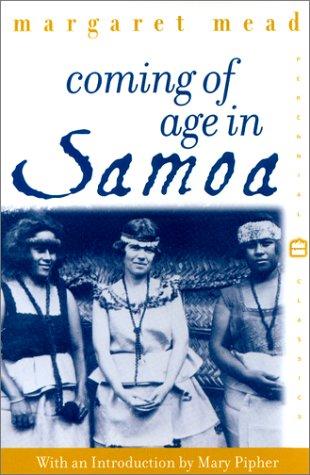
Start this bookNo. 29 on this list. Coming of Age in Samoa: A Psychological Study of Primitive Youth for Western Civilisation · Margaret Mead · 2001
Widely assigned in anthropology and gender-studies courses, and a standard case in debates over method. Its place is secured as much by the Freeman controversy as by the text.
Easy4.5 hours
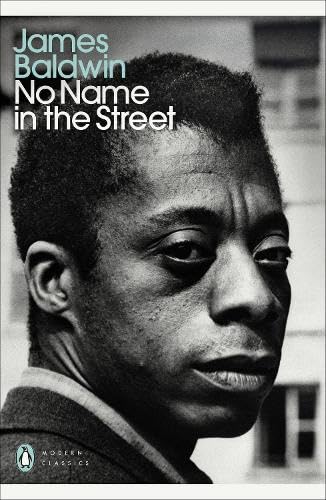
Start this bookNo. 30 on this list. No Name in the Street · James Baldwin · 1972
James Baldwin begins in memory: a suit, bought in Hollywood in the early 1960s, that he kept for years after it came back to him stained with blood. From that image, he unfolds a decade of American wreckage — the assassinations of Medgar Evers, Malcolm X, and Martin Luther King Jr., the imprisonment of his friend Tony Maynard, the slow collapse of the civil rights movement into something harder and more desperate. Published in 1972, No Name in the Street moves between Baldwin's time in the American South, Paris, Hollywood, and Harlem, building not a conventional memoir but a reckoning. He names what he witnessed: the cowardice of liberals, the terror wielded by the state, the particular loneliness of a Black American who has lived abroad and returned to find his country unchanged and yet transformed. The prose is Baldwin at his most demanding — long, coiling sentences that circle a point before arriving at it with sudden precision. This is not a book that consoles. Baldwin is interested in what actually happened and what it cost, and he refuses to let America's self-image soften the record. Readers who want argument rather than story, and who can follow a mind thinking across politics, memory, and moral philosophy simultaneously, will find it essential.
Moderate3.4 hours
Start this book
No. 31 on this list. The Warmth of Other Suns
Isabel Wilkerson · 2010
No. 32 on this list. Seeing Like a State
James C. Scott · 1998
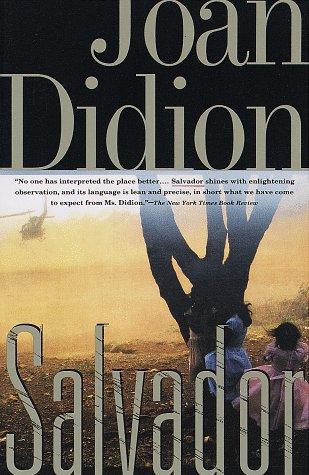
No. 33 on this list. Salvador
Joan Didion · 1983
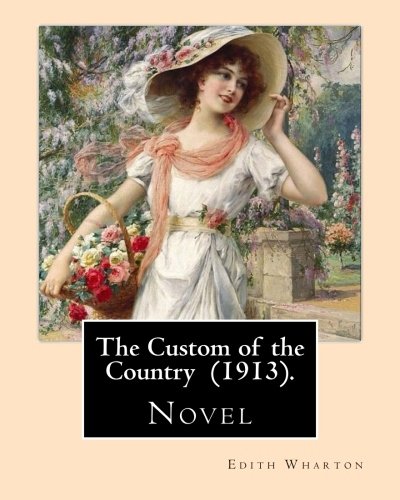
No. 34 on this list. The Custom of the Country
Edith Wharton · 1913
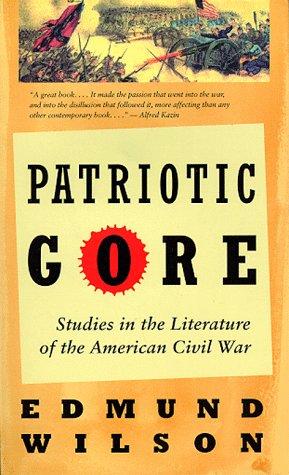
No. 35 on this list. Patriotic Gore: Studies in the Literature of the American Civil War
Edmund Wilson · 1962
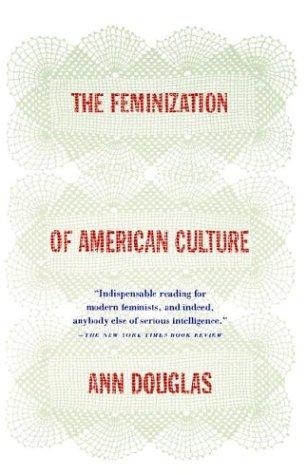
No. 36 on this list. The Feminization of American Culture
Ann Douglas · 1977
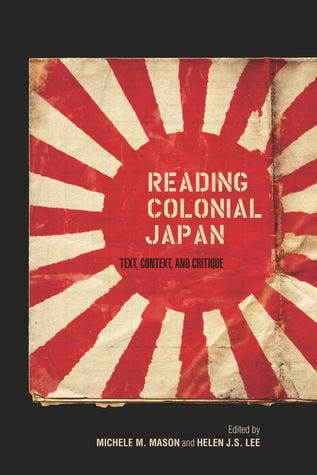
No. 37 on this list. Reading Colonial Japan: Text, Context, and Critique
Michele M. Mason · 2012
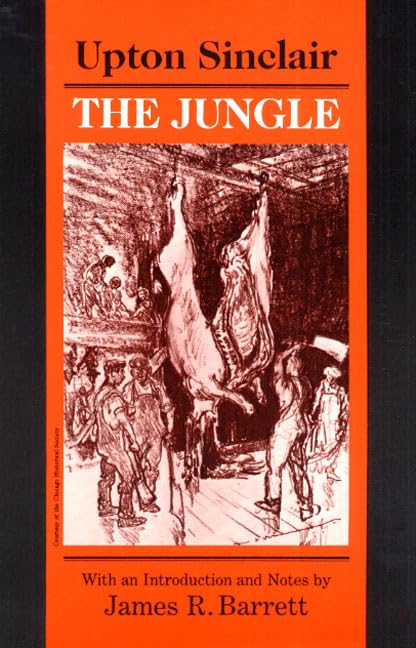
No. 38 on this list. The Jungle
Upton Sinclair · 1906
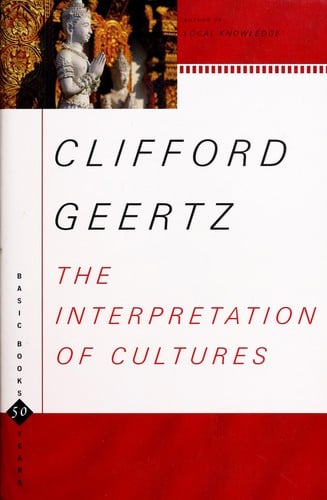
No. 39 on this list. The Interpretation of Cultures
Clifford Geertz · 1973
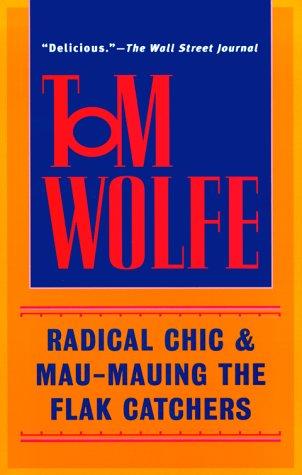
No. 40 on this list. Radical Chic & Mau-Mauing the Flak Catchers
Tom Wolfe · 1970
No. 41 on this list. Hell's Angels
Hunter S. Thompson · 1967
No. 42 on this list. And the Band Played On: Politics, People, and the AIDS Epidemic
Randy Shilts · 1987
No. 43 on this list. Female Masculinity
Jack Halberstam · 1998
No. 44 on this list. The Way We Never Were: American Families and the Nostalgia Trap
Stephanie Coontz · 1992
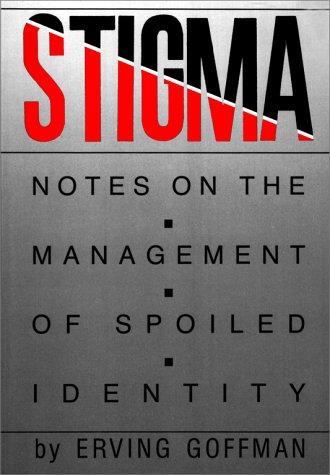
No. 45 on this list. Stigma
Erving Goffman · 1963
No. 46 on this list. Truman
David McCullough · 1993
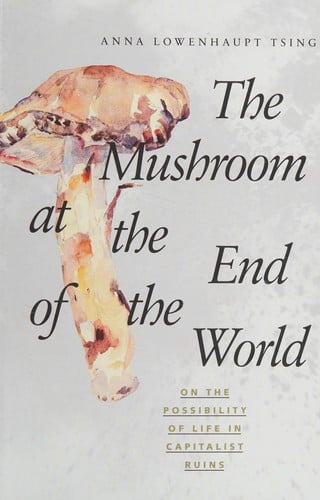
No. 47 on this list. The Mushroom at the End of the World: On the Possibility of Life in Capitalist Ruins
Anna Lowenhaupt Tsing · 2015
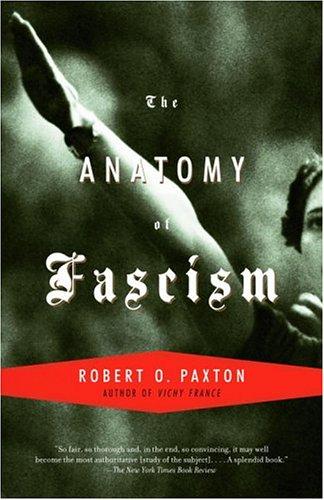
No. 48 on this list. The Anatomy of Fascism
Robert O. Paxton · 2004
No. 49 on this list. Saints, Scholars, and Schizophrenics: Mental Illness in Rural Ireland, Twentieth Anniversary Edition, Updated and Expanded
Nancy Scheper-Hughes · 1979
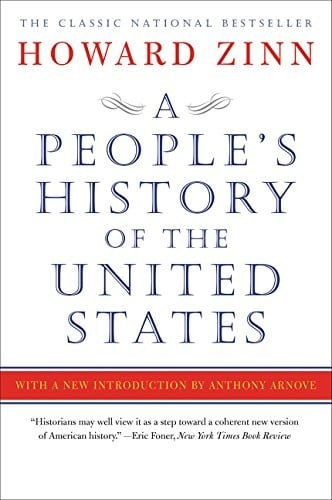
No. 50 on this list. A People's History of the United States
Howard Zinn · 1980

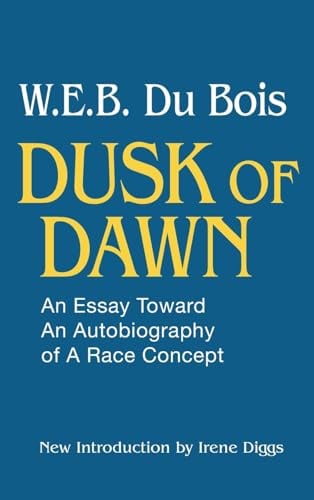
No. 51 on this list. Dusk of Dawn
W. E. B. Du Bois · 1940
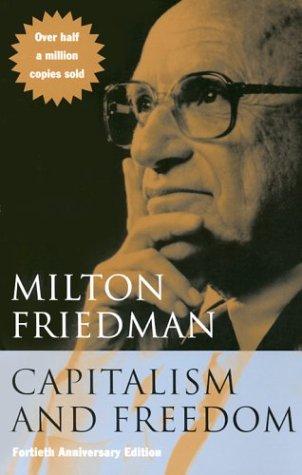
No. 52 on this list. Capitalism and Freedom
Milton Friedman · 1962
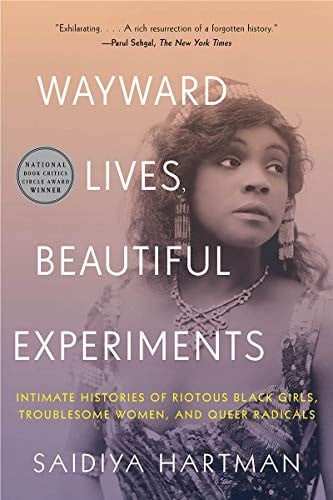
No. 53 on this list. Wayward Lives, Beautiful Experiments: Intimate Histories of Riotous Black Girls, Troublesome Women, and Queer Radicals
Saidiya Hartman · 2020
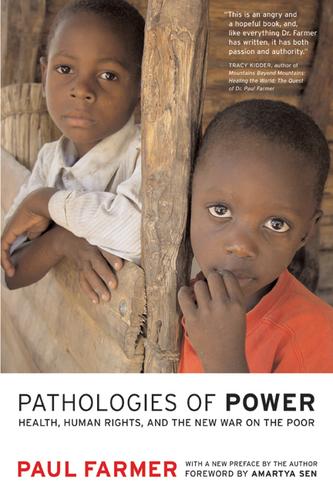
No. 54 on this list. Pathologies of Power: Health, Human Rights, and the New War on the Poor
Paul Farmer · 2005
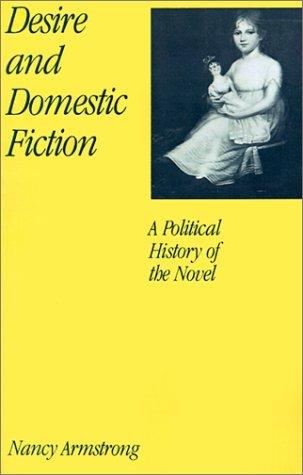
No. 55 on this list. Desire and Domestic Fiction
Nancy Armstrong · 1989
No. 56 on this list. Sorting Things Out: Classification and Its Consequences
Susan Leigh Star · 1999
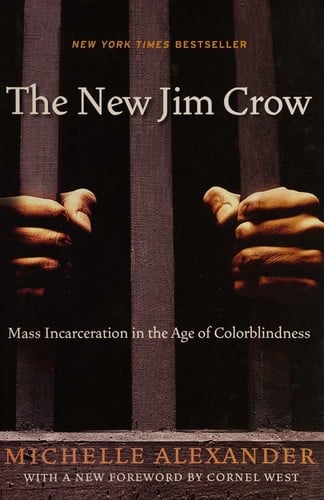
No. 57 on this list. The New Jim Crow
Michelle Alexander · 2010
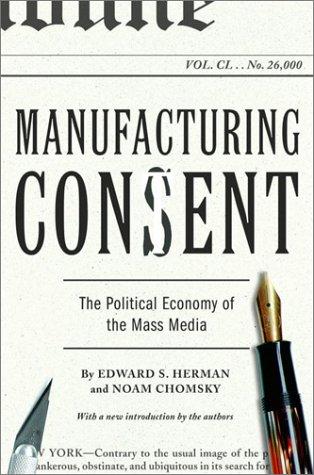
No. 58 on this list. Manufacturing Consent
Noam Chomsky · 1988
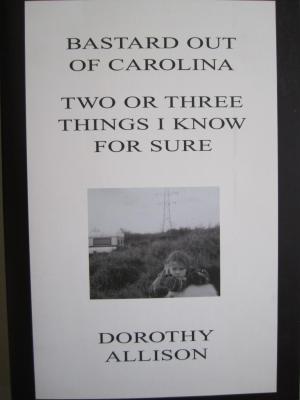
No. 59 on this list. Bastard Out of Carolina
Dorothy Allison · 1992
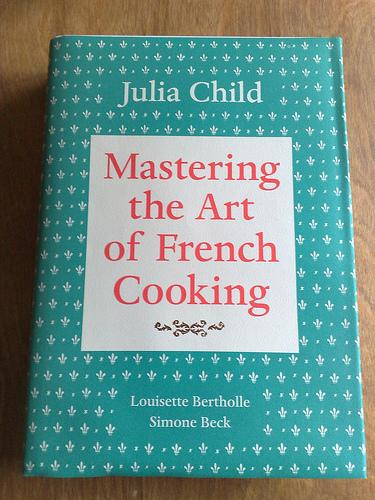
No. 60 on this list. Mastering the Art of French Cooking
Julia Child · 1961

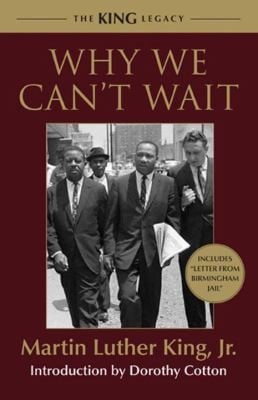
No. 61 on this list. Why We Can't Wait
Martin Luther King Jr. · 1964
No. 62 on this list. The Program Era
Mark McGurl · 2009
No. 63 on this list. The Rediscovery of America: Native Peoples and the Unmaking of US History
Ned Blackhawk · 2023
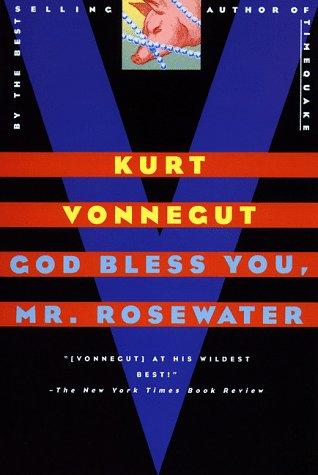
No. 64 on this list. God Bless You, Mr. Rosewater
Kurt Vonnegut · 1965
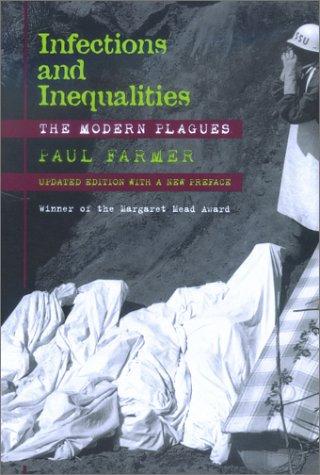
No. 65 on this list. Infections and Inequalities: The Modern Plagues
Paul Farmer · 2001
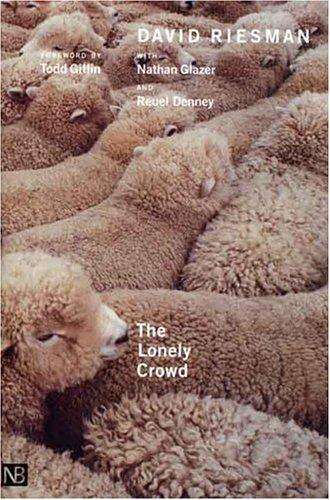
No. 66 on this list. The Lonely Crowd
David Riesman · 1950
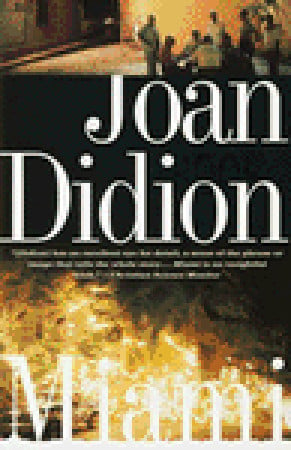
No. 67 on this list. Miami
Joan Didion · 1987
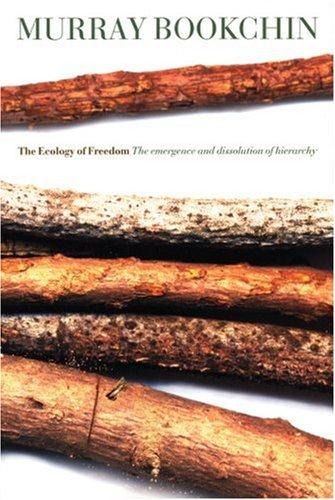
No. 68 on this list. The Ecology of Freedom: The Emergence and Dissolution of Hierarchy
Murray Bookchin · 1982
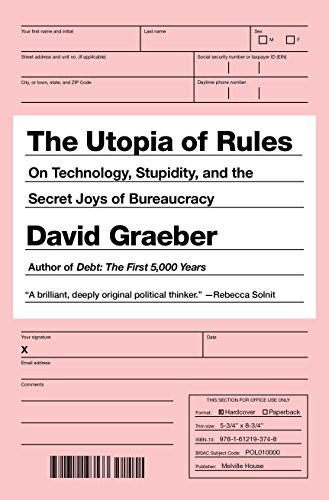
No. 69 on this list. The Utopia of Rules: On Technology, Stupidity, and the Secret Joys of Bureaucracy
David Graeber · 2015
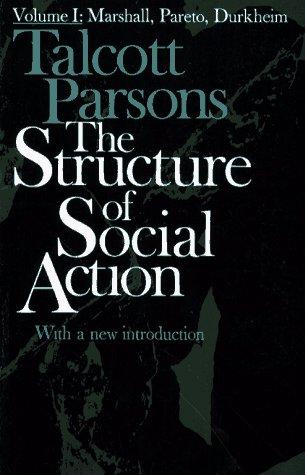
No. 70 on this list. The Structure of Social Action
Talcott Parsons · 1937

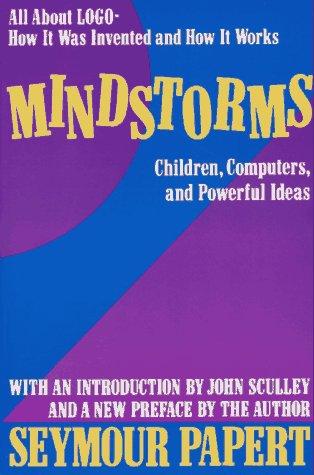
No. 71 on this list. Mindstorms
Seymour Papert · 1980
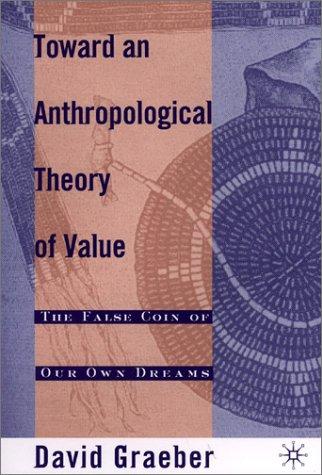
No. 72 on this list. Toward an Anthropological Theory of Value: The False Coin of Our Own Dreams
David Graeber · 2001
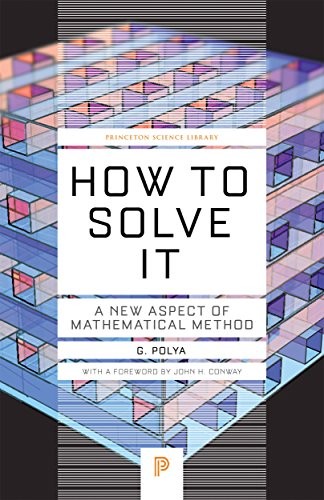
No. 73 on this list. How to Solve It
George Pólya · 1945
No. 74 on this list. America's Coming-of-Age
Van Wyck Brooks · 1915
No. 75 on this list. Sexual Politics
Kate Millett · 1970
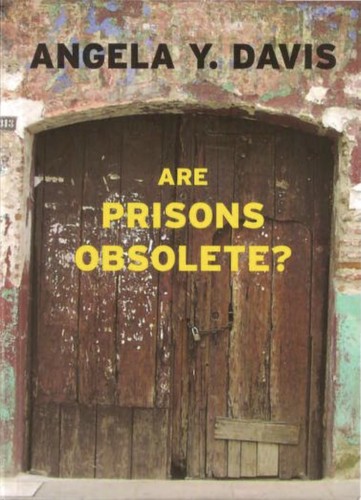
No. 76 on this list. Are Prisons Obsolete?
Angela Y. Davis · 2003
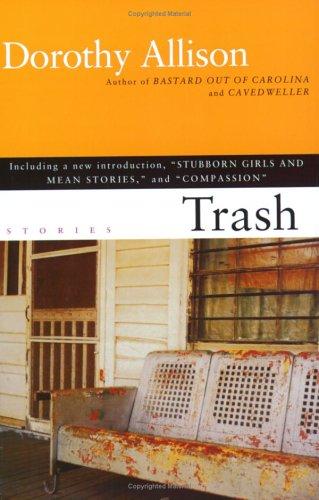
No. 77 on this list. Trash
Dorothy Allison · 2002
No. 78 on this list. Let the Record Show: A Political History of ACT UP New York, 1987-1993
Sarah Schulman · 2021
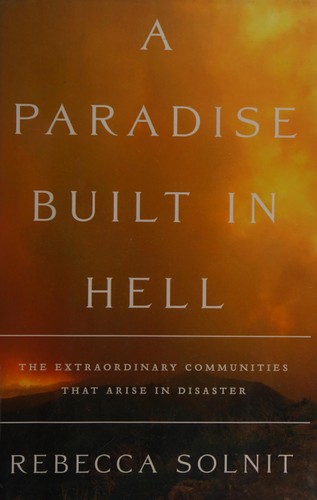
No. 79 on this list. A Paradise Built in Hell: The Extraordinary Communities That Arise in Disaster
Rebecca Solnit · 2009
No. 80 on this list. Teaching to Transgress
bell hooks · 1994
No. 81 on this list. Just Us
Claudia Rankine · 2020
No. 82 on this list. Gabriel García Márquez: A Life
Gerald Martin · 2008
No. 83 on this list. Bullshit Jobs
David Graeber · 2018
No. 84 on this list. Why Nations Fail
Daron Acemoglu · 2012
No. 85 on this list. Before the Movement: The Hidden History of Black Civil Rights
Dylan C. Penningroth · 2023
No. 86 on this list. Gideon's Trumpet
Anthony Lewis · 1964
No. 87 on this list. Thy Neighbor's Wife
Gay Talese · 1981
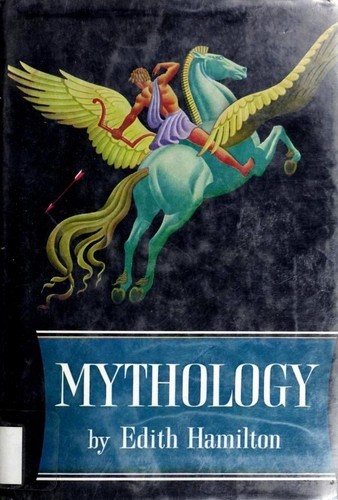
No. 88 on this list. Mythology
Edith Hamilton · 1942
No. 89 on this list. Dangerous Women, Deadly Words: Pansori Narratives in Korea
Marshall R. Pihl · 1994
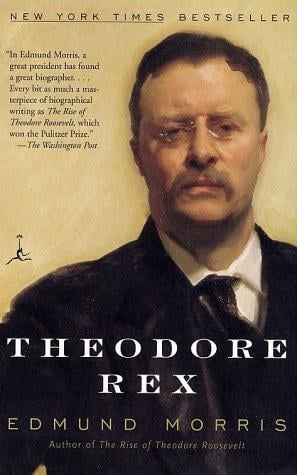
No. 90 on this list. Theodore Rex
Edmund Morris · 2001
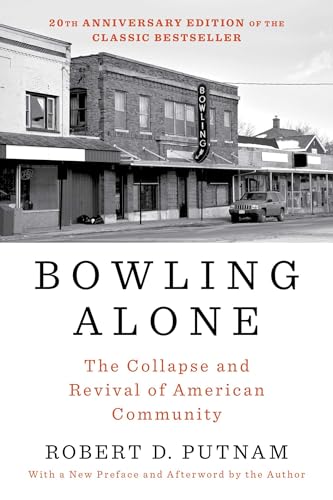
No. 91 on this list. Bowling Alone
Robert D. Putnam · 2000
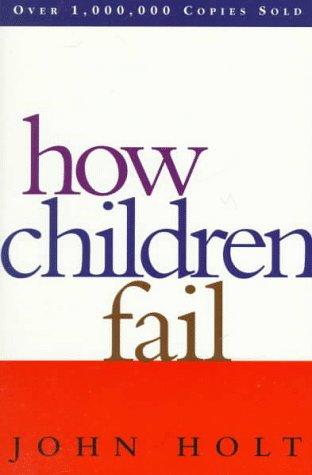
No. 92 on this list. How Children Fail
John Holt · 1964
No. 93 on this list. The Chrysanthemum and the Sword
Ruth Benedict · 1946
No. 94 on this list. Soldiers and Kings: Survival and Hope in the World of Human Smuggling
Jason De León · 2024
No. 95 on this list. Evicted
Matthew Desmond · 2016
No. 96 on this list. The Righteous Mind
Jonathan Haidt · 2012
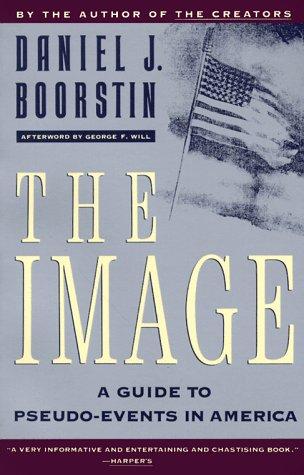
No. 97 on this list. The Image
Daniel J. Boorstin · 1962
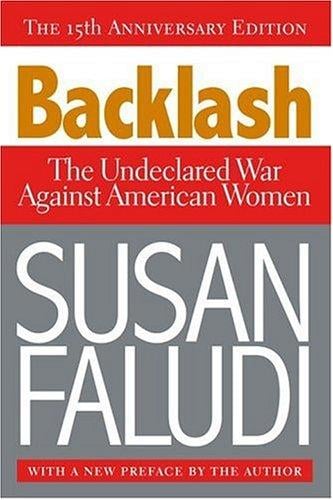
No. 98 on this list. Backlash
Susan Faludi · 1991
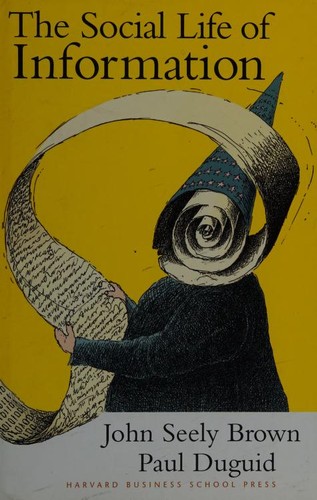
No. 99 on this list. The Social Life of Information
John Seely Brown · 2000
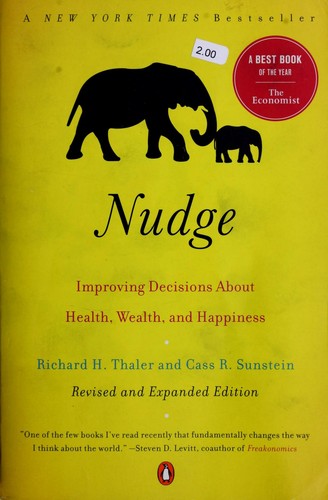
No. 100 on this list. Nudge
Richard H. Thaler · 2008
About this list
These 100 books are the highest-scoring eligible books on politics and society from the United States currently in the catalogue. By literary regard, it opens with The Federalist Papers, Gender Trouble: Feminism and the Subversion of Identity and Song of Solomon. About 802 hours of reading in all. Difficulty runs from 34 to 55 out of 100 for the middle half of the list; the summit is Gender Trouble: Feminism and the Subversion of Identity at 78.
This list is ranked by literary regard, with a consistent order for equal scores. Membership follows authors and co-authors, not translators or editors. Catalogue coverage and the historical canon both limit what this list can represent, and genre labels are the catalogue’s own, gathered into broader kinds.
When we matched the Canons dataset to our catalogue in October 2026, our canonical-status scores rose with the number of school curricula, publisher series and lists in it that cite a work: the median score was 72 for books one such source cites, 84 at two, 88 at three, 92 at four and 93 at five or more. Prizes are left out of that count. Outside the state curricula, the dataset’s sources choose mostly from what has been translated into English or French, so it is a weaker check on other literatures. Source: Canons (Andrew Piper), CC BY 4.0
Questions people actually ask
- What are the best books on politics and society from the United States?
- By literary regard, which weighs canonical status, critical standing and influence, The Federalist Papers, Gender Trouble: Feminism and the Subversion of Identity, Song of Solomon, The Autobiography of Malcolm X and This Bridge Called My Back lead. ReadingRate ranks 100 such books, each with a difficulty score and a reading-time estimate.
- Where should I start with books on politics and society from the United States?
- Start from difficulty, not from rank. The most approachable books on this list that still carry top literary regard are Ain't I a Woman by bell hooks (about 3.7 hours), The Autobiography of Malcolm X by Malcolm X and Black Boy by Richard Wright.
- How hard are books on politics and society from the United States to read?
- Most of this list sits between 34 and 55 on ReadingRate's 100-point difficulty scale, where 40 to 55 is moderate. The summit is Gender Trouble: Feminism and the Subversion of Identity at 78. Every entry carries its own score, so a reader can pick a great book at a difficulty they will finish.
- How is this list ranked?
- On literary-regard data: how canonically established a work is, its critical standing, and its influence on later writing. It is not a readers’ poll, which is why recent bestsellers rarely appear. Membership follows authors and co-authors, not translators or editors. A list that is not a genre list keeps to literature (fiction, poetry, drama and philosophy), with philosophy taking no more than one slot in five while there is literature left to rank; every list holds at most three works by one author.