Hours at an average pace
Showing 100 books
About 855 hours for 100 of 100 books with measured lengths. Estimates use 250 words a minute, adjusted for each book's difficulty. At 2 hours a day, about 428 days for those books.
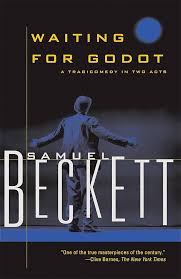
No. 1 on this list. Waiting for Godot
Samuel Beckett · 1953
Difficult2.4 hours
Included in: Great Books of the Western World
Waiting for Godot appears on virtually every comparative literature, modern drama, and theater studies syllabus worldwide, and is listed in Open Syllabus's Top 500 Literature titles. The Wikipedia article exists in 68 languages, and the play has been continuously performed since its 1953 Paris premiere. Le Monde named it among the 100 Books of the Century. It is as canonical as any play written after Shakespeare.
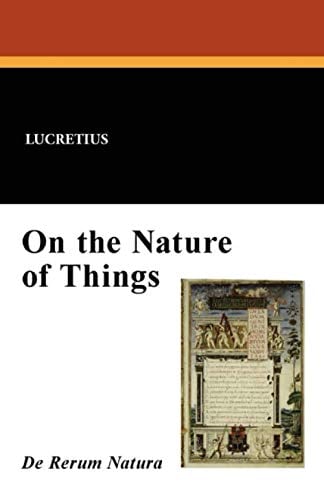
No. 2 on this list. On the Nature of Things
Lucretius · c. 55 BCE
Moderate5.5 hours
Included in: Great Books of the Western World
De Rerum Natura is one of the most significant surviving texts from antiquity, taught in classics, philosophy, and history of science programs at universities worldwide. It represents the fullest extant exposition of Epicurean atomism in any language and appears on virtually every list of essential classical works. Its rediscovery by Poggio Bracciolini in 1417 is credited with catalyzing Renaissance intellectual culture.
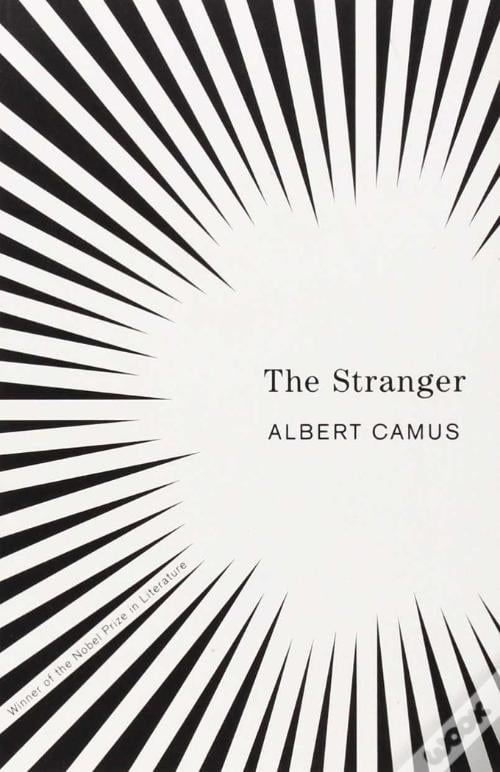
No. 3 on this list. The Stranger
Albert Camus · 1942
Challenging3 hours
Included in: Bokklubben World Library
The Stranger appears on Le Monde's 100 Books of the Century, the Open Syllabus Top 500 Literature list, and 1001 Books You Must Read Before You Die. Published in prestige editions by both NYRB Classics and Penguin Modern Classics, it is one of the most assigned existentialist texts in university world literature courses across Europe, North America, and beyond.
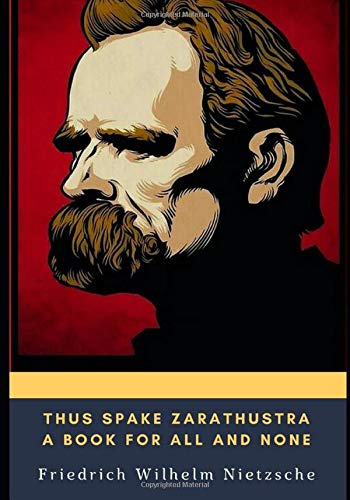
No. 4 on this list. Thus Spake Zarathustra A book for all and none
Difficult13 hours
A standard text in philosophy and German-literature courses, and one of the most widely read works of modern philosophy worldwide. Often the entry point to Nietzsche. It ranks with Notes from Underground in curricula, though less often assigned in full than Crime and Punishment.
Frost appears on virtually every American high school and university English curriculum. 'The Road Not Taken,' 'Mending Wall,' and 'Stopping by Woods on a Snowy Evening' are among the most-taught poems in the English language, and the Collected Poems is the standard edition used in academic settings. His work is a fixture of the canon in a way shared by almost no other 20th-century American poet.
No. 6 on this list. The Trial
Franz Kafka · 1925
Difficult9.2 hours
Taught in schools: Lektury obowiązkowe – Polish national reading list (Poland)
Included in: Bokklubben World Library
Appears on Le Monde's 100 Books of the Century, the Open Syllabus Top 500 Literature list, and 1001 Books You Must Read Before You Die, with Wikipedia articles in 59 languages. Taught globally in comparative literature, philosophy, and political theory courses. The word 'Kafkaesque' entering the dictionary signals how completely the novel has entered Western cultural bedrock.
No. 7 on this list. Troilus and Criseyde
Geoffrey Chaucer · 1385
Difficult9.3 hours
Included in: Great Books of the Western World
Required reading in virtually every medieval English literature curriculum, taught across English, Comparative Literature, and Medieval Studies programs at universities worldwide. Though Open Syllabus data is unavailable here, Chaucer courses built around this text are standard at every major university with an English department. It holds a place among the most-studied long poems in the English language.
Happy Days anchors modernist and postmodern drama syllabi internationally alongside Waiting for Godot and Endgame. It is taught in theatre, English literature, and philosophy programs across Europe and North America. Wikipedia covers it in over 40 languages. It is among the most-assigned Beckett plays and appears on virtually every postwar drama reading list.
No. 9 on this list. Three Sisters
Anton Chekhov · 1901
Challenging2.4 hours
Taught in schools: Hungarian literature curriculum (magyar nyelv és irodalom) (Hungary), Russian FGOS literature standard
Taught in every course on modern drama and staged continuously by major companies since its 1901 Moscow Art Theatre premiere. The sisters' longing for Moscow is one of the best-known situations in world theatre.
No. 10 on this list. A House for Mr. Biswas
V.S. Naipaul · 1961
Moderate13 hours
Taught in schools: CSEC English B – Caribbean Examinations Council
Naipaul tracked one man's forty-year struggle to own a house of his own in colonial Trinidad, and by treating that modest ambition with the gravity of epic, wrote the definitive novel about the immigrant's war between dignity and dispossession. Mr. Biswas's defeats are so granular and so cumulative that the house, when it finally comes, means more than any literary symbol has a right to.
No. 11 on this list. The Plague · Albert Camus · 1947
Taught in schools: Lektury obowiązkowe – Polish national reading list (Poland)
Included in: UNESCO Collection of Representative Works
The Plague is taught across Europe, the Americas, and Asia in existentialism, 20th-century literature, and French literature courses. Its Wikipedia article exists in 124 languages — comparable to the reach of Kafka's The Trial and well above most postwar novels. Listed in 1001 Books You Must Read Before You Die and enshrined as a Penguin Modern Classic.
Moderate6.7 hours
Start this bookNo. 12 on this list. The Castle · Franz Kafka · 1926
Included in: Bokklubben World Library
Data signals show only 3 Wikipedia language editions and no recorded syllabus appearances, but these undercount The Castle's actual standing. The novel appears on virtually every major 20th-century fiction list — Modern Library 100, Le Monde's 100 Books of the Century, Harold Bloom's Western Canon — and is taught in comparative literature, philosophy, and legal theory courses worldwide.
Difficult14 hours
Read nowNo. 13 on this list. No Exit · Jean-Paul Sartre · 1944
Appears on 470 university syllabi (66.8th percentile by Open Syllabus Project), taught across philosophy, French literature, and drama departments worldwide. Wikipedia coverage spans 22 languages with both a reception section and an adaptations section, indicating sustained global engagement. Below Beloved's threshold (~1,000 syllabi) but well above cult status.
Moderate6 hours
Start this bookNo. 14 on this list. Slaughterhouse-Five · Kurt Vonnegut · 1999
One of the most widely taught American novels of the twentieth century, in high school and university courses on war literature and postmodern fiction. Its 1969 text is the standard for anti-war reading lists.
Moderate3.5 hours
Start this bookNo. 15 on this list. Samson Agonistes · John Milton · 1671
Included in: Great Books of the Western World
Samson Agonistes is required reading in virtually every English Renaissance and early modern literature course at the university level, paired with Paradise Lost and Paradise Regained as the triad of Milton's major late works. It appears on countless syllabi and is included in every major anthology of English literature. While less universally taught than Paradise Lost, it holds a firm place in the upper tier of the seventeenth-century canon.
Challenging1.1 hours
Start this bookNo. 16 on this list. Nausea · Jean-Paul Sartre · 1938
Nausea is universally taught in existentialism courses, philosophy of literature seminars, and twentieth-century European fiction surveys. It introduced French existentialism to literature and remains essential reading for understanding modernism's relationship to philosophy. It appears on virtually every list of the century's most important novels.
Challenging6.7 hours
Start this bookNo. 17 on this list. Notes from Underground · Fyodor Dostoevsky · 1864
Taught in schools: Russian FGOS literature standard
A nameless narrator speaks from his "underground"—a state of consciousness defined by spite, self-contradiction, and rejection of rational self-interest. In the first part, he attacks the progressive utopianism of his age, arguing that humans will always choose suffering and irrationality over happiness if it preserves their freedom. In the second, he recalls humiliating episodes from his youth that demonstrate his theories in action. The Underground Man is vain, cruel, paralyzed by self-awareness, yet somehow sympathetic in his honesty about what he calls the "dark cellar" of human consciousness. Written before Dostoevsky's great novels, this novella established the themes and voice he would develop: the critique of rationalism, the psychology of perversity, the search for authentic existence in a world of ideologies.
Challenging3.2 hours
Read nowNo. 18 on this list. Malone Dies · Samuel Beckett · 1951
Included in: Bokklubben World Library
A dying man named Malone lies in bed in a bare room, passing his final days by writing stories in an exercise-book. He announces a plan: to tell himself stories (about a man, a woman, an animal, a thing) and then compile an inventory of his possessions before death arrives. But the stories refuse to cohere. The boy Sapo, plump and plodding, drifts through tedious family scenes and visits to the Lambert farm, where Big Lambert buries his beloved mule and Mrs. Lambert despairs over lentils. Sapo inexplicably becomes Macmann, a vagrant later confined to the asylum of Saint John of God, where he conducts a grotesque romance with his nurse Moll. Between these fragmentary fictions, Malone interrupts constantly to comment on his own dissolution, his soup and chamber-pot, the mysterious hand that feeds him, the exercise-book he salvaged, the pencil with five faces. The stories and the frame narrative bleed together as Malone suspects he's describing himself again, that all his characters are masks for the voice that continues speaking even as narrative collapses. The promised inventory never arrives. Instead, the novel enacts a slow-motion death of story-telling itself, performed with extraordinary comic precision and metaphysical vertigo. Malone circles his own ending in spirals of increasing tightness, neither quite dying nor quite alive, waiting in the dark.
Challenging5.7 hours
Start this bookNo. 19 on this list. The Unconsoled · Kazuo Ishiguro · 1995
A central text in Ishiguro's oeuvre and in post-1990 British literary fiction, widely taught at graduate level and consistently included in critical assessments of late-twentieth-century psychological realism. Its reputation was initially polarised but has grown substantially since Ishiguro's Nobel Prize.
Difficult29 hours
Start this bookNo. 20 on this list. The Iceman Cometh · Eugene O'Neill · 1946
The Iceman Cometh appears in the Open Syllabus Top 500 Literature list and holds Library of America and NYRB Classics editions — markers of canonical permanence in American letters. It is taught in virtually every American drama survey and appears on most 'great American plays' lists alongside Long Day's Journey into Night. Wikipedia carries the play in only 5 languages, reflecting the global reach of drama (versus fiction) rather than lesser standing; within American literary culture, The Iceman Cometh is firmly canonical.
Challenging5.5 hours
Start this book
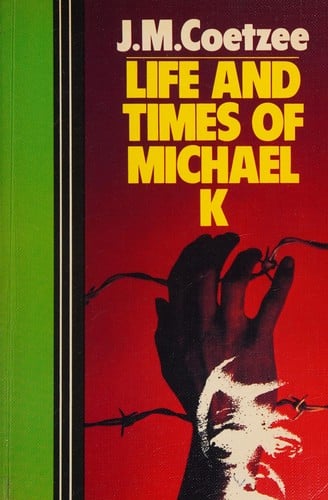
No. 21 on this list. Life & Times of Michael K · J.M. Coetzee · 1983
Taught in schools: UNAM Escuela Nacional Preparatoria – programas de Literatura (Mexico)
Life and Times of Michael K won the Booker Prize in 1983 and stands as a foundational text in postcolonial literature. Its examination of apartheid South Africa, individual resistance, and the ethics of fiction has secured its place in literary canons alongside Coetzee's other major works. Frequently taught in universities and cited in critical literature.
Challenging5.2 hours
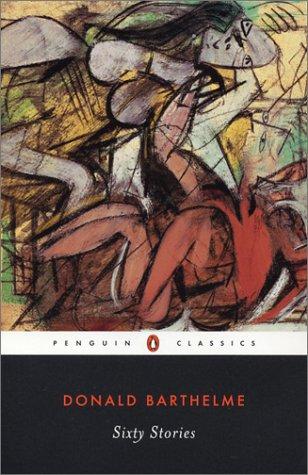
Start this bookNo. 22 on this list. Sixty Stories · Donald Barthelme · 1981
The essential Barthelme collection and one of the most important story collections in American literature. A standard text in creative writing and contemporary literature courses.
Challenging12 hours
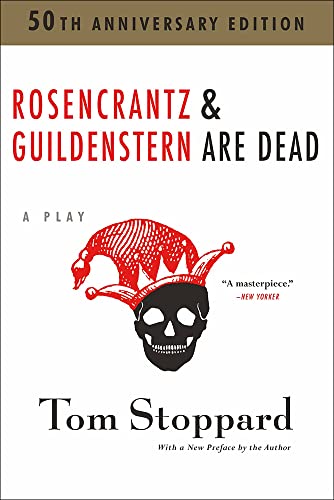
Start this bookNo. 23 on this list. Rosencrantz and Guildenstern Are Dead · Tom Stoppard · 1966
Rosencrantz and Guildenstern Are Dead is a fixture of university theater and English literature curricula, appearing consistently on drama syllabi across English-speaking universities. It is widely taught alongside Waiting for Godot as a key postmodern, absurdist text. Its Wikipedia article exists in dozens of languages and includes dedicated reception and adaptations sections, and a 1990 film adaptation by Stoppard himself extended its cultural reach.
Difficult3 hours
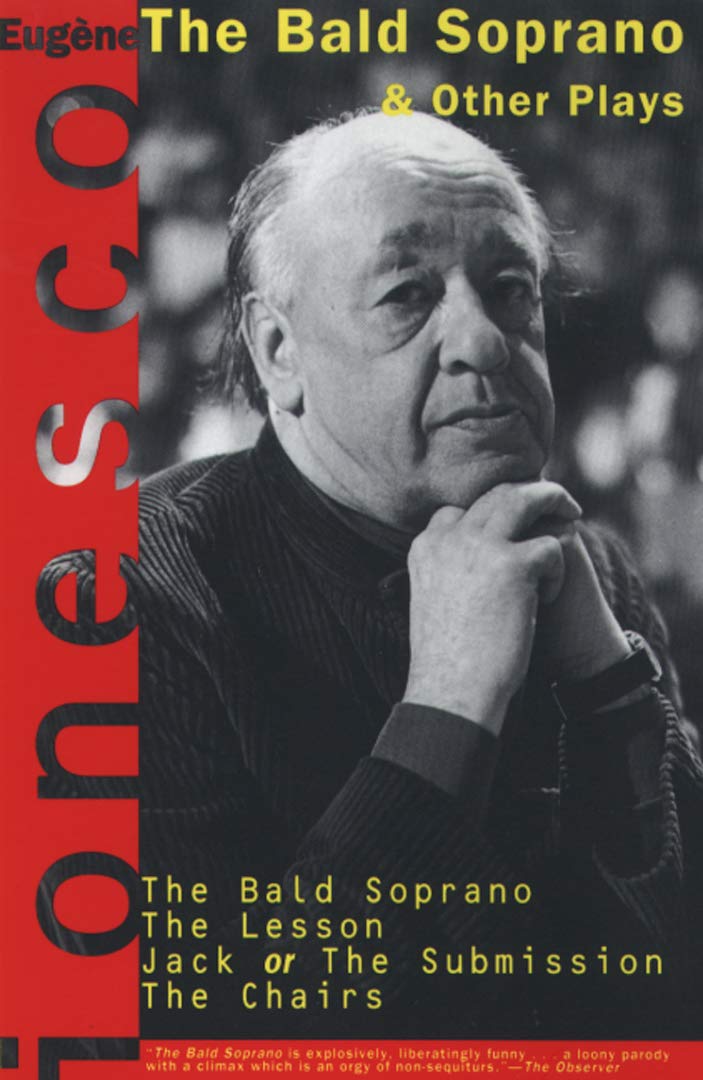
Start this bookNo. 24 on this list. The Bald Soprano · Eugène Ionesco · 1950
The Bald Soprano appears in Le Monde's 100 Books of the Century (1999) and the Open Syllabus Top 500 Literature list, with a Wikipedia presence in 27 languages. It is standard coursework in theater history, comparative literature, and 20th-century drama programs globally — a fixed point on any survey of modern theater. Less universally assigned than Shakespeare or Beckett's Waiting for Godot, but firmly in the canon of world drama with no serious dispute about its place there.
Moderate3.8 hours
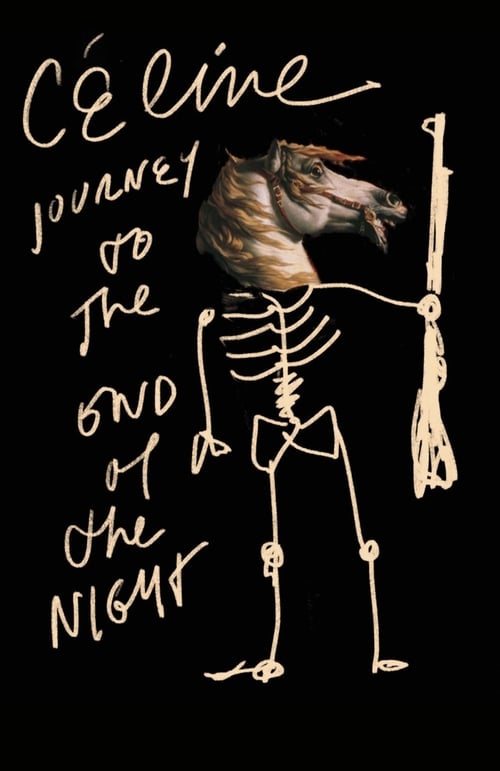
Start this bookNo. 25 on this list. Journey to the End of the Night · Louis-Ferdinand Céline · 1932
Included in: Bokklubben World Library
Named to Le Monde's 100 Books of the Century and listed in the Open Syllabus Top 500 for Literature, the novel holds an established place in French and comparative literature curricula. Its Wikipedia article spans 37 languages with a dedicated Reception section, reflecting sustained international recognition. It is taught in world literature and modernist fiction courses but falls short of the blanket curriculum presence of Kafka, Camus, or Proust.
Challenging19 hours
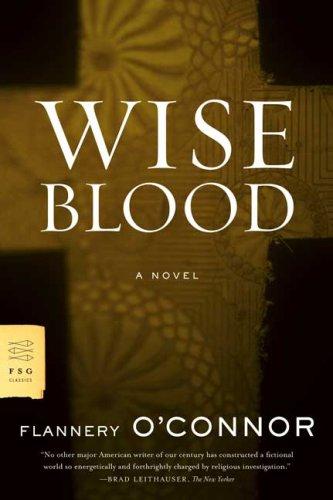
Start this bookNo. 26 on this list. Wise Blood · Flannery O'Connor · 1952
A landmark of Southern Gothic fiction and American literature, widely taught and critically analyzed. One of the defining novels of postwar American fiction.
Moderate3.5 hours
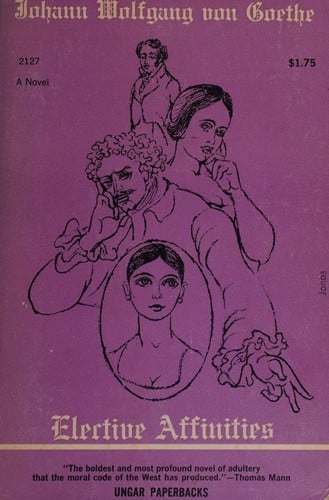
Start this bookNo. 27 on this list. Elective Affinities · Johann Wolfgang von Goethe · 1809
A fixture in German literature curricula worldwide and central to comparative literature courses treating the European novel of ideas. Available in Penguin Classics, Oxford World's Classics, and numerous scholarly editions. Considered alongside Faust and The Sorrows of Young Werther as Goethe's essential prose fiction, though less taught at secondary level than those more accessible works.
Challenging9.2 hours
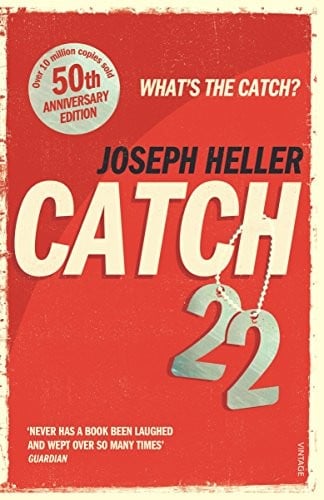
Start this bookNo. 28 on this list. Catch-22 · Joseph Heller · 1961
Yossarian wants to be grounded from combat missions, but anyone who asks to be grounded is sane enough to fly—that's the catch. Heller's circular logic gave the English language a new word and gave war fiction its most sustained assault on bureaucratic absurdity since Jaroslav Hašek's Good Soldier Švejk.
Challenging15 hours
Start this bookNo. 29 on this list. Exile and the Kingdom · Albert Camus · 1957
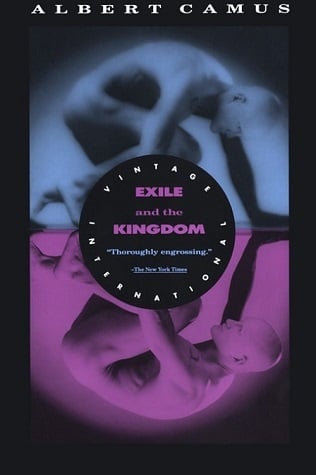
While less central to Camus's legacy than 'The Stranger' or 'The Plague,' the collection maintains secure canonical status as his final fiction published during his lifetime. It appears regularly in world literature curricula and critical studies of existentialism, though its story format and thematic subtlety place it slightly below his more famous novels.
Challenging3.8 hours
Start this bookNo. 30 on this list. The Age of Reason · Jean-Paul Sartre · 1945
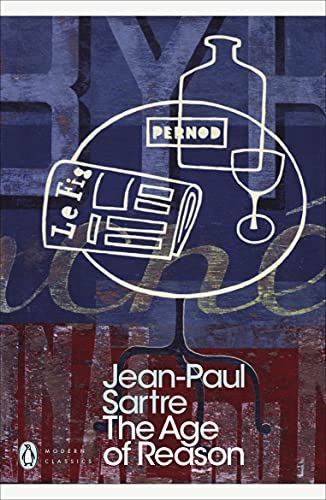
Standard reading in French literature, European modernism, and existentialist philosophy courses worldwide. The Wikipedia article exists in 26 languages with a substantial dedicated Reception section, reflecting sustained international critical attention since the novel's 1945 publication. While not as universally required as Sartre's own Nausea or No Exit, The Age of Reason remains a fixed point of reference in 20th-century fiction curricula.
Challenging12 hours
Start this book
No. 31 on this list. Death and the King's Horseman
Wole Soyinka · 1975
Taught in schools: Common Core text exemplars (Appendix B) (US)
No. 32 on this list. Thus Spoke Zarathustra
Friedrich Nietzsche · 1885
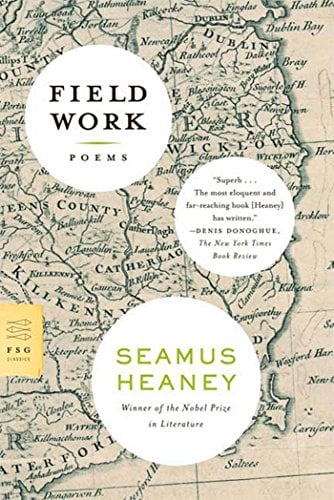
No. 33 on this list. Field Work
Seamus Heaney · 1979
Taught in schools: WJEC/Eduqas GCSE and A-level English Literature (UK)
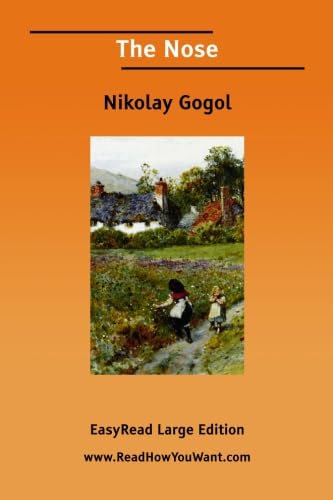
No. 34 on this list. The Nose
Nikolai Gogol · 1836
Taught in schools: Hungarian literature curriculum (magyar nyelv és irodalom) (Hungary)
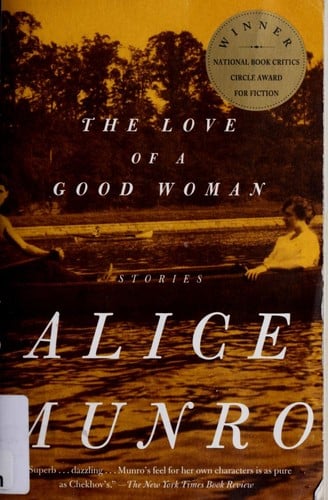
No. 35 on this list. The Love of a Good Woman
Alice Munro · 1998
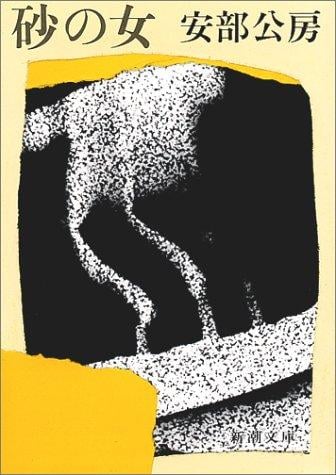
No. 36 on this list. The Woman in the Dunes
Kobo Abe · 1962
Included in: UNESCO Collection of Representative Works
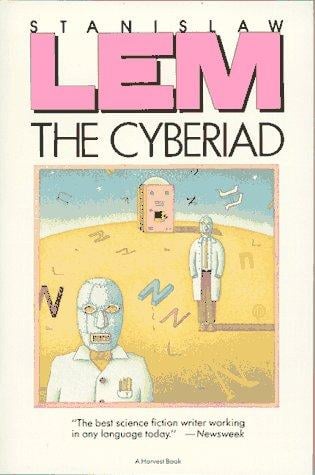
No. 37 on this list. The Cyberiad
Stanisław Lem · 1965
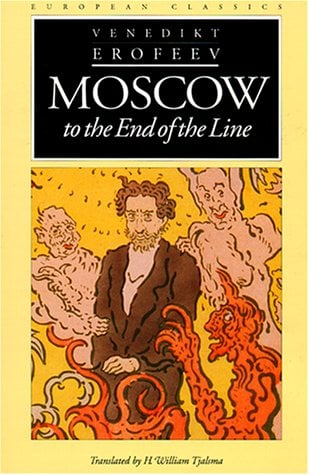
No. 38 on this list. Moscow to the End of the Line
Venedikt Erofeev · 1973
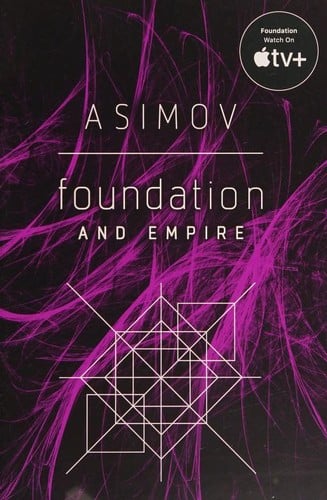
No. 39 on this list. Foundation and Empire
Isaac Asimov · 1952
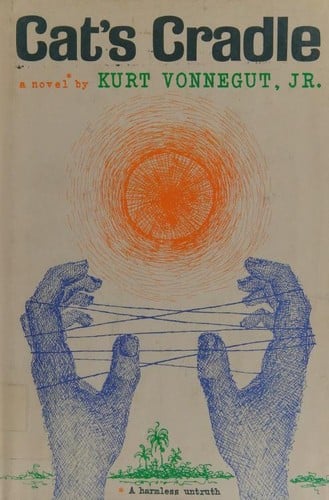
No. 40 on this list. Cat's Cradle
Kurt Vonnegut · 1963
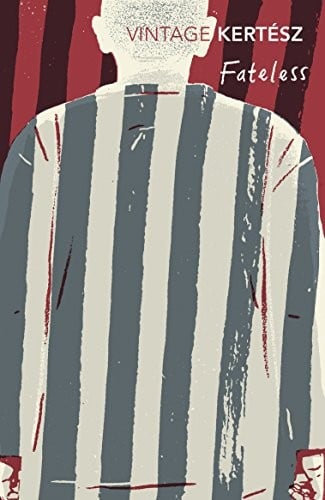
No. 41 on this list. Fatelessness
Imre Kertész · 1975
Taught in schools: Hungarian literature curriculum (magyar nyelv és irodalom) (Hungary)
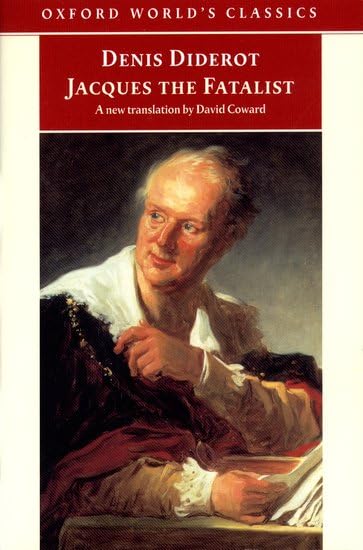
No. 42 on this list. Jacques the Fatalist and His Master
Denis Diderot · 1796
Included in: Bokklubben World Library
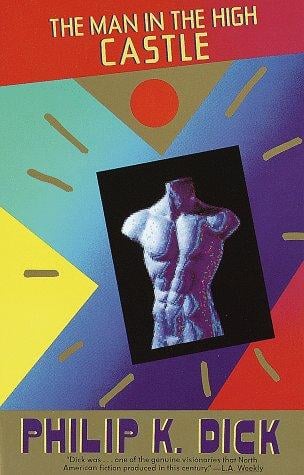
No. 43 on this list. The Man in the High Castle
Philip K. Dick · 1962
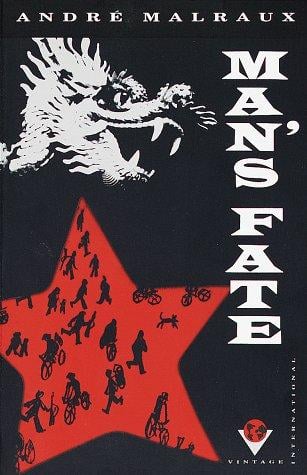
No. 44 on this list. Man's Fate
André Malraux · 1933
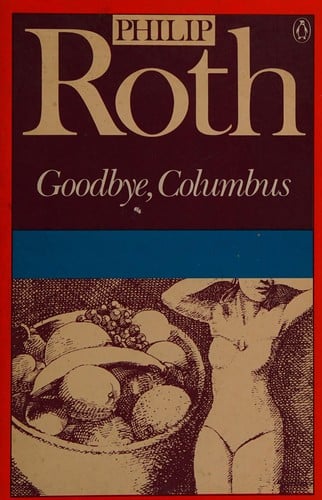
No. 45 on this list. Goodbye, Columbus
Philip Roth · 1960
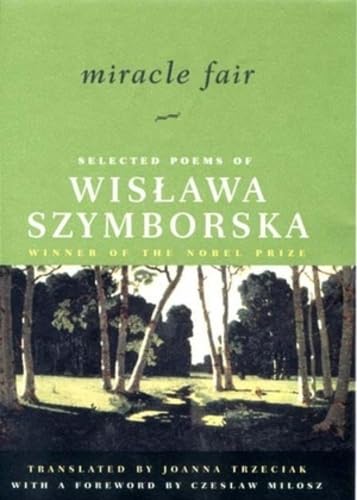
No. 46 on this list. Selected Poems of Wisława Szymborska
Wisława Szymborska · 1998
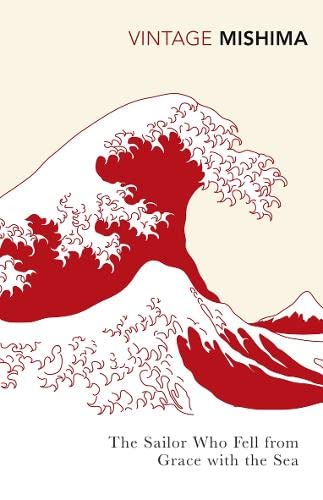
No. 47 on this list. The Sailor Who Fell from Grace with the Sea
Yukio Mishima · 1963
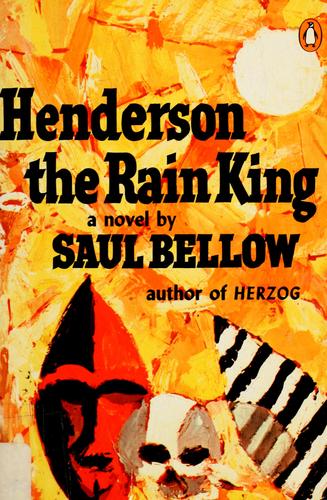
No. 48 on this list. Henderson the Rain King
Saul Bellow · 1959
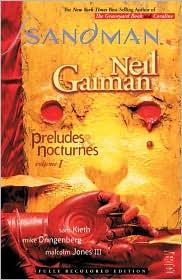
No. 49 on this list. The Sandman
Neil Gaiman · 1989
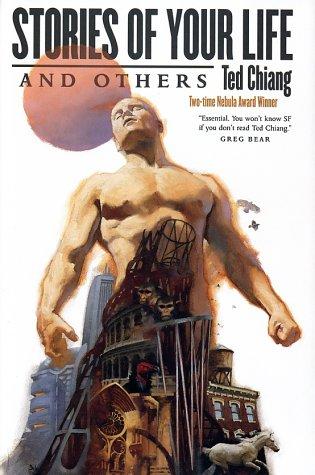
No. 50 on this list. Stories of Your Life and Others
Ted Chiang · 2002
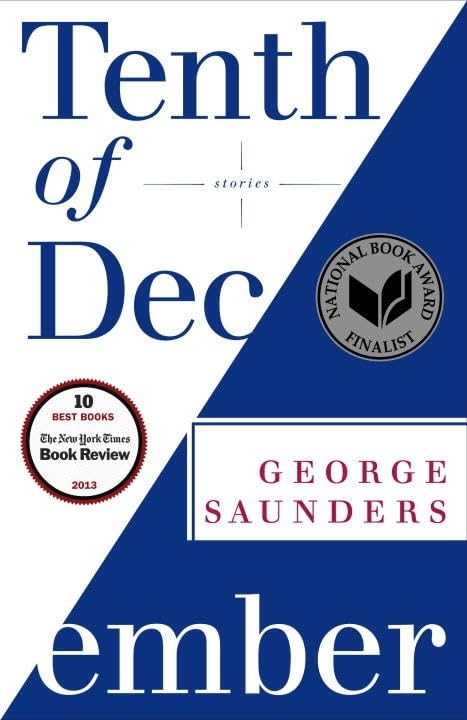
No. 51 on this list. Tenth of December
George Saunders · 2013
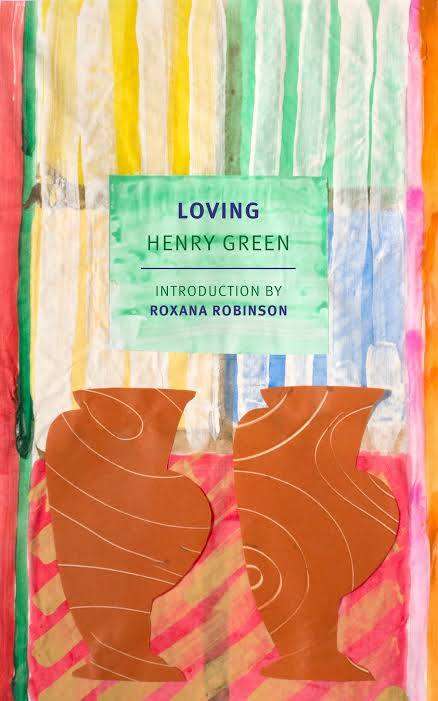
No. 52 on this list. Loving
Henry Green · 1945
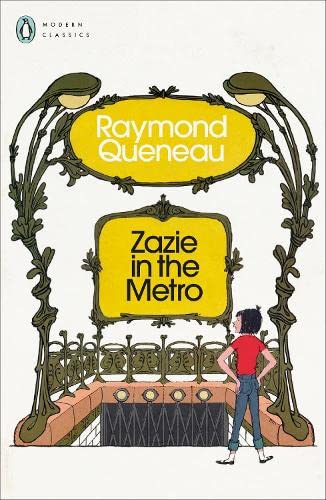
No. 53 on this list. Zazie in the Metro
Raymond Queneau · 1959
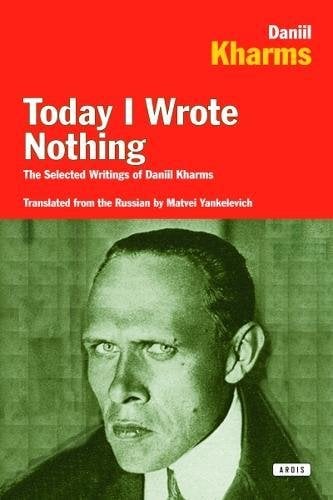
No. 54 on this list. Today I Wrote Nothing
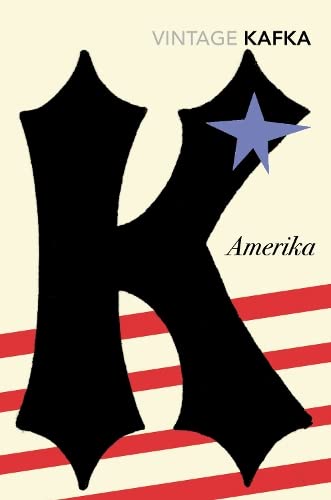
No. 55 on this list. Amerika
Franz Kafka · 1927
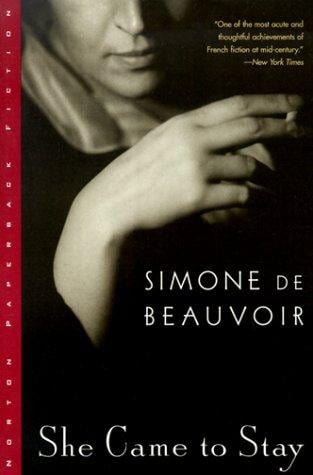
No. 56 on this list. She Came to Stay
Simone de Beauvoir · 1943
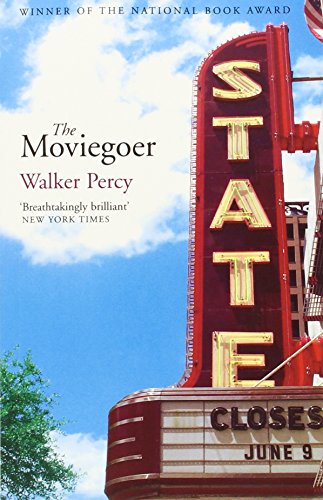
No. 57 on this list. The Moviegoer
Walker Percy · 1962
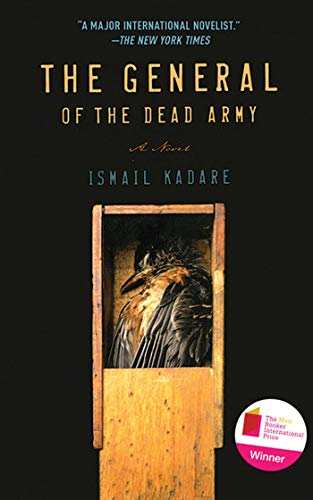
No. 58 on this list. The General of the Dead Army
Ismail Kadare · 1963
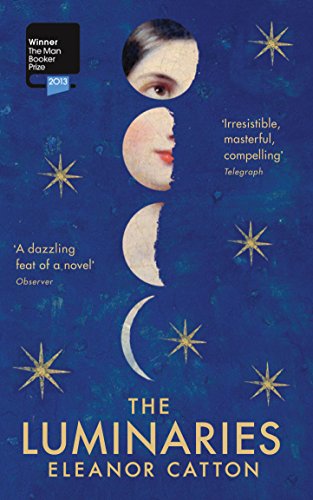
No. 59 on this list. The Luminaries
Eleanor Catton · 2013
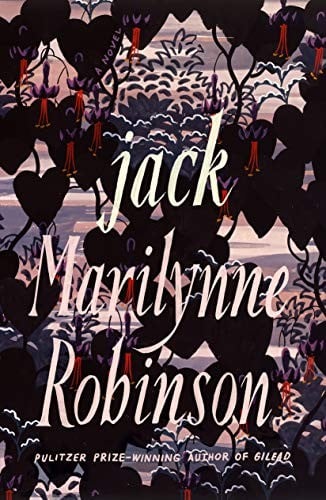
No. 60 on this list. Jack
Marilynne Robinson · 2020
No. 61 on this list. The Dream of a Ridiculous Man
Fyodor Dostoevsky · 1877
No. 62 on this list. The Mysterious Stranger
Mark Twain · 1916
No. 63 on this list. The Eye of the World
Robert Jordan · 1990
No. 64 on this list. All the Names
José Saramago · 1997
No. 65 on this list. The Late Mattia Pascal
Luigi Pirandello · 1904
No. 66 on this list. The Sellout
Paul Beatty · 2016
No. 67 on this list. The Tartar Steppe
Dino Buzzati · 1940
No. 68 on this list. The Killer Angels
Michael Shaara · 1975
Taught in schools: Common Core text exemplars (Appendix B) (US)
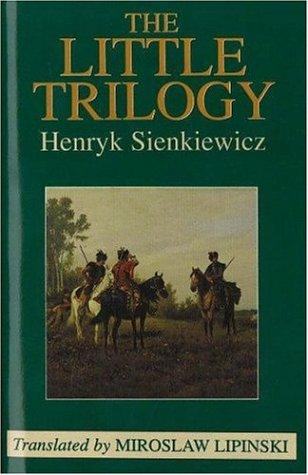
No. 69 on this list. The Trilogy
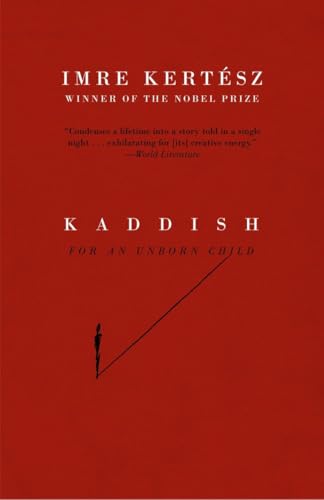
No. 70 on this list. Kaddish for an Unborn Child
Imre Kertész · 1990
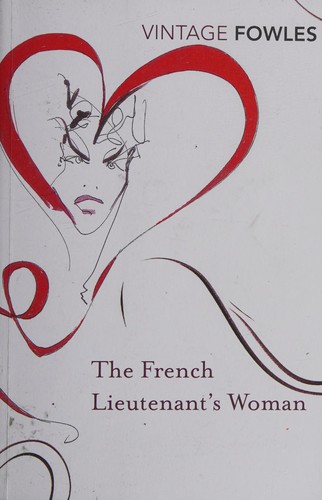
No. 71 on this list. The French Lieutenant's Woman
John Fowles · 1969
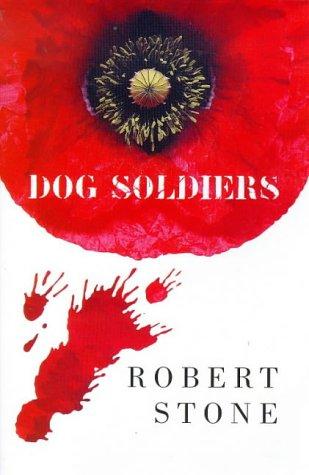
No. 72 on this list. Dog Soldiers
Robert Stone · 1975
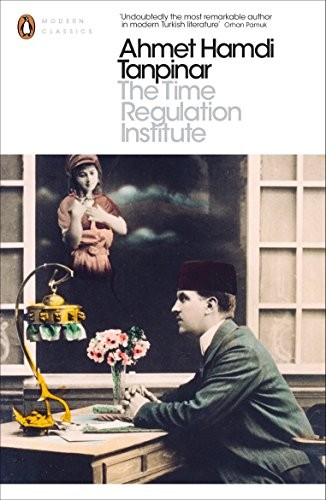
No. 73 on this list. The Time Regulation Institute
Ahmet Hamdi Tanpinar · 1961
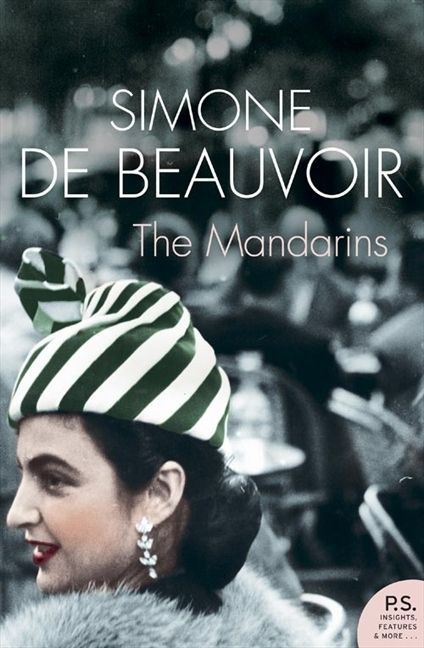
No. 74 on this list. The Mandarins
Simone de Beauvoir · 1954
No. 75 on this list. The Hitchhiker's Guide to the Galaxy
Douglas Adams · 1979
Taught in schools: CSEC English B – Caribbean Examinations Council
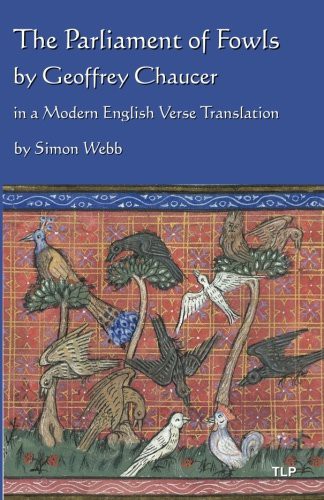
No. 76 on this list. The Parliament of Fowls
Geoffrey Chaucer · 1382
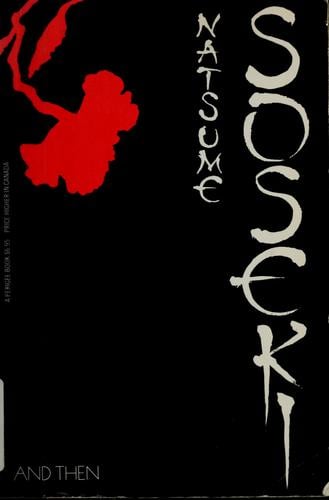
No. 77 on this list. And Then
Natsume Sōseki · 1909
Included in: UNESCO Collection of Representative Works
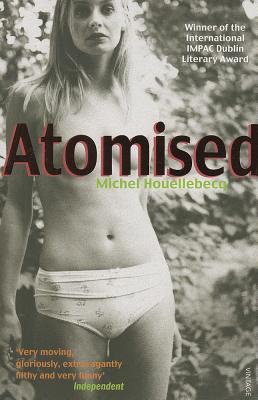
No. 78 on this list. Atomised
Michel Houellebecq · 2002
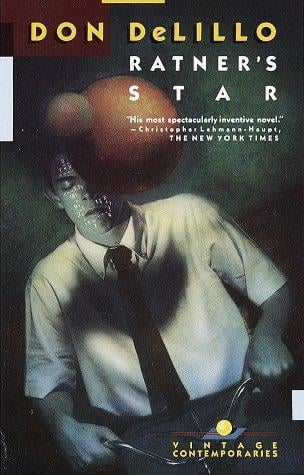
No. 79 on this list. Ratner's Star
Don DeLillo · 1976
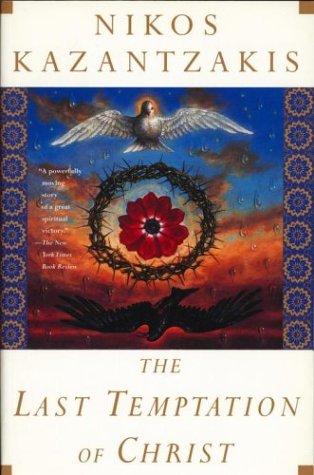
No. 80 on this list. The Last Temptation of Christ
Nikos Kazantzakis · 1955
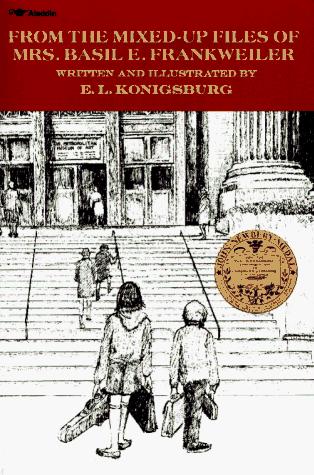
No. 81 on this list. From the Mixed-Up Files of Mrs. Basil E. Frankweiler
E.L. Konigsburg · 1967
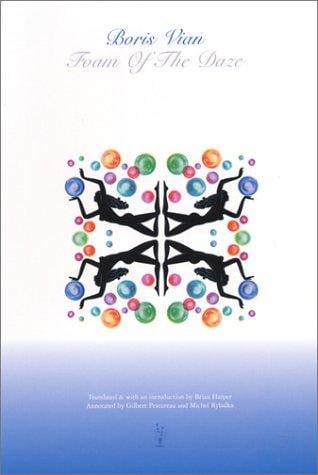
No. 82 on this list. Froth on the Daydream
Boris Vian · 1947
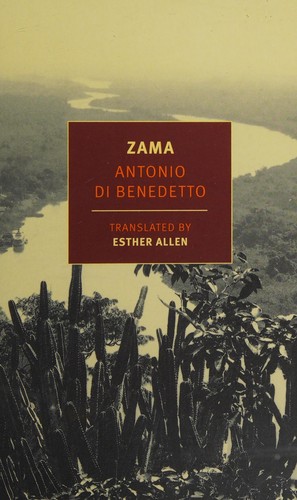
No. 83 on this list. Zama
Antonio di Benedetto · 1956
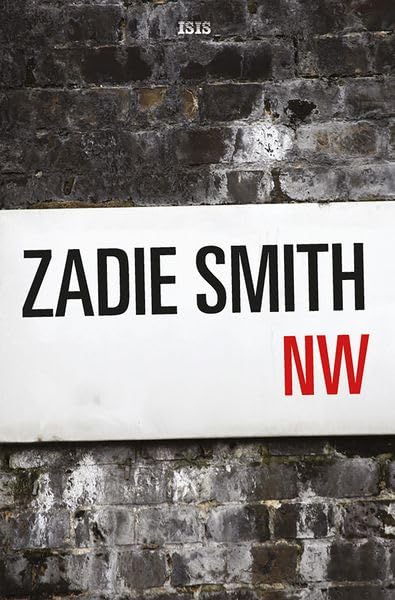
No. 84 on this list. NW
Zadie Smith · 2013
No. 85 on this list. The Centaur
John Updike · 1964
No. 86 on this list. Dirty Snow
Georges Simenon · 1948
No. 87 on this list. Cities of the Plain
Cormac McCarthy · 1998
No. 88 on this list. Barabbas
Pär Lagerkvist · 1950
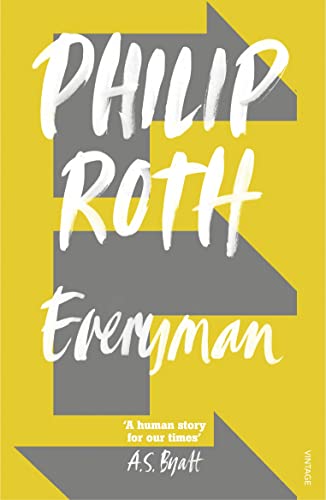
No. 89 on this list. Everyman
Philip Roth · 2007
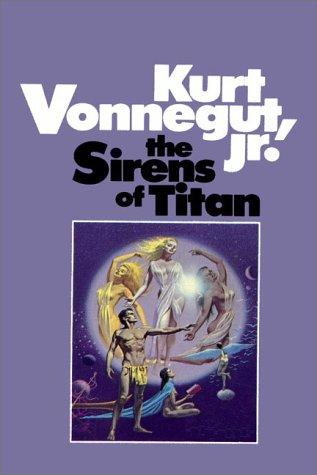
No. 90 on this list. The Sirens of Titan
Kurt Vonnegut · 1959
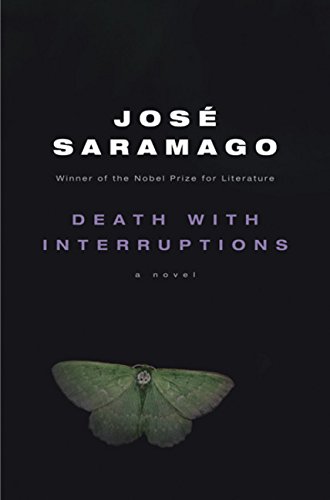
No. 91 on this list. Death with Interruptions
José Saramago · 2005
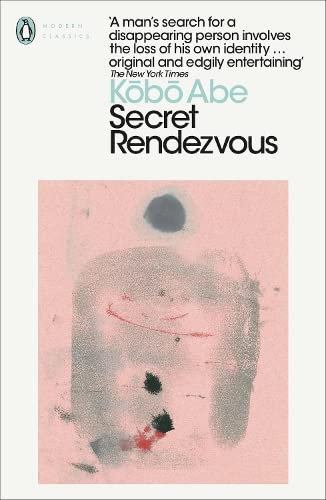
No. 92 on this list. Secret Rendezvous
Kobo Abe · 1977
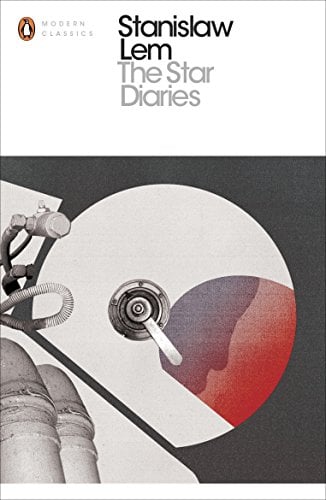
No. 93 on this list. The Star Diaries
Stanisław Lem · 1957
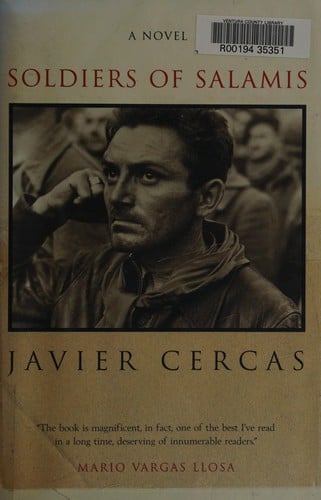
No. 94 on this list. Soldiers of Salamis
Javier Cercas · 2001
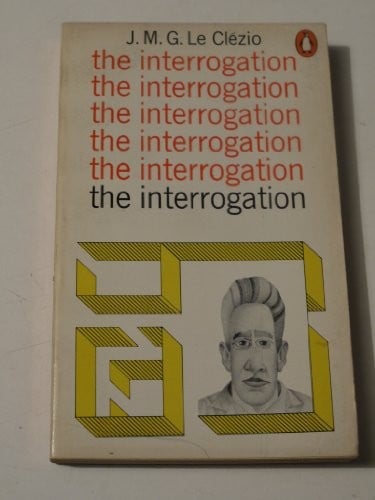
No. 95 on this list. The Interrogation
J.M.G. Le Clézio · 1963
No. 96 on this list. Harrow
Joy Williams · 2021
No. 97 on this list. The Ultimate Hitchhiker’s Guide to the Galaxy (Hitchhiker's Guide to the Galaxy, #1-5)
Douglas Adams · 2002
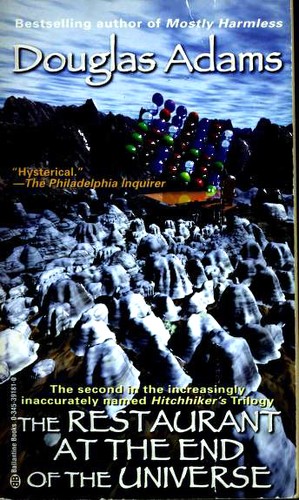
No. 98 on this list. The Restaurant at the End of the Universe
Douglas Adams · 1980
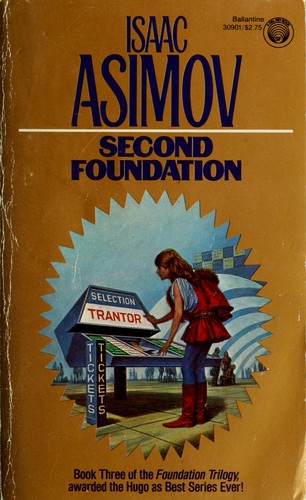
No. 99 on this list. Second Foundation
Isaac Asimov · 1953
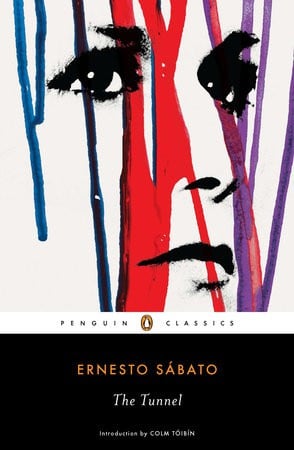
No. 100 on this list. The Tunnel
Ernesto Sabato · 1948
Taught in schools: UNAM Escuela Nacional Preparatoria – programas de Literatura (Mexico)

About this list
These 100 books are the highest-scoring eligible absurdist and existentialist books currently in the catalogue. About 855 hours of reading in all. Difficulty runs from 53 to 68 out of 100 for the middle half of the list; the summit is The Sellout at 85.
This list is ranked by literary regard, with a consistent order for equal scores. Membership follows authors and co-authors, not translators or editors. A book is here when ReadingRate files it under Absurdism & Existentialism as one of its primary reading domains, at a confidence of 0.8 or more. Catalogue coverage and the historical canon both limit what this list can represent.
When we matched the Canons dataset to our catalogue in October 2026, our canonical-status scores rose with the number of school curricula, publisher series and lists in it that cite a work: the median score was 72 for books one such source cites, 84 at two, 88 at three, 92 at four and 93 at five or more. Prizes are left out of that count. Outside the state curricula, the dataset’s sources choose mostly from what has been translated into English or French, so it is a weaker check on other literatures. Source: Canons (Andrew Piper), CC BY 4.0
Questions people actually ask
- What are the best absurdist and existentialist books?
- By literary regard, which weighs canonical status, critical standing and influence: Waiting for Godot by Samuel Beckett, On the Nature of Things by Lucretius, The Stranger by Albert Camus, Thus Spake Zarathustra A book for all and none by Friedrich Nietzsche and Collected Poems by Robert Frost. ReadingRate ranks 100 such books, each with a difficulty score and a reading-time estimate.
- Which absurdist and existentialist books should I read first?
- Start from difficulty, not from rank. The most approachable books on this list that still carry top literary regard are Wise Blood by Flannery O'Connor (about 3.5 hours), A House for Mr. Biswas by V.S. Naipaul and The Love of a Good Woman by Alice Munro.
- What are the shortest of the best absurdist and existentialist books?
- Among the top 25, the shortest are Happy Days by Samuel Beckett (about 46 min), Samson Agonistes by John Milton (about 1.1 hours) and Waiting for Godot by Samuel Beckett (about 2.4 hours), at an average pace of 250 words a minute adjusted for each book's difficulty.
- Which of the best absurdist and existentialist books are the established classics?
- By canonical status, how firmly a book sits in curricula, anthologies and the canon: Waiting for Godot by Samuel Beckett, The Stranger by Albert Camus, On the Nature of Things by Lucretius, Collected Poems by Robert Frost and Thus Spake Zarathustra A book for all and none by Friedrich Nietzsche.
- Can I read any of these absurdist and existentialist books for free?
- 6 of the 100 open in ReadingRate's reader with a free account, from public-domain editions: The Trial, Troilus and Criseyde, Three Sisters, The Castle, Notes from Underground and 1 more.
- How long would it take to read the top ten?
- About 64 hours, at an average pace of 250 words a minute adjusted for each book's difficulty: 33 days at two hours a day. Set your own pace on the page and the list's reading times change to it.
- How hard are absurdist and existentialist books to read?
- Most of this list sits between 53 and 68 on ReadingRate's 100-point difficulty scale, where 40 to 55 is moderate. The summit is The Sellout at 85. Every entry carries its own score, so a reader can pick a great book at a difficulty they will finish.
- How is this list ranked?
- On literary-regard data: how canonically established a work is, its critical standing, and its influence on later writing. It is not a readers’ poll, which is why recent bestsellers rarely appear. Membership follows authors and co-authors, not translators or editors. Lists by country, author, period, theme or difficulty keep to literature (fiction, poetry, drama and philosophy), their novels, poems and plays first and their philosophy after them; a list of a kind of book, such as memoir or criticism, keeps every book of that kind. Every list holds at most three works by one author. A book is here when ReadingRate files it under Absurdism & Existentialism as one of its primary reading domains, at a confidence of 0.8 or more.