Hours at an average pace
Showing 60 books
About 778 hours for 59 of 60 books with measured lengths. Estimates use 250 words a minute, adjusted for each book's difficulty. At 2 hours a day, about 389 days for those books.
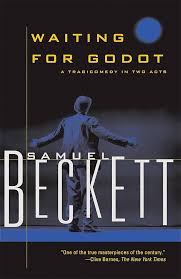
No. 1 on this list. Waiting for Godot
Samuel Beckett · 1953
Difficult2.4 hours
Included in: Great Books of the Western World
Waiting for Godot appears on virtually every comparative literature, modern drama, and theater studies syllabus worldwide, and is listed in Open Syllabus's Top 500 Literature titles. The Wikipedia article exists in 68 languages, and the play has been continuously performed since its 1953 Paris premiere. Le Monde named it among the 100 Books of the Century. It is as canonical as any play written after Shakespeare.
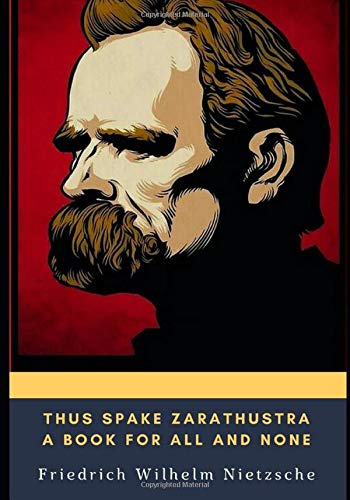
No. 2 on this list. Thus Spake Zarathustra A book for all and none
Difficult13 hours
A standard text in philosophy and German-literature courses, and one of the most widely read works of modern philosophy worldwide. Often the entry point to Nietzsche. It ranks with Notes from Underground in curricula, though less often assigned in full than Crime and Punishment.
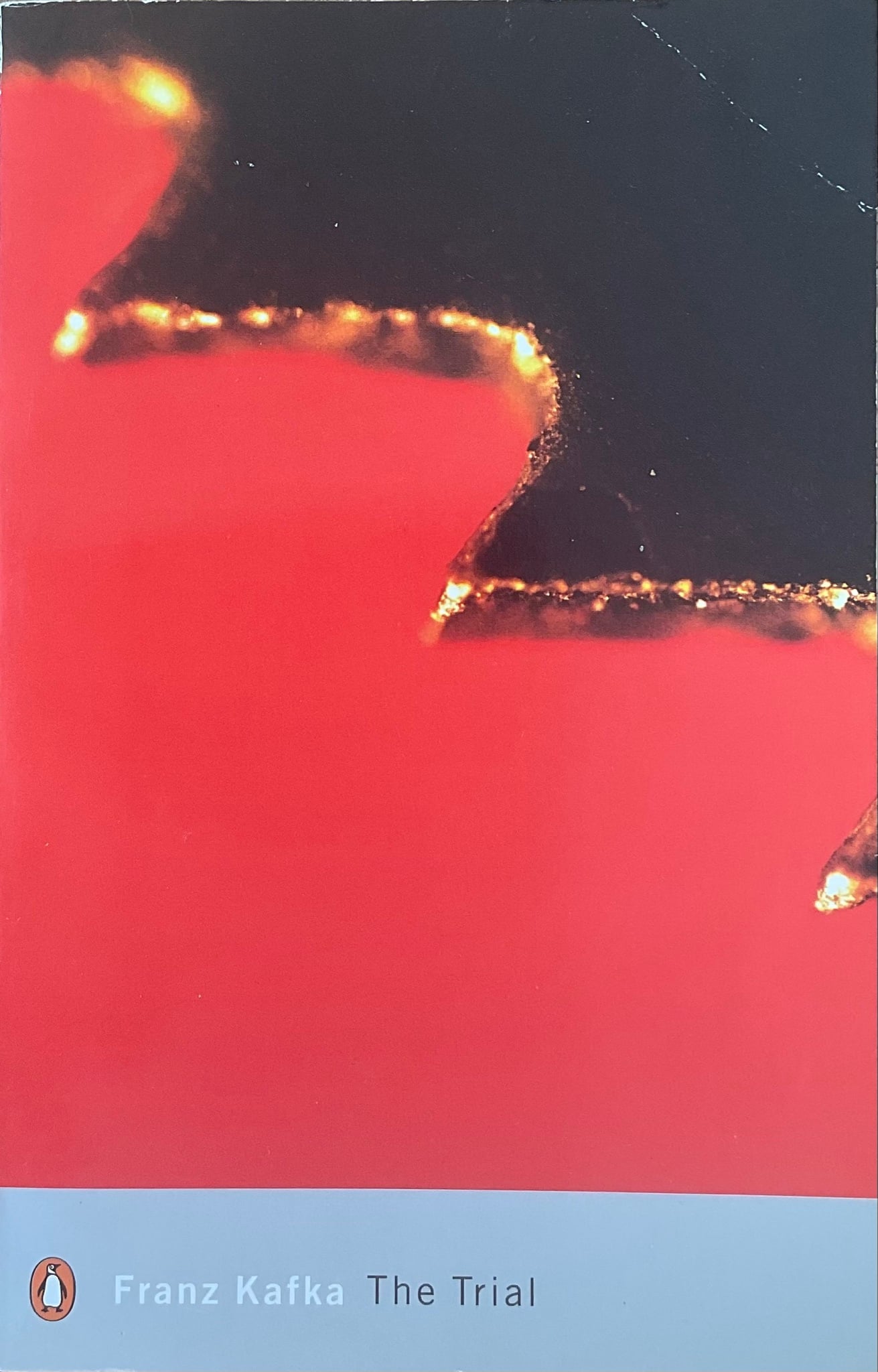
No. 3 on this list. The Trial
Franz Kafka · 1925
Difficult9.2 hours
Taught in schools: Lektury obowiązkowe – Polish national reading list (Poland)
Included in: Bokklubben World Library
Appears on Le Monde's 100 Books of the Century, the Open Syllabus Top 500 Literature list, and 1001 Books You Must Read Before You Die, with Wikipedia articles in 59 languages. Taught globally in comparative literature, philosophy, and political theory courses. The word 'Kafkaesque' entering the dictionary signals how completely the novel has entered Western cultural bedrock.
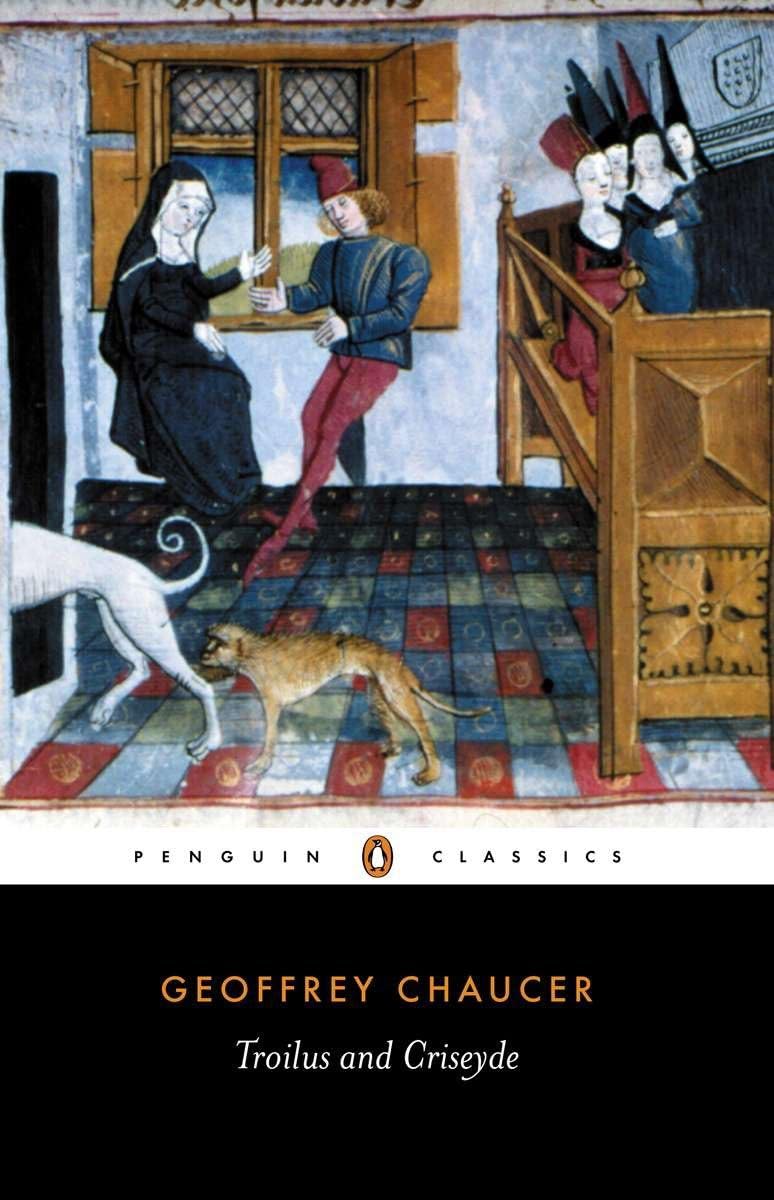
No. 4 on this list. Troilus and Criseyde
Geoffrey Chaucer · 1385
Difficult9.3 hours
Included in: Great Books of the Western World
Required reading in virtually every medieval English literature curriculum, taught across English, Comparative Literature, and Medieval Studies programs at universities worldwide. Though Open Syllabus data is unavailable here, Chaucer courses built around this text are standard at every major university with an English department. It holds a place among the most-studied long poems in the English language.
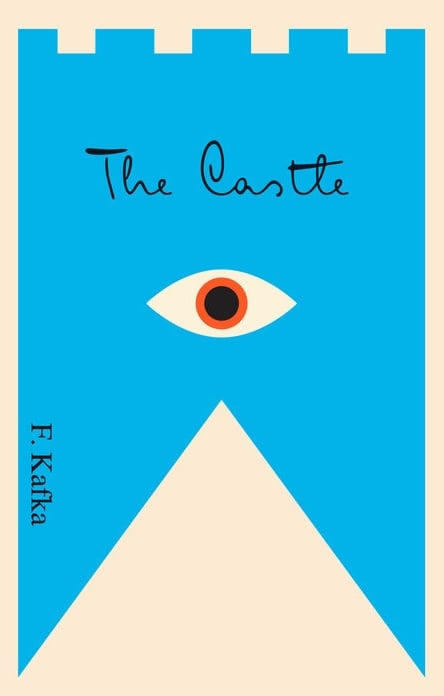
No. 5 on this list. The Castle
Franz Kafka · 1926
Difficult14 hours
Included in: Bokklubben World Library
Data signals show only 3 Wikipedia language editions and no recorded syllabus appearances, but these undercount The Castle's actual standing. The novel appears on virtually every major 20th-century fiction list — Modern Library 100, Le Monde's 100 Books of the Century, Harold Bloom's Western Canon — and is taught in comparative literature, philosophy, and legal theory courses worldwide.
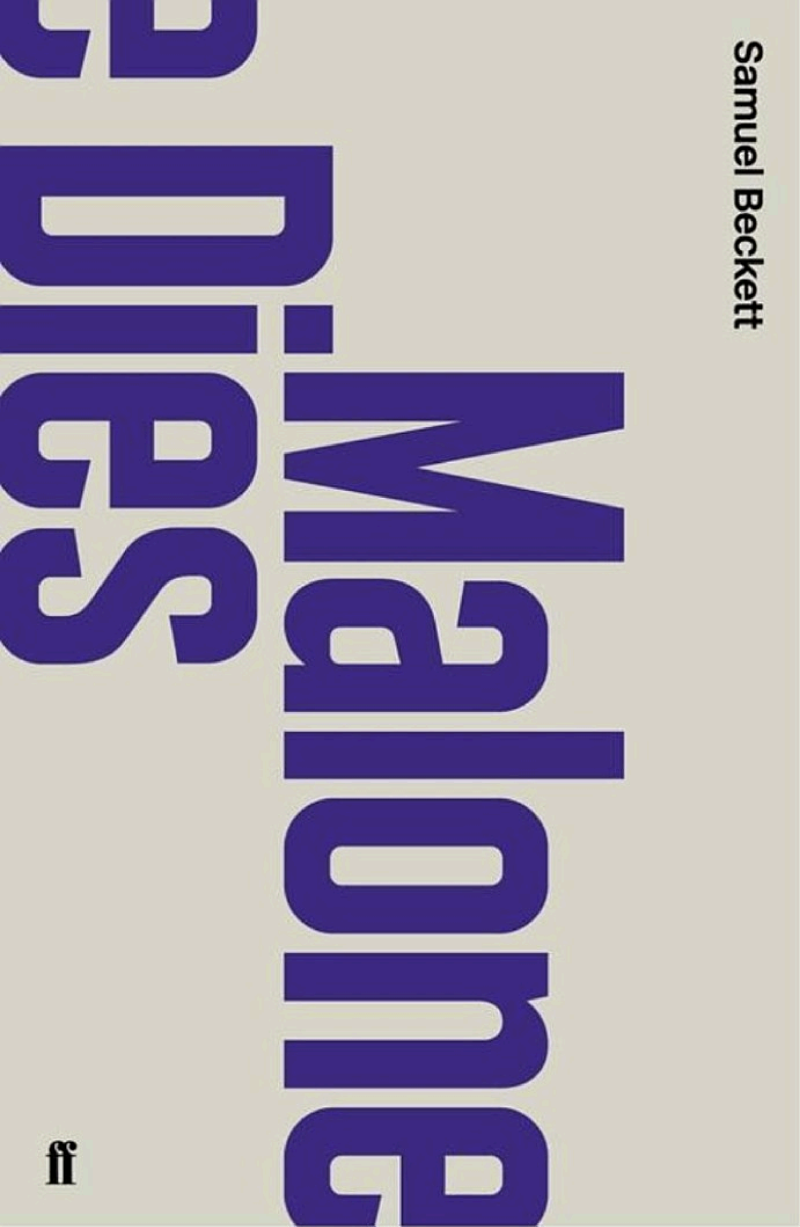
No. 6 on this list. Malone Dies
Samuel Beckett · 1951
Challenging5.7 hours
Included in: Bokklubben World Library
A dying man named Malone lies in bed in a bare room, passing his final days by writing stories in an exercise-book. He announces a plan: to tell himself stories (about a man, a woman, an animal, a thing) and then compile an inventory of his possessions before death arrives. But the stories refuse to cohere. The boy Sapo, plump and plodding, drifts through tedious family scenes and visits to the Lambert farm, where Big Lambert buries his beloved mule and Mrs. Lambert despairs over lentils. Sapo inexplicably becomes Macmann, a vagrant later confined to the asylum of Saint John of God, where he conducts a grotesque romance with his nurse Moll. Between these fragmentary fictions, Malone interrupts constantly to comment on his own dissolution, his soup and chamber-pot, the mysterious hand that feeds him, the exercise-book he salvaged, the pencil with five faces. The stories and the frame narrative bleed together as Malone suspects he's describing himself again, that all his characters are masks for the voice that continues speaking even as narrative collapses. The promised inventory never arrives. Instead, the novel enacts a slow-motion death of story-telling itself, performed with extraordinary comic precision and metaphysical vertigo. Malone circles his own ending in spirals of increasing tightness, neither quite dying nor quite alive, waiting in the dark.
A central text in Ishiguro's oeuvre and in post-1990 British literary fiction, widely taught at graduate level and consistently included in critical assessments of late-twentieth-century psychological realism. Its reputation was initially polarised but has grown substantially since Ishiguro's Nobel Prize.
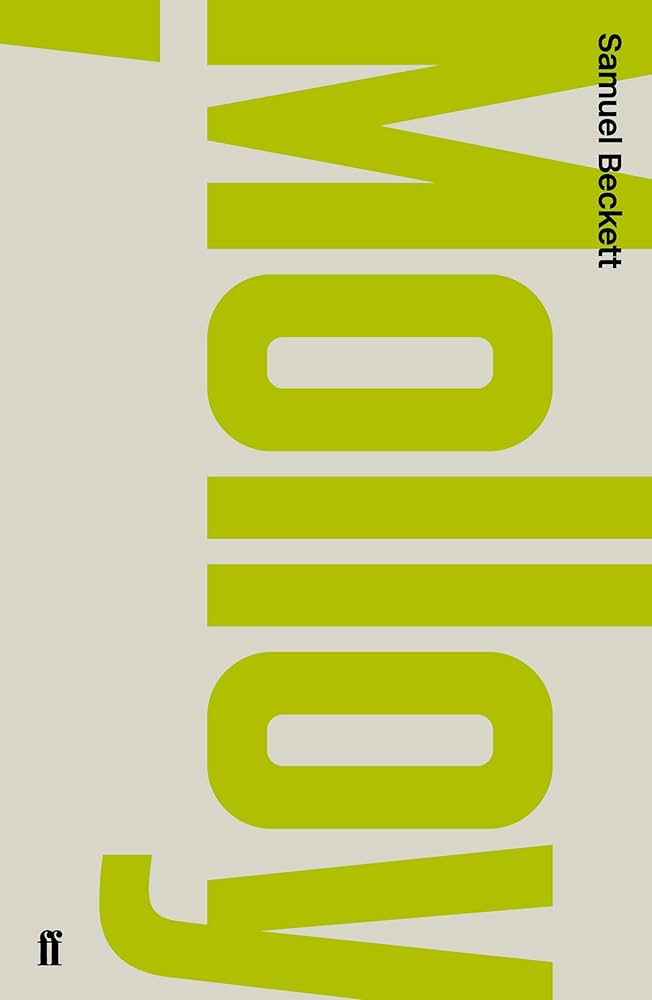
No. 8 on this list. Molloy
Samuel Beckett · 1951
Challenging19 hours
Included in: Bokklubben World Library
Molloy, an old man, lies in his mother's bed and tries to tell his story. Then Moran, a detective, is sent to find Molloy. Beckett's first novel in his trilogy is a darkly comic masterpiece of disintegration, as narrative and identity dissolve into uncertainty.
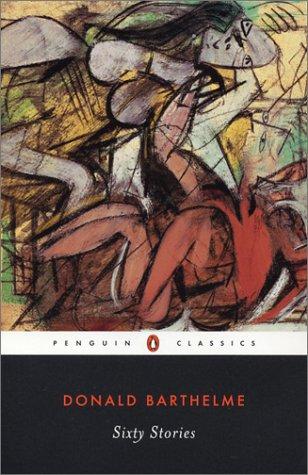
The essential Barthelme collection and one of the most important story collections in American literature. A standard text in creative writing and contemporary literature courses.
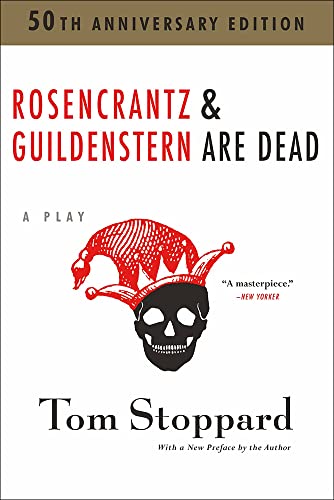
Rosencrantz and Guildenstern Are Dead is a fixture of university theater and English literature curricula, appearing consistently on drama syllabi across English-speaking universities. It is widely taught alongside Waiting for Godot as a key postmodern, absurdist text. Its Wikipedia article exists in dozens of languages and includes dedicated reception and adaptations sections, and a 1990 film adaptation by Stoppard himself extended its cultural reach.
No. 11 on this list. Journey to the End of the Night · Louis-Ferdinand Céline · 1932
Included in: Bokklubben World Library
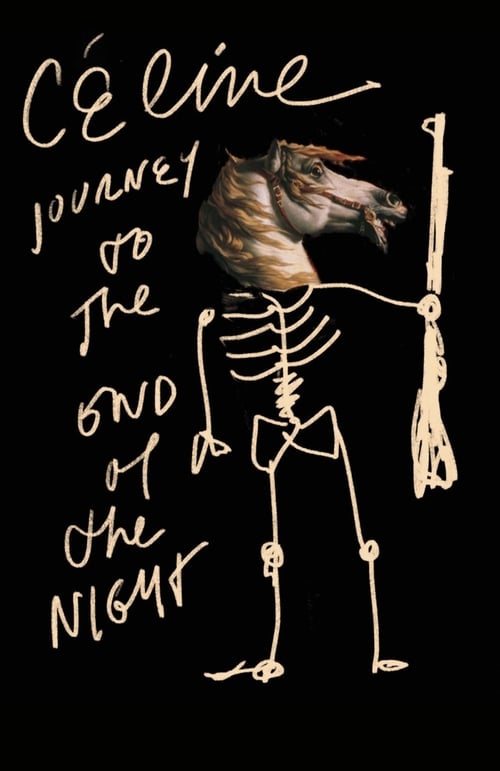
Named to Le Monde's 100 Books of the Century and listed in the Open Syllabus Top 500 for Literature, the novel holds an established place in French and comparative literature curricula. Its Wikipedia article spans 37 languages with a dedicated Reception section, reflecting sustained international recognition. It is taught in world literature and modernist fiction courses but falls short of the blanket curriculum presence of Kafka, Camus, or Proust.
Challenging19 hours
Start this bookNo. 12 on this list. Elective Affinities · Johann Wolfgang von Goethe · 1809
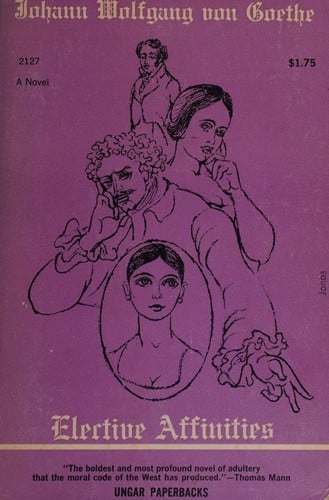
A fixture in German literature curricula worldwide and central to comparative literature courses treating the European novel of ideas. Available in Penguin Classics, Oxford World's Classics, and numerous scholarly editions. Considered alongside Faust and The Sorrows of Young Werther as Goethe's essential prose fiction, though less taught at secondary level than those more accessible works.
Challenging9.2 hours
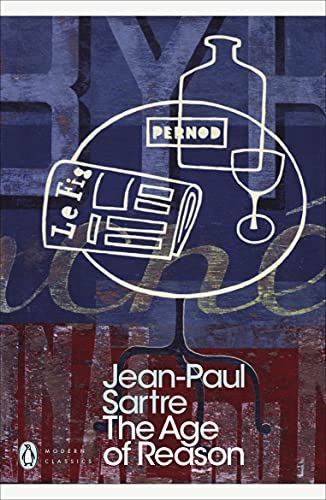
Start this bookNo. 13 on this list. The Age of Reason · Jean-Paul Sartre · 1945
Standard reading in French literature, European modernism, and existentialist philosophy courses worldwide. The Wikipedia article exists in 26 languages with a substantial dedicated Reception section, reflecting sustained international critical attention since the novel's 1945 publication. While not as universally required as Sartre's own Nausea or No Exit, The Age of Reason remains a fixed point of reference in 20th-century fiction curricula.
Challenging12 hours
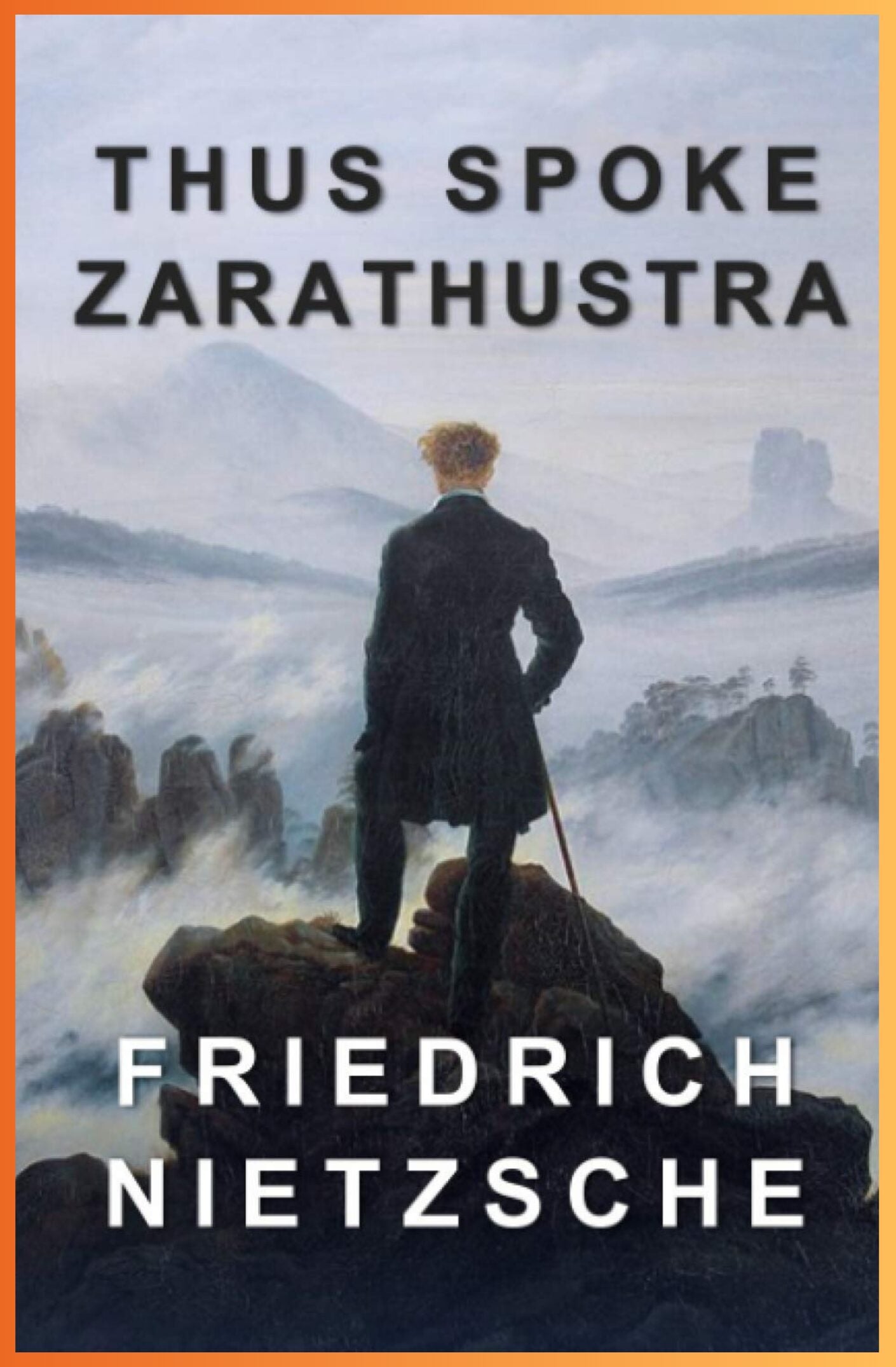
Start this bookNo. 14 on this list. Thus Spoke Zarathustra · Friedrich Nietzsche · 1885
Major philosophical and literary text; influenced twentieth-century thought.
Challenging12 hours
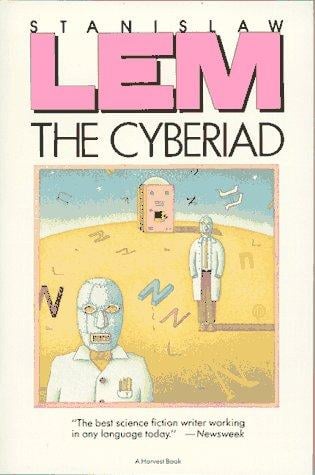
Start this bookNo. 15 on this list. The Cyberiad · Stanisław Lem · 1965
Trurl and Klapaucius are constructors — engineers of impossible things — who travel the universe building machines that write poetry, create dragons out of probability, and kidnap kings using algorithms. In the opening story, Trurl builds a machine that can make anything starting with the letter N. When it begins making Nothing — not ordinary nothing, but dynamic, aggressive Nothingness — it starts erasing the world one item at a time: the gruncheons go, then the pritons, then the zits, and the sky acquires holes that have never healed. Stanisław Lem writes fairy tales about robots, but the fairy tales are philosophical arguments in disguise. Each of the fifteen linked adventures runs a thought experiment: what happens when collective intelligence exceeds the scale at which militarism makes sense? Can a machine write great poetry if civilization wrote the poet? What does it mean to exist inside a simulation you cannot distinguish from reality? The deadpan fable narrator treats catastrophe and cosmic comedy with identical gravity, and the gap between that voice and what is actually happening is where all the meaning lives. The Cyberiad reads as slapstick adventure on the surface — Trurl escaping dungeon after dungeon with improbable ingenuity — and as philosophy underneath, where questions about consciousness, creation, and the purpose of intelligence are never resolved. Lem gives you both pleasures at once, and the math jokes are genuine.
Challenging8.4 hours
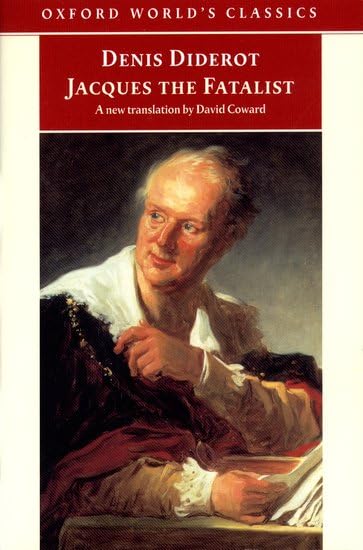
Start this bookNo. 16 on this list. Jacques the Fatalist and His Master · Denis Diderot · 1796
Included in: Bokklubben World Library
Jacques the Fatalist is firmly established in the European canon as a key work of Enlightenment fiction and a precursor to the postmodern novel. It appears regularly in French literature courses and European novel seminars, though less widely taught than Voltaire's Candide or Rousseau. Featured on most scholarly 'essential Enlightenment fiction' lists and acknowledged as a foundational text for meta-fictional tradition.
Difficult11 hours
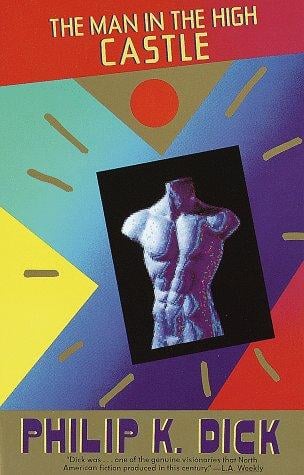
Start this bookNo. 17 on this list. The Man in the High Castle · Philip K. Dick · 1962
In 1962, the Axis won World War II. Japan administers the Pacific States of America; Germany controls the Eastern Seaboard. Robert Childan sells antique Americana to Japanese collectors in San Francisco, calculating every bow and honorific. Frank Frink fabricates jewelry in a back room, hiding the fact that he is Jewish. Juliana Frink, his ex-wife, teaches judo in a Colorado canyon town and picks up an Italian truck driver who seems too interested in a banned novel called The Grasshopper Lies Heavy — a book in which the Allies won. Philip K. Dick runs the whole novel through the I Ching: characters consult it, the author used it to write the book, and the novel's structure mirrors its logic of shifting hexagrams and ambiguous counsel. The result is a story that keeps asking whether any version of reality — the one we're reading, the one the characters inhabit, the one the banned novel imagines — is the true one. What makes the book strange is its texture: small commercial anxieties, racial hierarchies, fake antiques, and authentic ones, all rendered with documentary flatness while the ground shifts beneath every scene. Dick writes a world built on lies and asks, without ever quite answering, whether truth is something that can be recovered or only glimpsed.
Difficult9 hours
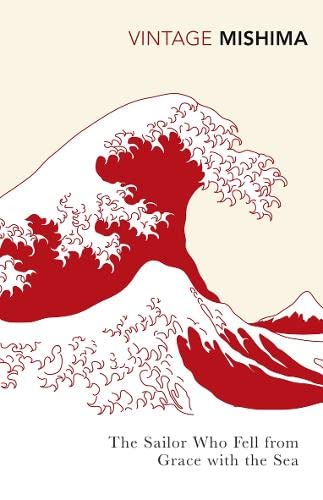
Start this bookNo. 18 on this list. The Sailor Who Fell from Grace with the Sea · Yukio Mishima · 1963
Taught regularly in university world literature and Japanese literature courses globally. Appears on syllabi alongside Kawabata and Abe as an entry point to postwar Japanese fiction. Not in the ubiquitous tier of Kafka or Fitzgerald, but firmly established in academic curricula across Europe, North America, and East Asia.
Challenging3.8 hours
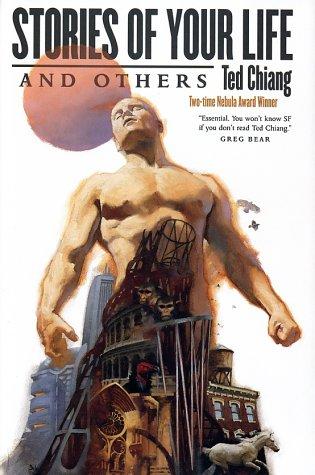
Start this bookNo. 19 on this list. Stories of Your Life and Others · Ted Chiang · 2002
Widely taught in science fiction, philosophy of mind, and speculative fiction university courses, though not a staple of mainstream literary syllabi in the way that canonical realist novels are. The 2016 film Arrival, adapted from the title story, brought the collection to a much broader audience and cemented its cultural presence. No syllabus data was returned from the database, but its reputation in academic SF contexts is well-documented.
Challenging8.4 hours
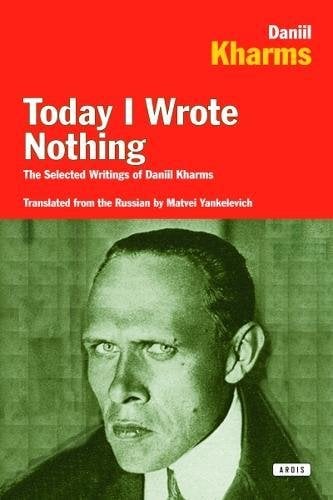
Start this bookNo. 20 on this list. Today I Wrote Nothing · Daniil Kharms
Kharms appears on university syllabi in Russian literature, 20th-century avant-garde, and experimental fiction courses, though not as widely as canonical Soviet-era figures. No syllabus data was returned for this specific anthology. His work has entered secondary anthologies of world literature and avant-garde studies, securing a specialized but not mainstream canonical position.
Difficult6.6 hours
Start this book
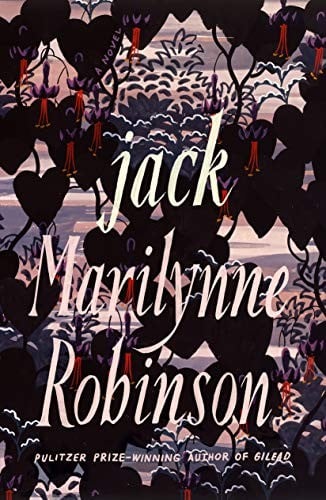
No. 21 on this list. Jack · Marilynne Robinson · 2020
Jack (2020) is the fourth novel in Robinson's Gilead series, which is increasingly taught in American literature and contemporary fiction courses. As a standalone it is more recent and less independently canonical than Gilead, but the series is considered among the defining American literary sequences of the 21st century. No syllabus data was captured in the database for this edition.
Challenging9.5 hours
Start this bookNo. 22 on this list. The Mysterious Stranger · Mark Twain · 1916
In 1590, in the drowsy Austrian village of Eseldorf, three boys meet a charming young stranger who lights a pipe with his breath and conjures fruit from their pockets. He tells them his name is Philip Traum. He tells them he is an angel — specifically, Satan's nephew, untouched by the Fall and therefore without any Moral Sense. He is delightful company. The stranger makes miniature humans out of clay, watches them develop a civilization, then casually crushes them. He manipulates fate so that Nikolaus, Theodor's closest friend, drowns saving a girl rather than live sixty-two years as a paralyzed invalid. He considers this kindness. Theodor, narrating from old age, agrees with him throughout — and the reader must decide whether to follow. Mark Twain wrote The Mysterious Stranger between 1898 and 1908 without finishing it. Editors completed the manuscript after his death, location of the seam undisclosed. The novella is the culmination of Twain's late period: God is indicted directly in Satan's closing monologue ('mouths mercy and invented hell'), and the final revelation — that the universe, history, and the narrator himself are a dream inside a vagrant thought — is delivered without apology. The Moral Sense, which separates humans from animals, is the cruelest gift ever given: it allows suffering to be recognized, then does nothing to prevent it. This is Twain at his furthest from Hannibal.
Challenging3.5 hours
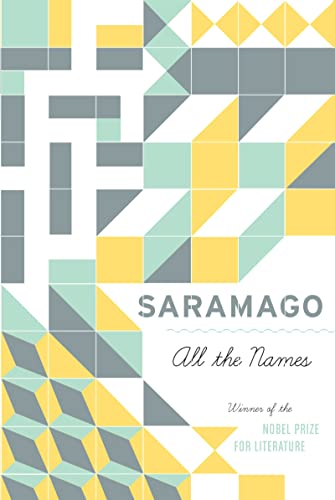
Read nowNo. 23 on this list. All the Names · José Saramago · 1997
According to Open Syllabus data, All the Names appears on 78 university syllabi — a 47th-percentile showing that reflects solid but not widespread classroom adoption. Its Wikipedia article exists in only 11 languages and runs to 4,623 characters with no dedicated reception section. Saramago's most-taught work remains Blindness; All the Names occupies a secondary position in his canon, assigned more often in comparative literature and world fiction courses than as a standalone required text.
Difficult11 hours
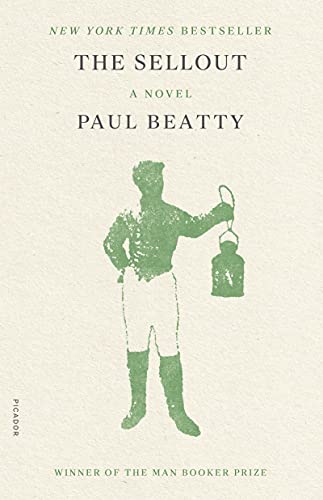
Start this bookNo. 24 on this list. The Sellout · Paul Beatty · 2016
The Sellout (2016) won the Booker Prize — the first American novel to do so — which immediately positioned it as a landmark. It appears on 254 syllabi at the 60th percentile across academic disciplines. Despite recent publication, it has entered the contemporary canon of American racial satire rapidly, alongside Invisible Man and Native Son, though it is still building the long-term institutional presence of older works.
Very Difficult13 hours
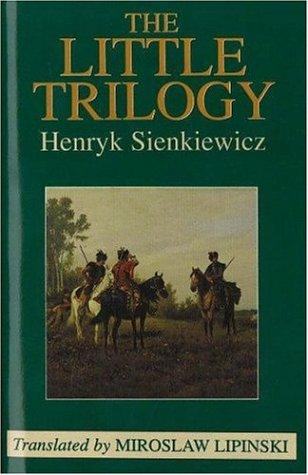
Start this bookNo. 25 on this list. The Trilogy · Henryk Sienkiewicz
Sienkiewicz's Trilogy (With Fire and Sword, The Deluge and Pan Michael, 1884-1888) is a pillar of Polish school reading and national culture. Outside Poland it is far less taught, and it is known chiefly through translation and film.
Difficult128 hours
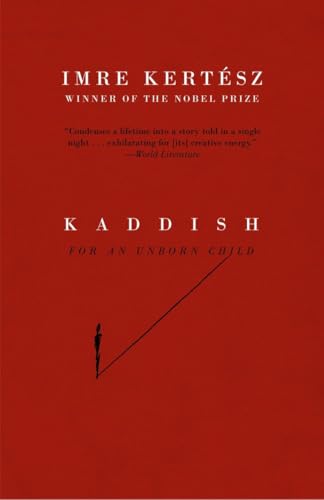
Start this bookNo. 26 on this list. Kaddish for an Unborn Child · Imre Kertész · 1990
Addressed to the child he will never have, a Holocaust survivor interrogates his own refusal to bring life into a world that produced Auschwitz. Kertész's philosophical monologue circles around trauma, continuity, and the ethics of existence after the camps. A devastating companion to Fatelessness.
Challenging5.1 hours
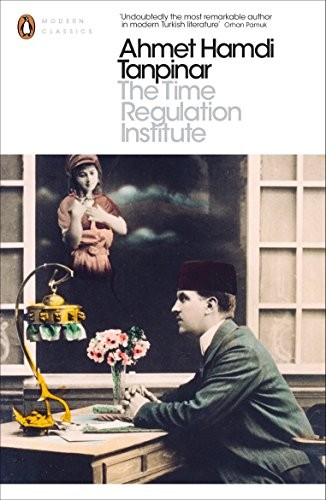
Start this bookNo. 27 on this list. The Time Regulation Institute · Ahmet Hamdi Tanpinar · 1961
The Time Regulation Institute is a classic of modern Turkish literature, studied in Turkey and increasingly on world-literature courses since the Penguin Classics translation by Maureen Freely and Alexander Dawe. It is now commonly listed beside Orhan Pamuk's novels as essential Turkish fiction in English.
Challenging16 hours
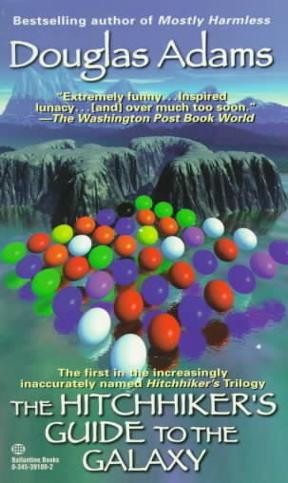
Start this bookNo. 28 on this list. The Hitchhiker's Guide to the Galaxy · Douglas Adams · 1979
Taught in schools: CSEC English B – Caribbean Examinations Council
Found on 151 university syllabi (54th percentile) with Wikipedia articles in 36 languages, and voted fourth in the BBC's Big Read in 2003. It is the most taught comic science fiction novel.
Challenging4.5 hours
Start this bookNo. 29 on this list. The Reprieve · Jean-Paul Sartre · 1945
The data signals undercount the actual reputation: Wikipedia lists only 3 language editions and zero syllabus appearances, but these reflect data gaps rather than obscurity. The Roads to Freedom trilogy is taught in French literature and existentialist philosophy courses internationally, though the trilogy is less canonical than Sartre's philosophical works — Being and Nothingness, No Exit, Nausea — and remains primarily known among literary specialists rather than general curricula.
Difficult17 hours
Start this bookNo. 30 on this list. Ratner's Star · Don DeLillo · 1976
Ratner's Star holds a recognized position in the DeLillo bibliography as his most formally ambitious early novel and a precursor to White Noise and Underworld, regularly discussed in DeLillo scholarship and postmodern American literature surveys. It appears in academic course lists focused on American experimental fiction. However, the absence of syllabus data in the Open Syllabus database and no Wikipedia article confirm it is taught far less than White Noise or Underworld — a cult text within an already-specialized readership.
Difficult23 hours
Start this book
No. 31 on this list. NW
Zadie Smith · 2013
No. 32 on this list. The Sirens of Titan
Kurt Vonnegut · 1959
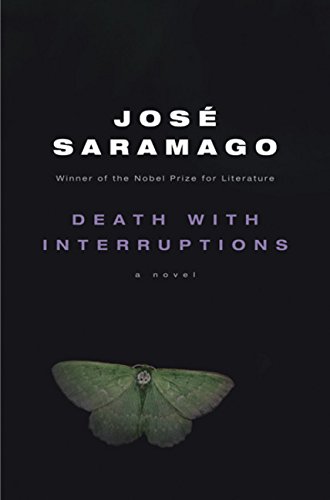
No. 33 on this list. Death with Interruptions
José Saramago · 2005
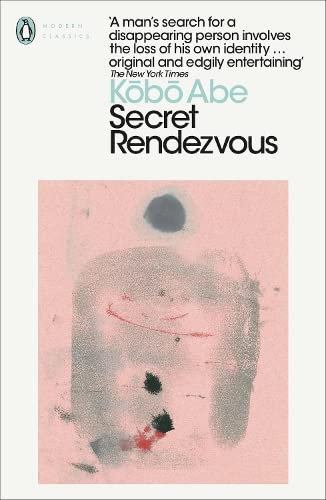
No. 34 on this list. Secret Rendezvous
Kobo Abe · 1977
No. 35 on this list. Harrow
Joy Williams · 2021
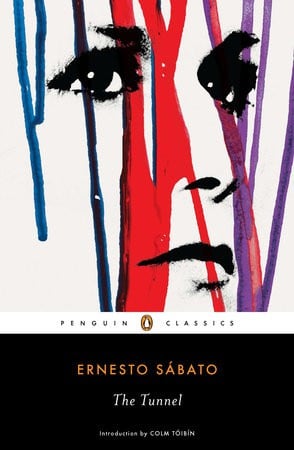
No. 36 on this list. The Tunnel
Ernesto Sabato · 1948
Taught in schools: UNAM Escuela Nacional Preparatoria – programas de Literatura (Mexico)
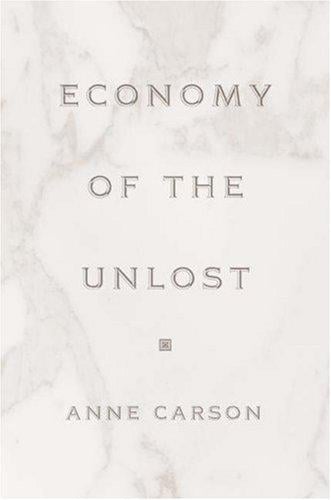
No. 37 on this list. Economy of the Unlost
Anne Carson · 1999
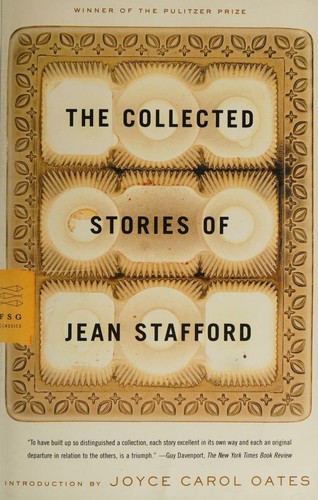
No. 38 on this list. The Collected Stories of Jean Stafford
Jean Stafford · 1970
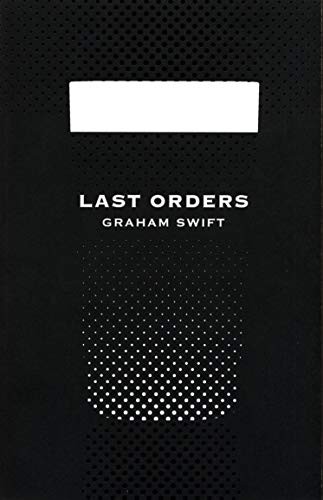
No. 39 on this list. Last Orders
Graham Swift · 1996
No. 40 on this list. The Floating Opera
John Barth · 1956
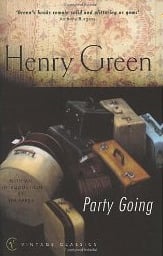
No. 41 on this list. Party Going
Henry Green · 1939
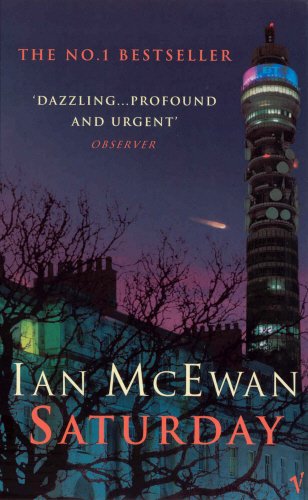
No. 42 on this list. Saturday
Ian McEwan · 2005
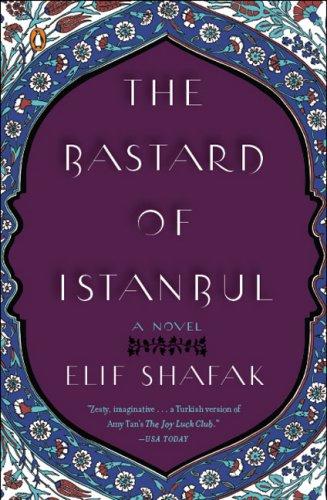
No. 43 on this list. The Bastard of Istanbul
Elif Shafak · 2006
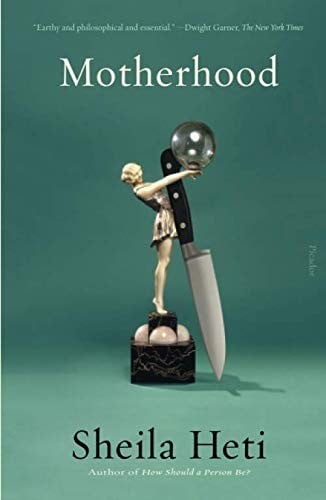
No. 44 on this list. Motherhood
Sheila Heti · 2018
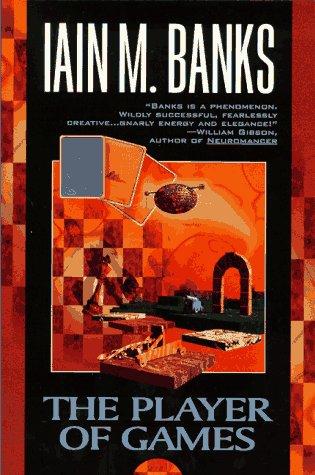
No. 45 on this list. The Player of Games
Iain M. Banks · 1988
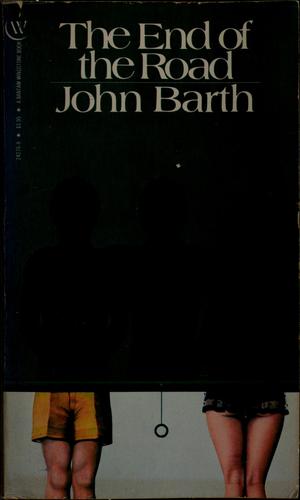
No. 46 on this list. The End of the Road
John Barth · 1958
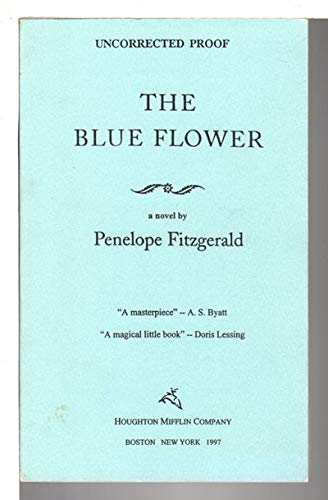
No. 47 on this list. The Blue Flower
Penelope Fitzgerald · 1998
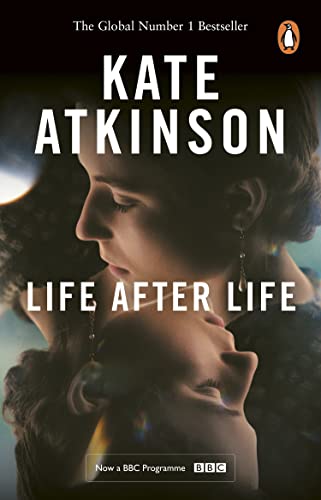
No. 48 on this list. Life After Life
Kate Atkinson · 2013
No. 49 on this list. The House on the Borderland
William Hope Hodgson · 1908
No. 50 on this list. Skippy Dies
Paul Murray · 2010
No. 51 on this list. The Literary Conference
César Aira · 2006
No. 52 on this list. The Zero
Jess Walter · 2006
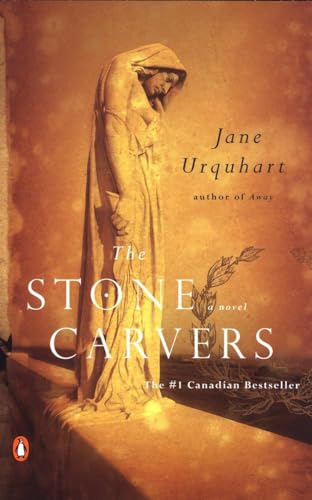
No. 53 on this list. The Stone Carvers
Jane Urquhart · 2001
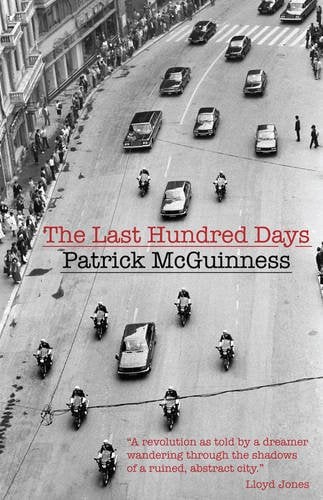
No. 54 on this list. The Last Hundred Days
Patrick McGuinness · 2011
No. 55 on this list. Chromos
Felipe Alfau · 1990
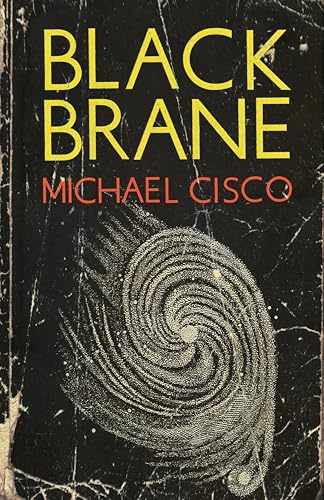
No. 56 on this list. Black Brane
Michael Cisco · 2025
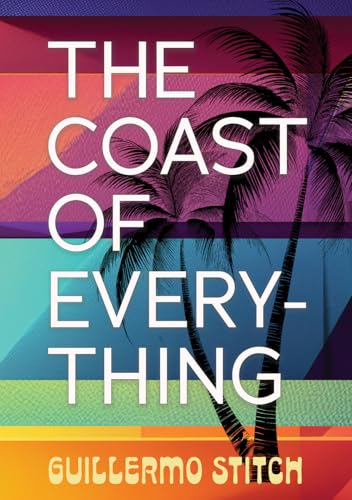
No. 57 on this list. The Coast of Everything
Guillermo Stitch · 2026
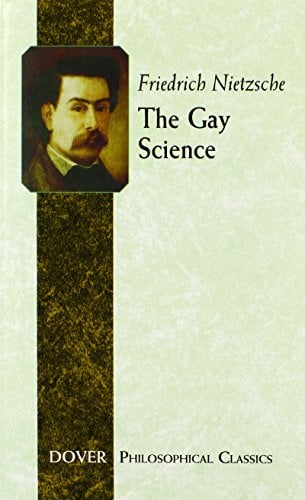
No. 58 on this list. The Gay Science
Friedrich Nietzsche · 1882
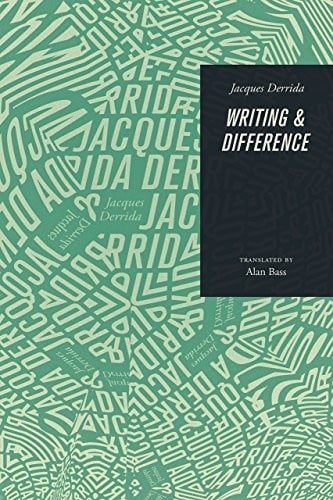
No. 59 on this list. Writing and Difference
Jacques Derrida · 1967
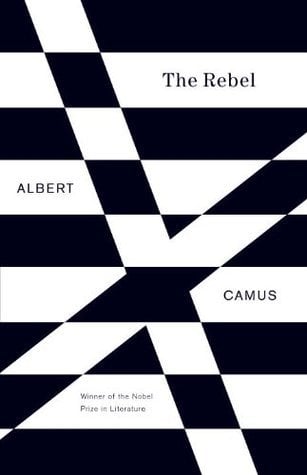
No. 60 on this list. The Rebel: An Essay on Man in Revolt
Albert Camus · 1951

About this list
These 60 books are the highest-scoring eligible challenging absurdist and existentialist books currently in the catalogue. About 778 hours of reading in all, for the 59 with measured lengths. Difficulty runs from 68 to 74 out of 100 for the middle half of the list; the summit is Writing and Difference at 86.
This list is ranked by literary regard, with a consistent order for equal scores. Membership follows authors and co-authors, not translators or editors. A book is here when ReadingRate files it under Absurdism & Existentialism as one of its primary reading domains, at a confidence of 0.8 or more. Catalogue coverage and the historical canon both limit what this list can represent.
When we matched the Canons dataset to our catalogue in October 2026, our canonical-status scores rose with the number of school curricula, publisher series and lists in it that cite a work: the median score was 72 for books one such source cites, 84 at two, 88 at three, 92 at four and 93 at five or more. Prizes are left out of that count. Outside the state curricula, the dataset’s sources choose mostly from what has been translated into English or French, so it is a weaker check on other literatures. Source: Canons (Andrew Piper), CC BY 4.0
Questions people actually ask
- What are the best challenging absurdist and existentialist books?
- By literary regard, which weighs canonical status, critical standing and influence: Waiting for Godot by Samuel Beckett, Thus Spake Zarathustra A book for all and none by Friedrich Nietzsche, The Trial by Franz Kafka, Troilus and Criseyde by Geoffrey Chaucer and The Castle by Franz Kafka. ReadingRate ranks 60 such books, each with a difficulty score and a reading-time estimate.
- Which challenging absurdist and existentialist books should I read first?
- Start from difficulty, not from rank. The most approachable books on this list that still carry top literary regard are Elective Affinities by Johann Wolfgang von Goethe (about 9.2 hours), Malone Dies by Samuel Beckett and Sixty Stories by Donald Barthelme.
- What are the shortest of the best challenging absurdist and existentialist books?
- Among the top 25, the shortest are Waiting for Godot by Samuel Beckett (about 2.4 hours), Rosencrantz and Guildenstern Are Dead by Tom Stoppard (about 3 hours) and The Mysterious Stranger by Mark Twain (about 3.5 hours), at an average pace of 250 words a minute adjusted for each book's difficulty.
- Which of the best challenging absurdist and existentialist books are the established classics?
- By canonical status, how firmly a book sits in curricula, anthologies and the canon: Waiting for Godot by Samuel Beckett, The Gay Science by Friedrich Nietzsche, Writing and Difference by Jacques Derrida, Thus Spake Zarathustra A book for all and none by Friedrich Nietzsche and The Trial by Franz Kafka.
- Can I read any of these challenging absurdist and existentialist books for free?
- 4 of the 60 open in ReadingRate's reader with a free account, from public-domain editions: The Trial, Troilus and Criseyde, The Castle and The Mysterious Stranger.
- How long would it take to read the top ten?
- About 117 hours, at an average pace of 250 words a minute adjusted for each book's difficulty: 59 days at two hours a day. Set your own pace on the page and the list's reading times change to it.
- How hard are challenging absurdist and existentialist books to read?
- Most of this list sits between 68 and 74 on ReadingRate's 100-point difficulty scale, where 40 to 55 is moderate. The summit is Writing and Difference at 86. Every entry carries its own score, so a reader can pick a great book at a difficulty they will finish.
- How is this list ranked?
- On literary-regard data: how canonically established a work is, its critical standing, and its influence on later writing. It is not a readers’ poll, which is why recent bestsellers rarely appear. Membership follows authors and co-authors, not translators or editors. Lists by country, author, period, theme or difficulty keep to literature (fiction, poetry, drama and philosophy), their novels, poems and plays first and their philosophy after them; a list of a kind of book, such as memoir or criticism, keeps every book of that kind. Every list holds at most three works by one author. A book is here when ReadingRate files it under Absurdism & Existentialism as one of its primary reading domains, at a confidence of 0.8 or more.