Hours at an average pace
Showing 43 books
About 380 hours for 43 of 43 books with measured lengths. Estimates use 250 words a minute, adjusted for each book's difficulty. At 2 hours a day, about 191 days for those books.
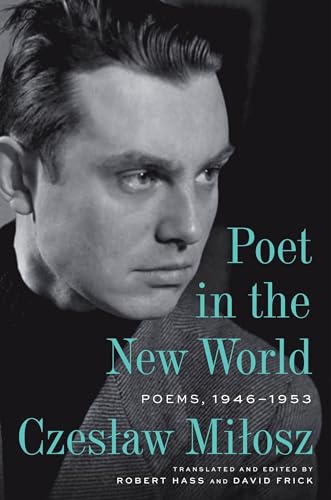
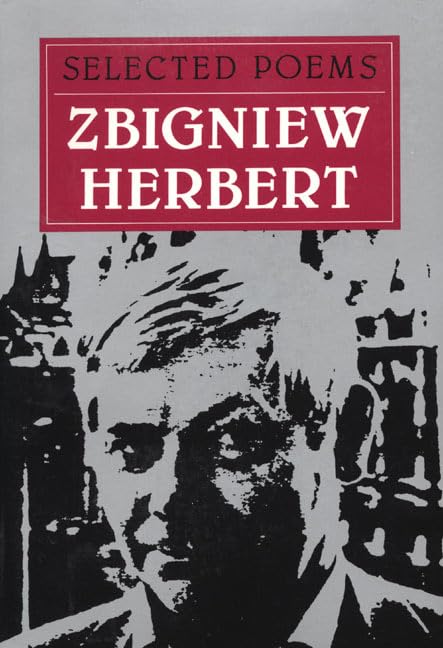
Nobel laureate and one of the most important poets of the twentieth century. Central to Polish literature and increasingly recognized in world poetry.
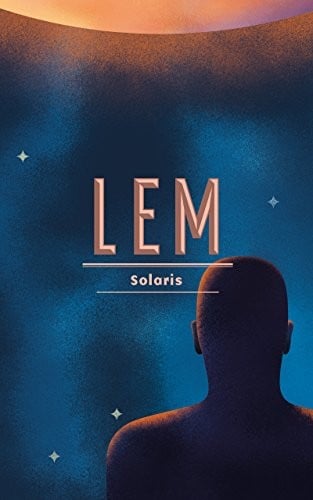
Solaris is the most canonically recognized work of Eastern European science fiction, taught in SF studies, philosophy of science, and world literature courses at universities across Europe, North America, and East Asia. Its Wikipedia article exists in over 50 languages. The Tarkovsky film adaptation (1972) cemented its cultural standing. Within speculative fiction it holds a position equivalent to Ulysses in modernist literature — the work against which all philosophical SF is measured.
Wikipedia article exists in 22 languages, indicating substantial global reach, and Krasznahorkai's 2025 Nobel Prize in Literature will accelerate institutional attention to the novel. Syllabus appearances are currently negligible — the recent Nobel has not yet translated into widespread university adoption. The novel occupies a firm place in the contemporary European literary canon without yet achieving the fixture status of earlier Nobel laureates.
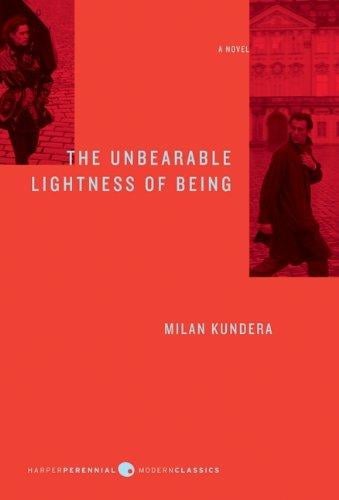
Required reading in comparative literature, philosophy of literature, and European fiction courses across Europe and North America. One of the defining novels of the 1980s and a staple of Cold War literary history curricula. Consistently appears on 'essential European novels' lists and is taught wherever 20th-century fiction is surveyed.
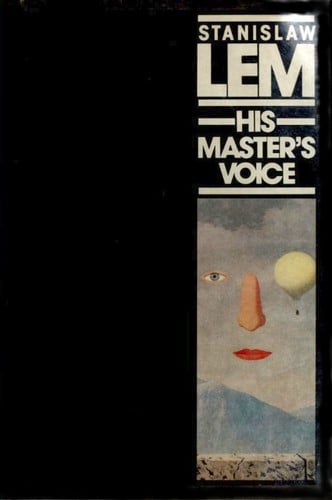
His Master's Voice holds a firm canonical position within science fiction studies and Eastern European literature curricula, though it remains outside the mainstream Western literary canon. No syllabus data appears in the database, but the novel is consistently cited in SF critical histories as one of Lem's three or four most important works alongside Solaris and The Cyberiad. It appears in translations across at least 20 languages and features on 'essential SF' lists compiled by critics, not algorithms.
One of the most important Polish poets of the twentieth century, widely translated and taught in courses on modern poetry.
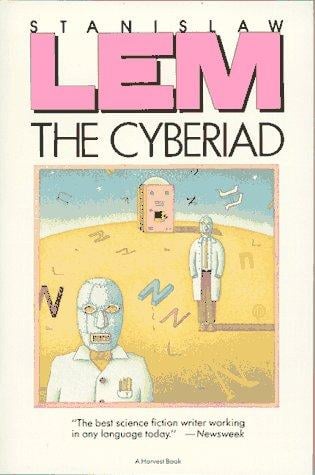
Trurl and Klapaucius are constructors — engineers of impossible things — who travel the universe building machines that write poetry, create dragons out of probability, and kidnap kings using algorithms. In the opening story, Trurl builds a machine that can make anything starting with the letter N. When it begins making Nothing — not ordinary nothing, but dynamic, aggressive Nothingness — it starts erasing the world one item at a time: the gruncheons go, then the pritons, then the zits, and the sky acquires holes that have never healed. Stanisław Lem writes fairy tales about robots, but the fairy tales are philosophical arguments in disguise. Each of the fifteen linked adventures runs a thought experiment: what happens when collective intelligence exceeds the scale at which militarism makes sense? Can a machine write great poetry if civilization wrote the poet? What does it mean to exist inside a simulation you cannot distinguish from reality? The deadpan fable narrator treats catastrophe and cosmic comedy with identical gravity, and the gap between that voice and what is actually happening is where all the meaning lives. The Cyberiad reads as slapstick adventure on the surface — Trurl escaping dungeon after dungeon with improbable ingenuity — and as philosophy underneath, where questions about consciousness, creation, and the purpose of intelligence are never resolved. Lem gives you both pleasures at once, and the math jokes are genuine.
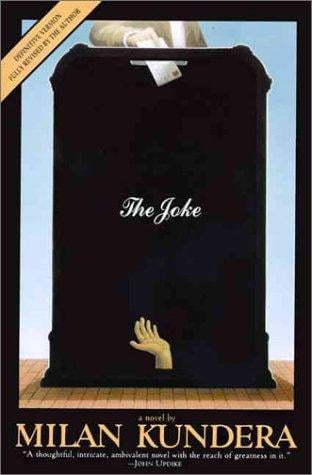
Kundera's first novel is on Le Monde's 100 Books of the Century and is taught in courses on Central European literature and the literature of Communism. It is one of the standard novels of the Prague Spring.
Widely regarded as one of the greatest Hungarian novels and one of the major European novels of the twentieth century. Susan Sontag called it 'the greatest novel written in our time.'
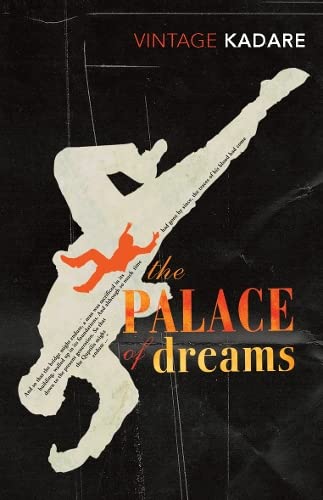
Mark-Alem Quprili wakes one morning to begin his first day at the Tabir Sarrail — the Palace of Dreams — where the Ottoman State collects, sorts, and interprets every dream dreamed by every subject across the Empire, searching for the one divine signal that might save or doom the Sultan. His family, the great Quprili dynasty that has given the Empire five Grand Viziers and as many imprisoned or decapitated members, arranged the appointment. The building swallows him whole: labyrinthine corridors, blue-green files stacked floor to ceiling, clerks bent over thousands of nightly visions from Kustendil to the European borders. Kadare wrote this novel in 1981 as allegory, the Ottoman machinery standing in for communist Albania under Enver Hoxha. The Palace of Dreams does not merely observe its citizens — it harvests their unconscious, processing the darker side of the population's inner life as raw material for state power. Mark-Alem, caught between his family's grandeur and the bureaucracy's anonymous terror, learns to alter dream interpretations to avoid culpability, to keep his head down while the system grinds. At dinner, his uncle Kurt speaks with reckless brilliance about the Tabir as the only institution where the masses make direct contact with the state. Nobody changes the subject in time. This is a Kafkaesque novel that knows exactly what it is doing with Kafka — the dreamworld is not metaphor but administrative fact, and the dread is the dread of the functionary who understands, too late, that he has become part of the machine.
No. 11 on this list. Pornografia · Witold Gombrowicz · 1960
Pornografia is widely taught in European and Latin American literature courses and appears on world literature syllabi, though its presence in English-language curricula is more limited than Gombrowicz's Ferdydurke. No syllabus data was available in the database, and no Wikipedia article was indexed, but the novel is broadly recognized as a major work of 20th-century European fiction and appears on multiple 'greatest novels' lists.
Difficult6.2 hours
Start this bookNo. 12 on this list. Ferdydurke · Witold Gombrowicz · 1937
Taught in schools: Lektury obowiązkowe – Polish national reading list (Poland)
Ferdydurke is essential reading in Polish literature curricula and widely included in European modernism and world literature survey courses. Its English-language standing was significantly elevated by the 2000 Yale University Press translation with Susan Sontag's foreword. Less universally taught than Kafka or Borges in Anglophone institutions, but its canonical status in Eastern European and comparative literature contexts is strong.
Difficult13 hours
Start this bookNo. 13 on this list. Parallel Stories · László Nádas · 2005
Regarded as one of the major European novels of the twenty-first century, frequently compared to Proust and Musil in scope and ambition.
Challenging46 hours
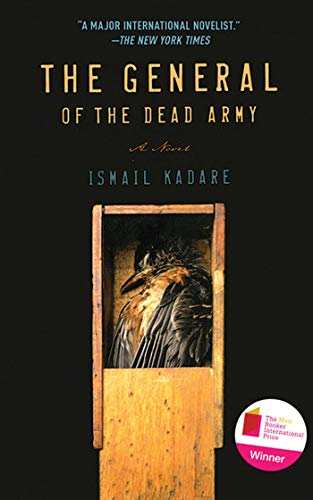
Start this bookNo. 14 on this list. The General of the Dead Army · Ismail Kadare · 1963
Listed in Le Monde's 100 Books of the Century and the work that introduced Kadare to Western readers after its 1970 French translation. It is studied in courses on Balkan and Eastern European literature.
Challenging6.9 hours
Start this bookNo. 15 on this list. Garden, Ashes · Danilo Kiš · 1965
Considered one of the finest autobiographical novels about the Holocaust and a key work of Yugoslav literature. Widely translated and studied.
Moderate3.3 hours
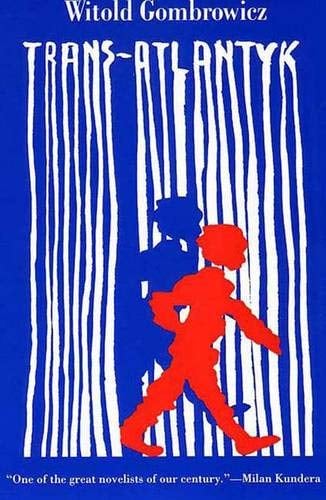
Start this bookNo. 16 on this list. Trans-Atlantyk · Witold Gombrowicz · 1953
Witold Gombrowicz steps off the ocean liner Chrobry in Buenos Aires on August 21, 1939, carrying two suitcases and a secret he cannot say aloud to his compatriots: he is not going back. Within days, World War II breaks out in Poland, and Gombrowicz — already walking down the gravel path, not looking back at the departing ship — begins the twenty-three years of Argentine exile that will produce this novel. Trans-Atlantyk is told in the voice of a gawęda, the baroque fireside chat of 17th-century Polish nobility, its capitalized nouns and run-on sentences and archaic inversions deployed to mock the very traditions they mimic. The narrator attends Polish diplomatic receptions, wanders Buenos Aires nights with Gonzalo — a fabulously rich, hopelessly furtive pursuer of young men — meets a retired major and his beautiful son, and eventually finds himself caught in the Spur Society, a cellar-bound brotherhood of mutual torture bound by bent-barbed spurs that no one dares remove. Each absurd episode is also an allegory: for the self-perpetuating violence of national honor, for the seduction of what Poland forbids, for the question of whether a man can shed his Polishness the way Gregor Samsa shed his humanity. Gombrowicz gives no answers. The novel ends as it began — walking and walking and walking.
Difficult6.1 hours
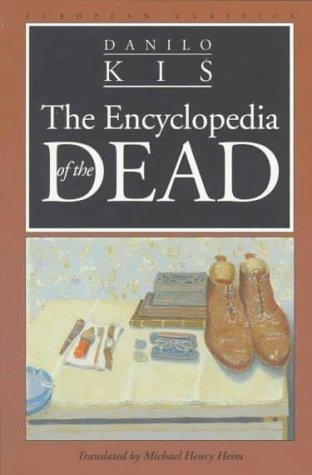
Start this bookNo. 17 on this list. The Encyclopedia of the Dead · Danilo Kiš · 1983
Considered alongside A Tomb for Boris Davidovich as Kiš's two major later works; this collection was his final prose before his death in 1989. Well-established on European literature syllabi and in Eastern European literary studies. Less universally cited than Boris Davidovich internationally but arguably more emotionally resonant and formally varied. The title story is frequently anthologized as one of the great short fictions of the century.
Challenging6 hours
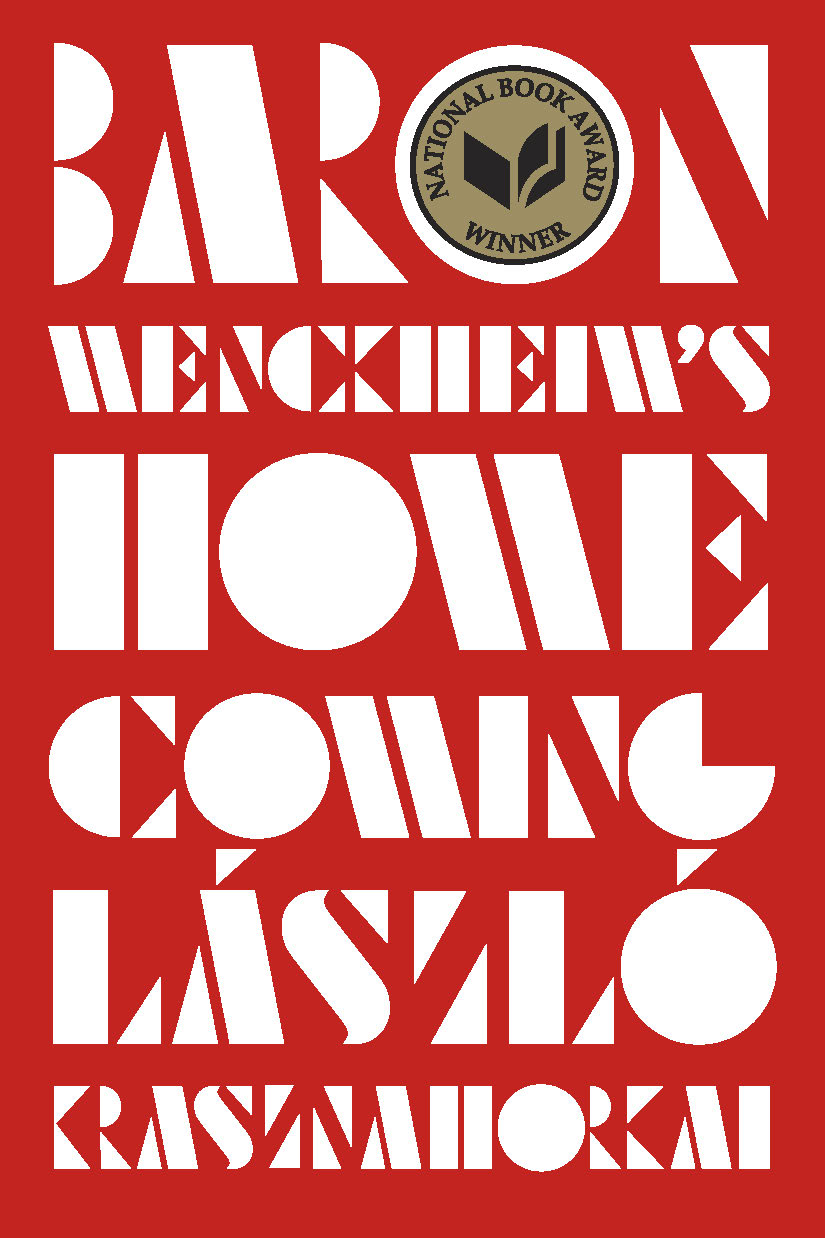
Start this bookNo. 18 on this list. Baron Wenckheim's Homecoming · László Krasznahorkai · 2016
Baron Wenckheim's Homecoming has not yet achieved wide syllabus presence and remains a niche text even within contemporary world literature courses. It is Krasznahorkai's final novel in a tetralogy, and while respected, it does not appear on standard reading lists. Its canonical potential rises with Krasznahorkai's 2025 Nobel Prize, but institutional adoption lags behind critical recognition.
Difficult28 hours
Start this bookNo. 19 on this list. School at the Frontier · Géza Ottlik · 1959
Widely regarded as the greatest Hungarian novel of the twentieth century. Less known internationally due to limited translation history.
Moderate6.2 hours
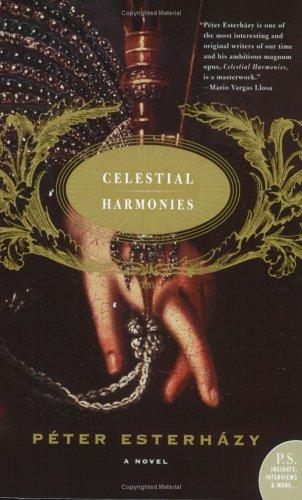
Start this bookNo. 20 on this list. Celestial Harmonies · Péter Esterházy · 2000
Considered Esterhazy's masterpiece and one of the most important Hungarian novels of the post-Communist era. Widely translated and internationally recognized.
Challenging17 hours
Start this book

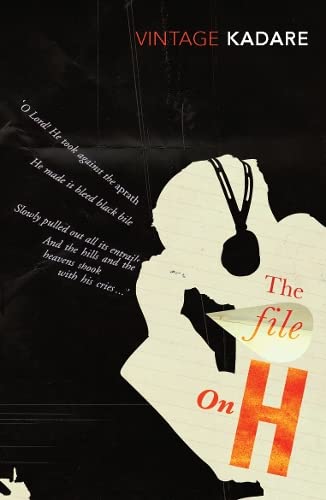
No. 21 on this list. The File on H. · Ismail Kadare · 1981
A well-regarded Kadare novel, appreciated for its humor and intellectual concerns, though less frequently cited than Broken April or The Palace of Dreams.
Easy3.3 hours
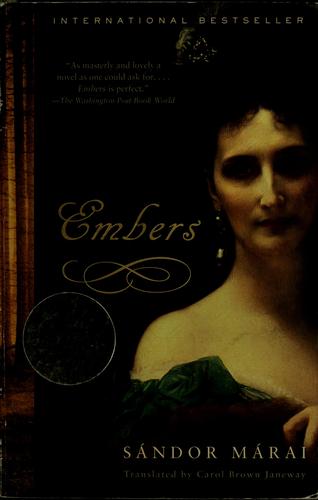
Start this bookNo. 22 on this list. Embers · Sándor Márai · 1942
Rediscovered in the 1990s and now recognized as a major European novel. An international bestseller that restored Marai's reputation posthumously.
Moderate3 hours
Start this bookNo. 23 on this list. The Promised Land · Władysław Reymont · 1899
Jewish settlers build a new life in Poland, their community rising and falling with history. Reymont's novel chronicles the Polish-Jewish experience with characteristic scope and detail.
Moderate8.1 hours
Read nowNo. 24 on this list. The World Goes On · László Krasznahorkai · 2018
Twenty-one stories circle obsessively around decay, beauty's impossibility, and consciousness trapped in observation. The title story follows the narrator through encounters with a Japanese translator, a young Turkish woman, and various chance meetings that loop back without resolution. In 'Bankers,' an architect named Bengazza obsesses over the Acropolis while planning hotels, unable to reconcile beauty with commerce. 'Universal Theseus' presents a consciousness spiraling through philosophical speculation about ships, identity, and replacement. Krasznahorkai's sentences stretch across pages without periods, each one accumulating clauses and observations in relentless forward momentum. A recurring narrator wanders through ruined buildings, abandoned cities, and rain-soaked landscapes, cataloging deterioration while meditating on existence's futility. The prose moves through Kyoto gardens, Greek ruins, New York streets, and Magyar villages, always returning to the same questions about beauty, time, and meaning. Characters speak in monologues that blend seamlessly with the narrative voice, creating a unified consciousness that observes the world's persistence despite human understanding's failure. The collection's architecture mirrors its themes: fragments that connect through obsession rather than plot, stories that end by beginning again, a structure that embodies the eternal return its title promises.
Challenging9.8 hours
Start this bookNo. 25 on this list. I Served the King of England · Bohumil Hrabal · 1971
Ditie begins his career running hot sausages along train platforms, keeping the change when passengers can't reach him before the train moves. By his late twenties, having worked his way up through Prague hotels, he kneels before the Emperor of Ethiopia and pours his wine after the head waiter forgets. The decoration placed on his chest that evening will follow him for the rest of his life, into a marriage with a German nationalist, through the Nazi occupation, through Communist confiscation, and finally into solitary exile in a village inn where only a horse and a goat keep him company. Hrabal's narrator Ditie is one of literature's great unreliable innocents: a man who genuinely cannot see his own complicity, who reports his collaboration with cheerful precision and mistakes advancement for virtue. The novel's sentences run for paragraphs without stopping, accumulating hotel inventory and erotic incident and geopolitical catastrophe in the same breathless rush — Hrabal's characteristic 'palavering' style that makes the prose feel simultaneously trivial and portentous. Czech history from the 1930s through communism passes through a waiter's eyes, visible only in the details he notices: the gold cutlery counted three times after the state banquet, the missing spoon that threatens everything, the stamps in a dead woman's suitcase that buy him a hotel.
Challenging4.5 hours
Start this bookNo. 26 on this list. The Issa Valley · Czesław Miłosz · 1955
Thomas grows up on a Lithuanian estate in the early twentieth century, learning to hunt, to observe nature, and to fear God. Miłosz's autobiographical novel recreates a lost world with hallucinatory precision—the rivers and forests of his childhood, the peasants and priests, the animals he tracked and killed. The prose moves between pastoral beauty and sudden violence, innocence and knowledge that corrupts. Thomas will become a poet; the valley will be destroyed by war and Soviet occupation. But in the novel's present, everything is still possible.
Challenging5.2 hours
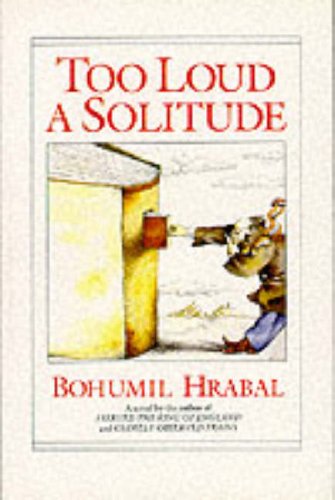
Start this bookNo. 27 on this list. Too Loud a Solitude · Bohumil Hrabal · 1976
Too Loud a Solitude is considered Hrabal's masterwork and is taught in Eastern European literature, comparative literature, and censorship-and-literature courses at the university level. No Wikipedia article was found in the database, likely a data gap: the book is widely covered in literary encyclopedias and has been translated into dozens of languages. It holds a firm place in the Central European canon but has not penetrated general Western syllabi the way Kafka's work has.
Challenging2.8 hours
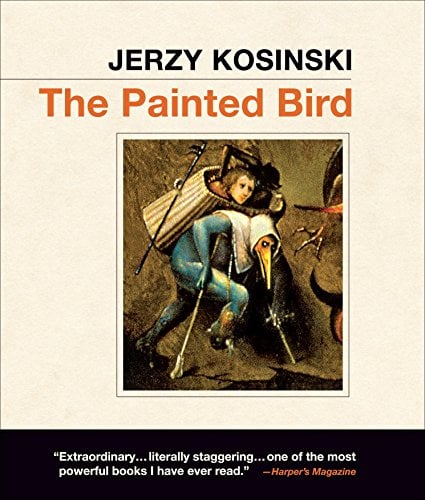
Start this bookNo. 28 on this list. The Painted Bird · Jerzy Kosinski · 1965
On TIME's All-TIME 100 Novels and found on 26 syllabi (35th percentile), with Wikipedia articles in 12 languages. It is taught in courses on Holocaust literature.
Challenging5.8 hours
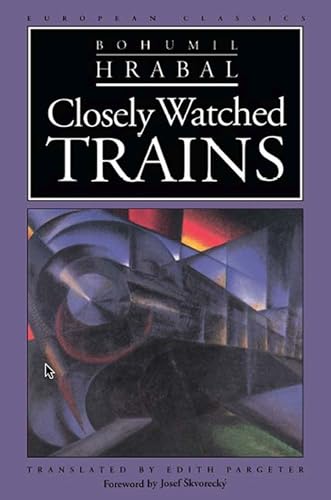
Start this bookNo. 29 on this list. Closely Watched Trains · Bohumil Hrabal · 1965
Closely Watched Trains is taught in Central European literature and WWII literature courses, but it is not a fixture of broad anglophone university curricula. The 1966 film adaptation — which won the Academy Award for Best Foreign Language Film — brought the novella considerable international recognition, and the film's Wikipedia article exists in 41 languages. Within Czech literary studies, the work is considered essential; its reach into global syllabi remains modest.
Easy1.6 hours
Start this bookNo. 30 on this list. The Forbidden Forest · Mircea Eliade · 1955
Considered Eliade's major novel and an important work of Romanian literature. Better known in Romance-language countries than in the Anglophone world.
Moderate16 hours
Start this book
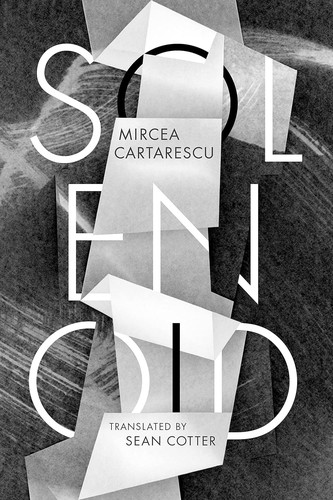
No. 31 on this list. Solenoid
Mircea Cărtărescu · 2025
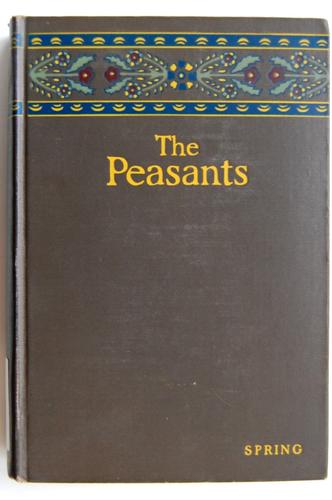
No. 32 on this list. The Peasants
Władysław Reymont · 1904
Taught in schools: Lektury obowiązkowe – Polish national reading list (Poland)
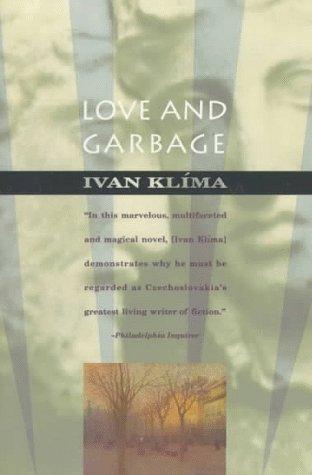
No. 33 on this list. Love and Garbage
Ivan Klima · 1986
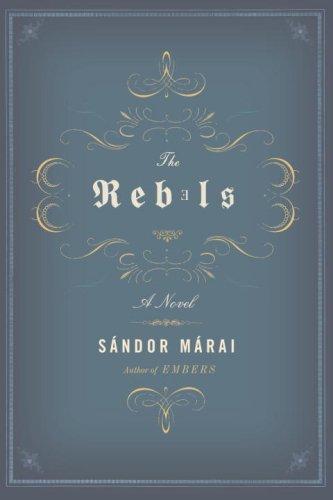
No. 34 on this list. The Rebels
Sándor Márai · 1930
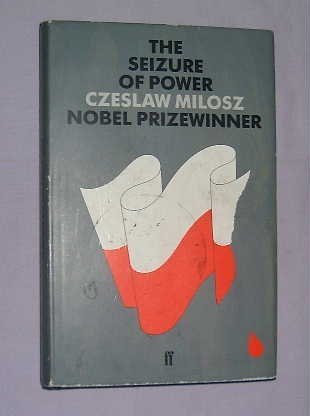
No. 35 on this list. The Seizure of Power
Czesław Miłosz · 1953
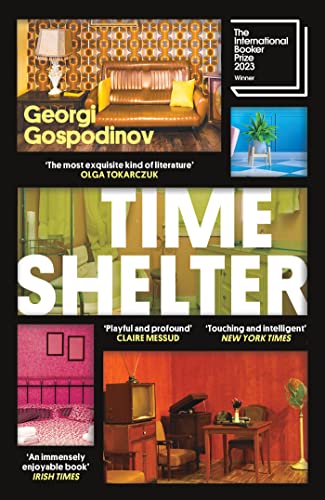
No. 36 on this list. Time Shelter
Georgi Gospodinov · 2023
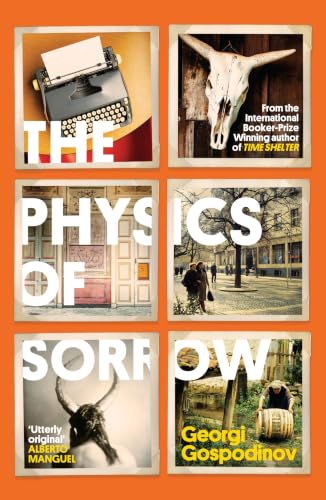
No. 37 on this list. The Physics of Sorrow
Georgi Gospodinov · 2021
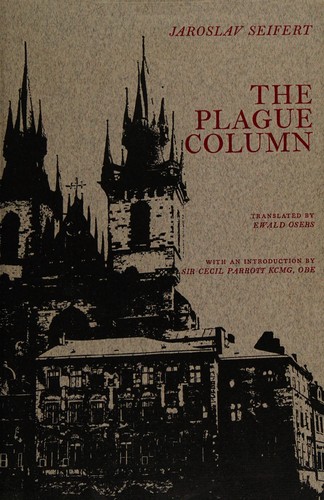
No. 38 on this list. The Plague Column
Jaroslav Seifert · 1977
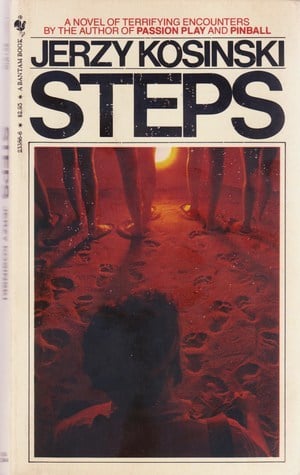
No. 39 on this list. Steps
Jerzy Kosinski · 1969
No. 40 on this list. The Beautiful Mrs. Seidenman
Andrzej Szczypiorski · 1986
About this list
These 43 books are the highest-scoring eligible books from Eastern Europe by men currently in the catalogue. About 380 hours of reading in all. Difficulty runs from 47 to 68 out of 100 for the middle half of the list; the summit is Satantango at 80.
This list is ranked by literary regard, with a consistent order for equal scores. Membership follows authors and co-authors, not translators or editors. A book is here when ReadingRate files it under Eastern European Literature as one of its primary reading domains. Catalogue coverage and the historical canon both limit what this list can represent.
When we matched the Canons dataset to our catalogue in October 2026, our canonical-status scores rose with the number of school curricula, publisher series and lists in it that cite a work: the median score was 72 for books one such source cites, 84 at two, 88 at three, 92 at four and 93 at five or more. Prizes are left out of that count. Outside the state curricula, the dataset’s sources choose mostly from what has been translated into English or French, so it is a weaker check on other literatures. Source: Canons (Andrew Piper), CC BY 4.0
Questions people actually ask
- What are the best books from Eastern Europe by men?
- By literary regard, which weighs canonical status, critical standing and influence: Selected Poems of Czesław Miłosz by Czesław Miłosz, Solaris by Stanisław Lem, Satantango by László Krasznahorkai, The Unbearable Lightness of Being by Milan Kundera and His Master's Voice by Stanisław Lem. ReadingRate ranks 43 such books, each with a difficulty score and a reading-time estimate.
- Which books from Eastern Europe by men should I read first?
- Start from difficulty, not from rank. The most approachable books on this list that still carry top literary regard are Selected Poems of Czesław Miłosz by Czesław Miłosz (about 1.9 hours), Selected Poems of Zbigniew Herbert by Zbigniew Herbert and The Unbearable Lightness of Being by Milan Kundera.
- What are the shortest of the best books from Eastern Europe by men?
- Among the top 25, the shortest are Selected Poems of Czesław Miłosz by Czesław Miłosz (about 1.9 hours), Embers by Sándor Márai (about 3 hours) and Selected Poems of Zbigniew Herbert by Zbigniew Herbert (about 3.2 hours), at an average pace of 250 words a minute adjusted for each book's difficulty.
- Which of the best books from Eastern Europe by men are the established classics?
- By canonical status, how firmly a book sits in curricula, anthologies and the canon: Selected Poems of Czesław Miłosz by Czesław Miłosz, Solaris by Stanisław Lem, The Unbearable Lightness of Being by Milan Kundera, Selected Poems of Zbigniew Herbert by Zbigniew Herbert and A Book of Memories by László Nádas.
- Can I read any of these books from Eastern Europe by men for free?
- 2 of the 43 open in ReadingRate's reader with a free account, from public-domain editions: The Promised Land and The Peasants.
- How long would it take to read the top ten?
- About 87 hours, at an average pace of 250 words a minute adjusted for each book's difficulty: 44 days at two hours a day. Set your own pace on the page and the list's reading times change to it.
- How hard are books from Eastern Europe by men to read?
- Most of this list sits between 47 and 68 on ReadingRate's 100-point difficulty scale, where 40 to 55 is moderate. The summit is Satantango at 80. Every entry carries its own score, so a reader can pick a great book at a difficulty they will finish.
- How is this list ranked?
- On literary-regard data: how canonically established a work is, its critical standing, and its influence on later writing. It is not a readers’ poll, which is why recent bestsellers rarely appear. Membership follows authors and co-authors, not translators or editors. Lists by country, author, period, theme or difficulty keep to literature (fiction, poetry, drama and philosophy), their novels, poems and plays first and their philosophy after them; a list of a kind of book, such as memoir or criticism, keeps every book of that kind. Every list holds at most three works by one author. A book is here when ReadingRate files it under Eastern European Literature as one of its primary reading domains.