Hours at an average pace
Showing 100 books
About 725 hours for 99 of 100 books with measured lengths. Estimates use 250 words a minute, adjusted for each book's difficulty. At 2 hours a day, about 363 days for those books.
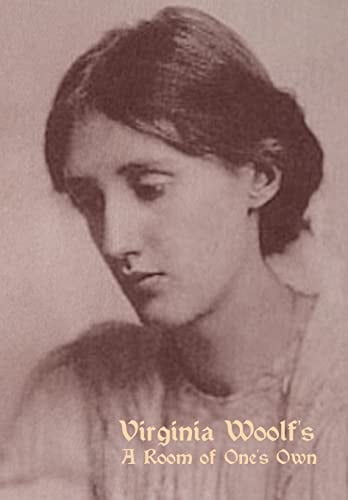
Woolf asked why women had produced so little literature, then answered with ruthless material specificity: because they lacked money and rooms with locks on the doors. The extended essay fused literary criticism with feminist argument in a voice so controlled that its anger registers as wit, and its conclusions have only become more difficult to refute.
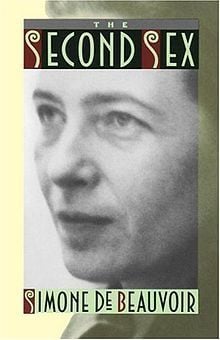
Appears on 563 university syllabi (Open Syllabus percentile: 68.8%), making it a fixture of gender studies, philosophy, and feminist theory curricula worldwide. Named to Le Monde's 100 Books of the Century and recognized in 50 Wikipedia languages — signaling global canonical reach. Essential reading in feminist and existentialist philosophy, though not as universally taught as Shakespeare or Frankenstein.
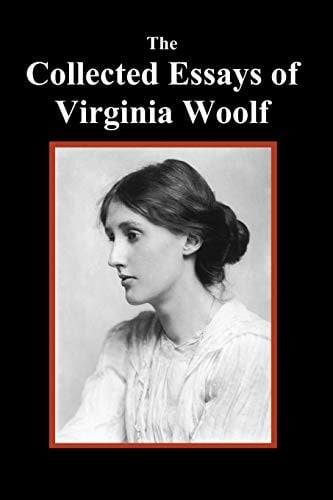
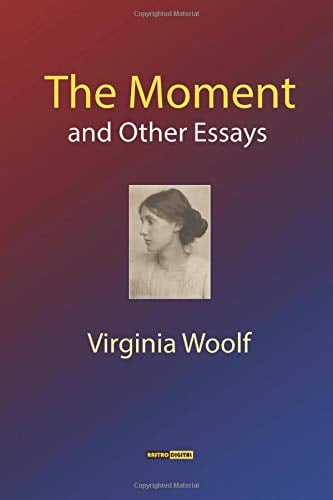
The Collected Essays and The Common Reader are staples of university courses in modernism, literary criticism, and women's writing globally. While no Wikipedia or syllabus data was returned for this specific collection, Woolf's essays are foundational to any survey of 20th-century literary criticism and have been continuously in print since the 1920s.
A founding text of queer theory, assigned in nearly every course on queer studies and widely excerpted in theory anthologies. Its opening axioms are among the most taught passages in late-twentieth-century criticism.
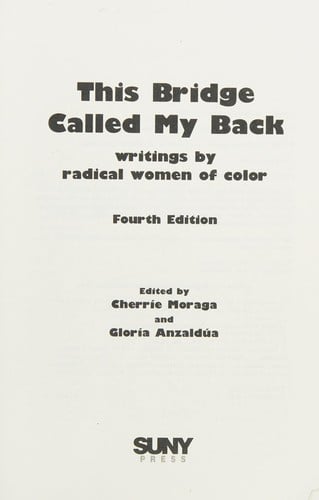
This Bridge Called My Back is required reading in women's studies, ethnic studies, and American literature courses across the United States and beyond. Since its 1981 publication it has appeared on thousands of university syllabi, ranking among the most-taught feminist texts in higher education, comparable in academic penetration to Beloved within its fields. It is listed on essential reading guides across multiple disciplines and remains continuously in print.
The title essay 'The Death of the Moth' is one of the most anthologized pieces in the English language, appearing in virtually every major collection of literary essays and countless university writing courses. Though the collection as a whole is less individually indexed than Woolf's novels, these essays — alongside 'Street Haunting' and 'Middlebrow' — are fixtures of modernist prose and creative nonfiction curricula worldwide.
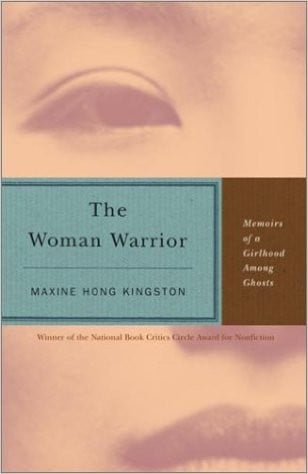
No. 7 on this list. The Woman Warrior: Memoirs of a Girlhood Among Ghosts
Maxine Hong Kingston · 1976
Moderate4.6 hours
The Woman Warrior is one of the most-taught memoirs in American university curricula, appearing on syllabi for American literature, Asian-American studies, women's studies, creative nonfiction, and multicultural education courses. It has been continuously in print since 1976 and appears on virtually every list of essential Asian-American literature. The Open Syllabus Project ranks it among the most frequently assigned texts in the humanities.
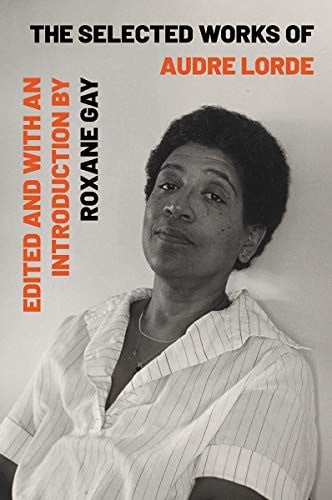
Lorde is taught across literature, gender studies and Black studies.
Widely taught in American literature and journalism programs, consistently appearing on syllabi in courses on creative nonfiction, American Studies, and cultural history. The collection appears on the Modern Library's list of the 100 best nonfiction books and is regarded as required reading for understanding 1960s American culture. The title essay is frequently anthologized and cited as a landmark of American journalism.
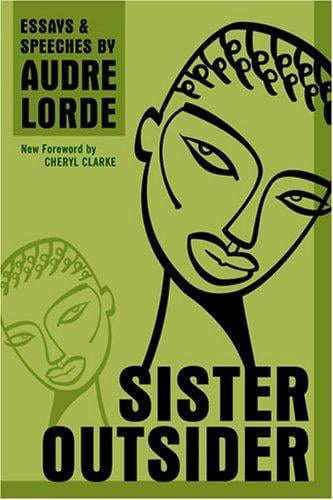
Sister Outsider is a staple in gender studies, Black studies, and feminist theory courses across American and European universities. It appears on hundreds of syllabi and is widely considered essential reading in intersectional feminism and queer theory. Its individual essays — particularly 'The Master's Tools Will Never Dismantle the Master's House' — are among the most frequently anthologized nonfiction pieces in the humanities.
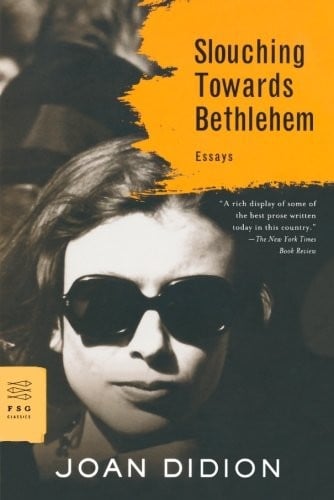
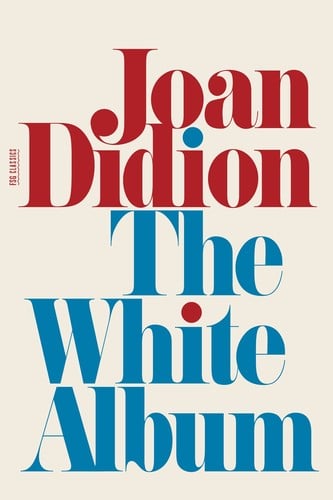
No. 11 on this list. The White Album · Joan Didion · 1979
Joan Didion opens with a confession: "We tell ourselves stories in order to live." What follows is the record of what happens when that story breaks down. Writing through the late 1960s in Los Angeles, Didion moves between her own psychiatric evaluations, the Manson trial, an afternoon with the Doors at a recording session, the engineering of Hoover Dam, and the geometry of a shopping mall in San Bernardino. The connections are never explained. That is the point. The white album of the title gestures at the Beatles' blank-sleeve record — a surface onto which listeners projected whatever they needed. Didion offers herself as a similar surface: a woman whose nervous system recorded an era's disintegration while her own sense of narrative failed her. The essays fragment deliberately, cutting mid-thought, juxtaposing a clinical psychiatric report with dispatches from the Black Panther press conference. Didion's sentences are precise and cold in the way a surgeon's instruments are cold — not indifferent, but controlled. The book asks what it means to impose meaning on experience when the experience refuses to cohere. It does not answer. The question, delivered with this particular clarity, is enough.
Moderate3.9 hours
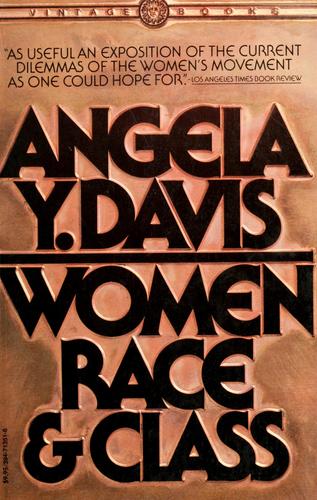
Start this bookNo. 12 on this list. Women, Race & Class · Angela Davis · 1981
A fixture on syllabi in Women's Studies, African American Studies, Sociology, and History courses across US universities since its 1981 publication. Required reading in virtually every Black feminist theory course and central to the canon of intersectional scholarship. Widely included on lists of essential texts in feminist and critical race theory.
Moderate4.7 hours
Start this bookNo. 13 on this list. Dante: The Poet, the Political Thinker, the Man · Barbara Reynolds · 2006
Widely recommended as the best single-volume introduction to Dante in English.
Challenging13 hours
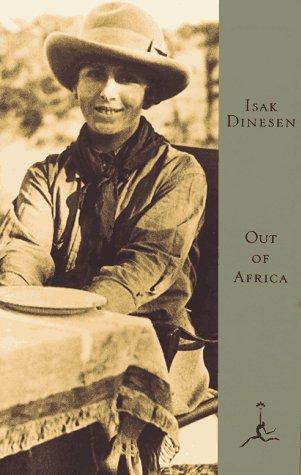
Start this bookNo. 14 on this list. Out of Africa · Isak Dinesen · 1937
Out of Africa is widely recognized as one of the great literary memoirs of the twentieth century. It appears on the Modern Library's 100 Best Nonfiction list at number 17 and is regularly assigned in university courses on memoir, African literature, and postcolonial studies. Its Wikipedia article exists in numerous languages and includes sections on reception and adaptations. The work has achieved broad curricular and cultural presence across the English-speaking world and beyond.
Easy6.4 hours
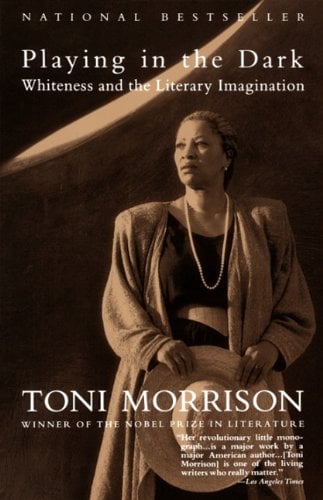
Start this bookNo. 15 on this list. Playing in the Dark: Whiteness and the Literary Imagination · Toni Morrison · 1992
Playing in the Dark is a foundational text in American literary studies and critical race theory in literature. It appears on countless graduate and undergraduate syllabi in American literature, African-American studies, and literary theory courses. It is widely considered essential reading for anyone studying the American literary canon, frequently cited alongside Edward Said's Orientalism as a paradigm-shifting work of cultural criticism.
Moderate1.6 hours
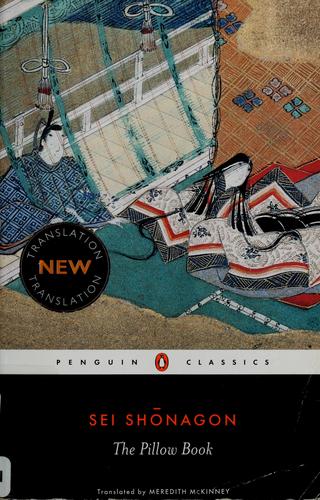
Start this bookNo. 16 on this list. The Pillow Book · Sei Shonagon · 1002
Included in: UNESCO Collection of Representative Works
The Pillow Book is one of only two surviving prose masterpieces of the Heian period (alongside The Tale of Genji) and appears in virtually every world literature survey course. It is the founding work of the zuihitsu genre—the Japanese personal essay—and is treated as an essential document of 10th-century Japanese civilization. No verified syllabus count is available in the database, but its position in world literature curricula and its continuous publication in major translation series (Penguin Classics, Columbia University Press) confirms broad canonical standing.
Challenging12 hours
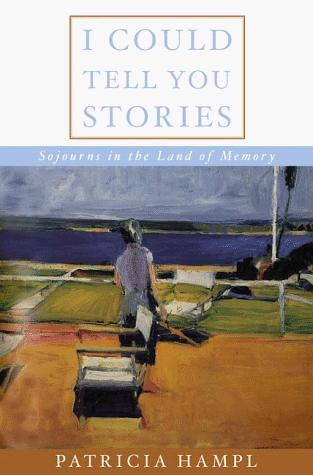
Start this bookNo. 17 on this list. I Could Tell You Stories · Patricia Hampl · 1999
Widely assigned in memoir and creative nonfiction programs alongside Gornick and Lopate.
Moderate4.4 hours
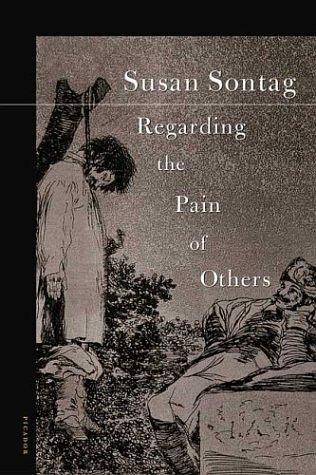
Start this bookNo. 18 on this list. Regarding the Pain of Others · Susan Sontag · 2003
Regarding the Pain of Others is a standard text in media studies, photography, visual culture, and war journalism courses worldwide. It appears on hundreds of university syllabi as a primary theoretical text. Wikipedia articles exist in over 40 languages. The book is the go-to theoretical reference whenever questions of war photography and the ethics of looking arise in public discourse.
Moderate1.8 hours
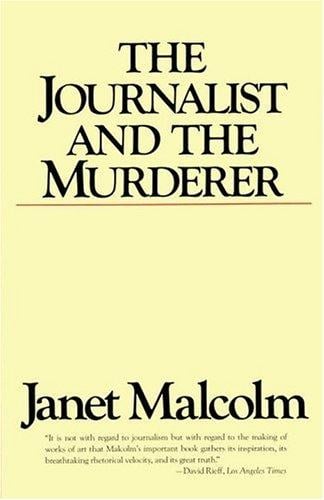
Start this bookNo. 19 on this list. The Journalist and the Murderer · Janet Malcolm · 1990
The Journalist and the Murderer is a staple of journalism school curricula across North America and is widely assigned in media ethics, creative nonfiction, and literary journalism courses. Its opening sentence is among the most frequently quoted lines in American nonfiction. While it does not appear on general literary canons as broadly as major novels, within its domain — journalism studies and media ethics — it is as close to required reading as any single text.
Easy2.5 hours
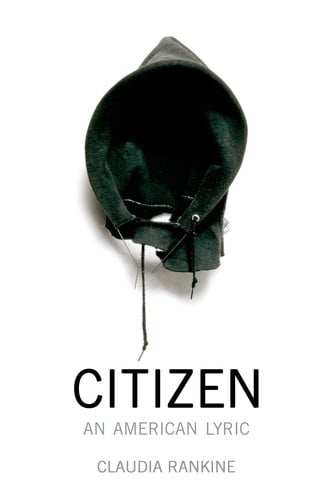
Start this bookNo. 20 on this list. Citizen: An American Lyric · Claudia Rankine · 2014
Citizen has become required reading across university courses in American literature, race studies, creative writing, and cultural criticism within a decade of its 2014 publication—a speed of canonization rarely seen in contemporary poetry. It appears on hundreds of syllabi and on nearly every 'essential American poetry' list of the 2010s. Its Wikipedia article exists in multiple languages, and the book is cited in academic work across disciplines from legal theory to art history.
Difficult1.7 hours
Start this book
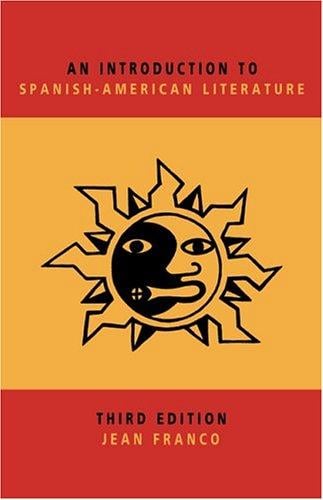
No. 21 on this list. An Introduction to Spanish-American Literature · Jean Franco · 1969
Established as the foundational anglophone survey of Spanish American literature for over three decades.
Moderate6.7 hours
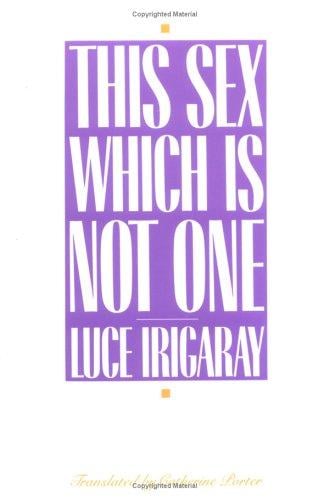
Start this bookNo. 22 on this list. This Sex Which Is Not One · Luce Irigaray · 1977
A foundational text of French feminist philosophy and literary theory. Essential in feminist theory and continental philosophy courses.
Difficult8.5 hours
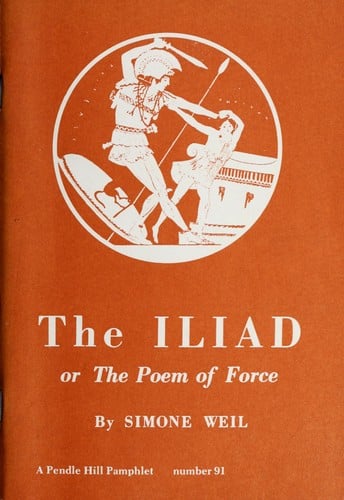
Start this bookNo. 23 on this list. The Iliad, or the Poem of Force · Simone Weil · 1940
Written in 1939 and published in Cahiers du Sud under the anagram Émile Novis, the essay is a fixture of great-books and humanities courses that teach the Iliad. NYRB Classics keeps it in print beside Rachel Bespaloff's On the Iliad as War and the Iliad.
Moderate1.2 hours
Start this bookNo. 24 on this list. The Cambridge History of German Literature · Helen Watanabe-O'Kelly · 1997
The definitive Cambridge reference history for German literature in English.
Challenging34 hours
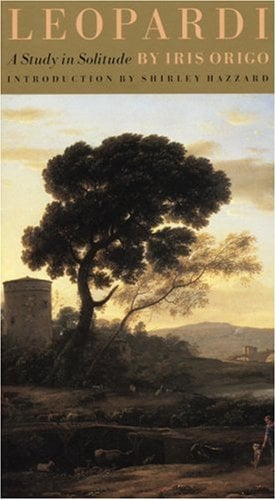
Start this bookNo. 25 on this list. Leopardi: A Study in Solitude · Iris Origo · 1953
The standard English-language biography of Leopardi; long considered definitive.
Moderate11 hours
Start this bookNo. 26 on this list. The Tale of Genji: A Reader's Guide · Norma Field · 2015
The standard English-language reader's guide to the Genji; recommended by every Japanologist working in English.
Moderate5.5 hours
Start this bookNo. 27 on this list. The Licensing Act of 1737 and the Staging of the Eighteenth-Century Essay · Margaret Anne Doody · 1996
The major revisionist challenge to Watt; essential in any account of the novel's origins.
Challenging17 hours
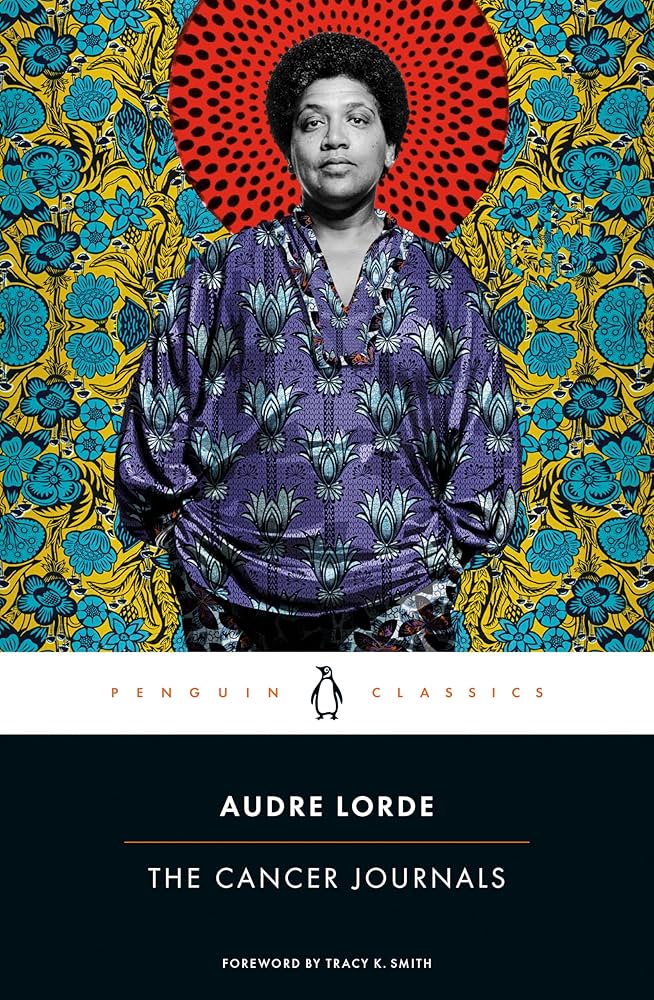
Start this bookNo. 28 on this list. The Cancer Journals · Audre Lorde · 1980
A founding text of illness narrative and the medical humanities, regularly assigned in courses on feminist theory, disability studies and Black women's writing. It includes 'The Transformation of Silence into Language and Action', one of Lorde's most quoted essays.
Moderate2.8 hours
Start this bookNo. 29 on this list. A History of Australian Literature · Leonie Kramer · 1981
One of the foundational scholarly accounts of Australian literature; debated and built on by subsequent historians.
Challenging6.7 hours
Start this bookNo. 30 on this list. Mystery and Manners: Occasional Prose · Flannery O'Connor · 1969
Edited after O'Connor's death by Sally and Robert Fitzgerald, the collection is one of the most assigned books on the craft of fiction in American creative-writing programmes. Essays such as 'Writing Short Stories' and 'The Nature and Aim of Fiction' are also taught beside her stories in Southern and Catholic literature courses.
Moderate3.9 hours
Start this book
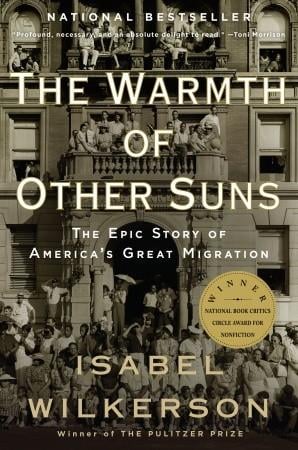
No. 31 on this list. The Warmth of Other Suns
Isabel Wilkerson · 2010
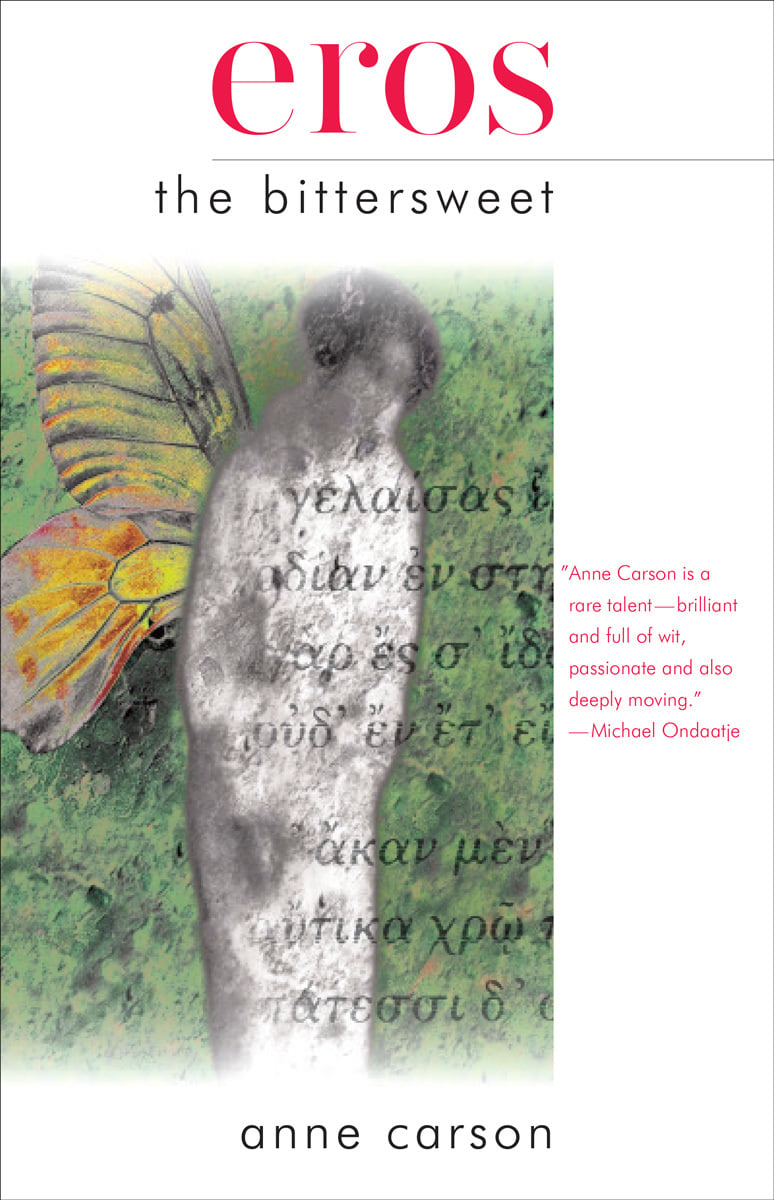
No. 32 on this list. Eros the Bittersweet
Anne Carson · 1986
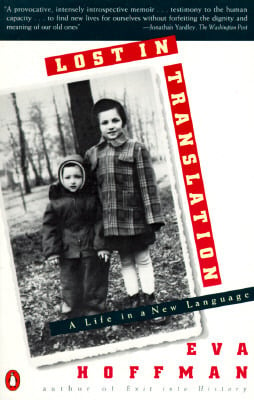
No. 33 on this list. Lost in Translation: A Life in a New Language
Eva Hoffman · 1989
No. 34 on this list. A Poetics of Postmodernism: History, Theory, Fiction
Linda Hutcheon · 1988
No. 35 on this list. Glass, Irony and God
Anne Carson · 1995
No. 36 on this list. Simone Weil: An Anthology
No. 37 on this list. Reading the Romance: Women, Patriarchy, and Popular Literature
Janice Radway · 1984
No. 38 on this list. Don't Let Me Be Lonely
Claudia Rankine · 2004
No. 39 on this list. Teaching a Stone to Talk
Annie Dillard · 1982
No. 40 on this list. Salvador
Joan Didion · 1983

No. 41 on this list. Inside/Out: Lesbian Theories, Gay Theories
Diana Fuss · 1991
No. 42 on this list. Machado de Assis: The Brazilian Master and His Novels
Helen Caldwell · 1970
No. 43 on this list. Black Lamb and Grey Falcon
Rebecca West · 1941
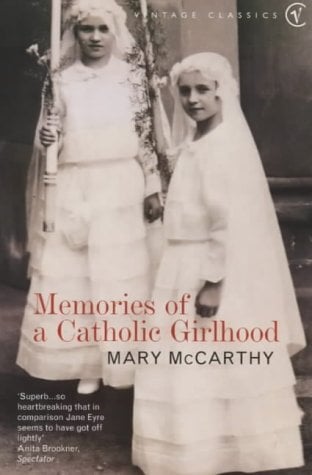
No. 44 on this list. Memories of a Catholic Girlhood
Mary McCarthy · 1957
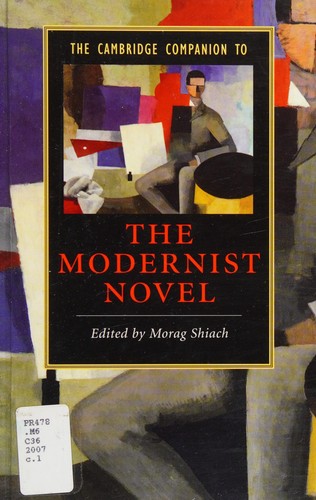
No. 45 on this list. The Cambridge Companion to the Modernist Novel
Morag Shiach · 2007
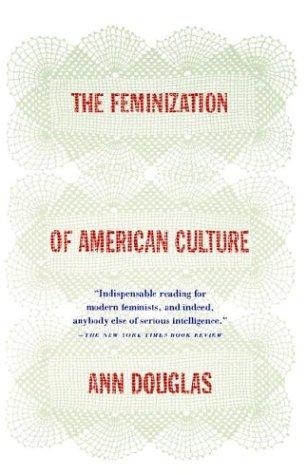
No. 46 on this list. The Feminization of American Culture
Ann Douglas · 1977
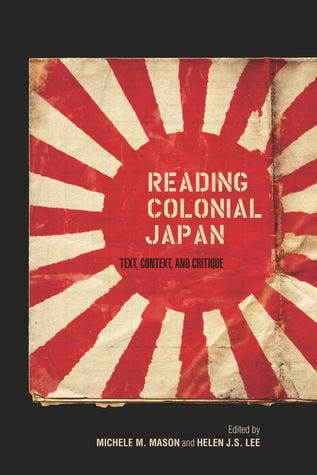
No. 47 on this list. Reading Colonial Japan: Text, Context, and Critique
Michele M. Mason · 2012
No. 48 on this list. Happily Ever After: The Romance Story in Popular Culture
Catherine Roach · 1984
No. 49 on this list. Against Interpretation
Susan Sontag · 1966
No. 50 on this list. The Silent Woman
Janet Malcolm · 1994
No. 51 on this list. Satire and the Eighteenth-Century Novel
Ellen Pollak · 1985
No. 52 on this list. The Writing Life
Annie Dillard · 1989
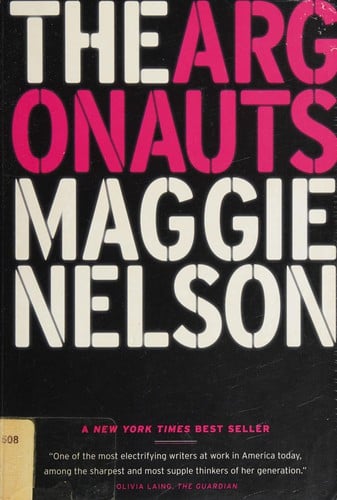
No. 53 on this list. The Argonauts
Maggie Nelson · 2015
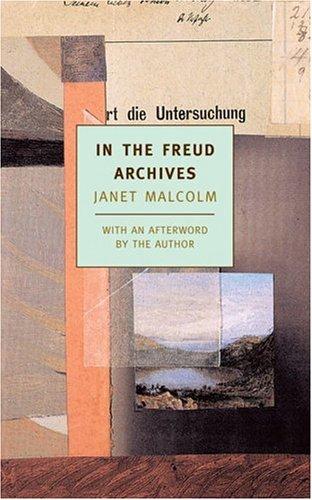
No. 54 on this list. In the Freud Archives
Janet Malcolm · 1984
No. 55 on this list. Twentieth-Century Crime Fiction: Gender, Sexuality and the Body
Lee Horsley · 2005
No. 56 on this list. The Making of Modern Korean Poetry: Foreign Influences and Native Creativity
Kim Hyun-suk · 2003
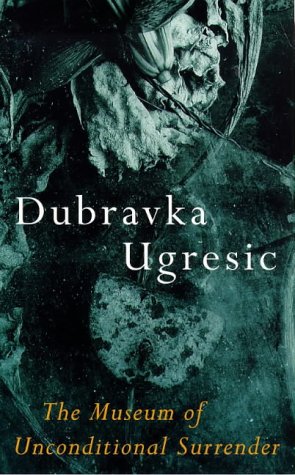
No. 57 on this list. The Museum of Unconditional Surrender
Dubravka Ugrešić · 1997
No. 58 on this list. Magic Realism, New Objectivity, and the Arts during the Weimar Republic
Irene Guenther · 1995
No. 59 on this list. A History of God
Karen Armstrong · 1993
No. 60 on this list. Holy the Firm
Annie Dillard · 1977
No. 61 on this list. The Way We Never Were: American Families and the Nostalgia Trap
Stephanie Coontz · 1992
No. 62 on this list. Virginia Woolf: A Critical Introduction
Deborah Parsons · 2007
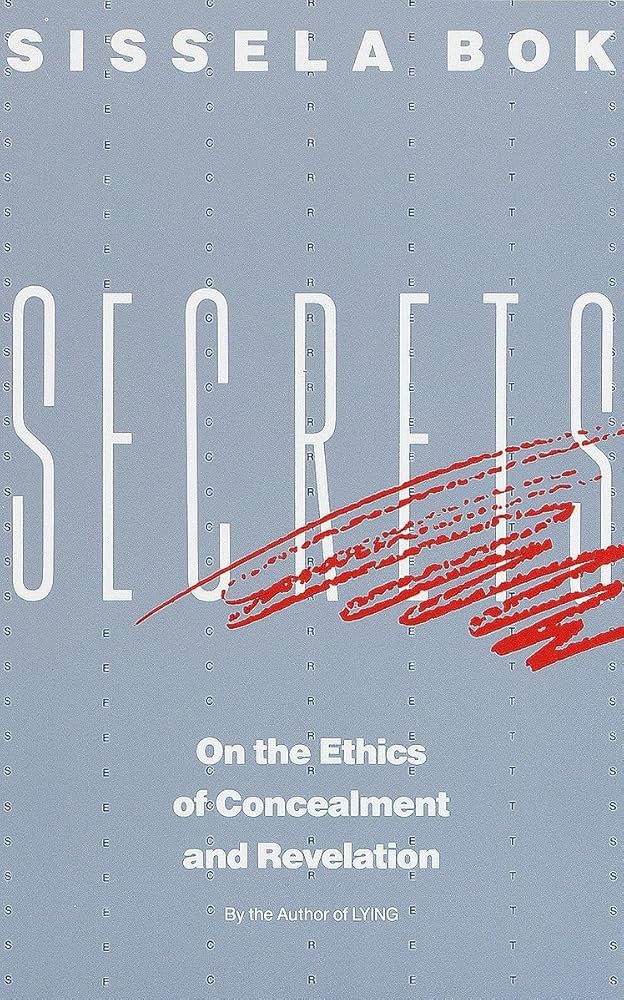
No. 63 on this list. Secrets: On the Ethics of Concealment and Revelation
Sissela Bok · 1983
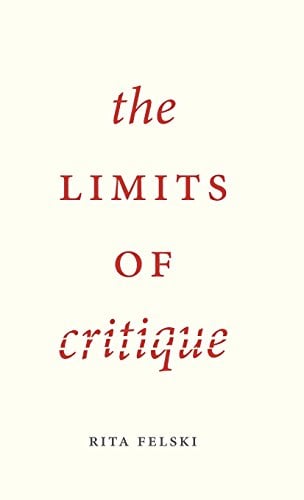
No. 64 on this list. The Limits of Critique
Rita Felski · 2015
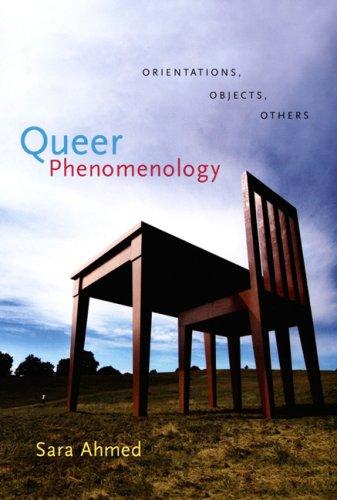
No. 65 on this list. Queer Phenomenology: Orientations, Objects, Others
Sara Ahmed · 2006
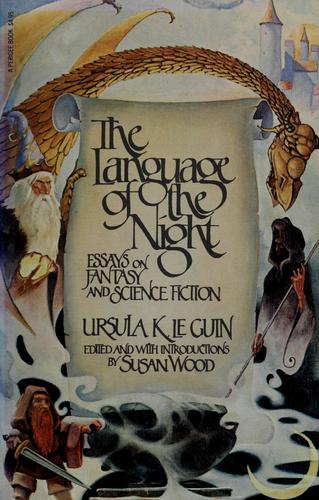
No. 66 on this list. The Language of the Night
Ursula K Le Guin · 1979
No. 67 on this list. The Living Mountain
Nan Shepherd · 1977
No. 68 on this list. An Unquiet Mind: A Memoir of Moods and Madness
Kay Redfield Jamison · 1995
No. 69 on this list. Short Stories and Short Fictions, 1880–1980
Clare Hanson · 1985
No. 70 on this list. Bluets
Maggie Nelson · 2009

No. 71 on this list. Illness as Metaphor
Susan Sontag · 1978
No. 72 on this list. Party of One: The Loner's Manifesto
Anneli Rufus · 2003
No. 73 on this list. Ghostly Matters: Haunting and the Sociological Imagination
Avery Gordon · 1997
No. 74 on this list. Intercourse
Andrea Dworkin · 1987
No. 75 on this list. The Source of Self-Regard: Selected Essays, Speeches, and Meditations
Toni Morrison · 2019
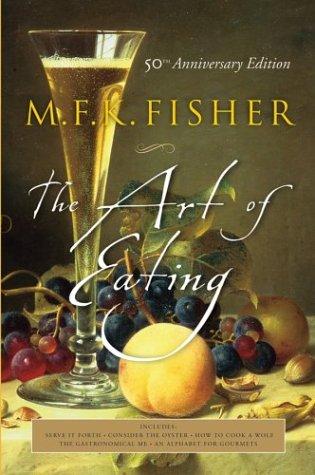
No. 76 on this list. The Art of Eating
M. F. K. Fisher · 1954
No. 77 on this list. The Situation and the Story
Vivian Gornick · 2001
No. 78 on this list. Changing My Mind: Occasional Essays
Zadie Smith · 2009
No. 79 on this list. A Field Guide to Getting Lost
Rebecca Solnit · 2005
No. 80 on this list. The Bonds of Love: Psychoanalysis, Feminism, and the Problem of Domination
Jessica Benjamin · 1988
No. 81 on this list. Economy of the Unlost
Anne Carson · 1999
No. 82 on this list. The Empathy Exams
Leslie Jamison · 2014
No. 83 on this list. The Creative Habit: Learn It and Use It for Life
Twyla Tharp · 2003
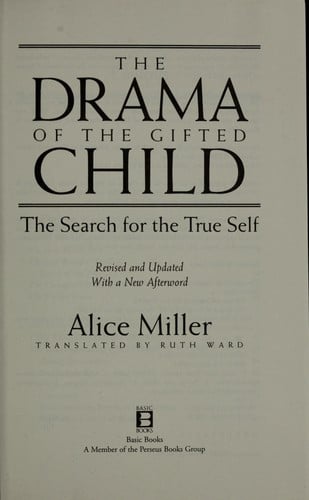
No. 84 on this list. The Drama of the Gifted Child
Alice Miller · 1979
No. 85 on this list. Poetic Closure: A Study of How Poems End
Barbara Herrnstein Smith · 1968
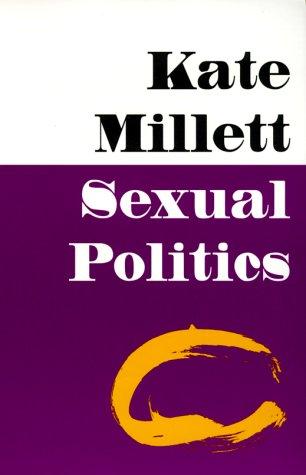
No. 86 on this list. Sexual Politics
Kate Millett · 1970
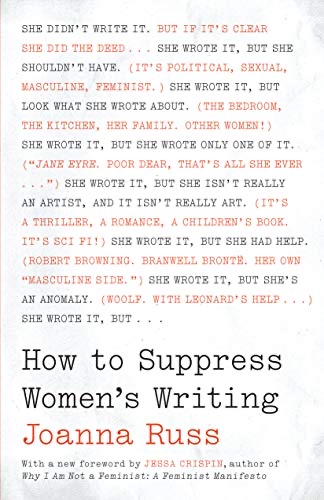
No. 87 on this list. How to Suppress Women's Writing
Joanna Russ · 1983
No. 88 on this list. Imagining New Zealand: A History of New Zealand Literature
Jane Stafford · 2002
No. 89 on this list. The Reproduction of Mothering: Psychoanalysis and the Sociology of Gender
Nancy Chodorow · 1978
No. 90 on this list. A Problem from Hell: America and the Age of Genocide
Samantha Power · 2002
No. 91 on this list. Negotiating with the Dead: A Writer on Writing
Margaret Atwood · 2002
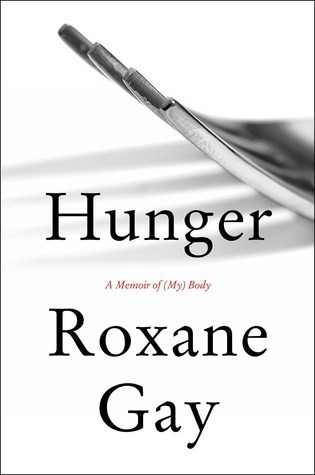
No. 92 on this list. Hunger: A Memoir of (My) Body
Roxane Gay · 2017
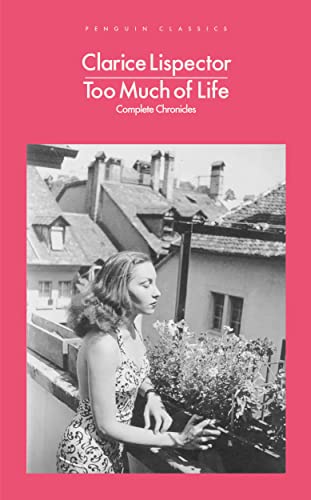
No. 93 on this list. Too Much of Life: Complete Chronicles
No. 94 on this list. Authoring War: The Literary Representation of War from the Iliad to Iraq
Kate McLoughlin · 2011
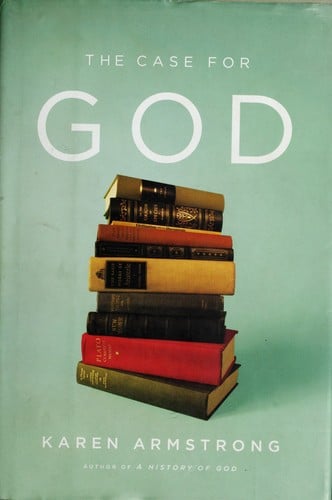
No. 95 on this list. The Case for God
Karen Armstrong · 2009
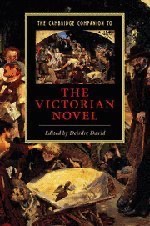
No. 96 on this list. The Victorian Novel
Deirdre David · 2001
No. 97 on this list. The Epistolary Novel: Representations of Consciousness
Linda S. Kauffman · 1986
No. 98 on this list. The Cambridge Companion to the Scandinavian Novel
Annegret Heitmann · 2016
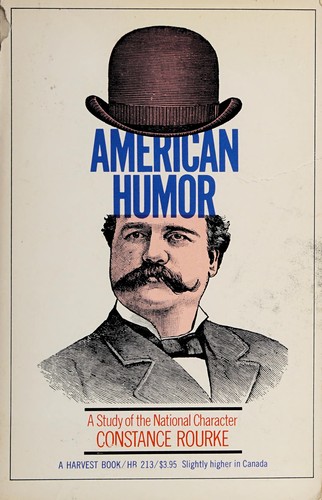
No. 99 on this list. American Humor: A Study of the National Character
Constance Rourke · 1931
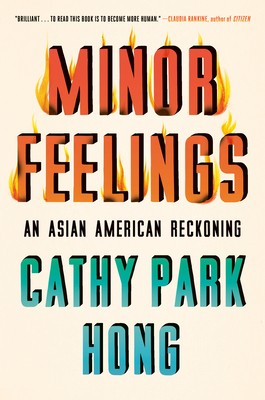
No. 100 on this list. Minor Feelings
Cathy Park Hong · 2020

About this list
These 100 books are the highest-scoring eligible essay collections by women currently in the catalogue. By literary regard, it opens with A Room of One's Own, The Second Sex and The Collected Essays of Virginia Woolf. About 725 hours of reading in all, for the 99 with measured lengths. Difficulty runs from 47 to 61 out of 100 for the middle half of the list; the summit is This Sex Which Is Not One at 84.
This list is ranked by literary regard, with a consistent order for equal scores. Membership follows authors and co-authors, not translators or editors. Catalogue coverage and the historical canon both limit what this list can represent, and genre labels are the catalogue’s own, gathered into broader kinds.
When we matched the Canons dataset to our catalogue in October 2026, our canonical-status scores rose with the number of school curricula, publisher series and lists in it that cite a work: the median score was 72 for books one such source cites, 84 at two, 88 at three, 92 at four and 93 at five or more. Prizes are left out of that count. Outside the state curricula, the dataset’s sources choose mostly from what has been translated into English or French, so it is a weaker check on other literatures. Source: Canons (Andrew Piper), CC BY 4.0
Questions people actually ask
- What are the best essay collections by women?
- By literary regard, which weighs canonical status, critical standing and influence, A Room of One's Own, The Second Sex, The Collected Essays of Virginia Woolf, The Epistemology of the Closet and This Bridge Called My Back lead. ReadingRate ranks 100 such books, each with a difficulty score and a reading-time estimate.
- Where should I start with essay collections by women?
- Start from difficulty, not from rank. The most approachable books on this list that still carry top literary regard are The Journalist and the Murderer by Janet Malcolm (about 2.5 hours), The Woman Warrior: Memoirs of a Girlhood Among Ghosts by Maxine Hong Kingston and Women, Race & Class by Angela Davis.
- How hard are essay collections by women to read?
- Most of this list sits between 47 and 61 on ReadingRate's 100-point difficulty scale, where 40 to 55 is moderate. The summit is This Sex Which Is Not One at 84. Every entry carries its own score, so a reader can pick a great book at a difficulty they will finish.
- How is this list ranked?
- On literary-regard data: how canonically established a work is, its critical standing, and its influence on later writing. It is not a readers’ poll, which is why recent bestsellers rarely appear. Membership follows authors and co-authors, not translators or editors. A list that is not a genre list keeps to literature (fiction, poetry, drama and philosophy), with philosophy taking no more than one slot in five while there is literature left to rank; every list holds at most three works by one author.