Hours at an average pace
Showing 100 books
About 616 hours for 98 of 100 books with measured lengths. Estimates use 250 words a minute, adjusted for each book's difficulty. At 2 hours a day, about 308 days for those books.
Morrison sent a young Black man on a mythic quest through four generations of his family's buried history, fusing African-American folklore, biblical allusion, and the cadences of blues and gospel into a narrative structure no American novel had attempted before. The novel proved that flight — literal and metaphorical — could carry the full weight of Black American experience from slavery to self-knowledge.
No. 2 on this list. The Handmaid's Tale
Margaret Atwood · 2017
Challenging7.7 hours
Taught in schools: AQA GCSE and A-level English Literature (UK), OCR GCSE and A-level English Literature (UK), Pearson Edexcel GCSE and A-level English Literature (UK)
The novel is a staple of high school and university courses on dystopia and feminist literature. It was shortlisted for the Booker Prize, appears on the 1001 Books list, and is published as a Penguin Modern Classic.
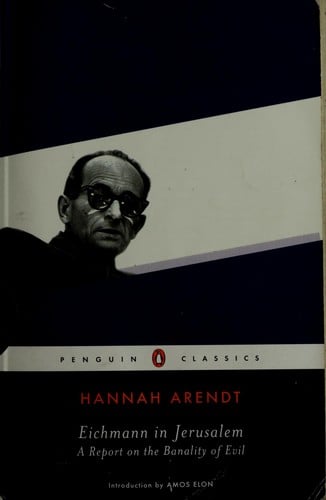
No. 3 on this list. Eichmann in Jerusalem: A Report on the Banality of Evil
Challenging9.9 hours
The book is widely taught in political theory, history, Holocaust studies and law, and the phrase 'banality of evil' is in common use. It is a standard text across disciplines.
This Bridge Called My Back is required reading in women's studies, ethnic studies, and American literature courses across the United States and beyond. Since its 1981 publication it has appeared on thousands of university syllabi, ranking among the most-taught feminist texts in higher education, comparable in academic penetration to Beloved within its fields. It is listed on essential reading guides across multiple disciplines and remains continuously in print.
Eichmann in Jerusalem appears on syllabi across political philosophy, Holocaust studies, Jewish studies, ethics, history, and law — among the most assigned works of political non-fiction of the 20th century. It is standard reading in any course addressing totalitarianism, moral responsibility, or the Holocaust. The phrase "banality of evil" has entered the language as a fixed concept, which is the clearest measure of canonical status a non-fiction work can achieve.
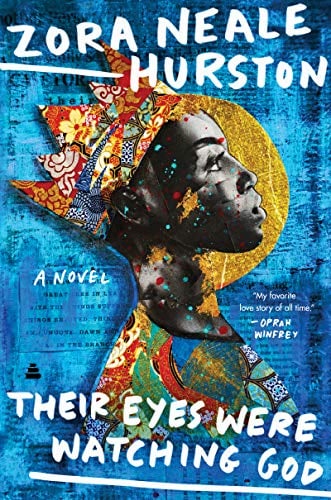
No. 6 on this list. Their Eyes Were Watching God
Zora Neale Hurston · 1937
Challenging5.3 hours
Taught in schools: Common Core text exemplars (Appendix B) (US)
Appears on 3,011 university syllabi according to the Open Syllabus Project (86.97th percentile), placing it among the most-taught American novels. Featured on TIME's All-TIME 100 Novels list and published in prestigious Library of America and Everyman's Library editions — markers of sustained institutional recognition. Available in 9 Wikipedia languages, reflecting global reach in academic and literary circles.
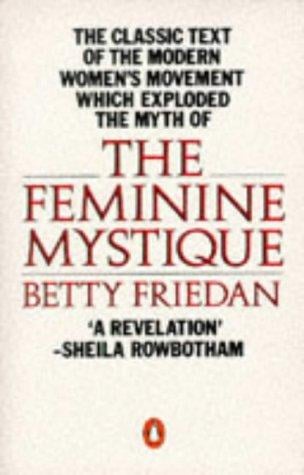
The Feminine Mystique appears on hundreds of women's studies, American history, and sociology syllabi across the United States and internationally. Time magazine named it one of the 100 most important nonfiction books of the 20th century, and it features on Modern Library and similar 'essential nonfiction' lists. Its Wikipedia article exists in dozens of languages with substantial coverage of its reception and cultural impact.
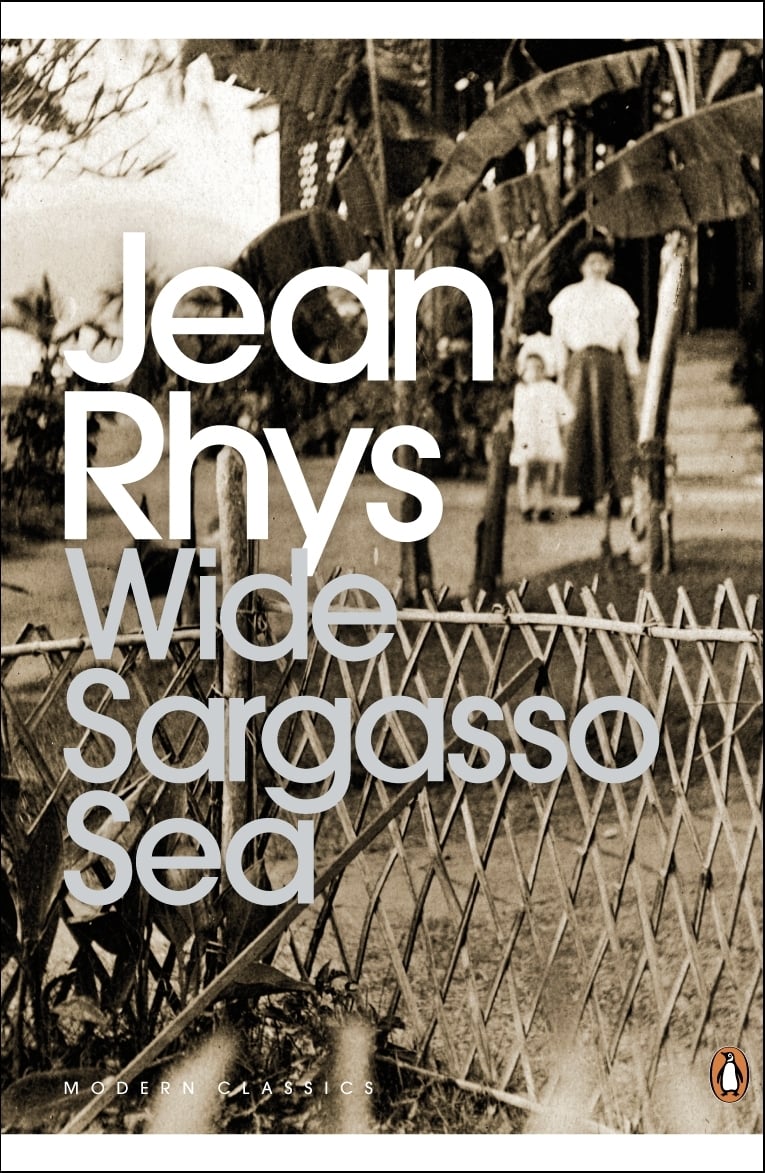
No. 8 on this list. Wide Sargasso Sea
Jean Rhys · 1966
Challenging4.3 hours
Taught in schools: CSEC English B – Caribbean Examinations Council, WJEC/Eduqas GCSE and A-level English Literature (UK)
The postcolonial revision that changed how we read Jane Eyre. Antoinette/Bertha's story—the madwoman in the attic given voice—became essential feminist and postcolonial criticism. Core text in Caribbean literature and courses on literary rewriting.
Foundational text of Chicana feminism, border studies, and queer theory. Universally taught in relevant fields.
Standard required reading in urban planning, architecture, public policy, sociology, and geography programs worldwide. Within its domain it functions as mandatory orientation text—virtually no urban planning curriculum omits it. Its canonical status within applied social science exceeds that of most novels, though it does not appear as broadly as literary classics across all disciplines.
No. 11 on this list. Sister Outsider · Audre Lorde · 1984
Sister Outsider is a staple in gender studies, Black studies, and feminist theory courses across American and European universities. It appears on hundreds of syllabi and is widely considered essential reading in intersectional feminism and queer theory. Its individual essays — particularly 'The Master's Tools Will Never Dismantle the Master's House' — are among the most frequently anthologized nonfiction pieces in the humanities.
Challenging5.1 hours
Start this bookNo. 12 on this list. Women, Race & Class · Angela Davis · 1981
A fixture on syllabi in Women's Studies, African American Studies, Sociology, and History courses across US universities since its 1981 publication. Required reading in virtually every Black feminist theory course and central to the canon of intersectional scholarship. Widely included on lists of essential texts in feminist and critical race theory.
Moderate4.7 hours
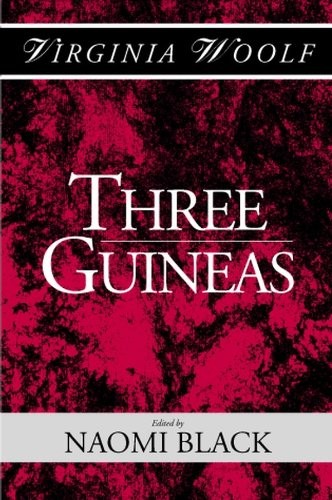
Start this bookNo. 13 on this list. Three Guineas · Virginia Woolf · 1938
Three Guineas opens with a letter — one of three — asking Virginia Woolf to donate money to a society dedicated to preventing war. She has left it unanswered for three years. Her answer, when it comes, takes 180 pages and two additional letters to deliver, and it is not the answer the barrister expected. Woolf argues that men in professional life — lawyers, bishops, professors, politicians — have spent centuries constructing the institutions they now ask women to help defend. The same educational system that trained men to value hierarchy and pageantry over liberty, she shows, also produced the conditions for fascism. To give money to defend those institutions is to underwrite the system that built them. Her method is documentary: she quotes from men's biographies, from parliamentary debates, from newspaper reports of women barred from professions, from Sophocles. Each quotation is a piece of evidence. The three guineas — one to a women's college, one to a professional women's society, one to the anti-war fund — are dispensed on conditions that enact her argument rather than concede to convention. Published in 1938 as Europe moved toward war, Three Guineas is a work of controlled anger and elaborate rhetorical irony. Woolf performs deference with precision; every courtesy conceals a charge.
Moderate4.9 hours
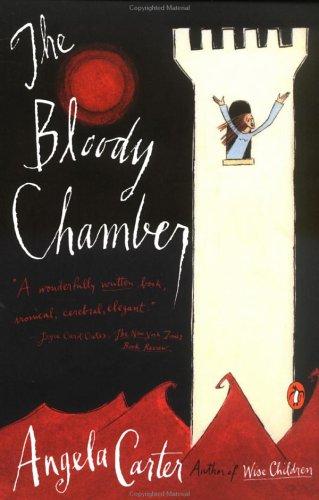
Start this bookNo. 14 on this list. The Bloody Chamber · Angela Carter · 1979
Taught in schools: OCR GCSE and A-level English Literature (UK)
The Bloody Chamber is among the most-taught works of feminist fiction in British and American university literature programs, appearing on A-level and undergraduate syllabi across the English-speaking world for over four decades. It anchors feminist fairy tale criticism as a field and appears on most 20th-century fiction retrospective lists. Its canonical standing exceeds Infinite Jest (78) in terms of institutional adoption.
Difficult7.2 hours
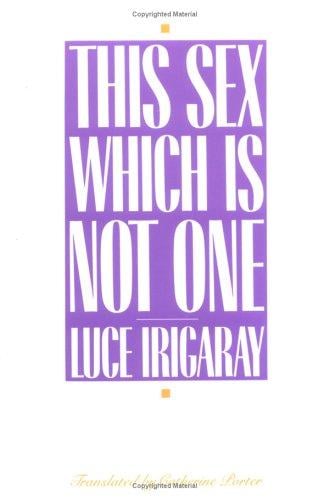
Start this bookNo. 15 on this list. This Sex Which Is Not One · Luce Irigaray · 1977
A foundational text of French feminist philosophy and literary theory. Essential in feminist theory and continental philosophy courses.
Difficult8.5 hours
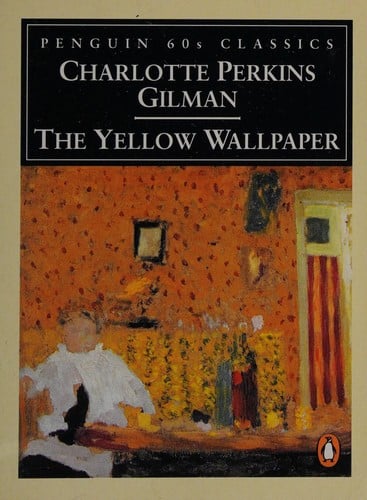
Start this bookNo. 16 on this list. The Yellow Wall-Paper · Charlotte Perkins Gilman · 1892
It is a fixture of American literature and women's studies courses and widely anthologized. Its place sits just below the great canon, and the Open Library record lists it among open syllabus project works.
Moderate6.2 hours
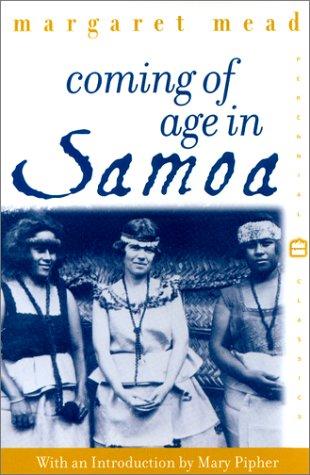
Start this bookNo. 17 on this list. Coming of Age in Samoa: A Psychological Study of Primitive Youth for Western Civilisation · Margaret Mead · 2001
Widely assigned in anthropology and gender-studies courses, and a standard case in debates over method. Its place is secured as much by the Freeman controversy as by the text.
Easy4.5 hours
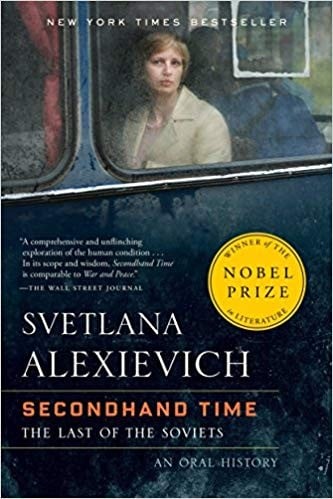
Start this bookNo. 18 on this list. Secondhand Time · Svetlana Alexievich · 2013
Secondhand Time appears on syllabi in Eastern European studies, Russian history, and world literature courses at major universities, but has not achieved the broad canonical status of Soviet-era classics like Solzhenitsyn's Gulag Archipelago. Its Nobel Prize pedigree (Alexievich won in 2015) has elevated its presence in academic reading lists, and it is available in dozens of languages. Within its genre of documentary prose, it is considered essential reading.
Challenging17 hours
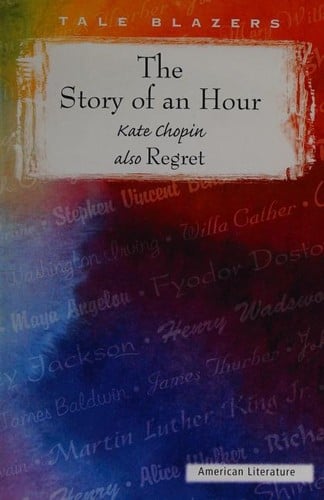
Start this bookNo. 19 on this list. The Story of an Hour · Kate Chopin
One of the most anthologized American short stories, taught widely in high school and college courses on American literature and feminist writing. It is a fixture of short fiction curricula.
Moderate35 min
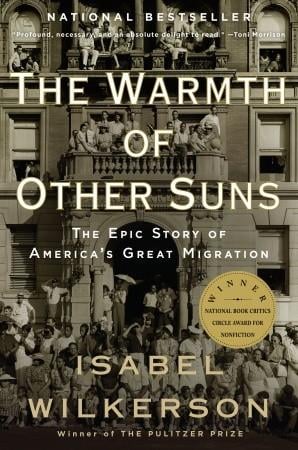
Start this bookNo. 20 on this list. The Warmth of Other Suns · Isabel Wilkerson · 2010
It is widely assigned in American history and African American studies courses and read as a modern classic of narrative history. A recent book, it has not yet reached the staple status of the older canon.
Easy12 hours
Start this book
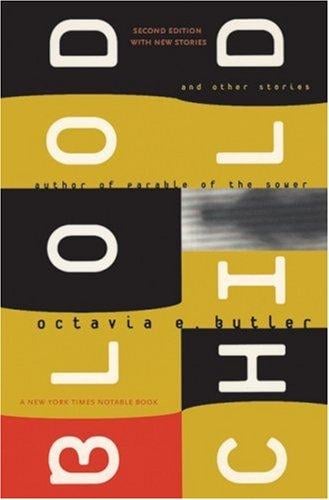
No. 21 on this list. Bloodchild and Other Stories · Octavia E. Butler · 2005
'Bloodchild' is widely anthologized and taught in science fiction, race and gender courses. Butler's place on reading lists is strong but below the core canon.
Easy3.6 hours
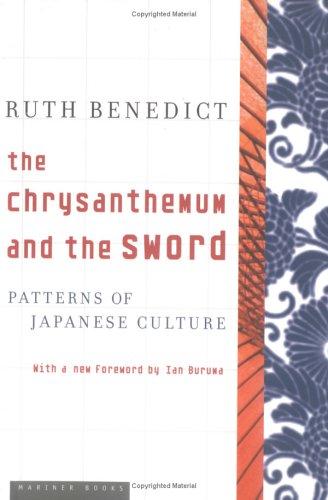
Start this bookNo. 22 on this list. The Chrysanthemum and the Sword · Ruth Benedict · 1946
The Chrysanthemum and the Sword is a standard text in courses on anthropology, Japanese studies and the American occupation of Japan. It remains one of the best-known Western books about Japan, read both as ethnography and as a period document of wartime research on cultures at a distance.
Easy4.8 hours
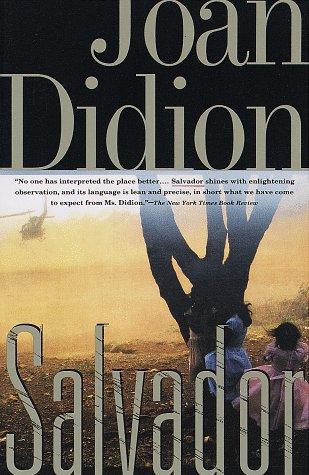
Start this bookNo. 23 on this list. Salvador · Joan Didion · 1983
Salvador is widely taught in journalism programs and American political nonfiction courses, and is considered alongside Slouching Towards Bethlehem as Didion's defining reportorial work. No formal syllabus data was returned in the data signals, but the book's inclusion in American literary and journalism curricula is broadly documented. It appears on numerous 'essential nonfiction' lists alongside works like The Executioner's Song and The Armies of the Night.
Moderate1.7 hours
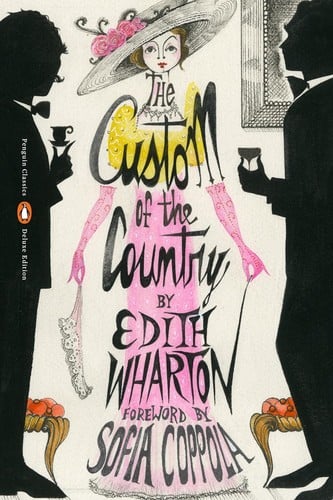
Start this bookNo. 24 on this list. The Custom of the Country · Edith Wharton · 1913
The Custom of the Country appears regularly on university syllabi in American literature, women studies, and social realism courses — though less ubiquitously than The Age of Innocence or The House of Mirth. It features in most critical surveys of the American novel and is routinely included in Wharton retrospectives. Its representation in secondary literature and university curricula places it in the upper tier of canonical American fiction without achieving the course-fixture status of her most-taught work.
Moderate9.8 hours
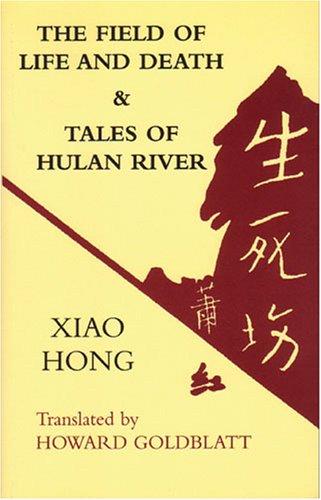
Start this bookNo. 25 on this list. The Field of Life and Death · Xiao Hong · 1935
Standard in modern Chinese literature and Chinese women's writing courses, published by Indiana University Press in Goldblatt's translation.
Challenging4.4 hours
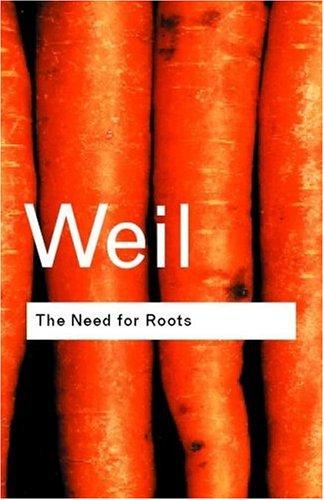
Start this bookNo. 26 on this list. The Need for Roots: Prelude to a Declaration of Duties towards Mankind · Simone Weil
It is regularly taught in political theory, philosophy of religion and French thought courses, and it is a Routledge Classics title with a preface by T. S. Eliot. It does not have the curricular ubiquity of Anna Karenina or Notes from Underground, however. It is more cited in specialist and Weil studies than in general survey courses.
Moderate7.1 hours
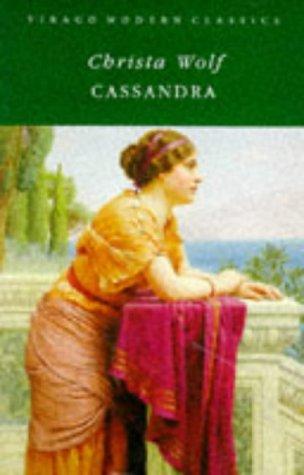
Start this bookNo. 27 on this list. Cassandra · Christa Wolf · 1983
Cassandra is required reading in German literature curricula across European universities and is a standard text in courses on feminist rewritings of classical myth. The data signals return no syllabus figures, but Wolf's status as the defining literary voice of the GDR and her international recognition ensure the book appears on World Literature, Women's Writing, and Postwar European Fiction syllabi consistently. It is not a fixture of Anglophone undergraduate curricula in the way Beloved or The Great Gatsby is, placing it below 80 on canonical status.
Difficult5.7 hours
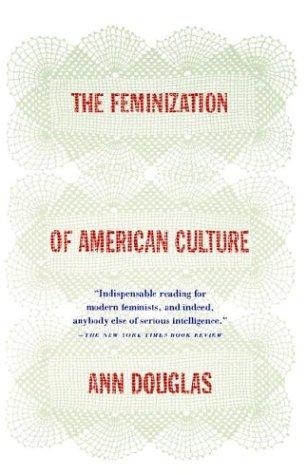
Start this bookNo. 28 on this list. The Feminization of American Culture · Ann Douglas · 1977
The book is a standard text in American studies, women's studies and religious history courses. It is a landmark of 1970s cultural history, though it is not itself a literary classic.
Moderate11 hours
Start this bookNo. 29 on this list. Reading Colonial Japan: Text, Context, and Critique · Michele M. Mason · 2012
A significant scholarly contribution to both Korean studies and colonial discourse studies; widely cited in both fields.
Challenging8.1 hours
Start this bookNo. 30 on this list. The Penelopiad · Margaret Atwood · 2005
The Penelopiad appears regularly on feminist literature syllabi, myth-retelling courses, and contemporary women's fiction reading lists, benefiting from its position in the Canongate Myths series and Atwood's towering reputation. It has not achieved the universal curricular penetration of Atwood's The Handmaid's Tale, placing it in established rather than major canon territory.
Challenging2.5 hours
Start this book
No. 31 on this list. So Long a Letter
Mariama Bâ · 1979
Taught in schools: CSEC English B – Caribbean Examinations Council
No. 32 on this list. The Way We Never Were: American Families and the Nostalgia Trap
Stephanie Coontz · 1992
No. 33 on this list. Wives and Daughters
Elizabeth Gaskell · 1866
No. 34 on this list. Woman at Point Zero
Nawal El Saadawi · 1975
No. 35 on this list. The Story of Zahra
Hanan al-Shaykh · 1980
No. 36 on this list. I Love Dick
Chris Kraus · 1997
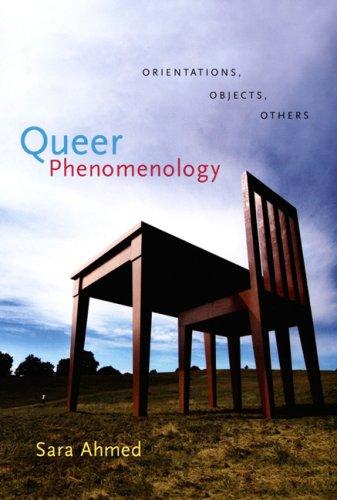
No. 37 on this list. Queer Phenomenology: Orientations, Objects, Others
Sara Ahmed · 2006
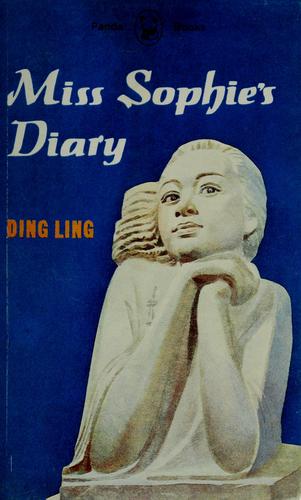
No. 38 on this list. Miss Sophia's Diary
Ding Ling · 1928
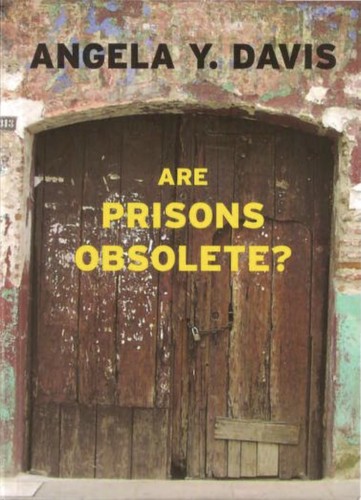
No. 39 on this list. Are Prisons Obsolete?
Angela Y. Davis · 2003
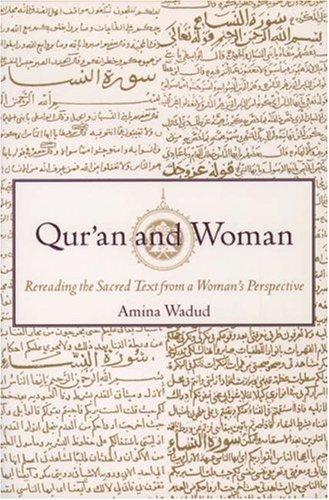
No. 40 on this list. Qur'an and Woman: Rereading the Sacred Text from a Woman's Perspective
Amina Wadud · 1999
No. 41 on this list. Cranford
Elizabeth Gaskell · 1853
No. 42 on this list. Nickel and Dimed
Barbara Ehrenreich · 2001
No. 43 on this list. Mary Barton
Elizabeth Gaskell · 1848
No. 44 on this list. The New Jim Crow
Michelle Alexander · 2010
No. 45 on this list. Bastard Out of Carolina
Dorothy Allison · 1992
No. 46 on this list. Mastering the Art of French Cooking
Julia Child · 1961
No. 47 on this list. The 1619 Project
Nikole Hannah-Jones · 2021
No. 48 on this list. The Child
Maria Montessori · 1936
No. 49 on this list. Miami
Joan Didion · 1987
No. 50 on this list. Living a Feminist Life
Sara Ahmed · 2017
No. 51 on this list. Sexual Politics
Kate Millett · 1970
No. 52 on this list. Men Explain Things to Me
Rebecca Solnit · 2014
No. 53 on this list. No Logo
Naomi Klein · 1999
No. 54 on this list. The Battle for God
Karen Armstrong · 2001
No. 55 on this list. A Paradise Built in Hell: The Extraordinary Communities That Arise in Disaster
Rebecca Solnit · 2009
No. 56 on this list. Just Us
Claudia Rankine · 2020
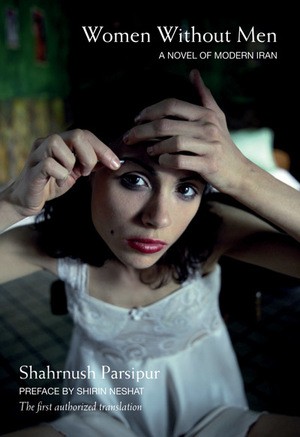
No. 57 on this list. Women Without Men: A Novel of Modern Iran
Shahrnush Parsipur · 2004
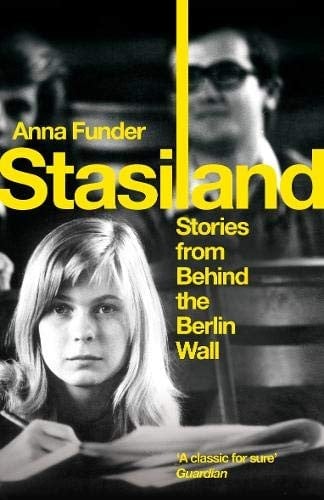
No. 58 on this list. Stasiland: Stories from Behind the Berlin Wall
Anna Funder · 2011
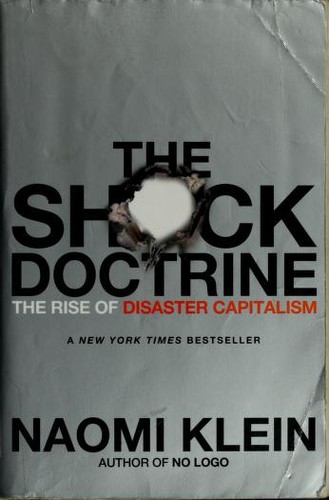
No. 59 on this list. The Shock Doctrine
Naomi Klein · 2007
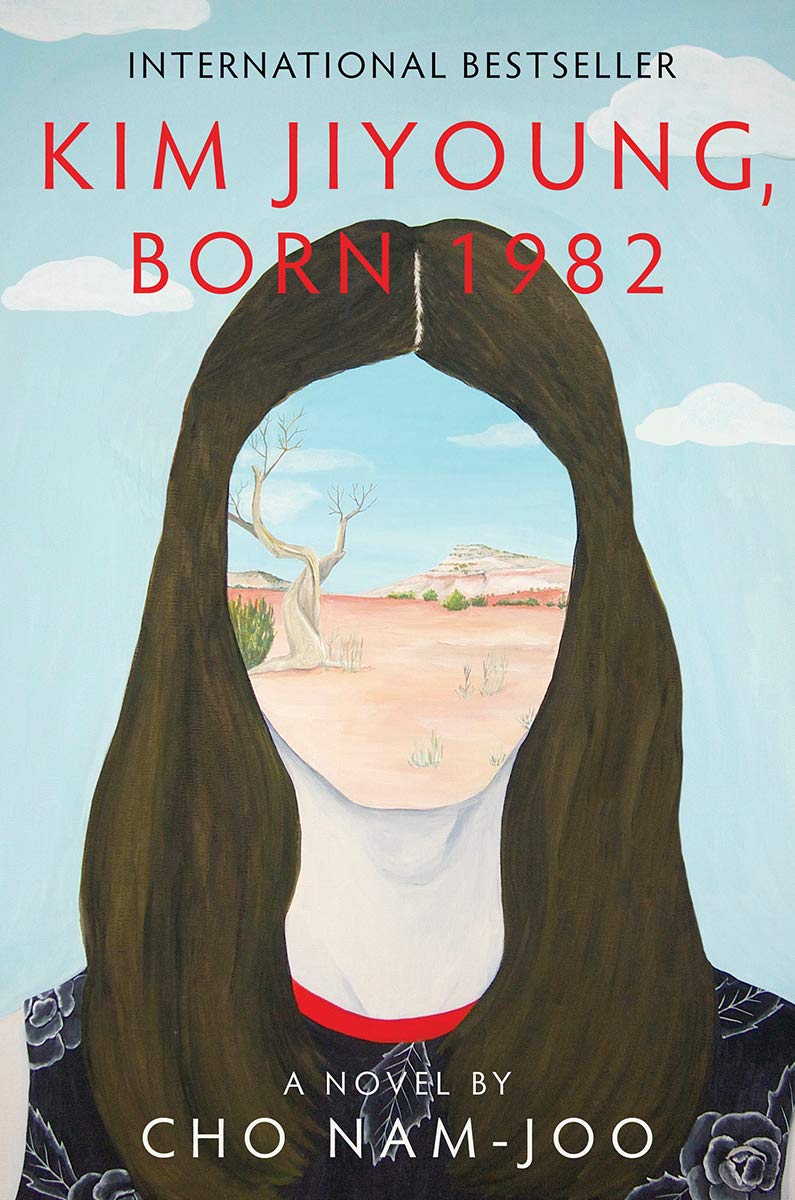
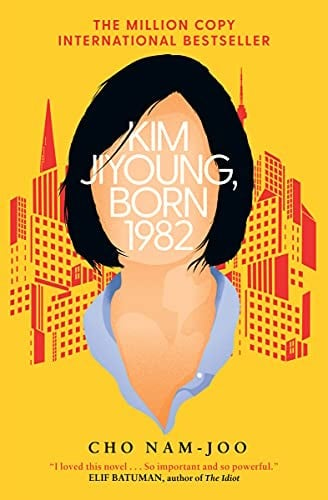
No. 60 on this list. Kim Jiyoung, Born 1982
Cho Nam-Joo · 2016
No. 61 on this list. Mythology
Edith Hamilton · 1942
No. 62 on this list. The Last Girl: My Story of Captivity, and My Fight Against the Islamic State
Nadia Murad · 2017
No. 63 on this list. How to Say Babylon
Safiya Sinclair · 2023
No. 64 on this list. Backlash
Susan Faludi · 1991
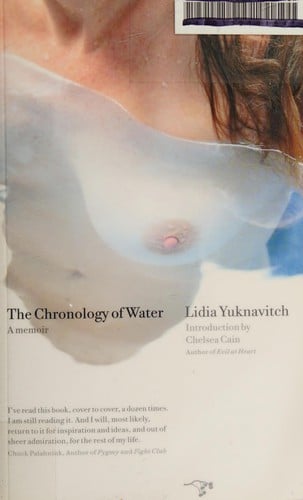
No. 65 on this list. The Chronology of Water
Lidia Yuknavitch · 2011
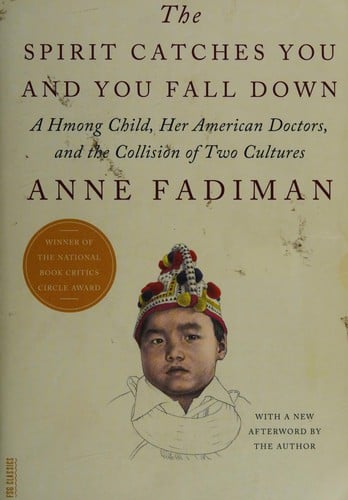
No. 66 on this list. The Spirit Catches You and You Fall Down
Anne Fadiman · 1997
No. 67 on this list. Look at the Lights, My Love
Annie Ernaux · 2014
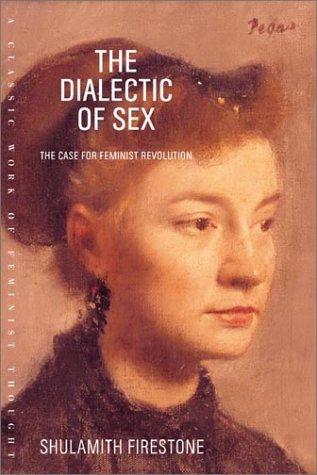
No. 68 on this list. The Dialectic of Sex
Shulamith Firestone · 1970
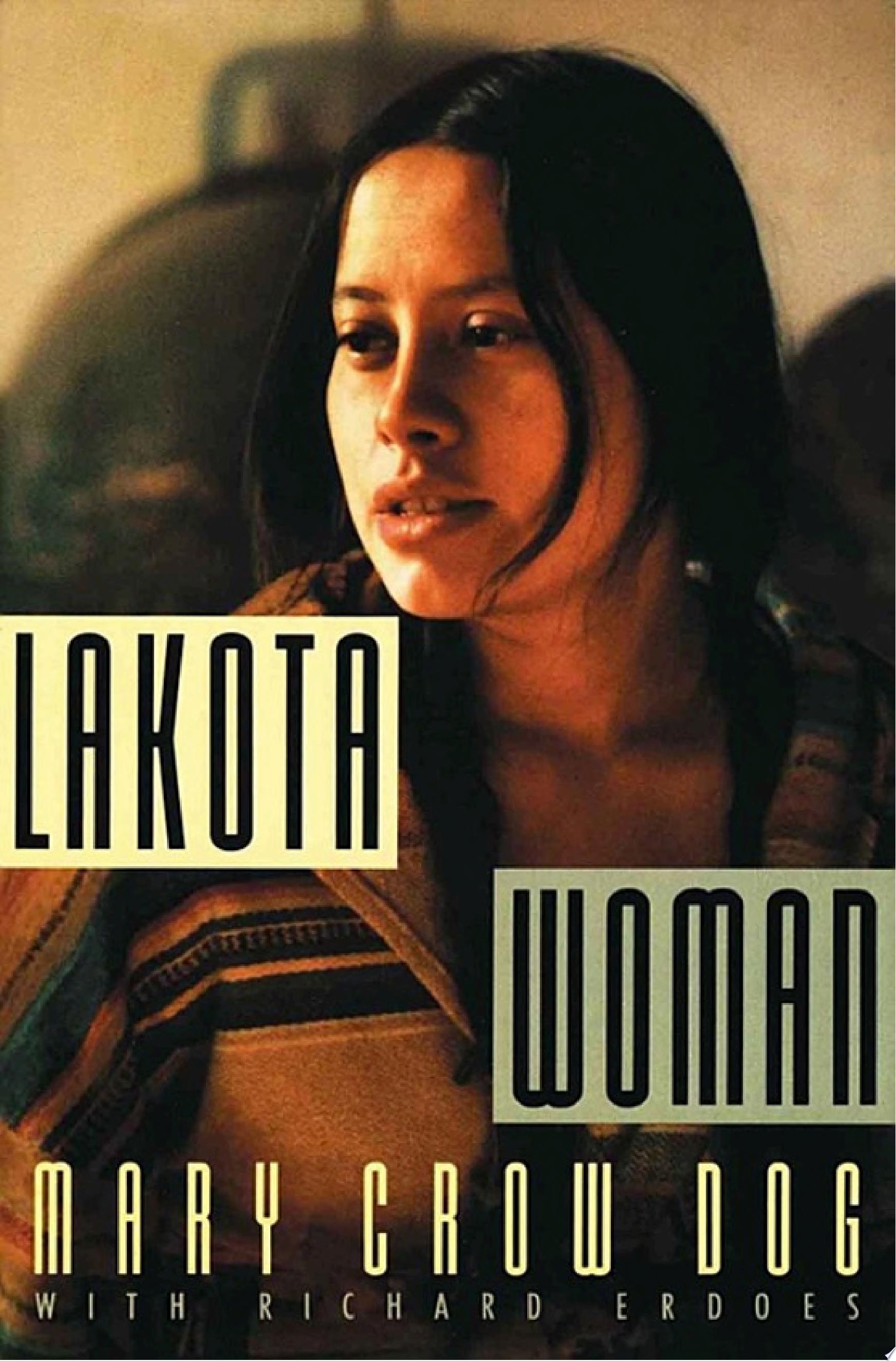
No. 69 on this list. Lakota Woman
Mary Crow Dog · 2018
No. 70 on this list. Putins Netz


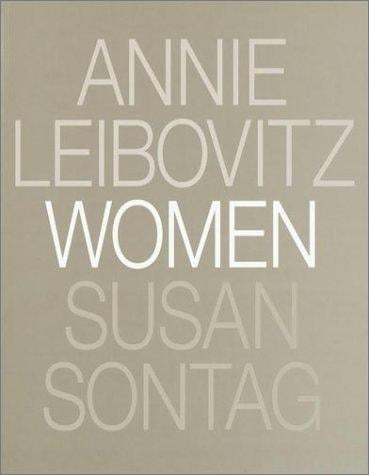
No. 71 on this list. Women
Annie Leibovitz · 2000
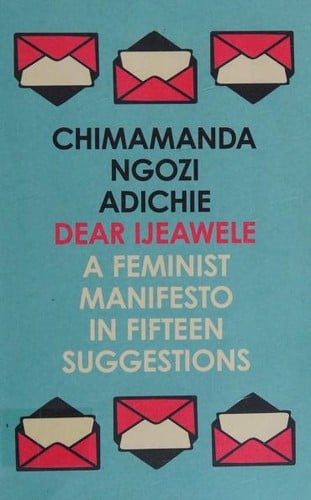
No. 72 on this list. Dear Ijeawele: A Feminist Manifesto in Fifteen Suggestions
Chimamanda Ngozi Adichie · 2018
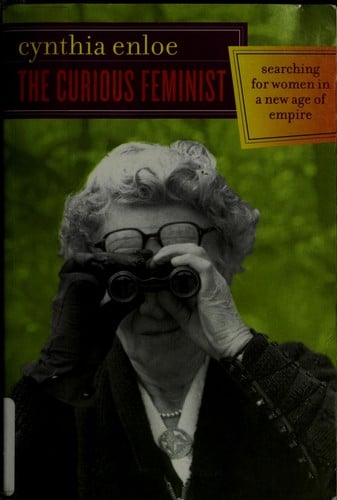
No. 73 on this list. The Curious Feminist: Searching for Women in a New Age of Empire
Cynthia Enloe · 2004
No. 74 on this list. Holy War
Karen Armstrong · 1992
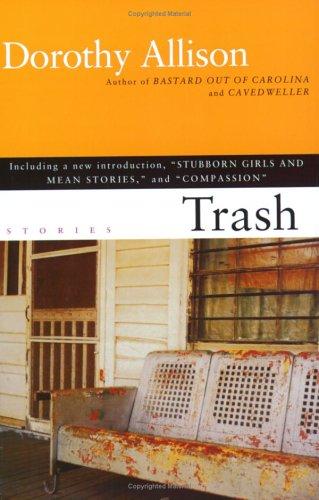
No. 75 on this list. Trash
Dorothy Allison · 2002
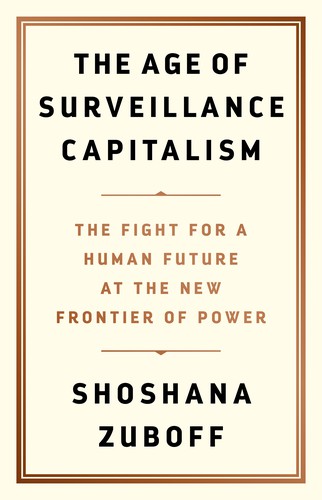
No. 76 on this list. The Age of Surveillance Capitalism
Shoshana Zuboff · 2019
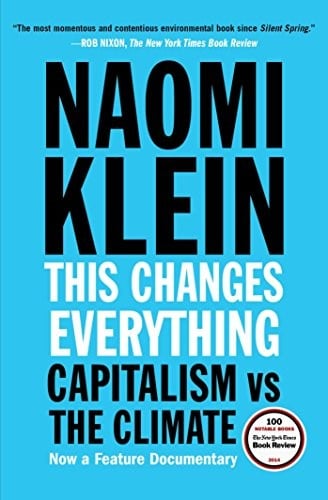
No. 77 on this list. This Changes Everything
Naomi Klein · 2014
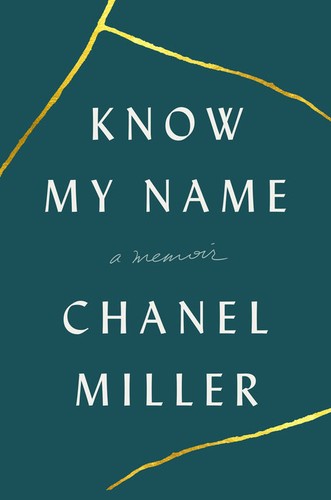
No. 78 on this list. Know My Name
Chanel Miller · 2019
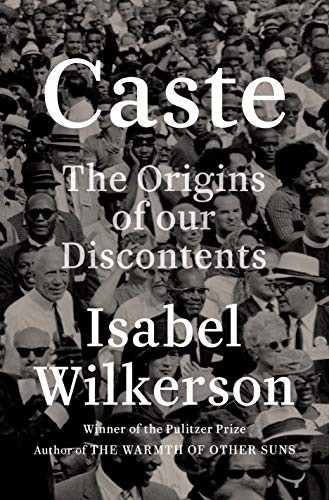
No. 79 on this list. Caste
Isabel Wilkerson · 2020
No. 80 on this list. An Experiment in Love
Hilary Mantel · 1996

No. 81 on this list. I Who Have Never Known Men
Jacqueline Harpman · 2022
No. 82 on this list. Full Frontal Feminism
Jessica Valenti · 2007
No. 83 on this list. The Purity Myth: How America's Obsession with Virginity is Hurting Young Women
Jessica Valenti · 2009
No. 84 on this list. Plato Goes to China
Shadi Bartsch · 2025
No. 85 on this list. Limitarianism
Ingrid Robeyns · 2024
No. 86 on this list. How the World Made the West: A 4,000-Year History
Josephine Quinn · 2024
No. 87 on this list. The Beauty Myth
Naomi Wolf · 1991
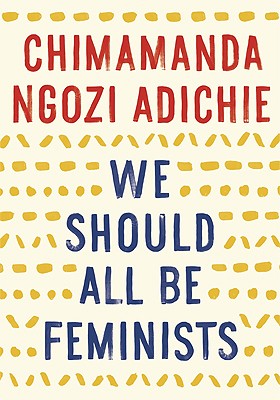
No. 88 on this list. We Should All Be Feminists
Chimamanda Ngozi Adichie · 2014
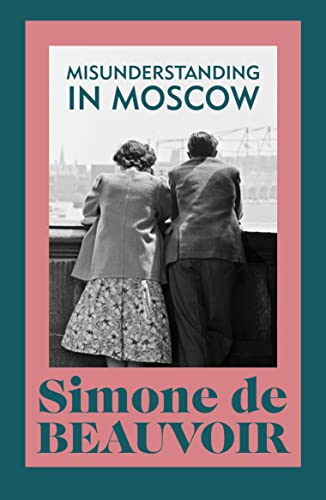
No. 89 on this list. Mal-entendido em Moscou
Simone de Beauvoir · 2015
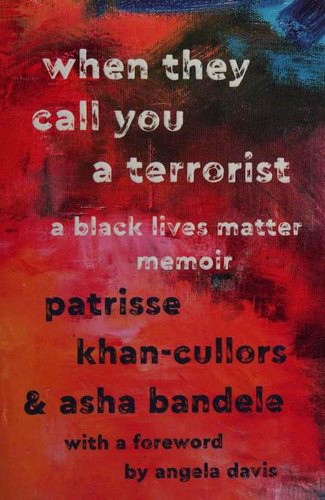
No. 90 on this list. When they call you a terrorist
Patrisse Khan-Cullors · 2018
No. 91 on this list. The Big Necessity: The Unmentionable World of Human Waste and Why It Matters
Rose George · 2008
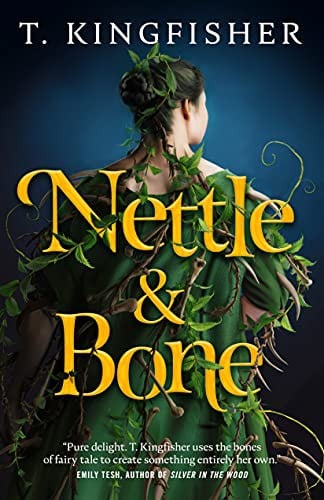
No. 92 on this list. Nettle & Bone
T. Kingfisher · 2022
No. 93 on this list. The Beekeeper: Rescuing the Stolen Women of Iraq
Dunya Mikhail · 2018
No. 94 on this list. Kim Ji-young, Born 1982
Cho Nam-Joo · 2016
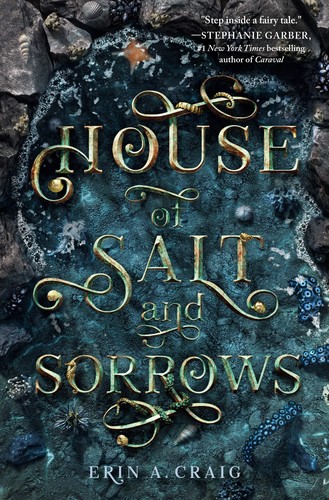
No. 95 on this list. House of Salt and Sorrows
Erin A. Craig · 2019
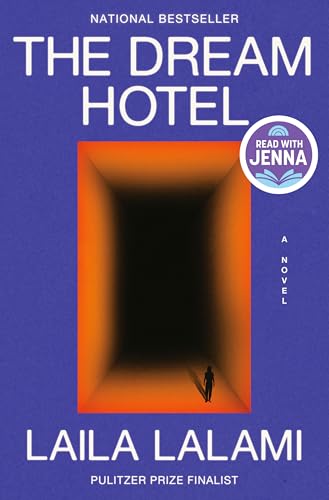
No. 96 on this list. The Dream Hotel
Laila Lalami · 2025
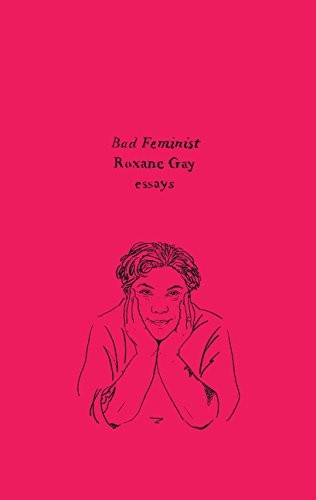
No. 97 on this list. Bad Feminist
Roxane Gay · 2014
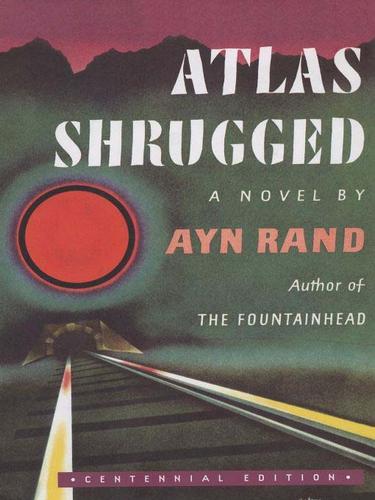
No. 98 on this list. Atlas Shrugged (Centennial Ed. HC)
Ayn Rand · 1957
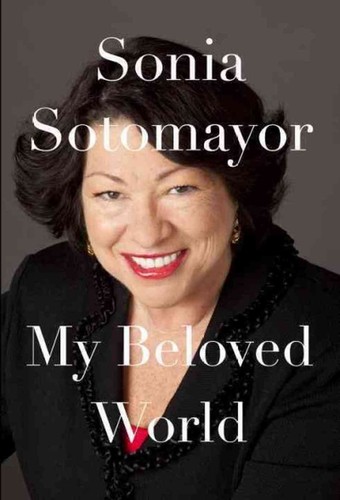
No. 99 on this list. My Beloved World
Sonia Sotomayor · 2013
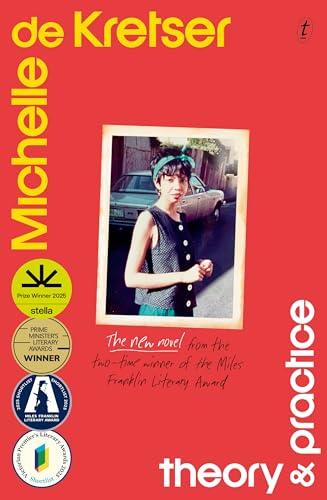
No. 100 on this list. Theory & Practice
Michelle de Kretser · 2024

About this list
These 100 books are the highest-scoring eligible books on politics and society by women currently in the catalogue. About 616 hours of reading in all, for the 98 with measured lengths. Difficulty runs from 30 to 53 out of 100 for the middle half of the list; the summit is This Sex Which Is Not One at 84.
This list is ranked by literary regard, with a consistent order for equal scores. Membership follows authors and co-authors, not translators or editors. Catalogue coverage and the historical canon both limit what this list can represent, and genre labels are the catalogue’s own, gathered into broader kinds.
When we matched the Canons dataset to our catalogue in October 2026, our canonical-status scores rose with the number of school curricula, publisher series and lists in it that cite a work: the median score was 72 for books one such source cites, 84 at two, 88 at three, 92 at four and 93 at five or more. Prizes are left out of that count. Outside the state curricula, the dataset’s sources choose mostly from what has been translated into English or French, so it is a weaker check on other literatures. Source: Canons (Andrew Piper), CC BY 4.0
Questions people actually ask
- What are the best books on politics and society by women?
- By literary regard, which weighs canonical status, critical standing and influence: Song of Solomon by Toni Morrison, The Handmaid's Tale by Margaret Atwood, Eichmann in Jerusalem: A Report on the Banality of Evil by Hannah Arendt, This Bridge Called My Back by Cherrie Moraga and Eichmann in Jerusalem by Hannah Arendt. ReadingRate ranks 100 such books, each with a difficulty score and a reading-time estimate.
- Which books on politics and society by women should I read first?
- Start from difficulty, not from rank. The most approachable books on this list that still carry top literary regard are Borderlands/La Frontera: The New Mestiza by Gloria Anzaldua (about 2.7 hours), The Feminine Mystique by Betty Friedan and Women, Race & Class by Angela Davis.
- What are the shortest of the best books on politics and society by women?
- Among the top 25, the shortest are The Story of an Hour by Kate Chopin (about 35 min), Salvador by Joan Didion (about 1.7 hours) and Borderlands/La Frontera: The New Mestiza by Gloria Anzaldua (about 2.7 hours), at an average pace of 250 words a minute adjusted for each book's difficulty.
- Which of the best books on politics and society by women are the established classics?
- By canonical status, how firmly a book sits in curricula, anthologies and the canon: Song of Solomon by Toni Morrison, The Handmaid's Tale by Margaret Atwood, This Bridge Called My Back by Cherrie Moraga, Eichmann in Jerusalem by Hannah Arendt and Their Eyes Were Watching God by Zora Neale Hurston.
- How long would it take to read the top ten?
- About 77 hours, at an average pace of 250 words a minute adjusted for each book's difficulty: 39 days at two hours a day. Set your own pace on the page and the list's reading times change to it.
- How hard are books on politics and society by women to read?
- Most of this list sits between 30 and 53 on ReadingRate's 100-point difficulty scale, where 40 to 55 is moderate. The summit is This Sex Which Is Not One at 84. Every entry carries its own score, so a reader can pick a great book at a difficulty they will finish.
- How is this list ranked?
- On literary-regard data: how canonically established a work is, its critical standing, and its influence on later writing. It is not a readers’ poll, which is why recent bestsellers rarely appear. Membership follows authors and co-authors, not translators or editors. Lists by country, author, period, theme or difficulty keep to literature: fiction, poetry and drama, with no philosophy, criticism or theory. A list of a kind of book, such as philosophy, memoir or criticism, keeps every book of that kind. Every list holds at most three works by one author.