Hours at an average pace
Showing 100 books
About 302 hours for 100 of 100 books with measured lengths. Estimates use 250 words a minute, adjusted for each book's difficulty. At 2 hours a day, about 151 days for those books.
No. 1 on this list. Anna Karenina
Leo Tolstoy · 1877
Challenging26 hours
Taught in schools: Hungarian literature curriculum (magyar nyelv és irodalom) (Hungary), Lithuanian literature curriculum (lietuvių kalba ir literatūra), Russian FGOS literature standard
Included in: Bokklubben World Library
Appears on 334 university syllabi and has a Wikipedia article in 82 languages, placing it among the most globally recognized novels ever written. Consistently named to lists of the greatest novels—TIME All-TIME 100 Novels (2005) and Le Monde's 100 Books of the Century (1999)—and taught wherever world literature courses exist. Its status as a masterpiece of the novel form is essentially uncontested across literary traditions.
No. 2 on this list. Oedipus Rex
Sophocles · c. 429 BCE
Challenging1.8 hours
Included in: Bokklubben World Library, Great Books of the Western World
Sophocles built the perfect dramatic machine: a man investigating a crime who discovers he is the criminal, with every revelation tightening the trap his own competence has set. Aristotle used it as his model of tragedy, and twenty-four centuries of dramatists have not improved on its architecture.
No. 3 on this list. Six Characters in Search of an Author
Luigi Pirandello · 1921
Challenging1.9 hours
Taught in schools: UNAM Escuela Nacional Preparatoria – programas de Literatura (Mexico)
Included in: Great Books of the Western World
Pirandello sent six fictional characters onto a stage to confront the actors rehearsing their story, detonating the boundary between author, character, and performer decades before anyone used the word "metafiction." The play asked who owns a story — the person who wrote it or the person who lives it — and left the question permanently unresolved.
No. 4 on this list. Mother Courage and Her Children
Bertolt Brecht · 1941
Challenging13 hours
Taught in schools: UNAM Escuela Nacional Preparatoria – programas de Literatura (Mexico)
Included in: Great Books of the Western World
Mother Courage is a required text on virtually every drama and theatre studies syllabus worldwide. It appears on the AP Literature list, the IB Theatre curriculum, and is included in every major anthology of 20th-century drama from Norton to Penguin. The play is routinely placed alongside Waiting for Godot and Death of a Salesman as one of the three foundational postwar plays in the Western canon.
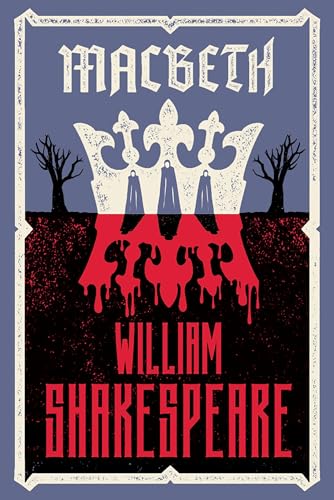
No. 5 on this list. Macbeth
William Shakespeare · 1606
Challenging1.4 hours
Taught in schools: WBCHSE English and Alternative English syllabuses (India)
Included in: Great Books of the Western World
Shakespeare compressed an entire arc of political ambition, guilt, and psychological disintegration into his shortest tragedy, giving English its most visceral portrait of how a single murderous act can unravel a mind. Lady Macbeth's sleepwalking and Macbeth's "tomorrow and tomorrow" soliloquy remain the benchmarks for dramatizing a conscience that cannot escape itself.
No. 6 on this list. Julius Caesar
William Shakespeare · 1599
Challenging1.8 hours
Included in: Great Books of the Western World
Julius Caesar is among the most widely taught Shakespeare plays in the English-speaking world, a staple of secondary school curricula alongside Macbeth and Romeo and Juliet. It appears on thousands of university syllabi in courses on Renaissance drama, political thought, and oratory. Its speeches — particularly Antony's 'Friends, Romans, countrymen' — are among the most memorized passages in the English language.
No. 7 on this list. The Merchant of Venice
William Shakespeare · 1600
Challenging3.9 hours
Taught in schools: Pacific Senior Secondary Certificate – English, Pearson Edexcel GCSE and A-level English Literature (UK)
Included in: Great Books of the Western World
The Merchant of Venice appears on university syllabi worldwide in courses on Shakespeare, Renaissance drama, and — increasingly — courses on race, religion, antisemitism, and law and literature. It is a permanent fixture in secondary school curricula across the English-speaking world. The figure of Shylock has made it one of the most discussed and ethically contested plays in the canon.
No. 8 on this list. The Cherry Orchard
Anton Chekhov · 1904
Moderate1.2 hours
Taught in schools: Armenian secondary literature, CSEC English B – Caribbean Examinations Council, Russian FGOS literature standard
Universally included in world literature syllabi alongside Shakespeare and Greek drama. No major course omits it; it defines modern theater. Russian literature curricula make it mandatory; Western universities teach it in drama, European lit, and modernism courses equally. Unquestioned canonical necessity.
No. 9 on this list. Prometheus Bound
Aeschylus · c. 430 BCE
Challenging47 min
Included in: Great Books of the Western World
Prometheus Bound is standard curriculum in classics departments, Western civilization courses, and world literature programs at universities globally. It appears on virtually every 'foundations of Western literature' syllabus alongside Homer and Sophocles. Though the database shows no tracked syllabus entries, the work has 2,500 years of unbroken canonical transmission.
No. 10 on this list. Hippolytus
Euripides · c. 428 BCE
Challenging2.3 hours
Included in: Great Books of the Western World
Hippolytus is a cornerstone of classical literature curricula worldwide, appearing in virtually every Greek tragedy anthology and university drama syllabus. It is one of only 17 surviving plays by Euripides and is consistently featured in courses on Western drama, classical antiquity, and the history of theatre. No direct Open Syllabus data was available, but its canonical presence in the Western literary tradition is unambiguous.
No. 11 on this list. Ajax · Sophocles · c. 450 BCE
Included in: Great Books of the Western World
Ajax is required reading in classical studies and Greek tragedy courses worldwide, representing one of only seven surviving plays by Sophocles. As part of the canonical triumvirate of Greek tragedians alongside Aeschylus and Euripides, Sophocles's works — including Ajax — appear on syllabi in classics, comparative literature, and world literature programs across every major university. The play has been in continuous circulation for over 2,400 years.
Challenging56 min
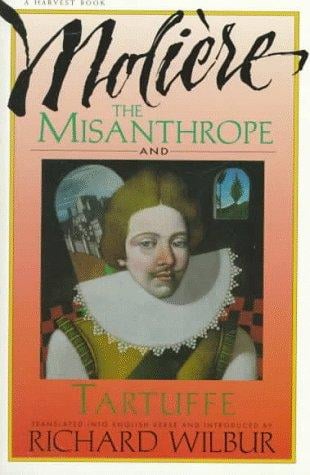
Read nowNo. 12 on this list. Tartuffe · Molière · 1669
Taught in schools: Hungarian literature curriculum (magyar nyelv és irodalom) (Hungary)
Included in: Great Books of the Western World
Tartuffe is required reading in French literature, comparative literature, and theater history courses at virtually every major university. It is among the most-performed French plays internationally and appears on nearly all canonical drama reading lists alongside Racine and Corneille. The play has been in continuous repertoire since 1669 and is central to any study of Western comedy.
Moderate1.3 hours
Start this bookNo. 13 on this list. The Trojan Women · Euripides · c. 415 BCE
Included in: Great Books of the Western World
The Trojan Women is one of the foundational texts of Western drama, taught in virtually every classical literature and theater history curriculum. It is among Euripides' most studied plays alongside Medea and The Bacchae. While no syllabus database match was found for this specific edition, the work appears in hundreds of world literature and women's studies syllabi globally.
Moderate58 min
Start this bookNo. 14 on this list. The Bacchae · Euripides · c. 405 BCE
Included in: Great Books of the Western World, Oxford World's Classics
One of 18 surviving tragedies from Euripides, performed continuously since antiquity. Central to Greek drama syllabi worldwide, frequently translated and adapted (including Dionysus in 69, The Bacchae 2.1). Essential text for understanding both Greek tragedy's development and the cultural conflicts of 5th-century Athens. Influenced later treatments of divine-human conflict from Ovid's Metamorphoses to modern drama.
Moderate1.3 hours
Read nowNo. 15 on this list. Oresteia · Aeschylus · c. 458 BCE
Included in: Great Books of the Western World
Aeschylus tracked a cycle of blood vengeance across three plays — from Agamemnon's murder through Orestes' matricide to a divine trial that replaces revenge with law — and in doing so dramatized the origin of justice itself. The trilogy is the oldest complete work of Western drama and still the most ambitious argument that civilization depends on replacing private retribution with public institutions.
Challenging3.1 hours
Start this bookNo. 16 on this list. The Bourgeois Gentleman · Molière · 1670
Included in: Great Books of the Western World
Le Bourgeois Gentilhomme is required reading in French literature courses worldwide and appears in virtually every major world drama anthology. Commissioned by Louis XIV for the royal court in 1670, it has remained one of Molière's most performed plays for over three and a half centuries, cementing its place among the indispensable works of European theater.
Moderate1.2 hours
Start this bookNo. 17 on this list. Electra · Sophocles · c. 410 BCE
Included in: Great Books of the Western World
Electra is required reading in virtually every university classics and comparative literature program. All seven of Sophocles' surviving plays form the backbone of Western classical studies, and Electra — alongside Oedipus Rex and Antigone — is among the most taught. It appears on syllabi across departments from literature to philosophy to theater.
Moderate50 min
Read nowNo. 18 on this list. Happy Days · Samuel Beckett · 1961
Happy Days anchors modernist and postmodern drama syllabi internationally alongside Waiting for Godot and Endgame. It is taught in theatre, English literature, and philosophy programs across Europe and North America. Wikipedia covers it in over 40 languages. It is among the most-assigned Beckett plays and appears on virtually every postwar drama reading list.
Moderate46 min
Start this bookNo. 19 on this list. Three Sisters · Anton Chekhov · 1901
Taught in schools: Hungarian literature curriculum (magyar nyelv és irodalom) (Hungary), Russian FGOS literature standard
Taught in every course on modern drama and staged continuously by major companies since its 1901 Moscow Art Theatre premiere. The sisters' longing for Moscow is one of the best-known situations in world theatre.
Challenging2.4 hours
Read nowNo. 20 on this list. Long Day's Journey into Night · Eugene O'Neill · 1956
O'Neill dramatized his own family — the morphine-addicted mother, the alcoholic father, the doomed brother — with such lacerating honesty that he ordered the play sealed until twenty-five years after his death. The result is the most autobiographically raw masterpiece in American theater, a four-act cycle of blame and forgiveness that never grants its characters the relief of a resolution.
Moderate4.6 hours
Start this book
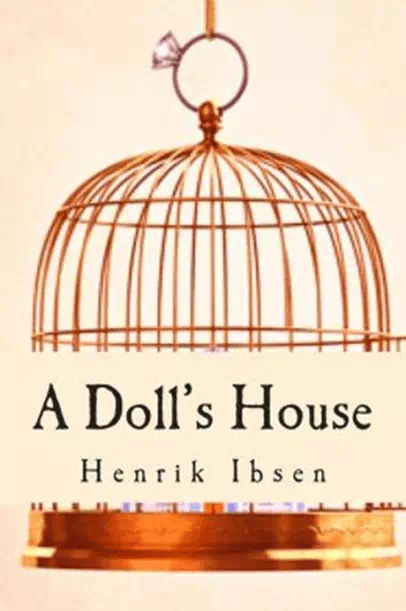
No. 21 on this list. A Doll's House · Henrik Ibsen · 1879
Taught in schools: AQA GCSE and A-level English Literature (UK), Common Core text exemplars (Appendix B) (US), Leaving Certificate English – NCCA / State Examinations Commission (Ireland)
Included in: Bokklubben World Library, Great Books of the Western World
Ibsen made a wife walk out on her husband and children in the final scene, and the sound of that door slamming ricocheted across Europe, igniting debates about marriage, autonomy, and women's legal personhood that reshaped law and culture for the next century. The play invented modern social drama by treating a domestic argument as a political event.
Moderate1.8 hours
Read nowNo. 22 on this list. The Importance of Being Earnest · Oscar Wilde · 1893
Taught in schools: AQA GCSE and A-level English Literature (UK), Common Core text exemplars (Appendix B) (US), CSEC English B – Caribbean Examinations Council
Ranked by literary regard among eligible works in the current catalogue. This position reflects the available catalogue evidence.
Moderate1.9 hours
Start this bookNo. 23 on this list. The Threepenny Opera · Bertolt Brecht · 1928
Die Dreigroschenoper premiered in Berlin on August 28, 1928, and became one of the most performed plays of the 20th century, with productions on every inhabited continent. It is core curriculum in theatre studies, German literature, European modernism, and political theory courses worldwide. No syllabus data appears in the database, but the play's canonical standing is among the highest in 20th-century drama.
Challenging2.1 hours
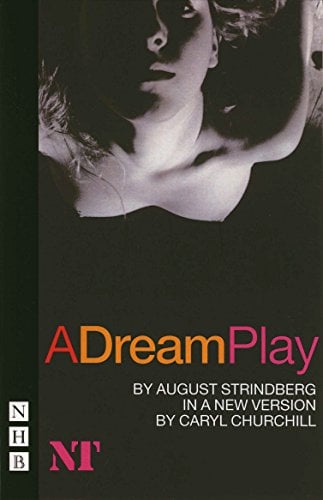
Start this bookNo. 24 on this list. A Dream Play · August Strindberg · 1902
Recognized as one of the most important and innovative plays in Western drama. A foundational text of expressionism and the avant-garde theatre.
Moderate2.1 hours
Start this bookNo. 25 on this list. The Misanthrope · Molière · 1666
The Misanthrope is a cornerstone of university curricula in French literature, comparative literature, and theatre studies worldwide. No database records were returned, but by knowledge it appears on thousands of syllabi globally and has Wikipedia articles across dozens of languages. It is considered essential reading for any serious study of European classical drama.
Challenging1.3 hours
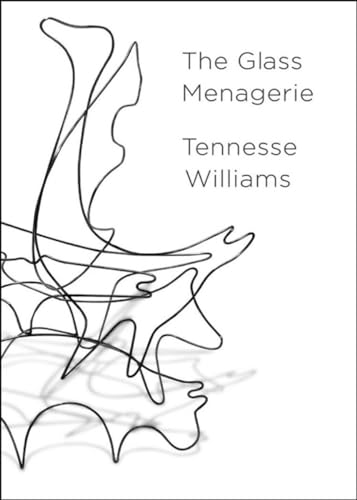
Start this bookNo. 26 on this list. The Glass Menagerie · Tennessee Williams · 1944
Taught in schools: Common Core text exemplars (Appendix B) (US), CSEC English B – Caribbean Examinations Council
The Glass Menagerie is taught in virtually every American high school and in university courses on 20th-century drama, American literature, and modern theater across the globe. It appears on thousands of syllabi and is considered alongside Death of a Salesman as a cornerstone of the American stage canon. No data signals were returned, but its syllabus presence is among the highest for any American play.
Challenging1.9 hours
Start this bookNo. 27 on this list. The Clouds · Aristophanes · c. 423 BCE
Taught in schools: Lektury obowiązkowe – Polish national reading list (Poland)
Included in: Great Books of the Western World
The Clouds appears on virtually every classical literature and ancient philosophy syllabus, often assigned alongside Plato's Apology — which explicitly names the play as contributing to popular sentiment against Socrates. It is one of only eleven surviving plays by Aristophanes, and among those, one of the most studied. No book with this syllabus footprint in classics departments falls below 85.
Challenging1.2 hours
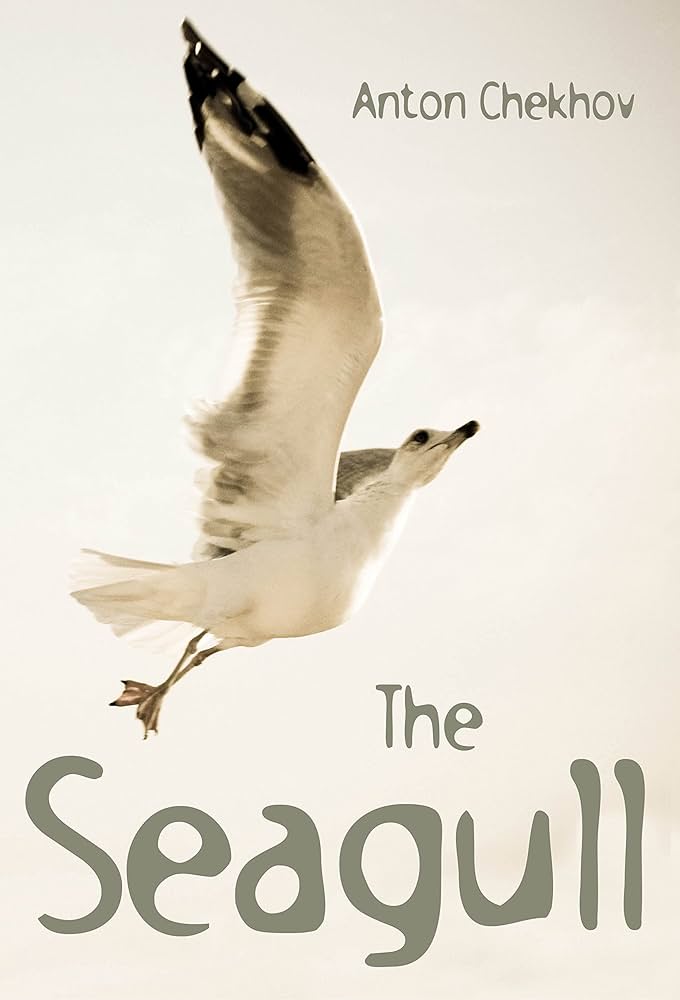
Start this bookNo. 28 on this list. The Seagull · Anton Chekhov · 1896
Taught in schools: Hungarian literature curriculum (magyar nyelv és irodalom) (Hungary), Russian FGOS literature standard
One of Chekhov's four major plays and a permanent part of the world repertory and of drama syllabi. Its 1898 Moscow Art Theatre revival is the founding event of that theatre, which still carries a seagull on its curtain.
Challenging2.1 hours
Read nowNo. 29 on this list. The Return of the Native · Thomas Hardy · 1878
The Return of the Native stands as one of Hardy's major tragic novels and a cornerstone of Victorian fiction. Egdon Heath's status as literary landscape rivals any in English literature, and the novel appears consistently in academic curricula and critical studies of the Victorian novel.
Challenging11 hours
Read nowNo. 30 on this list. The Frogs · Aristophanes · c. 405 BCE
Taught in schools: Montenegrin literature curriculum (crnogorski jezik i književnost) (Montenegro)
Included in: Great Books of the Western World
Dionysus, god of theater and wine, has a problem: Athens has run out of good tragedians. Euripides is dead, Sophocles is dead, and the city's stages are filling up with lesser men. So Dionysus disguises himself as Heracles — borrowed lion-skin and all — and descends into the underworld to bring Euripides back. He takes his slave Xanthias with him, who spends most of the play pointing out that his master is a coward. What begins as a slapstick adventure through Hades — complete with a chorus of literal frogs croaking "Brekekekex koax koax" as Dionysus rows across the Styx — turns into a formal literary debate. Aeschylus and Euripides, both dead, compete for the underworld's throne of poetry. They weigh each other's verses on an actual scale. They trade insults about meters, politics, and moral purpose. Aristophanes wrote this in 405 BCE, the year Athens was losing the Peloponnesian War, and the play's question — what should poetry do for a city in crisis? — had an edge that wasn't merely academic. The comedy is loud, obscene, and intellectually serious in the same breath. Read it expecting a play that treats literary criticism as a matter of civic life and death.
Challenging1.1 hours
Start this book
No. 31 on this list. Le Cid
Pierre Corneille · 1637
Taught in schools: Hungarian literature curriculum (magyar nyelv és irodalom) (Hungary)
Included in: UNESCO Collection of Representative Works
No. 32 on this list. No Exit
Jean-Paul Sartre · 1944
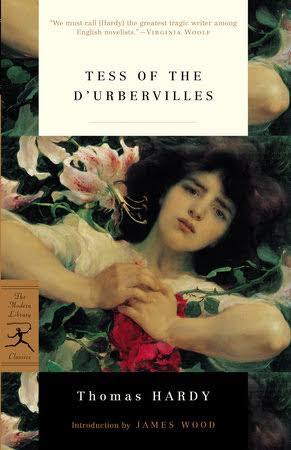
No. 33 on this list. Tess of the d'Urbervilles
Thomas Hardy · 1891
Taught in schools: AQA GCSE and A-level English Literature (UK), Pearson Edexcel GCSE and A-level English Literature (UK)
No. 34 on this list. The Wild Duck
Henrik Ibsen · 1884
Taught in schools: Hungarian literature curriculum (magyar nyelv és irodalom) (Hungary)
Included in: Great Books of the Western World
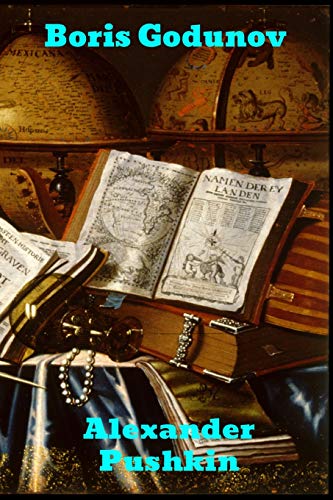
No. 35 on this list. Boris Godunov
Alexander Pushkin · 1831
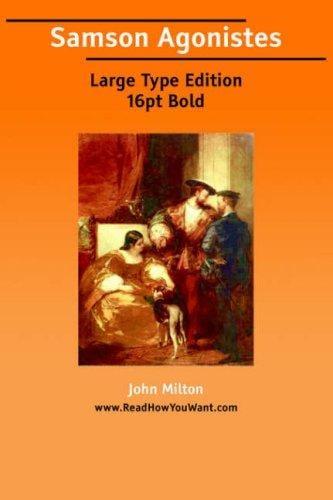
No. 36 on this list. Samson Agonistes
John Milton · 1671
Included in: Great Books of the Western World
No. 37 on this list. Clarissa
Samuel Richardson · 1748
No. 38 on this list. The Mayor of Casterbridge
Thomas Hardy · 1886
Taught in schools: Leaving Certificate English – NCCA / State Examinations Commission (Ireland), WJEC/Eduqas GCSE and A-level English Literature (UK)
No. 39 on this list. The Crucible
Arthur Miller · 1953
No. 40 on this list. Shakuntala
Kalidasa · 400
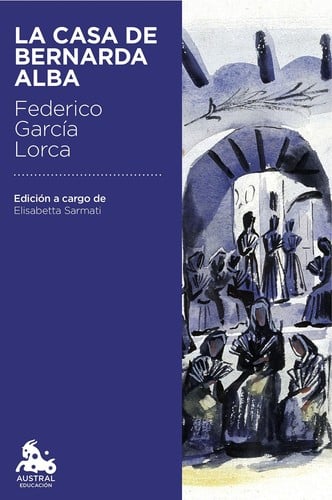
No. 41 on this list. The House of Bernarda Alba
Federico García Lorca · 1936
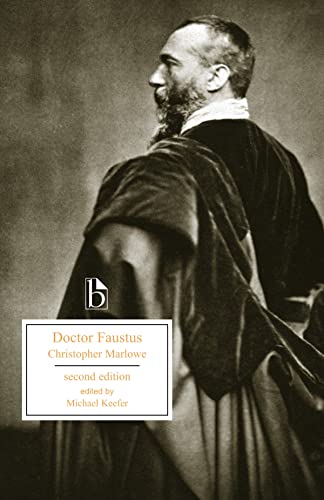
No. 42 on this list. Doctor Faustus
Christopher Marlowe · 1604
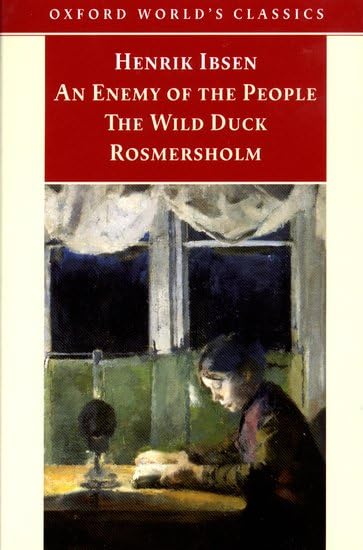
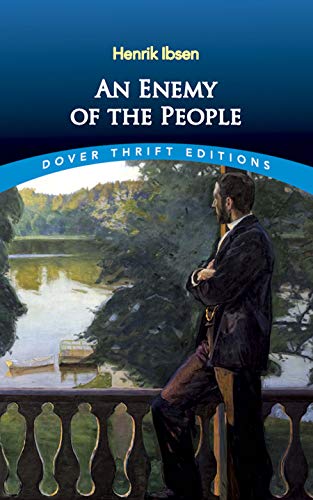
No. 43 on this list. An Enemy of the People
Henrik Ibsen · 1882
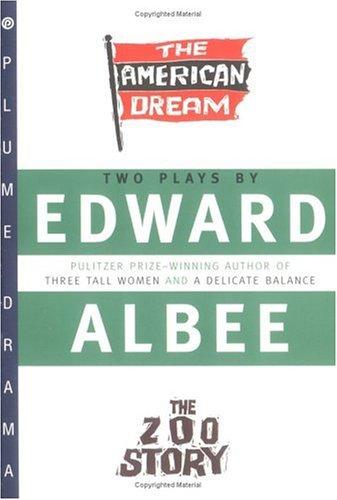
No. 44 on this list. The Zoo Story
Edward Albee · 1959
No. 45 on this list. Murder in the Cathedral
T. S. Eliot · 1935
No. 46 on this list. The Iceman Cometh
Eugene O'Neill · 1946
No. 47 on this list. Blood Wedding
Federico García Lorca · 1933
No. 48 on this list. The Bald Soprano
Eugène Ionesco · 1950
No. 49 on this list. Life Is a Dream
Pedro Calderon de la Barca · 1635
No. 50 on this list. Britannicus
Jean Racine · 1669
No. 51 on this list. The Inspector General
Nikolai Gogol · 1836
No. 52 on this list. The Piano Lesson
August Wilson · 1987
No. 53 on this list. Fences
August Wilson · 1985
No. 54 on this list. Endgame
Samuel Beckett · 1957
No. 55 on this list. Krapp's Last Tape
Samuel Beckett · 1958
No. 56 on this list. The Peony Pavilion
Tang Xianzu · 1598
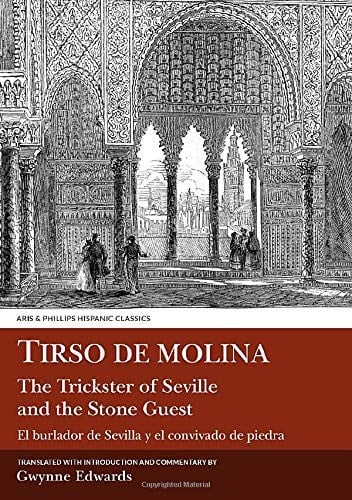
No. 57 on this list. The Trickster of Seville and the Stone Guest
Tirso de Molina · 1630
No. 58 on this list. Death and the King's Horseman
Wole Soyinka · 1975
Taught in schools: Common Core text exemplars (Appendix B) (US)
No. 59 on this list. Athalie
Jean Racine · 1691
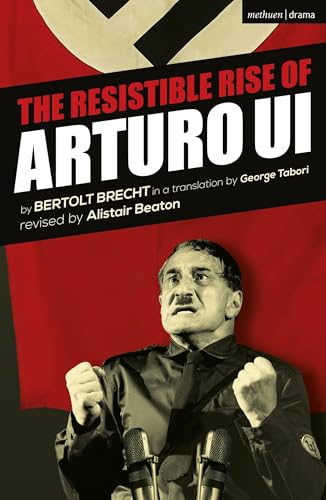
No. 60 on this list. The Resistible Rise of Arturo Ui
Bertolt Brecht · 1941
No. 61 on this list. Fuenteovejuna
Lope de Vega · 1619
No. 62 on this list. Teahouse
Lao She · 1957
No. 63 on this list. Mourning Becomes Electra
Eugene O'Neill · 1931
Included in: Great Books of the Western World
No. 64 on this list. Tughlaq
Girish Karnad · 1964
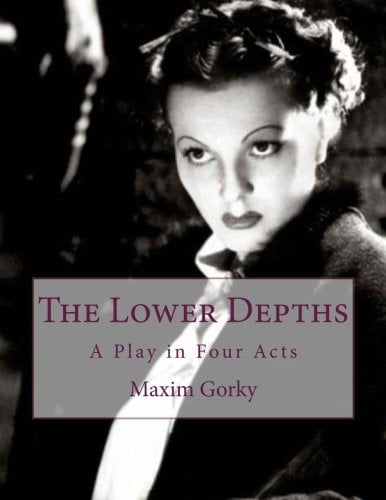
No. 65 on this list. The Lower Depths
Maxim Gorky · 1902
Taught in schools: Russian FGOS literature standard
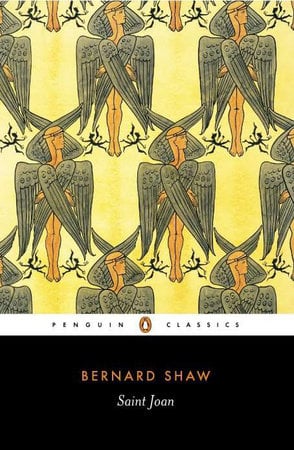
No. 66 on this list. Saint Joan
George Bernard Shaw · 1923
Included in: Great Books of the Western World
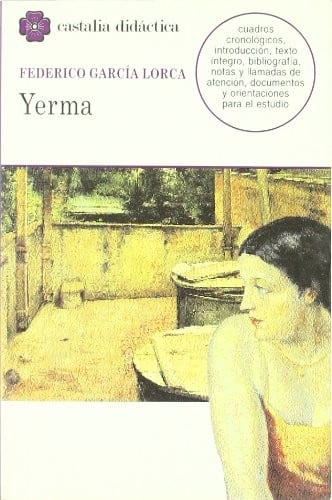
No. 67 on this list. Yerma
Federico García Lorca · 1934
No. 68 on this list. The Post Office
Rabindranath Tagore · 1912
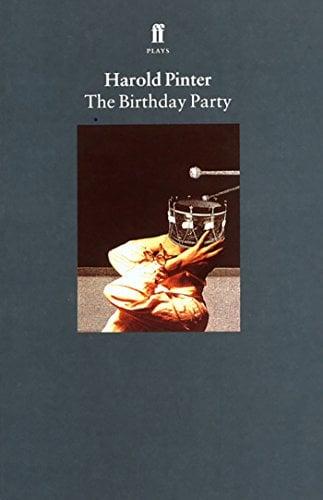
No. 69 on this list. The Birthday Party
Harold Pinter · 1957
No. 70 on this list. Iphigenia
Jean Racine · 1674
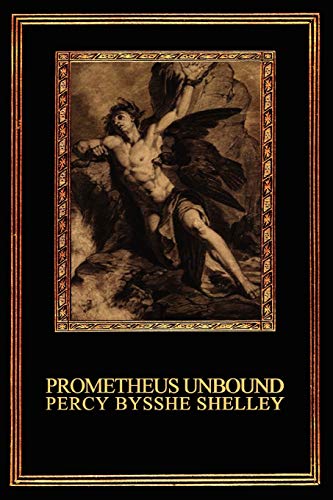
No. 71 on this list. Prometheus Unbound
Percy Bysshe Shelley · 1820
No. 72 on this list. 4.48 Psychosis
Sarah Kane · 2000
No. 73 on this list. The Story of the Western Wing
Wang Shifu · 1300
No. 74 on this list. Man and Superman
George Bernard Shaw · 1903
No. 75 on this list. The Mayor of Zalamea
Pedro Calderon de la Barca · 1636
No. 76 on this list. The Duchess of Malfi
John Webster · 1614
Taught in schools: WJEC/Eduqas GCSE and A-level English Literature (UK)
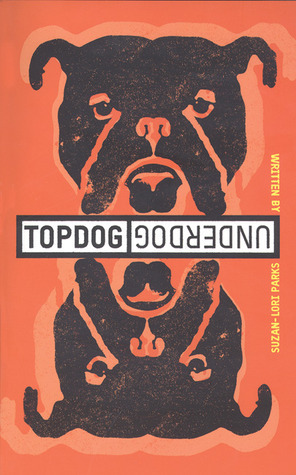
No. 77 on this list. Topdog/Underdog
Suzan-Lori Parks · 2001
No. 78 on this list. Volpone
Ben Jonson · 1606
No. 79 on this list. The Complete Illustrated Works of Oscar Wilde
Oscar Wilde · 1908
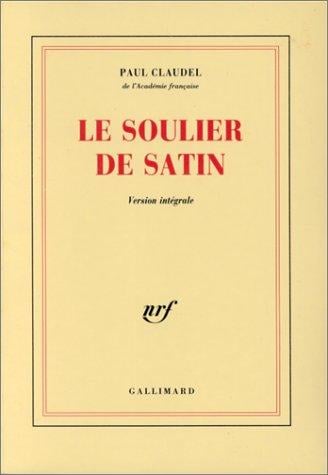
No. 80 on this list. The Satin Slipper
Paul Claudel · 1929
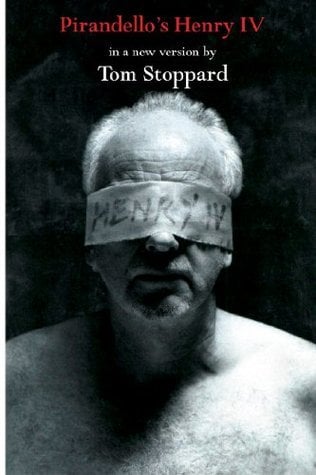
No. 81 on this list. Henry IV
Luigi Pirandello · 1922
No. 82 on this list. The Weavers
Gerhart Hauptmann · 1892
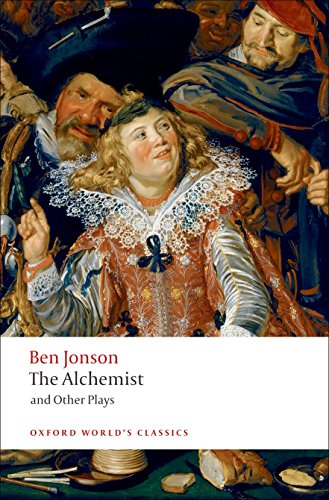
No. 83 on this list. The Alchemist
Ben Jonson · 1610
No. 84 on this list. Cromwell
Victor Hugo · 1827
No. 85 on this list. Mistero Buffo
Dario Fo · 1969
No. 86 on this list. Pygmalion
George Bernard Shaw · 1913
Taught in schools: CSEC English B – Caribbean Examinations Council, Pacific Senior Secondary Certificate – English
No. 87 on this list. The Jew of Malta
Christopher Marlowe · 1590
No. 88 on this list. Tango
Sławomir Mrożek · 1964
Taught in schools: Lektury obowiązkowe – Polish national reading list (Poland)
No. 89 on this list. The Dog in the Manger
Lope de Vega · 1618
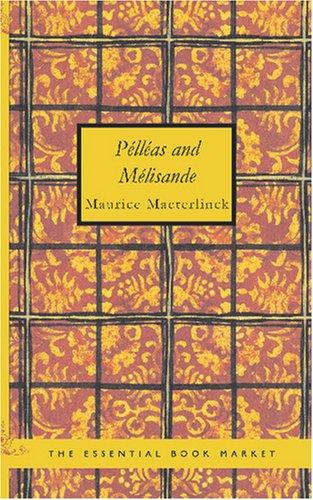
No. 90 on this list. Pelleas and Melisande
Maurice Maeterlinck · 1893
No. 91 on this list. The Beggar's Opera
John Gay · 1728
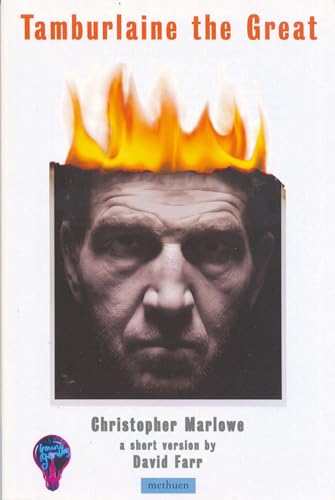
No. 92 on this list. Tamburlaine the Great
Christopher Marlowe · 1587
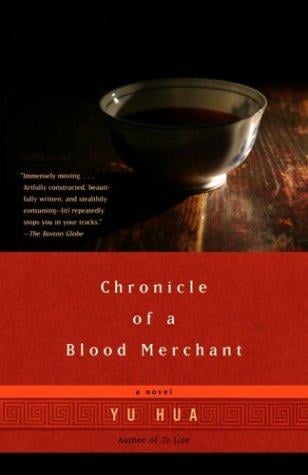
No. 93 on this list. Chronicle of a Blood Merchant
Yu Hua · 1995
No. 94 on this list. Comus
John Milton · 1634
Included in: Great Books of the Western World
No. 95 on this list. Thyestes
No. 96 on this list. Autos Sacramentales
No. 97 on this list. Accidental Death of an Anarchist
Dario Fo · 1970
No. 98 on this list. Escaped Alone
Caryl Churchill · 2016
No. 99 on this list. Love and Information
Caryl Churchill · 2012
No. 100 on this list. Revenge
Aleksander Fredro · 1834
About this list
These 100 books are the highest-scoring eligible moderately difficult plays currently in the catalogue. By literary regard, it opens with Anna Karenina, Oedipus Rex and Six Characters in Search of an Author. About 302 hours of reading in all. Difficulty runs from 52 to 60 out of 100 for the middle half of the list; the summit is Teahouse at 65.
This list is ranked by literary regard, with a consistent order for equal scores. Membership follows authors and co-authors, not translators or editors. Catalogue coverage and the historical canon both limit what this list can represent, and genre labels are the catalogue’s own, gathered into broader kinds.
When we matched the Canons dataset to our catalogue in October 2026, our canonical-status scores rose with the number of school curricula, publisher series and lists in it that cite a work: the median score was 72 for books one such source cites, 84 at two, 88 at three, 92 at four and 93 at five or more. Prizes are left out of that count. Outside the state curricula, the dataset’s sources choose mostly from what has been translated into English or French, so it is a weaker check on other literatures. Source: Canons (Andrew Piper), CC BY 4.0
Questions people actually ask
- What are the best moderately difficult plays?
- By literary regard, which weighs canonical status, critical standing and influence, Anna Karenina, Oedipus Rex, Six Characters in Search of an Author, Mother Courage and Her Children and Macbeth lead. ReadingRate ranks 100 such books, each with a difficulty score and a reading-time estimate.
- Where should I start with moderately difficult plays?
- Start from difficulty, not from rank. The most approachable books on this list that still carry top literary regard are Krapp's Last Tape by Samuel Beckett (about 18 min), The Bourgeois Gentleman by Molière and The Bacchae by Euripides.
- How hard are moderately difficult plays to read?
- Most of this list sits between 52 and 60 on ReadingRate's 100-point difficulty scale, where 40 to 55 is moderate. The summit is Teahouse at 65. Every entry carries its own score, so a reader can pick a great book at a difficulty they will finish.
- How is this list ranked?
- On literary-regard data: how canonically established a work is, its critical standing, and its influence on later writing. It is not a readers’ poll, which is why recent bestsellers rarely appear. Membership follows authors and co-authors, not translators or editors. A list that is not a genre list keeps to literature (fiction, poetry, drama and philosophy), with philosophy taking no more than one slot in five while there is literature left to rank; every list holds at most three works by one author.