Hours at an average pace
Showing 100 books
About 845 hours for 100 of 100 books with measured lengths. Estimates use 250 words a minute, adjusted for each book's difficulty. At 2 hours a day, about 423 days for those books.
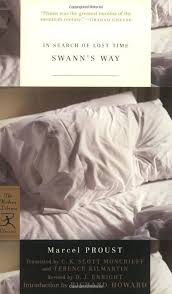
No. 1 on this list. In Search of Lost Time
Marcel Proust · 1913
Difficult25 hours
Included in: Bokklubben World Library, Great Books of the Western World
In Search of Lost Time appears on 223 university syllabi and registers at the 58.7th percentile in the Open Syllabus Project — a significant presence for a seven-volume novel typically taught in translation and only in specialized courses. It appears on virtually every 'greatest novels' list (Modern Library, Le Monde, Time), and is treated as the central work of French modernism in comparative literature programs worldwide.
Appears on 986 university syllabi according to the Open Syllabus Project, placing it in the top tier of world literature taught in higher education. Wikipedia articles exist in 63 languages with dedicated Reception and Adaptations sections, confirming its status as a global canonical text. Listed on the Open Syllabus Top 500 Literature and 1001 Books You Must Read Before You Die.
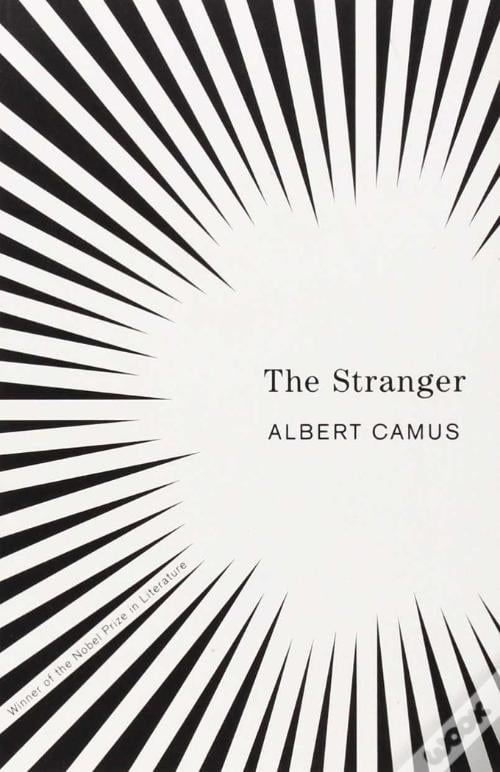
No. 3 on this list. The Stranger
Albert Camus · 1942
Challenging3 hours
Included in: Bokklubben World Library
The Stranger appears on Le Monde's 100 Books of the Century, the Open Syllabus Top 500 Literature list, and 1001 Books You Must Read Before You Die. Published in prestige editions by both NYRB Classics and Penguin Modern Classics, it is one of the most assigned existentialist texts in university world literature courses across Europe, North America, and beyond.
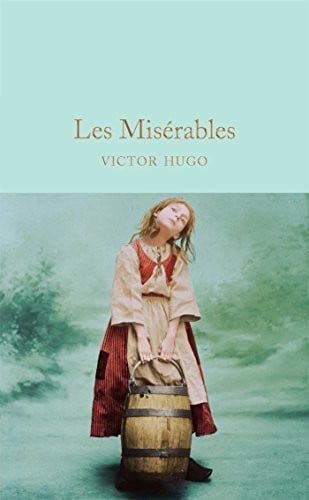
No. 4 on this list. Les Misérables
Victor Hugo · 1862
Challenging51 hours
Taught in schools: Turkish edebiyat curriculum (Turkey)
Les Misérables has a Wikipedia article available in 71 languages and a 73,000-character article with dedicated reception and adaptations sections — indicators of global cultural reach matched by few 19th-century novels. It is treated as a foundational text in French literature courses worldwide and appears on most lists of essential world fiction. Its canonical status in francophone secondary and university education is comparable to Hamlet's in English curricula.
No. 5 on this list. Gargantua and Pantagruel
François Rabelais · 1532
Challenging33 hours
Taught in schools: Lektury obowiązkowe – Polish national reading list (Poland)
Included in: Bokklubben World Library, Great Books of the Western World
Gargantua and Pantagruel appears on virtually every Western literary canon list and is required reading in Renaissance literature courses at universities worldwide. The work has Wikipedia articles in more than 60 languages and has maintained continuous scholarly attention since the 16th century. It appears on Harold Bloom's Western Canon and the Great Books curricula as a founding text of European prose fiction.
Among Hugo most famous novels. Sparked Gothic Revival and cathedral preservation movement.
Listed among Le Monde's 100 Books of the Century (1999) and the Open Syllabus Top 500 in Literature, with Wikipedia presence in 10 languages. The Theatre and Its Double is essential reading in theatre studies programs worldwide. Published by NYRB Classics. Every contemporary theatre practitioner and scholar encounters Artaud's theories in courses on performance studies, avant-garde theatre, modernism, and cultural theory.
No. 8 on this list. The Plague
Albert Camus · 1947
Moderate6.7 hours
Taught in schools: Lektury obowiązkowe – Polish national reading list (Poland)
Included in: UNESCO Collection of Representative Works
The Plague is taught across Europe, the Americas, and Asia in existentialism, 20th-century literature, and French literature courses. Its Wikipedia article exists in 124 languages — comparable to the reach of Kafka's The Trial and well above most postwar novels. Listed in 1001 Books You Must Read Before You Die and enshrined as a Penguin Modern Classic.
"A Simple Heart" is one of the most anthologized short stories in world literature and appears across university syllabi in French literature and world literature courses. The collection as a whole is standard reading in 19th-century realism curricula globally. No scraped syllabus data was returned, but the collection's presence in major anthologies and its continuous critical attention over 140 years place it firmly in the high-canonical range.
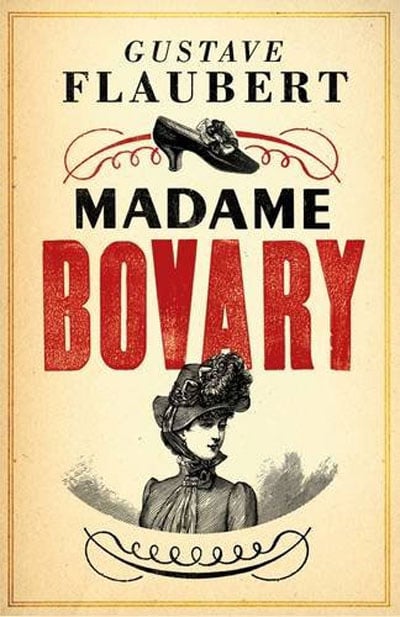
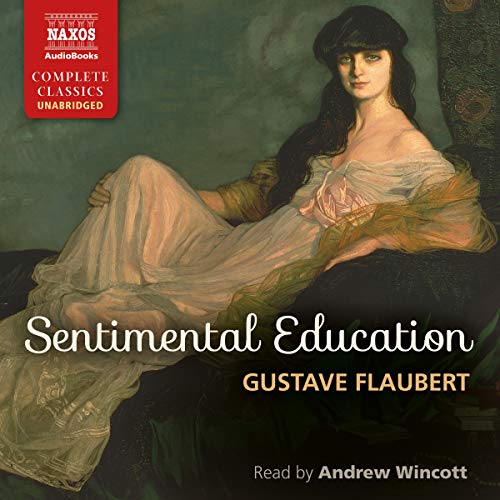
No. 10 on this list. Sentimental Education
Gustave Flaubert · 1869
Challenging18 hours
Included in: Bokklubben World Library
Wikipedia article available in 27 languages with dedicated reception and adaptations sections, indicating sustained global readership. Taught in French literature and comparative literature courses at universities worldwide, though less universally assigned than Madame Bovary.

No. 11 on this list. W, or the Memory of Childhood · Georges Perec · 1975
A firm fixture in the OuLiPo canon and in broader European literary canons. Regularly taught in comparative literature, Holocaust literature, and postmodern fiction courses internationally. Less widely read than some contemporaries but deeply influential among serious readers and writers.
Difficult6.5 hours
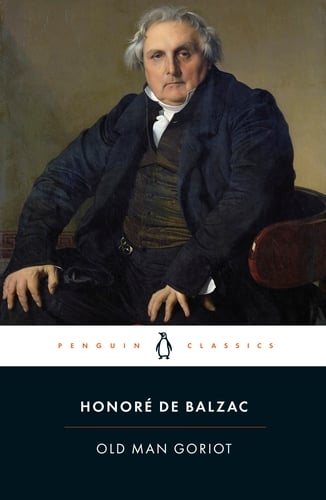
Start this bookNo. 12 on this list. Père Goriot · Honoré de Balzac · 1835
Included in: Bokklubben World Library
Père Goriot is a fixture in world literature curricula, appearing in French literature surveys, comparative literature courses, and 19th-century fiction seminars across the globe. Wikipedia articles in 47 languages signal its reach far beyond the French-speaking world. It holds a central position in La Comédie humaine, Balzac's linked series of nearly 100 novels, and is typically the first text assigned to readers of Balzac.
Challenging7.7 hours
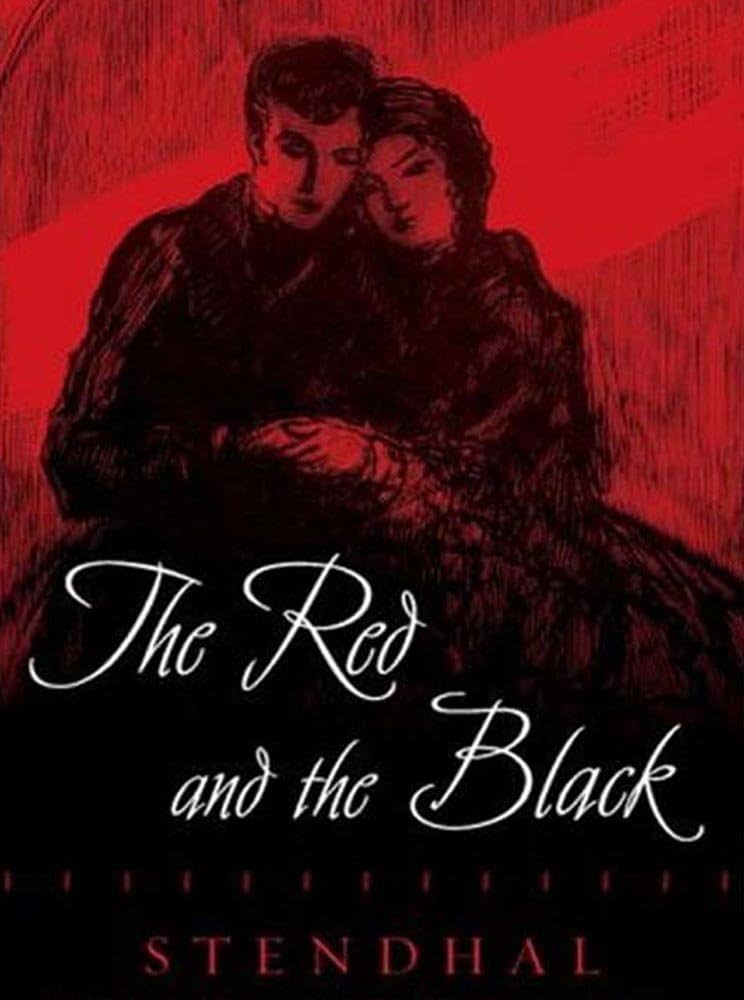
Start this bookNo. 13 on this list. The Red and the Black · Stendhal · 1830
Taught in schools: Hungarian literature curriculum (magyar nyelv és irodalom) (Hungary)
Included in: Bibliothèque de la Pléiade, Bokklubben World Library
The Red and the Black is a foundational text of the realist novel, taught in French literature and world literature courses globally. Its Wikipedia article appears in 44 languages, indicating substantial global reach, and it regularly features on canonical lists such as the Modern Library 100 and TIME's All-TIME 100 novels.
Challenging17 hours
Read nowNo. 14 on this list. Lost Illusions · Honoré de Balzac · 1843
Considered Balzac's masterpiece by many critics; central work of La Comédie humaine.
Challenging18 hours
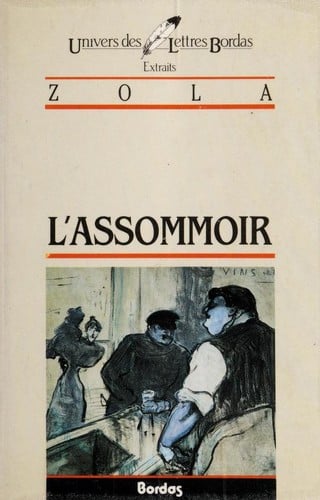
Read nowNo. 15 on this list. L'Assommoir · Émile Zola · 1877
Often considered Zola's masterpiece; essential text for understanding French naturalism.
Moderate6 hours
Read nowNo. 16 on this list. Happening · Annie Ernaux · 2000
Happening has become one of Ernaux's most discussed and translated works, widely taught in French literature courses at university level and increasingly prominent in Anglophone curricula following her 2022 Nobel Prize. Its frank treatment of illegal abortion in 1960s France grants it significant cultural-historical standing alongside landmark autofictional texts.
Challenging1.8 hours
Start this bookNo. 17 on this list. Exercises in Style · Raymond Queneau · 1947
A cornerstone text of postwar French avant-garde literature and the OuLiPo tradition, widely assigned in literary theory and creative writing courses. Not a household classic in the manner of Camus but firmly enshrined in academic and experimental-fiction canons worldwide.
Challenging2.1 hours
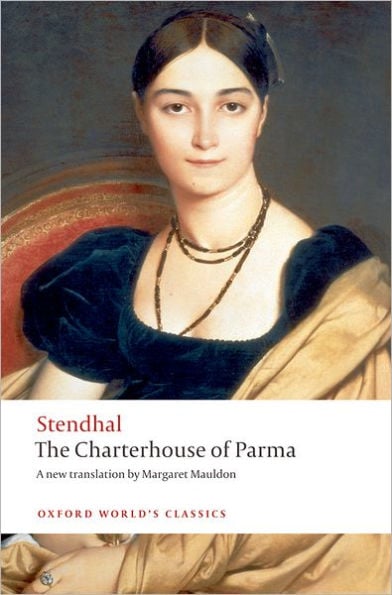
Start this bookNo. 18 on this list. The Charterhouse of Parma · Stendhal · 1839
A cornerstone of the 19th-century European novel, regularly taught in French literature and comparative literature courses. The novel exemplifies early psychological realism and remains essential reading for understanding the development of the modern novel.
Challenging17 hours
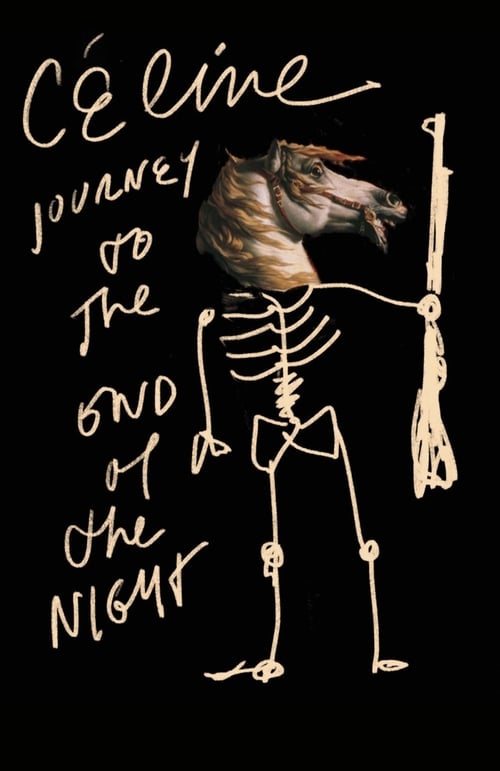
Read nowNo. 19 on this list. Journey to the End of the Night · Louis-Ferdinand Céline · 1932
Included in: Bokklubben World Library
Named to Le Monde's 100 Books of the Century and listed in the Open Syllabus Top 500 for Literature, the novel holds an established place in French and comparative literature curricula. Its Wikipedia article spans 37 languages with a dedicated Reception section, reflecting sustained international recognition. It is taught in world literature and modernist fiction courses but falls short of the blanket curriculum presence of Kafka, Camus, or Proust.
Challenging19 hours
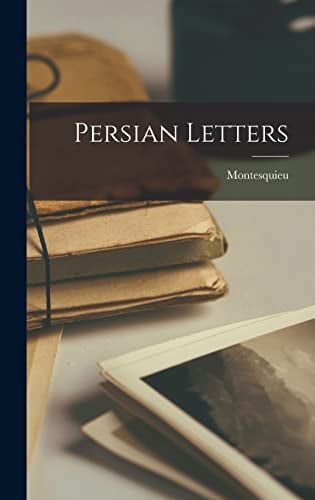
Start this bookNo. 20 on this list. Persian Letters · Montesquieu · 1721
Taught in schools: Hungarian literature curriculum (magyar nyelv és irodalom) (Hungary)
Persian Letters appears on university syllabi across French literature, Enlightenment history, and political philosophy courses worldwide. It is consistently anthologized as a founding text of the French Enlightenment and one of the first major works of sociological and political satire in the European tradition.
Challenging8.5 hours
Start this book

No. 21 on this list. A Void · Georges Perec · 1969
A canonical experimental novel and the centrepiece of OuLiPo's legacy in world literature. Widely anthologised in discussions of formal constraint in writing. Perec's reputation — anchored also by Life A User's Manual — ensures its place in any serious survey of twentieth-century European fiction.
Difficult13 hours
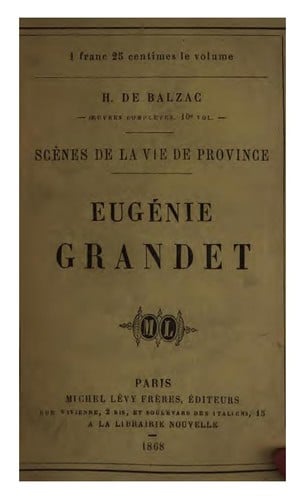
Start this bookNo. 22 on this list. Eugénie Grandet · Honoré de Balzac · 1833
Eugénie Grandet stands as a cornerstone of French literary realism and a key work in Balzac's vast Comédie humaine. It appears regularly in French literature curricula, realist novel courses, and 19th-century European literature surveys. The novel's dissection of provincial avarice and its portrait of female suffering under patriarchal capitalism have made it essential reading for understanding the realist tradition.
Moderate5 hours
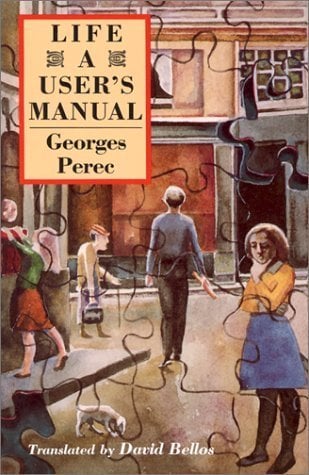
Read nowNo. 23 on this list. Life A User's Manual · Georges Perec · 1978
Listed on Le Monde's 100 Books of the Century and the Open Syllabus Top 500 for Literature. Wikipedia articles exist in 18 languages. The novel is a fixture in courses on experimental fiction, Oulipo, and twentieth-century French literature, though it remains less widely taught than mainstream canonical works in anglophone curricula.
Difficult21 hours
Start this bookNo. 24 on this list. Ill Seen Ill Said · Samuel Beckett · 1981
An old woman lives alone in a stone cabin at the edge of a formless landscape. She watches Venus rise and the moon whiten the stones. She makes her slow way to a tomb bearing flowers. Twelve figures linger always in the distance — still, or receding — and she never sees one come toward her. A narrating eye watches her, reports what it sees, then immediately doubts its own report. 'Ill seen' is both title and method: Beckett spent his late career stripping the novel to whatever cannot be further removed, and Ill Seen Ill Said is among the most extreme results. There is no plot and almost no character in the usual sense — only perception failing to fix its object, language circling what it cannot say. The woman seems to be dying, or has always been dying, or is a figment the narrator cannot quite relinquish. A buttonhook trembles on its nail throughout; the stones encroach on the pastures year by year; and at the last a voice says: 'Know happiness.' At eighty-odd pages this is Beckett at his most concentrated — difficult, beautiful, and utterly unlike anything else.
Difficult5 hours
Start this bookNo. 25 on this list. The Count of Monte Cristo · Alexandre Dumas · 1844
One of the most widely read novels in the world, The Count of Monte Cristo is a fixture in world literature courses and French literature curricula globally. Its Wikipedia article exists in over 80 languages, and the novel has remained continuously in print since its serialized publication in 1844-1846. It appears on virtually every canonical list of adventure fiction and is frequently cited as a foundational text of the roman-feuilleton tradition.
Moderate30 hours
Read nowNo. 26 on this list. Memoirs of Hadrian · Marguerite Yourcenar · 1951
Included in: Bokklubben World Library
Widely taught in comparative and European literature courses; included in major lists of 20th-century literary classics; consistently cited as the defining modern example of the intellectual historical novel. Less dominant in the Anglophone canon than in the French-European tradition, but firmly placed in the Western literary canon through sustained critical and pedagogical reception since 1951.
Challenging8.3 hours
Start this bookNo. 27 on this list. 20,000 Leagues Under the Sea · Jules Verne · 1870
20,000 Leagues Under the Sea appears on curricula worldwide and is a fixture of science fiction canon lists from Penguin Classics to the Modern Library. Wikipedia articles for the novel exist in over 60 languages, reflecting its global reach across more than 150 years. It is among the handful of 19th-century adventure novels still routinely assigned in schools and universities outside their country of origin.
Moderate6.7 hours
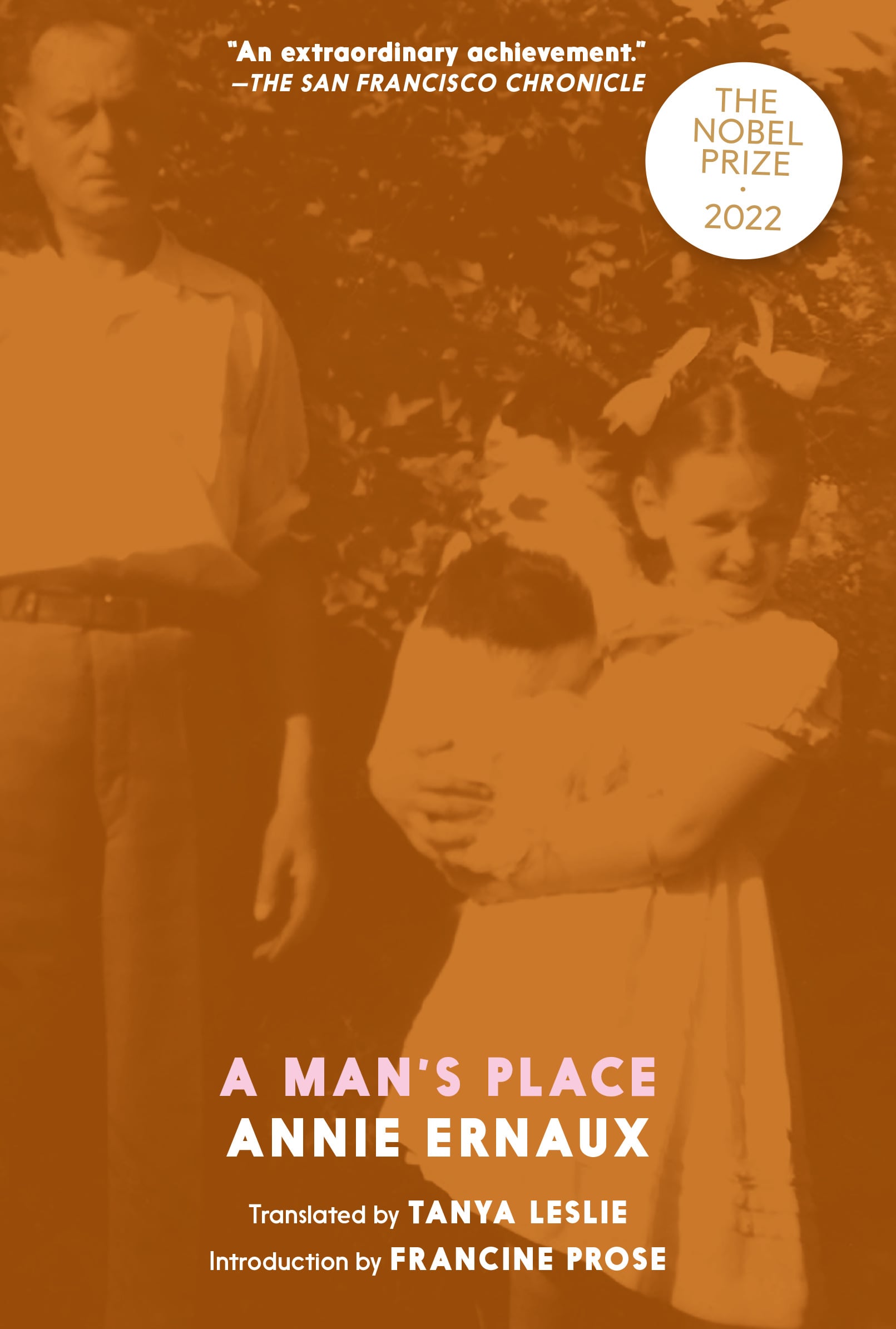
Read nowNo. 28 on this list. A Man's Place · Annie Ernaux · 1983
A Man's Place (La Place) is widely taught in French literature courses and is considered one of the defining texts of autofiction. Winner of the Prix Renaudot in 1984, it has been translated into dozens of languages and appears on university reading lists across Europe and North America. Its place in the French literary canon is secure, though its international syllabi presence remains below that of Anglophone equivalents.
Challenging1.5 hours
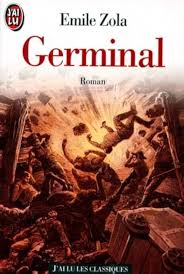
Start this bookNo. 29 on this list. Germinal · Émile Zola · 1885
Germinal anchors syllabi in French literature, naturalism, and labor studies worldwide. It represents the naturalist novel at peak ambition and remains the reference point for industrial fiction. Taught alongside Balzac and Flaubert as essential 19th-century French fiction.
Challenging13 hours
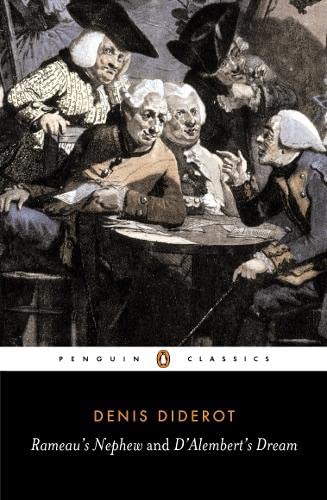
Read nowNo. 30 on this list. Rameau's Nephew · Denis Diderot · 1805
Included in: Great Books of the Western World
Rameau's Nephew is a fixture in 18th-century French literature and philosophy courses at the university level, though it occupies a more specialist niche than Diderot's Encyclopédie work. It appears on syllabi in French literature, Enlightenment studies, and courses on the dialogue form. Goethe's German translation (1805) was the work's first publication and secured its European reputation; Wikipedia articles exist in around 30 languages.
Difficult6 hours
Start this book
No. 31 on this list. Our Lady of the Flowers
Jean Genet · 1943
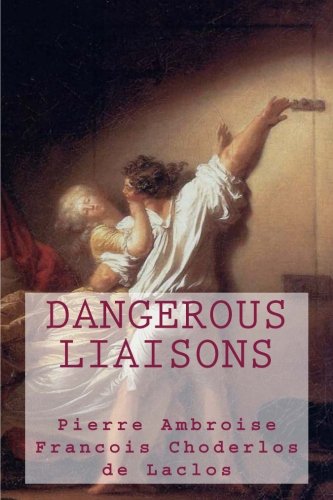
No. 32 on this list. Dangerous Liaisons
Pierre Choderlos de Laclos · 1782
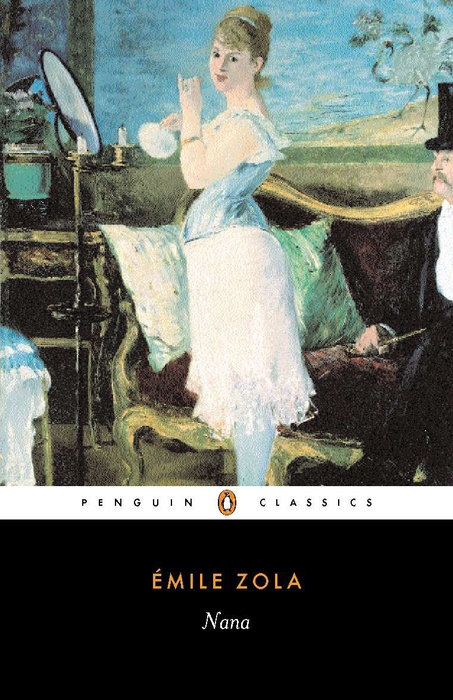
No. 33 on this list. Nana
Émile Zola · 1880
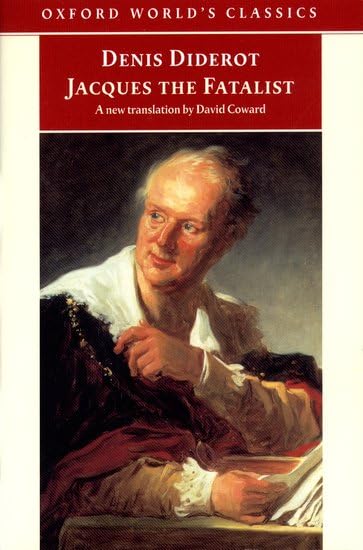
No. 34 on this list. Jacques the Fatalist and His Master
Denis Diderot · 1796
Included in: Bokklubben World Library
No. 35 on this list. The Ravishing of Lol Stein
Marguerite Duras · 1964
No. 36 on this list. The Years
Annie Ernaux · 2019
No. 37 on this list. Moderato Cantabile
Marguerite Duras · 1958
No. 38 on this list. The Opposing Shore
Julien Gracq · 1951
No. 39 on this list. Death on the Installment Plan
Louis-Ferdinand Céline · 1936
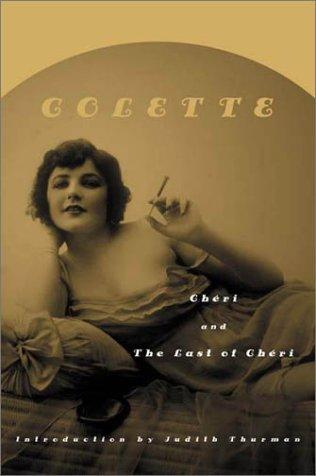
No. 40 on this list. Chéri
Colette · 1920
No. 41 on this list. Pierre and Jean
Guy de Maupassant · 1888
No. 42 on this list. Slowness
Milan Kundera · 1995
No. 43 on this list. Texaco
Patrick Chamoiseau · 1992
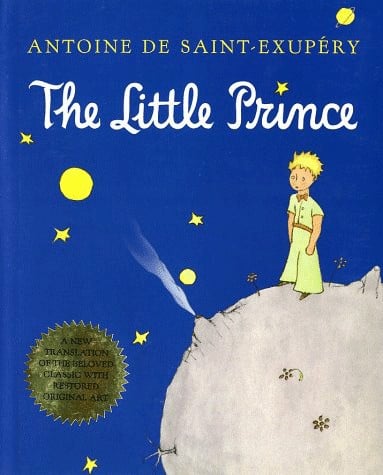
No. 44 on this list. The Little Prince
Antoine de Saint-Exupéry · 1943
Taught in schools: Common Core text exemplars (Appendix B) (US)
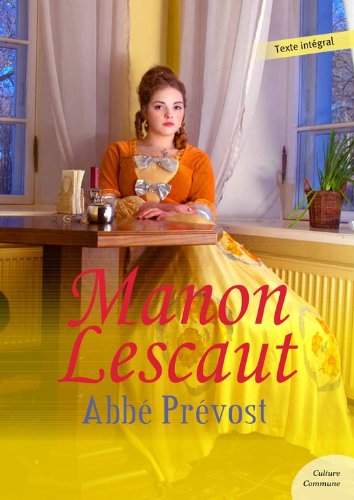
No. 45 on this list. Manon Lescaut
Abbé Prévost · 1731
Taught in schools: Programme de français, lycée général et technologique (France)
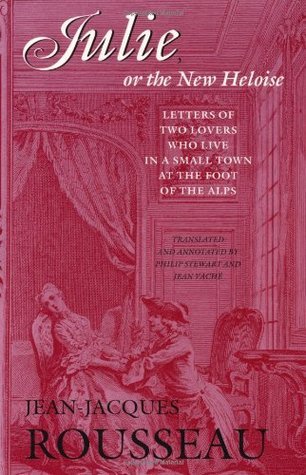
No. 46 on this list. Julie, or the New Heloise
Jean-Jacques Rousseau · 1761
No. 47 on this list. Le Grand Meaulnes
Alain-Fournier · 1913
No. 48 on this list. The Nun
Denis Diderot · 1796
No. 49 on this list. Gigi
Colette · 1944
No. 50 on this list. Dirty Hands
Jean-Paul Sartre · 1948
No. 51 on this list. Journey to the Center of the Earth
Jules Verne · 1864
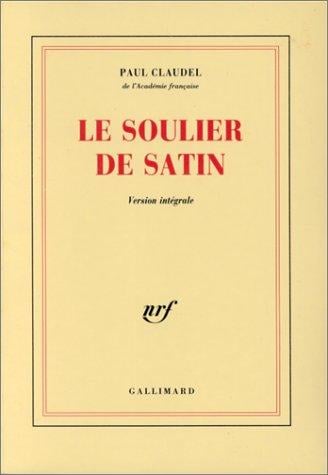
No. 52 on this list. The Satin Slipper
Paul Claudel · 1929
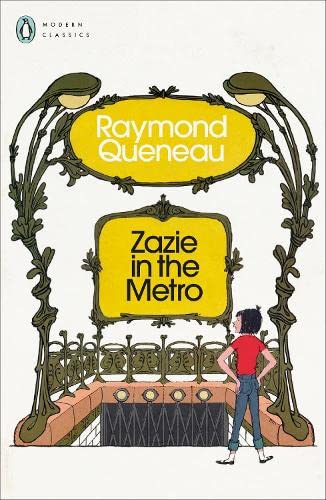
No. 53 on this list. Zazie in the Metro
Raymond Queneau · 1959
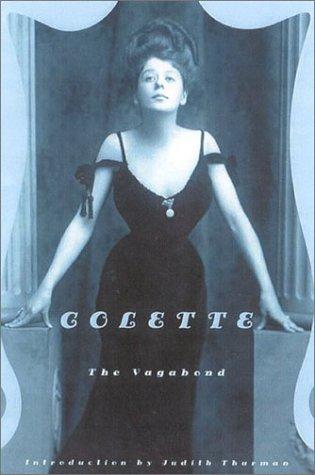
No. 54 on this list. The Vagabond
Colette · 1910
No. 55 on this list. She Came to Stay
Simone de Beauvoir · 1943
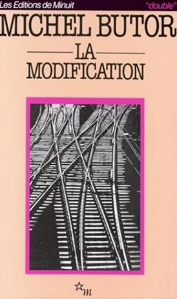
No. 56 on this list. Second Thoughts
Michel Butor · 1956
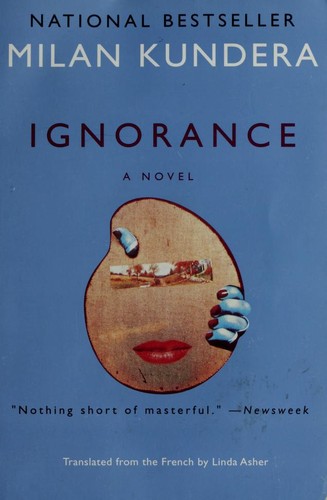
No. 57 on this list. Ignorance
Milan Kundera · 2000
No. 58 on this list. Ninety-Three
Victor Hugo · 1874
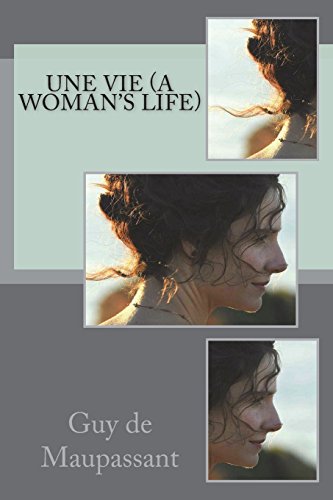
No. 59 on this list. A Woman's Life
Guy de Maupassant · 1883
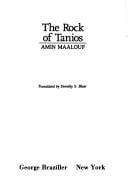
No. 60 on this list. The Rock of Tanios
Amin Maalouf · 1993
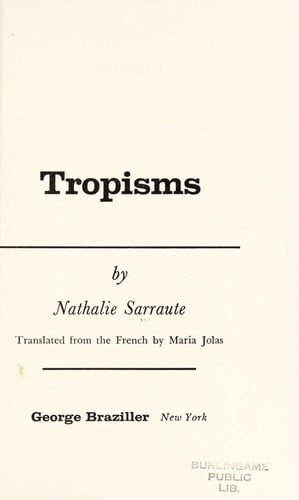
No. 61 on this list. Tropisms
Nathalie Sarraute · 1939
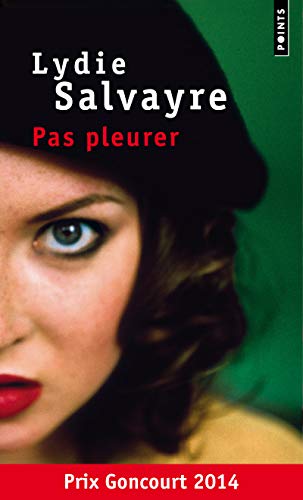
No. 62 on this list. Pas pleurer
Lydie Salvayre · 2014
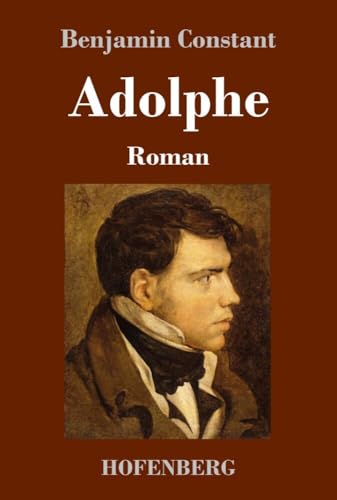
No. 63 on this list. Adolphe
Benjamin Constant · 1816
No. 64 on this list. So Long a Letter
Mariama Bâ · 1979
Taught in schools: CSEC English B – Caribbean Examinations Council
No. 65 on this list. The Woman Destroyed
Simone de Beauvoir · 1967
No. 66 on this list. Bel-Ami
Guy de Maupassant · 1885
No. 67 on this list. Three Strong Women
Marie NDiaye · 2009
No. 68 on this list. Friday, or, The Other Island
Michel Tournier · 1967
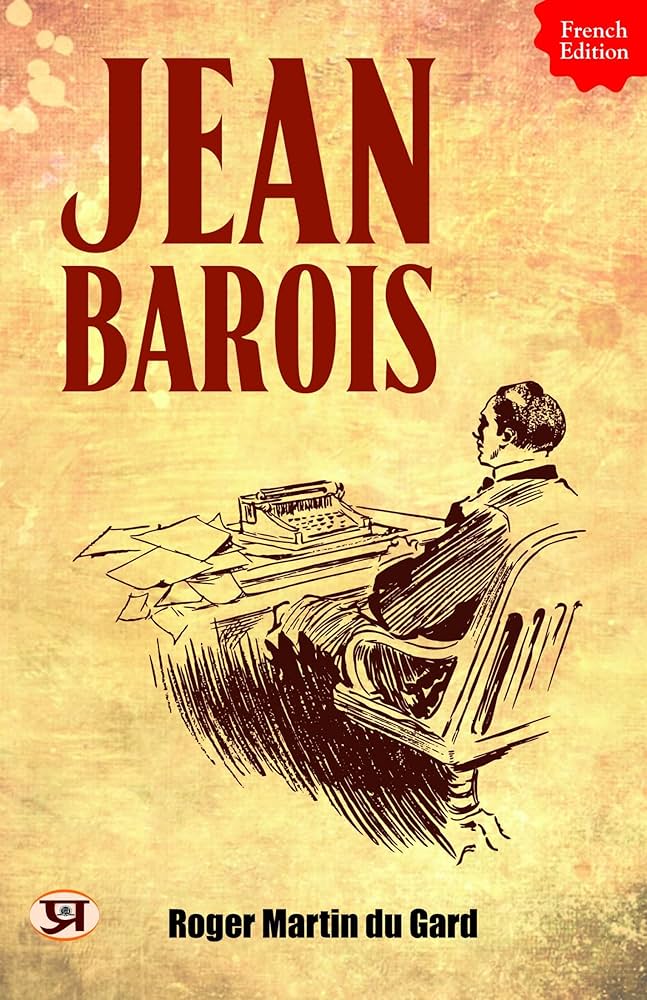
No. 69 on this list. Jean Barois
Roger Martin du Gard · 1913
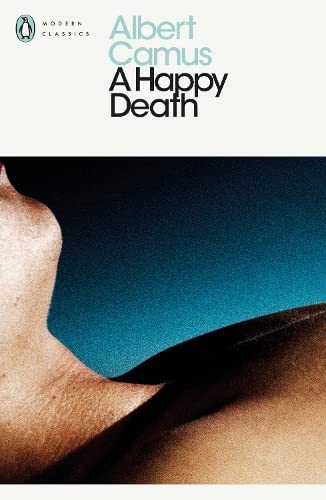
No. 70 on this list. A Happy Death
Albert Camus · 1971

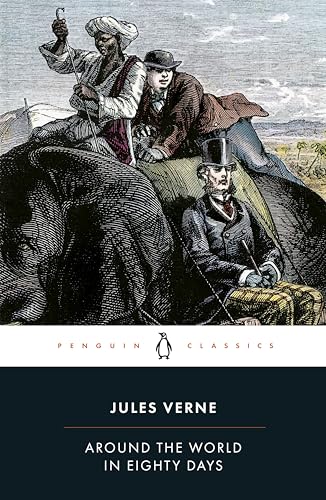
No. 71 on this list. Around the World in Eighty Days
Jules Verne · 1872
Taught in schools: CSEC English B – Caribbean Examinations Council
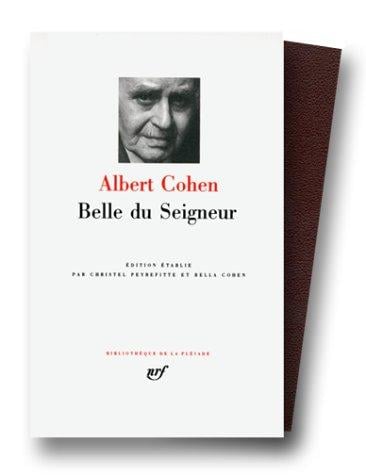
No. 72 on this list. Belle du Seigneur
Albert Cohen · 1968
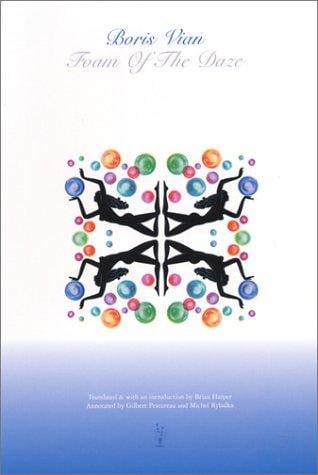
No. 73 on this list. Froth on the Daydream
Boris Vian · 1947
No. 74 on this list. The Manuscript Found in Saragossa
Jan Potocki · 1815
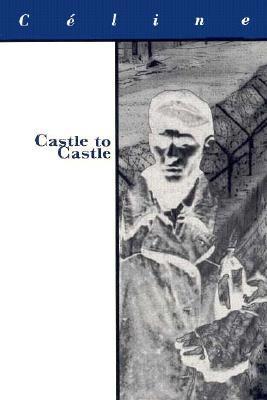
No. 75 on this list. Castle to Castle
Louis-Ferdinand Céline · 1957
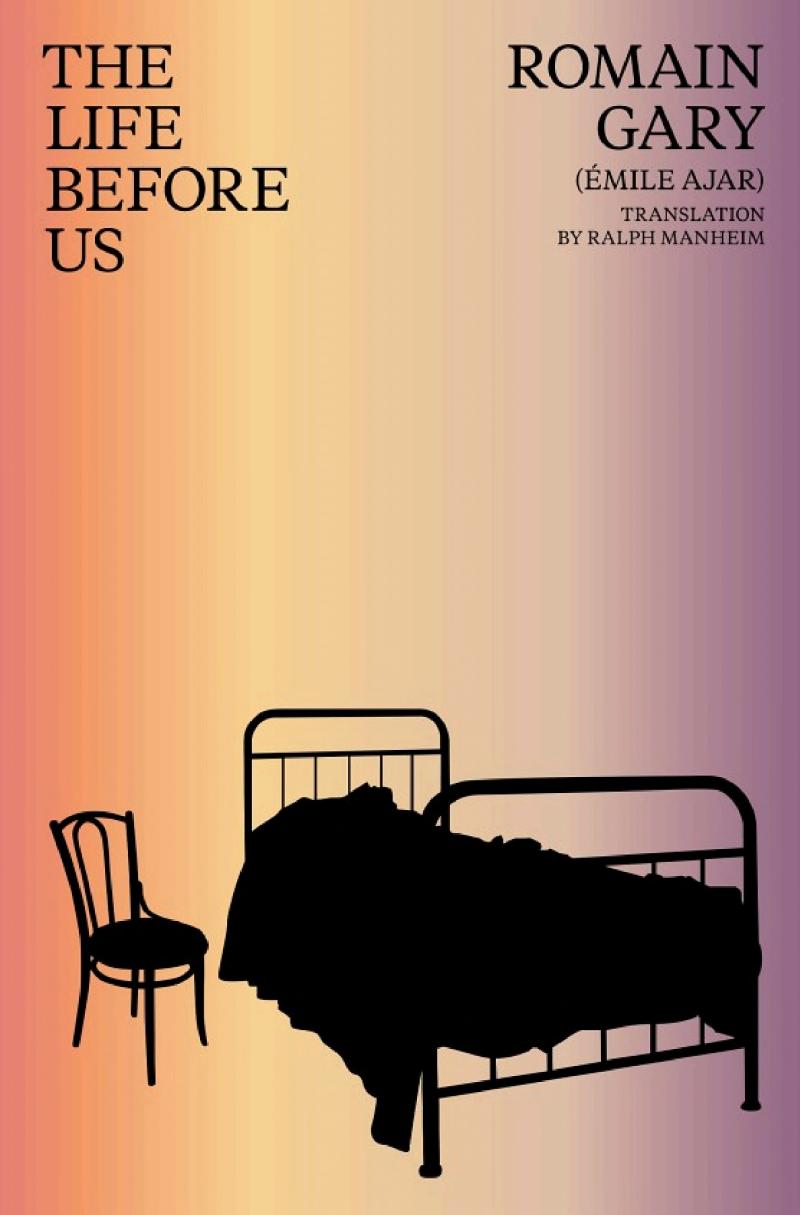
No. 76 on this list. The Life Before Us
Émile Ajar (Romain Gary) · 1975
No. 77 on this list. Bonjour Tristesse
Françoise Sagan · 1954
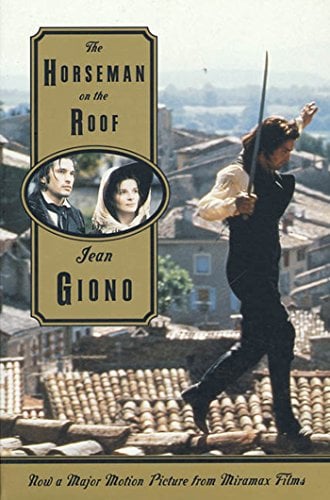
No. 78 on this list. The Horseman on the Roof
Jean Giono · 1951
No. 79 on this list. Dirty Snow
Georges Simenon · 1948
No. 80 on this list. Under the Sun of Satan
Georges Bernanos · 1926

No. 81 on this list. Veiller sur elle
Jean-Baptiste Andrea · 2023
No. 82 on this list. Troubled Sleep
Jean-Paul Sartre · 1949
No. 83 on this list. The Sea Wall
Marguerite Duras · 1950
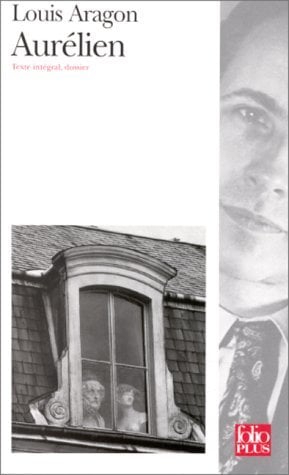
No. 84 on this list. Aurélien
Louis Aragon · 1944
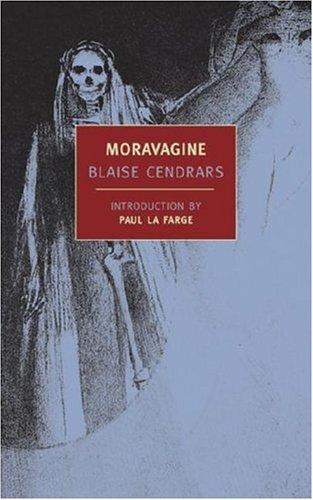
No. 85 on this list. Moravagine
Blaise Cendrars · 1926
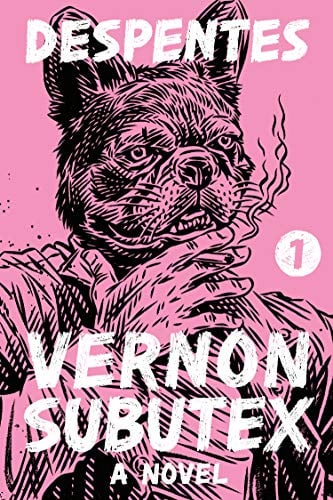
No. 86 on this list. Vernon Subutex 1
Virginie Despentes · 2018
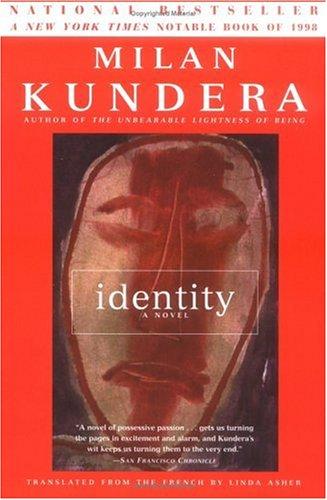
No. 87 on this list. Identity
Milan Kundera · 1998
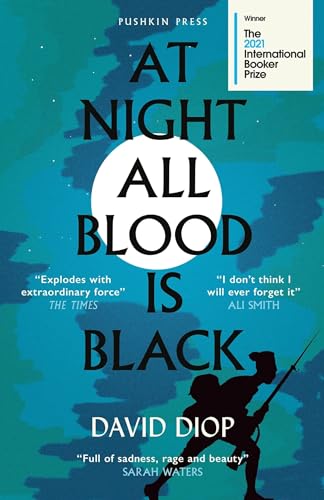
No. 88 on this list. At Night All Blood Is Black
David Diop · 2021
No. 89 on this list. The Blood of Others
Simone de Beauvoir · 1945
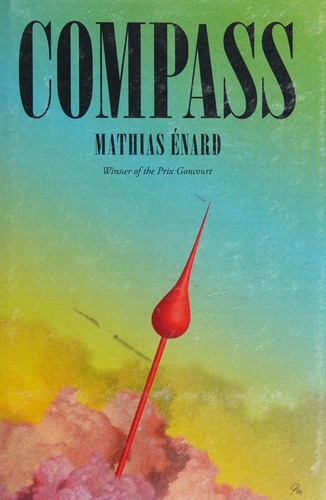
No. 90 on this list. Compass
Mathias Énard · 2017
No. 91 on this list. Vathek
William Beckford · 1786
No. 92 on this list. Mercier and Camier
Samuel Beckett · 1970
No. 93 on this list. The War of the Poor
Eric Vuillard · 2021
No. 94 on this list. The Man Who Watched Trains Go By
Georges Simenon · 1938
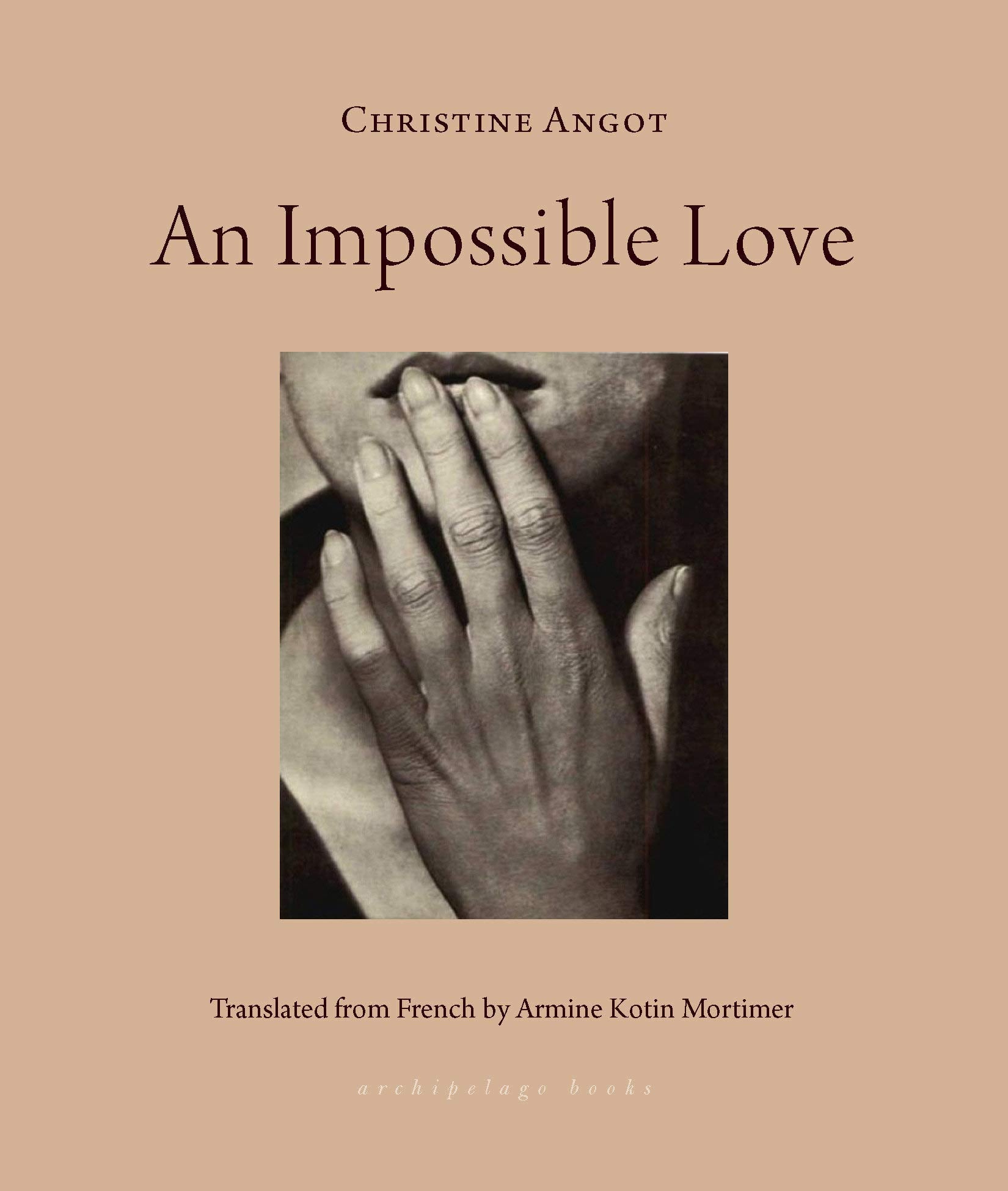
No. 95 on this list. An Impossible Love
Christine Angot · 2023
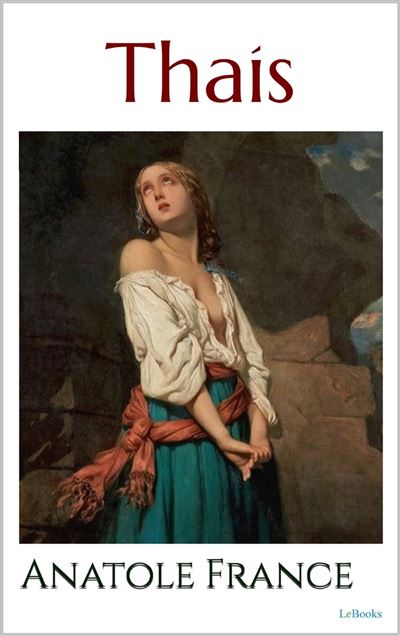
No. 96 on this list. Thaïs
Anatole France · 1890
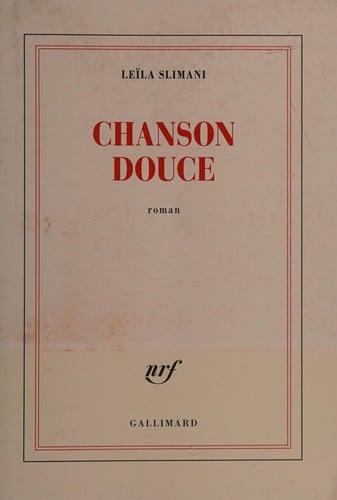
No. 97 on this list. The Perfect Nanny
Leïla Slimani · 2016
No. 98 on this list. The Vicomte de Bragelonne
Alexandre Dumas · 1847
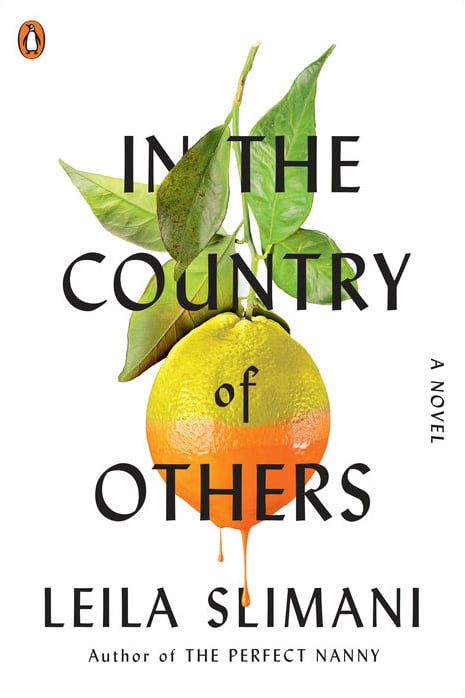
No. 99 on this list. In the Country of Others
Leïla Slimani · 2020
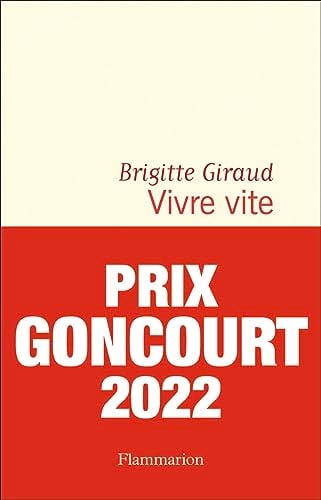
No. 100 on this list. Vivre vite
Brigitte Giraud · 2022
About this list
These 100 books are the highest-scoring eligible literary novels in French currently in the catalogue. By literary regard, it opens with In Search of Lost Time, Madame Bovary and The Stranger. About 845 hours of reading in all. Difficulty runs from 48 to 64 out of 100 for the middle half of the list; the summit is A Void at 83.
This list is ranked by literary regard, with a consistent order for equal scores. Membership follows authors and co-authors, not translators or editors. Catalogue coverage and the historical canon both limit what this list can represent, and genre labels are the catalogue’s own, gathered into broader kinds.
When we matched the Canons dataset to our catalogue in October 2026, our canonical-status scores rose with the number of school curricula, publisher series and lists in it that cite a work: the median score was 72 for books one such source cites, 84 at two, 88 at three, 92 at four and 93 at five or more. Prizes are left out of that count. Outside the state curricula, the dataset’s sources choose mostly from what has been translated into English or French, so it is a weaker check on other literatures. Source: Canons (Andrew Piper), CC BY 4.0
Questions people actually ask
- What are the best literary novels in French?
- By literary regard, which weighs canonical status, critical standing and influence, In Search of Lost Time, Madame Bovary, The Stranger, Les Misérables and Gargantua and Pantagruel lead. ReadingRate ranks 100 such books, each with a difficulty score and a reading-time estimate.
- Where should I start with literary novels in French?
- Start from difficulty, not from rank. The most approachable books on this list that still carry top literary regard are The Count of Monte Cristo by Alexandre Dumas (about 30 hours), L'Assommoir by Émile Zola and Eugénie Grandet by Honoré de Balzac.
- How hard are literary novels in French to read?
- Most of this list sits between 48 and 64 on ReadingRate's 100-point difficulty scale, where 40 to 55 is moderate. The summit is A Void at 83. Every entry carries its own score, so a reader can pick a great book at a difficulty they will finish.
- How is this list ranked?
- On literary-regard data: how canonically established a work is, its critical standing, and its influence on later writing. It is not a readers’ poll, which is why recent bestsellers rarely appear. Membership follows authors and co-authors, not translators or editors. A list that is not a genre list keeps to literature (fiction, poetry, drama and philosophy), with philosophy taking no more than one slot in five while there is literature left to rank; every list holds at most three works by one author.