Hours at an average pace
Showing 75 books
About 589 hours for 74 of 75 books with measured lengths. Estimates use 250 words a minute, adjusted for each book's difficulty. At 2 hours a day, about 295 days for those books.
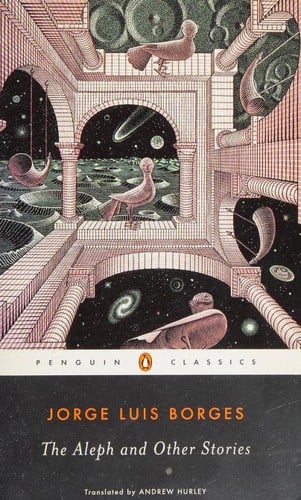
No. 1 on this list. The Aleph
Jorge Luis Borges · 1949
Difficult7.8 hours
Taught in schools: Literatura, Diseño Curricular – Provincia de Buenos Aires (Argentina), UNAM Escuela Nacional Preparatoria – programas de Literatura (Mexico)
Borges and his short fiction appear on university syllabi worldwide — in world literature, Latin American literature, postmodernism, and comparative literature courses. 'The Aleph,' 'The Circular Ruins,' and 'Death and the Compass' are among the most frequently anthologized stories in the Western canon. Though no formal syllabus count is available in the database, Borges is standard reading at virtually every English-language university.
Morrison sent a young Black man on a mythic quest through four generations of his family's buried history, fusing African-American folklore, biblical allusion, and the cadences of blues and gospel into a narrative structure no American novel had attempted before. The novel proved that flight — literal and metaphorical — could carry the full weight of Black American experience from slavery to self-knowledge.
No. 3 on this list. Pedro Páramo
Juan Rulfo · 1955
Difficult3.6 hours
Taught in schools: Literatura, Diseño Curricular – Provincia de Buenos Aires (Argentina), UNAM Escuela Nacional Preparatoria – programas de Literatura (Mexico)
Included in: Bokklubben World Library
Pedro Páramo is the foundational text of Latin American modernism, present in nearly every world literature curriculum globally. Its Wikipedia article spans 26 languages. García Márquez credited it with teaching him how to write One Hundred Years of Solitude — a direct line of influence that alone ensures canonical permanence. Penguin Modern Classics published it in 1961.
No. 4 on this list. The Tin Drum
Günter Grass · 1959
Difficult27 hours
Included in: Bokklubben World Library
The Tin Drum appears on approximately 200 university syllabi according to Open Syllabus Project data (57th percentile), placing it firmly in world literature and 20th-century European fiction curricula. Wikipedia coverage spans 35 languages with dedicated Reception and Adaptations sections, indicating sustained international engagement. The novel is widely regarded as the defining work of postwar German literature, though its syllabus presence falls short of canonical American fixtures like The Great Gatsby.
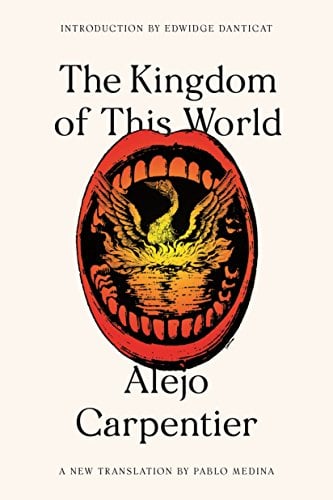
No. 5 on this list. The Kingdom of This World
Alejo Carpentier · 1949
Challenging2.7 hours
Taught in schools: Literatura, Diseño Curricular – Provincia de Buenos Aires (Argentina)
The Kingdom of This World is widely taught in Latin American literature courses and postcolonial studies programs worldwide. The novel launched the concept of 'lo real maravilloso' (the marvelous real), which Carpentier articulated in its famous prologue — making it a required theoretical as well as literary text. No specific syllabus count data is available, but its presence on comparative literature and world fiction syllabi is consistent and decades-long.
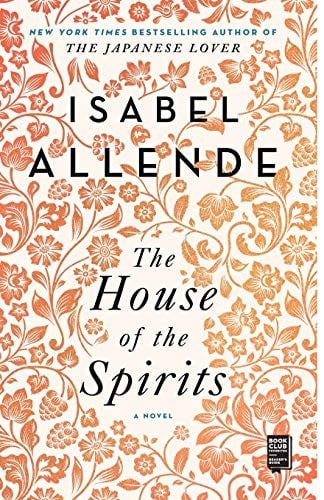
No. 6 on this list. The House of the Spirits
Isabel Allende · 1982
Challenging19 hours
Taught in schools: Literatura, Diseño Curricular – Provincia de Buenos Aires (Argentina), UNAM Escuela Nacional Preparatoria – programas de Literatura (Mexico)
The House of the Spirits appears on a substantial number of university syllabi in Latin American literature, world literature, and postcolonial studies courses across the US and Europe. It features on several '100 best novels' lists and is considered essential reading in its genre. While not as universally assigned as canonical Anglo-American works, it holds a firm place in the world literature curriculum, particularly in Spanish-language departments and courses on magical realism.
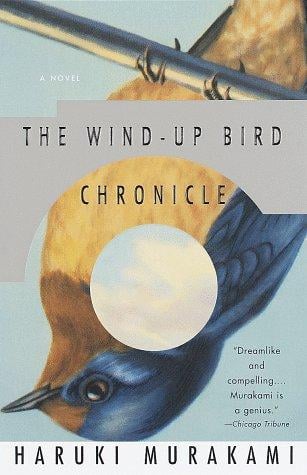
Toru Okada is making spaghetti when an anonymous woman calls to say they need ten minutes to understand each other. Then his cat vanishes. Then his wife Kumiko disappears entirely, leaving only a letter about her brother and a request not to look for her. This is how The Wind-Up Bird Chronicle begins: with domestic life dissolving from the inside, one ordinary item at a time. Murakami keeps Toru's voice flat and patient throughout — he irons shirts when upset, counts stages, watches his garden — while everything around him tilts into the surreal. He descends into a dry well in a neighbor's yard and emerges changed, a blue-black mark spreading across his cheek. He encounters Malta and Creta Kano, psychic sisters whose names are Mediterranean islands. He sits across a table from a television personality who may be the novel's primary evil. Threaded through the present is Lt. Mamiya's account of the Mongolian desert in 1939 — atrocity reported in the same matter-of-fact voice Toru uses to describe boiling water. The novel operates on the logic of a dream that refuses to dissolve on waking: causality suspended, meaning promised and withheld simultaneously. Murakami never explains his machinery. By the end, what remains is a portrait of a man in a long wait — for his wife, for answers, for the world to wind itself back up.
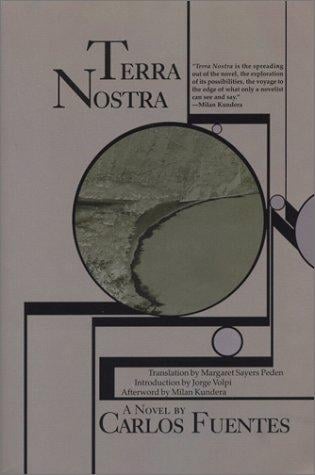
Terra Nostra is widely recognized as a canonical work of postmodern historical fiction and is regularly assigned in Latin American literature graduate courses and world literature programs. It appears consistently on critical lists of the greatest novels of the 20th century (including Harold Bloom's Western Canon), though it remains less universally assigned than One Hundred Years of Solitude. The novel's standing is secure in academic literary culture but requires significant dedication from general readers, limiting its reach beyond specialist contexts.
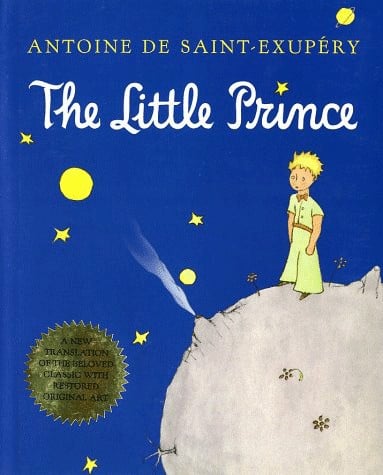
No. 9 on this list. The Little Prince
Antoine de Saint-Exupéry · 1943
Easy60 min
Taught in schools: Common Core text exemplars (Appendix B) (US)
One of the most translated books in history with over 300 language editions, making it among the most widely read works of French literature. A staple of French school curricula and taught globally in world literature, philosophy, and children's literature courses. Wikipedia articles exist in well over 100 languages, reflecting universal cultural penetration.
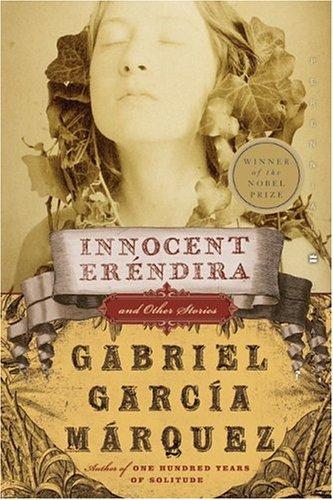
No. 10 on this list. Innocent Erendira and Other Stories
Gabriel García Márquez · 2005
Moderate3.4 hours
García Márquez is a staple of world literature courses and the stories 'A Very Old Man with Enormous Wings' and 'The Handsomest Drowned Man in the World' are widely anthologized. The collection itself is less central than One Hundred Years of Solitude.
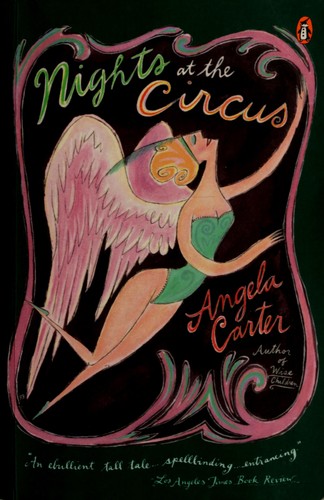
No. 11 on this list. Nights at the Circus · Angela Carter · 1984
Nights at the Circus is a regular text in university courses on postmodern, feminist and magical-realist fiction, and probably Angela Carter's most studied novel. It is usually set alongside The Bloody Chamber as the core of her work.
Difficult13 hours
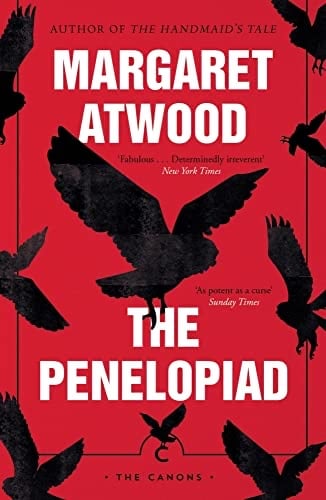
Start this bookNo. 12 on this list. Penelopiad · Margaret Atwood · 2005
The Penelopiad appears regularly on feminist literature syllabi, myth-retelling courses, and contemporary women's fiction reading lists, benefiting from its position in the Canongate Myths series and Atwood's towering reputation. It has not achieved the universal curricular penetration of Atwood's The Handmaid's Tale, placing it in established rather than major canon territory.
Challenging2.5 hours
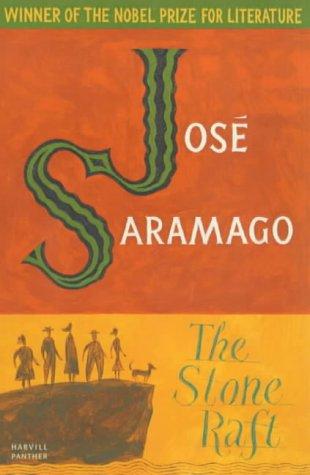
Start this bookNo. 13 on this list. The Stone Raft · José Saramago · 1986
The Stone Raft appears in world literature and Iberian literature courses but is not a curriculum staple in the way that Blindness has become. It has been translated into over twenty languages and holds a recognized place in Saramago's oeuvre, but its syllabus presence is modest compared to post-Nobel works that benefit from sustained pedagogical attention.
Difficult12 hours
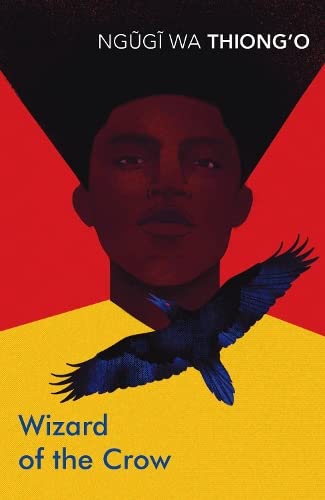
Start this bookNo. 14 on this list. Wizard of the Crow · Ngugi wa Thiong'o · 2004
No syllabus data available from the database, but Wizard of the Crow is widely taught in African literature and postcolonial studies courses globally. It is Ngugi's most ambitious work, recognized as his magnum opus across critical literature. Taught less ubiquitously than Achebe's Things Fall Apart but firmly positioned in world literature curricula.
Challenging25 hours
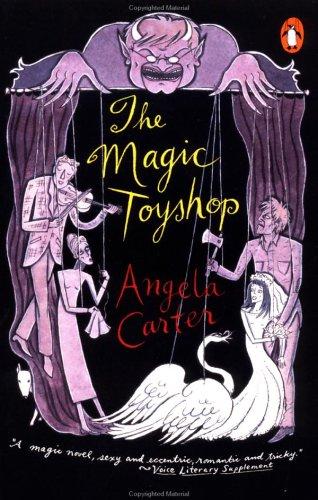
Start this bookNo. 15 on this list. The Magic Toyshop · Angela Carter · 1967
The Magic Toyshop is taught regularly in British postmodern and feminist literature courses as Carter's first major novel and an early exemplar of feminist Gothic fiction. It is less ubiquitous on syllabi than The Bloody Chamber or Nights at the Circus but occupies a secure place in courses on women's writing and postmodern British fiction. No data signals found in database; score based on established literary reputation.
Challenging5.7 hours
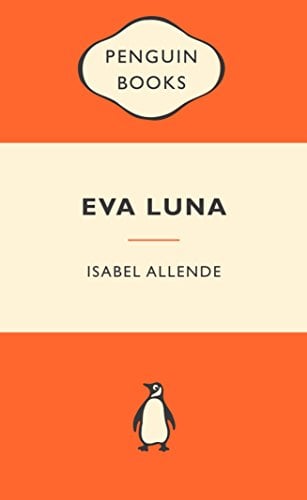
Start this bookNo. 16 on this list. Eva Luna · Isabel Allende · 1987
Eva Luna opens her story the way her mother opened hers: with an act of reinvention. Born in the back room of a house full of mummies and Latin books, daughter of an Indian who never looked at the sky and a red-haired woman abandoned at a river mission, Eva discovers early that words are currency. She carries this knowledge through a succession of households—each one stranger than the last—as a child servant, a factory worker, a fugitive, and eventually a writer of telenovelas. Running parallel is the story of Rolf Carlé, an Austrian exile who grows up in a German mountain colony and becomes a documentary filmmaker drawn toward the political violence simmering beneath his adopted country's surface. Allende structures the novel like the Arabian Nights she keeps invoking: episodes nest inside episodes, each character telling their own story inside Eva's. The prose is sensory and accumulative—jungles steam, mummies smell of dried flowers, a dead woman's hair is braided with gold—and Allende moves between comedy and violence with the ease of a practiced oral storyteller. By the time Eva sits down to write the script that gives Rolf a way into the guerrilla story he has been chasing, the novel's two currents have merged into a single argument: that to survive in a continent given to disappearances and strongmen, you must first become the author of your own life.
Moderate7.4 hours
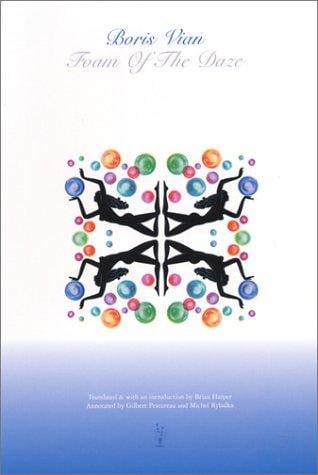
Start this bookNo. 17 on this list. Froth on the Daydream · Boris Vian · 1947
Ranked tenth on Le Monde's 100 Books of the Century as L'Écume des jours and a staple of French secondary-school reading, with a Wikipedia article in 24 languages. Outside France it is better known through Michel Gondry's 2013 film Mood Indigo than through university syllabi.
Moderate3 hours
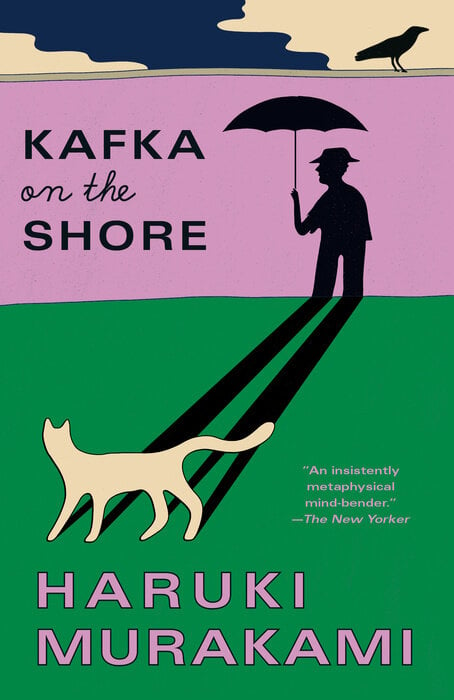
Start this bookNo. 18 on this list. Kafka on the Shore · Haruki Murakami · 2001
Wikipedia covers the novel in 36 languages with a dedicated Reception section, indicating substantial global critical discourse. It appears in contemporary world fiction and Japanese literature courses but is not a curriculum fixture — the Open Syllabus data shows minimal formal academic presence. It occupies the 'Established' band: recognized importance without universal inclusion, and below Infinite Jest (78) or 2666 (65) in canonical reach.
Challenging14 hours
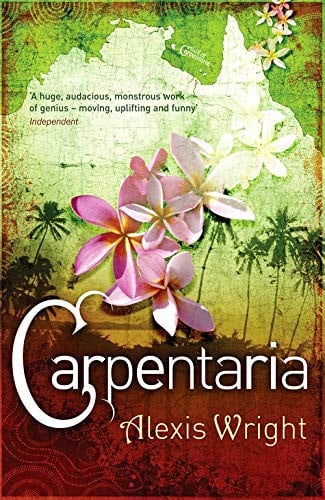
Start this bookNo. 19 on this list. Carpentaria · Alexis Wright · 2006
Winner of the 2007 Miles Franklin Award, Australia's most prestigious literary prize. Taught in Australian literature and postcolonial studies courses but not widely assigned outside that context. An important book in Australian and Indigenous literatures, not yet a global curriculum fixture.
Challenging18 hours
Start this bookNo. 20 on this list. The Books of Jacob · Olga Tokarczuk · 2014
Appears on 12 university syllabi so far (27th percentile) and has a Wikipedia article in 11 languages — modest numbers that reflect how recently the English translation arrived (2021) rather than a lack of stature. Its Nobel-winning author and 2022 International Booker win are already pulling it onto world-literature syllabi.
Challenging32 hours
Start this book
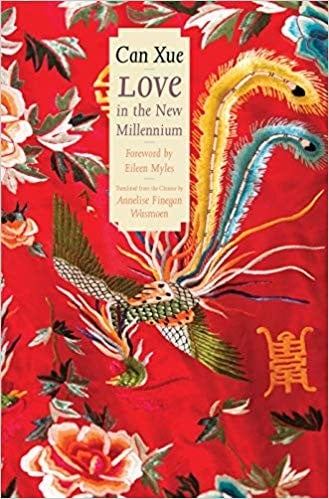
No. 21 on this list. Love in the New Millennium · Can Xue · 2013
Highly regarded in avant-garde circles. Less widely known than more accessible Chinese novelists.
Moderate5.7 hours
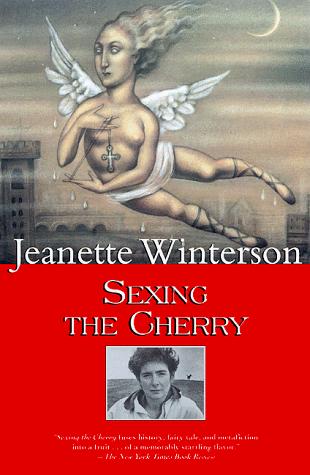
Start this bookNo. 22 on this list. Sexing the Cherry · Jeanette Winterson · 1998
It is widely taught in contemporary British fiction, feminist and queer literature courses, though not at the level of a core canon text. Its standing is below The Remains of the Day but above commercial fiction.
Challenging4 hours
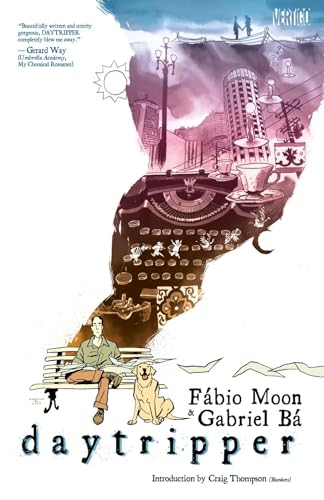
Start this bookNo. 23 on this list. Daytripper · Fábio Moon · 2011
Highly regarded in the graphic novel world and increasingly taught in university courses. Not yet as widely known as older canonical graphic novels.
Easy2.4 hours
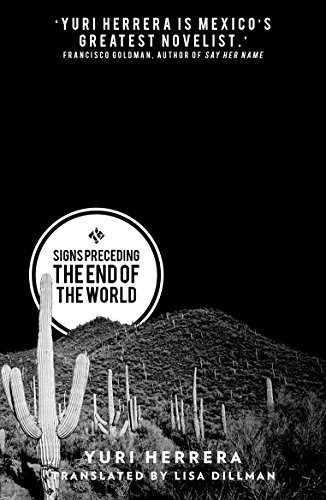
Start this bookNo. 24 on this list. Signs Preceding the End of the World · Yuri Herrera · 2009
It is a recent translated novella of the 2010s, assigned in contemporary and Latin American literature courses, and a favourite for border and migration studies. It has not yet become a fixture the way One Hundred Years of Solitude is, though its short length makes it easy to teach.
Moderate2.1 hours
Start this bookNo. 25 on this list. Freshwater · Akwaeke Emezi · 2018
As a 2018 debut it is taught in contemporary, postcolonial and queer literature courses, but its curricular presence is still emerging. It sits well below the established canon of Beloved.
Moderate4.4 hours
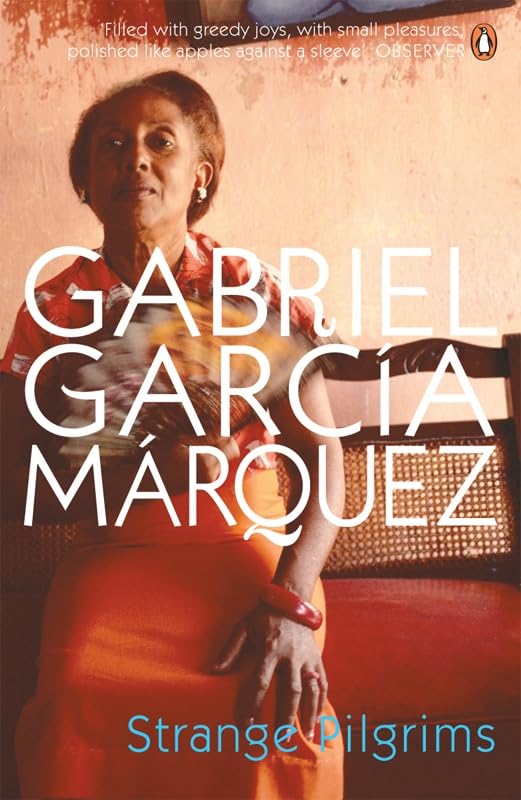
Start this bookNo. 26 on this list. Strange Pilgrims · Gabriel García Márquez · 1992
A respected collection from a Nobel laureate, though not among his most celebrated works.
Moderate3.4 hours
Start this bookNo. 27 on this list. Women Without Men: A Novel of Modern Iran · Shahrnush Parsipur · 2004
It is a landmark of modern Persian women's writing, banned in Iran and widely taught in postcolonial and feminist courses in translation. It is less established than the major Western canon.
Moderate2 hours
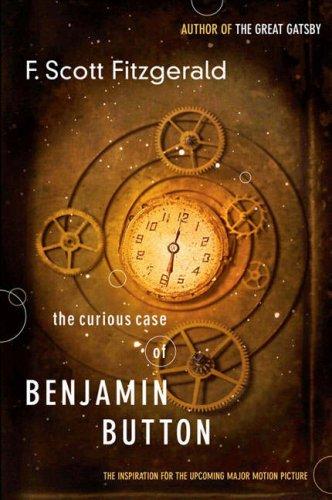
Start this bookNo. 28 on this list. The Curious Case of Benjamin Button · F. Scott Fitzgerald · 1922
A well-known Fitzgerald short story, widely anthologized and adapted into a 2008 film, but taught far less than Gatsby.
Easy56 min
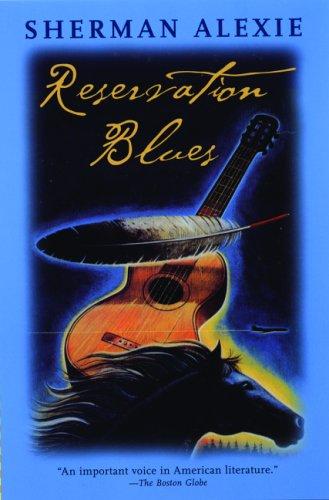
Start this bookNo. 29 on this list. Reservation Blues · Sherman Alexie · 1995
Important Native American novel. Widely taught in college courses.
Easy4.1 hours
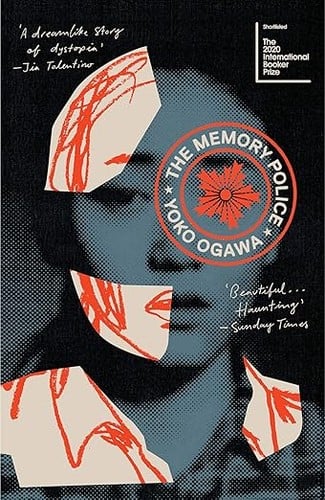
Start this bookNo. 30 on this list. The Memory Police · Yoko Ogawa · 2020
Not yet a syllabus fixture — the data show zero tracked syllabus appearances — but its 2019 English translation, Wikipedia presence in four languages, and growing footprint in world-literature and speculative-fiction courses put it well ahead of genre-only recognition like Gone Girl, closer to a book still building toward canonical status than one that has arrived.
Challenging5.5 hours
Start this book


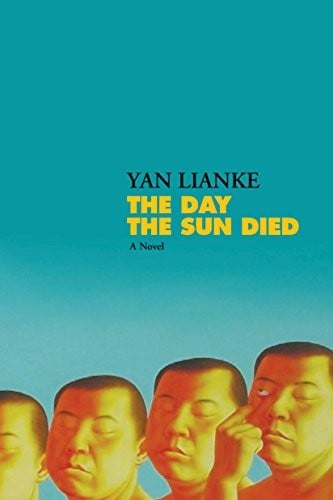
No. 31 on this list. The Day the Sun Died
Yan Lianke · 2015
No. 32 on this list. Requiem: A Hallucination
Antonio Tabucchi · 2002
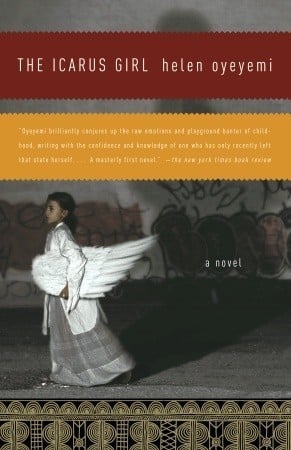
No. 33 on this list. The Icarus Girl
Helen Oyeyemi · 2005
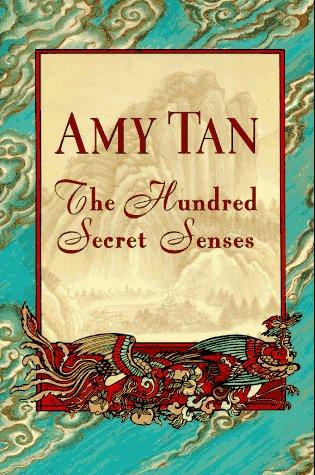
No. 34 on this list. The Hundred Secret Senses
Amy Tan · 1995
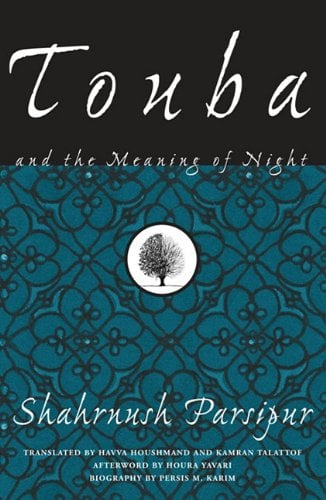
No. 35 on this list. Women Without Men
Shahrnush Parsipur · 1989
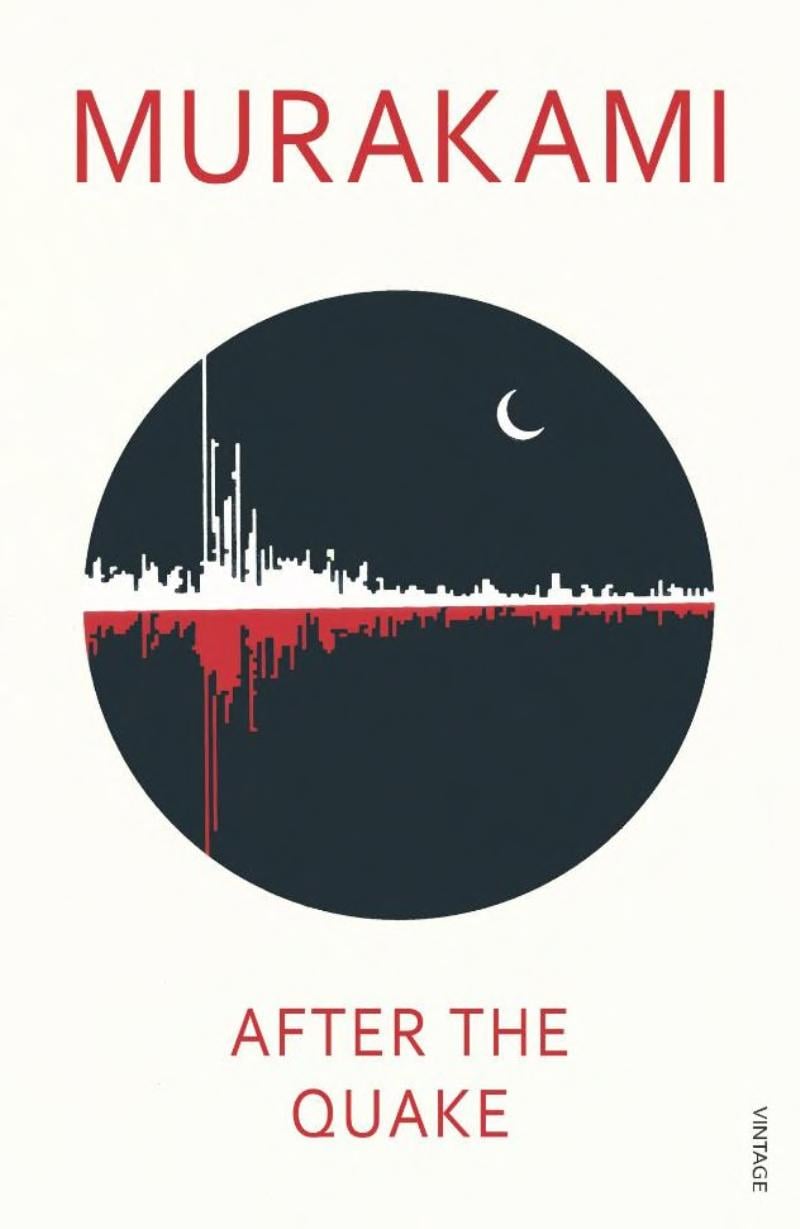
No. 36 on this list. After the Quake
Haruki Murakami · 2000
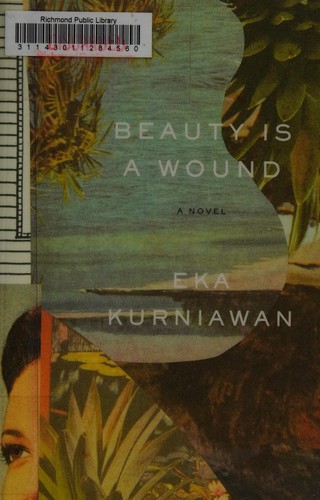
No. 37 on this list. Beauty Is a Wound
Eka Kurniawan · 2002
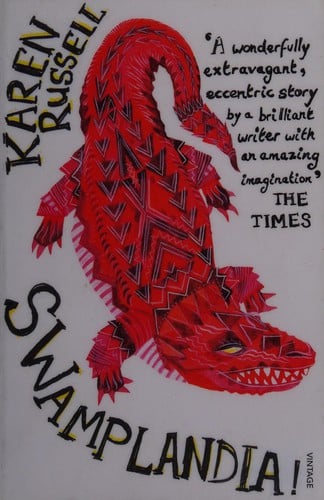
No. 38 on this list. Swamplandia!
Karen Russell · 2000
No. 39 on this list. Hullabaloo in the Guava Orchard
Kiran Desai · 1999
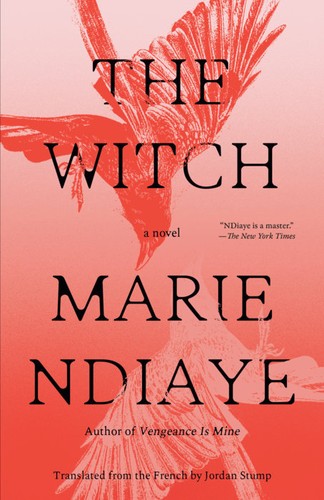
No. 40 on this list. The Witch
Marie NDiaye · 1996


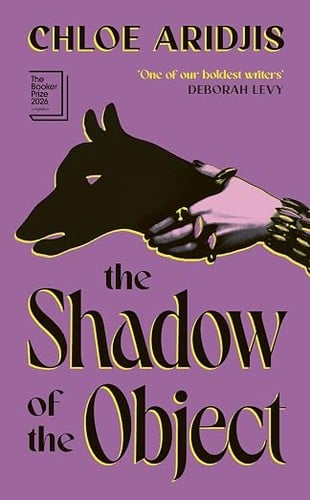
No. 41 on this list. The Shadow of the Object
Chloe Aridjis · 2026
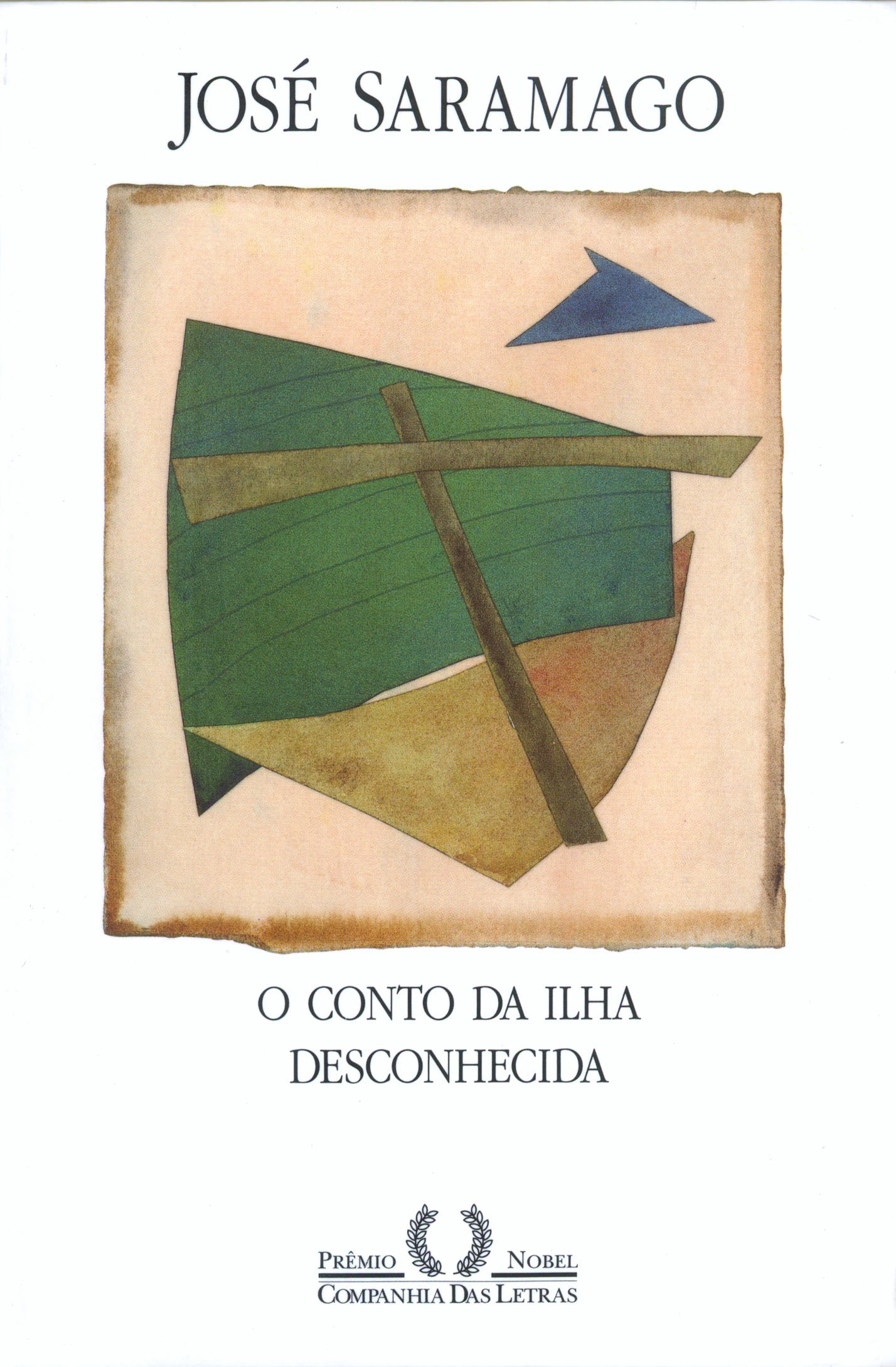
No. 42 on this list. O conto da ilha desconhecida
José Saramago · 1998
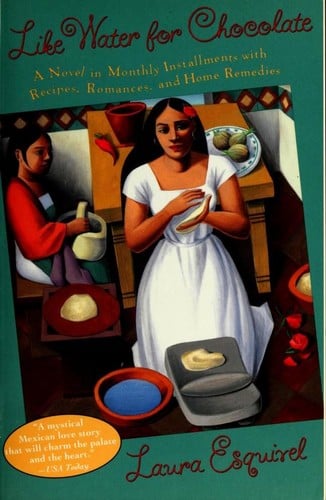
No. 43 on this list. Like Water for Chocolate
Laura Esquivel · 1989
Taught in schools: Literatura, Diseño Curricular – Provincia de Buenos Aires (Argentina)
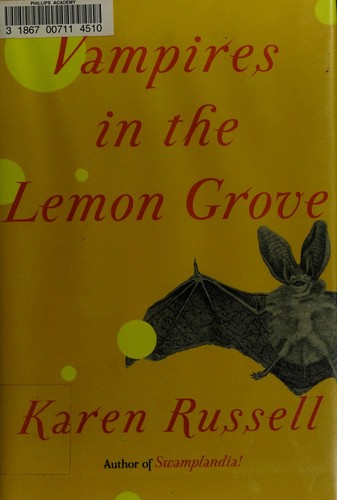
No. 44 on this list. Vampires in the Lemon Grove
Karen Russell · 2013
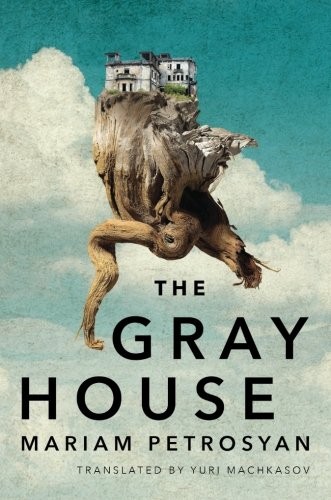
No. 45 on this list. Дом в котором
Mariam Petrosyan · 2009
No. 46 on this list. Orlanda (Catalan Edition)
Jacqueline Harpman · 2026
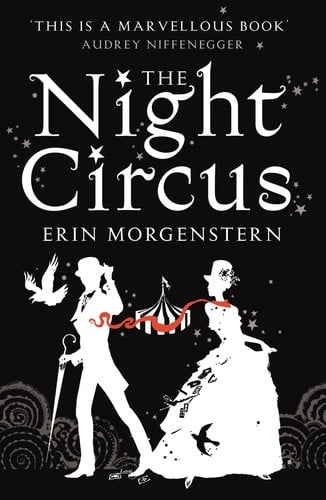
No. 47 on this list. The Night Circus
Erin Morgenstern · 2011
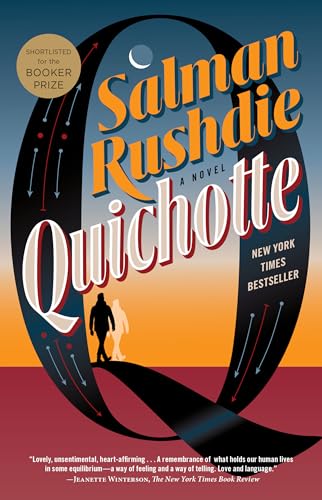
No. 48 on this list. Quichotte
Salman Rushdie · 2019
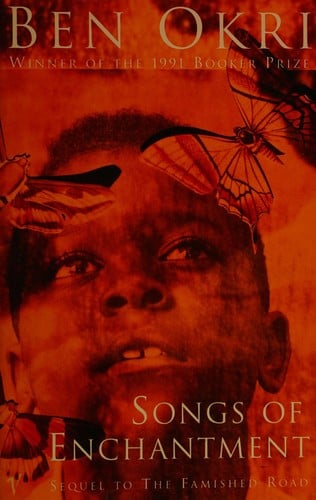
No. 49 on this list. Songs of Enchantment
Ben Okri · 1993
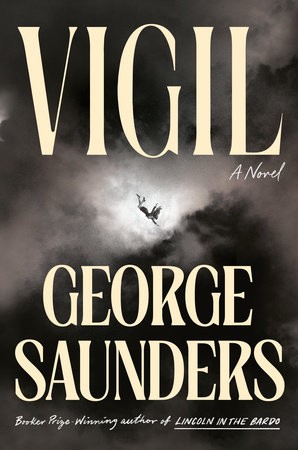
No. 50 on this list. Vigil
George Saunders · 2026

No. 51 on this list. I Gave You Eyes and You Looked Toward Darkness
Irene Solà · 2023
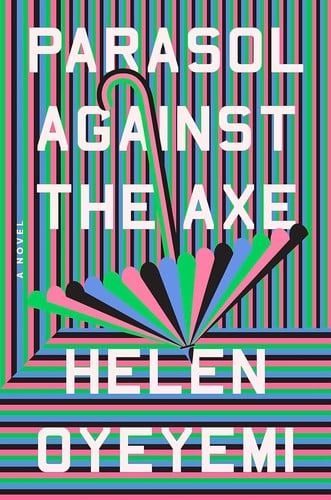
No. 52 on this list. Parasol Against the Axe
Helen Oyeyemi · 2024
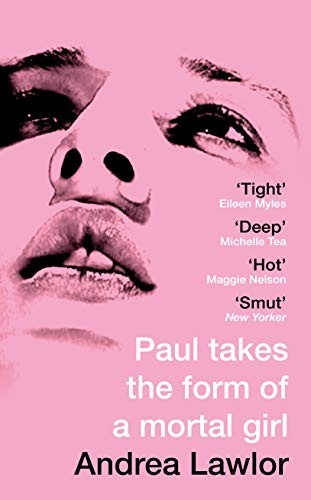
No. 53 on this list. Paul Takes the Form of a Mortal Girl
Andrea Lawlor · 2017
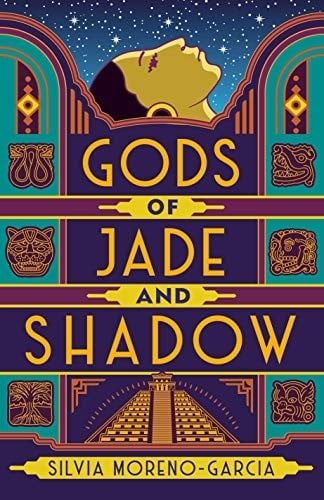
No. 54 on this list. Gods of Jade and Shadow
Silvia Moreno-Garcia · 2019
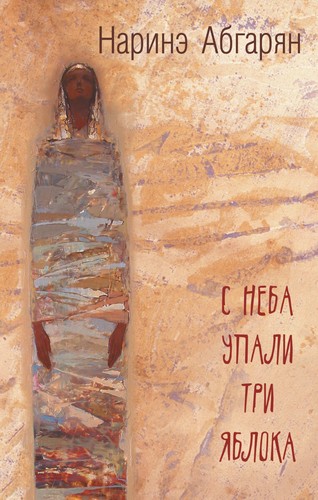
No. 55 on this list. С неба упали три яблока
Наринэ Юрьевна Абгарян · 2015
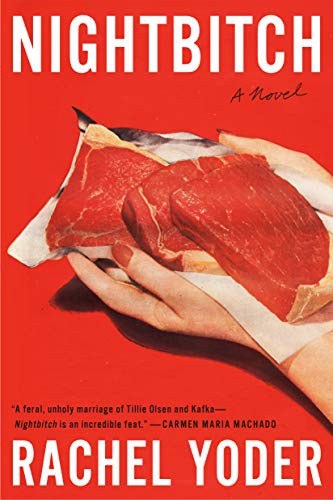
No. 56 on this list. Nightbitch
Rachel Yoder · 2021
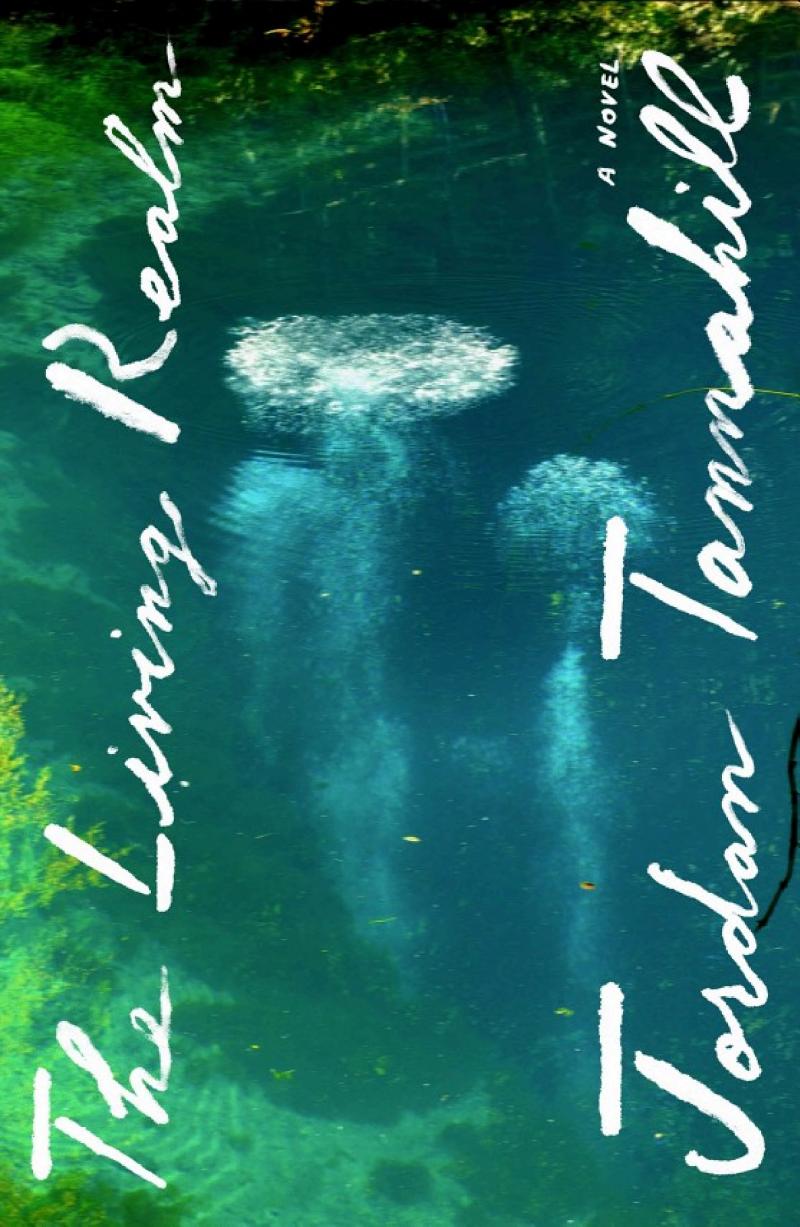
No. 57 on this list. The Living Realm
Jordan Tannahill · 2026
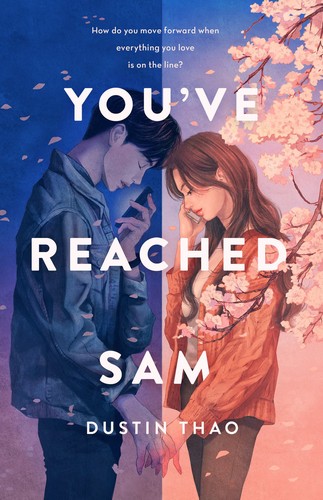
No. 58 on this list. You've Reached Sam
Dustin Thao · 2021
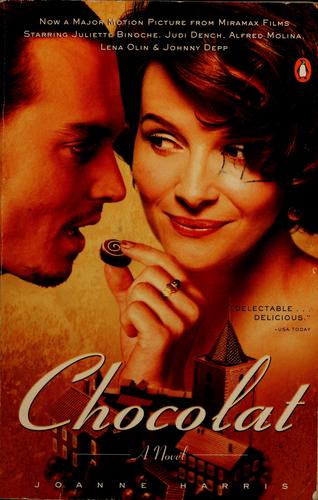
No. 59 on this list. Chocolat
Joanne Harris · 2000
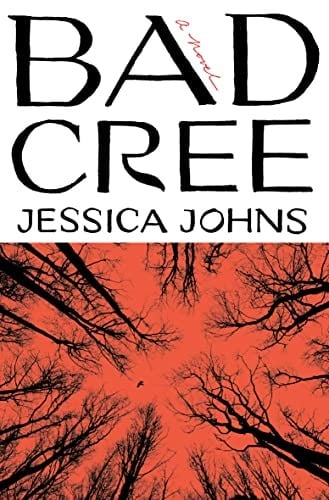
No. 60 on this list. Bad Cree
Jessica Johns · 2023
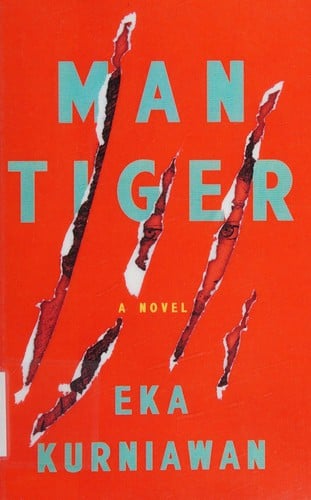
No. 61 on this list. Man Tiger
Eka Kurniawan · 2004
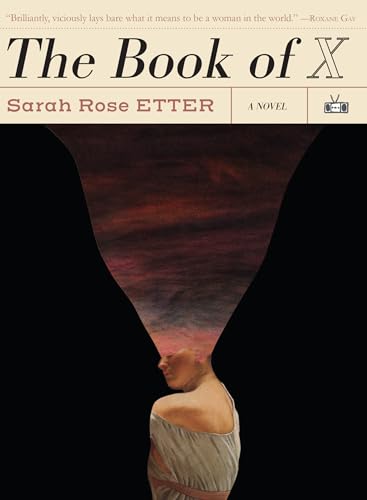
No. 62 on this list. The Book of X
Sarah Rose Etter · 2019
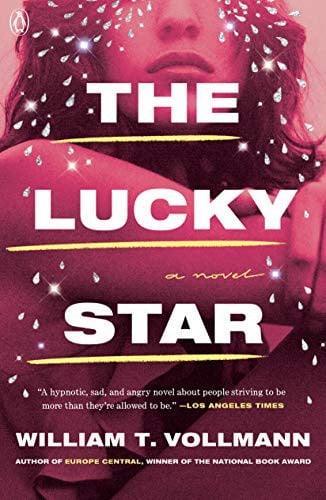
No. 63 on this list. The Lucky Star
William T. Vollmann · 2020
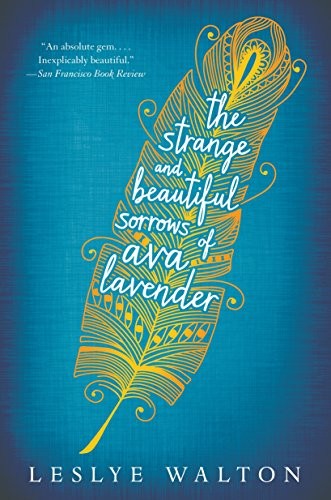
No. 64 on this list. The Strange and Beautiful Sorrows of Ava Lavender
Leslye Walton · 2014
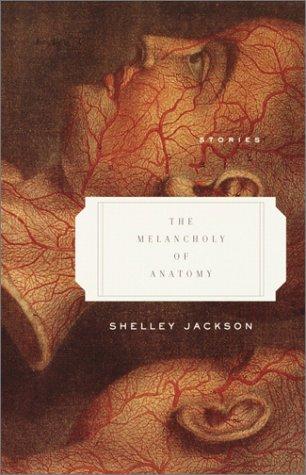
No. 65 on this list. The Melancholy of Anatomy
Shelley Jackson · 2002
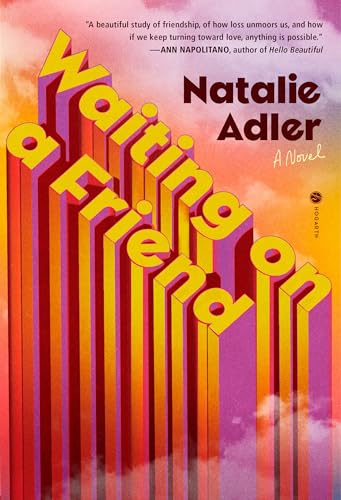
No. 66 on this list. Waiting on a Friend
Natalie Adler · 2011
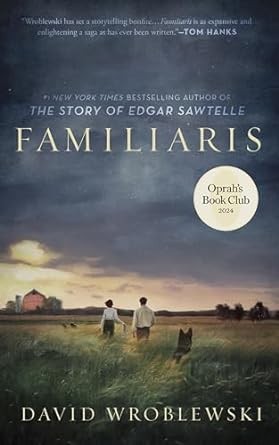
No. 67 on this list. Familiaris
David Wroblewski · 2024
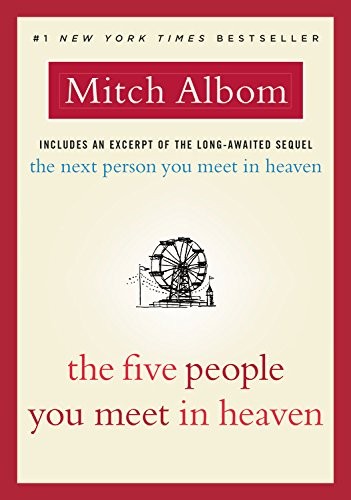
No. 68 on this list. The Five People You Meet in Heaven
Mitch Albom · 2003
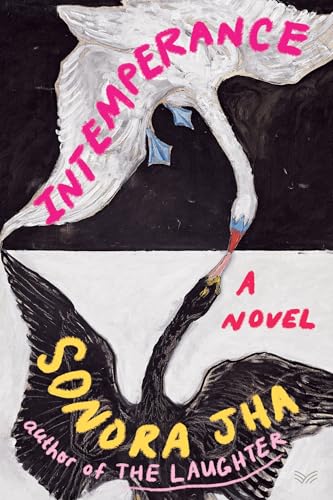
No. 69 on this list. Intemperance
Sonora Jha · 2025
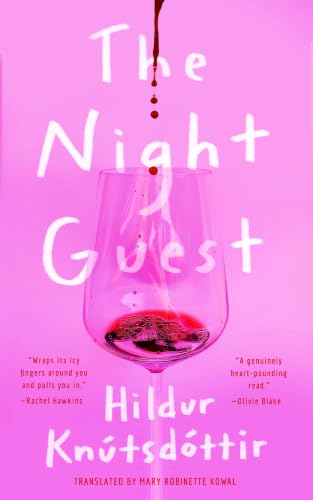
No. 70 on this list. The Night Guest
Hildur Knútsdóttir · 2021
About this list
These 75 books are the highest-scoring eligible books of magical realism currently in the catalogue. About 589 hours of reading in all, for the 74 with measured lengths. Difficulty runs from 39 to 65 out of 100 for the middle half of the list; the summit is Terra Nostra at 82.
This list is ranked by literary regard, with a consistent order for equal scores. Membership follows authors and co-authors, not translators or editors. A book is here when ReadingRate files it under Magical Realism as one of its primary reading domains. Catalogue coverage and the historical canon both limit what this list can represent.
When we matched the Canons dataset to our catalogue in October 2026, our canonical-status scores rose with the number of school curricula, publisher series and lists in it that cite a work: the median score was 72 for books one such source cites, 84 at two, 88 at three, 92 at four and 93 at five or more. Prizes are left out of that count. Outside the state curricula, the dataset’s sources choose mostly from what has been translated into English or French, so it is a weaker check on other literatures. Source: Canons (Andrew Piper), CC BY 4.0
Questions people actually ask
- What are the best books of magical realism?
- By literary regard, which weighs canonical status, critical standing and influence: The Aleph by Jorge Luis Borges, Song of Solomon by Toni Morrison, Pedro Páramo by Juan Rulfo, The Tin Drum by Günter Grass and The Kingdom of This World by Alejo Carpentier. ReadingRate ranks 75 such books, each with a difficulty score and a reading-time estimate.
- Which books of magical realism should I read first?
- Start from difficulty, not from rank. The most approachable books on this list that still carry top literary regard are The Wind-Up Bird Chronicle by Haruki Murakami (about 14 hours), The Little Prince by Antoine de Saint-Exupéry and Innocent Erendira and Other Stories by Gabriel García Márquez.
- What are the shortest of the best books of magical realism?
- Among the top 25, the shortest are The Little Prince by Antoine de Saint-Exupéry (about 60 min), The Kingdom of This World by Alejo Carpentier (about 2.7 hours) and Penelopiad by Margaret Atwood (about 2.5 hours), at an average pace of 250 words a minute adjusted for each book's difficulty.
- Which of the best books of magical realism are the established classics?
- By canonical status, how firmly a book sits in curricula, anthologies and the canon: The Aleph by Jorge Luis Borges, Song of Solomon by Toni Morrison, Pedro Páramo by Juan Rulfo, The Little Prince by Antoine de Saint-Exupéry and The House of the Spirits by Isabel Allende.
- How long would it take to read the top ten?
- About 147 hours, at an average pace of 250 words a minute adjusted for each book's difficulty: 74 days at two hours a day. Set your own pace on the page and the list's reading times change to it.
- How hard are books of magical realism to read?
- Most of this list sits between 39 and 65 on ReadingRate's 100-point difficulty scale, where 40 to 55 is moderate. The summit is Terra Nostra at 82. Every entry carries its own score, so a reader can pick a great book at a difficulty they will finish.
- How is this list ranked?
- On literary-regard data: how canonically established a work is, its critical standing, and its influence on later writing. It is not a readers’ poll, which is why recent bestsellers rarely appear. Membership follows authors and co-authors, not translators or editors. Lists by country, author, period, theme or difficulty keep to literature (fiction, poetry, drama and philosophy), their novels, poems and plays first and their philosophy after them; a list of a kind of book, such as memoir or criticism, keeps every book of that kind. Every list holds at most three works by one author. A book is here when ReadingRate files it under Magical Realism as one of its primary reading domains.