Hours at an average pace
Showing 74 books
About 503 hours for 73 of 74 books with measured lengths. Estimates use 250 words a minute, adjusted for each book's difficulty. At 2 hours a day, about 252 days for those books.
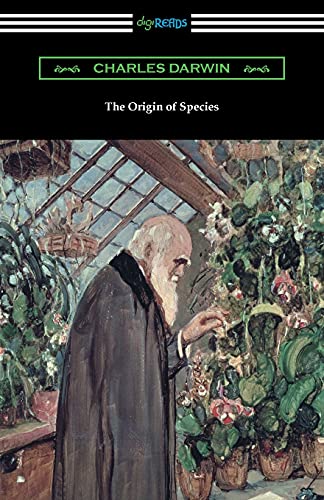
The book is a cornerstone of biology, history of science and Victorian studies, assigned across disciplines worldwide. It is among the most widely taught scientific texts ever written.
No. 2 on this list. On the Nature of Things
Lucretius · c. 55 BCE
Moderate5.5 hours
Included in: Great Books of the Western World
De Rerum Natura is one of the most significant surviving texts from antiquity, taught in classics, philosophy, and history of science programs at universities worldwide. It represents the fullest extant exposition of Epicurean atomism in any language and appears on virtually every list of essential classical works. Its rediscovery by Poggio Bracciolini in 1417 is credited with catalyzing Renaissance intellectual culture.
No. 3 on this list. As You Like It
William Shakespeare · 1600
Moderate1.6 hours
Taught in schools: CSEC English B – Caribbean Examinations Council, WBCHSE English and Alternative English syllabuses (India)
Included in: Great Books of the Western World
As You Like It appears on thousands of university syllabi worldwide and is regularly staged by major theater companies. Its central monologue — 'All the world's a stage' — is among the most quoted passages in English literature, cementing its place in the core Shakespeare canon alongside Hamlet and Midsummer Night's Dream.
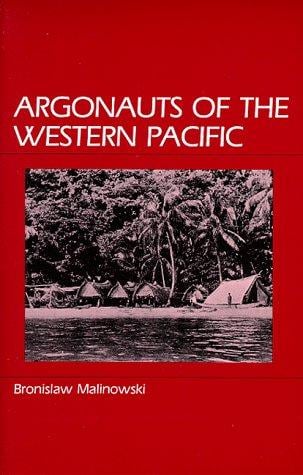
The founding text of modern fieldwork and taught in almost every anthropology programme.
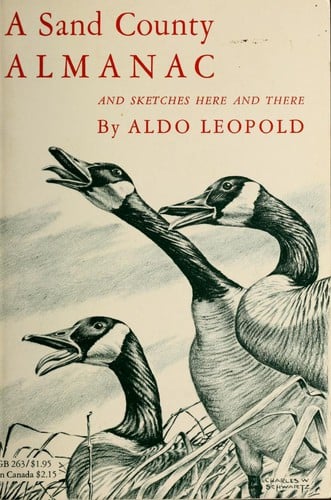
Taught in virtually every environmental studies, ecology, and environmental humanities program in the United States. The land ethic essay is one of the most reprinted texts in conservation history, and the book appears on every major 'essential nature writing' and 'books that shaped American environmental thought' list.
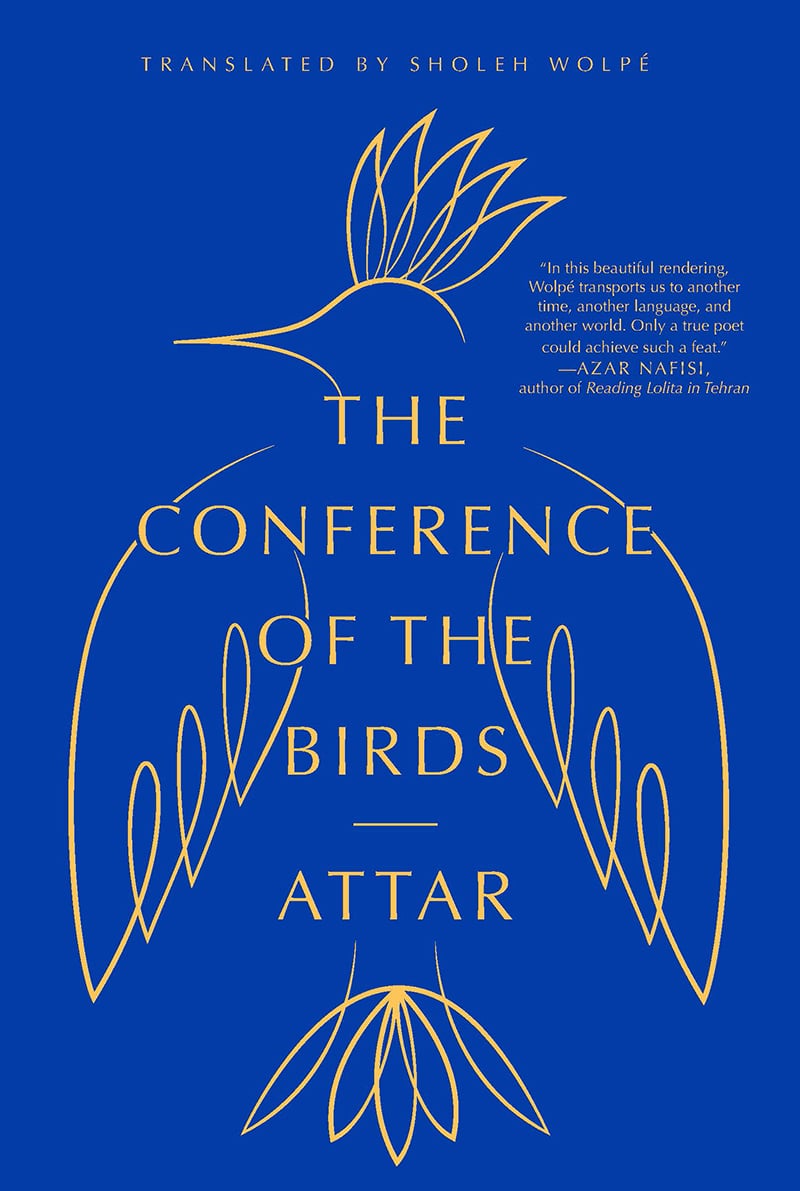
Recognized as one of the greatest works of Persian literature and a foundational text of Sufism. It ranks alongside the Quran and works by Rumi in Islamic intellectual tradition. Western literary canons increasingly recognize it as essential world literature.
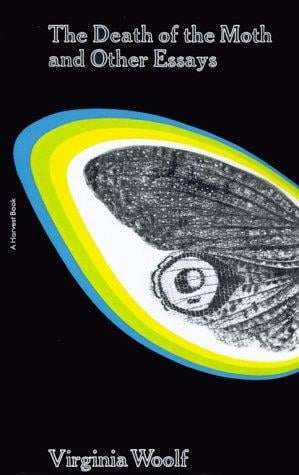
The title essay 'The Death of the Moth' is one of the most anthologized pieces in the English language, appearing in virtually every major collection of literary essays and countless university writing courses. Though the collection as a whole is less individually indexed than Woolf's novels, these essays — alongside 'Street Haunting' and 'Middlebrow' — are fixtures of modernist prose and creative nonfiction curricula worldwide.
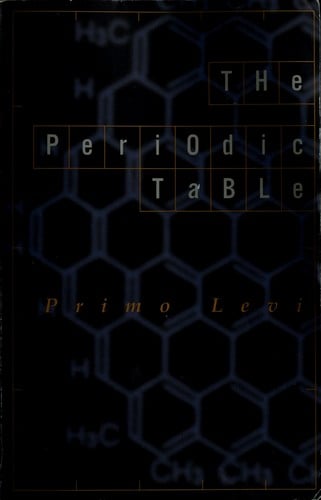
Named the best science book ever written by the Royal Institution; a recognized literary masterwork.
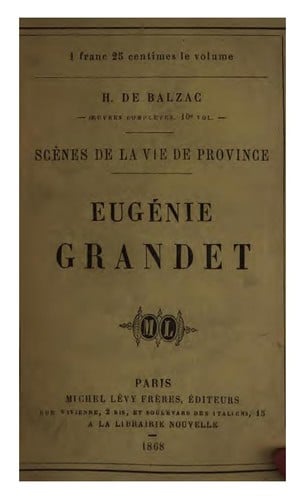
Eugénie Grandet stands as a cornerstone of French literary realism and a key work in Balzac's vast Comédie humaine. It appears regularly in French literature curricula, realist novel courses, and 19th-century European literature surveys. The novel's dissection of provincial avarice and its portrait of female suffering under patriarchal capitalism have made it essential reading for understanding the realist tradition.
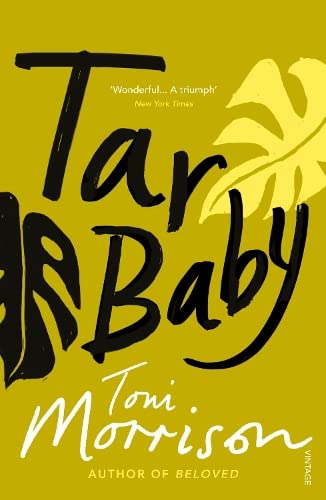
On Isle des Chevaliers, a Caribbean island reshaped by Haitian labor and American money, Valerian Street — a retired Philadelphia candy magnate — cultivates hydrangeas in his greenhouse and avoids his neighbors. His wife Margaret, his butler Sydney and cook Ondine, and his niece Jadine, a model trained in Paris, share the villa in a state of maintained tension. When Son — a Black American fugitive who stowed away on their supply boat — is discovered hiding in the house, he breaks open every unspoken arrangement the household depends on. Morrison uses the folk tale of the tar baby as the novel's armature: Jadine and Son become stuck to each other in a relationship that neither can survive and neither can leave. She embodies what he calls racial betrayal — educated in Europe, photographed in furs, at home nowhere. He embodies what she calls romantic primitivism — a man out of time, faithful to a Black Southern past that she finds suffocating. Morrison writes this conflict without a referee. The Caribbean setting is not backdrop but argument — the swamp, the rain forest, the blind horsemen who ride the hills at night all carry the weight of African spiritual history beneath the colonial surface. The novel ends on a mythic image: Son running toward those horsemen, Jadine flying back to Paris. Morrison offers no verdict on who was right.
No. 11 on this list. Death and the King's Horseman · Wole Soyinka · 1975
Taught in schools: Common Core text exemplars (Appendix B) (US)
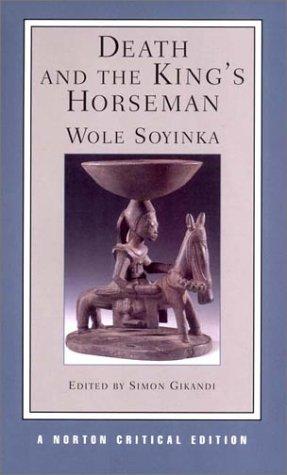
Elesin Oba, the King's Horseman, stands at the threshold between worlds. Yoruba custom demands his ritual death to accompany the deceased king to the ancestral realm. The women of the market drape him in ceremonial cloth and sing him toward eternity, their voices a pulse beneath the drumming that orders his final hours. District Officer Pilkings, armed with Victorian certainty and Christian duty, arrests Elesin to prevent the suicide, confident that imprisonment saves a life. But the white man's intervention shatters something irreplaceable. Elesin's will fractures. The son, Olunde, returns from medical school in England having crossed an ocean to bury his father, only to discover his father imprisoned and the cosmic order inverted. When the body of the son is revealed as the final courier to the king, wrapped in cloth and carried by women, Elesin strangles himself with his chains. Soyinka orchestrates collision between cultures through idiom, rhythm, and the unstoppable momentum of ritual toward its terrible completion. The play's power resides not in resolving this clash but in exposing how each party acts from unshakeable conviction while remaining deaf to the other's fundamental logic.
Moderate1.1 hours
Start this bookNo. 12 on this list. The Invisible Man · H.G. Wells · 1897
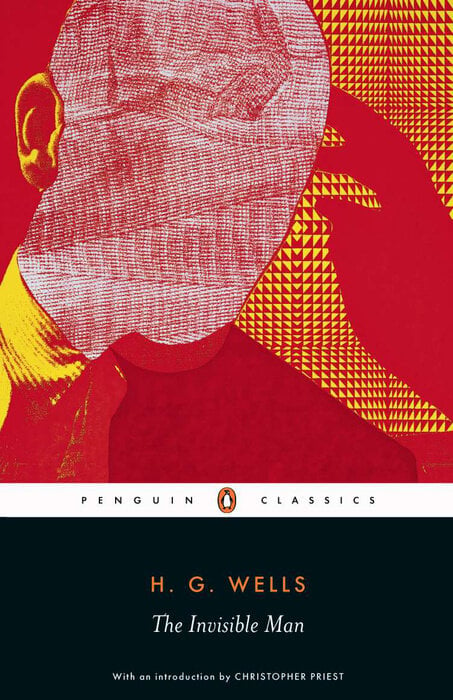
The Invisible Man occupies a firm place in the science fiction canon and appears on university syllabi worldwide, particularly in courses on early SF and Victorian literature. H.G. Wells's scientific romances are among the most consistently reprinted and anthologized works in the genre. While not at the level of Great Expectations or The Great Gatsby in general literary curricula, it is a standard text in SF and genre studies.
Moderate3.3 hours
Start this bookNo. 13 on this list. 20,000 Leagues Under the Sea · Jules Verne · 1870
20,000 Leagues Under the Sea appears on curricula worldwide and is a fixture of science fiction canon lists from Penguin Classics to the Modern Library. Wikipedia articles for the novel exist in over 60 languages, reflecting its global reach across more than 150 years. It is among the handful of 19th-century adventure novels still routinely assigned in schools and universities outside their country of origin.
Moderate6.7 hours
Read nowNo. 14 on this list. Ceremony · Leslie Marmon Silko · 1977
Tayo comes home from the Pacific War unable to sleep. The voices won't stop—Japanese soldiers shouting, his uncle Josiah calling to him through jungle heat, his cousin Rocky dying in the mud of a prison march. The VA hospital calls it battle fatigue. His grandmother calls for a medicine man. The land around Laguna Pueblo is in its sixth year of drought, and Tayo believes, with a guilt that sits in his stomach like a stone, that he caused it—that his wartime curse against the rain followed him home. Silko writes two novels at once: a realist account of a mixed-blood veteran's breakdown and his slow return to the living, and a mythic narrative of Laguna ceremony, the stories of Thought-Woman and Reed Woman and Hummingbird woven directly into the prose as poetry. The two registers don't sit beside each other—they bleed into each other, memory becoming hallucination, hallucination becoming vision, vision becoming healing. The spotted Mexican cattle Josiah bought before the war, wild and drought-adapted and worth finding, serve as Tayo's purpose and his proof that something can survive. The novel ends with resolution—Tayo completes his ceremony, the rain returns—but not before Silko has made plain what was nearly lost: the web of story that holds a people together, which colonial schooling nearly succeeded in cutting. This is a novel about what stories do when they are the only medicine left.
Challenging7 hours
Start this bookNo. 15 on this list. Basin and Range · John McPhee · 1981
Basin and Range is a standard text in creative nonfiction courses and frequently assigned in American universities alongside McPhee's other Annals volumes. While it lacks a standalone Wikipedia article in multiple languages, it is widely considered essential reading in the narrative science writing tradition and appears in geology and environmental humanities syllabi. Its canonical status is reinforced as part of Annals of the Former World, which won the Pulitzer Prize in 1999.
Moderate3.2 hours
Start this bookNo. 16 on this list. VALIS · Philip K. Dick · 1981
Horselover Fat — whose name translates Philip K. Dick from Greek and German — receives a beam of pink light in February 1974 and begins to know things he has no business knowing, including that his son has a life-threatening hernia. The narrator, Phil, reports all of this about Fat while being Fat, a split he names and never quite resolves. VALIS is Dick's attempt to make sense of what happened to him in 1974: whether the Vast Active Living Intelligence System actually fired information into his brain via satellite, or whether he simply had a breakdown after years of amphetamines and grief. He presents both possibilities with equal seriousness and refuses to choose between them. The novel draws on Gnostic Christianity, Zoroastrianism, the Nag Hammadi texts, and Soviet encyclopedia definitions of the plasmate to construct a theology in which the Roman Empire never ended and God is a living information system embedded in matter. Fat's friends — Kevin the cynic, David the orthodox Catholic, Phil the reluctant recorder — serve as sounding boards for arguments that the novel takes as seriously as Dostoevsky's Grand Inquisitor. The result is science fiction that reads like a psychiatric case file written by a man who cannot decide whether he is the patient or the prophet. Dick died before he finished the Exegesis he drew from. VALIS is what that project looked like when it had a plot.
Challenging6.7 hours
Start this bookNo. 17 on this list. Man and Superman · George Bernard Shaw · 1903
Man and Superman appears on 86 university syllabi (48th percentile by Open Syllabus data) and holds Wikipedia articles in 9 languages. It is taught in drama and modern literature courses but sits behind Pygmalion and Major Barbara in Shaw's own canon. The Wikipedia article includes dedicated Reception and Adaptations sections, indicating sustained critical discourse.
Challenging6.5 hours
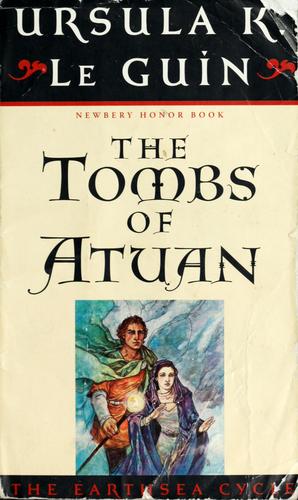
Read nowNo. 18 on this list. The Tombs of Atuan · Ursula K Le Guin · 1971
The Tombs of Atuan is the second volume of Le Guin's Earthsea Cycle, which has been a staple of middle school and YA curricula for decades. It won the Newbery Honor in 1972. While not as universally taught as the first Earthsea volume or Le Guin's science fiction, it appears regularly in fantasy literature courses and feminist literary criticism syllabi, cementing its place as a significant canonical text within speculative fiction.
Challenging3.4 hours
Start this bookNo. 19 on this list. The Accidental · Ali Smith · 2005
The Accidental has achieved recognition as a significant 21st-century British novel, appearing on university syllabi and contemporary fiction reading lists. While not yet established in the permanent canon, it represents Smith's breakthrough to major literary prominence and exemplifies post-2000 experimental domestic fiction. Its status continues to grow with Smith's increasing reputation.
Challenging7.1 hours
Start this bookNo. 20 on this list. Demian · Hermann Hesse · 1919
Emil Sinclair, a young man in pre-WWI Germany, is drawn into the orbit of Max Demian, an enigmatic boy who introduces him to a world beyond conventional morality. As Sinclair journeys toward self-realization, he encounters mentors, visions, and the Jungian depths of his own psyche. Hesse's influential Bildungsroman of spiritual awakening.
Moderate3.2 hours
Read now
No. 21 on this list. The Blithedale Romance · Nathaniel Hawthorne · 1852
The Blithedale Romance appears regularly in American literature syllabi as a key Hawthorne text alongside The Scarlet Letter and The House of the Seven Gables, and as a foundational text for the study of antebellum reform movements and utopian communities. It is less frequently assigned than The Scarlet Letter but appears in canonical anthologies and graduate programs in nineteenth-century American literature. Its canonical standing is solid if not dominant — comparable to, though below, Moby-Dick (88).
Challenging6.9 hours
Start this bookNo. 22 on this list. Against Method · Paul Feyerabend · 1975
Against Method is standard required reading in philosophy of science courses at universities worldwide. The database shows no syllabus count or Wikipedia language data, which reflects a data gap rather than the book's actual status — it is foundational within the philosophy of science curriculum and appears on course syllabi across the English-speaking world and beyond. Its canonical position within academic philosophy is secure, though it does not reach the breadth of literary canons.
Challenging9.4 hours
Start this bookNo. 23 on this list. Always Coming Home · Ursula K Le Guin · 1985
Always Coming Home appears on 72 university syllabi according to Open Syllabus Project data (46th percentile), primarily in science fiction, utopian literature, and feminist studies courses. Its Wikipedia article exists in only 4 languages — modest global reach for a book of this ambition. The book is well-known within Le Guin scholarship and SF studies but has not achieved the broad canonical presence of Le Guin's The Left Hand of Darkness or The Dispossessed. It was a National Book Award finalist in 1985 and is included in the Library of America's Le Guin edition, which confirms critical recognition without mass adoption.
Challenging14 hours
Start this bookNo. 24 on this list. View with a Grain of Sand · Wisława Szymborska · 1995
Szymborska's poems are deceptively simple, their philosophical depths hidden beneath conversational surfaces. She writes about clouds and dreams and history, about the way reality keeps escaping our categories. 'We know ourselves only / as far as we've been tested.' This collection gathers work from across her career, establishing her as one of the essential voices of twentieth-century poetry. She won the Nobel Prize in 1996 for poems that are funny, humble, and vast.
Challenging43 min
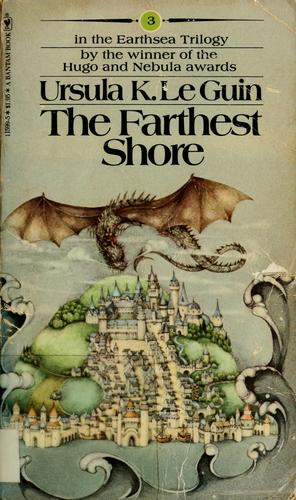
Start this bookNo. 25 on this list. The Farthest Shore · Ursula K Le Guin · 1972
The Earthsea cycle appears widely on science fiction and speculative fiction syllabi, and this third volume, the National Book Award winner for 1973, is firmly part of that canon. It is less commonly assigned than A Wizard of Earthsea but holds strong placement in fantasy literature courses and children's/YA literature curricula. Its Wikipedia article exists in over fifteen languages, indicating sustained international recognition.
Challenging5.8 hours
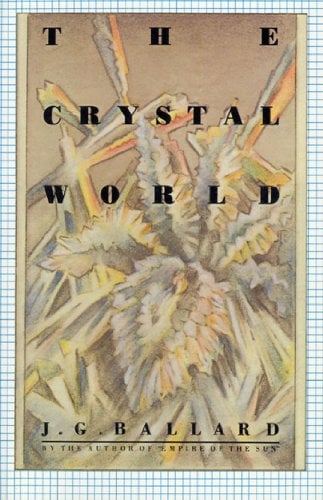
Start this bookNo. 26 on this list. The Crystal World · J.G. Ballard · 1966
The Crystal World is a core text in Ballard studies and is consistently included in syllabi on British postmodernism, science fiction, and 20th-century apocalyptic fiction. It completes the elemental catastrophe tetralogy alongside The Drowned World, The Wind from Nowhere, and The Drought — a group widely cited as foundational to literary SF. It does not appear on general literary canon lists with the frequency of Ballard's later Crash or Empire of the Sun.
Challenging4.6 hours
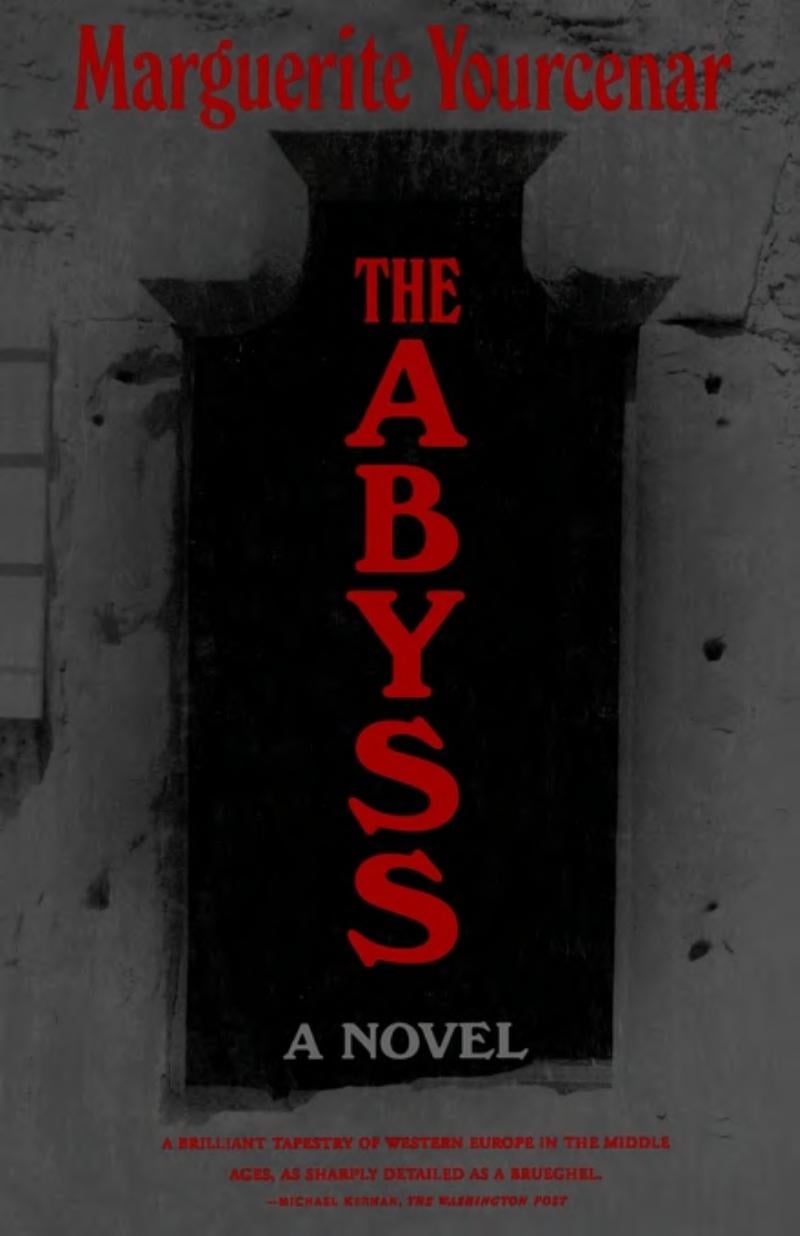
Start this bookNo. 27 on this list. The Abyss · Marguerite Yourcenar · 1968
A cornerstone of 20th-century French historical fiction and a key text in European intellectual novel tradition. Taught in French literature courses and recognized as Yourcenar's masterwork alongside Memoirs of Hadrian. Its canonical status is stronger in Europe than in Anglophone literary curricula, though it remains essential to understanding philosophical historical fiction.
Challenging11 hours
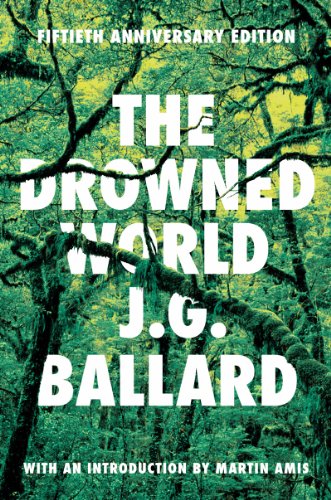
Start this bookNo. 28 on this list. The Drowned World · J.G. Ballard · 1962
The Drowned World is one of Ballard's most-read novels and a fixture of courses on British science fiction and, increasingly, on climate fiction. It is kept in print as a modern classic of the genre.
Challenging4.7 hours
Start this bookNo. 29 on this list. The Experimental Novel · Émile Zola · 1880
In 1880, Émile Zola published a set of provocations dressed as a literary program. The title essay borrows its framework wholesale from Claude Bernard's Introduction to the Study of Experimental Medicine: the novelist, Zola argues, is simply a scientist who runs experiments on human beings. Heredity and environment determine character; the novelist's job is to set up the conditions and observe what happens. Imagination is a distraction. The sense of reality — the ability to see life as it actually is and render it exactly — is everything. The book is a collection of essays, not a novel, and it reads like one side of a long argument conducted in public. Zola attacks the romantic school for trafficking in beautiful lies, defends naturalism against charges of obscenity, explains what distinguishes a writer with personal expression from one who merely produces correct prose, and measures the distance between Balzac's phantasmatography and his genius. The polemical register is consistent: Zola announces his conclusions, marshals his evidence, and anticipates the objections of enemies he names without pleasure. Readers come away understanding exactly what Zola believed the novel could become, and why he thought sentiment without science was a form of cowardice. The prose is direct, the argument repetitive by design, and the conviction absolute. This is the theoretical engine behind Nana, Germinal, and L'Assommoir — the blueprint read alongside the buildings it produced.
Moderate1.3 hours
Start this bookNo. 30 on this list. Your Face Tomorrow: Fever and Spear · Javier Marías · 2002
Considered Marías's masterwork and one of the major European novels of the twenty-first century, though the trilogy's length limits its readership.
Challenging11 hours
Start this book
No. 31 on this list. From the Mixed-Up Files of Mrs. Basil E. Frankweiler
E.L. Konigsburg · 1967
No. 32 on this list. Excellent Women
Barbara Pym · 1952
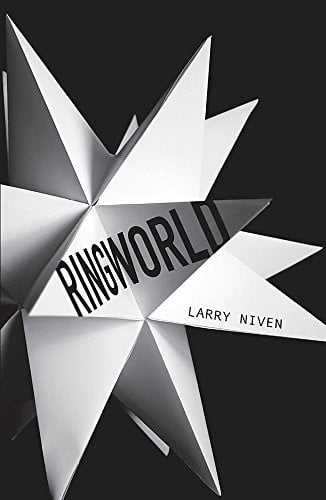
No. 33 on this list. Ringworld
Larry Niven · 1970
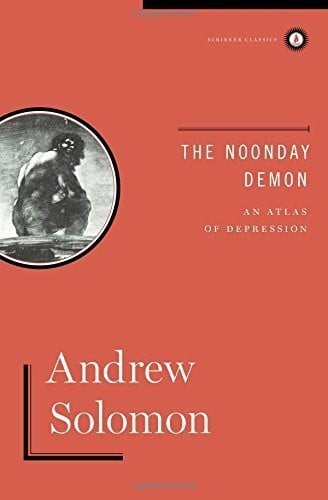
No. 34 on this list. The Noonday Demon: An Atlas of Depression
Andrew Solomon · 2001
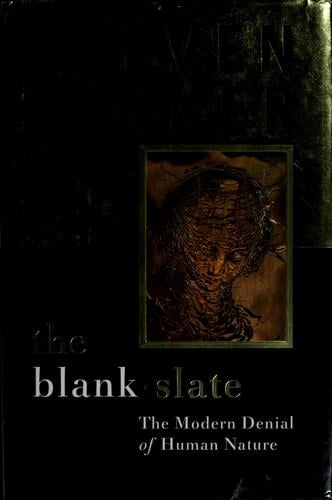
No. 35 on this list. The Blank Slate
Steven Pinker · 2002
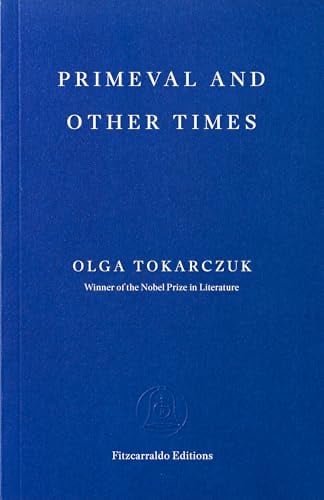
No. 36 on this list. Primeval and Other Times
Olga Tokarczuk · 1996
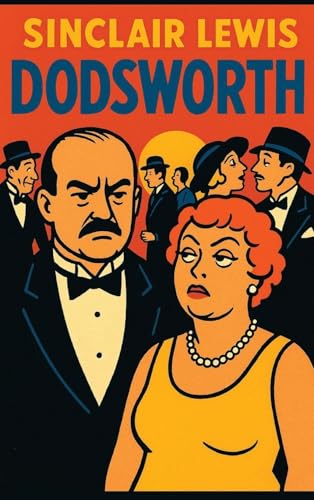
No. 37 on this list. Dodsworth
Sinclair Lewis · 1929
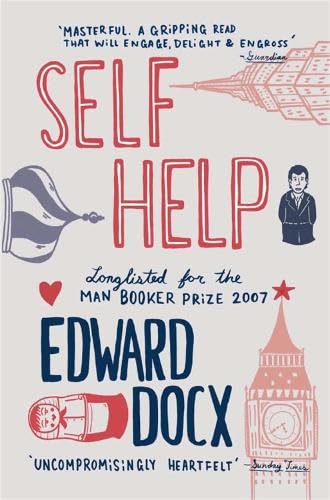
No. 38 on this list. Self Help
Edward Docx · 2007
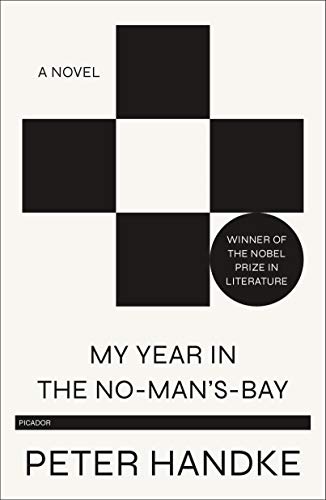
No. 39 on this list. My Year in the No-Man's-Bay
Peter Handke · 1994
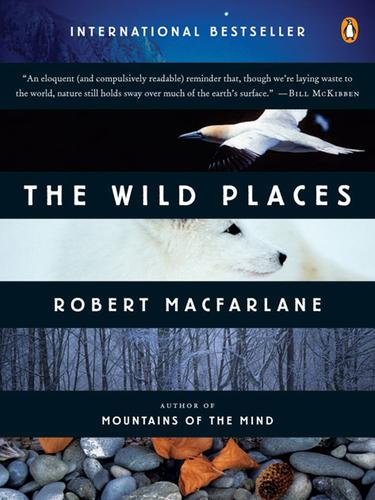
No. 40 on this list. The Wild Places
Robert Macfarlane · 2007
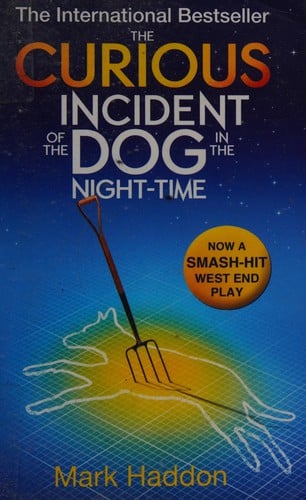
No. 41 on this list. The Curious Incident of the Dog in the Night-Time
Mark Haddon · 2003
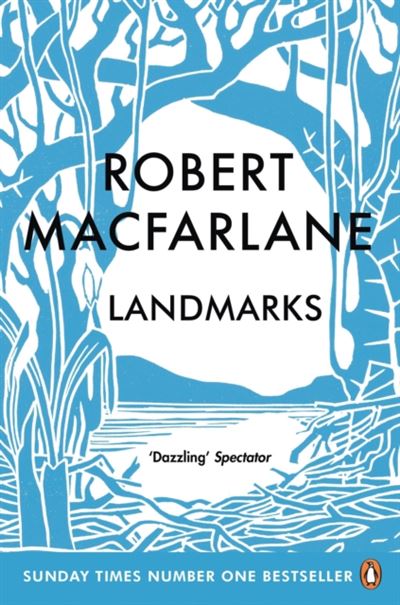
No. 42 on this list. Landmarks
Robert Macfarlane · 2015
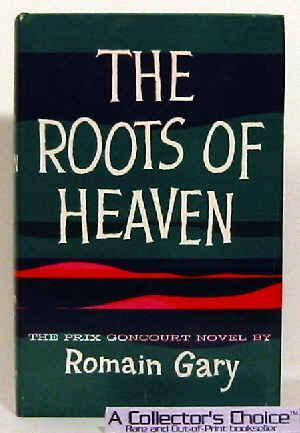
No. 43 on this list. The Roots of Heaven
Romain Gary · 1956
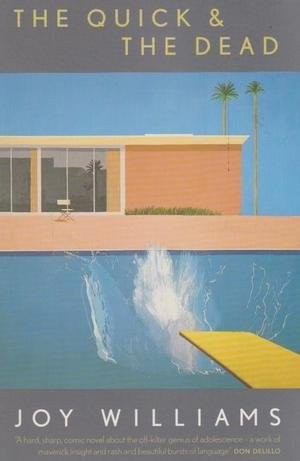
No. 44 on this list. The Quick and the Dead
Joy Williams · 2000
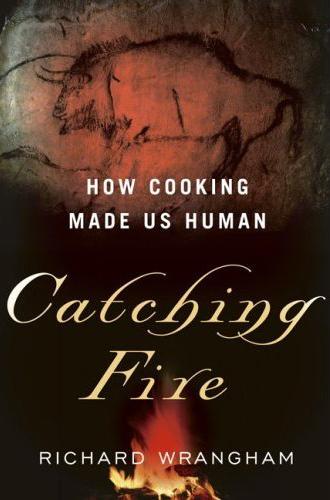
No. 45 on this list. Catching Fire
Richard W. Wrangham · 2009
No. 46 on this list. Love
Toni Morrison · 2003
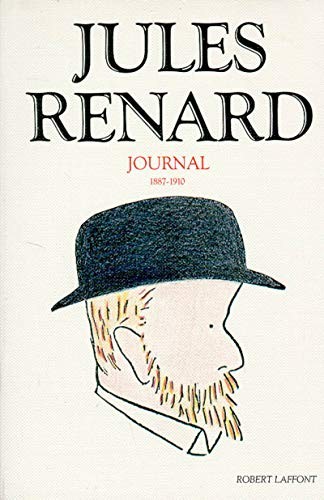
No. 47 on this list. Journal
Jules Renard · 1887
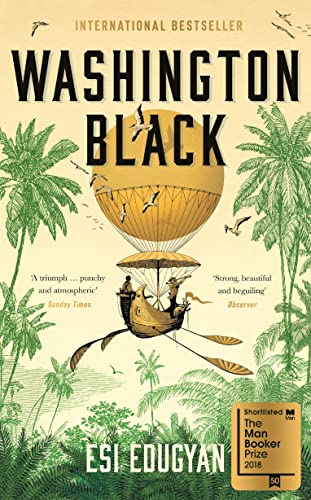
No. 48 on this list. Washington Black
Esi Edugyan · 2018
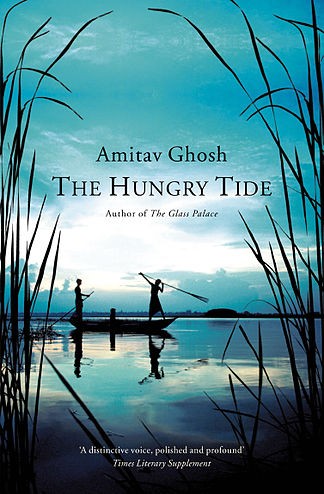
No. 49 on this list. The Hungry Tide
Amitav Ghosh · 2004
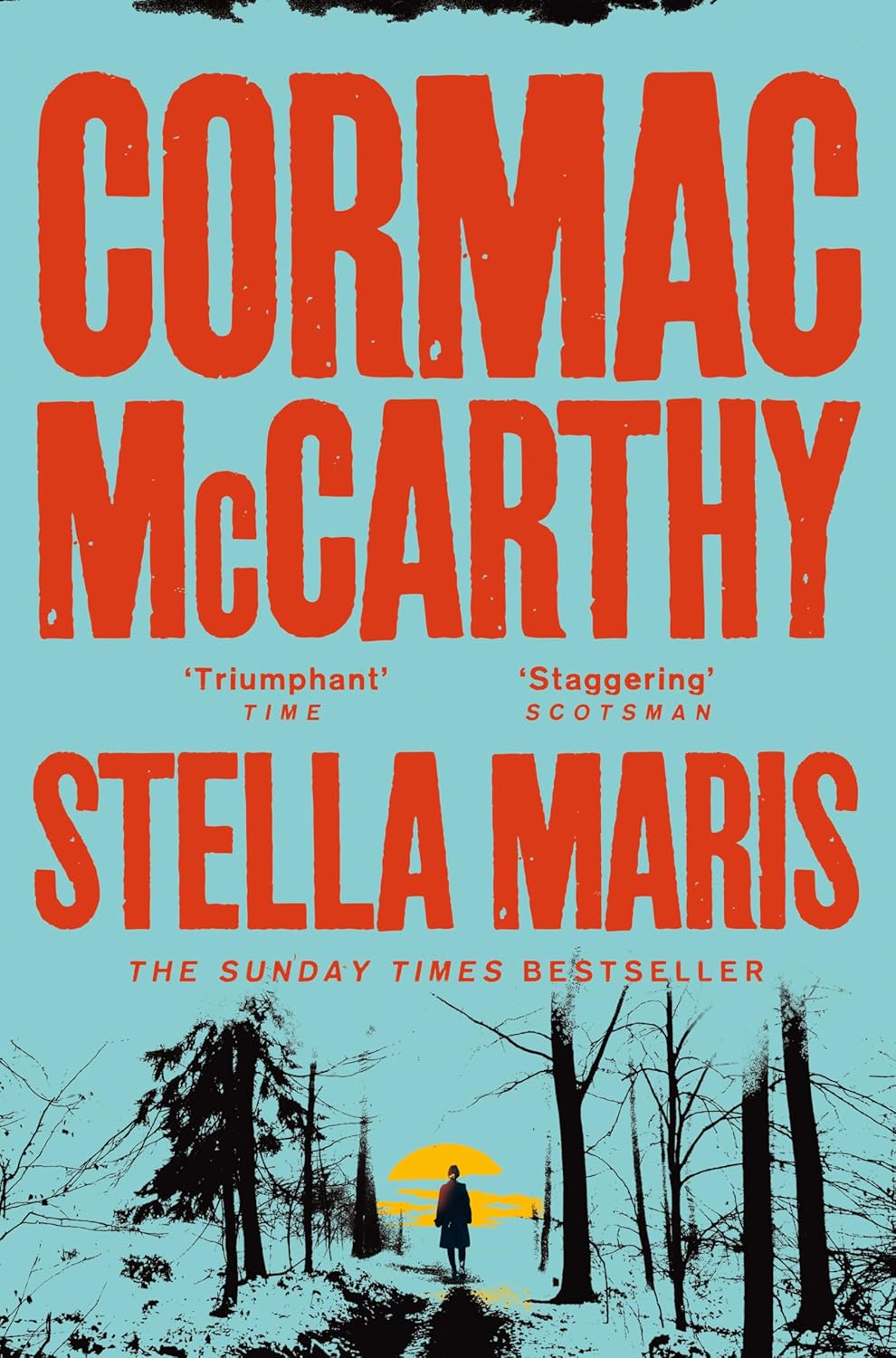
No. 50 on this list. Stella Maris
Cormac McCarthy · 2022

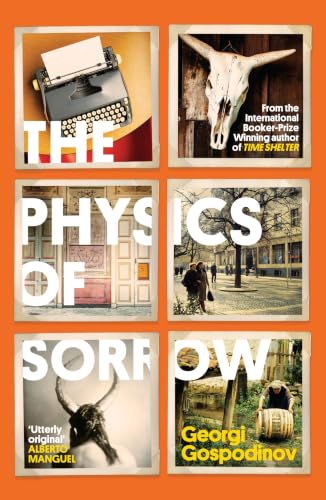
No. 51 on this list. The Physics of Sorrow
Georgi Gospodinov · 2021
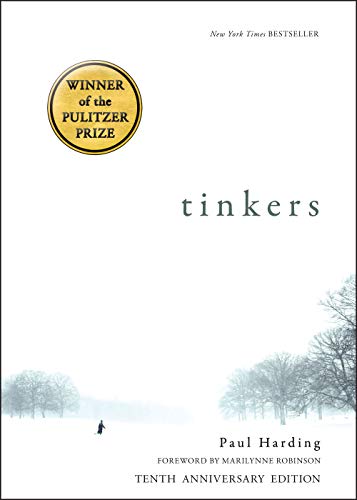
No. 52 on this list. Tinkers
Paul Harding · 2010
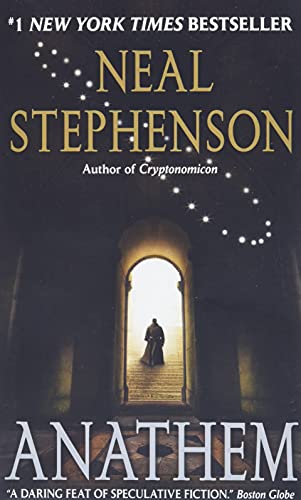
No. 53 on this list. Anathem
Neal Stephenson · 2008
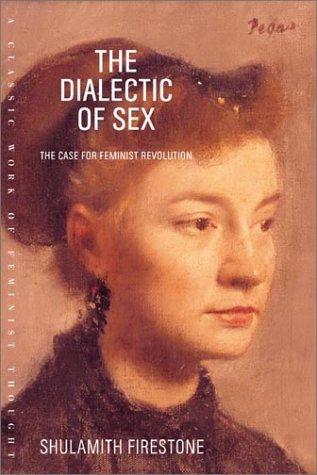
No. 54 on this list. The Dialectic of Sex
Shulamith Firestone · 1970
No. 55 on this list. The Long Journey
Johannes V. Jensen · 1908
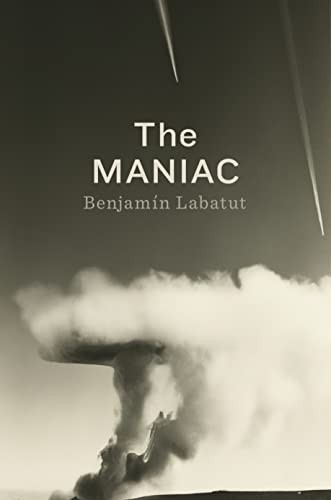
No. 56 on this list. The Maniac
Benjamin Labatut · 2023
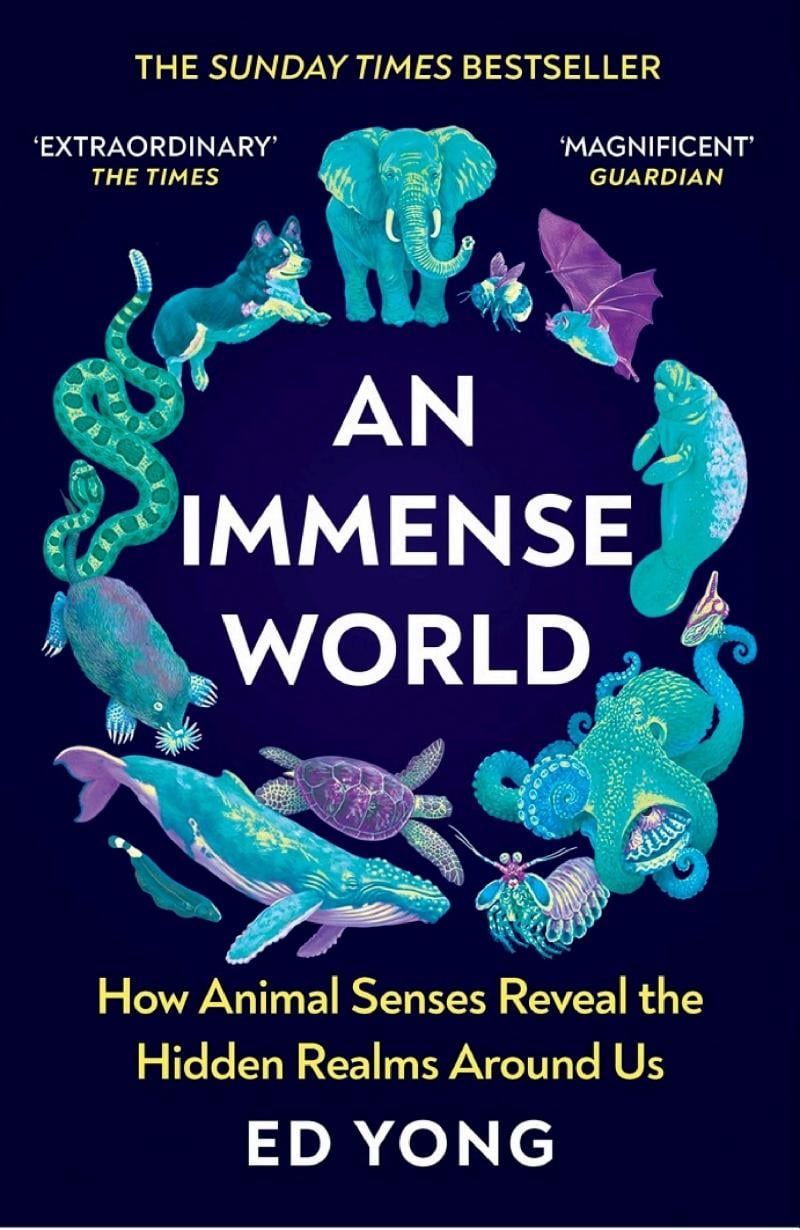
No. 57 on this list. An Immense World: How Animal Senses Reveal the Hidden Realms Around Us
Ed Yong · 2022
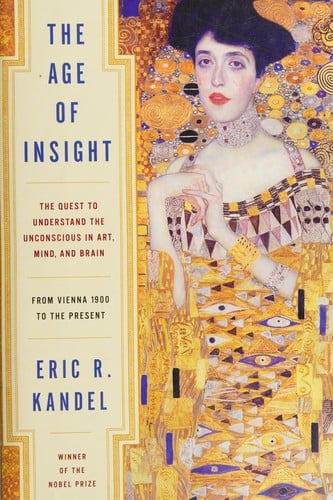
No. 58 on this list. The Age of Insight: The Quest to Understand the Unconscious in Art, Mind, and Brain, from Vienna 1900 to the Present
Eric Kandel · 2012
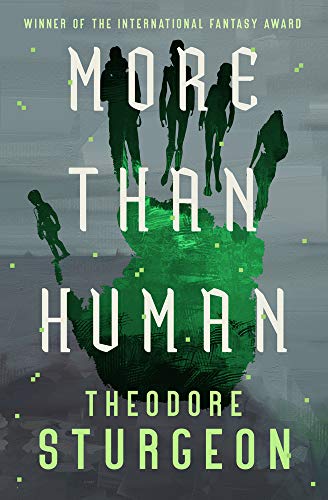
No. 59 on this list. More Than Human
Theodore Sturgeon · 1953
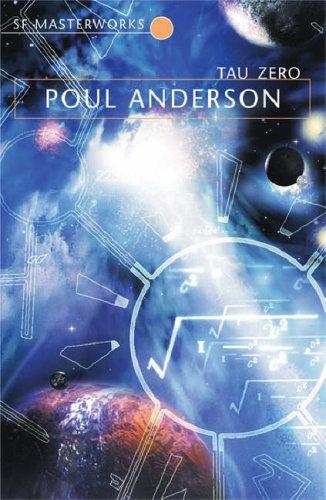
No. 60 on this list. Tau Zero
Poul Anderson · 1970
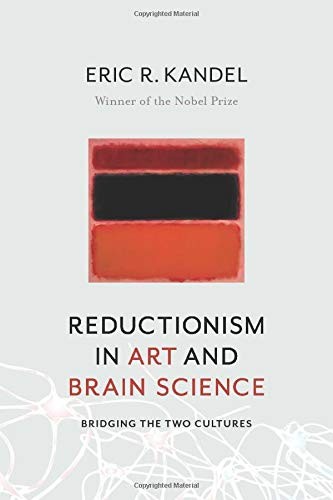
No. 61 on this list. Reductionism in Art and Brain Science: Bridging the Two Cultures
Eric R. Kandel · 2016
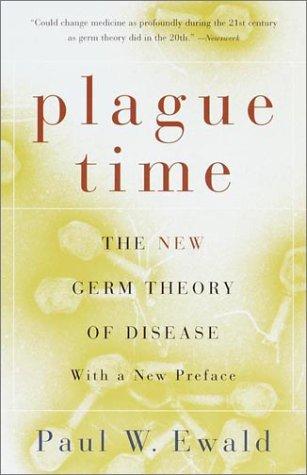
No. 62 on this list. Plague Time: The New Germ Theory of Disease
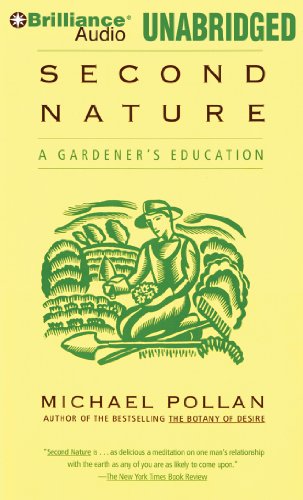
No. 63 on this list. Second Nature: A Gardener's Education
Michael Pollan · 1991
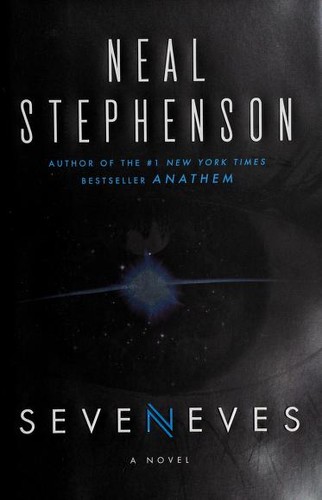
No. 64 on this list. Seveneves
Neal Stephenson · 2015
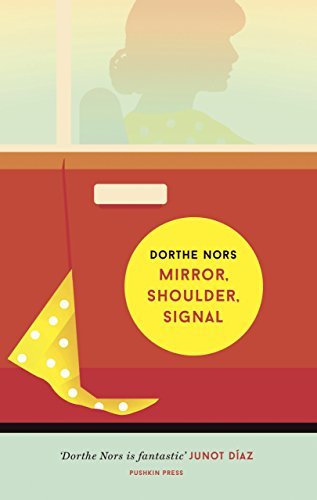
No. 65 on this list. Mirror, Shoulder, Signal
Dorthe Nors · 2017
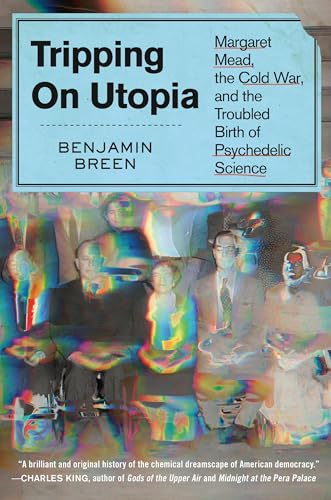
No. 66 on this list. Tripping on Utopia: Margaret Mead, the Cold War, and the Troubled Birth of Psychedelic Science
Benjamin Breen · 2024
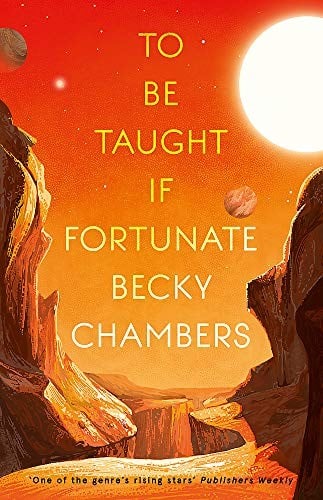
No. 67 on this list. To Be Taught, If Fortunate
Becky Chambers · 2019
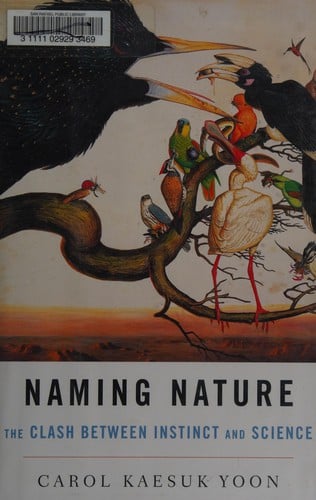
No. 68 on this list. Naming Nature: The Clash Between Instinct and Science
Carol Kaesuk Yoon · 2009
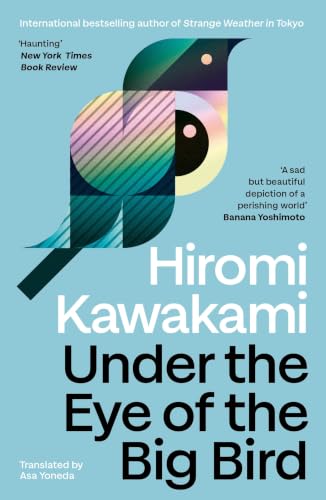
No. 69 on this list. Under the Eye of the Big Bird
Hiromi Kawakami · 2016
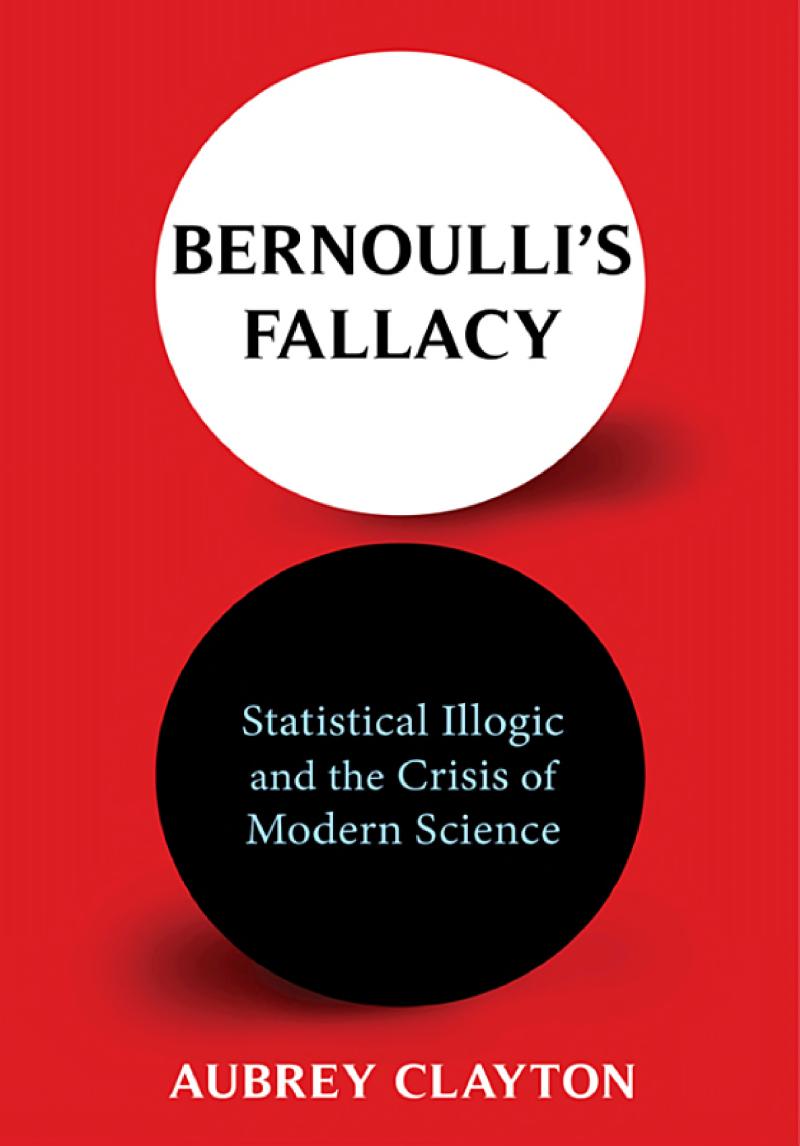
No. 70 on this list. Bernoulli's Fallacy: Statistical Illogic and the Crisis of Modern Science
Aubrey Clayton · 2021
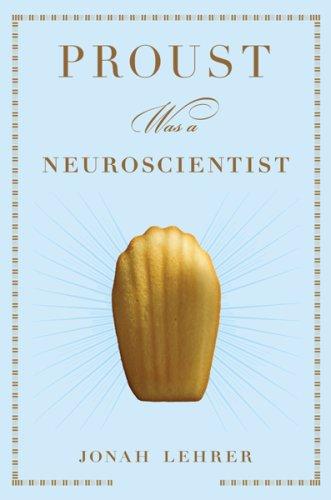
No. 71 on this list. Proust Was a Neuroscientist
Jonah Lehrer · 2007
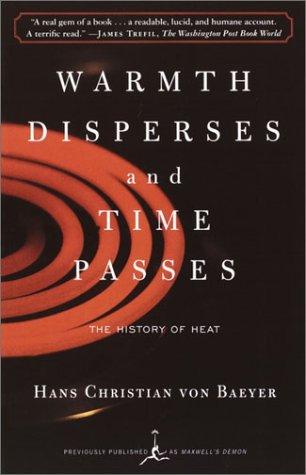
No. 72 on this list. Warmth Disperses and Time Passes: The History of Heat
Hans Christian Von Baeyer · 1999
No. 73 on this list. Comparative Genetics of Coat Color in Mammals
Antony G. Searle · 1968
No. 74 on this list. Short Story Theory at a Crossroads
Susan Lohafer · 1989
About this list
These 74 books are the highest-scoring eligible moderately difficult books about science and discovery currently in the catalogue. About 503 hours of reading in all, for the 73 with measured lengths. Difficulty runs from 51 to 59 out of 100 for the middle half of the list; the summit is The Blithedale Romance at 64.
This list is ranked by literary regard, with a consistent order for equal scores. Membership follows authors and co-authors, not translators or editors. A book is here when ReadingRate files it under Science & Discovery as one of its primary reading domains, at a confidence of 0.8 or more. Catalogue coverage and the historical canon both limit what this list can represent.
When we matched the Canons dataset to our catalogue in October 2026, our canonical-status scores rose with the number of school curricula, publisher series and lists in it that cite a work: the median score was 72 for books one such source cites, 84 at two, 88 at three, 92 at four and 93 at five or more. Prizes are left out of that count. Outside the state curricula, the dataset’s sources choose mostly from what has been translated into English or French, so it is a weaker check on other literatures. Source: Canons (Andrew Piper), CC BY 4.0
Questions people actually ask
- What are the best moderately difficult books about science and discovery?
- By literary regard, which weighs canonical status, critical standing and influence: The Origin of Species by Charles Darwin, On the Nature of Things by Lucretius, As You Like It by William Shakespeare, Argonauts of the Western Pacific by Bronisław Malinowski and Sand County Almanac by Aldo Leopold. ReadingRate ranks 74 such books, each with a difficulty score and a reading-time estimate.
- Which moderately difficult books about science and discovery should I read first?
- Start from difficulty, not from rank. The most approachable books on this list that still carry top literary regard are Sand County Almanac by Aldo Leopold (about 3.7 hours), Tar Baby by Toni Morrison and Eugénie Grandet by Honoré de Balzac.
- What are the shortest of the best moderately difficult books about science and discovery?
- Among the top 25, the shortest are View with a Grain of Sand by Wisława Szymborska (about 43 min), Death and the King's Horseman by Wole Soyinka (about 1.1 hours) and As You Like It by William Shakespeare (about 1.6 hours), at an average pace of 250 words a minute adjusted for each book's difficulty.
- Which of the best moderately difficult books about science and discovery are the established classics?
- By canonical status, how firmly a book sits in curricula, anthologies and the canon: The Origin of Species by Charles Darwin, On the Nature of Things by Lucretius, As You Like It by William Shakespeare, Argonauts of the Western Pacific by Bronisław Malinowski and Sand County Almanac by Aldo Leopold.
- Can I read any of these moderately difficult books about science and discovery for free?
- 5 of the 74 open in ReadingRate's reader with a free account, from public-domain editions: As You Like It, Eugénie Grandet, 20,000 Leagues Under the Sea, Man and Superman and Demian.
- How long would it take to read the top ten?
- About 63 hours, at an average pace of 250 words a minute adjusted for each book's difficulty: 32 days at two hours a day. Set your own pace on the page and the list's reading times change to it.
- How hard are moderately difficult books about science and discovery to read?
- Most of this list sits between 51 and 59 on ReadingRate's 100-point difficulty scale, where 40 to 55 is moderate. The summit is The Blithedale Romance at 64. Every entry carries its own score, so a reader can pick a great book at a difficulty they will finish.
- How is this list ranked?
- On literary-regard data: how canonically established a work is, its critical standing, and its influence on later writing. It is not a readers’ poll, which is why recent bestsellers rarely appear. Membership follows authors and co-authors, not translators or editors. Lists by country, author, period, theme or difficulty keep to literature (fiction, poetry, drama and philosophy), their novels, poems and plays first and their philosophy after them; a list of a kind of book, such as memoir or criticism, keeps every book of that kind. Every list holds at most three works by one author. A book is here when ReadingRate files it under Science & Discovery as one of its primary reading domains, at a confidence of 0.8 or more.