Hours at an average pace
Showing 60 books
About 597 hours for 60 of 60 books with measured lengths. Estimates use 250 words a minute, adjusted for each book's difficulty. At 2 hours a day, about 299 days for those books.
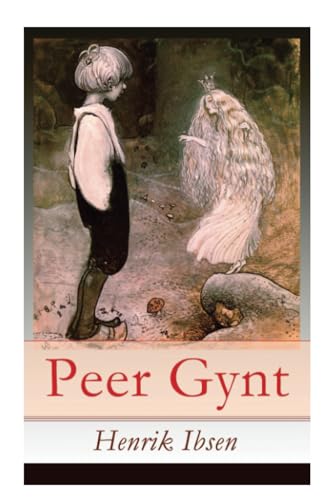
Peer Gynt is a cornerstone of the Scandinavian theatrical canon and is regularly staged worldwide, from the National Theatre to major European opera houses. Edvard Grieg's 1876 incidental music gave the work cultural reach extending far beyond theatre audiences. It appears on world drama syllabi internationally and is central to any survey of 19th-century European literature.
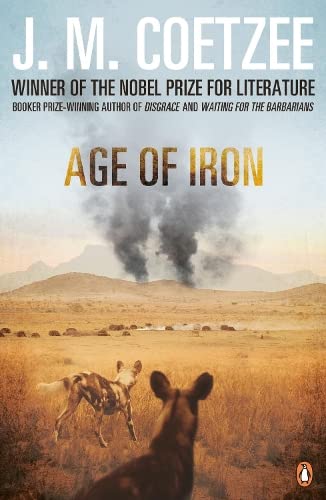
Age of Iron occupies a secure place in the Coetzee canon alongside Disgrace and Waiting for the Barbarians, and is regularly included in postcolonial and South African literature curricula worldwide. Its apartheid-era historical weight gives it documentary as well as aesthetic canonical status.
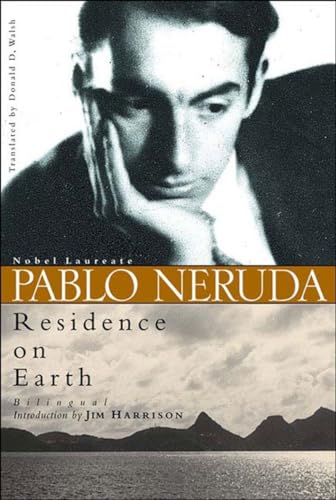
Pablo Neruda wrote the poems of 'Residence on Earth' during his years as a Chilean consul in Burma, Ceylon, and Java — postings that left him profoundly isolated, surrounded by unfamiliar languages and dissolving heat. What came out was a poetry of radical disorientation: rain that rots wood, flesh that smells of brine, clocks that leak time like a wound. The opening poem, 'Galope Muerto,' begins mid-sensation: 'Like ashes, like oceans populating themselves, in the submerged slowness, in the shapeless.' There is no speaker announced, no situation established. The collection works entirely through image — blood, sea, bone, stone — stacked without logical mortar until the pressure of accumulated sensation becomes its own argument. 'Walking Around' describes a man so disgusted by modern life he wants to throw everything away, the umbrellas and the accountants and the stockings. 'Ode with a Lament' addresses an unnamed woman through images of shipwrecks and salt. The later sections shift toward political fury — odes to Madrid under bombardment, to Stalingrad, to Spain's dead — but even the political poems work through elemental image rather than rhetoric. This is poetry that does not explain itself. Readers who need a narrative thread or an argument will find none. Those willing to receive sensation as meaning will encounter one of the most physically intense bodies of verse written in the 20th century.
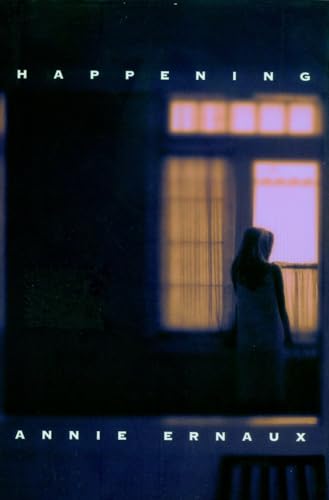
Happening has become one of Ernaux's most discussed and translated works, widely taught in French literature courses at university level and increasingly prominent in Anglophone curricula following her 2022 Nobel Prize. Its frank treatment of illegal abortion in 1960s France grants it significant cultural-historical standing alongside landmark autofictional texts.
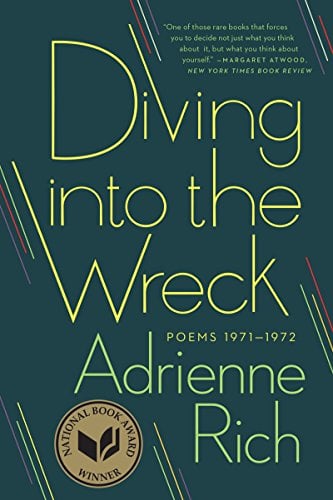
The title poem appears in virtually every major American poetry anthology and is standard reading in feminist literature, American poetry, and contemporary poetry courses. The collection sits firmly in the literary canon, comparable to Beloved (85) in academic reach if not in the broadest syllabi. No database data was returned, but Rich's place in American poetry curricula is well established.
Aura is assigned in Latin American literature courses across universities globally and anthologized alongside Pedro Paramo and One Hundred Years of Solitude as a defining text of the Latin American Boom. Its brevity makes it a frequent entry point for students encountering Fuentes or magical realism. It does not appear on as many syllabi as García Márquez's major novels but is among the most-taught works in comparative world literature curricula.
Part of Roth's 'American Trilogy' — widely referenced in American fiction surveys and on reading lists for postwar American literature. Wikipedia article available in 9 languages with a dedicated reception section and adaptations section (2003 film with Anthony Hopkins and Nicole Kidman). The Open Syllabus data records no standalone syllabus appearances, suggesting it is typically taught as part of the trilogy rather than alone.
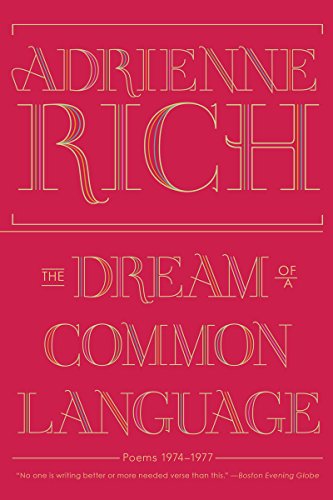
The Dream of a Common Language is taught widely in feminist literary studies, women's poetry, and American poetry courses at the university level. It has no dedicated Wikipedia article in the database but Rich herself is a foundational figure in the canon of late twentieth-century American poetry, and this collection is consistently cited as central to her legacy and to the feminist poetry movement of the 1970s.
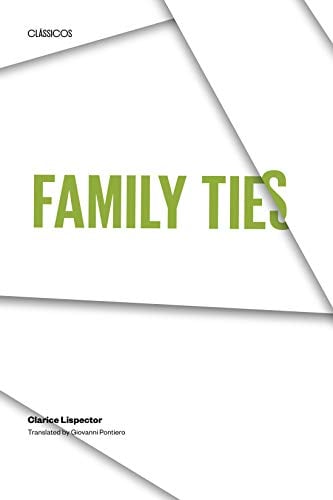
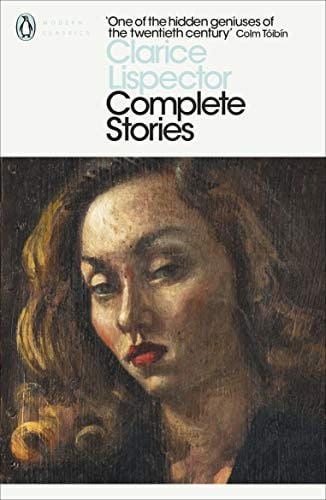
Family Ties appears regularly on comparative literature and Latin American literature syllabi worldwide, and Lispector is among the most studied Lusophone writers in university world literature courses. No syllabus count was captured in the database, but her work has sustained continuous academic inclusion since the 1960s. Hélène Cixous's book-length critical study of Lispector (The Stream Running Nowhere) cemented the collection's place in the Western literary canon.
Lispector holds a firm place in comparative literature and Latin American literature syllabi globally, and her work appears in women's writing and world literature courses at major universities. No Open Syllabus data is available for this specific collection, but Lispector as an author is consistently included in world literature canons alongside Borges and García Márquez. The 2015 New Directions translation by Katrina Dodson dramatically expanded her anglophone reach and prestige.
No. 11 on this list. A Book of Memories · László Nádas · 1986
Widely regarded as one of the greatest Hungarian novels and one of the major European novels of the twentieth century. Susan Sontag called it 'the greatest novel written in our time.'
Challenging24 hours
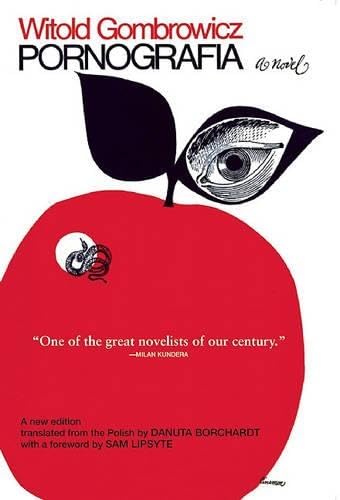
Start this bookNo. 12 on this list. Pornografia · Witold Gombrowicz · 1960
Pornografia is widely taught in European and Latin American literature courses and appears on world literature syllabi, though its presence in English-language curricula is more limited than Gombrowicz's Ferdydurke. No syllabus data was available in the database, and no Wikipedia article was indexed, but the novel is broadly recognized as a major work of 20th-century European fiction and appears on multiple 'greatest novels' lists.
Difficult6.2 hours
Start this bookNo. 13 on this list. Parallel Stories · László Nádas · 2005
Regarded as one of the major European novels of the twenty-first century, frequently compared to Proust and Musil in scope and ambition.
Challenging46 hours
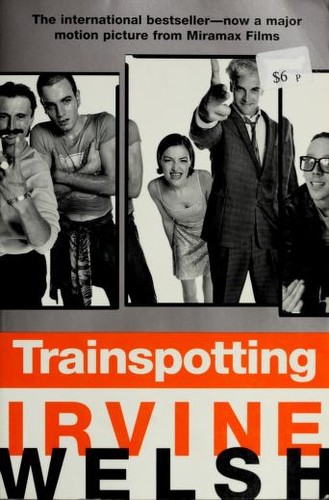
Start this bookNo. 14 on this list. Trainspotting · Irvine Welsh · 1993
Trainspotting is widely taught in British and Scottish university literature courses and features on most lists of significant post-1980 British fiction. The 1996 film adaptation significantly expanded its cultural reach beyond academia. It appears on multiple 'best of' lists including Time magazine's 100 best English-language novels since 1923, and is a fixture in contemporary British fiction syllabi. Its canonical status is strong within UK literature but less universal than American curriculum staples, placing it closer to Infinite Jest (78) than to Beloved (85).
Challenging10 hours
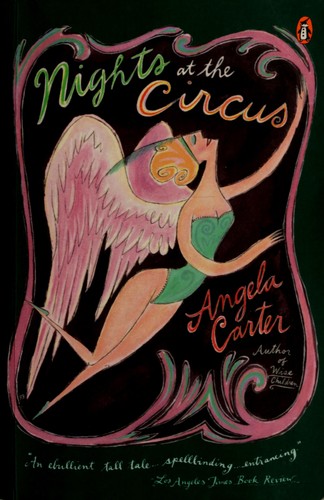
Start this bookNo. 15 on this list. Nights at the Circus · Angela Carter · 1984
Nights at the Circus is a regular text in university courses on postmodern, feminist and magical-realist fiction, and probably Angela Carter's most studied novel. It is usually set alongside The Bloody Chamber as the core of her work.
Difficult13 hours
Start this bookNo. 16 on this list. The Sea, The Sea · Iris Murdoch · 1978
Winner of the Booker Prize in 1978 and widely regarded as one of Iris Murdoch's finest novels. Wikipedia articles exist in 9 languages. While not as universally assigned as postwar American canon fixtures, it appears regularly in British literature and philosophy-and-fiction courses.
Difficult29 hours
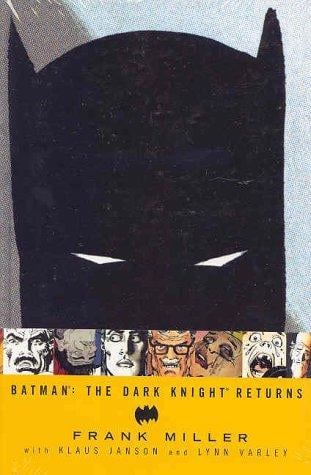
Start this bookNo. 17 on this list. Batman: The Dark Knight Returns · Frank Miller · 1986
Widely regarded as one of the works that redefined the superhero genre and established the graphic novel as a serious literary form. Not present in traditional literary syllabi, but canonical within comics studies and popular culture courses, appearing on virtually every 'essential graphic novels' list. Alongside Watchmen, it is considered a foundational text that changed what comics could be.
Challenging3 min
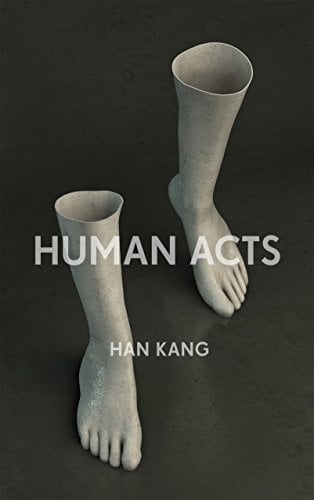
Start this bookNo. 18 on this list. Human Acts · Han Kang · 2014
Han Kang's Nobel Prize in 2024 elevated this novel's global profile significantly, but it appears on only 59 university syllabi (44th percentile in Open Syllabus) and has Wikipedia articles in just 5 languages. Curricular adoption outside Korean literature courses remains limited, though the Nobel will accelerate its integration into world literature programs.
Difficult6.7 hours
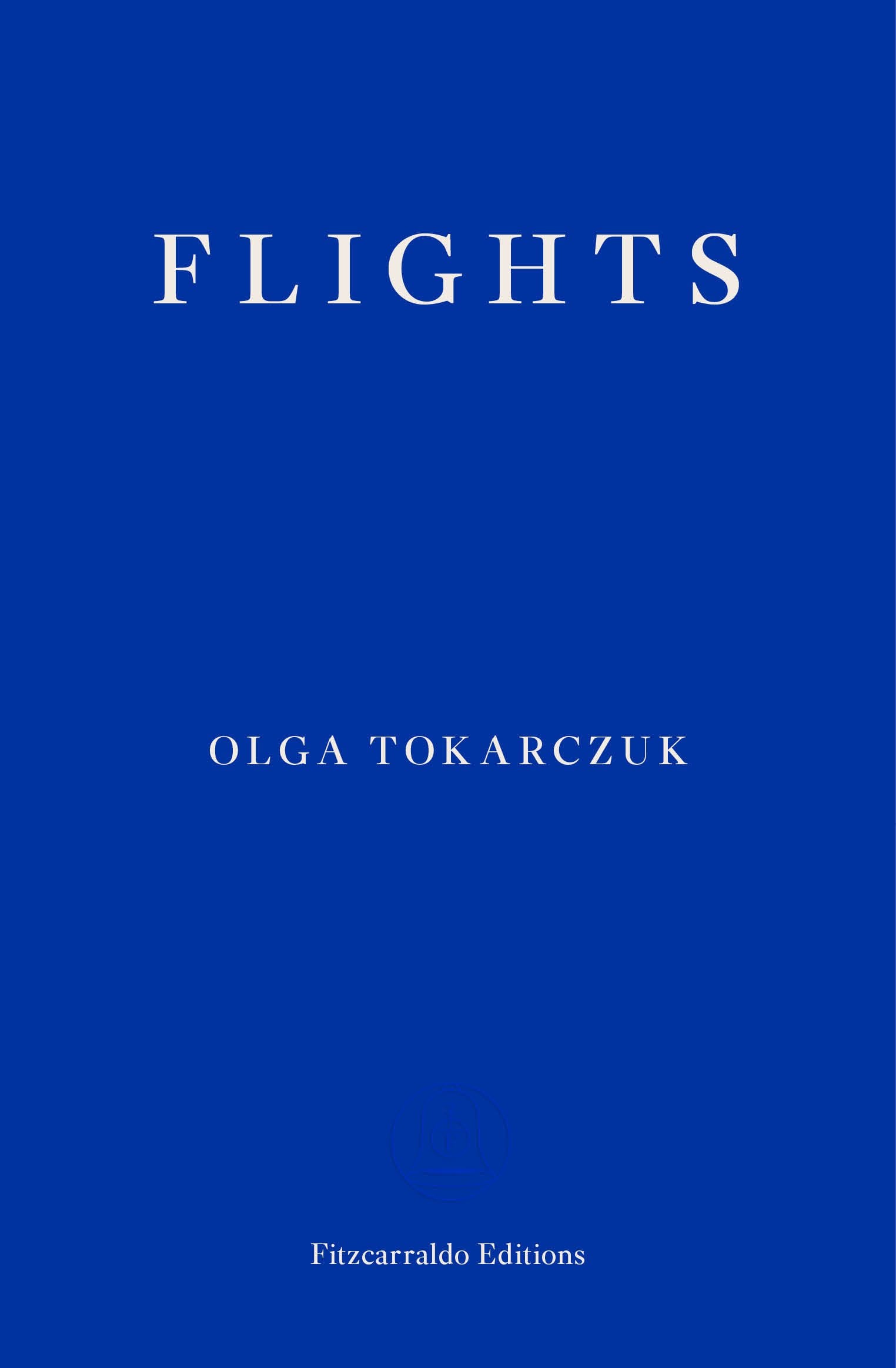
Start this bookNo. 19 on this list. Flights · Olga Tokarczuk · 2007
Flights won the International Booker Prize in 2018, placing it in the conversation for essential contemporary world literature. The Wikipedia article data appears matched to a disambiguation page (13 languages), suggesting the novel's own article has broader reach. Its experimental structure limits adoption in introductory syllabi, but it appears consistently in world literature and contemporary fiction courses at graduate level.
Difficult13 hours
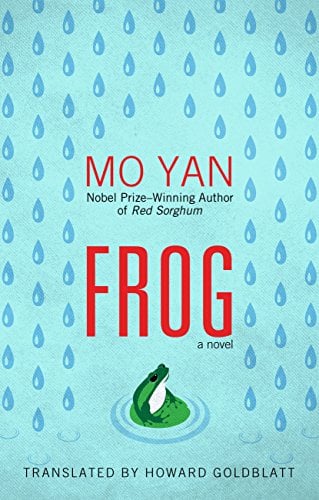
Start this bookNo. 20 on this list. Frog · Mo Yan · 2009
Frog appears on world literature syllabi and in courses on contemporary Chinese fiction, but it is not among Mo Yan's most widely taught works globally. Red Sorghum and Life and Death Are Wearing Me Out receive more curricular attention. The novel's reputation benefits from Mo Yan's Nobel Prize but has not yet achieved standalone canonical status outside Chinese literature programs.
Difficult13 hours
Start this book

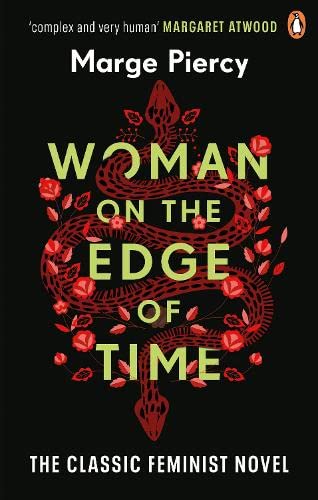
No. 21 on this list. Woman on the Edge of Time · Marge Piercy · 1976
Widely taught in feminist literary studies, utopian fiction, and American literature courses since its 1976 publication, the novel holds a firm place in academic syllabi as a landmark of feminist science fiction. No syllabus count data is available, but its sustained presence across women's studies and speculative fiction curricula for five decades marks it as canonical within those fields, comparable in reach to other key feminist texts of the second wave.
Difficult18 hours
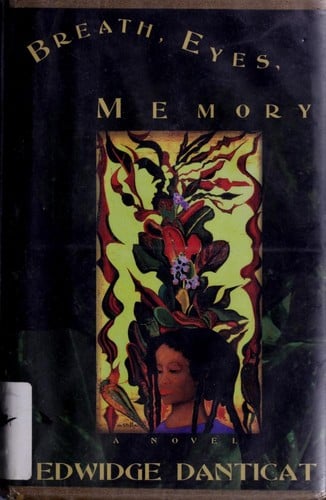
Start this bookNo. 22 on this list. Breath, Eyes, Memory · Edwidge Danticat · 1994
Widely assigned in Caribbean literature, diaspora studies, and postcolonial fiction courses at American universities. Oprah's Book Club selection in 1998 cemented its classroom presence, and it appears consistently on syllabi focused on Haitian-American experience and the literature of trauma. Its reach falls below Nobel-era Caribbean writers like Derek Walcott but well above works with only genre-course placement.
Challenging4.8 hours
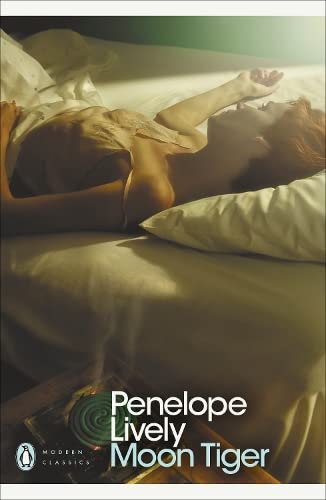
Start this bookNo. 23 on this list. Moon Tiger · Penelope Lively · 1987
Moon Tiger appears on approximately 40 university syllabi according to Open Syllabus, placing it in the upper-middle range of taught contemporary fiction. Wikipedia articles exist in 5 languages. It holds a secure but not dominant place in the postwar British fiction canon, regularly appearing in courses on Booker Prize literature and late-twentieth-century experimental narrative.
Difficult9.3 hours
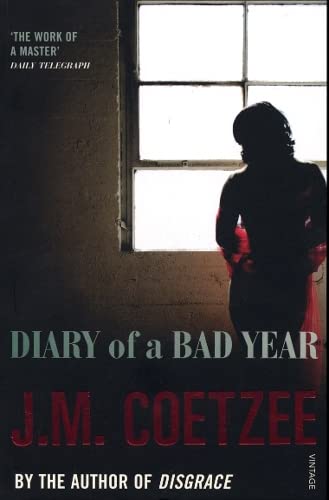
Start this bookNo. 24 on this list. Diary of a Bad Year · J.M. Coetzee · 2007
Diary of a Bad Year (2007) is widely read in university courses on contemporary postcolonial fiction and on Coetzee's oeuvre, but it remains secondary in the Coetzee canon to Disgrace and The Life and Times of Michael K. It appears on syllabi devoted to late Coetzee or to metafiction, rather than as a standalone canonical text. Its formal experiment limits accessibility for survey-level teaching.
Difficult7.4 hours
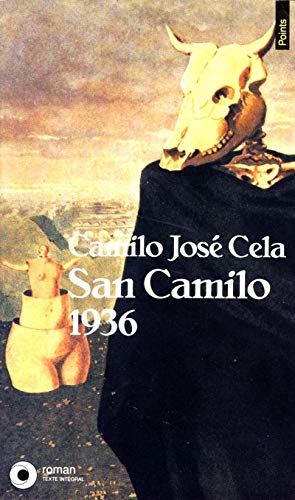
Start this bookNo. 25 on this list. San Camilo, 1936 · Camilo José Cela · 1969
San Camilo, 1936 appears on Spanish literature syllabi and is recognized as a major work within Cela's oeuvre, but it lacks the international canonical standing of La Colmena or La familia de Pascual Duarte. It is studied primarily in Hispanic literature programs and rarely appears in general world literature curricula.
Difficult18 hours
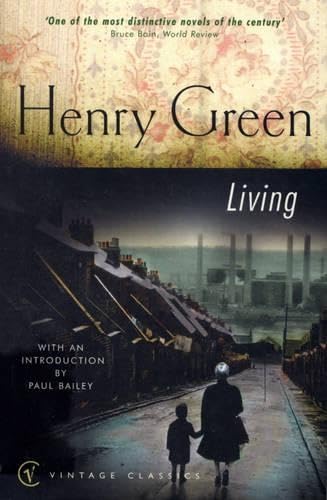
Start this bookNo. 26 on this list. Living · Henry Green · 1929
Living is a fixture of British modernism syllabi and is in continuous print in Vintage Classics and NYRB Classics editions. Isherwood's 'best proletarian novel ever written' has become a standard citation. W.H. Auden, Eudora Welty, and John Updike all wrote admiringly of Green's work. However, Green sits at the cult rather than the canonical center — he does not appear in general literary curricula with the regularity of Woolf or Joyce, and his Wikipedia presence is modest relative to his critical reputation.
Difficult9.3 hours
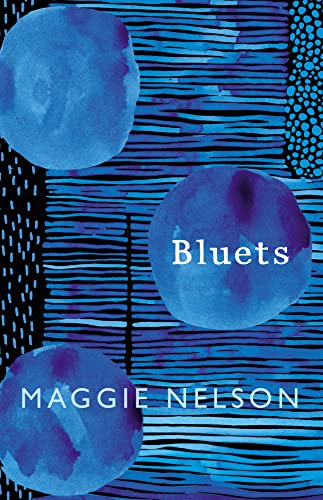
Start this bookNo. 27 on this list. Bluets · Maggie Nelson · 2009
Bluets is a fixture on MFA poetry and creative nonfiction syllabi and appears regularly in lyric essay and experimental prose anthologies. No data signals in the database reflect its syllabus presence, but its standing in contemporary poetics courses is strong. It has not entered secondary education curricula and remains outside mainstream literary canon lists, placing it well below Beloved (85) but above cult-following works like Infinite Jest (78) on different axes.
Challenging1.8 hours
Start this bookNo. 28 on this list. End Zone · Don DeLillo · 1972
End Zone appears regularly on DeLillo syllabi and American postmodern fiction courses but lacks the broad canonical presence of White Noise or Underworld. No syllabus data was found in the database, but the novel holds a recognized place in the DeLillo bibliography as an early statement of his major themes — language, spectacle, and apocalyptic anxiety — taught at the graduate level more than the undergraduate.
Difficult6.4 hours
Start this bookNo. 29 on this list. Zero K · Don DeLillo · 2016
Zero K has no recorded syllabus appearances in the database and no Wikipedia entry linked. As a 2016 novel from a major American author it is recent and has not yet accrued significant academic teaching presence. DeLillo's body of work is canonical but this specific novel remains a late-career title read primarily by DeLillo enthusiasts rather than being assigned broadly. Its canonical status resembles that of a respected author's minor work, not a teachable standard.
Challenging6.8 hours
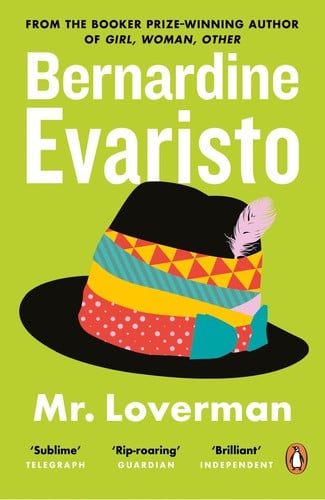
Start this bookNo. 30 on this list. Mr Loverman · Bernardine Evaristo · 2013
Mr Loverman appears on syllabi in postcolonial British literature and diaspora fiction courses, though database signals show limited formal syllabus tracking. Bernardine Evaristo's 2019 Booker Prize win for Girl, Woman, Other significantly raised the novel's academic profile, and it is frequently assigned alongside her other work.
Difficult10 hours
Start this book

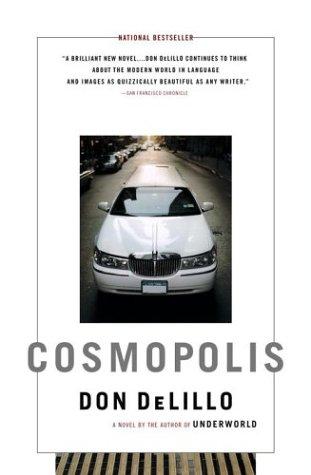
No. 31 on this list. Cosmopolis
Don DeLillo · 2003
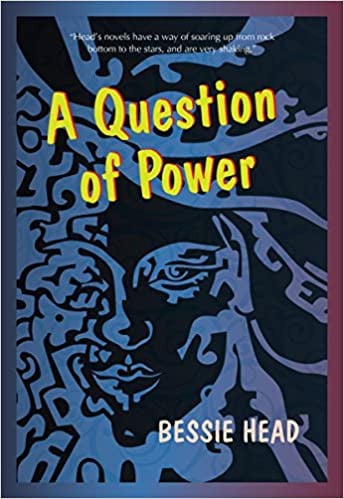
No. 32 on this list. A Question of Power
Bessie Head · 1974
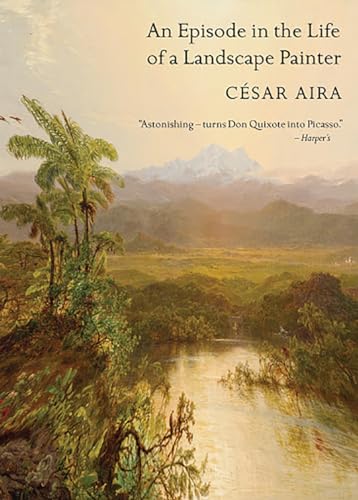
No. 33 on this list. An Episode in the Life of a Landscape Painter
César Aira · 2000
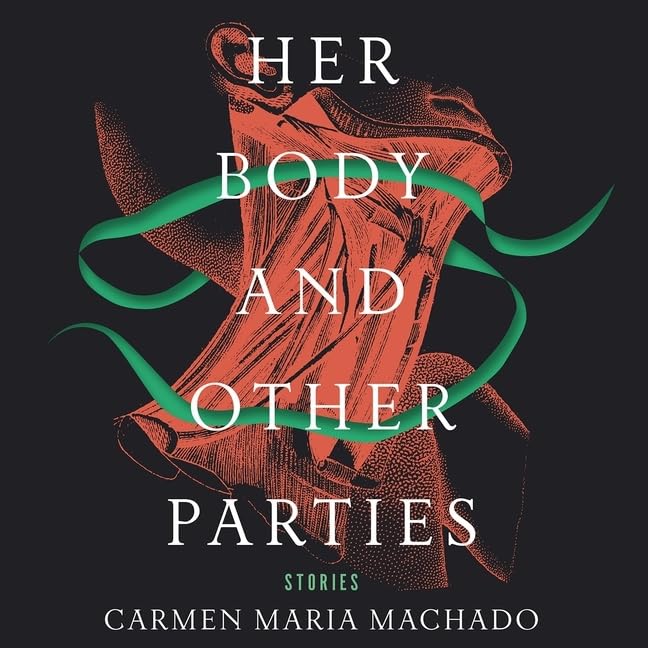
No. 34 on this list. Her Body and Other Parties
Carmen Maria Machado · 2017
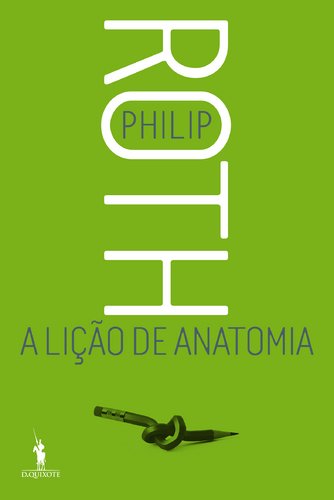
No. 35 on this list. The Anatomy Lesson
Philip Roth · 1983
No. 36 on this list. Morphine
Mikhail Bulgakov · 1927
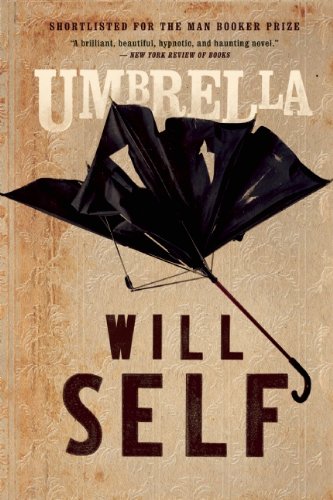
No. 37 on this list. Umbrella
Will Self · 2012
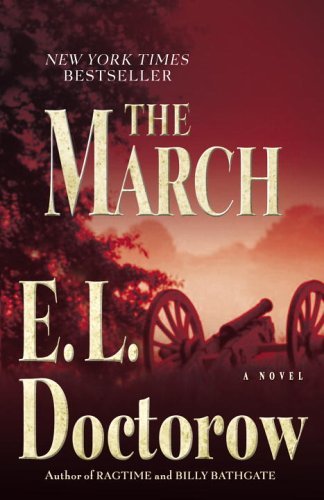
No. 38 on this list. The March
E.L. Doctorow · 2006
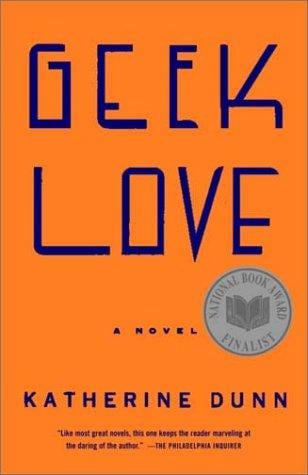
No. 39 on this list. Geek Love
Katherine Dunn · 1989
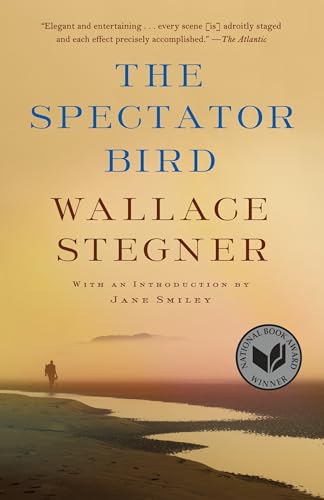
No. 40 on this list. The Spectator Bird
Wallace Stegner · 1977
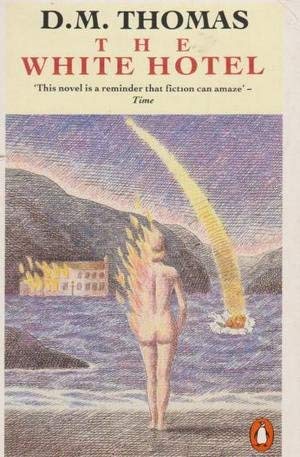
No. 41 on this list. The White Hotel
D.M. Thomas · 1981
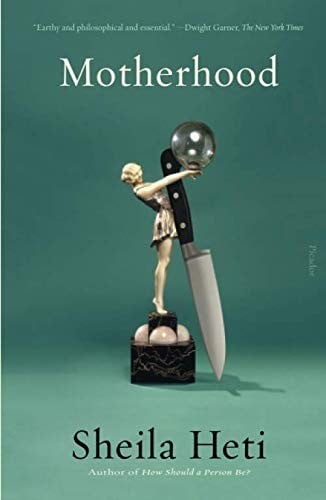
No. 42 on this list. Motherhood
Sheila Heti · 2018
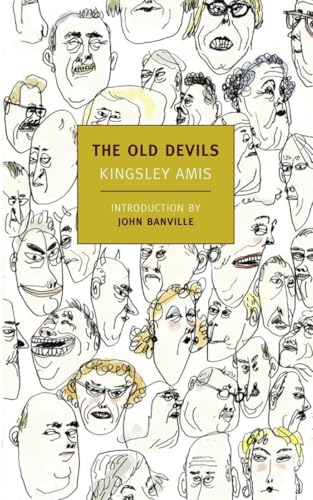
No. 43 on this list. The Old Devils
Kingsley Amis · 1986
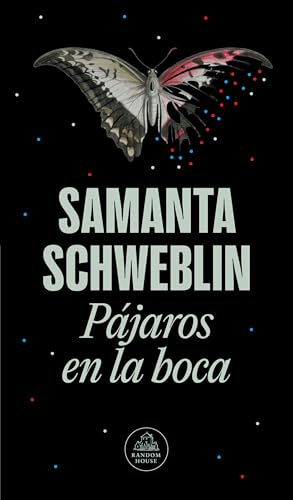
No. 44 on this list. Mouthful of Birds
Samanta Schweblin · 2009
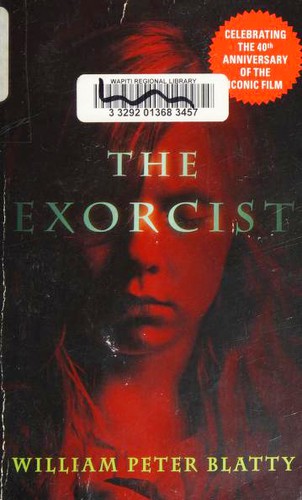
No. 45 on this list. The Exorcist
William Peter Blatty · 1971
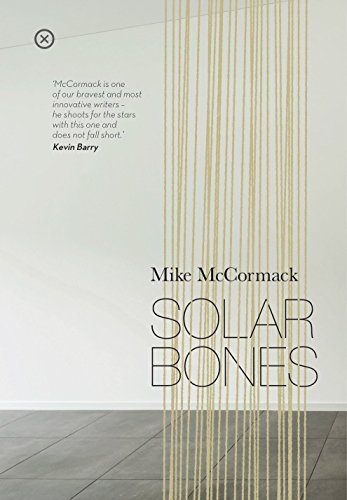
No. 46 on this list. Solar Bones
Mike McCormack · 2017
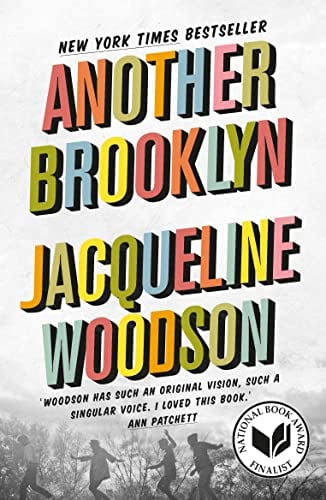
No. 47 on this list. Another Brooklyn
Jacqueline Woodson · 2016
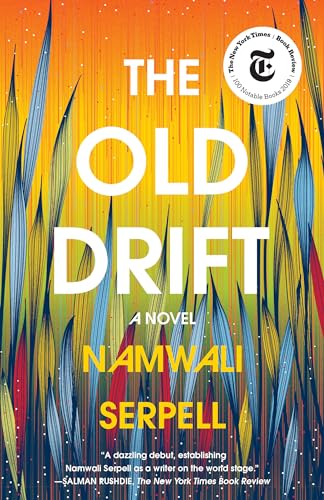
No. 48 on this list. The Old Drift
Namwali Serpell · 2020
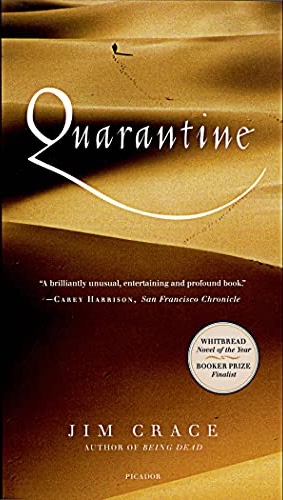
No. 49 on this list. Quarantine
Jim Crace · 1997
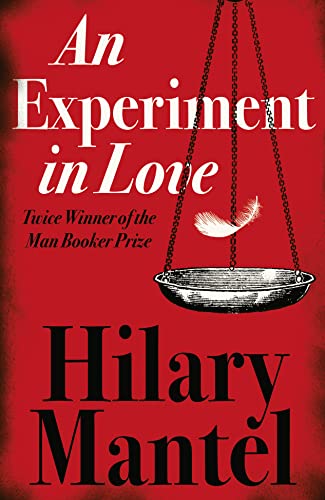
No. 50 on this list. An Experiment in Love
Hilary Mantel · 1996
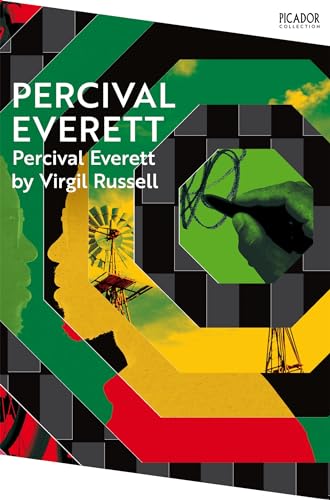
No. 51 on this list. Percival Everett by Virgil Russell
Percival Everett · 2014
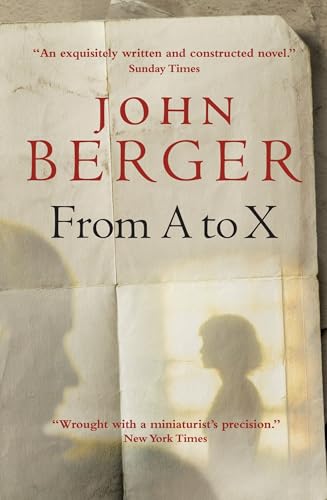
No. 52 on this list. From A to X
John Berger · 2008
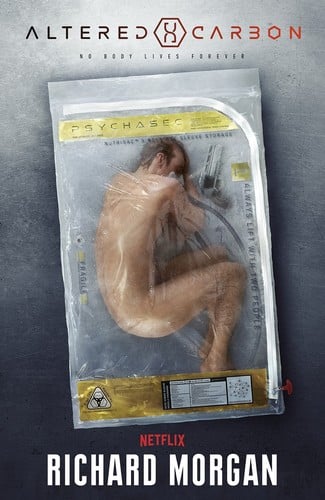
No. 53 on this list. Altered Carbon
Richard K. Morgan · 2002
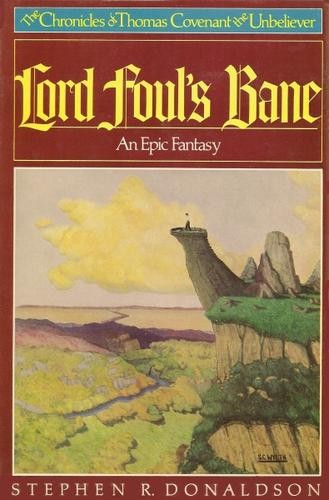
No. 54 on this list. Lord Foul's Bane
Stephen R. Donaldson · 1977
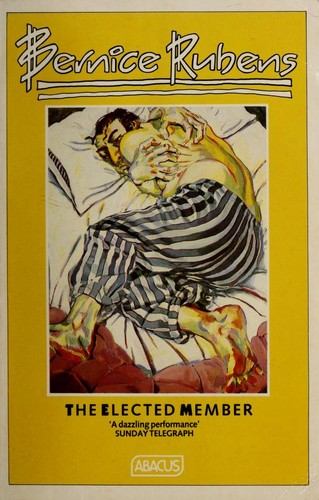
No. 55 on this list. The Elected Member
Bernice Rubens · 1970
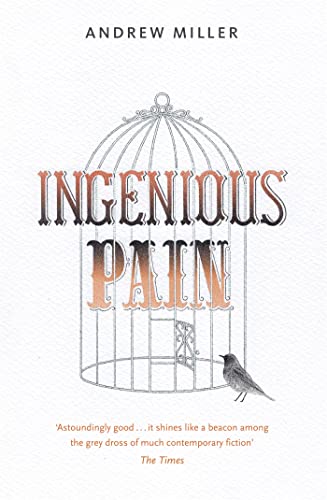
No. 56 on this list. Ingenious Pain
Andrew Miller · 1999
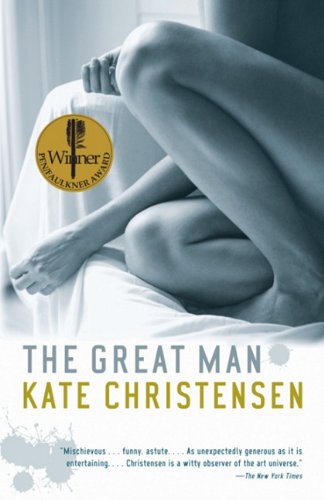
No. 57 on this list. The Great Man
Kate Christensen · 2008
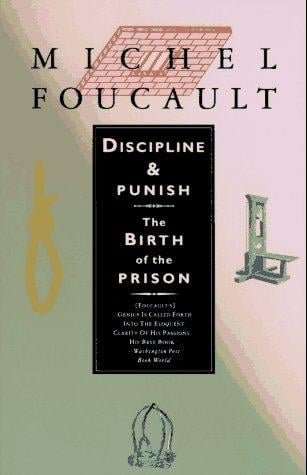
No. 58 on this list. Discipline and Punish
Michel Foucault · 1975
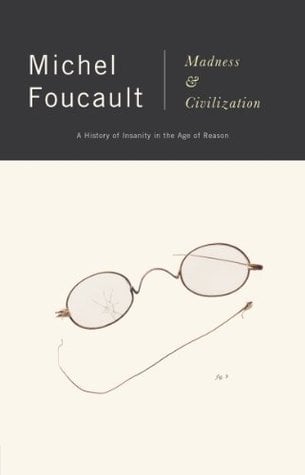
No. 59 on this list. Madness and Civilization: A History of Insanity in the Age of Reason
Michel Foucault · 1961
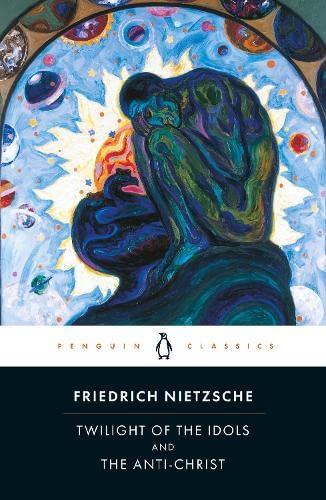
No. 60 on this list. Twilight of the Idols
Friedrich Nietzsche · 1889
About this list
These 60 books are the highest-scoring eligible challenging books about the body and illness currently in the catalogue. About 597 hours of reading in all. Difficulty runs from 67 to 74 out of 100 for the middle half of the list; the summit is The Sea, The Sea at 79.
This list is ranked by literary regard, with a consistent order for equal scores. Membership follows authors and co-authors, not translators or editors. A book is here when ReadingRate files it under The Body & Illness as one of its primary reading domains, at a confidence of 0.8 or more. Catalogue coverage and the historical canon both limit what this list can represent.
When we matched the Canons dataset to our catalogue in October 2026, our canonical-status scores rose with the number of school curricula, publisher series and lists in it that cite a work: the median score was 72 for books one such source cites, 84 at two, 88 at three, 92 at four and 93 at five or more. Prizes are left out of that count. Outside the state curricula, the dataset’s sources choose mostly from what has been translated into English or French, so it is a weaker check on other literatures. Source: Canons (Andrew Piper), CC BY 4.0
Questions people actually ask
- What are the best challenging books about the body and illness?
- By literary regard, which weighs canonical status, critical standing and influence: Peer Gynt by Henrik Ibsen, Age of Iron by J.M. Coetzee, Residence on Earth by Pablo Neruda, Happening by Annie Ernaux and Diving into the Wreck by Adrienne Rich. ReadingRate ranks 60 such books, each with a difficulty score and a reading-time estimate.
- Which challenging books about the body and illness should I read first?
- Start from difficulty, not from rank. The most approachable books on this list that still carry top literary regard are Breath, Eyes, Memory by Edwidge Danticat (about 4.8 hours), Batman: The Dark Knight Returns by Frank Miller and Trainspotting by Irvine Welsh.
- What are the shortest of the best challenging books about the body and illness?
- Among the top 25, the shortest are Batman: The Dark Knight Returns by Frank Miller (about 3 min), Diving into the Wreck by Adrienne Rich (about 47 min) and Aura by Carlos Fuentes (about 1.4 hours), at an average pace of 250 words a minute adjusted for each book's difficulty.
- Which of the best challenging books about the body and illness are the established classics?
- By canonical status, how firmly a book sits in curricula, anthologies and the canon: Discipline and Punish by Michel Foucault, Madness and Civilization: A History of Insanity in the Age of Reason by Michel Foucault, Peer Gynt by Henrik Ibsen, Age of Iron by J.M. Coetzee and Residence on Earth by Pablo Neruda.
- How long would it take to read the top ten?
- About 62 hours, at an average pace of 250 words a minute adjusted for each book's difficulty: 32 days at two hours a day. Set your own pace on the page and the list's reading times change to it.
- How hard are challenging books about the body and illness to read?
- Most of this list sits between 67 and 74 on ReadingRate's 100-point difficulty scale, where 40 to 55 is moderate. The summit is The Sea, The Sea at 79. Every entry carries its own score, so a reader can pick a great book at a difficulty they will finish.
- How is this list ranked?
- On literary-regard data: how canonically established a work is, its critical standing, and its influence on later writing. It is not a readers’ poll, which is why recent bestsellers rarely appear. Membership follows authors and co-authors, not translators or editors. Lists by country, author, period, theme or difficulty keep to literature (fiction, poetry, drama and philosophy), their novels, poems and plays first and their philosophy after them; a list of a kind of book, such as memoir or criticism, keeps every book of that kind. Every list holds at most three works by one author. A book is here when ReadingRate files it under The Body & Illness as one of its primary reading domains, at a confidence of 0.8 or more.