Hours at an average pace
Showing 100 books
About 863 hours for 99 of 100 books with measured lengths. Estimates use 250 words a minute, adjusted for each book's difficulty. At 2 hours a day, about 432 days for those books.
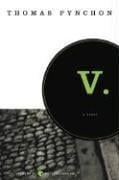
V. appears on hundreds of university syllabi in American literature, postmodernism, and world fiction courses, and is consistently ranked among the essential American novels of the twentieth century by critics and scholars. It appears on the Modern Library 100 Best Novels list and Time magazine's All-TIME 100 Novels. Less universally assigned than Pynchon's Gravity's Rainbow in terms of academic prestige, but the more frequently taught first novel in postmodern American fiction sequences.
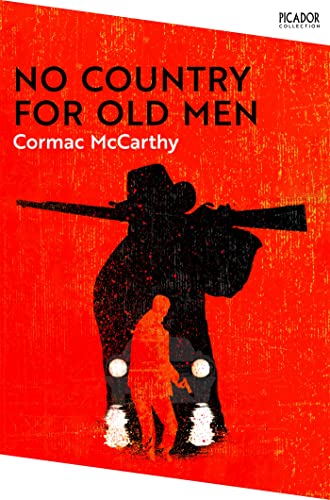
Regularly included in syllabi for contemporary American literature and crime fiction courses. The 2007 Coen Brothers adaptation—Best Picture winner—dramatically expanded cultural reach and cemented the novel in the popular imagination. McCarthy's status as a major American literary figure ensures it appears on most critical inventories of important post-2000 American fiction.
No. 3 on this list. The Secret Agent
Joseph Conrad · 1907
Difficult11 hours
Taught in schools: WJEC/Eduqas GCSE and A-level English Literature (UK)
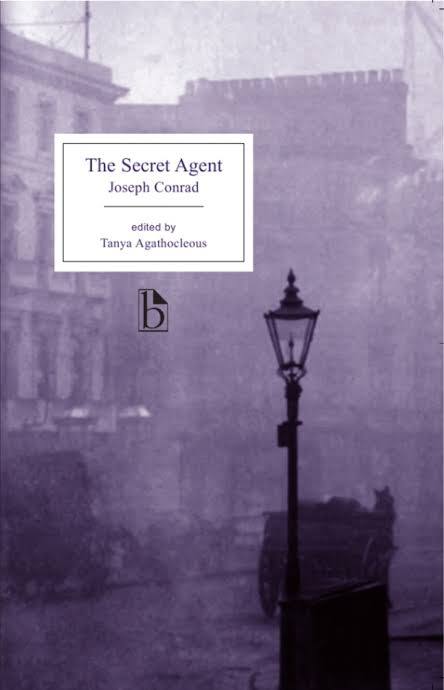
The Secret Agent appears on the Modern Library 100 Best Novels list (1998) and has a Wikipedia article available in 17 languages with a dedicated reception section, indicating sustained critical discourse. It is regularly taught in university courses on modernism, political fiction, and the novel of ideas, though it occupies a secondary position in Conrad's own canon behind Heart of Darkness.
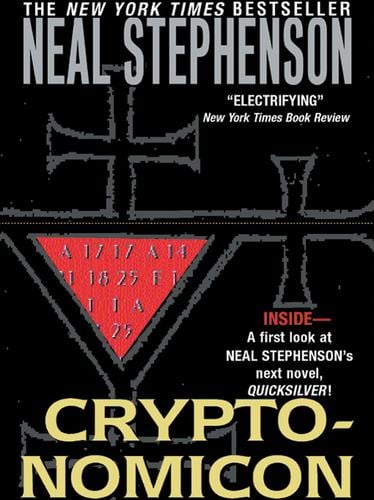
Cryptonomicon occupies an unusual position: it is widely regarded as a landmark in its subgenre — techno-thriller crossed with literary novel — and is heavily referenced in discussions of fiction about cryptography, hacking culture, and digital privacy. It does not appear on standard literary syllabi, but it is routinely assigned in computer science departments, media studies courses, and cyberpunk/speculative fiction seminars. Its canonical status is high within its genre community but below the threshold of the broader literary canon.
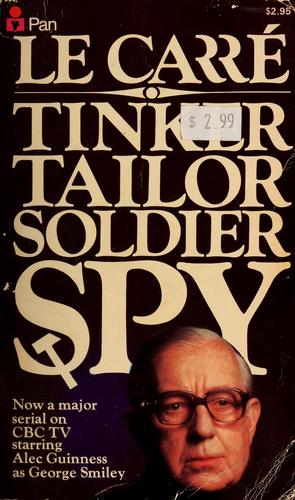
Widely taught in courses on Cold War literature and genre fiction, and routinely cited as the novel that elevated the spy thriller into literary fiction. It appears on TIME's 100 Best English-Language Novels (1923–2005) list, though its academic footprint remains smaller than a canonical literary novel like Beloved or Gatsby.
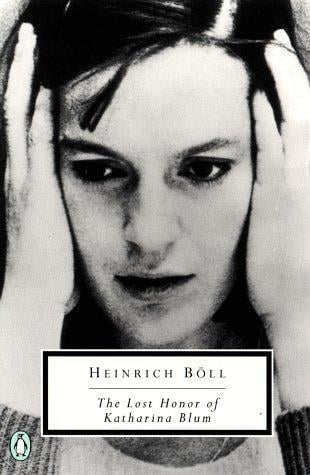
Die verlorene Ehre der Katharina Blum is on Le Monde's 100 Books of the Century, with Wikipedia articles in 27 languages. It is a standard school and university text in Germany and in German courses abroad.
Lust, Caution holds a firm place in the canon of modern Chinese literature, regarded as one of Eileen Chang's most psychologically penetrating works. Its stature was significantly amplified internationally following Ang Lee's acclaimed 2007 film adaptation, which drew global attention to Chang's fiction and cemented the novella's place among essential works of twentieth-century Chinese literature.
Taught regularly in Victorian literature and detective/crime fiction courses at university level. The Woman in White is consistently recognized as the founding text of the sensation novel genre and appears on syllabi across English, comparative literature, and genre studies programs. Not at the level of Dickens or Hardy in breadth of assignment, but firmly in the Victorian canon.
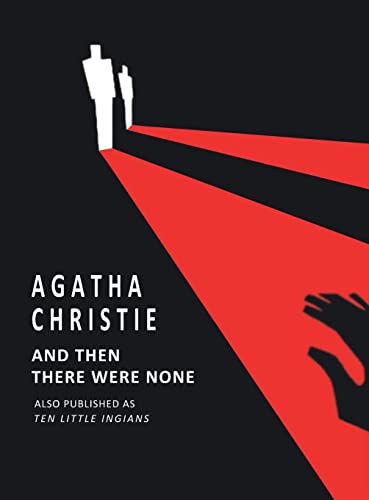
No. 9 on this list. And Then There Were None
Agatha Christie · 1939
Easy2.8 hours
Taught in schools: Hungarian literature curriculum (magyar nyelv és irodalom) (Hungary)
Christie's most celebrated novel holds a dominant place in the mystery canon and is widely recognized as the best-selling mystery of all time. It appears on virtually every 'greatest mysteries ever written' list — TIME's All-TIME 100 Novels, the BBC's Big Read — and is frequently taught in genre fiction courses. Its canonical standing within popular fiction far exceeds that of typical genre works, though it sits below the academic canonicity of literary fiction anchors like Gatsby or Beloved.
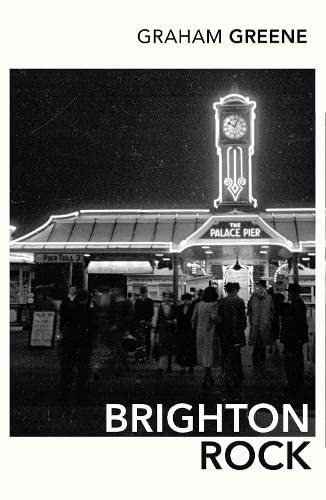
No. 10 on this list. Brighton Rock
Graham Greene · 1938
Challenging8.8 hours
Taught in schools: AQA GCSE and A-level English Literature (UK)
Brighton Rock is firmly established in the British literary canon and is widely taught in UK secondary schools and universities as a key text in 20th-century British fiction. It appears on numerous 'best British novels' lists and is essential reading in any survey of modern British literature, though its canonical reach is stronger in Britain than globally.
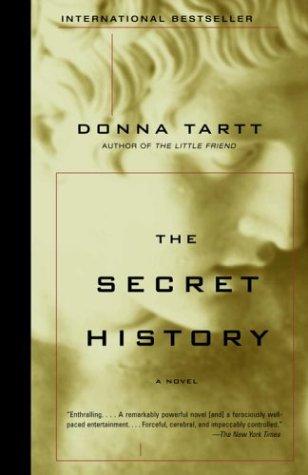
No. 11 on this list. The Secret History · Donna Tartt · 1992
The Secret History is widely assigned in university courses on contemporary American fiction, creative writing, and the campus novel. While it has not reached the universal curriculum status of mid-century classics, its presence in syllabi across English-speaking universities is substantial. Wikipedia covers the novel in 20+ languages, reflecting broad international readership.
Challenging21 hours
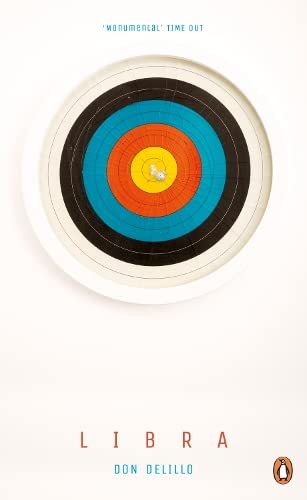
Start this bookNo. 12 on this list. Libra · Don DeLillo · 1988
In this powerful, eerily convincing fictional speculation on the assassination of John F. Kennedy, Don DeLillo chronicles Lee Harvey Oswald's odyssey from troubled teenager to a man of precarious stability who imagines himself an agent of history. When "history" presents itself in the form of two disgruntled CIA operatives who decide that an unsuccessful attempt on the life of the president will galvanize the nation against communism, the scales are irrevocably tipped. A gripping, masterful blend of fact and fiction, alive with meticulously portrayed characters both real and created, Libra is a grave, haunting, and brilliant examination of an event that has become an indelible part of the American psyche.
Challenging19 hours
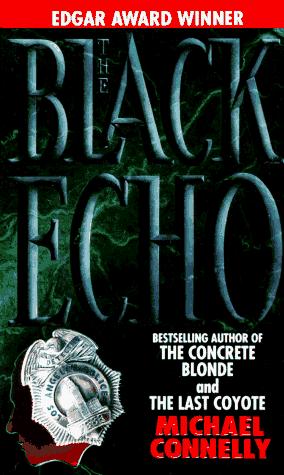
Start this bookNo. 13 on this list. The Black Echo · Michael Connelly · 1992
Launched one of the most acclaimed detective series in modern crime fiction. Edgar Award winner.
Easy6 hours
Start this bookNo. 14 on this list. Red Harvest · Dashiell Hammett · 1929
Listed on TIME's All-TIME 100 Novels and the Open Syllabus Top 500 for Literature, and published in prestigious Library of America and Everyman's Library editions. Wikipedia coverage in 9 languages indicates moderate global recognition. Canonical within hard-boiled and noir fiction but not widely taught outside genre studies courses.
Challenging4.5 hours
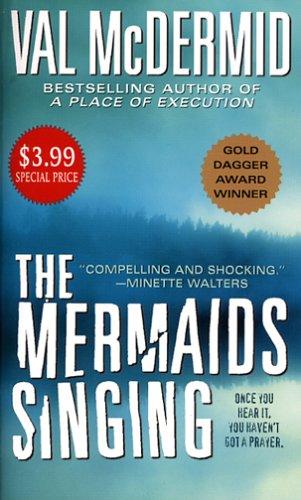
Start this bookNo. 15 on this list. The Mermaids Singing · Val McDermid · 1995
Gold Dagger winner. Launched one of crime fiction's most acclaimed series.
Easy6.5 hours
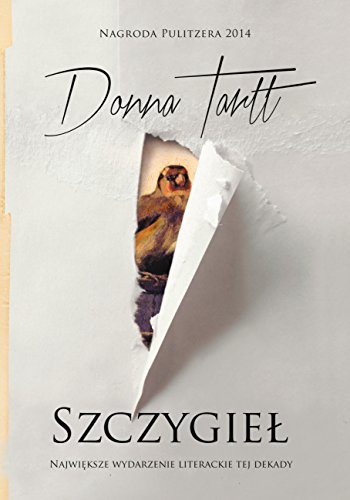
Start this bookNo. 16 on this list. The Goldfinch · Donna Tartt · 2014
The Goldfinch is a Pulitzer Prize winner (2014) and a major bestseller, but it has not achieved the kind of sustained pedagogical presence associated with canonical American fiction. It rarely appears on university literature syllabi and sparked notable critical debate — including a prominent New York Review of Books dismissal by James Wood — that clouded its status as a serious literary achievement. It is widely read and culturally prominent, but not yet settled into the canon in the way of, say, Beloved or The Corrections.
Challenging21 hours
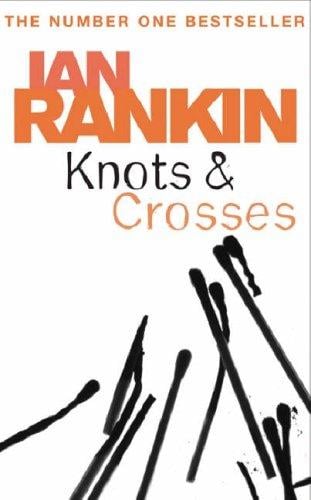
Start this bookNo. 17 on this list. Knots and Crosses · Ian Rankin · 1987
Launched one of crime fiction's most acclaimed series. The definitive Edinburgh detective.
Easy4.2 hours
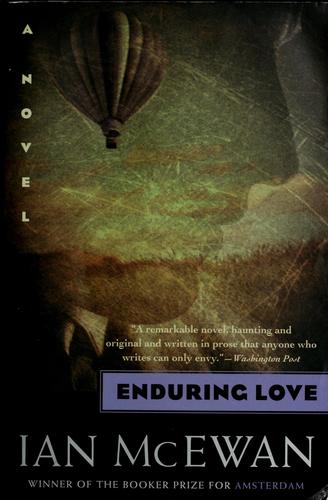
Start this bookNo. 18 on this list. Enduring Love · Ian McEwan · 1997
Enduring Love is among the most taught McEwan novels in British A-level curricula and university literature courses, particularly for its treatment of unreliable narration, the science-humanities divide, and de Clérambault's syndrome. It figures on numerous course syllabi in contemporary British fiction and narrative theory. Less globally canonical than Atonement but a fixture in serious literary education.
Challenging6.9 hours
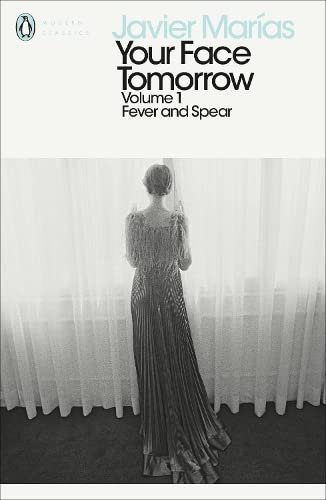
Start this bookNo. 19 on this list. Your Face Tomorrow: Fever and Spear · Javier Marías · 2002
Considered Marías's masterwork and one of the major European novels of the twenty-first century, though the trilogy's length limits its readership.
Challenging11 hours
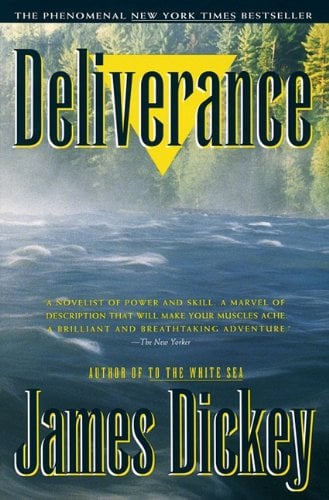
Start this bookNo. 20 on this list. Deliverance · James Dickey · 1970
Ranked 42nd on the Modern Library 100 Best Novels and included on TIME's All-TIME 100 Novels. Appears on 119 university syllabi (52nd percentile) and has Wikipedia articles in 36 languages, though some of that reach belongs to the 1972 film.
Challenging8.6 hours
Start this book
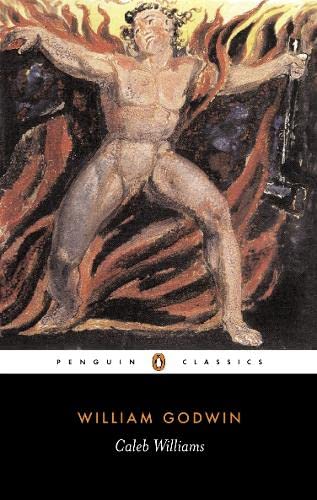
No. 21 on this list. Caleb Williams · William Godwin · 1794
Caleb Williams appears regularly on 18th-century British fiction and radical novel syllabi in university English departments, taught alongside Godwin's political philosophy as a dramatization of his ideas in Political Justice. Available in roughly 40 Wikipedia language editions, it occupies a respected but not dominant position in the canon—essential for students of Gothic and political fiction, less so for general literature courses.
Easy7.8 hours
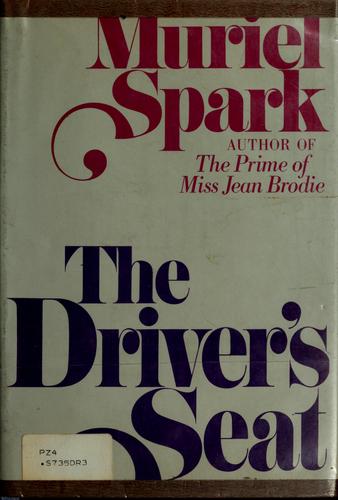
Start this bookNo. 22 on this list. The Driver's Seat · Muriel Spark · 1970
Taught in British postmodernism and women's fiction courses, and appears on specialized reading lists for existential and experimental fiction. TIME magazine included it on their All-TIME 100 novels list. Not as ubiquitous on syllabi as Spark's 'The Prime of Miss Jean Brodie,' but recognized as a canonical text in postwar British fiction.
Challenging2.5 hours
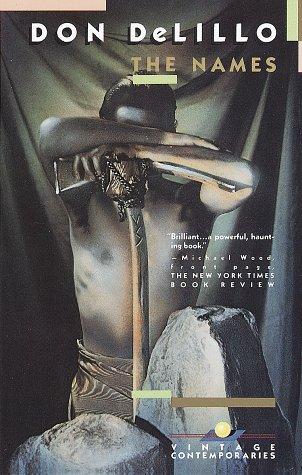
Start this bookNo. 23 on this list. The Names · Don DeLillo · 1982
The Names appears on graduate-level American literature and postmodernism syllabi but is overshadowed in curricula by White Noise and Underworld. It is considered essential reading for serious DeLillo study and frequently anthologized in discussions of 1980s American fiction, though it has not achieved the high-school curriculum presence of his more famous works.
Challenging11 hours
Start this bookNo. 24 on this list. The Birds and Other Stories · Daphne du Maurier · 1952
'The Birds' is among the most recognized short stories in 20th-century British fiction, secured in the cultural consciousness by Hitchcock's 1963 film adaptation. The story appears regularly on British school syllabi and in anthologies of horror and psychological fiction. The rest of the collection occupies a respected but secondary position — 'The Apple Tree' and 'Kiss Me Again, Stranger' appear in some anthologies, but du Maurier's short fiction as a whole holds a lower academic profile than her novels. The collection does not feature on many university core reading lists outside British literature survey courses.
Challenging8 hours
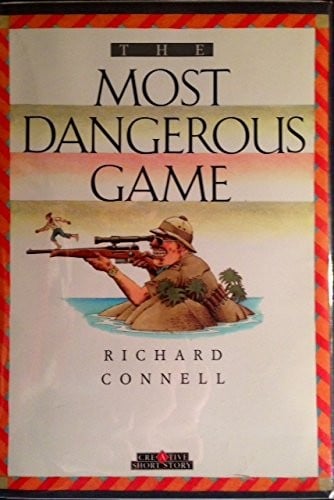
Start this bookNo. 25 on this list. The Most Dangerous Game · Richard Connell · 1924
Ranked by literary regard among eligible works in the current catalogue. This position reflects the available catalogue evidence.
Easy30 min
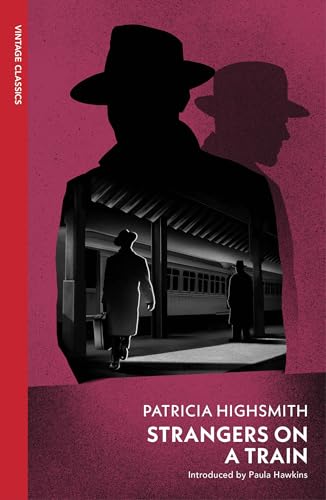
Start this bookNo. 26 on this list. Strangers on a Train · Patricia Highsmith · 1950
No Open Syllabus or Wikipedia data is available in the database, but Highsmith's debut novel is recognized as a foundational text of American psychological crime fiction. It appears occasionally in university courses on crime writing and 20th-century American literature, though it lacks the broad curricular presence of canonical literary novels. Its Hitchcock adaptation (1951) has kept it in cultural circulation for over seven decades.
Challenging8.7 hours
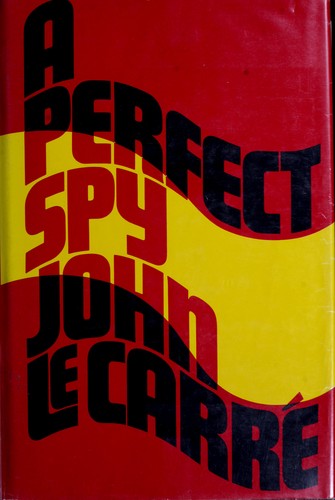
Start this bookNo. 27 on this list. A Perfect Spy · John le Carré · 1986
Widely regarded by critics as le Carré's best novel and one of the finest English novels of the 1980s, but spy fiction carries lower academic penetration than literary fiction regardless of quality. It appears in specialist courses on the Cold War novel and contemporary British fiction, and is regularly cited on 'best of the century' lists (Time, Modern Library), but is not yet a university syllabus fixture at the level of mainstream literary canon.
Challenging15 hours
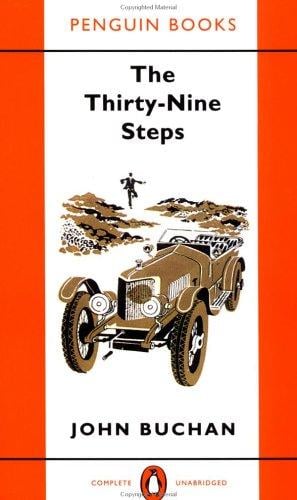
Start this bookNo. 28 on this list. The Thirty-Nine Steps · John Buchan · 1915
A foundational text in spy and thriller fiction, widely known across the English-speaking world with Wikipedia articles in 40+ languages and multiple film adaptations. Not a fixture on university literature syllabi the way canonical literary fiction is, but taught in genre studies, British literature surveys, and popular culture courses.
Easy2.4 hours
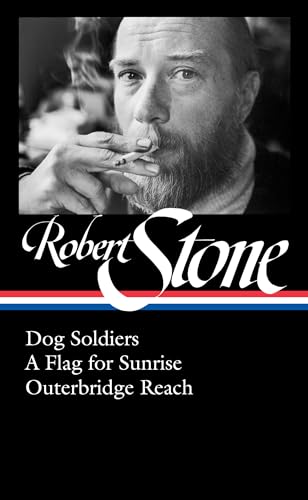
Read nowNo. 29 on this list. A Flag for Sunrise · Robert Stone · 1981
A Flag for Sunrise appears on some university syllabi in courses on Cold War literature and political fiction but lacks the broad curriculum presence of canonical American novels. No syllabus data was found in the Open Syllabus database and Wikipedia coverage is absent. It is frequently cited in discussions of the best American political novels of the twentieth century but has not achieved high-school curriculum fixture status.
Challenging14 hours
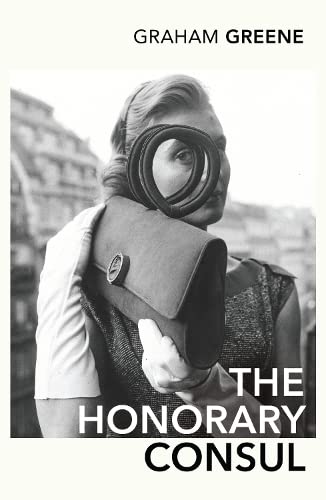
Start this bookNo. 30 on this list. The Honorary Consul · Graham Greene · 1973
Doctor Eduardo Plarr has spent years in a provincial Argentine town near the Paraguayan border, practicing medicine, conducting a quiet affair with a former brothel worker named Clara, and waiting for news of his father, a political prisoner across the river. When a group of guerrillas — led by his childhood friend, the former priest León Rivas — botches a kidnapping, they end up with Charley Fortnum: a minor British official, a drunk, Clara's husband, and the sort of man history overlooks entirely. Plarr is now implicated in everything. Greene sets his characters in a claustrophobic hut at the edge of the world and watches what they confess to each other under pressure. The result is a novel about complicity — how ordinary men find themselves inside catastrophes they neither planned nor can escape. A Marxist ex-priest still praying, a cynical doctor who keeps finding things he cares about, a forgotten consul who turns out to be harder to dismiss than anyone expected: Greene gives each of them a full interior life and then subjects that life to the pressure of a ticking clock. The irony runs throughout, but it never tips into contempt.
Challenging9.2 hours
Start this book
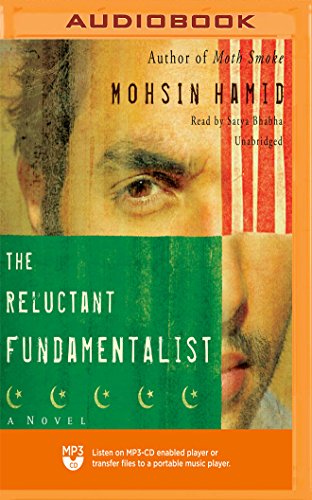
No. 31 on this list. The Reluctant Fundamentalist
Mohsin Hamid · 2007
Taught in schools: OCR GCSE and A-level English Literature (UK)
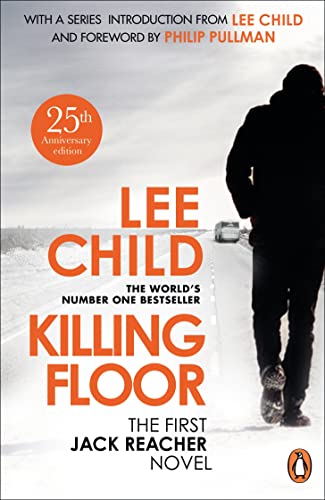
No. 32 on this list. Killing Floor
Lee Child · 1997
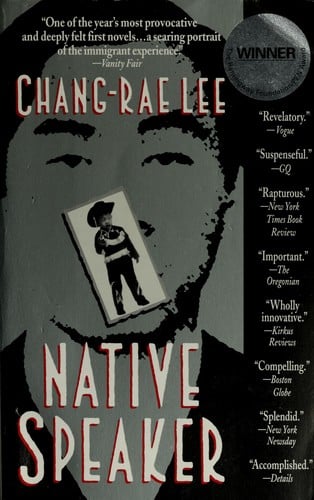
No. 33 on this list. Native Speaker
Chang-rae Lee · 1995
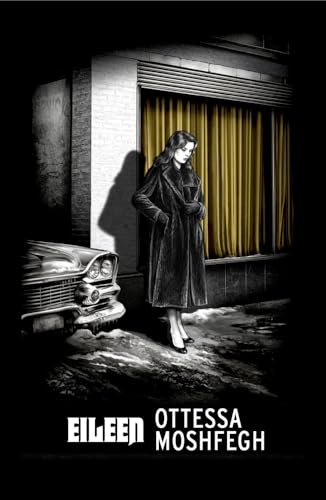
No. 34 on this list. Eileen
Ottessa Moshfegh · 2016
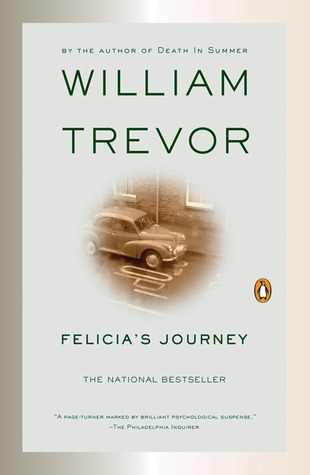
No. 35 on this list. Felicia's Journey
William Trevor · 1994
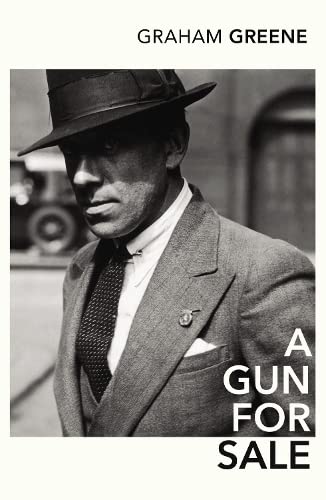
No. 36 on this list. A Gun for Sale
Graham Greene · 1936
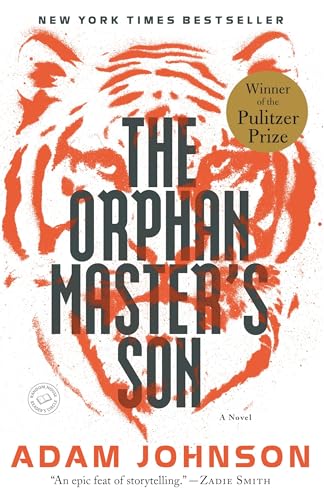
No. 37 on this list. The Orphan Master's Son
Adam Johnson · 2013
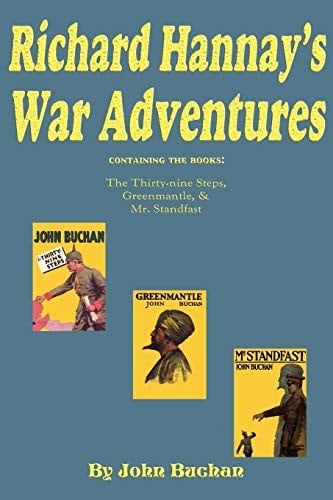
No. 38 on this list. The 39 Steps
John Buchan · 1915
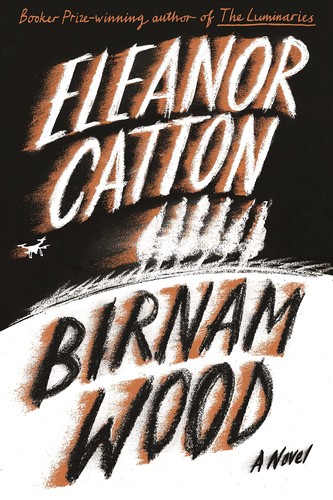
No. 39 on this list. Birnam Wood
Eleanor Catton · 2023
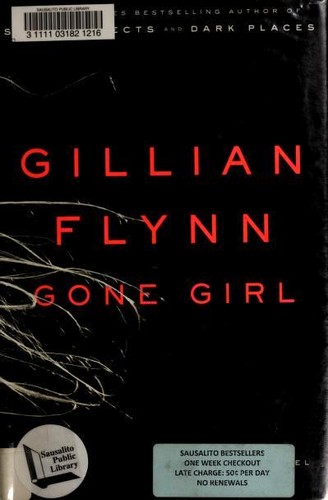
No. 40 on this list. Gone Girl
Gillian Flynn · 2012
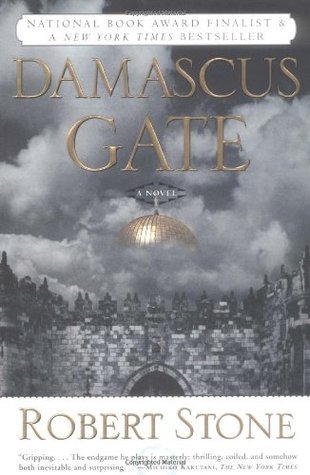
No. 41 on this list. Damascus Gate
Robert Stone · 1998
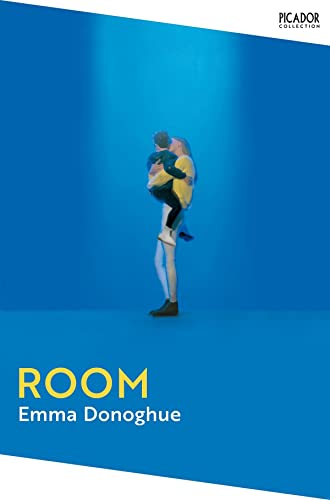
No. 42 on this list. Room
Emma Donoghue · 2010
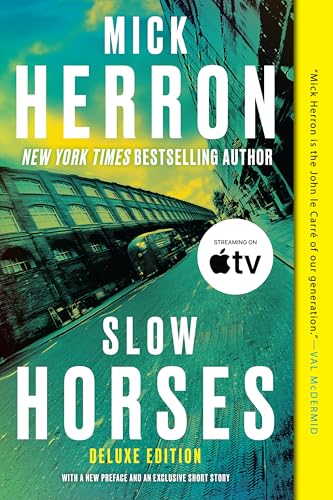
No. 43 on this list. Slow Horses
Mick Herron · 2010
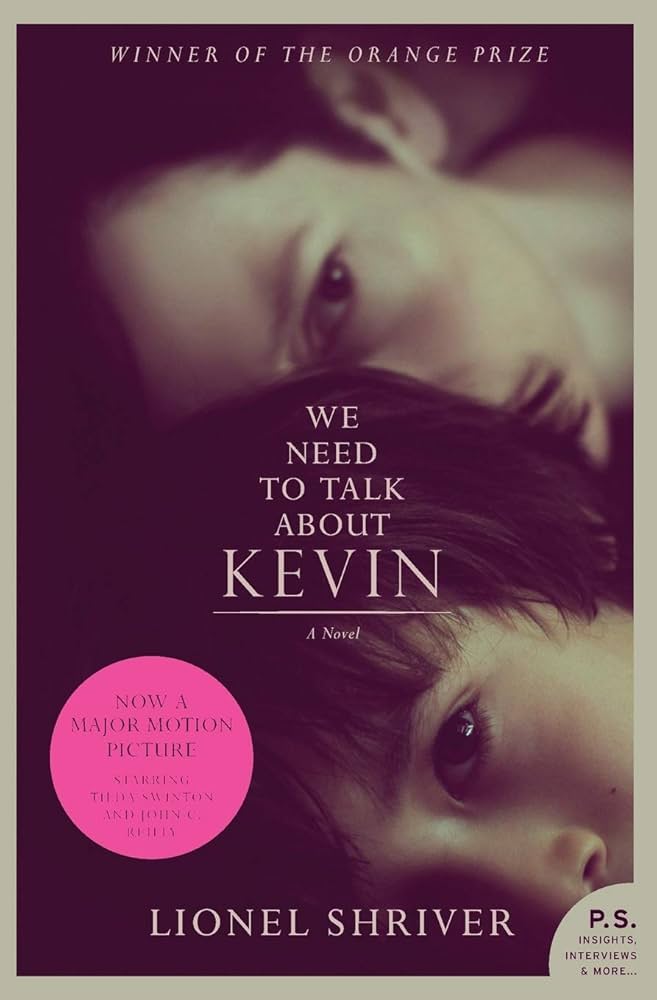
No. 44 on this list. We Need to Talk About Kevin
Lionel Shriver · 2005
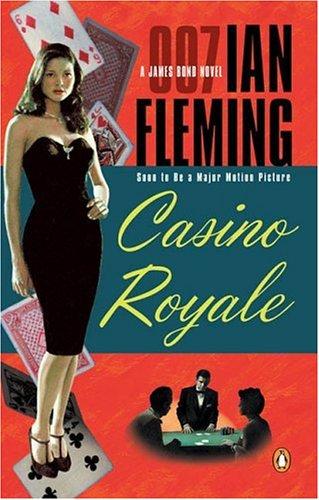
No. 45 on this list. Casino Royale
Ian Fleming · 1953
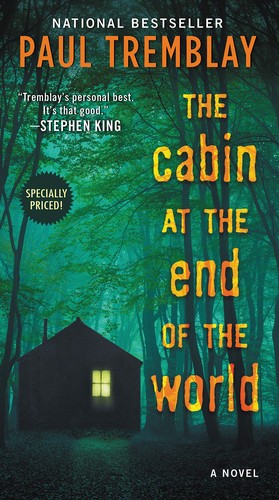
No. 46 on this list. The Cabin at the End of the World
Paul Tremblay · 2018
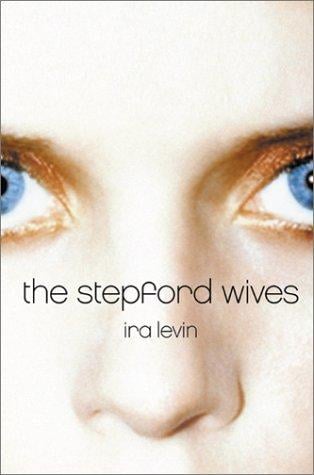
No. 47 on this list. The Stepford Wives
Ira Levin · 2002
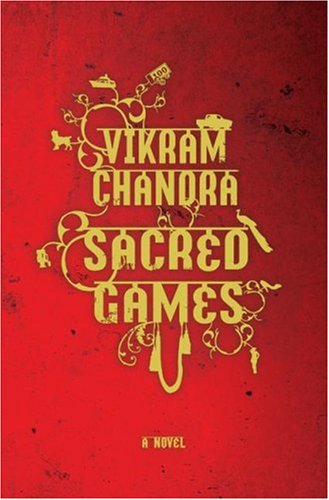
No. 48 on this list. Sacred Games
Vikram Chandra · 2006
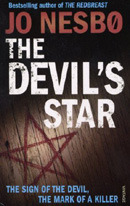
No. 49 on this list. The Devil's Star
Jo Nesbø · 2011
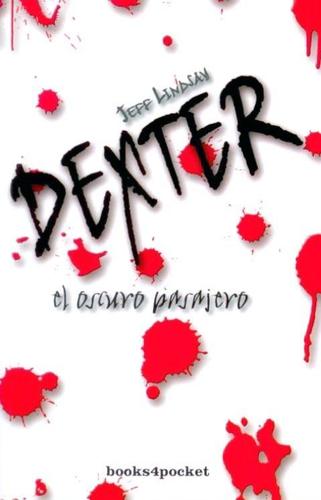
No. 50 on this list. Darkly Dreaming Dexter
Jeff Lindsay · 2004
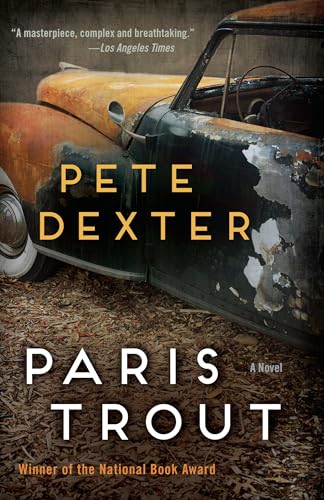
No. 51 on this list. Paris Trout
Pete Dexter · 1988
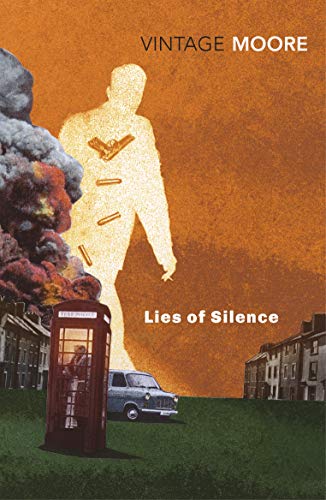
No. 52 on this list. Lies of Silence
Brian Moore · 1990
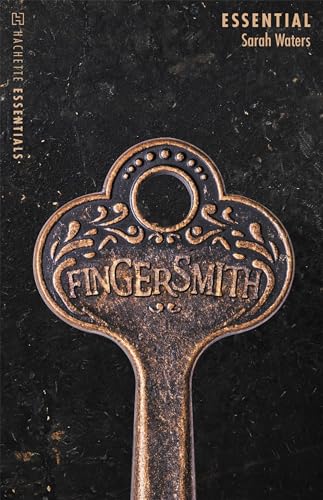
No. 53 on this list. Fingersmith
Sarah Waters · 2002
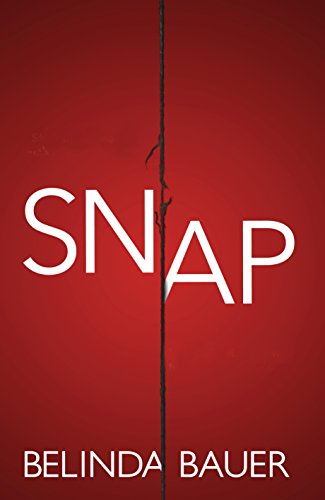
No. 54 on this list. Snap
Belinda Bauer · 2018
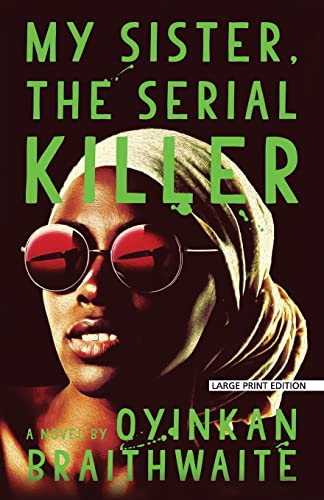
No. 55 on this list. My Sister, the Serial Killer
Oyinkan Braithwaite · 2019
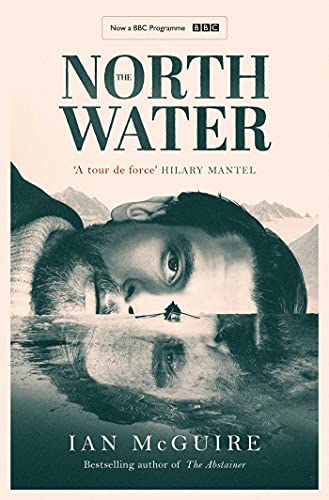
No. 56 on this list. The North Water
Ian McGuire · 2016
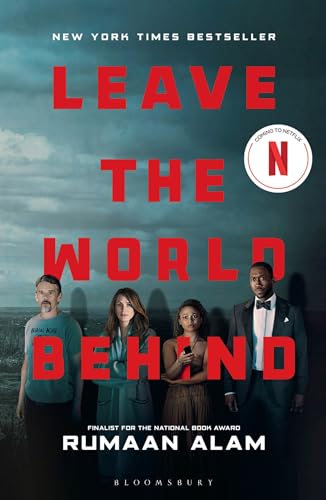
No. 57 on this list. Leave the World Behind
Rumaan Alam · 2020
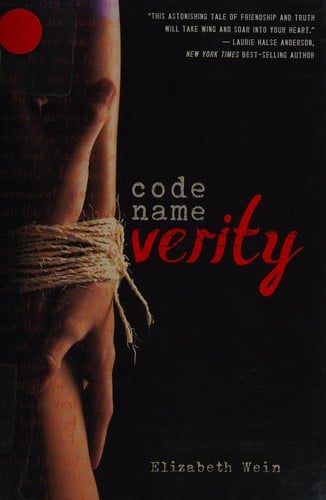
No. 58 on this list. Code Name Verity
Elizabeth Wein · 2012
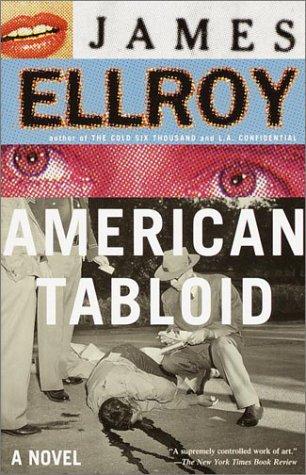
No. 59 on this list. American Tabloid
James Ellroy · 2001
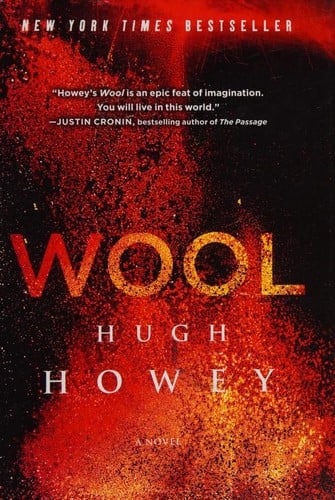
No. 60 on this list. Wool
Hugh Howey · 2011
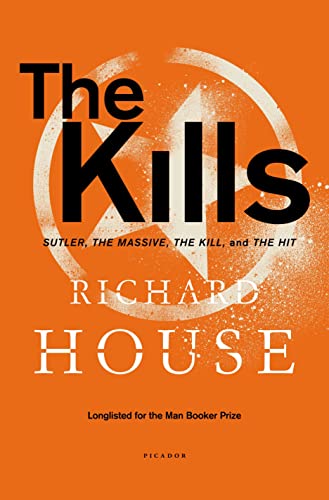
No. 61 on this list. The Kills
Richard House · 2013
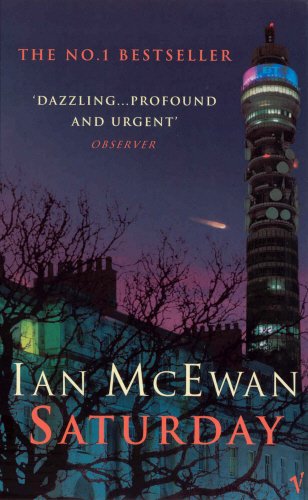
No. 62 on this list. Saturday
Ian McEwan · 2005
No. 63 on this list. Smilla's Sense of Snow
Peter Høeg · 1992
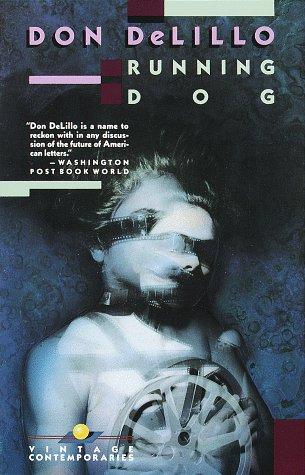
No. 64 on this list. Running Dog
Don DeLillo · 1978
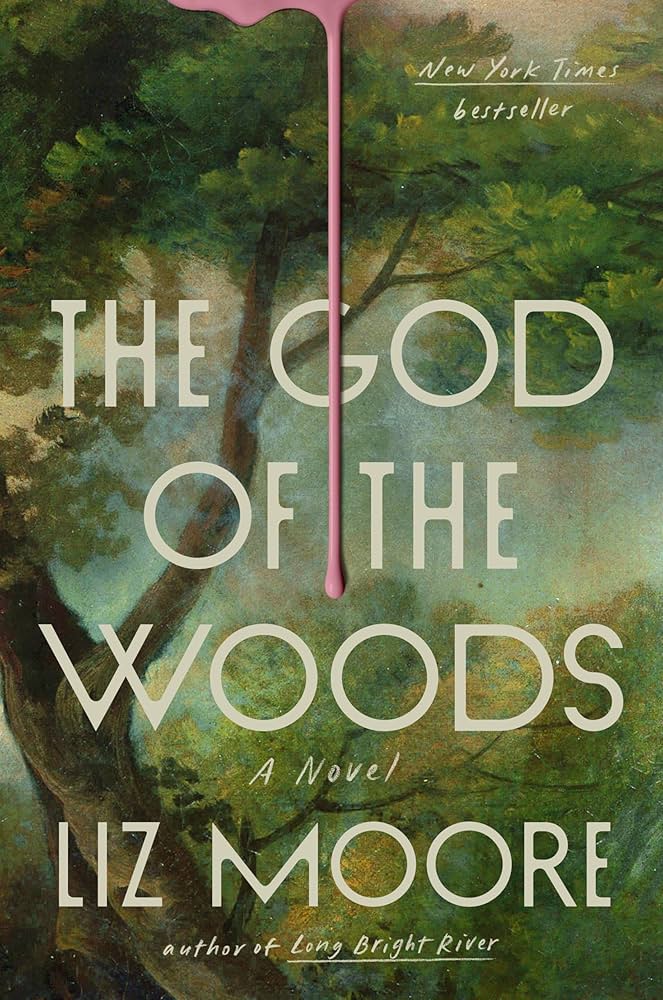
No. 65 on this list. The God of the Woods
Liz Moore · 2024
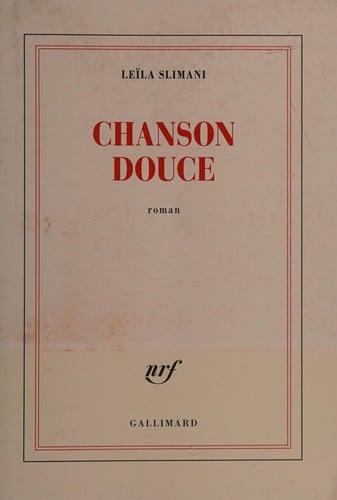
No. 66 on this list. The Perfect Nanny
Leïla Slimani · 2016
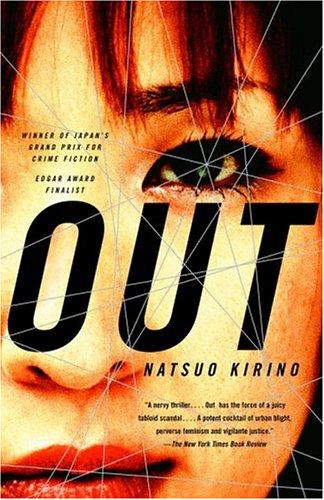
No. 67 on this list. Out
Natsuo Kirino · 1997
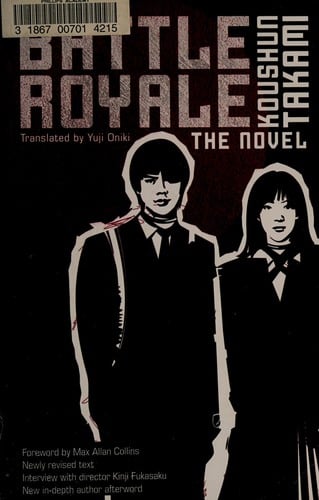
No. 68 on this list. Battle Royale
Koushun Takami · 1999
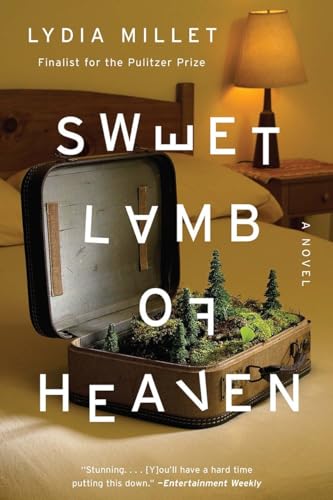
No. 69 on this list. Sweet Lamb of Heaven
Lydia Millet · 2016
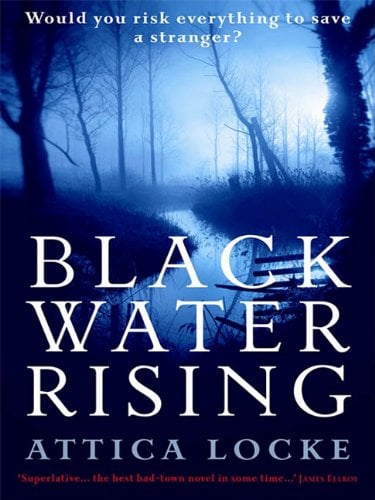
No. 70 on this list. Black Water Rising
Attica Locke · 2010
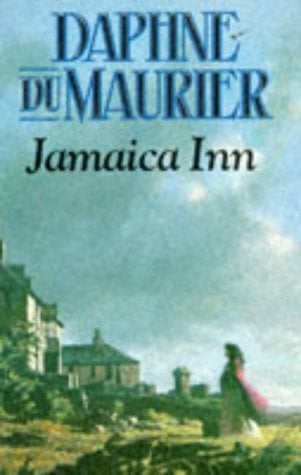
No. 71 on this list. Jamaica Inn
Daphne du Maurier · 1936
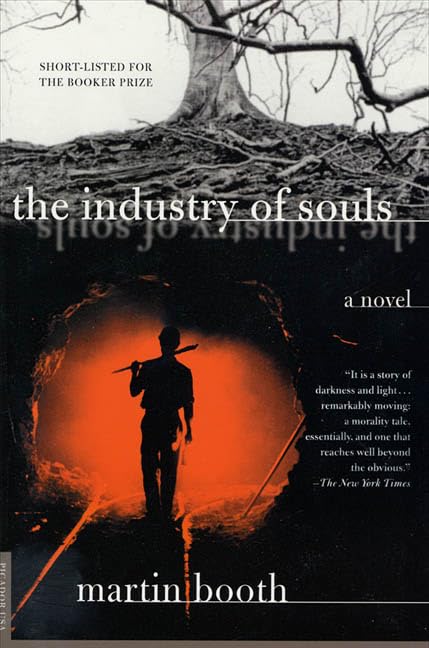
No. 72 on this list. The Industry of Souls
Martin Booth · 1998
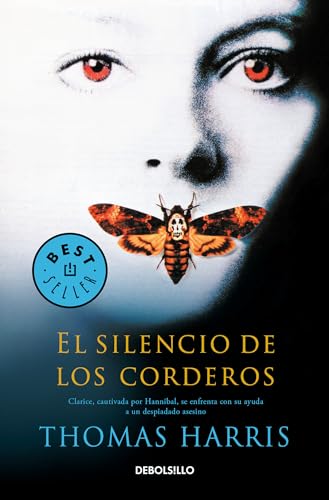
No. 73 on this list. The Silence of the Lambs
Thomas Harris · 1988
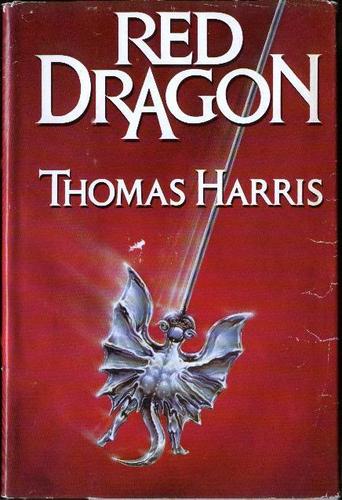
No. 74 on this list. Red Dragon
Thomas Harris · 1981
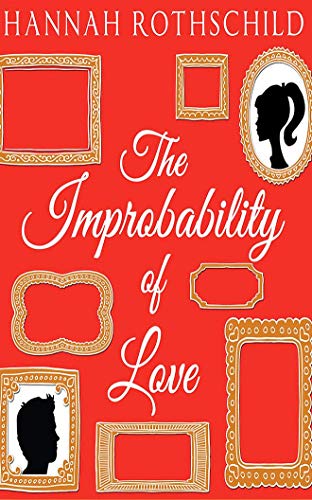
No. 75 on this list. The Improbability of Love
Hannah Rothschild · 2016
No. 76 on this list. The Club Dumas
Arturo Pérez-Reverte · 1993
No. 77 on this list. In the Woods
Tana French · 2007
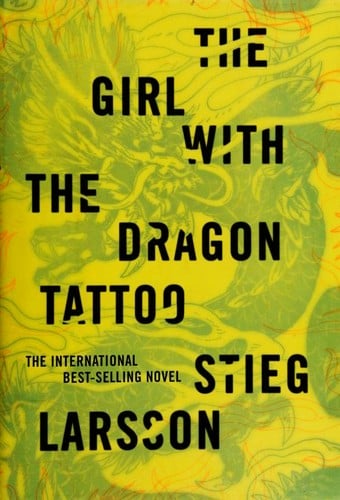
No. 78 on this list. The Girl with the Dragon Tattoo
Stieg Larsson · 2005
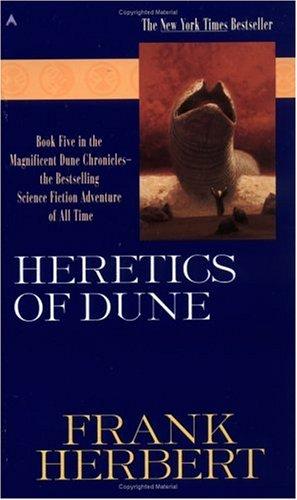
No. 79 on this list. Heretics of Dune
Frank Herbert · 1984
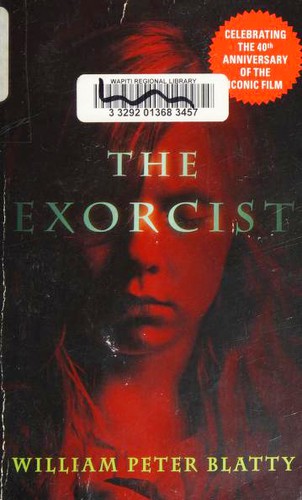
No. 80 on this list. The Exorcist
William Peter Blatty · 1971
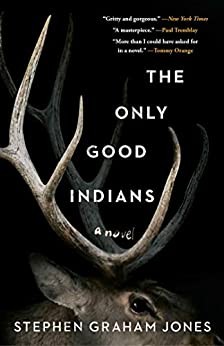
No. 81 on this list. The Only Good Indians
Stephen Graham Jones · 2020
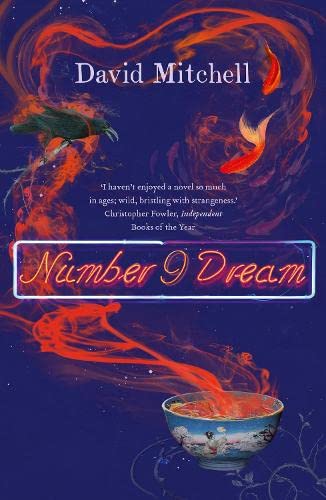
No. 82 on this list. Number9Dream
David Mitchell · 2001
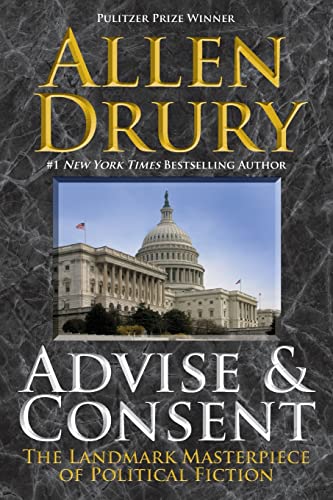
No. 83 on this list. Advise and Consent
Allen Drury · 1960
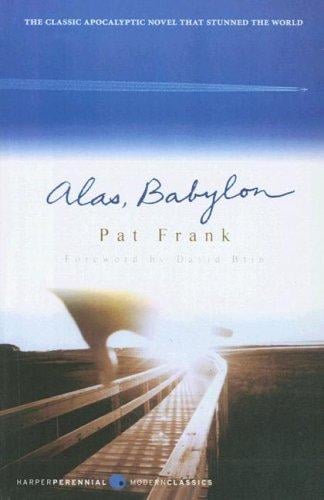
No. 84 on this list. Alas, Babylon
Pat Frank · 1959
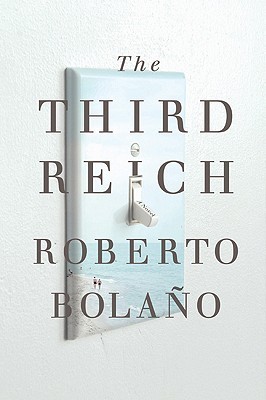
No. 85 on this list. The Third Reich
Roberto Bolaño · 2010
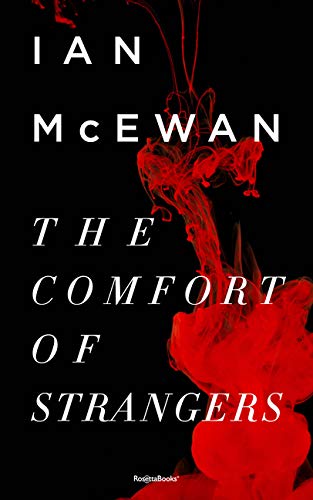
No. 86 on this list. The Comfort of Strangers
Ian McEwan · 1981
No. 87 on this list. State of Wonder / The Song of Achilles / Painter of Silence
Ann Patchett · 2012
No. 88 on this list. Eye of the Needle
Ken Follett · 1978
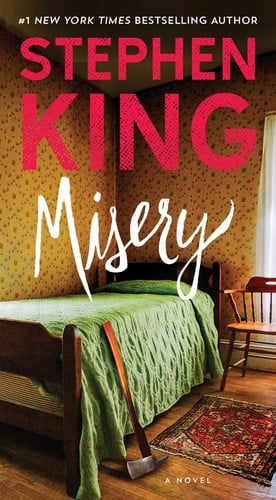
No. 89 on this list. Misery
Stephen King · 1987
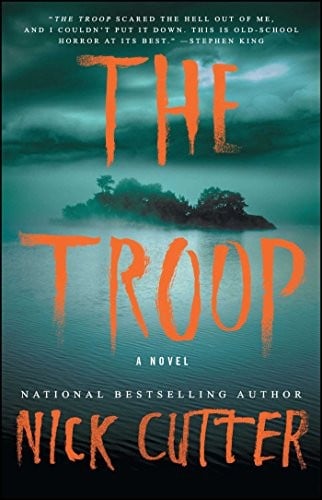
No. 90 on this list. The Troop
Nick Cutter · 2014
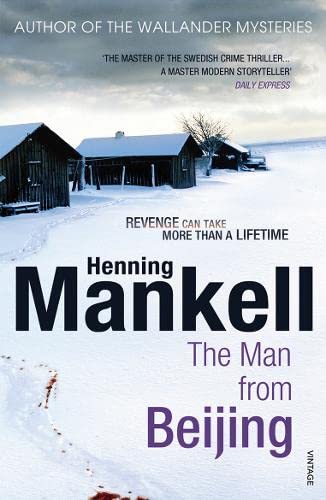
No. 91 on this list. The Man Who Smiled
Henning Mankell · 1994
No. 92 on this list. The Complete Murderbot Diaries
Martha Wells · 2020
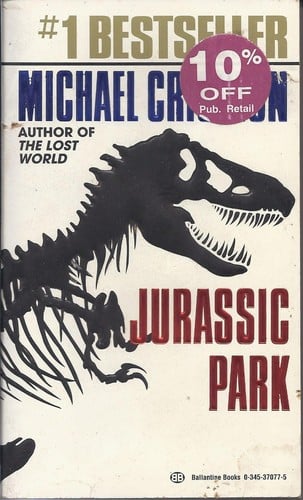
No. 93 on this list. Jurassic Park
Michael Crichton · 1990
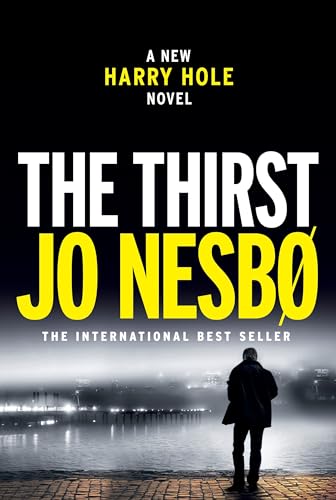
No. 94 on this list. The Thirst
Jo Nesbø · 2017
No. 95 on this list. The Poet
Michael Connelly · 1996
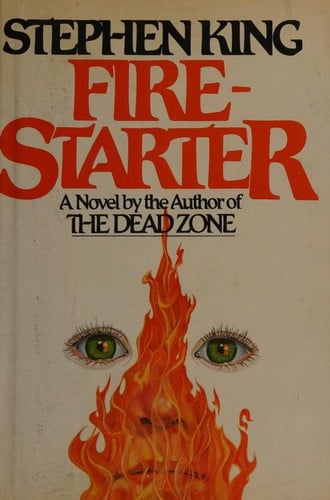
No. 96 on this list. Firestarter
Stephen King · 1980
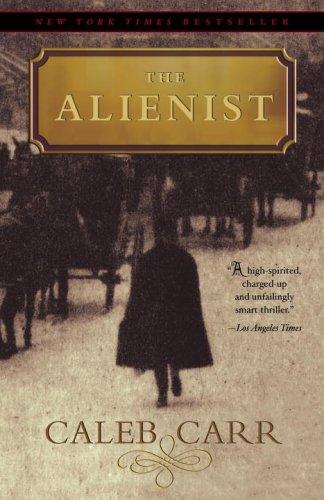
No. 97 on this list. The Alienist
Caleb Carr · 1994
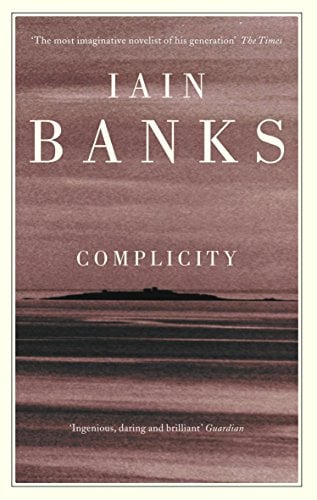
No. 98 on this list. Complicity
Iain Banks · 1993
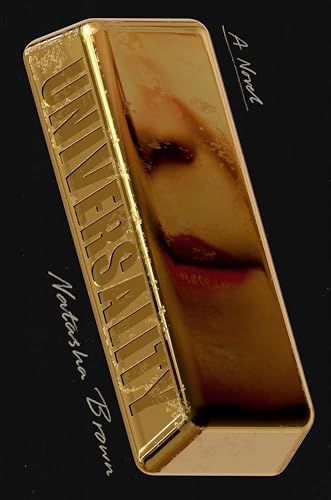
No. 99 on this list. Universality
Natasha Brown · 2025
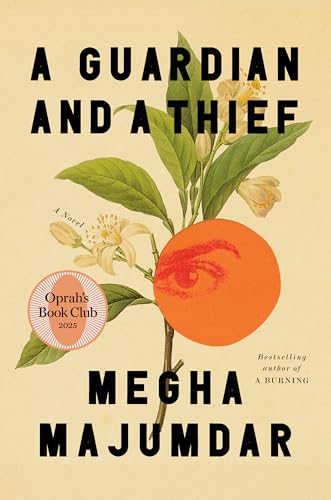
No. 100 on this list. A Guardian and a Thief
Megha Majumdar · 2025
About this list
These 100 books are the highest-scoring eligible thrillers currently in the catalogue. By literary regard, it opens with V., No Country for Old Men and The Secret Agent. About 863 hours of reading in all, for the 99 with measured lengths. Difficulty runs from 40 to 60 out of 100 for the middle half of the list; the summit is V. at 80.
This list is ranked by literary regard, with a consistent order for equal scores. Membership follows authors and co-authors, not translators or editors. Catalogue coverage and the historical canon both limit what this list can represent, and genre labels are the catalogue’s own, gathered into broader kinds.
When we matched the Canons dataset to our catalogue in October 2026, our canonical-status scores rose with the number of school curricula, publisher series and lists in it that cite a work: the median score was 72 for books one such source cites, 84 at two, 88 at three, 92 at four and 93 at five or more. Prizes are left out of that count. Outside the state curricula, the dataset’s sources choose mostly from what has been translated into English or French, so it is a weaker check on other literatures. Source: Canons (Andrew Piper), CC BY 4.0
Questions people actually ask
- What are the best thrillers?
- By literary regard, which weighs canonical status, critical standing and influence, V., No Country for Old Men, The Secret Agent, Cryptonomicon and Tinker Tailor Soldier Spy lead. ReadingRate ranks 100 such books, each with a difficulty score and a reading-time estimate.
- Where should I start with thrillers?
- Start from difficulty, not from rank. The most approachable books on this list that still carry top literary regard are The Black Echo by Michael Connelly (about 6 hours), The Mermaids Singing by Val McDermid and And Then There Were None by Agatha Christie.
- How hard are thrillers to read?
- Most of this list sits between 40 and 60 on ReadingRate's 100-point difficulty scale, where 40 to 55 is moderate. The summit is V. at 80. Every entry carries its own score, so a reader can pick a great book at a difficulty they will finish.
- How is this list ranked?
- On literary-regard data: how canonically established a work is, its critical standing, and its influence on later writing. It is not a readers’ poll, which is why recent bestsellers rarely appear. Membership follows authors and co-authors, not translators or editors. A list that is not a genre list keeps to literature (fiction, poetry, drama and philosophy), with philosophy taking no more than one slot in five while there is literature left to rank; every list holds at most three works by one author.