Hours at an average pace
Showing 72 books
About 539 hours for 70 of 72 books with measured lengths. Estimates use 250 words a minute, adjusted for each book's difficulty. At 2 hours a day, about 270 days for those books.
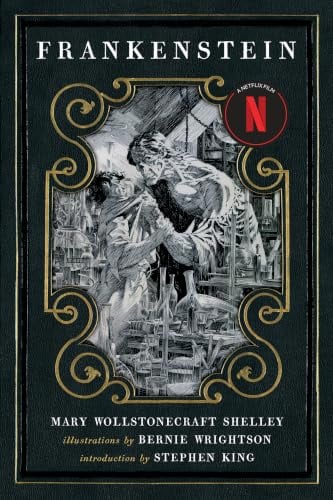
No. 1 on this list. Frankenstein
Mary Shelley · 1818
Challenging8.8 hours
Taught in schools: AQA GCSE and A-level English Literature (UK), CSEC English B – Caribbean Examinations Council, Pearson Edexcel GCSE and A-level English Literature (UK)
Included in: Bibliothèque de la Pléiade
Frankenstein appears on 6,955 university syllabi according to the Open Syllabus Project, placing it in the 96th percentile of all tracked works. Wikipedia articles exist in 74 languages, with a 79,000-character article carrying dedicated Reception and Adaptations sections. It is taught not only in literature courses but in philosophy, bioethics, and technology studies worldwide.
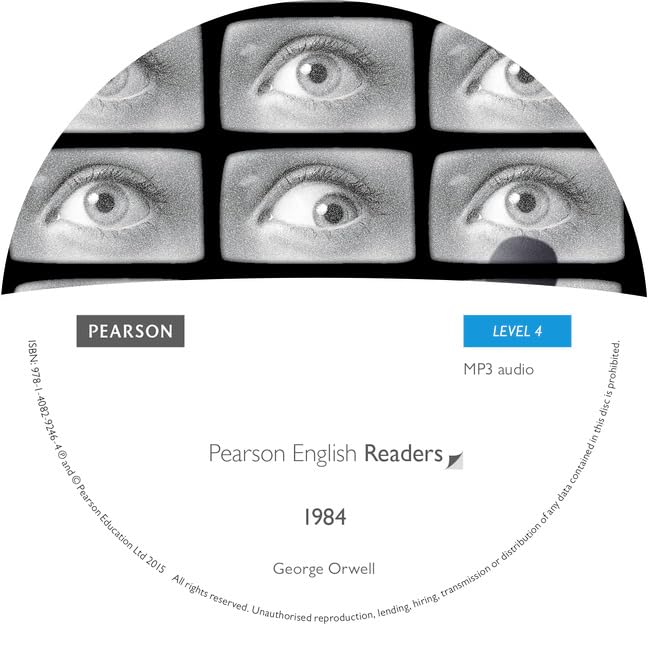
No. 2 on this list. 1984
George Orwell · 1949
Moderate6.5 hours
Taught in schools: Hungarian literature curriculum (magyar nyelv és irodalom) (Hungary), Lektury obowiązkowe – Polish national reading list (Poland), OCR GCSE and A-level English Literature (UK)
Included in: Bokklubben World Library
Appears on 1,763 university syllabi (Open Syllabus) and Wikipedia articles in 204 languages, placing it among the most globally distributed literary works. Listed on the Modern Library 100 Best Novels, TIME All-TIME 100, Le Monde's 100 Books of the Century, and BBC Big Read Top 100 — an almost unrivaled breadth of canonical recognition spanning five decades of list-making.
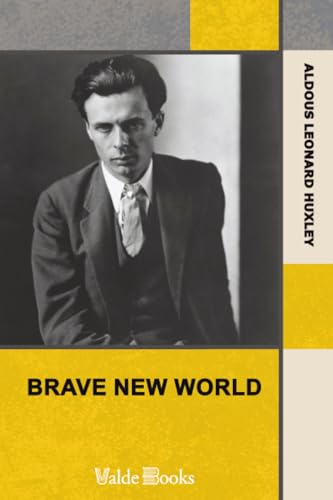
No. 3 on this list. Brave New World
Aldous Huxley · 1932
Moderate4.4 hours
Taught in schools: UNAM Escuela Nacional Preparatoria – programas de Literatura (Mexico)
Huxley imagined a world that controls its population not through pain but through pleasure — soma, engineered happiness, and the abolition of family — and thereby identified the dystopia that Orwell missed: the one people choose voluntarily. The novel's anxiety about technology as narcotic has only grown sharper with time.
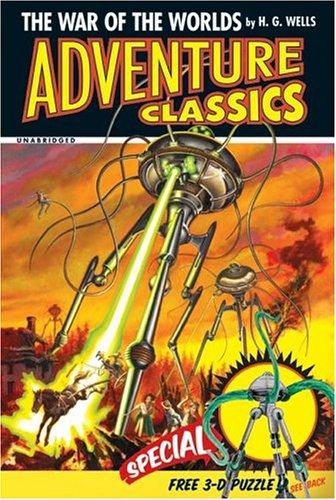
No. 4 on this list. The War of the Worlds
H.G. Wells · 1898
Moderate4.4 hours
Taught in schools: OCR GCSE and A-level English Literature (UK), Pearson Edexcel GCSE and A-level English Literature (UK), WJEC/Eduqas GCSE and A-level English Literature (UK)
The War of the Worlds is a cornerstone of science fiction, taught widely in literature and science fiction courses. While not as universally assigned as 1984 or Brave New World, it appears regularly in surveys of speculative fiction, Victorian literature, and science fiction history. The novel's influence on the genre ensures its continued academic presence.
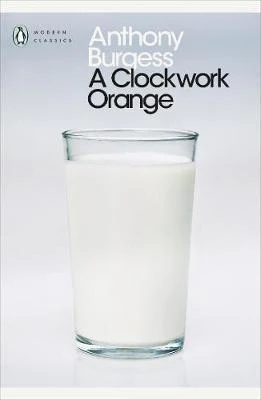
The essential novel of violence, free will, and state control. Core text in courses on dystopian fiction and ethics. Nadsat, the invented slang, demonstrated how language shapes consciousness. Kubrick's 1971 film became inseparable from the novel.
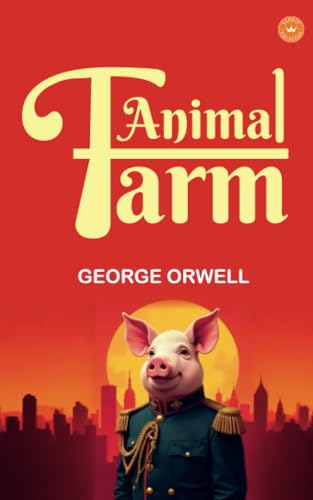
No. 6 on this list. Animal Farm
George Orwell · 1945
Challenging2.3 hours
Taught in schools: AQA GCSE and A-level English Literature (UK), CSEC English B – Caribbean Examinations Council, Lesotho literature in English
Included in: Great Books of the Western World
Appears on 591 university syllabi according to the Open Syllabus Project (69th percentile) and has Wikipedia articles in 95 languages. Listed on TIME's All-TIME 100 Novels, Modern Library's 100 Best Novels, the BBC Big Read Top 100, and 1001 Books You Must Read Before You Die — a breadth of recognition that places it among the most reliably canonical works of 20th-century fiction.
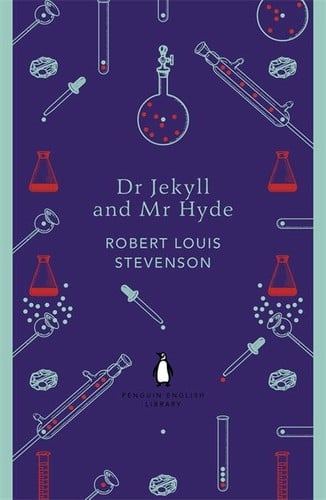
No. 7 on this list. The Strange Case of Dr Jekyll and Mr Hyde
Robert Louis Stevenson · 1886
Challenging1.9 hours
Taught in schools: AQA GCSE and A-level English Literature (UK), OCR GCSE and A-level English Literature (UK)
One of the most widely taught Victorian texts in English literature curricula at every level, from secondary school to university. The phrase 'Jekyll and Hyde' has entered common English as a synonym for dual personality. The novella appears on virtually every list of essential 19th-century fiction and is a fixture in Gothic literature, Victorian studies, and psychology-and-literature courses worldwide.
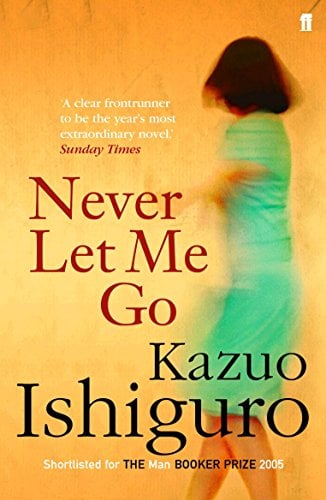
No. 8 on this list. Never Let Me Go
Kazuo Ishiguro · 2005
Challenging7.2 hours
Taught in schools: AQA GCSE and A-level English Literature (UK), OCR GCSE and A-level English Literature (UK), Pearson Edexcel GCSE and A-level English Literature (UK)
Ishiguro's devastating meditation on mortality and purpose. Kathy H.'s narration of Hailsham and the donations revealed a dystopia through English understatement. Core text in contemporary fiction and bioethics courses. The 2010 film extended its reach.
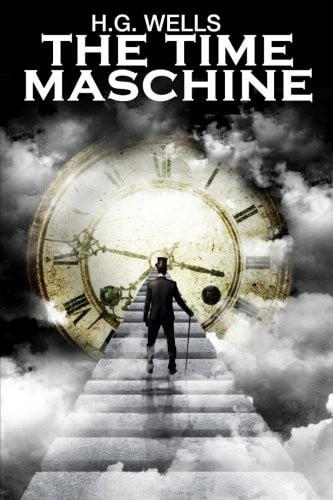
The Time Machine is firmly canonical as the founding text of the time-travel genre and a landmark in science fiction. It appears on virtually every essential science fiction reading list, is routinely taught in courses on Victorian literature, science fiction, and utopian/dystopian fiction, and has been continuously in print since 1895. It holds a secure place in the Western literary canon, though its canonical weight is somewhat lower than the great realist novels of its era.
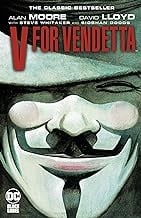
One of the foundational texts of the graphic novel form. Widely taught, frequently cited in discussions of political fiction and dystopian literature.
No. 11 on this list. The Invisible Man · H.G. Wells · 1897
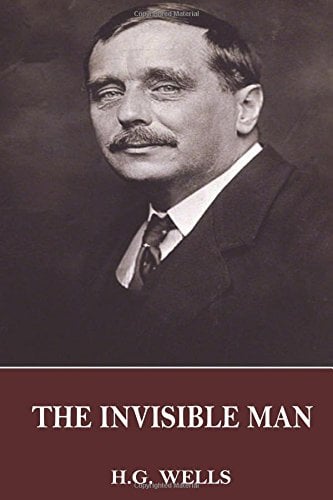
The Invisible Man occupies a firm place in the science fiction canon and appears on university syllabi worldwide, particularly in courses on early SF and Victorian literature. H.G. Wells's scientific romances are among the most consistently reprinted and anthologized works in the genre. While not at the level of Great Expectations or The Great Gatsby in general literary curricula, it is a standard text in SF and genre studies.
Moderate3.3 hours
Start this bookNo. 12 on this list. Watchmen #1: At Midnight, All The Agents… · Alan Moore · 1986
The series is a staple of comics courses and is widely taught as the landmark graphic novel, though this single issue is taught less on its own.
Challenging43 min
Start this bookNo. 13 on this list. Lanark: A Life in Four Books · Alasdair Gray · 1981
Lanark is widely regarded as the most significant Scottish novel of the twentieth century and appears on many British university literature syllabi, particularly in Scottish literature and postmodern fiction courses. It lacks the global curriculum penetration of Ulysses or Beloved — its reputation is regionally intense rather than internationally ubiquitous. Harold Bloom placed it among essential works of Western literature in The Western Canon.
Difficult31 hours
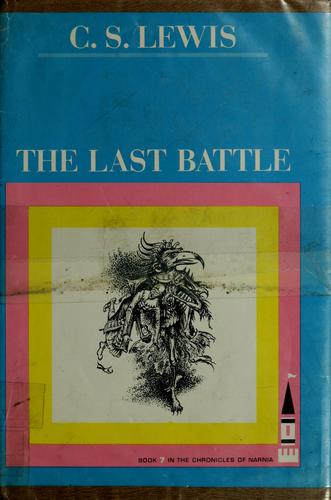
Start this bookNo. 14 on this list. The Last Battle · C.S. Lewis · 1956
No syllabus or Wikipedia figures are logged for this title specifically, but The Last Battle is a fixture of English-language children's literature, taught widely as the capstone of the Chronicles of Narnia and frequently anthologized in discussions of allegory and religious fiction. It is assigned on its own far less often than The Lion, the Witch and the Wardrobe, which anchors most classroom units on the series.
Easy2.9 hours
Start this bookNo. 15 on this list. Crash · J.G. Ballard · 1973
Crash appears regularly on university syllabi in cultural studies, media studies, and postmodern fiction courses, and appears on several 'great novels' lists including the Guardian's and Modern Library. It is firmly established as a significant postwar British novel taught across disciplines, though not in the volume of the most canonical literary texts (Beloved at 85, Great Gatsby at 95). Ballard's work is more consistently taught in British universities than American ones.
Challenging6.8 hours
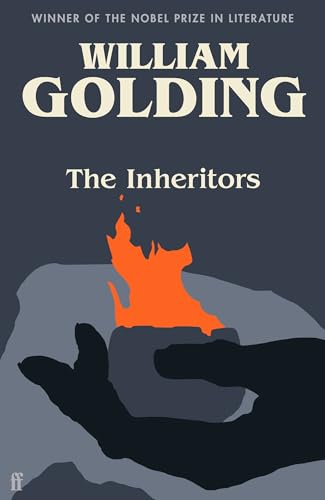
Start this bookNo. 16 on this list. The Inheritors · William Golding · 1955
The Inheritors sits in the shadow of Lord of the Flies in Golding's oeuvre and appears far less frequently on university syllabi. It surfaces in British literature surveys and courses on postwar fiction, and Golding himself considered it his finest novel, but it lacks the near-universal curricular presence of its predecessor. The Wikipedia article is minimal — available in only 1 language with a page length of 1,820 characters — suggesting limited global cultural footprint. Its canonical status rests more on specialist literary regard than broad pedagogical adoption.
Challenging5.3 hours
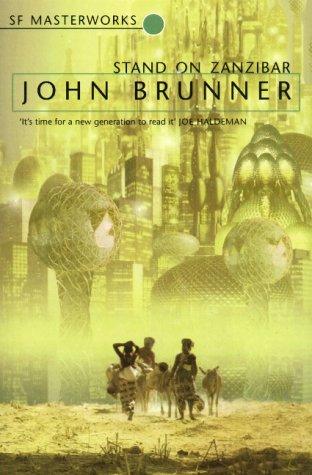
Start this bookNo. 17 on this list. Stand on Zanzibar · John Brunner · 1968
Stand on Zanzibar is a cornerstone text in science fiction studies and is included on most SF academic syllabi and 'best of genre' lists, including Gollancz's SF Masterworks series. No formal syllabus count was available from data signals, but it has maintained continuous critical presence since 1968. It is not as widely taught in general literature courses as Beloved (85) or The Great Gatsby (95), reflecting SF's historically lower institutional status, but within genre studies its canonical position is uncontested.
Challenging14 hours
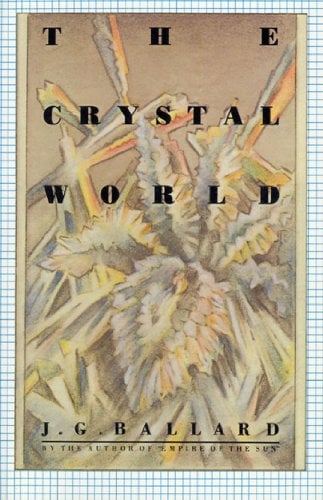
Start this bookNo. 18 on this list. The Crystal World · J.G. Ballard · 1966
The Crystal World is a core text in Ballard studies and is consistently included in syllabi on British postmodernism, science fiction, and 20th-century apocalyptic fiction. It completes the elemental catastrophe tetralogy alongside The Drowned World, The Wind from Nowhere, and The Drought — a group widely cited as foundational to literary SF. It does not appear on general literary canon lists with the frequency of Ballard's later Crash or Empire of the Sun.
Challenging4.6 hours
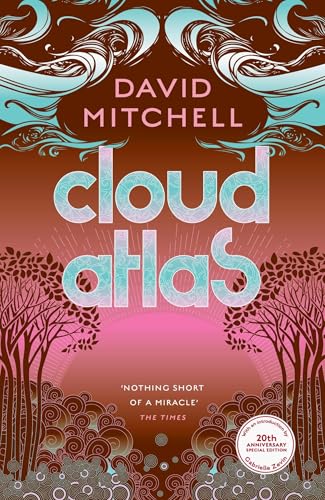
Start this bookNo. 19 on this list. Cloud Atlas · David Mitchell · 2004
Cloud Atlas appears on 343 university syllabi according to the Open Syllabus Project (63rd percentile), placing it solidly in contemporary literary teaching but below canonical fixtures. It's regularly assigned in world literature, postmodern fiction, and postcolonial studies courses. The 2012 Wachowski/Tykwer film adaptation significantly expanded its cultural reach. It has not achieved the reflexive inclusion on syllabi that characterizes 95+ canonical texts—it's a taught book, not a foundational text.
Difficult19 hours
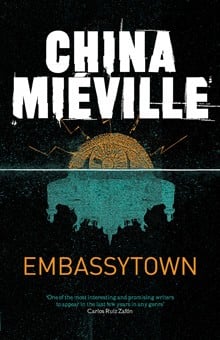
Start this bookNo. 20 on this list. Embassytown · China Miéville · 2011
Locus Award winner, widely acclaimed in SF circles. Miéville's most intellectually ambitious novel.
Moderate7.1 hours
Start this book
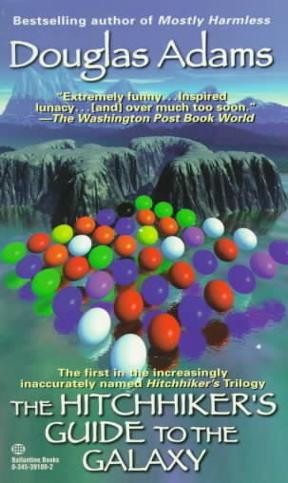
No. 21 on this list. The Hitchhiker's Guide to the Galaxy · Douglas Adams · 1979
Taught in schools: CSEC English B – Caribbean Examinations Council
Found on 151 university syllabi (54th percentile) with Wikipedia articles in 36 languages, and voted fourth in the BBC's Big Read in 2003. It is the most taught comic science fiction novel.
Challenging4.5 hours
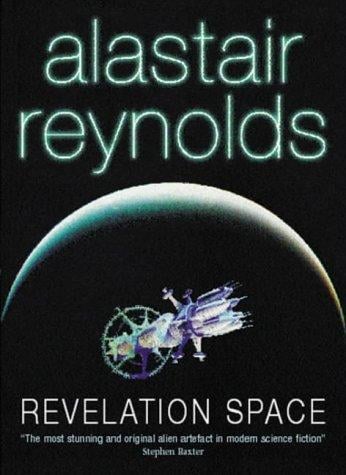
Start this bookNo. 22 on this list. Revelation Space · Alastair Reynolds · 2000
BSFA winner, a landmark of British hard space opera. Launched a major series.
Moderate11 hours
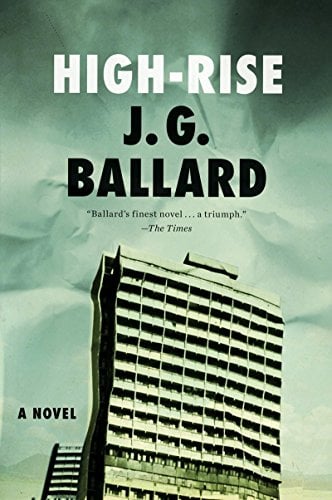
Start this bookNo. 23 on this list. High-Rise · J.G. Ballard · 1975
High-Rise appears regularly on British fiction and media studies syllabi, features on 'essential Ballard' lists across academic and critical contexts, and is among the dozen works routinely cited when Ballard's name appears in literary criticism. Without database syllabus count available, it sits below the major modernist canon but well within sustained literary attention — taught in contemporary fiction courses alongside writers like Angela Carter and Ian McEwan.
Challenging6 hours
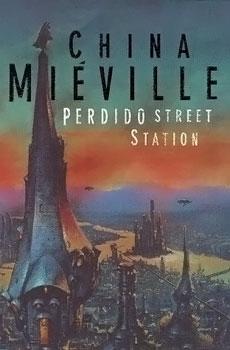
Start this bookNo. 24 on this list. Perdido Street Station · China Miéville · 2000
Perdido Street Station occupies a strong canonical position within speculative fiction and New Weird literature, regularly cited in discussions of the genre's evolution. It appears in some university fantasy and SF literature courses but has limited presence on mainstream literary syllabi. Its reputation is firm within its genre community, analogous to Infinite Jest (78) among maximalist fiction fans but without that novel's wider academic footprint.
Difficult28 hours
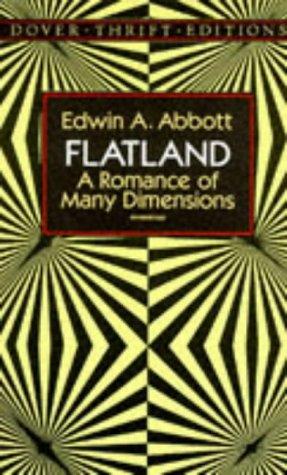
Start this bookNo. 25 on this list. Flatland · Edwin A. Abbott · 1884
It is a standard text in mathematics and science-fiction courses and a long-running touchstone of Victorian satire. It sits below the core novel canon.
Challenging2.5 hours
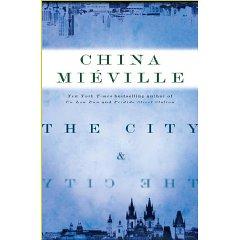
Read nowNo. 26 on this list. The City & the City · China Miéville · 2009
The City & the City is firmly established as a modern classic within speculative fiction and taught regularly in SF studies courses. It lacks the broad syllabi presence of mainstream literary novels — no Open Syllabus data available — but it appears consistently on 'best of genre' lists and in academic discussions of contemporary SF. Its crossover mainstream critical success places it above most genre fiction on the canonicity scale.
Moderate6.7 hours
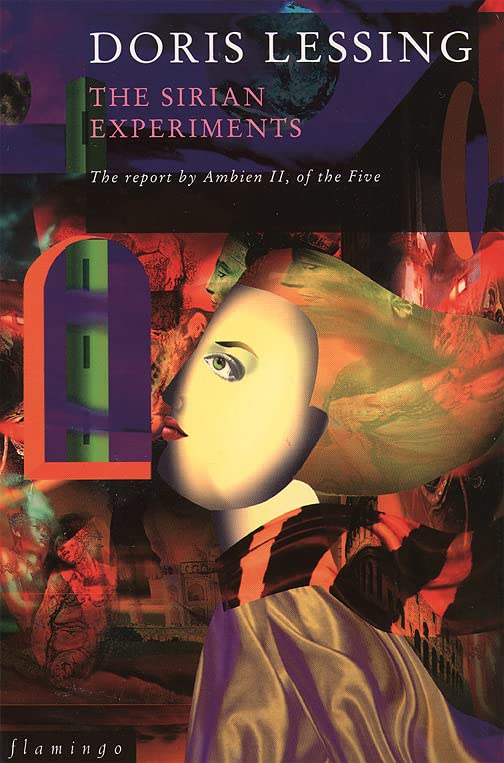
Start this bookNo. 27 on this list. The Sirian Experiments · Doris Lessing · 1981
The Canopus in Argos series represents Lessing's ambitious turn toward philosophical science fiction, securing her reputation as a formally innovative writer willing to abandon realism. 'The Sirian Experiments' appears in discussions of feminist science fiction and postcolonial allegory, though it remains less studied than her earlier realist novels or 'The Golden Notebook.' The 2007 Nobel Prize citation acknowledged her as 'that epicist of the female experience, who with skepticism, fire and visionary power has subjected a divided civilization to scrutiny,' implicitly validating her experimental later work.
Challenging17 hours
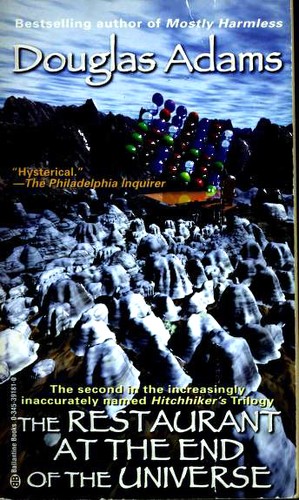
Start this bookNo. 28 on this list. The Restaurant at the End of the Universe · Douglas Adams · 1980
A beloved classic of comic science fiction, widely read and referenced. Slightly less iconic than the first Hitchhiker's book but firmly established.
Easy4.1 hours
Start this bookNo. 29 on this list. Perelandra · C.S. Lewis · 1943
Perelandra is widely taught in Christian literature, Inklings studies, and science fiction survey courses, and appears on many Christian college syllabi. It is not part of the mainstream secular literary canon and appears on relatively few Open Syllabus-tracked university reading lists. Within its niche — theological fantasy, Lewis scholarship, the history of Christian apologetics — it is considered an essential text.
Moderate4.7 hours
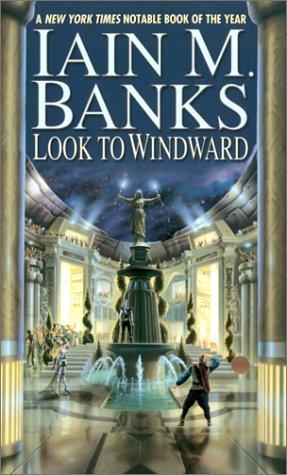
Start this bookNo. 30 on this list. Look to Windward · Iain M. Banks · 2000
Look to Windward is widely regarded as one of the finest Culture novels and appears on science fiction best-of lists, but Banks's work sits in emerging canonical status — taught in SF studies courses rather than general literature syllabi, with growing academic attention to his utopian philosophy.
Challenging11 hours
Start this book
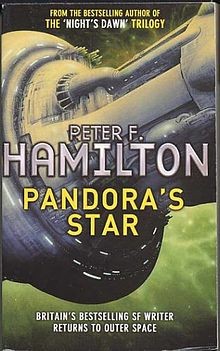
No. 31 on this list. Pandora's Star
Peter F. Hamilton · 2004
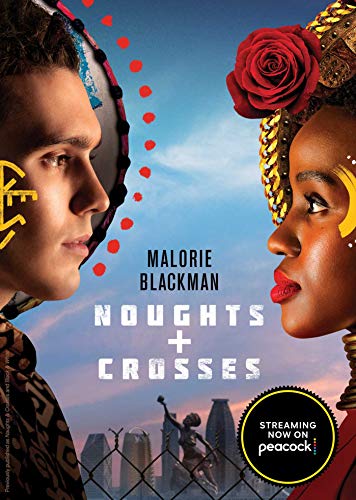
No. 32 on this list. Noughts & Crosses
Malorie Blackman · 2010
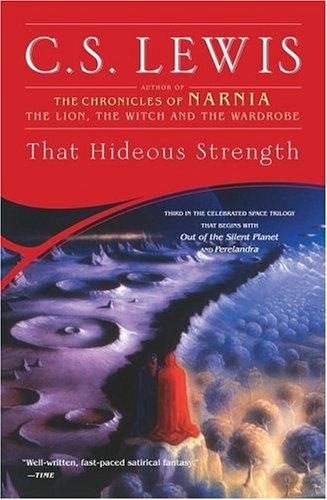
No. 33 on this list. That Hideous Strength
C.S. Lewis · 1945
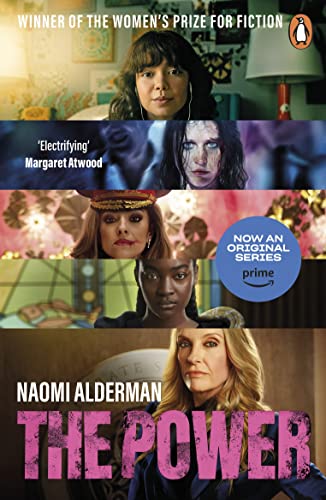
No. 34 on this list. The Power
Naomi Alderman · 2017
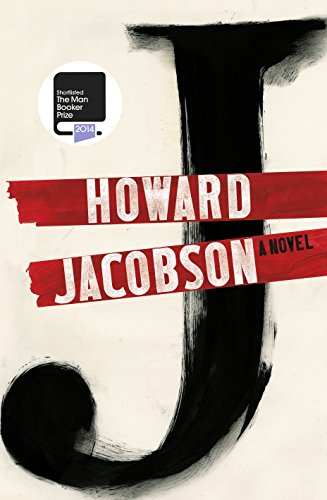
No. 35 on this list. J
Howard Jacobson · 2014
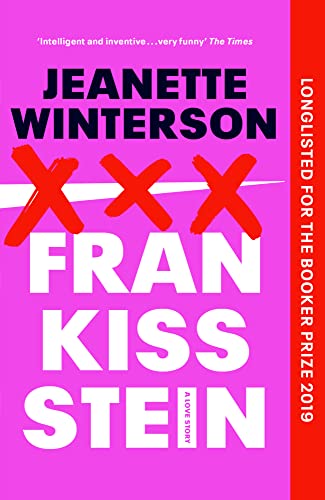
No. 36 on this list. Frankissstein
Jeanette Winterson · 2019
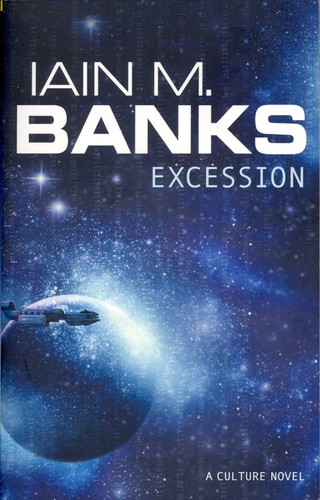
No. 37 on this list. Excession
Iain M. Banks · 1996
No. 38 on this list. Erewhon
Samuel Butler · 1872
No. 39 on this list. The Last Man
Mary Shelley · 1826
No. 40 on this list. The Player of Games
Iain M. Banks · 1988
No. 41 on this list. The Lifted Veil and Brother Jacob
George Eliot · 1864
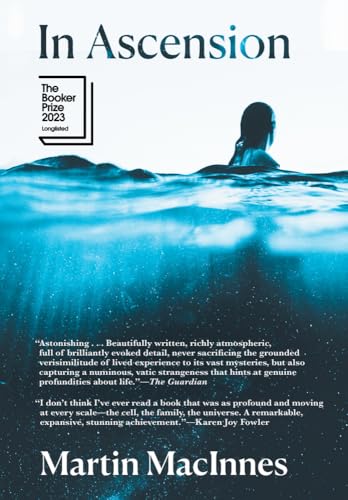
No. 42 on this list. In Ascension
Martin MacInnes · 2023
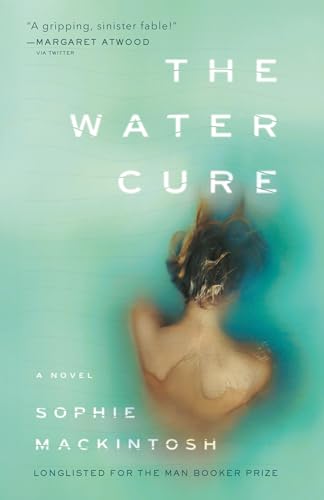
No. 43 on this list. The Water Cure
Sophie Mackintosh · 2018
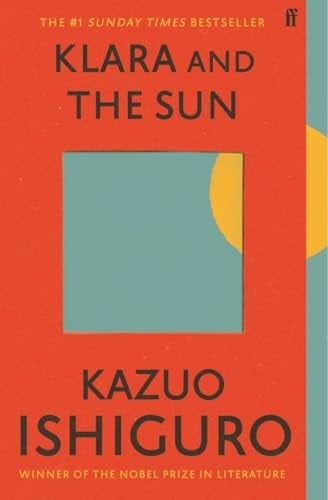
No. 44 on this list. Klara and the Sun
Kazuo Ishiguro · 2021
No. 45 on this list. Gliff
Ali Smith · 2024
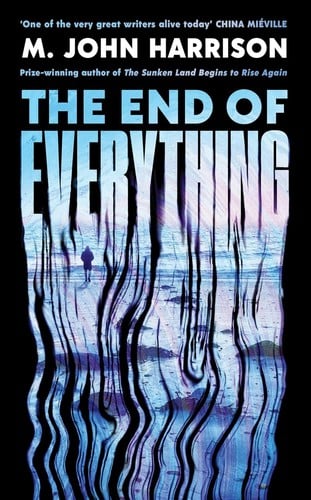
No. 46 on this list. The End of Everything
M. John Harrison · 2026
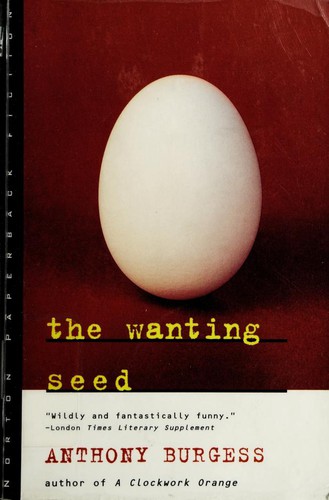
No. 47 on this list. The Wanting Seed
Anthony Burgess · 1996
No. 48 on this list. The House on the Borderland
William Hope Hodgson · 1908
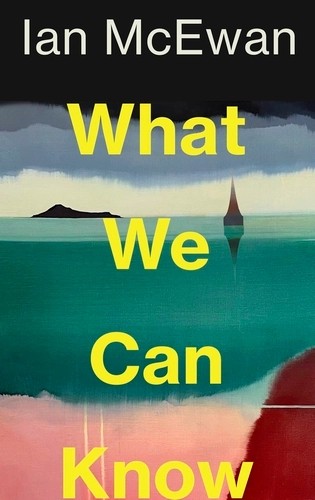
No. 49 on this list. What We Can Know
Ian McEwan · 2025
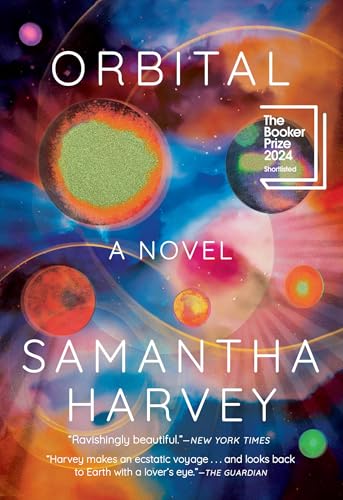
No. 50 on this list. Orbital
Samantha Harvey · 2024
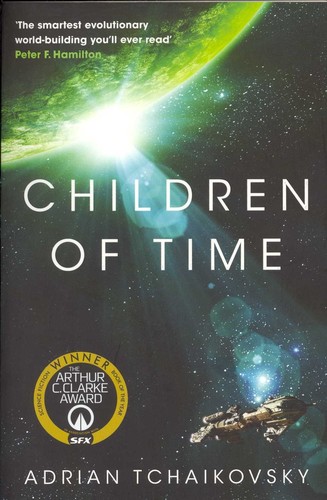
No. 51 on this list. Children of Time
Adrian Tchaikovsky · 2015
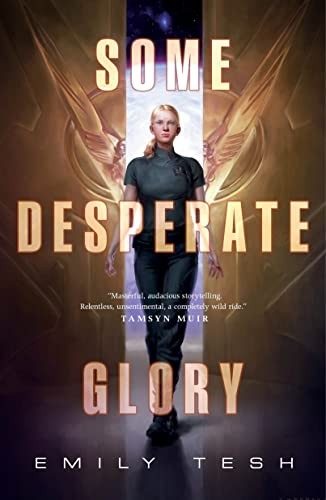
No. 52 on this list. Some Desperate Glory
Emily Tesh · 2023
No. 53 on this list. King Fisher Lives
Julian Rathbone · 1976
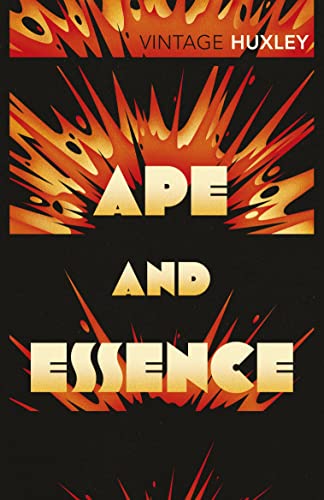
No. 54 on this list. Ape and Essence
Aldous Huxley · 1948
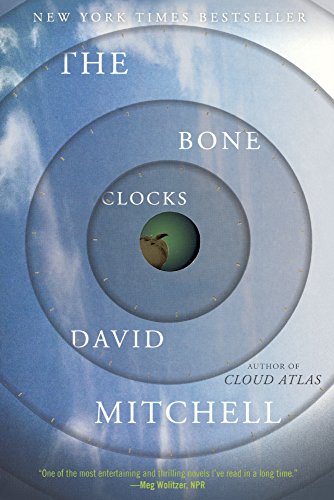
No. 55 on this list. The Bone Clocks
David Mitchell · 2014
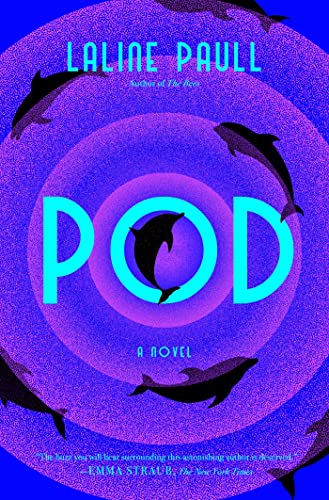
No. 56 on this list. Pod
Laline Paull · 2023
No. 57 on this list. Altered Carbon
Richard K. Morgan · 2002
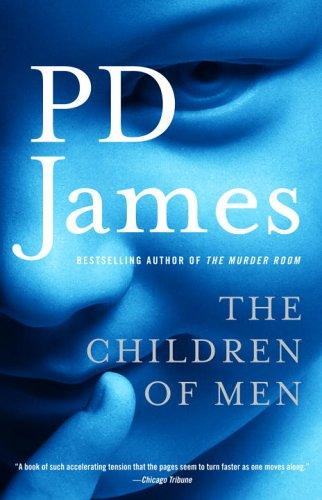
No. 58 on this list. The Children of Men
P.D. James · 1992
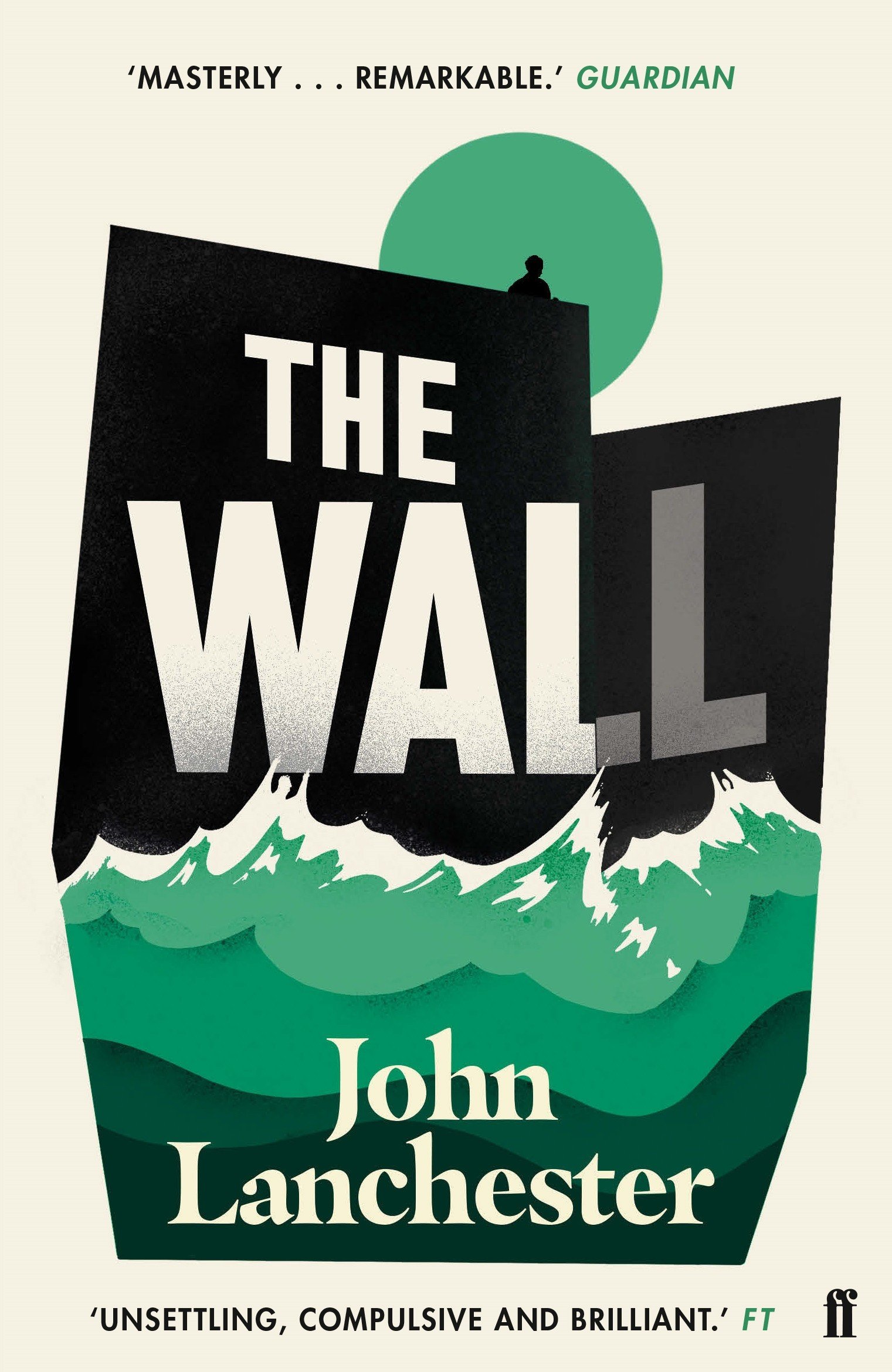
No. 59 on this list. The Wall
John Lanchester · 2019
No. 60 on this list. Private Rites
Julia Armfield · 2024

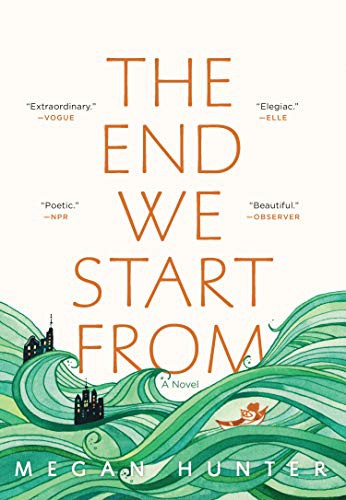
No. 61 on this list. The End We Start From
Megan Hunter · 2017
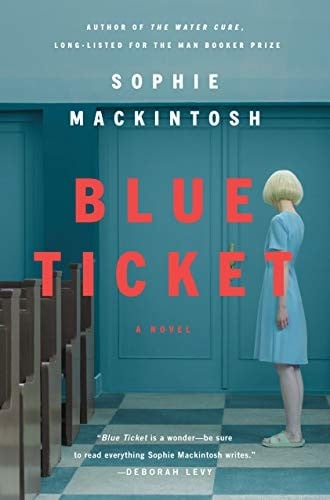
No. 62 on this list. Blue Ticket
Sophie Mackintosh · 2020
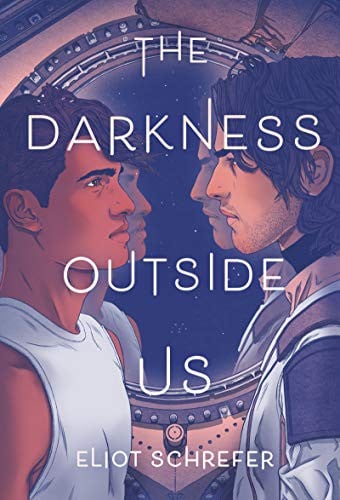
No. 63 on this list. The Darkness Outside Us
Eliot Schrefer · 2021
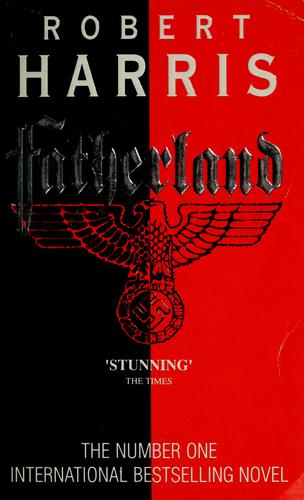
No. 64 on this list. Fatherland
Robert Harris · 1992
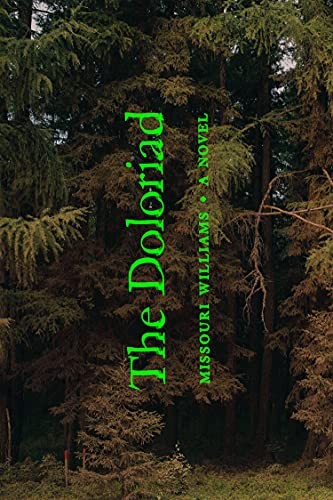
No. 65 on this list. The Doloriad
Missouri Williams · 2022
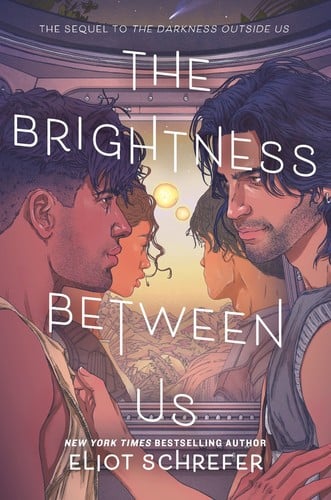
No. 66 on this list. Brightness Between Us
Eliot Schrefer · 2023
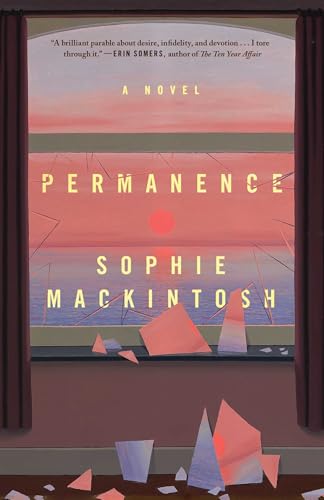
No. 67 on this list. Permanence: A Novel
Sophie Mackintosh · 2026
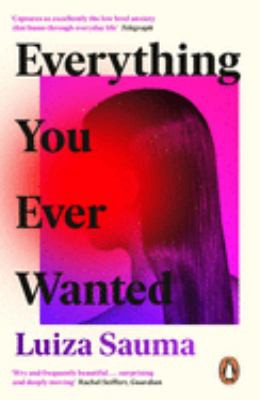
No. 68 on this list. Everything You Ever Wanted
Luiza Sauma · 2019
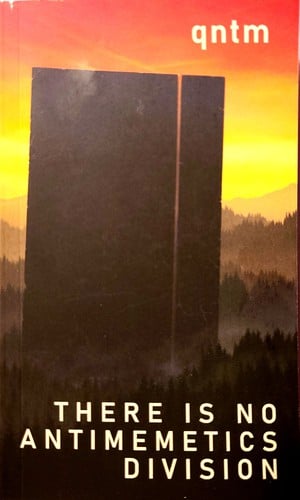
No. 69 on this list. There Is No Antimemetics Division
qntm · 2020
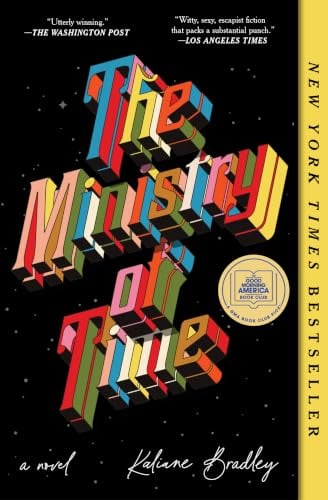
No. 70 on this list. The Ministry of Time
Kaliane Bradley · 2024
About this list
These 72 books are the highest-scoring eligible science fiction novels from Britain currently in the catalogue. By literary regard, it opens with Frankenstein, 1984 and Brave New World. About 539 hours of reading in all, for the 70 with measured lengths. Difficulty runs from 45 to 63 out of 100 for the middle half of the list; the summit is Lanark: A Life in Four Books at 81.
This list is ranked by literary regard, with a consistent order for equal scores. Membership follows authors and co-authors, not translators or editors. Catalogue coverage and the historical canon both limit what this list can represent, and genre labels are the catalogue’s own, gathered into broader kinds.
When we matched the Canons dataset to our catalogue in October 2026, our canonical-status scores rose with the number of school curricula, publisher series and lists in it that cite a work: the median score was 72 for books one such source cites, 84 at two, 88 at three, 92 at four and 93 at five or more. Prizes are left out of that count. Outside the state curricula, the dataset’s sources choose mostly from what has been translated into English or French, so it is a weaker check on other literatures. Source: Canons (Andrew Piper), CC BY 4.0
Questions people actually ask
- What are the best science fiction novels from Britain?
- By literary regard, which weighs canonical status, critical standing and influence, Frankenstein, 1984, Brave New World, The War of the Worlds and A Clockwork Orange lead. ReadingRate ranks 72 such books, each with a difficulty score and a reading-time estimate.
- Where should I start with science fiction novels from Britain?
- Start from difficulty, not from rank. The most approachable books on this list that still carry top literary regard are V for Vendetta by Alan Moore (about 3.9 hours), The War of the Worlds by H.G. Wells and 1984 by George Orwell.
- How hard are science fiction novels from Britain to read?
- Most of this list sits between 45 and 63 on ReadingRate's 100-point difficulty scale, where 40 to 55 is moderate. The summit is Lanark: A Life in Four Books at 81. Every entry carries its own score, so a reader can pick a great book at a difficulty they will finish.
- How is this list ranked?
- On literary-regard data: how canonically established a work is, its critical standing, and its influence on later writing. It is not a readers’ poll, which is why recent bestsellers rarely appear. Membership follows authors and co-authors, not translators or editors. A list that is not a genre list keeps to literature (fiction, poetry, drama and philosophy), with philosophy taking no more than one slot in five while there is literature left to rank; every list holds at most three works by one author.