Hours at an average pace
Showing 100 books
About 475 hours for 100 of 100 books with measured lengths. Estimates use 250 words a minute, adjusted for each book's difficulty. At 2 hours a day, about 238 days for those books.
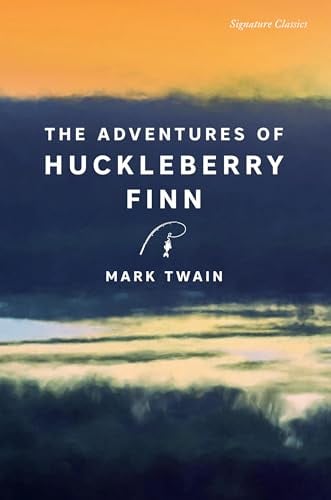
No. 1 on this list. Adventures of Huckleberry Finn
Mark Twain · 1884
Moderate7.5 hours
Taught in schools: Pearson Edexcel GCSE and A-level English Literature (UK)
Included in: Bokklubben World Library, Great Books of the Western World
Adventures of Huckleberry Finn is taught in virtually every American high school and university American literature course, and is among the most debated and analyzed works in the American canon. Its Wikipedia article spans 62 languages with a dedicated reception section, reflecting global critical discourse sustained for over 140 years. Ernest Hemingway's declaration that all modern American literature comes from this one book cemented its place as the foundational American novel.
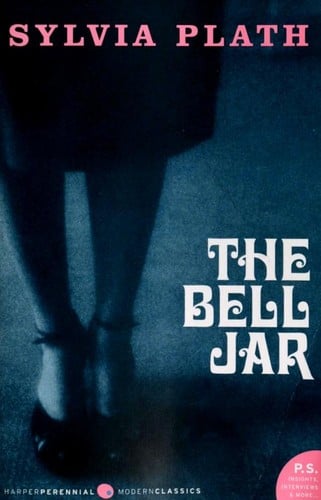
The Bell Jar is required reading in virtually every American women's literature and confessional writing course, and appears widely in high school curricula addressing mental health and mid-century American life. It holds a secure place on Modern Library and similar essential reading lists, and remains one of the most assigned novels in discussions of feminist literary history.
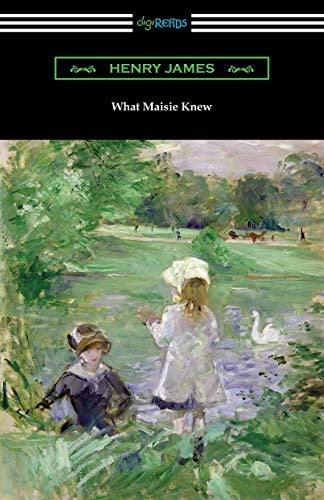
No. 3 on this list. What Maisie Knew
Henry James · 1897
Challenging8.9 hours
Taught in schools: Pearson Edexcel GCSE and A-level English Literature (UK)
Ranked by literary regard among eligible works in the current catalogue. This position reflects the available catalogue evidence.
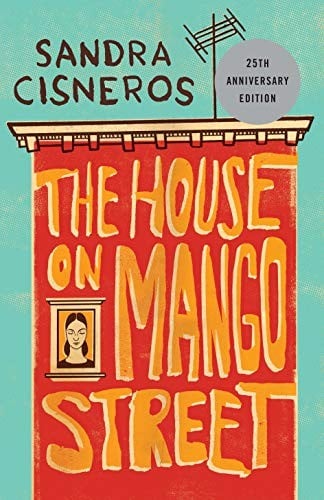
No. 4 on this list. The House on Mango Street
Sandra Cisneros · 1984
Moderate1.4 hours
Taught in schools: CSEC English B – Caribbean Examinations Council, Pacific Senior Secondary Certificate – English
One of the most widely taught works in American secondary and university curricula, particularly in Chicano/Latino literature, women's studies, and multicultural American literature courses. It has appeared on thousands of syllabi since the 1980s and is included on numerous lists of essential American literary texts, placing it firmly in the secondary canon alongside works like Beloved.
No. 5 on this list. Little Women (Little Women, #1)
Louisa May Alcott · 1868
Easy6.5 hours
Taught in schools: Common Core text exemplars (Appendix B) (US)
The book is a staple of American literature and girlhood reading, widely taught in schools and adapted many times. It ranks below the core canon of Gatsby and Mockingbird in college syllabi.
No. 6 on this list. To Kill a Mockingbird
Harper Lee · 1960
Moderate6.3 hours
Taught in schools: Cambridge IGCSE Literature in English (0475), Common Core text exemplars (Appendix B) (US), CSEC English B – Caribbean Examinations Council
Appears on 1,674 university syllabi (80.6th percentile, Open Syllabus Project) and is a fixture of American high school and university English curricula. Wikipedia articles exist in 58 languages with dedicated reception and adaptations sections. Published by four prestige houses — Library of America, Everyman's Library, Penguin Classics, and Penguin Modern Classics — confirming its standing in the Western canon.
The Road appears on TIME's All-TIME 100 Novels list, the Open Syllabus Top 500 in Literature, and has Wikipedia articles in 34 languages — solid global recognition for a novel published in 2006. It is frequently assigned in contemporary American literature courses but has not yet reached the ubiquity of older canonical novels like Gatsby or Beloved.
No. 8 on this list. Roll of Thunder, Hear My Cry
Mildred D. Taylor · 1976
Very Easy2.4 hours
Taught in schools: CSEC English B – Caribbean Examinations Council, Singapore-Cambridge GCE O-Level Literature in English (2065)
Newbery Medal winner and a cornerstone of Black children's literature. Widely taught and frequently appears on essential reading lists.
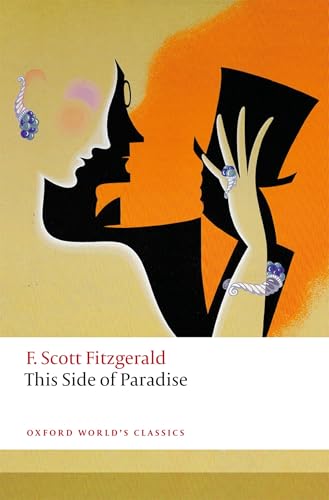
Taught in American literature surveys and Fitzgerald-specific courses, but far less frequently than The Great Gatsby, which dominates both high school and university syllabi. This Side of Paradise appears primarily in courses on modernism, the 1920s, or the American bildungsroman. It holds a secure but secondary position in the Fitzgerald canon — the book that made him famous rather than the book that made him permanent.
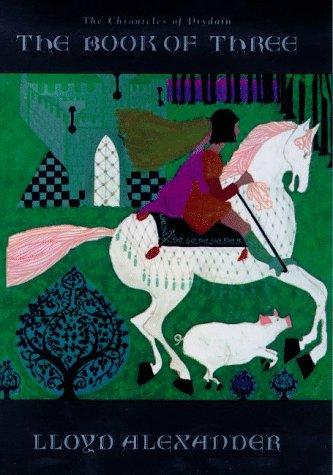
Newbery Medal winner (for The High King). The Chronicles of Prydain are a cornerstone of children's fantasy.
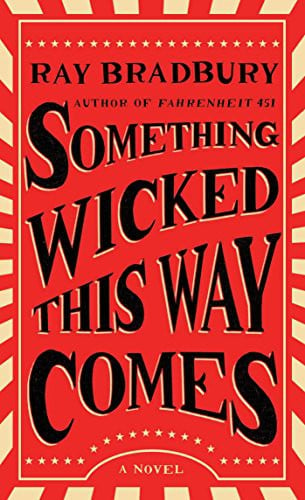
No. 11 on this list. Something Wicked This Way Comes · Ray Bradbury · 1962
Widely taught in American high school and university courses, particularly in science fiction and American literature surveys. It appears on numerous authoritative lists — including the Modern Library's reader poll — and is frequently cited as essential Bradbury alongside 'Fahrenheit 451.' No syllabus data was captured, but its classroom presence is well-documented.
Challenging5.7 hours
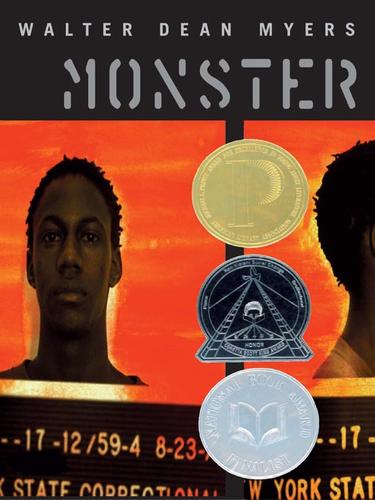
Start this bookNo. 12 on this list. Monster · Walter Dean Myers · 1999
Steve Harmon is sixteen years old and on trial for felony murder. He may have acted as a lookout for a Harlem drugstore robbery that left the owner dead — or he may not have. The question hangs over Walter Dean Myers's 1999 novel, which Steve narrates in the only form that makes sense to him: a screenplay. He writes himself as the protagonist, titles the film Monster — the word the prosecutor used to describe him — and cuts between courtroom scenes and flashback journal entries while his mother cries in the gallery and his lawyer calculates the odds. The form is not a gimmick. A screenplay externalizes action and dialogue while burying interiority in stage directions, and that gap is exactly where Myers puts the book's central problem: we watch Steve perform innocence without ever being certain whether we are watching performance or truth. The trial exposes Harlem's carceral machinery — the way young Black men get classified, processed, and destroyed — but Monster refuses to let that machinery fully explain Steve. He asks, on the last page, who he is. Myers doesn't answer. Readers will spend time after the last page deciding whether that's evasion or honesty, and what it says about how they read a defendant's face.
Easy1.7 hours
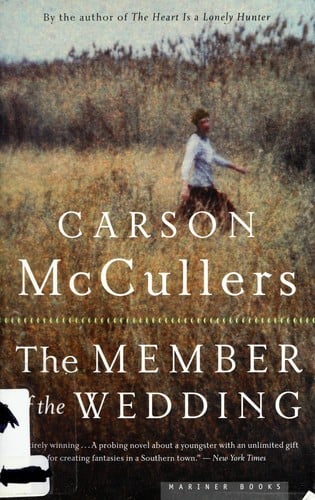
Start this bookNo. 13 on this list. The Member of the Wedding · Carson McCullers · 1946
Frankie Addams is twelve years old and has been excluded from everything — every club, every game, every sense of belonging. The summer her brother gets married, she seizes on a plan: she will join the wedding, travel with the newlyweds, become part of something larger than herself. She renames herself F. Jasmine Addams and tells everyone in town she is about to leave forever. McCullers sets almost the entire novel in a kitchen: Frankie, her six-year-old cousin John Henry, and the family's cook Berenice Sadie Brown, talking through a summer afternoon that feels both eternal and vanishing. What gets said — about loneliness, about being caught in your own skin, about the desperate wish to belong to a 'we' — makes the kitchen feel like the whole world. The wedding turns out exactly as badly as the reader suspects it will. Frankie's grand illusions collapse in a matter of hours. But the collapse is the point. McCullers writes adolescence not as a phase but as a philosophical condition: the agony of being a self that doesn't yet fit anywhere. The prose moves between Frankie's feverish interior monologues and Berenice's steady, unsentimental wisdom. The novel ends in early autumn with everything changed and nothing resolved — a shape that feels less like failure than like honesty.
Challenging5.5 hours
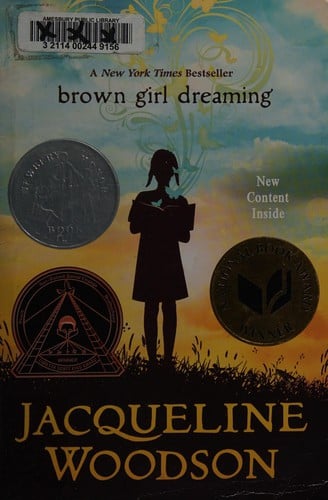
Start this bookNo. 14 on this list. Brown Girl Dreaming · Jacqueline Woodson · 2014
Brown Girl Dreaming is standard reading in American middle school and high school curricula, particularly in units on memoir, poetry, and Civil Rights-era literature. It appears on numerous recommended reading lists for young adults and is included in many school districts' required reading programs. Its canonical status is strong within YA and middle-grade education but has not yet reached the broader university literary canon.
Easy1.9 hours
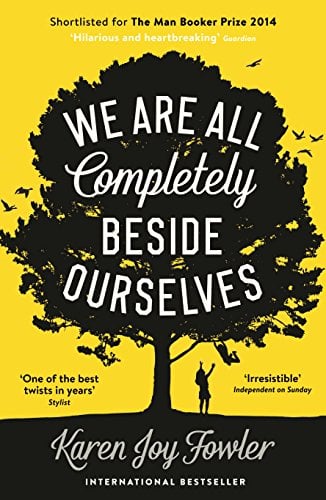
Start this bookNo. 15 on this list. We Are All Completely Beside Ourselves · Karen Joy Fowler · 2014
Won the 2014 PEN/Faulkner Award for Fiction and appeared on numerous year-end best book lists, establishing it as a significant 21st-century literary novel. The book entered academic discourse around animal studies, narrative ethics, and contemporary fiction's engagement with science. While too recent for canonical permanence, it occupies a strong position in discussions of literary fiction addressing interspecies relationships and family trauma.
Challenging6.7 hours
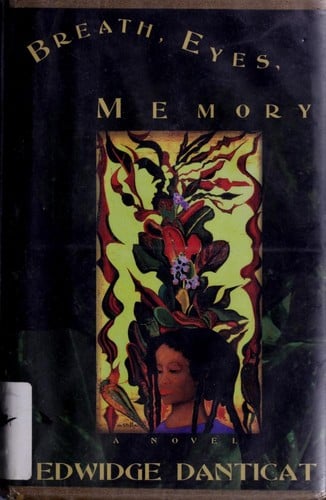
Start this bookNo. 16 on this list. Breath, Eyes, Memory · Edwidge Danticat · 1994
Widely assigned in Caribbean literature, diaspora studies, and postcolonial fiction courses at American universities. Oprah's Book Club selection in 1998 cemented its classroom presence, and it appears consistently on syllabi focused on Haitian-American experience and the literature of trauma. Its reach falls below Nobel-era Caribbean writers like Derek Walcott but well above works with only genre-course placement.
Challenging4.8 hours
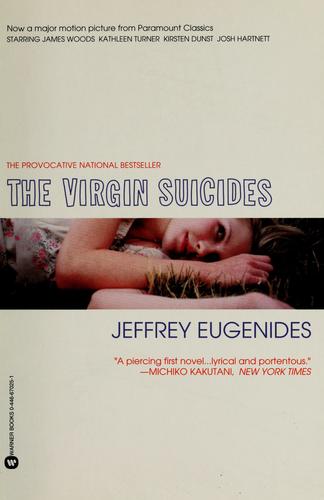
Start this bookNo. 17 on this list. The Virgin Suicides · Jeffrey Eugenides · 1993
The Virgin Suicides appears regularly on contemporary American literature and coming-of-age syllabi and features on Modern Library and similar notable reading lists. It is not a curriculum fixture at the scale of The Great Gatsby but is widely taught in university creative writing programs as a model of collective narration. No formal syllabus data available in the database.
Challenging5.6 hours
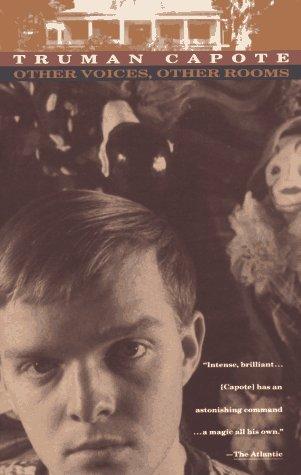
Start this bookNo. 18 on this list. Other Voices, Other Rooms · Truman Capote · 1994
A staple of Southern Gothic and of LGBTQ+ literature, it is taught in American literature and gender studies courses, though less universally than Capote's In Cold Blood or Breakfast at Tiffany's.
Moderate4.5 hours
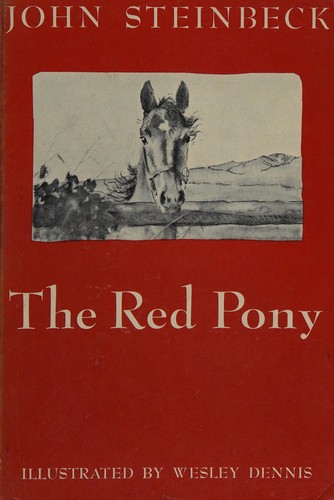
Start this bookNo. 19 on this list. The Red Pony · John Steinbeck
The Red Pony is widely taught in American middle and high schools and sits beside Of Mice and Men in Steinbeck's school canon. It is less central than The Great Gatsby or To Kill a Mockingbird.
Easy1.4 hours
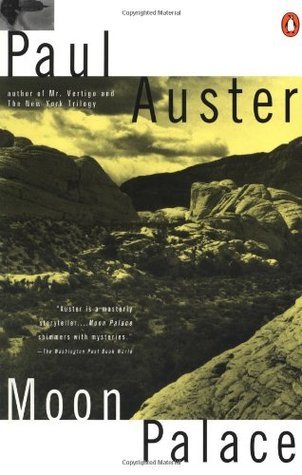
Start this bookNo. 20 on this list. Moon Palace · Paul Auster · 1989
Moon Palace appears regularly on American literature syllabi and in postmodern fiction courses, though not at the level of canonical anchors like Beloved or The Great Gatsby. It is widely considered one of Auster's strongest works and features in comparative literature programs internationally. No syllabus or Wikipedia data was available from the database to refine this estimate.
Challenging8.9 hours
Start this book
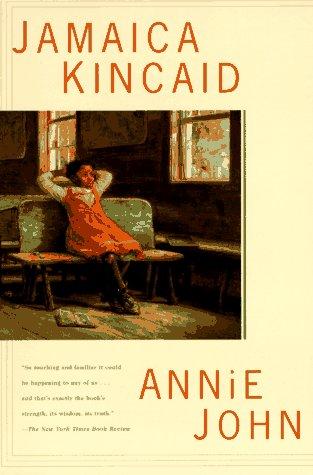
No. 21 on this list. Annie John · Jamaica Kincaid · 1985
Taught in schools: CSEC English B – Caribbean Examinations Council
Annie John grows up in Antigua in the 1950s, the only child of parents who love her completely and whom she watches with total absorption. Her mother is the center of the world: they wear matching dresses, share a bed, move through the same space in practiced harmony. Then one afternoon, standing in a fabric shop, her mother says it is time Annie dressed differently from her. The sentence lands like a physical blow, and the novel is the account of what follows. Kincaid writes in long, incantatory sentences that accumulate the way childhood memory accumulates — the same images returning, the same resentments, the same devotions worn smooth by repetition. Annie watches her classmates, befriends the rule-breaking Gwen, acquires a rebel friend called the Red Girl, and falls into a depression so total she lies in bed for months while her grandmother Ma Chess sleeps on the floor beside her. The colonial schoolroom is always present: Miss Edward circles with the dunce crown, pupils recite English history about Columbus and Carib Indians, the map of the empire hangs on the wall. Kincaid does not editorialize. She lets Annie describe it all with the clear-eyed acceptance of someone who does not yet know she should be furious. The novel ends with a departure. Annie boards a boat for England and does not look back — or rather, she does, once, and sees her mother's hand waving until it is indistinguishable from everything else.
Moderate2.7 hours
Start this bookNo. 22 on this list. The Outsiders · S.E. Hinton · 1967
Taught in schools: CSEC English B – Caribbean Examinations Council, Pacific Senior Secondary Certificate – English
The Outsiders is one of the most widely taught novels in American middle and high schools and a standard of young-adult reading lists. Its place in classrooms has held for more than half a century.
Easy2.6 hours
Start this bookNo. 23 on this list. Look Homeward, Angel · Thomas Wolfe
Look Homeward, Angel is a standard text in American literature courses and a major Southern and autobiographical novel. It is less universal than Gatsby or Mockingbird.
Moderate14 hours
Start this bookNo. 24 on this list. A Boy's Own Story · Edmund White · 1982
Ranked by literary regard among eligible works in the current catalogue. This position reflects the available catalogue evidence.
Challenging4.6 hours
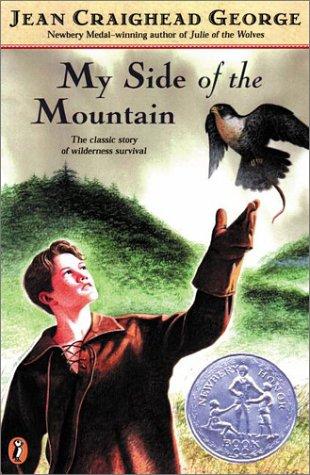
Start this bookNo. 25 on this list. My Side of the Mountain · Jean Craighead George · 1959
Taught in schools: CSEC English B – Caribbean Examinations Council
A Newbery Honor book and one of the most enduring wilderness survival novels for young readers. Continuously in print since 1959.
Very Easy1.7 hours
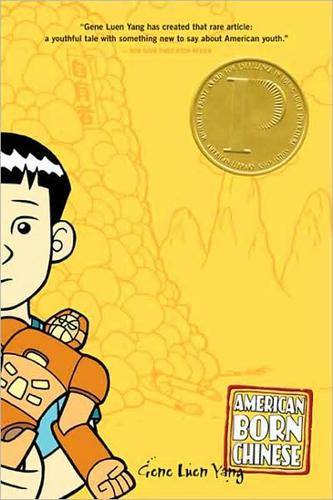
Start this bookNo. 26 on this list. American Born Chinese · Gene Luen Yang · 2006
Printz Award winner, first graphic novel nominated for a National Book Award. A foundational text in Asian American graphic literature.
Easy37 min
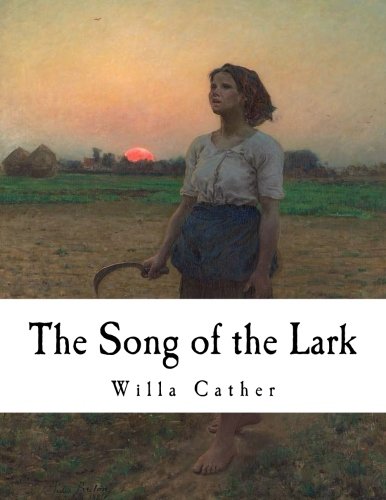
Start this bookNo. 27 on this list. The Song of the Lark · Willa Cather · 1915
An important Cather novel, though less frequently taught than My Antonia or Death Comes for the Archbishop. Valued by scholars of American women's writing.
Easy8.6 hours
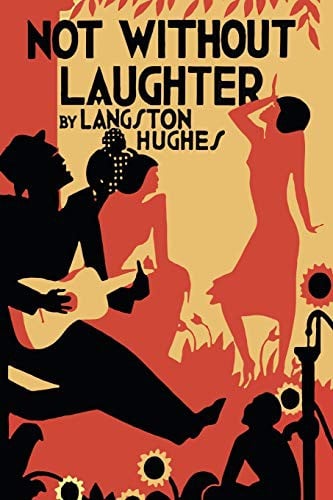
Start this bookNo. 28 on this list. Not Without Laughter · Langston Hughes · 1930
"Not Without Laughter" is a recognized text on university African American literature and Harlem Renaissance syllabi, though it occupies a secondary position relative to Hughes's poetry or major novels like "Their Eyes Were Watching God." No syllabus or Wikipedia data was retrieved from the database, but Hughes's stature ensures the novel remains in circulation in academic settings focused on early 20th-century Black American writing.
Moderate5.1 hours
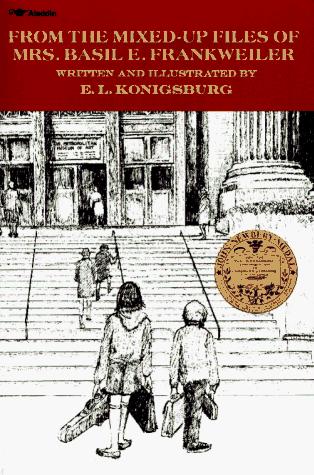
Start this bookNo. 29 on this list. From the Mixed-Up Files of Mrs. Basil E. Frankweiler · E.L. Konigsburg · 1967
A fixture in American elementary and middle school curricula since its 1967 publication, taught for over five decades in classrooms across the country. The book appears on numerous recommended reading lists and has sold millions of copies, though it sits within children's literature rather than the adult literary canon taught at university level. Its institutional presence in K-8 education is substantial and sustained.
Challenging2.8 hours
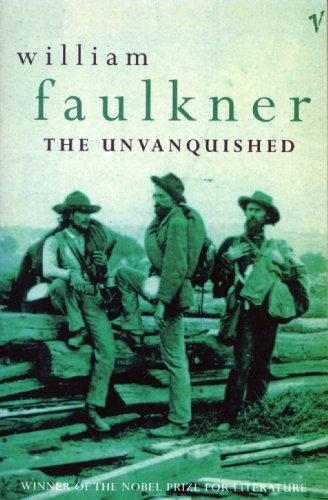
Start this bookNo. 30 on this list. The Unvanquished · William Faulkner · 1938
The Unvanquished is a recognized part of Faulkner's Yoknapatawpha cycle, taught in American literature courses as an accessible entry point into Faulkner's work and as a study of Civil War-era Southern society. It is less canonically prominent than The Sound and the Fury, As I Lay Dying, or Absalom, Absalom!, and the database shows 0 Open Syllabus appearances, suggesting its current academic footprint is modest. Still, as a work by a Nobel Prize winner with an enduring place in the Faulkner corpus, it sits comfortably in the 60–70 range.
Moderate4.4 hours
Start this book
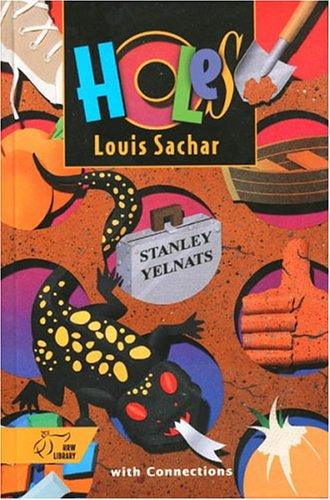
No. 31 on this list. Holes
Louis Sachar · 1998
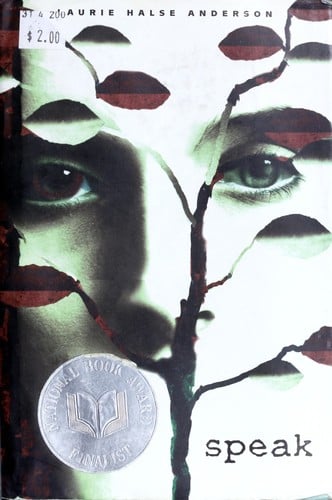
No. 32 on this list. Speak
Laurie Halse Anderson · 1999
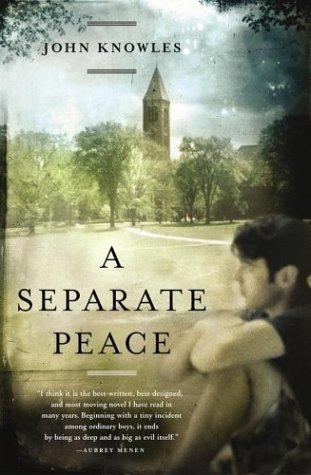
No. 33 on this list. A Separate Peace
John Knowles · 2003
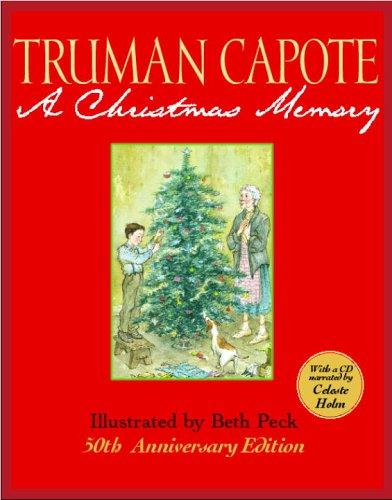
No. 34 on this list. A Christmas Memory
Truman Capote · 1956
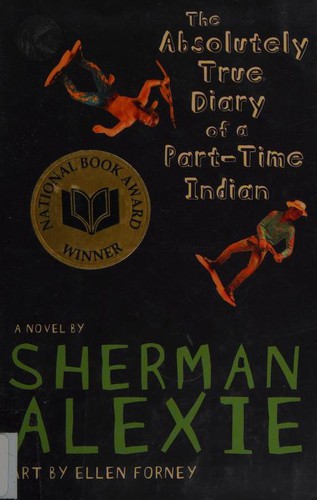
No. 35 on this list. The Absolutely True Diary of a Part-Time Indian
Sherman Alexie · 2007
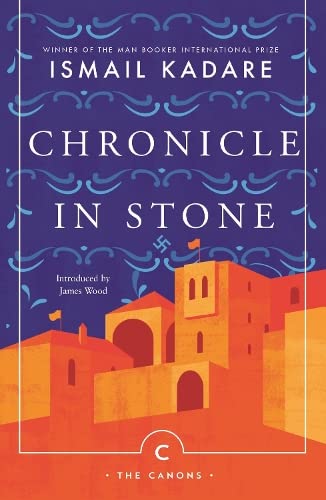
No. 36 on this list. Chronicle in Stone
Ismail Kadare · 1971
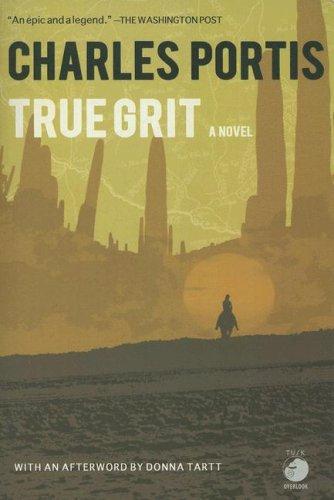
No. 37 on this list. True Grit
Charles Portis · 1968
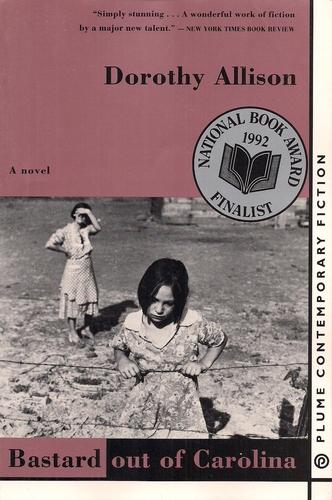
No. 38 on this list. Bastard Out of Carolina
Dorothy Allison · 1992
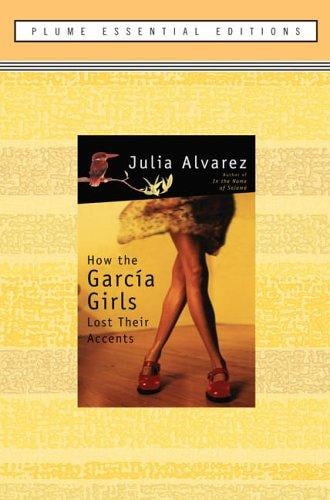
No. 39 on this list. How the Garcia Girls Lost Their Accents
Julia Alvarez · 1991
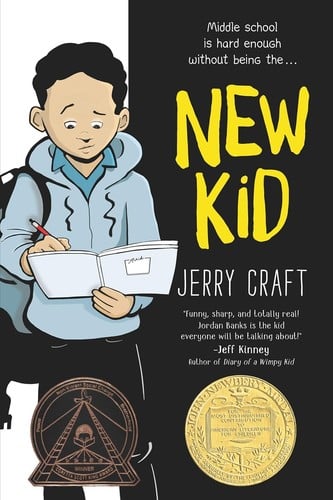
No. 40 on this list. New Kid
Jerry Craft · 2019
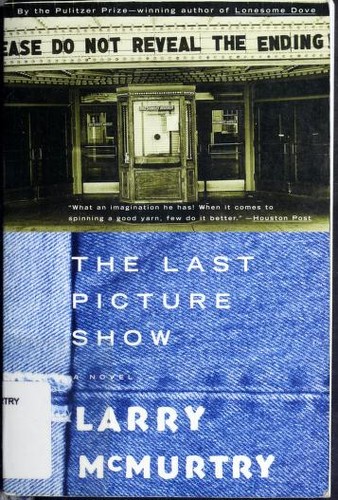
No. 41 on this list. The Last Picture Show
Larry McMurtry · 1966
No. 42 on this list. The Lesson
Toni Cade Bambara · 1972
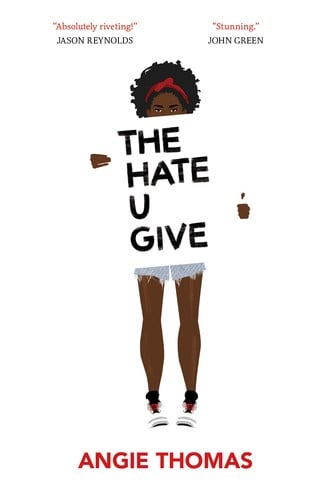
No. 43 on this list. The Hate U Give
Angie Thomas · 2017
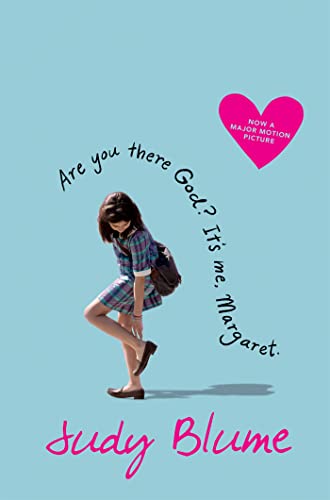
No. 44 on this list. Are You There God? It's Me, Margaret
Judy Blume · 1970
Taught in schools: CSEC English B – Caribbean Examinations Council
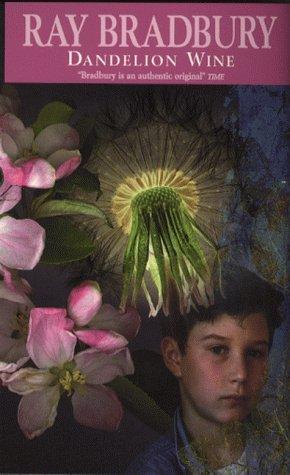
No. 45 on this list. Dandelion Wine
Ray Bradbury · 1957
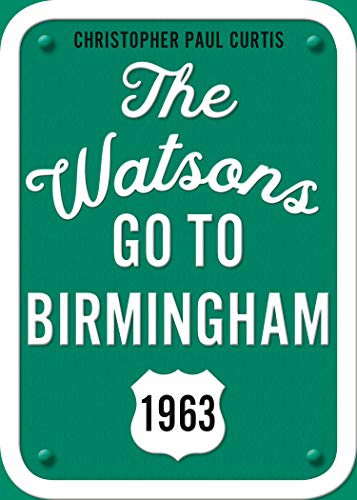
No. 46 on this list. The Watsons Go to Birmingham - 1963
Christopher Paul Curtis · 1995
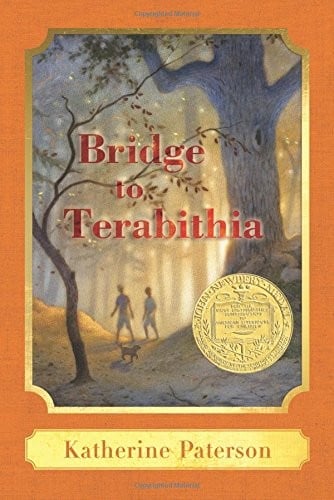
No. 47 on this list. Bridge to Terabithia
Katherine Paterson · 1977
Taught in schools: Lithuanian literature curriculum (lietuvių kalba ir literatūra)
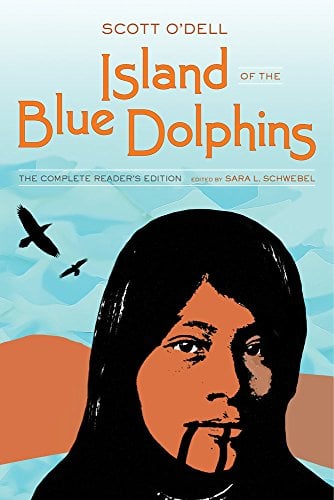
No. 48 on this list. Island of the Blue Dolphins
Scott O'Dell · 1960
Taught in schools: CSEC English B – Caribbean Examinations Council
No. 49 on this list. The Phantom Tollbooth
Norton Juster · 1961
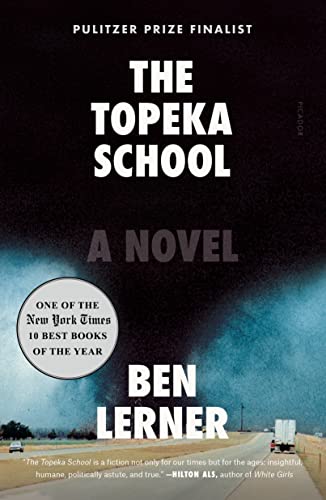
No. 50 on this list. The Topeka School
Ben Lerner · 2019
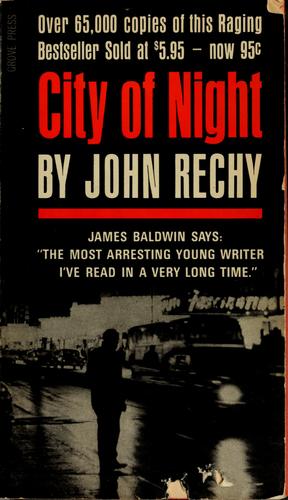
No. 51 on this list. City of Night
John Rechy · 1963
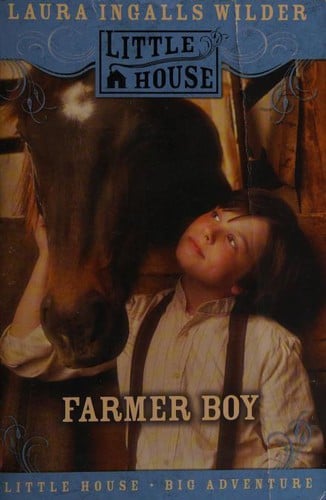
No. 52 on this list. Farmer Boy
Taught in schools: CSEC English B – Caribbean Examinations Council
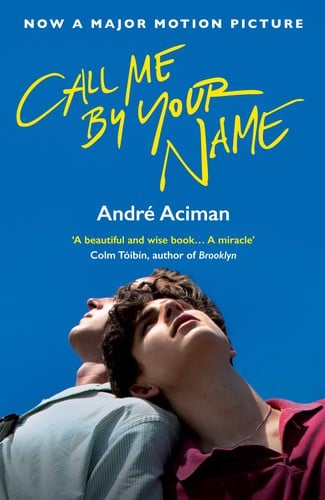
No. 53 on this list. Call Me By Your Name
André Aciman · 2007
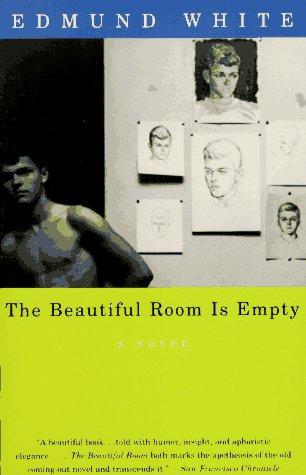
No. 54 on this list. The Beautiful Room Is Empty
Edmund White · 1988
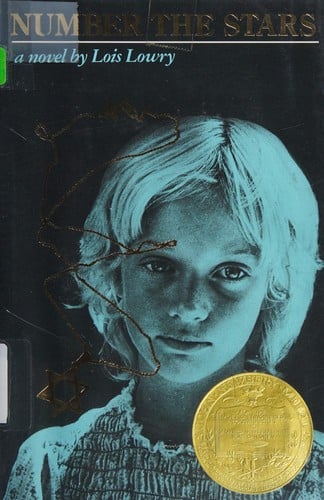
No. 55 on this list. Number the Stars
Lois Lowry · 1989
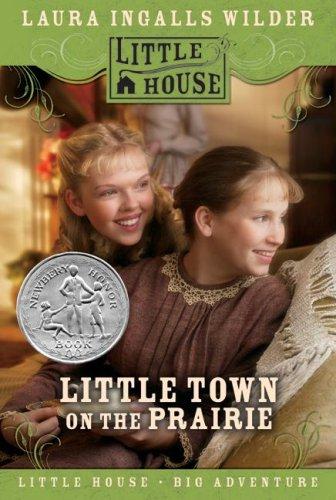
No. 56 on this list. Little Town on the Prairie
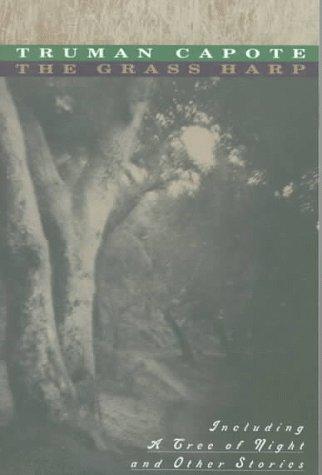
No. 57 on this list. The Grass Harp, Including A Tree of Night and Other Stories
Truman Capote · 1993
No. 58 on this list. The Beautiful Struggle: A Father, Two Sons and an Unlikely Road to Manhood
Ta-Nehisi Coates · 2008
No. 59 on this list. Tuck Everlasting
Natalie Babbitt · 1975
Taught in schools: Common Core text exemplars (Appendix B) (US)
No. 60 on this list. Hatchet
Gary Paulsen · 1987
Taught in schools: Pacific Senior Secondary Certificate – English
No. 61 on this list. We Need to Talk About Kevin
Lionel Shriver · 2005
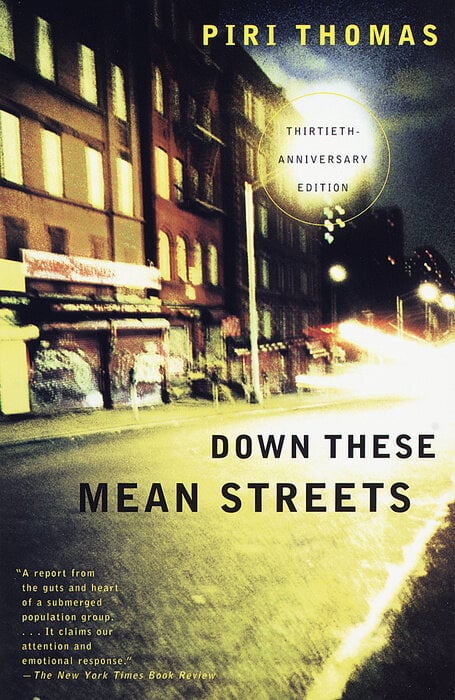
No. 62 on this list. Down These Mean Streets
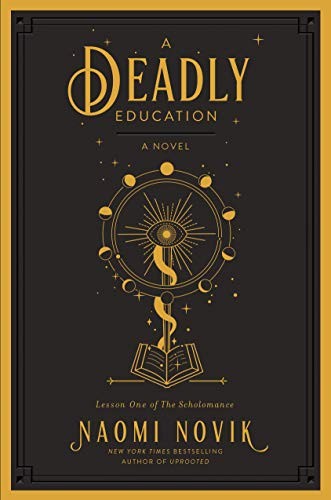
No. 63 on this list. A Deadly Education
Naomi Novik · 2020
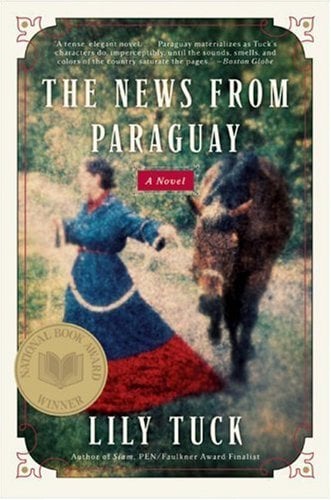
No. 64 on this list. The News from Paraguay
Lily Tuck · 2004
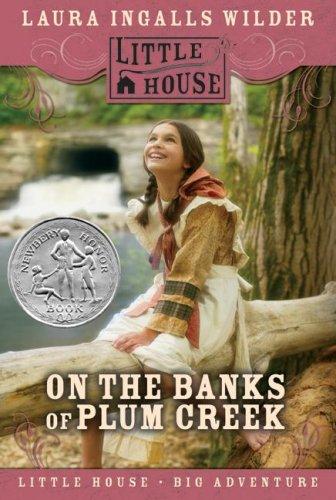
No. 65 on this list. On the Banks of Plum Creek
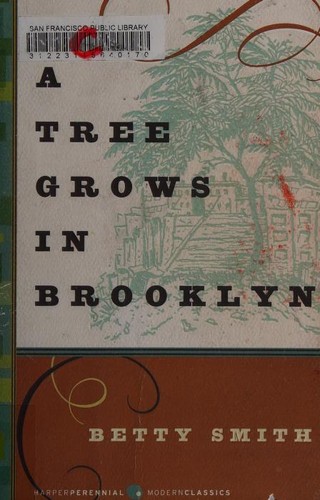
No. 66 on this list. A Tree Grows in Brooklyn
Betty Smith · 1943
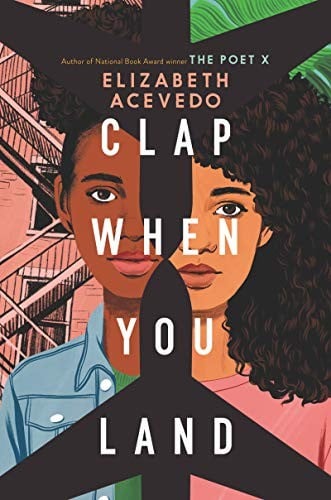
No. 67 on this list. Clap When You Land
Elizabeth Acevedo · 2020
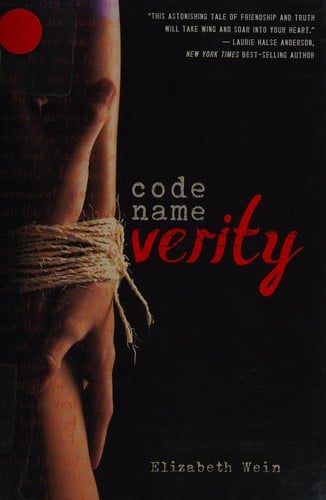
No. 68 on this list. Code Name Verity
Elizabeth Wein · 2012
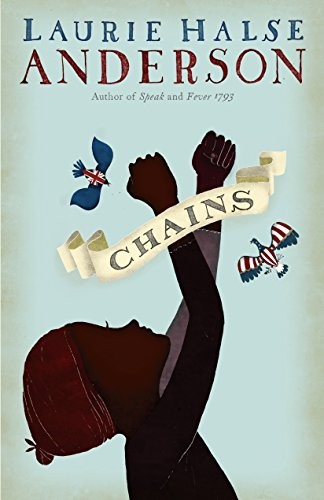
No. 69 on this list. Chains
Laurie Halse Anderson · 2008
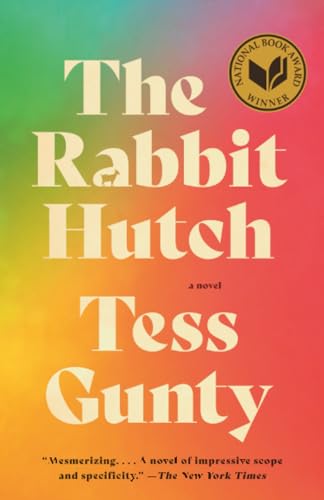
No. 70 on this list. The Rabbit Hutch
Tess Gunty · 2022
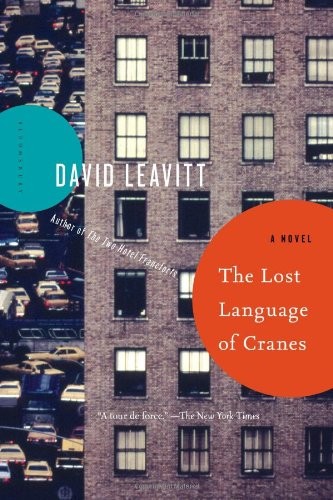
No. 71 on this list. The Lost Language of Cranes
David Leavitt · 1986
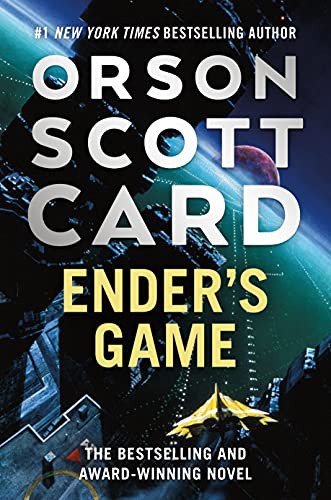
No. 72 on this list. Ender's Game
Orson Scott Card · 1985
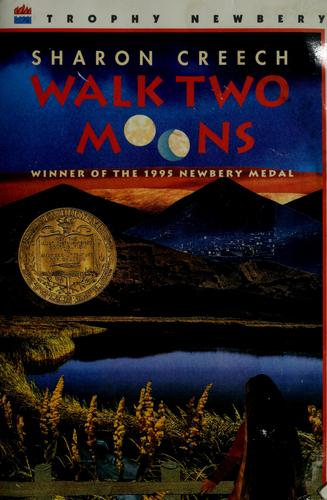
No. 73 on this list. Walk Two Moons
Sharon Creech · 1994
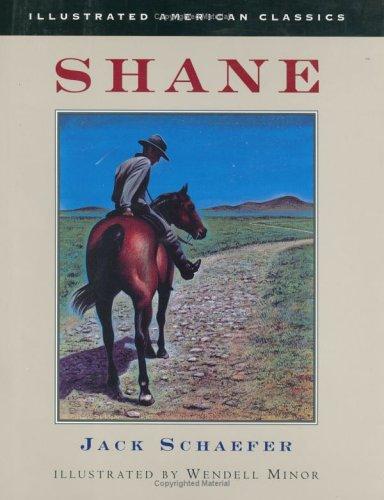
No. 74 on this list. Shane
Jack Schaefer · 2001
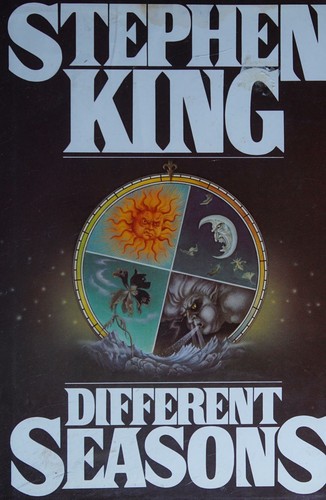
No. 75 on this list. Different Seasons
Stephen King · 1995
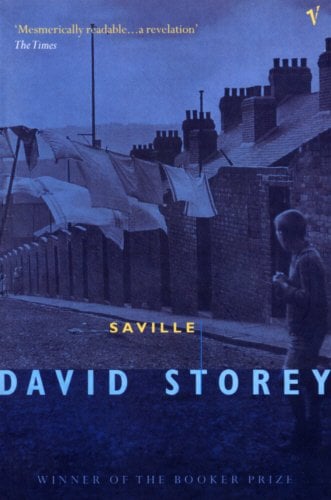
No. 76 on this list. Saville
David Storey · 1976
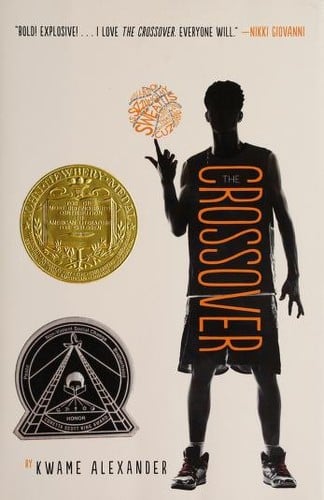
No. 77 on this list. The Crossover
Kwame Alexander · 2014
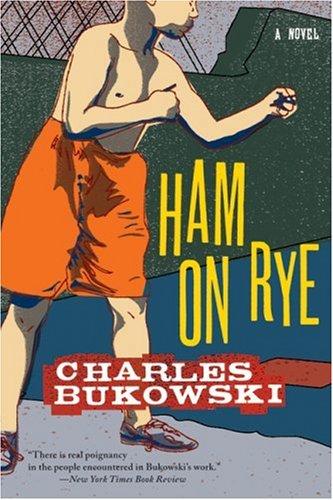
No. 78 on this list. Ham on Rye
Charles Bukowski · 2007
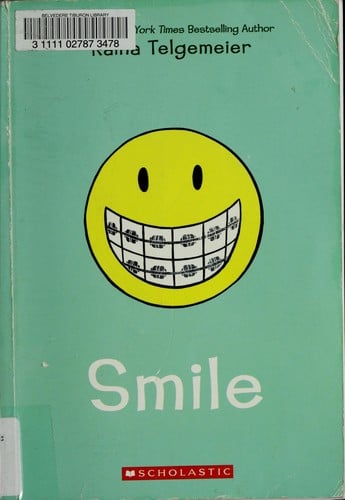
No. 79 on this list. Smile
Raina Telgemeier · 2010
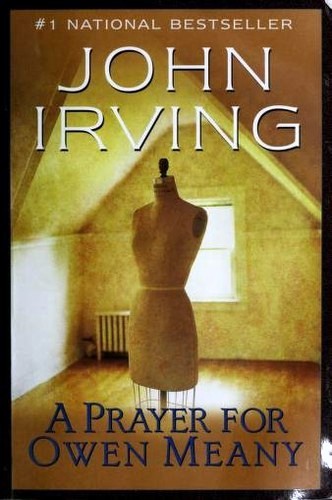
No. 80 on this list. A Prayer for Owen Meany
John Irving · 1989
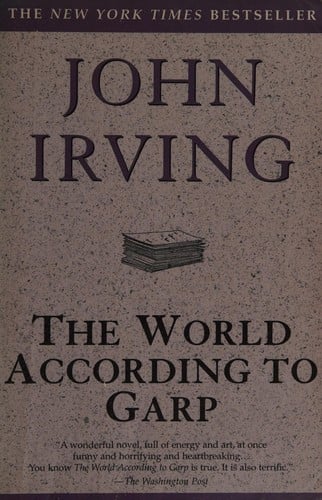
No. 81 on this list. The World According to Garp
John Irving · 1978
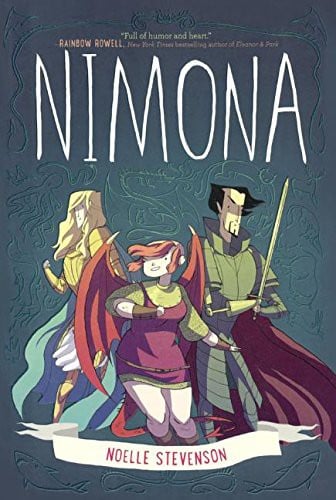
No. 82 on this list. Nimona
Noelle Stevenson · 2015
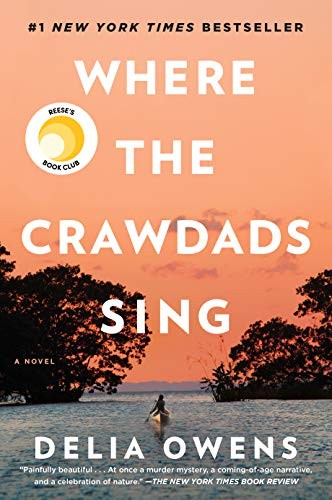
No. 83 on this list. Where the Crawdads Sing
Delia Owens · 2018
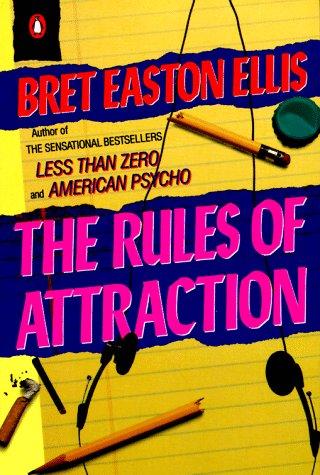
No. 84 on this list. The Rules of Attraction
Bret Easton Ellis · 1987
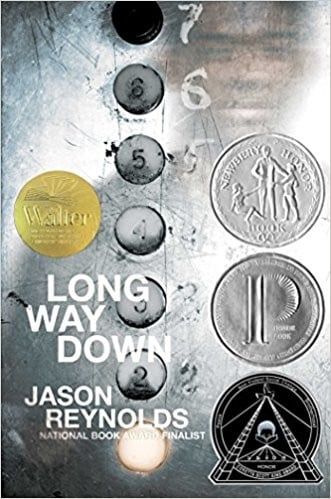
No. 85 on this list. Long Way Down
Jason Reynolds · 2017
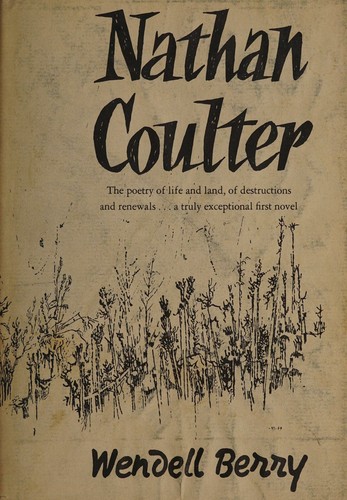
No. 86 on this list. Nathan Coulter
Wendell Berry · 1960
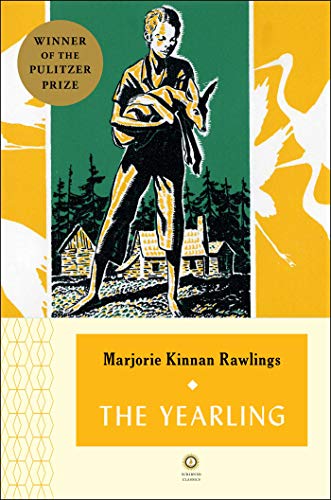
No. 87 on this list. The Yearling
Marjorie Kinnan Rawlings · 1939
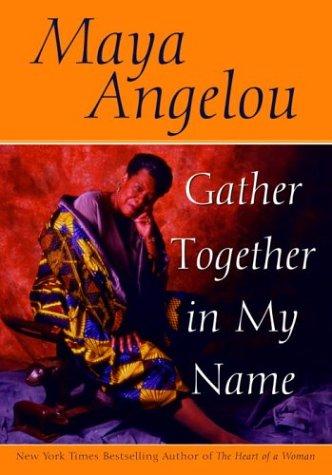
No. 88 on this list. Gather Together in My Name
Maya Angelou · 1997
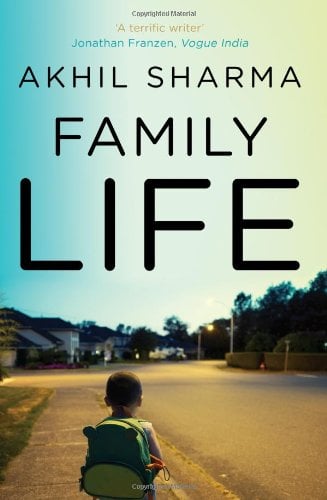
No. 89 on this list. Family Life
Akhil Sharma · 2016
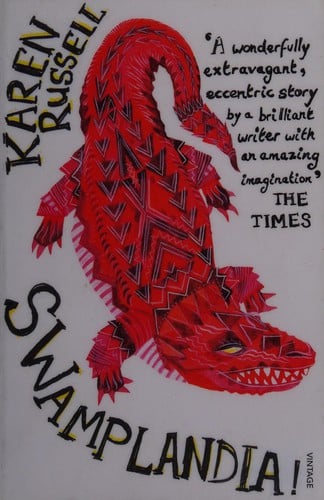
No. 90 on this list. Swamplandia!
Karen Russell · 2000
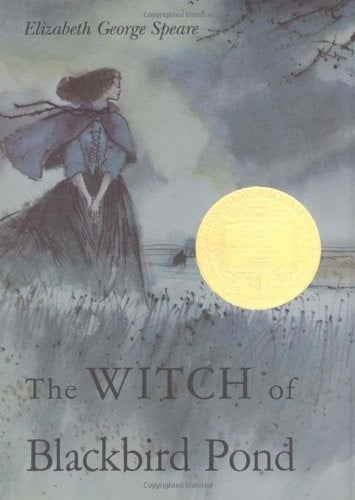
No. 91 on this list. The Witch of Blackbird Pond: A Newbery Award Winner – A Halloween Book for Teens
Elizabeth George Speare · 1958
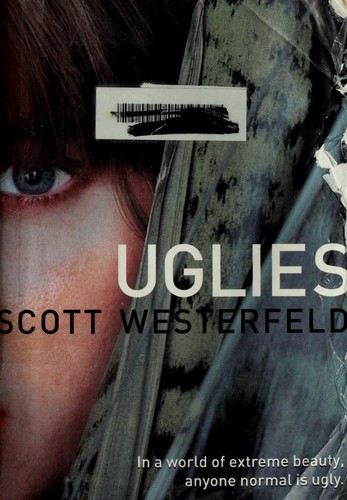
No. 92 on this list. Uglies
Scott Westerfeld · 2005
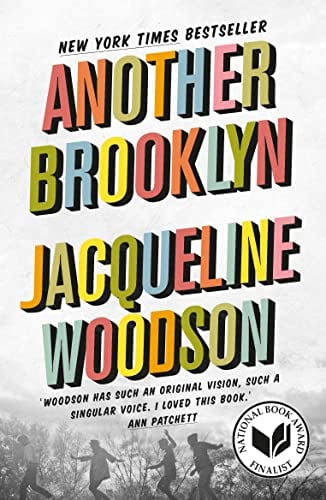
No. 93 on this list. Another Brooklyn
Jacqueline Woodson · 2016
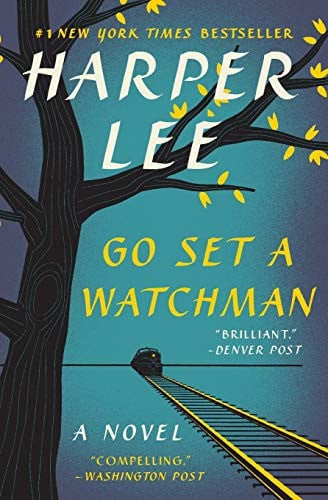
No. 94 on this list. Go Set a Watchman
Harper Lee · 2015
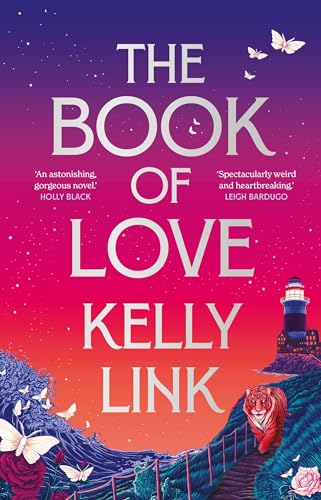
No. 95 on this list. The Book of Love
Kelly Link · 2024
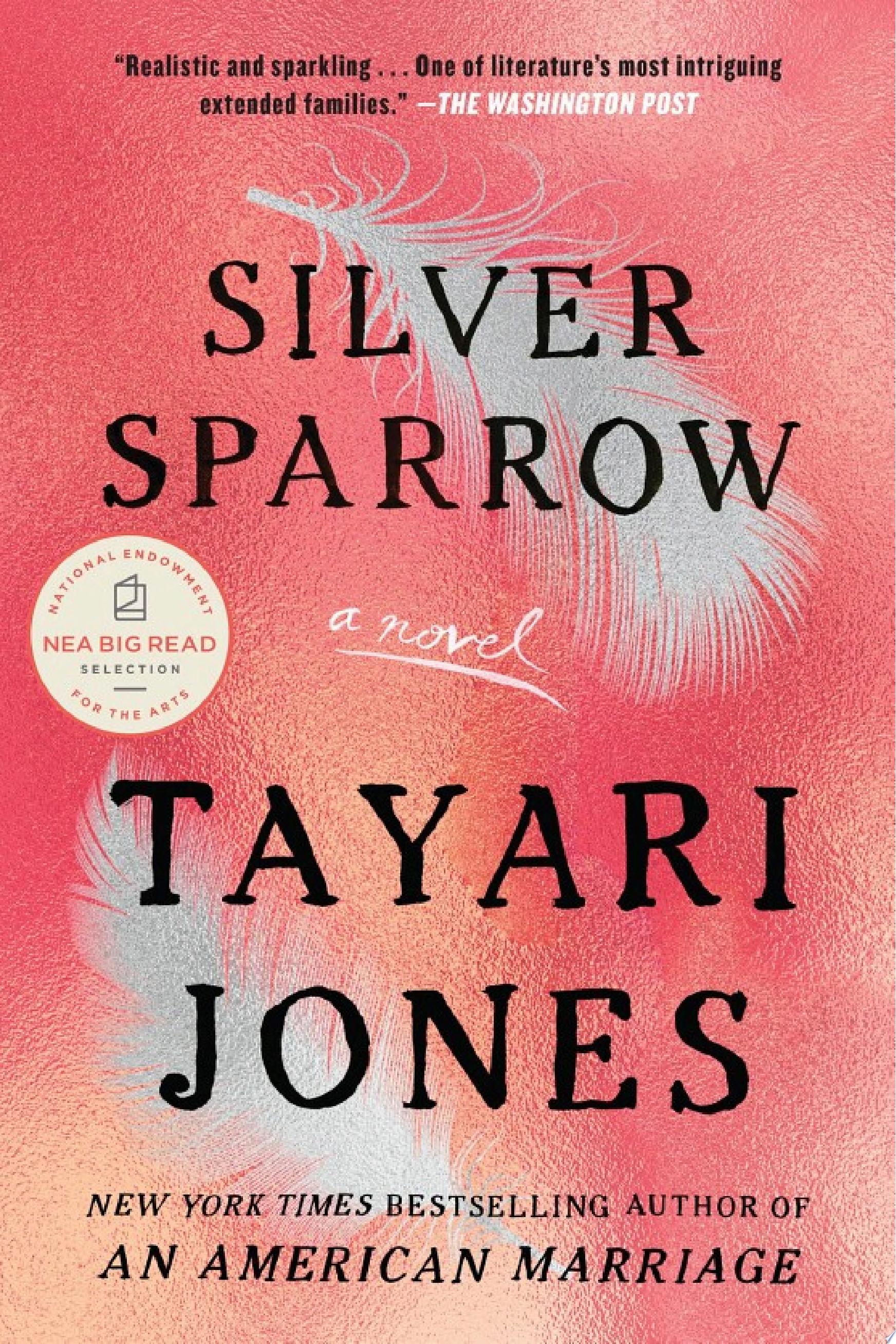
No. 96 on this list. Silver Sparrow
Tayari Jones · 2012
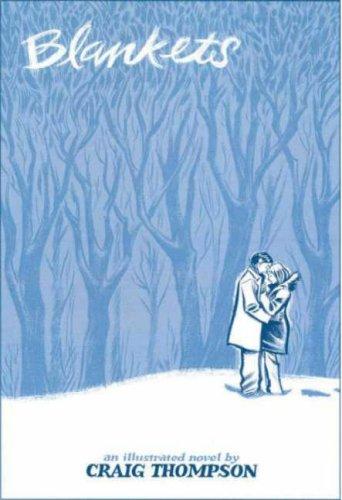
No. 97 on this list. Blankets
Craig Thompson · 2003
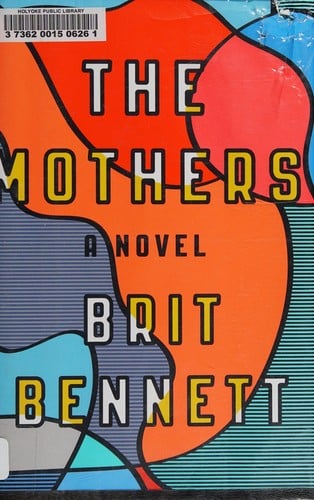
No. 98 on this list. The Mothers
Brit Bennett · 2016
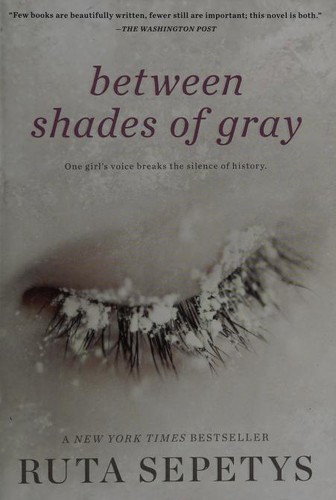
No. 99 on this list. Between Shades of Gray
Ruta Sepetys · 2011
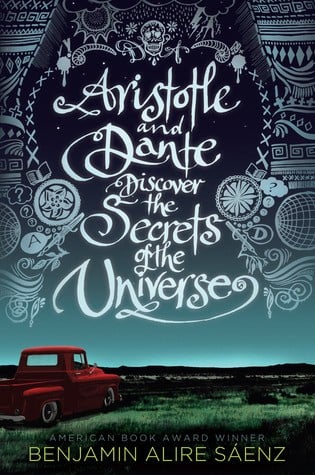
No. 100 on this list. Aristotle and Dante Discover the Secrets of the Universe
Benjamin Alire Sáenz · 2012
About this list
These 100 books are the highest-scoring eligible coming-of-age novels from the United States currently in the catalogue. About 475 hours of reading in all. Difficulty runs from 28 to 52 out of 100 for the middle half of the list; the summit is Chronicle in Stone at 76.
This list is ranked by literary regard, with a consistent order for equal scores. Membership follows authors and co-authors, not translators or editors. Catalogue coverage and the historical canon both limit what this list can represent, and genre labels are the catalogue’s own, gathered into broader kinds.
When we matched the Canons dataset to our catalogue in October 2026, our canonical-status scores rose with the number of school curricula, publisher series and lists in it that cite a work: the median score was 72 for books one such source cites, 84 at two, 88 at three, 92 at four and 93 at five or more. Prizes are left out of that count. Outside the state curricula, the dataset’s sources choose mostly from what has been translated into English or French, so it is a weaker check on other literatures. Source: Canons (Andrew Piper), CC BY 4.0
Questions people actually ask
- What are the best coming-of-age novels from the United States?
- By literary regard, which weighs canonical status, critical standing and influence: Adventures of Huckleberry Finn by Mark Twain, The Bell Jar by Sylvia Plath, What Maisie Knew by Henry James, The House on Mango Street by Sandra Cisneros and Little Women (Little Women, #1) by Louisa May Alcott. ReadingRate ranks 100 such books, each with a difficulty score and a reading-time estimate.
- Which coming-of-age novels from the United States should I read first?
- Start from difficulty, not from rank. The most approachable books on this list that still carry top literary regard are Roll of Thunder, Hear My Cry by Mildred D. Taylor (about 2.4 hours), This Side of Paradise by F. Scott Fitzgerald and The Book of Three by Lloyd Alexander.
- What are the shortest of the best coming-of-age novels from the United States?
- Among the top 25, the shortest are The House on Mango Street by Sandra Cisneros (about 1.4 hours), The Red Pony by John Steinbeck (about 1.4 hours) and Monster by Walter Dean Myers (about 1.7 hours), at an average pace of 250 words a minute adjusted for each book's difficulty.
- Which of the best coming-of-age novels from the United States are the established classics?
- By canonical status, how firmly a book sits in curricula, anthologies and the canon: Adventures of Huckleberry Finn by Mark Twain, To Kill a Mockingbird by Harper Lee, The Bell Jar by Sylvia Plath, The House on Mango Street by Sandra Cisneros and Roll of Thunder, Hear My Cry by Mildred D. Taylor.
- Can I read any of these coming-of-age novels from the United States for free?
- 2 of the 100 open in ReadingRate's reader with a free account, from public-domain editions: Adventures of Huckleberry Finn and This Side of Paradise.
- How long would it take to read the top ten?
- About 51 hours, at an average pace of 250 words a minute adjusted for each book's difficulty: 26 days at two hours a day. Set your own pace on the page and the list's reading times change to it.
- How hard are coming-of-age novels from the United States to read?
- Most of this list sits between 28 and 52 on ReadingRate's 100-point difficulty scale, where 40 to 55 is moderate. The summit is Chronicle in Stone at 76. Every entry carries its own score, so a reader can pick a great book at a difficulty they will finish.
- How is this list ranked?
- On literary-regard data: how canonically established a work is, its critical standing, and its influence on later writing. It is not a readers’ poll, which is why recent bestsellers rarely appear. Membership follows authors and co-authors, not translators or editors. Lists by country, author, period, theme or difficulty keep to literature: fiction, poetry and drama, with no philosophy, criticism or theory. A list of a kind of book, such as philosophy, memoir or criticism, keeps every book of that kind. Every list holds at most three works by one author.