Hours at an average pace
Showing 100 books
About 1,597 hours for 100 of 100 books with measured lengths. Estimates use 250 words a minute, adjusted for each book's difficulty. At 2 hours a day, about 799 days for those books.
Finnegans Wake appears on 108 university syllabi (Open Syllabus, 50th percentile) and holds a Wikipedia article in 39 languages. It is listed on the Modern Library 100 Best Novels and published by NYRB Classics. Syllabus presence is lower than Ulysses because the book is taught almost exclusively in graduate Joyce seminars and advanced modernism courses — its difficulty makes undergraduate adoption rare.
No. 2 on this list. The Waste Land
T. S. Eliot · 1922
Very Difficult34 min
Taught in schools: Pacific Senior Secondary Certificate – English
Included in: Great Books of the Western World
It is in Great Books of the Western World and a recommended text in Pacific senior school English. The Wikipedia article exists in 35 languages. It is the defining modernist poem, taught in nearly every 20th-century literature course.
No. 3 on this list. ULYSSES (The Original 1922 Edition): Enriched edition. A Modernist Dublin Day of Stream-of-Consciousness, Identity, and Odyssey Echoes
Very Difficult26 hours
It is the defining modernist text, taught in virtually every twentieth-century literature course and routinely ranked among the greatest novels.
No. 4 on this list. Ulysses
James Joyce · 1922
Very Difficult47 hours
Included in: Bokklubben World Library
Ulysses appears on 1,017 university syllabi (75th percentile, Open Syllabus Project) and features on the Modern Library's #1 Best Novels list, Le Monde's 100 Books of the Century, TIME's All-TIME 100 Novels, and the BBC Big Read. Wikipedia covers it in 36 languages. Published in Everyman's Library and Penguin Classics, it has maintained continuous academic circulation since its 1934 US publication.
No. 5 on this list. In the Heart of the Heart of the Country
William Gass · 1968
Very Difficult13 hours
In the Heart of the Heart of the Country was first published in 1968 and immediately positioned Gass — alongside Barth, Pynchon, and Coover — as a founding figure of American postmodern fiction. The NYRB Classics reprint with an introduction by Joanna Scott confirms its place in the American literary canon. It is taught in graduate programs in literary fiction and cited in essays on American experimental prose. Its canonical position is more secure in academic contexts than in general readership, placing it below Invisible Man or Blood Meridian but above most of its experimental contemporaries.
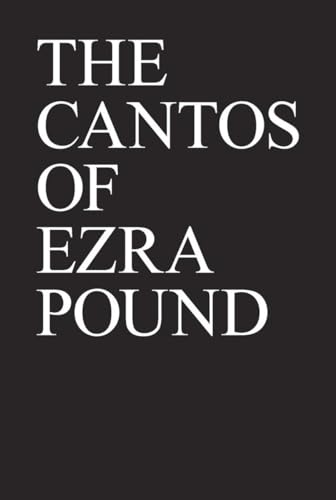
The Cantos appear on virtually every graduate-level modernist poetry syllabus and are the unavoidable centerpiece of Pound studies worldwide. The Pisan Cantos alone are canonical across multiple national literary traditions. While shorter Pound poems are more widely assigned at the undergraduate level, the full poem is central to any serious study of 20th-century Anglo-American poetry.
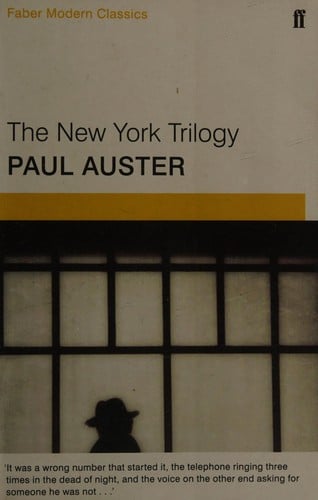
The New York Trilogy stands as the defining work of American postmodern noir and one of the most influential experimental novels of the 1980s. It appears consistently on syllabi for postmodern fiction, metafiction, and American literature courses, and is cited as a foundational text in discussions of the detective genre's literary transformation. Published in the US by Penguin Books (1987 combined edition), it has remained continuously in print for four decades. It appears on numerous "greatest novels" lists and is central to critical discourse on identity, authorship, and the limitations of language in contemporary fiction.
How It Is appears on advanced modernism and postmodernism syllabi but rarely in broad undergraduate curricula — it is a specialist's Beckett text rather than the entry point (Waiting for Godot or Endgame fill that role). Wikipedia records the work in 6 languages with a 7,787-character article, indicating solid scholarly documentation but not wide popular reach. Among Beckett scholars it is considered essential; among general readers it is largely unknown.
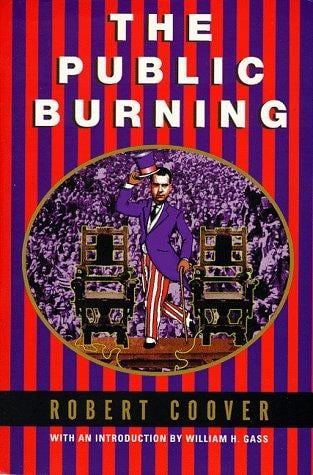
The Public Burning is Robert Coover's most ambitious and controversial novel — refused by seventeen publishers before Viking accepted it, then immediately pulled from paperback after a Nixon lawsuit threat. It appears in every major survey of American postmodern fiction (Hassan, Waugh, McHale), is taught widely in graduate seminars on metafiction, and is cited alongside Gravity's Rainbow and Giles Goat-Boy as the defining novels of the postmodern satirical-historical mode. Its canonical status exceeds its readership by a large margin.
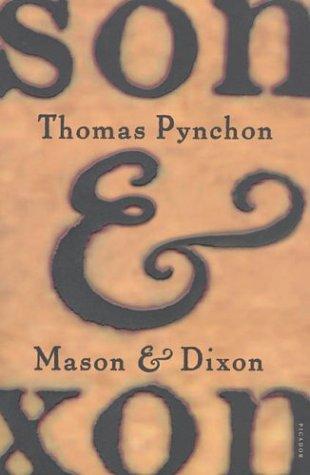
Mason & Dixon appears on graduate-level American literature and postmodern fiction syllabi, most notably in courses on Pynchon or on the 18th-century novel's legacy, but has not achieved the broad undergraduate curriculum placement of Gravity's Rainbow or The Crying of Lot 49. It appears on the Modern Library 100 Best Novels list and most 'great American novels' inventories. Wikipedia articles exist in over a dozen languages. Its length and difficulty limit classroom adoption compared to shorter Pynchon works.

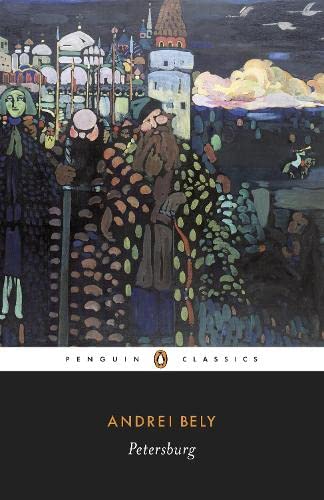
No. 11 on this list. Petersburg · Andrei Bely · 1913
Vladimir Nabokov named Petersburg one of the four greatest novels of the twentieth century, alongside Ulysses, Kafka's The Metamorphosis, and In Search of Lost Time. It is foundational to university syllabi in Slavic studies and comparative modernism globally, and appears on major world literature lists. Its canonical standing is high within literary circles and academia, though it reaches fewer general curricula than English-language modernist counterparts.
Very Difficult31 hours
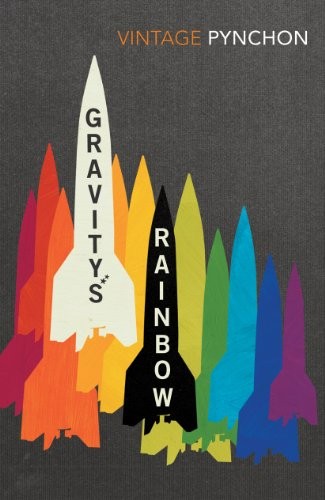
Start this bookNo. 12 on this list. Gravity's Rainbow · Thomas Pynchon · 1973
Thomas Pynchon constructs an encyclopedic paranoid masterwork spanning 760 pages of rocket science, Pavlovian conditioning, corporate conspiracy, and encyclopedic digression. Tyrone Slothrop, American lieutenant in wartime London, discovers his sexual conquests map perfectly onto V-2 rocket strike locations—but the erections precede the impacts. Was he conditioned as an infant by sinister behaviorist Laszlo Jamf? Does a corporate-military cartel control history itself? Pynchon provides evidence for every paranoid connection while confirming none. The novel sprawls across 1944-45 Europe, from London under rocket attack to occupied Germany's anarchic Zone, accumulating hundreds of characters, corporate entities, chemical formulas, and historical conspiracies. Pynchon's prose shifts registers violently: technical manuals on rocket engineering dissolve into vaudeville routines, then into lyrical meditations on death and entropy. The vocabulary demands encyclopedic knowledge—thermodynamics, organic chemistry, Tarot, Rilke, film history, brand names. Readers navigate specialized jargon without glossaries, track characters who appear once and vanish, decode references to real and imaginary corporations. The difficulty is purposeful: Pynchon creates textual experience of paranoid information overload. His central symbol, the V-2 rocket, carries impossible symbolic weight: phallic death-bringer, technological sublime, gravity's rainbow parabola from launch to silent impact. The rocket arrives before its sound—death you cannot hear coming. Pynchon explores how technology transforms human consciousness, how corporations and states use Pavlovian conditioning for control, how empire produces extinction (the dodo, the Herero genocide). Concrete plot events—Slothrop's investigation, Roger and Jessica's doomed love, Blicero's ritual rocket launch—carry enormous abstract weight about history, causation, and freedom. The novel asks whether patterns are real or paranoid projection: does Slothrop's conditioning prove control, or is it coincidence interpreted as conspiracy? Pynchon withholds answers. The structure mirrors paranoid thinking—everything potentially connects, secret cartels manipulate history, individual agency vanishes into systems. Slothrop himself fragments as the novel progresses, appearing less frequently, dissolving into scattered references, finally disappearing entirely. The dissolution is structural: as Slothrop loses coherence, so does the narrative. Subplots proliferate, the center fails to hold, entropy increases. The ending places readers in a movie theater in Los Angeles, present tense, as the 00000 rocket descends toward them. The novel freeze-frames before impact, leaving readers perpetually awaiting the explosion. No resolution occurs—narrative, thematic, or moral. Gravity's Rainbow withholds the satisfactions of conventional fiction while demanding enormous interpretive labor. Its encyclopedic scope, technical difficulty, and paranoid plotting make it among English literature's most challenging novels. Pynchon proved unreadability and importance could coexist, that difficulty itself could be the point. The novel's influence on postmodern fiction is incalculable—it established new possibilities for combining history, science, and popular culture in maximalist form. Reading it requires surrender to accumulation, pattern-seeking without resolution, immersion in encyclopedic detail that may or may not signify. The reward is experiencing consciousness under late capitalism: paranoid, fragmented, overwhelmed by information, seeking patterns in noise, awaiting the rocket's silent arrival.
Difficult52 hours
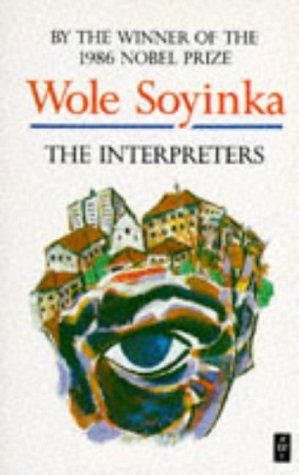
Start this bookNo. 13 on this list. The Interpreters · Wole Soyinka · 1965
Included in: Heinemann African Writers Series
Widely taught across African literature curricula and regarded as the foundational novel of postcolonial Anglophone African fiction. Soyinka's Nobel Prize (1986) retroactively elevated its status; it appears on virtually every serious African literature syllabus worldwide.
Difficult14 hours
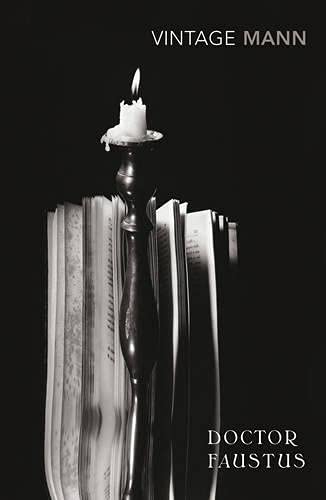
Start this bookNo. 14 on this list. Doctor Faustus · Thomas Mann · 1947
Routinely cited as Mann magnum opus and the great novel of German catastrophe. Taught as essential modernist text.
Difficult34 hours
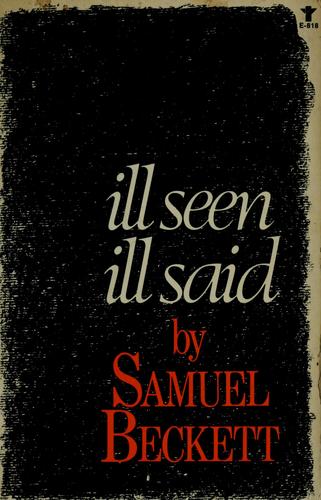
Start this bookNo. 15 on this list. Ill Seen Ill Said · Samuel Beckett · 1981
An old woman lives alone in a stone cabin at the edge of a formless landscape. She watches Venus rise and the moon whiten the stones. She makes her slow way to a tomb bearing flowers. Twelve figures linger always in the distance — still, or receding — and she never sees one come toward her. A narrating eye watches her, reports what it sees, then immediately doubts its own report. 'Ill seen' is both title and method: Beckett spent his late career stripping the novel to whatever cannot be further removed, and Ill Seen Ill Said is among the most extreme results. There is no plot and almost no character in the usual sense — only perception failing to fix its object, language circling what it cannot say. The woman seems to be dying, or has always been dying, or is a figment the narrator cannot quite relinquish. A buttonhook trembles on its nail throughout; the stones encroach on the pastures year by year; and at the last a voice says: 'Know happiness.' At eighty-odd pages this is Beckett at his most concentrated — difficult, beautiful, and utterly unlike anything else.
Difficult5 hours
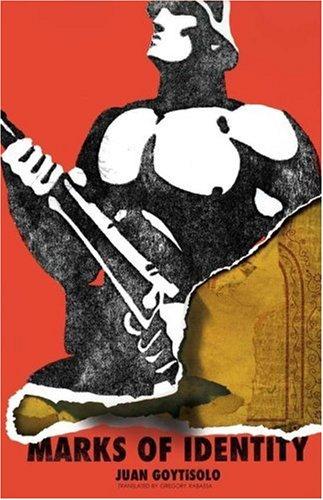
Start this bookNo. 16 on this list. Marks of Identity · Juan Goytisolo · 1966
Marks of Identity is the opening volume of Goytisolo's Mendiola Trilogy, widely recognized as the most important work of experimental Spanish fiction produced under Francoism. It holds a secure position in world literature syllabi as a landmark text of anti-Francoist dissent written in a formal language learned from Faulkner, Sartre, and the nouveau roman.
Difficult20 hours
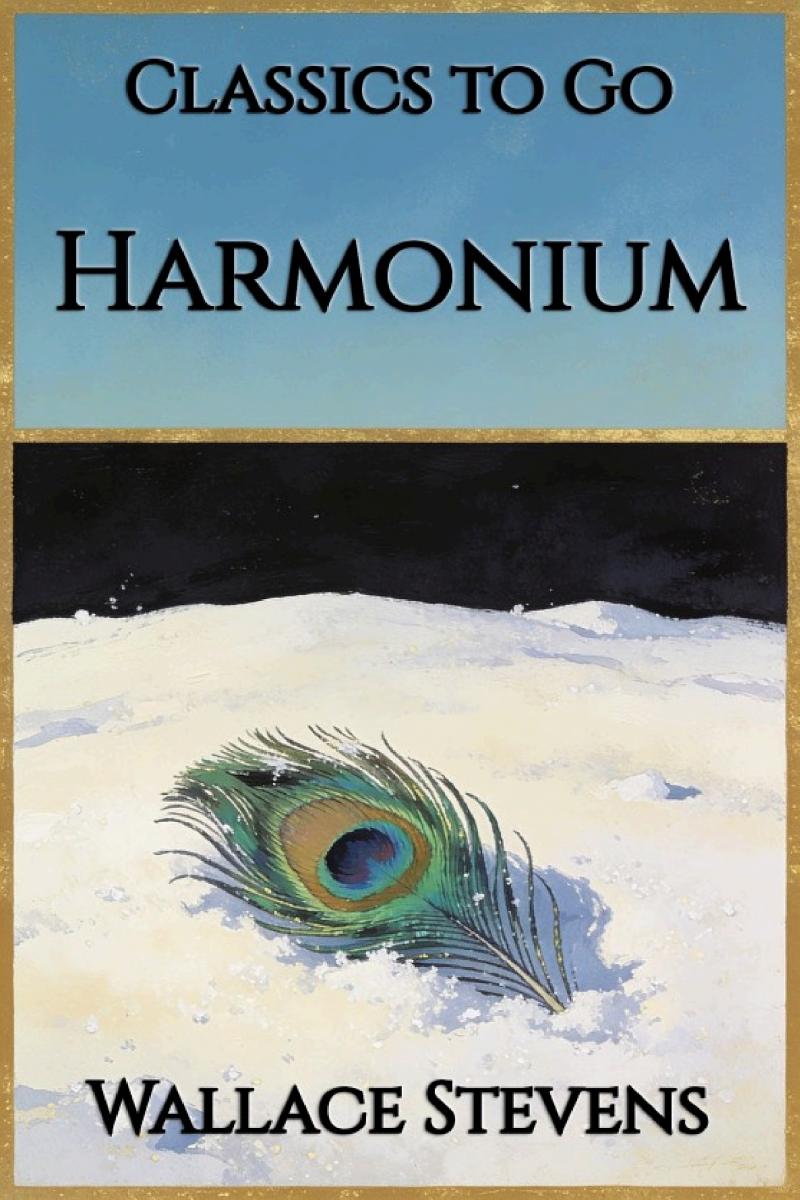
Start this bookNo. 17 on this list. Harmonium · Wallace Stevens · 1923
Harmonium appears on thousands of university poetry syllabi and is a fixture of American modernism courses. It is regularly listed among the foundational texts of American poetry, alongside Whitman's Leaves of Grass and Eliot's Prufrock — despite the database showing no captured syllabus appearances, Stevens's place in the academic canon is among the most secure of any twentieth-century American poet.
Difficult2.1 hours
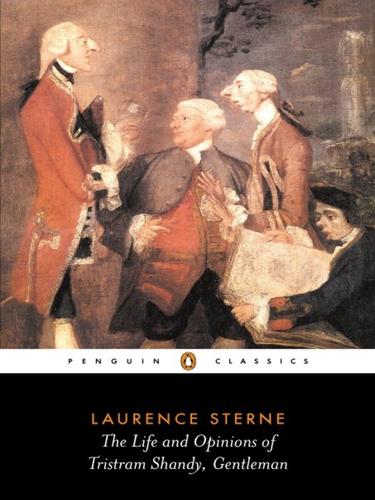
Start this bookNo. 18 on this list. The Life and Opinions of Tristram Shandy, Gentleman · Laurence Sterne · 1759
Included in: Bokklubben World Library, Great Books of the Western World
Tristram Shandy is one of the most taught 18th-century English novels in university literature programs worldwide, appearing on virtually every course covering the development of the novel form, postmodernism avant la lettre, and experimental fiction. It consistently appears on lists of the greatest novels in the English language — Modern Library, Penguin Classics, academic consensus lists — and is the foundational text for any discussion of metafiction and narrative self-consciousness. Its canonical status is second only to Fielding's Tom Jones among 18th-century English prose fiction.
Difficult27 hours
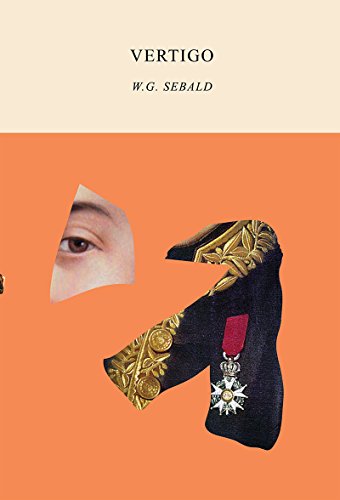
Start this bookNo. 19 on this list. Vertigo · W.G. Sebald · 1990
A narrator wanders through northern Italy in the late 1980s, haunted by a sense that the same catastrophe keeps arriving in different costume. He sits in a Verona archive reading newspapers from 1913—the year before everything collapsed—and finds himself unable to leave. In the second section, a figure called Dr K. travels from Vienna to Venice to Riva, conducting a doomed romance with a girl from Genoa and hearing, at a sanatorium dinner table, a general's theory that battles are decided by specific gravity, not willpower. These two time periods—the narrator's present and Franz Kafka's 1913—are laid over each other until they become one.\n\nSebald writes long, unhurried paragraphs that gather subordinate clauses the way rivers gather tributaries: you are always moving forward but the channel keeps widening. Photographs appear without captions. Characters arrive and dissolve. The dead hunter Gracchus, lost between worlds because a helmsman was distracted, recurs as the book's organizing myth—a figure for anyone unable to depart this life entirely.\n\nVertigo is Sebald's first book, the one in which his method first becomes fully itself: a narrator walking through landscapes saturated with historical catastrophe, finding that the past is not behind us but slightly displaced sideways, still happening, still unresolved. The final image is Samuel Pepys's fire seen from a dream of mountain passes—the city burning, pigeons dead on the pavement, the question 'Is this the end of time?' floating unanswered.
Difficult8.1 hours
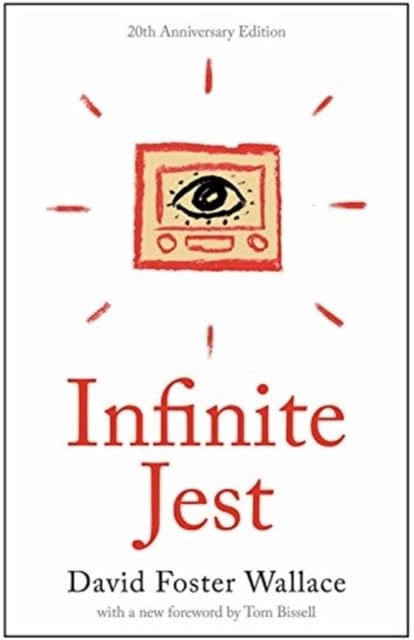
Start this bookNo. 20 on this list. Infinite Jest · David Foster Wallace · 1996
A gargantuan, mind-altering comedy about the Pursuit of Happiness in America Set in an addicts' halfway house and a tennis academy, and featuring the most endearingly screwed-up family to come along in recent fiction, Infinite Jest explores essential questions about what entertainment is and why it has come to so dominate our lives; about how our desire for entertainment affects our need to connect with other people; and about what the pleasures we choose say about who we are. Equal parts philosophical quest and screwball comedy, Infinite Jest bends every rule of fiction without sacrificing for a moment its own entertainment value. It is an exuberant, uniquely American exploration of the passions that make us human - and one of those rare books that renew the idea of what a novel can do.
Difficult70 hours
Start this book
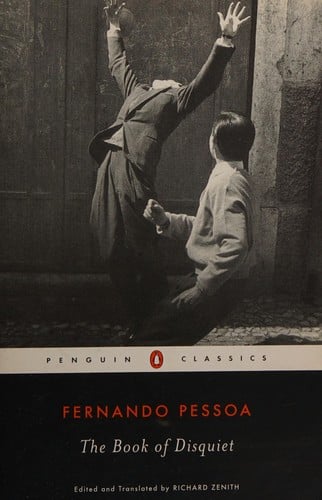
No. 21 on this list. The Book of Disquiet · Fernando Pessoa
Included in: Bokklubben World Library
The Book of Disquiet appears regularly on comparative literature and world literature syllabi and figures on most major 'greatest books of the 20th century' lists (Le Monde, Time, Modern Library). The Richard Zenith translation brought it to global attention and Wikipedia articles exist in 40+ languages, indicating wide international recognition. Not as universally taught as Crime and Punishment due to its difficulty and Portuguese-language origin, but firmly established in the major canon.
Difficult24 hours
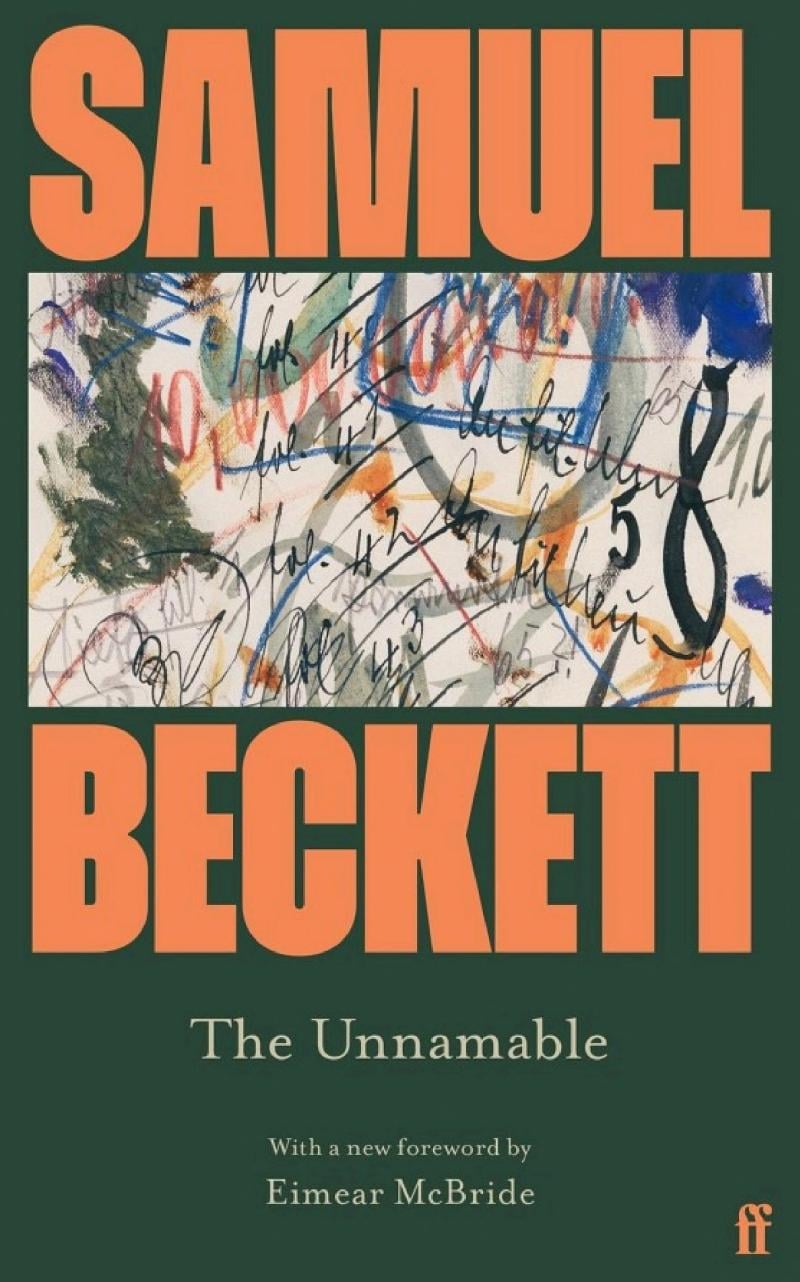
Start this bookNo. 22 on this list. The Unnamable · Samuel Beckett · 1953
Included in: Bokklubben World Library
The Unnamable is taught in advanced modernism, postmodernism, and philosophy-of-language courses at universities worldwide, though less universally than Waiting for Godot. It anchors the Beckett Trilogy, which is among the canonical texts of twentieth-century literature in English and French. The Wikipedia and syllabus data signals appear underreported for this work.
Difficult27 hours
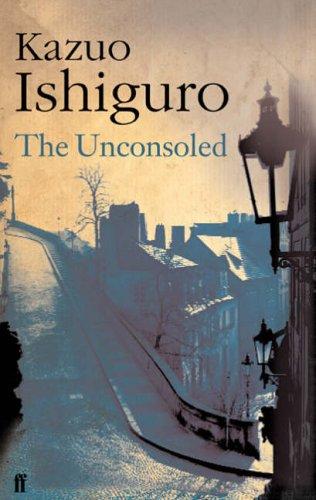
Start this bookNo. 23 on this list. The Unconsoled · Kazuo Ishiguro · 1995
A central text in Ishiguro's oeuvre and in post-1990 British literary fiction, widely taught at graduate level and consistently included in critical assessments of late-twentieth-century psychological realism. Its reputation was initially polarised but has grown substantially since Ishiguro's Nobel Prize.
Difficult29 hours
Start this bookNo. 24 on this list. Satantango · László Krasznahorkai · 1985
Wikipedia article exists in 22 languages, indicating substantial global reach, and Krasznahorkai's 2025 Nobel Prize in Literature will accelerate institutional attention to the novel. Syllabus appearances are currently negligible — the recent Nobel has not yet translated into widespread university adoption. The novel occupies a firm place in the contemporary European literary canon without yet achieving the fixture status of earlier Nobel laureates.
Difficult14 hours
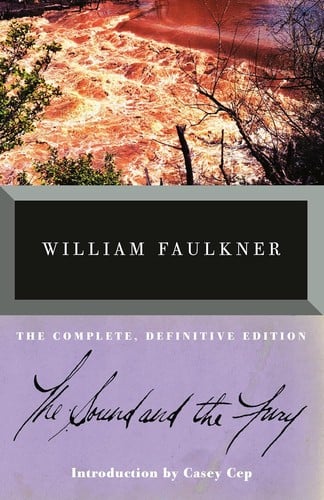
Start this bookNo. 25 on this list. The Sound and the Fury · William Faulkner · 1929
Taught in schools: Turkish edebiyat curriculum (Turkey)
Included in: Bokklubben World Library
Listed on Modern Library 100 Best Novels, TIME All-TIME 100 Novels, Le Monde's 100 Books of the Century, and Open Syllabus Top 500 Literature. Wikipedia article exists in 35 languages with dedicated Reception and Adaptations sections and 57,976 characters of editorial content. A fixture of American literature courses and universally regarded as one of the defining works of American modernism — canonical weight comparable to or exceeding The Great Gatsby.
Difficult15 hours
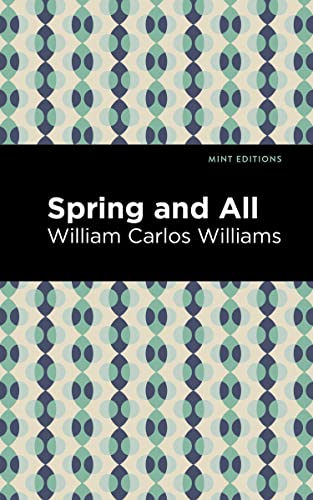
Start this bookNo. 26 on this list. Spring and All · William Carlos Williams · 1923
The database shows no syllabus appearances or Wikipedia data for this entry, but Spring and All is a well-known fixture in American modernist poetry courses and anthologies. It is regularly taught alongside Eliot's The Waste Land as the opposing American response to European modernism. The book's canonical poem so much depends upon a red wheel barrow is one of the most anthologized passages in twentieth-century American poetry.
Difficult13 hours
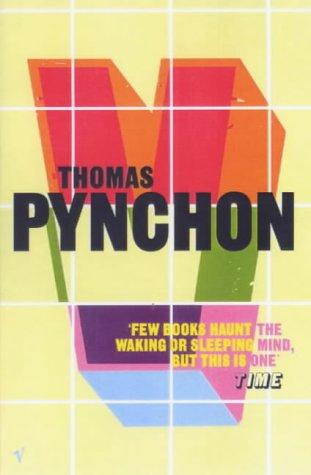
Start this bookNo. 27 on this list. V. · Thomas Pynchon · 1963
V. appears on hundreds of university syllabi in American literature, postmodernism, and world fiction courses, and is consistently ranked among the essential American novels of the twentieth century by critics and scholars. It appears on the Modern Library 100 Best Novels list and Time magazine's All-TIME 100 Novels. Less universally assigned than Pynchon's Gravity's Rainbow in terms of academic prestige, but the more frequently taught first novel in postmodern American fiction sequences.
Difficult25 hours
Start this bookNo. 28 on this list. The Satanic Verses · Salman Rushdie · 1988
The Satanic Verses occupies singular position in late-twentieth-century literature due to the fatwa issued by Ayatollah Khomeini, making it perhaps the most internationally controversial novel of its era. Beyond the political firestorm, it stands as landmark postcolonial fiction and exemplar of British multicultural literature. The novel appears on standard lists of essential postmodern works and remains central to discussions of migration, identity, and religion in global fiction. Its notoriety ensures permanent place in literary and political history.
Difficult26 hours
Start this bookNo. 29 on this list. The Solitudes · Luis de Góngora · 1613
The central text of the Spanish Baroque and a required reference point in any account of European poetry's difficulty.
Difficult1.2 hours
Start this bookNo. 30 on this list. The Shadow Lines · Amitav Ghosh · 1988
The Shadow Lines won the Sahitya Akademi Award and is standard on postcolonial fiction syllabuses globally. It is consistently ranked among the defining novels of South Asian Anglophone literature alongside Midnight's Children. Its treatment of Partition and communal violence has made it a touchstone for academic and general literary discourse about South Asia.
Difficult14 hours
Start this book
No. 31 on this list. Troilus and Criseyde
Geoffrey Chaucer · 1385
Included in: Great Books of the Western World
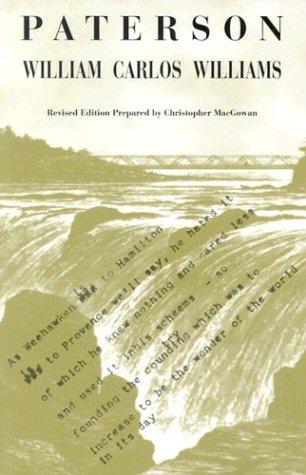
No. 32 on this list. Paterson
William Carlos Williams · 1963
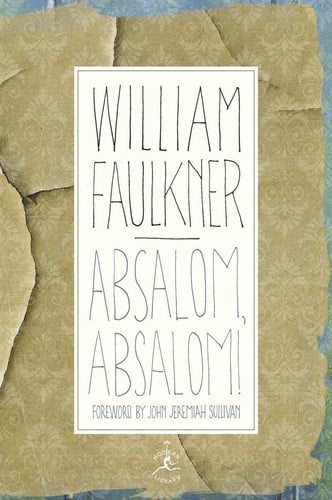
No. 33 on this list. Absalom, Absalom!
William Faulkner · 1936
Included in: Bokklubben World Library
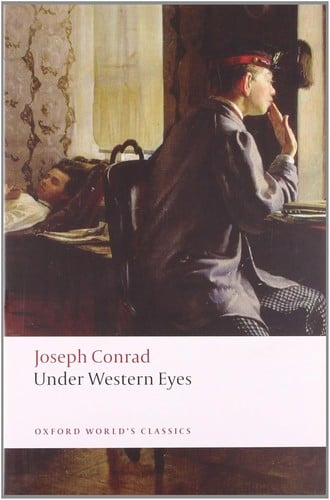
No. 34 on this list. Under Western Eyes
Joseph Conrad · 1911
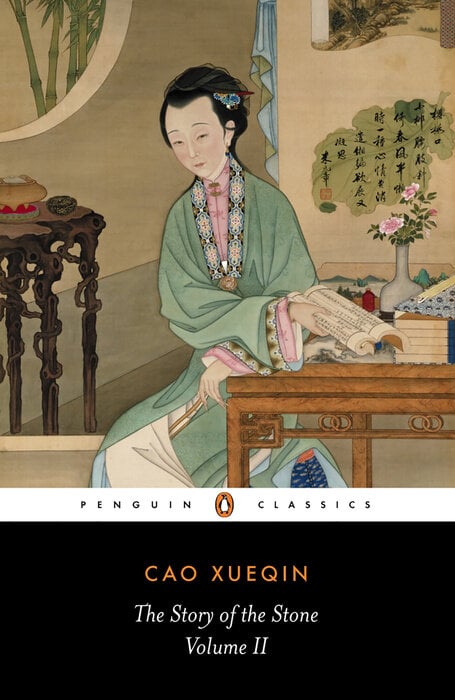
No. 35 on this list. Dream of the Red Chamber
Cao Xueqin · 1791
Included in: UNESCO Collection of Representative Works
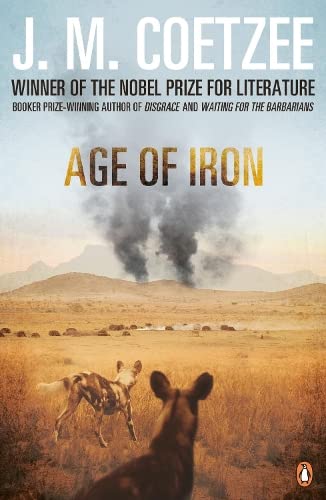
No. 36 on this list. Age of Iron
J.M. Coetzee · 1990
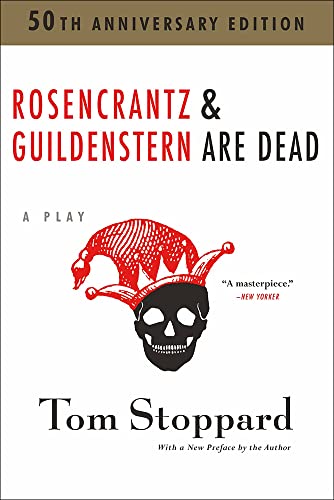
No. 37 on this list. Rosencrantz and Guildenstern Are Dead
Tom Stoppard · 1966
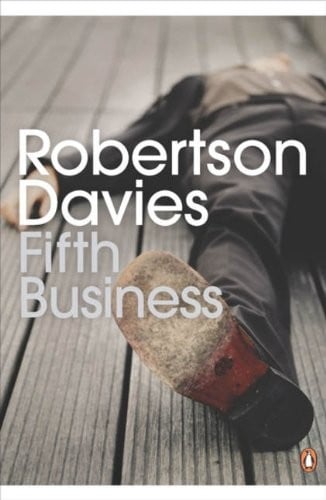
No. 38 on this list. Fifth Business
Robertson Davies · 1970
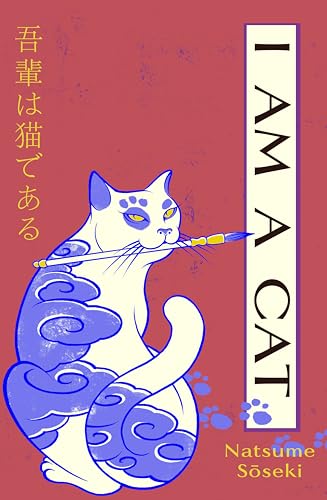
No. 39 on this list. I Am a Cat
Natsume Sōseki · 1905
Included in: UNESCO Collection of Representative Works
No. 40 on this list. Nova
Samuel R. Delany · 1968
No. 41 on this list. The Turn of the Screw
Henry James · 1898
Taught in schools: CSEC English B – Caribbean Examinations Council
No. 42 on this list. Vanity Fair
William Makepeace Thackeray · 1848
Taught in schools: AQA GCSE and A-level English Literature (UK)
No. 43 on this list. The Songs of the South
Qu Yuan · c. 278 BCE
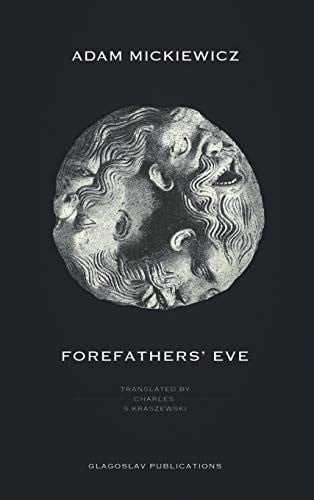
No. 44 on this list. Forefathers' Eve
Adam Mickiewicz · 1832
Taught in schools: Lektury obowiązkowe – Polish national reading list (Poland)
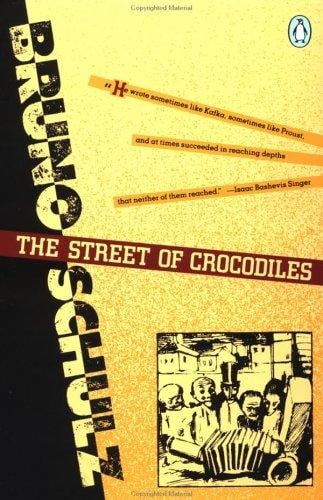
No. 45 on this list. The Street of Crocodiles
Bruno Schulz · 1934
Taught in schools: Lektury obowiązkowe – Polish national reading list (Poland)
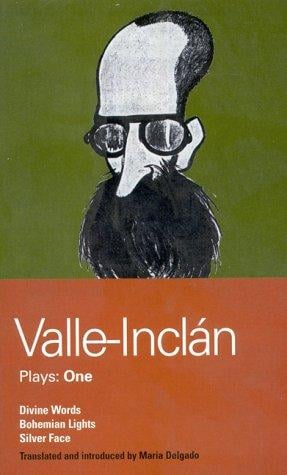
No. 46 on this list. Bohemian Lights
Ramón del Valle-Inclán · 1924
No. 47 on this list. Pale Fire
Vladimir Nabokov · 1962
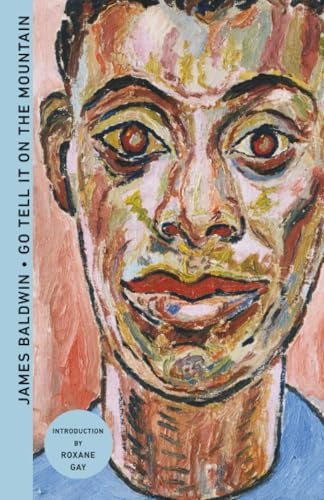
No. 48 on this list. Go Tell It on the Mountain
James Baldwin · 1953
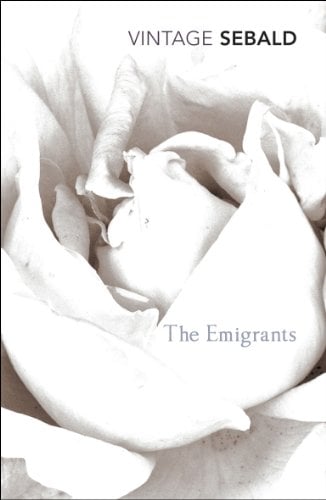
No. 49 on this list. The Emigrants
W.G. Sebald · 1992
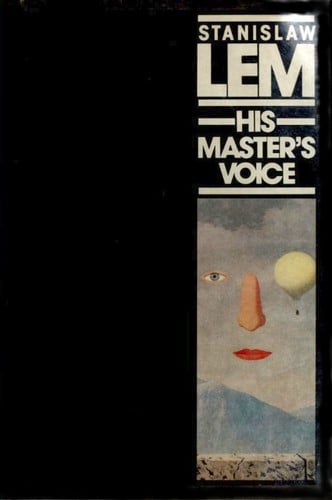
No. 50 on this list. His Master's Voice
Stanisław Lem · 1968
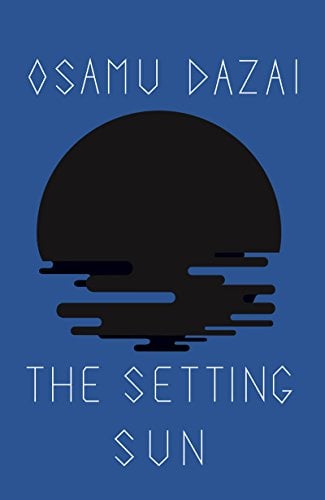
No. 51 on this list. The Setting Sun
Osamu Dazai · 1947
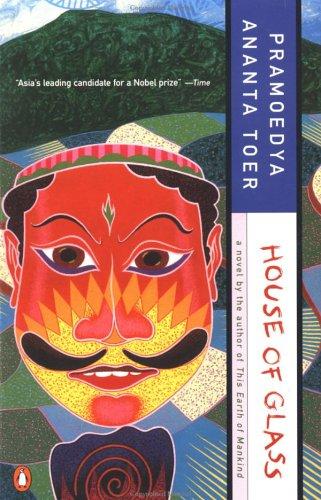
No. 52 on this list. House of Glass
Pramoedya Ananta Toer · 1988
No. 53 on this list. Four Quartets
T. S. Eliot · 1943
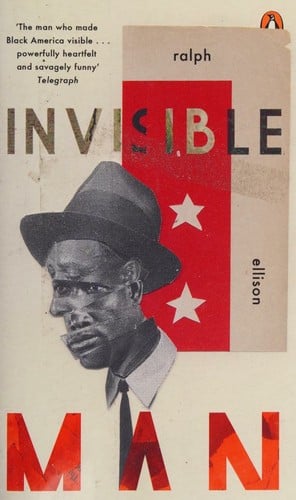
No. 54 on this list. Invisible Man
Ralph Ellison · 1953
Included in: Bokklubben World Library
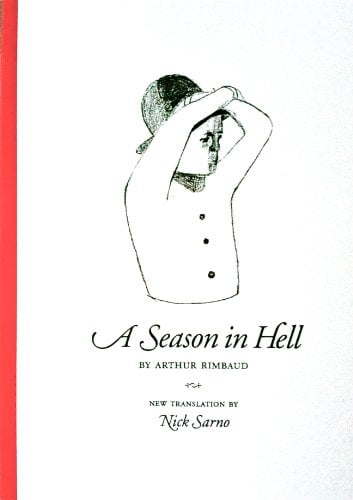
No. 55 on this list. A Season in Hell
No. 56 on this list. Henry IV, Part 1
William Shakespeare · 1598
Taught in schools: WJEC/Eduqas GCSE and A-level English Literature (UK)
Included in: Great Books of the Western World
No. 57 on this list. The Sandman
E.T.A. Hoffmann · 1816
No. 58 on this list. The Golden Bowl
Henry James · 1904
No. 59 on this list. Austerlitz
W.G. Sebald · 2001
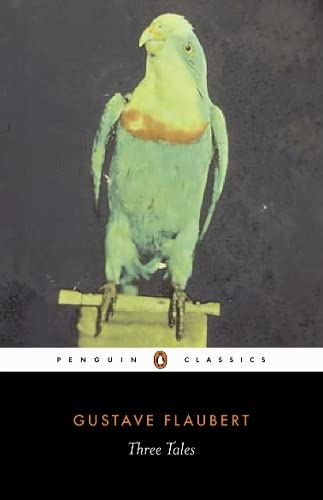
No. 60 on this list. Three Tales
Gustave Flaubert · 1877
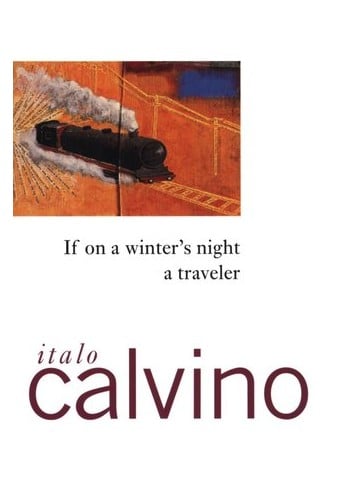
No. 61 on this list. If on a Winter’s Night a Traveler
Italo Calvino · 1982
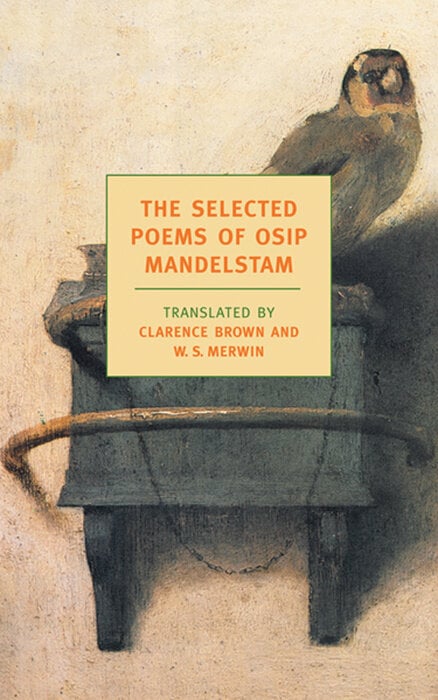
No. 62 on this list. Selected Poems of Osip Mandelstam
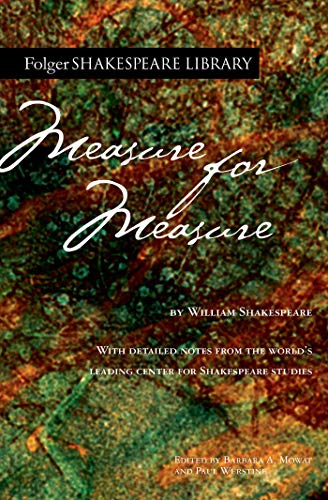
No. 63 on this list. Measure for Measure
William Shakespeare · 1604
Taught in schools: AQA GCSE and A-level English Literature (UK), WJEC/Eduqas GCSE and A-level English Literature (UK)
Included in: Great Books of the Western World
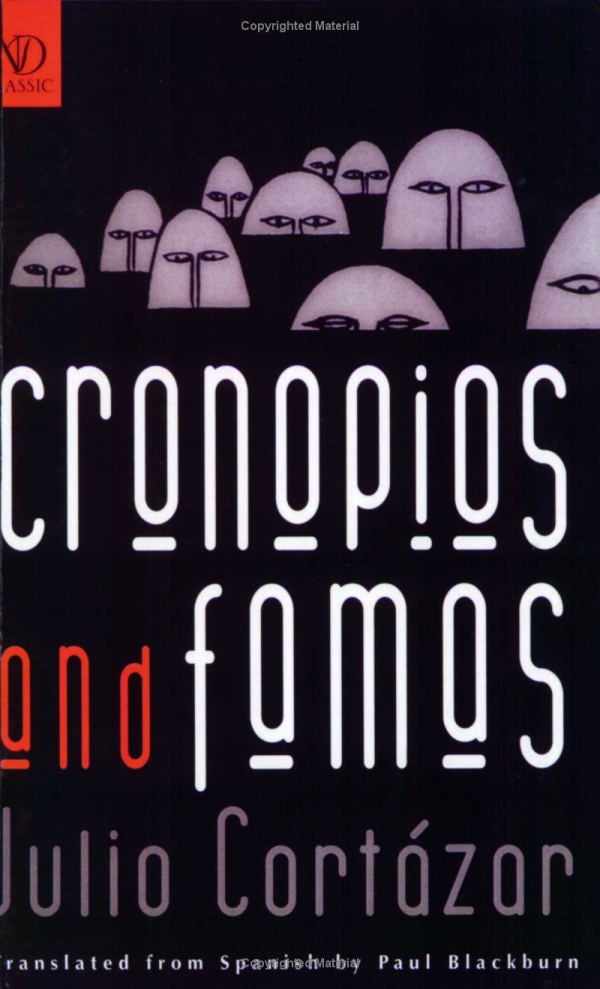
No. 64 on this list. Cronopios and Famas
Julio Cortázar · 1962
Taught in schools: Literatura, Diseño Curricular – Provincia de Buenos Aires (Argentina), UNAM Escuela Nacional Preparatoria – programas de Literatura (Mexico)
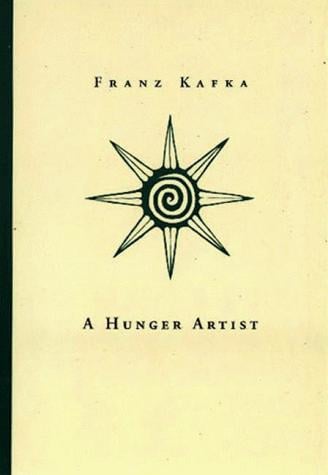
No. 65 on this list. A Hunger Artist
Franz Kafka · 1924
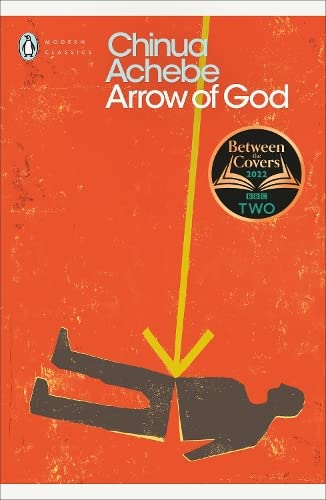
No. 66 on this list. Arrow of God
Chinua Achebe · 1964
Taught in schools: CSEC English B – Caribbean Examinations Council
Included in: Heinemann African Writers Series
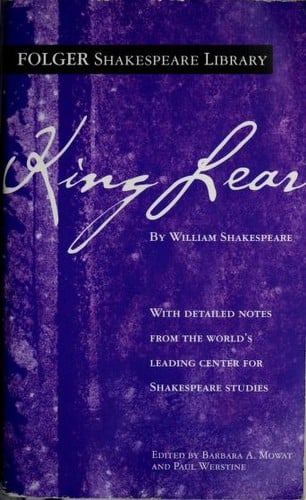
No. 67 on this list. King Lear
William Shakespeare · 1606
Taught in schools: AQA GCSE and A-level English Literature (UK), WJEC/Eduqas GCSE and A-level English Literature (UK)
Included in: Bokklubben World Library, Great Books of the Western World, UNESCO Collection of Representative Works
No. 68 on this list. Personae
Ezra Pound · 1926
No. 69 on this list. Blood Knot
Athol Fugard · 1961
No. 70 on this list. Angels in America: Perestroika
Tony Kushner · 1992
No. 71 on this list. Aura
Carlos Fuentes · 1962
No. 72 on this list. The Kreutzer Sonata
Leo Tolstoy · 1889
No. 73 on this list. Canti
Giacomo Leopardi · 1835
No. 74 on this list. Do Androids Dream of Electric Sheep?
Philip K. Dick · 1968
No. 75 on this list. The Scarlet Letter
Nathaniel Hawthorne · 1850
Taught in schools: Common Core text exemplars (Appendix B) (US), CSEC English B – Caribbean Examinations Council
No. 76 on this list. Omeros
Derek Walcott · 1990
No. 77 on this list. The Castle
Franz Kafka · 1926
Included in: Bokklubben World Library
No. 78 on this list. The Wings of the Dove
Henry James · 1902
No. 79 on this list. The Quiet American
Graham Greene · 1955
No. 80 on this list. Moby-Dick
Herman Melville · 1851
Included in: Bokklubben World Library, Great Books of the Western World
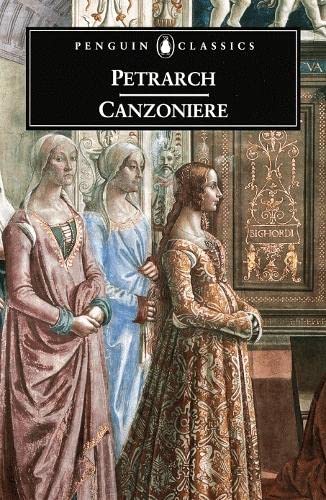
No. 81 on this list. Canzoniere
Petrarch · 1374
Taught in schools: Montenegrin literature curriculum (crnogorski jezik i književnost) (Montenegro)
No. 82 on this list. Mist
Miguel de Unamuno · 1914
No. 83 on this list. In Search of Lost Time
Marcel Proust · 1913
Included in: Bokklubben World Library, Great Books of the Western World
No. 84 on this list. Life Is Elsewhere
Milan Kundera · 1973
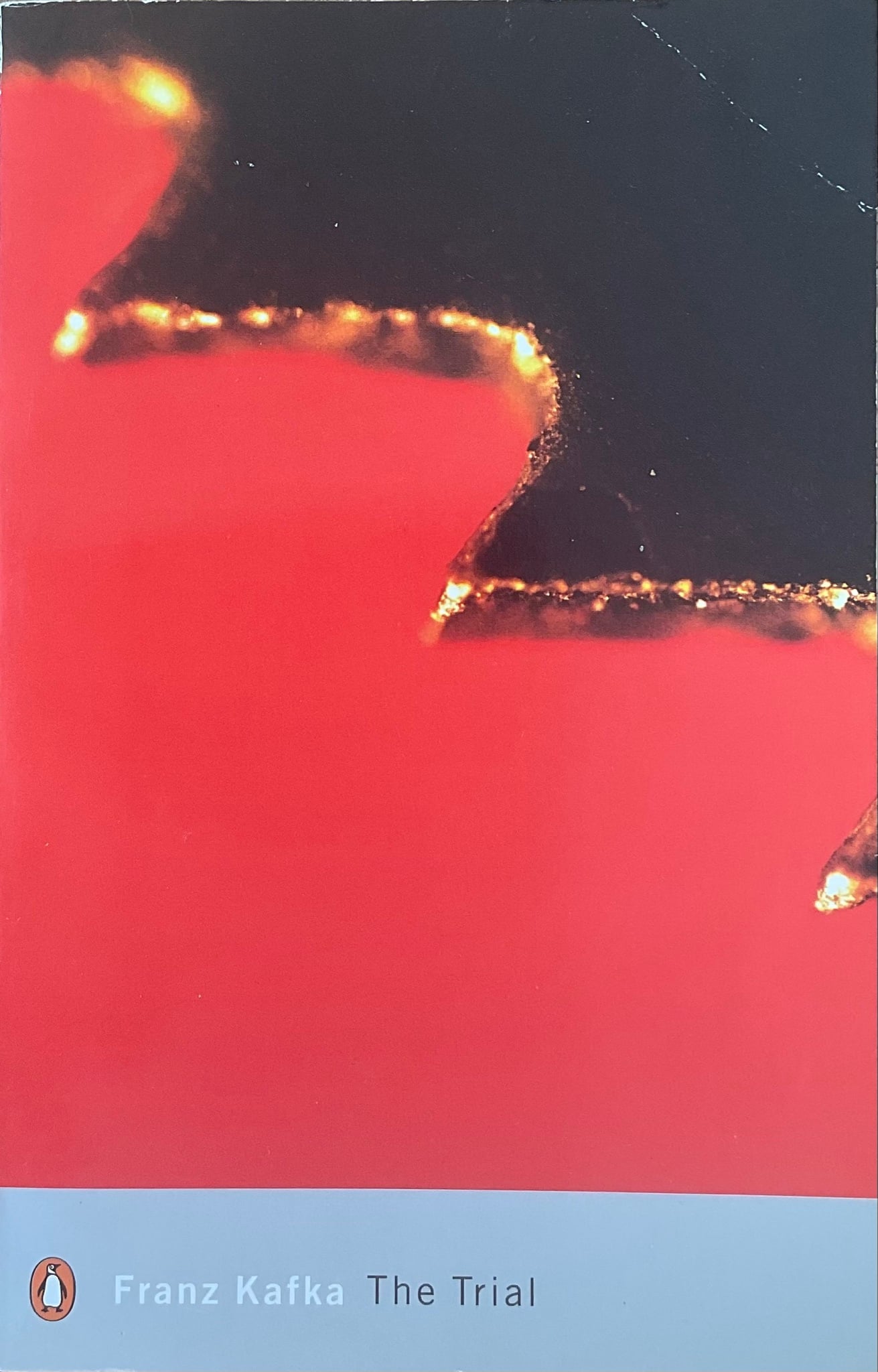
No. 85 on this list. The Trial
Franz Kafka · 1925
Taught in schools: Lektury obowiązkowe – Polish national reading list (Poland)
Included in: Bokklubben World Library
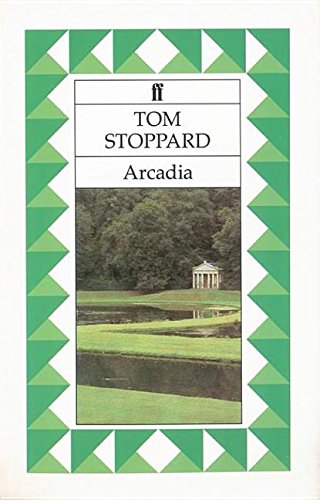
No. 86 on this list. Arcadia
Tom Stoppard · 1993
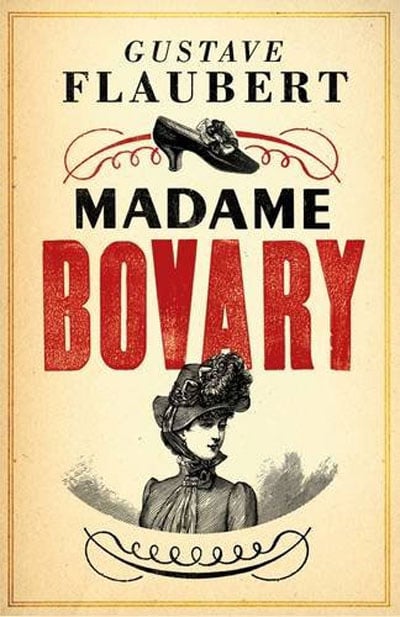
No. 87 on this list. Madame Bovary
Gustave Flaubert · 1857
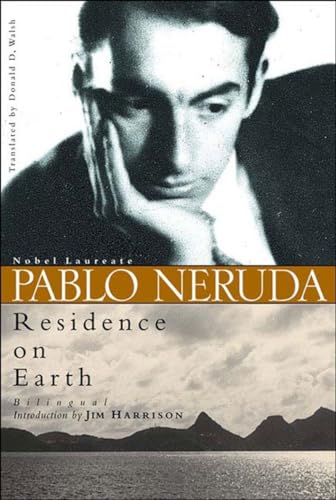
No. 88 on this list. Residence on Earth
Pablo Neruda · 1933
No. 89 on this list. Dom Casmurro
Machado de Assis · 1899
Taught in schools: FUVEST leituras obrigatórias (USP vestibular) (Brazil)
No. 90 on this list. The Golden Ass
Apuleius · 170
Included in: Oxford World's Classics
No. 91 on this list. Another Country
James Baldwin · 1962
No. 92 on this list. The Winding Stair
William Butler Yeats · 1933
No. 93 on this list. Celestina
Fernando de Rojas · 1499
No. 94 on this list. Unfortunately, It Was Paradise
Mahmoud Darwish · 2003
No. 95 on this list. Billy Budd, Sailor
Taught in schools: Common Core text exemplars (Appendix B) (US)
No. 96 on this list. The Posthumous Memoirs of Brás Cubas
Machado de Assis · 1881
No. 97 on this list. Hopscotch
Julio Cortázar · 1963
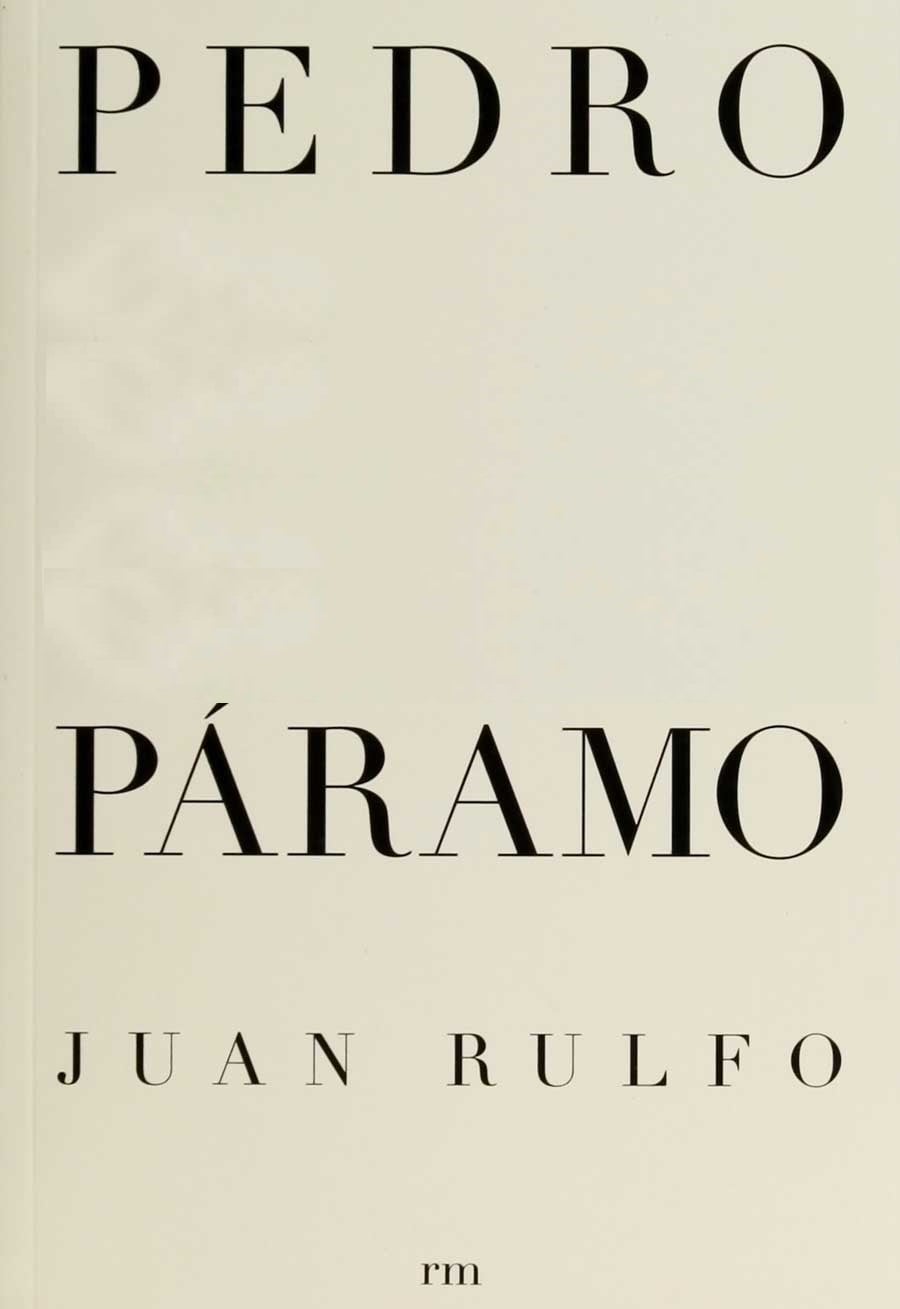
No. 98 on this list. Pedro Páramo
Juan Rulfo · 1955
Taught in schools: Literatura, Diseño Curricular – Provincia de Buenos Aires (Argentina), UNAM Escuela Nacional Preparatoria – programas de Literatura (Mexico)
Included in: Bokklubben World Library
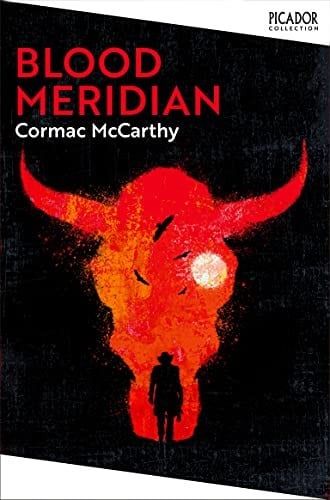
No. 99 on this list. Blood Meridian
Cormac McCarthy · 1985
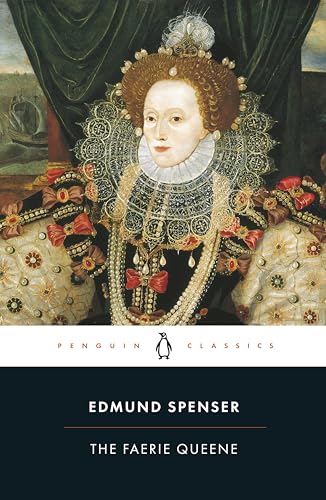
No. 100 on this list. The Faerie Queene
Edmund Spenser · 1590
About this list
These 100 books are the hardest-scoring eligible books by men currently in the catalogue. About 1,597 hours of reading in all. Difficulty runs from 72 to 80 out of 100 for the middle half of the list; the summit is Finnegans Wake at 94.
This list is ranked by difficulty score, hardest first, with a consistent order for equal scores. Membership follows authors and co-authors, not translators or editors. Catalogue coverage and the historical canon both limit what this list can represent.
When we matched the Canons dataset to our catalogue in October 2026, our canonical-status scores rose with the number of school curricula, publisher series and lists in it that cite a work: the median score was 72 for books one such source cites, 84 at two, 88 at three, 92 at four and 93 at five or more. Prizes are left out of that count. Outside the state curricula, the dataset’s sources choose mostly from what has been translated into English or French, so it is a weaker check on other literatures. Source: Canons (Andrew Piper), CC BY 4.0
Questions people actually ask
- What are the hardest books by men to read?
- Ranked hardest first by difficulty score: Finnegans Wake by James Joyce, The Waste Land by T. S. Eliot, ULYSSES (The Original 1922 Edition): Enriched edition. A Modernist Dublin Day of Stream-of-Consciousness, Identity, and Odyssey Echoes by James Joyce, Ulysses by James Joyce and In the Heart of the Heart of the Country by William Gass. ReadingRate ranks 100 such books, each with a difficulty score and a reading-time estimate.
- Can I read any of these books by men for free?
- 18 of the 100 open in ReadingRate's reader with a free account, from public-domain editions: The Waste Land, Ulysses, Troilus and Criseyde, Dream of the Red Chamber, The Turn of the Screw and 13 more.
- How long would it take to read the top ten?
- About 258 hours, at an average pace of 250 words a minute adjusted for each book's difficulty: 129 days at two hours a day. Set your own pace on the page and the list's reading times change to it.
- How hard are the hardest books by men?
- Most of this list sits between 72 and 80 on ReadingRate's 100-point difficulty scale, where 40 to 55 is moderate. The summit is Finnegans Wake at 94. Every entry carries its own score, so a reader can pick a great book at a difficulty they will finish.
- How is this list ranked?
- Nine dimensions, from vocabulary and sentence structure to symbolic density and how much an ending withholds, each scored out of 100 and combined. It measures the text, not the reader, and it leans on meaning: The New York Trilogy scores 87 for how much it withholds, though its sentences are plainer than anything else in the top twenty. Each book's page shows which kind of hard it is.