Hours at an average pace
Showing 79 books
About 538 hours for 78 of 79 books with measured lengths. Estimates use 250 words a minute, adjusted for each book's difficulty. At 2 hours a day, about 269 days for those books.
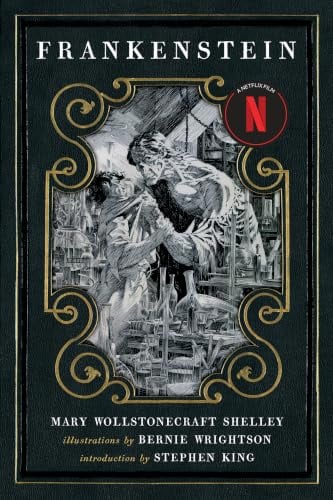
No. 1 on this list. Frankenstein
Mary Shelley · 1818
Challenging8.8 hours
Taught in schools: AQA GCSE and A-level English Literature (UK), CSEC English B – Caribbean Examinations Council, Pearson Edexcel GCSE and A-level English Literature (UK)
Included in: Bibliothèque de la Pléiade
Frankenstein appears on 6,955 university syllabi according to the Open Syllabus Project, placing it in the 96th percentile of all tracked works. Wikipedia articles exist in 74 languages, with a 79,000-character article carrying dedicated Reception and Adaptations sections. It is taught not only in literature courses but in philosophy, bioethics, and technology studies worldwide.
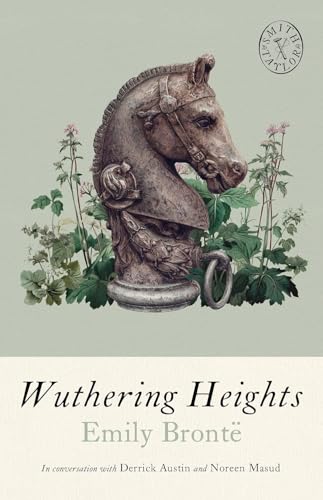
No. 2 on this list. Wuthering Heights
Emily Brontë · 1847
Difficult14 hours
Taught in schools: AQA GCSE and A-level English Literature (UK), CAPE Literatures in English – Caribbean Examinations Council, CSEC English B – Caribbean Examinations Council
Included in: Bokklubben World Library
Appears on 4,582 university syllabi (91.5th percentile per Open Syllabus), placing it above most Victorian novels. Wikipedia coverage in 61 languages with dedicated reception and adaptations sections signals global canonical standing. Listed in 1001 Books You Must Read Before You Die and the BBC Big Read Top 100.
Ranked by literary regard among eligible works in the current catalogue. This position reflects the available catalogue evidence.
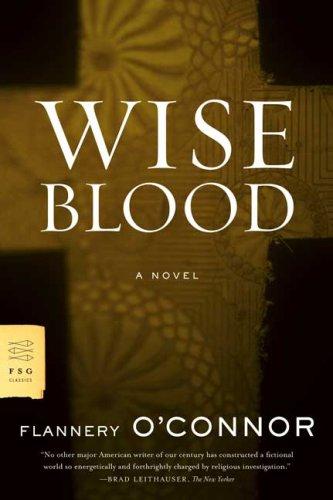
A landmark of Southern Gothic fiction and American literature, widely taught and critically analyzed. One of the defining novels of postwar American fiction.
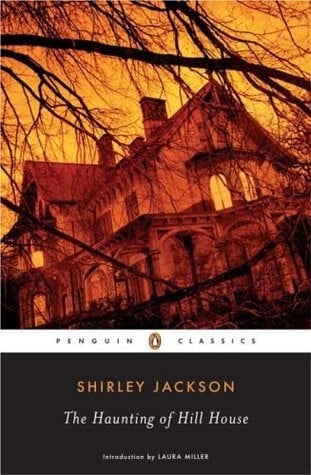
The Haunting of Hill House is widely recognized as the definitive American haunted-house novel and one of the finest works of Gothic fiction in the English language. It has been continuously in print since 1959 and is regularly taught in university courses on American literature, Gothic studies, and the horror genre. Stephen King called its opening paragraph the finest in the history of horror fiction. It appears on virtually every serious list of essential horror and Gothic novels and has been adapted for film (twice) and television (the acclaimed 2018 Netflix series).
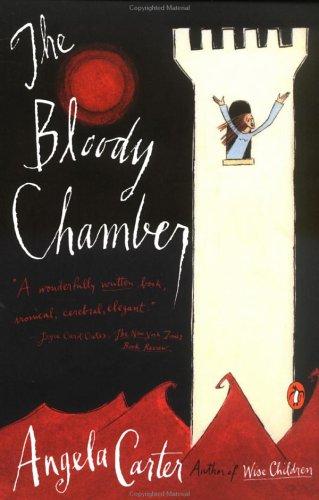
No. 6 on this list. The Bloody Chamber
Angela Carter · 1979
Difficult7.2 hours
Taught in schools: OCR GCSE and A-level English Literature (UK)
The Bloody Chamber is among the most-taught works of feminist fiction in British and American university literature programs, appearing on A-level and undergraduate syllabi across the English-speaking world for over four decades. It anchors feminist fairy tale criticism as a field and appears on most 20th-century fiction retrospective lists. Its canonical standing exceeds Infinite Jest (78) in terms of institutional adoption.
It is a fixture of American literature and women's studies courses and widely anthologized. Its place sits just below the great canon, and the Open Library record lists it among open syllabus project works.
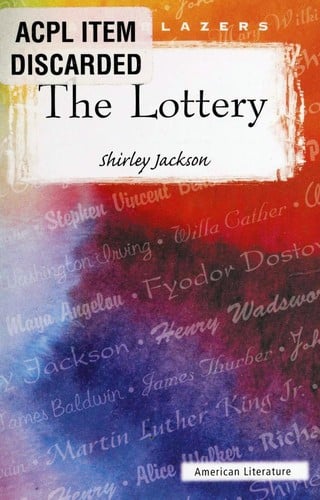
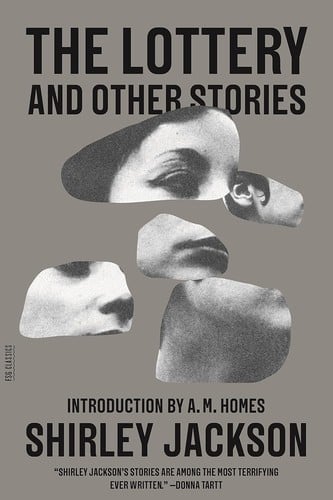
The title story 'The Lottery' is one of the most anthologized and taught short stories in the American canon, appearing in virtually every introduction-to-fiction textbook. The collection itself appears regularly on American short-story syllabi. Jackson's work has experienced a major critical reassessment since the 2010s, elevating her from genre curiosity to recognized American master.
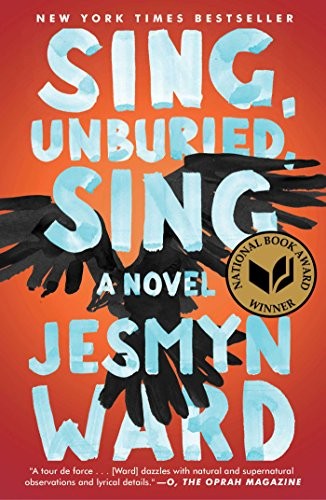
Sing, Unburied, Sing appears on 71 university syllabi — a solid midrange presence, placing it in the 46th percentile of works in the database. It is widely taught in contemporary American literature, Southern literature, and African American literature courses, though it has not yet achieved the deep canonical entrenchment of Morrison or Faulkner. Its teaching presence reflects a novel still being absorbed into the curriculum in the decade since its 2017 publication, with significant room for that footprint to grow.
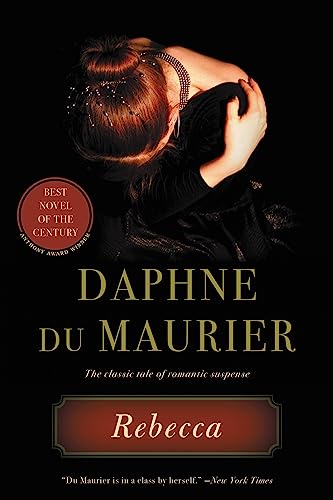
No. 10 on this list. Rebecca
Daphne du Maurier · 1938
Challenging15 hours
Taught in schools: AQA GCSE and A-level English Literature (UK)
Appears on 337 university syllabi (63rd percentile in Open Syllabus) and on the BBC Big Read Top 100 and 1001 Books You Must Read Before You Die. It is a standard text in courses on the gothic and on women's writing, and has been in print continuously since 1938.
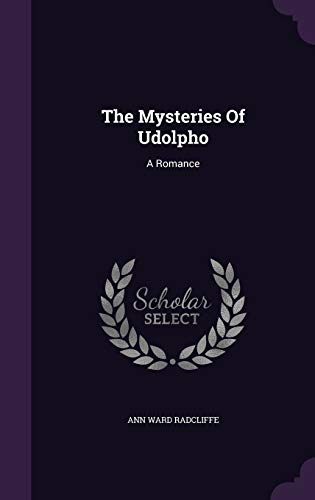
No. 11 on this list. The Mysteries of Udolpho · Ann Radcliffe · 1794
The Mysteries of Udolpho is a foundational text taught in 18th-century literature, Gothic studies, and women's writing courses in universities worldwide. Its Wikipedia article spans over 40 languages. Jane Austen's parody in Northanger Abbey has guaranteed it a permanent place in the British literary canon—any reader of Austen eventually encounters Udolpho. It sits at the center of every Gothic fiction course.
Challenging21 hours
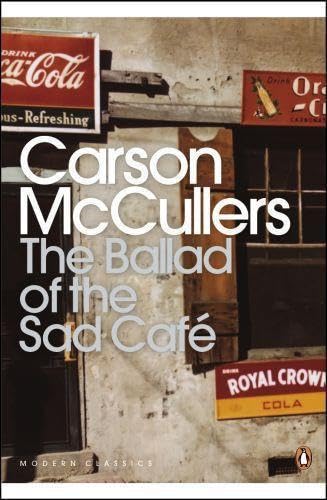
Start this bookNo. 12 on this list. The Ballad of the Sad Café · Carson McCullers · 1951
Miss Amelia Evans runs the general store in a nameless Georgia mill town: six feet two inches tall, with bones and muscles like a man, a medical skill she deploys without a license, and a decade-old marriage she annulled after ten days by throwing her husband Marvin Macy out the front door. Then one April evening a hunchbacked dwarf named Cousin Lymon arrives, claims kinship, and Miss Amelia does something no one has ever seen her do — she opens a room, sets out chairs, and pours her whiskey. The café lasts six years. Carson McCullers frames the whole story as a meditation on the nature of love, delivered by an omniscient narrator who stops the plot to lecture us directly: the lover and the beloved are never, in any real sense, the same person. One gives; the other merely consents to be loved. Marvin Macy, released from prison, walks back into town, and Cousin Lymon falls for him immediately and completely. Everything that follows is as inevitable as a Greek tragedy, and as inexplicable. The novella ends where it begins — the café boarded up, Miss Amelia alone upstairs, her face pressed to a crack in the shutters. McCullers writes Southern Gothic without blood and salvation — just loneliness, desire, and the strange temporary grace of a room where people are allowed to linger.
Challenging4.1 hours
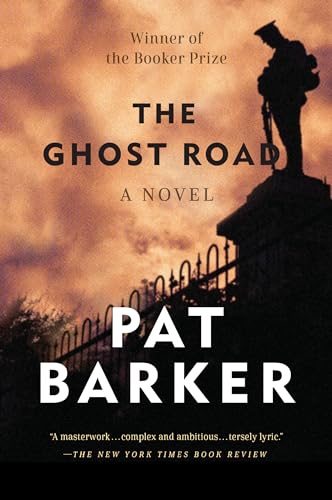
Start this bookNo. 13 on this list. The Ghost Road · Pat Barker · 1995
Appears on 60 university syllabi (44th percentile in the Open Syllabus Project), placing it in the mid-range of taught texts — present in British literature and WWI courses but not ubiquitously assigned. Its Wikipedia article exists in only 4 languages and runs to 4,328 characters, indicating limited global reach compared to more canonical war texts.
Difficult7.7 hours
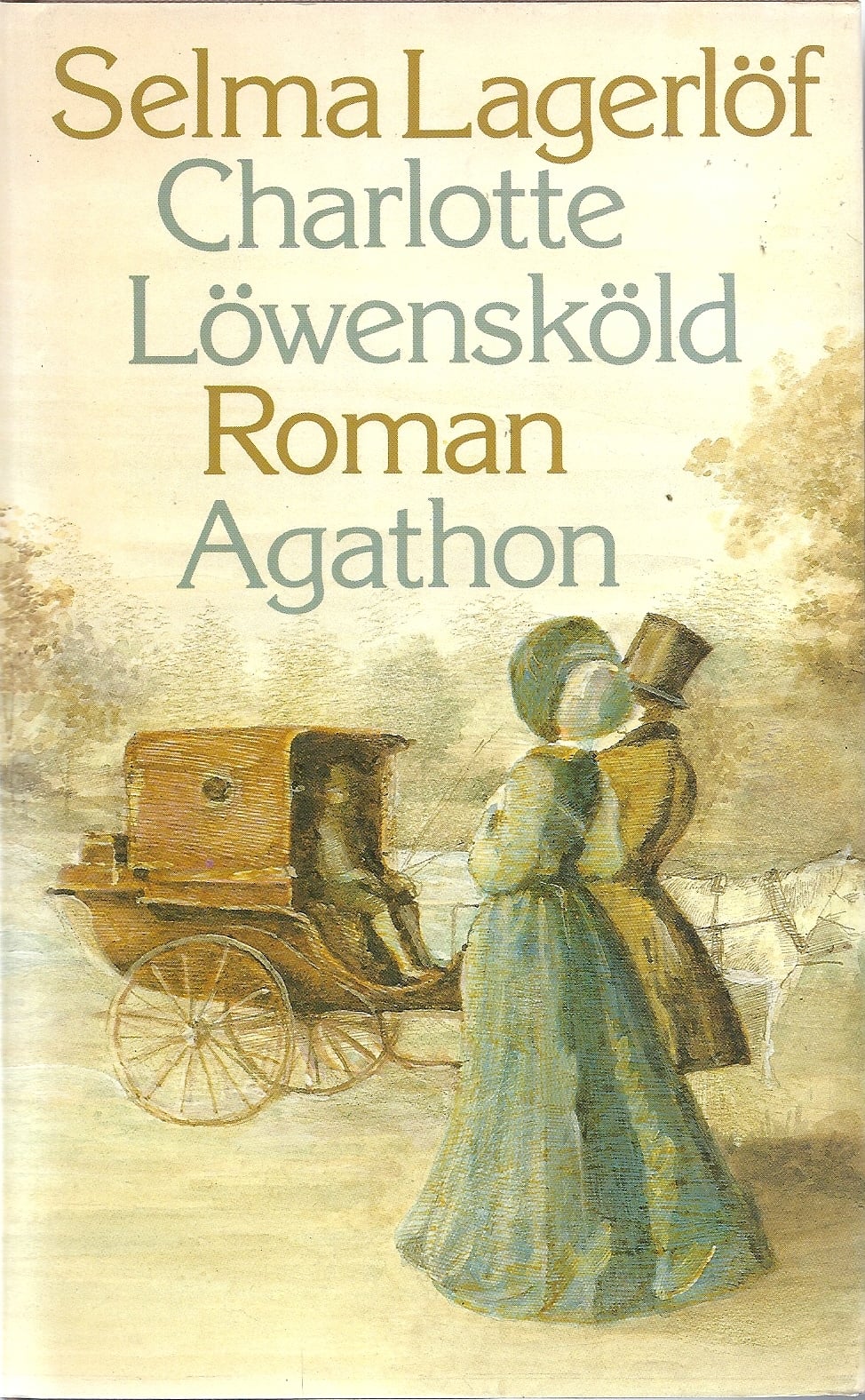
Start this bookNo. 14 on this list. Löwensköld Trilogy · Selma Lagerlöf · 1925
Three generations of Swedish women are shaped by a curse and a ring in 18th-century Sweden. Lagerlöf's trilogy combines historical fiction with supernatural elements in her characteristically vivid storytelling.
Moderate13 hours
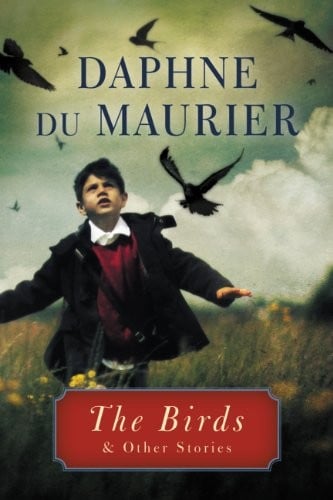
Start this bookNo. 15 on this list. The Birds and Other Stories · Daphne du Maurier · 1952
'The Birds' is among the most recognized short stories in 20th-century British fiction, secured in the cultural consciousness by Hitchcock's 1963 film adaptation. The story appears regularly on British school syllabi and in anthologies of horror and psychological fiction. The rest of the collection occupies a respected but secondary position — 'The Apple Tree' and 'Kiss Me Again, Stranger' appear in some anthologies, but du Maurier's short fiction as a whole holds a lower academic profile than her novels. The collection does not feature on many university core reading lists outside British literature survey courses.
Challenging8 hours
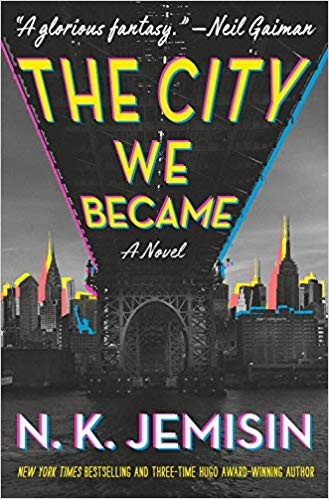
Start this bookNo. 16 on this list. The City We Became · N.K. Jemisin · 2020
Hugo nominee. One of the most prominent urban fantasies of the 2020s. Jemisin's reputation carries weight.
Moderate6.8 hours
Start this bookNo. 17 on this list. Her Body and Other Parties · Carmen Maria Machado · 2017
Appears on 235 university syllabi according to Open Syllabus, placing it in the 59th percentile—strong for a 2017 debut collection. Taught primarily in contemporary fiction, queer literature, and creative writing courses. Wikipedia article exists with a dedicated Reception section. Too recent to have achieved canonical status, but its syllabi trajectory suggests staying power in the short story and gender studies curricula.
Challenging6.5 hours
Start this bookNo. 18 on this list. The Italian · Ann Radcliffe · 1796
The Italian is a fixture of Gothic and Romantic-era survey courses, though it's taught less universally than Radcliffe's own The Mysteries of Udolpho or than Frankenstein and Dracula within the wider Gothic canon. No syllabus or Wikipedia-language data was available for this title in our database, but it holds a stable place in history-of-the-novel curricula.
Moderate9.6 hours
Start this bookNo. 19 on this list. Gideon the Ninth · Tamsyn Muir · 2019
Hugo and Nebula finalist. A defining work of 2010s genre fiction with a devoted fanbase.
Moderate7.5 hours
Start this bookNo. 20 on this list. The Little Stranger · Sarah Waters · 2009
Taught in schools: Pearson Edexcel GCSE and A-level English Literature (UK)
Abundantly atmospheric and elegantly told, The Little Stranger is Sarah Waterss most thrilling and ambitious novel yet. After her award-winning trilogy of victorian novels, sarah waters turned to the 1940s and wrote the night watch, a tender and tragic novel set against the backdrop of wartime britain shortlisted for both the orange and the man booker, it went straight to number one in the bestseller chart in a dusty post-war summer in rural warwickshire, a doctor is called to a patient at hundreds hall home to the ayres family for over two centuries, the georgian house, once grand and handsome, is now in decline, its masonry crumbling, its gardens choked with weeds, the clock in its stable yard permanently fixed at twenty to nine but are the ayreses haunted by something more sinister than a dying way of life little does dr faraday know how closely, and how terrifyingly, their story is about to become entwined with his prepare yourself from this wonderful writer who continues to astonish us, now comes a chilling ghost story.
Challenging9.7 hours
Start this book
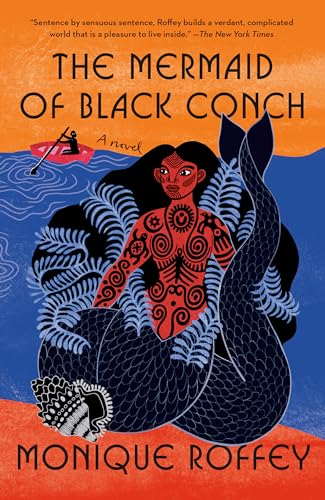
No. 21 on this list. The Mermaid of Black Conch · Monique Roffey · 2020
This enchanting tale of a cursed mythical creature and the lonely fisherman who falls in love with her is “a daring, mesmerizing novel…single-handedly bringing magic realism up-to-date” (Maggie O’Farrell, best-selling author of Hamnet). “Sentence by sensuous sentence, Roffey builds a verdant, complicated world that is a pleasure to live inside…. You might start to believe in the existence of mermaids.” —The New York Times In 1976, David is fishing off the island of Black Conch when he comes upon a creature he doesn’t expect: a mermaid by the name of Aycayia. Once a beautiful young woman, she was cursed by jealous wives to live in this form for the rest of her days. But after the mermaid is caught by American tourists, David rescues and hides her away in his home, finding that, once out of the water, she begins to transform back into a woman. Now David must work to win Aycayia’s trust while she relearns what it is to be human, navigating not only her new body but also her relationship with others on the island—a difficult task after centuries of loneliness. As David and Aycayia grow to love each other, they juggle both the joys and the dangers of life on shore. But a lingering question remains: Will the former mermaid be able to escape her curse? Taking on many points of view, this mythical adventure tells the story of one woman’s return to land, her healing, and her survival.
Challenging4.1 hours
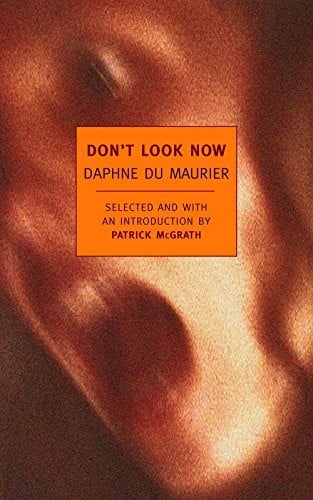
Start this bookNo. 22 on this list. Don't Look Now · Daphne du Maurier · 1971
Daphne du Maurier's 'Don't Look Now' (1971), the story of a grieving English couple in Venice, is her most anthologised short story and a staple of courses on Gothic and horror fiction. NYRB Classics named its selection of her stories after it, with an introduction by Patrick McGrath.
Challenging7.4 hours
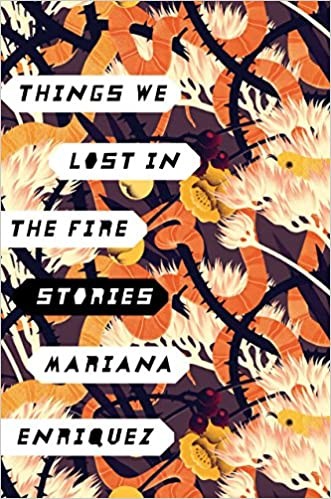
Start this bookNo. 23 on this list. Things We Lost in the Fire · Mariana Enriquez · 2016
International Booker shortlist. Widely reviewed and translated. Establishing canonical status in world literature and horror.
Easy3.6 hours
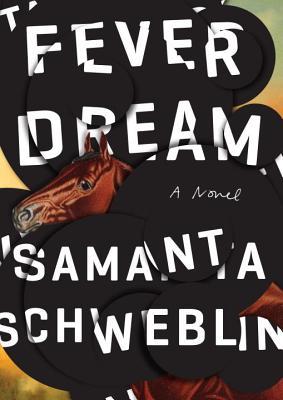
Start this bookNo. 24 on this list. Fever Dream · Samanta Schweblin · 2017
Amanda wakes in a rural Argentine clinic, her daughter Nina beside her, neither able to remember what happened. David, a strange local boy, helps her reconstruct events through a fractured dialogue. Schweblin's uncanny novella builds inexorable dread as it probes environmental disaster, motherhood, and the terror of contamination.
Challenging
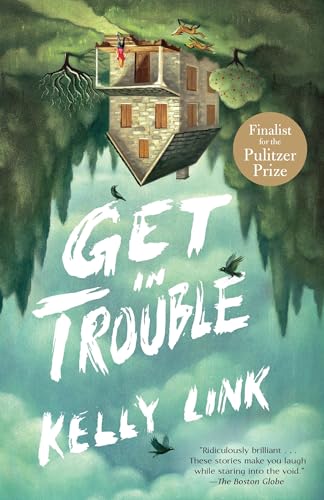
Start this bookNo. 25 on this list. Get in Trouble · Kelly Link · 2016
Link's stories occupy the space between fantasy and reality, where the rules of genre bend and break. A girl lives in a house with her superhero boyfriend; a grandmother builds a haunted house; teenagers in a pocket universe wait for rescue. The prose is deadpan and luminous, each story's strangeness grounded in emotional specificity. Link is often called a fabulist, but her concerns are human: loneliness, desire, the hope that somewhere there is a place where we belong.
Challenging6.3 hours
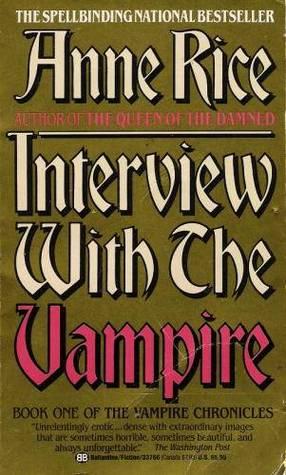
Start this bookNo. 26 on this list. Interview with the Vampire · Anne Rice · 1976
Interview with the Vampire (1976) is regularly taught in courses on the Gothic and on the vampire in literature, and it is one of the best-known works of modern vampire fiction. It is not, however, part of the general literary canon.
Moderate5.9 hours
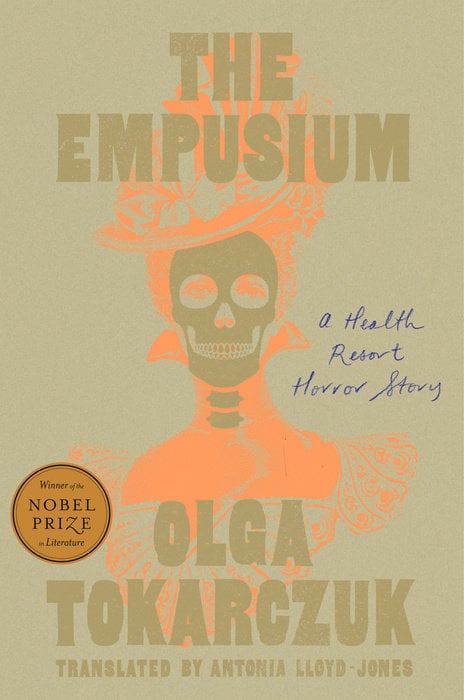
Start this bookNo. 27 on this list. The Empusium · Olga Tokarczuk · 2022
Published in 2022, The Empusium is too recent for curriculum adoption. No confirmed syllabus appearances exist yet, and Wikipedia data was not found for this title in isolation. Tokarczuk's older works—Flights and The Books of Jacob—have broader academic presence. As a Nobel author's recent work it will gain critical traction, but canonical status takes time.
Difficult9.8 hours
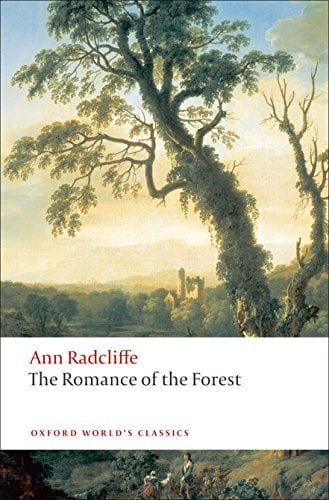
Start this bookNo. 28 on this list. The Romance of the Forest · Ann Radcliffe · 1791
The Romance of the Forest (1791) is kept in print by Oxford World's Classics and appears on courses in the Gothic novel and eighteenth-century fiction, though less often than The Mysteries of Udolpho. It is a standard text for specialists rather than general readers.
Moderate9.5 hours
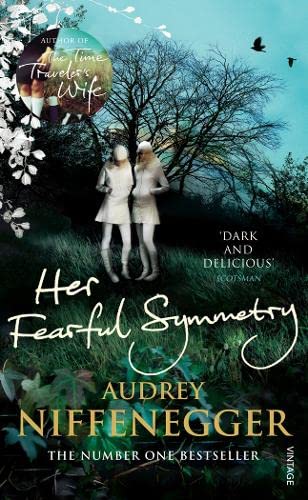
Start this bookNo. 29 on this list. Her Fearful Symmetry · Audrey Niffenegger · 2010
At last: another brilliant, original and moving novel from the author of THE TIME TRAVELER'S WIFE. Julia and Valentina Poole are normal American teenagers — normal, at least, for identical 'mirror' twins who have no interest in college or jobs or possibly anything outside their cozy suburban home. But everything changes when they receive notice that an aunt whom they didn't know existed has died and left them her flat in an apartment block overlooking Highgate Cemetery in London. They feel that at last their own lives can begin . . . but have no idea that they've been summoned into a tangle of fraying lives, from the obsessive-compulsive crossword setter who lives above them to their aunt's mysterious and elusive lover who lives below them, and even to their aunt herself, who never got over her estrangement from the twins' mother — and who can't even seem to quite leave her flat . . . With Highgate Cemetery itself a character and echoes of Henry James and Charles Dickens, HER FEARFUL SYMMETRY is a delicious and deadly twenty-first-century ghost story about Niffenegger's familiar themes of love, loss and identity. It is certain to cement her standing as one of the most singular and remarkable novelists of our time.
Moderate6.8 hours
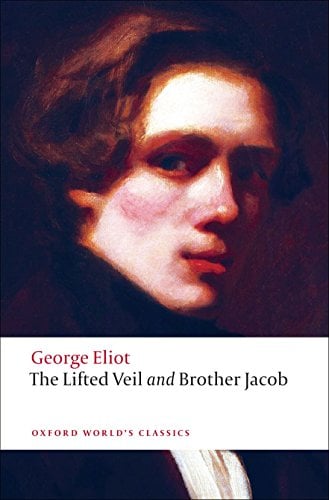
Start this bookNo. 30 on this list. The Lifted Veil and Brother Jacob · George Eliot · 1864
The Lifted Veil and Brother Jacob are George Eliot's two shorter fictions, often published together, as in Oxford World's Classics. The Lifted Veil is read in courses on Victorian Gothic and science, but neither is taught like her major novels.
Moderate2.1 hours
Start this book
No. 31 on this list. The Sentence
Louise Erdrich · 2022
No. 32 on this list. My Favorite Thing Is Monsters
Emil Ferris · 2017
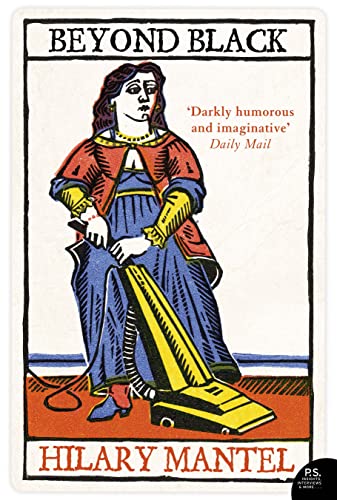
No. 33 on this list. Beyond Black
Hilary Mantel · 2005
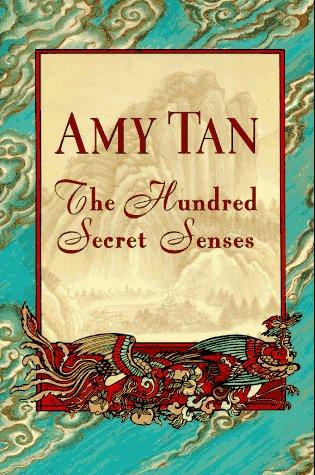
No. 34 on this list. The Hundred Secret Senses
Amy Tan · 1995
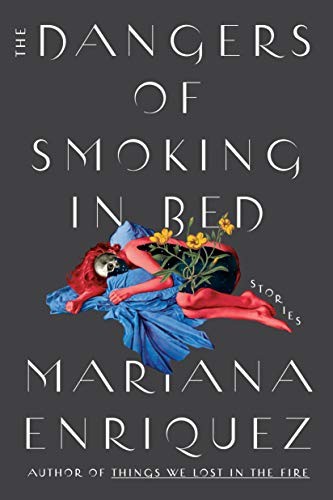
No. 35 on this list. The Dangers of Smoking in Bed
Mariana Enriquez · 2009
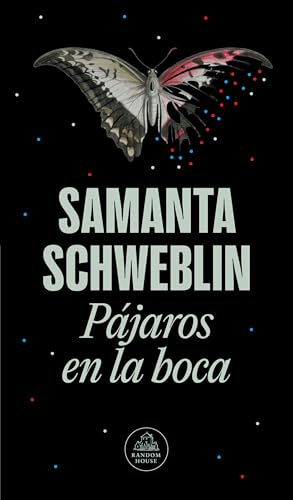
No. 36 on this list. Mouthful of Birds
Samanta Schweblin · 2009
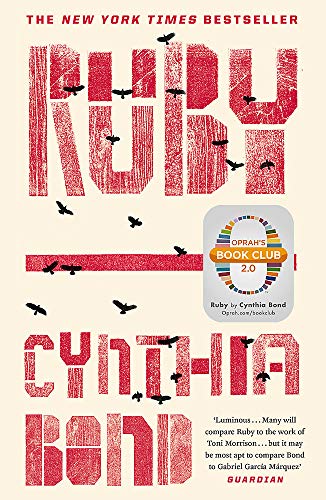
No. 37 on this list. Ruby
Cynthia Bond · 2016
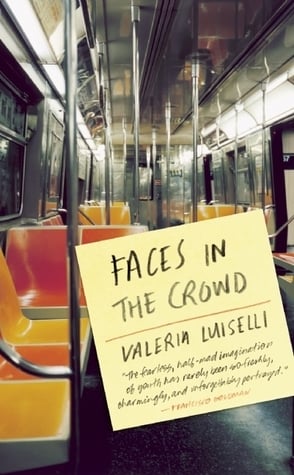
No. 38 on this list. Faces in the Crowd
Valeria Luiselli · 2011
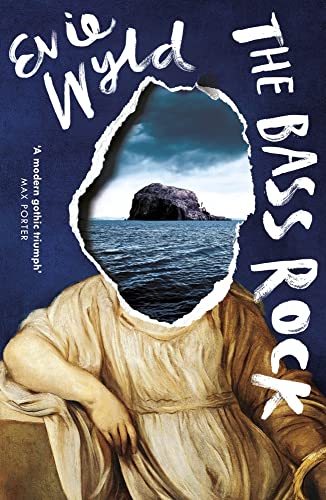
No. 39 on this list. The Bass Rock
Evie Wyld · 2020
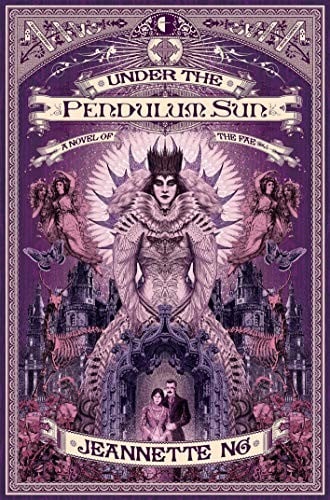
No. 40 on this list. Under the Pendulum Sun
Jeannette Ng · 2017
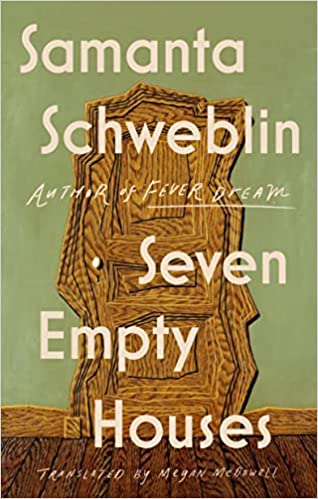
No. 41 on this list. Seven Empty Houses
Samanta Schweblin · 2024
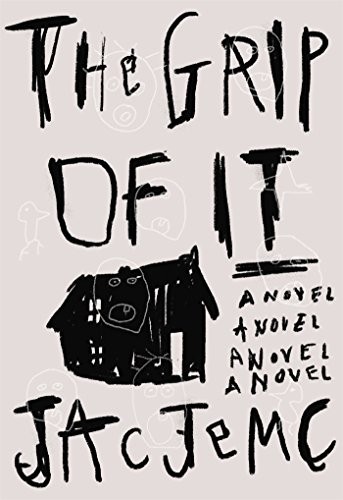
No. 42 on this list. The Grip of It
Jac Jemc · 2017
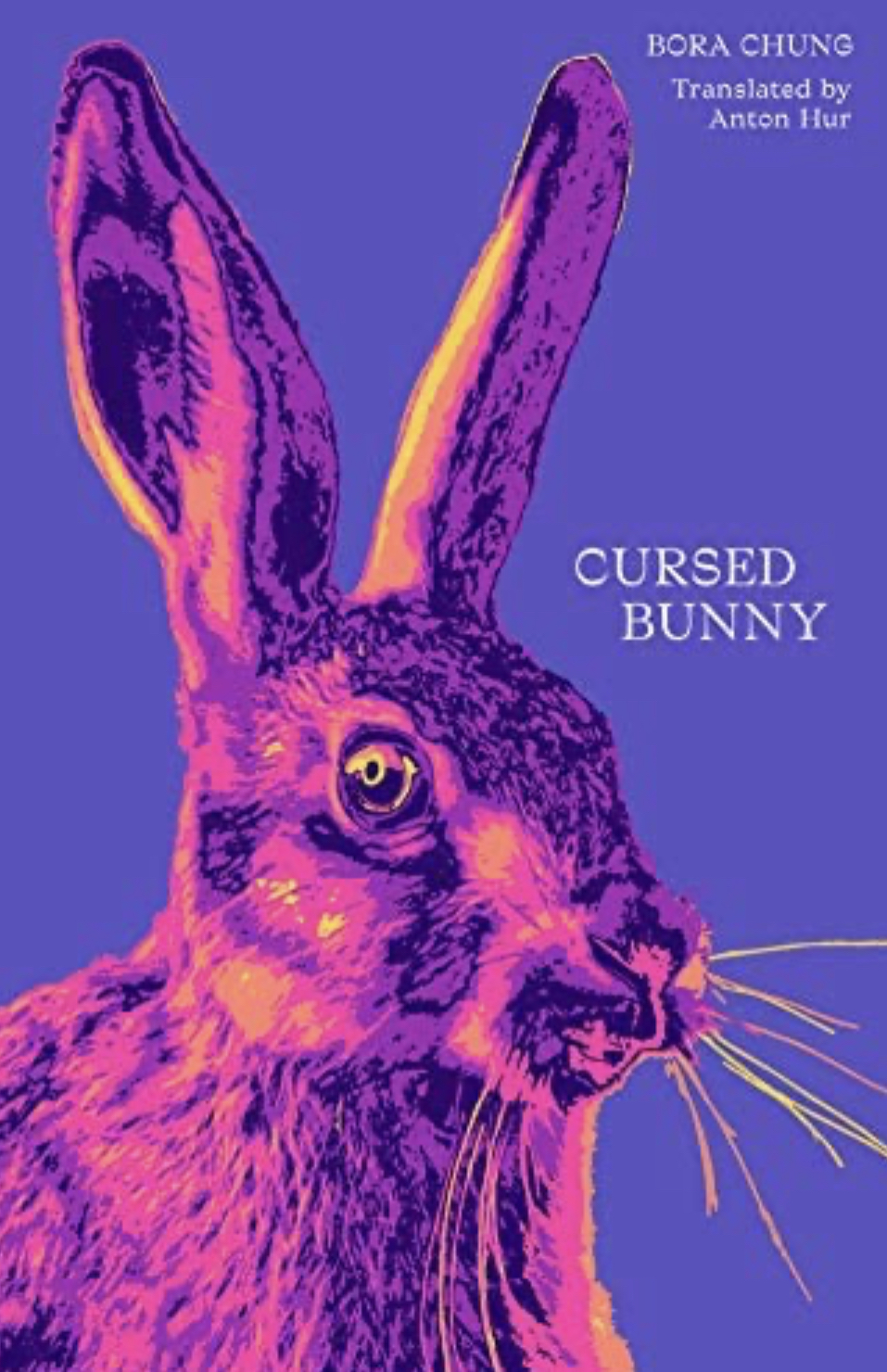
No. 43 on this list. Cursed Bunny
Bora Chung · 2022
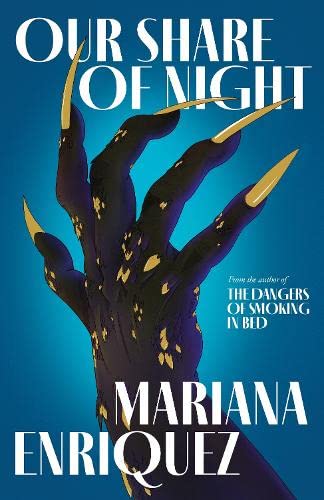
No. 44 on this list. Our Share of Night
Mariana Enriquez · 2019
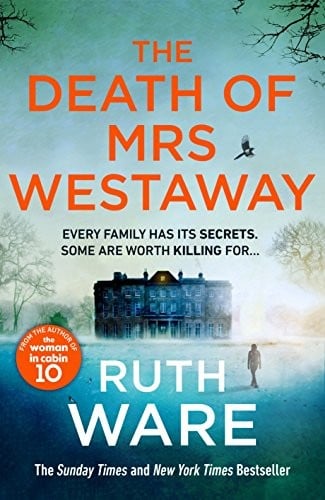
No. 45 on this list. The Death of Mrs. Westaway
Ruth Ware · 2018
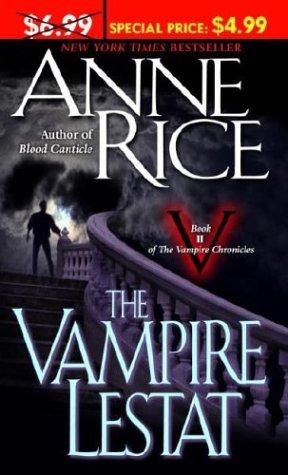
No. 46 on this list. The Vampire Lestat
Anne Rice · 1985
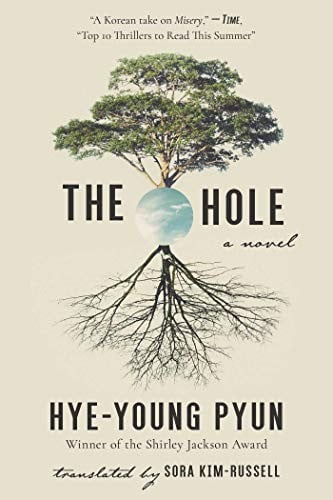
No. 47 on this list. The Hole
Pyun Hye-young · 2016
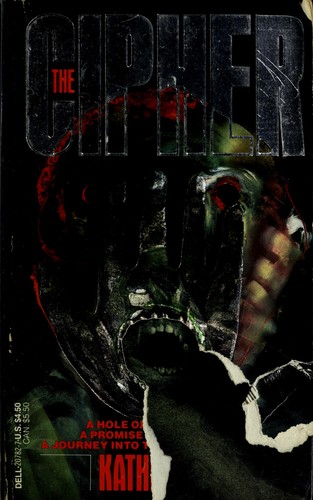
No. 48 on this list. The Cipher
Kathe Koja · 1991
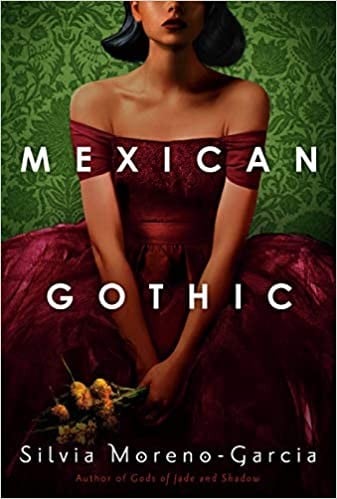
No. 49 on this list. Mexican Gothic
Silvia Moreno-Garcia · 2020
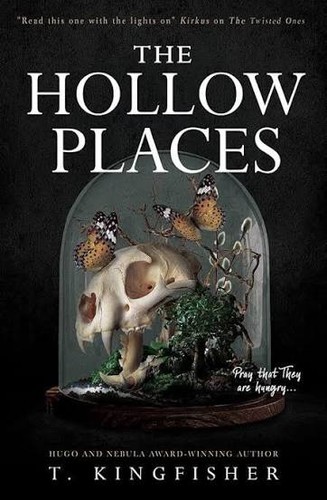
No. 50 on this list. The Hollow Places
T. Kingfisher · 2020
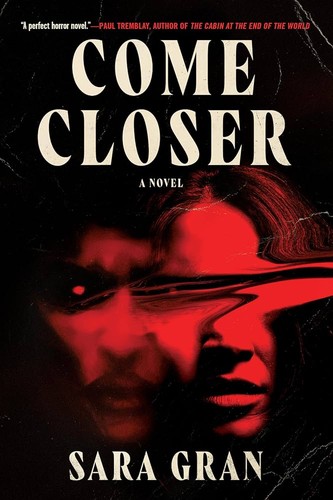
No. 51 on this list. Come Closer
Sara Gran · 2003
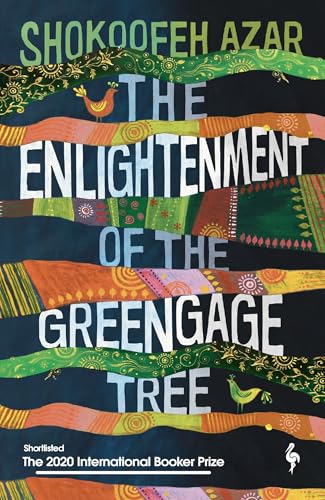
No. 52 on this list. The Enlightenment of the Greengage Tree
Shokoofeh Azar · 2020
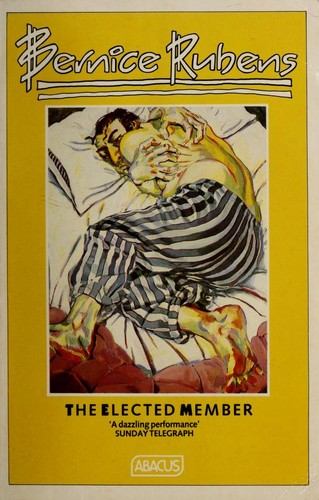
No. 53 on this list. The Elected Member
Bernice Rubens · 1970
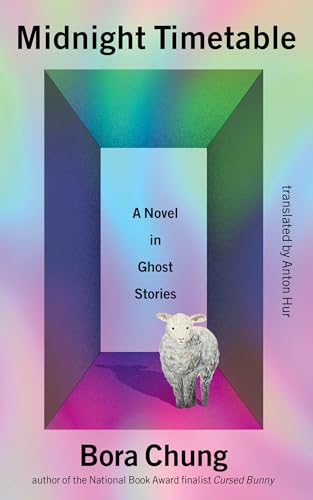
No. 54 on this list. Midnight Timetable: A Novel in Ghost Stories
Bora Chung · 2023
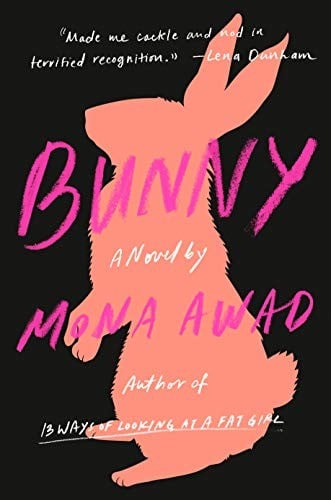
No. 55 on this list. Bunny
Mona Awad · 2019
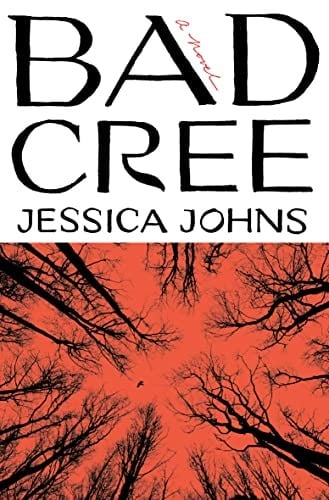
No. 56 on this list. Bad Cree
Jessica Johns · 2023
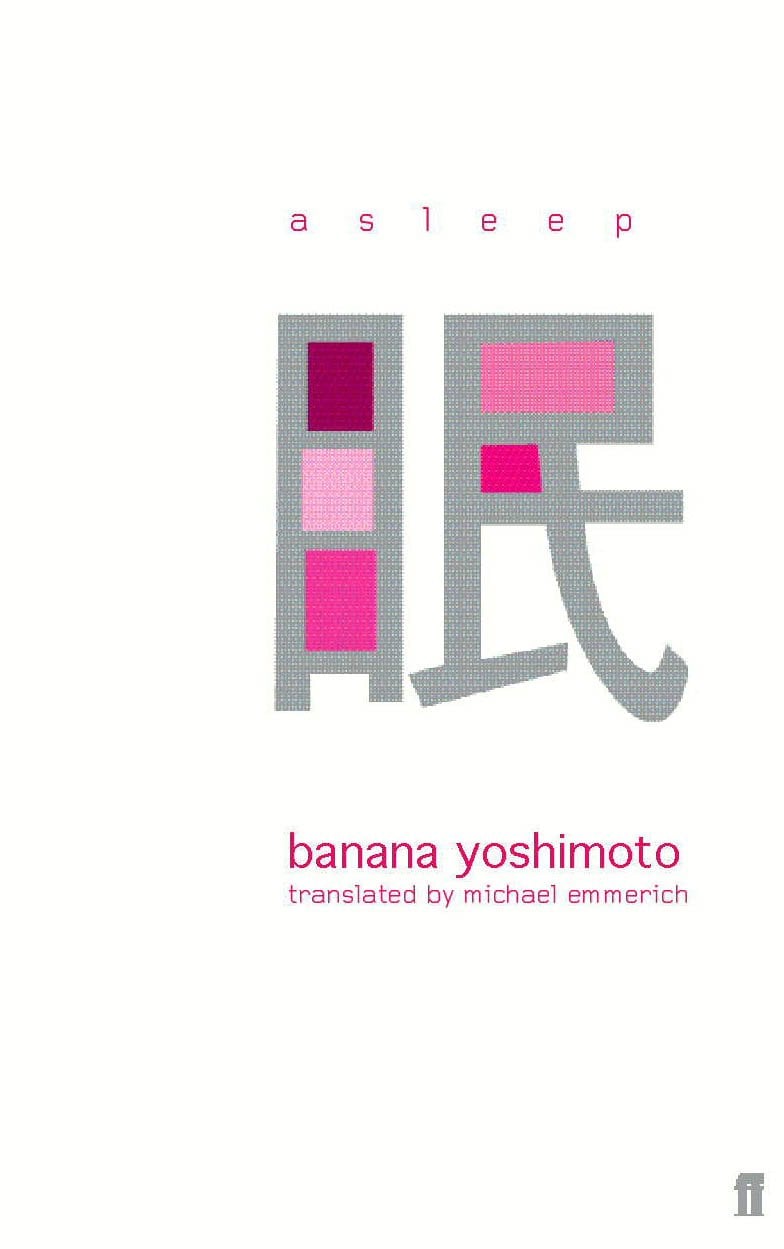
No. 57 on this list. Asleep
Banana Yoshimoto · 1989
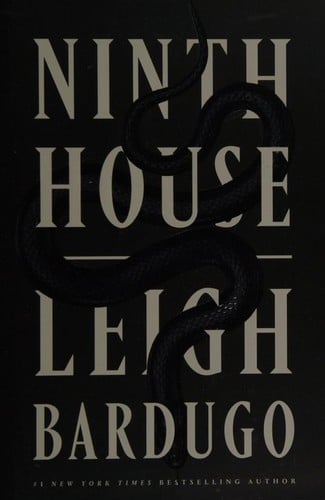
No. 58 on this list. Ninth House
Leigh Bardugo · 2019
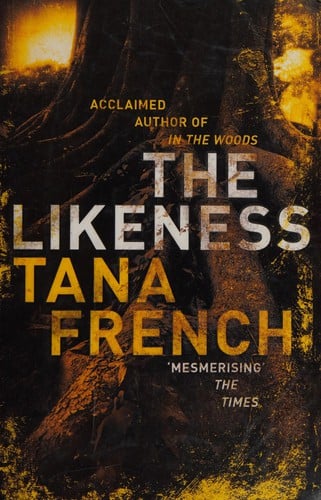
No. 59 on this list. The Likeness
Tana French · 2008
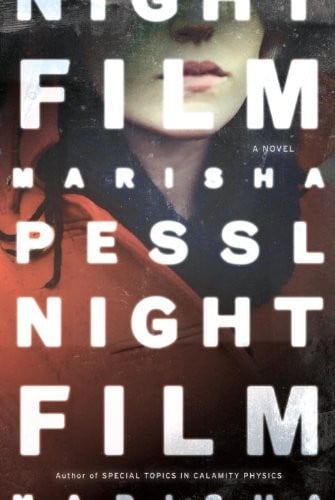
No. 60 on this list. Night Film
Marisha Pessl · 2013
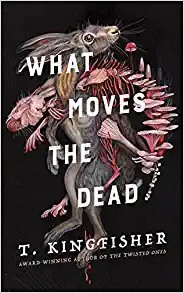
No. 61 on this list. What Moves the Dead
T. Kingfisher · 2022
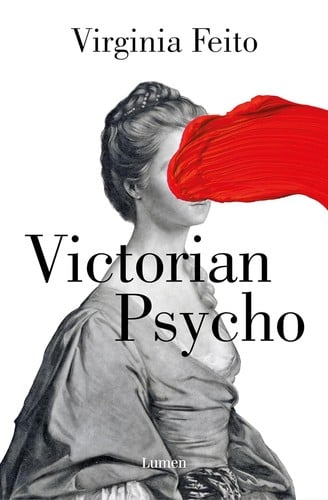
No. 62 on this list. Victorian Psycho
Virginia Feito · 2025
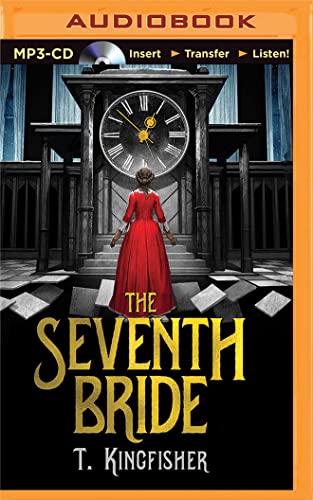
No. 63 on this list. The Seventh Bride
T. Kingfisher · 2015
No. 64 on this list. Starling House
Alix E. Harrow · 2023
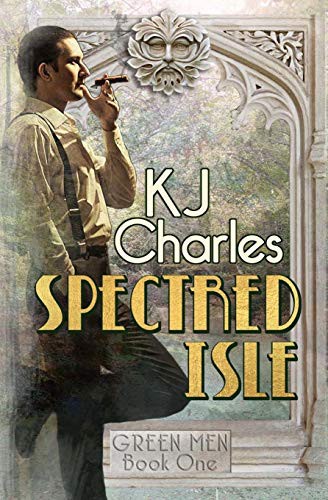
No. 65 on this list. Spectred Isle
KJ Charles · 2017
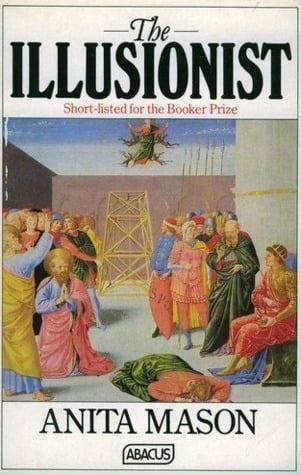
No. 66 on this list. The Illusionist
Anita Mason · 1983
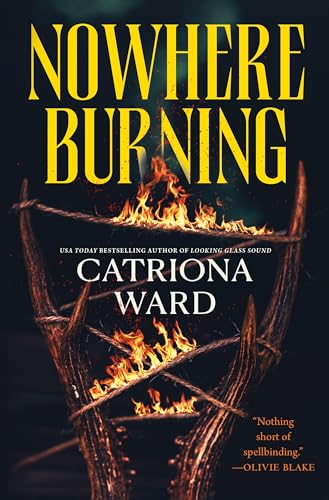
No. 67 on this list. Nowhere Burning
Catriona Ward · 2025
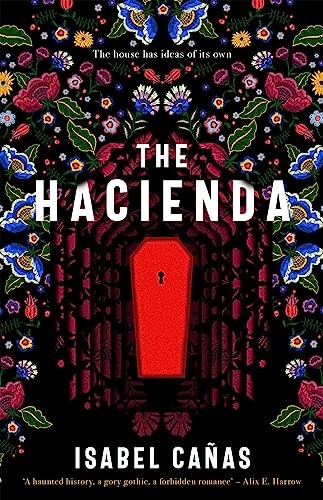
No. 68 on this list. The Hacienda
Isabel Cañas · 2022
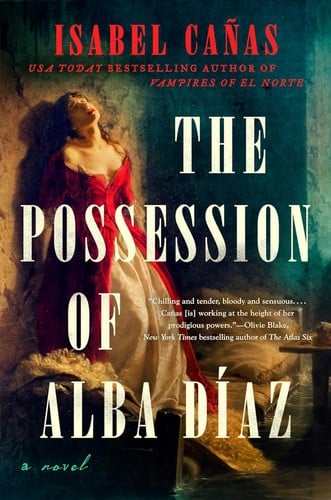
No. 69 on this list. The Possession of Alba Díaz
Isabel Cañas · 2025
No. 70 on this list. The Return

No. 71 on this list. Mister Magic
Kiersten White · 2023
No. 72 on this list. Two Twisted Crowns
Rachel Gillig · 2023
No. 73 on this list. Bat Eater and Other Names for Cora Zeng
Kylie Lee Baker · 2025
No. 74 on this list. This Wretched Valley
Jenny Kiefer · 2024
No. 75 on this list. Crafting For Sinners
Jenny Kiefer · 2025
No. 76 on this list. Master Wolf
Joanna Chambers · 1988
No. 77 on this list. One Dark Window
Rachel Gillig · 2022
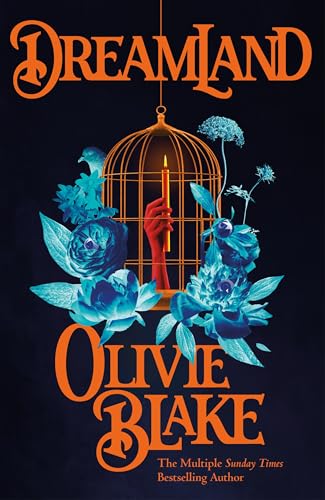
No. 78 on this list. Dreamland
Olivie Blake · 2026
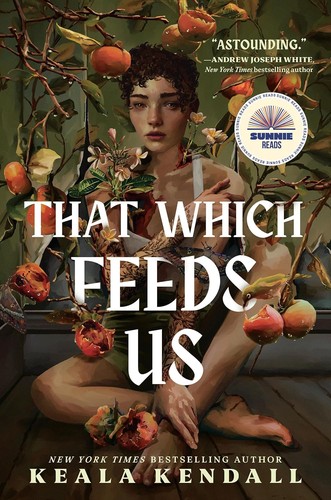
No. 79 on this list. That Which Feeds Us
Keala Kendall · 2026
About this list
These 79 books are the highest-scoring eligible supernatural and gothic books by women currently in the catalogue. About 538 hours of reading in all, for the 78 with measured lengths. Difficulty runs from 39 to 59 out of 100 for the middle half of the list; the summit is The Bloody Chamber at 77.
This list is ranked by literary regard, with a consistent order for equal scores. Membership follows authors and co-authors, not translators or editors. A book is here when ReadingRate files it under The Supernatural & Gothic as one of its primary reading domains, at a confidence of 0.8 or more. Catalogue coverage and the historical canon both limit what this list can represent.
When we matched the Canons dataset to our catalogue in October 2026, our canonical-status scores rose with the number of school curricula, publisher series and lists in it that cite a work: the median score was 72 for books one such source cites, 84 at two, 88 at three, 92 at four and 93 at five or more. Prizes are left out of that count. Outside the state curricula, the dataset’s sources choose mostly from what has been translated into English or French, so it is a weaker check on other literatures. Source: Canons (Andrew Piper), CC BY 4.0
Questions people actually ask
- What are the best supernatural and gothic books by women?
- By literary regard, which weighs canonical status, critical standing and influence: Frankenstein by Mary Shelley, Wuthering Heights by Emily Brontë, The Lottery by Shirley Jackson, Wise Blood by Flannery O'Connor and The Haunting of Hill House by Shirley Jackson. ReadingRate ranks 79 such books, each with a difficulty score and a reading-time estimate.
- Which supernatural and gothic books by women should I read first?
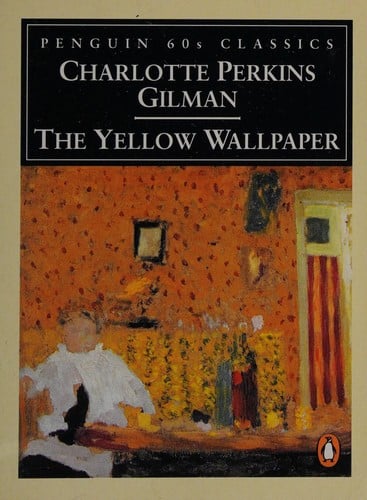
- Start from difficulty, not from rank. The most approachable books on this list that still carry top literary regard are Wise Blood by Flannery O'Connor (about 3.5 hours), The Lottery and Other Stories by Shirley Jackson and The Yellow Wall-Paper by Charlotte Perkins Gilman.
- What are the shortest of the best supernatural and gothic books by women?
- Among the top 25, the shortest are The Ballad of the Sad Café by Carson McCullers (about 4.1 hours), Wise Blood by Flannery O'Connor (about 3.5 hours) and The Bloody Chamber by Angela Carter (about 7.2 hours), at an average pace of 250 words a minute adjusted for each book's difficulty.
- Which of the best supernatural and gothic books by women are the established classics?
- By canonical status, how firmly a book sits in curricula, anthologies and the canon: Frankenstein by Mary Shelley, Wuthering Heights by Emily Brontë, The Lottery by Shirley Jackson, The Haunting of Hill House by Shirley Jackson and The Yellow Wall-Paper by Charlotte Perkins Gilman.
- Can I read any of these supernatural and gothic books by women for free?
- 2 of the 79 open in ReadingRate's reader with a free account, from public-domain editions: Frankenstein and Wuthering Heights.
- How long would it take to read the top ten?
- About 76 hours, at an average pace of 250 words a minute adjusted for each book's difficulty: 39 days at two hours a day. Set your own pace on the page and the list's reading times change to it.
- How hard are supernatural and gothic books by women to read?
- Most of this list sits between 39 and 59 on ReadingRate's 100-point difficulty scale, where 40 to 55 is moderate. The summit is The Bloody Chamber at 77. Every entry carries its own score, so a reader can pick a great book at a difficulty they will finish.
- How is this list ranked?
- On literary-regard data: how canonically established a work is, its critical standing, and its influence on later writing. It is not a readers’ poll, which is why recent bestsellers rarely appear. Membership follows authors and co-authors, not translators or editors. Lists by country, author, period, theme or difficulty keep to literature (fiction, poetry, drama and philosophy), their novels, poems and plays first and their philosophy after them; a list of a kind of book, such as memoir or criticism, keeps every book of that kind. Every list holds at most three works by one author. A book is here when ReadingRate files it under The Supernatural & Gothic as one of its primary reading domains, at a confidence of 0.8 or more.