Hours at an average pace
Showing 100 books
About 1,483 hours for 99 of 100 books with measured lengths. Estimates use 250 words a minute, adjusted for each book's difficulty. At 2 hours a day, about 742 days for those books.
No. 1 on this list. Hamlet
William Shakespeare · 1601
Challenging3.2 hours
Taught in schools: Uzbek adabiyot curriculum (Uzbekistan)
Included in: Bokklubben World Library, Great Books of the Western World, UNESCO Collection of Representative Works
Shakespeare invented the modern soliloquy here: a mind watching itself think, stalling, doubting, performing. Every fictional character who hesitates before acting is Hamlet's descendant.
No. 2 on this list. Divine Comedy
Dante Alighieri · 1320
Challenging11 hours
Taught in schools: Armenian secondary literature, Lektury obowiązkowe – Polish national reading list (Poland), UNAM Escuela Nacional Preparatoria – programas de Literatura (Mexico)
Included in: Bokklubben World Library, Great Books of the Western World, UNESCO Collection of Representative Works
Dante built a complete architecture of the afterlife so precise you can map it, then populated it with real people he knew. The result fused theology, politics, and autobiography into a single narrative structure that no poem has matched in ambition or execution.
No. 3 on this list. Ulysses
James Joyce · 1922
Very Difficult47 hours
Included in: Bokklubben World Library
Ulysses appears on 1,017 university syllabi (75th percentile, Open Syllabus Project) and features on the Modern Library's #1 Best Novels list, Le Monde's 100 Books of the Century, TIME's All-TIME 100 Novels, and the BBC Big Read. Wikipedia covers it in 36 languages. Published in Everyman's Library and Penguin Classics, it has maintained continuous academic circulation since its 1934 US publication.
No. 4 on this list. ULYSSES (The Original 1922 Edition): Enriched edition. A Modernist Dublin Day of Stream-of-Consciousness, Identity, and Odyssey Echoes
Very Difficult26 hours
It is the defining modernist text, taught in virtually every twentieth-century literature course and routinely ranked among the greatest novels.
No. 5 on this list. In Search of Lost Time
Marcel Proust · 1913
Difficult134 hours
Included in: Bokklubben World Library, Great Books of the Western World
In Search of Lost Time appears on 223 university syllabi and registers at the 58.7th percentile in the Open Syllabus Project — a significant presence for a seven-volume novel typically taught in translation and only in specialized courses. It appears on virtually every 'greatest novels' list (Modern Library, Le Monde, Time), and is treated as the central work of French modernism in comparative literature programs worldwide.
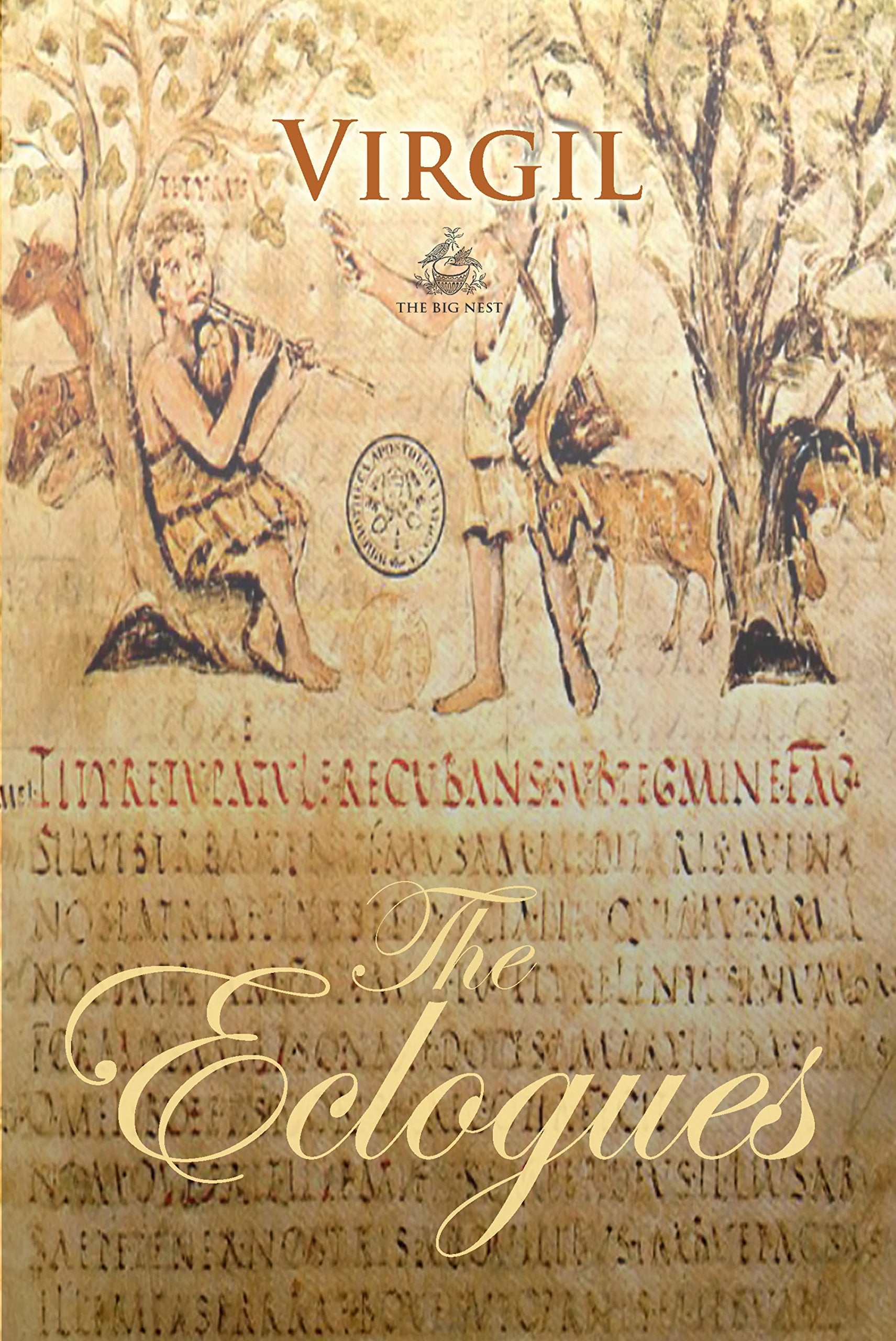
No. 6 on this list. Eclogues
Virgil · c. 37 BCE
Challenging58 min
Included in: Great Books of the Western World
The Eclogues are required reading in classical studies curricula worldwide, appearing on thousands of university syllabi in Latin, comparative literature, and humanities courses. They are among the most translated and discussed poems from antiquity, with Wikipedia articles in over 50 languages and continuous scholarly attention spanning two millennia. Eclogue IV alone has generated centuries of theological and literary debate.
No. 7 on this list. King Lear
William Shakespeare · 1606
Difficult3.2 hours
Taught in schools: AQA GCSE and A-level English Literature (UK), WJEC/Eduqas GCSE and A-level English Literature (UK)
Included in: Bokklubben World Library, Great Books of the Western World, UNESCO Collection of Representative Works
King Lear appears on 2,254 university syllabi per Open Syllabus — placing it in the 84th percentile of all works — and has Wikipedia articles in 71 languages. It appears in virtually every anthology of English literature and every Shakespeare course worldwide. Most critics rank it alongside Hamlet as Shakespeare's greatest achievement; Harold Bloom called it the summit of the Western literary canon.
No. 8 on this list. The Waste Land
T. S. Eliot · 1922
Very Difficult34 min
Taught in schools: Pacific Senior Secondary Certificate – English
Included in: Great Books of the Western World
It is in Great Books of the Western World and a recommended text in Pacific senior school English. The Wikipedia article exists in 35 languages. It is the defining modernist poem, taught in nearly every 20th-century literature course.
Yeats is on virtually every Anglophone university literature syllabus. 'The Second Coming,' 'Easter 1916,' 'Sailing to Byzantium,' and 'The Lake Isle of Innisfree' are among the most widely anthologized and taught poems in the English language. The Collected Poems is treated as an essential text in Irish, British, and American literary curricula alike, with sustained presence in over a century of anthologies.
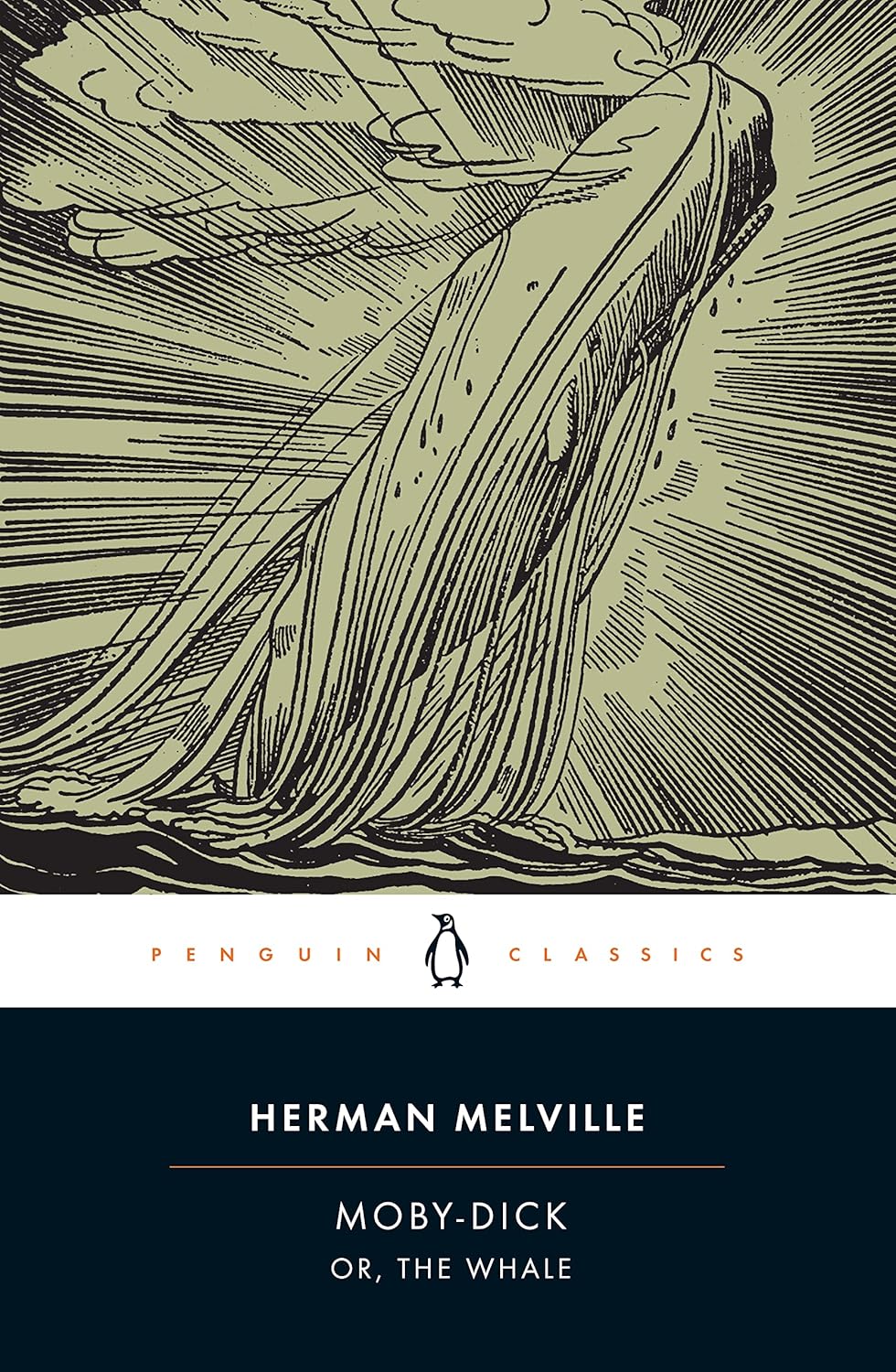
No. 10 on this list. Moby-Dick
Herman Melville · 1851
Difficult26 hours
Included in: Bokklubben World Library, Great Books of the Western World
Melville poured cetology, Shakespearean soliloquy, sermon, sea shanty, and metaphysical dread into one whaling voyage, creating a book that operates simultaneously as adventure novel, encyclopedia, and prose poem about obsession. Nothing in American literature before or since has this range of register in a single work.

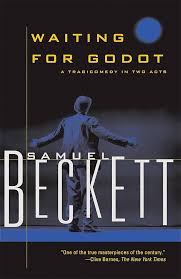
No. 11 on this list. Waiting for Godot · Samuel Beckett · 1953
Included in: Great Books of the Western World
Waiting for Godot appears on virtually every comparative literature, modern drama, and theater studies syllabus worldwide, and is listed in Open Syllabus's Top 500 Literature titles. The Wikipedia article exists in 68 languages, and the play has been continuously performed since its 1953 Paris premiere. Le Monde named it among the 100 Books of the Century. It is as canonical as any play written after Shakespeare.
Difficult2.4 hours
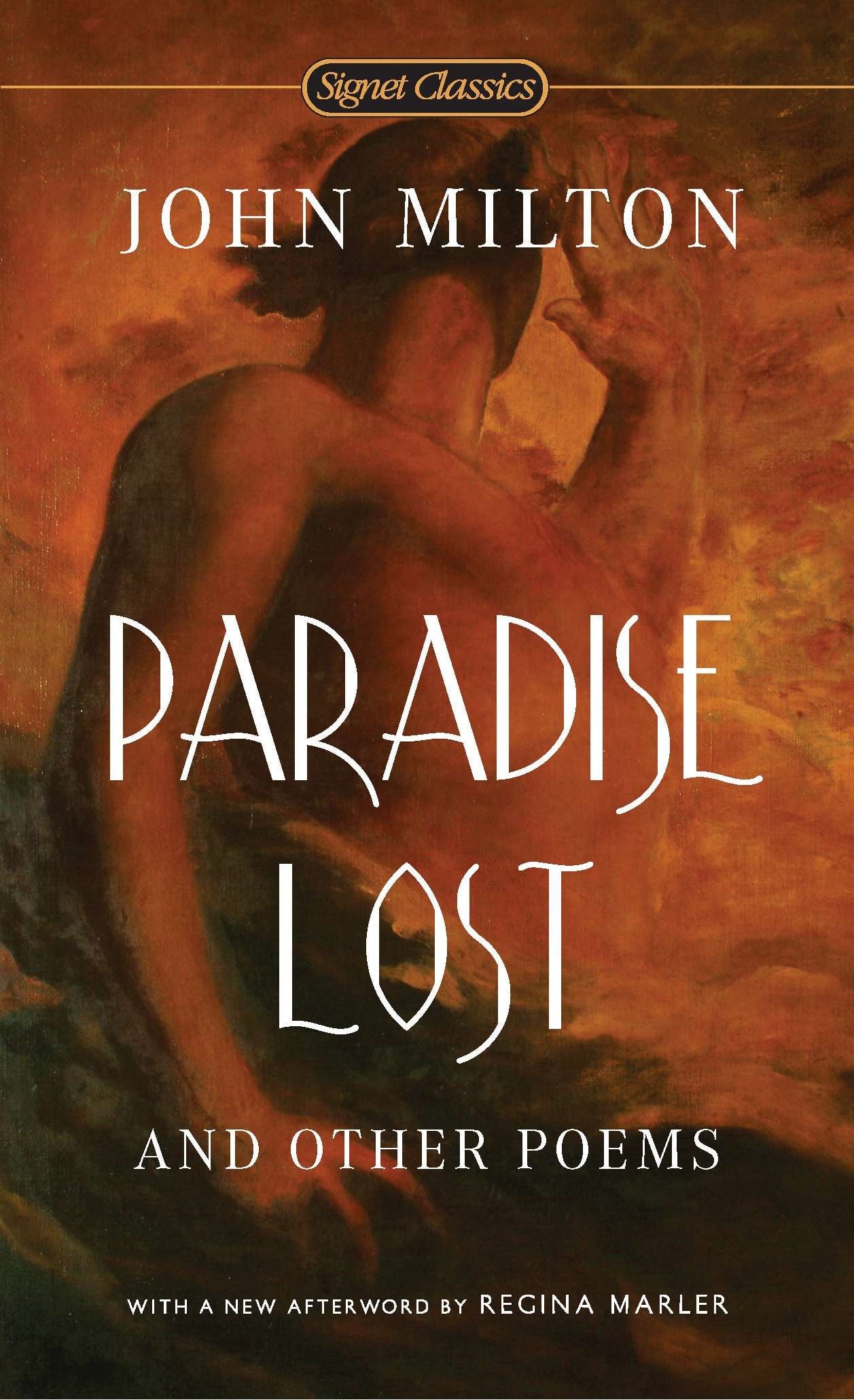
Start this bookNo. 12 on this list. Paradise Lost · John Milton · 1667
Taught in schools: AQA GCSE and A-level English Literature (UK), WJEC/Eduqas GCSE and A-level English Literature (UK)
Included in: Great Books of the Western World
Milton retold the fall of man in blank verse of such muscular grandeur that Satan became the most charismatic figure in English poetry — not because Milton failed, but because he understood that rebellion requires eloquence. The poem reshaped the English language's sense of what a long sentence could do.
Challenging8.6 hours
Read nowNo. 13 on this list. The Norton Facsimile of the First Folio of Shakespeare · William Shakespeare
The First Folio is the foundational text of Shakespeare, the most taught author in English. Hamlet anchors Western curricula, and this edition is a standard scholarly reference through its line numbering.
Difficult
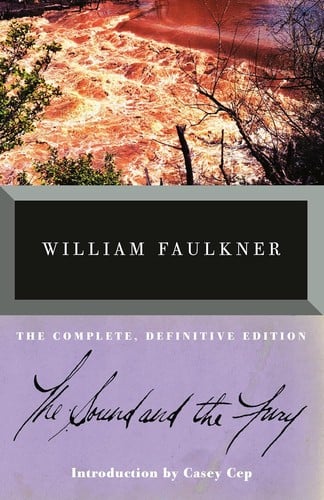
Start this bookNo. 14 on this list. The Sound and the Fury · William Faulkner · 1929
Taught in schools: Turkish edebiyat curriculum (Turkey)
Included in: Bokklubben World Library
Listed on Modern Library 100 Best Novels, TIME All-TIME 100 Novels, Le Monde's 100 Books of the Century, and Open Syllabus Top 500 Literature. Wikipedia article exists in 35 languages with dedicated Reception and Adaptations sections and 57,976 characters of editorial content. A fixture of American literature courses and universally regarded as one of the defining works of American modernism — canonical weight comparable to or exceeding The Great Gatsby.
Difficult15 hours
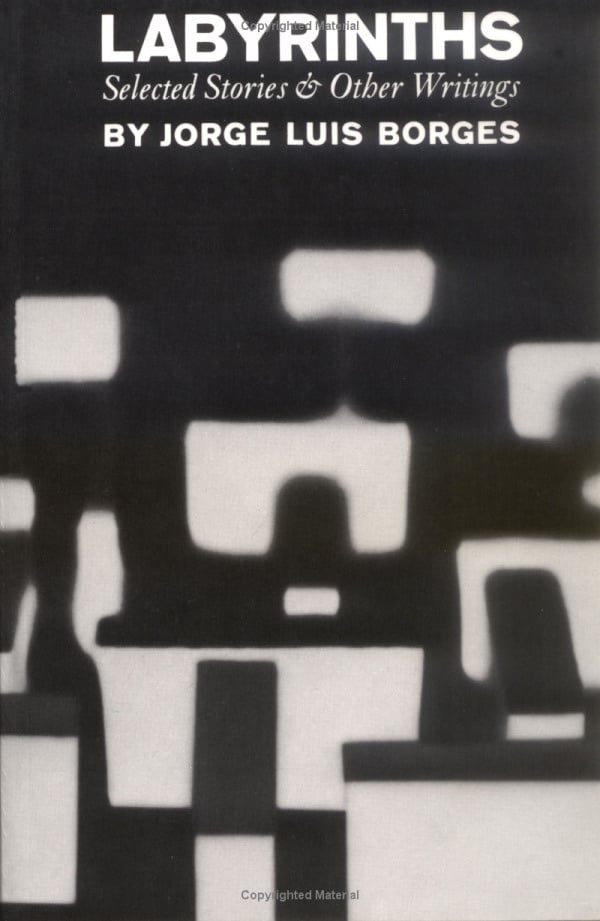
Start this bookNo. 15 on this list. Labyrinths · Jorge Luis Borges · 1962
Labyrinths is the standard English-language anthology through which Borges enters world literature curricula, taught in virtually every major comparative literature, Latin American literature, and 20th-century fiction course at universities worldwide. Published by New Directions in 1962, it established the benchmark for how Borges is read in translation and has remained continuously in print for over six decades as an essential classroom and critical text.
Difficult14 hours
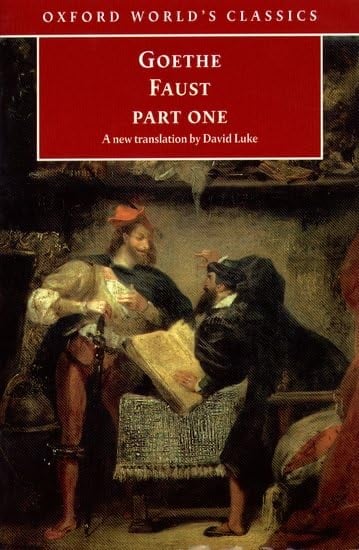
Start this bookNo. 16 on this list. Faust · Johann Wolfgang von Goethe · 1832
Taught in schools: Turkish edebiyat curriculum (Turkey)
Included in: Bokklubben World Library, Great Books of the Western World
Goethe spent sixty years building a dramatic poem in which a scholar sells his soul not for pleasure but for the experience of a moment worth stopping time for. The work became the central myth of modernity: the idea that striving itself, not arrival, is what redeems a human life.
Challenging3.9 hours
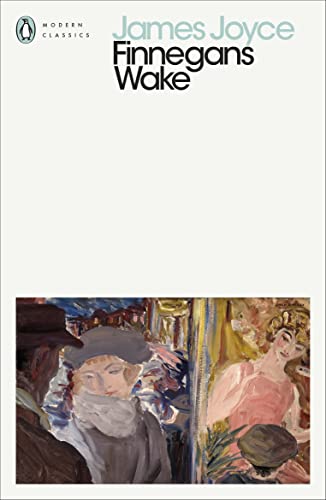
Read nowNo. 17 on this list. Finnegans Wake · James Joyce · 1939
Finnegans Wake appears on 108 university syllabi (Open Syllabus, 50th percentile) and holds a Wikipedia article in 39 languages. It is listed on the Modern Library 100 Best Novels and published by NYRB Classics. Syllabus presence is lower than Ulysses because the book is taught almost exclusively in graduate Joyce seminars and advanced modernism courses — its difficulty makes undergraduate adoption rare.
Very Difficult44 hours
Start this bookNo. 18 on this list. The Captive / The Fugitive (In Search of Lost Time, #5-6) · Marcel Proust
In Search of Lost Time is a pillar of the modernist canon, taught in world literature courses everywhere. This volume is a less-assigned part but still core to the work.
Difficult34 hours
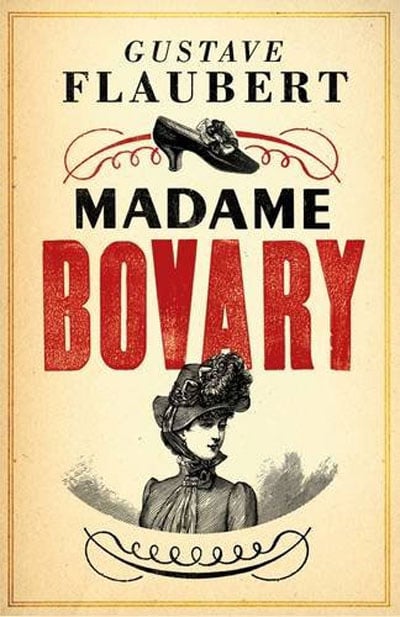
Start this bookNo. 19 on this list. Madame Bovary · Gustave Flaubert · 1857
Appears on 986 university syllabi according to the Open Syllabus Project, placing it in the top tier of world literature taught in higher education. Wikipedia articles exist in 63 languages with dedicated Reception and Adaptations sections, confirming its status as a global canonical text. Listed on the Open Syllabus Top 500 Literature and 1001 Books You Must Read Before You Die.
Difficult13 hours
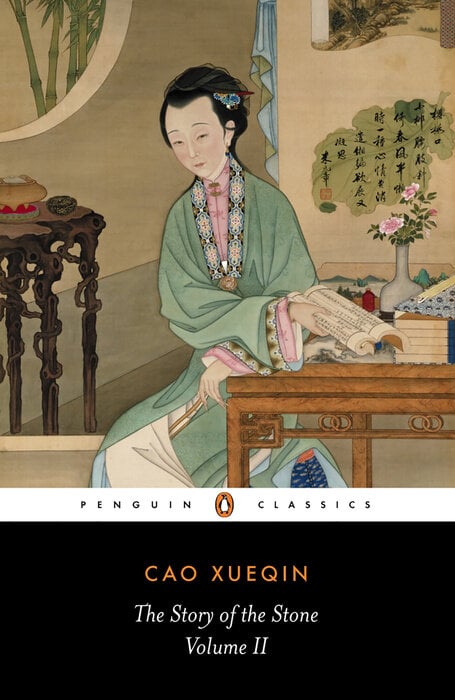
Read nowNo. 20 on this list. Dream of the Red Chamber · Cao Xueqin · 1791
Included in: UNESCO Collection of Representative Works
Cao Xueqin chronicled the decline of an aristocratic Chinese clan through the consciousness of over four hundred distinct characters, weaving Buddhist philosophy, classical poetry, and granular domestic life into a novel of a scope that European fiction would not attempt for another century. It remains the central work of Chinese narrative art.
Difficult97 hours
Read now

No. 21 on this list. The Flowers of Evil · Charles Baudelaire
Les Fleurs du mal is a foundation of modern poetry, taught across French literature, comparative literature and poetry courses worldwide. Its 1857 obscenity trial is part of literary history.
Challenging3 hours
Start this bookNo. 22 on this list. Duino Elegies · Rainer Maria Rilke · 1923
The Duino Elegies appear on virtually every 20th-century world poetry and comparative literature syllabus internationally. Rilke is the central figure in German-language modernist poetry and the Elegies are his culminating work, regularly paired with The Waste Land and Four Quartets as the defining lyric sequences of the modernist era. The sequence has been translated into every major European language and dozens beyond.
Difficult2.9 hours
Start this bookNo. 23 on this list. The Aleph · Jorge Luis Borges · 1949
Taught in schools: Literatura, Diseño Curricular – Provincia de Buenos Aires (Argentina), UNAM Escuela Nacional Preparatoria – programas de Literatura (Mexico)
Borges and his short fiction appear on university syllabi worldwide — in world literature, Latin American literature, postmodernism, and comparative literature courses. 'The Aleph,' 'The Circular Ruins,' and 'Death and the Compass' are among the most frequently anthologized stories in the Western canon. Though no formal syllabus count is available in the database, Borges is standard reading at virtually every English-language university.
Difficult7.8 hours
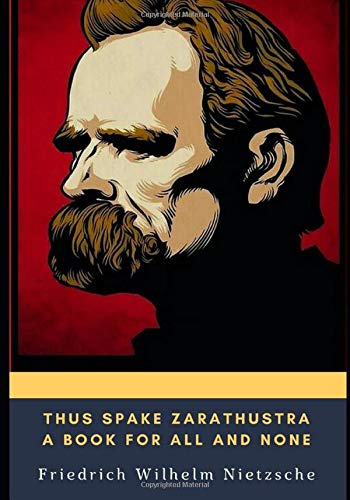
Start this bookNo. 24 on this list. Thus Spake Zarathustra A book for all and none · Friedrich Nietzsche
A standard text in philosophy and German-literature courses, and one of the most widely read works of modern philosophy worldwide. Often the entry point to Nietzsche. It ranks with Notes from Underground in curricula, though less often assigned in full than Crime and Punishment.
Difficult13 hours
Start this bookNo. 25 on this list. The Cantos · Ezra Pound · 1970
The Cantos appear on virtually every graduate-level modernist poetry syllabus and are the unavoidable centerpiece of Pound studies worldwide. The Pisan Cantos alone are canonical across multiple national literary traditions. While shorter Pound poems are more widely assigned at the undergraduate level, the full poem is central to any serious study of 20th-century Anglo-American poetry.
Very Difficult24 hours
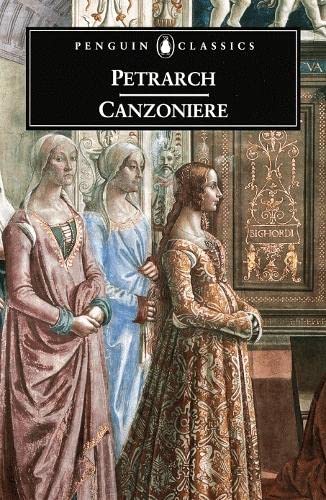
Start this bookNo. 26 on this list. Canzoniere · Petrarch · 1374
Taught in schools: Montenegrin literature curriculum (crnogorski jezik i književnost) (Montenegro)
The foundation text of the European lyric tradition, taught in every survey of Renaissance and comparative literature, and in print in facing-page editions from Harvard, Oxford and Penguin.
Difficult4.2 hours
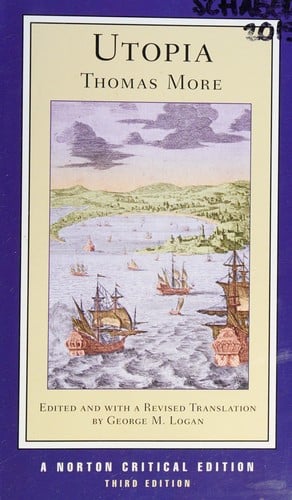
Start this bookNo. 27 on this list. Utopia · Thomas More · 1516
Utopia is a fixture in political philosophy, early modern history, and English literature curricula globally. The word 'utopia' entered every major European language, a feat achieved by fewer than a dozen literary works. It appears on thousands of university syllabi across disciplines — philosophy, political science, history, English, Renaissance studies — and is universally recognized as foundational reading.
Challenging4.3 hours
Start this bookNo. 28 on this list. Gargantua and Pantagruel · François Rabelais · 1532
Taught in schools: Lektury obowiązkowe – Polish national reading list (Poland)
Included in: Bokklubben World Library, Great Books of the Western World
Gargantua and Pantagruel appears on virtually every Western literary canon list and is required reading in Renaissance literature courses at universities worldwide. The work has Wikipedia articles in more than 60 languages and has maintained continuous scholarly attention since the 16th century. It appears on Harold Bloom's Western Canon and the Great Books curricula as a founding text of European prose fiction.
Challenging33 hours
Start this bookNo. 29 on this list. A Streetcar Named Desire · Tennessee Williams · 1947
Taught in schools: AQA GCSE and A-level English Literature (UK), Cambridge IGCSE Literature in English (0475), UNAM Escuela Nacional Preparatoria – programas de Literatura (Mexico)
Required reading in virtually every American literature curriculum, from high school through university, and among the most-produced plays in the American theater canon. It appears on nearly every 'great American plays' list alongside Death of a Salesman, and has been continuously performed since its 1947 Broadway premiere.
Challenging2.3 hours
Start this bookNo. 30 on this list. The Life and Opinions of Tristram Shandy, Gentleman · Laurence Sterne · 1759
Included in: Bokklubben World Library, Great Books of the Western World
Tristram Shandy is one of the most taught 18th-century English novels in university literature programs worldwide, appearing on virtually every course covering the development of the novel form, postmodernism avant la lettre, and experimental fiction. It consistently appears on lists of the greatest novels in the English language — Modern Library, Penguin Classics, academic consensus lists — and is the foundational text for any discussion of metafiction and narrative self-consciousness. Its canonical status is second only to Fielding's Tom Jones among 18th-century English prose fiction.
Difficult27 hours
Start this book
No. 31 on this list. Frankenstein
Mary Shelley · 1818
Taught in schools: AQA GCSE and A-level English Literature (UK), CSEC English B – Caribbean Examinations Council, Pearson Edexcel GCSE and A-level English Literature (UK)
Included in: Bibliothèque de la Pléiade
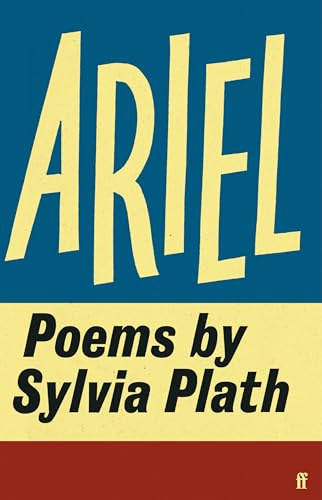
No. 32 on this list. Ariel
Sylvia Plath · 1965
Taught in schools: AQA GCSE and A-level English Literature (UK)
No. 33 on this list. Four Quartets
T. S. Eliot · 1943
No. 34 on this list. A Hunger Artist
Franz Kafka · 1924
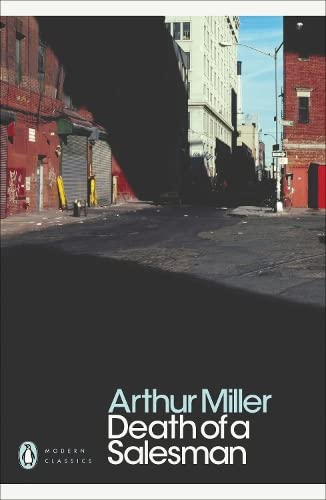
No. 35 on this list. Death of a Salesman
Arthur Miller · 1949
Taught in schools: AQA GCSE and A-level English Literature (UK), Common Core text exemplars (Appendix B) (US), CSEC English B – Caribbean Examinations Council
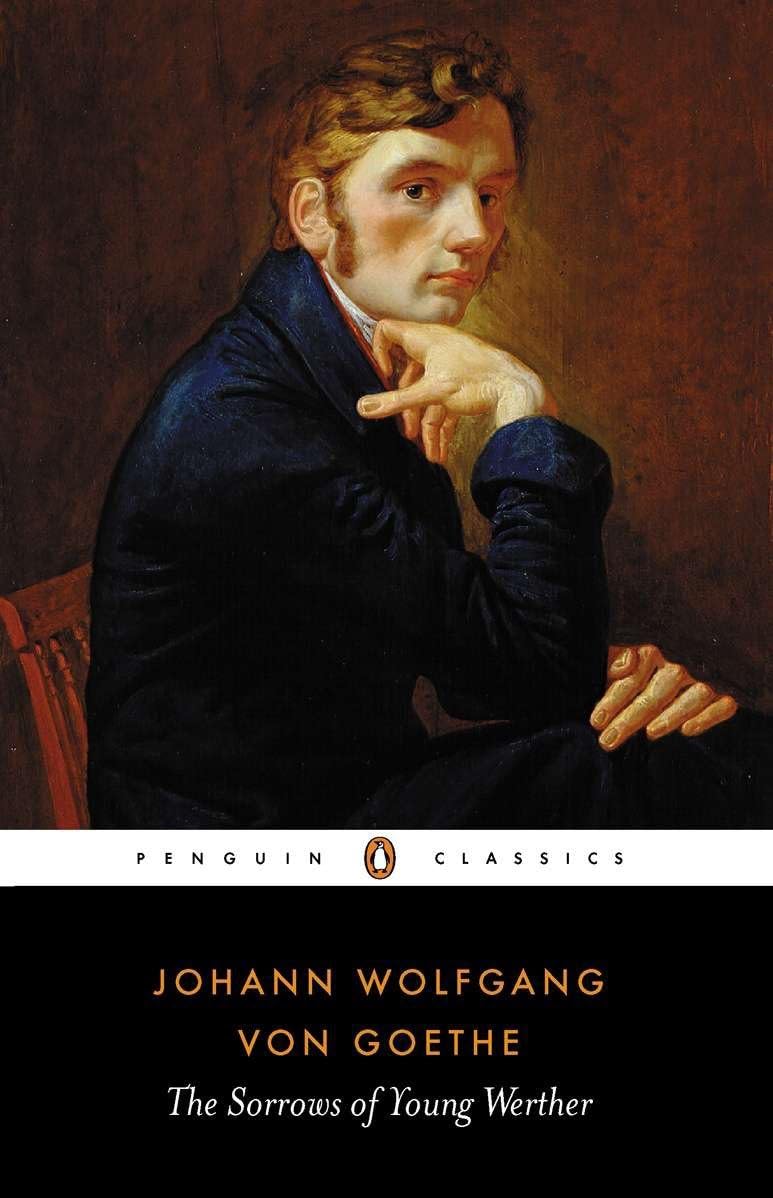
No. 36 on this list. The Sorrows of Young Werther
Johann Wolfgang von Goethe · 1774
No. 37 on this list. Lolita
Vladimir Nabokov · 1955
Included in: Bokklubben World Library
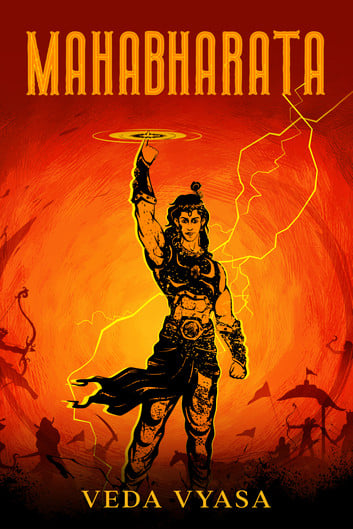
No. 38 on this list. Mahabharata
Vyasa · c. 400 BCE
No. 39 on this list. As I Lay Dying
William Faulkner · 1930
Taught in schools: Common Core text exemplars (Appendix B) (US)
No. 40 on this list. The Trial
Franz Kafka · 1925
Taught in schools: Lektury obowiązkowe – Polish national reading list (Poland)
Included in: Bokklubben World Library
No. 41 on this list. Troilus and Criseyde
Geoffrey Chaucer · 1385
Included in: Great Books of the Western World
No. 42 on this list. Heart of Darkness
Joseph Conrad · 1899
Taught in schools: Pacific Senior Secondary Certificate – English, Pearson Edexcel GCSE and A-level English Literature (UK)
Included in: Great Books of the Western World
No. 43 on this list. The Faerie Queene
Edmund Spenser · 1590
No. 44 on this list. Wuthering Heights
Emily Brontë · 1847
Taught in schools: AQA GCSE and A-level English Literature (UK), CAPE Literatures in English – Caribbean Examinations Council, CSEC English B – Caribbean Examinations Council
Included in: Bokklubben World Library
No. 45 on this list. Peer Gynt
Henrik Ibsen · 1867
No. 46 on this list. Requiem
Anna Akhmatova · 1963
Taught in schools: Russian FGOS literature standard
No. 47 on this list. Watchmen
Alan Moore · 1986
No. 48 on this list. To the Lighthouse
Virginia Woolf · 1927
Included in: Bokklubben World Library, Great Books of the Western World
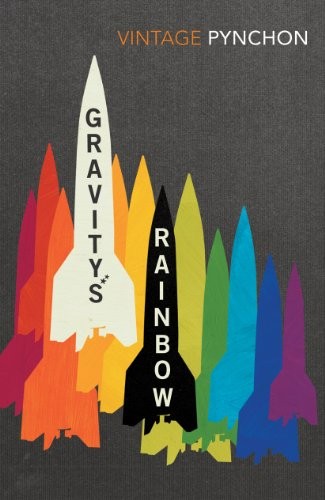
No. 49 on this list. Gravity's Rainbow
Thomas Pynchon · 1973
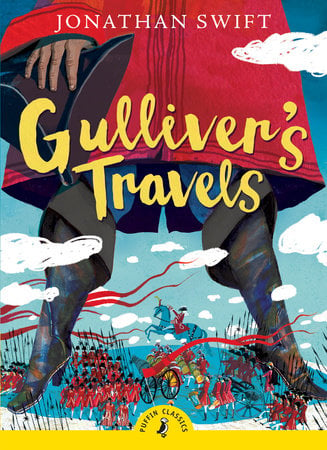
No. 50 on this list. Gulliver's Travels
Jonathan Swift · 1726
Taught in schools: CSEC English B – Caribbean Examinations Council, Hungarian literature curriculum (magyar nyelv és irodalom) (Hungary)
Included in: Bokklubben World Library, Great Books of the Western World

No. 51 on this list. Pale Fire
Vladimir Nabokov · 1962
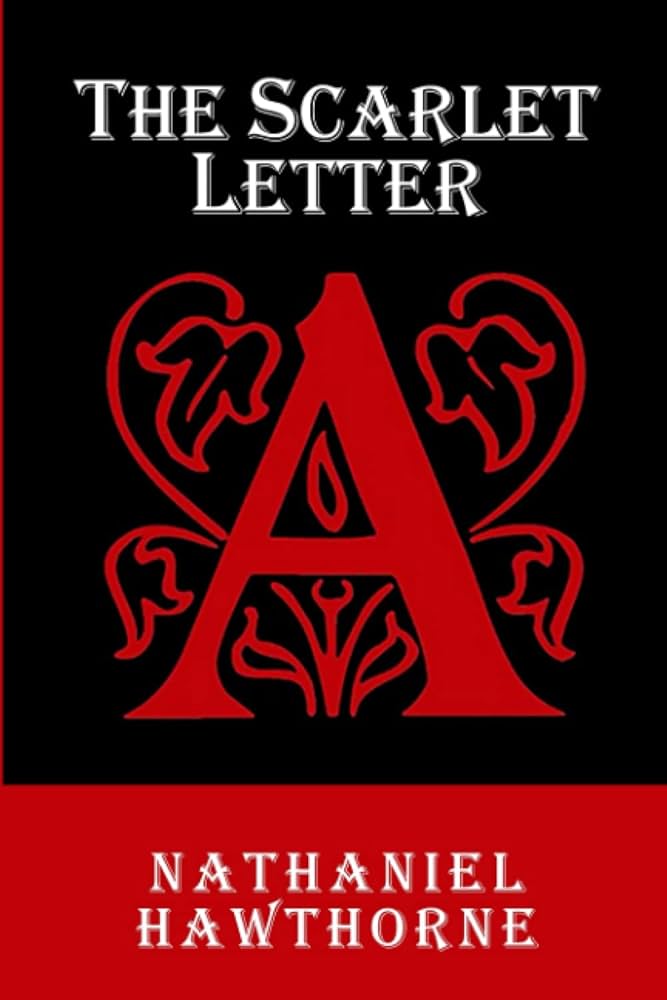
No. 52 on this list. The Scarlet Letter
Nathaniel Hawthorne · 1850
Taught in schools: Common Core text exemplars (Appendix B) (US), CSEC English B – Caribbean Examinations Council
No. 53 on this list. Absalom, Absalom!
William Faulkner · 1936
Included in: Bokklubben World Library
No. 54 on this list. Song of Solomon
Toni Morrison · 1977
No. 55 on this list. Harmonium
Wallace Stevens · 1923
No. 56 on this list. Hopscotch
Julio Cortázar · 1963
No. 57 on this list. Cat on a Hot Tin Roof
Tennessee Williams · 1955
Taught in schools: AQA GCSE and A-level English Literature (UK)
No. 58 on this list. The Theatre and Its Double
Antonin Artaud · 1938
No. 59 on this list. The Unnamable
Samuel Beckett · 1953
Included in: Bokklubben World Library
No. 60 on this list. Three Tales
Gustave Flaubert · 1877
No. 61 on this list. Sentimental Education
Gustave Flaubert · 1869
Included in: Bokklubben World Library
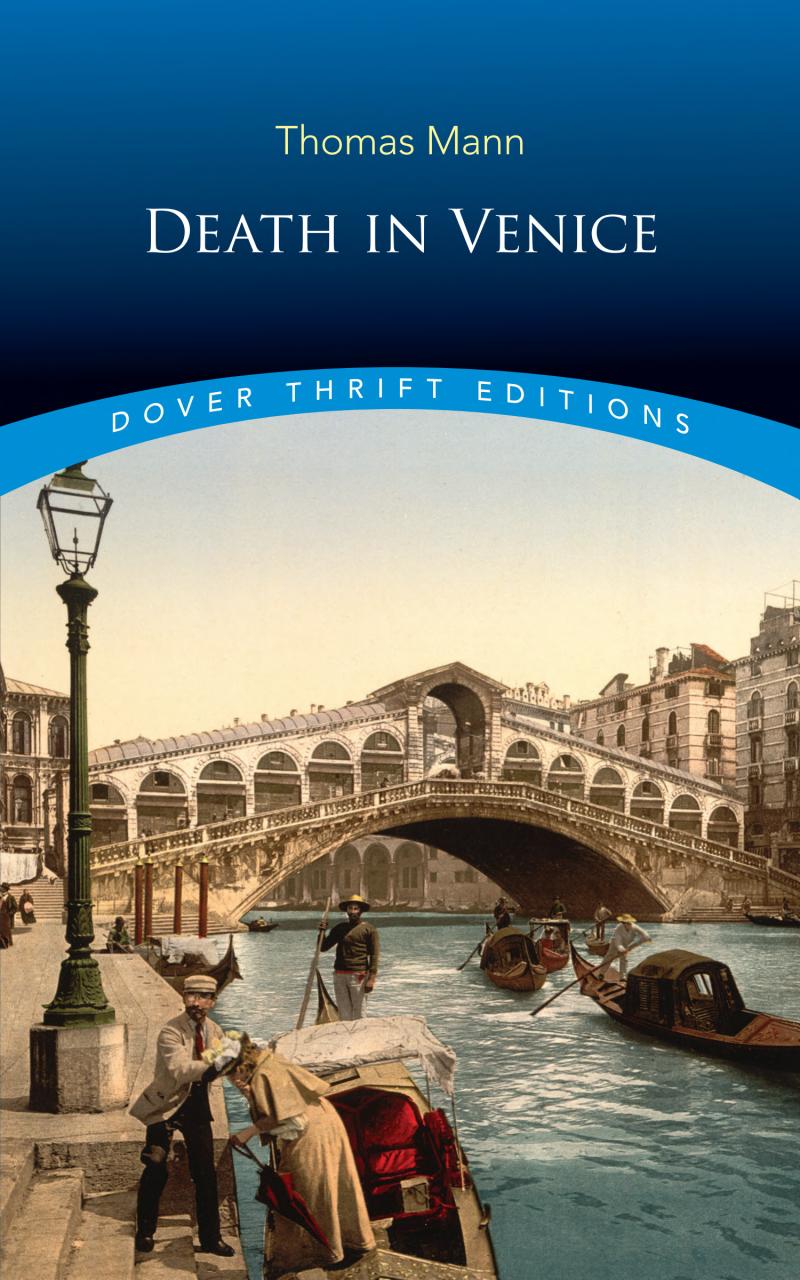
No. 62 on this list. Death in Venice
Thomas Mann · 1912
Included in: Great Books of the Western World
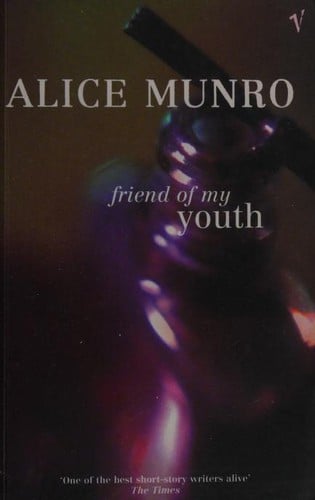
No. 63 on this list. Friend of My Youth
Alice Munro · 1990
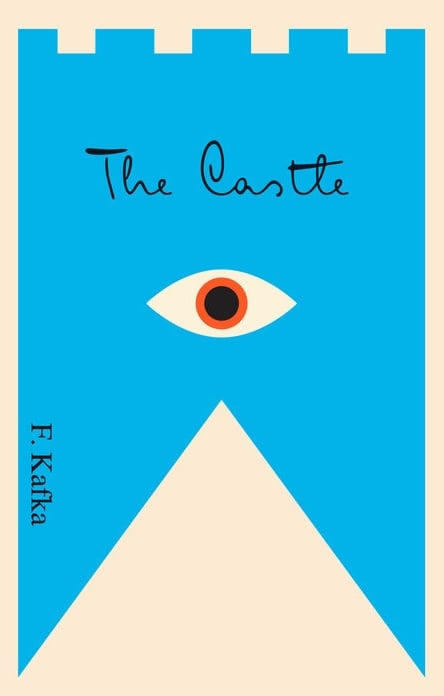
No. 64 on this list. The Castle
Franz Kafka · 1926
Included in: Bokklubben World Library
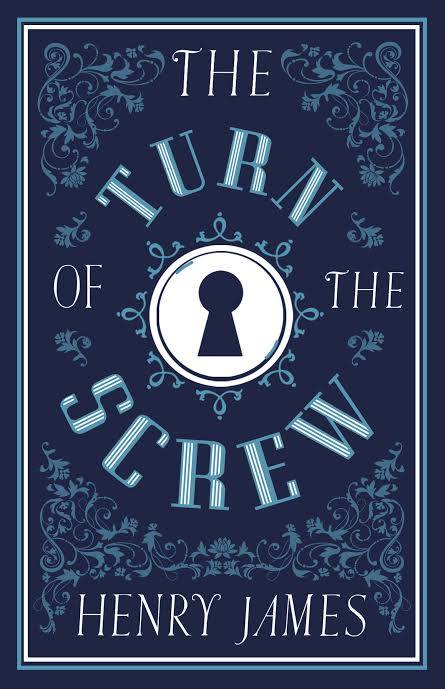
No. 65 on this list. The Turn of the Screw
Henry James · 1898
Taught in schools: CSEC English B – Caribbean Examinations Council
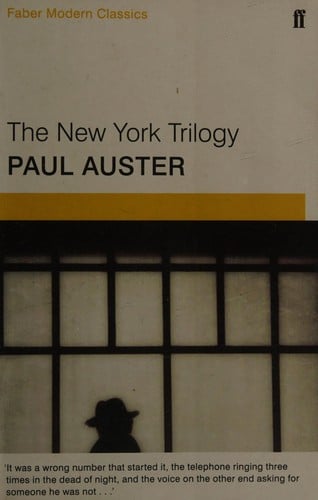
No. 66 on this list. The New York Trilogy
Paul Auster · 1987
No. 67 on this list. W, or the Memory of Childhood
Georges Perec · 1975
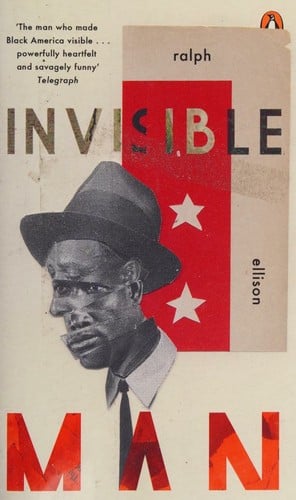
No. 68 on this list. Invisible Man
Ralph Ellison · 1953
Included in: Bokklubben World Library
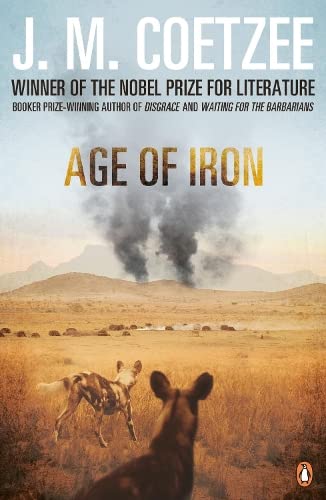
No. 69 on this list. Age of Iron
J.M. Coetzee · 1990
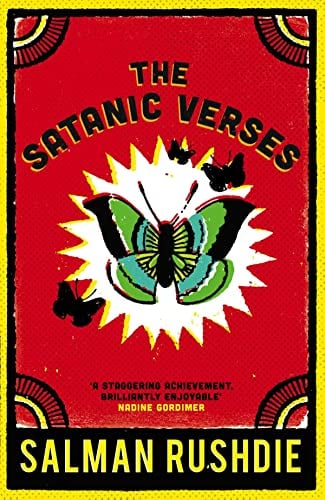
No. 70 on this list. The Satanic Verses
Salman Rushdie · 1988
No. 71 on this list. Pedro Páramo
Juan Rulfo · 1955
Taught in schools: Literatura, Diseño Curricular – Provincia de Buenos Aires (Argentina), UNAM Escuela Nacional Preparatoria – programas de Literatura (Mexico)
Included in: Bokklubben World Library
No. 72 on this list. Residence on Earth
Pablo Neruda · 1933
No. 73 on this list. Death in Venice and Other Stories
No. 74 on this list. The Caucasian Chalk Circle
Bertolt Brecht · 1948
No. 75 on this list. Palace Walk
Naguib Mahfouz · 1956
No. 76 on this list. Howl and Other Poems
Allen Ginsberg · 1956
No. 77 on this list. The Waves
Virginia Woolf · 1931
No. 78 on this list. Bleak House
Charles Dickens · 1853
No. 79 on this list. The Portrait of a Lady
Henry James · 1881
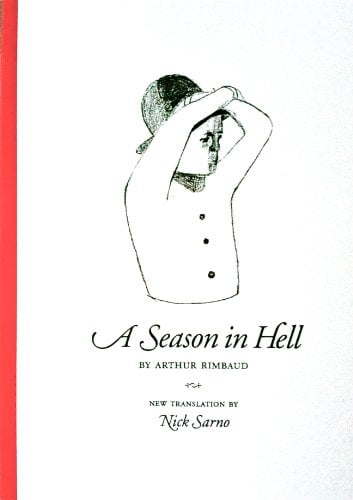
No. 80 on this list. A Season in Hell

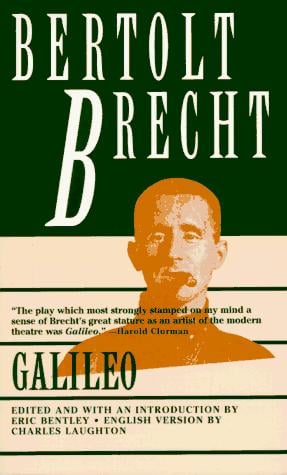
No. 81 on this list. Life of Galileo
Bertolt Brecht · 1943
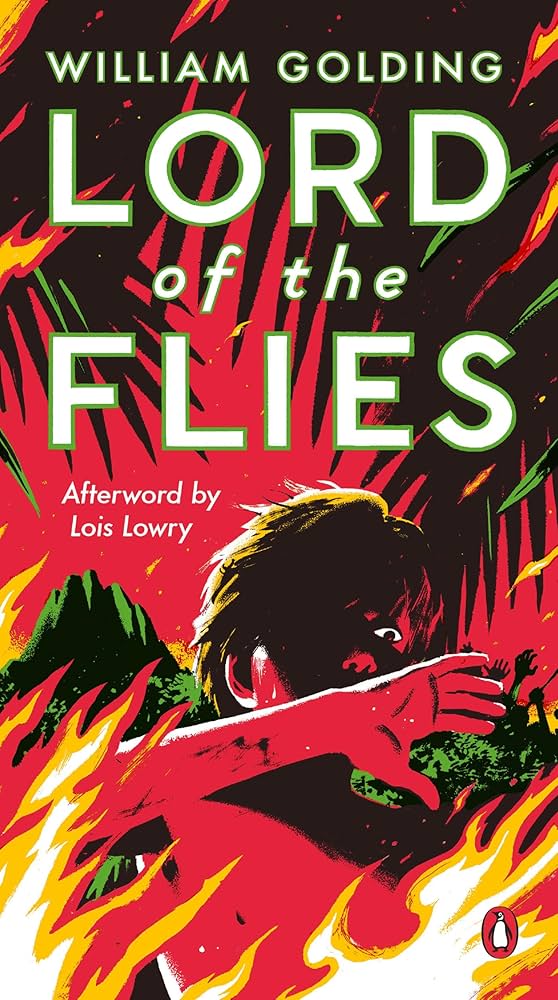
No. 82 on this list. Lord of the Flies
William Golding · 1954
Taught in schools: AQA GCSE and A-level English Literature (UK), Pacific Senior Secondary Certificate – English, Pearson Edexcel GCSE and A-level English Literature (UK)
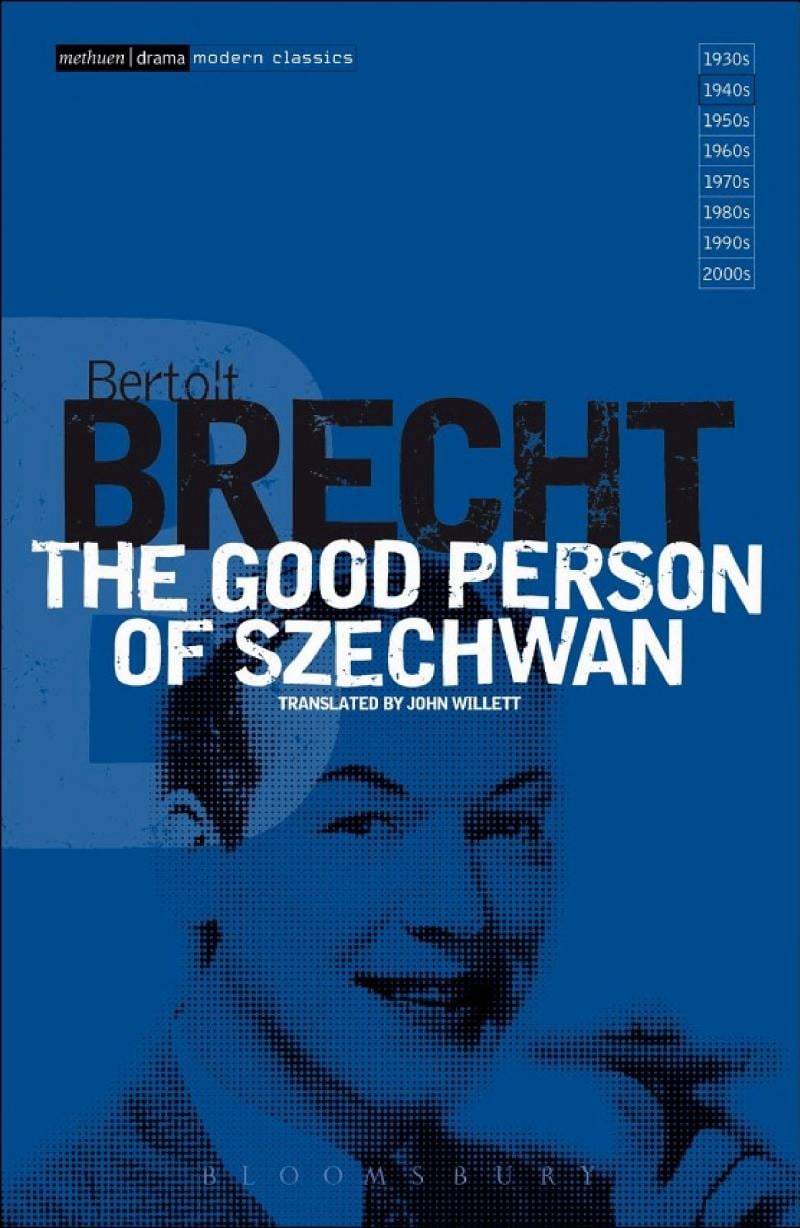
No. 83 on this list. The Good Person of Szechwan
Bertolt Brecht · 1943
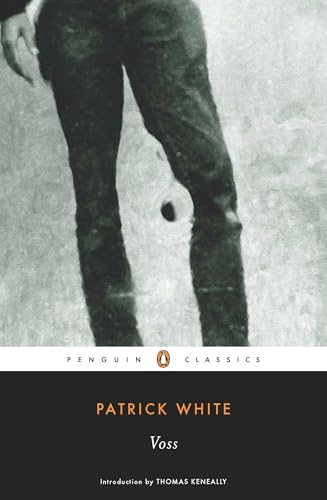
No. 84 on this list. Voss
Patrick White · 1957
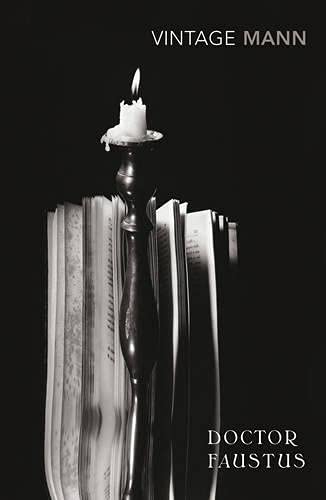
No. 85 on this list. Doctor Faustus
Thomas Mann · 1947
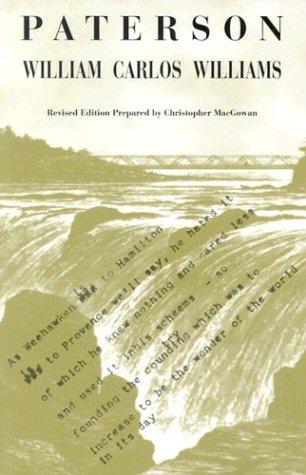
No. 86 on this list. Paterson
William Carlos Williams · 1963
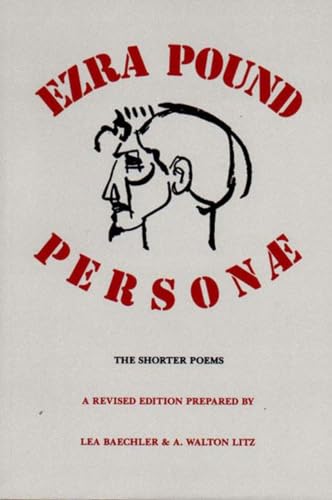
No. 87 on this list. Personae
Ezra Pound · 1926
No. 88 on this list. Canti
Giacomo Leopardi · 1835
No. 89 on this list. Poem Without a Hero
Anna Akhmatova · 1960
No. 90 on this list. Dom Casmurro
Machado de Assis · 1899
Taught in schools: FUVEST leituras obrigatórias (USP vestibular) (Brazil)
No. 91 on this list. Sir Gawain and the Green Knight
The Pearl Poet · 1375
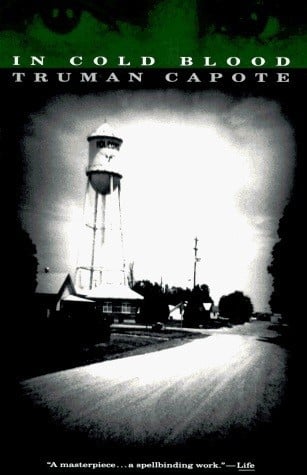
No. 92 on this list. In Cold Blood
Truman Capote · 1966
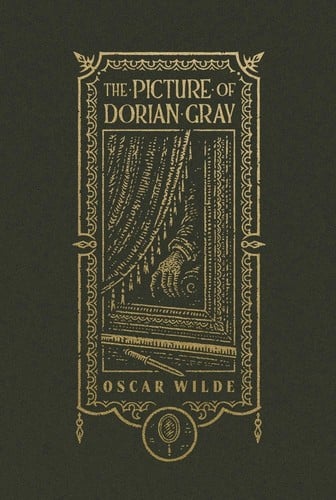
No. 93 on this list. The Picture of Dorian Gray
Taught in schools: AQA GCSE and A-level English Literature (UK), Pearson Edexcel GCSE and A-level English Literature (UK)
Included in: Oxford World's Classics
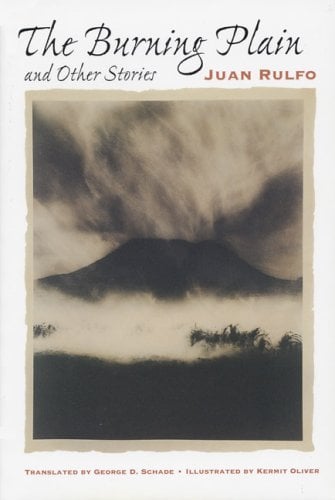
No. 94 on this list. The Burning Plain and Other Stories
Juan Rulfo · 1953
Taught in schools: UNAM Escuela Nacional Preparatoria – programas de Literatura (Mexico)
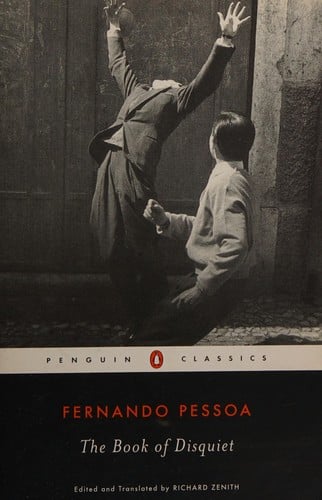
No. 95 on this list. The Book of Disquiet
Included in: Bokklubben World Library
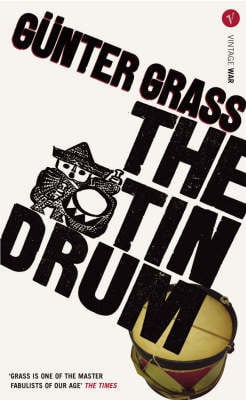
No. 96 on this list. The Tin Drum
Günter Grass · 1959
Included in: Bokklubben World Library
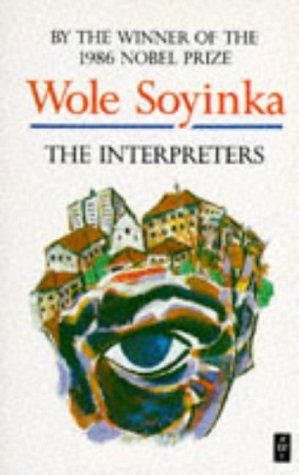
No. 97 on this list. The Interpreters
Wole Soyinka · 1965
Included in: Heinemann African Writers Series
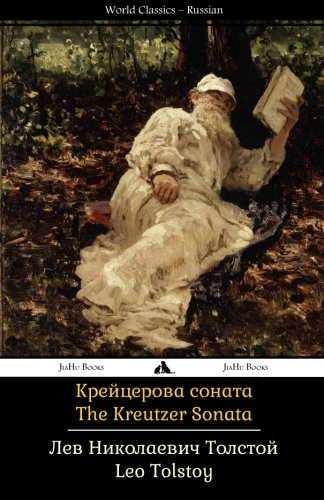
No. 98 on this list. The Kreutzer Sonata
Leo Tolstoy · 1889
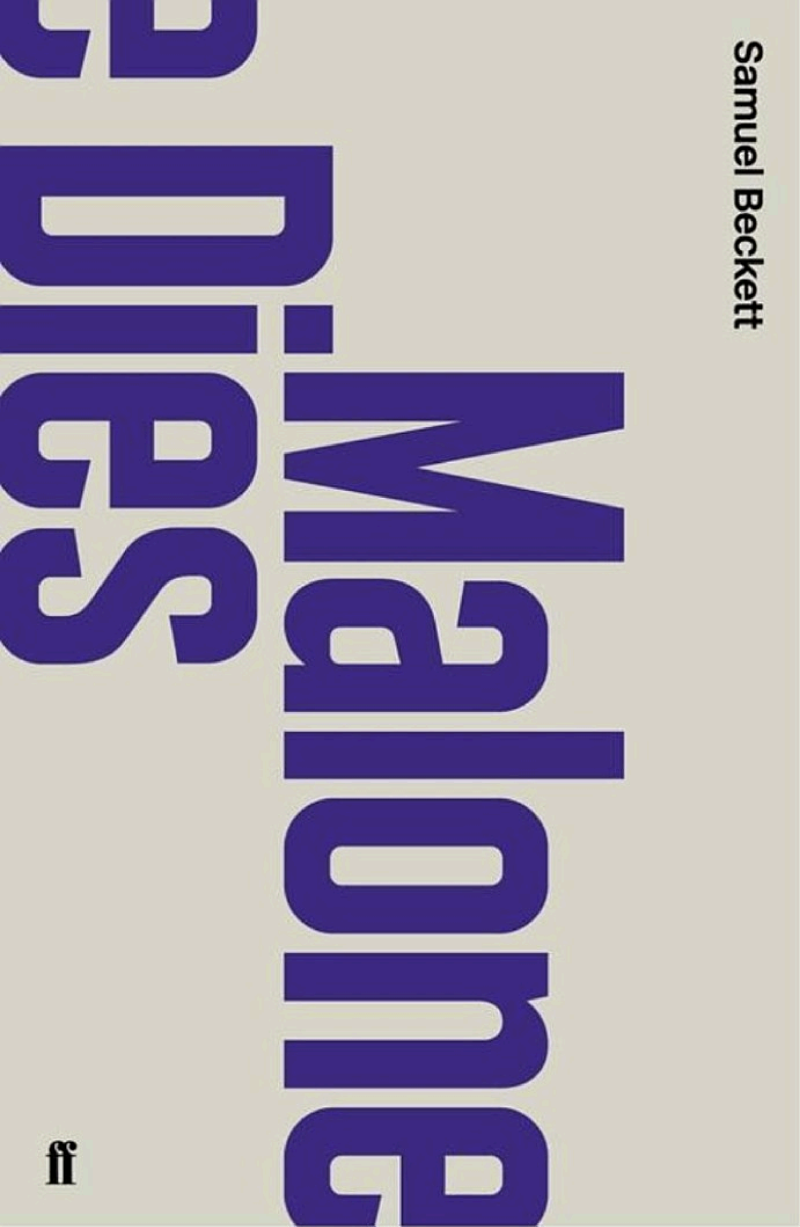
No. 99 on this list. Malone Dies
Samuel Beckett · 1951
Included in: Bokklubben World Library
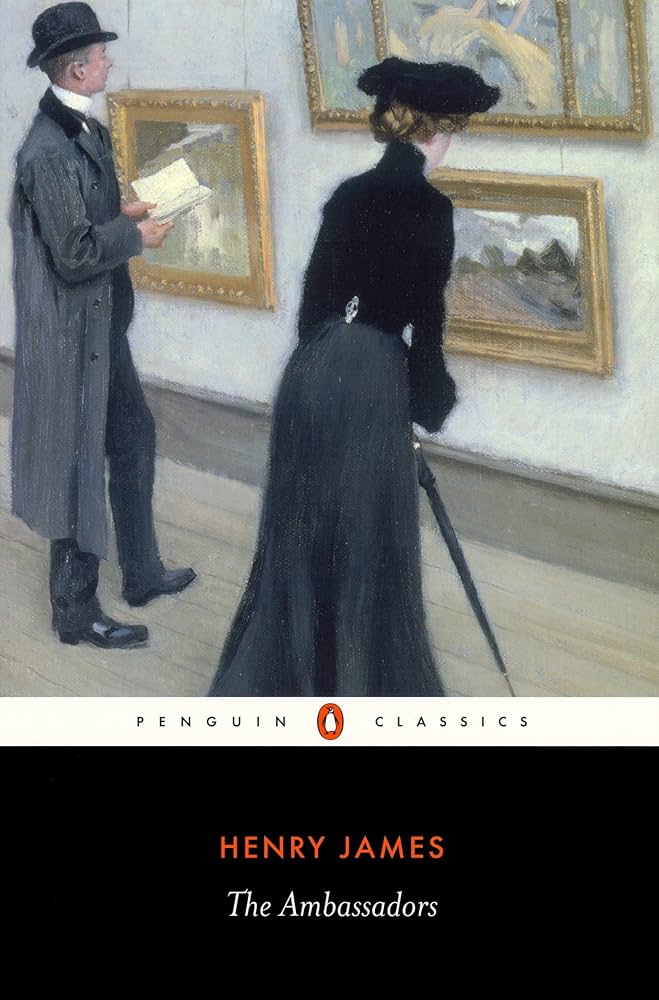
No. 100 on this list. The Ambassadors
Henry James · 1903
About this list
These 100 books are the highest-scoring eligible challenging books currently in the catalogue. About 1,483 hours of reading in all, for the 99 with measured lengths. Difficulty runs from 68 to 76 out of 100 for the middle half of the list; the summit is Finnegans Wake at 94.
This list is ranked by literary regard, with a consistent order for equal scores. Membership follows authors and co-authors, not translators or editors. Catalogue coverage and the historical canon both limit what this list can represent.
When we matched the Canons dataset to our catalogue in October 2026, our canonical-status scores rose with the number of school curricula, publisher series and lists in it that cite a work: the median score was 72 for books one such source cites, 84 at two, 88 at three, 92 at four and 93 at five or more. Prizes are left out of that count. Outside the state curricula, the dataset’s sources choose mostly from what has been translated into English or French, so it is a weaker check on other literatures. Source: Canons (Andrew Piper), CC BY 4.0
Questions people actually ask
- What are the best challenging books?
- By literary regard, which weighs canonical status, critical standing and influence: Hamlet by William Shakespeare, Divine Comedy by Dante Alighieri, Ulysses by James Joyce, ULYSSES (The Original 1922 Edition): Enriched edition. A Modernist Dublin Day of Stream-of-Consciousness, Identity, and Odyssey Echoes by James Joyce and In Search of Lost Time by Marcel Proust. ReadingRate ranks 100 such books, each with a difficulty score and a reading-time estimate.
- Which challenging books should I read first?
- Start from difficulty, not from rank. The most approachable books on this list that still carry top literary regard are The Good Person of Szechwan by Bertolt Brecht (about 14 hours), The Burning Plain and Other Stories by Juan Rulfo and Malone Dies by Samuel Beckett.
- What are the shortest of the best challenging books?
- Among the top 25, the shortest are The Waste Land by T. S. Eliot (about 34 min), Eclogues by Virgil (about 58 min) and Waiting for Godot by Samuel Beckett (about 2.4 hours), at an average pace of 250 words a minute adjusted for each book's difficulty.
- Which of the best challenging books are the established classics?
- By canonical status, how firmly a book sits in curricula, anthologies and the canon: Hamlet by William Shakespeare, Dream of the Red Chamber by Cao Xueqin, Divine Comedy by Dante Alighieri, Moby-Dick by Herman Melville and Ulysses by James Joyce.
- Can I read any of these challenging books for free?
- 30 of the 100 open in ReadingRate's reader with a free account, from public-domain editions: Hamlet, Divine Comedy, Ulysses, In Search of Lost Time, Eclogues and 25 more.
- How long would it take to read the top ten?
- About 262 hours, at an average pace of 250 words a minute adjusted for each book's difficulty: 132 days at two hours a day. Set your own pace on the page and the list's reading times change to it.
- How hard are challenging books to read?
- Most of this list sits between 68 and 76 on ReadingRate's 100-point difficulty scale, where 40 to 55 is moderate. The summit is Finnegans Wake at 94. Every entry carries its own score, so a reader can pick a great book at a difficulty they will finish.
- How is this list ranked?
- On literary-regard data: how canonically established a work is, its critical standing, and its influence on later writing. It is not a readers’ poll, which is why recent bestsellers rarely appear. Membership follows authors and co-authors, not translators or editors. Lists by country, author, period, theme or difficulty keep to literature (fiction, poetry, drama and philosophy), their novels, poems and plays first and their philosophy after them; a list of a kind of book, such as memoir or criticism, keeps every book of that kind. Every list holds at most three works by one author.