Hours at an average pace
Showing 100 books
About 1,389 hours for 100 of 100 books with measured lengths. Estimates use 250 words a minute, adjusted for each book's difficulty. At 2 hours a day, about 695 days for those books.
No. 1 on this list. Coriolanus
William Shakespeare · 1608
Challenging2.9 hours
Included in: Great Books of the Western World
Coriolanus is a standard text in Shakespeare curricula and appears on university syllabi in courses on Renaissance drama, political philosophy, and history plays. While taught less frequently than Hamlet, Macbeth, or King Lear, it is required reading in most advanced Shakespeare courses and political drama studies. Its engagement with popular sovereignty and class politics has made it a recurring subject of academic attention.
The Caucasian Chalk Circle is among the most-taught plays in university drama and literature curricula worldwide, standard on syllabi alongside Mother Courage and The Good Person of Szechwan. It appears in secondary school programs across Europe and is a fixture of Western dramatic canon, placing it well above mid-century works that lack similar educational penetration.
Central Victorian novel in English literature curricula; essential Dickens alongside Great Expectations; studied as peak of his social criticism and narrative ambition.
Fyodor Dostoevsky spent four years in a Siberian prison camp after the tsar commuted his death sentence at the last moment. He came out a different writer. The House of the Dead channels that experience through Alexander Petrovich Goryanchikov, a nobleman convicted of murdering his wife, who records the daily life of the katorga — the forced labor camp — with the precision of a naturalist and the unease of someone who cannot stop looking. The other prisoners steal, scheme, perform folk plays, and occasionally show flashes of unexpected grace. Goryanchikov watches all of it without rendering verdicts. The book does not explain what prison does to men; it shows men inside prison, and lets the accumulated detail do the work. Dostoevsky writes with a clinical restraint unusual for him — no murder plots, no philosophical speeches, no epileptic crises. What remains is a documentary of degradation that refuses to moralize, which is exactly what makes the moral weight so heavy. Readers expecting Dostoevsky's trademark feverish psychology will find something quieter here: a sustained act of witness.
The Good Person of Szechwan is Brecht's third most frequently taught and produced major work after Mother Courage and The Caucasian Chalk Circle. It appears in virtually every university theatre and modern drama curriculum. The first professional productions starred Peggy Ashcroft (Royal Court, 1956) and Uta Hagen (Phoenix Theatre, New York, 1956). Giorgio Strehler's 1981 Milan production became a landmark of European theatre. It is canonical in both German studies and world theatre programs.
No. 6 on this list. The Burning Plain and Other Stories
Juan Rulfo · 1953
Challenging3.4 hours
Taught in schools: UNAM Escuela Nacional Preparatoria – programas de Literatura (Mexico)
In seventeen stories set across the parched hills of Jalisco, Mexico, Rulfo's peasants carry their dead with them — sometimes literally. A man hauls his father's corpse on his back through the mountains. An old woman refuses to believe her son is a murderer. Soldiers and sharecroppers and abandoned wives speak in short, exact sentences, and the landscape answers with dust and silence. The dead narrate their own stories without announcing they are dead; readers piece it together from the wrong temperature of the prose. Rulfo strips everything from his fiction — backstory, explanation, transitions — until only the essential pressure remains. The Burning Plain was published in 1953, two years before Pedro Páramo, and it shares that novel's method: grief without sentimentality, violence without drama, the supernatural arriving with the matter-of-fact normalness of weather. Gabriel García Márquez said he memorized the entire book and recited it to friends. That is the correct response. These stories end before they explain themselves, in the way that real catastrophe does.
Happening has become one of Ernaux's most discussed and translated works, widely taught in French literature courses at university level and increasingly prominent in Anglophone curricula following her 2022 Nobel Prize. Its frank treatment of illegal abortion in 1960s France grants it significant cultural-historical standing alongside landmark autofictional texts.
No. 8 on this list. Vanity Fair
William Makepeace Thackeray · 1848
Difficult41 hours
Taught in schools: AQA GCSE and A-level English Literature (UK)
Vanity Fair is a cornerstone of Victorian literature curricula worldwide, appearing on roughly 2,000–3,000 university syllabi across English literature, European novel, and 19th-century studies courses. It sits on the Modern Library's 100 Best Novels list and appears in every major survey of the Victorian novel. Wikipedia articles exist in over 70 languages, and the title itself has passed into common usage as a byword for social ambition and display.
Appears on 473 university syllabi (67th percentile in Open Syllabus), placing it firmly in the modernist teaching canon alongside Conrad and early Lawrence. Listed on the Modern Library 100 Best Novels. A standard text in courses on British modernism and narrative technique, though less universally assigned than Woolf or Joyce.
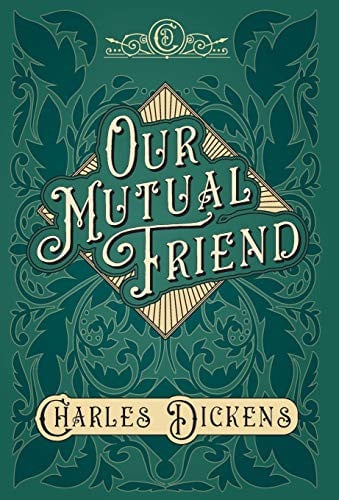
Our Mutual Friend is a fixture of Victorian literature courses at universities worldwide, typically assigned alongside Great Expectations and Bleak House in advanced English studies. Wikipedia articles for the novel exist in dozens of languages, reflecting its global canonical standing. It consistently appears on critics' lists of Dickens's greatest works and in syllabi covering 19th-century social fiction.
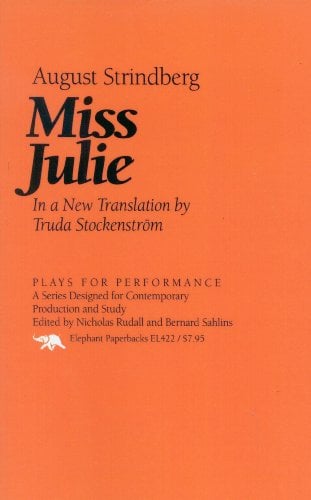
No. 11 on this list. Miss Julie · August Strindberg · 1888
Miss Julie is required reading in virtually every drama curriculum globally and taught widely in comparative literature and theatre history courses. It is one of a handful of nineteenth-century plays — alongside works by Ibsen and Chekhov — that appear on nearly every list of essential modern drama. No syllabus data was available in the database, but its presence in world theatre canons is unambiguous.
Challenging2 hours
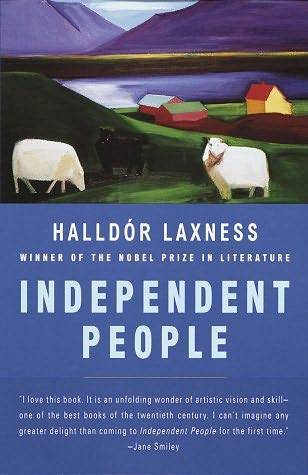
Start this bookNo. 12 on this list. Independent People · Halldór Laxness · 1934
Included in: Bokklubben World Library
Wikipedia presence in only 9 languages and no Open Syllabus appearances indicate it is not widely taught outside Scandinavia. However, Independent People appears regularly on canonical world literature lists, including Time magazine's All-TIME 100 Novels, and is considered Laxness's defining work — the novel most associated with his 1955 Nobel Prize.
Difficult24 hours
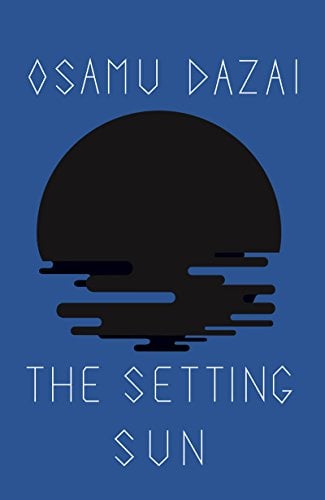
Start this bookNo. 13 on this list. The Setting Sun · Osamu Dazai · 1947
A cornerstone of postwar Japanese literature, widely taught in Japanese and world literature courses internationally. The word 'shayozoku' ('people of the setting sun') entered the Japanese language from this novel's publication in 1947, marking its immediate cultural impact. Donald Keene's 1956 English translation established it as essential reading in Western Japanese literature curricula.
Difficult4.7 hours
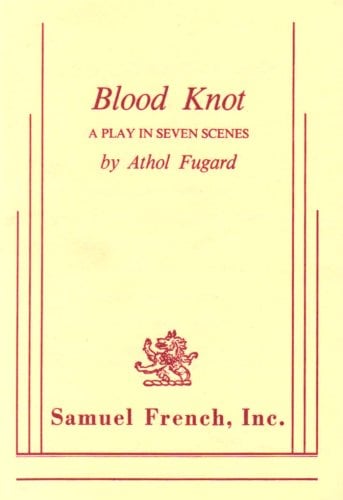
Start this bookNo. 14 on this list. Blood Knot · Athol Fugard · 1961
Fugard's breakthrough play and a foundational work of South African theater. Widely taught and performed as a landmark of anti-apartheid drama.
Difficult7 hours
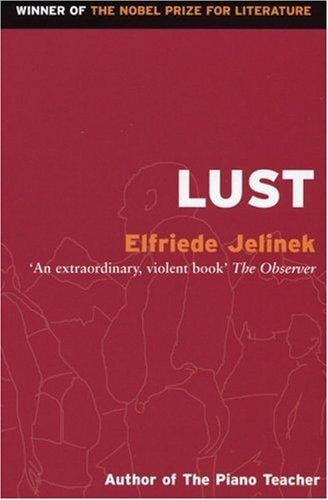
Start this bookNo. 15 on this list. Lust · Elfriede Jelinek · 1989
Jelinek is a Nobel Prize winner (2004), and Lust is among her most-discussed novels, central to courses in feminist literature, Austrian literature, and avant-garde fiction. The Wikipedia article on Lust exists in 58 languages, indicating significant global recognition. However, the novel is not a fixture of general literary survey courses in the way that Jelinek's work as a whole is taught — it is a specialist text, assigned where Jelinek is the focus or feminist radical fiction is the subject. Its explicit content limits its classroom reach. Canonical within feminist literary studies; less so in general world literature curricula.
Difficult9.3 hours
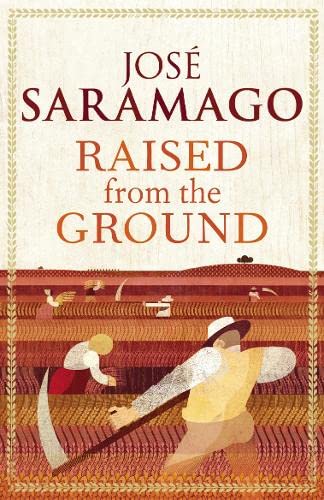
Start this bookNo. 16 on this list. Raised from the Ground · José Saramago · 1980
Frequently taught in world literature and Iberian studies courses as the foundational Portuguese novel of the 20th century. It appears consistently in comparative literature syllabi focused on Latin American and European magical realism, and is cited in virtually every critical treatment of Saramago's oeuvre. Less globally ubiquitous than One Hundred Years of Solitude but central to any serious study of European literary modernism.
Challenging13 hours
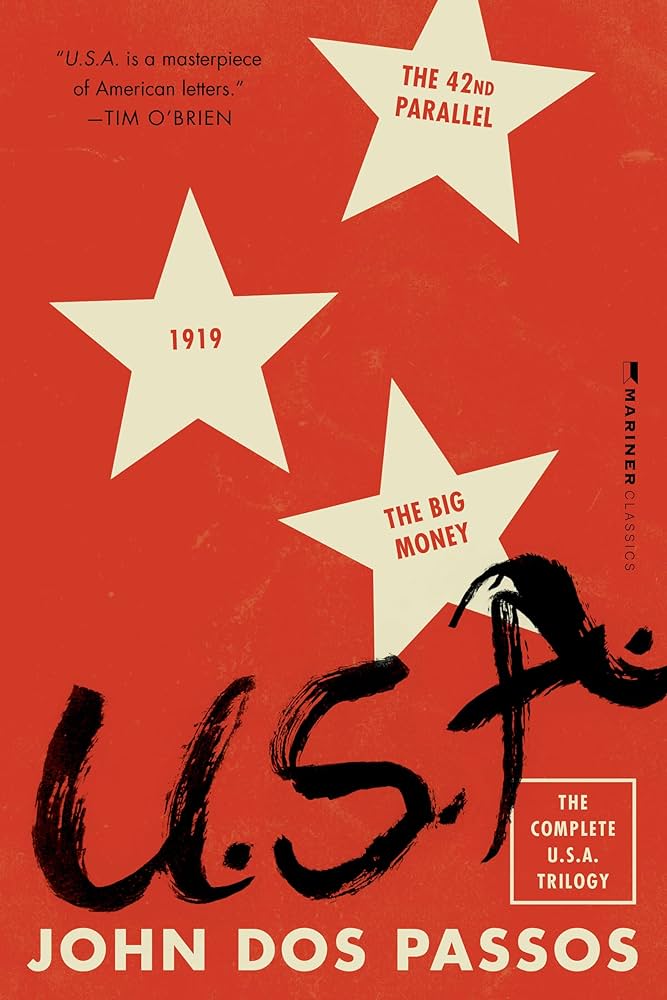
Start this bookNo. 17 on this list. U.S.A. · John Dos Passos · 1938
Listed on the Modern Library 100 Best Novels (1998), one of relatively few American works on that list. Regularly taught in American literature survey courses at universities and appears on nearly every critic's shortlist for the great American novel of the first half of the 20th century. TIME included it in its All-TIME 100 Novels list. The syllabus data shows low Open Syllabus counts, but the trilogy's academic presence is substantial in upper-division and graduate American literature courses.
Difficult57 hours
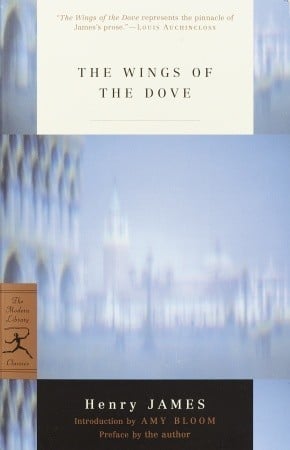
Start this bookNo. 18 on this list. The Wings of the Dove · Henry James · 1902
Appears on the Modern Library 100 Best Novels list and on university syllabi in courses on American literature, the novel, and Henry James. With only 5 syllabus appearances in the Open Syllabus data and Wikipedia articles in 7 languages, it ranks below James's most-taught works (Portrait of a Lady, The Turn of the Screw) but remains a fixture of the late-James critical canon.
Difficult22 hours
Read nowNo. 19 on this list. The Hive · Camilo José Cela · 1951
Taught in schools: Literatura, Diseño Curricular – Provincia de Buenos Aires (Argentina)
The Hive is a cornerstone of 20th-century Spanish literature, taught in Spanish and comparative literature programs across Spain and Latin America. Its reach outside Spanish-language academia is narrower than global canonical works — it lacks the massive syllabus presence of authors like García Márquez — but within its tradition it is considered essential reading. The Wikipedia article has an adaptations section, indicating some cultural footprint beyond the page.
Difficult11 hours
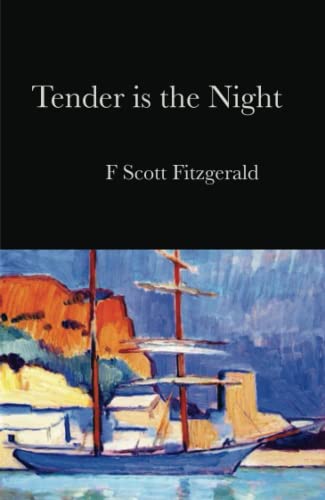
Start this bookNo. 20 on this list. Tender Is the Night · F. Scott Fitzgerald · 1934
Appears on 296 university syllabi (61.78th percentile on Open Syllabus), placing it solidly in the taught canon of American literature though well below 'The Great Gatsby.' Listed on the Modern Library 100 Best Novels (1998). Wikipedia coverage in 24 languages with a dedicated Reception section confirms its sustained critical attention since Fitzgerald's posthumous reputation was reclaimed in the 1950s.
Challenging10 hours
Start this book
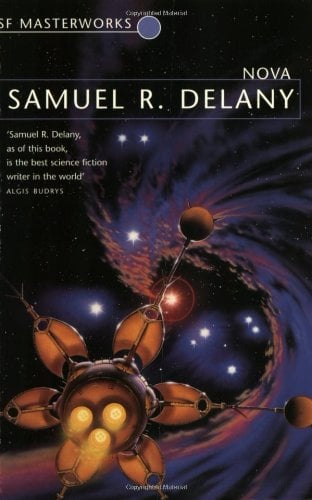
No. 21 on this list. Nova · Samuel R. Delany · 1968
Nova holds a firm place in the SF literary canon, included in the SF Masterworks series and cited as a defining text of the New Wave movement. Its standing is strong within genre criticism but has not fully crossed into mainstream literary canonization.
Difficult9.9 hours
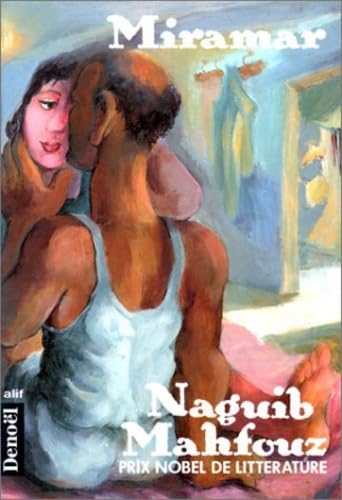
Start this bookNo. 22 on this list. Miramar · Naguib Mahfouz · 1967
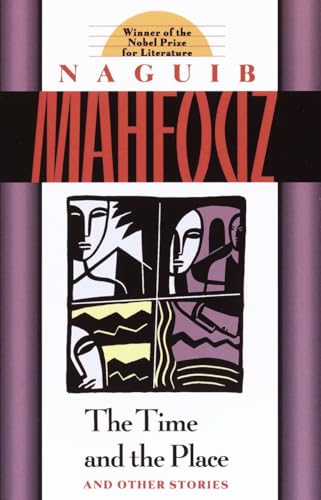
Miramar appears regularly on world literature syllabi and Middle Eastern literature courses at universities globally, though it does not reach the ubiquity of Mahfouz's Cairo Trilogy. Its Wikipedia presence spans dozens of languages, reflecting its status as one of the most recognized Arabic novels internationally. As the first Nobel Prize-winning Arabic novel author's work, it occupies a reliable place in any serious survey of twentieth-century world literature.
Difficult7.2 hours
Start this bookNo. 23 on this list. My Antonia · Willa Cather · 1918
My Antonia appears on thousands of university syllabi across American literature, women's literature, and immigrant experience courses. It is included on the Modern Library's 100 Best Novels list and is a fixture in American high school and university curricula, representing the prairie immigrant experience as few other novels do.
Challenging8.4 hours
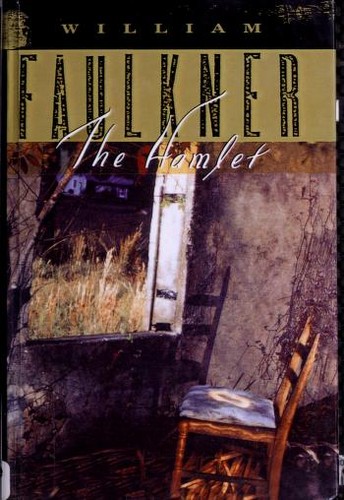
Read nowNo. 24 on this list. The Hamlet · William Faulkner · 1940
The Hamlet is consistently taught in American modernism and Southern literature courses as a key Faulkner text, though it receives less curriculum attention than The Sound and the Fury or As I Lay Dying. The Snopes trilogy as a whole is recognized as one of American literature's major long-form projects, and The Hamlet is its foundation. It appears on syllabi focused on Faulkner, Southern Gothic, and American regionalism, but has not achieved the broad high-school penetration of Faulkner's most canonical works.
Difficult43 hours
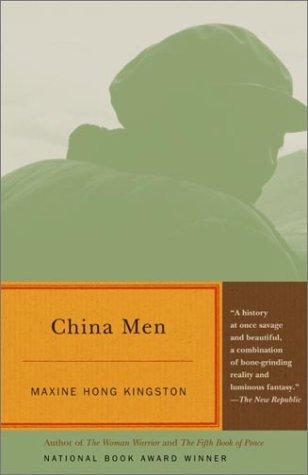
Start this bookNo. 25 on this list. China Men · Maxine Hong Kingston · 1980
China Men appears regularly on syllabi in Asian-American literature, women's literature, and American studies courses. It is one of the two books — alongside The Woman Warrior — that established Kingston as the field's foundational figure. The book lacks the universal high school assignment status of Beloved or To Kill a Mockingbird but is a standard text in its academic subfields.
Challenging11 hours
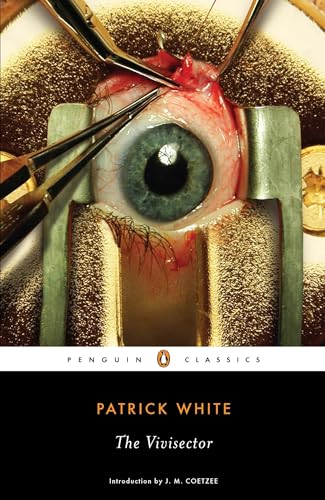
Start this bookNo. 26 on this list. The Vivisector · Patrick White · 1970
Patrick White is Australia's only Nobel laureate in literature, and The Vivisector (1970) is considered one of his four or five major works. It appears on Australian literature syllabi and is included in surveys of postwar fiction, though it receives less broad teaching than Voss or The Tree of Man. The Nobel Prize (1973) substantially elevated all of White's work in the canonical record.
Challenging22 hours
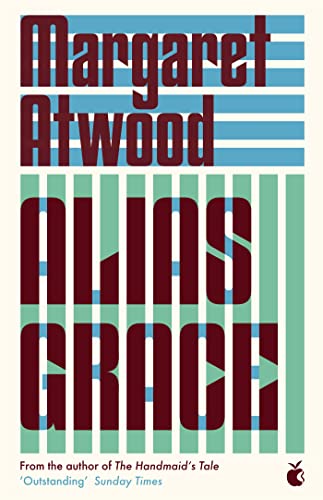
Start this bookNo. 27 on this list. Alias Grace · Margaret Atwood · 1996
Appears on 292 university syllabi (61.6th percentile), making it a regular fixture in Canadian literature, postmodern historical fiction, and feminist literary studies courses. Wikipedia coverage in 8 languages reflects strong domestic reputation and moderate international reach. The 2017 Netflix adaptation renewed its teaching presence in contemporary courses on adaptation and narrative.
Challenging16 hours
Start this bookNo. 28 on this list. The Hour of the Star · Clarice Lispector · 1977
Widely taught in Latin American literature, world literature, and feminist literary studies courses globally. Lispector is considered the most important Brazilian writer after Machado de Assis, and this is her most accessible and frequently assigned novel. Benjamin Moser's 2011 biography and new New Directions translations significantly expanded her English-language canonical footprint. The novel appears on world literature syllabi in the US, UK, and Europe, and is fundamental to any survey of 20th-century Latin American fiction.
Difficult3.2 hours
Start this bookNo. 29 on this list. The Ghost Writer · Philip Roth · 1979
The Ghost Writer is taught in American literature and Jewish-American literature courses at the university level, and as the inaugural Nathan Zuckerman novel it anchors one of postwar American fiction's most significant novel sequences. It appears regularly on graduate syllabi for postwar American fiction and meta-fiction, though it is less universally assigned than Roth's Pulitzer-winning American Pastoral.
Difficult5.9 hours
Start this bookNo. 30 on this list. Lanark: A Life in Four Books · Alasdair Gray · 1981
Lanark is widely regarded as the most significant Scottish novel of the twentieth century and appears on many British university literature syllabi, particularly in Scottish literature and postmodern fiction courses. It lacks the global curriculum penetration of Ulysses or Beloved — its reputation is regionally intense rather than internationally ubiquitous. Harold Bloom placed it among essential works of Western literature in The Western Canon.
Difficult31 hours
Start this book
No. 31 on this list. The Gentleman from San Francisco
Ivan Bunin · 1915
Taught in schools: Russian FGOS literature standard
No. 32 on this list. Heart of a Dog
Mikhail Bulgakov · 1925
No. 33 on this list. Cancer Ward
Aleksandr Solzhenitsyn · 1968
No. 34 on this list. Quincas Borba
Machado de Assis · 1891
Included in: Biblioteca Ayacucho, UNESCO Collection of Representative Works
No. 35 on this list. Poor Folk
Fyodor Dostoevsky · 1846
Taught in schools: Kazakh literature curriculum (Kazakhstan)
No. 36 on this list. The Adolescent
Fyodor Dostoevsky · 1875
Taught in schools: Russian FGOS literature standard
No. 37 on this list. The Thief and the Dogs
Naguib Mahfouz · 1961
Taught in schools: Moroccan secondary Arabic literature (Morocco)
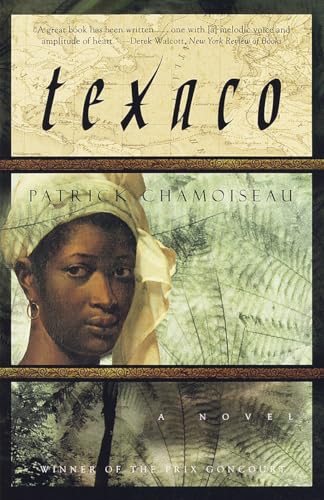
No. 38 on this list. Texaco
Patrick Chamoiseau · 1992
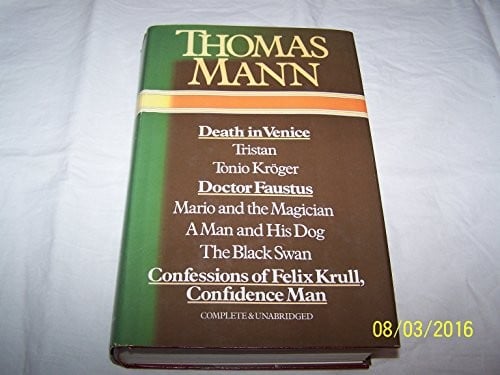
No. 39 on this list. The Confessions of Felix Krull
Thomas Mann · 1954
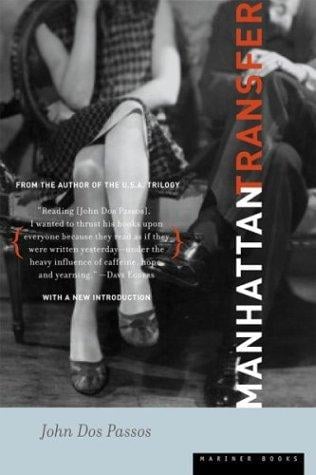
No. 40 on this list. Manhattan Transfer
John Dos Passos · 1925
No. 41 on this list. Mastro-don Gesualdo
Giovanni Verga · 1889
Included in: UNESCO Collection of Representative Works
No. 42 on this list. Henry VI, Part 3
William Shakespeare · 1595
Included in: Great Books of the Western World
No. 43 on this list. How Late It Was, How Late
James Kelman · 1994
No. 44 on this list. Bouvard and Pécuchet
Gustave Flaubert · 1881
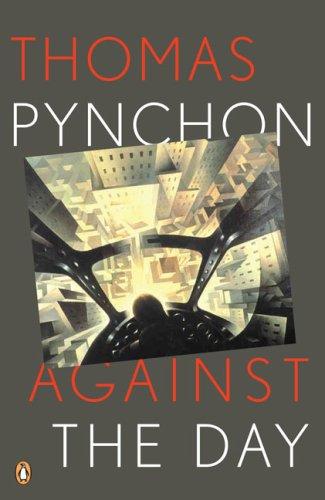
No. 45 on this list. Against the Day
Thomas Pynchon · 2006
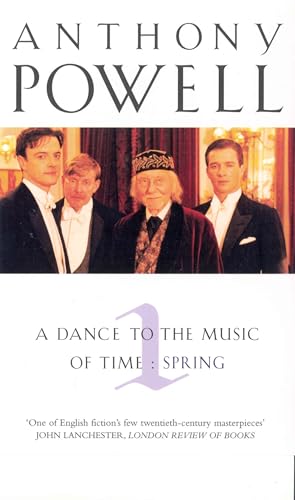
No. 46 on this list. A Dance to the Music of Time
Anthony Powell · 1951
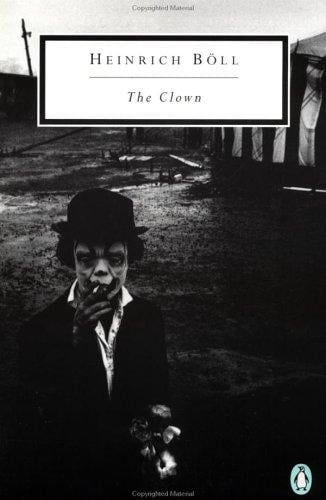
No. 47 on this list. The Clown
Heinrich Böll · 1963
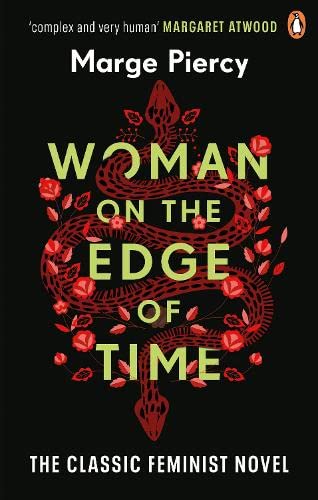
No. 48 on this list. Woman on the Edge of Time
Marge Piercy · 1976
No. 49 on this list. Player Piano
Kurt Vonnegut · 1952
No. 50 on this list. The Spire
William Golding · 1964
No. 51 on this list. The Sundial
Shirley Jackson · 1958
No. 52 on this list. Adrift on the Nile
Naguib Mahfouz · 1966
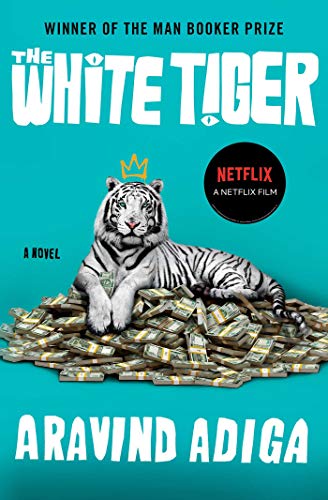
No. 53 on this list. The White Tiger
Aravind Adiga · 2008
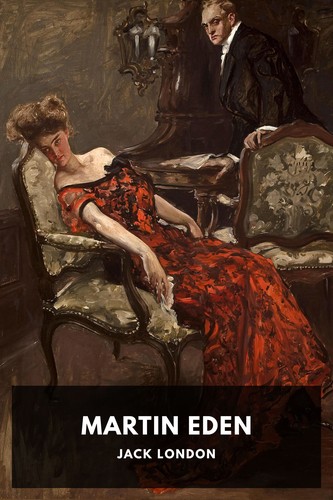
No. 54 on this list. Martin Eden
Jack London · 1909
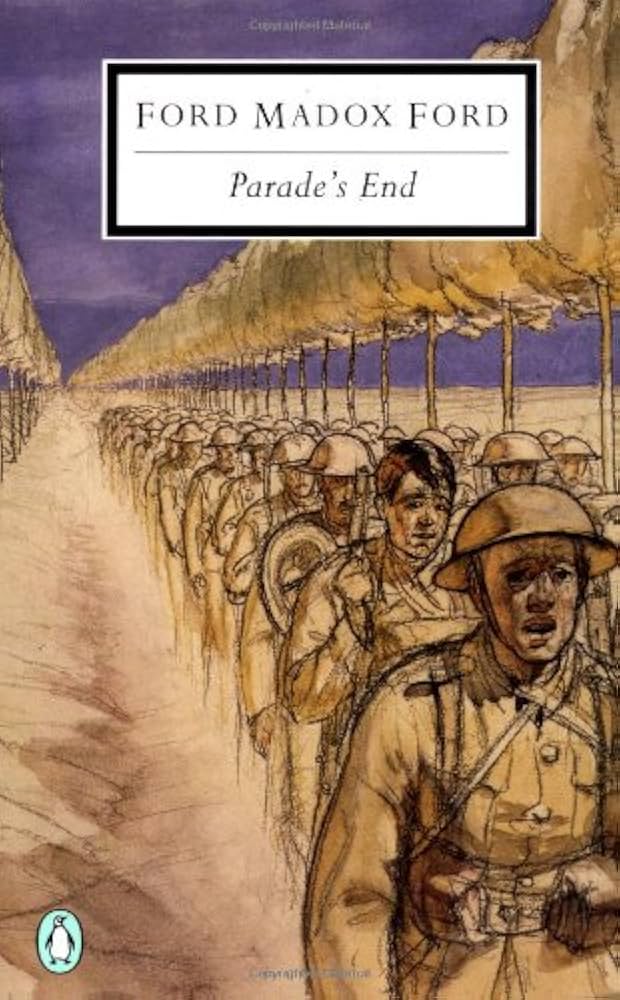
No. 55 on this list. Parade's End
Ford Madox Ford · 1928
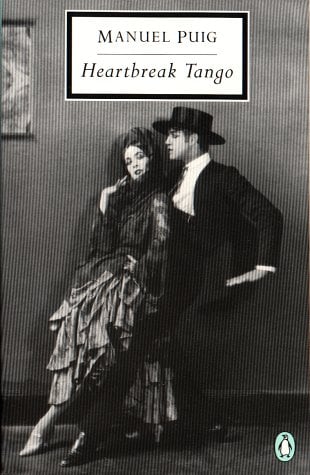
No. 56 on this list. Heartbreak Tango
Manuel Puig · 1969
No. 57 on this list. London Fields
Martin Amis · 1989
No. 58 on this list. A Happy Death
Albert Camus · 1971
No. 59 on this list. My Brilliant Friend
Elena Ferrante · 2011
No. 60 on this list. The Twyborn Affair
Patrick White · 1979
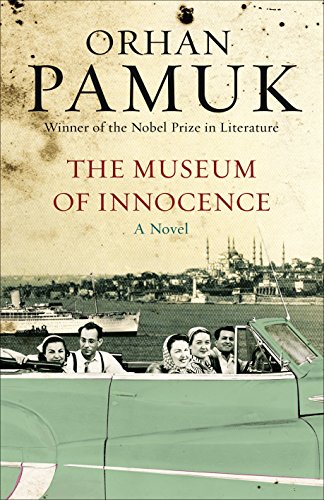
No. 61 on this list. The Museum of Innocence
Orhan Pamuk · 2008
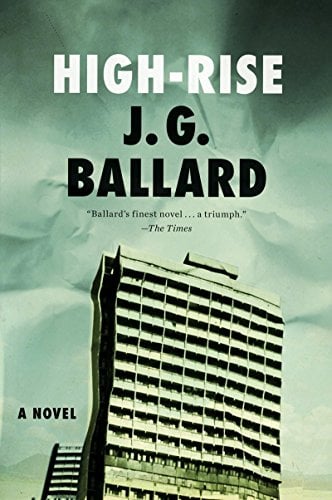
No. 62 on this list. High-Rise
J.G. Ballard · 1975
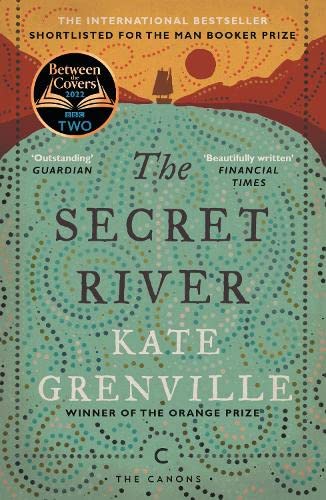
No. 63 on this list. The Secret River
Kate Grenville · 2006
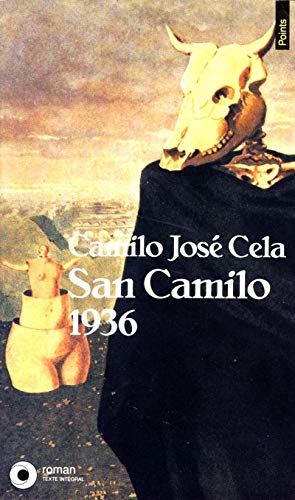
No. 64 on this list. San Camilo, 1936
Camilo José Cela · 1969
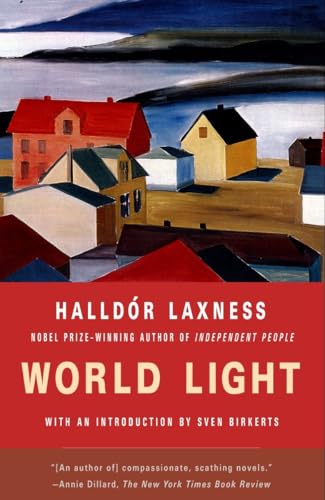
No. 65 on this list. World Light
Halldór Laxness · 1937
Included in: UNESCO Collection of Representative Works
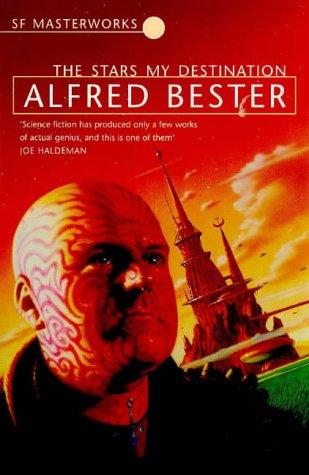
No. 66 on this list. The Stars My Destination
Alfred Bester · 1956
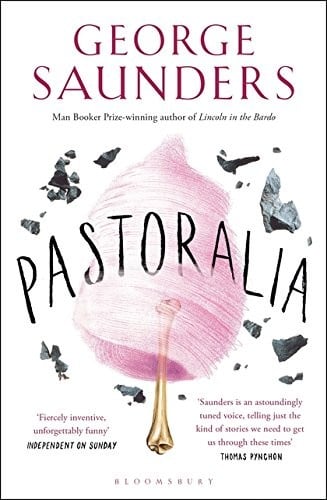
No. 67 on this list. Pastoralia
George Saunders · 2000
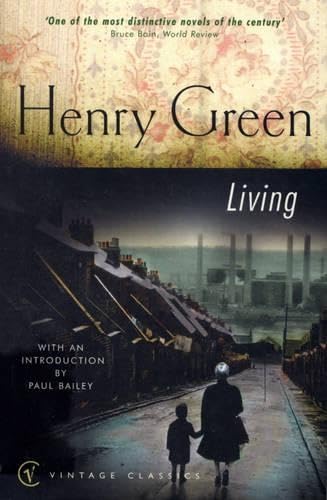
No. 68 on this list. Living
Henry Green · 1929
No. 69 on this list. The Ghost Road
Pat Barker · 1995
No. 70 on this list. A Fringe of Leaves
Patrick White · 1976
No. 71 on this list. The Confidence-Man
Herman Melville · 1857
No. 72 on this list. Poor Things
Alasdair Gray · 1992
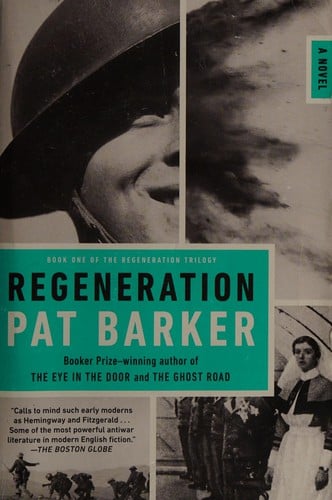
No. 73 on this list. Regeneration
Pat Barker · 1991
Taught in schools: AQA GCSE and A-level English Literature (UK)
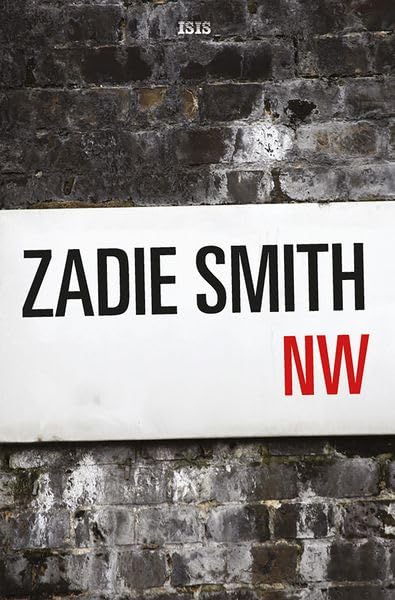
No. 74 on this list. NW
Zadie Smith · 2013
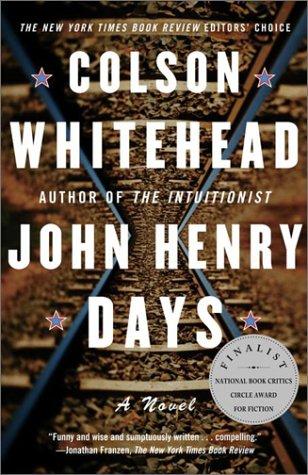
No. 75 on this list. John Henry Days
Colson Whitehead · 2001
No. 76 on this list. Zero K
Don DeLillo · 2016
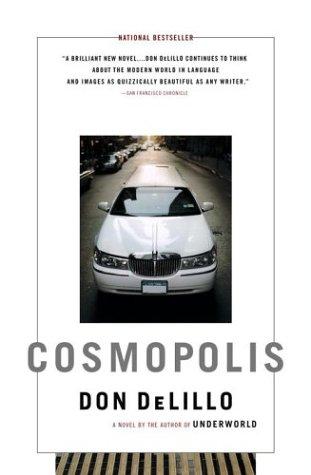
No. 77 on this list. Cosmopolis
Don DeLillo · 2003
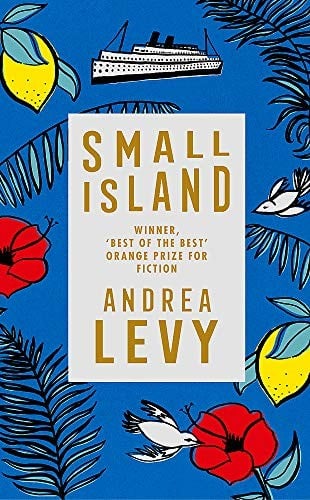
No. 78 on this list. Small Island
Andrea Levy · 2005
Taught in schools: AQA GCSE and A-level English Literature (UK)
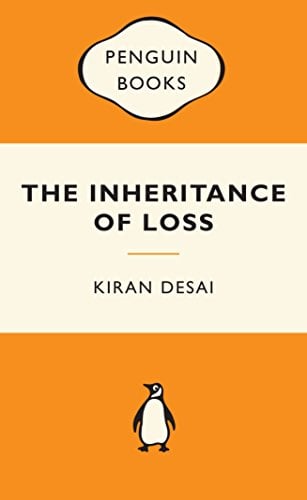
No. 79 on this list. The Inheritance of Loss
Kiran Desai · 2006
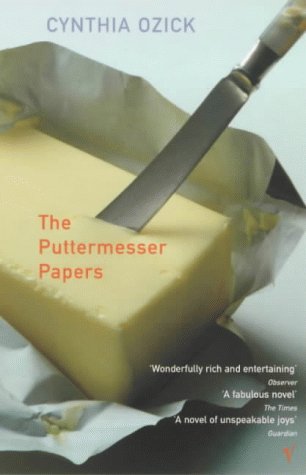
No. 80 on this list. The Puttermesser Papers
Cynthia Ozick · 1997
No. 81 on this list. Generation P
Viktor Pelevin · 1999
No. 82 on this list. The Topeka School
Ben Lerner · 2019
No. 83 on this list. The Sea
John Banville · 2005
No. 84 on this list. Jerusalem
Selma Lagerlöf · 1901
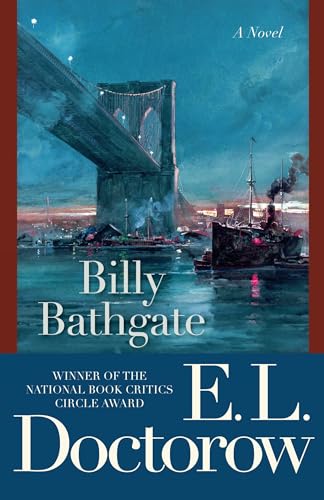
No. 85 on this list. Billy Bathgate
E.L. Doctorow · 1990
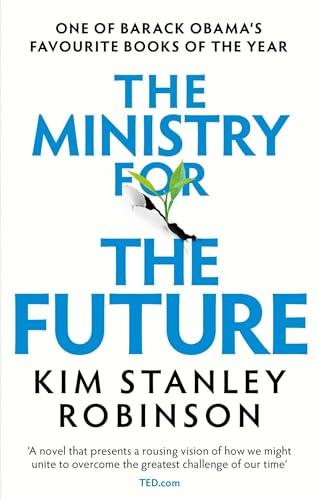
No. 86 on this list. The Ministry for the Future
Kim Stanley Robinson · 2020
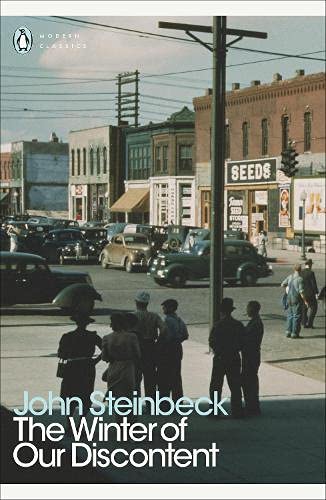
No. 87 on this list. The Winter of Our Discontent
John Steinbeck · 1961
No. 88 on this list. Pierre
Herman Melville · 1852
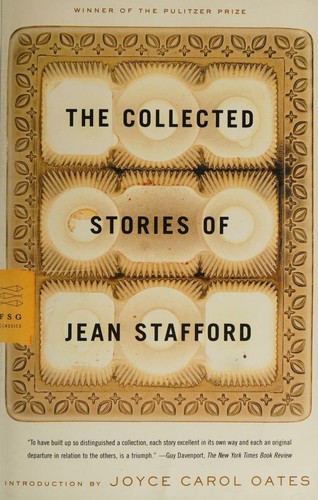
No. 89 on this list. The Collected Stories of Jean Stafford
Jean Stafford · 1970
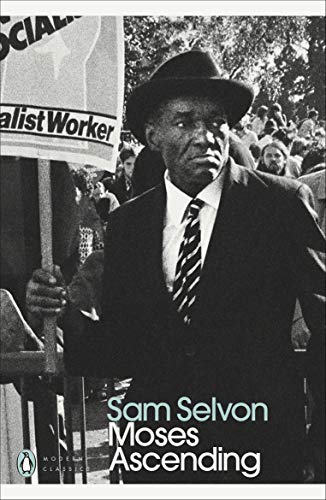
No. 90 on this list. Moses Ascending
Sam Selvon · 1975
No. 91 on this list. Last Orders
Graham Swift · 1996
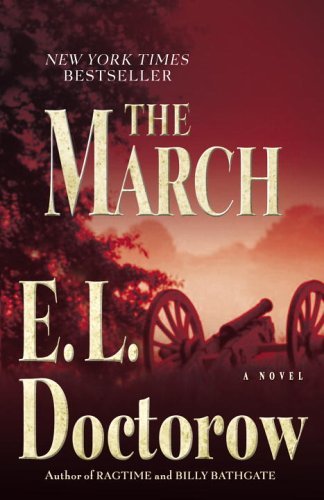
No. 92 on this list. The March
E.L. Doctorow · 2006
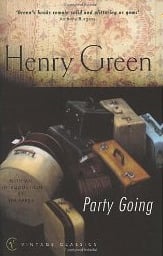
No. 93 on this list. Party Going
Henry Green · 1939
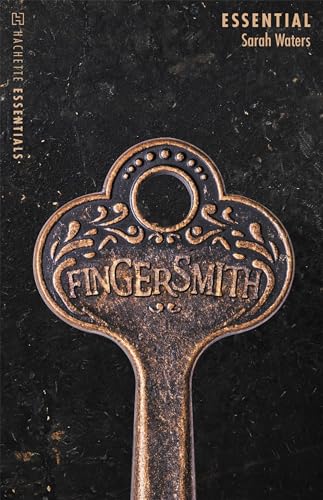
No. 94 on this list. Fingersmith
Sarah Waters · 2002
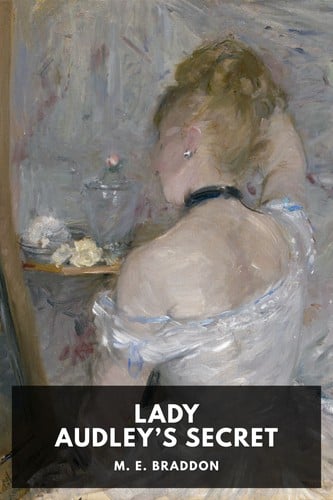
No. 95 on this list. Lady Audley's Secret
Mary Elizabeth Braddon · 1862
Taught in schools: Pearson Edexcel GCSE and A-level English Literature (UK)
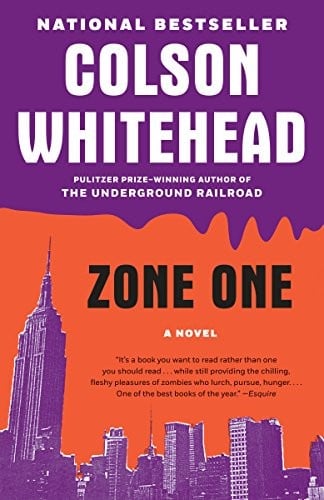
No. 96 on this list. Zone One
Colson Whitehead · 2011
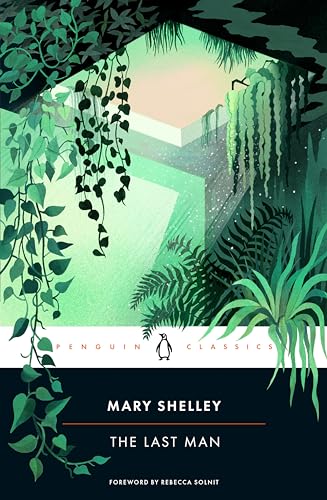
No. 97 on this list. The Last Man
Mary Shelley · 1826
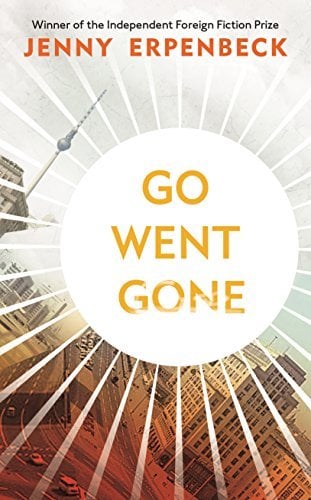
No. 98 on this list. Go, Went, Gone
Jenny Erpenbeck · 2015
No. 99 on this list. Claire of the Sea Light
Edwidge Danticat · 2013
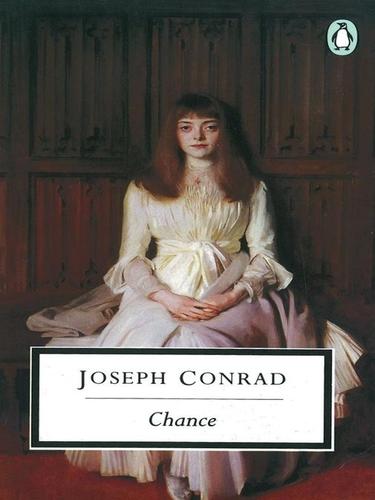
No. 100 on this list. Chance
Joseph Conrad · 1913
About this list
These 100 books are the highest-scoring eligible challenging books about class and inequality currently in the catalogue. About 1,389 hours of reading in all. Difficulty runs from 67 to 74 out of 100 for the middle half of the list; the summit is Against the Day at 83.
This list is ranked by literary regard, with a consistent order for equal scores. Membership follows authors and co-authors, not translators or editors. A book is here when ReadingRate files it under Class & Inequality as one of its primary reading domains, at a confidence of 0.8 or more. Catalogue coverage and the historical canon both limit what this list can represent.
When we matched the Canons dataset to our catalogue in October 2026, our canonical-status scores rose with the number of school curricula, publisher series and lists in it that cite a work: the median score was 72 for books one such source cites, 84 at two, 88 at three, 92 at four and 93 at five or more. Prizes are left out of that count. Outside the state curricula, the dataset’s sources choose mostly from what has been translated into English or French, so it is a weaker check on other literatures. Source: Canons (Andrew Piper), CC BY 4.0
Questions people actually ask
- What are the best challenging books about class and inequality?
- By literary regard, which weighs canonical status, critical standing and influence: Coriolanus by William Shakespeare, The Caucasian Chalk Circle by Bertolt Brecht, Bleak House by Charles Dickens, The House of the Dead by Fyodor Dostoevsky and The Good Person of Szechwan by Bertolt Brecht. ReadingRate ranks 100 such books, each with a difficulty score and a reading-time estimate.
- Which challenging books about class and inequality should I read first?
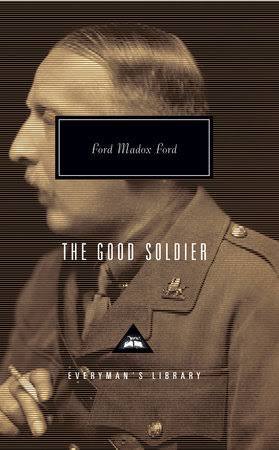
- Start from difficulty, not from rank. The most approachable books on this list that still carry top literary regard are The Good Soldier by Ford Madox Ford (about 7 hours), Miss Julie by August Strindberg and The Good Person of Szechwan by Bertolt Brecht.
- What are the shortest of the best challenging books about class and inequality?
- Among the top 25, the shortest are Happening by Annie Ernaux (about 1.8 hours), Miss Julie by August Strindberg (about 2 hours) and Coriolanus by William Shakespeare (about 2.9 hours), at an average pace of 250 words a minute adjusted for each book's difficulty.
- Which of the best challenging books about class and inequality are the established classics?
- By canonical status, how firmly a book sits in curricula, anthologies and the canon: The Caucasian Chalk Circle by Bertolt Brecht, Bleak House by Charles Dickens, The Good Person of Szechwan by Bertolt Brecht, Vanity Fair by William Makepeace Thackeray and The Good Soldier by Ford Madox Ford.
- Can I read any of these challenging books about class and inequality for free?
- 15 of the 100 open in ReadingRate's reader with a free account, from public-domain editions: Coriolanus, Bleak House, The House of the Dead, The Good Soldier, Our Mutual Friend and 10 more.
- How long would it take to read the top ten?
- About 155 hours, at an average pace of 250 words a minute adjusted for each book's difficulty: 78 days at two hours a day. Set your own pace on the page and the list's reading times change to it.
- How hard are challenging books about class and inequality to read?
- Most of this list sits between 67 and 74 on ReadingRate's 100-point difficulty scale, where 40 to 55 is moderate. The summit is Against the Day at 83. Every entry carries its own score, so a reader can pick a great book at a difficulty they will finish.
- How is this list ranked?
- On literary-regard data: how canonically established a work is, its critical standing, and its influence on later writing. It is not a readers’ poll, which is why recent bestsellers rarely appear. Membership follows authors and co-authors, not translators or editors. Lists by country, author, period, theme or difficulty keep to literature (fiction, poetry, drama and philosophy), their novels, poems and plays first and their philosophy after them; a list of a kind of book, such as memoir or criticism, keeps every book of that kind. Every list holds at most three works by one author. A book is here when ReadingRate files it under Class & Inequality as one of its primary reading domains, at a confidence of 0.8 or more.