Hours at an average pace
Showing 100 books
About 761 hours for 100 of 100 books with measured lengths. Estimates use 250 words a minute, adjusted for each book's difficulty. At 2 hours a day, about 381 days for those books.
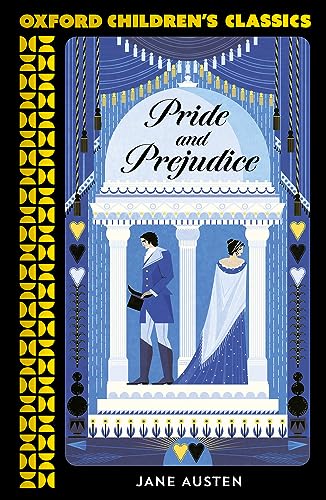
No. 1 on this list. Pride and Prejudice
Jane Austen · 1813
Moderate8.6 hours
Taught in schools: AQA GCSE and A-level English Literature (UK), Cambridge IGCSE Literature in English (0475), Common Core text exemplars (Appendix B) (US)
Included in: Bokklubben World Library
Appears on 2,313 university syllabi — placing it at the 84th percentile of all taught books globally — and Wikipedia covers the novel in 74 languages. Listed in the BBC Big Read Top 100, 1001 Books You Must Read Before You Die, and published in prestige editions by both Penguin Classics and Everyman's Library. One of the most consistently taught novels in English literature.
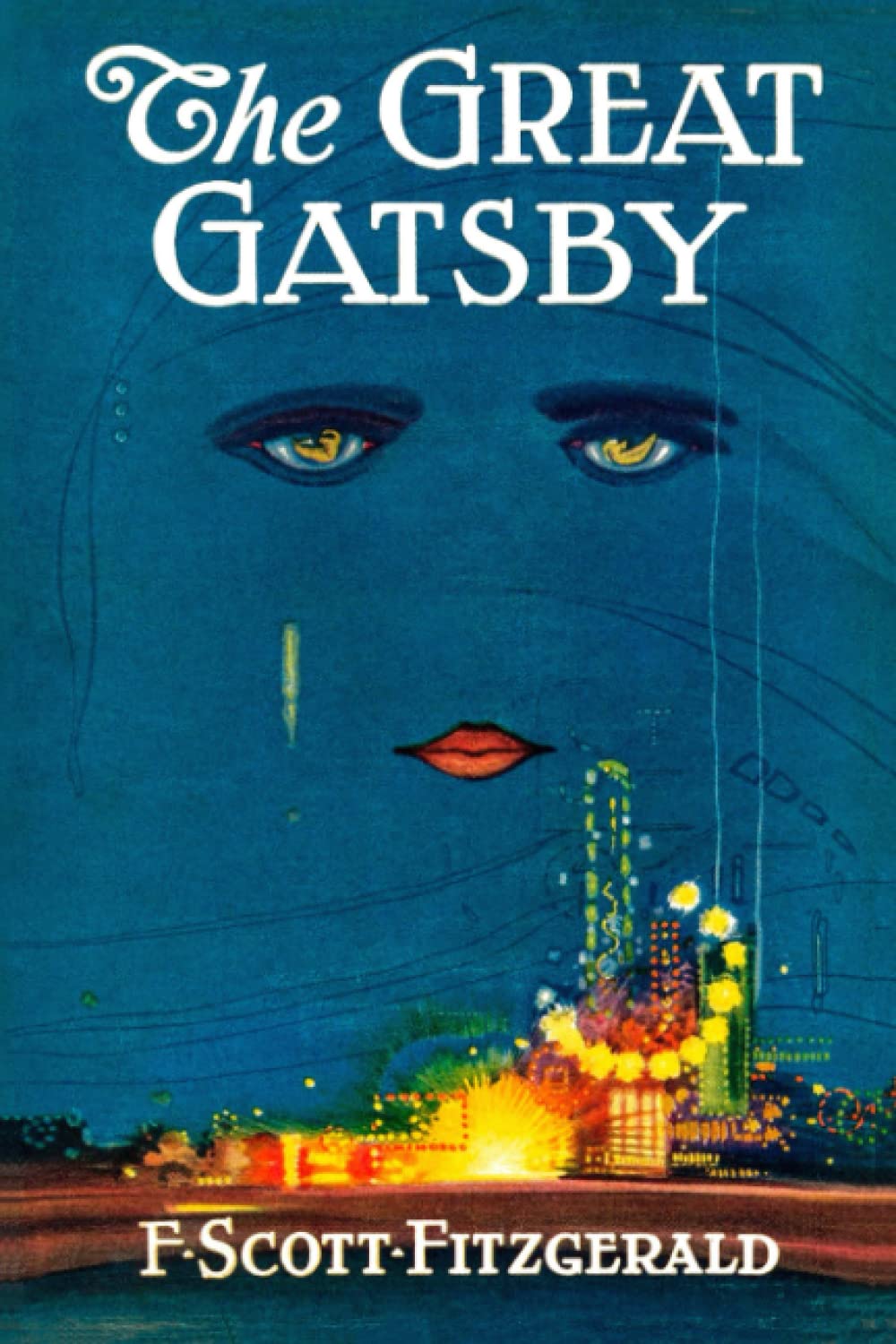
No. 2 on this list. The Great Gatsby
F. Scott Fitzgerald · 1925
Moderate3.4 hours
Taught in schools: AQA GCSE and A-level English Literature (UK), CAPE Literatures in English – Caribbean Examinations Council, Common Core text exemplars (Appendix B) (US)
Included in: Great Books of the Western World
Fitzgerald distilled the self-invention at the core of American life into 180 pages of lapidary prose, centering it on a man whose dream is so vivid it becomes indistinguishable from delusion. The green light at the end of Daisy's dock entered the language as shorthand for desire that is more beautiful for being unreachable.
No. 3 on this list. David Copperfield
Charles Dickens · 1850
Moderate24 hours
Taught in schools: WJEC/Eduqas GCSE and A-level English Literature (UK)
David Copperfield is firmly established in the Western literary canon as one of Dickens's supreme achievements and a defining example of the Victorian Bildungsroman. It remains widely taught, studied, and adapted across cultures.
No. 4 on this list. Twelfth Night
William Shakespeare · 1602
Challenging1.8 hours
Taught in schools: AQA GCSE and A-level English Literature (UK), CAPE Literatures in English – Caribbean Examinations Council, Pearson Edexcel GCSE and A-level English Literature (UK)
Included in: Great Books of the Western World
Twelfth Night is among the most widely taught and performed Shakespeare comedies and a near-universal fixture in secondary school and university Shakespeare curricula. Its themes of disguise, gender ambiguity, and unrequited love have made it a central text in gender studies, queer theory, and Renaissance drama courses. It appears on more syllabi than any other Shakespeare comedy except perhaps A Midsummer Night's Dream.
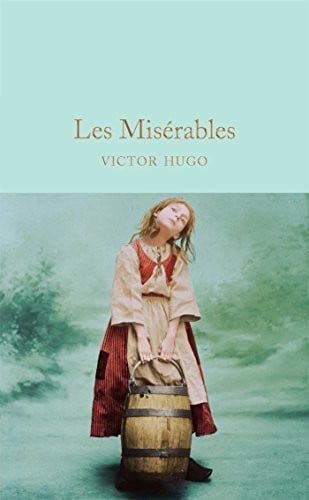
No. 5 on this list. Les Misérables
Victor Hugo · 1862
Challenging51 hours
Taught in schools: Turkish edebiyat curriculum (Turkey)
Les Misérables has a Wikipedia article available in 71 languages and a 73,000-character article with dedicated reception and adaptations sections — indicators of global cultural reach matched by few 19th-century novels. It is treated as a foundational text in French literature courses worldwide and appears on most lists of essential world fiction. Its canonical status in francophone secondary and university education is comparable to Hamlet's in English curricula.
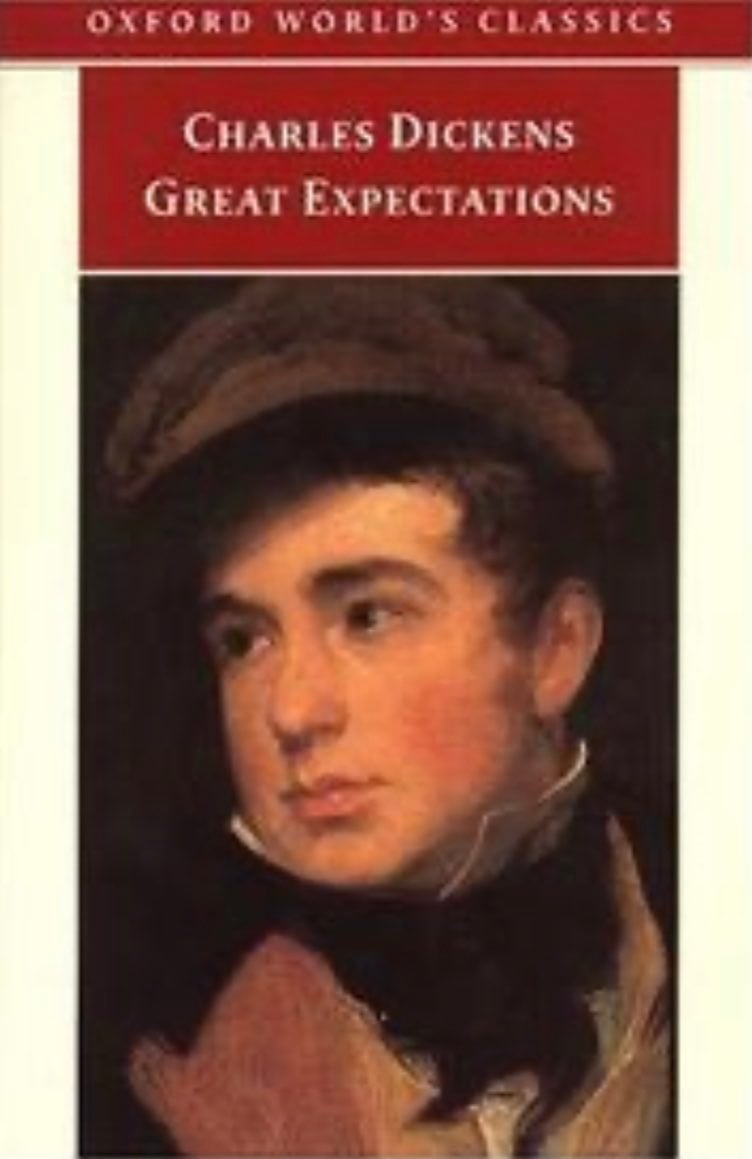
No. 6 on this list. Great Expectations
Charles Dickens · 1861
Moderate12 hours
Taught in schools: AQA GCSE and A-level English Literature (UK), OCR GCSE and A-level English Literature (UK), Pearson Edexcel GCSE and A-level English Literature (UK)
Included in: Bokklubben World Library
Dickens tracked Pip's journey from a Kent forge to London's moneyed drawing rooms to expose the way class aspiration corrodes character — then made the reader complicit in Pip's snobbery before pulling back the curtain on who his true benefactor was. It is his most psychologically honest novel, and the one where his plotting matches his moral intelligence.
No. 7 on this list. The Cherry Orchard
Anton Chekhov · 1904
Moderate1.2 hours
Taught in schools: Armenian secondary literature, CSEC English B – Caribbean Examinations Council, Russian FGOS literature standard
Universally included in world literature syllabi alongside Shakespeare and Greek drama. No major course omits it; it defines modern theater. Russian literature curricula make it mandatory; Western universities teach it in drama, European lit, and modernism courses equally. Unquestioned canonical necessity.
No. 8 on this list. The Overcoat
Nikolai Gogol · 1842
Challenging59 min
Taught in schools: Kazakh literature curriculum (Kazakhstan), Montenegrin literature curriculum (crnogorski jezik i književnost) (Montenegro), Russian FGOS literature standard
"The Overcoat" is one of the most canonical short works in world literature, with a Wikipedia article available in 36 languages. It is standard reading in Russian literature courses and world literature surveys at universities globally. Dostoevsky's declaration that all Russian literature emerged from Gogol's overcoat has enshrined it as a foundational text for nearly two centuries.
No. 9 on this list. Works and Days
Hesiod · c. 700 BCE
Moderate1.6 hours
Taught in schools: Hungarian literature curriculum (magyar nyelv és irodalom) (Hungary)
Hesiod addresses his brother Perses, who has squandered his inheritance and bribed corrupt judges to get more. The occasion is petty and local — a sibling dispute in the village of Askra, a bad place at the foot of Mount Helikon. From this nugget of irritation, Hesiod builds outward into cosmology, myth, ethics, and practical instruction. He tells how Zeus hid prosperity from men after Prometheus stole fire, how Pandora released suffering from a jar, and how mankind has declined through five ages from gold to iron. Then he turns practical: when to plough (when the Pleiades rise), what timber to use for a plough-tree (holm oak), how to dress against the winter north wind, how to harvest grapes. A.E. Stallings' translation renders all this in rhyming iambic couplets — plain-spoken, aphoristic, occasionally wry. The poem ends with sixty lines on lucky and unlucky days, which days to geld livestock, which to open a storage jar, which to be born. What makes Works and Days strange and durable is this combination: the most practical agricultural manual in Greek literature, framed by the oldest surviving account of why human life is hard and what a person can do about it.
No. 10 on this list. Richard III
William Shakespeare · 1597
Challenging2.8 hours
Taught in schools: CAPE Literatures in English – Caribbean Examinations Council
Included in: Great Books of the Western World
Richard III is among the most frequently performed Shakespeare plays and a staple of secondary school and university curricula worldwide. Its opening monologue — 'Now is the winter of our discontent' — is among the most memorized passages in English literature. The play appears on virtually every Shakespeare survey and features in courses on history plays, villainy, and political drama.
No. 11 on this list. The Bourgeois Gentleman · Molière · 1670
Included in: Great Books of the Western World
Le Bourgeois Gentilhomme is required reading in French literature courses worldwide and appears in virtually every major world drama anthology. Commissioned by Louis XIV for the royal court in 1670, it has remained one of Molière's most performed plays for over three and a half centuries, cementing its place among the indispensable works of European theater.
Moderate1.2 hours
Start this bookNo. 12 on this list. Three Sisters · Anton Chekhov · 1901
Taught in schools: Hungarian literature curriculum (magyar nyelv és irodalom) (Hungary), Russian FGOS literature standard
Taught in every course on modern drama and staged continuously by major companies since its 1901 Moscow Art Theatre premiere. The sisters' longing for Moscow is one of the best-known situations in world theatre.
Challenging2.4 hours
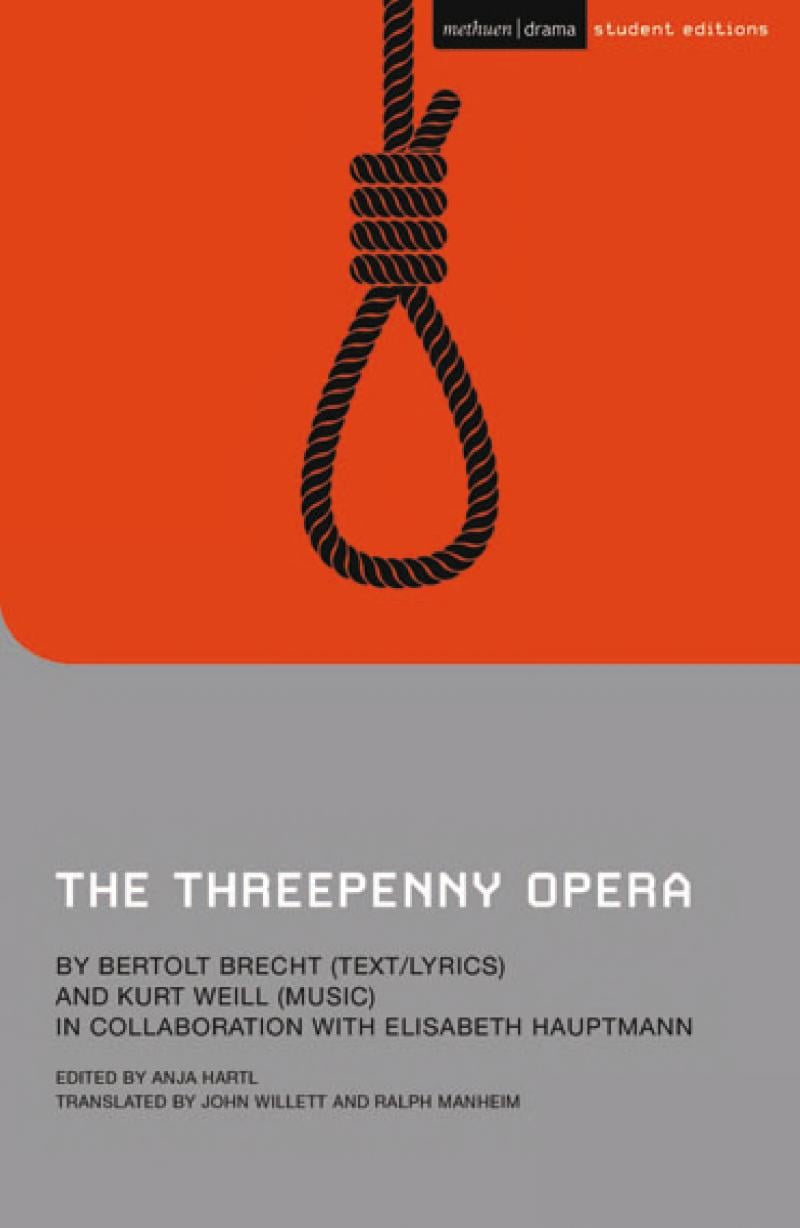
Read nowNo. 13 on this list. The Threepenny Opera · Bertolt Brecht · 1928
Die Dreigroschenoper premiered in Berlin on August 28, 1928, and became one of the most performed plays of the 20th century, with productions on every inhabited continent. It is core curriculum in theatre studies, German literature, European modernism, and political theory courses worldwide. No syllabus data appears in the database, but the play's canonical standing is among the highest in 20th-century drama.
Challenging2.1 hours
Start this bookNo. 14 on this list. Buddenbrooks: The Decline of a Family · Thomas Mann
A Nobel-winning author's first novel, taught widely in German and world literature courses as the model family chronicle.
Moderate15 hours
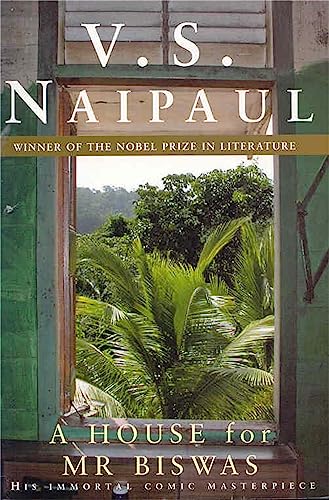
Start this bookNo. 15 on this list. A House for Mr. Biswas · V.S. Naipaul · 1961
Taught in schools: CSEC English B – Caribbean Examinations Council
Naipaul tracked one man's forty-year struggle to own a house of his own in colonial Trinidad, and by treating that modest ambition with the gravity of epic, wrote the definitive novel about the immigrant's war between dignity and dispossession. Mr. Biswas's defeats are so granular and so cumulative that the house, when it finally comes, means more than any literary symbol has a right to.
Moderate13 hours
Start this bookNo. 16 on this list. Lost Illusions · Honoré de Balzac · 1843
Lost Illusions is the centrepiece of Balzac's La Comédie humaine and a standard text in French literature and in courses on the nineteenth-century European novel. Xavier Giannoli's 2021 film adaptation brought it new readers.
Challenging18 hours
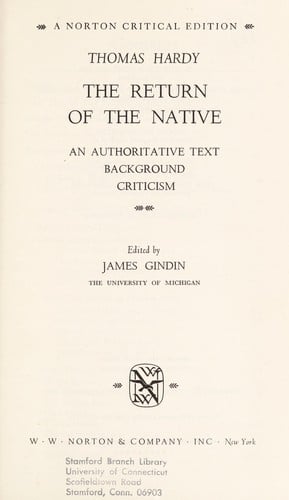
Read nowNo. 17 on this list. The Return of the Native · Thomas Hardy · 1878
The Return of the Native stands as one of Hardy's major tragic novels and a cornerstone of Victorian fiction. Egdon Heath's status as literary landscape rivals any in English literature, and the novel appears consistently in academic curricula and critical studies of the Victorian novel.
Challenging11 hours
Read nowNo. 18 on this list. Wilhelm Meister's Apprenticeship · Johann Wolfgang von Goethe · 1796
Wilhelm Meister's Apprenticeship is taught in comparative literature and world literature courses globally, and is considered essential reading for understanding the development of European prose fiction. Its position as the founding text of the Bildungsroman places it on syllabi wherever German literature or the novel as a form is studied seriously. No database signals were available, but its literary-historical importance is universally acknowledged.
Challenging19 hours
Read nowNo. 19 on this list. Collected Stories · William Faulkner · 1951
Collected Stories won the National Book Award in 1951 and remains central to American short fiction canon. These stories appear regularly in anthologies and academic syllabi. While perhaps overshadowed by Faulkner's novels, the collection represents an essential component of his Yoknapatawpha saga and demonstrates his mastery across forms.
Challenging22 hours
Start this bookNo. 20 on this list. Tess of the d'Urbervilles · Thomas Hardy · 1891
Taught in schools: AQA GCSE and A-level English Literature (UK), Pearson Edexcel GCSE and A-level English Literature (UK)
Hardy built the most damning indictment of Victorian sexual morality around a woman whose "purity" the subtitle insists upon while every institution in the novel — church, law, family, class — conspires to destroy her for losing it. Tess Durbeyfield's fate demonstrated that the realist novel could prosecute an entire society's hypocrisy.
Challenging11 hours
Read now

No. 21 on this list. The Wild Duck · Henrik Ibsen · 1884
Taught in schools: Hungarian literature curriculum (magyar nyelv és irodalom) (Hungary)
Included in: Great Books of the Western World
The Wild Duck is a cornerstone of the Western dramatic canon, taught in virtually every university drama program and included in all standard collections of world theater. Though the database returns no syllabus count, Ibsen is the most taught non-English-language playwright in English-speaking universities, and this play—alongside Hedda Gabler and A Doll's House—appears on every major drama syllabus. It is consistently ranked among Ibsen's finest works and among the ten most important plays of the nineteenth century.
Moderate2.2 hours
Start this bookNo. 22 on this list. Boris Godunov · Alexander Pushkin · 1831
Boris Godunov is a core text in Russian literature curricula worldwide and appears in Slavic literature and world drama courses at major universities. The play's Wikipedia article exists in over 50 languages, reflecting its global recognition. It is consistently anthologized alongside the foundational works of 19th-century European drama.
Moderate1.1 hours
Start this bookNo. 23 on this list. The Grapes of Wrath · John Steinbeck · 1939
Taught in schools: Common Core text exemplars (Appendix B) (US), OCR GCSE and A-level English Literature (UK), Pacific Senior Secondary Certificate – English
Appears on 727 university syllabi (Open Syllabus Project, 71.5th percentile) and has Wikipedia articles in 58 languages. Listed on the Modern Library 100 Best Novels, TIME's All-TIME 100 Novels, Le Monde's 100 Books of the Century, and the BBC Big Read Top 100, establishing it as a fixture of American literary curricula.
Challenging13 hours
Start this bookNo. 24 on this list. The Imaginary Invalid · Molière · 1673
Included in: Great Books of the Western World
Argan sits in his Paris bedroom tallying his apothecary bills, convinced he is dying. He is not dying. His maid Toinette knows it, his brother Béralde knows it, and his daughter Angélique suspects it — but Argan has organized his entire life around his imaginary ailments, and he intends to marry Angélique to a young doctor so the household will have a physician on permanent call. Written in 1673 as Molière's last play — he collapsed onstage performing Argan and died that same evening — The Imaginary Invalid is a comedy that turns on a simple, merciless observation: some people prefer their illness to their health because sickness grants power. Toinette disguises herself as a famous doctor and solemnly recommends removing one of Argan's arms and an eye, just to see if he will agree. He almost does. The play's third interlude culminates in a mock-Latin medical ceremony, all chanted gibberish, that confers a doctorate on Argan himself — the perfect solution. Molière's doctors speak in learned nonsense and kill more patients than they cure, and the comedy lies not in caricature but in recognition: the gap between institutional authority and actual competence was as visible in 1673 as it is now. Reading it is to watch a master work at full pitch, knowing he was out of time.
Moderate1.4 hours
Start this bookNo. 25 on this list. Père Goriot · Honoré de Balzac · 1835
Included in: Bokklubben World Library
Père Goriot is a fixture in world literature curricula, appearing in French literature surveys, comparative literature courses, and 19th-century fiction seminars across the globe. Wikipedia articles in 47 languages signal its reach far beyond the French-speaking world. It holds a central position in La Comédie humaine, Balzac's linked series of nearly 100 novels, and is typically the first text assigned to readers of Balzac.
Challenging7.7 hours
Start this bookNo. 26 on this list. The Red and the Black · Stendhal · 1830
Taught in schools: Hungarian literature curriculum (magyar nyelv és irodalom) (Hungary)
Included in: Bibliothèque de la Pléiade, Bokklubben World Library
The Red and the Black is a foundational text of the realist novel, taught in French literature and world literature courses globally. Its Wikipedia article appears in 44 languages, indicating substantial global reach, and it regularly features on canonical lists such as the Modern Library 100 and TIME's All-TIME 100 novels.
Challenging17 hours
Read nowNo. 27 on this list. Clarissa · Samuel Richardson · 1748
Clarissa is a founding text of the English novel, appearing on virtually every 18th-century literature syllabus and in English doctoral programs worldwide. It features on the Modern Library and TIME All-TIME 100 lists and is treated as essential reading alongside Tom Jones and Robinson Crusoe. While database signals show no recorded syllabus appearances, this reflects data gaps rather than the book's actual canonical position — it is among the most studied British novels of any century.
Challenging8.5 hours
Start this bookNo. 28 on this list. Call to Arms · Lu Xun · 1923
Lu Xun compressed the anguish of a civilization in crisis into stories so concentrated they read like detonations — a madman who discovers that Confucian morality is a euphemism for cannibalism, a revolutionary beheaded while the crowd scrambles for bread dipped in his blood. These stories broke Chinese fiction free from classical convention and became the foundational texts of modern Chinese literature.
Challenging4.4 hours
Start this bookNo. 29 on this list. A Sportsman's Sketches · Ivan Turgenev · 1852
A Sportsman's Sketches is a cornerstone of 19th-century Russian literature, widely taught in world literature and Russian literature courses globally. Tsar Alexander II credited it with helping shift opinion toward the emancipation of serfs — a rare case of a literary work altering the course of national policy. Though formal syllabus data is absent from this database, its presence in curricula from Moscow to Michigan is well-documented across 170 years of continuous republication.
Moderate4.8 hours
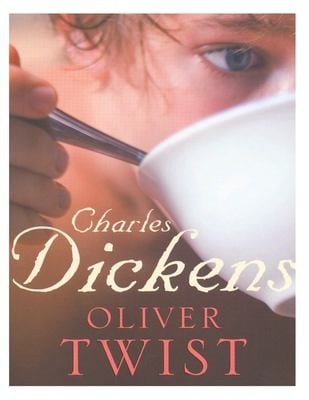
Start this bookNo. 30 on this list. Oliver Twist · Charles Dickens · 1838
Taught in schools: AQA GCSE and A-level English Literature (UK), Hungarian literature curriculum (magyar nyelv és irodalom) (Hungary)
One of Dickens's most famous novels; established his reputation as a social critic.
Moderate11 hours
Read now
No. 31 on this list. The Zoo Story
Edward Albee · 1959
No. 32 on this list. North of Boston
Robert Frost · 1914
No. 33 on this list. The Bluest Eye
Toni Morrison · 1970
Taught in schools: Common Core text exemplars (Appendix B) (US)
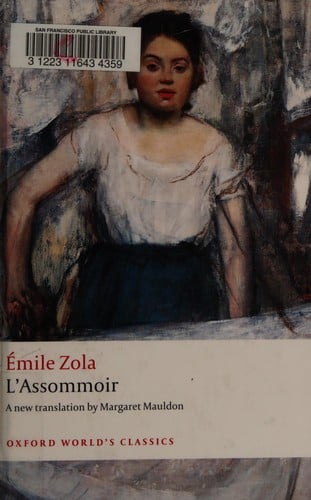
No. 34 on this list. L'Assommoir
Émile Zola · 1877
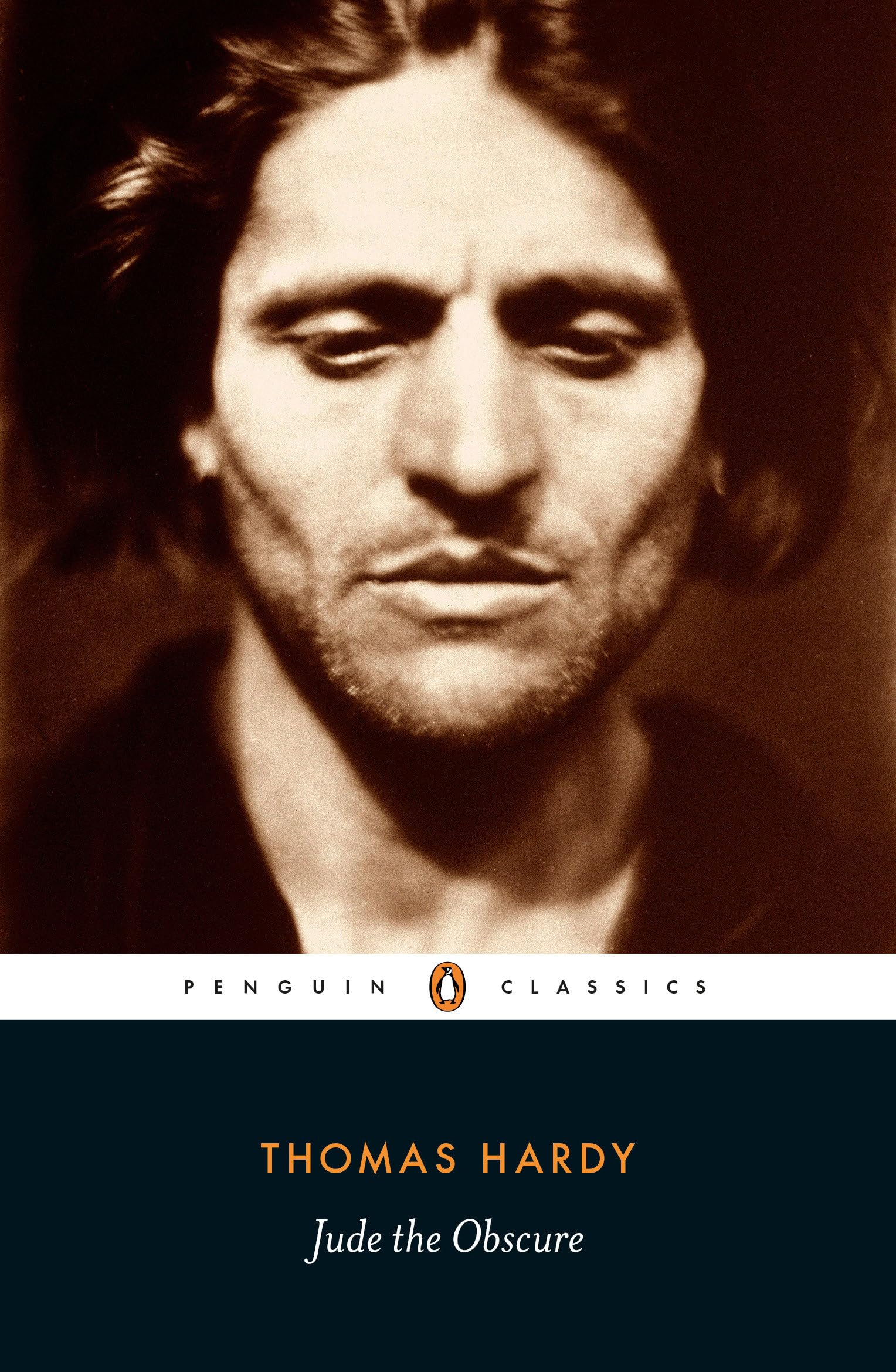
No. 35 on this list. Jude the Obscure
Thomas Hardy · 1895
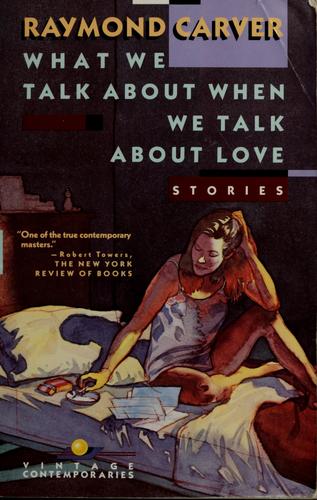
No. 36 on this list. What We Talk About When We Talk About Love
Raymond Carver · 1981
No. 37 on this list. Britannicus
Jean Racine · 1669
No. 38 on this list. Fences
August Wilson · 1985
No. 39 on this list. Poet in New York
Federico García Lorca · 1940
No. 40 on this list. Mansfield Park
Jane Austen · 1814
No. 41 on this list. Sons and Lovers
D.H. Lawrence · 1913
Included in: Bokklubben World Library
No. 42 on this list. Henry VI, Part 2
William Shakespeare · 1594
Included in: Great Books of the Western World
No. 43 on this list. Moll Flanders
Daniel Defoe · 1722
No. 44 on this list. Eugénie Grandet
Honoré de Balzac · 1833
No. 45 on this list. Childhood
Leo Tolstoy · 1852
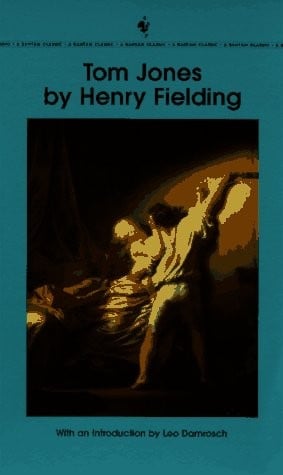
No. 46 on this list. Tom Jones
Henry Fielding · 1749
Included in: Great Books of the Western World
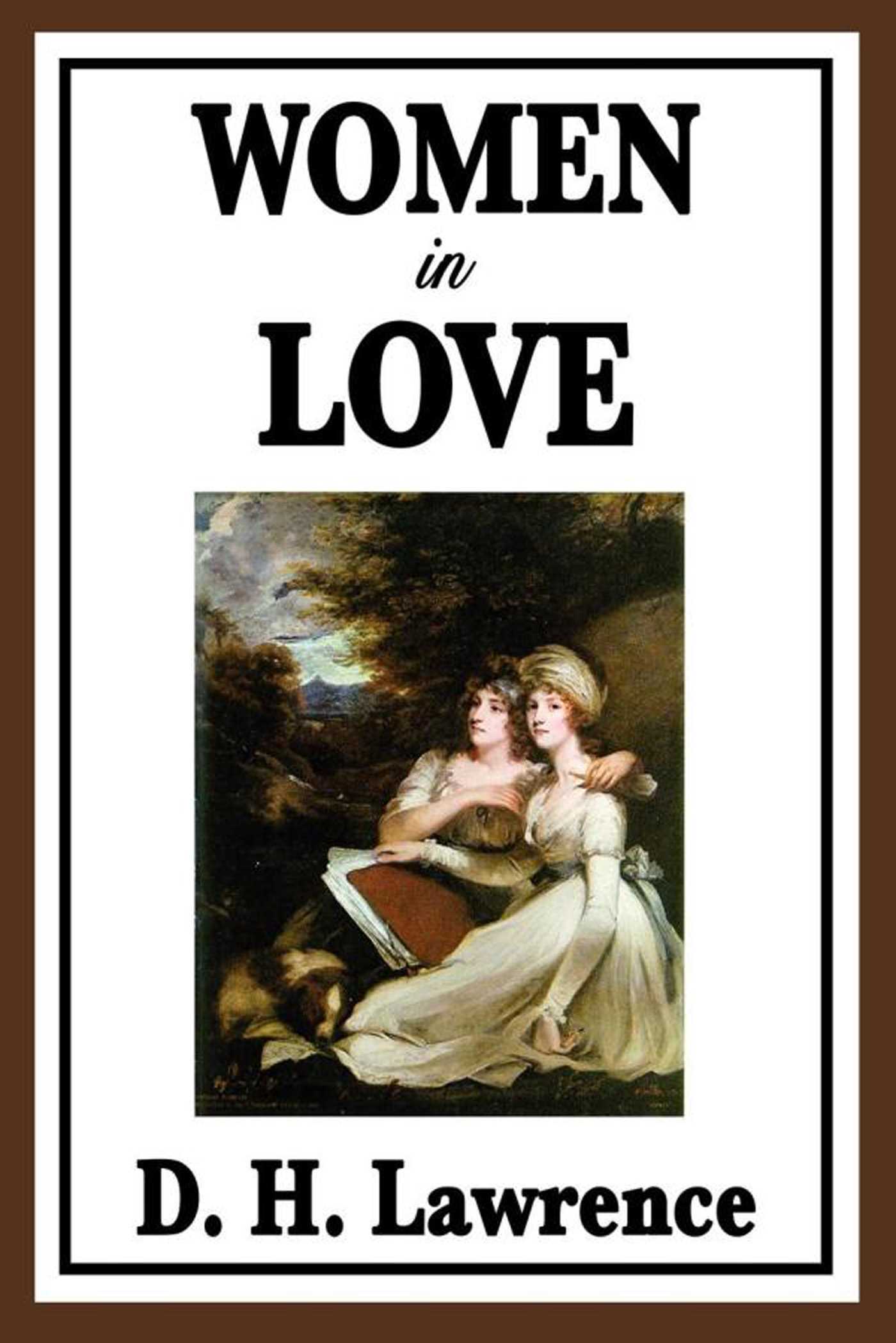
No. 47 on this list. Women in Love
D.H. Lawrence · 1920
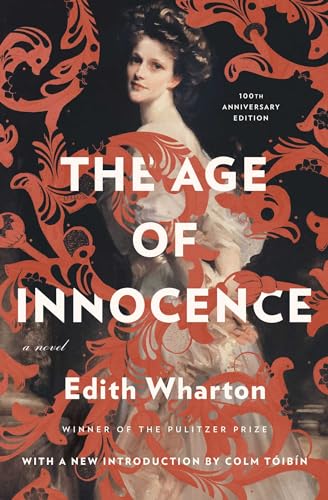
No. 48 on this list. The Age of Innocence
Edith Wharton · 1921
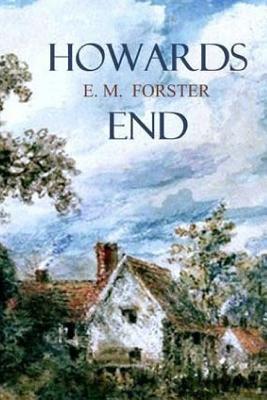
No. 49 on this list. Howards End
E.M. Forster · 1910
No. 50 on this list. The Time Machine
H.G. Wells · 1895
No. 51 on this list. Tar Baby
Toni Morrison · 1981
No. 52 on this list. Main Street
Sinclair Lewis · 1920
No. 53 on this list. Diary of a Madman
Nikolai Gogol · 1835
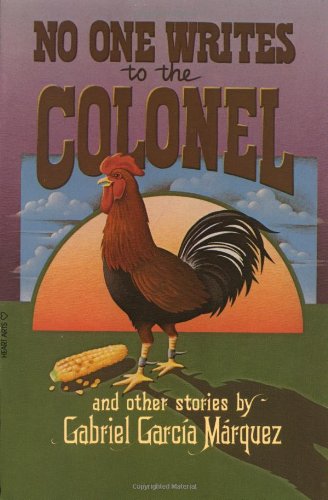
No. 54 on this list. No One Writes to the Colonel
Gabriel García Márquez · 1961
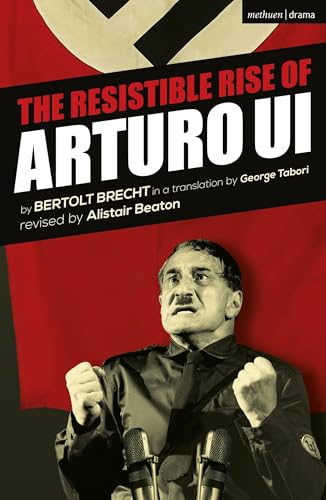
No. 55 on this list. The Resistible Rise of Arturo Ui
Bertolt Brecht · 1941
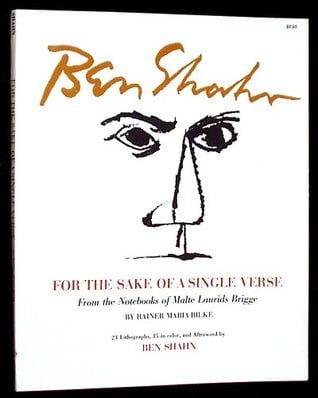
No. 56 on this list. The Notebooks of Malte Laurids Brigge
Rainer Maria Rilke · 1910
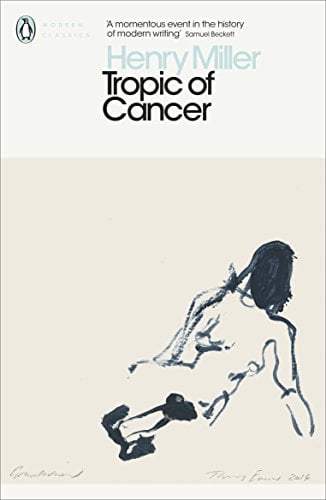
No. 57 on this list. Tropic of Cancer
Henry Miller · 1934
No. 58 on this list. Midaq Alley
Naguib Mahfouz · 1947
Taught in schools: Moroccan secondary Arabic literature (Morocco)
No. 59 on this list. Washington Square
Henry James · 1880
No. 60 on this list. The Beggar Maid
Alice Munro · 1980
No. 61 on this list. The House of Mirth
Edith Wharton · 1905
No. 62 on this list. Will You Please Be Quiet, Please?
Raymond Carver · 1976
No. 63 on this list. A Man's Place
Annie Ernaux · 1983
No. 64 on this list. The Lower Depths
Maxim Gorky · 1902
Taught in schools: Russian FGOS literature standard
No. 65 on this list. Salvage the Bones
Jesmyn Ward · 2011
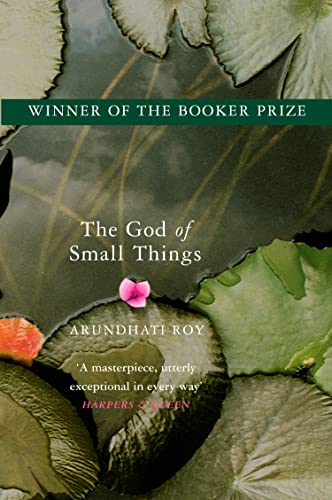
No. 66 on this list. The God of Small Things
Arundhati Roy · 1997
Taught in schools: AQA GCSE and A-level English Literature (UK)
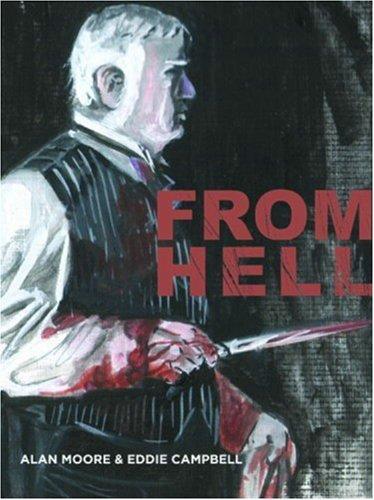
No. 67 on this list. From Hell
Alan Moore · 1999
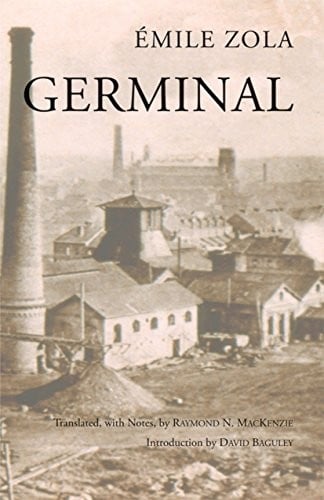
No. 68 on this list. Germinal
Émile Zola · 1885
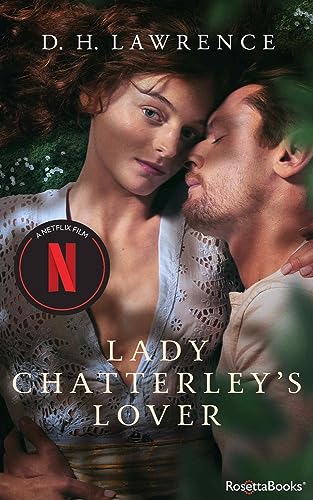
No. 69 on this list. Lady Chatterley's Lover
D.H. Lawrence · 1928
No. 70 on this list. Seize the Day
Saul Bellow · 1956
No. 71 on this list. Resurrection
Leo Tolstoy · 1899
No. 72 on this list. The Good Earth
Pearl S. Buck · 1931
No. 73 on this list. Cat's Cradle
Kurt Vonnegut · 1963
No. 74 on this list. Nana
Émile Zola · 1880
No. 75 on this list. July's People
Nadine Gordimer · 1981
No. 76 on this list. Man's Fate
André Malraux · 1933
No. 77 on this list. The Piazza Tales
Herman Melville · 1856
No. 78 on this list. Goodbye, Columbus
Philip Roth · 1960
No. 79 on this list. Petals of Blood
Ngugi wa Thiong'o · 1977
Included in: Heinemann African Writers Series
No. 80 on this list. Youth
Leo Tolstoy · 1857
No. 81 on this list. The House by the Medlar Tree
Giovanni Verga · 1881
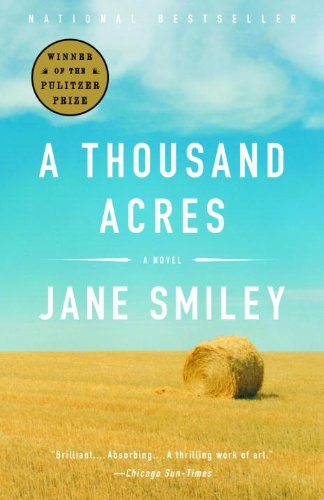
No. 82 on this list. A Thousand Acres
Jane Smiley · 1992
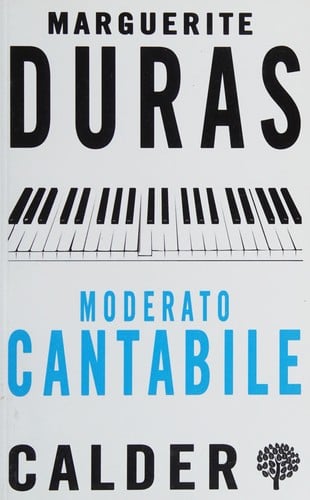
No. 83 on this list. Moderato Cantabile
Marguerite Duras · 1958
No. 84 on this list. Devil on the Cross
Ngugi wa Thiong'o · 1980
Included in: Heinemann African Writers Series
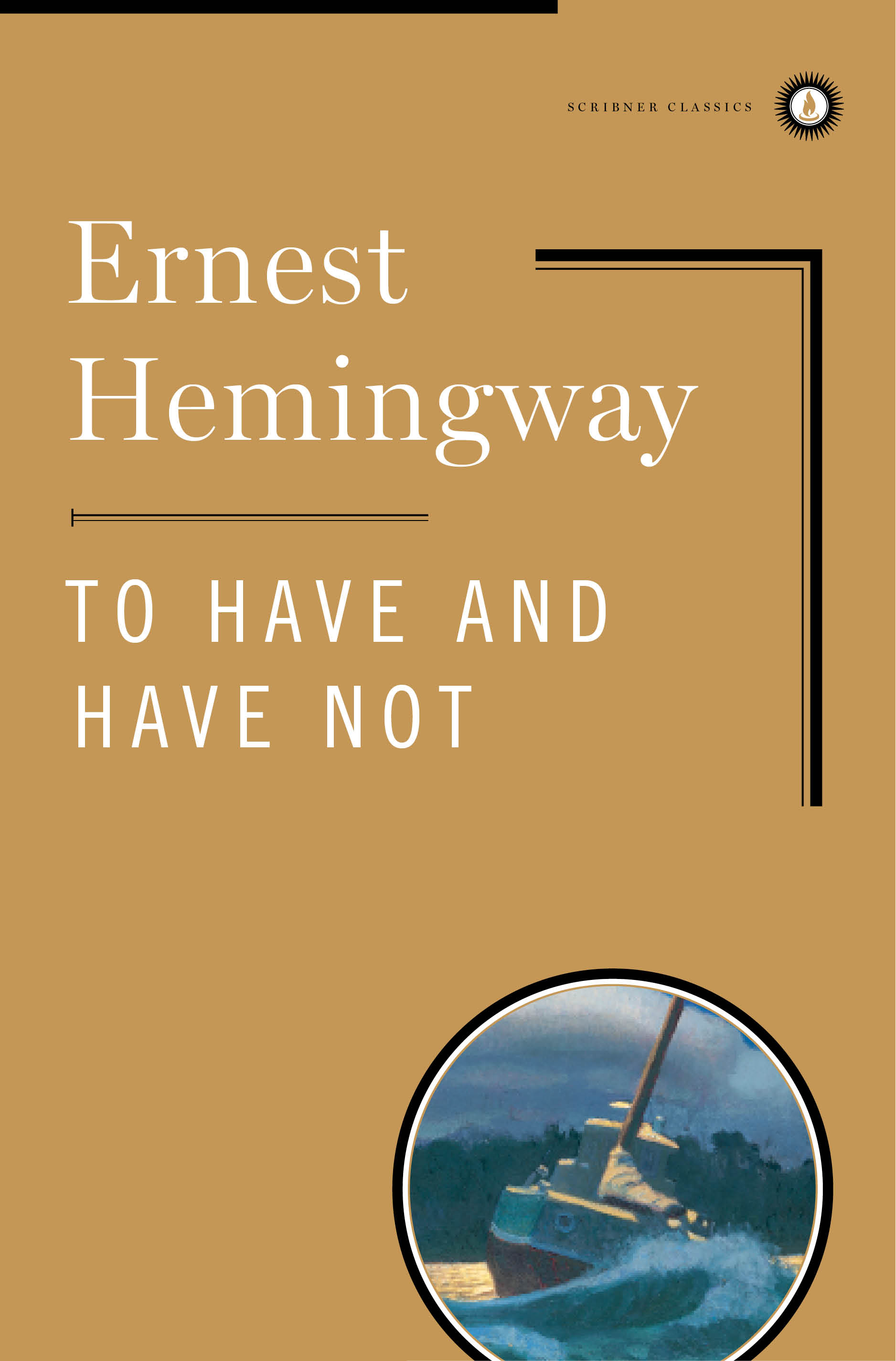
No. 85 on this list. To Have and Have Not
Ernest Hemingway · 1937
No. 86 on this list. Half of a Yellow Sun
Chimamanda Ngozi Adichie · 2007
No. 87 on this list. The Accidental
Ali Smith · 2005
No. 88 on this list. The Custom of the Country
Edith Wharton · 1913
No. 89 on this list. Lucky Jim
Kingsley Amis · 1954
Taught in schools: CSEC English B – Caribbean Examinations Council
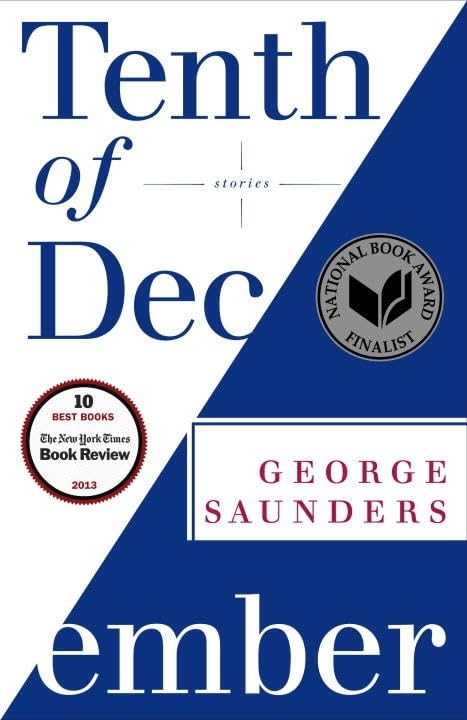
No. 90 on this list. Tenth of December
George Saunders · 2013
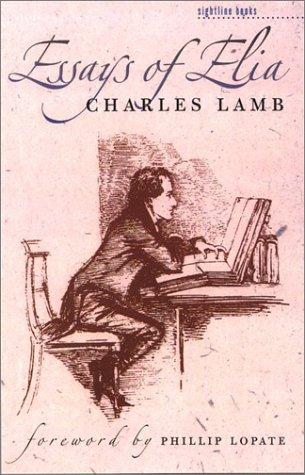
No. 91 on this list. Essays of Elia
Charles Lamb · 1823
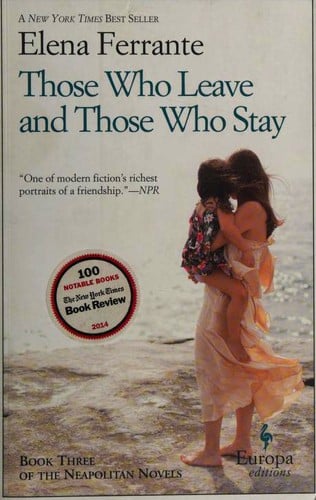
No. 92 on this list. Those Who Leave and Those Who Stay
Elena Ferrante · 2013
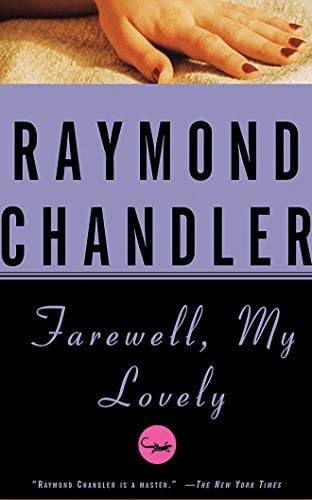
No. 93 on this list. Farewell, My Lovely
Raymond Chandler · 1940
No. 94 on this list. Gigi
Colette · 1944
No. 95 on this list. Loving
Henry Green · 1945
No. 96 on this list. The Assistant
Bernard Malamud · 1957
No. 97 on this list. Vile Bodies
Evelyn Waugh · 1930
No. 98 on this list. Half a Lifelong Romance
Eileen Chang · 1948
No. 99 on this list. Barren Lives
Graciliano Ramos · 1938
No. 100 on this list. The Weavers
Gerhart Hauptmann · 1892
About this list
These 100 books are the highest-scoring eligible moderately difficult books about class and inequality currently in the catalogue. About 761 hours of reading in all. Difficulty runs from 50 to 60 out of 100 for the middle half of the list; the summit is Les Misérables at 64.
This list is ranked by literary regard, with a consistent order for equal scores. Membership follows authors and co-authors, not translators or editors. A book is here when ReadingRate files it under Class & Inequality as one of its primary reading domains, at a confidence of 0.8 or more. Catalogue coverage and the historical canon both limit what this list can represent.
When we matched the Canons dataset to our catalogue in October 2026, our canonical-status scores rose with the number of school curricula, publisher series and lists in it that cite a work: the median score was 72 for books one such source cites, 84 at two, 88 at three, 92 at four and 93 at five or more. Prizes are left out of that count. Outside the state curricula, the dataset’s sources choose mostly from what has been translated into English or French, so it is a weaker check on other literatures. Source: Canons (Andrew Piper), CC BY 4.0
Questions people actually ask
- What are the best moderately difficult books about class and inequality?
- By literary regard, which weighs canonical status, critical standing and influence: Pride and Prejudice by Jane Austen, The Great Gatsby by F. Scott Fitzgerald, David Copperfield by Charles Dickens, Twelfth Night by William Shakespeare and Les Misérables by Victor Hugo. ReadingRate ranks 100 such books, each with a difficulty score and a reading-time estimate.
- Which moderately difficult books about class and inequality should I read first?
- Start from difficulty, not from rank. The most approachable books on this list that still carry top literary regard are A House for Mr. Biswas by V.S. Naipaul (about 13 hours), The Bourgeois Gentleman by Molière and Tar Baby by Toni Morrison.
- What are the shortest of the best moderately difficult books about class and inequality?
- Among the top 25, the shortest are The Overcoat by Nikolai Gogol (about 59 min), Boris Godunov by Alexander Pushkin (about 1.1 hours) and The Cherry Orchard by Anton Chekhov (about 1.2 hours), at an average pace of 250 words a minute adjusted for each book's difficulty.
- Which of the best moderately difficult books about class and inequality are the established classics?
- By canonical status, how firmly a book sits in curricula, anthologies and the canon: The Great Gatsby by F. Scott Fitzgerald, Great Expectations by Charles Dickens, Pride and Prejudice by Jane Austen, The Cherry Orchard by Anton Chekhov and Les Misérables by Victor Hugo.
- Can I read any of these moderately difficult books about class and inequality for free?
- 34 of the 100 open in ReadingRate's reader with a free account, from public-domain editions: Pride and Prejudice, The Great Gatsby, David Copperfield, Twelfth Night, Les Misérables and 29 more.
- How long would it take to read the top ten?
- About 108 hours, at an average pace of 250 words a minute adjusted for each book's difficulty: 54 days at two hours a day. Set your own pace on the page and the list's reading times change to it.
- How hard are moderately difficult books about class and inequality to read?
- Most of this list sits between 50 and 60 on ReadingRate's 100-point difficulty scale, where 40 to 55 is moderate. The summit is Les Misérables at 64. Every entry carries its own score, so a reader can pick a great book at a difficulty they will finish.
- How is this list ranked?
- On literary-regard data: how canonically established a work is, its critical standing, and its influence on later writing. It is not a readers’ poll, which is why recent bestsellers rarely appear. Membership follows authors and co-authors, not translators or editors. Lists by country, author, period, theme or difficulty keep to literature (fiction, poetry, drama and philosophy), their novels, poems and plays first and their philosophy after them; a list of a kind of book, such as memoir or criticism, keeps every book of that kind. Every list holds at most three works by one author. A book is here when ReadingRate files it under Class & Inequality as one of its primary reading domains, at a confidence of 0.8 or more.