Hours at an average pace
Showing 100 books
About 1,664 hours for 99 of 100 books with measured lengths. Estimates use 250 words a minute, adjusted for each book's difficulty. At 2 hours a day, about 833 days for those books.
Listed among Le Monde's 100 Books of the Century and the Open Syllabus Top 500 in literature. Wikipedia presence in 65 languages (attributed to the Jacques Lacan article) indicates global institutional reach. Standard assignment in literature, philosophy, cultural studies, film theory, and feminist theory courses worldwide — unusual for a psychoanalytic text to penetrate this many disciplines.
A major work of late twentieth-century philosophy. Essential in continental philosophy, cultural theory, architecture, and digital humanities.
Aesthetic Theory is required reading in philosophy of art, critical theory, and aesthetics programs at universities worldwide. It appears on syllabi across art history, musicology, literary theory, and philosophy departments—taught wherever Frankfurt School critical theory is engaged seriously. The book is treated as the foundational text of 20th-century philosophical aesthetics, occupying the same curricular position in art theory that Kant's Critique of Judgment holds for earlier aesthetics.
Anti-Oedipus is canonical within Continental philosophy, critical theory, cultural studies, and queer theory — it appears on graduate syllabi wherever poststructuralism, Marxist theory, or affect theory is taught. Wikipedia data is absent from the database, but the work maintains Wikipedia articles in over 30 languages and is among the most-cited texts in humanities graduate education worldwide. Its status is more specialized than Orientalism but more widely taught than Negative Dialectics.
One of the most important works of twentieth-century philosophy and critical theory. Essential in philosophy, cultural studies, media studies, and political theory.
The Arcades Project is required reading in virtually every critical theory, cultural studies, and German Studies graduate program worldwide. Benjamin's concepts — the dialectical image, the flâneur, the wish-image, Jetztzeit — have become foundational vocabulary in the humanities. The book anchors syllabi in fields as disparate as architecture, urban studies, film theory, and literary criticism, making it one of the most cross-disciplinary canonical texts of the 20th century.
Ranked by difficulty score, hardest first, among eligible works of high literary regard in the current catalogue.
The Critique of Pure Reason is one of the most important works in the entire history of Western philosophy, universally recognized as a foundational text. It appears on virtually every list of essential philosophical works, is a required text in philosophy departments worldwide, and has been in continuous print and scholarly discussion since its publication in 1781. It is to modern philosophy what Newton's Principia is to physics—the work that redefined the field's fundamental questions and methods.
Considered one of the landmark texts of poststructuralism and a foundational work in autobiography theory. Barthes by Barthes is universally included in advanced literary theory curricula and sits alongside S/Z and Camera Lucida as his most studied works.
Being and Time is required reading in virtually every philosophy curriculum worldwide and stands as one of the most taught works in continental philosophy. It appears on syllabi for philosophy, phenomenology, existentialism, cultural theory, and theology, and has been translated into dozens of languages. Few 20th-century philosophical texts achieve this breadth of curricular presence.
No. 11 on this list. Writing and Difference · Jacques Derrida · 1967
Writing and Difference is one of the foundational texts of deconstruction and a standard assignment in graduate programs in philosophy, comparative literature, and critical theory worldwide. Along with Of Grammatology (published the same year, 1967), it established Derrida as a major philosophical voice. It appears on virtually every syllabus for continental philosophy and literary theory at the graduate level.
Very Difficult30 hours
Start this bookNo. 12 on this list. Of Grammatology · Jacques Derrida · 1967
Of Grammatology is one of the most assigned texts in philosophy, literary theory, and the humanities broadly. It appears on virtually every graduate-level syllabus in continental philosophy, critical theory, and comparative literature. It is the foundational text of deconstruction, a movement that reshaped humanities scholarship from the 1970s through the present. Any 'canon' of 20th-century philosophical works includes it without question.
Very Difficult30 hours
Start this bookNo. 13 on this list. Minima Moralia · Theodor W. Adorno · 1951
Theodor Adorno wrote Minima Moralia between 1944 and 1947, in exile from Nazi Germany, thinking in German while living in Los Angeles. The book's subtitle — Reflections from Damaged Life — is its argument: late capitalism has deformed the smallest gestures, down to the way people say goodbye, arrange furniture, or offer gifts. The 153 aphorisms each begin from some corner of daily experience and immediately turn it into evidence. Adorno watches a houseguest try to help with the dishes and ends up indicting the ideology of helpfulness itself. He watches American children at play and finds the administered society in the rules of their games. American roads, he notes, are inserted directly into landscape with no soft path at the edge — expressionless. Nothing survives without bearing the marks of what produced it. The prose enacts this method in its own syntax: sentences build through nested qualifications, invert themselves, then qualify the inversion. Reading must be slow or it produces nothing. There are no characters, no plot, no narrative — only argument conducted through observation, 153 times. The book ends on a line that has since become the most quoted sentence in German philosophy: there is no right life in the wrong one. Adorno's 300 pages are the case for that verdict, assembled from the evidence of ordinary afternoons.
Very Difficult14 hours
Start this bookNo. 14 on this list. Postmodernism, or, The Cultural Logic of Late Capitalism · Fredric Jameson · 1991
Postmodernism is required reading in virtually every cultural studies and literary theory graduate program in the English-speaking world. The 1984 New Left Review essay version from which the book grew is one of the most-assigned academic articles in humanities graduate education. The book has remained in continuous use since its 1991 publication and has been translated into dozens of languages.
Difficult27 hours
Start this bookNo. 15 on this list. This Sex Which Is Not One · Luce Irigaray · 1977
A foundational text of French feminist philosophy and literary theory. Essential in feminist theory and continental philosophy courses.
Difficult8.5 hours
Start this bookNo. 16 on this list. Labyrinths · Jorge Luis Borges · 1962
Labyrinths is the standard English-language anthology through which Borges enters world literature curricula, taught in virtually every major comparative literature, Latin American literature, and 20th-century fiction course at universities worldwide. Published by New Directions in 1962, it established the benchmark for how Borges is read in translation and has remained continuously in print for over six decades as an essential classroom and critical text.
Difficult14 hours
Start this bookNo. 17 on this list. The Order of Things: An Archaeology of the Human Sciences · Michel Foucault · 1966
Listed on Le Monde's 100 Books of the Century (winner status), included in the Open Syllabus Top 500 for Literature, and published by NYRB Classics. The Order of Things is a staple of philosophy, social science, and humanities syllabi worldwide. It became a bestseller in France upon publication in 1966 — an extraordinary feat for a work of epistemological archaeology.
Difficult24 hours
Start this bookNo. 18 on this list. Zhuangzi · Zhuangzi · c. 300 BCE
One of the two foundational Daoist texts, taught in world philosophy, Chinese literature and religious studies courses everywhere, in multiple competing English editions.
Difficult17 hours
Start this bookNo. 19 on this list. Blindness and Insight · Paul de Man · 1971
Paul de Man opens with a paradox and never lets go: critics see most clearly precisely where they are most blind. Reading Lukács on Hegel, Poulet on space and time, Blanchot on Mallarmé, J. Hillis Miller on Victorian fiction — de Man shows in each case that the critic's most productive insight emerges from a structural exclusion, an error they could not correct without losing the insight entirely. The argument unfolds not through announcement but through demonstration: twelve essays, each a close reading of a critic's methodology, each quietly building the same recursive case. The centerpiece is 'The Rhetoric of Temporality,' which dismantles Romanticism's preference for the symbol over allegory, showing that the symbol's claim to organic unity is ideological mystification — that allegory, with its frank acknowledgment of the gap between sign and meaning, tells the truth the symbol suppresses. De Man writes with surgical economy: no wasted sentences, no hedging, no appeals to feeling. The prose assumes you have read Heidegger, Hegel, Husserl, and Rousseau; it will not slow down to remind you what they said. The book does not tell you what literature means. It asks what it means to read — and leaves you unsure you have ever known.
Difficult18 hours
Start this bookNo. 20 on this list. S/Z · Roland Barthes · 1970
S/Z appears on virtually every graduate syllabus in comparative literature, literary theory, cultural studies, and semiotics. It is foundational reading alongside Derrida's Of Grammatology and Foucault's Archaeology of Knowledge. Though data signals show zero recorded appearances in this database, its actual syllabus presence is massive — it is one of the most assigned texts in humanities graduate programs worldwide. Wikipedia articles exist in dozens of languages.
Difficult13 hours
Start this book
No. 21 on this list. The History of Sexuality, Volume 1: An Introduction · Michel Foucault · 1976
Required reading in virtually every university gender studies, cultural theory, sociology, and philosophy program in the Western world. No database syllabus data was retrieved, but this text is among the most universally assigned in humanities education globally, appearing on curricula alongside Derrida and Althusser as a foundational poststructuralist text. It is considered indispensable entry-level reading for anyone studying sexuality, power, or discourse.
Difficult7 hours
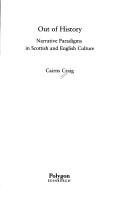
Start this bookNo. 22 on this list. Out of History · Cairns Craig · 1996
Core text in the Determinations series and a foundational document of Scottish cultural studies.
Difficult12 hours
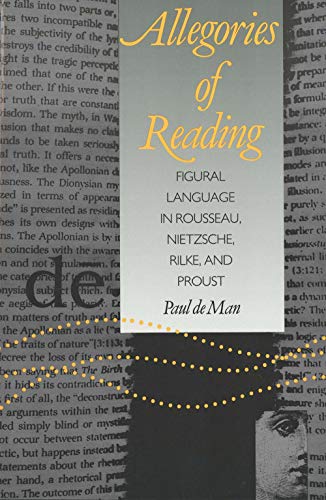
Start this bookNo. 23 on this list. Allegories of Reading: Figural Language in Rousseau, Nietzsche, Rilke, and Proust · Paul de Man · 1979
The central text of the Yale School of deconstruction; essential for any study of deconstructive literary criticism.
Difficult11 hours
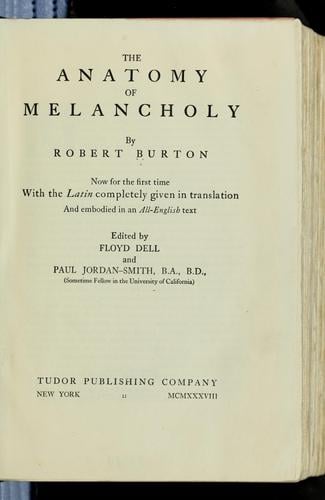
Start this bookNo. 24 on this list. The Anatomy of Melancholy · Robert Burton · 1621
Robert Burton sits in his Oxford study, convinced he is melancholic, and sets out to cure himself by writing everything that has ever been said about melancholy. The result, first published in 1621 and expanded through five more editions before his death, runs to nearly 1,400 pages and cites over 1,250 authors. 'Democritus Junior' — Burton's pseudonym, borrowed from the ancient philosopher who laughed at human folly — addresses the reader as a fellow sufferer, diagnosing a world in which every person is mad in some particular way, and scholars most knowingly of all. The work divides melancholy into kinds: melancholy of the head, the body, the hypochondria; melancholy from love, from religion, from the stars. Each partition subdivides into sections, members, subsections, and then into digressions that swallow the parent argument whole. The Digression of Air runs sixty pages inside a single subsection, surveying cosmological hypotheses from Copernicus to the latest speculations about life on other worlds. Latin, Greek, and Arabic quotations crowd every paragraph. Burton's English is early seventeenth-century at its most capacious — learned, talkative, self-interrupting. The prescribed cures pile up as inexhaustibly as the causes, and the reader grasps eventually that the book is the disease and the disease is the book. No writer has made more persuasive company of inability to stop.
Difficult76 hours
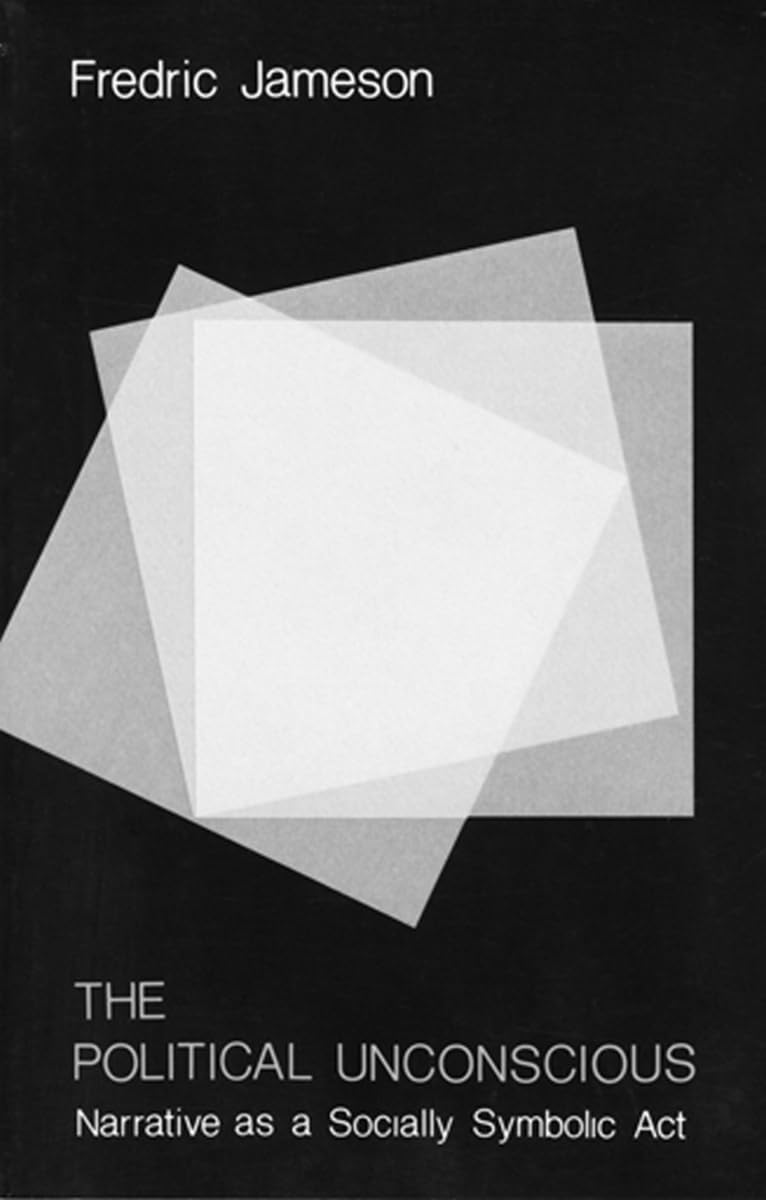
Start this bookNo. 25 on this list. The Political Unconscious: Narrative as a Socially Symbolic Act · Fredric Jameson · 1981
Opening with the injunction 'Always historicize!', it is the standard statement of Marxist literary interpretation and a fixture of graduate theory syllabi. Its readings of Balzac, Gissing and Conrad are taught as models of the method.
Difficult13 hours
Start this bookNo. 26 on this list. The Origin of German Tragic Drama · Walter Benjamin · 1928
Benjamin's study of the German baroque Trauerspiel, withdrawn as a Habilitation thesis at Frankfurt, is now a standard text in courses on critical theory, German studies and allegory. Its 'Epistemo-Critical Prologue' is taught on its own in theory seminars.
Difficult12 hours
Start this bookNo. 27 on this list. Natyashastra · Bharata Muni · c. 200 BCE
The foundational text of Indian aesthetics. Essential in South Asian literary and performance studies, increasingly taught in comparative literature globally.
Difficult20 hours
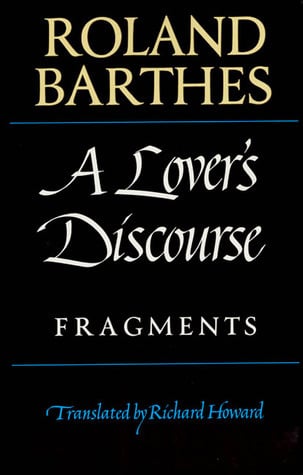
Start this bookNo. 28 on this list. A Lover's Discourse: Fragments · Roland Barthes · 1977
A Lover's Discourse is widely taught in comparative literature, French studies, queer theory, and cultural theory programs across European and American universities. It appears on syllabi alongside Barthes's other canonical works — Mythologies, S/Z, Camera Lucida — and is frequently assigned as an introduction to post-structuralist critical practice. While not as universally taught as Frankenstein or The Great Gatsby, it holds a firm place in the theoretical canon.
Difficult4 min
Start this bookNo. 29 on this list. Gender Trouble: Feminism and the Subversion of Identity · Judith Butler · 1990
Gender Trouble is taught on virtually every gender studies, feminist theory, and queer theory syllabus globally, appearing widely in sociology, philosophy, cultural studies, and political science courses. Butler's text has been described by scholars as one of the most influential academic books of the 20th century and is as close to canonical as any work in the humanities published after 1980. Its position on university reading lists across North America, Europe, and beyond is unambiguous — a status granted to very few academic monographs.
Difficult9.7 hours
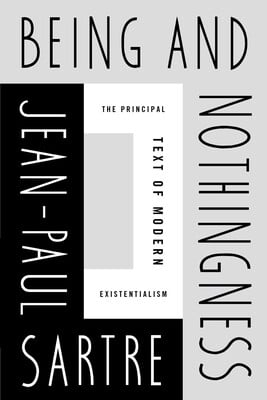
Start this bookNo. 30 on this list. Being and Nothingness · Jean-Paul Sartre · 1943
Being and Nothingness appears on 1,351 university syllabi according to Open Syllabus data (78th percentile), placing it firmly among the most-taught philosophical texts in higher education. It is listed among Le Monde's 100 Books of the Century (1999) and the Open Syllabus Top 500 in Literature. Its Wikipedia article in 37 languages confirms broad international academic reach.
Difficult49 hours
Start this book

No. 31 on this list. Distinction: A Social Critique of the Judgement of Taste
Pierre Bourdieu · 1979
No. 32 on this list. Archaeologies of the Future: The Desire Called Utopia and Other Science Fictions
Fredric Jameson · 2005
No. 33 on this list. New Science
Giambattista Vico · 1725
No. 34 on this list. Poetics of Relation
Édouard Glissant · 1990
No. 35 on this list. Selections from the Prison Notebooks
Antonio Gramsci · 1948
No. 36 on this list. Myth and Archive: A Theory of Latin American Narrative
Roberto González Echevarría · 1990
No. 37 on this list. Illuminations
Walter Benjamin · 1955
No. 38 on this list. The Epistemology of the Closet
Eve Kosofsky Sedgwick · 1990
No. 39 on this list. Critique of Judgment
Immanuel Kant · 1790
No. 40 on this list. Beyond Good and Evil
Friedrich Nietzsche · 1886
No. 41 on this list. European Literature and the Latin Middle Ages
Ernst Robert Curtius · 1948
No. 42 on this list. On Certainty
Ludwig Wittgenstein · 1969
No. 43 on this list. Rabelais and His World
Mikhail Bakhtin · 1965
No. 44 on this list. The Location of Culture
Homi K. Bhabha · 1994
No. 45 on this list. Gödel, Escher, Bach: An Eternal Golden Braid
Douglas R. Hofstadter · 1979
No. 46 on this list. The Gay Science
Friedrich Nietzsche · 1882
No. 47 on this list. The Society of the Spectacle
Guy Debord · 1967
No. 48 on this list. One-Dimensional Man
Herbert Marcuse · 1964
No. 49 on this list. Madness and Civilization: A History of Insanity in the Age of Reason
Michel Foucault · 1961
No. 50 on this list. The Theatre and Its Double
Antonin Artaud · 1938
No. 51 on this list. A Preface to Chaucer
D. W. Robertson Jr. · 1962
No. 52 on this list. Undoing Gender
Judith Butler · 2004
No. 53 on this list. Citizen: An American Lyric
Claudia Rankine · 2014
No. 54 on this list. The Theory of the Novel
Georg Lukács · 1916
No. 55 on this list. Early Greek Philosophy
Jonathan Barnes · 1979
No. 56 on this list. Biographia Literaria
Samuel Taylor Coleridge · 1817
No. 57 on this list. The Dialogic Imagination: Four Essays
Mikhail Bakhtin · 1975
No. 58 on this list. Heathcliff and the Great Hunger
Terry Eagleton · 1995
No. 59 on this list. Mimesis
Erich Auerbach · 1946
No. 60 on this list. The Birth of Tragedy
Friedrich Nietzsche · 1872
No. 61 on this list. The Historical Novel
György Lukács · 1937
No. 62 on this list. Marxism and Literature
Raymond Williams · 1977
No. 63 on this list. The Origins of the English Novel, 1600–1740
Michael McKeon · 1987
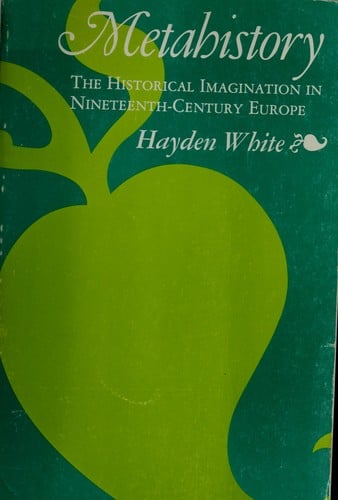
No. 64 on this list. Metahistory: The Historical Imagination in Nineteenth-Century Europe
Hayden White · 1973
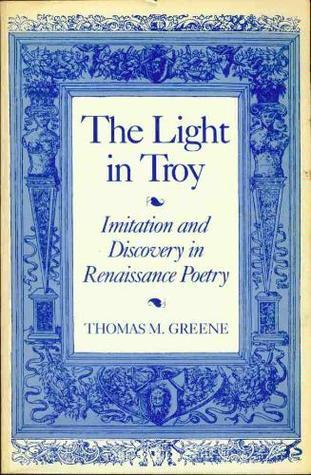
No. 65 on this list. The Light in Troy: Imitation and Discovery in Renaissance Poetry
Thomas M. Greene · 1982
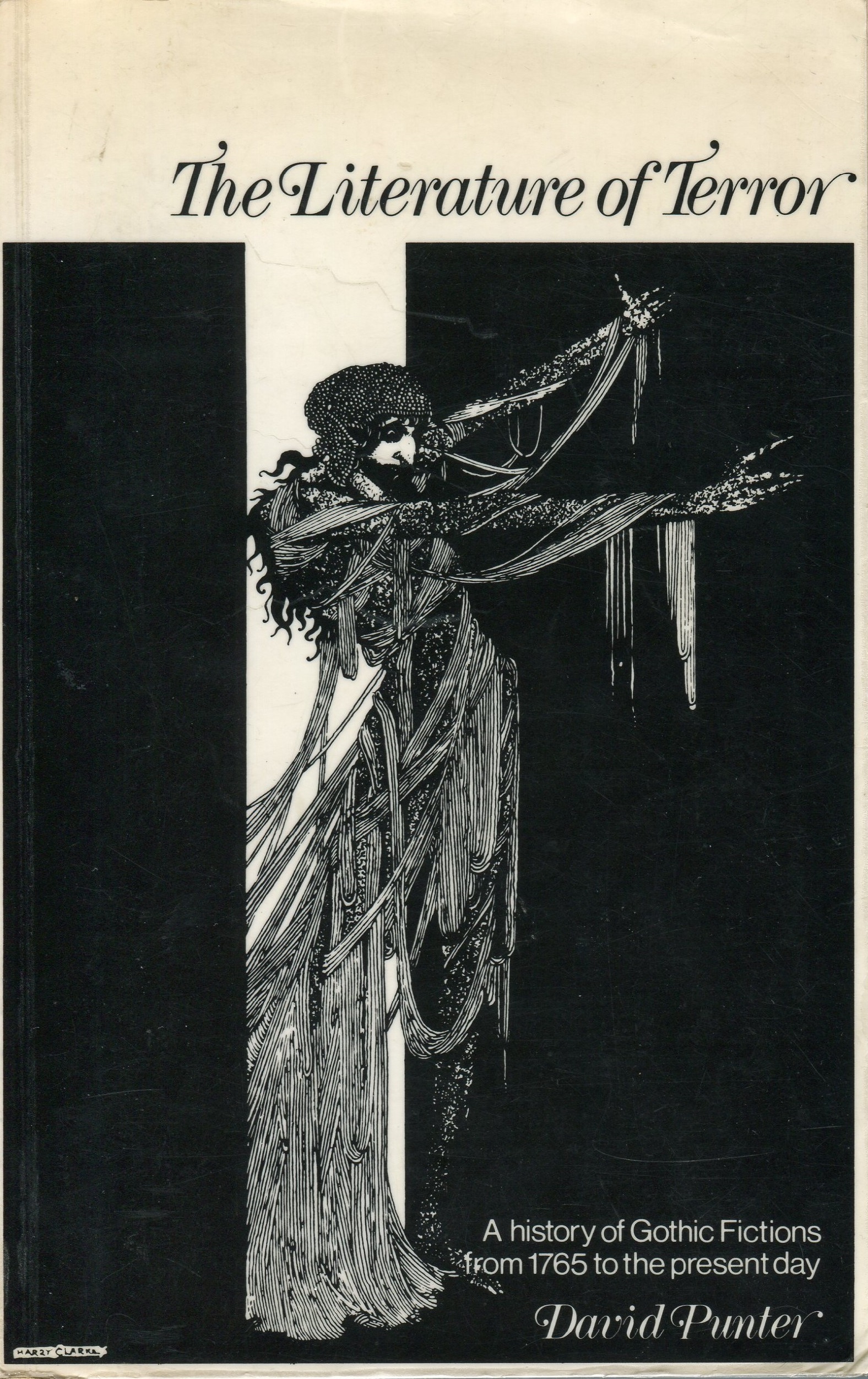
No. 66 on this list. The Literature of Terror: A History of Gothic Fictions from 1765 to the Present Day
David Punter · 1980
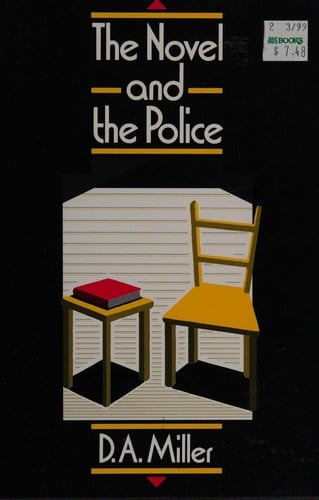
No. 67 on this list. The Novel and the Police
D. A. Miller · 1988
No. 68 on this list. The Novel of Formation
Jerome Hamilton Buckley · 1987
No. 69 on this list. The Cambridge History of Spanish Literature
David Thatcher Gies · 2004
No. 70 on this list. Fear and Trembling
Søren Kierkegaard · 1843
No. 71 on this list. The Romantic Ideology: A Critical Investigation
Jerome McGann · 1983
No. 72 on this list. On Violence
Hannah Arendt · 1969
No. 73 on this list. The Act of Reading: A Theory of Aesthetic Response
Wolfgang Iser · 1978
No. 74 on this list. The Mirror and the Lamp: Romantic Theory and the Critical Tradition
M. H. Abrams · 1953
No. 75 on this list. De Vulgari Eloquentia
Dante Alighieri · 1304
No. 76 on this list. Goethe: The Poet and the Age
Nicholas Boyle · 1991
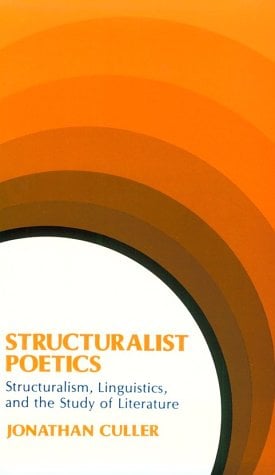
No. 77 on this list. Structuralist Poetics: Structuralism, Linguistics and the Study of Literature
Jonathan Culler · 1975
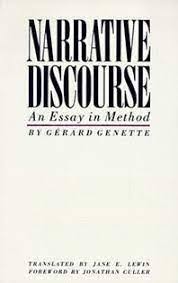
No. 78 on this list. Narrative Discourse: An Essay in Method
Gérard Genette · 1972
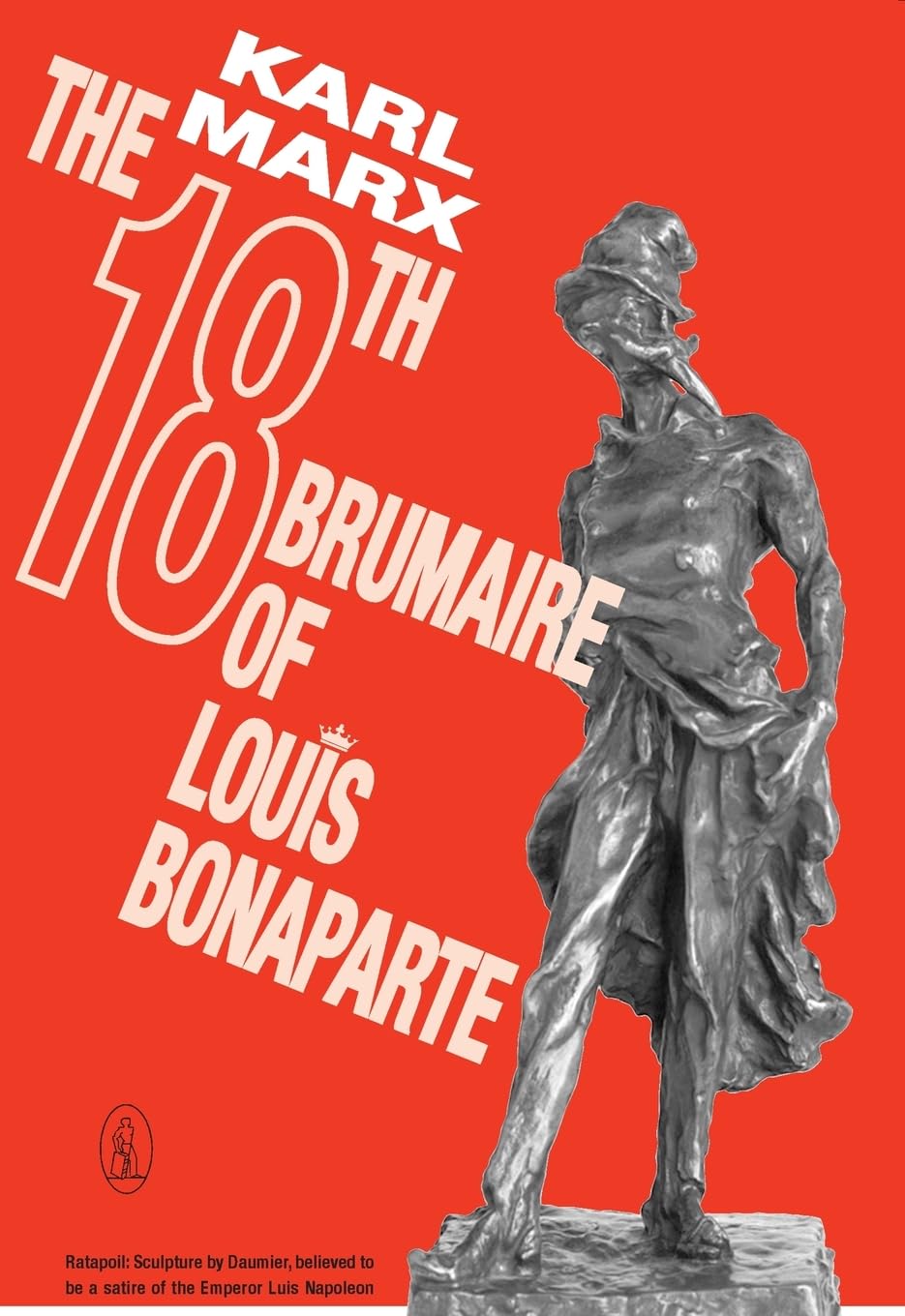
No. 79 on this list. The Eighteenth Brumaire of Louis Bonaparte
Karl Marx · 1852
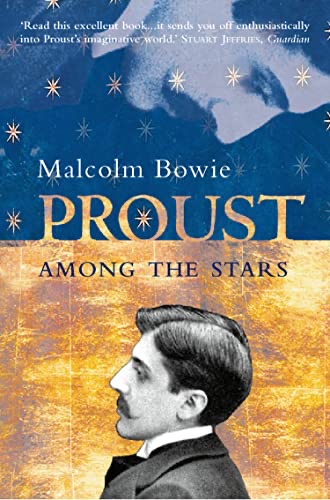
No. 80 on this list. Proust Among the Stars
Malcolm Bowie · 2001
No. 81 on this list. The Implied Reader: Patterns of Communication in Prose Fiction from Bunyan to Beckett
Wolfgang Iser · 1972
No. 82 on this list. The Protestant Ethic and the Spirit of Capitalism
Max Weber · 1905
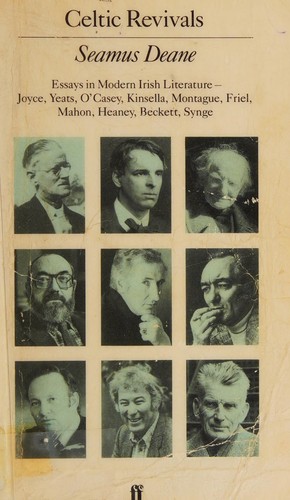
No. 83 on this list. Celtic Revivals
Seamus Deane · 1985
No. 84 on this list. Technics and Civilization
Lewis Mumford · 1934
No. 85 on this list. The Princeton Companion to Classical Japanese Literature
Earl Miner · 1985
No. 86 on this list. Ancient Literary Criticism: The Principal Texts in New Translations
D.A. Russell · 1972
No. 87 on this list. Speak, Memory
Vladimir Nabokov · 1951
No. 88 on this list. The Sacred Wood
T. S. Eliot · 1920
No. 89 on this list. Seven Types of Ambiguity
William Empson · 1930
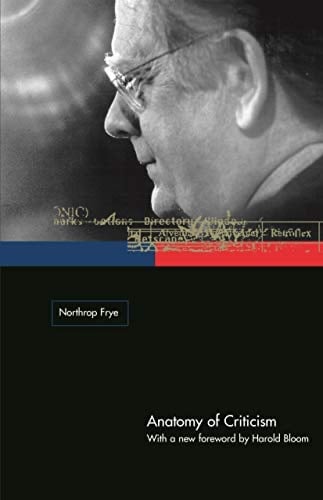
No. 90 on this list. Anatomy of Criticism: Four Essays
Northrop Frye · 1957
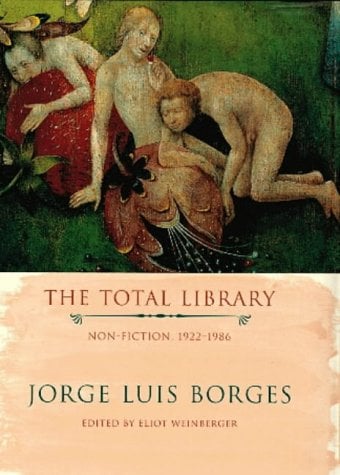
No. 91 on this list. The Total Library: Non-Fiction, 1922–1986
Jorge Luis Borges · 1999
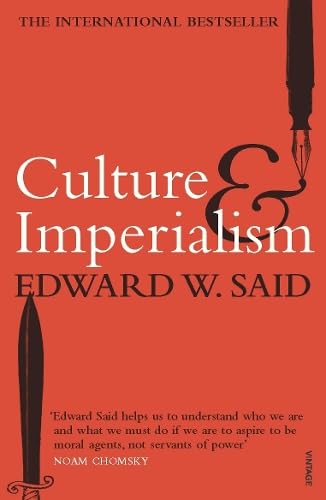
No. 92 on this list. Culture and Imperialism
Edward Said · 1993
No. 93 on this list. The Origins of Totalitarianism
Hannah Arendt · 1951
No. 94 on this list. The Masters and the Slaves: A Study in the Development of Brazilian Civilization
Gilberto Freyre · 1933
No. 95 on this list. The Icon and the Axe: An Interpretive History of Russian Culture
James Billington · 1966
No. 96 on this list. Tolstoy or Dostoevsky: An Essay in the Old Criticism
George Steiner · 1959
No. 97 on this list. Either/Or
Søren Kierkegaard · 1843
No. 98 on this list. Spatial Form in Modern Literature
Joseph Frank · 1945
No. 99 on this list. The Rebel: An Essay on Man in Revolt
Albert Camus · 1951
No. 100 on this list. The Roman Revolution
Ronald Syme · 1939
About this list
These 100 books are the hardest-scoring eligible essay collections currently in the catalogue. Hardest first, the list opens with Écrits, A Thousand Plateaus and Aesthetic Theory. About 1,664 hours of reading in all, for the 99 with measured lengths. Difficulty runs from 69 to 79 out of 100 for the middle half of the list; the summit is Écrits at 94.
This list is ranked by difficulty score, hardest first, with a consistent order for equal scores. Membership follows authors and co-authors, not translators or editors. Catalogue coverage and the historical canon both limit what this list can represent, and genre labels are the catalogue’s own, gathered into broader kinds.
When we matched the Canons dataset to our catalogue in October 2026, our canonical-status scores rose with the number of school curricula, publisher series and lists in it that cite a work: the median score was 72 for books one such source cites, 84 at two, 88 at three, 92 at four and 93 at five or more. Prizes are left out of that count. Outside the state curricula, the dataset’s sources choose mostly from what has been translated into English or French, so it is a weaker check on other literatures. Source: Canons (Andrew Piper), CC BY 4.0
Questions people actually ask
- What are the hardest essay collections to read?
- Ranked hardest first by difficulty score, Écrits, A Thousand Plateaus, Aesthetic Theory, Anti-Oedipus and Dialectic of Enlightenment lead. ReadingRate ranks 100 such books, each with a difficulty score and a reading-time estimate.
- How hard are essay collections to read?
- Most of this list sits between 69 and 79 on ReadingRate's 100-point difficulty scale, where 40 to 55 is moderate. The summit is Écrits at 94. Every entry carries its own score, so a reader can pick a great book at a difficulty they will finish.
- How is this list ranked?
- Nine dimensions, from vocabulary and sentence structure to symbolic density and how much an ending withholds, each scored out of 100 and combined. It measures the text, not the reader, and it leans on meaning: The New York Trilogy scores 87 for how much it withholds, though its sentences are plainer than anything else in the top twenty. Each book's page shows which kind of hard it is.