Hours at an average pace
Showing 100 books
About 763 hours for 99 of 100 books with measured lengths. Estimates use 250 words a minute, adjusted for each book's difficulty. At 2 hours a day, about 382 days for those books.
The Symposium is required reading in virtually every philosophy, classics, and great books curriculum worldwide. It appears on syllabi for philosophy of love, Platonic metaphysics, ancient literature, gender studies, and queer theory courses. Its influence has extended beyond the academy — the concept of 'Platonic love' and Aristophanes' myth of the divided self have entered everyday language. No significant Western education omits it.
Orientalism is required reading in postcolonial studies, comparative literature, cultural studies, history, and Middle Eastern studies curricula worldwide. It appears on thousands of university syllabi across disciplines and is considered foundational to the field of postcolonial criticism. No academic in the humanities can avoid engagement with Said's argument, making it one of the most canonical critical texts of the late 20th century.
On War is the foundational text of modern strategic theory, required reading in virtually every military academy and war college worldwide for nearly two centuries. It appears across thousands of syllabi in political science, international relations, military history, and strategic studies. Wikipedia articles exist in 50+ languages, and Clausewitz's name has become synonymous with strategic thought itself.
The Preface to Lyrical Ballads is the founding manifesto of English Romanticism and appears on every university syllabus in Romantic literature, literary theory, and criticism courses. It is required reading in virtually all English literature programs and is cited as the document that defined the terms of English poetry for the 19th century. Its presence in literary education is as reliable as any text in the tradition.
Compiled after Saussure's death by Charles Bally and Albert Sechehaye from students' notes on his Geneva lectures, it is the founding text of modern linguistics and of structuralism. It is assigned in linguistics, semiotics and literary theory courses worldwide and excerpted in the major theory anthologies.
Three Essays on the Theory of Sexuality is a foundational text in psychology, psychoanalysis, sexuality studies, and cultural theory curricula worldwide. Listed among Le Monde's 100 Books of the Century (1999), the Open Syllabus Top 500 in Literature, and available on Wikipedia in 20 languages. Taught in psychology, philosophy, literature, gender studies, and history of science courses, it is considered inescapable for anyone studying psychoanalysis or the history of sexuality.
The foundational text of American constitutional theory, cited by the Supreme Court.
The Enquiry is a staple of introductory philosophy and early-modern courses worldwide, usually paired with Descartes and Kant. It sits among the core texts of the empiricist tradition.
Woolf asked why women had produced so little literature, then answered with ruthless material specificity: because they lacked money and rooms with locks on the doors. The extended essay fused literary criticism with feminist argument in a voice so controlled that its anger registers as wit, and its conclusions have only become more difficult to refute.
Confucius's students recorded his sayings on ritual, filial piety, and the gentleman-scholar in terse dialogues that became the moral operating system for East Asian civilization. The examination system built on this text selected China's governing class for over a thousand years.

No. 11 on this list. The Structure of Scientific Revolutions · Thomas S. Kuhn · 1962
Standard reading across philosophy and history of science, sociology and science and technology studies, and one of the most assigned academic books of the twentieth century. The phrase 'paradigm shift' entered everyday language from it.
Challenging5.6 hours
Start this bookNo. 12 on this list. Black Skin, White Masks · Frantz Fanon · 1952
One of the foundational texts of postcolonial theory and the phenomenology of race; essential reading in multiple fields.
Challenging6.6 hours
Start this bookNo. 13 on this list. Pensées · Blaise Pascal · 1670
Included in: Great Books of the Western World, UNESCO Collection of Representative Works
One of the masterpieces of French prose and a foundational text of modern religious philosophy. Read continuously since the seventeenth century.
Moderate6.3 hours
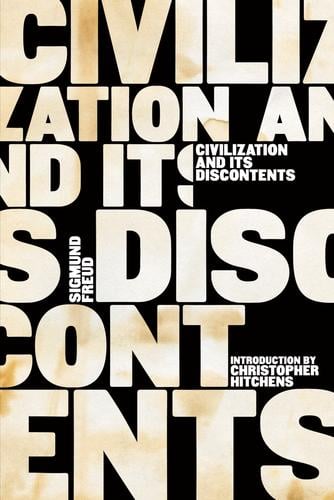
Start this bookNo. 14 on this list. Civilization and Its Discontents · Sigmund Freud · 1930
Civilization and Its Discontents is assigned in philosophy, psychology, political theory, literary criticism, and cultural studies courses across the world's universities. It is among the most widely taught non-fiction texts in higher education, a standard inclusion on humanities syllabi from introductory courses to graduate seminars. No significant survey of 20th-century intellectual history omits it.
Challenging3.4 hours
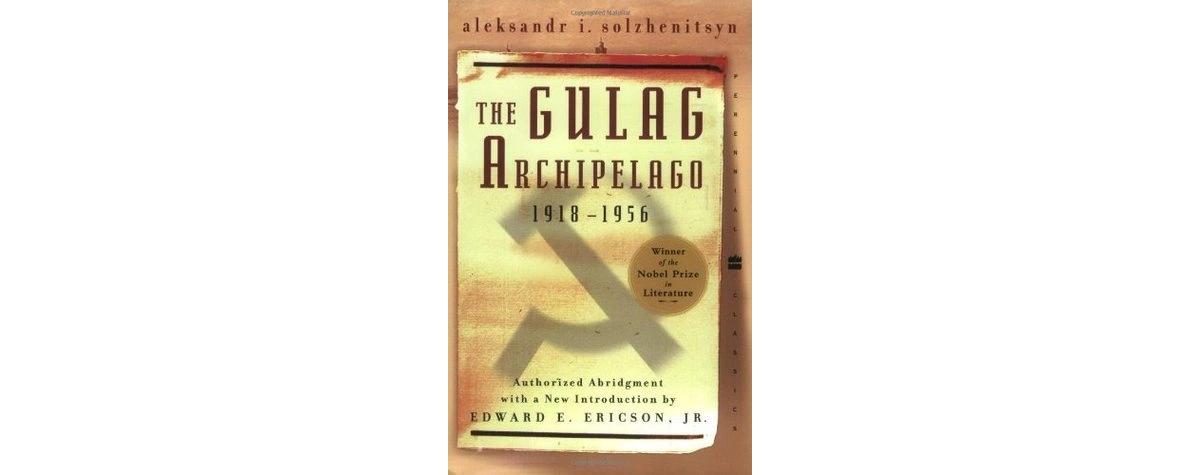
Start this bookNo. 15 on this list. The Gulag Archipelago · Aleksandr Solzhenitsyn · 1973
Solzhenitsyn documented the Soviet forced-labor system with the evidentiary mass of a prosecutor and the moral witness of a survivor, compiling testimony from over two hundred prisoners into a work that made the word "gulag" part of every language. The book did more to delegitimize the Soviet state than any political movement of its era.
Challenging
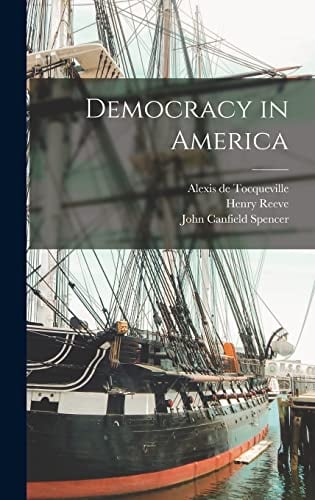
Start this bookNo. 16 on this list. Democracy in America · Alexis de Tocqueville · 1835
Required reading in virtually every political theory, American history, and comparative politics curriculum worldwide. The book has never left print since 1835 and is foundational to democratic theory in political science, sociology, and history departments alike. With Wikipedia articles in over 80 languages and presence on thousands of university syllabi across disciplines, it ranks among the most institutionally canonical works of political thought.
Challenging28 hours
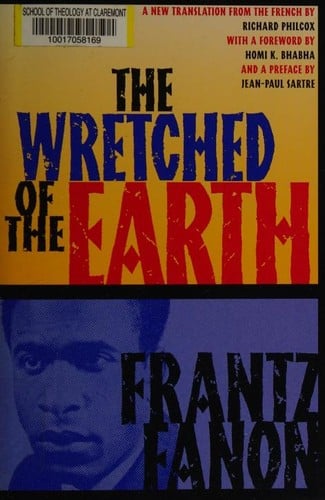
Start this bookNo. 17 on this list. The Wretched of the Earth · Frantz Fanon · 1961
The Wretched of the Earth appears on syllabi in postcolonial studies, African studies, political philosophy, sociology, and literary theory programs worldwide — among the most-assigned theoretical texts of the 20th century. Its Wikipedia article exists in over 40 languages. It is routinely listed alongside Fanon's Black Skin, White Masks as required reading for anyone working in fields touching on race, colonialism, or global politics.
Challenging7.7 hours
Start this bookNo. 18 on this list. Essays: First and Second Series · Ralph Waldo Emerson · 1844
"Self-Reliance" is among the most frequently anthologized essays in American literature, a fixture of high school and university American literature and philosophy syllabi. Emerson's essays sit alongside Thoreau's Walden and Whitman's Leaves of Grass as the founding texts of the American canon.
Challenging11 hours
Start this bookNo. 19 on this list. The Second Sex · Simone de Beauvoir · 1949
Appears on 563 university syllabi (Open Syllabus percentile: 68.8%), making it a fixture of gender studies, philosophy, and feminist theory curricula worldwide. Named to Le Monde's 100 Books of the Century and recognized in 50 Wikipedia languages — signaling global canonical reach. Essential reading in feminist and existentialist philosophy, though not as universally taught as Shakespeare or Frankenstein.
Challenging27 hours
Start this bookNo. 20 on this list. Renaissance Self-Fashioning: From More to Shakespeare · Stephen Greenblatt · 1980
Renaissance Self-Fashioning is the founding text of New Historicism, the dominant mode of literary scholarship from the 1980s through 2000s, and appears on virtually every graduate syllabus in Renaissance literature, literary theory, and cultural studies. Though external data signals show zero entries — likely a cataloguing gap — the book's actual syllabus presence at research universities is pervasive, comparable to major canonical works in its field.
Challenging12 hours
Start this book
No. 21 on this list. Essays · Michel de Montaigne · 1580
Michel de Montaigne retired to his tower library in 1571 and began writing short prose pieces he called 'essais' -- attempts, trials, tests of his own judgment. Over the next twenty years he produced 107 of them, ranging from a few pages to the book-length 'Apology for Raymond Sebond,' revising and expanding relentlessly through three editions. The subject announced on every page is himself: his kidney stones, his reading habits, his fear of death, his sexual life, his distaste for cruelty, his unreliable memory. But Montaigne's self-portrait is a Trojan horse. By examining one particular human specimen with ruthless honesty, he builds a case about the species. Custom, he shows, governs nearly everything we call morality. Reason is a tool that can argue any side of any question. The senses deceive, memory distorts, and certainty -- on any matter beyond immediate experience -- is unavailable to human beings. What remains after this demolition is not despair but a kind of freedom: permission to live attentively within the limits of what one person can actually know. The Essays move by association rather than argument, circling through classical anecdote, personal confession, and philosophical speculation in a voice that sounds, across four centuries, like someone thinking aloud in real time. Montaigne quotes Seneca and Plutarch on every other page, but the governing intelligence is unmistakably his own -- skeptical, humane, amused by his own contradictions, and unwilling to pretend that writing about virtue is the same as practicing it.
Moderate34 hours
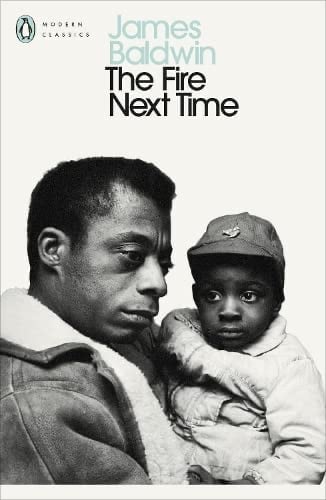
Read nowNo. 22 on this list. The Fire Next Time · James Baldwin · 1963
The Fire Next Time appears on hundreds of university syllabi across African American literature, American literature, and cultural studies courses. It is included on the Modern Library's 100 Best Nonfiction list and Time magazine's 100 Best Non-Fiction Books, and has been in near-continuous use as required reading since its 1963 publication.
Moderate1.7 hours
Start this bookNo. 23 on this list. The Dark Night of the Soul · John of the Cross · 1578
The Dark Night of the Soul is the foundational text of Western Christian mystical theology, studied in theology, religious studies, philosophy, and psychology programs at universities globally. The database shows zero syllabus appearances, but this reflects a collection gap — the Open Syllabus Project covers general humanities syllabi more thoroughly than theology and religious studies curricula. The phrase 'dark night of the soul' has entered secular English as a recognized concept, evidence of canonical penetration beyond religious audiences.
Challenging4.6 hours
Start this bookNo. 24 on this list. The Frogs · Aristophanes · c. 405 BCE
Taught in schools: Montenegrin literature curriculum (crnogorski jezik i književnost) (Montenegro)
Included in: Great Books of the Western World
Dionysus, god of theater and wine, has a problem: Athens has run out of good tragedians. Euripides is dead, Sophocles is dead, and the city's stages are filling up with lesser men. So Dionysus disguises himself as Heracles — borrowed lion-skin and all — and descends into the underworld to bring Euripides back. He takes his slave Xanthias with him, who spends most of the play pointing out that his master is a coward. What begins as a slapstick adventure through Hades — complete with a chorus of literal frogs croaking "Brekekekex koax koax" as Dionysus rows across the Styx — turns into a formal literary debate. Aeschylus and Euripides, both dead, compete for the underworld's throne of poetry. They weigh each other's verses on an actual scale. They trade insults about meters, politics, and moral purpose. Aristophanes wrote this in 405 BCE, the year Athens was losing the Peloponnesian War, and the play's question — what should poetry do for a city in crisis? — had an edge that wasn't merely academic. The comedy is loud, obscene, and intellectually serious in the same breath. Read it expecting a play that treats literary criticism as a matter of civic life and death.
Challenging1.1 hours
Start this bookNo. 25 on this list. Ars Poetica · Horace · c. 19 BCE
The single most influential text on poetics between Aristotle and the Romantics. Foundation of neoclassical literary theory.
Moderate32 min
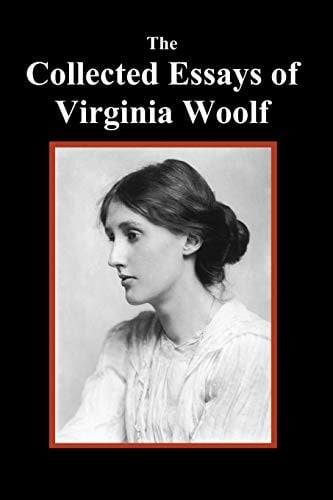
Start this bookNo. 26 on this list. The Collected Essays of Virginia Woolf · Virginia Woolf · 1966
The Collected Essays and The Common Reader are staples of university courses in modernism, literary criticism, and women's writing globally. While no Wikipedia or syllabus data was returned for this specific collection, Woolf's essays are foundational to any survey of 20th-century literary criticism and have been continuously in print since the 1920s.
Moderate5.4 hours
Start this bookNo. 27 on this list. Beowulf and the Critics · J. R. R. Tolkien · 2002
The essay appears on virtually every university syllabus for Old English literature, history of criticism, and medieval studies worldwide. No syllabus data appears in the database, but this reflects a cataloguing gap rather than the essay's true reach—it is the foundational critical statement about Beowulf and the starting point for all subsequent scholarship on the poem.
Challenging1.8 hours
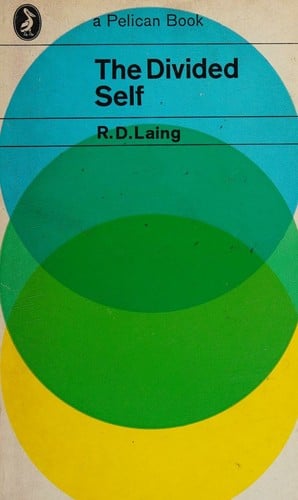
Start this bookNo. 28 on this list. The Divided Self: An Existential Study in Sanity and Madness · R. D. Laing · 1960
Foundational text in existential psychiatry and antipsychiatry; one of the most widely read works in twentieth-century psychology.
Challenging7.6 hours
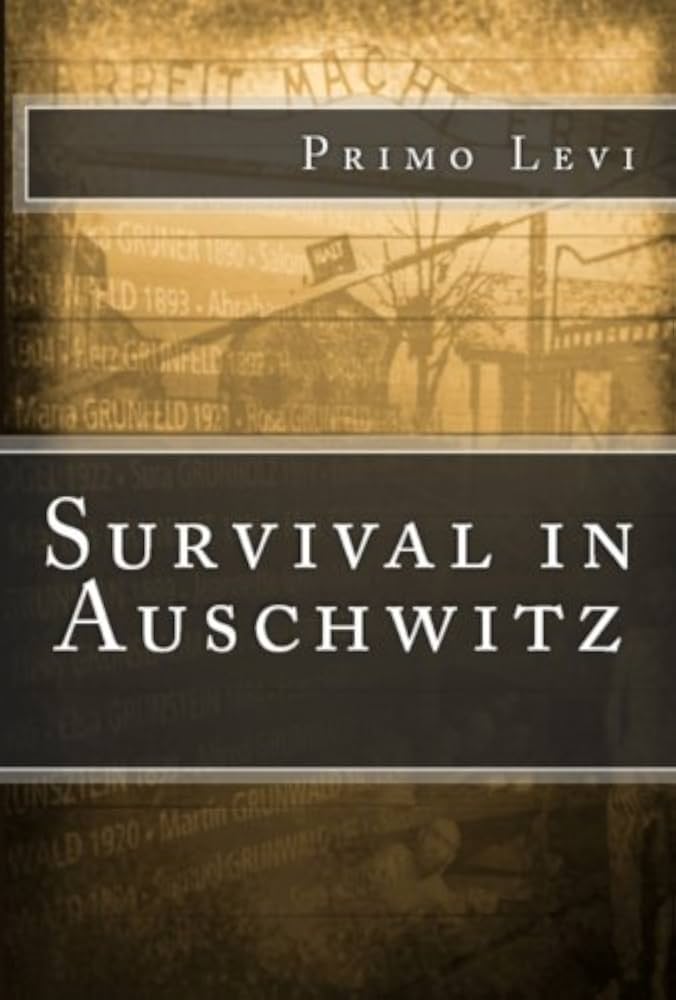
Start this bookNo. 29 on this list. Survival in Auschwitz · Primo Levi · 1947
Taught in schools: Lithuanian literature curriculum (lietuvių kalba ir literatūra)
Taught in universities worldwide across Holocaust studies, history, and literature departments, 'Survival in Auschwitz' is among the handful of Holocaust memoirs considered essential reading for any engagement with 20th-century history. It appears on numerous syllabi in European and American universities, and the Wikipedia article on 'If This Is a Man' exists in over 40 languages, reflecting its global reach. It stands alongside Elie Wiesel's 'Night' as the defining texts of Holocaust testimony.
Moderate4.2 hours
Start this bookNo. 30 on this list. The American Renaissance: Art and Expression in the Age of Emerson and Whitman · F.O. Matthiessen · 1941
American Renaissance is credited with naming and founding the field — the 1850-55 period is still called 'the American Renaissance' because of this book, and it remains standard graduate reading in American literature and American Studies programs. It sits alongside Edmund Wilson's Patriotic Gore as one of the two or three books that created the discipline it now anchors.
Challenging21 hours
Start this book
No. 31 on this list. This Bridge Called My Back
Cherrie Moraga · 1981
No. 32 on this list. Notes of a Native Son
James Baldwin · 1955
No. 33 on this list. What Is History?
E.H. Carr · 1961
No. 34 on this list. Culture and Society: 1780–1950
Raymond Williams · 1958
No. 35 on this list. The Rhetoric of Fiction
Wayne C. Booth · 1961
No. 36 on this list. Perpetual Peace
Immanuel Kant · 1795
No. 37 on this list. Where I Lived, and What I Lived for
No. 38 on this list. The Great Tradition
F.R. Leavis · 1948
No. 39 on this list. Sites of Memory, Sites of Mourning: The Great War in European Cultural History
Jay Winter · 1995
No. 40 on this list. Sand County Almanac
Aldo Leopold · 1949
No. 41 on this list. Ways of Seeing
John Berger · 1972
No. 42 on this list. Mythologies
Roland Barthes · 1957
No. 43 on this list. Eichmann in Jerusalem
Hannah Arendt · 1963
No. 44 on this list. The Poetics of Prose
Tzvetan Todorov · 1971
No. 45 on this list. The Witness of Poetry
Czesław Miłosz · 1983
No. 46 on this list. The Death of the Moth and Other Essays
Virginia Woolf · 1942
No. 47 on this list. The Lives of the Poets
Samuel Johnson · 1781
No. 48 on this list. The Essays
Francis Bacon · 1625
No. 49 on this list. Preface to Cromwell
Victor Hugo · 1827
No. 50 on this list. Theory of Literature
René Wellek · 1949
No. 51 on this list. Patrick White: A Life
David Marr · 1991
No. 52 on this list. The Drowned and the Saved
Primo Levi · 1986
No. 53 on this list. The Well Wrought Urn: Studies in the Structure of Poetry
Cleanth Brooks · 1947
No. 54 on this list. Turkish Literature: A Bio-Bibliographical Survey
E.J.W. Gibb · 1900
No. 55 on this list. The Woman Warrior: Memoirs of a Girlhood Among Ghosts
Maxine Hong Kingston · 1976
No. 56 on this list. Introduction to Poetics
Tzvetan Todorov · 1968
No. 57 on this list. Letter from Birmingham Jail
Martin Luther King Jr. · 1963
No. 58 on this list. Scotland's Books
Robert Crawford · 2007
No. 59 on this list. The Great War and Modern Memory
Paul Fussell · 1975
No. 60 on this list. Annihilation of Caste
B.R. Ambedkar · 1936
No. 61 on this list. Natural Supernaturalism: Tradition and Revolution in Romantic Literature
M. H. Abrams · 1971
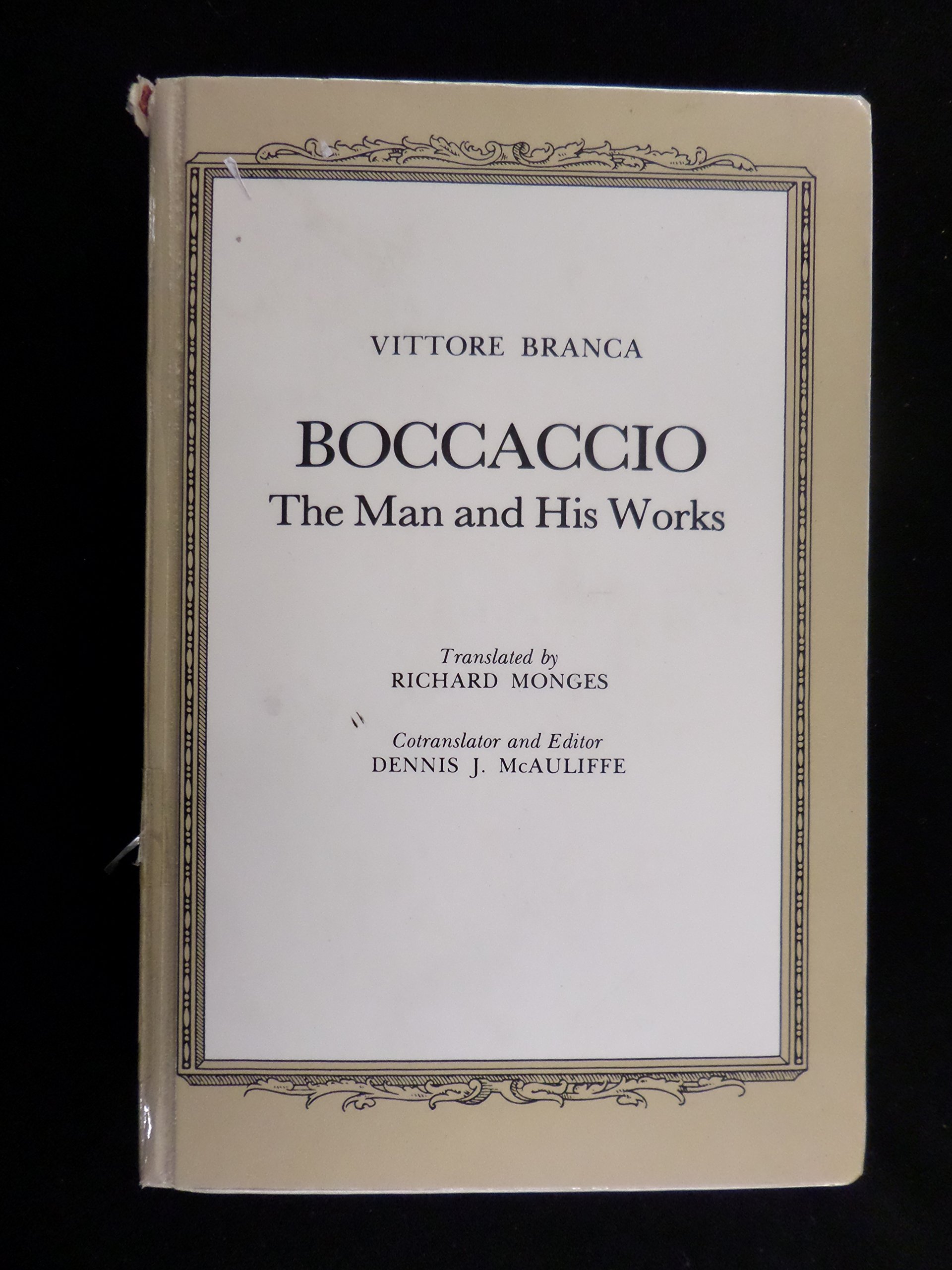
No. 62 on this list. Boccaccio: The Man and His Works
Vittore Branca · 1975
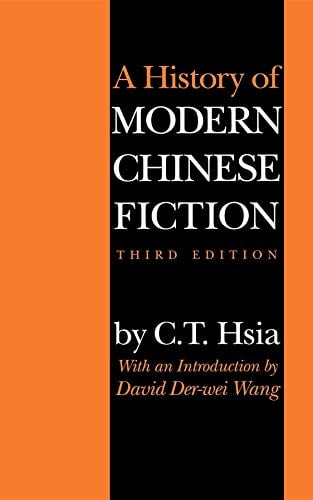
No. 63 on this list. A History of Modern Chinese Fiction
C. T. Hsia · 1961
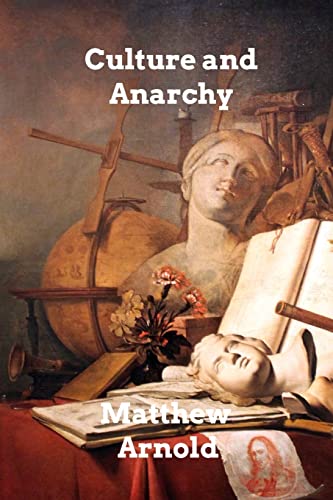
No. 64 on this list. Culture and Anarchy
Matthew Arnold · 1869
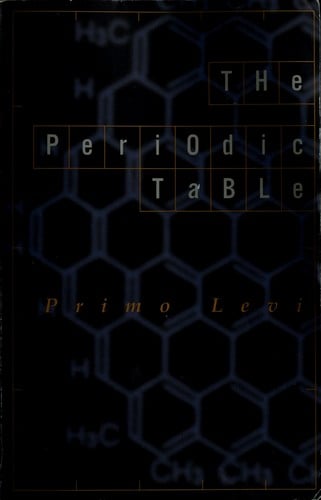
No. 65 on this list. The Periodic Table
Primo Levi · 1975
No. 66 on this list. Modern Japanese Writers and the Nature of Literature
Masao Miyoshi · 1976
No. 67 on this list. Practical Criticism
I.A. Richards · 1929
No. 68 on this list. Writing Lives
Leon Edel · 1984
No. 69 on this list. The Selected Works of Audre Lorde
Audre Lorde · 2020
No. 70 on this list. Epic and Empire: Politics and Generic Form from Virgil to Milton
David Quint · 1993
No. 71 on this list. Slouching Towards Bethlehem
Joan Didion · 1968
No. 72 on this list. Self-Consuming Artifacts: The Experience of Seventeenth-Century Literature
Stanley Fish · 1972
No. 73 on this list. Feminist Theory: From Margin to Center
bell hooks · 1984
No. 74 on this list. Laocoon: An Essay on the Limits of Painting and Poetry
Gotthold Ephraim Lessing · 1766
No. 75 on this list. The Rise of the Novel: Studies in Defoe, Richardson and Fielding
Ian Watt · 1957
No. 76 on this list. Morphology of the Folktale
Vladimir Propp · 1928
No. 77 on this list. The Empty Space
Peter Brook · 1968
No. 78 on this list. Things Fall Apart: A Critical Companion
Ngugi wa Thiong'o · 1986
No. 79 on this list. Understanding Media
Marshall McLuhan · 1964
No. 80 on this list. The Defence of Poesy
Philip Sidney · 1595
No. 81 on this list. Hōjōki: An Account of My Hut
Kamo no Chōmei · 1212
No. 82 on this list. A Defence of Poetry
Percy Bysshe Shelley · 1840
No. 83 on this list. Ibsen: A Biography
Michael Meyer · 1971
No. 84 on this list. Childhood and Society
Erik Erikson · 1950
No. 85 on this list. Sister Outsider
Audre Lorde · 1984
No. 86 on this list. Letters to a Young Poet
Rainer Maria Rilke · 1929
No. 87 on this list. The Cambridge History of Italian Literature
Peter Brand · 1996
No. 88 on this list. A History of Korean Literature
Peter H. Lee · 2003
No. 89 on this list. The Golden Bough
James George Frazer · 1890
No. 90 on this list. The White Album
Joan Didion · 1979
No. 91 on this list. The Power Elite
C. Wright Mills · 1956
No. 92 on this list. On the Sublime
Longinus · 100
No. 93 on this list. Metaphors We Live by
Mark Johnson · 1980
No. 94 on this list. Women, Race & Class
Angela Davis · 1981
No. 95 on this list. The English Novel from Dickens to Lawrence
Raymond Williams · 1970
No. 96 on this list. The Myth of Sisyphus
Albert Camus · 1942
No. 97 on this list. Supernatural Horror in Literature
H.P. Lovecraft · 1927
No. 98 on this list. Dante: The Poet, the Political Thinker, the Man
Barbara Reynolds · 2006
No. 99 on this list. Dreamtigers
Jorge Luis Borges · 1960
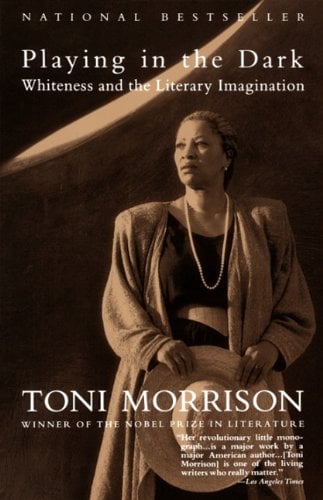
No. 100 on this list. Playing in the Dark: Whiteness and the Literary Imagination
Toni Morrison · 1992
About this list
These 100 books are the highest-scoring eligible moderately difficult essay collections currently in the catalogue. By literary regard, it opens with Symposium, Orientalism and On War. About 763 hours of reading in all, for the 99 with measured lengths. Difficulty runs from 50 to 60 out of 100 for the middle half of the list; the summit is Three Essays on the Theory of Sexuality at 65.
This list is ranked by literary regard, with a consistent order for equal scores. Membership follows authors and co-authors, not translators or editors. Catalogue coverage and the historical canon both limit what this list can represent, and genre labels are the catalogue’s own, gathered into broader kinds.
When we matched the Canons dataset to our catalogue in October 2026, our canonical-status scores rose with the number of school curricula, publisher series and lists in it that cite a work: the median score was 72 for books one such source cites, 84 at two, 88 at three, 92 at four and 93 at five or more. Prizes are left out of that count. Outside the state curricula, the dataset’s sources choose mostly from what has been translated into English or French, so it is a weaker check on other literatures. Source: Canons (Andrew Piper), CC BY 4.0
Questions people actually ask
- What are the best moderately difficult essay collections?
- By literary regard, which weighs canonical status, critical standing and influence, Symposium, Orientalism, On War, Preface to Lyrical Ballads and Course in General Linguistics lead. ReadingRate ranks 100 such books, each with a difficulty score and a reading-time estimate.
- Where should I start with moderately difficult essay collections?
- Start from difficulty, not from rank. The most approachable books on this list that still carry top literary regard are The Empty Space by Peter Brook (about 3.6 hours), Patrick White: A Life by David Marr and Sand County Almanac by Aldo Leopold.
- How hard are moderately difficult essay collections to read?
- Most of this list sits between 50 and 60 on ReadingRate's 100-point difficulty scale, where 40 to 55 is moderate. The summit is Three Essays on the Theory of Sexuality at 65. Every entry carries its own score, so a reader can pick a great book at a difficulty they will finish.
- How is this list ranked?
- On literary-regard data: how canonically established a work is, its critical standing, and its influence on later writing. It is not a readers’ poll, which is why recent bestsellers rarely appear. Membership follows authors and co-authors, not translators or editors. A list that is not a genre list keeps to literature (fiction, poetry, drama and philosophy), with philosophy taking no more than one slot in five while there is literature left to rank; every list holds at most three works by one author.