Hours at an average pace
Showing 65 books
About 784 hours for 65 of 65 books with measured lengths. Estimates use 250 words a minute, adjusted for each book's difficulty. At 2 hours a day, about 392 days for those books.
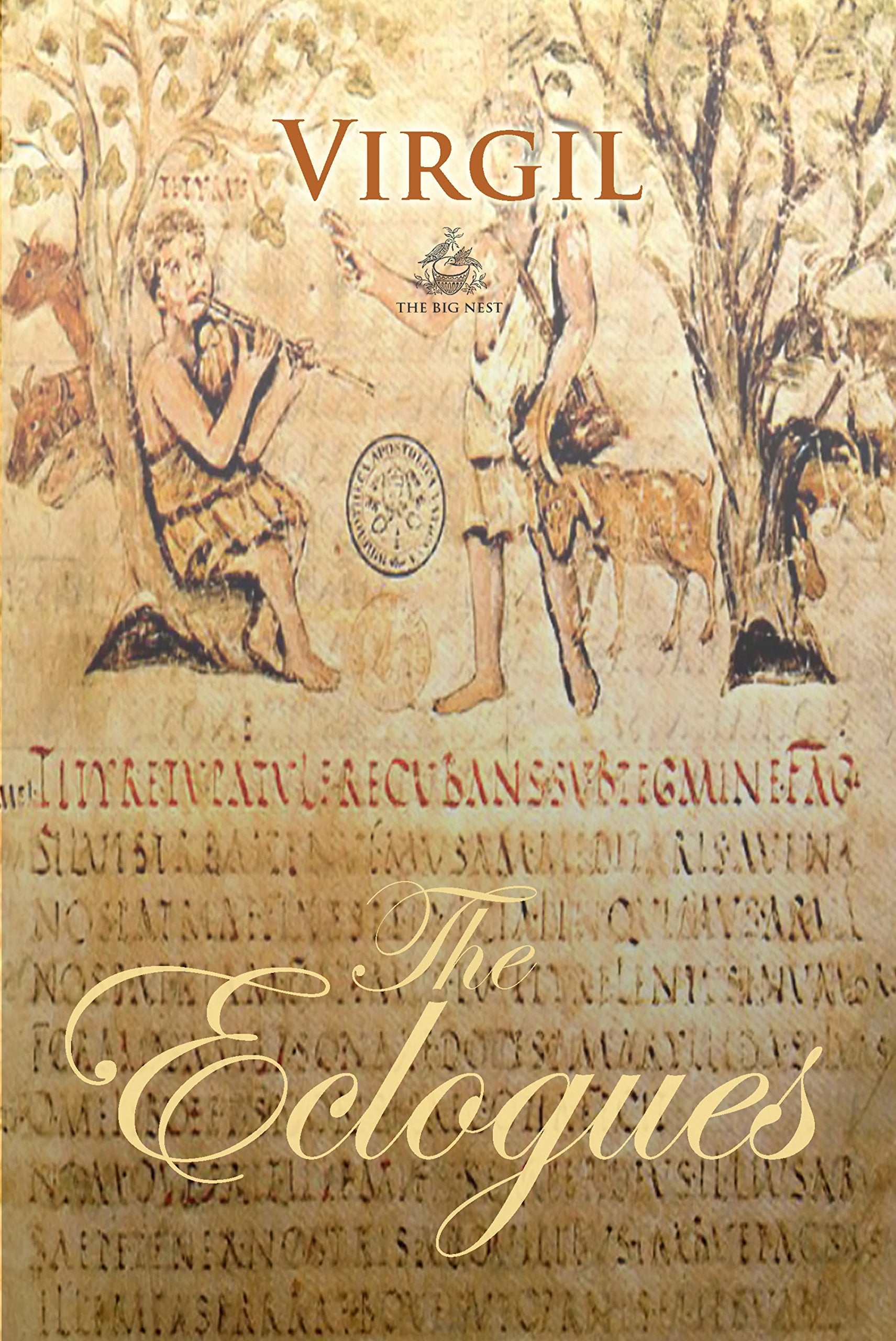
No. 1 on this list. Eclogues
Virgil · c. 37 BCE
Challenging58 min
Included in: Great Books of the Western World
The Eclogues are required reading in classical studies curricula worldwide, appearing on thousands of university syllabi in Latin, comparative literature, and humanities courses. They are among the most translated and discussed poems from antiquity, with Wikipedia articles in over 50 languages and continuous scholarly attention spanning two millennia. Eclogue IV alone has generated centuries of theological and literary debate.
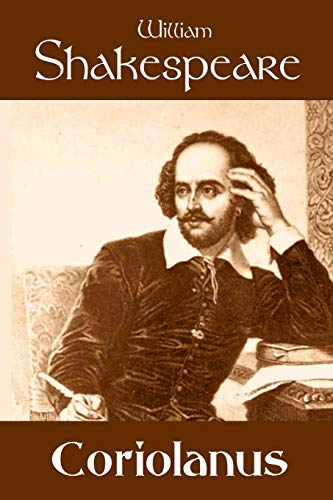
No. 2 on this list. Coriolanus
William Shakespeare · 1608
Challenging2.9 hours
Included in: Great Books of the Western World
Coriolanus is a standard text in Shakespeare curricula and appears on university syllabi in courses on Renaissance drama, political philosophy, and history plays. While taught less frequently than Hamlet, Macbeth, or King Lear, it is required reading in most advanced Shakespeare courses and political drama studies. Its engagement with popular sovereignty and class politics has made it a recurring subject of academic attention.
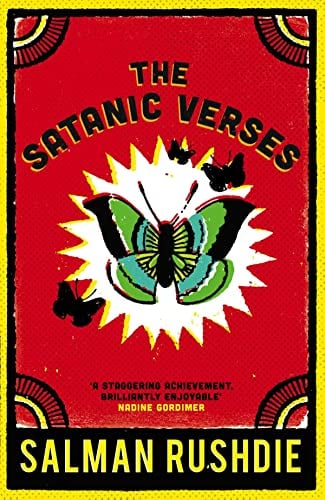
The Satanic Verses occupies singular position in late-twentieth-century literature due to the fatwa issued by Ayatollah Khomeini, making it perhaps the most internationally controversial novel of its era. Beyond the political firestorm, it stands as landmark postcolonial fiction and exemplar of British multicultural literature. The novel appears on standard lists of essential postmodern works and remains central to discussions of migration, identity, and religion in global fiction. Its notoriety ensures permanent place in literary and political history.
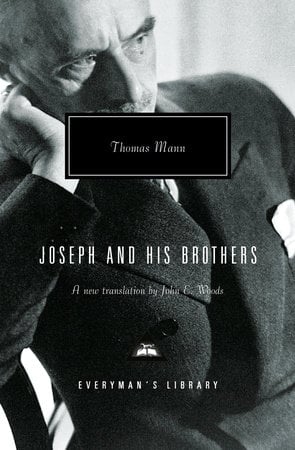
Joseph and His Brothers appears regularly on European and world literature curricula, particularly in German literature courses and modernism seminars. It features on multiple 'greatest novels' lists including Le Monde's 100 Books of the Century. The tetralogy is less frequently taught than Mann's shorter works (Death in Venice, The Magic Mountain) owing to its length, but its canonical standing within the Mann oeuvre and 20th-century literature broadly is secure. The database shows no syllabus or Wikipedia data, but scholarly consensus places this among the defining works of European modernism.
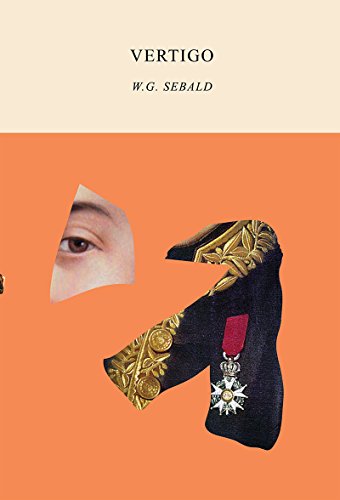
A narrator wanders through northern Italy in the late 1980s, haunted by a sense that the same catastrophe keeps arriving in different costume. He sits in a Verona archive reading newspapers from 1913—the year before everything collapsed—and finds himself unable to leave. In the second section, a figure called Dr K. travels from Vienna to Venice to Riva, conducting a doomed romance with a girl from Genoa and hearing, at a sanatorium dinner table, a general's theory that battles are decided by specific gravity, not willpower. These two time periods—the narrator's present and Franz Kafka's 1913—are laid over each other until they become one.\n\nSebald writes long, unhurried paragraphs that gather subordinate clauses the way rivers gather tributaries: you are always moving forward but the channel keeps widening. Photographs appear without captions. Characters arrive and dissolve. The dead hunter Gracchus, lost between worlds because a helmsman was distracted, recurs as the book's organizing myth—a figure for anyone unable to depart this life entirely.\n\nVertigo is Sebald's first book, the one in which his method first becomes fully itself: a narrator walking through landscapes saturated with historical catastrophe, finding that the past is not behind us but slightly displaced sideways, still happening, still unresolved. The final image is Samuel Pepys's fire seen from a dream of mountain passes—the city burning, pigeons dead on the pavement, the question 'Is this the end of time?' floating unanswered.
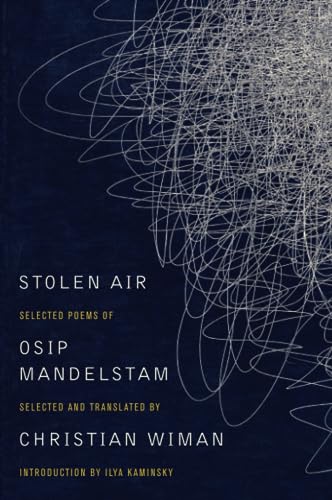
Mandelstam's poetry is taught in world literature and comparative modernism courses globally, and he appears in virtually every anthology of 20th-century poetry. This specific 2022 bilingual edition by Ian Probstein (Academic Studies Press) is a scholarly translation with narrower syllabus presence than the poet's overall reputation warrants. The work as an anthology of Mandelstam's selected poems sits at the center of the Russian modernist canon.
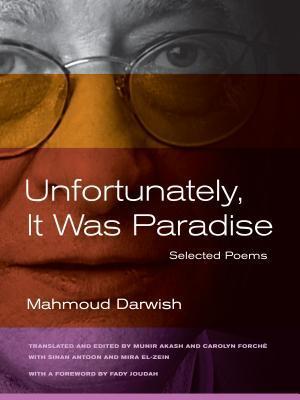
No syllabus data was found in the database for this English translation, but the Arabic originals anchor Darwish as the most-taught Arab poet in world literature and comparative literature courses globally. This collection, published by University of California Press and with a foreword by poet Fady Joudah, is the only comprehensive selected poems in English spanning his entire career. It is widely assigned in Middle Eastern studies, postcolonial literature, and translation studies programs.
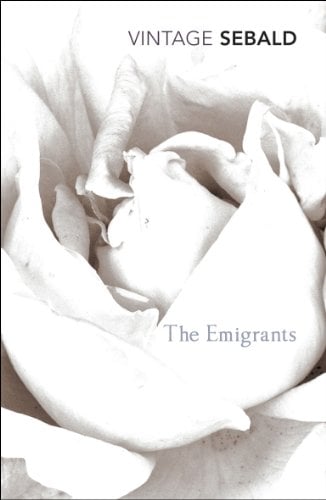
The Emigrants is widely taught in contemporary world literature, post-WWII German literature, and Holocaust literature courses, though it lacks the mass-curriculum presence of more canonical texts. It appears regularly on 'best novels of the 20th century' lists — including The Guardian's 100 Best Novels in English — and is considered essential reading in serious literary circles. Its canonical status is high within literary academia but limited compared to texts like Beloved or One Hundred Years of Solitude.
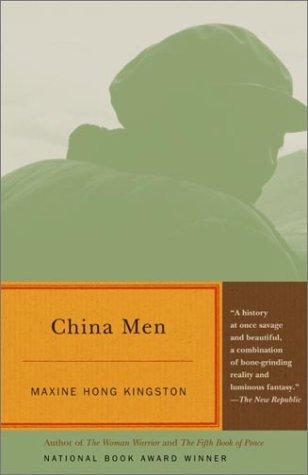
China Men appears regularly on syllabi in Asian-American literature, women's literature, and American studies courses. It is one of the two books — alongside The Woman Warrior — that established Kingston as the field's foundational figure. The book lacks the universal high school assignment status of Beloved or To Kill a Mockingbird but is a standard text in its academic subfields.
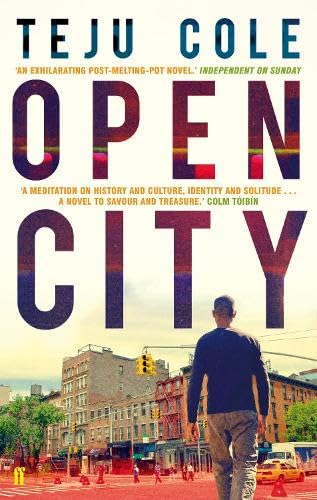
Open City appears on multiple major best-novels-of-the-21st-century lists (The Guardian, Time magazine, NPR) and is widely taught in postcolonial, contemporary fiction, and American literature university courses. It has established canonical status within its decade, though it remains more recent than the settled canon.
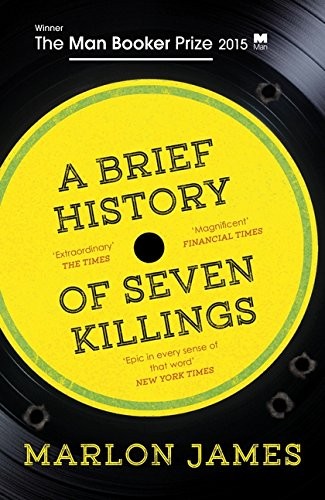
No. 11 on this list. A Brief History of Seven Killings · Marlon James · 2015
Man Booker Prize winner 2015 — a major imprimatur. Appears on 176 syllabi across university courses in postcolonial literature, Caribbean studies, and contemporary fiction. Twelve Wikipedia language editions. Growing but not yet settled canonical presence; it is a recent prize winner still being absorbed into the curriculum rather than a fixture taught for decades. First Caribbean-born writer to win the Booker Prize, which marks its cultural significance.
Difficult26 hours
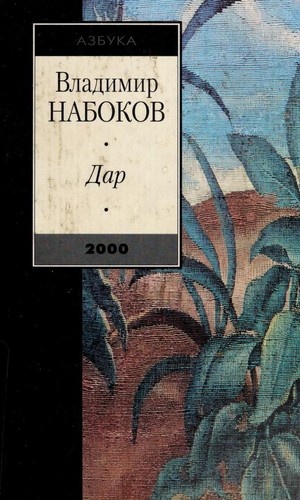
Start this bookNo. 12 on this list. Дар · Vladimir Nabokov · 1938
The Gift is the last and most ambitious of Nabokov's Russian novels and a fixture of courses on Russian émigré literature and on Nabokov. In English it is read less often than Lolita or Pale Fire, which keeps it below his most taught books.
Difficult15 hours
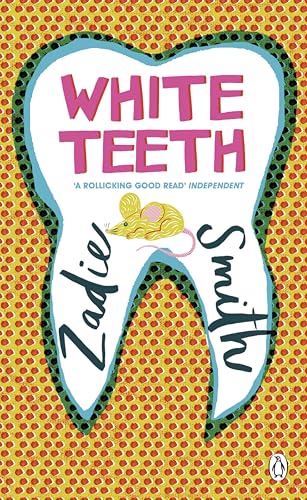
Start this bookNo. 13 on this list. White Teeth · Zadie Smith · 2002
White Teeth appears on 1,210 university syllabi (77th percentile by Open Syllabus), placing it well above cult favorites like Infinite Jest while falling short of Nobel-author anchors like Beloved. Its Wikipedia article spans 12 languages with dedicated Reception and Adaptations sections, reflecting a book that has entered postcolonial and British literature courses worldwide. Named to TIME's All-TIME 100 Novels list in 2005, it is now a standard text in contemporary fiction and multicultural British literature curricula.
Difficult18 hours
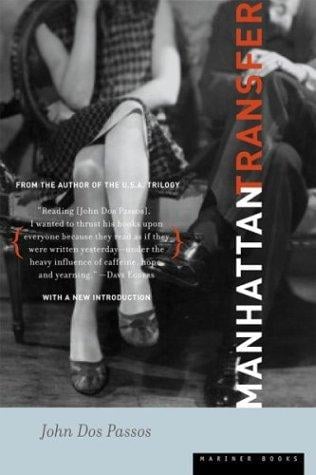
Start this bookNo. 14 on this list. Manhattan Transfer · John Dos Passos · 1925
On Le Monde's 100 Books of the Century, with a Wikipedia article in 8 languages. It is taught in American modernism courses, though less often than Dos Passos's U.S.A. trilogy or the novels of Fitzgerald and Hemingway.
Difficult16 hours
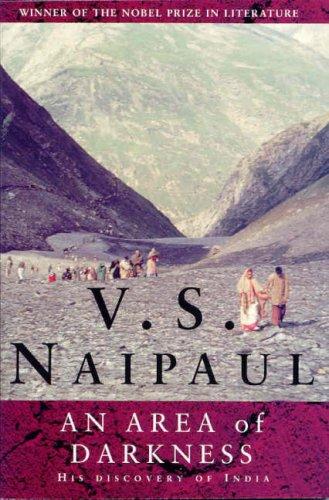
Read nowNo. 15 on this list. The Mimic Men · V.S. Naipaul · 1967
The Mimic Men is a regular text on courses in Caribbean and postcolonial fiction, usually read after A House for Mr Biswas as Naipaul's major novel of colonial politics. It is less widely taught than Biswas but firmly established.
Challenging9.1 hours
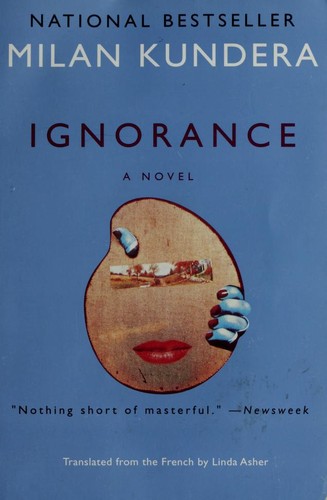
Start this bookNo. 16 on this list. Ignorance · Milan Kundera · 2000
Ignorance appears regularly in world literature and European studies courses, though less frequently than Kundera's The Unbearable Lightness of Being. No syllabus data was available in the database, and no Wikipedia article was found for this specific title, though Kundera's work broadly occupies a firm place in late-20th-century literary curricula. The novel is included in many 'essential Kundera' reading lists and features in comparative literature programs focused on exile, memory, and Central European writing.
Difficult4.5 hours
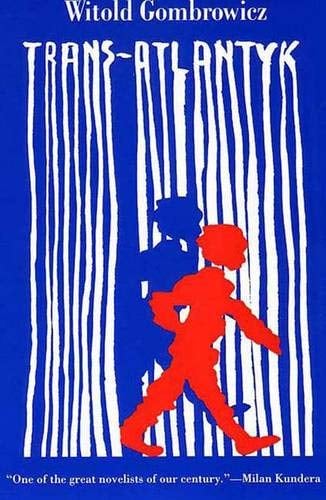
Start this bookNo. 17 on this list. Trans-Atlantyk · Witold Gombrowicz · 1953
Witold Gombrowicz steps off the ocean liner Chrobry in Buenos Aires on August 21, 1939, carrying two suitcases and a secret he cannot say aloud to his compatriots: he is not going back. Within days, World War II breaks out in Poland, and Gombrowicz — already walking down the gravel path, not looking back at the departing ship — begins the twenty-three years of Argentine exile that will produce this novel. Trans-Atlantyk is told in the voice of a gawęda, the baroque fireside chat of 17th-century Polish nobility, its capitalized nouns and run-on sentences and archaic inversions deployed to mock the very traditions they mimic. The narrator attends Polish diplomatic receptions, wanders Buenos Aires nights with Gonzalo — a fabulously rich, hopelessly furtive pursuer of young men — meets a retired major and his beautiful son, and eventually finds himself caught in the Spur Society, a cellar-bound brotherhood of mutual torture bound by bent-barbed spurs that no one dares remove. Each absurd episode is also an allegory: for the self-perpetuating violence of national honor, for the seduction of what Poland forbids, for the question of whether a man can shed his Polishness the way Gregor Samsa shed his humanity. Gombrowicz gives no answers. The novel ends as it began — walking and walking and walking.
Difficult6.1 hours
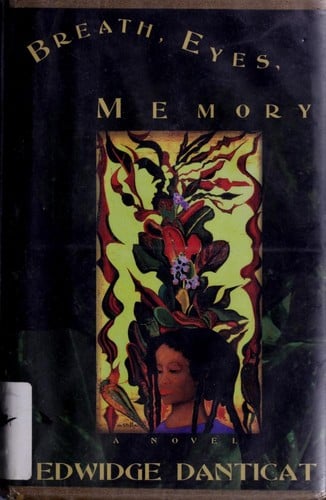
Start this bookNo. 18 on this list. Breath, Eyes, Memory · Edwidge Danticat · 1994
Widely assigned in Caribbean literature, diaspora studies, and postcolonial fiction courses at American universities. Oprah's Book Club selection in 1998 cemented its classroom presence, and it appears consistently on syllabi focused on Haitian-American experience and the literature of trauma. Its reach falls below Nobel-era Caribbean writers like Derek Walcott but well above works with only genre-course placement.
Challenging4.8 hours
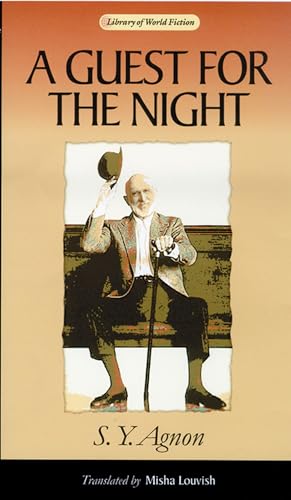
Start this bookNo. 19 on this list. A Guest for the Night · Shmuel Yosef Agnon · 1939
Appears on only 3 university syllabi according to Open Syllabus, reflecting its limited penetration into English-language curricula. In Hebrew literature departments, the novel is a fixture, but global teaching remains confined to specialized courses on Israeli or Jewish literature.
Difficult25 hours
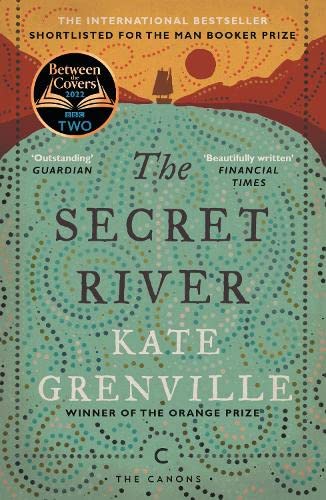
Start this bookNo. 20 on this list. The Secret River · Kate Grenville · 2006
The Secret River (2005) is a modern Australian classic, taught in Australian schools and in university courses on Australian and postcolonial literature. It is among the most widely read Australian novels of the century so far.
Challenging11 hours
Start this book
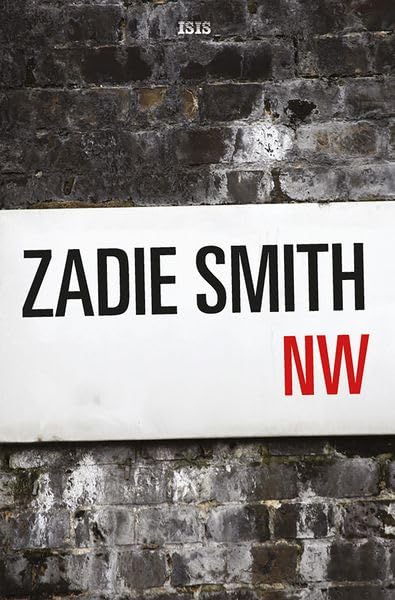
No. 21 on this list. NW · Zadie Smith · 2013
NW is a respected experimental novel by one of Britain's foremost literary voices, but it is not yet canonized. Published in 2012, it received strong reviews and a Women's Prize shortlist, yet it remains overshadowed by White Teeth in Smith's own oeuvre and has not entered standard curricula.
Difficult13 hours
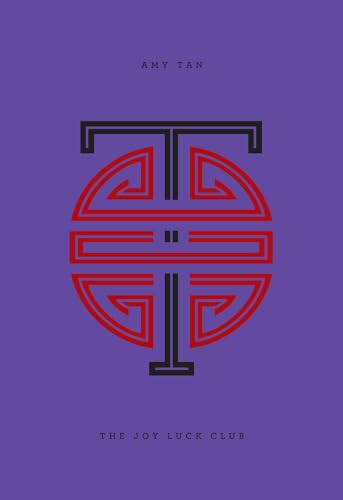
Start this bookNo. 22 on this list. The Joy Luck Club · Amy Tan · 1989
Taught in schools: Common Core text exemplars (Appendix B) (US)
The Joy Luck Club is a fixture of multicultural and Asian-American literature curricula at the high school and university level in the United States. It appears on course reading lists covering immigrant experience, American identity, and women's fiction. Its Wikipedia article exists in multiple languages, reflecting broad international recognition.
Difficult20 hours
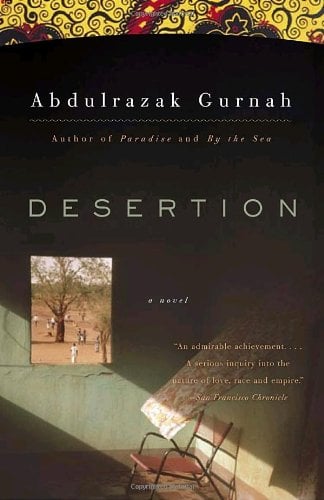
Start this bookNo. 23 on this list. Desertion · Abdulrazak Gurnah · 2005
Desertion appears on 23 university syllabi (34th percentile per Open Syllabus), primarily in postcolonial and world literature courses. Its Wikipedia article spans 54 languages, reflecting global recognition that has grown substantially since Gurnah's Nobel Prize in 2021. It is taught but has not yet achieved the stable fixture status of Nobel works like Beloved.
Challenging9.7 hours
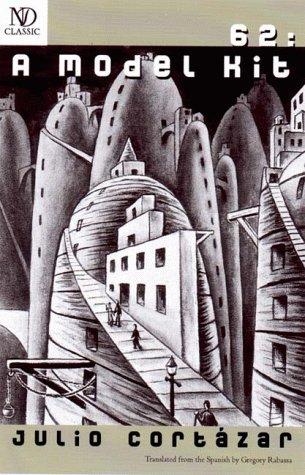
Start this bookNo. 24 on this list. 62: A Model Kit · Julio Cortázar · 1968
62: A Model Kit occupies a niche within Cortázar's canon — taught in Latin American literature and avant-garde fiction courses but absent from most general curricula. No syllabus data was returned, and Wikipedia coverage appears limited. The book is overshadowed within Cortázar's own work by Hopscotch (Rayuela), which commands much higher canonical status globally.
Very Difficult16 hours
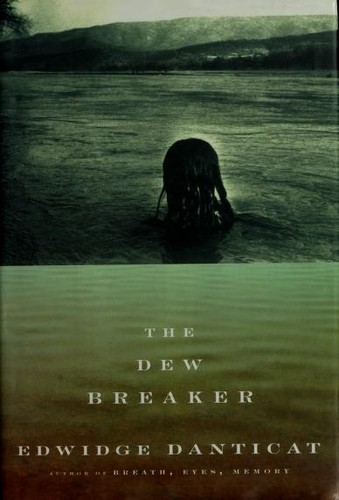
Start this bookNo. 25 on this list. The Dew Breaker · Edwidge Danticat · 2004
The Dew Breaker is regularly assigned in Caribbean diaspora literature, postcolonial studies, and Haitian literature courses at the university level, but it has not achieved the broad adoption of Morrison or Achebe in mainstream American literature curricula. It is a fixture in courses focused on the African diaspora and on immigrant experience in the United States, without reaching the near-universal syllabi presence of canonical anchors like Beloved (85).
Difficult6.6 hours
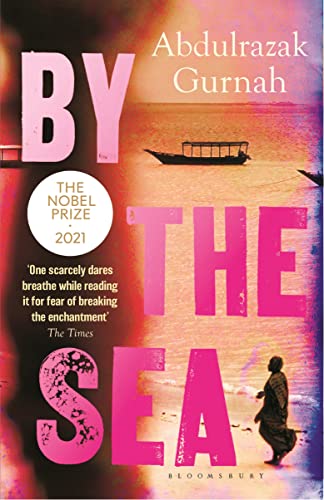
Start this bookNo. 26 on this list. By the Sea · Abdulrazak Gurnah · 2001
Appears on 192 university syllabi (57th percentile per Open Syllabus), primarily in postcolonial and world literature courses. Wikipedia articles in only 6 languages with a brief 1,022-character article indicate limited global reach for this specific title. Gurnah's 2021 Nobel win increased syllabi attention, but By the Sea has not yet achieved the widespread canonical status of major Booker or Pulitzer winners.
Challenging9.4 hours
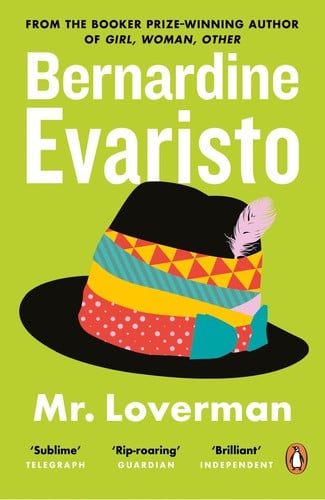
Start this bookNo. 27 on this list. Mr Loverman · Bernardine Evaristo · 2013
Mr Loverman appears on syllabi in postcolonial British literature and diaspora fiction courses, though database signals show limited formal syllabus tracking. Bernardine Evaristo's 2019 Booker Prize win for Girl, Woman, Other significantly raised the novel's academic profile, and it is frequently assigned alongside her other work.
Difficult10 hours
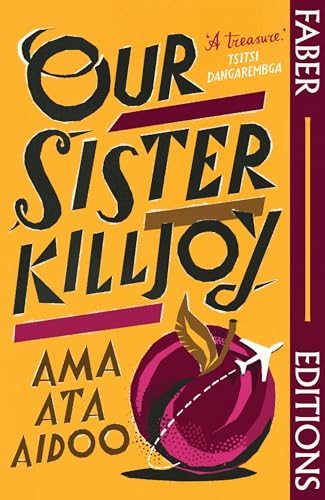
Start this bookNo. 28 on this list. Our Sister Killjoy · Ama Ata Aidoo · 1977
A core text in African literature, postcolonial studies, and feminist literary criticism courses. Less widely assigned than Achebe's Things Fall Apart in general world literature surveys, but essential in any dedicated African women's writing or postcolonial theory course. The Open Syllabus database shows no tracked appearances, but the book's presence in specialized curricula is well-documented in critical literature.
Challenging3.1 hours
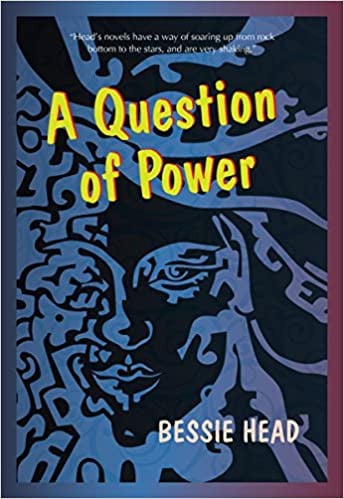
Start this bookNo. 29 on this list. A Question of Power · Bessie Head · 1974
A Question of Power is a fixture in postcolonial literature, African literature, and feminist literature courses worldwide, though it occupies a more specialized niche than canonical Western texts. No automated syllabus data was retrieved, but the novel appears consistently on African literature reading lists and in postcolonial studies curricula.
Challenging7 hours
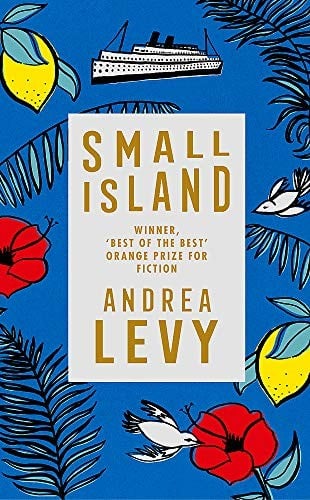
Start this bookNo. 30 on this list. Small Island · Andrea Levy · 2005
Taught in schools: AQA GCSE and A-level English Literature (UK)
Appears on 828 university syllabi (72nd percentile by Open Syllabus), taught primarily in postcolonial literature, Black British literature, and 20th-century British fiction courses. Wikipedia presence spans only 2 languages with a short article, indicating limited global canonical reach beyond English-speaking academic contexts.
Challenging16 hours
Start this book
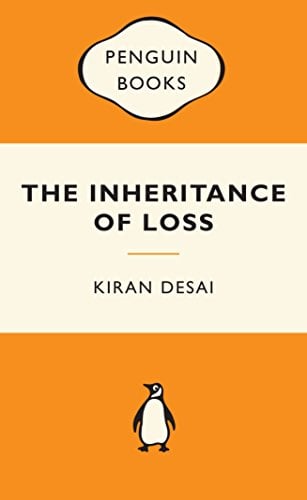
No. 31 on this list. The Inheritance of Loss
Kiran Desai · 2006
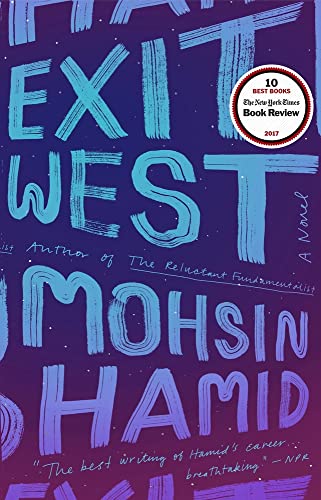
No. 32 on this list. Exit West
Mohsin Hamid · 2017
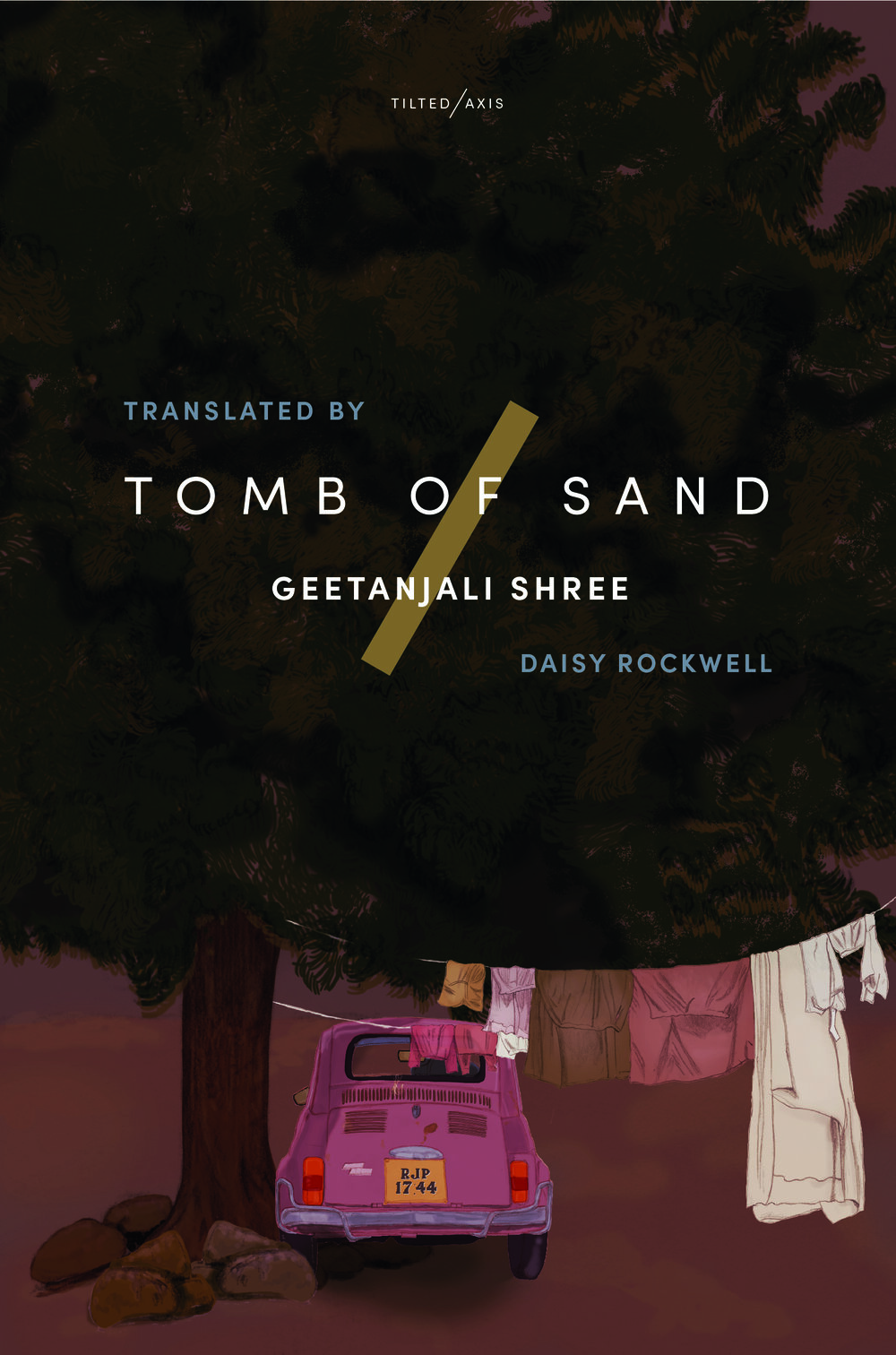
No. 33 on this list. Tomb of Sand
Geetanjali Shree · 2022
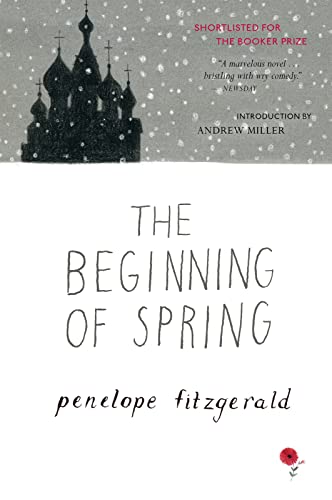
No. 34 on this list. The Beginning of Spring
Penelope Fitzgerald · 1988
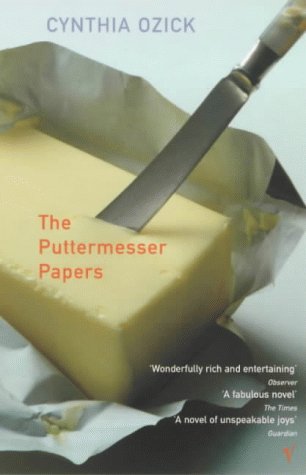
No. 35 on this list. The Puttermesser Papers
Cynthia Ozick · 1997
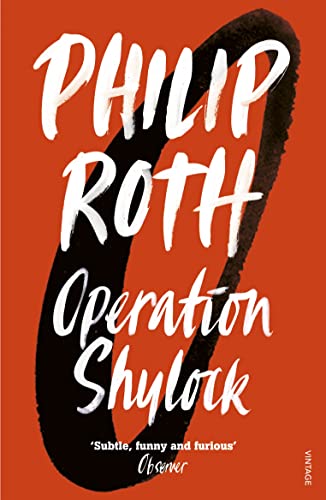
No. 36 on this list. Operation Shylock
Philip Roth · 1994
No. 37 on this list. The Mambo Kings Play Songs of Love
Oscar Hijuelos · 1990
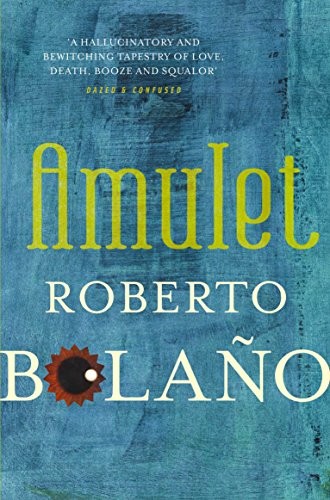
No. 38 on this list. Amulet
Roberto Bolaño · 1999
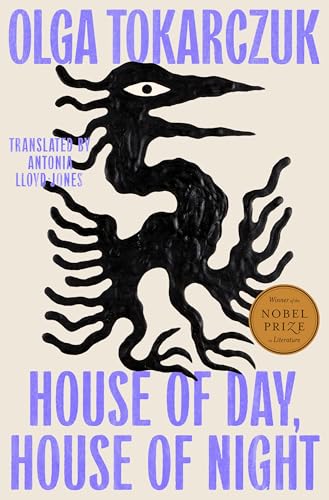
No. 39 on this list. House of Day, House of Night
Olga Tokarczuk · 1998
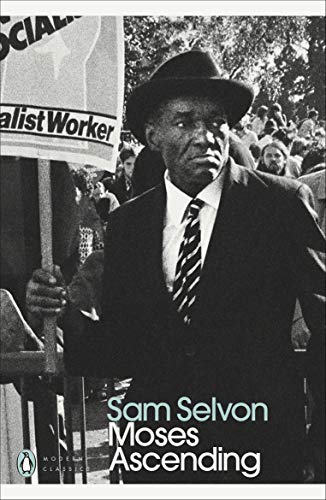
No. 40 on this list. Moses Ascending
Sam Selvon · 1975

No. 41 on this list. Fasting, Feasting
Anita Desai · 1999
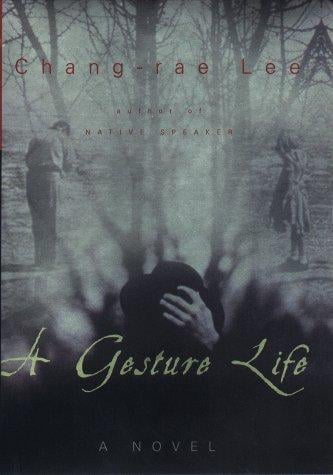
No. 42 on this list. A Gesture Life
Chang-rae Lee · 1999
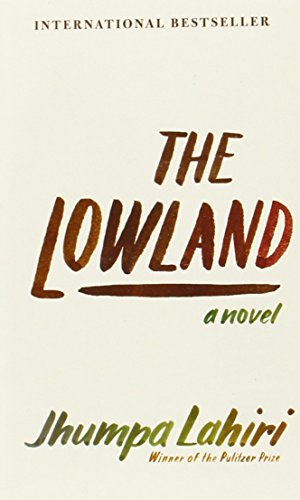
No. 43 on this list. The Lowland
Jhumpa Lahiri · 2013
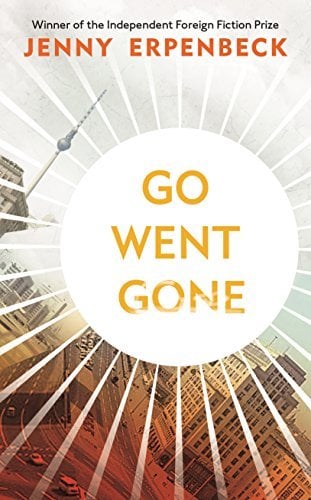
No. 44 on this list. Go, Went, Gone
Jenny Erpenbeck · 2015
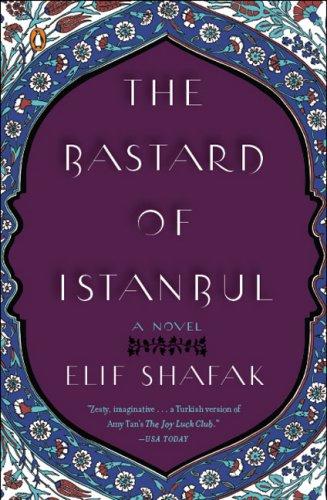
No. 45 on this list. The Bastard of Istanbul
Elif Shafak · 2006
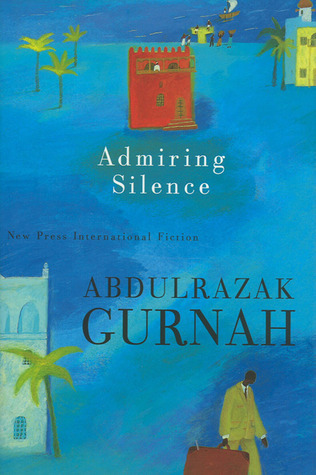
No. 46 on this list. Admiring Silence
Abdulrazak Gurnah · 1996
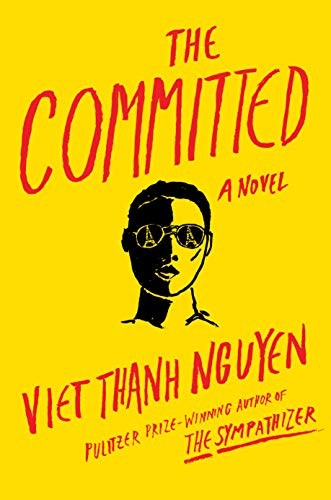
No. 47 on this list. The Committed
Viet Thanh Nguyen · 2021
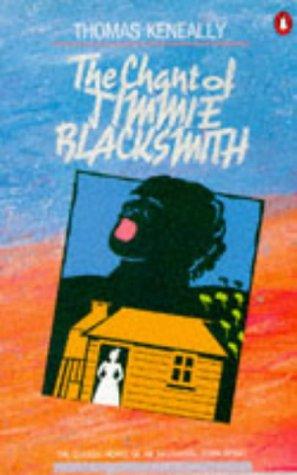
No. 48 on this list. The Chant of Jimmie Blacksmith
Thomas Keneally · 1972
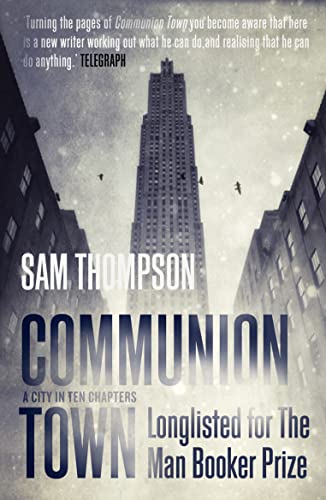
No. 49 on this list. Communion Town
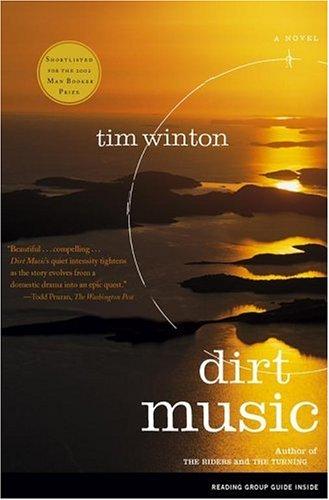
No. 50 on this list. Dirt Music
Tim Winton · 2002
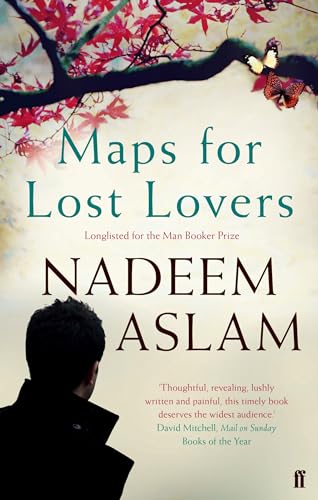
No. 51 on this list. Maps for Lost Lovers
Nadeem Aslam · 2004
No. 52 on this list. Memoirs of a Polar Bear
Yoko Tawada · 2011
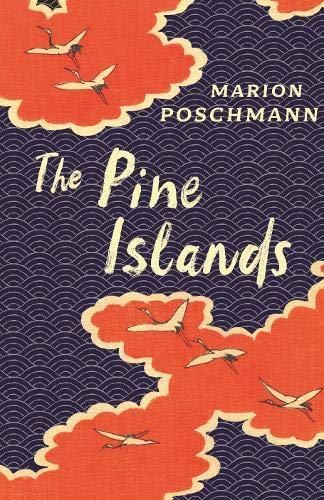
No. 53 on this list. The Pine Islands
Marion Poschmann · 2019
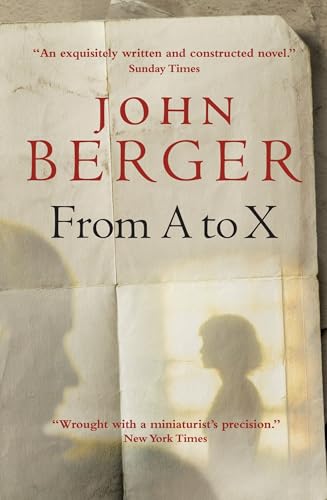
No. 54 on this list. From A to X
John Berger · 2008
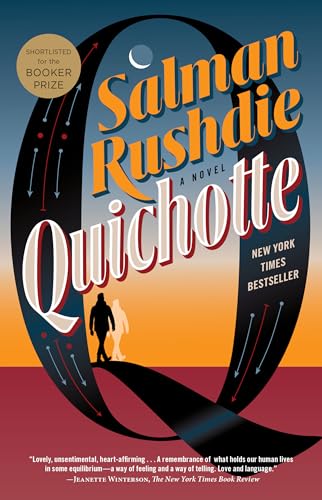
No. 55 on this list. Quichotte
Salman Rushdie · 2019
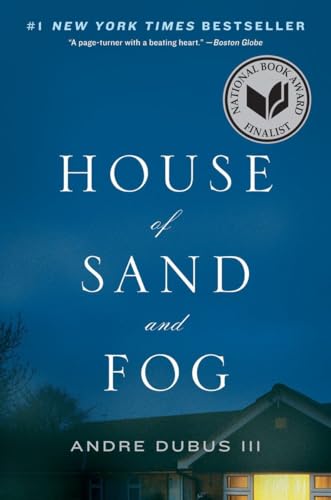
No. 56 on this list. House of Sand and Fog
Andre Dubus III · 1999
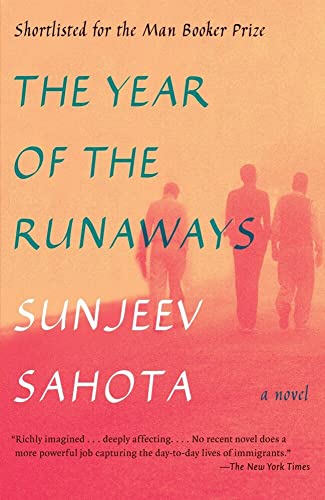
No. 57 on this list. The Year of the Runaways
Sunjeev Sahota · 2015
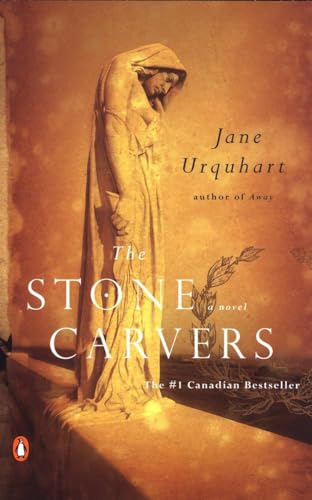
No. 58 on this list. The Stone Carvers
Jane Urquhart · 2001
No. 59 on this list. If I Survive You
Jonathan Escoffery · 2023
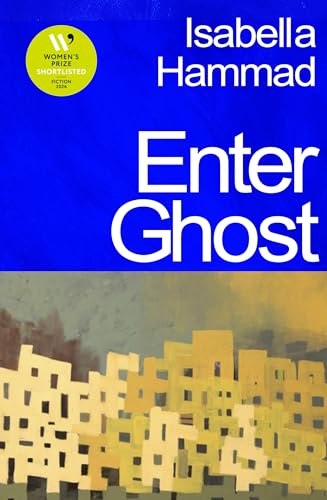
No. 60 on this list. Enter Ghost
Isabella Hammad · 2024


About this list
These 65 books are the highest-scoring eligible challenging books about exile and displacement currently in the catalogue. About 784 hours of reading in all. Difficulty runs from 68 to 74 out of 100 for the middle half of the list; the summit is 62: A Model Kit at 87.
This list is ranked by literary regard, with a consistent order for equal scores. Membership follows authors and co-authors, not translators or editors. A book is here when ReadingRate files it under Exile & Displacement as one of its primary reading domains, at a confidence of 0.8 or more. Catalogue coverage and the historical canon both limit what this list can represent.
When we matched the Canons dataset to our catalogue in October 2026, our canonical-status scores rose with the number of school curricula, publisher series and lists in it that cite a work: the median score was 72 for books one such source cites, 84 at two, 88 at three, 92 at four and 93 at five or more. Prizes are left out of that count. Outside the state curricula, the dataset’s sources choose mostly from what has been translated into English or French, so it is a weaker check on other literatures. Source: Canons (Andrew Piper), CC BY 4.0
Questions people actually ask
- What are the best challenging books about exile and displacement?
- By literary regard, which weighs canonical status, critical standing and influence: Eclogues by Virgil, Coriolanus by William Shakespeare, The Satanic Verses by Salman Rushdie, Joseph and His Brothers by Thomas Mann and Vertigo by W.G. Sebald. ReadingRate ranks 65 such books, each with a difficulty score and a reading-time estimate.
- Which challenging books about exile and displacement should I read first?
- Start from difficulty, not from rank. The most approachable books on this list that still carry top literary regard are Breath, Eyes, Memory by Edwidge Danticat (about 4.8 hours), China Men by Maxine Hong Kingston and The Mimic Men by V.S. Naipaul.
- What are the shortest of the best challenging books about exile and displacement?
- Among the top 25, the shortest are Eclogues by Virgil (about 58 min), Coriolanus by William Shakespeare (about 2.9 hours) and Unfortunately, It Was Paradise by Mahmoud Darwish (about 3.8 hours), at an average pace of 250 words a minute adjusted for each book's difficulty.
- Which of the best challenging books about exile and displacement are the established classics?
- By canonical status, how firmly a book sits in curricula, anthologies and the canon: Eclogues by Virgil, The Satanic Verses by Salman Rushdie, Coriolanus by William Shakespeare, Joseph and His Brothers by Thomas Mann and Minima Moralia by Theodor W. Adorno.
- Can I read any of these challenging books about exile and displacement for free?
- 3 of the 65 open in ReadingRate's reader with a free account, from public-domain editions: Eclogues, Coriolanus and Manhattan Transfer.
- How long would it take to read the top ten?
- About 145 hours, at an average pace of 250 words a minute adjusted for each book's difficulty: 73 days at two hours a day. Set your own pace on the page and the list's reading times change to it.
- How hard are challenging books about exile and displacement to read?
- Most of this list sits between 68 and 74 on ReadingRate's 100-point difficulty scale, where 40 to 55 is moderate. The summit is 62: A Model Kit at 87. Every entry carries its own score, so a reader can pick a great book at a difficulty they will finish.
- How is this list ranked?
- On literary-regard data: how canonically established a work is, its critical standing, and its influence on later writing. It is not a readers’ poll, which is why recent bestsellers rarely appear. Membership follows authors and co-authors, not translators or editors. Lists by country, author, period, theme or difficulty keep to literature (fiction, poetry, drama and philosophy), their novels, poems and plays first and their philosophy after them; a list of a kind of book, such as memoir or criticism, keeps every book of that kind. Every list holds at most three works by one author. A book is here when ReadingRate files it under Exile & Displacement as one of its primary reading domains, at a confidence of 0.8 or more.