Hours at an average pace
Showing 100 books
About 648 hours for 99 of 100 books with measured lengths. Estimates use 250 words a minute, adjusted for each book's difficulty. At 2 hours a day, about 325 days for those books.
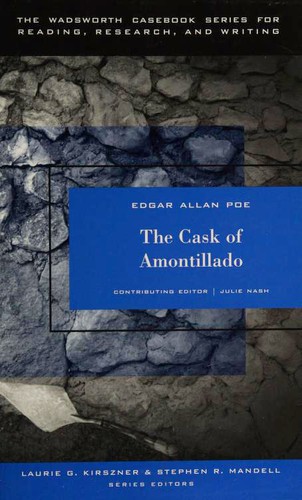
One of the most anthologised short stories in English and a standard school text.
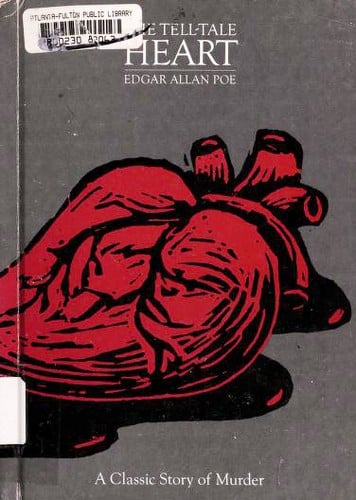
No. 2 on this list. The Tell-Tale Heart
Edgar Allan Poe · 1843
Moderate33 min
Taught in schools: Pacific Senior Secondary Certificate – English
One of the most taught short stories in the English-speaking world.
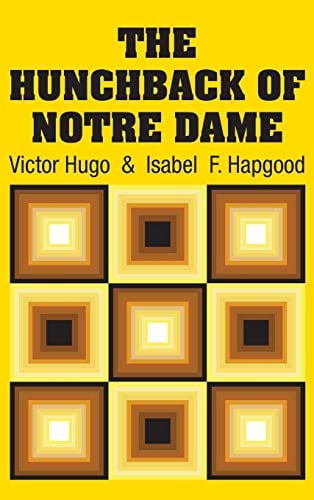
Among Hugo most famous novels. Sparked Gothic Revival and cathedral preservation movement.
Ranked by literary regard among eligible works in the current catalogue. This position reflects the available catalogue evidence.
No. 5 on this list. Jane Eyre
Charlotte Brontë · 1847
Moderate13 hours
Taught in schools: AQA GCSE and A-level English Literature (UK), Common Core text exemplars (Appendix B) (US), CSEC English B – Caribbean Examinations Council
Appears on 6,194 university syllabi according to Open Syllabus — placing it at the 94.8th percentile — and its Wikipedia article spans 59 languages with dedicated Reception and Adaptations sections. Jane Eyre is a fixture of Victorian literature courses worldwide and features on both the Open Syllabus Top 500 Literature list and the BBC Big Read Top 100.
No. 6 on this list. The Strange Case of Dr Jekyll and Mr Hyde
Robert Louis Stevenson · 1886
Challenging1.9 hours
Taught in schools: AQA GCSE and A-level English Literature (UK), OCR GCSE and A-level English Literature (UK)
One of the most widely taught Victorian texts in English literature curricula at every level, from secondary school to university. The phrase 'Jekyll and Hyde' has entered common English as a synonym for dual personality. The novella appears on virtually every list of essential 19th-century fiction and is a fixture in Gothic literature, Victorian studies, and psychology-and-literature courses worldwide.
No. 7 on this list. Dracula
Bram Stoker · 1897
Moderate11 hours
Taught in schools: CSEC English B – Caribbean Examinations Council, Leaving Certificate English – NCCA / State Examinations Commission (Ireland), OCR GCSE and A-level English Literature (UK)
Included in: Bibliothèque de la Pléiade
Among the most famous novels ever written. Created the modern vampire and generated endless adaptation.
The Queen of Spades is a cornerstone of Russian literature curricula worldwide and one of the most-taught short fictions in Slavic studies programs. The Wikipedia article appears in 16 languages, reflecting significant global reach for a short story. Pushkin's tale is included in virtually every survey of Russian literature and in many world literature anthologies alongside Chekhov and Gogol.
The Mystery of Edwin Drood appears regularly on Victorian literature and Dickens course syllabi at universities worldwide, taught both as a late Dickens text and as a unique object — a canonical novel frozen in its own incompletion. The unfinished mystery has been a pedagogical touchstone for discussions of narrative, authorship, and closure since Dickens's death. Its Wikipedia article exists in over 40 languages and includes dedicated sections on adaptations and reception, indicating significant global cultural reach beyond English-language scholarship.
The Haunting of Hill House is widely recognized as the definitive American haunted-house novel and one of the finest works of Gothic fiction in the English language. It has been continuously in print since 1959 and is regularly taught in university courses on American literature, Gothic studies, and the horror genre. Stephen King called its opening paragraph the finest in the history of horror fiction. It appears on virtually every serious list of essential horror and Gothic novels and has been adapted for film (twice) and television (the acclaimed 2018 Netflix series).
No. 11 on this list. Villette · Charlotte Brontë · 1853
Widely taught in advanced 19th-century literature courses and Victorian fiction seminars, though less ubiquitous than Jane Eyre. Contemporary scholarship increasingly positions Villette as Brontë's most sophisticated novel; it appears regularly on university syllabi in feminist literary criticism and psychological realism tracks.
Challenging15 hours
Read nowNo. 12 on this list. The Yellow Wall-Paper · Charlotte Perkins Gilman · 1892
It is a fixture of American literature and women's studies courses and widely anthologized. Its place sits just below the great canon, and the Open Library record lists it among open syllabus project works.
Moderate6.2 hours
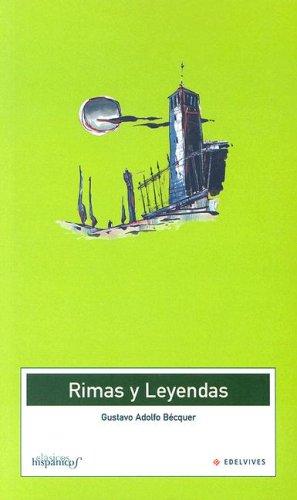
Start this bookNo. 13 on this list. Rhymes and Legends · Gustavo Adolfo Bécquer · 1871
The most memorised body of poetry in Spanish after the Coplas, required across Spanish-language secondary education.
Moderate4.1 hours
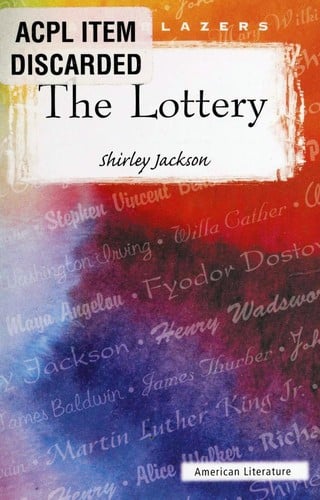
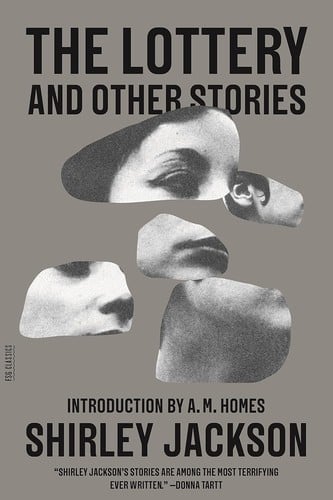
Start this bookNo. 14 on this list. The Lottery and Other Stories · Shirley Jackson · 1949
The title story 'The Lottery' is one of the most anthologized and taught short stories in the American canon, appearing in virtually every introduction-to-fiction textbook. The collection itself appears regularly on American short-story syllabi. Jackson's work has experienced a major critical reassessment since the 2010s, elevating her from genre curiosity to recognized American master.
Moderate5.3 hours
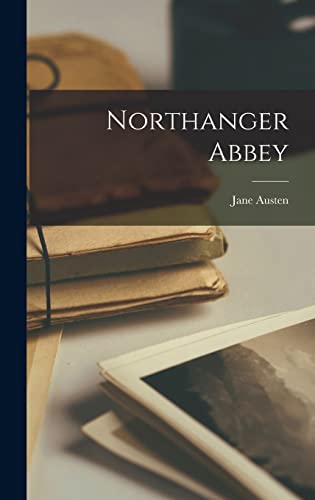
Start this bookNo. 15 on this list. Northanger Abbey · Jane Austen · 1818
Taught in schools: AQA GCSE and A-level English Literature (UK)
Northanger Abbey appears on 82 university syllabi according to the Open Syllabus Project, placing it at the 47th percentile — widely taught in British literature and Regency fiction courses but not as ubiquitous as Pride and Prejudice. Its Wikipedia article spans 28 languages with an adaptations section, indicating solid global recognition. As the least canonical of Austen's major novels, it anchors the lower end of her recognized corpus.
Moderate5.1 hours
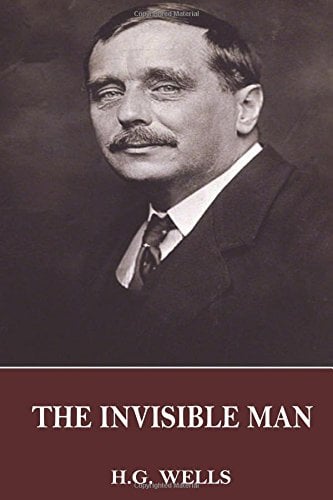
Read nowNo. 16 on this list. The Invisible Man · H.G. Wells · 1897
The Invisible Man occupies a firm place in the science fiction canon and appears on university syllabi worldwide, particularly in courses on early SF and Victorian literature. H.G. Wells's scientific romances are among the most consistently reprinted and anthologized works in the genre. While not at the level of Great Expectations or The Great Gatsby in general literary curricula, it is a standard text in SF and genre studies.
Moderate3.3 hours
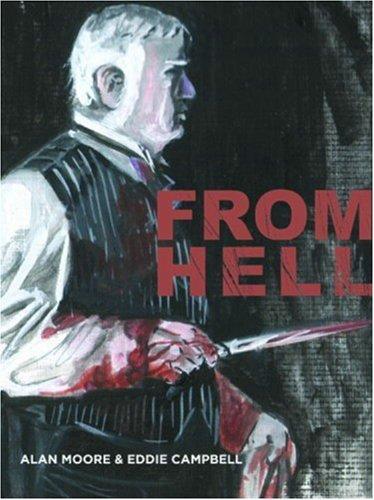
Start this bookNo. 17 on this list. From Hell · Alan Moore · 1999
Widely regarded as one of the greatest graphic novels ever produced. A staple of comics criticism and increasingly taught in university courses.
Moderate8 hours
Start this bookNo. 18 on this list. The Island of Doctor Moreau · H.G. Wells · 1896
Wells's novel is a staple of science fiction courses and Victorian/Edwardian literature curricula. It appears regularly on syllabi covering proto-SF, gothic horror, and bioethics, though not with the saturation of Frankenstein. It is consistently included in genre retrospectives and foundational SF lists, placing it well above cult-only status but below true classroom ubiquity.
Moderate2.9 hours
Start this bookNo. 19 on this list. Dr. Jekyll and Mr. Hyde · Robert Louis Stevenson
Taught in schools: CSEC English B – Caribbean Examinations Council, Pearson Edexcel GCSE and A-level English Literature (UK)
No syllabus or Wikipedia data has been collected for this record yet, but the novella is a fixture of English curricula from secondary school through university, and "Jekyll and Hyde" has become common shorthand for a divided personality—cultural saturation on par with Frankenstein and Dracula.
Moderate1.7 hours
Start this bookNo. 20 on this list. The Sandman · Neil Gaiman · 1989
The Sandman occupies a privileged position in the canon of graphic literature and appears regularly in university courses on comics studies, mythology in popular culture, and genre fiction. It is consistently cited on 'essential graphic novels' lists and is taught in courses on sequential art at major universities. Within its medium, its canonical status approaches that of Ulysses in prose — foundational, required — though graphic novel courses reach fewer syllabi overall than prose literature courses. The DB returned no syllabus data, but external sources confirm strong academic presence in comics and cultural studies contexts.
Moderate17 hours
Start this book
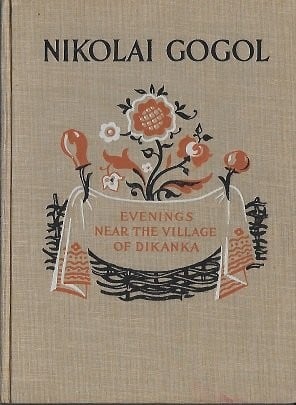
No. 21 on this list. Evenings on a Farm Near Dikanka · Nikolai Gogol · 1832
Evenings on a Farm Near Dikanka is a foundational text in Russian and Ukrainian literary history, appearing in Slavic literature and comparative folklore curricula worldwide. While it lacks the global syllabus penetration of Gogol's later Dead Souls or The Overcoat — works more central to realism courses — it is the required starting point for any study of Gogol's development. The book is likely in the 60th–70th percentile of canonical teaching across world literature programs.
Moderate5.8 hours
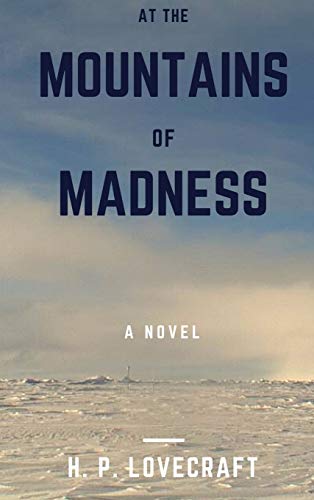
Start this bookNo. 22 on this list. At the Mountains of Madness · H.P. Lovecraft · 1936
A cornerstone of weird fiction and cosmic horror, widely taught in genre studies and horror literature courses. No verified syllabus data was found in the database, but the work is considered essential reading within its genre and is referenced in virtually every discussion of Lovecraft's legacy and the horror tradition he established.
Challenging3.5 hours
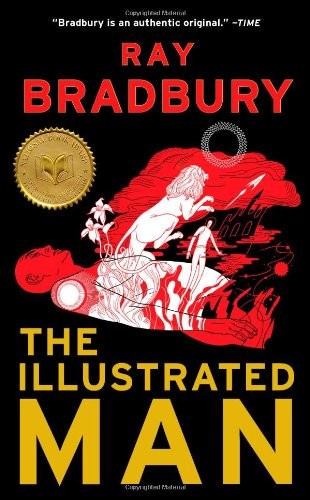
Start this bookNo. 23 on this list. Something Wicked This Way Comes · Ray Bradbury · 1962
Widely taught in American high school and university courses, particularly in science fiction and American literature surveys. It appears on numerous authoritative lists — including the Modern Library's reader poll — and is frequently cited as essential Bradbury alongside 'Fahrenheit 451.' No syllabus data was captured, but its classroom presence is well-documented.
Challenging5.7 hours
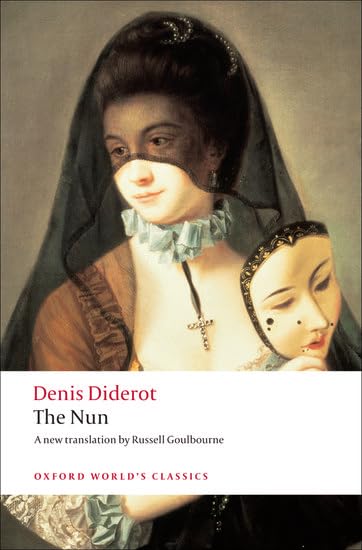
Start this bookNo. 24 on this list. The Nun · Denis Diderot · 1796
Suzanne Simonin is sixteen when her parents force her into a convent she never chose, pressing her vows while she stands dazed at the altar, hearing nothing, answering nothing. Her story — told as a memoir to a sympathetic marquis she hopes will rescue her — moves through three convents: one governed by a saintly mystic, one by a sadistic bully, and one by a Mother Superior whose tender attentions gradually reveal themselves as something else entirely. Diderot wrote The Nun as part of an elaborate practical joke in 1760, but Suzanne's predicament took hold of his imagination and produced his most disciplined novel. The narrator's sustained innocence is itself the book's great irony: she reports the Superior's midnight visits, the hand on her knee, the shivering in her bed, with clinical accuracy and genuine incomprehension. Diderot's target is not the Church but the unnatural institution — segregation, enforced celibacy, and authority without accountability. The convent produces madness, cruelty, and erotic obsession not because nuns are corrupt, but because the system is. The ending refuses to resolve: Suzanne escapes into a world she is completely unprepared for, carrying nothing but a singing voice and the portrait of a dead Superior she still kisses each morning.
Moderate4.6 hours
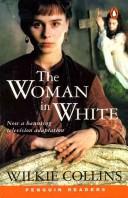
Start this bookNo. 25 on this list. The Woman in White · Wilkie Collins · 1859
Taught regularly in Victorian literature and detective/crime fiction courses at university level. The Woman in White is consistently recognized as the founding text of the sensation novel genre and appears on syllabi across English, comparative literature, and genre studies programs. Not at the level of Dickens or Hardy in breadth of assignment, but firmly in the Victorian canon.
Challenging20 hours
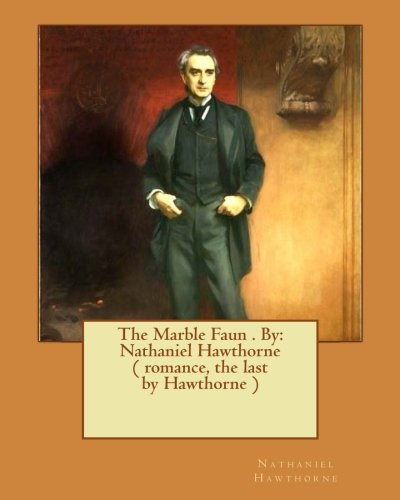
Read nowNo. 26 on this list. The Marble Faun · Nathaniel Hawthorne · 1860
The Marble Faun is a fixture on American Renaissance syllabi and 19th-century American literature courses, though it occupies a secondary position behind The Scarlet Letter and The House of the Seven Gables in Hawthorne's own canon. It is widely available in scholarly editions and appears regularly in studies of American Romanticism and the expatriate literary tradition. While no syllabus data is available in this database, its place in the American literary canon is secure as Hawthorne's final major novel.
Challenging13 hours
Start this bookNo. 27 on this list. Black Water: The Anthology of Fantastic Literature · Alberto Manguel · 1983
A landmark anthology that defined 'fantastic literature' as a category for English-language readers. Continuously in print and widely referenced.
Moderate12 hours
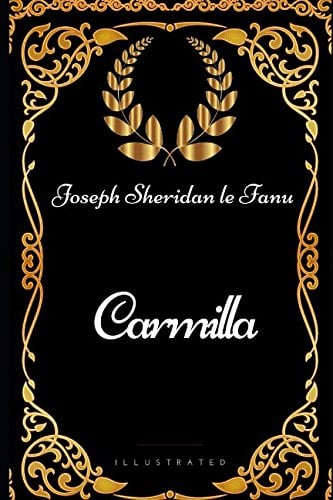
Start this bookNo. 28 on this list. Carmilla · Sheridan Le Fanu · 1872
Carmilla is a fixture in Gothic literature and vampire fiction courses, recognized as the foundational pre-Dracula vampire text and a landmark of Victorian horror. Its Wikipedia article spans 40+ languages, and it appears regularly on 'essential horror' and 'Gothic fiction' reading lists. Less broadly canonical than Frankenstein or Dracula but firmly established within the Gothic literary tradition.
Challenging2.2 hours
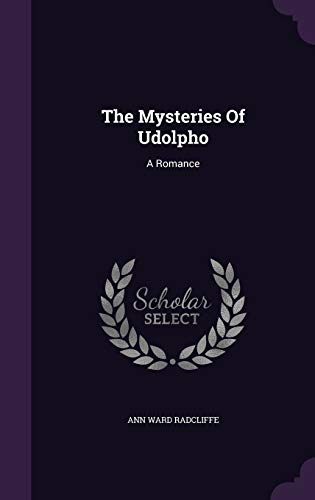
Start this bookNo. 29 on this list. The Mysteries of Udolpho · Ann Radcliffe · 1794
The Mysteries of Udolpho is a foundational text taught in 18th-century literature, Gothic studies, and women's writing courses in universities worldwide. Its Wikipedia article spans over 40 languages. Jane Austen's parody in Northanger Abbey has guaranteed it a permanent place in the British literary canon—any reader of Austen eventually encounters Udolpho. It sits at the center of every Gothic fiction course.
Challenging21 hours
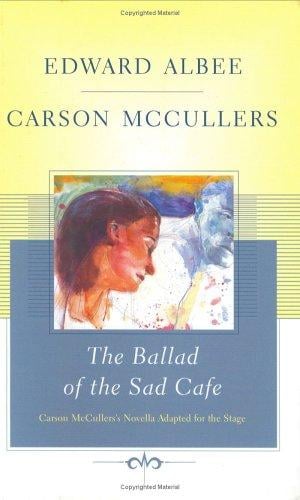
Start this bookNo. 30 on this list. The Ballad of the Sad Café · Carson McCullers · 1951
Miss Amelia Evans runs the general store in a nameless Georgia mill town: six feet two inches tall, with bones and muscles like a man, a medical skill she deploys without a license, and a decade-old marriage she annulled after ten days by throwing her husband Marvin Macy out the front door. Then one April evening a hunchbacked dwarf named Cousin Lymon arrives, claims kinship, and Miss Amelia does something no one has ever seen her do — she opens a room, sets out chairs, and pours her whiskey. The café lasts six years. Carson McCullers frames the whole story as a meditation on the nature of love, delivered by an omniscient narrator who stops the plot to lecture us directly: the lover and the beloved are never, in any real sense, the same person. One gives; the other merely consents to be loved. Marvin Macy, released from prison, walks back into town, and Cousin Lymon falls for him immediately and completely. Everything that follows is as inevitable as a Greek tragedy, and as inexplicable. The novella ends where it begins — the café boarded up, Miss Amelia alone upstairs, her face pressed to a crack in the shutters. McCullers writes Southern Gothic without blood and salvation — just loneliness, desire, and the strange temporary grace of a room where people are allowed to linger.
Challenging4.1 hours
Start this book
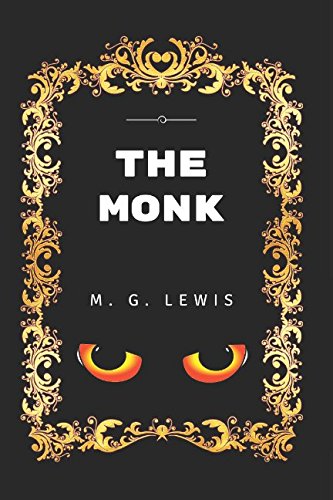
No. 31 on this list. The Monk
Matthew Gregory Lewis · 1796
No. 32 on this list. The Magic Toyshop
Angela Carter · 1967
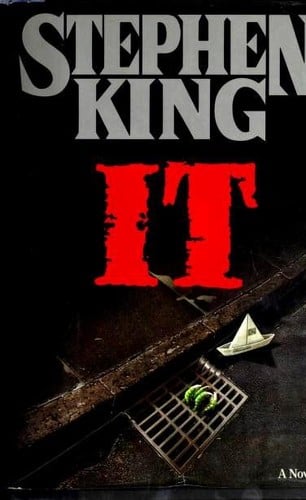
No. 33 on this list. It
Stephen King · 1986
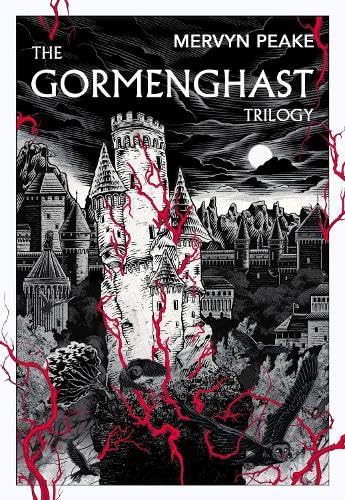
No. 34 on this list. Gormenghast
Mervyn Peake · 1950
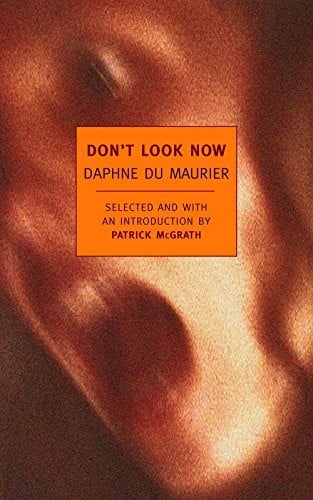
No. 35 on this list. Don't Look Now
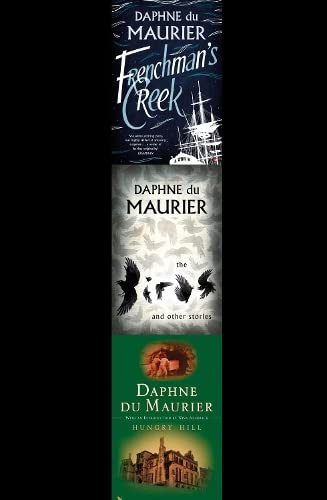
Daphne du Maurier · 1971
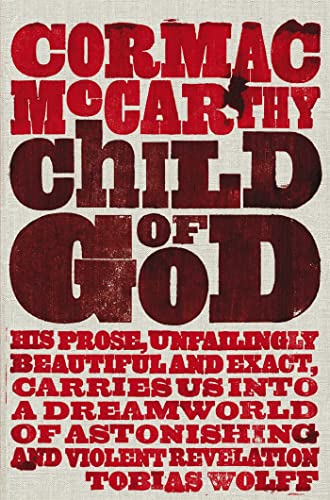
No. 36 on this list. Child of God
Cormac McCarthy · 1973
No. 37 on this list. The Sandman, Vol. 2: The Doll's House
Neil Gaiman · 1995
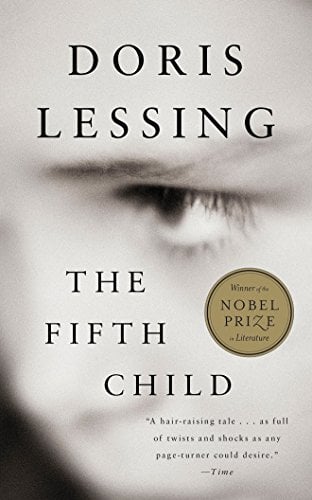
No. 38 on this list. The Fifth Child
Doris Lessing · 1988
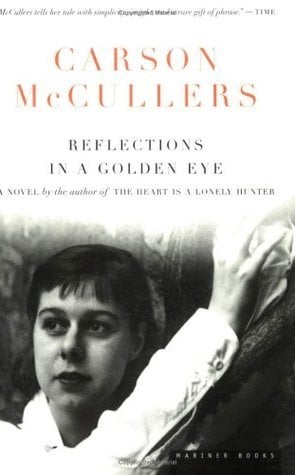
No. 39 on this list. Reflections in a Golden Eye
Carson McCullers · 1941
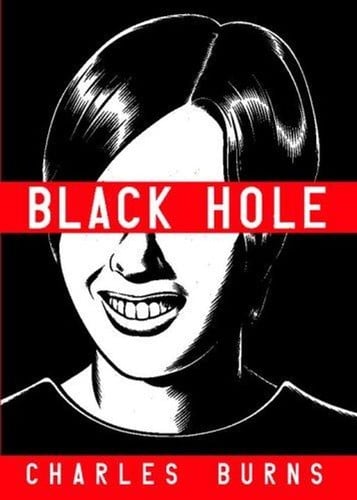
No. 40 on this list. Black Hole
Charles Burns · 2005
No. 41 on this list. The Birds and Other Stories
Daphne du Maurier · 1952
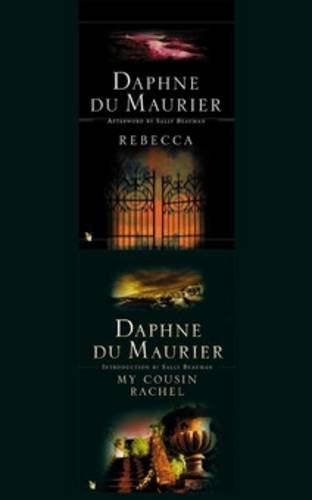
No. 42 on this list. My Cousin Rachel
Daphne du Maurier · 1951
No. 43 on this list. The King in Yellow
Robert W. Chambers · 1895
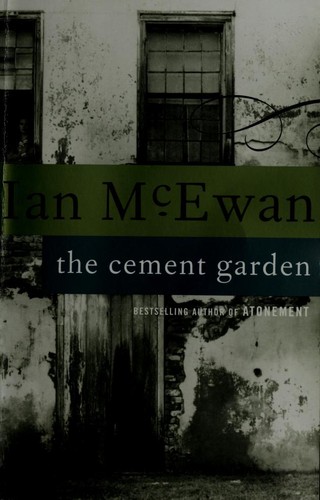
No. 44 on this list. The Cement Garden
Ian McEwan · 1978
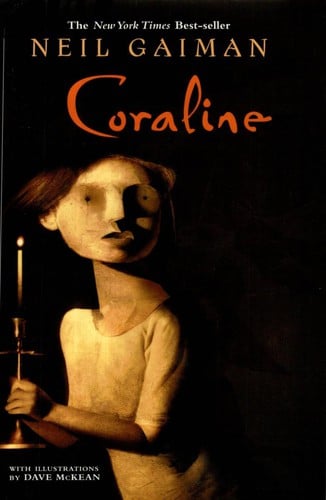
No. 45 on this list. Coraline
Neil Gaiman · 2002
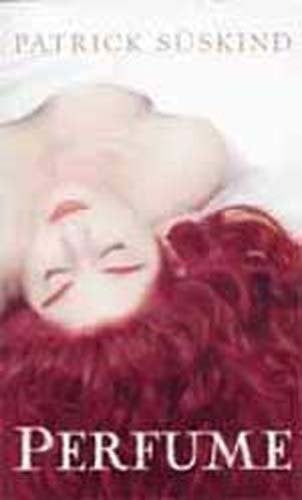
No. 46 on this list. Perfume: The Story of a Murderer
Patrick Süskind · 1985
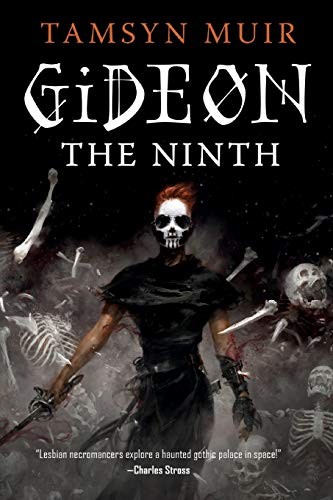
No. 47 on this list. Gideon the Ninth
Tamsyn Muir · 2019
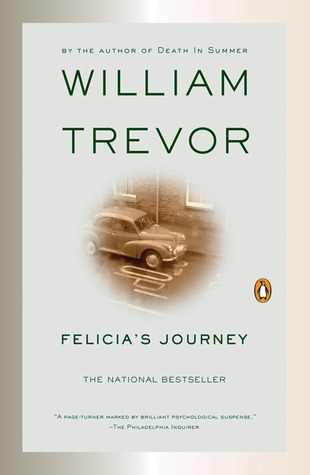
No. 48 on this list. Felicia's Journey
William Trevor · 1994
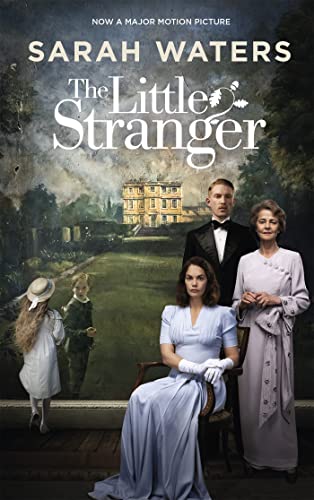
No. 49 on this list. The Little Stranger
Sarah Waters · 2009
Taught in schools: Pearson Edexcel GCSE and A-level English Literature (UK)
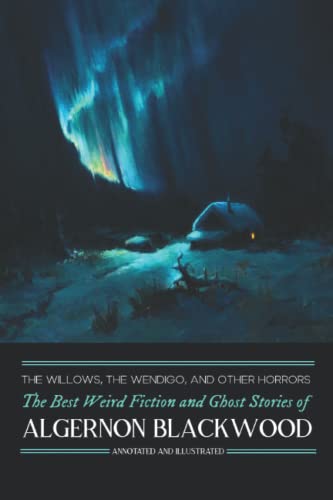
No. 50 on this list. The Willows
Algernon Blackwood · 1907
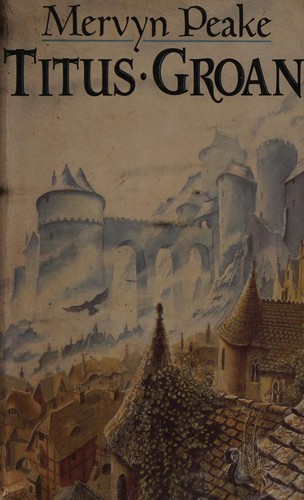
No. 51 on this list. Titus Groan
Mervyn Peake · 1946
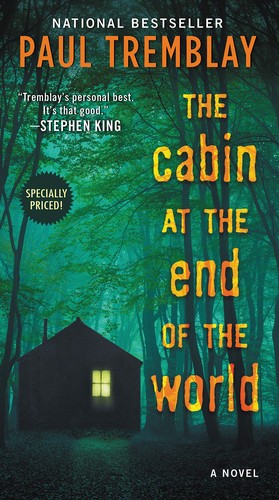
No. 52 on this list. The Cabin at the End of the World
Paul Tremblay · 2018
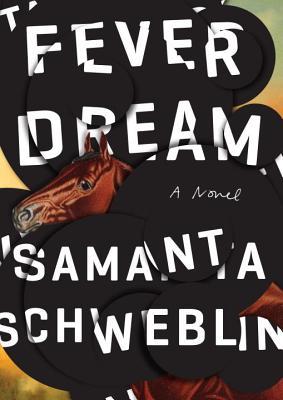
No. 53 on this list. Fever Dream
Samanta Schweblin · 2017
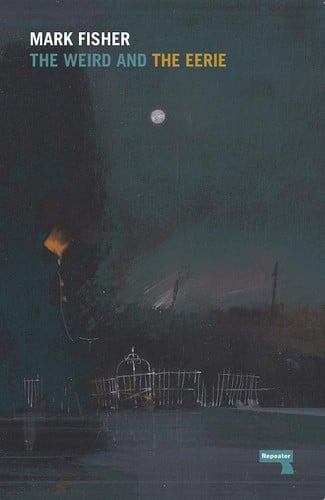
No. 54 on this list. The Weird and the Eerie
Mark Fisher · 2017
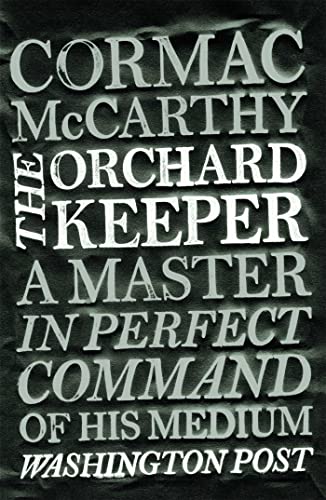
No. 55 on this list. The Orchard Keeper
Cormac McCarthy · 1965
No. 56 on this list. White Is for Witching
Helen Oyeyemi · 2009
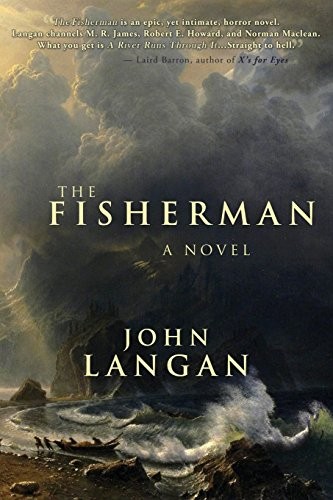
No. 57 on this list. The Fisherman
John Langan · 2016
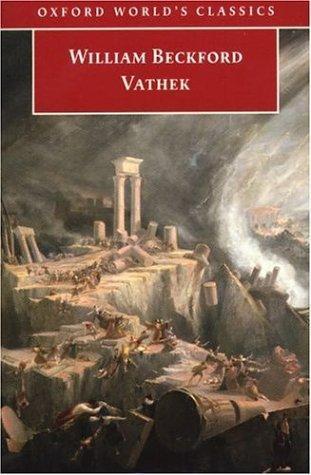
No. 58 on this list. Vathek
William Beckford · 1786
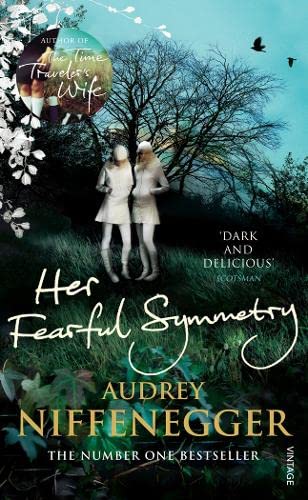
No. 59 on this list. Her Fearful Symmetry
Audrey Niffenegger · 2010
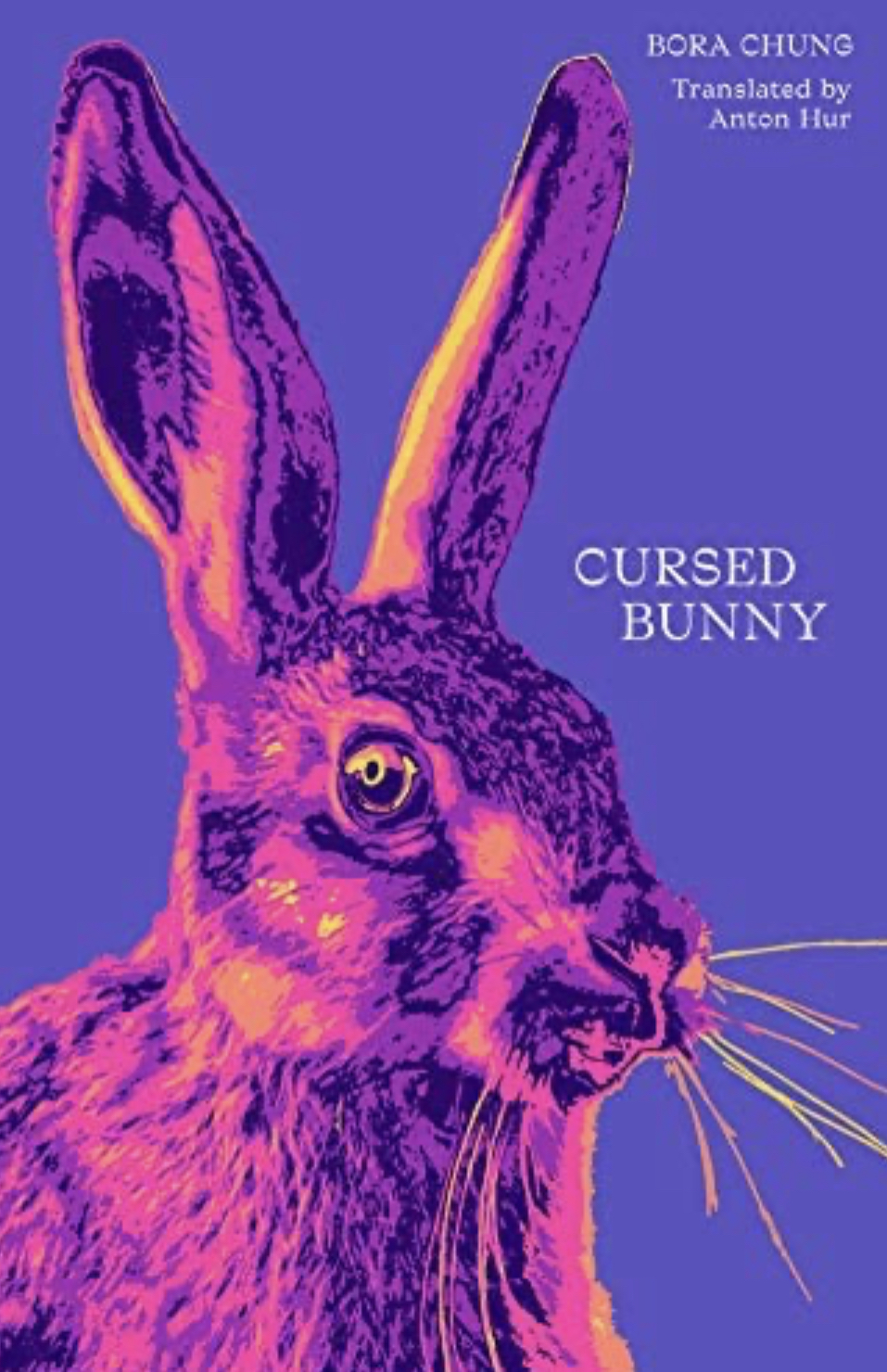
No. 60 on this list. Cursed Bunny
Bora Chung · 2022
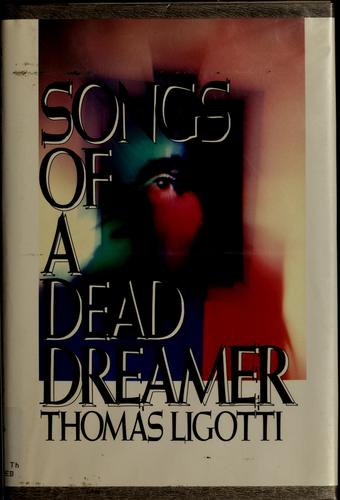
No. 61 on this list. Songs of a Dead Dreamer
Thomas Ligotti · 1986
No. 62 on this list. Great Granny Webster
Caroline Blackwood · 1977
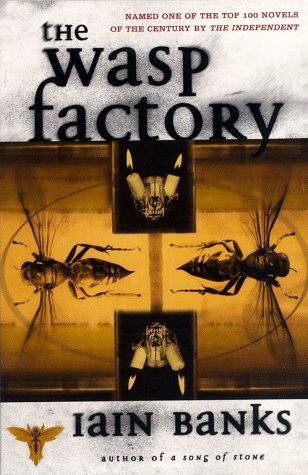
No. 63 on this list. The Wasp Factory
Iain Banks · 1984
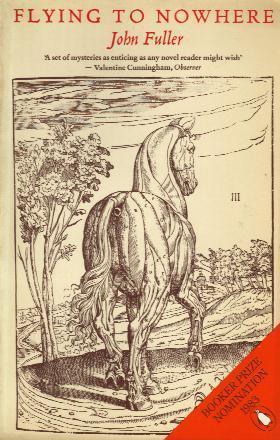
No. 64 on this list. Flying to Nowhere
John Fuller · 1983
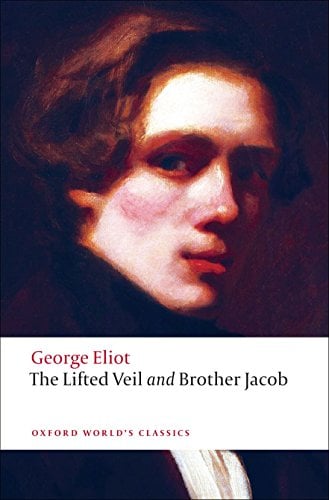
No. 65 on this list. The Lifted Veil and Brother Jacob
George Eliot · 1864
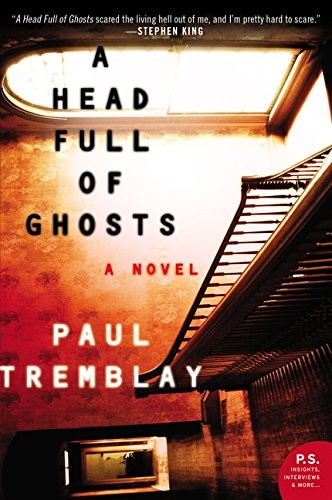
No. 66 on this list. A Head Full of Ghosts
Paul Tremblay · 2015
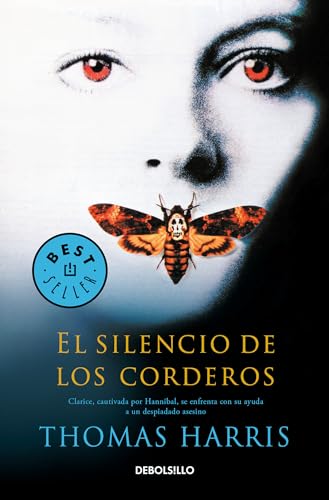
No. 67 on this list. The Silence of the Lambs
Thomas Harris · 1988
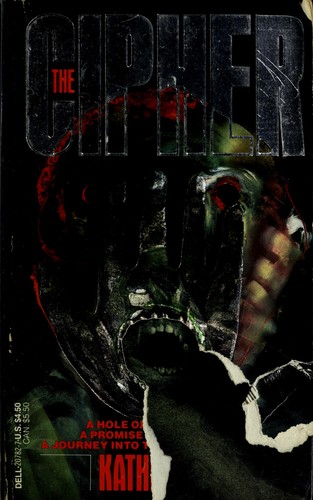
No. 68 on this list. The Cipher
Kathe Koja · 1991
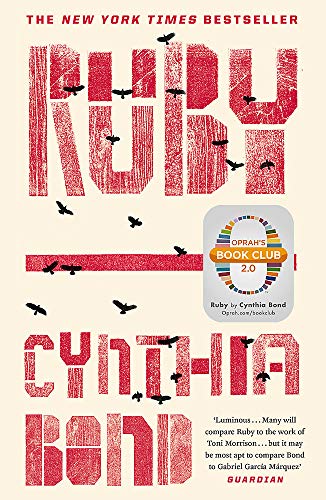
No. 69 on this list. Ruby
Cynthia Bond · 2016
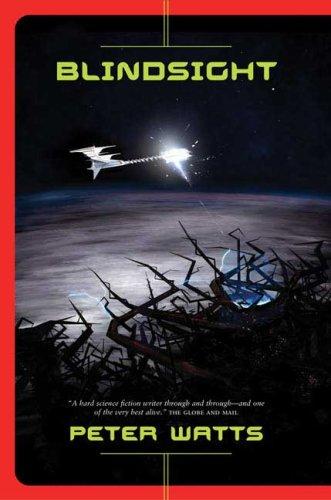
No. 70 on this list. Blindsight
Peter Watts · 2006
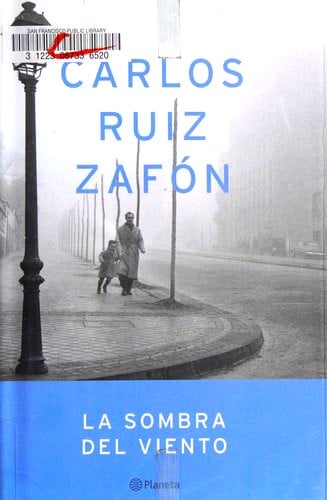
No. 71 on this list. The Shadow of the Wind
Carlos Ruiz Zafón · 2001
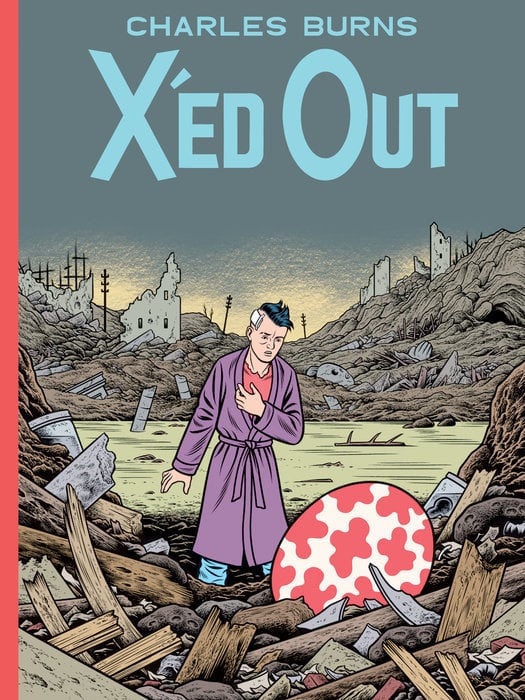
No. 72 on this list. X'ed Out (Pantheon Graphic Library)
Charles Burns · 2010
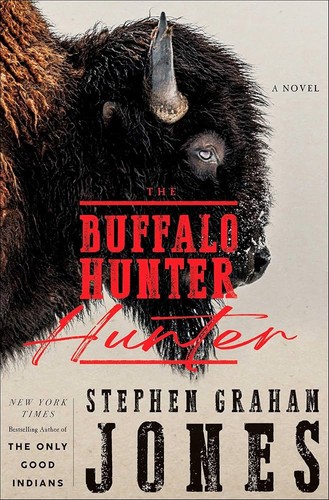
No. 73 on this list. The Buffalo Hunter Hunter
Stephen Graham Jones · 2025
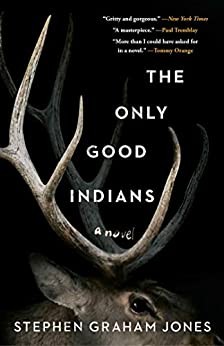
No. 74 on this list. The Only Good Indians
Stephen Graham Jones · 2020
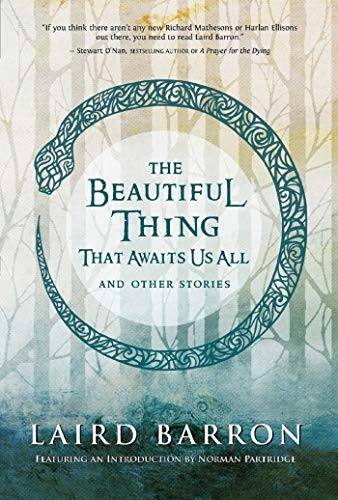
No. 75 on this list. The Beautiful Thing That Awaits Us All
Laird Barron · 2013
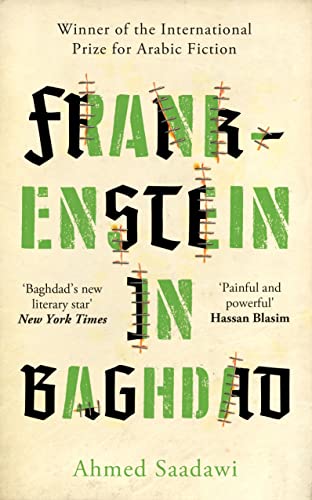
No. 76 on this list. Frankenstein in Baghdad
Ahmed Saadawi · 2018
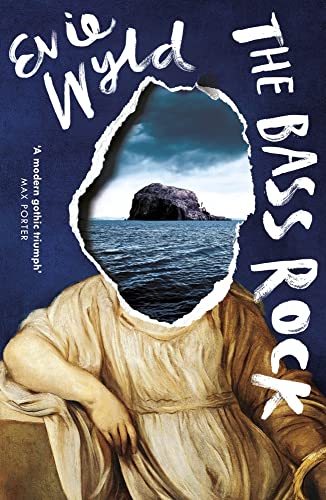
No. 77 on this list. The Bass Rock
Evie Wyld · 2020
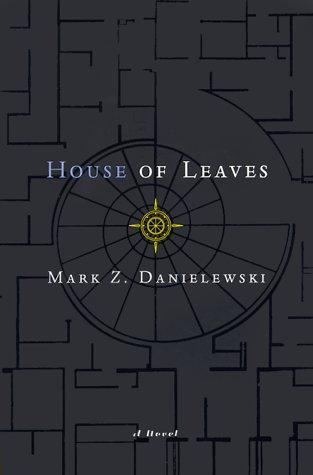
No. 78 on this list. House of Leaves
Mark Z. Danielewski · 2000
No. 79 on this list. Under the Pendulum Sun
Jeannette Ng · 2017
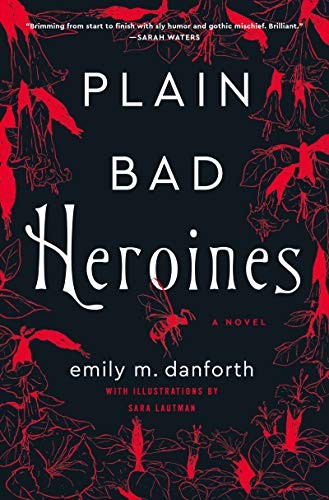
No. 80 on this list. Plain Bad Heroines
Emily M. Danforth · 2020
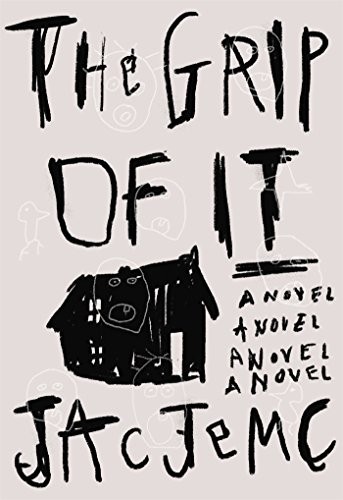
No. 81 on this list. The Grip of It
Jac Jemc · 2017
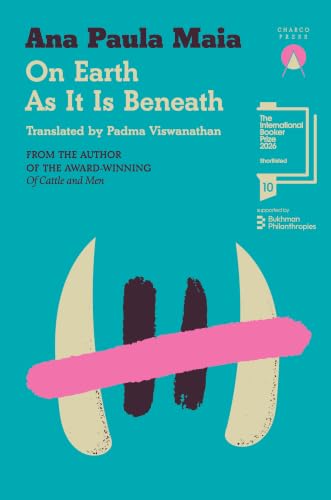
No. 82 on this list. On Earth As It Is Beneath
Ana Paula Maia · 2017
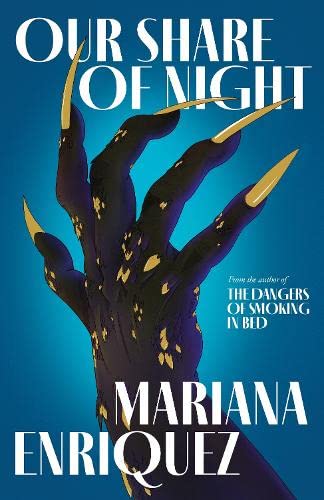
No. 83 on this list. Our Share of Night
Mariana Enriquez · 2019
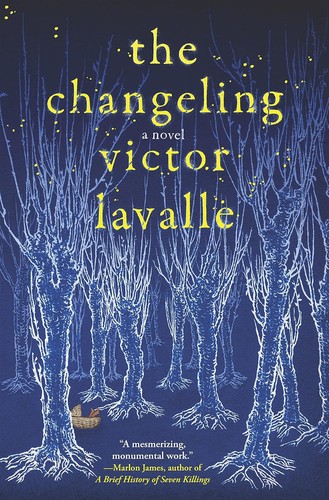
No. 84 on this list. The Changeling
Victor LaValle · 2017
No. 85 on this list. The Croning
Laird Barron · 2012
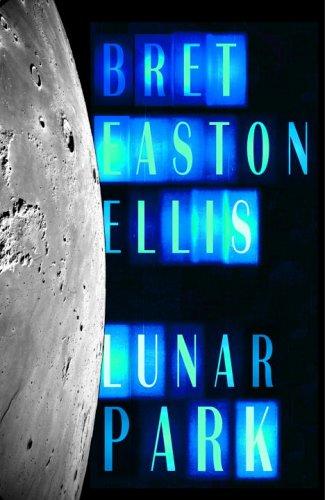
No. 86 on this list. Lunar Park
Bret Easton Ellis · 2005
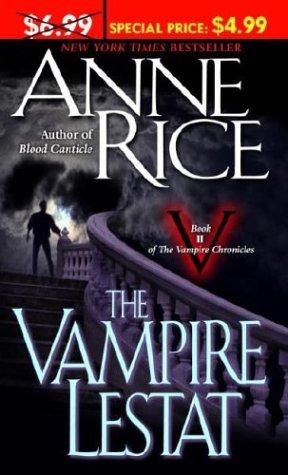
No. 87 on this list. The Vampire Lestat
Anne Rice · 1985
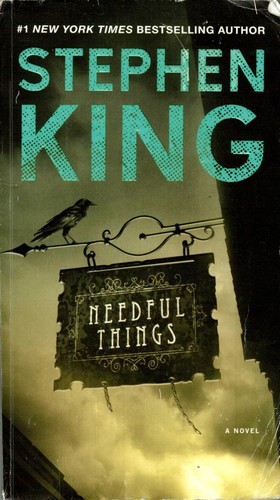
No. 88 on this list. Needful Things
Stephen King · 1991
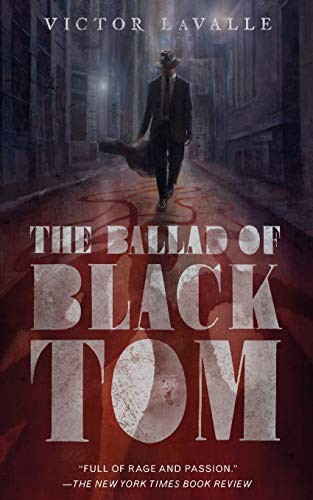
No. 89 on this list. The Ballad of Black Tom
Victor LaValle · 2016
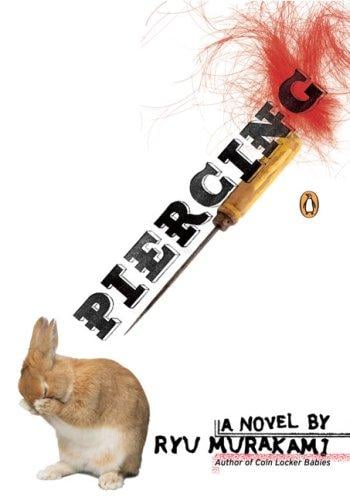
No. 90 on this list. Piercing
Ryū Murakami · 1994
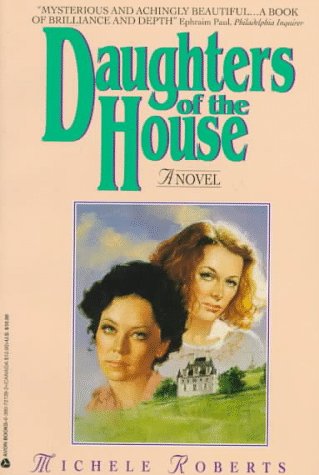
No. 91 on this list. Daughters of the House
Michèle Roberts · 1992
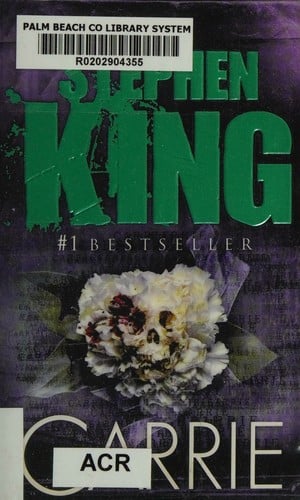
No. 92 on this list. Carrie
Stephen King · 1974
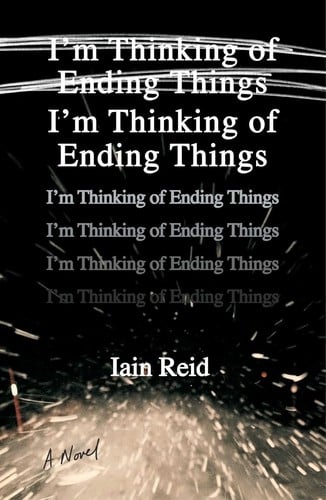
No. 93 on this list. I'm Thinking of Ending Things
Iain Reid · 2016
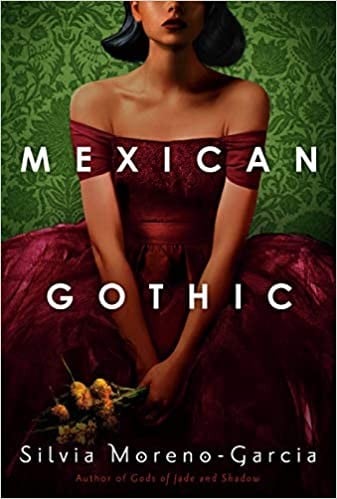
No. 94 on this list. Mexican Gothic
Silvia Moreno-Garcia · 2020
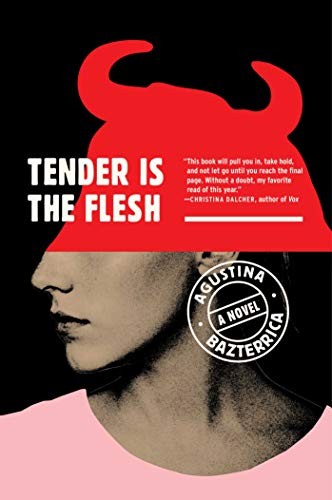
No. 95 on this list. Tender Is the Flesh
Agustina Bazterrica · 2017
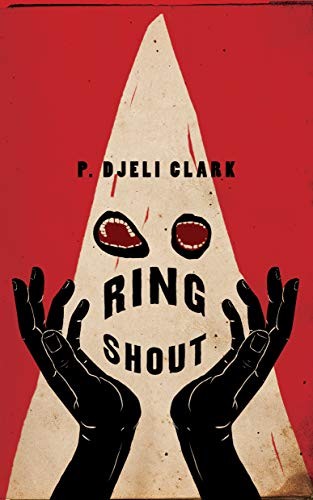
No. 96 on this list. Ring Shout
P. Djèlí Clark · 2020
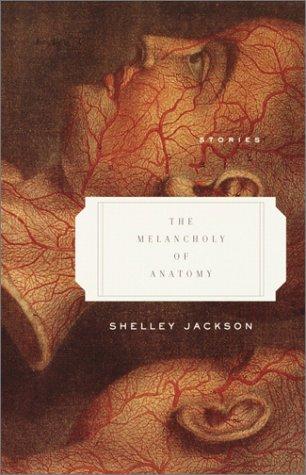
No. 97 on this list. The Melancholy of Anatomy
Shelley Jackson · 2002
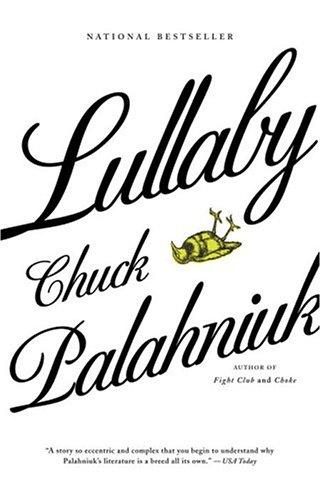
No. 98 on this list. Lullaby
Chuck Palahniuk · 2002
No. 99 on this list. I Gave You Eyes and You Looked Toward Darkness
Irene Solà · 2023
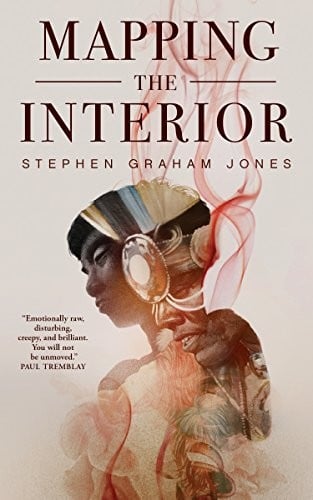
No. 100 on this list. Mapping the Interior
Stephen Graham Jones · 2017
About this list
These 100 books are the highest-scoring eligible moderately difficult horror novels currently in the catalogue. By literary regard, it opens with The Cask of Amontillado, The Tell-Tale Heart and The Hunchback of Notre-Dame. About 648 hours of reading in all, for the 99 with measured lengths. Difficulty runs from 50 to 59 out of 100 for the middle half of the list; the summit is Songs of a Dead Dreamer at 64.
This list is ranked by literary regard, with a consistent order for equal scores. Membership follows authors and co-authors, not translators or editors. Catalogue coverage and the historical canon both limit what this list can represent, and genre labels are the catalogue’s own, gathered into broader kinds.
When we matched the Canons dataset to our catalogue in October 2026, our canonical-status scores rose with the number of school curricula, publisher series and lists in it that cite a work: the median score was 72 for books one such source cites, 84 at two, 88 at three, 92 at four and 93 at five or more. Prizes are left out of that count. Outside the state curricula, the dataset’s sources choose mostly from what has been translated into English or French, so it is a weaker check on other literatures. Source: Canons (Andrew Piper), CC BY 4.0
Questions people actually ask
- What are the best moderately difficult horror novels?
- By literary regard, which weighs canonical status, critical standing and influence, The Cask of Amontillado, The Tell-Tale Heart, The Hunchback of Notre-Dame, The Lottery and Jane Eyre lead. ReadingRate ranks 100 such books, each with a difficulty score and a reading-time estimate.
- Where should I start with moderately difficult horror novels?
- Start from difficulty, not from rank. The most approachable books on this list that still carry top literary regard are The Queen of Spades by Alexander Pushkin (about 32 min), The Lottery and Other Stories by Shirley Jackson and Northanger Abbey by Jane Austen.
- How hard are moderately difficult horror novels to read?
- Most of this list sits between 50 and 59 on ReadingRate's 100-point difficulty scale, where 40 to 55 is moderate. The summit is Songs of a Dead Dreamer at 64. Every entry carries its own score, so a reader can pick a great book at a difficulty they will finish.
- How is this list ranked?
- On literary-regard data: how canonically established a work is, its critical standing, and its influence on later writing. It is not a readers’ poll, which is why recent bestsellers rarely appear. Membership follows authors and co-authors, not translators or editors. A list that is not a genre list keeps to literature (fiction, poetry, drama and philosophy), with philosophy taking no more than one slot in five while there is literature left to rank; every list holds at most three works by one author.