Hours at an average pace
Showing 87 books
About 669 hours for 86 of 87 books with measured lengths. Estimates use 250 words a minute, adjusted for each book's difficulty. At 2 hours a day, about 335 days for those books.
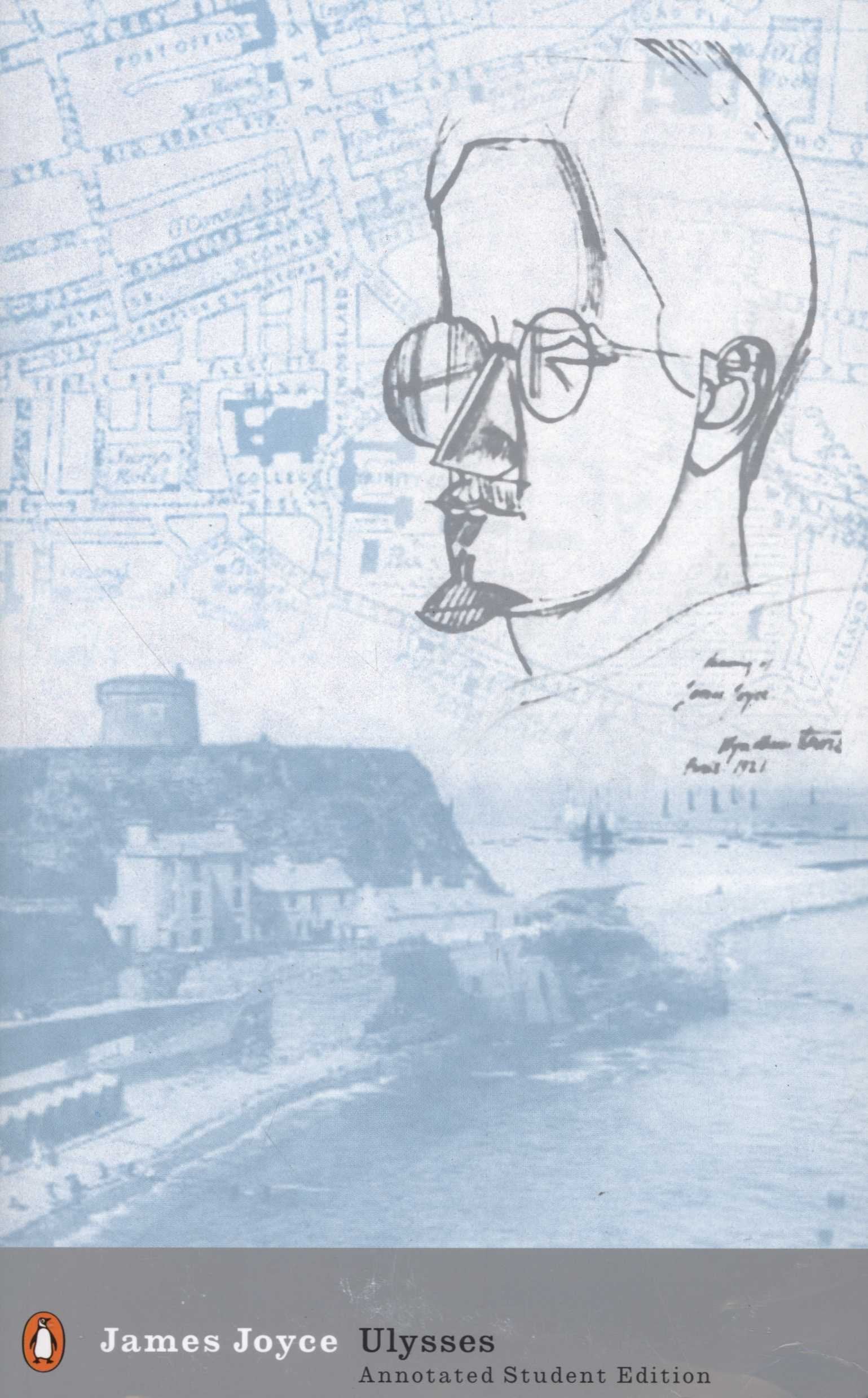
No. 1 on this list. Ulysses
James Joyce · 1922
Very Difficult47 hours
Included in: Bokklubben World Library
Ulysses appears on 1,017 university syllabi (75th percentile, Open Syllabus Project) and features on the Modern Library's #1 Best Novels list, Le Monde's 100 Books of the Century, TIME's All-TIME 100 Novels, and the BBC Big Read. Wikipedia covers it in 36 languages. Published in Everyman's Library and Penguin Classics, it has maintained continuous academic circulation since its 1934 US publication.
No. 2 on this list. Waiting for Godot
Samuel Beckett · 1953
Difficult2.4 hours
Included in: Great Books of the Western World
Waiting for Godot appears on virtually every comparative literature, modern drama, and theater studies syllabus worldwide, and is listed in Open Syllabus's Top 500 Literature titles. The Wikipedia article exists in 68 languages, and the play has been continuously performed since its 1953 Paris premiere. Le Monde named it among the 100 Books of the Century. It is as canonical as any play written after Shakespeare.
Finnegans Wake appears on 108 university syllabi (Open Syllabus, 50th percentile) and holds a Wikipedia article in 39 languages. It is listed on the Modern Library 100 Best Novels and published by NYRB Classics. Syllabus presence is lower than Ulysses because the book is taught almost exclusively in graduate Joyce seminars and advanced modernism courses — its difficulty makes undergraduate adoption rare.
No. 4 on this list. Dubliners
James Joyce · 1914
Difficult8.1 hours
Taught in schools: CSEC English B – Caribbean Examinations Council
Dubliners appears on 1,771 university syllabi according to the Open Syllabus Project (81st percentile), making it a fixture in modernist literature and short fiction courses worldwide. Its Wikipedia article spans 43 languages, and prestige editions from Penguin Classics and NYRB Classics attest to its sustained standing as essential reading. Every serious curriculum in Irish, British, or modernist literature includes it.
Happy Days anchors modernist and postmodern drama syllabi internationally alongside Waiting for Godot and Endgame. It is taught in theatre, English literature, and philosophy programs across Europe and North America. Wikipedia covers it in over 40 languages. It is among the most-assigned Beckett plays and appears on virtually every postwar drama reading list.
No. 6 on this list. Gulliver's Travels
Jonathan Swift · 1726
Challenging10 hours
Taught in schools: CSEC English B – Caribbean Examinations Council, Hungarian literature curriculum (magyar nyelv és irodalom) (Hungary)
Included in: Bokklubben World Library, Great Books of the Western World
Swift shrinks his protagonist to six inches in Lilliput, inflates him to a giant in Brobdingnag, then deposits him among rational horses who regard humans as vermin. No other satire in English has so thoroughly weaponized scale and perspective to indict politics, science, and the species itself.
No. 7 on this list. The Unnamable
Samuel Beckett · 1953
Difficult27 hours
Included in: Bokklubben World Library
The Unnamable is taught in advanced modernism, postmodernism, and philosophy-of-language courses at universities worldwide, though less universally than Waiting for Godot. It anchors the Beckett Trilogy, which is among the canonical texts of twentieth-century literature in English and French. The Wikipedia and syllabus data signals appear underreported for this work.
No. 8 on this list. The Picture of Dorian Gray
Challenging8 hours
Taught in schools: AQA GCSE and A-level English Literature (UK), Pearson Edexcel GCSE and A-level English Literature (UK)
Included in: Oxford World's Classics
The Picture of Dorian Gray is standard reading in Victorian literature and aesthetic movement curricula worldwide. Though the database shows only 16 syllabus appearances due to limited data collection, the novel appears on virtually every canonical survey of English literature and has been in continuous print since 1890. It anchors discussions of aestheticism, decadence, and Victorian moral philosophy in university courses across the globe.
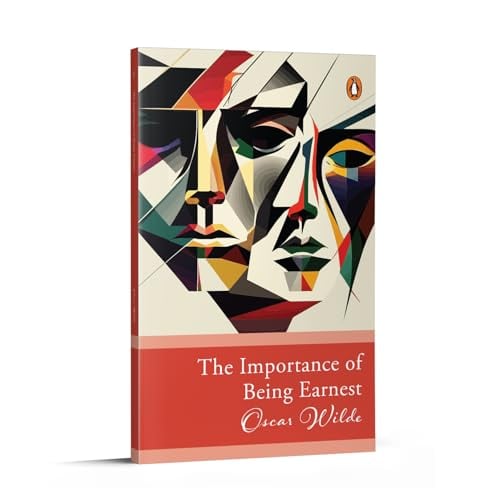
No. 9 on this list. The Importance of Being Earnest and Other Plays
Oscar Wilde · 1898
Moderate6.9 hours
No syllabus or Wikipedia-language data turned up in this database pass, but The Importance of Being Earnest is a fixture of English-language secondary and university curricula worldwide and one of the most frequently produced plays in the English repertoire, with multiple film adaptations (1952, 1992, 2002) keeping it in general circulation. That level of sustained institutional presence puts it near To Kill a Mockingbird's curriculum-fixture status, even without syllabus counts to confirm it directly.
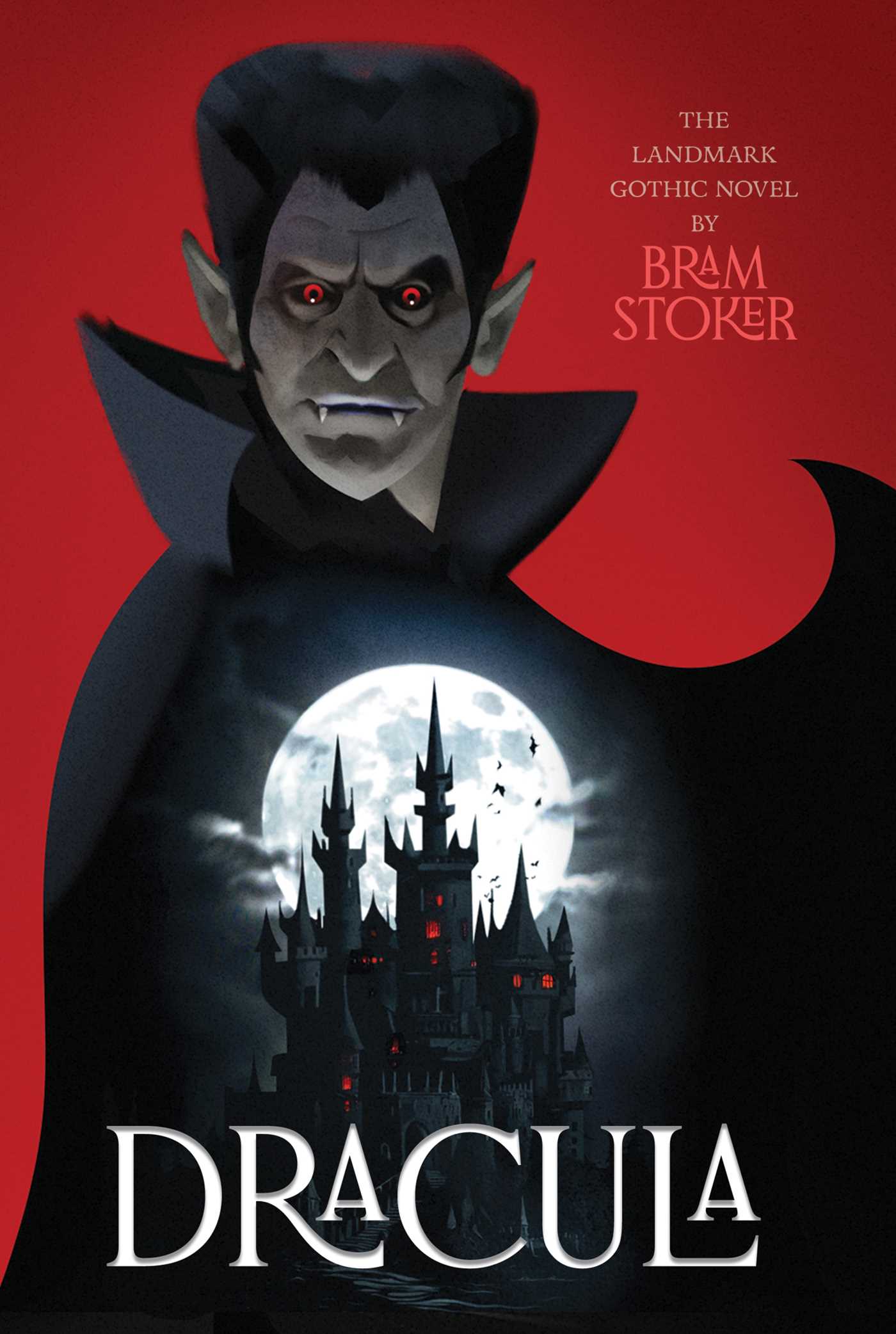
No. 10 on this list. Dracula
Bram Stoker · 1897
Moderate11 hours
Taught in schools: CSEC English B – Caribbean Examinations Council, Leaving Certificate English – NCCA / State Examinations Commission (Ireland), OCR GCSE and A-level English Literature (UK)
Included in: Bibliothèque de la Pléiade
Among the most famous novels ever written. Created the modern vampire and generated endless adaptation.
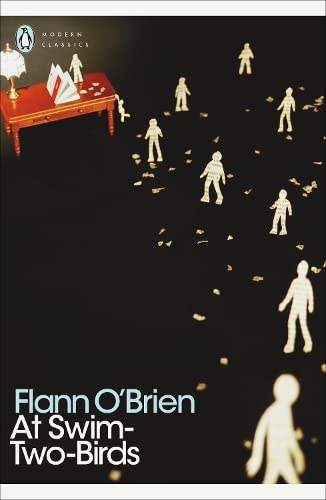
No. 11 on this list. At Swim-Two-Birds · Flann O'Brien · 1939
Appears on 93 university syllabi (49th percentile in Open Syllabus), placing it in the mid-range of taught texts — well behind Joyce or Beckett but firmly established in Irish literature and postmodern fiction courses. Listed on TIME's All-TIME 100 Novels and published by NYRB Classics. Wikipedia coverage in only 5 languages suggests limited reach outside English-speaking literary circles.
Challenging6.1 hours
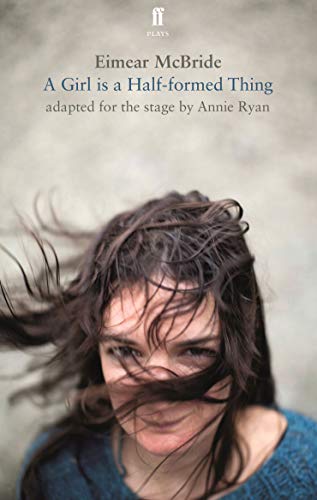
Start this bookNo. 12 on this list. A Girl Is a Half-Formed Thing · Eimear McBride · 2014
Eimear McBride's novel tells the story of a young woman's relationship with her brother who is living with the after effects of a brain tunour. Not so much a stream of consciousness, as an unconscious railing against a life that makes little sense, and a shocking and intimate insight into the thoughts, feelings and sensual urges of a vulnerable and isolated protagonist, to read A Girl is a Half-Formed Thing is to plunge inside its narrator's head, experiencing her world first-hand. This isn't always comfortable - but it is always a revelation. Eimear McBride's debut tells, with astonishing insight and in brutal detail, the story of a young woman's relationship with her brother, and the long shadow cast by his childhood brain tumour. Not so much a stream of consciousness, as an unconscious railing against a life that makes little sense, and a shocking and intimate insight into the thoughts, feelings and chaotic sexuality of a vulnerable and isolated protagonist, to read A Girl Is A Half-Formed Thing is to plunge inside its narrator's head, experiencing her world first-hand. This isn't always comfortable - but it is always a revelation. Touching on everything from family violence to sexuality and the personal struggle to remain intact in times of intense trauma, McBride writes with singular intensity, acute sensitivity and mordant wit. A Girl is a Half-formed Thing is moving, funny - and alarming. It is a book you will never forget. The story is about a young woman's relationship with her older brother, who suffers a brain tumour in childhood that later returns when he is a young man. It spans roughly 20 years and is set largely in an isolated farming community in the west of Ireland at a time when the Catholic Church dominated every facet of a person's life. The first thing that strikes you about the novel is the prose style, which ignores all the usual conventions about use of the English language and quite brilliantly furrows its own unique groove. While it sputters along in fits and starts using half-formed sentences, incorrect grammar and isolated words, there are enough bursts of fluid and lucid writing to orientate the reader.
Challenging5.6 hours
Start this bookNo. 13 on this list. The Country Girls · Edna O'Brien · 1960
A landmark of Irish literature and a foundational text for the frank depiction of women's experience. Widely taught and discussed.
Difficult5.9 hours
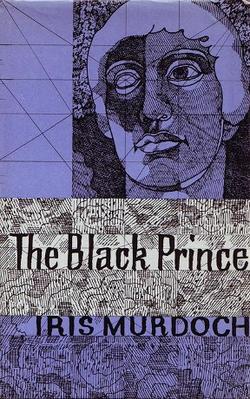
Start this bookNo. 14 on this list. The Black Prince · Iris Murdoch · 1973
The Black Prince ranks among Murdoch's most celebrated novels and occupies an established position in postwar British fiction. It receives consistent inclusion in academic curricula and authoritative literary histories, though not at the absolute summit of canonical achievement.
Challenging9.7 hours
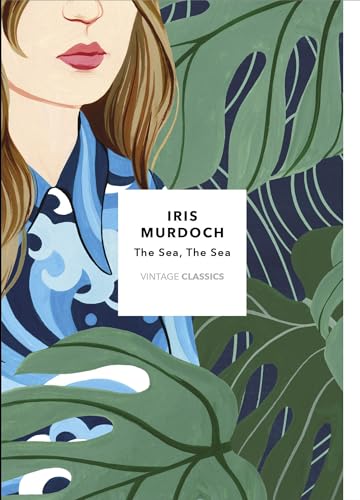
Start this bookNo. 15 on this list. The Sea, The Sea · Iris Murdoch · 1978
Winner of the Booker Prize in 1978 and widely regarded as one of Iris Murdoch's finest novels. Wikipedia articles exist in 9 languages. While not as universally assigned as postwar American canon fixtures, it appears regularly in British literature and philosophy-and-fiction courses.
Difficult29 hours
Start this bookNo. 16 on this list. The Complete Illustrated Works of Oscar Wilde · Oscar Wilde · 1908
Wilde's major works are taught widely in English literature courses, though this illustrated collection is an edition rather than a single canonical text. The author's central works lift it into the established range.
Moderate5.5 hours
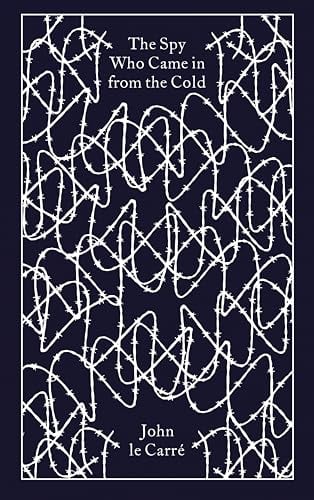
Start this bookNo. 17 on this list. The Spy Who Came in from the Cold · John le Carré · 1963
Alec Leamas runs a network of agents in East Berlin until they are systematically killed, ending with his best man shot climbing the Wall. British Intelligence brings him home and offers a new mission: pose as a defector, a drunk, a broken man. The plan works too well. Le Carré strips the spy novel of its glamour, replacing Bond's martinis with Leamas's cheap whiskey and casual violence. The Cold War here is a moral void where both sides use the same methods and discard the same people. The ending is devastating not because of what happens but because of what it reveals about the institutions Leamas has served.
Challenging5.6 hours
Start this bookNo. 18 on this list. A Tale of a Tub · Jonathan Swift · 1704
A Tale of a Tub is a fixture of Augustan-satire and 18th-century literature syllabi, though it appears far less often than Swift's own Gulliver's Travels on general reading lists. No syllabus or Wikipedia-language data was returned for this work, so the score rests on its established place in period-literature curricula rather than mass-market visibility.
Difficult5.9 hours
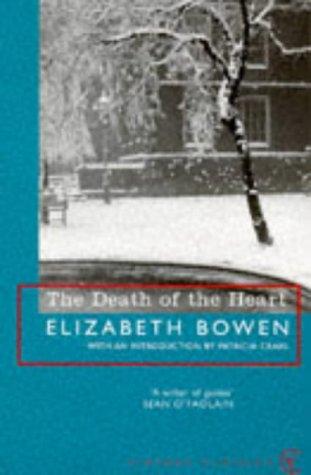
Start this bookNo. 19 on this list. The Death of the Heart · Elizabeth Bowen · 1938
Ranked 84th on the Modern Library 100 Best Novels and included on TIME's All-TIME 100 Novels, with Wikipedia articles in 7 languages. It is the Bowen novel most often taught in courses on British and Irish fiction between the wars.
Difficult13 hours
Start this bookNo. 20 on this list. Carmilla · Sheridan Le Fanu · 1872
Carmilla is a fixture in Gothic literature and vampire fiction courses, recognized as the foundational pre-Dracula vampire text and a landmark of Victorian horror. Its Wikipedia article spans 40+ languages, and it appears regularly on 'essential horror' and 'Gothic fiction' reading lists. Less broadly canonical than Frankenstein or Dracula but firmly established within the Gothic literary tradition.
Challenging2.2 hours
Start this book
No. 21 on this list. Under the Net · Iris Murdoch · 1954
Ranked 95th on the Modern Library 100 Best Novels, included on TIME's All-TIME 100 Novels, and taught on 141 university syllabi (54th percentile). It is the Murdoch novel most often assigned in courses on postwar British fiction.
Challenging7.8 hours
Start this bookNo. 22 on this list. The Heat of the Day · Elizabeth Bowen · 1948
Stella Rodney works for British intelligence in wartime London, living with the particular alertness of a city that may be bombed tonight and probably will not be bombed tonight. Then a man named Harrison appears at a concert and offers her a deal: he will suppress evidence that her lover, Robert Kelway, is passing secrets to the Germans—if Stella sleeps with Harrison instead. What follows is not a thriller. Elizabeth Bowen uses the architecture of espionage to examine something harder to name: how people maintain the fiction of knowing who they love, and why, when the bombs have already stripped so much else away. The prose is Jamesian in its density—sentences that circle their subjects, speakers who say precisely what they do not mean—and the bomb-damaged London streets carry the weight of a social order losing its grip. Robert's guilt or innocence remains genuinely uncertain; what Bowen illuminates instead is the grammar of complicity, the way loyalty and self-deception share a syntax. A novel that rewards rereading more than reading, and reading more than most novels do.
Difficult13 hours
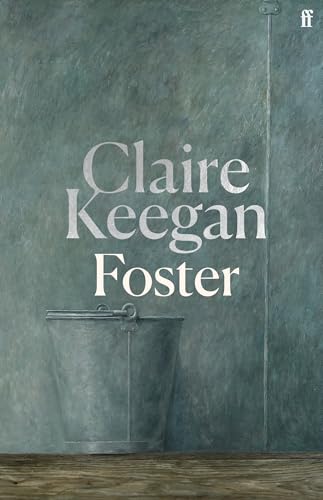
Start this bookNo. 23 on this list. Foster · Claire Keegan · 2010
Rapidly becoming a modern classic of Irish literature. The 2022 film adaptation brought wider attention, and it is increasingly taught in universities.
Challenging1.1 hours
Start this bookNo. 24 on this list. Checkout 19 · Claire-Louise Bennett · 2022
Published in 2021, too recent for canonical assessment, though it appeared on New York Times '10 Best Books of the Year' and received significant critical attention. Bennett engages canonical modernist traditions (Woolf, Joyce) and the autofiction movement. The work's experimental ambition and metafictional sophistication position it as a serious literary achievement, but its ultimate place in the canon remains uncertain.
Challenging5.8 hours
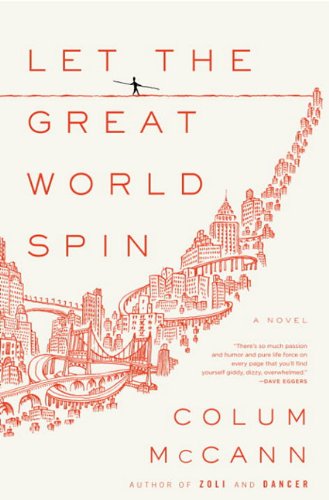
Start this bookNo. 25 on this list. Let the Great World Spin · Colum McCann · 2009
Let the Great World Spin is a celebrated contemporary novel that appears in reading groups and literary culture broadly but has limited measurable academic adoption. Zero syllabus appearances in the data despite its prize pedigree suggests it has not yet achieved the required reading status of older canonical works. It is widely known and respected but not yet institutionally entrenched in the way that genuinely canonical texts are.
Moderate8.8 hours
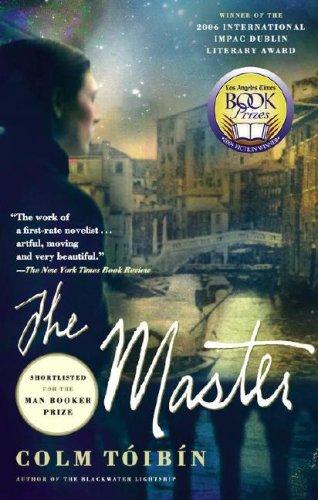
Start this bookNo. 26 on this list. The Master · Colm Tóibín · 2004
In January 1895 Henry James anticipates the opening of his first play, Guy Domville, in London. The production fails, and he returns, chastened and humiliated, to his writing desk. The result is a string of masterpieces, but they are produced at a high personal cost. In The Master Colm Tóibín captures the exquisite anguish of a man who circulated in the grand parlours and palazzos of Europe, who was astonishingly vibrant and alive in his art, and yet whose attempts at intimacy inevitably failed him and those he tried to love. It is a powerful account of the hazards of putting the life of the mind before affairs of the heart.
Challenging6.6 hours
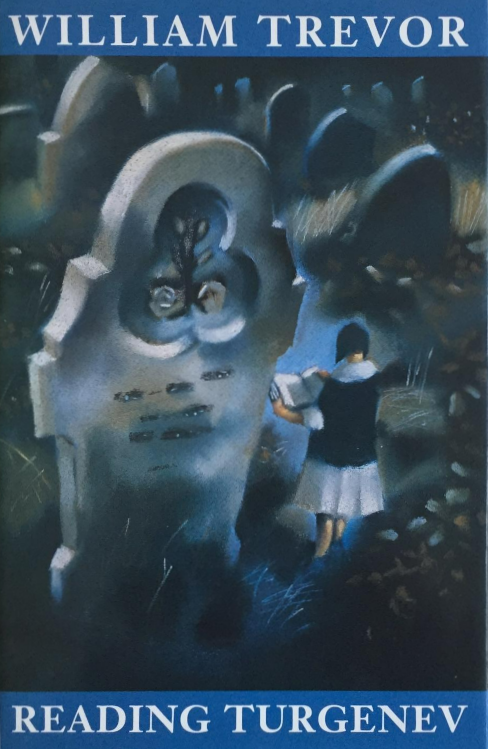
Start this bookNo. 27 on this list. Reading Turgenev · William Trevor · 1991
Mary Louise Dallon, fearful of being trapped forever in her parents' cramped farmhouse, is too naive to resist the limited attractions of the nearby small town in the provincial Ireland of 1955. A hasty marriage leads to despair and desolation.
Moderate3.4 hours
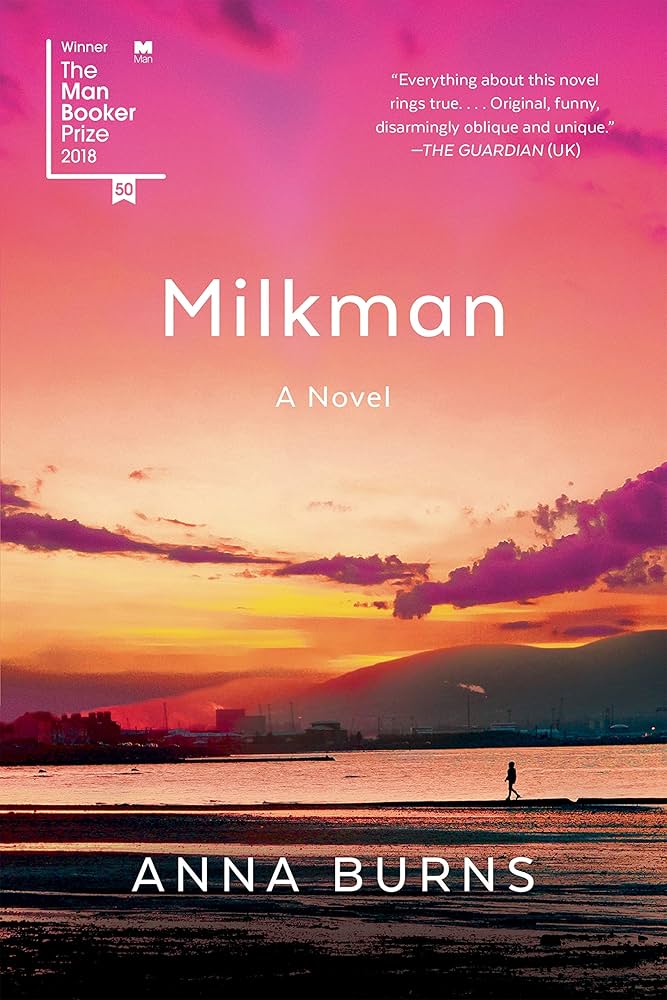
Start this bookNo. 28 on this list. Milkman · Anna Burns · 2018
Middle sister, eighteen, is being talked about. A man she neither likes nor encouraged — known to everyone only as the milkman — has taken an interest in her, appearing beside her on runs, slowing her pace, offering lifts she doesn't want, never once making a direct statement she could refuse. In the unnamed city during an unnamed conflict, where everyone is watched by state forces, paramilitary renouncers, and the community simultaneously, to be seen with the wrong person is to become that person. The rumour of their affair hardens into fact long before anything has happened. Anna Burns writes in a long, winding, conversational Irish sentence that spirals back on itself, qualifies its own conclusions, and detours into community history before returning — sometimes pages later — to the scene at hand. She names no one: not the narrator, not the milkman, not the city, not the conflict. Characters are 'maybe-boyfriend,' 'tablets girl,' 'real milkman,' 'first brother-in-law.' The effect is at once intimate and forensic: a specific life rendered as a type, a private terror made into a system. This is a novel about how a society teaches women to doubt their own perception. At eighteen, the narrator lacks 'the proper understanding of the ways that constituted encroachment.' Burns tracks, with precise comedy and slow-building dread, how that understanding arrives — and what it costs to have it.
Difficult14 hours
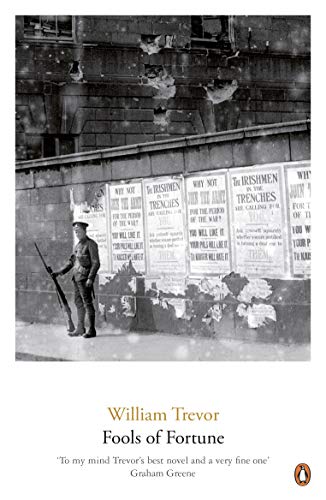
Start this bookNo. 29 on this list. Fools of Fortune · William Trevor · 1983
Fools of Fortune won the 1983 Whitbread Prize and stands as one of William Trevor's major novels, widely taught in Irish literature courses and studied as a significant examination of the Anglo-Irish experience and the Troubles' long shadow. While perhaps less internationally prominent than Trevor's celebrated short stories, it occupies an important place in the Irish literary canon as a meditation on historical violence and memory.
Moderate4.8 hours
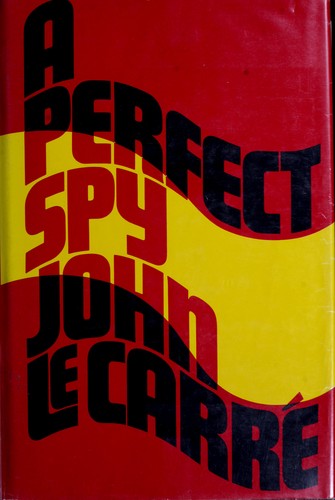
Start this bookNo. 30 on this list. A Perfect Spy · John le Carré · 1986
Widely regarded by critics as le Carré's best novel and one of the finest English novels of the 1980s, but spy fiction carries lower academic penetration than literary fiction regardless of quality. It appears in specialist courses on the Cold War novel and contemporary British fiction, and is regularly cited on 'best of the century' lists (Time, Modern Library), but is not yet a university syllabus fixture at the level of mainstream literary canon.
Challenging15 hours
Start this book
No. 31 on this list. The Book of Evidence
John Banville · 1989
No. 32 on this list. The House in Paris
Elizabeth Bowen · 1935
No. 33 on this list. Amongst Women
John McGahern · 1990
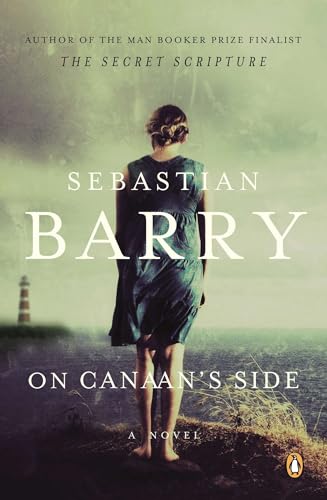
No. 34 on this list. On Canaan's Side
Sebastian Barry · 2011
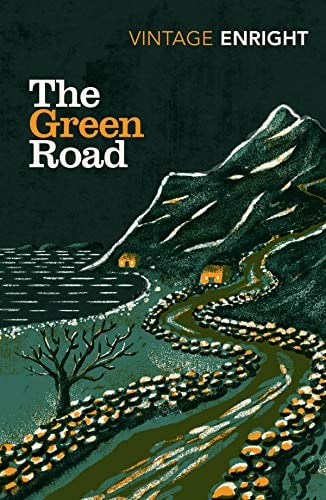
No. 35 on this list. The Green Road
Anne Enright · 2015
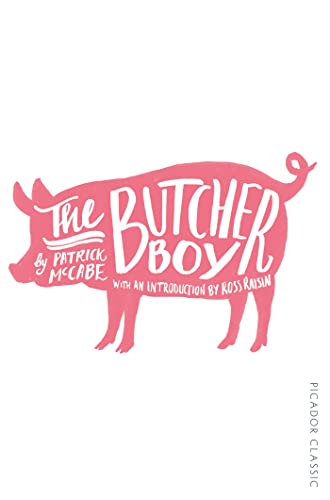
No. 36 on this list. The Butcher Boy
Patrick McCabe · 1992
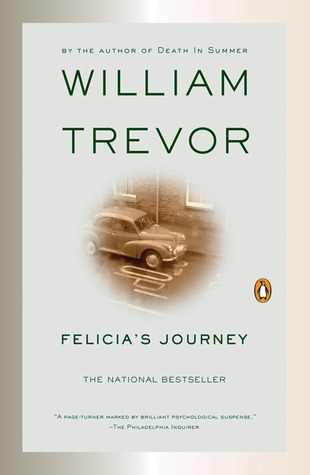
No. 37 on this list. Felicia's Journey
William Trevor · 1994
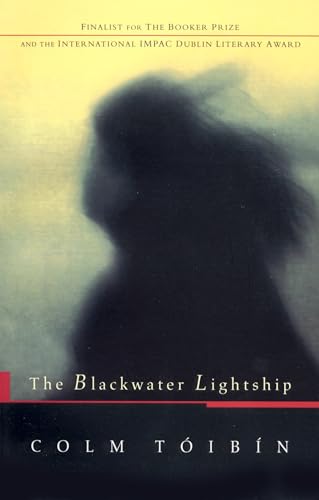
No. 38 on this list. The Blackwater Lightship
Colm Tóibín · 1999
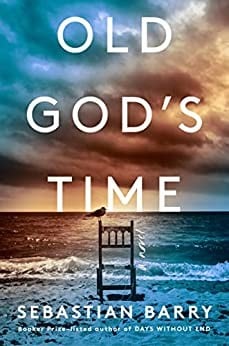
No. 39 on this list. Old God's Time
Sebastian Barry · 2023
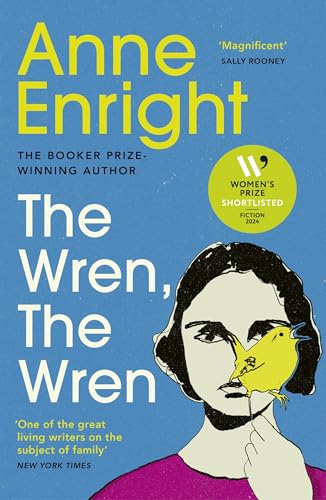
No. 40 on this list. The Wren, The Wren
Anne Enright · 2024
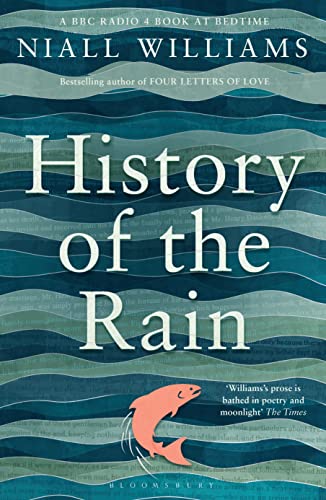
No. 41 on this list. History of the Rain
Niall Williams · 2014
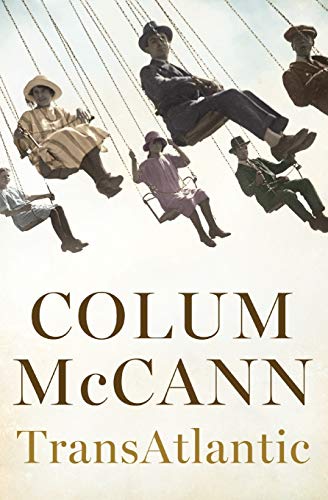
No. 42 on this list. TransAtlantic
Colum McCann · 2013
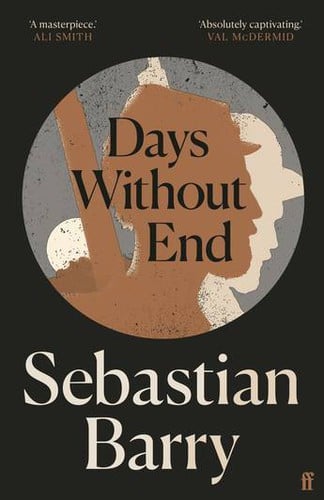
No. 43 on this list. Days Without End
Sebastian Barry · 2017
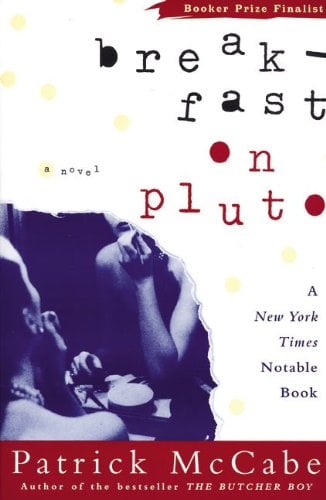
No. 44 on this list. Breakfast on Pluto
Patrick McCabe · 1998
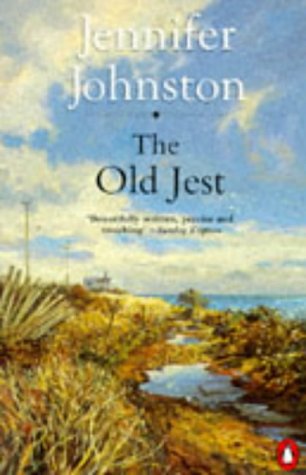
No. 45 on this list. The Old Jest
Jennifer Johnston · 1979
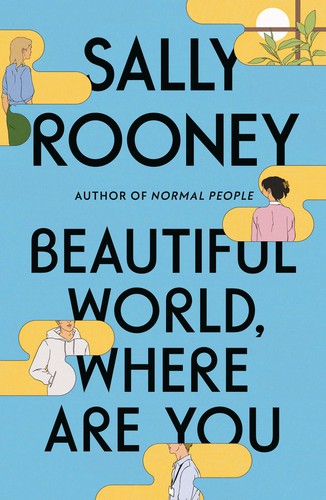
No. 46 on this list. Beautiful World, Where Are You
Sally Rooney · 2021
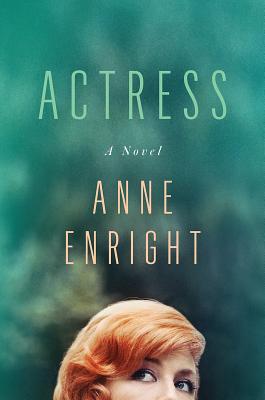
No. 47 on this list. Actress
Anne Enright · 2020
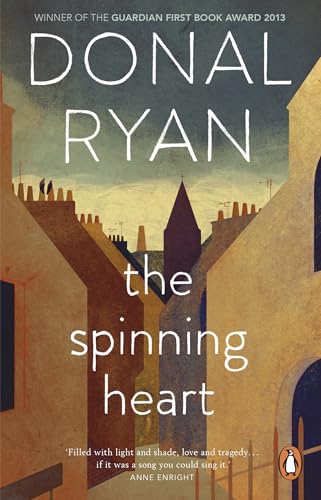
No. 48 on this list. The Spinning Heart
Donal Ryan · 2013
Taught in schools: Leaving Certificate English – NCCA / State Examinations Commission (Ireland)
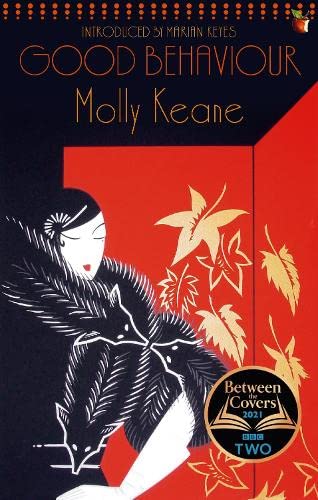
No. 49 on this list. Good Behaviour
Molly Keane · 1981
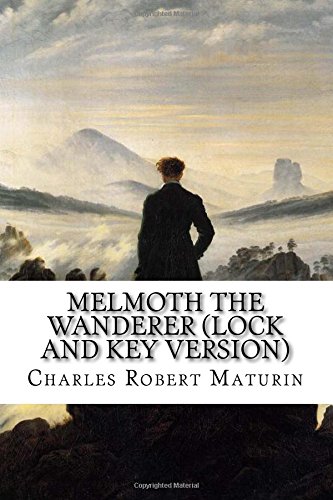
No. 50 on this list. Melmoth the Wanderer
Charles Maturin · 1820
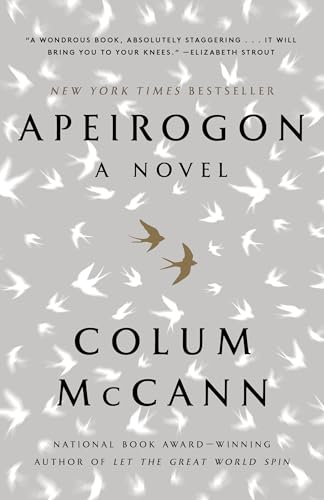
No. 51 on this list. Apeirogon
Colum McCann · 2020
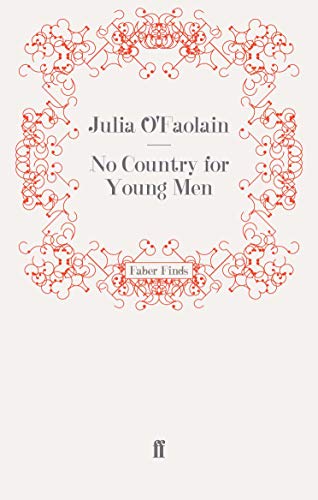
No. 52 on this list. No Country for Young Men
Julia O'Faolain · 1980
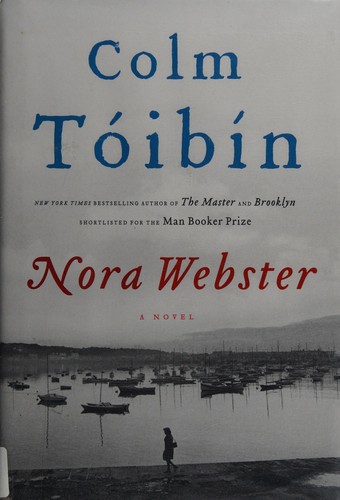
No. 53 on this list. Nora Webster
Colm Tóibín · 2014
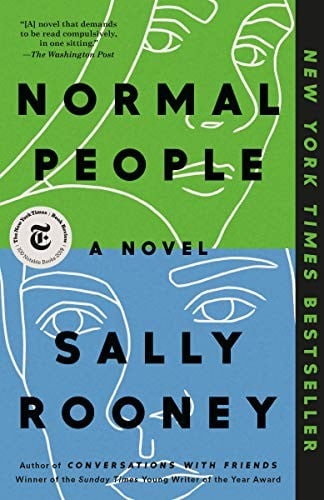
No. 54 on this list. Normal People
Sally Rooney · 2018
No. 55 on this list. In the Forest
Edna O'Brien · 2002
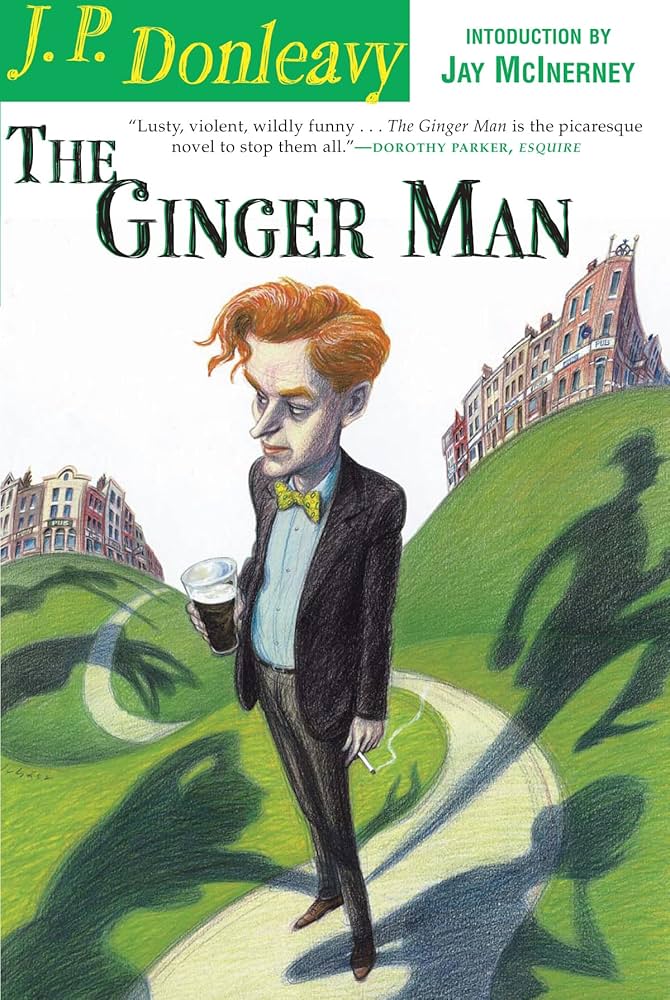
No. 56 on this list. The Ginger Man
J.P. Donleavy · 1955
No. 57 on this list. The Sea
John Banville · 2005
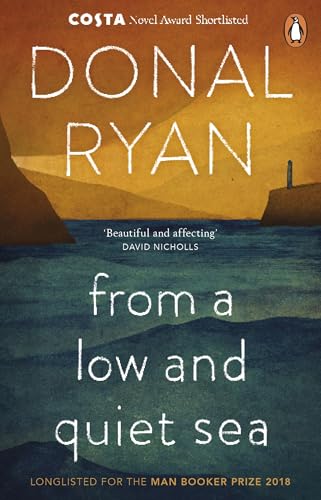
No. 58 on this list. From a Low and Quiet Sea
Donal Ryan · 2018
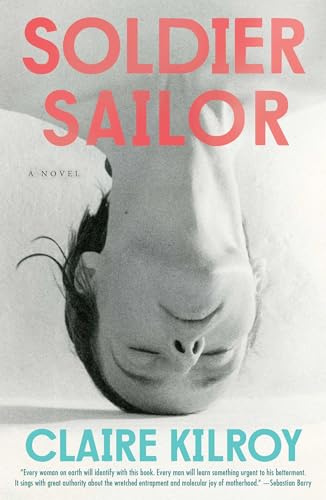
No. 59 on this list. Soldier Sailor
Claire Kilroy · 2024
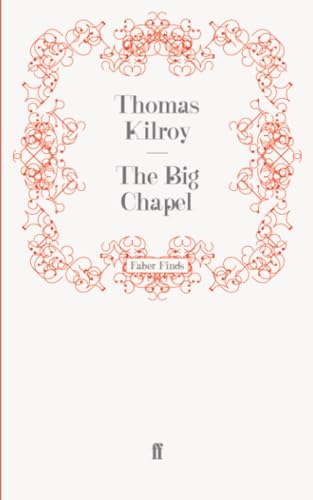
No. 60 on this list. The Big Chapel
Thomas Kilroy · 1971
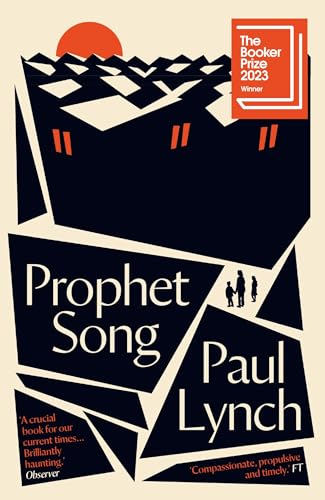
No. 61 on this list. Prophet Song
Paul Lynch · 2023
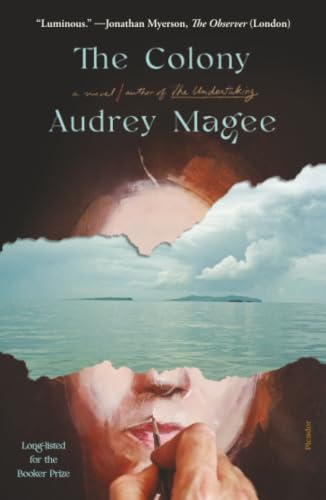
No. 62 on this list. The Colony
Audrey Magee · 2022
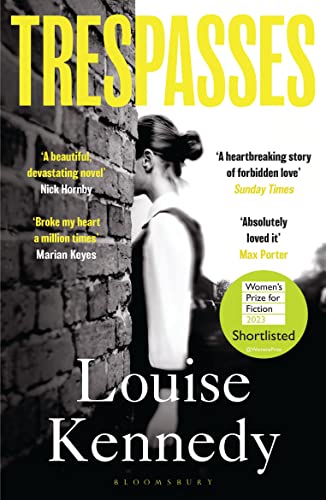
No. 63 on this list. Trespasses
Louise Kennedy · 2023
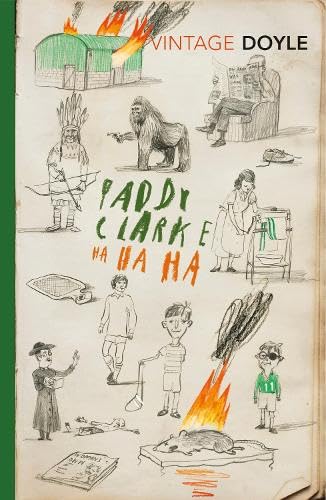
No. 64 on this list. Paddy Clarke Ha Ha Ha
Roddy Doyle · 1993
No. 65 on this list. In the Woods
Tana French · 2007
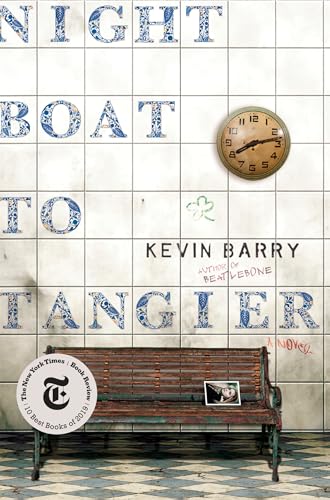
No. 66 on this list. Night Boat to Tangier
Kevin Barry · 2019
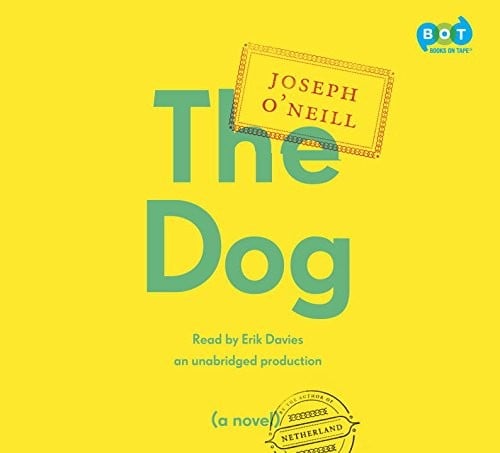
No. 67 on this list. The Dog
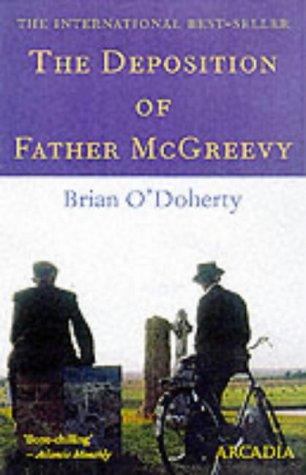
No. 68 on this list. The Deposition of Father McGreevy
Brian O'Doherty · 2000
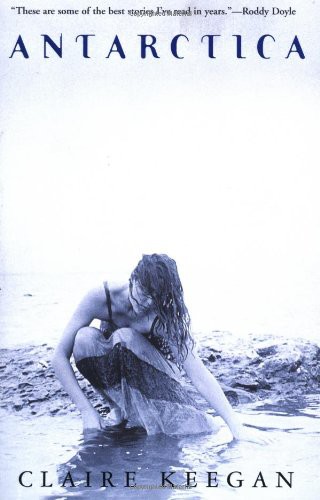
No. 69 on this list. Antarctica
Claire Keegan · 2002
No. 70 on this list. Shroud
John Banville · 2002
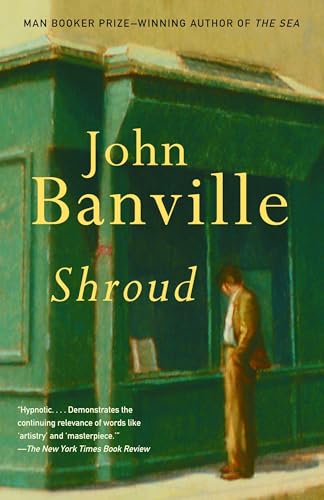
No. 71 on this list. Netherland
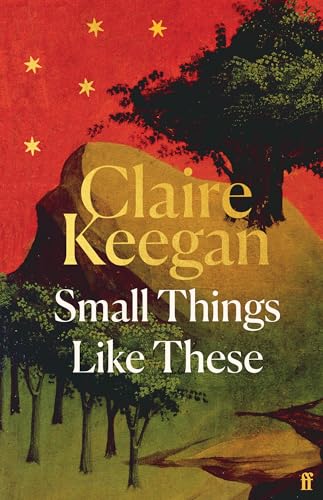
No. 72 on this list. Small Things Like These
Claire Keegan · 2022
Taught in schools: Leaving Certificate English – NCCA / State Examinations Commission (Ireland)
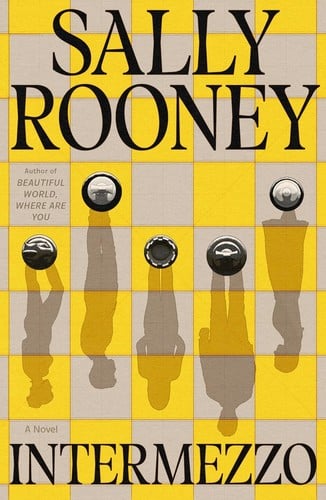
No. 73 on this list. Intermezzo
Sally Rooney · 2024
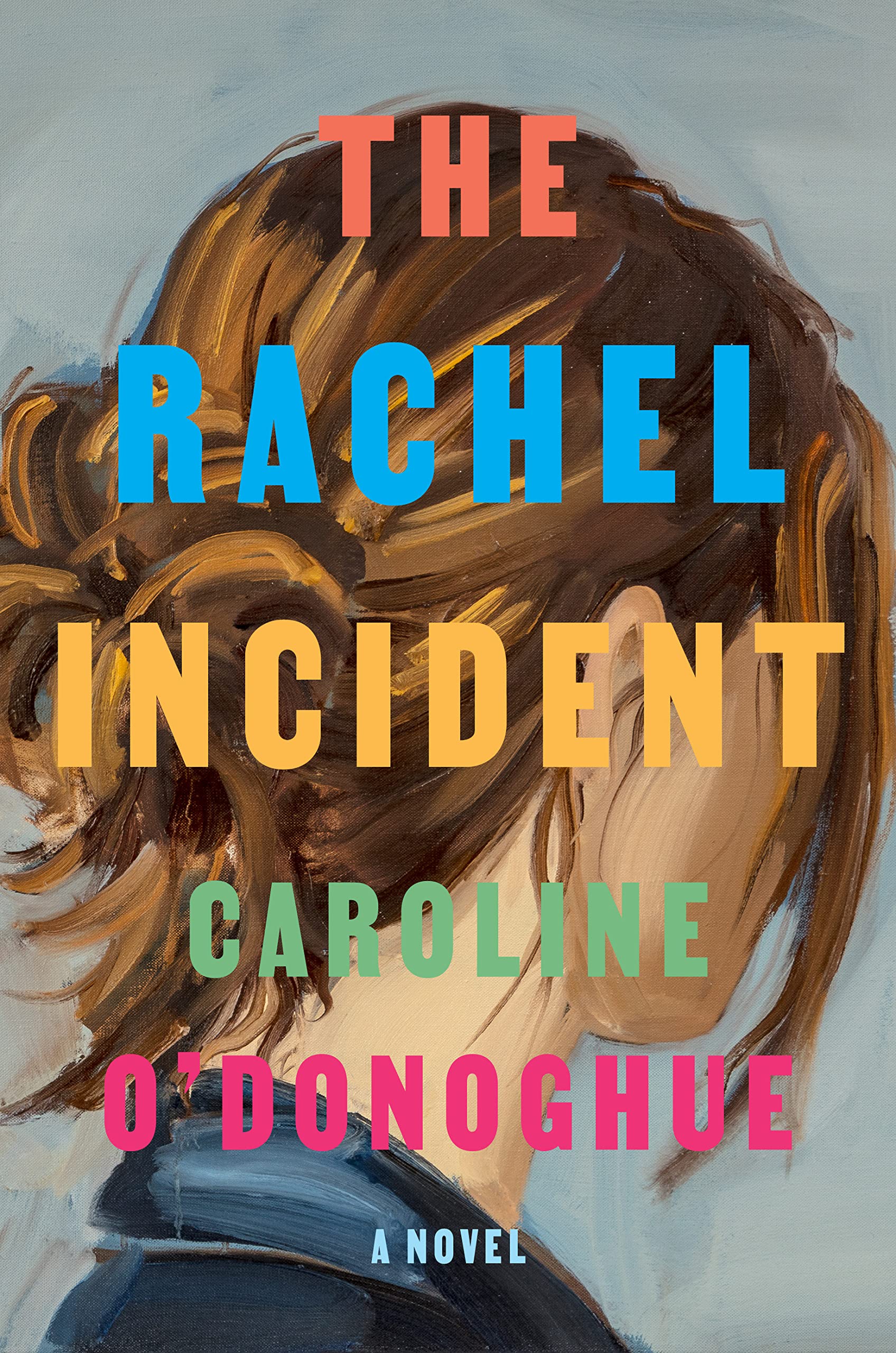
No. 74 on this list. The Rachel Incident
Caroline O'Donoghue · 2023
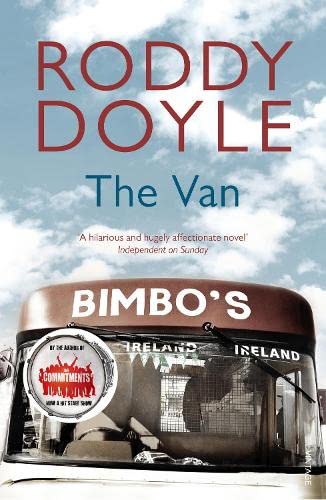
No. 75 on this list. The Van
Roddy Doyle · 1991
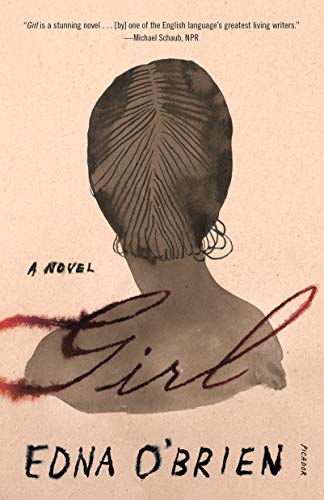
No. 76 on this list. Girl
Edna O'Brien · 2019
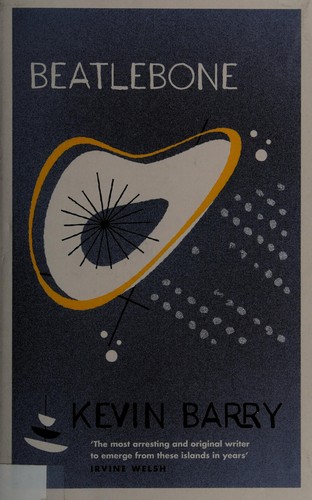
No. 77 on this list. Beatlebone
Kevin Barry · 2015
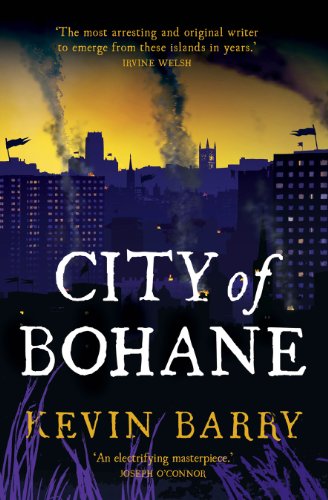
No. 78 on this list. City of Bohane
Kevin Barry · 2013
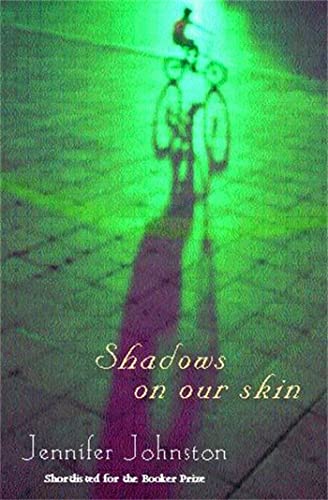
No. 79 on this list. Shadows on our Skin
Jennifer Johnston · 1977
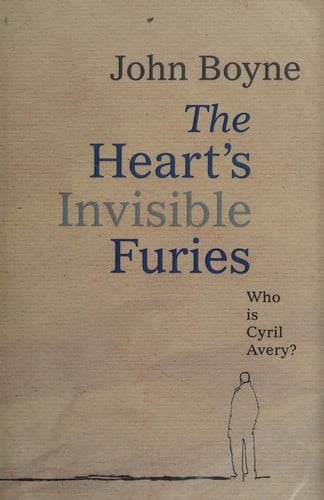
No. 80 on this list. The Heart's Invisible Furies
John Boyne · 2017
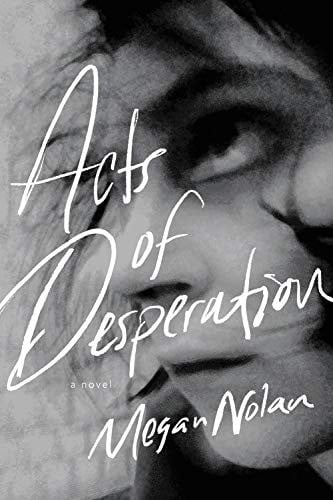
No. 81 on this list. Acts of Desperation
Megan Nolan · 2021
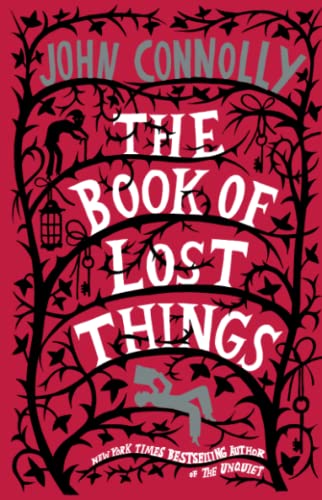
No. 82 on this list. The Book of Lost Things
John Connolly · 2006
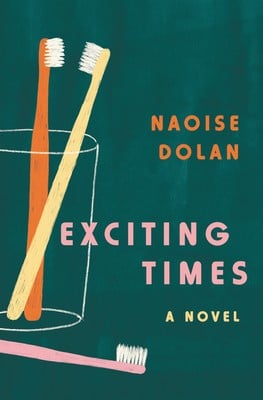
No. 83 on this list. Exciting Times
Naoise Dolan · 2020
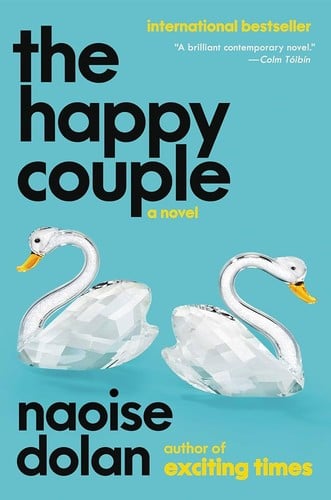
No. 84 on this list. The Happy Couple
Naoise Dolan · 2023
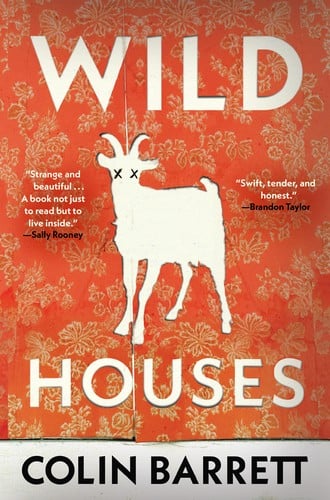
No. 85 on this list. Wild Houses
Colin Barrett · 2024
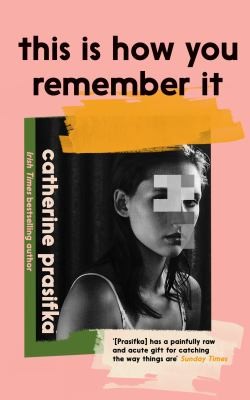
No. 86 on this list. This Is How You Remember It
Catherine Prasifka · 2024
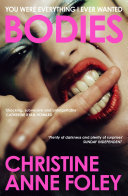
No. 87 on this list. Bodies
Christine Anne Foley · 2024
About this list
These 87 books are the highest-scoring eligible literary novels from Ireland currently in the catalogue. By literary regard, it opens with Ulysses, Waiting for Godot and Finnegans Wake. About 669 hours of reading in all, for the 86 with measured lengths. Difficulty runs from 52 to 63 out of 100 for the middle half of the list; the summit is Finnegans Wake at 94.
This list is ranked by literary regard, with a consistent order for equal scores. Membership follows authors and co-authors, not translators or editors. Catalogue coverage and the historical canon both limit what this list can represent, and genre labels are the catalogue’s own, gathered into broader kinds.
When we matched the Canons dataset to our catalogue in October 2026, our canonical-status scores rose with the number of school curricula, publisher series and lists in it that cite a work: the median score was 72 for books one such source cites, 84 at two, 88 at three, 92 at four and 93 at five or more. Prizes are left out of that count. Outside the state curricula, the dataset’s sources choose mostly from what has been translated into English or French, so it is a weaker check on other literatures. Source: Canons (Andrew Piper), CC BY 4.0
Questions people actually ask
- What are the best literary novels from Ireland?
- By literary regard, which weighs canonical status, critical standing and influence, Ulysses, Waiting for Godot, Finnegans Wake, Dubliners and Happy Days lead. ReadingRate ranks 87 such books, each with a difficulty score and a reading-time estimate.
- Where should I start with literary novels from Ireland?
- Start from difficulty, not from rank. The most approachable books on this list that still carry top literary regard are The Importance of Being Earnest and Other Plays by Oscar Wilde (about 6.9 hours), Happy Days by Samuel Beckett and Dracula by Bram Stoker.
- How hard are literary novels from Ireland to read?
- Most of this list sits between 52 and 63 on ReadingRate's 100-point difficulty scale, where 40 to 55 is moderate. The summit is Finnegans Wake at 94. Every entry carries its own score, so a reader can pick a great book at a difficulty they will finish.
- How is this list ranked?
- On literary-regard data: how canonically established a work is, its critical standing, and its influence on later writing. It is not a readers’ poll, which is why recent bestsellers rarely appear. Membership follows authors and co-authors, not translators or editors. A list that is not a genre list keeps to literature (fiction, poetry, drama and philosophy), with philosophy taking no more than one slot in five while there is literature left to rank; every list holds at most three works by one author.