Hours at an average pace
Showing 100 books
About 545 hours for 99 of 100 books with measured lengths. Estimates use 250 words a minute, adjusted for each book's difficulty. At 2 hours a day, about 273 days for those books.
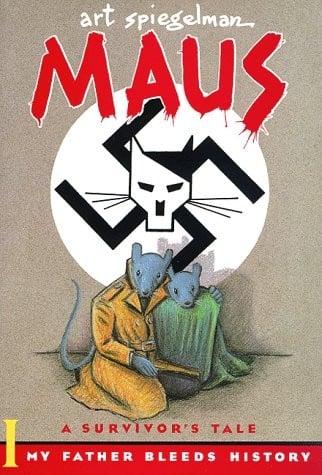
No. 1 on this list. Maus I: A Survivor's Tale: My Father Bleeds History
Art Spiegelman · 1991
Easy2.2 hours
Maus is widely taught in schools and universities as a central Holocaust text and as the key work of the graphic novel, and it won a Pulitzer Prize special award in 1992 for the combined work. It is now standard in comics studies and memory studies.
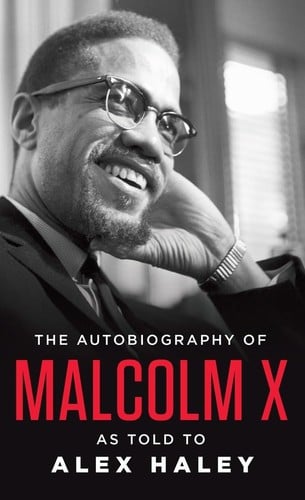
It is widely taught in American history and literature courses, is named among Time's most important nonfiction books of the century, and is an essential text in African American studies.
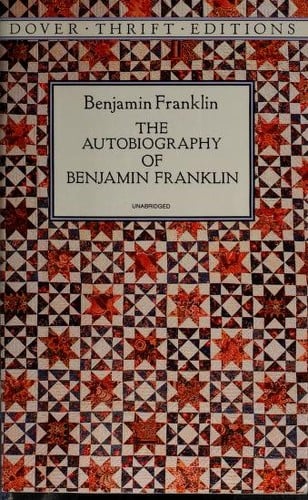
The Autobiography is among the most assigned texts in American literature and history courses at both high school and university level, serving as the foundational document of the American self-made-man tradition. No awards data is available in the database, but the work appears on virtually every syllabus of early American literature and is regularly included in surveys of American nonfiction. It is universally treated as essential reading for understanding American culture and civic ideology.
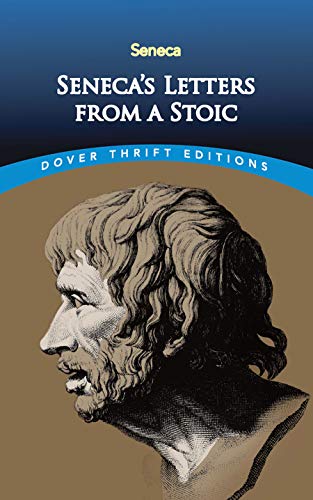
Letters from a Stoic is among the most-taught classical texts in philosophy and humanities curricula worldwide. The Penguin Classics edition appears on syllabi for ancient philosophy, ethics, Latin literature, and Great Books courses at universities across North America and Europe. While the database returned no syllabus count, Seneca's letters are standard reading in any serious engagement with Stoicism and Roman prose.
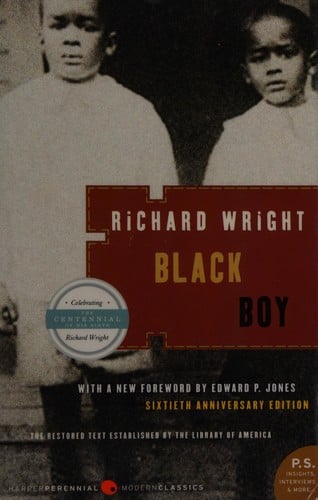
Black Boy is a fixture in American secondary and university curricula, routinely assigned in courses on African American literature, autobiography, and twentieth-century American history. It appears on widely used reading lists alongside Native Son and Frederick Douglass's Narrative. The book has maintained continuous institutional presence since its 1945 publication and Book-of-the-Month Club selection.
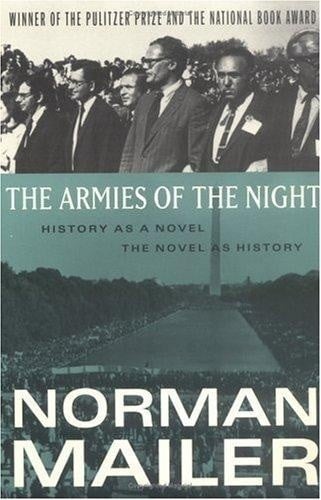
Won both the Pulitzer Prize for General Nonfiction and the National Book Award in 1969 — an extraordinarily rare double — cementing its place in the American literary canon. Taught regularly in American literature, journalism, and creative nonfiction courses. Appears on most authoritative 'great American nonfiction' lists alongside In Cold Blood and Let Us Now Praise Famous Men.
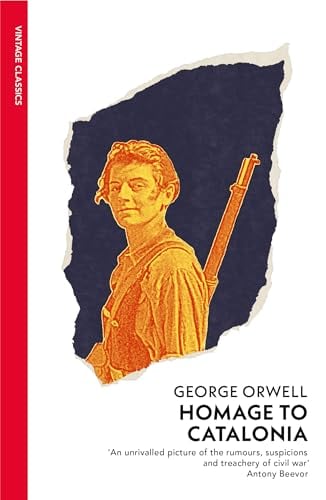
Homage to Catalonia is standard reading in courses on 20th-century political history, European literature, and war memoir at universities worldwide. Orwell is among the most assigned authors in English-language syllabi, and while this title is less ubiquitous than 1984 or Animal Farm, it appears consistently in political science and modern history curricula. It has been in continuous print since its 1952 reissue and features on numerous 'essential nonfiction' lists.
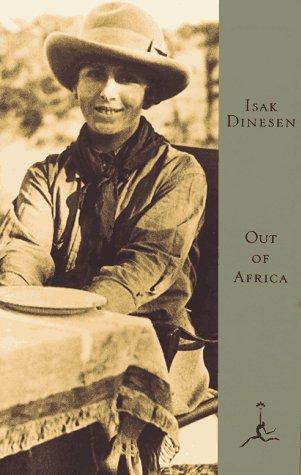
Out of Africa is widely recognized as one of the great literary memoirs of the twentieth century. It appears on the Modern Library's 100 Best Nonfiction list at number 17 and is regularly assigned in university courses on memoir, African literature, and postcolonial studies. Its Wikipedia article exists in numerous languages and includes sections on reception and adaptations. The work has achieved broad curricular and cultural presence across the English-speaking world and beyond.
No. 9 on this list. Narrative of the Life of Frederick Douglass
Frederick Douglass · 1845
Very Easy2 hours
Frederick Douglass was born into slavery on a Maryland plantation and never knew his exact birthday. His mother, a field hand, walked twelve miles at night to lie beside him before returning to work at dawn. She died when he was seven; he felt it as a stranger's death. From this opening act of separation, Douglass traces his path from Eastern Shore plantations to Baltimore streets to the abolitionist stage -- and at each turn, the question is the same: what does slavery do to human beings, both Black and white? The book's most startling insight arrives in a Baltimore parlor, where Sophia Auld begins teaching the boy his letters. Her husband forbids it, and Douglass understands instantly: if reading makes a slave unfit for bondage, then reading is the way out. He trades bread for lessons with white children on the street. The pivotal scene comes years later, when Douglass fights the slave-breaker Covey to a standstill: 'You have seen how a man was made a slave; you shall see how a slave was made a man.' Written in 1845, while Douglass was still legally property, this is testimony with the names left in -- masters, overseers, farms, the murdered and the murderers. Every page is an act of defiance.
The diary is a fixture of secondary education worldwide and appears in 72 Wikipedia language editions — on par with The Great Gatsby — reflecting its global canonical reach. Its 133 Open Syllabus appearances (53rd percentile) undercount its true presence, as it is taught most heavily at the pre-university level. Le Monde named it one of the 100 Books of the Century in 1999.
No. 11 on this list. The Doors of Perception · Aldous Huxley · 1954
One morning in May 1953, Aldous Huxley swallowed four-tenths of a gram of mescalin dissolved in water and sat down to wait. What followed was not the colored geometries and visionary architectures he had expected. Instead, three flowers in a small vase — a rose, a carnation, an iris — began to shine with what he could only call their own inner light. Chair legs revealed themselves as something a Van Gogh would have painted with adoring terror. The folds in his gray flannel trousers disclosed an inexhaustible significance. Huxley's account of this eight-hour experiment is also a meditation on consciousness, perception, art, and the universal human need to escape selfhood. He draws on Vedantic philosophy, Zen Buddhism, Western art history — Vermeer, Botticelli, El Greco, Blake — and the pharmacology of adrenochrome to argue that mescalin temporarily disables the brain's reducing valve, admitting a flood of what he calls Mind at Large. The experience illuminates why the great mystics saw what they saw, why artists return obsessively to drapery, and why every culture throughout history has reached for chemical self-transcendence. The essay ends not in mystical surrender but in a pragmatic proposal: humanity needs better drugs, less toxic than alcohol, that produce changes in consciousness more genuinely valuable than mere sedation. Short enough to read in an afternoon, dense enough to reread for years.
Easy58 min
Start this bookNo. 12 on this list. Incidents in the Life of a Slave Girl · Harriet Ann Jacobs · 1861
It is a staple of American literature and African American studies courses and the best-known slave narrative by a woman. Few narratives are taught as widely, though it stands below the central novels.
Easy2.6 hours
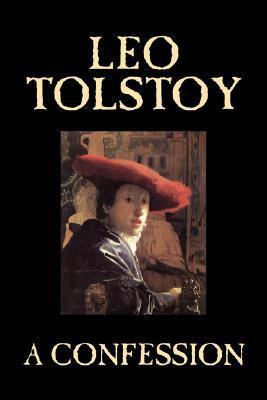
Start this bookNo. 13 on this list. A Confession · Leo Tolstoy · 1882
A Confession appears widely on Russian literature, philosophy, and religious studies syllabi as the defining document of Tolstoy's spiritual turn. It is regularly anthologized alongside his major fiction and treated as an essential text for understanding his late career. Its canonical status is well below Anna Karenina or War and Peace but well above peripheral works.
Easy1.4 hours
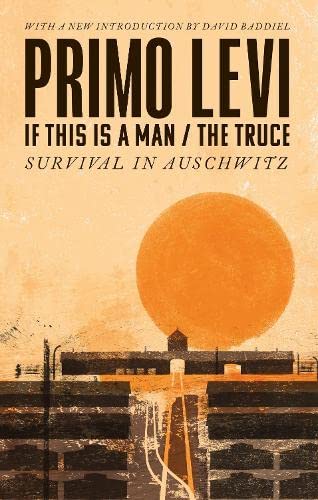
Read nowNo. 14 on this list. The Truce · Primo Levi · 1963
"The Truce" is taught widely in Holocaust literature, Italian literature, and 20th-century European history courses at universities across Europe and North America. It is less universally assigned than "If This Is a Man" but is firmly in the canon of serious literary and testimonial writing. No syllabus data was returned by the database, but Levi's standing in academic curricula is well established independently.
Easy8.6 hours
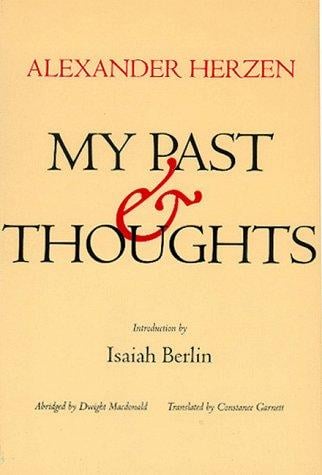
Start this bookNo. 15 on this list. My Past and Thoughts · Alexander Herzen · 1868
Recognized as one of the masterpieces of Russian prose, though less widely read than the great novels. Isaiah Berlin's championship brought it to wider English-language attention.
Moderate29 hours
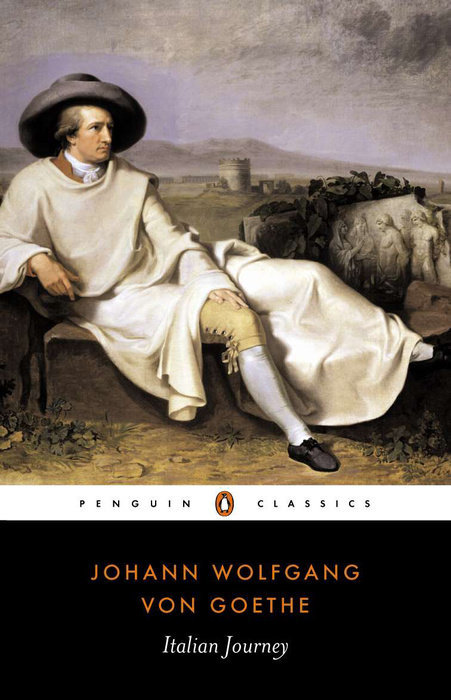
Start this bookNo. 16 on this list. Italian Journey · Johann Wolfgang von Goethe · 1816
The book is a standard work in German literature and Grand Tour studies and a fixture of Goethe's collected works. It is read less widely in classrooms than Faust or Werther.
Moderate9.6 hours
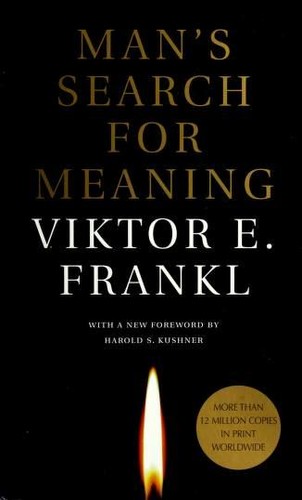
Start this bookNo. 17 on this list. Man's Search for Meaning · Viktor E. Frankl · 2006
Widely assigned in psychology, philosophy, Holocaust studies and general reading courses, and long a standard recommended text, though not a literary canon fixture like Notes from Underground.
Easy2.4 hours
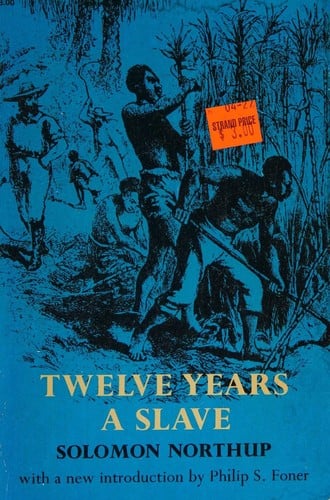
Start this bookNo. 18 on this list. Twelve Years a Slave · Solomon Northup · 1853
It is a staple of American literature and history courses as a core slave narrative. The 2013 film adaptation widened its readership, though it sits below the highest canonical works.
Easy5.2 hours
Start this bookNo. 19 on this list. The Diary of Samuel Pepys · Samuel Pepys
The Diary of Samuel Pepys is one of the most famous primary sources in the English language, taught in history, literature, and primary source methodology courses at universities worldwide. It appears on reading lists for Early Modern English history and is considered essential context for understanding the Restoration period, the Great Plague of 1665, and the Great Fire of London.
Moderate82 hours
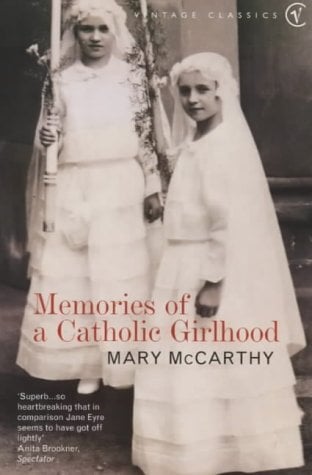
Read nowNo. 20 on this list. Memories of a Catholic Girlhood · Mary McCarthy · 1957
A fixture in American literary memoir courses and women's writing curricula since the 1960s. Widely included in syllabi on 20th-century American autobiography and widely cited in academic discussions of the memoir form. While the database shows no syllabus or Wikipedia data, McCarthy's reputation and this book's influence on the literary memoir genre place it well within the canonical range.
Easy11 hours
Start this book
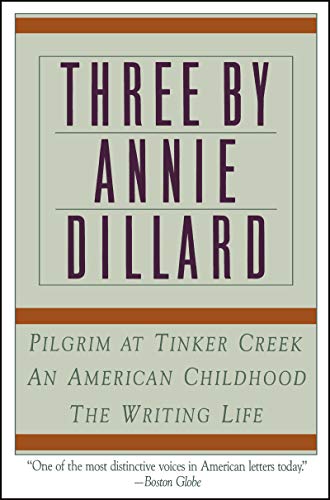
No. 21 on this list. The Writing Life · Annie Dillard · 1989
Annie Dillard sits down to write, and the writing refuses to cooperate. In this slim, fierce book, she tracks what actually happens when a person tries to put words on a page—the false starts, the chapters torn out and burned, the years spent in rented rooms going nowhere. She watches a stunt pilot named Dave Rahm perform aerobatics over Bellingham, Washington, and sees in his total commitment to the air exactly what writing demands: every maneuver burns fuel, and the fuel runs out. The inchworm that climbs to the tip of a branch and waves its front half wildly in empty space, searching for the next thing to grab—that's the writer too. Dillard moves between a writing shack on Cape Cod, a desk in Virginia, and the mountains of the Pacific Northwest, and in each place the same problem waits. She is not writing about writing in the abstract. She is writing about the peculiar violence of the work: how you dismantle a book to save it, how you follow a line of thought into territory you cannot map in advance. Readers expecting a how-to manual will find instead something harder and stranger—a record of what the life costs.
Easy1.4 hours
Start this bookNo. 22 on this list. The Complete Personal Memoirs of Ulysses S Grant · Ulysses S. Grant · 2017
Widely taught in American history and military courses and long counted among the great American autobiographies. It is less a fixture of literature surveys than Gatsby but firmly established.
Easy4.5 hours
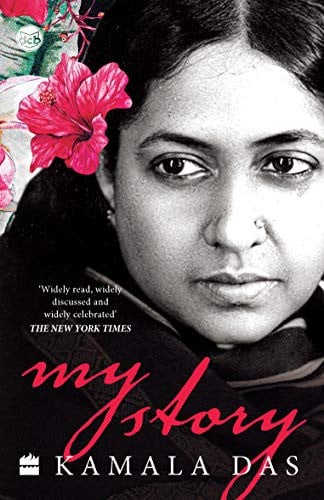
Start this bookNo. 23 on this list. My Story · Kamala Das · 1976
A landmark of Indian autobiography. Still controversial and widely read.
Very Easy2.5 hours
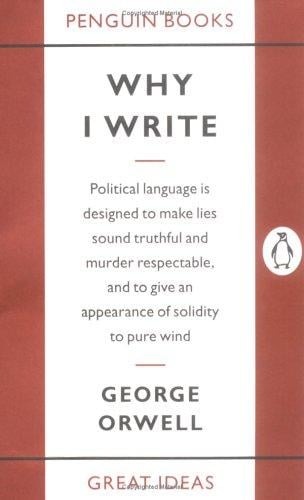
Start this bookNo. 24 on this list. Why I Write · George Orwell · 1946
'Why I Write' is a fixture of composition and journalism syllabi and appears in most Orwell readers and 'best essays' anthologies, though as a short nonfiction piece it doesn't carry the syllabus weight of 1984 or Animal Farm. No syllabus or Wikipedia data was returned for this specific edition, so this score leans on its established place in essay-writing curricula.
Very Easy1 hours
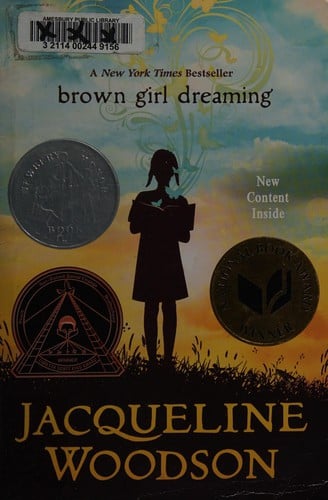
Start this bookNo. 25 on this list. Brown Girl Dreaming · Jacqueline Woodson · 2014
Brown Girl Dreaming is standard reading in American middle school and high school curricula, particularly in units on memoir, poetry, and Civil Rights-era literature. It appears on numerous recommended reading lists for young adults and is included in many school districts' required reading programs. Its canonical status is strong within YA and middle-grade education but has not yet reached the broader university literary canon.
Easy1.9 hours
Start this bookNo. 26 on this list. The Liars' Club · Mary Karr · 1995
Mary Karr was seven years old when a family doctor knelt before her in a dark room and asked to see the marks. It took her three decades to unfreeze that memory — and the rest of her childhood along with it. The Liars' Club is the account of growing up in Leechfield, a Texas refinery town, with a father who told magnificent stories in a rented room and a mother who set fire to the children's belongings in the backyard. Karr writes in Texas vernacular that has the grain and velocity of spoken speech. She renders her child-self's comprehension honestly — limited, funny, often oblivious to the damage being done — while her adult narrator tracks exactly what that damage was. The book's structure is a slow detonation: the opening scene poses a mystery, the chapters that follow supply the shrapnel, and the final section delivers the revelation about the mother that explains everything. Where most memoir softens the past, Karr reports it. The Liars' Club is the book that proved the form could hold the same psychological complexity as a novel.
Easy7.1 hours
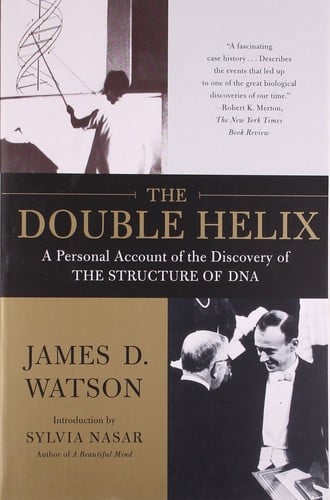
Start this bookNo. 27 on this list. The Double Helix · James D. Watson · 1968
One of the most important science memoirs ever written. Required reading in history of science courses.
Easy2.9 hours
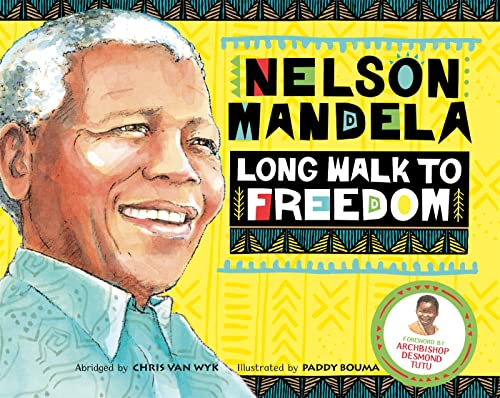
Start this bookNo. 28 on this list. Long Walk to Freedom · Nelson Mandela · 1994
Long Walk to Freedom is widely assigned in history, political science, and African studies courses at universities globally. It appears on school curricula across South Africa and is considered essential reading in postcolonial studies. Its canonical status is stronger as a historical document than as a literary text, placing it below definitive literary works like Beloved but above newer political memoirs.
Moderate15 hours
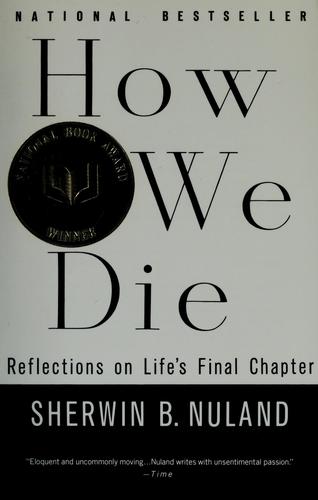
Start this bookNo. 29 on this list. How We Die · Sherwin B. Nuland · 1994
A National Book Award winner and a standard text in medical humanities and bioethics courses, but not a staple of general literature curricula.
Easy6.5 hours
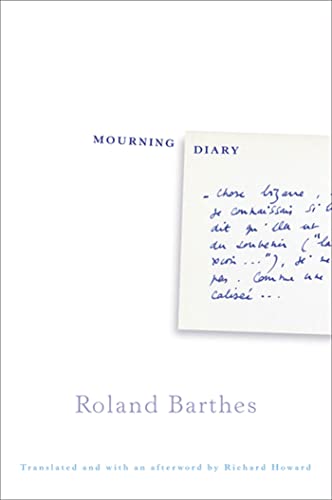
Start this bookNo. 30 on this list. Mourning Diary · Roland Barthes · 2009
Mourning Diary is taught in grief memoir, autofiction, and theory of autobiography courses, but it is less central to Barthes syllabi than Camera Lucida, S/Z, or Mythologies. Its posthumous publication in 2009 limited its decades of academic circulation. It is known and respected in literary-critical circles without having reached the syllabi saturation of Barthes's major theoretical works.
Easy49 min
Start this book
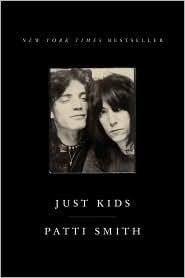
No. 31 on this list. Just Kids
Patti Smith · 2010
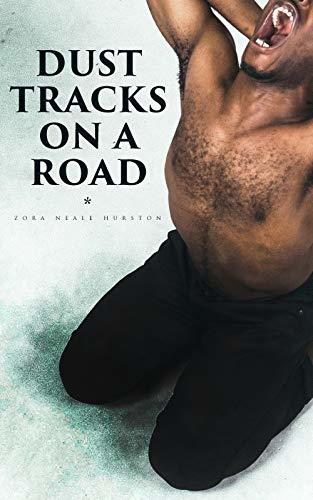
No. 32 on this list. Dust Tracks on a Road
Zora Neale Hurston · 1942
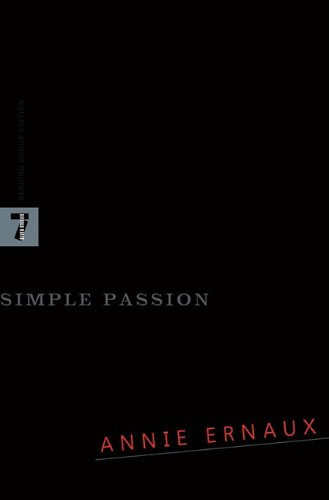
No. 33 on this list. Simple Passion
Annie Ernaux · 1991
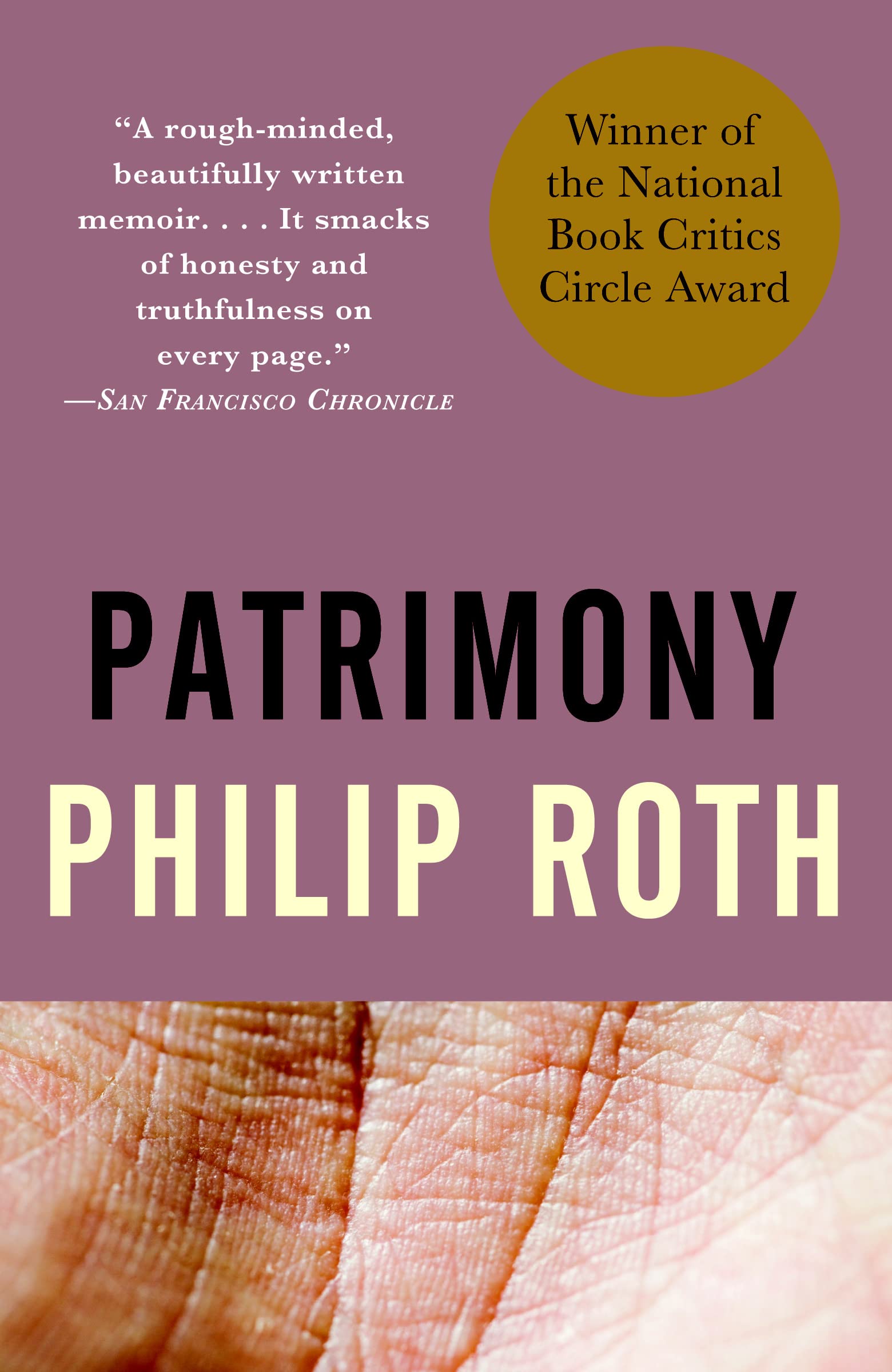
No. 34 on this list. Patrimony
Philip Roth · 1991
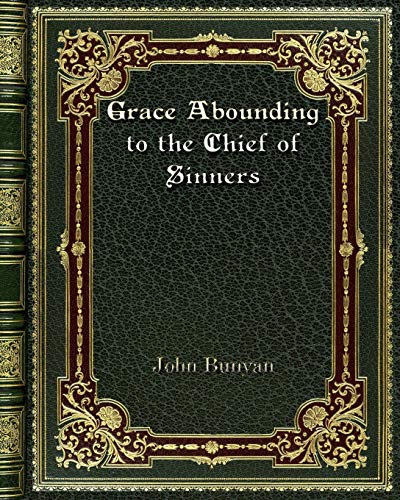
No. 35 on this list. Grace Abounding
John Bunyan · 1666
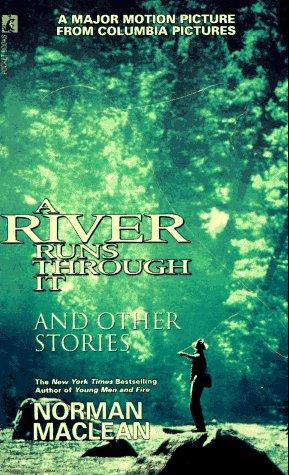
No. 36 on this list. A River Runs Through It and Other Stories
Norman Maclean · 2001
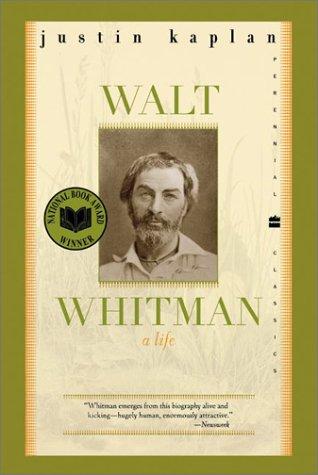
No. 37 on this list. Walt Whitman: A Life
Justin Kaplan · 1980
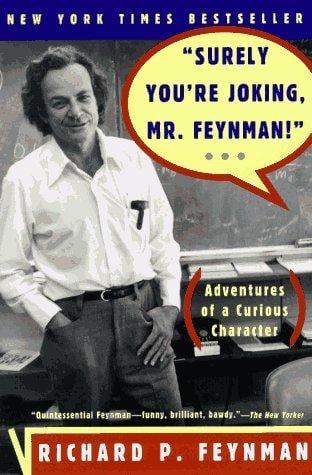
No. 38 on this list. Surely You're Joking, Mr. Feynman!
Richard P. Feynman · 1985
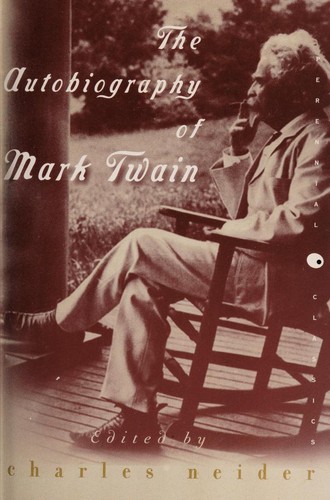
No. 39 on this list. The Autobiography of Mark Twain
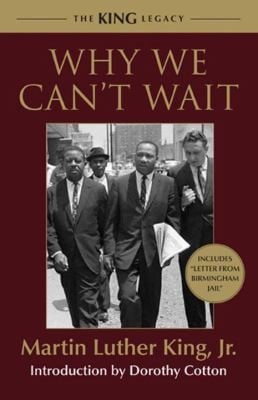
No. 40 on this list. Why We Can't Wait
Martin Luther King Jr. · 1964
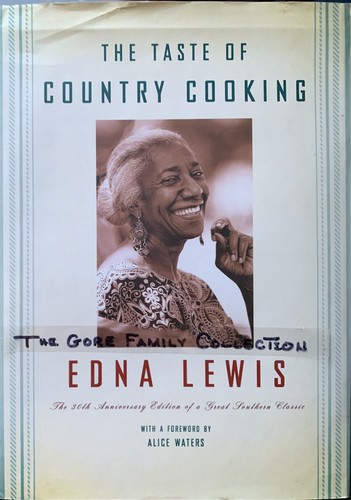
No. 41 on this list. The Taste of Country Cooking
Edna Lewis · 2006
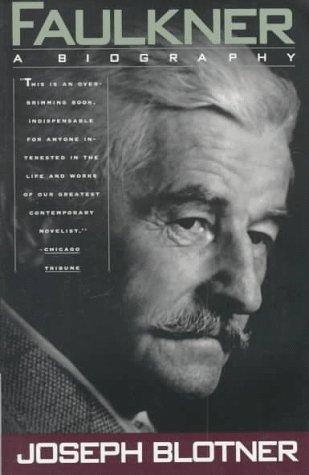
No. 42 on this list. Faulkner: A Biography
Joseph Blotner · 1974
No. 43 on this list. Dispatches
Michael Herr · 1977
No. 44 on this list. The Empathy Exams
Leslie Jamison · 2014
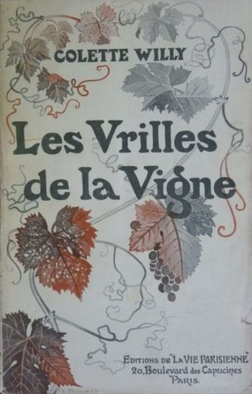
No. 45 on this list. The Tendrils of the Vine
Colette · 1908
Taught in schools: Programme de français, lycée général et technologique (France)
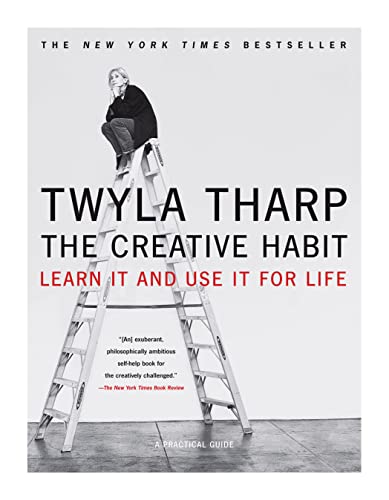
No. 46 on this list. The Creative Habit: Learn It and Use It for Life
Twyla Tharp · 2003
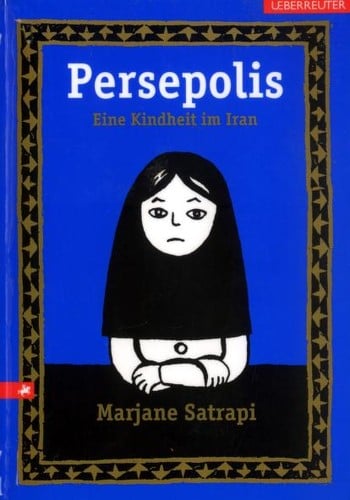
No. 47 on this list. Persepolis
Marjane Satrapi · 2000
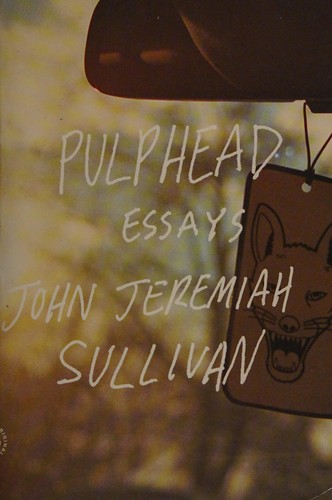
No. 48 on this list. Pulphead
John Jeremiah Sullivan · 2011
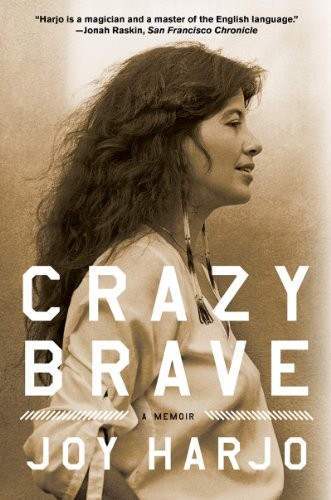
No. 49 on this list. Crazy Brave: A Memoir
Joy Harjo · 2012
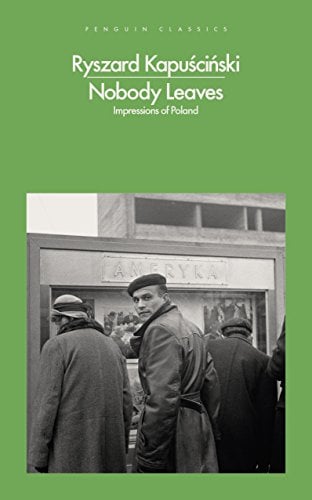
No. 50 on this list. Travels with Herodotus
Ryszard Kapuściński · 2004
No. 51 on this list. Negotiating with the Dead: A Writer on Writing
Margaret Atwood · 2002
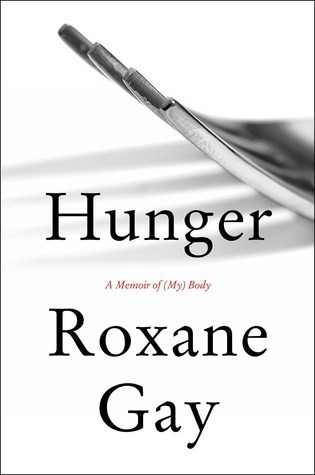
No. 52 on this list. Hunger: A Memoir of (My) Body
Roxane Gay · 2017
No. 53 on this list. The Possession
Annie Ernaux · 2002
No. 54 on this list. Gather Together in My Name
Maya Angelou · 1997
No. 55 on this list. Boyhood
Leo Tolstoy · 1854
No. 56 on this list. On Writing
Stephen King · 2000
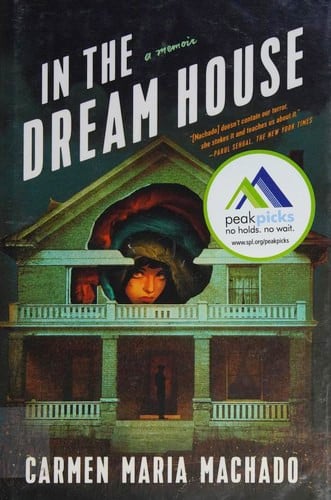
No. 57 on this list. In the Dream House
Carmen Maria Machado · 2019
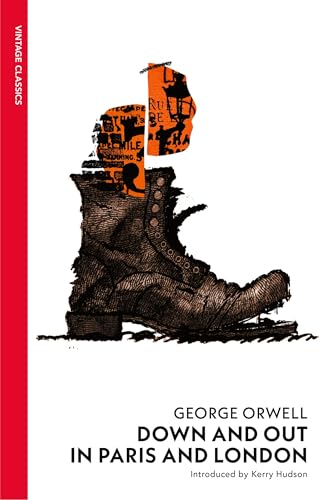
No. 58 on this list. Down and Out in Paris and London
George Orwell · 1933
No. 59 on this list. Story of My Life: The Autobiography of George Sand (SUNY series, Women Writers in Translation)
George Sand · 1991
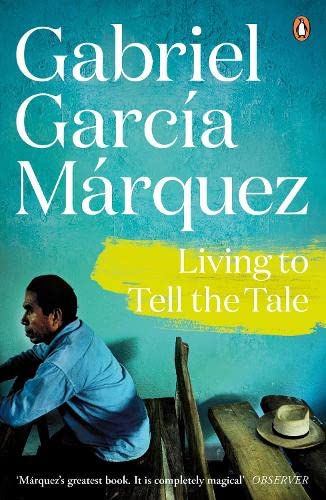
No. 60 on this list. Living to Tell the Tale
Gabriel García Márquez · 2002
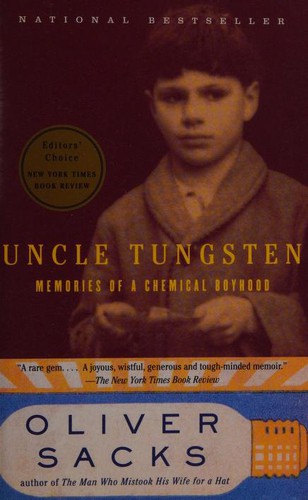
No. 61 on this list. Uncle Tungsten
Oliver Sacks · 2001
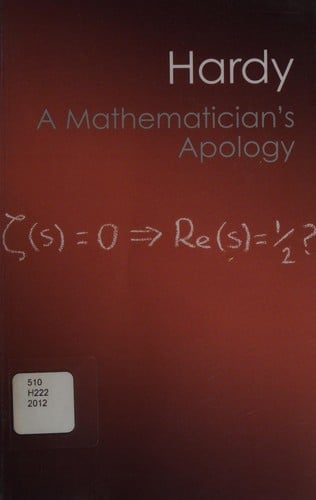
No. 62 on this list. A Mathematician's Apology
G.H. Hardy · 1940
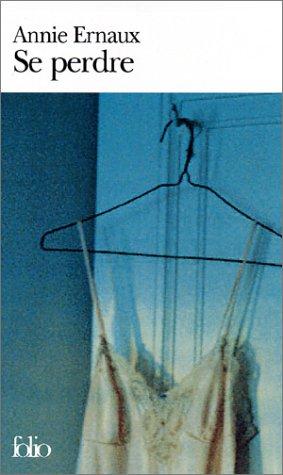
No. 63 on this list. Getting Lost
Annie Ernaux · 2001
No. 64 on this list. Arabian Sands
Wilfred Thesiger · 1959
No. 65 on this list. Real Estate
Deborah Levy · 2021
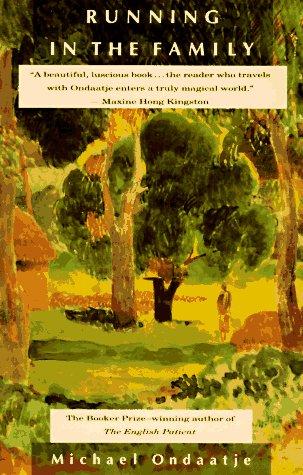
No. 66 on this list. Running in the Family
Michael Ondaatje · 1982
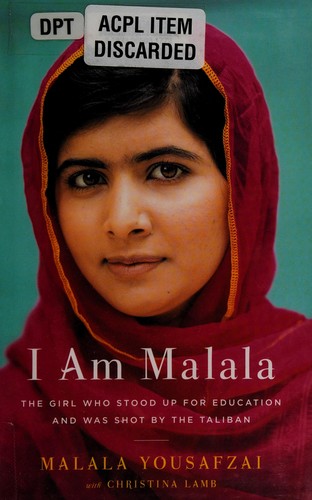
No. 67 on this list. I Am Malala: The Story of the Girl Who Stood Up for Education and Was Shot by the Taliban
Malala Yousafzai · 2013
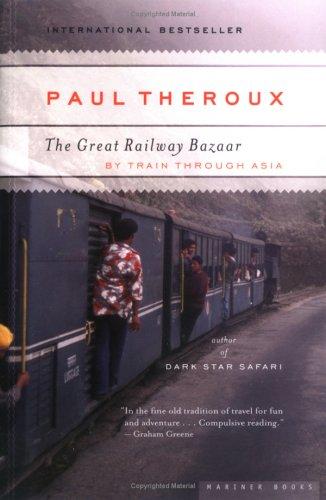
No. 68 on this list. The Great Railway Bazaar
Paul Theroux · 1975
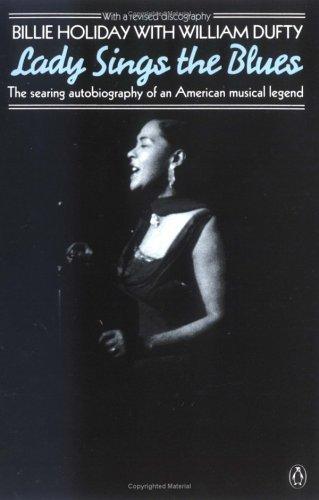
No. 69 on this list. Lady Sings the Blues
Billie Holiday · 1984
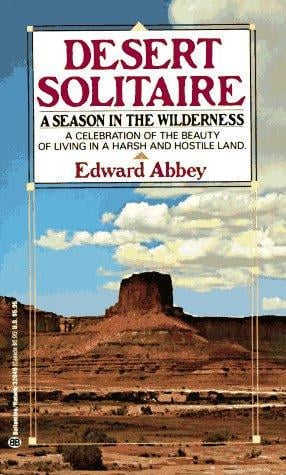
No. 70 on this list. Desert Solitaire
Edward Abbey · 1968
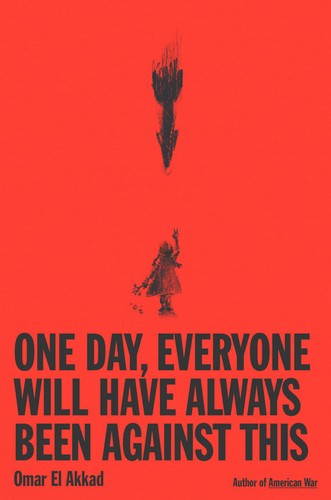
No. 71 on this list. One Day, Everyone Will Have Always Been Against This
Omar El Akkad · 2025
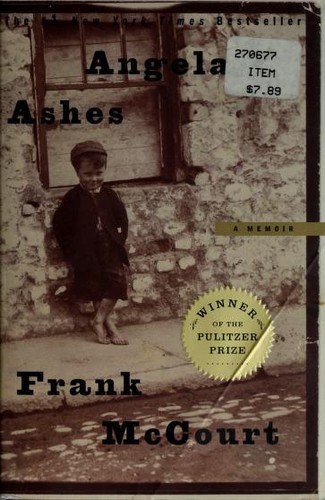
No. 72 on this list. Angela's Ashes
Frank McCourt · 1996
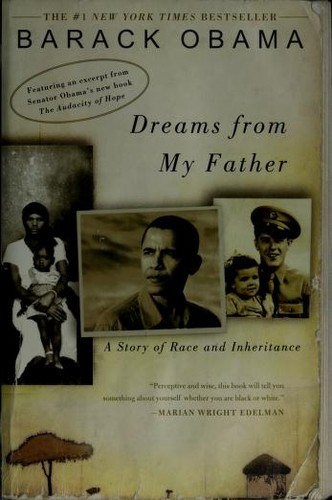
No. 73 on this list. Dreams from My Father
Barack Obama · 1995
No. 74 on this list. The Fun Stuff: And Other Essays
James Wood · 2012
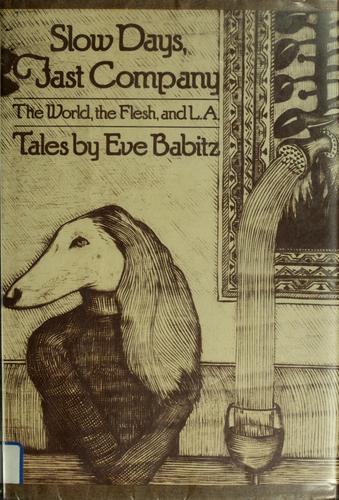
No. 75 on this list. Slow Days, Fast Company
Eve Babitz · 1977
No. 76 on this list. Girl, Interrupted
Susanna Kaysen · 1993
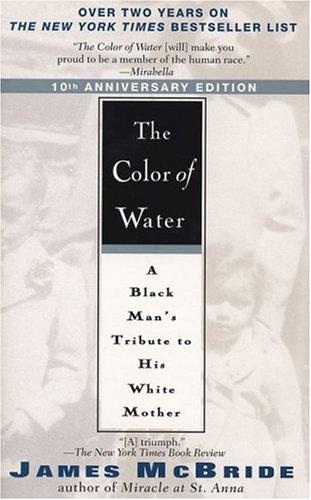
No. 77 on this list. The Color of Water
James McBride · 1996
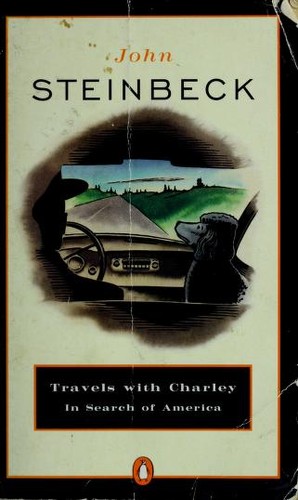
No. 78 on this list. Travels with Charley
John Steinbeck · 1962
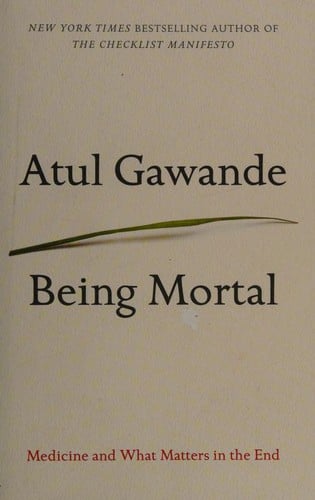
No. 79 on this list. Being Mortal
Atul Gawande · 2014
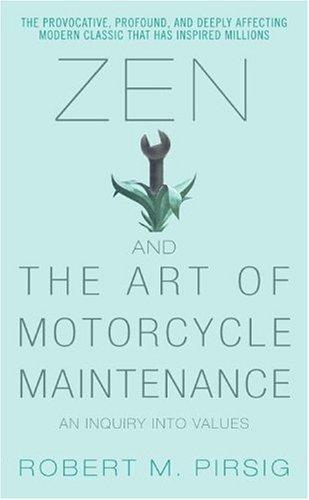
No. 80 on this list. Zen and the Art of Motorcycle Maintenance
Robert M. Pirsig · 1974
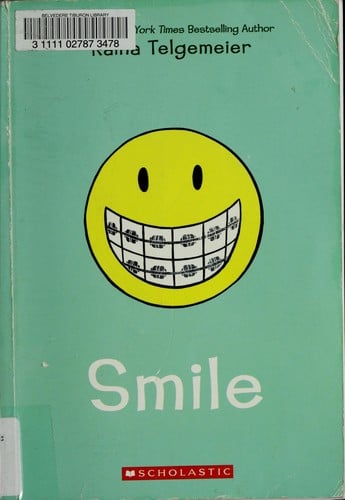
No. 81 on this list. Smile
Raina Telgemeier · 2010
No. 82 on this list. Vibration Cooking or the Travel Notes of a Geechee Girl
Vertamae Smart-Grosvenor · 1970
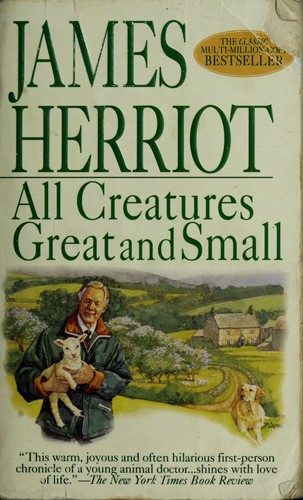
No. 83 on this list. All Creatures Great and Small (All Creatures Great and Small, #1-2)
James Herriot · 1972
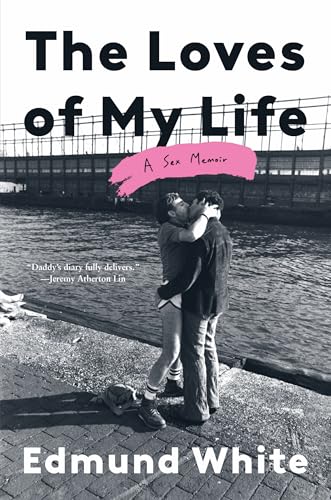
No. 84 on this list. The Loves of My Life: A Sex Memoir
Edmund White · 2025
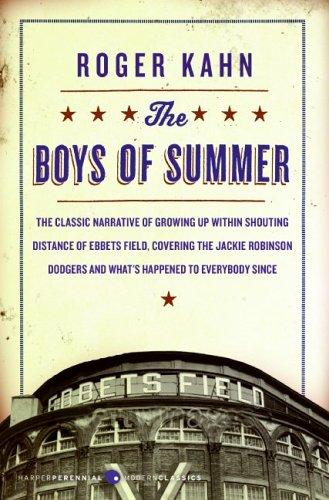
No. 85 on this list. The Boys of Summer
Roger Kahn · 1972
No. 86 on this list. Liar's Poker
Michael Lewis · 1989
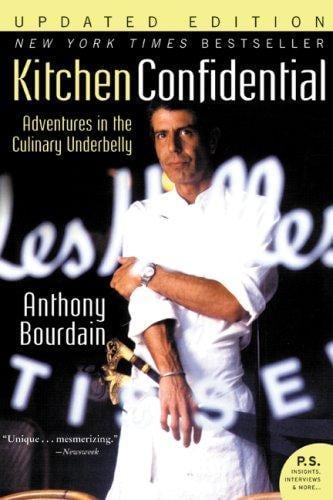
No. 87 on this list. Kitchen Confidential
Anthony Bourdain · 2000
No. 88 on this list. Embrace Fearlessly the Burning World
Barry Lopez · 2022
No. 89 on this list. West with the Night
Beryl Markham · 1942
No. 90 on this list. Educated
Tara Westover · 2018
No. 91 on this list. Blankets
Craig Thompson · 2003
No. 92 on this list. Notes on Grief
Chimamanda Ngozi Adichie · 2021
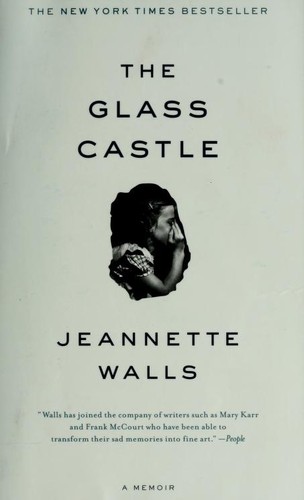
No. 93 on this list. The Glass Castle
Jeannette Walls · 2005
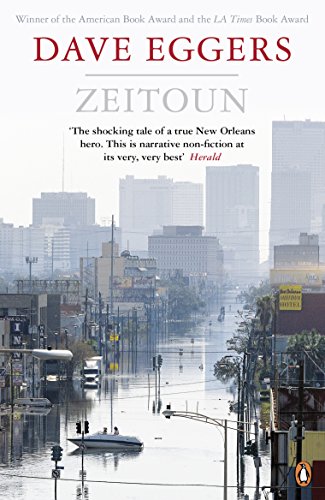
No. 94 on this list. Zeitoun
Dave Eggers · 2009
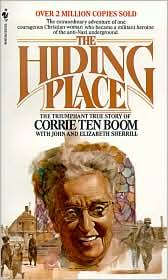
No. 95 on this list. The Hiding Place: The Triumphant True Story of Corrie Ten Boom
Corrie ten Boom · 1971
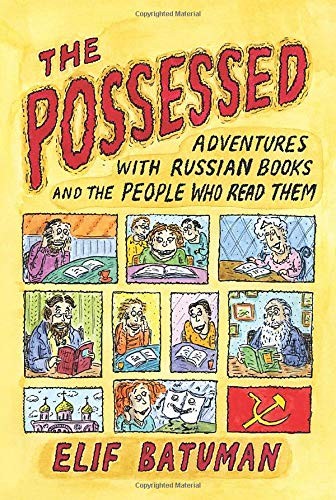
No. 96 on this list. The Possessed: Adventures with Russian Books and the People Who Read Them
Elif Batuman · 2010
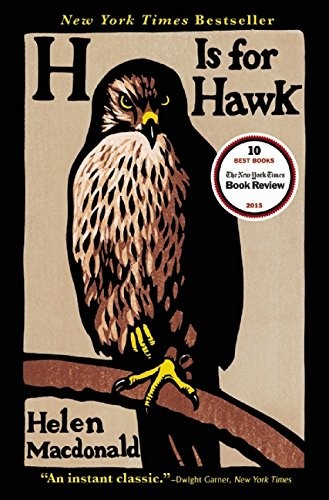
No. 97 on this list. H Is for Hawk
Helen Macdonald · 2014
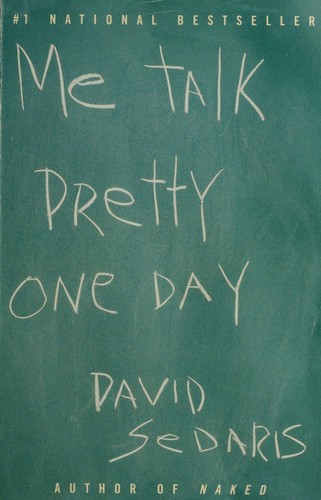
No. 98 on this list. Me Talk Pretty One Day
David Sedaris · 2000
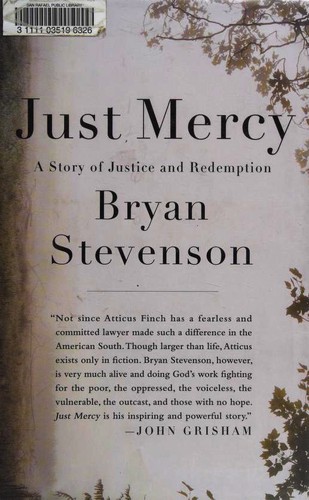
No. 99 on this list. Just Mercy
Bryan Stevenson · 2014
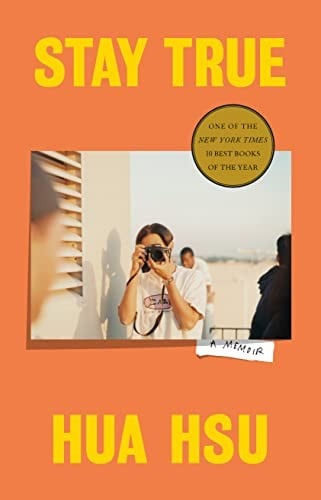
No. 100 on this list. Stay True
Hua Hsu · 2022
About this list
These 100 books are the highest-scoring eligible easy memoirs currently in the catalogue. By literary regard, it opens with Maus I: A Survivor's Tale: My Father Bleeds History, The Autobiography of Malcolm X and The Autobiography of Benjamin Franklin. About 545 hours of reading in all, for the 99 with measured lengths. Difficulty runs from 24 to 40 out of 100 for the middle half of the list; the summit is The Armies of the Night at 44.
This list is ranked by literary regard, with a consistent order for equal scores. Membership follows authors and co-authors, not translators or editors. Catalogue coverage and the historical canon both limit what this list can represent, and genre labels are the catalogue’s own, gathered into broader kinds.
When we matched the Canons dataset to our catalogue in October 2026, our canonical-status scores rose with the number of school curricula, publisher series and lists in it that cite a work: the median score was 72 for books one such source cites, 84 at two, 88 at three, 92 at four and 93 at five or more. Prizes are left out of that count. Outside the state curricula, the dataset’s sources choose mostly from what has been translated into English or French, so it is a weaker check on other literatures. Source: Canons (Andrew Piper), CC BY 4.0
Questions people actually ask
- What are the best easy memoirs?
- By literary regard, which weighs canonical status, critical standing and influence, Maus I: A Survivor's Tale: My Father Bleeds History, The Autobiography of Malcolm X, The Autobiography of Benjamin Franklin, Letters from a Stoic and Black Boy lead. ReadingRate ranks 100 such books, each with a difficulty score and a reading-time estimate.
- Where should I start with easy memoirs?
- Start from difficulty, not from rank. The most approachable books on this list that still carry top literary regard are Narrative of the Life of Frederick Douglass by Frederick Douglass (about 2 hours), Maus I: A Survivor's Tale: My Father Bleeds History by Art Spiegelman and The Diary of a Young Girl by Anne Frank.
- How hard are easy memoirs to read?
- Most of this list sits between 24 and 40 on ReadingRate's 100-point difficulty scale, where 40 to 55 is moderate. The summit is The Armies of the Night at 44. Every entry carries its own score, so a reader can pick a great book at a difficulty they will finish.
- How is this list ranked?
- On literary-regard data: how canonically established a work is, its critical standing, and its influence on later writing. It is not a readers’ poll, which is why recent bestsellers rarely appear. Membership follows authors and co-authors, not translators or editors. A list that is not a genre list keeps to literature (fiction, poetry, drama and philosophy), with philosophy taking no more than one slot in five while there is literature left to rank; every list holds at most three works by one author.