Hours at an average pace
Showing 100 books
About 527 hours for 100 of 100 books with measured lengths. Estimates use 250 words a minute, adjusted for each book's difficulty. At 2 hours a day, about 264 days for those books.
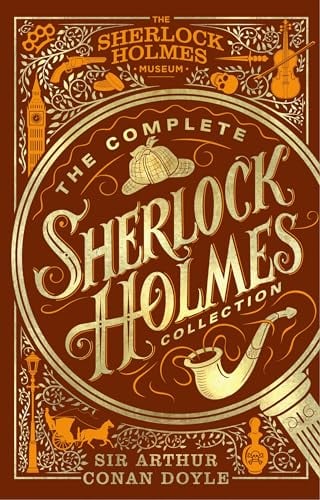
Holmes is a staple of English-language literature, taught widely in detective fiction and Victorian literature courses, and the stories are among the most-translated in the world. They are taught less as high literature than The Great Gatsby but are universally recognized.
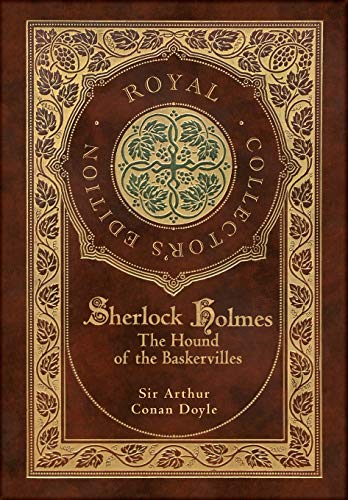
No. 2 on this list. The Hound of the Baskervilles
Arthur Conan Doyle · 1902
Easy3.5 hours
Taught in schools: CSEC English B – Caribbean Examinations Council
Sir Charles Baskerville dies on the Dartmoor moors, terror on his face, a giant hound's footprints nearby. A family curse tells of a spectral hound hunting the Baskervilles since the seventeenth century. Dr. Watson investigates while Holmes stays in London—or so it seems. The moor is fog-bound, treacherous, Gothic; the solution is pure Holmesian reason. Doyle killed Holmes at Reichenbach Falls in 1893 and resisted resurrection. This novel, serialized in 1901-02, is set before the death and doesn't quite bring Holmes back. But the public devoured it, and Holmes returned in full the following year. The Hound works both as mystery and Gothic atmosphere—the moor becomes a character, the hound hovers between supernatural and rational explanation until the last act. This is Doyle's most novelistic Holmes story, and many readers consider it the best.
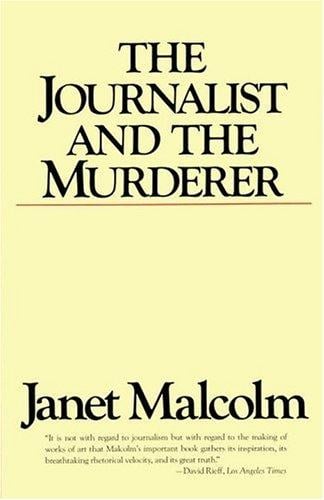
The Journalist and the Murderer is a staple of journalism school curricula across North America and is widely assigned in media ethics, creative nonfiction, and literary journalism courses. Its opening sentence is among the most frequently quoted lines in American nonfiction. While it does not appear on general literary canons as broadly as major novels, within its domain — journalism studies and media ethics — it is as close to required reading as any single text.
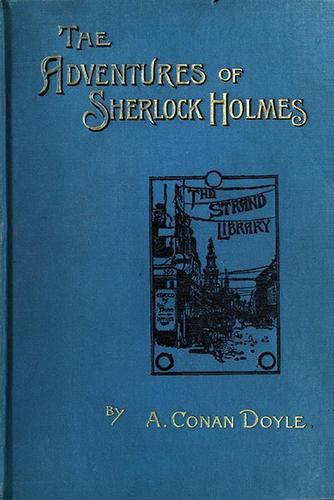
The Adventures of Sherlock Holmes is one of the most widely read and recognized works of detective fiction in any language. Holmes is arguably the most famous fictional character after Hamlet. The stories appear in English literature surveys, genre studies, and Victorian literature courses. While not taught with the same frequency as canonical literary novels, the collection's cultural ubiquity and historical importance to the detective genre give it strong canonical standing. Wikipedia articles exist in dozens of languages, and the stories remain continuously in print worldwide.
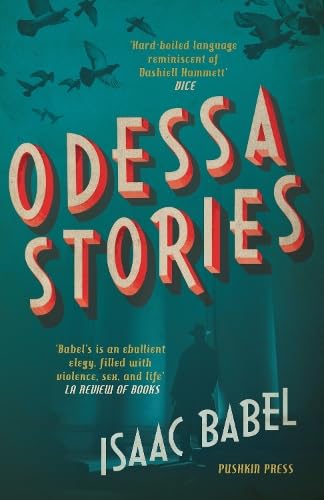
A celebrated work of Russian and Jewish literature, widely anthologized and studied alongside Red Cavalry.
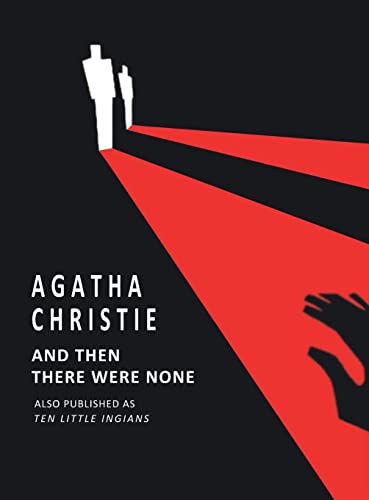
No. 6 on this list. And Then There Were None
Agatha Christie · 1939
Easy2.8 hours
Taught in schools: Hungarian literature curriculum (magyar nyelv és irodalom) (Hungary)
Christie's most celebrated novel holds a dominant place in the mystery canon and is widely recognized as the best-selling mystery of all time. It appears on virtually every 'greatest mysteries ever written' list — TIME's All-TIME 100 Novels, the BBC's Big Read — and is frequently taught in genre fiction courses. Its canonical standing within popular fiction far exceeds that of typical genre works, though it sits below the academic canonicity of literary fiction anchors like Gatsby or Beloved.
Launched one of detective fiction's most enduring series. Nero Wolfe is a genre icon.
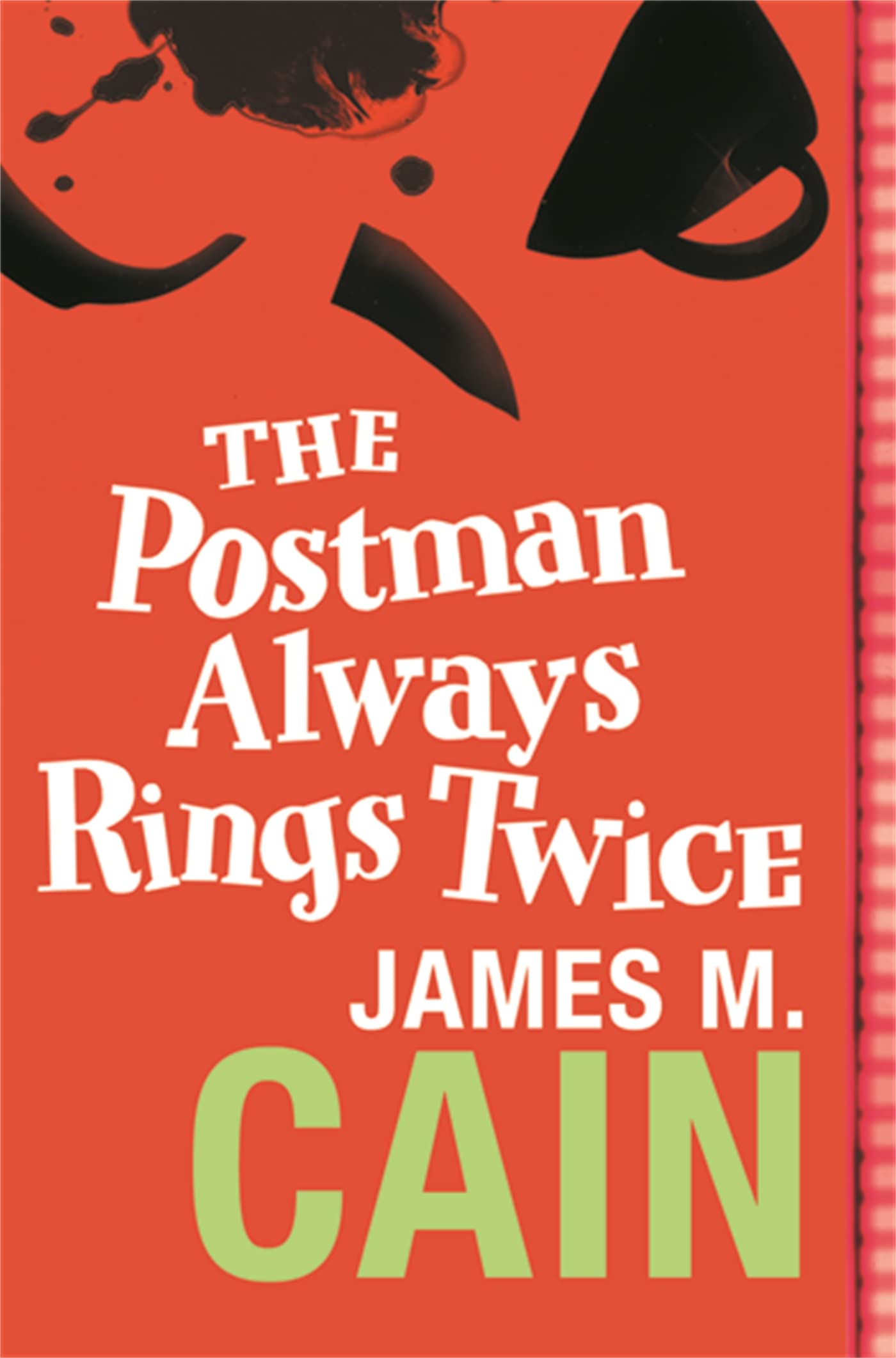
On the Modern Library 100 Best Novels (1998) and 137 university syllabi (53rd percentile in Open Syllabus). It is a core text in courses on American crime fiction, noir and film adaptation.
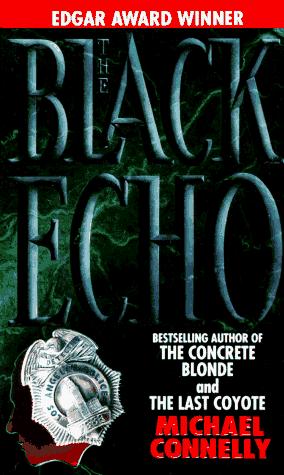
Launched one of the most acclaimed detective series in modern crime fiction. Edgar Award winner.
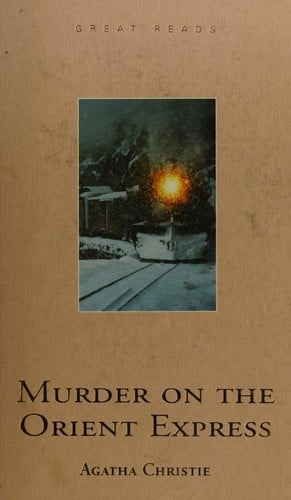
A fixture in mystery and detective fiction courses worldwide, and one of the most translated English-language novels of the twentieth century with Wikipedia articles in over 60 languages. Widely included on 'essential reading' and 'best mysteries' lists, though its presence in general literary syllabi is lower than canonical modernist works.
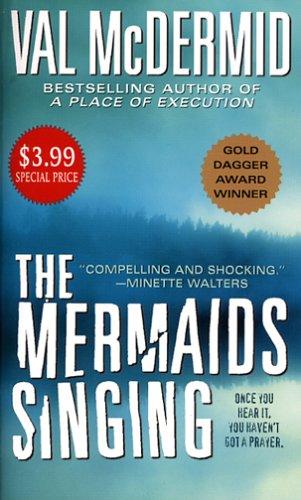
No. 11 on this list. The Mermaids Singing · Val McDermid · 1995
Gold Dagger winner. Launched one of crime fiction's most acclaimed series.
Easy6.5 hours
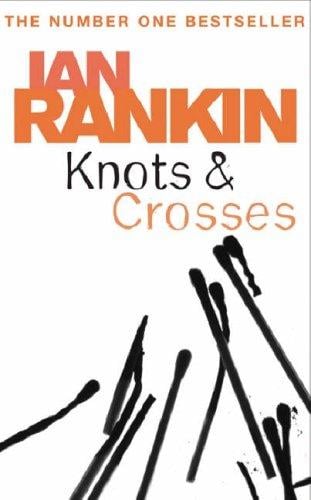
Start this bookNo. 12 on this list. Knots and Crosses · Ian Rankin · 1987
Launched one of crime fiction's most acclaimed series. The definitive Edinburgh detective.
Easy4.2 hours
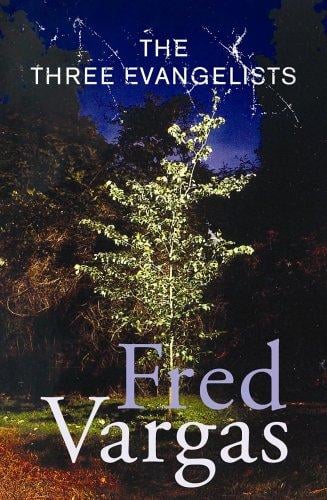
Start this bookNo. 13 on this list. The Three Evangelists · Fred Vargas · 1995
France's most acclaimed crime novel of the 1990s. CWA International Dagger winner.
Easy4.6 hours
Start this bookNo. 14 on this list. Inspector Imanishi Investigates · Seichō Matsumoto · 1961
A foundational text of Japanese crime fiction, studied extensively in Japanese literature programs and increasingly abroad.
Moderate5.8 hours
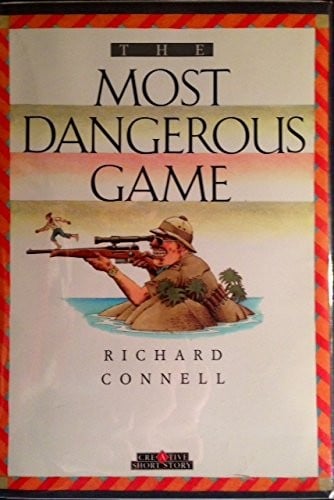
Start this bookNo. 15 on this list. The Most Dangerous Game · Richard Connell · 1924
Ranked by literary regard among eligible works in the current catalogue. This position reflects the available catalogue evidence.
Easy30 min
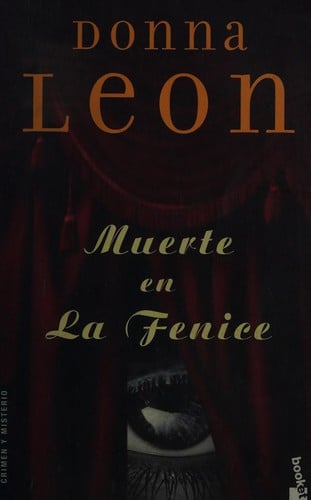
Start this bookNo. 16 on this list. Death at La Fenice · Donna Leon · 1992
Launched one of the longest-running and most beloved mystery series. The definitive Venice detective.
Easy4.2 hours
Start this bookNo. 17 on this list. The Strange Case of Peter the Lett · Georges Simenon · 1931
On Le Monde's 100 Books of the Century as Pietr-le-Letton, the 1931 novel that introduced Inspector Maigret. It is widely read but taught mostly in courses on crime fiction and francophone literature.
Easy2.6 hours
Start this bookNo. 18 on this list. The Italian · Ann Radcliffe · 1796
The Italian is a fixture of Gothic and Romantic-era survey courses, though it's taught less universally than Radcliffe's own The Mysteries of Udolpho or than Frankenstein and Dracula within the wider Gothic canon. No syllabus or Wikipedia-language data was available for this title in our database, but it holds a stable place in history-of-the-novel curricula.
Moderate9.6 hours
Start this bookNo. 19 on this list. Killing Floor · Lee Child · 1997
Launched one of the bestselling thriller series. Reacher is a modern pop-culture icon.
Very Easy4.8 hours
Start this bookNo. 20 on this list. Trent's Last Case · E.C. Bentley · 1913
Widely considered the first modern detective novel. A foundational text studied in courses on mystery fiction.
Moderate4.2 hours
Read now
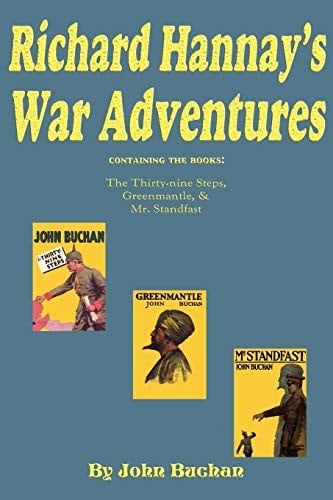
No. 21 on this list. The 39 Steps · John Buchan · 1915
The 39 Steps is not a fixture of standard literary curricula but holds an important place in genre-history courses on spy fiction, popular culture, and Edwardian literature. Widely assigned in British cultural studies and adapted so many times—most famously by Hitchcock in 1935—that it functions as shared cultural shorthand for the chase thriller. Its canonical status is medium-high within genre scholarship, lower in traditional literary canon.
Very Easy1.8 hours
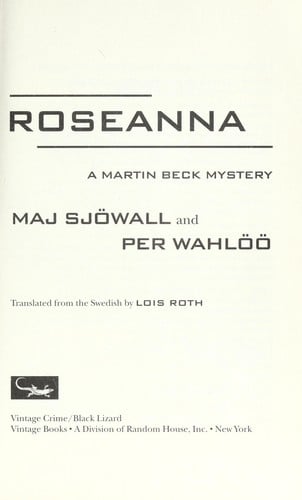
Start this bookNo. 22 on this list. Roseanna · Maj Sjöwall · 1965
Roseanna is canonical within crime fiction and Scandinavian literature — widely cited as the genre-founding text of Nordic noir — but does not appear in general university literature curricula. No syllabus data was found in the database, reflecting its primary home in genre studies and Scandinavian literature courses rather than broad literary canons.
Moderate4.3 hours
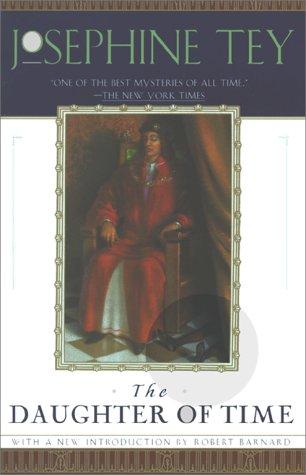
Start this bookNo. 23 on this list. The Daughter of Time · Josephine Tey · 1951
Voted the greatest mystery novel of all time by the Crime Writers' Association in 1990, and it consistently appears on best-of lists for the genre. It surfaces in university courses on detective fiction and historiography but lacks the broad syllabi presence of mainstream literary canon fixtures.
Moderate3.4 hours
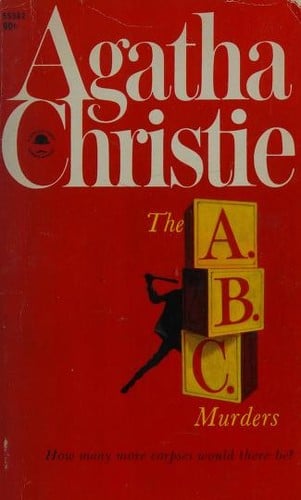
Start this bookNo. 24 on this list. The ABC Murders · Agatha Christie · 1936
A letter arrives at Hercule Poirot's flat, signed ABC, promising a murder in Andover on a specific date. Poirot cannot prevent it. The body is found: a woman named Alice Ascher, killed in her tobacco shop, an ABC railway guide open beside her. Another letter follows. Another death: Betty Barnard in Bexhill. Then a third, in Churston. The killer is alphabetically methodical, apparently proud of it. Agatha Christie builds the trap around the reader as much as around Poirot. Captain Hastings narrates most chapters in his usual guileless way, but Christie intercepts the narrative with third-person sections following a nervous, ineffectual man named Alexander Bonaparte Cust as he travels between towns with a case of stockings and no reliable memory of his evenings. The structure is precise: two viewpoints, one clock, accelerating dread. What makes this novel unusual in Christie's work is the visible psychology of victimhood alongside the psychology of detection. Poirot doesn't just reconstruct the crime; he reads what kind of mind would design one this openly, this theatrically. The solution, when it comes, pivots on a single insight about why a serial killer would advertise. Christie had written a dozen Poirot novels before this one; this is the book where she tested what the form could carry.
Easy3.4 hours
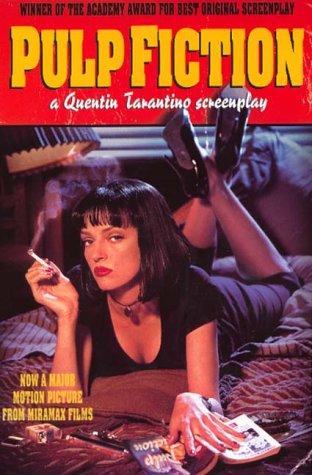
Start this bookNo. 25 on this list. Pulp Fiction: A Quentin Tarantino Screenplay · Quentin Tarantino · 1994
The screenplay is studied in film and screenwriting courses and widely published, though it is rarely taught as literature. The film's reputation lifts its place well above commercial fiction without making it a literary staple.
Moderate2.8 hours
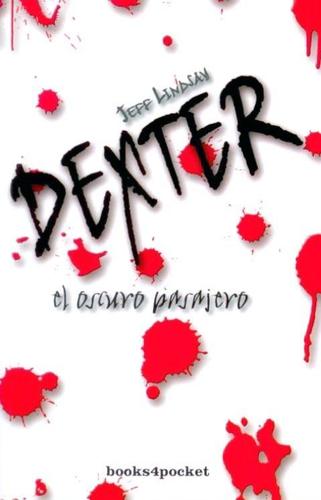
Start this bookNo. 26 on this list. Darkly Dreaming Dexter · Jeff Lindsay · 2004
A pop-culture phenomenon through the TV adaptation. The novel launched the sympathetic-serial-killer trend.
Easy5 hours
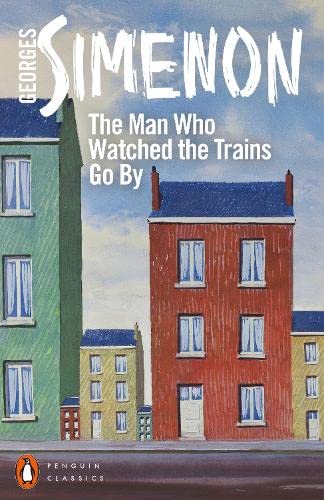
Start this bookNo. 27 on this list. The Man Who Watched Trains Go By · Georges Simenon · 1938
Well-regarded among Simenon's literary novels (the romans durs) but less famous than Dirty Snow or the Maigret series. The novel has no syllabus presence in the Open Syllabus data and no Wikipedia article has been indexed, suggesting limited academic penetration in English-language curricula. It is more canonical in French and European literary contexts.
Easy3.6 hours
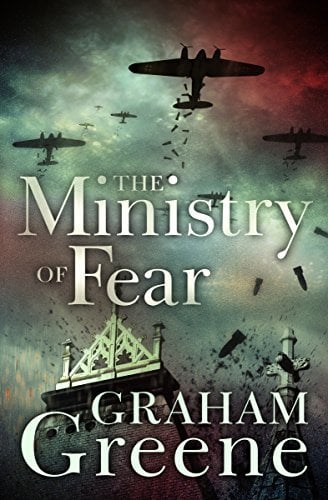
Start this bookNo. 28 on this list. The Ministry of Fear · Graham Greene · 1943
The Ministry of Fear occupies mid-tier status within Greene's own canon — The Power and the Glory, The End of the Affair, and The Heart of the Matter draw far greater critical and syllabus attention. Greene himself classified it as an 'entertainment' rather than a serious novel, which has shaped its reception as superior genre fiction rather than a canonical literary work.
Easy4.1 hours
Start this bookNo. 29 on this list. In the Forest · Edna O'Brien · 2002
One of O'Brien's most powerful later novels, though controversial in Ireland where the real events were still raw. Increasingly recognized as a significant work.
Easy4 hours
Start this bookNo. 30 on this list. Anatomy of a Murder · Robert Traver · 1958
The benchmark American courtroom novel. Studied in both law schools and literature departments.
Easy8.4 hours
Start this book
No. 31 on this list. Out
Natsuo Kirino · 1997
No. 32 on this list. The Last Good Kiss
James Crumley · 1978
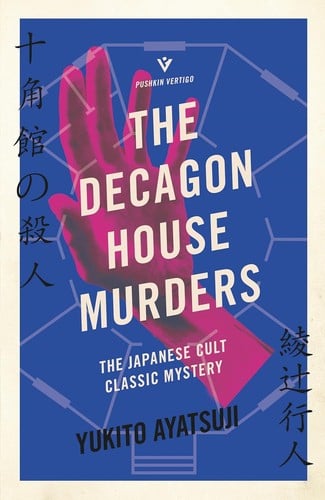
No. 33 on this list. The Decagon House Murders
Yukito Ayatsuji · 1987
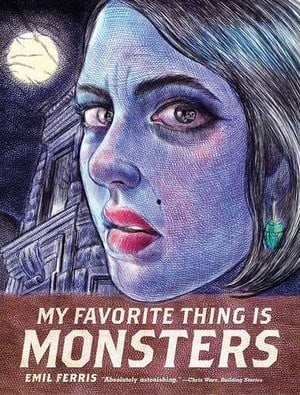
No. 34 on this list. My Favorite Thing Is Monsters
Emil Ferris · 2017
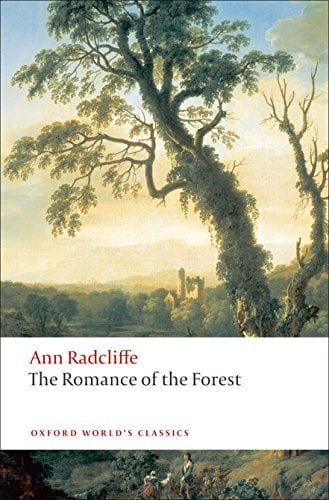
No. 35 on this list. The Romance of the Forest
Ann Radcliffe · 1791
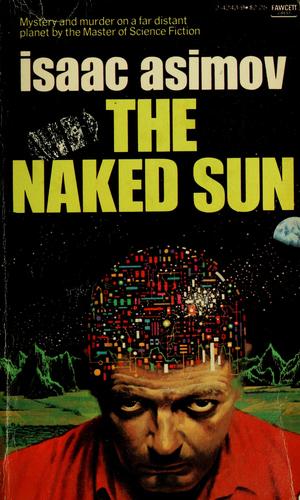
No. 36 on this list. The Naked Sun
Isaac Asimov · 1957
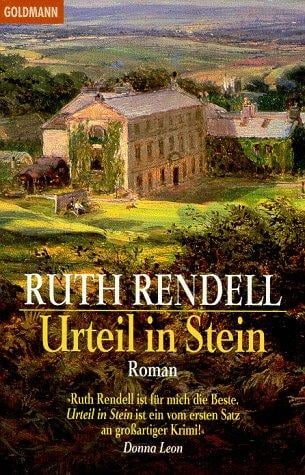
No. 37 on this list. A Judgement in Stone
Ruth Rendell · 1977
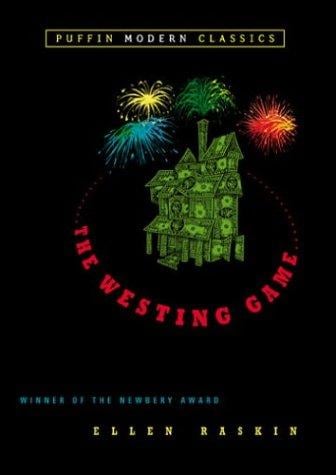
No. 38 on this list. The Westing Game
Ellen Raskin · 1978
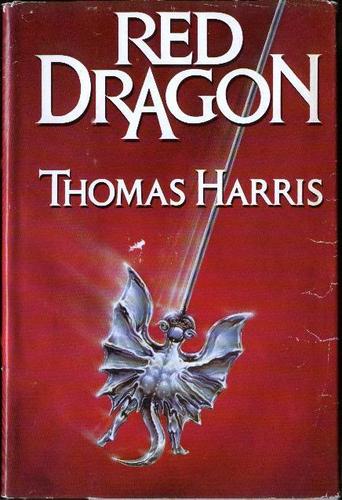
No. 39 on this list. Red Dragon
Thomas Harris · 1981
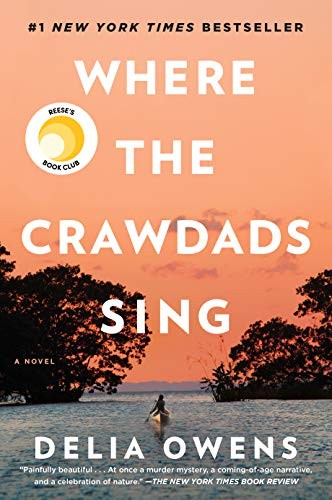
No. 40 on this list. Where the Crawdads Sing
Delia Owens · 2018
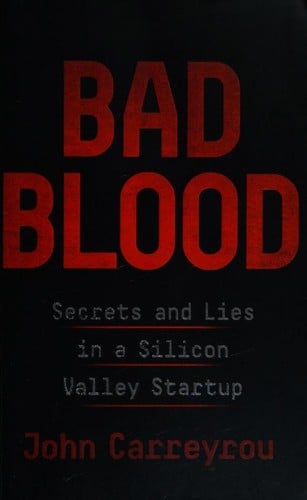
No. 41 on this list. Bad Blood: Secrets and Lies in a Silicon Valley Startup
John Carreyrou · 2018
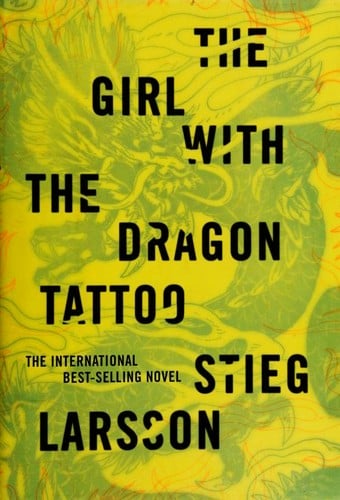
No. 42 on this list. The Girl with the Dragon Tattoo
Stieg Larsson · 2005
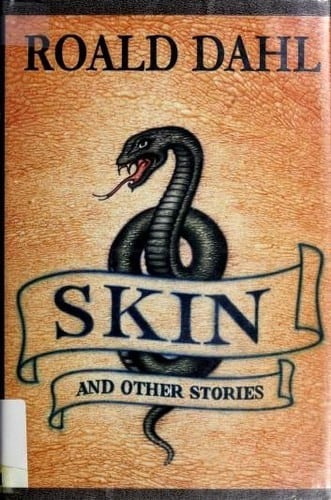
No. 43 on this list. Skin and Other Stories
Roald Dahl · 2002
No. 44 on this list. In the Heat of the Night
John Ball · 1965
No. 45 on this list. Say Nothing
Patrick Radden Keefe · 2018
No. 46 on this list. A Morbid Taste for Bones
Ellis Peters · 1977
No. 47 on this list. The Friends of Eddie Coyle
George V. Higgins · 1970
No. 48 on this list. Killers of the Flower Moon
David Grann · 2017
No. 49 on this list. The Thirst
Jo Nesbø · 2017
No. 50 on this list. The Poet
Michael Connelly · 1996
No. 51 on this list. The Alienist
Caleb Carr · 1994
No. 52 on this list. Boy's Life
Robert McCammon · 2011
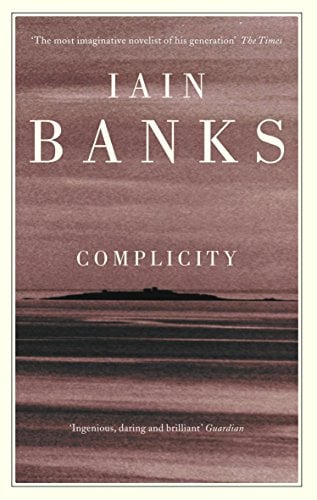
No. 53 on this list. Complicity
Iain Banks · 1993
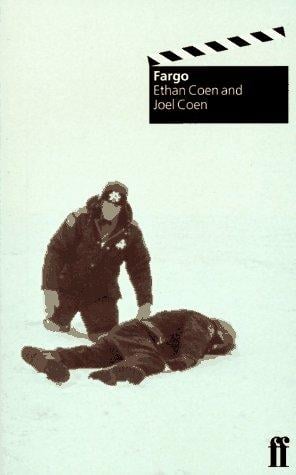
No. 54 on this list. Fargo
Joel Coen · 1996
No. 55 on this list. Deacon King Kong
James McBride · 2020
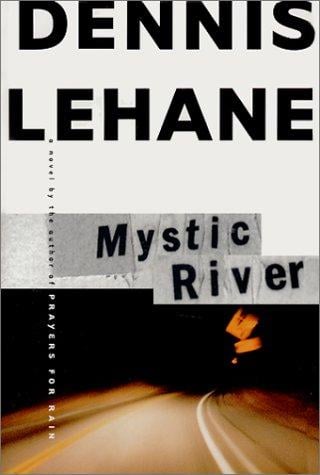
No. 56 on this list. Mystic River
Dennis Lehane · 2001
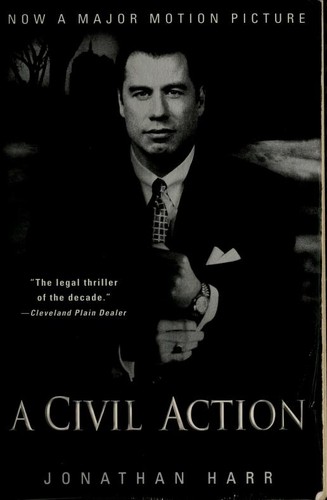
No. 57 on this list. A Civil Action
Jonathan Harr · 1995
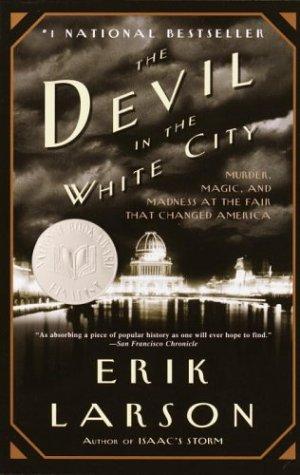
No. 58 on this list. The Devil in the White City
Erik Larson · 2003
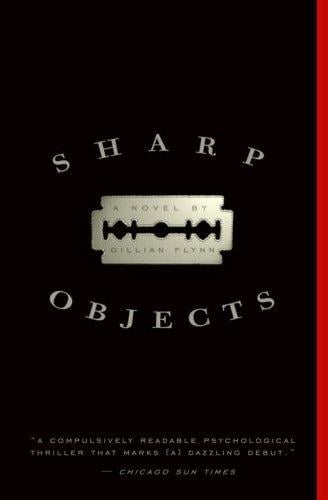
No. 59 on this list. Sharp Objects
Gillian Flynn · 2006
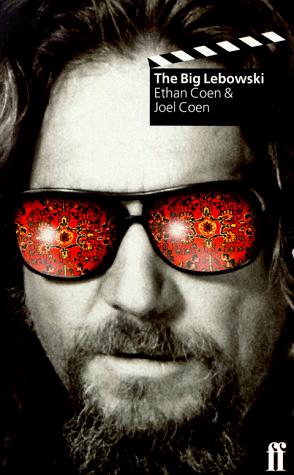
No. 60 on this list. The Big Lebowski
Ethan Coen · 1998
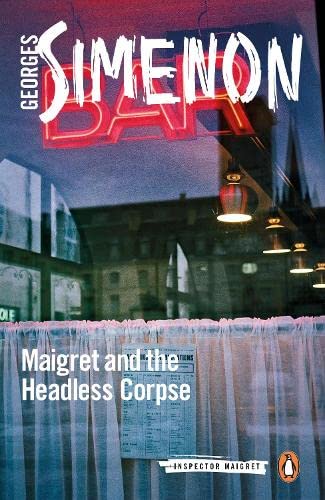
No. 61 on this list. Maigret and the Headless Corpse
Georges Simenon · 1955
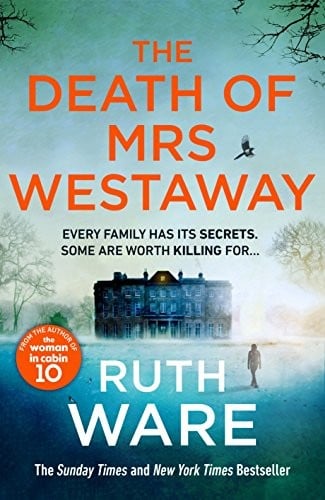
No. 62 on this list. The Death of Mrs. Westaway
Ruth Ware · 2018
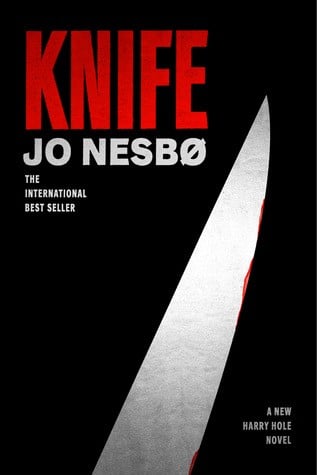
No. 63 on this list. Knife
Jo Nesbø · 2019
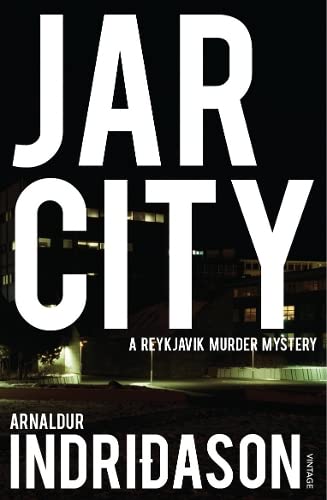
No. 64 on this list. Jar City
Arnaldur Indriðason · 2000
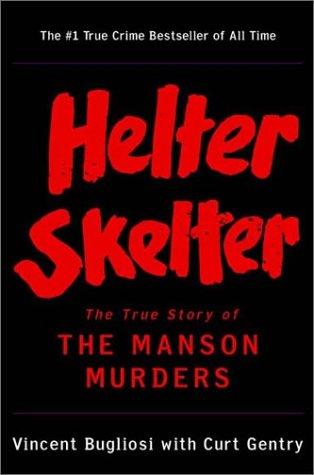
No. 65 on this list. Helter Skelter
Vincent Bugliosi · 1974
No. 66 on this list. An Officer and a Spy
Robert Harris · 2013
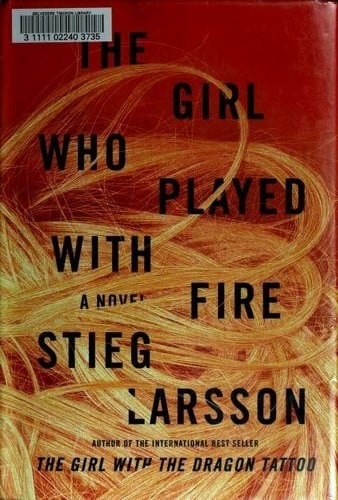
No. 67 on this list. The Girl Who Played with Fire
Stieg Larsson · 2009
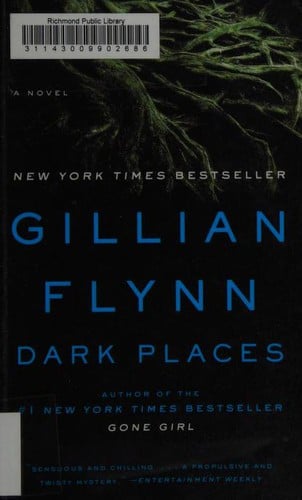
No. 68 on this list. Dark Places
Gillian Flynn · 2009
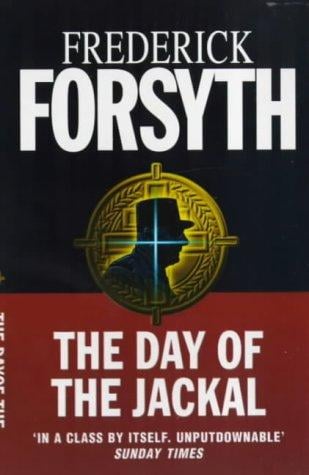
No. 69 on this list. The Day of the Jackal
Frederick Forsyth · 1971
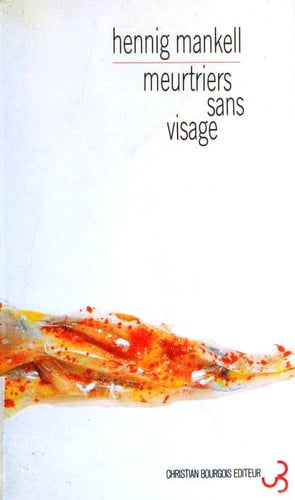
No. 70 on this list. Faceless Killers
Henning Mankell · 1991
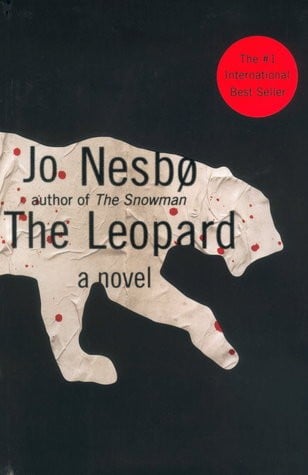
No. 71 on this list. The Leopard
Jo Nesbø · 2009
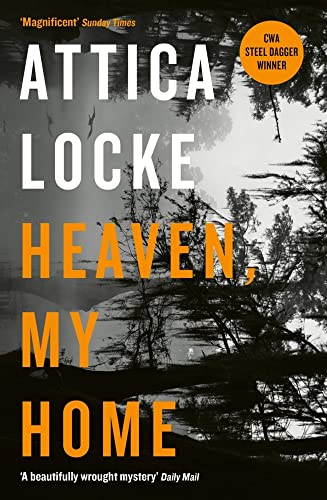
No. 72 on this list. Heaven, My Home
Attica Locke · 2020
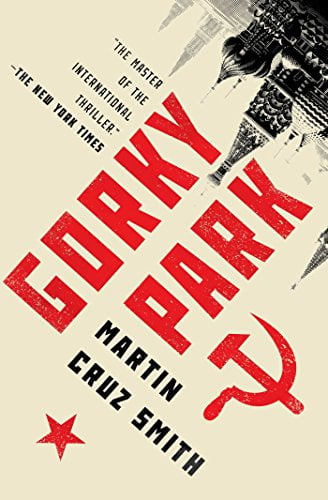
No. 73 on this list. Gorky Park
Martin Cruz Smith · 1981
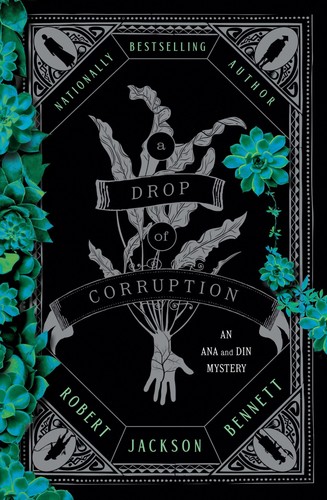
No. 74 on this list. A Drop of Corruption
Robert Jackson Bennett · 2025
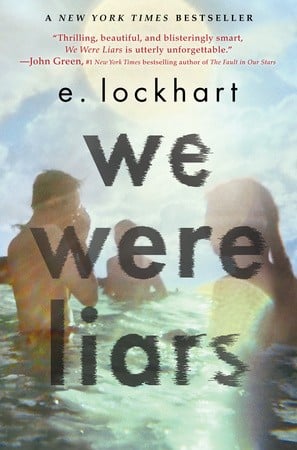
No. 75 on this list. We Were Liars
E. Lockhart · 2014
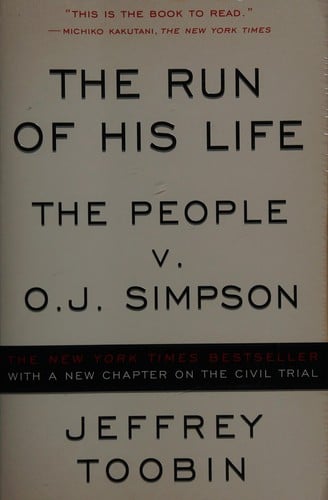
No. 76 on this list. The Run of His Life
Jeffrey Toobin · 1996
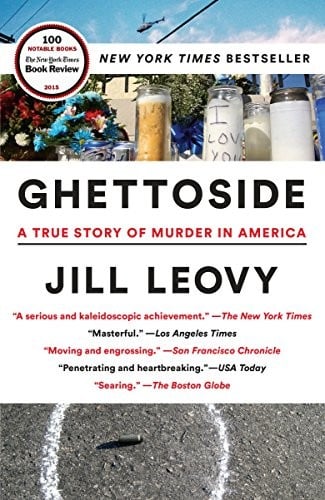
No. 77 on this list. Ghettoside
Jill Leovy · 2015
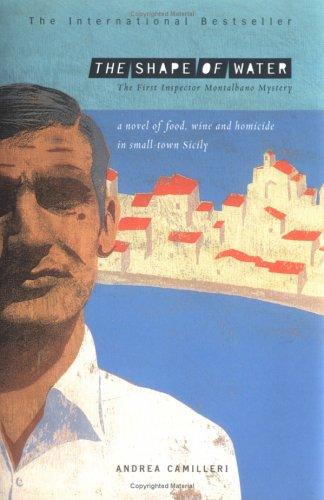
No. 78 on this list. The Shape of Water
Andrea Camilleri · 1994
No. 79 on this list. Still Life
Louise Penny · 2005
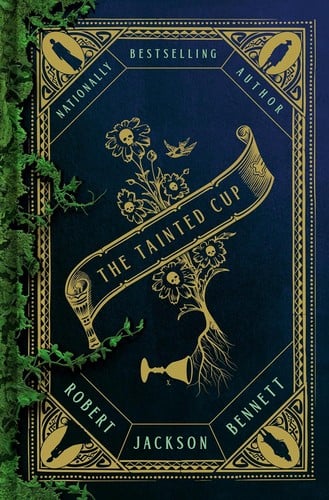
No. 80 on this list. The Tainted Cup
Robert Jackson Bennett · 2024
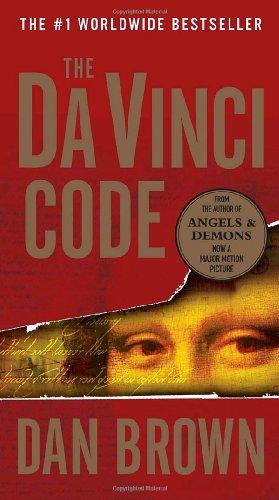
No. 81 on this list. The Da Vinci Code
Dan Brown · 2003
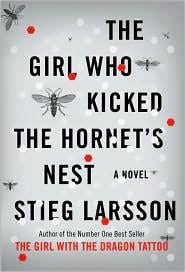
No. 82 on this list. The Girl Who Kicked the Hornet’s Nest
Stieg Larsson · 2010
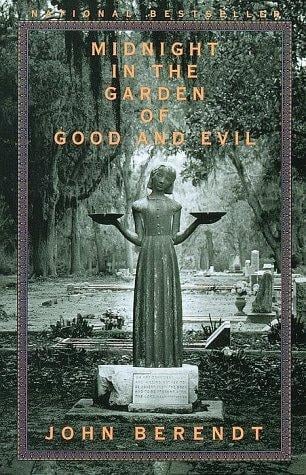
No. 83 on this list. Midnight in the Garden of Good and Evil
John Berendt · 1994
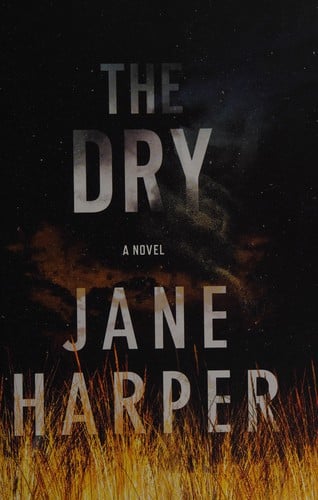
No. 84 on this list. The Dry
Jane Harper · 2016
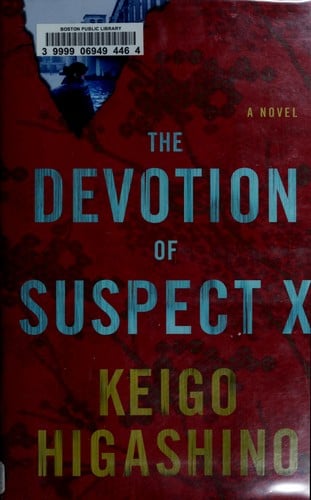
No. 85 on this list. The Devotion of Suspect X
Keigo Higashino · 2005
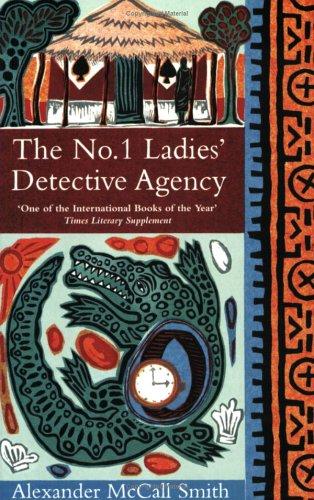
No. 86 on this list. The No. 1 Ladies' Detective Agency
Alexander McCall Smith · 1998
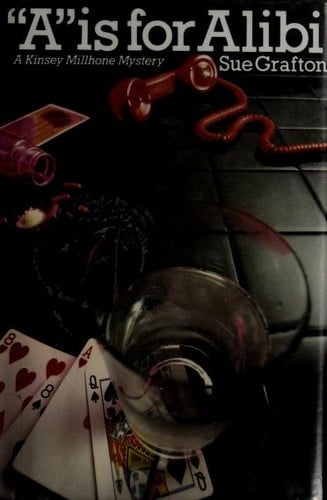
No. 87 on this list. "A" Is for Alibi
Sue Grafton · 1982
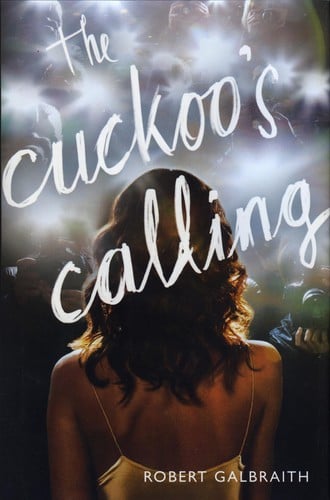
No. 88 on this list. The Cuckoo's Calling
Robert Galbraith · 2013
No. 89 on this list. The Maidens
Alex Michaelides · 2021
No. 90 on this list. Big Little Lies
Liane Moriarty · 2014
No. 91 on this list. Indemnity Only
Sara Paretsky · 1982
No. 92 on this list. Holly
Stephen King · 2023
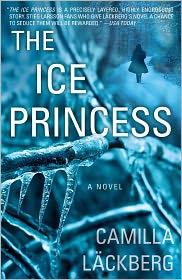
No. 93 on this list. The Ice Princess
Camilla Läckberg · 2003
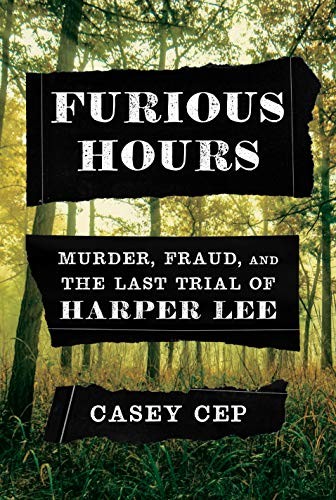
No. 94 on this list. Furious Hours: Murder, Fraud, and the Last Trial of Harper Lee
Casey Cep · 2019
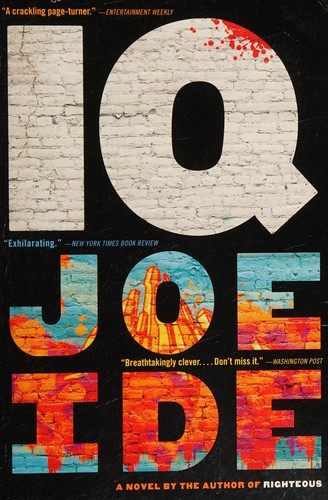
No. 95 on this list. IQ
Joe Ide · 2016
No. 96 on this list. The Story of Edgar Sawtelle
David Wroblewski · 2008
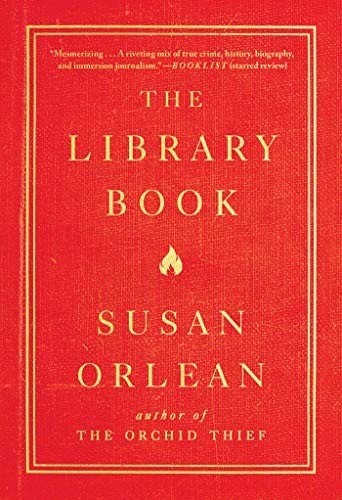
No. 97 on this list. The Library Book
Susan Orlean · 2018
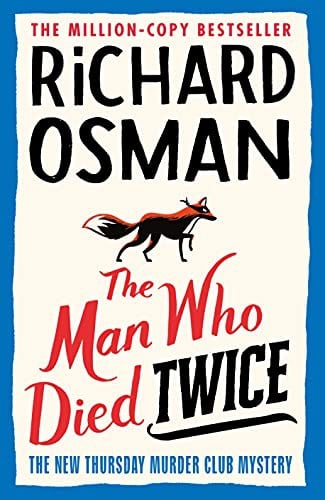
No. 98 on this list. The Man Who Died Twice
Richard Osman · 2021
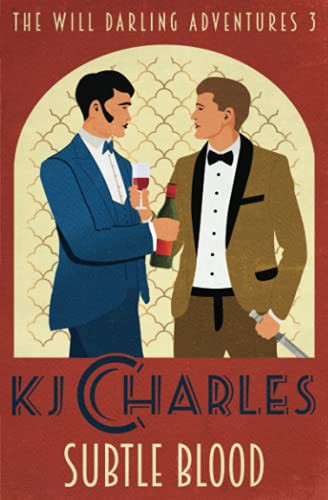
No. 99 on this list. Subtle Blood
KJ Charles · 2021
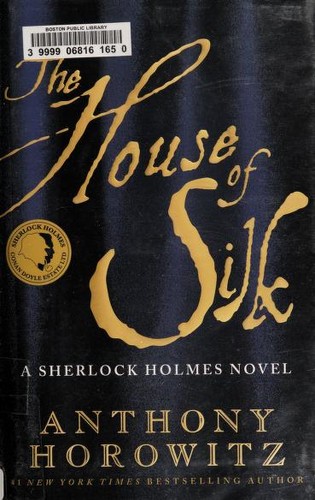
No. 100 on this list. The House of Silk
Anthony Horowitz · 2011
About this list
These 100 books are the highest-scoring eligible easy mystery and crime novels currently in the catalogue. By literary regard, it opens with The Complete Sherlock Holmes, The Hound of the Baskervilles and The Journalist and the Murderer. About 527 hours of reading in all. Difficulty runs from 30 to 39 out of 100 for the middle half of the list; the summit is Trent's Last Case at 44.
This list is ranked by literary regard, with a consistent order for equal scores. Membership follows authors and co-authors, not translators or editors. Catalogue coverage and the historical canon both limit what this list can represent, and genre labels are the catalogue’s own, gathered into broader kinds.
When we matched the Canons dataset to our catalogue in October 2026, our canonical-status scores rose with the number of school curricula, publisher series and lists in it that cite a work: the median score was 72 for books one such source cites, 84 at two, 88 at three, 92 at four and 93 at five or more. Prizes are left out of that count. Outside the state curricula, the dataset’s sources choose mostly from what has been translated into English or French, so it is a weaker check on other literatures. Source: Canons (Andrew Piper), CC BY 4.0
Questions people actually ask
- What are the best easy mystery and crime novels?
- By literary regard, which weighs canonical status, critical standing and influence, The Complete Sherlock Holmes, The Hound of the Baskervilles, The Journalist and the Murderer, The Adventures of Sherlock Holmes and Odessa Tales lead. ReadingRate ranks 100 such books, each with a difficulty score and a reading-time estimate.
- Where should I start with easy mystery and crime novels?
- Start from difficulty, not from rank. The most approachable books on this list that still carry top literary regard are The Journalist and the Murderer by Janet Malcolm (about 2.5 hours), The Complete Sherlock Holmes by Arthur Conan Doyle and The Hound of the Baskervilles by Arthur Conan Doyle.
- How hard are easy mystery and crime novels to read?
- Most of this list sits between 30 and 39 on ReadingRate's 100-point difficulty scale, where 40 to 55 is moderate. The summit is Trent's Last Case at 44. Every entry carries its own score, so a reader can pick a great book at a difficulty they will finish.
- How is this list ranked?
- On literary-regard data: how canonically established a work is, its critical standing, and its influence on later writing. It is not a readers’ poll, which is why recent bestsellers rarely appear. Membership follows authors and co-authors, not translators or editors. A list that is not a genre list keeps to literature (fiction, poetry, drama and philosophy), with philosophy taking no more than one slot in five while there is literature left to rank; every list holds at most three works by one author.