Hours at an average pace
Showing 81 books
About 1,352 hours for 81 of 81 books with measured lengths. Estimates use 250 words a minute, adjusted for each book's difficulty. At 2 hours a day, about 676 days for those books.
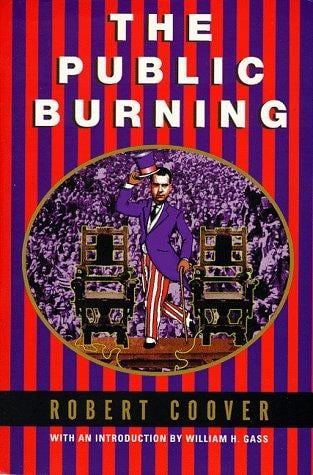
The Public Burning is Robert Coover's most ambitious and controversial novel — refused by seventeen publishers before Viking accepted it, then immediately pulled from paperback after a Nixon lawsuit threat. It appears in every major survey of American postmodern fiction (Hassan, Waugh, McHale), is taught widely in graduate seminars on metafiction, and is cited alongside Gravity's Rainbow and Giles Goat-Boy as the defining novels of the postmodern satirical-historical mode. Its canonical status exceeds its readership by a large margin.
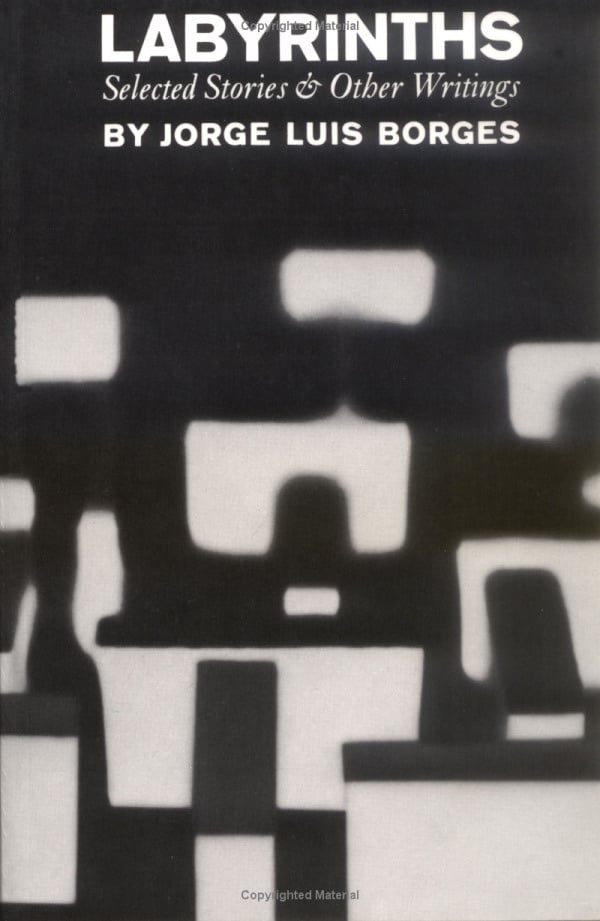
Labyrinths is the standard English-language anthology through which Borges enters world literature curricula, taught in virtually every major comparative literature, Latin American literature, and 20th-century fiction course at universities worldwide. Published by New Directions in 1962, it established the benchmark for how Borges is read in translation and has remained continuously in print for over six decades as an essential classroom and critical text.
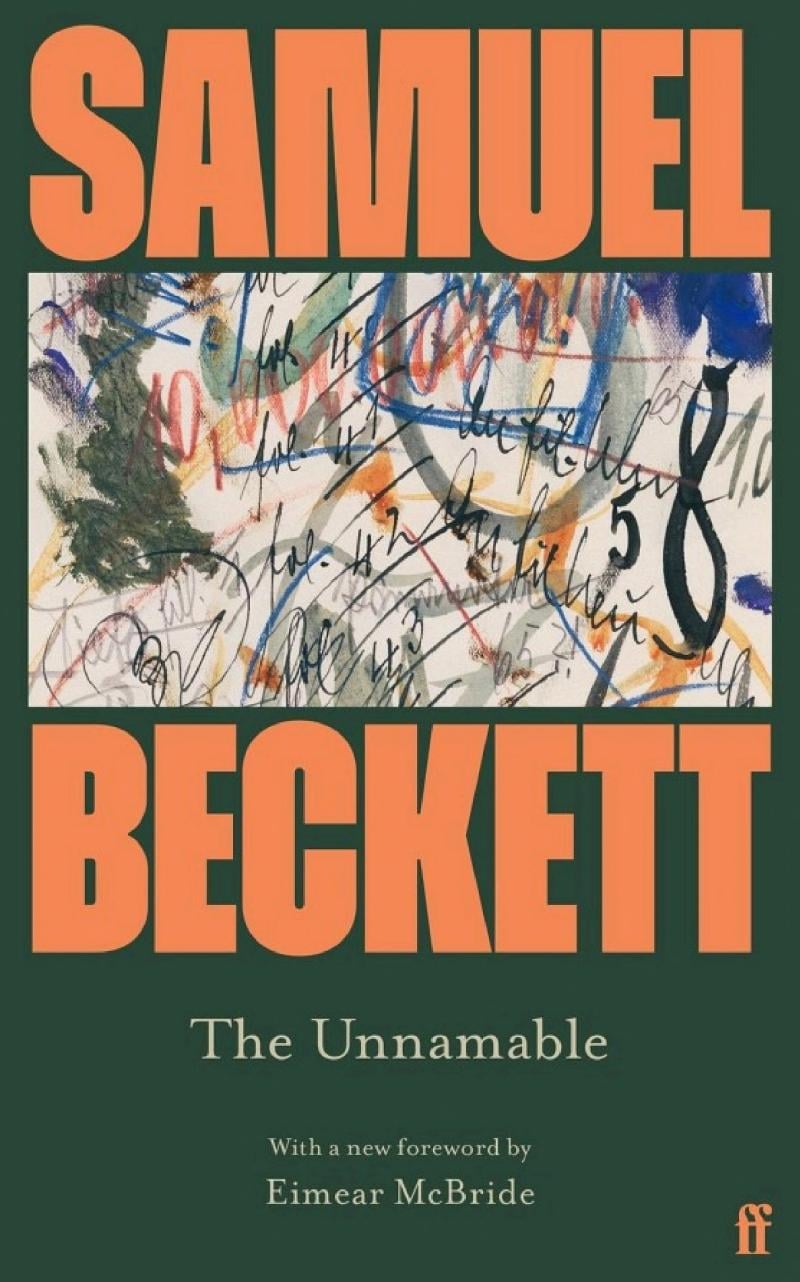
No. 3 on this list. The Unnamable
Samuel Beckett · 1953
Difficult27 hours
Included in: Bokklubben World Library
The Unnamable is taught in advanced modernism, postmodernism, and philosophy-of-language courses at universities worldwide, though less universally than Waiting for Godot. It anchors the Beckett Trilogy, which is among the canonical texts of twentieth-century literature in English and French. The Wikipedia and syllabus data signals appear underreported for this work.
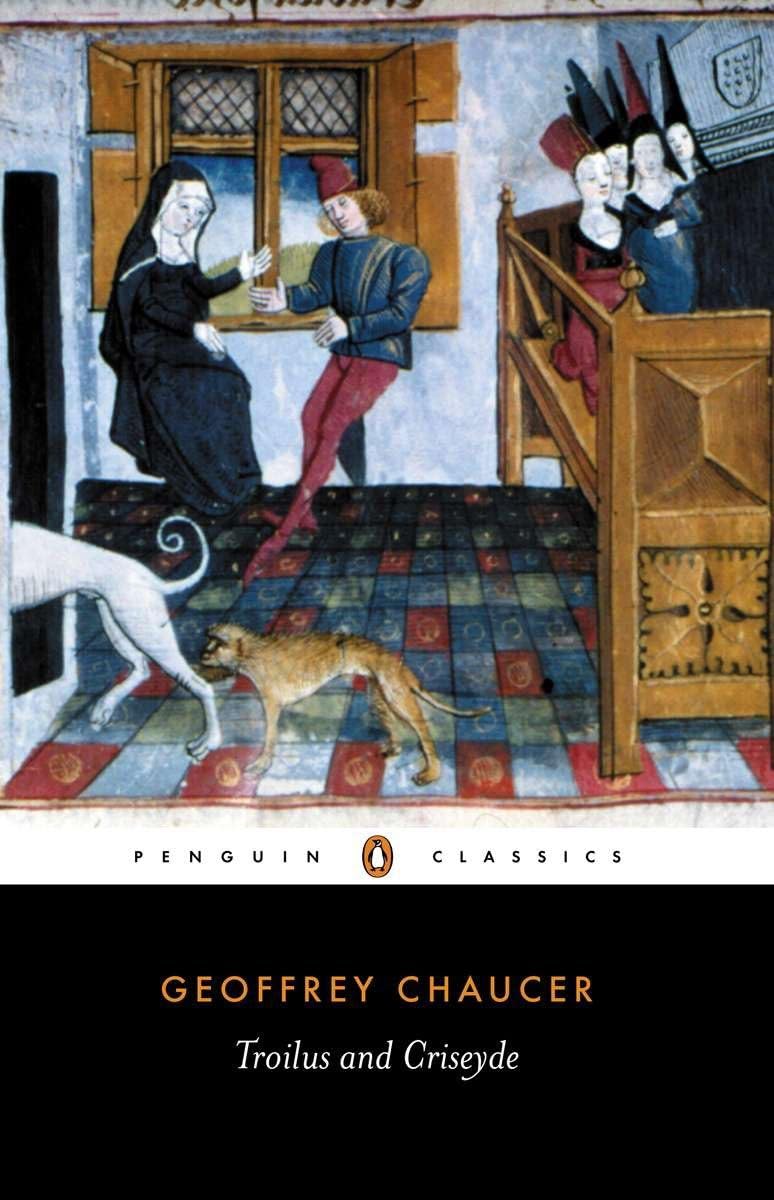
No. 4 on this list. Troilus and Criseyde
Geoffrey Chaucer · 1385
Difficult9.3 hours
Included in: Great Books of the Western World
Required reading in virtually every medieval English literature curriculum, taught across English, Comparative Literature, and Medieval Studies programs at universities worldwide. Though Open Syllabus data is unavailable here, Chaucer courses built around this text are standard at every major university with an English department. It holds a place among the most-studied long poems in the English language.
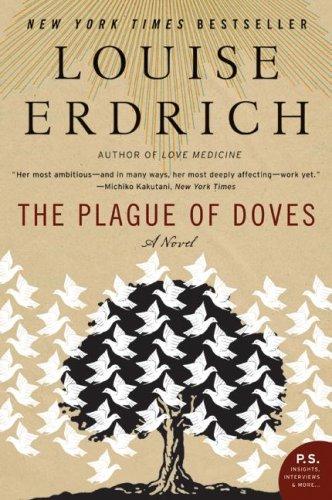
Pulitzer Prize finalist (2009) and the first entry in a trilogy whose second volume, The Round House, won the National Book Award. Taught in university courses on contemporary American and Native American literature, with an established academic presence in postcolonial and ethnic studies. Widely regarded as one of Erdrich's most formally accomplished novels.
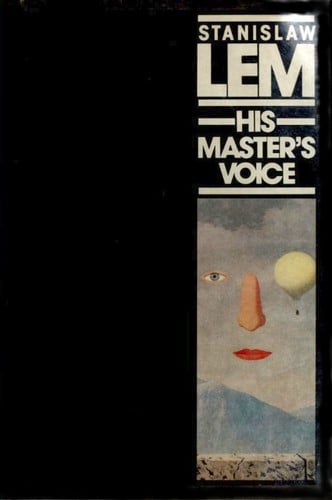
His Master's Voice holds a firm canonical position within science fiction studies and Eastern European literature curricula, though it remains outside the mainstream Western literary canon. No syllabus data appears in the database, but the novel is consistently cited in SF critical histories as one of Lem's three or four most important works alongside Solaris and The Cyberiad. It appears in translations across at least 20 languages and features on 'essential SF' lists compiled by critics, not algorithms.
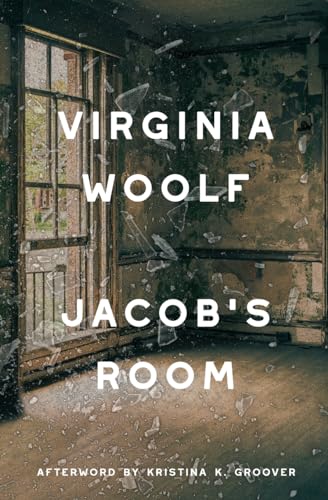
Jacob's Room appears on virtually every university syllabus covering modernist British literature, Woolf's work, or the literature of WWI. As Woolf's first fully experimental novel, it holds a foundational position in the modernist canon — taught alongside Mrs. Dalloway and To the Lighthouse in most Woolf courses. Its canonical status is somewhat lower than Woolf's later masterworks, which overshadow it in general survey courses.
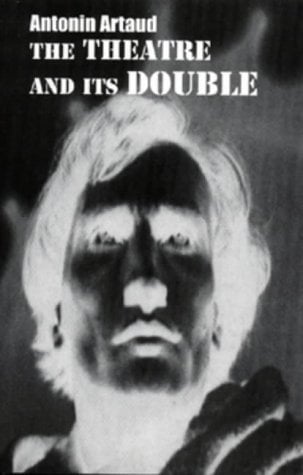
Listed among Le Monde's 100 Books of the Century (1999) and the Open Syllabus Top 500 in Literature, with Wikipedia presence in 10 languages. The Theatre and Its Double is essential reading in theatre studies programs worldwide. Published by NYRB Classics. Every contemporary theatre practitioner and scholar encounters Artaud's theories in courses on performance studies, avant-garde theatre, modernism, and cultural theory.
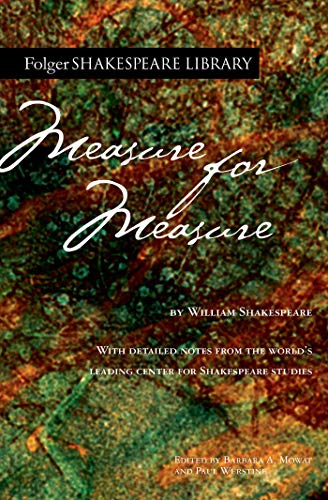
No. 9 on this list. Measure for Measure
William Shakespeare · 1604
Difficult2.8 hours
Taught in schools: AQA GCSE and A-level English Literature (UK), WJEC/Eduqas GCSE and A-level English Literature (UK)
Included in: Great Books of the Western World
Measure for Measure appears on university syllabi across English literature, drama, law, and gender studies courses worldwide. It is one of Shakespeare's most-taught 'problem plays,' central to any serious study of his canon, with Wikipedia articles in dozens of languages. Less ubiquitous than Hamlet or Macbeth, but firmly within the core Shakespeare curriculum.
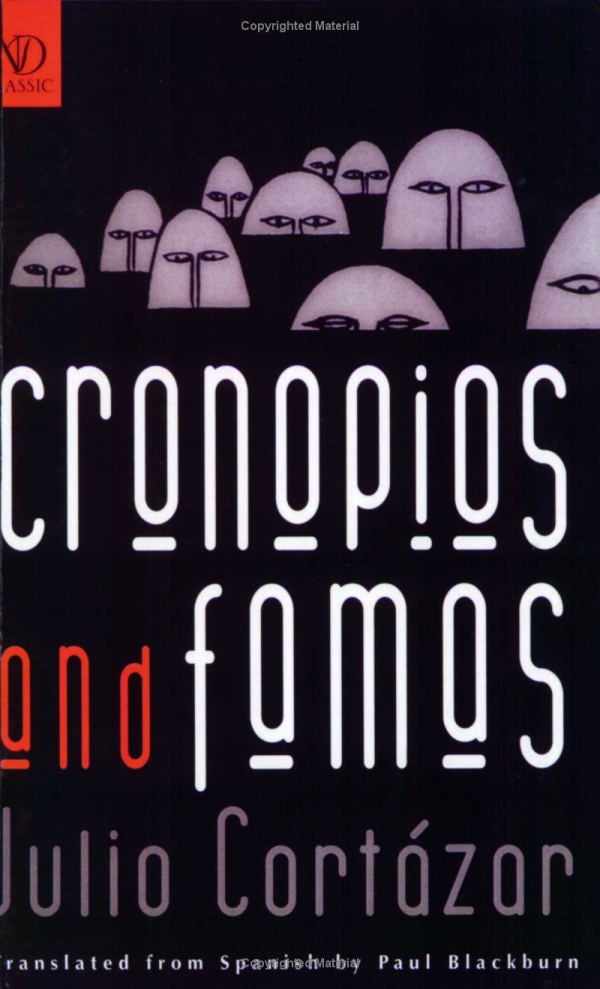
No. 10 on this list. Cronopios and Famas
Julio Cortázar · 1962
Difficult3.1 hours
Taught in schools: Literatura, Diseño Curricular – Provincia de Buenos Aires (Argentina), UNAM Escuela Nacional Preparatoria – programas de Literatura (Mexico)
Julio Cortázar divides humanity into three species. The Famas are prudent, meticulous, and thorough — when traveling, one fama inspects the hotel, one files a report with the police, one copies the list of emergency doctors. The Cronopios are wet, green, disordered, and joyful — they find all hotels full, miss every train, and dream that huge parties are being given in the city to which they are invited. The Esperanzas wait for things to come to them. In sixty-odd miniatures, Cortázar demonstrates what happens when these types collide: a cronopio appointed Director General of Radio Diffusion immediately translates all broadcasts into Romanian; a fama who wants wood chops down a eucalyptus tree without noticing it screams. Before the creature taxonomy begins, an 'Instruction Manual' opens the book with deadpan procedural guides — how to cry, how to sing, how to be afraid — that use the earnest register of a technical manual to make observations about alienation and habit. 'Instructions on How to Climb a Staircase' explains in meticulous detail how to lift one foot, then the other, as if this has never been done before. The writing is compact and funny and strange, each piece its own sealed logic, ending on the precisely wrong note. Cortázar invented a form here that nobody else has quite replicated: philosophical comedy delivered in the voice of a very serious bureaucrat who has gone slightly mad.
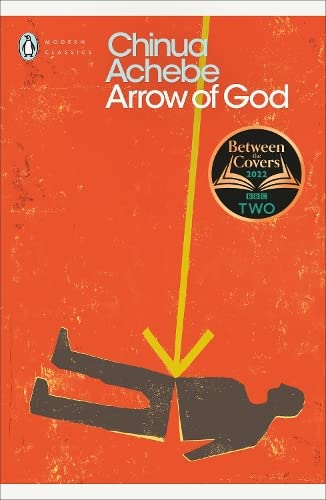
No. 11 on this list. Arrow of God · Chinua Achebe · 1964
Taught in schools: CSEC English B – Caribbean Examinations Council
Included in: Heinemann African Writers Series
Arrow of God appears regularly on postcolonial literature, African studies, and world literature syllabi at universities across Europe, North America, and Africa. It is less universally assigned than Things Fall Apart but holds a firm place in courses devoted to African fiction and the novel of colonial encounter. No database records were retrieved, but its continued presence in academic reading lists reflects a strong if not dominant canonical position.
Difficult10 hours
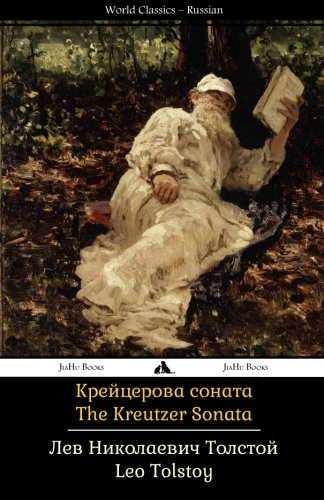
Start this bookNo. 12 on this list. The Kreutzer Sonata · Leo Tolstoy · 1889
The Kreutzer Sonata holds a firm place in university curricula for Russian literature, world literature, and gender studies courses. While less taught than Anna Karenina or War and Peace, it appears consistently as required reading in Tolstoy surveys and 19th-century European fiction courses. Its inclusion in countless 'essential Tolstoy' and world literature reading lists reflects its canonical standing.
Difficult7.5 hours
Read nowNo. 13 on this list. The Caucasian Chalk Circle · Bertolt Brecht · 1948
The Caucasian Chalk Circle is among the most-taught plays in university drama and literature curricula worldwide, standard on syllabi alongside Mother Courage and The Good Person of Szechwan. It appears in secondary school programs across Europe and is a fixture of Western dramatic canon, placing it well above mid-century works that lack similar educational penetration.
Difficult4.7 hours
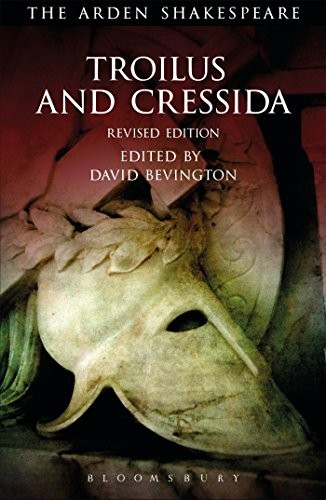
Start this bookNo. 14 on this list. Troilus and Cressida · William Shakespeare · 1609
Included in: Great Books of the Western World
Troilus, a young Trojan prince, has fallen in love with Cressida just as the war with Greece enters its seventh year. Her uncle Pandarus brokers their union; they spend a single night together before she is traded to the Greeks in a prisoner exchange. In the Greek camp, Diomedes moves in. Troilus follows and watches it happen, unable to reconcile what his eyes show him with what he believes about faith and love. Running alongside this is a war machine in paralysis. Achilles sulks in his tent while the Greek generals hold councils on hierarchy and strategy that change nothing. Hector debates whether to fight a war he knows is unjust, then fights it anyway. Thersites, a deformed Greek soldier, follows everyone around cataloguing their stupidity with inexhaustible venom — war and lechery, he announces repeatedly, is all there is. Shakespeare wrote this play around 1602, and it does not behave like his others. The love story ends in betrayal rather than union. The heroes are vain, the strategies fail, and the climax — Hector murdered unarmed by Achilles and a pack of Myrmidons — is a deliberate outrage against the conventions of heroic drama. Pandarus delivers the final speech, offering the audience his syphilis. The play refuses catharsis. Readers expecting Shakespeare to redeem his characters or their world will find nothing of the kind.
Difficult3.1 hours
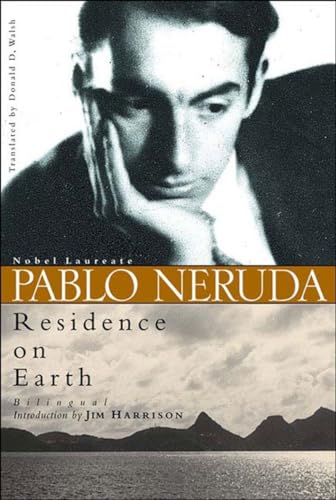
Read nowNo. 15 on this list. Residence on Earth · Pablo Neruda · 1933
Pablo Neruda wrote the poems of 'Residence on Earth' during his years as a Chilean consul in Burma, Ceylon, and Java — postings that left him profoundly isolated, surrounded by unfamiliar languages and dissolving heat. What came out was a poetry of radical disorientation: rain that rots wood, flesh that smells of brine, clocks that leak time like a wound. The opening poem, 'Galope Muerto,' begins mid-sensation: 'Like ashes, like oceans populating themselves, in the submerged slowness, in the shapeless.' There is no speaker announced, no situation established. The collection works entirely through image — blood, sea, bone, stone — stacked without logical mortar until the pressure of accumulated sensation becomes its own argument. 'Walking Around' describes a man so disgusted by modern life he wants to throw everything away, the umbrellas and the accountants and the stockings. 'Ode with a Lament' addresses an unnamed woman through images of shipwrecks and salt. The later sections shift toward political fury — odes to Madrid under bombardment, to Stalingrad, to Spain's dead — but even the political poems work through elemental image rather than rhetoric. This is poetry that does not explain itself. Readers who need a narrative thread or an argument will find none. Those willing to receive sensation as meaning will encounter one of the most physically intense bodies of verse written in the 20th century.
Difficult7 hours
Start this bookNo. 16 on this list. The Winding Stair · William Butler Yeats · 1933
Published in 1933, this collection represents Yeats at the height of his late powers, confronting old age, political disillusionment, and metaphysical yearning through symbols drawn from his occult system A Vision. The tower at Thoor Ballylee becomes a central image: in 'Blood and the Moon' it rises as both Anglo-Irish monument and emblem of consciousness ascending through gyres of history. 'A Dialogue of Self and Soul' stages an internal debate between transcendent renunciation and acceptance of embodied life, concluding with a forceful affirmation of existence that forgives even suffering. The paired Byzantium poems ('Sailing to Byzantium' appears in the earlier Tower volume, but 'Byzantium' here extends the meditation) envision sacred art as escape from biological decay into eternal form. 'Coole Park and Ballylee, 1931' elegizes Lady Gregory's estate and the cultural moment it represented, now dissolving in Ireland's post-revolutionary violence. 'Vacillation' sustains eight sections of philosophical oscillation between worldly and spiritual commitments without final resolution. Throughout, Yeats employs demanding stanzaic forms—ottava rima, terza rima—whose formal strictness contains explosive metaphysical content, creating poetry that is simultaneously architectural and visionary.
Difficult53 min
Start this bookNo. 17 on this list. Hopscotch · Julio Cortázar · 1963
Rayuela is one of the core novels of the Latin American Boom, taught in Spanish and world literature courses across the Americas and Europe. It appears on most lists of the great Spanish-language novels of the century.
Difficult20 hours
Start this bookNo. 18 on this list. The Faerie Queene · Edmund Spenser · 1590
The Faerie Queene appears in virtually every English Renaissance literature syllabus globally and is one of the most taught long poems in university English departments worldwide. It anchors the canon between Chaucer and Milton and is central to every history of the English literary tradition. Absence from the Open Syllabus database reflects data gaps, not actual classroom presence.
Difficult30 hours
Start this bookNo. 19 on this list. Crime and Punishment · Fyodor Dostoevsky · 1866
Taught in schools: Common Core text exemplars (Appendix B) (US), Lektury obowiązkowe – Polish national reading list (Poland), Lithuanian literature curriculum (lietuvių kalba ir literatūra)
Included in: Bokklubben World Library
Crime and Punishment is required reading in virtually every world literature curriculum and Russian literature course. It appears on 711 university syllabi (Open Syllabus) and is available in 82 Wikipedia languages, placing it among the most globally recognized novels ever written. It consistently appears on canonical 'greatest novels' lists, including TIME's All-TIME 100 Novels.
Difficult24 hours
Read nowNo. 20 on this list. Thus Spoke Zarathustra · Friedrich Nietzsche · 1885
Major philosophical and literary text; influenced twentieth-century thought.
Challenging12 hours
Start this book
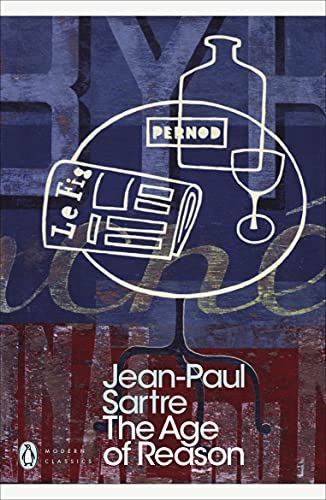
No. 21 on this list. The Age of Reason · Jean-Paul Sartre · 1945
Standard reading in French literature, European modernism, and existentialist philosophy courses worldwide. The Wikipedia article exists in 26 languages with a substantial dedicated Reception section, reflecting sustained international critical attention since the novel's 1945 publication. While not as universally required as Sartre's own Nausea or No Exit, The Age of Reason remains a fixed point of reference in 20th-century fiction curricula.
Challenging12 hours
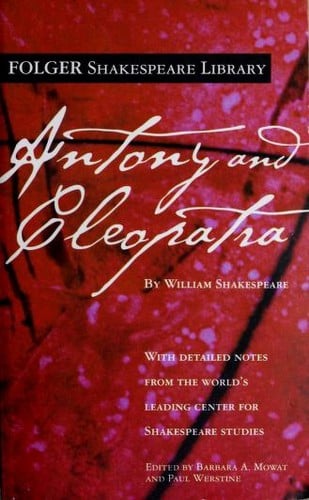
Start this bookNo. 22 on this list. Antony and Cleopatra · William Shakespeare · 1607
Taught in schools: WJEC/Eduqas GCSE and A-level English Literature (UK)
Included in: Great Books of the Western World
Antony and Cleopatra appears on virtually every Shakespeare survey and major tragedy course in English-speaking universities. It is included in all complete works editions — Oxford, Arden, Folger, Norton — and features on most 'essential Shakespeare' reading lists. While taught less frequently than Hamlet or King Lear, it holds permanent status as one of the four or five major late tragedies.
Challenging2.7 hours
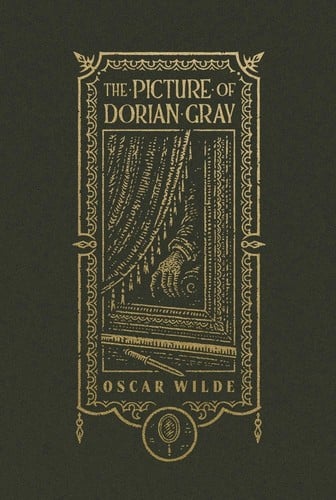
Read nowNo. 23 on this list. The Picture of Dorian Gray · Oscar Wilde
Taught in schools: AQA GCSE and A-level English Literature (UK), Pearson Edexcel GCSE and A-level English Literature (UK)
Included in: Oxford World's Classics
The Picture of Dorian Gray is standard reading in Victorian literature and aesthetic movement curricula worldwide. Though the database shows only 16 syllabus appearances due to limited data collection, the novel appears on virtually every canonical survey of English literature and has been in continuous print since 1890. It anchors discussions of aestheticism, decadence, and Victorian moral philosophy in university courses across the globe.
Challenging8 hours
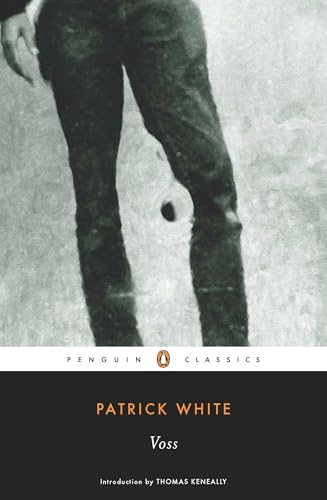
Start this bookNo. 24 on this list. Voss · Patrick White · 1957
Voss is recognized as a cornerstone of Australian literature and a major work of postcolonial fiction. It consistently appears in scholarly discussions of antipodean identity, imperial mythology, and mid-century modernism. The novel has maintained critical attention since publication and is standard curriculum in Australian and Commonwealth literary studies.
Challenging16 hours
Start this bookNo. 25 on this list. The Brothers Karamazov · Fyodor Dostoevsky · 1880
Included in: Bokklubben World Library, Great Books of the Western World
Dostoevsky staged the question of whether God's existence can be reconciled with the suffering of children as a family drama among four brothers, each embodying a different answer. The Grand Inquisitor chapter alone would secure its place; the rest of the novel makes it the most intellectually ambitious work of fiction ever completed.
Challenging35 hours
Read nowNo. 26 on this list. The Ones Who Walk Away from Omelas · Ursula K Le Guin · 1973
Widely taught in philosophy, ethics, and literature courses globally. Anthologized in hundreds of collections and featured on virtually every 'essential short fiction' list. Its presence in academic syllabi rivals Borges and Kafka in ethics curricula, where it functions as a standard thought-experiment text.
Challenging40 min
Start this bookNo. 27 on this list. Utopia · Thomas More · 1516
Utopia is a fixture in political philosophy, early modern history, and English literature curricula globally. The word 'utopia' entered every major European language, a feat achieved by fewer than a dozen literary works. It appears on thousands of university syllabi across disciplines — philosophy, political science, history, English, Renaissance studies — and is universally recognized as foundational reading.
Challenging4.3 hours
Start this bookNo. 28 on this list. Palace of Desire · Naguib Mahfouz · 1957
The Cairo Trilogy is Mahfouz's defining work, but individual volumes appear less frequently on syllabi than standalone classics. Palace of Desire appears on only 2 university syllabi in the Open Syllabus Project. The trilogy is a fixture in world literature and Arabic literature courses, though Western curricula tend to assign excerpts or the first volume rather than the full sequence.
Challenging16 hours
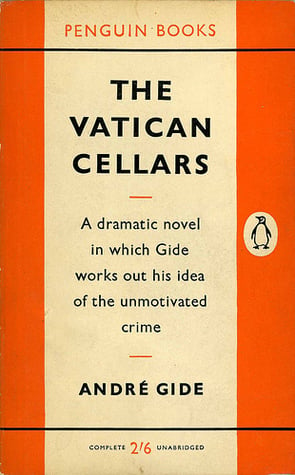
Start this bookNo. 29 on this list. The Vatican Cellars · André Gide · 1914
The Vatican Cellars opens in Rome in 1890 with Anthime Armand-Dubois, a freemason rationalist whose body trembles with spasms while his wife Véronique maintains quiet devotion. Anthime conducts vivisection experiments on animals to reduce behavior to simple tropisms, recruiting street orphan Beppo to procure his living test subjects. When Anthime smashes a Madonna statue in fury at his wife's prayers, he experiences a dream-vision of the Blessed Virgin that leaves him physically healed yet spiritually transformed. The novel then shifts to Julius de Baraglioul, a novelist and aristocrat whose father sends him to investigate the mysterious young Lafcadio Wluiki, a mysterious nineteen-year-old orphan of dubious origins. Julius discovers Lafcadio's private notebook, where the youth records not moral reflections but acts of self-harm, punishing himself with meticulous tallies for imagined transgressions. Gide weaves together these character strands with satirical precision, creating a darkly comic examination of belief, rebellion, and the peculiar violence that lurks beneath bourgeois respectability.
Challenging7.5 hours
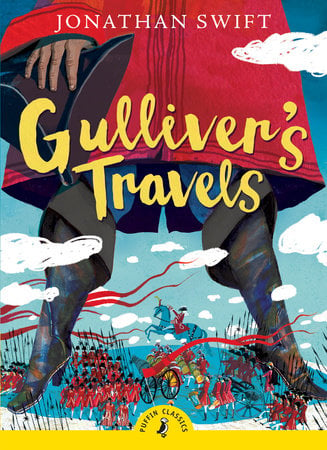
Start this bookNo. 30 on this list. Gulliver's Travels · Jonathan Swift · 1726
Taught in schools: CSEC English B – Caribbean Examinations Council, Hungarian literature curriculum (magyar nyelv és irodalom) (Hungary)
Included in: Bokklubben World Library, Great Books of the Western World
Swift shrinks his protagonist to six inches in Lilliput, inflates him to a giant in Brobdingnag, then deposits him among rational horses who regard humans as vermin. No other satire in English has so thoroughly weaponized scale and perspective to indict politics, science, and the species itself.
Challenging10 hours
Read now
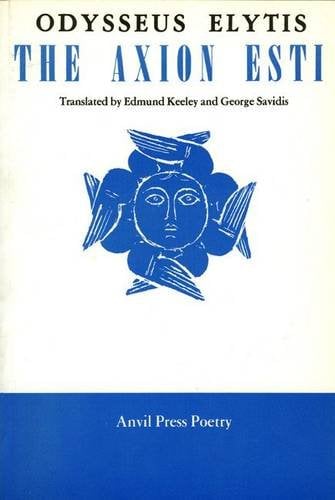
No. 31 on this list. The Axion Esti
Odysseas Elytis · 1959
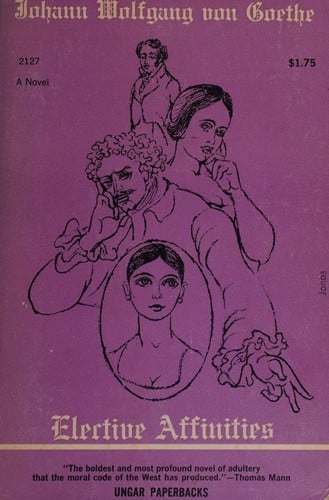
No. 32 on this list. Elective Affinities
Johann Wolfgang von Goethe · 1809
No. 33 on this list. The Burning Plain and Other Stories
Juan Rulfo · 1953
Taught in schools: UNAM Escuela Nacional Preparatoria – programas de Literatura (Mexico)
No. 34 on this list. Lord of the Flies
William Golding · 1954
Taught in schools: AQA GCSE and A-level English Literature (UK), Pacific Senior Secondary Certificate – English, Pearson Edexcel GCSE and A-level English Literature (UK)
No. 35 on this list. The Good Soldier
Ford Madox Ford · 1915
No. 36 on this list. Écrits
Jacques Lacan · 1966
No. 37 on this list. Aesthetic Theory
Theodor W. Adorno · 1970
No. 38 on this list. Anti-Oedipus
Gilles Deleuze · 1972
No. 39 on this list. Dialectic of Enlightenment
Theodor W. Adorno · 1944
No. 40 on this list. The Arcades Project
No. 41 on this list. Critique of Pure Reason
Immanuel Kant · 1781
No. 42 on this list. Summa Theologica
No. 43 on this list. Writing and Difference
Jacques Derrida · 1967
No. 44 on this list. Of Grammatology
Jacques Derrida · 1967
No. 45 on this list. Minima Moralia
Theodor W. Adorno · 1951
No. 46 on this list. Postmodernism, or, The Cultural Logic of Late Capitalism
Fredric Jameson · 1991
No. 47 on this list. This Sex Which Is Not One
Luce Irigaray · 1977
No. 48 on this list. The Order of Things: An Archaeology of the Human Sciences
Michel Foucault · 1966
No. 49 on this list. Time and Narrative
Paul Ricoeur · 1984
No. 50 on this list. Natyashastra
Bharata Muni · c. 200 BCE

No. 51 on this list. Gender Trouble: Feminism and the Subversion of Identity
Judith Butler · 1990
No. 52 on this list. New Science
Giambattista Vico · 1725
No. 53 on this list. Poetics of Relation
Édouard Glissant · 1990
No. 54 on this list. Selections from the Prison Notebooks
Antonio Gramsci · 1948
No. 55 on this list. Illuminations
Walter Benjamin · 1955
No. 56 on this list. Critique of Judgment
Immanuel Kant · 1790
No. 57 on this list. Gravity and Grace
Simone Weil · 1947
No. 58 on this list. The Human Condition
Hannah Arendt · 1958
No. 59 on this list. The Location of Culture
Homi K. Bhabha · 1994
No. 60 on this list. Gödel, Escher, Bach: An Eternal Golden Braid
Douglas R. Hofstadter · 1979
No. 61 on this list. The Gay Science
Friedrich Nietzsche · 1882
No. 62 on this list. The Society of the Spectacle
Guy Debord · 1967
No. 63 on this list. One-Dimensional Man
Herbert Marcuse · 1964
No. 64 on this list. Undoing Gender
Judith Butler · 2004
No. 65 on this list. The Theory of the Novel
Georg Lukács · 1916
No. 66 on this list. Biographia Literaria
Samuel Taylor Coleridge · 1817
No. 67 on this list. The Savage Mind
Claude Lévi-Strauss · 1962
No. 68 on this list. The Life of the Mind
Hannah Arendt · 1978
No. 69 on this list. The Birth of Tragedy
Friedrich Nietzsche · 1872
No. 70 on this list. Bodies That Matter
Judith Butler · 1993
No. 71 on this list. Marxism and Literature
Raymond Williams · 1977
No. 72 on this list. Sources of the Self: The Making of the Modern Identity
Charles Taylor · 1989
No. 73 on this list. De Vulgari Eloquentia
Dante Alighieri · 1304
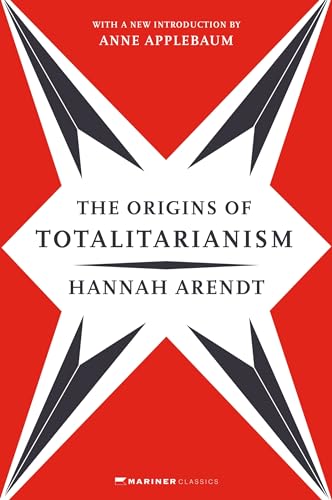
No. 74 on this list. The Origins of Totalitarianism
Hannah Arendt · 1951
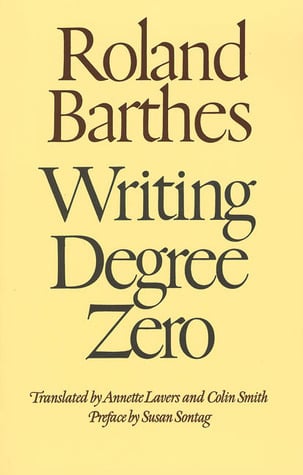
No. 75 on this list. Writing Degree Zero
Roland Barthes · 1953
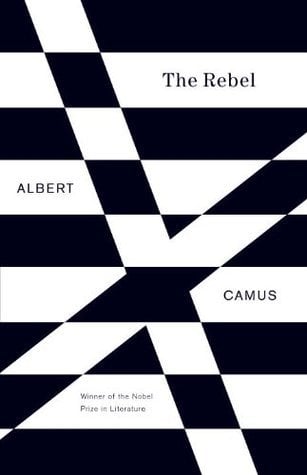
No. 76 on this list. The Rebel: An Essay on Man in Revolt
Albert Camus · 1951
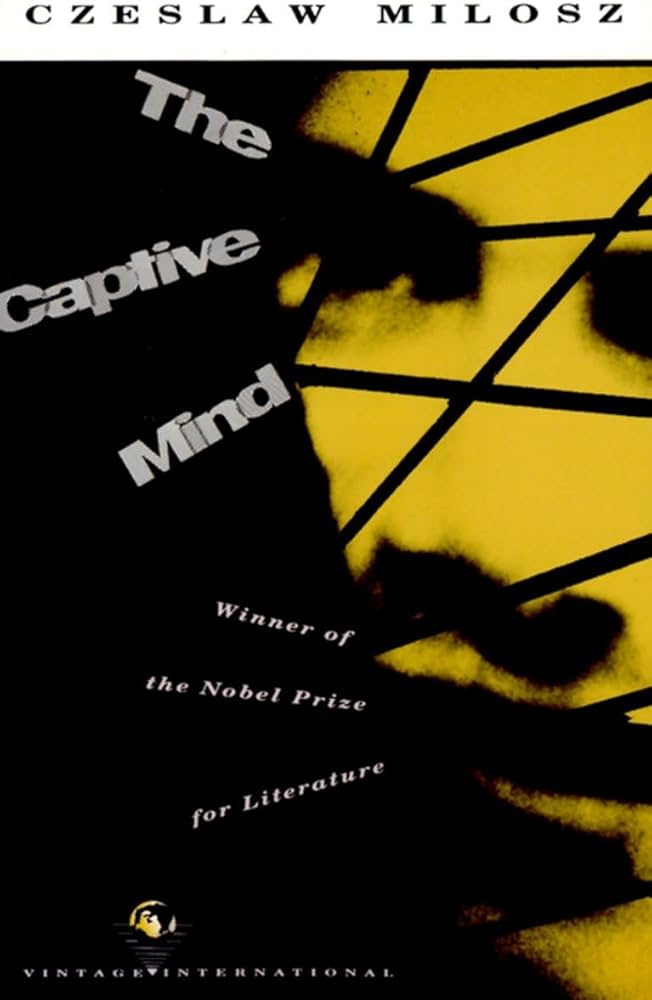
No. 77 on this list. The Captive Mind
Czesław Miłosz · 1953
No. 78 on this list. City of God
Augustine of Hippo · 426
Included in: Great Books of the Western World
No. 79 on this list. The Idea of the Holy
Rudolf Otto · 1917
No. 80 on this list. Republic
Plato · c. 375 BCE
Taught in schools: Lektury obowiązkowe – Polish national reading list (Poland), Turkish edebiyat curriculum (Turkey)
Included in: Great Books of the Western World
About this list
These 81 books are the hardest-scoring eligible books about philosophy and ideas currently in the catalogue. About 1,352 hours of reading in all. Difficulty runs from 68 to 77 out of 100 for the middle half of the list; the summit is Écrits at 94.
This list is ranked by difficulty score, hardest first, with a consistent order for equal scores. Membership follows authors and co-authors, not translators or editors. A book is here when ReadingRate files it under Philosophy & Ideas as one of its primary reading domains, at a confidence of 0.8 or more. Catalogue coverage and the historical canon both limit what this list can represent.
When we matched the Canons dataset to our catalogue in October 2026, our canonical-status scores rose with the number of school curricula, publisher series and lists in it that cite a work: the median score was 72 for books one such source cites, 84 at two, 88 at three, 92 at four and 93 at five or more. Prizes are left out of that count. Outside the state curricula, the dataset’s sources choose mostly from what has been translated into English or French, so it is a weaker check on other literatures. Source: Canons (Andrew Piper), CC BY 4.0
Questions people actually ask
- What are the hardest books about philosophy and ideas to read?
- Ranked hardest first by difficulty score: The Public Burning by Robert Coover, Labyrinths by Jorge Luis Borges, The Unnamable by Samuel Beckett, Troilus and Criseyde by Geoffrey Chaucer and The Plague of Doves by Louise Erdrich. ReadingRate ranks 81 such books, each with a difficulty score and a reading-time estimate.
- Can I read any of these books about philosophy and ideas for free?
- 12 of the 81 open in ReadingRate's reader with a free account, from public-domain editions: Troilus and Criseyde, Jacob's Room, Measure for Measure, The Kreutzer Sonata, Troilus and Cressida and 7 more.
- How long would it take to read the top ten?
- About 134 hours, at an average pace of 250 words a minute adjusted for each book's difficulty: 67 days at two hours a day. Set your own pace on the page and the list's reading times change to it.
- How hard are the hardest books about philosophy and ideas?
- Most of this list sits between 68 and 77 on ReadingRate's 100-point difficulty scale, where 40 to 55 is moderate. The summit is Écrits at 94. Every entry carries its own score, so a reader can pick a great book at a difficulty they will finish.
- How is this list ranked?
- Nine dimensions, from vocabulary and sentence structure to symbolic density and how much an ending withholds, each scored out of 100 and combined. It measures the text, not the reader, and it leans on meaning: The New York Trilogy scores 87 for how much it withholds, though its sentences are plainer than anything else in the top twenty. Each book's page shows which kind of hard it is. A book is here when ReadingRate files it under Philosophy & Ideas as one of its primary reading domains, at a confidence of 0.8 or more.