Hours at an average pace
Showing 100 books
About 793 hours for 100 of 100 books with measured lengths. Estimates use 250 words a minute, adjusted for each book's difficulty. At 2 hours a day, about 397 days for those books.
The Poetics is required reading in virtually every university curriculum touching literature, classics, philosophy, rhetoric, or dramatic theory worldwide. It appears on syllabi across disciplines in every major educational system. No other single work in Western literary culture has maintained this breadth of curricular presence across two and a half millennia.
The Symposium is required reading in virtually every philosophy, classics, and great books curriculum worldwide. It appears on syllabi for philosophy of love, Platonic metaphysics, ancient literature, gender studies, and queer theory courses. Its influence has extended beyond the academy — the concept of 'Platonic love' and Aristophanes' myth of the divided self have entered everyday language. No significant Western education omits it.
Orientalism is required reading in postcolonial studies, comparative literature, cultural studies, history, and Middle Eastern studies curricula worldwide. It appears on thousands of university syllabi across disciplines and is considered foundational to the field of postcolonial criticism. No academic in the humanities can avoid engagement with Said's argument, making it one of the most canonical critical texts of the late 20th century.
No. 4 on this list. On the Nature of Things
Lucretius · c. 55 BCE
Moderate5.5 hours
Included in: Great Books of the Western World
De Rerum Natura is one of the most significant surviving texts from antiquity, taught in classics, philosophy, and history of science programs at universities worldwide. It represents the fullest extant exposition of Epicurean atomism in any language and appears on virtually every list of essential classical works. Its rediscovery by Poggio Bracciolini in 1417 is credited with catalyzing Renaissance intellectual culture.
Plato's Phaedrus is a foundational text in Western philosophy, taught in virtually every philosophy curriculum worldwide from undergraduate ethics to graduate seminars on rhetoric and metaphysics. The dialogue has maintained continuous scholarly presence for 2,400 years, appearing on Open Syllabus lists for philosophy, rhetoric, and classical studies courses across hundreds of institutions. Its Wikipedia article spans over 50 languages for the work as a whole.
Utilitarianism is required reading in philosophy curricula worldwide and appears on virtually every syllabus for ethics, political philosophy, and moral theory. It is one of the most assigned philosophical texts in English-language universities, assigned alongside Kant's Groundwork as the foundational statement of consequentialist ethics. No undergraduate philosophy education omits it.
No. 7 on this list. Masnavi
Rumi · 1273
Challenging7.8 hours
Included in: Bokklubben World Library, UNESCO Collection of Representative Works
Rumi poured twenty-five thousand couplets of mystical poetry into a single work that uses merchant tales, animal fables, Quranic commentary, and bawdy jokes to dramatize the soul's journey toward divine love. The Masnavi became the foundational text of Sufi literary tradition and remains the most widely read poem in the Persian-speaking world.
The Discourse on the Method appears in Wikipedia articles across 34 languages and is required reading in virtually every Western philosophy curriculum, from introductory courses to advanced epistemology seminars. It is one of a small number of pre-modern texts that remain compulsory across disciplines — philosophy, intellectual history, history of science, cognitive science. The work appears on all major lists of foundational Western thought.
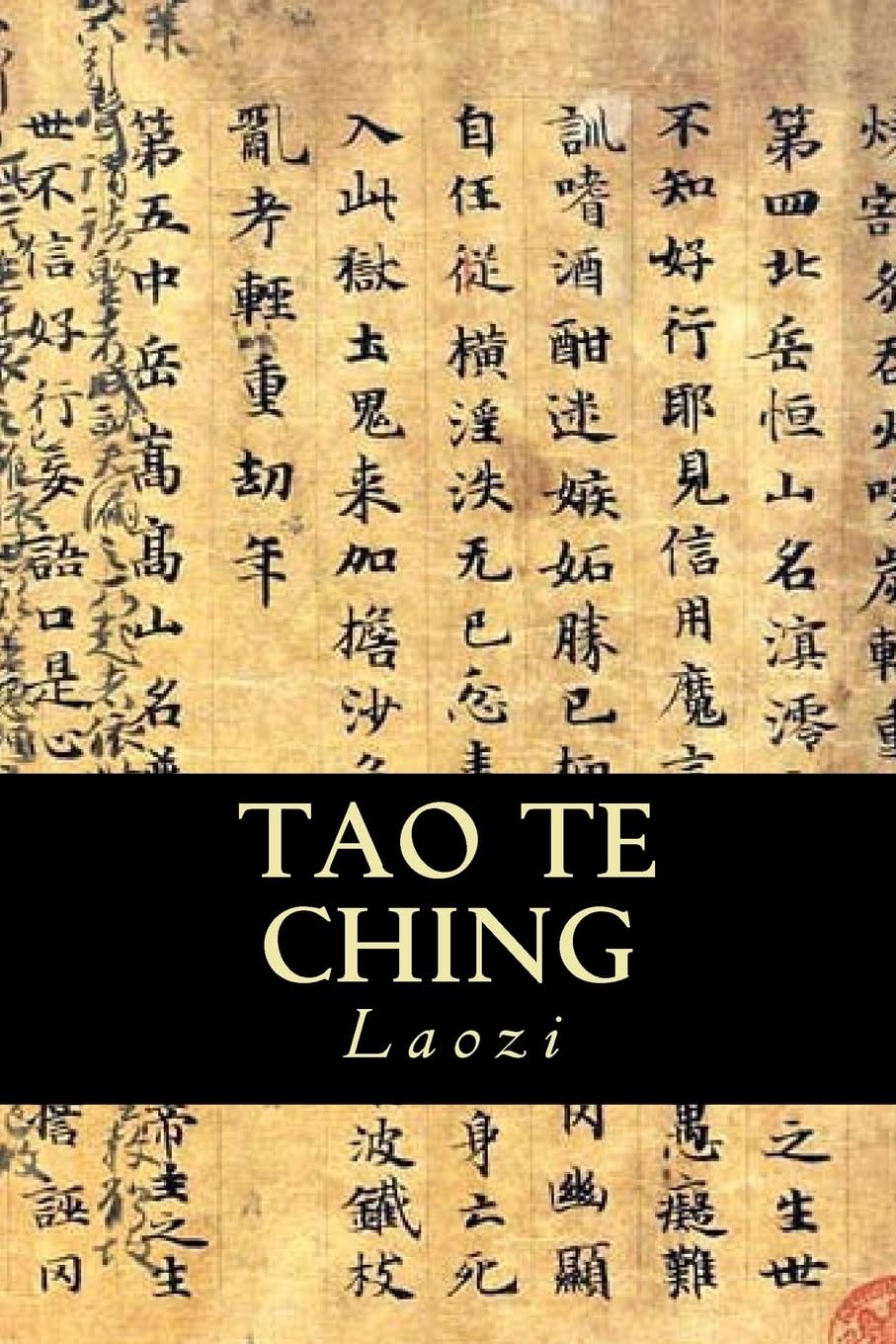
The Tao Te Ching is one of the most translated texts in human history — second only to the Bible in total translations, with over 250 English versions alone. It anchors courses in world philosophy, comparative religion, East Asian studies, and literature at virtually every major university. Its Wikipedia article exists in over 80 languages.
The Sickness unto Death appears on philosophy and theology syllabi at universities worldwide and is consistently listed among the essential texts of existentialism. It is among the most-taught works in continental philosophy, philosophy of religion, and existentialist theology — a standard fixture in any curriculum covering 19th-century thought. Wikipedia articles exist in over 40 languages, confirming global reach across academic traditions.
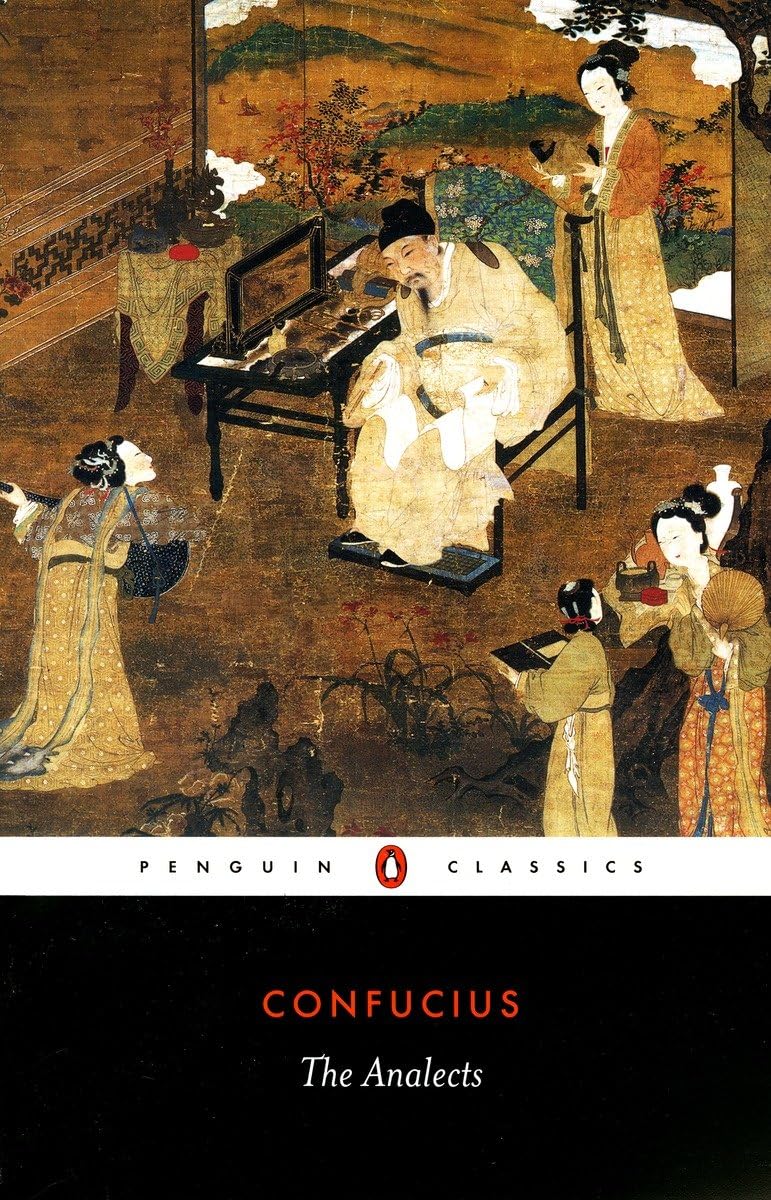
No. 11 on this list. Analects · Confucius · c. 479 BCE
Confucius's students recorded his sayings on ritual, filial piety, and the gentleman-scholar in terse dialogues that became the moral operating system for East Asian civilization. The examination system built on this text selected China's governing class for over a thousand years.
Moderate2 hours
Read nowNo. 12 on this list. The Structure of Scientific Revolutions · Thomas S. Kuhn · 1962
Standard reading across philosophy and history of science, sociology and science and technology studies, and one of the most assigned academic books of the twentieth century. The phrase 'paradigm shift' entered everyday language from it.
Challenging5.6 hours
Start this bookNo. 13 on this list. Black Skin, White Masks · Frantz Fanon · 1952
One of the foundational texts of postcolonial theory and the phenomenology of race; essential reading in multiple fields.
Challenging6.6 hours
Start this bookNo. 14 on this list. Pensées · Blaise Pascal · 1670
Included in: Great Books of the Western World, UNESCO Collection of Representative Works
One of the masterpieces of French prose and a foundational text of modern religious philosophy. Read continuously since the seventeenth century.
Moderate6.3 hours
Start this bookNo. 15 on this list. Civilization and Its Discontents · Sigmund Freud · 1930
Civilization and Its Discontents is assigned in philosophy, psychology, political theory, literary criticism, and cultural studies courses across the world's universities. It is among the most widely taught non-fiction texts in higher education, a standard inclusion on humanities syllabi from introductory courses to graduate seminars. No significant survey of 20th-century intellectual history omits it.
Challenging3.4 hours
Start this bookNo. 16 on this list. Candide · Voltaire · 1759
Taught in schools: Hungarian literature curriculum (magyar nyelv és irodalom) (Hungary)
Included in: Great Books of the Western World
Voltaire's Candide gets flogged, shipwrecked, and nearly auto-da-féd across three continents, each catastrophe demolishing Pangloss's insistence that this is the best of all possible worlds. The final line—"we must cultivate our garden"—became the Enlightenment's most quoted rebuke to metaphysical optimism.
Challenging3 hours
Read nowNo. 17 on this list. The Wretched of the Earth · Frantz Fanon · 1961
The Wretched of the Earth appears on syllabi in postcolonial studies, African studies, political philosophy, sociology, and literary theory programs worldwide — among the most-assigned theoretical texts of the 20th century. Its Wikipedia article exists in over 40 languages. It is routinely listed alongside Fanon's Black Skin, White Masks as required reading for anyone working in fields touching on race, colonialism, or global politics.
Challenging7.7 hours
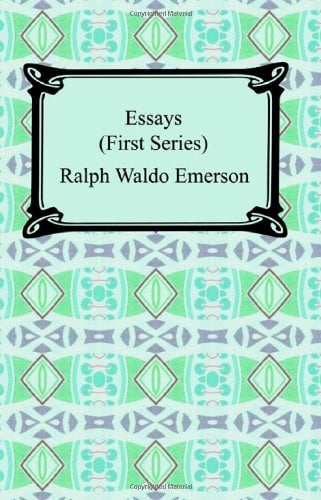
Start this bookNo. 18 on this list. Essays: First and Second Series · Ralph Waldo Emerson · 1844
"Self-Reliance" is among the most frequently anthologized essays in American literature, a fixture of high school and university American literature and philosophy syllabi. Emerson's essays sit alongside Thoreau's Walden and Whitman's Leaves of Grass as the founding texts of the American canon.
Challenging11 hours
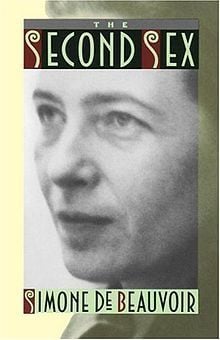
Start this bookNo. 19 on this list. The Second Sex · Simone de Beauvoir · 1949
Appears on 563 university syllabi (Open Syllabus percentile: 68.8%), making it a fixture of gender studies, philosophy, and feminist theory curricula worldwide. Named to Le Monde's 100 Books of the Century and recognized in 50 Wikipedia languages — signaling global canonical reach. Essential reading in feminist and existentialist philosophy, though not as universally taught as Shakespeare or Frankenstein.
Challenging27 hours
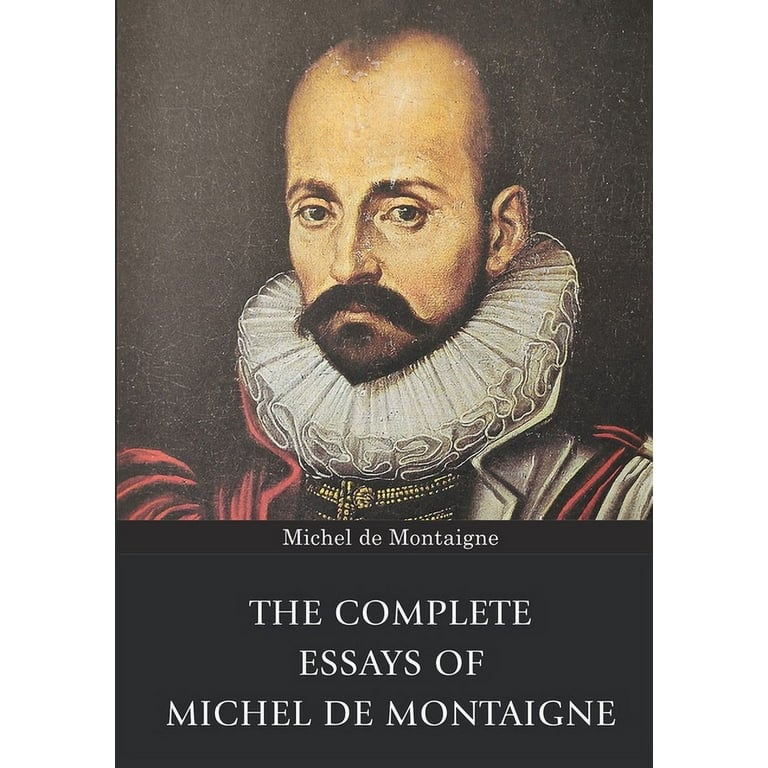
Start this bookNo. 20 on this list. Essays · Michel de Montaigne · 1580
Michel de Montaigne retired to his tower library in 1571 and began writing short prose pieces he called 'essais' -- attempts, trials, tests of his own judgment. Over the next twenty years he produced 107 of them, ranging from a few pages to the book-length 'Apology for Raymond Sebond,' revising and expanding relentlessly through three editions. The subject announced on every page is himself: his kidney stones, his reading habits, his fear of death, his sexual life, his distaste for cruelty, his unreliable memory. But Montaigne's self-portrait is a Trojan horse. By examining one particular human specimen with ruthless honesty, he builds a case about the species. Custom, he shows, governs nearly everything we call morality. Reason is a tool that can argue any side of any question. The senses deceive, memory distorts, and certainty -- on any matter beyond immediate experience -- is unavailable to human beings. What remains after this demolition is not despair but a kind of freedom: permission to live attentively within the limits of what one person can actually know. The Essays move by association rather than argument, circling through classical anecdote, personal confession, and philosophical speculation in a voice that sounds, across four centuries, like someone thinking aloud in real time. Montaigne quotes Seneca and Plutarch on every other page, but the governing intelligence is unmistakably his own -- skeptical, humane, amused by his own contradictions, and unwilling to pretend that writing about virtue is the same as practicing it.
Moderate34 hours
Read now

No. 21 on this list. Walden · Henry David Thoreau · 1854
Thoreau moved to a cabin on a pond for two years and wrote a book that made solitude, bean-counting, and the observation of thawing mud into acts of radical philosophy. Walden supplied the intellectual template for civil disobedience, environmentalism, and voluntary simplicity — three movements that still run on its sentences.
Challenging9 hours
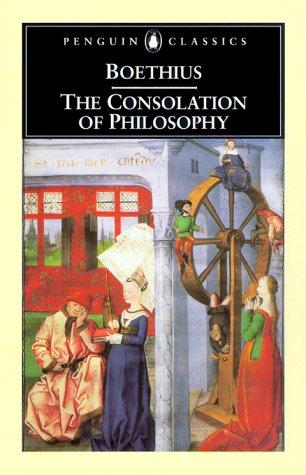
Read nowNo. 22 on this list. The Consolation of Philosophy · Boethius · 524
The Consolation of Philosophy was a cornerstone text of medieval European education, read and copied across centuries in monasteries and universities. It remains standard reading in philosophy, classics, and medieval studies courses worldwide, with Wikipedia articles in over 50 languages attesting to its global reach. Few works written before the print era hold such sustained pedagogical standing.
Moderate2.8 hours
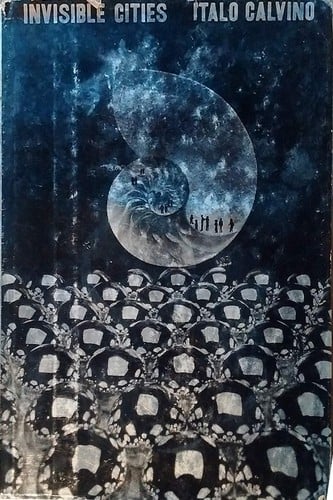
Read nowNo. 23 on this list. Invisible Cities · Italo Calvino · 1972
Marco Polo sits before Kublai Khan and describes cities he has visited — or perhaps invented. Despina can be approached by land or by sea, and looks entirely different depending on which direction you come from. Valdrada was built above a lake so that every action of its inhabitants would be doubled in the water below; the city and its mirror have learned to hate each other. Zobeide was constructed by men who all dreamed the same woman and built a city to trap her, but the woman never appeared. Calvino arranges 55 such cities across 11 categories — Cities & Memory, Cities & Desire, Thin Cities — in a mathematical grid that wears the clothing of fiction. The cities are not places. They are states of mind, arguments about time and loss, meditations on the difference between a map and the territory it claims to represent. Between the vignettes, Marco Polo and the Khan conduct dialogues about language, empire, and whether it is possible to describe anything that exists. The prose is precise and dreaming at once — a short paragraph can hold more compressed thought than a chapter of conventional fiction. This is a book that accumulates rather than progresses, and what it accumulates is a complete philosophy of how cities, and perhaps consciousness itself, work.
Challenging2.2 hours
Start this bookNo. 24 on this list. Tirukkural · Thiruvalluvar · 100
The central text of Tamil civilisation, memorised in schools, quoted in politics and cinema, and required in Tamil and comparative literature study.
Challenging1.8 hours
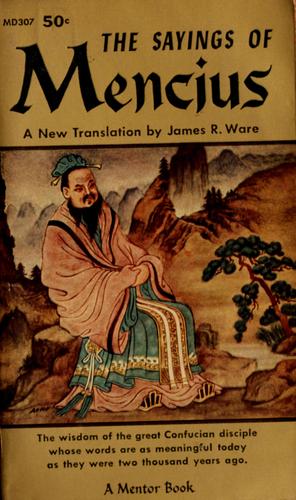
Start this bookNo. 25 on this list. Mencius · Mencius · c. 300 BCE
One of the Four Books, memorised by every Chinese examination candidate from 1313 to 1905 and standard in Chinese philosophy syllabuses worldwide.
Challenging5.4 hours
Start this bookNo. 26 on this list. The Logic of Scientific Discovery · Karl Popper · 1934
The Logic of Scientific Discovery is required reading in virtually every philosophy of science course at the university level and appears widely on syllabi in history and philosophy of science programs globally. It is not a literary canonical text but holds the equivalent position within its discipline — a foundational text that practitioners of science and philosophy are expected to know.
Challenging16 hours
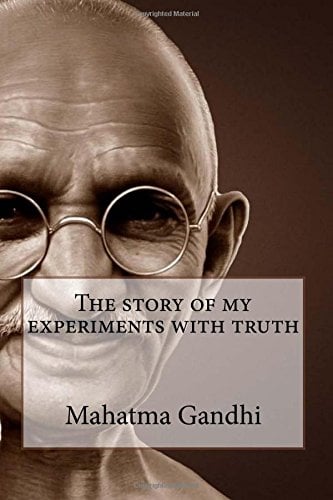
Start this bookNo. 27 on this list. The Story of My Experiments with Truth · Mahatma Gandhi · 1929
One of the most assigned autobiographies in the world, standard in political theory, religious studies, and modern Indian history courses.
Moderate12 hours
Start this bookNo. 28 on this list. After Virtue · Alasdair MacIntyre · 1981
Alasdair MacIntyre opens After Virtue with a thought experiment: imagine that natural science suffered a catastrophe, that laboratories were burned, scientists lynched, and then an imperfect reconstruction took place — people using the words 'neutrino' and 'specific gravity' without understanding what they mean. MacIntyre's claim is that this is precisely the state of moral language today. We use words like 'justice,' 'rights,' and 'virtue' as fragments from a tradition we have lost, producing arguments that are logically valid but rationally interminable because the premises are incommensurable. The abortion debate, the debate over just war, the debate over justice in taxation: each rests on premises drawn from incompatible moral frameworks, and no shared standard exists to adjudicate between them. MacIntyre traces the collapse to the Enlightenment's failed attempt to ground morality without Aristotle's teleological framework. Hume tried desire; Kant tried reason; Kierkegaard tried choice. Each failed for reasons internal to its own logic. What was lost — and what MacIntyre argues must be recovered — is Aristotle's account of the virtues as the qualities that enable human beings to achieve their specific good, embedded in practices, communities, and narrative lives. The book is a work of moral philosophy and intellectual history at once, written with unusual clarity for its level of argument. What it demands is patience with sustained abstraction and prior familiarity with the major figures in Western ethical theory.
Challenging12 hours
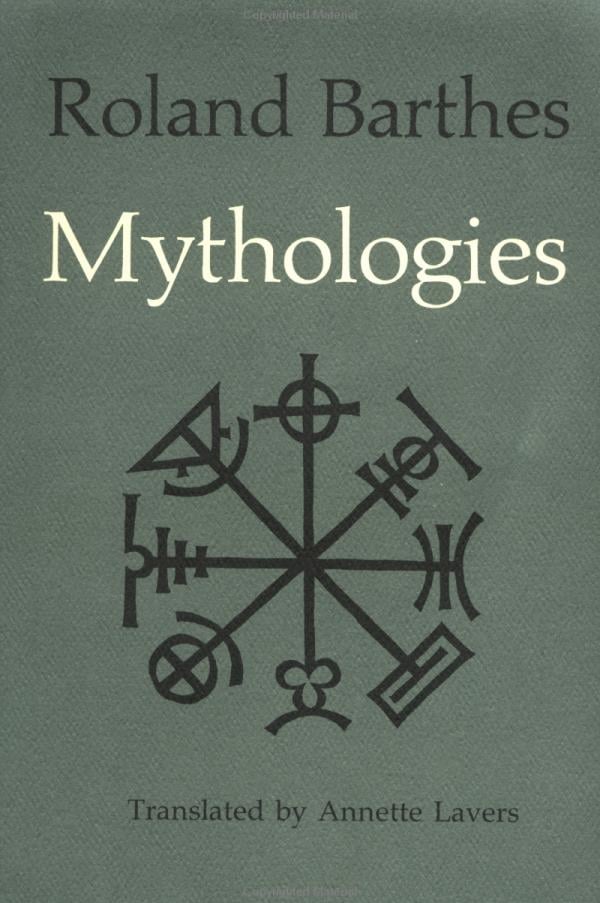
Start this bookNo. 29 on this list. Mythologies · Roland Barthes · 1957
Mythologies is standard reading in media studies, cultural studies, semiology, and critical theory curricula worldwide. It appears in virtually every undergraduate Cultural Studies syllabus and most graduate programs in literary theory, communications, and sociology. The book's two-part structure — accessible cultural vignettes plus rigorous theoretical essay — makes it one of the most commonly assigned works of French critical theory in Anglophone universities, comparable in syllabus presence to Saussure's Course in General Linguistics.
Challenging4.3 hours
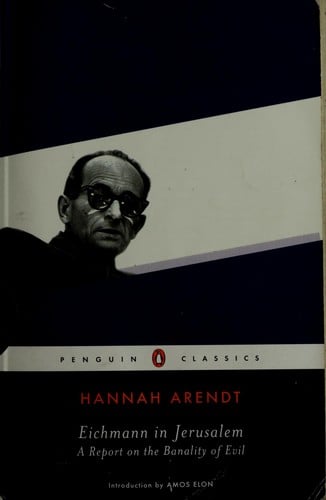
Start this bookNo. 30 on this list. Eichmann in Jerusalem · Hannah Arendt · 1963
Eichmann in Jerusalem appears on syllabi across political philosophy, Holocaust studies, Jewish studies, ethics, history, and law — among the most assigned works of political non-fiction of the 20th century. It is standard reading in any course addressing totalitarianism, moral responsibility, or the Holocaust. The phrase "banality of evil" has entered the language as a fixed concept, which is the clearest measure of canonical status a non-fiction work can achieve.
Challenging9.5 hours
Start this book

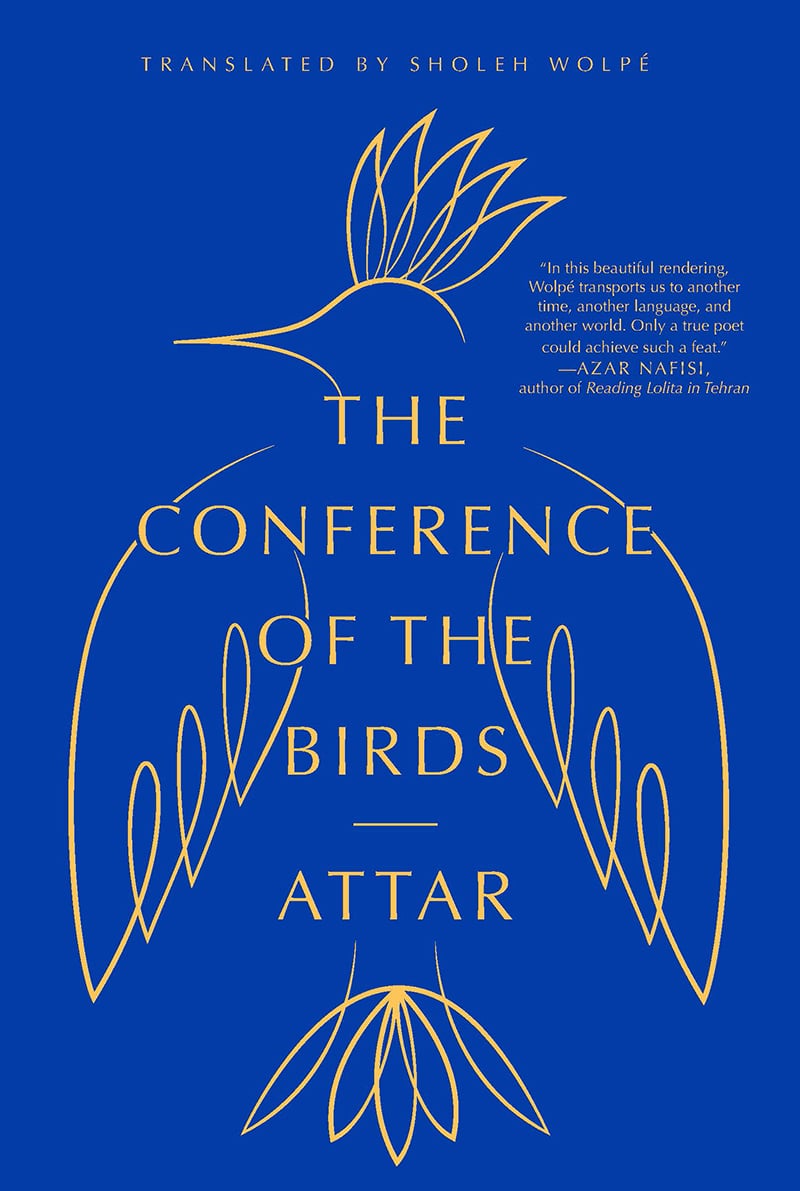
No. 31 on this list. The Conference of the Birds
Attar of Nishapur · 1177
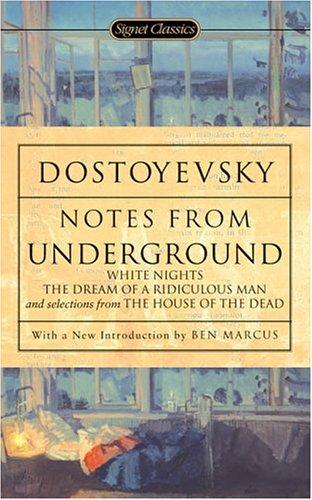
No. 32 on this list. Notes from Underground
Fyodor Dostoevsky · 1864
Taught in schools: Russian FGOS literature standard
No. 33 on this list. The Essays
Francis Bacon · 1625
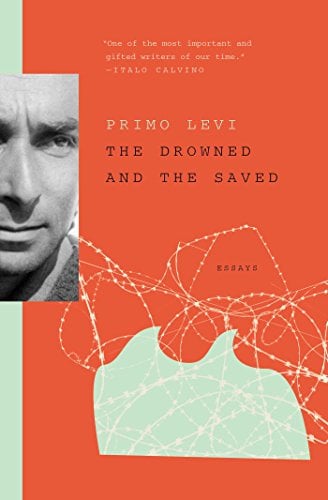
No. 34 on this list. The Drowned and the Saved
Primo Levi · 1986
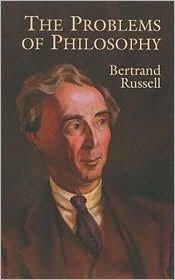
No. 35 on this list. The Problems of Philosophy
Bertrand Russell · 1912
No. 36 on this list. Letter from Birmingham Jail
Martin Luther King Jr. · 1963
No. 37 on this list. Existentialism Is a Humanism
Jean-Paul Sartre · 1946
No. 38 on this list. Annihilation of Caste
B.R. Ambedkar · 1936
No. 39 on this list. Culture and Anarchy
Matthew Arnold · 1869
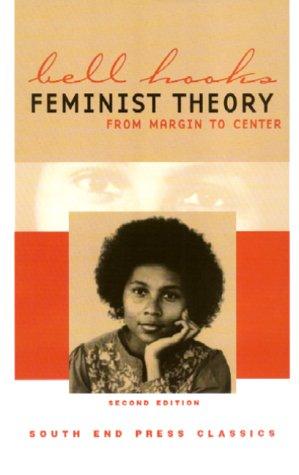
No. 40 on this list. Feminist Theory: From Margin to Center
bell hooks · 1984

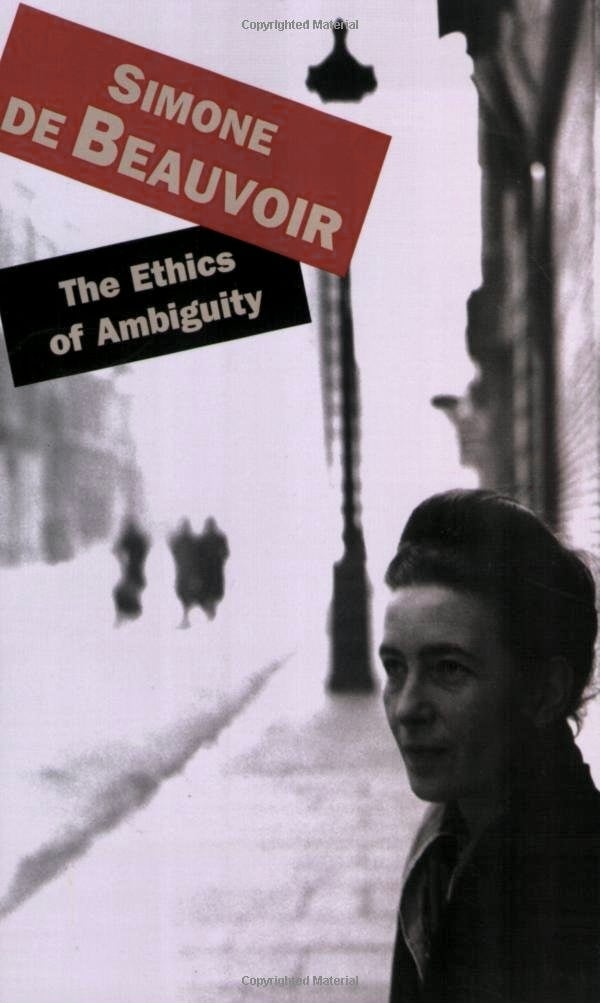
No. 41 on this list. The Ethics of Ambiguity
Simone de Beauvoir · 1947
No. 42 on this list. Laocoon: An Essay on the Limits of Painting and Poetry
Gotthold Ephraim Lessing · 1766
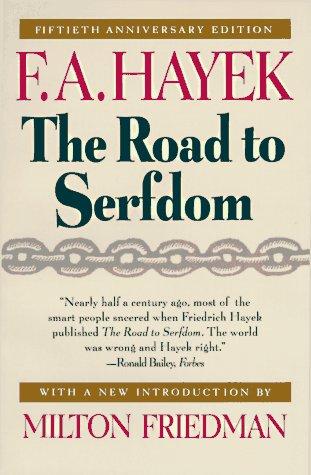
No. 43 on this list. The Road to Serfdom
Friedrich Hayek · 1944
No. 44 on this list. Creative Evolution
Henri Bergson · 1907
No. 45 on this list. The Way of the Bodhisattva
Śāntideva · 2003
No. 46 on this list. The Name of the Rose
Umberto Eco · 1980
No. 47 on this list. The Open Society and Its Enemies
Karl Popper · 1945
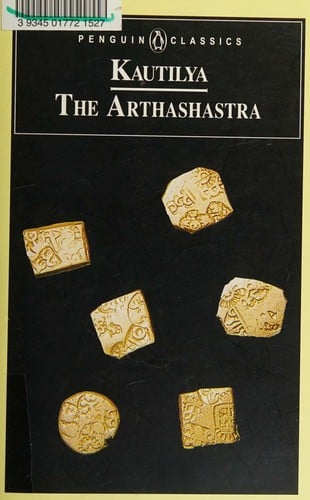
No. 48 on this list. Arthashastra
Kautilya · c. 300 BCE
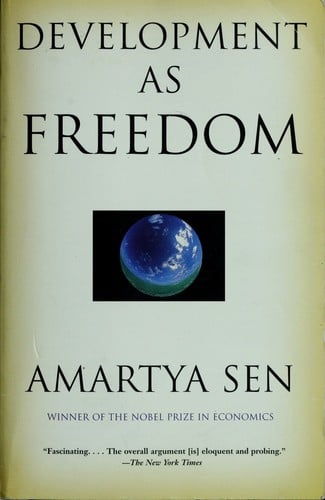
No. 49 on this list. Development as Freedom
Amartya Sen · 1999
No. 50 on this list. On the Sublime
Longinus · 100
No. 51 on this list. Tristes Tropiques
Claude Lévi-Strauss · 1955
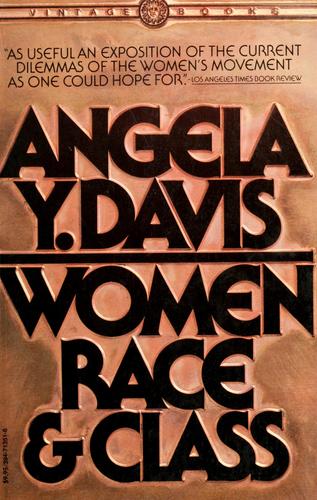
No. 52 on this list. Women, Race & Class
Angela Davis · 1981
No. 53 on this list. Women in Love
D.H. Lawrence · 1920
No. 54 on this list. The Myth of Sisyphus
Albert Camus · 1942
No. 55 on this list. The Conscious Mind
David J. Chalmers · 1996
No. 56 on this list. Mr. Palomar
Italo Calvino · 1983
No. 57 on this list. Three Guineas
Virginia Woolf · 1938
No. 58 on this list. Regarding the Pain of Others
Susan Sontag · 2003
No. 59 on this list. The Discovery of India
Jawaharlal Nehru · 1946
No. 60 on this list. The Book of the Courtier
Baldassare Castiglione · 1528


No. 61 on this list. The Muqaddimah
Ibn Khaldun · 1377
Included in: UNESCO Collection of Representative Works
No. 62 on this list. The Courage to Be
Paul Tillich · 1952
No. 63 on this list. The Sacred and the Profane
Mircea Eliade · 1957
No. 64 on this list. The Unbearable Lightness of Being
Milan Kundera · 1984
No. 65 on this list. Crowds and Power
Elias Canetti · 1960
No. 66 on this list. The Iliad, or the Poem of Force
Simone Weil · 1940
No. 67 on this list. The Wealth of Nations
Adam Smith · 1776
No. 68 on this list. Han Feizi
Han Fei · c. 233 BCE
No. 69 on this list. Confessions
Augustine of Hippo · 397
No. 70 on this list. The Social Contract
Jean-Jacques Rousseau · 1762
No. 71 on this list. Nicomachean Ethics
Aristotle · c. 340 BCE
No. 72 on this list. Leviathan
Thomas Hobbes · 1651
Included in: Great Books of the Western World
No. 73 on this list. A History of Western Philosophy
Bertrand Russell · 1945
No. 74 on this list. Pilgrim at Tinker Creek
Annie Dillard · 1974
No. 75 on this list. The Road
Cormac McCarthy · 2007
No. 76 on this list. Is There a Text in This Class? The Authority of Interpretive Communities
Stanley Fish · 1980
No. 77 on this list. Xunzi
Xunzi · c. 250 BCE
No. 78 on this list. Laughter: An Essay on the Meaning of the Comic
Henri Bergson · 1900
No. 79 on this list. Homo Ludens
Johan Huizinga · 1938
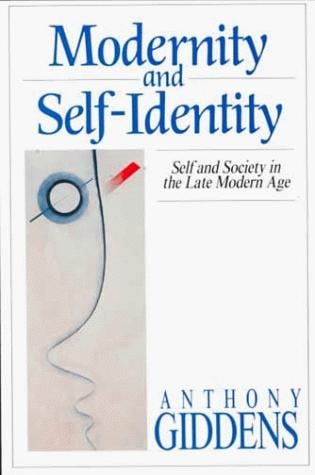
No. 80 on this list. Modernity and Self-Identity
Anthony Giddens · 1991


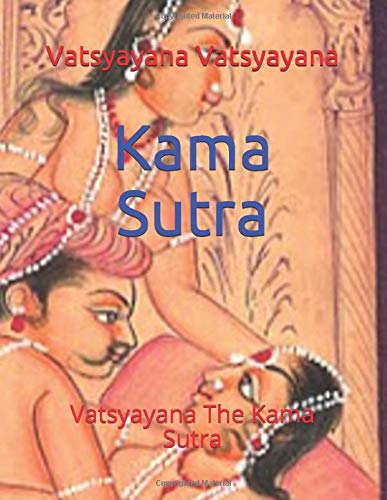
No. 81 on this list. Kama Sutra
Vatsyayana · 300
No. 82 on this list. Postmodernist Fiction
Brian McHale · 1987
No. 83 on this list. In Praise of Shadows
Jun'ichirō Tanizaki · 1933
No. 84 on this list. Amusing Ourselves to Death
Neil Postman · 1985
No. 85 on this list. The Book of Tea
Okakura Kakuzō · 1906
No. 86 on this list. The Art of Worldly Wisdom
Baltasar Gracián · 1647
No. 87 on this list. Giving an Account of Oneself
Judith Butler · 2005
No. 88 on this list. Black Lamb and Grey Falcon
Rebecca West · 1941
No. 89 on this list. The Communist Manifesto
Karl Marx · 1848
No. 90 on this list. On Liberty
John Stuart Mill · 1859

No. 91 on this list. The Varieties of Religious Experience
William James · 1902
No. 92 on this list. Against Method
Paul Feyerabend · 1975
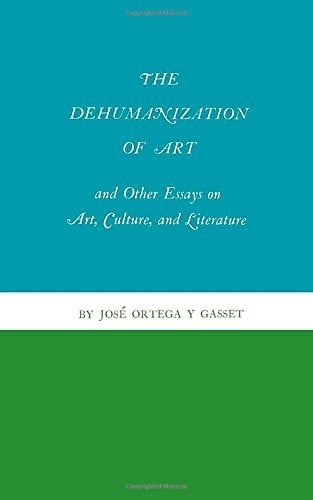
No. 93 on this list. The Dehumanization of Art
José Ortega y Gasset · 1925
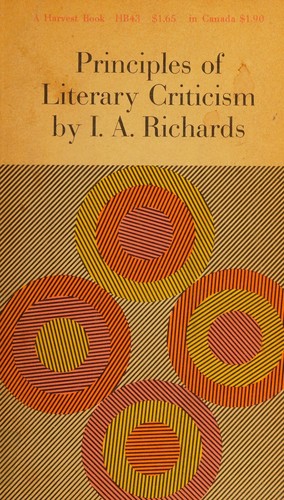
No. 94 on this list. Principles of Literary Criticism
I.A. Richards · 1924
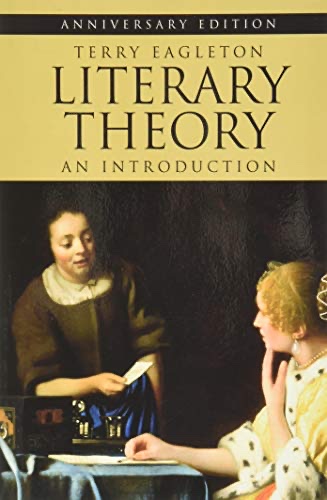
No. 95 on this list. Literary Theory: An Introduction
Terry Eagleton · 1983
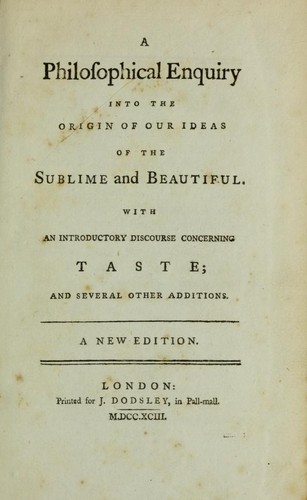
No. 96 on this list. A Philosophical Enquiry into the Origin of Our Ideas of the Sublime and Beautiful
Edmund Burke · 1757
No. 97 on this list. Pedagogy of the Oppressed
Paulo Freire · 1968
No. 98 on this list. The Need for Roots
Simone Weil · 1949
No. 99 on this list. I and Thou
Martin Buber · 1923
No. 100 on this list. Mozi
Mozi · c. 390 BCE

About this list
These 100 books are the highest-scoring eligible moderately difficult philosophy books currently in the catalogue. By literary regard, it opens with Poetics, Symposium and Orientalism. About 793 hours of reading in all. Difficulty runs from 51 to 60 out of 100 for the middle half of the list; the summit is Leviathan at 65.
This list is ranked by literary regard, with a consistent order for equal scores. Membership follows authors and co-authors, not translators or editors. Catalogue coverage and the historical canon both limit what this list can represent, and genre labels are the catalogue’s own, gathered into broader kinds.
When we matched the Canons dataset to our catalogue in October 2026, our canonical-status scores rose with the number of school curricula, publisher series and lists in it that cite a work: the median score was 72 for books one such source cites, 84 at two, 88 at three, 92 at four and 93 at five or more. Prizes are left out of that count. Outside the state curricula, the dataset’s sources choose mostly from what has been translated into English or French, so it is a weaker check on other literatures. Source: Canons (Andrew Piper), CC BY 4.0
Questions people actually ask
- What are the best moderately difficult philosophy books?
- By literary regard, which weighs canonical status, critical standing and influence, Poetics, Symposium, Orientalism, On the Nature of Things and Phaedrus lead. ReadingRate ranks 100 such books, each with a difficulty score and a reading-time estimate.
- Where should I start with moderately difficult philosophy books?
- Start from difficulty, not from rank. The most approachable books on this list that still carry top literary regard are Existentialism Is a Humanism by Jean-Paul Sartre (about 1.8 hours), Letter from Birmingham Jail by Martin Luther King Jr. and The Muqaddimah by Ibn Khaldun.
- How hard are moderately difficult philosophy books to read?
- Most of this list sits between 51 and 60 on ReadingRate's 100-point difficulty scale, where 40 to 55 is moderate. The summit is Leviathan at 65. Every entry carries its own score, so a reader can pick a great book at a difficulty they will finish.
- How is this list ranked?
- On literary-regard data: how canonically established a work is, its critical standing, and its influence on later writing. It is not a readers’ poll, which is why recent bestsellers rarely appear. Membership follows authors and co-authors, not translators or editors. A list that is not a genre list keeps to literature (fiction, poetry, drama and philosophy), with philosophy taking no more than one slot in five while there is literature left to rank; every list holds at most three works by one author.