Hours at an average pace
Showing 100 books
About 678 hours for 98 of 100 books with measured lengths. Estimates use 250 words a minute, adjusted for each book's difficulty. At 2 hours a day, about 339 days for those books.
The Prince is required reading in political science, philosophy, history, and humanities curricula worldwide and is among the most widely assigned non-fiction texts in higher education. It appears on every syllabus for political philosophy and political theory, from introductory undergraduate courses to graduate seminars. Few texts of any era command this breadth of curricular presence.
Two Treatises of Government is a standard text in political philosophy and the history of political thought, assigned alongside Hobbes's Leviathan and Rousseau's Social Contract on courses worldwide. The Second Treatise in particular is treated as essential reading on consent, property and the right of revolution.
The Constitution is the founding document of the United States and is taught at every level of American education, in history, civics, law and political theory. It is among the most widely taught texts in the world, though this particular free edition is just one copy of it.
It is widely taught in American history and literature courses, is named among Time's most important nonfiction books of the century, and is an essential text in African American studies.
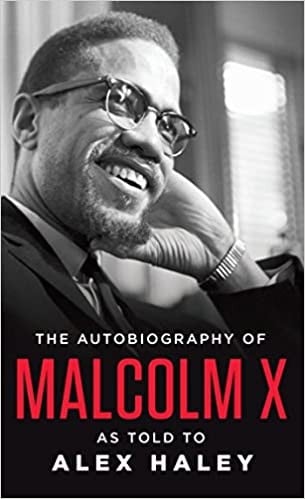
No. 5 on this list. The Autobiography of Malcolm X: As Told to Alex Haley
Malcolm X · 1991
Easy10 hours
It is widely assigned in American history, African American studies and literature courses, and it appears on many lists of essential twentieth-century nonfiction. Time magazine named it among the most important nonfiction books of the century.
One of the most anthologized and assigned essays in the English language, a fixture of first-year composition, rhetoric, and journalism curricula worldwide. Its six rules and the phrase 'political language' recur in countless style guides and writing handbooks. No syllabus or Wikipedia-language data was available in our database, but its teaching presence rivals the most-taught novels.
Orwell's essays are standard fixtures in English literature and university composition courses worldwide. 'Shooting an Elephant' and 'Politics and the English Language' rank among the most-assigned essays in undergraduate curricula, appearing across literature, political science, and writing programs. Individual essays have been continuously reprinted since their first collection in the late 1940s.
Jacob and Wilhelm Grimm collected Cinderella, Rapunzel, Hansel and Gretel, Snow White, and Rumpelstiltskin from oral sources and fixed them in print, giving Western childhood its permanent mythology. The collection launched the discipline of folklore studies and remains the most influential story anthology ever published.
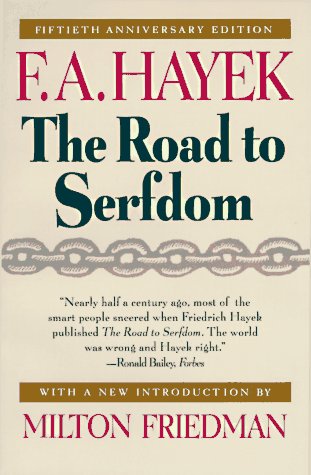
Widely taught in political science, economics, and philosophy programs as a foundational classical-liberal text.
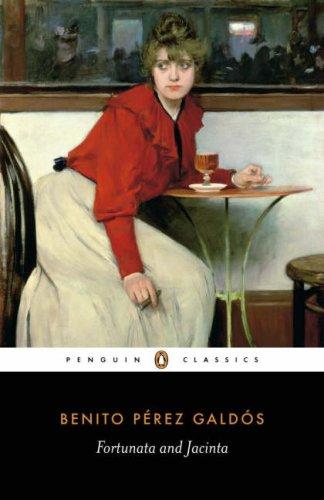
Universally recognized as the masterpiece of Spanish realism and one of the great European novels of the nineteenth century.
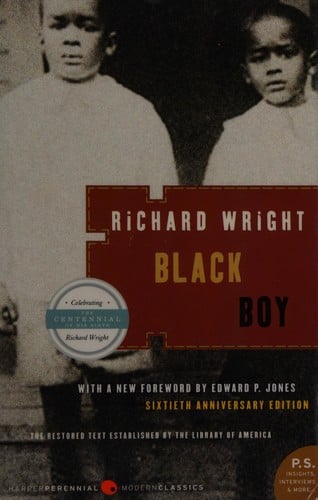
No. 11 on this list. Black Boy · Richard Wright · 1945
Black Boy is a fixture in American secondary and university curricula, routinely assigned in courses on African American literature, autobiography, and twentieth-century American history. It appears on widely used reading lists alongside Native Son and Frederick Douglass's Narrative. The book has maintained continuous institutional presence since its 1945 publication and Book-of-the-Month Club selection.
Easy5.3 hours
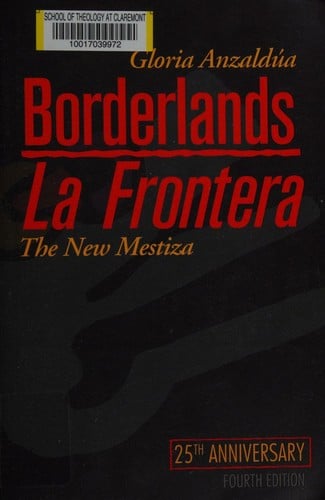
Start this bookNo. 12 on this list. Borderlands/La Frontera: The New Mestiza · Gloria Anzaldua · 1987
Foundational text of Chicana feminism, border studies, and queer theory. Universally taught in relevant fields.
Easy2.7 hours
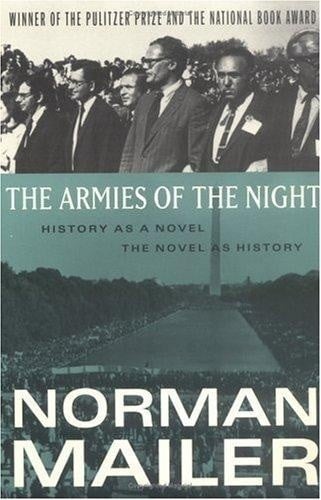
Start this bookNo. 13 on this list. The Armies of the Night · Norman Mailer · 1968
Won both the Pulitzer Prize for General Nonfiction and the National Book Award in 1969 — an extraordinarily rare double — cementing its place in the American literary canon. Taught regularly in American literature, journalism, and creative nonfiction courses. Appears on most authoritative 'great American nonfiction' lists alongside In Cold Blood and Let Us Now Praise Famous Men.
Moderate7.1 hours
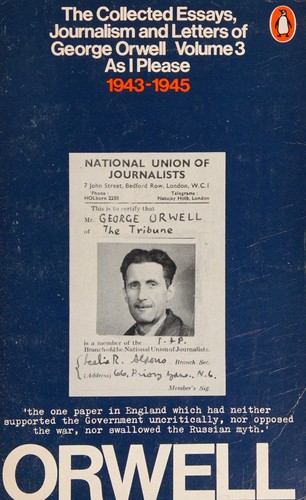
Start this bookNo. 14 on this list. The Collected Essays, Journalism and Letters of George Orwell · George Orwell · 1968
Essays like 'Politics and the English Language', 'Shooting an Elephant' and 'Why I Write' are taught widely in composition and literature courses. The full four-volume set is more a scholar's and enthusiast's resource than a syllabus text, though it anchors Orwell studies.
Easy
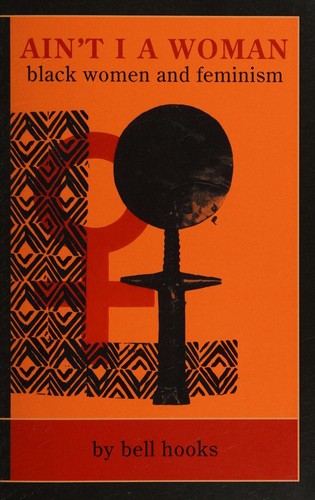
Start this bookNo. 15 on this list. Ain't I a Woman · bell hooks · 1981
In 1981, a 29-year-old Gloria Jean Watkins — writing under the name bell hooks — published an argument that neither the civil rights movement nor the women's movement had bothered to make: that black women in America occupied a position erased by both. hooks starts in the hold of slave ships, where African women were stripped, beaten, and raped alongside men, then sold into a system that denied them the 'femininity' white culture used to define womanhood itself. She traces this erasure forward through Reconstruction, the suffrage movement, and the rise of second-wave feminism, showing how white feminists repeatedly centered their own experience while black male activists asked black women to subordinate gender to race. The title borrows from Sojourner Truth's 1851 speech, and hooks writes with that same refusal to let anyone off the hook. Her chapters on the myth of the black matriarch and the devaluation of black womanhood remain some of the clearest articulations of how racism and sexism operate not as parallel systems but as a single interlocking machinery. The prose is direct, the anger controlled, the scholarship grounded in lived history. Readers looking for intersectional feminism before the term existed will find its intellectual foundation here.
Easy3.7 hours
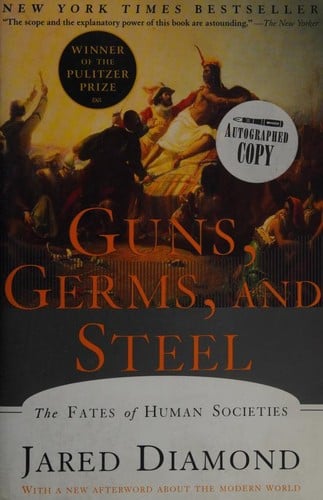
Start this bookNo. 16 on this list. Guns, Germs, and Steel · Jared Diamond · 1997
The verified data signals show no syllabus or Wikipedia entries on file for this title, but Guns, Germs, and Steel has been a fixture of introductory world-history, geography, and anthropology courses since the late 1990s and was adapted into a three-part PBS/National Geographic documentary in 2005. It sits below a literary classic like The Great Gatsby in curricular ubiquity but comfortably ahead of a work with only cult-course status.
Moderate9.2 hours
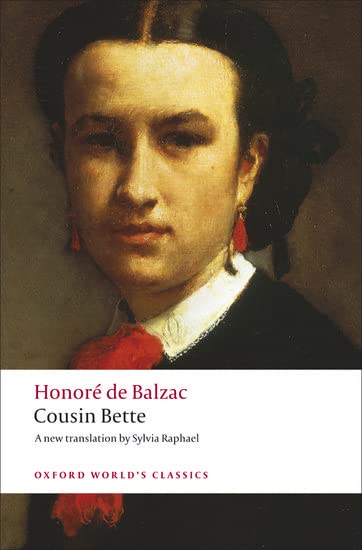
Start this bookNo. 17 on this list. Cousin Bette · Honoré de Balzac · 1846
Included in: Great Books of the Western World
Cousin Bette is central to the Balzac canon and widely taught in French university courses across Europe; it appears on numerous syllabi as his finest late novel and as a cornerstone of European realism. Its Anglophone classroom presence is smaller than in France, but it features in world literature survey courses and Victorian-comparative programs.
Easy10 hours
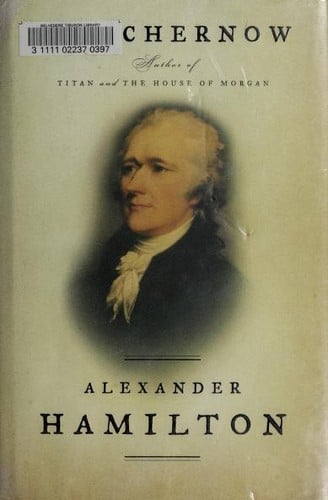
Start this bookNo. 18 on this list. Alexander Hamilton · Ron Chernow · 2004
The definitive modern biography of Alexander Hamilton, widely assigned in American history, political science, and constitutional law courses at universities across the United States. It has become the standard reference work on Hamilton's life, and its cultural footprint expanded enormously after inspiring Lin-Manuel Miranda's Broadway musical 'Hamilton' in 2015.
Easy19 hours
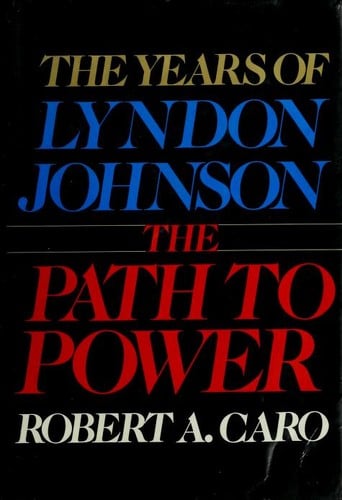
Start this bookNo. 19 on this list. The Path To Power · Robert A. Caro · 1982
The volume is widely assigned in political biography and American history courses, and it anchors the Years of Lyndon Johnson series. It is a modern classic of the genre rather than a universal curriculum fixture.
Easy18 hours
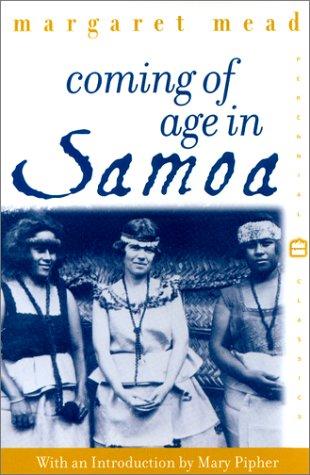
Start this bookNo. 20 on this list. Coming of Age in Samoa: A Psychological Study of Primitive Youth for Western Civilisation · Margaret Mead · 2001
Widely assigned in anthropology and gender-studies courses, and a standard case in debates over method. Its place is secured as much by the Freeman controversy as by the text.
Easy4.5 hours
Start this book
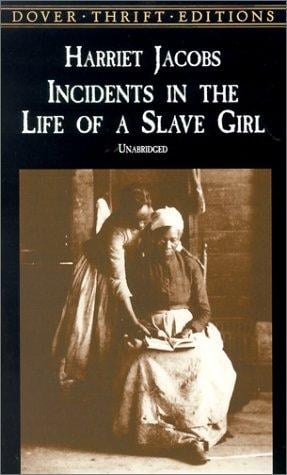
No. 21 on this list. Incidents in the Life of a Slave Girl · Harriet Ann Jacobs · 1861
It is a staple of American literature and African American studies courses and the best-known slave narrative by a woman. Few narratives are taught as widely, though it stands below the central novels.
Easy2.6 hours
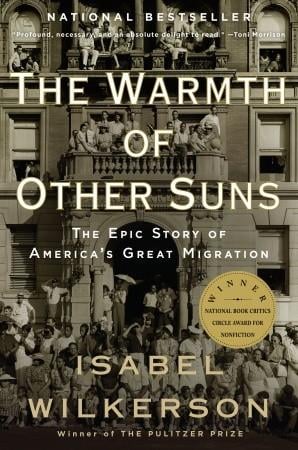
Start this bookNo. 22 on this list. The Warmth of Other Suns · Isabel Wilkerson · 2010
It is widely assigned in American history and African American studies courses and read as a modern classic of narrative history. A recent book, it has not yet reached the staple status of the older canon.
Easy12 hours
Start this bookNo. 23 on this list. My Past and Thoughts · Alexander Herzen · 1868
Recognized as one of the masterpieces of Russian prose, though less widely read than the great novels. Isaiah Berlin's championship brought it to wider English-language attention.
Moderate29 hours
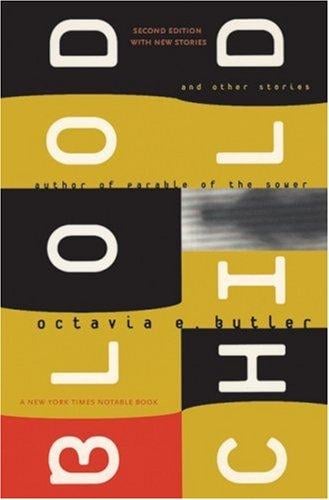
Start this bookNo. 24 on this list. Bloodchild and Other Stories · Octavia E. Butler · 2005
'Bloodchild' is widely anthologized and taught in science fiction, race and gender courses. Butler's place on reading lists is strong but below the core canon.
Easy3.6 hours
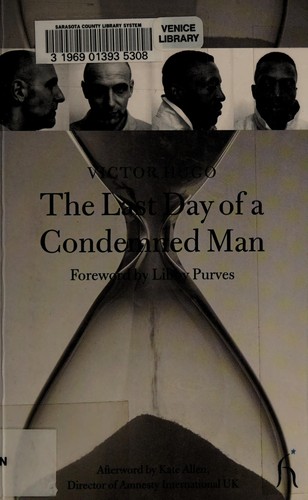
Start this bookNo. 25 on this list. The Last Day of a Condemned Man · Victor Hugo · 1829
A staple of French literature and widely read in translation, it is a key text in debates on the death penalty. It is less taught than Hugo's Les Misérables.
Easy1.8 hours
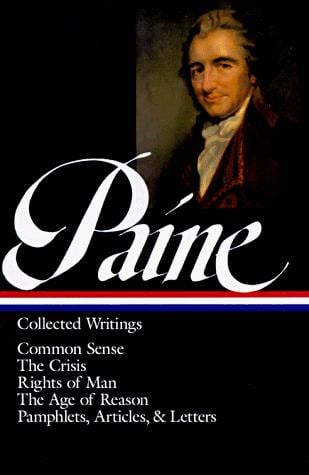
Start this bookNo. 26 on this list. Thomas Paine: Collected Writings (Loa #76): Common Sense / The American Crisis / Rights of Man / The Age of Reason / Pamphlets, Articles, and Letters · Thomas Paine
Common Sense and Rights of Man are foundational texts in American and political-thought courses, and the Library of America volume places Paine in its national canon of authors. The collection itself is a standard scholarly edition rather than a syllabus staple on its own.
Moderate15 hours
Start this bookNo. 27 on this list. The Revolt of the Masses · José Ortega y Gasset · 1930
It is a standard text in political thought, sociology and Spanish and European intellectual history courses, and is among the most translated twentieth-century works of political thought. It is less universal than the great novels of the canon.
Moderate4.5 hours
Start this bookNo. 28 on this list. The Way We Live Now · Anthony Trollope · 1875
Widely taught in Victorian literature courses at universities worldwide and consistently included in lists of the greatest 19th-century English novels. Routinely called Trollope's masterpiece and the finest Victorian satire of money and society. While no formal database entry is available here, the novel's presence on undergraduate syllabi is extensive, placing it solidly in the upper tier of Victorian canonical texts, though below the very highest (Dickens, George Eliot, Hardy).
Moderate23 hours
Start this bookNo. 29 on this list. The Chrysanthemum and the Sword · Ruth Benedict · 1946
The Chrysanthemum and the Sword is a standard text in courses on anthropology, Japanese studies and the American occupation of Japan. It remains one of the best-known Western books about Japan, read both as ethnography and as a period document of wartime research on cultures at a distance.
Easy4.8 hours
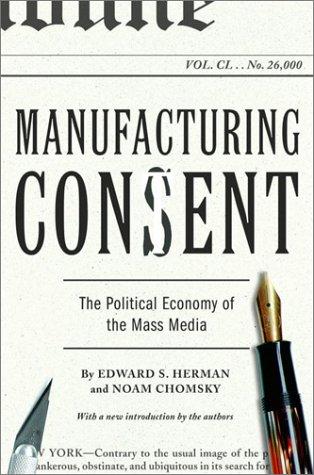
Start this bookNo. 30 on this list. Manufacturing Consent · Noam Chomsky · 1988
Manufacturing Consent, written with Edward S. Herman, is a standard text in media studies, journalism and political communication courses. Its propaganda model is a fixture of introductions to the field.
Easy6.9 hours
Start this book
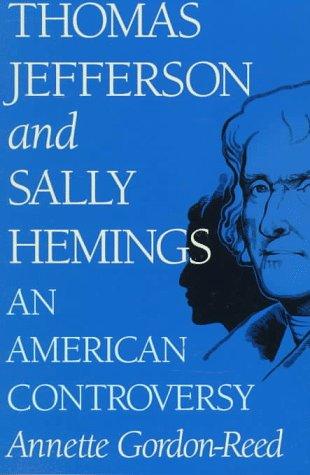
No. 31 on this list. Thomas Jefferson & Sally Hemings: An American Controversy
Annette Gordon-Reed · 1998
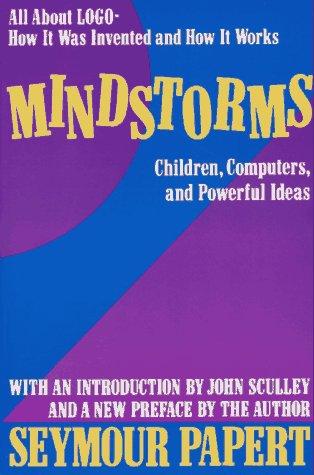
No. 32 on this list. Mindstorms
Seymour Papert · 1980
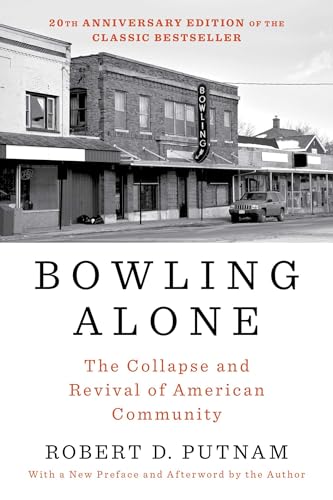
No. 33 on this list. Bowling Alone
Robert D. Putnam · 2000
No. 34 on this list. Evicted
Matthew Desmond · 2016
No. 35 on this list. The Jungle
Upton Sinclair · 1906
No. 36 on this list. The Age of Reason
No. 37 on this list. Hell's Angels
Hunter S. Thompson · 1967
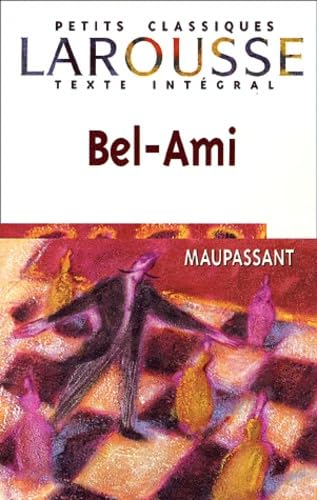
No. 38 on this list. Bel-Ami
Guy de Maupassant · 1885
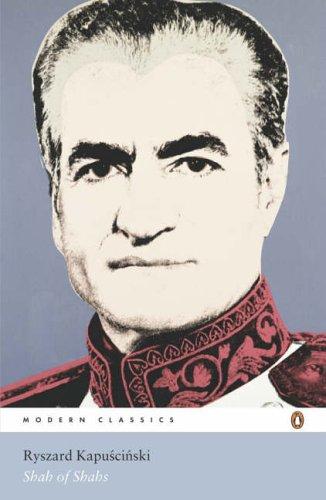
No. 39 on this list. Shah of Shahs
Ryszard Kapuściński · 1982
No. 40 on this list. Stigma
Erving Goffman · 1963
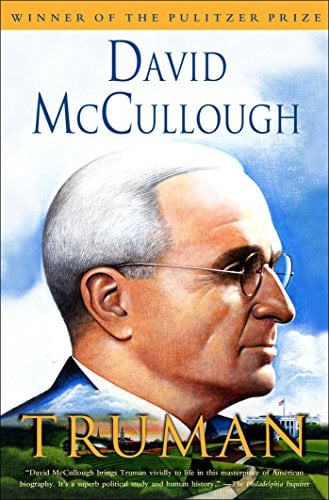
No. 41 on this list. Truman
David McCullough · 1993
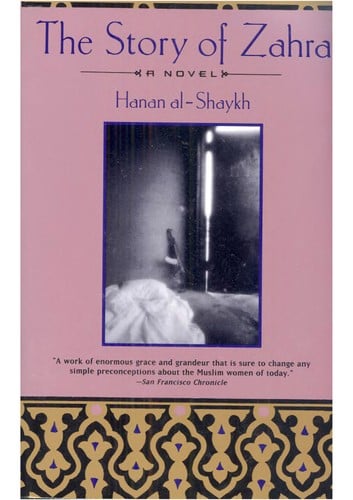
No. 42 on this list. The Story of Zahra
Hanan al-Shaykh · 1980
No. 43 on this list. Sweat
Emma Healey · 2017
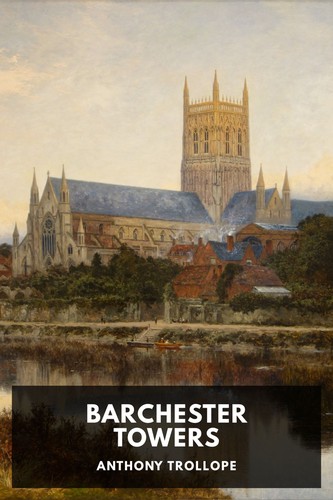
No. 44 on this list. Barchester Towers
Anthony Trollope · 1857
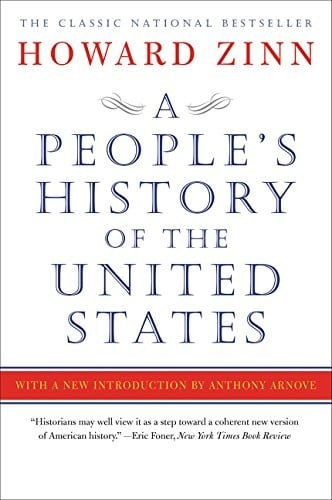
No. 45 on this list. A People's History of the United States
Howard Zinn · 1980
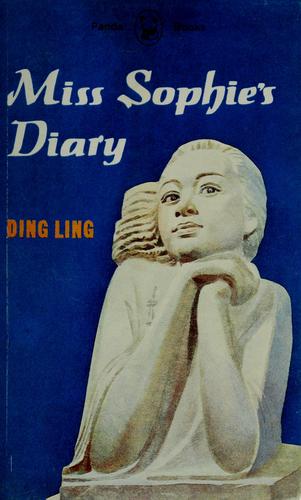
No. 46 on this list. Miss Sophia's Diary
Ding Ling · 1928
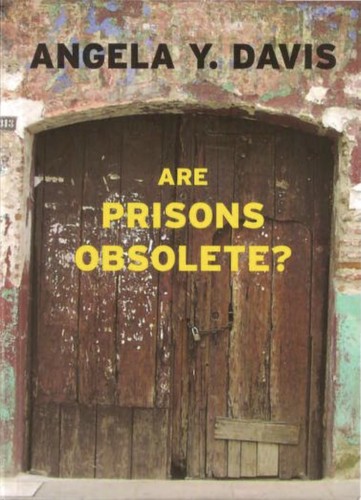
No. 47 on this list. Are Prisons Obsolete?
Angela Y. Davis · 2003
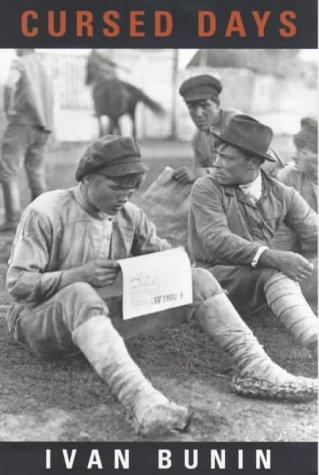
No. 48 on this list. Окаянные дни
Ivan Bunin · 1936
No. 49 on this list. The Arab Awakening: The Story of the Arab National Movement
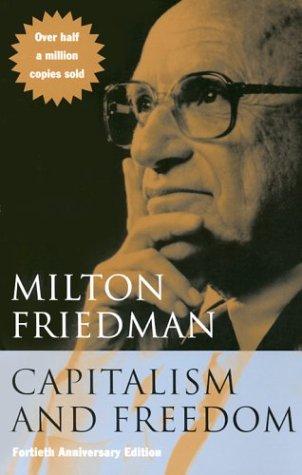
No. 50 on this list. Capitalism and Freedom
Milton Friedman · 1962
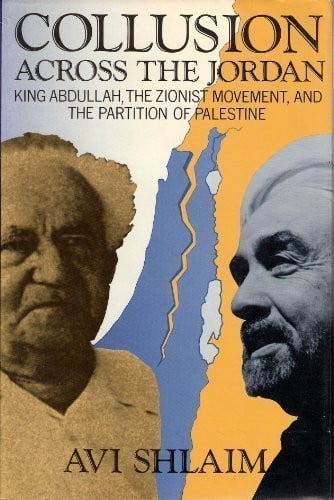
No. 51 on this list. Collusion Across the Jordan: King Abdullah, the Zionist Movement, and the Partition of Palestine
Avi Shlaim · 1988
No. 52 on this list. Cranford
Elizabeth Gaskell · 1853
No. 53 on this list. The Image
Daniel J. Boorstin · 1962
No. 54 on this list. Nickel and Dimed
Barbara Ehrenreich · 2001
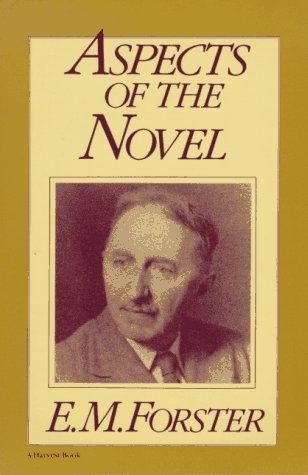
No. 55 on this list. Aspects of the Novel
E.M. Forster · 1927
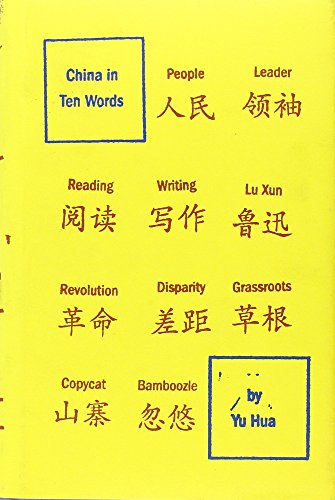
No. 56 on this list. China in Ten Words
Yu Hua · 2011
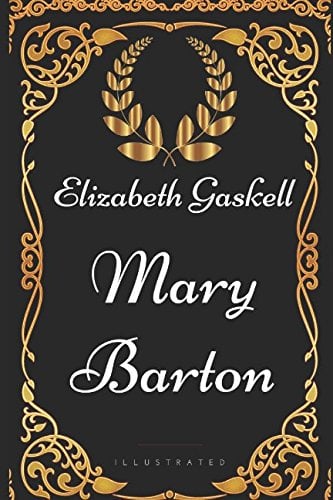
No. 57 on this list. Mary Barton
Elizabeth Gaskell · 1848
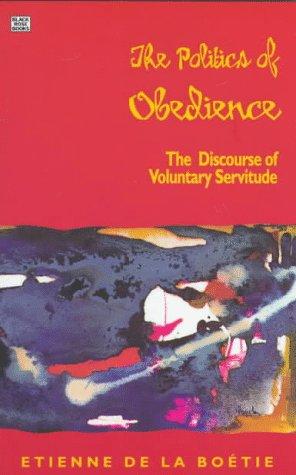
No. 58 on this list. The Politics of Obedience: The Discourse of Voluntary Servitude
No. 59 on this list. Imaginary Homelands: Essays and Criticism 1981-1991
Salman Rushdie · 1991
No. 60 on this list. The New Jim Crow
Michelle Alexander · 2010
No. 61 on this list. Say Nothing
Patrick Radden Keefe · 2018
No. 62 on this list. Strangers From A Different Shore
Ronald Takaki · 1998
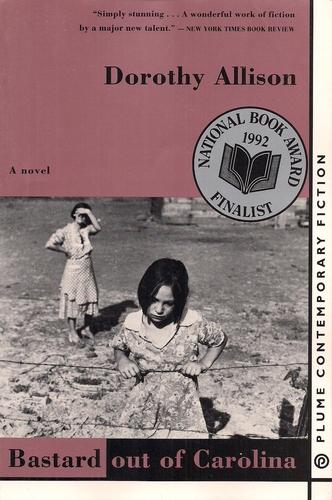
No. 63 on this list. Bastard Out of Carolina
Dorothy Allison · 1992
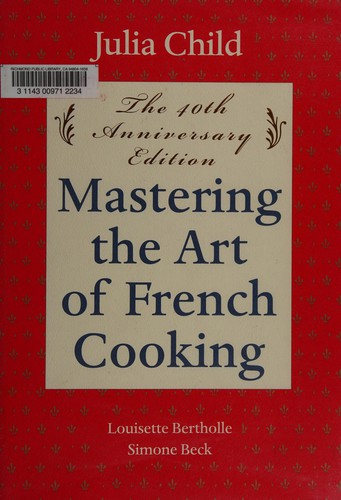
No. 64 on this list. Mastering the Art of French Cooking
Julia Child · 1961
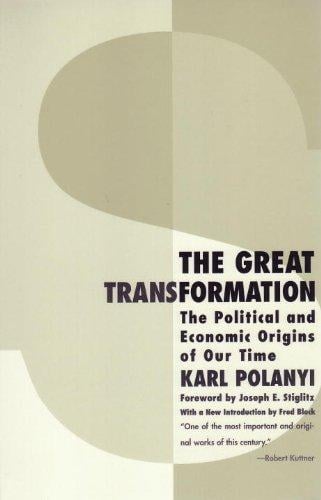
No. 65 on this list. The Great Transformation
Karl Polanyi · 1944
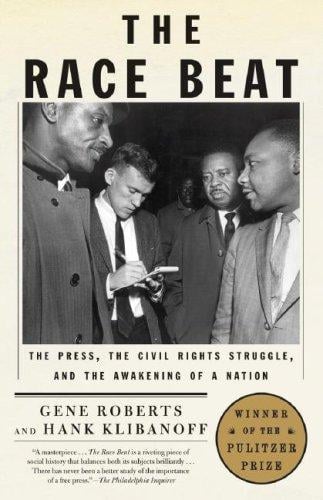
No. 66 on this list. The Race Beat: The Press, the Civil Rights Struggle, and the Awakening of a Nation
Gene Roberts · 2007
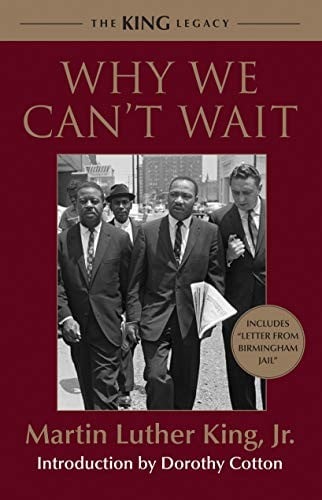
No. 67 on this list. Why We Can't Wait
Martin Luther King Jr. · 1964
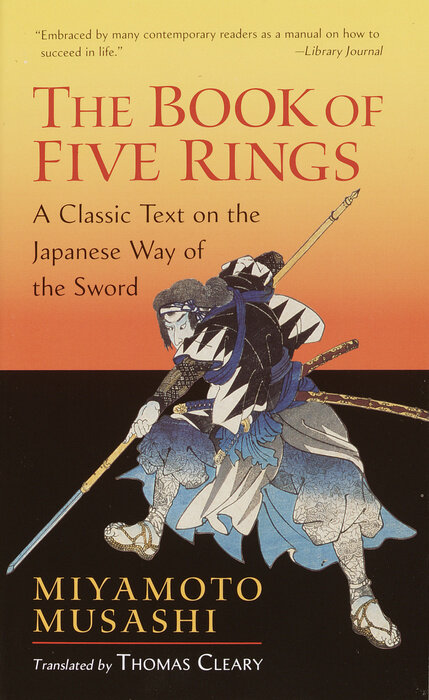
No. 68 on this list. O Livro dos Cinco Anéis (Portuguese Edition)
Miyamoto Musashi · 2025
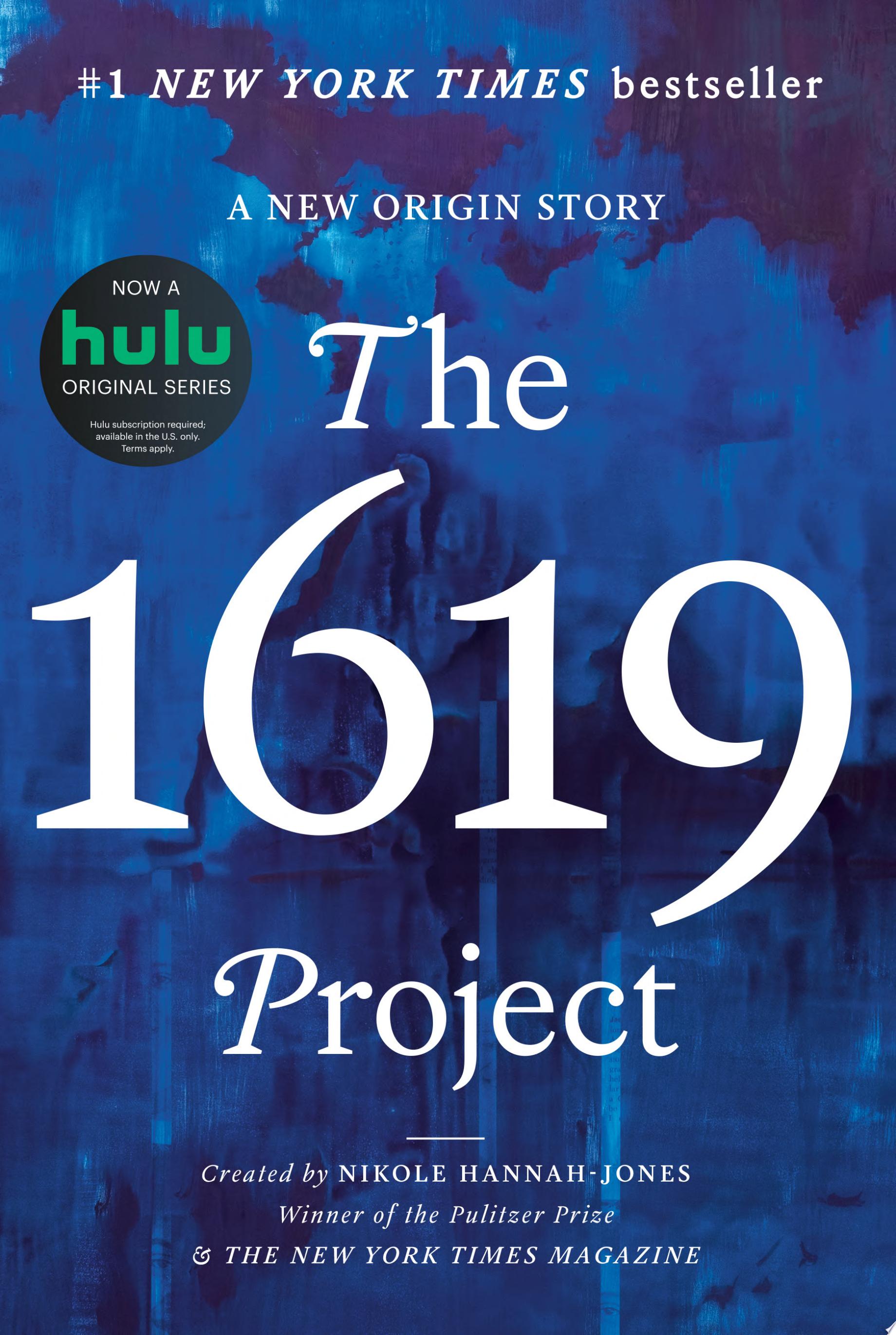
No. 69 on this list. The 1619 Project
Nikole Hannah-Jones · 2021
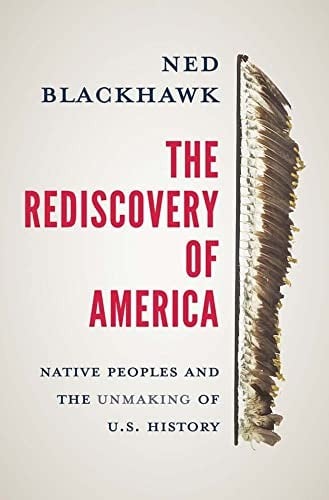
No. 70 on this list. The Rediscovery of America: Native Peoples and the Unmaking of US History
Ned Blackhawk · 2023
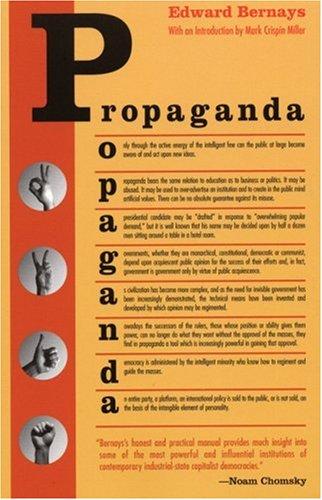
No. 71 on this list. Propaganda
Edward Bernays · 1928
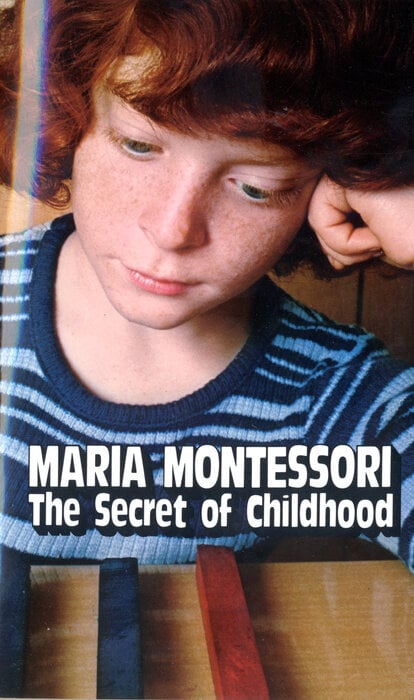
No. 72 on this list. The Child
Maria Montessori · 1936
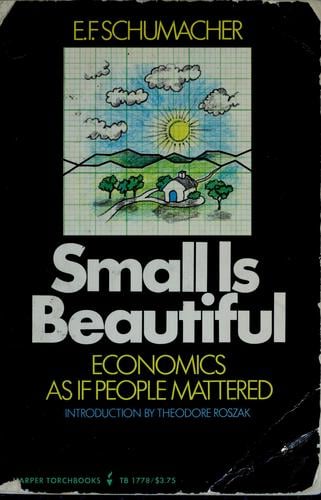
No. 73 on this list. Small Is Beautiful
E.F. Schumacher · 1973
No. 74 on this list. The Constitution of the United States of America, with all of the Amendments; The Declaration of Independence; and The Articles of Confederation, annotated (Breathitt Classics)
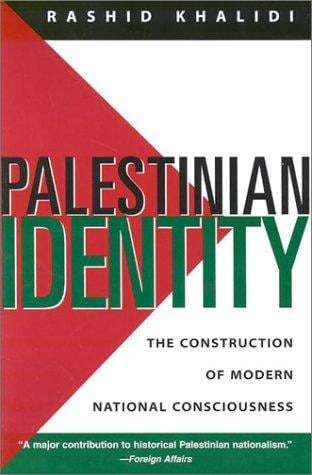
No. 75 on this list. Palestinian Identity
Rashid I. Khalidi · 1998
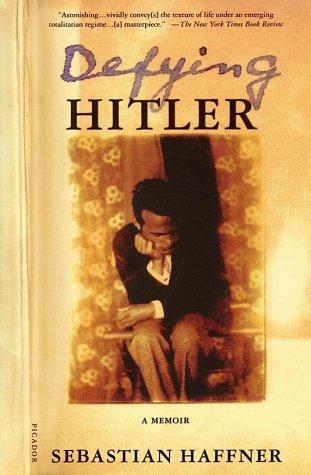
No. 76 on this list. Geschichte eines Deutschen
Sebastian Haffner · 2000
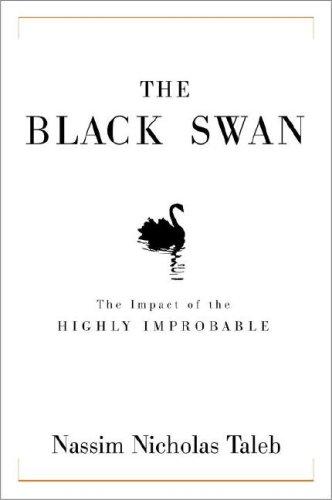
No. 77 on this list. The Black Swan
Nassim Nicholas Taleb · 2007
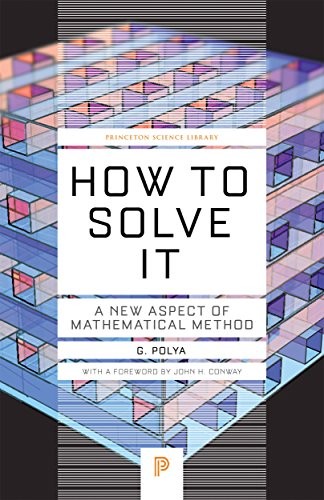
No. 78 on this list. How to Solve It
George Pólya · 1945
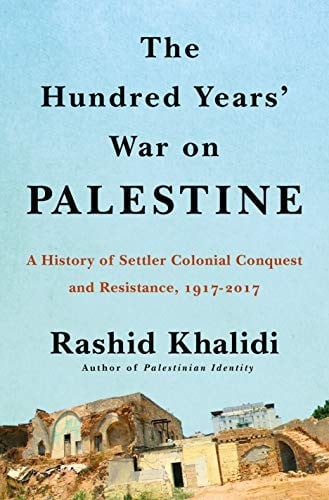
No. 79 on this list. The Hundred Years' War on Palestine
Rashid I. Khalidi · 2020
No. 80 on this list. A Civil Action
Jonathan Harr · 1995
No. 81 on this list. Men Explain Things to Me
Rebecca Solnit · 2014
No. 82 on this list. Pelle the Conqueror
Martin Andersen Nexø · 1910
No. 83 on this list. The Politics of Dispossession: The Struggle for Palestinian Self-Determination, 1969-1994
Edward W. Said · 1995
No. 84 on this list. No Logo
Naomi Klein · 1999
No. 85 on this list. The Iron Cage: The Story of the Palestinian Struggle for Statehood
Rashid I. Khalidi · 2006
No. 86 on this list. The Battle for God
Karen Armstrong · 2001
No. 87 on this list. All that Remains: The Palestinian Villages Occupied and Depopulated by Israel in 1948
وليد الخالدي · 2006
No. 88 on this list. Story of My Life: The Autobiography of George Sand (SUNY series, Women Writers in Translation)
George Sand · 1991
No. 89 on this list. The Righteous Mind
Jonathan Haidt · 2012
No. 90 on this list. Nudge
Richard H. Thaler · 2008

No. 91 on this list. America's Coming-of-Age
Van Wyck Brooks · 1915
No. 92 on this list. The Instruction of Ptah-Hotep and the Instruction of Ke'Gemni The Oldest Books in the World
No. 93 on this list. The Songlines
Bruce Chatwin · 1987
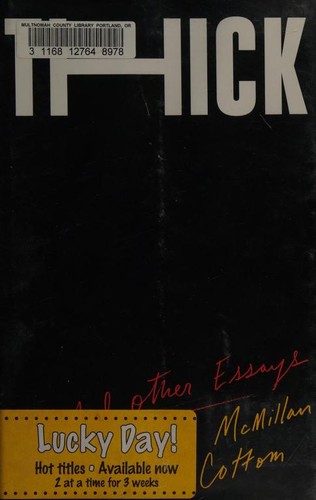
No. 94 on this list. Thick: And Other Essays
Tressie McMillan Cottom · 2019
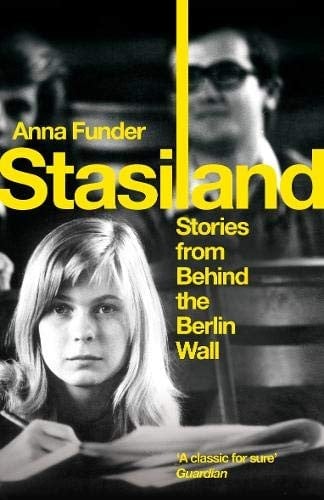
No. 95 on this list. Stasiland: Stories from Behind the Berlin Wall
Anna Funder · 2011
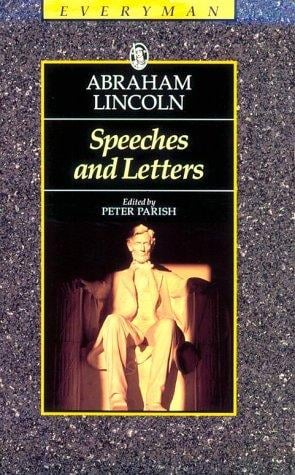
No. 96 on this list. Speeches and Letters of Abraham Lincoln, 1832-1865
Abraham Lincoln · 1949
No. 97 on this list. Command and Control
Eric Schlosser · 2013
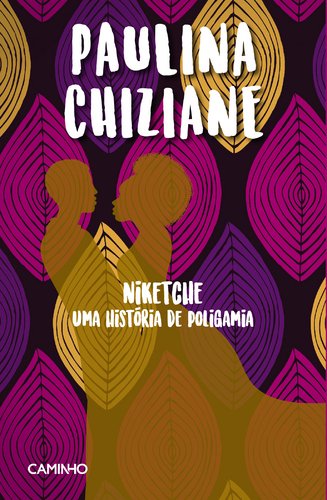
No. 98 on this list. Niketche: Uma História de Poligamia
Paulina Chiziane · 2016
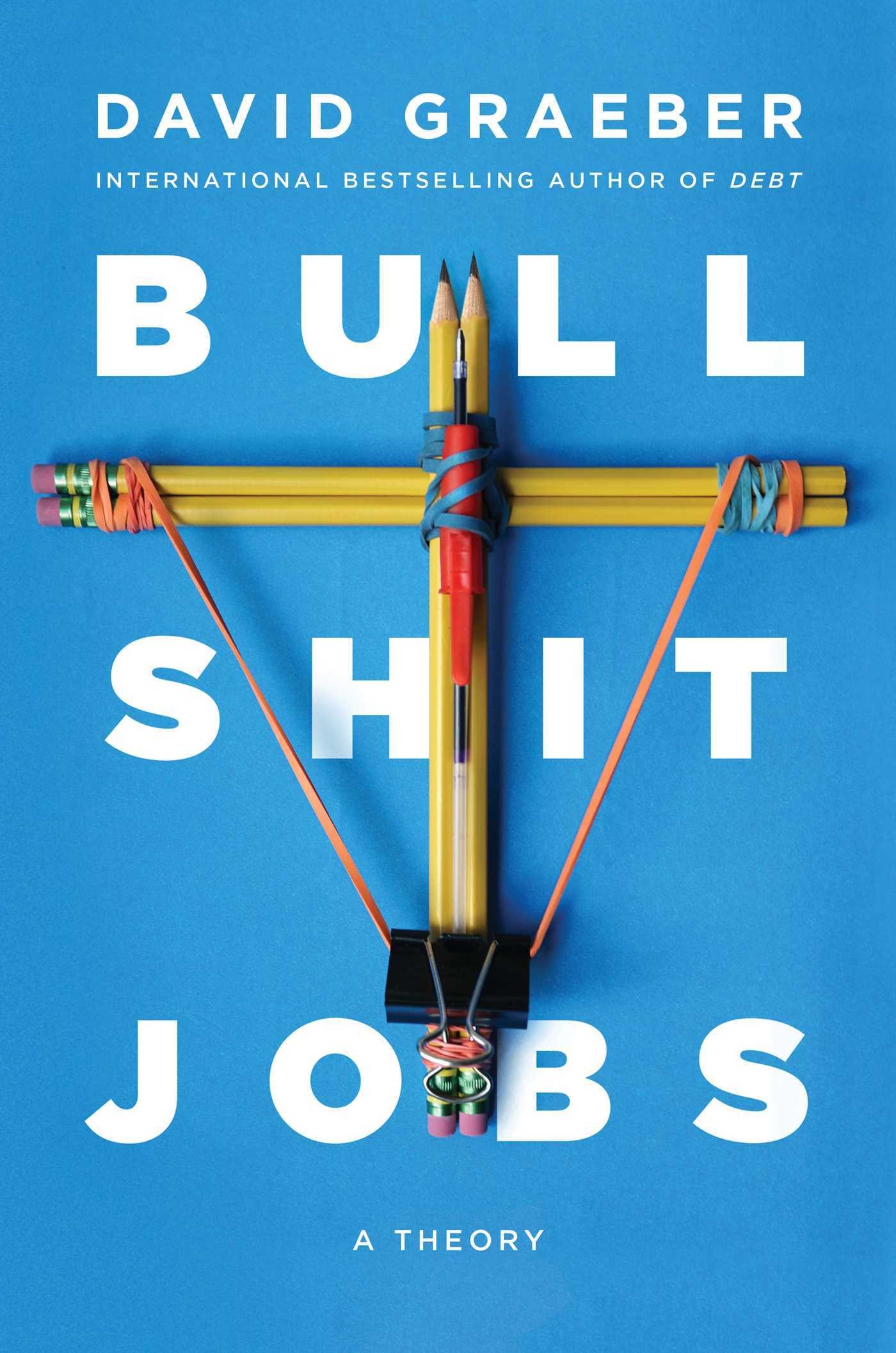
No. 99 on this list. Bullshit Jobs
David Graeber · 2018
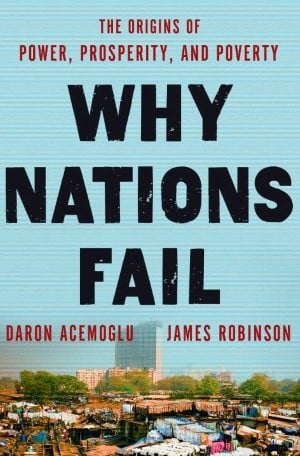
No. 100 on this list. Why Nations Fail
Daron Acemoglu · 2012

About this list
These 100 books are the highest-scoring eligible easy books on politics and society currently in the catalogue. About 678 hours of reading in all, for the 98 with measured lengths. Difficulty runs from 31 to 40 out of 100 for the middle half of the list; the summit is The Revolt of the Masses at 45.
This list is ranked by literary regard, with a consistent order for equal scores. Membership follows authors and co-authors, not translators or editors. Catalogue coverage and the historical canon both limit what this list can represent, and genre labels are the catalogue’s own, gathered into broader kinds.
When we matched the Canons dataset to our catalogue in October 2026, our canonical-status scores rose with the number of school curricula, publisher series and lists in it that cite a work: the median score was 72 for books one such source cites, 84 at two, 88 at three, 92 at four and 93 at five or more. Prizes are left out of that count. Outside the state curricula, the dataset’s sources choose mostly from what has been translated into English or French, so it is a weaker check on other literatures. Source: Canons (Andrew Piper), CC BY 4.0
Questions people actually ask
- What are the best easy books on politics and society?
- By literary regard, which weighs canonical status, critical standing and influence: The Prince by Niccolò Machiavelli, Two Treatises of Government by John Locke, The United States Constitution by Founding Fathers, The Autobiography of Malcolm X by Malcolm X and The Autobiography of Malcolm X: As Told to Alex Haley by Malcolm X. ReadingRate ranks 100 such books, each with a difficulty score and a reading-time estimate.
- Which easy books on politics and society should I read first?
- Start from difficulty, not from rank. The most approachable books on this list that still carry top literary regard are The Road to Serfdom by Friedrich A. Hayek (about 6.4 hours), Ain't I a Woman by bell hooks and Politics and the English Language by George Orwell.
- What are the shortest of the best easy books on politics and society?
- Among the top 25, the shortest are Politics and the English Language by George Orwell (about 16 min), The United States Constitution by Founding Fathers (about 1.6 hours) and The Last Day of a Condemned Man by Victor Hugo (about 1.8 hours), at an average pace of 250 words a minute adjusted for each book's difficulty.
- Which of the best easy books on politics and society are the established classics?
- By canonical status, how firmly a book sits in curricula, anthologies and the canon: The Prince by Niccolò Machiavelli, Two Treatises of Government by John Locke, The United States Constitution by Founding Fathers, Politics and the English Language by George Orwell and The Autobiography of Malcolm X by Malcolm X.
- Can I read any of these easy books on politics and society for free?
- 3 of the 100 open in ReadingRate's reader with a free account, from public-domain editions: The Prince, Two Treatises of Government and Aspects of the Novel.
- How long would it take to read the top ten?
- About 72 hours, at an average pace of 250 words a minute adjusted for each book's difficulty: 36 days at two hours a day. Set your own pace on the page and the list's reading times change to it.
- How hard are easy books on politics and society to read?
- Most of this list sits between 31 and 40 on ReadingRate's 100-point difficulty scale, where 40 to 55 is moderate. The summit is The Revolt of the Masses at 45. Every entry carries its own score, so a reader can pick a great book at a difficulty they will finish.
- How is this list ranked?
- On literary-regard data: how canonically established a work is, its critical standing, and its influence on later writing. It is not a readers’ poll, which is why recent bestsellers rarely appear. Membership follows authors and co-authors, not translators or editors. Lists by country, author, period, theme or difficulty keep to literature: fiction, poetry and drama, with no philosophy, criticism or theory. A list of a kind of book, such as philosophy, memoir or criticism, keeps every book of that kind. Every list holds at most three works by one author.