Hours at an average pace
Showing 80 books
About 588 hours for 79 of 80 books with measured lengths. Estimates use 250 words a minute, adjusted for each book's difficulty. At 2 hours a day, about 294 days for those books.
Peer Gynt is a cornerstone of the Scandinavian theatrical canon and is regularly staged worldwide, from the National Theatre to major European opera houses. Edvard Grieg's 1876 incidental music gave the work cultural reach extending far beyond theatre audiences. It appears on world drama syllabi internationally and is central to any survey of 19th-century European literature.
No. 2 on this list. A Doll's House
Henrik Ibsen · 1879
Moderate1.8 hours
Taught in schools: AQA GCSE and A-level English Literature (UK), Common Core text exemplars (Appendix B) (US), Leaving Certificate English – NCCA / State Examinations Commission (Ireland)
Included in: Bokklubben World Library, Great Books of the Western World
Ibsen made a wife walk out on her husband and children in the final scene, and the sound of that door slamming ricocheted across Europe, igniting debates about marriage, autonomy, and women's legal personhood that reshaped law and culture for the next century. The play invented modern social drama by treating a domestic argument as a political event.
Recognized as one of the most important and innovative plays in Western drama. A foundational text of expressionism and the avant-garde theatre.
No. 4 on this list. The Wild Duck
Henrik Ibsen · 1884
Moderate2.2 hours
Taught in schools: Hungarian literature curriculum (magyar nyelv és irodalom) (Hungary)
Included in: Great Books of the Western World
The Wild Duck is a cornerstone of the Western dramatic canon, taught in virtually every university drama program and included in all standard collections of world theater. Though the database returns no syllabus count, Ibsen is the most taught non-English-language playwright in English-speaking universities, and this play—alongside Hedda Gabler and A Doll's House—appears on every major drama syllabus. It is consistently ranked among Ibsen's finest works and among the ten most important plays of the nineteenth century.
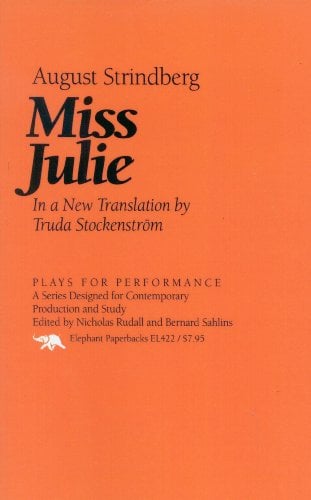
Miss Julie is required reading in virtually every drama curriculum globally and taught widely in comparative literature and theatre history courses. It is one of a handful of nineteenth-century plays — alongside works by Ibsen and Chekhov — that appear on nearly every list of essential modern drama. No syllabus data was available in the database, but its presence in world theatre canons is unambiguous.
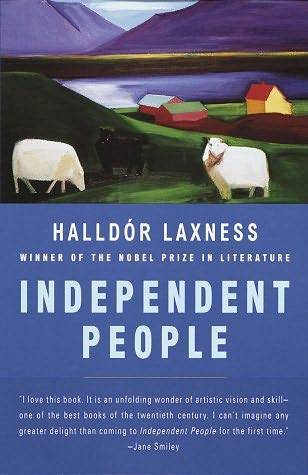
No. 6 on this list. Independent People
Halldór Laxness · 1934
Difficult24 hours
Included in: Bokklubben World Library
Wikipedia presence in only 9 languages and no Open Syllabus appearances indicate it is not widely taught outside Scandinavia. However, Independent People appears regularly on canonical world literature lists, including Time magazine's All-TIME 100 Novels, and is considered Laxness's defining work — the novel most associated with his 1955 Nobel Prize.
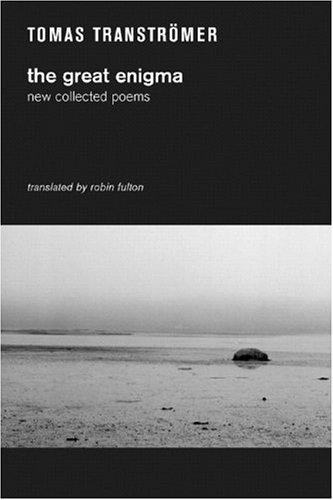
Nobel Prize-winning collected poems. The defining Swedish poet of the twentieth century.
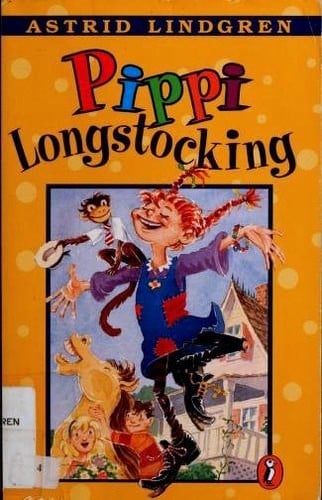
No. 8 on this list. Pippi Longstocking
Astrid Lindgren · 1945
Very Easy1.2 hours
Taught in schools: Lithuanian literature curriculum (lietuvių kalba ir literatūra)
Included in: Bokklubben World Library
Pippi Longstocking is translated into over 70 languages and has sold more than 140 million copies worldwide, making it one of the most widely distributed children's books ever published. It is standard reading in Swedish schools and appears on canonical children's literature lists across Europe and beyond. While not a fixture of university literature syllabi, it holds an unassailable position in the children's literature canon globally.
No syllabus or Wikipedia data was returned by automated signals, but 'The Father' is widely anthologized in world drama collections and taught in comparative literature and theatre history courses alongside Ibsen. It is one of Strindberg's two most canonical plays, a fixture of naturalist drama curricula internationally.
Jenny holds significant status in Scandinavian literary history as an early psychological realist novel examining female artistic ambition and sexuality with unprecedented frankness. Its 1911 publication sparked controversy and established Undset as a major voice before her Nobel-winning Kristin Lavransdatter trilogy. While less universally canonical than her medieval epics, Jenny remains essential for understanding early 20th-century Nordic modernism and appears regularly in Norwegian literary curricula and scholarship on women's writing.
No. 11 on this list. Kristin Lavransdatter · Sigrid Undset · 1922
Appears on only 3 university syllabi in the Open Syllabus Project, reflecting its limited penetration in English-language curricula despite its stature in Scandinavian literature. Wikipedia articles exist in 14 languages, a moderate global footprint. The novel is widely recognized as one of the great achievements of Norwegian literature and appears on many 'greatest novels' lists, but it remains a specialist choice outside of Nordic studies and medieval literature courses.
Moderate31 hours
Start this bookNo. 12 on this list. The Wonderful Adventures of Nils · Selma Lagerlöf · 1906
On Le Monde's 100 Books of the Century, with a Wikipedia article in 39 languages. Commissioned as a geography reader for Swedish schools, it is a national classic in Sweden and a children's classic worldwide, though rarely on university syllabi.
Easy9.2 hours
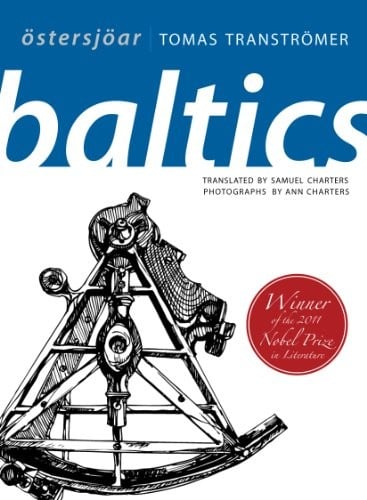
Read nowNo. 13 on this list. Baltics · Tomas Tranströmer · 1974
Tranströmer's long poem moves between his childhood memories of the Baltic Sea and the sea itself, timeless and changing. The verse is spare and exact, each image precise as a photograph: a ferry crossing, military maneuvers, the sound of water on stone. Tranströmer was a psychologist who wrote slowly, publishing only a few dozen poems in his lifetime. His work translates remarkably well—the clarity survives—and his influence on American poetry has been immense. This poem is his longest meditation on place and memory.
Challenging6.4 hours
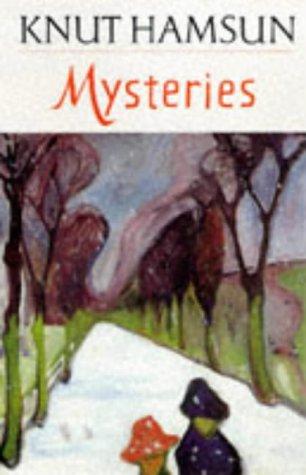
Start this bookNo. 14 on this list. Mysteries · Knut Hamsun · 1892
Mysteries is taught in Scandinavian literature, psychological fiction, and European modernism courses at the university level but is not a fixture of general Western literature curricula. It is essential within the Hamsun canon and central to courses tracing the origins of stream-of-consciousness technique, but less ubiquitous than Hunger. The database returns 0 syllabus appearances and a minimal Wikipedia record, likely reflecting indexing gaps for non-Anglophone texts rather than actual absence of academic use.
Moderate9 hours
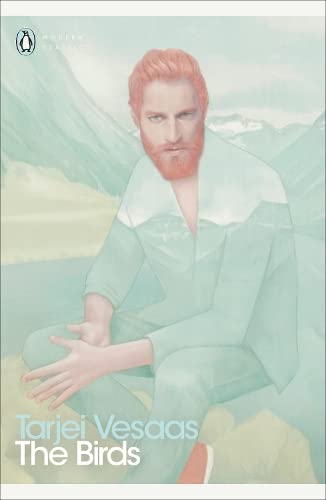
Start this bookNo. 15 on this list. The Birds · Tarjei Vesaas · 1957
Included in: UNESCO Collection of Representative Works
Considered Vesaas's masterwork and one of the towering achievements of twentieth-century Scandinavian literature, widely taught in Norwegian schools and universities. Less canonical in anglophone curricula but regularly appears on world-literature reading lists and is championed by writers including Ursula K. Le Guin.
Challenging4.4 hours
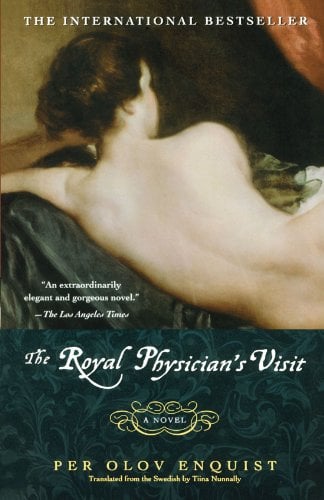
Start this bookNo. 16 on this list. The Visit of the Royal Physician · Per Olov Enquist · 1999
Widely regarded as one of the finest Scandinavian novels of the late twentieth century. An international bestseller and a staple of Swedish literary culture.
Moderate5.3 hours
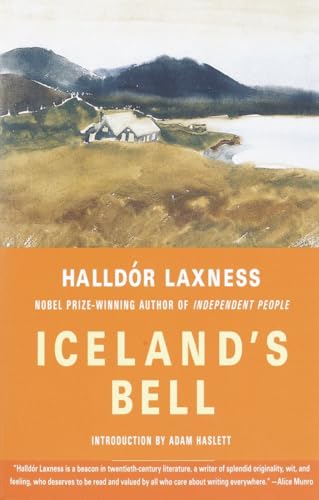
Start this bookNo. 17 on this list. Iceland's Bell · Halldór Laxness · 1943
Included in: UNESCO Collection of Representative Works
In 18th-century Iceland, a farmer and a condemned murderess fall in love as he transports her to her execution. Their journey across the brutal landscape becomes a meditation on justice, class, and the power dynamics of colonial rule. Laxness's historical novel examines Icelandic society under Danish domination.
Challenging10 hours
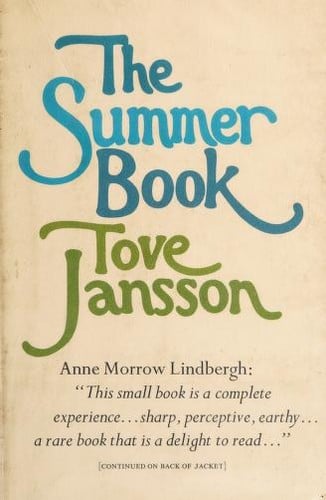
Start this bookNo. 18 on this list. The Summer Book · Tove Jansson · 1972
Increasingly recognized as a Scandinavian masterpiece. A quiet classic with a devoted readership.
Easy1.5 hours
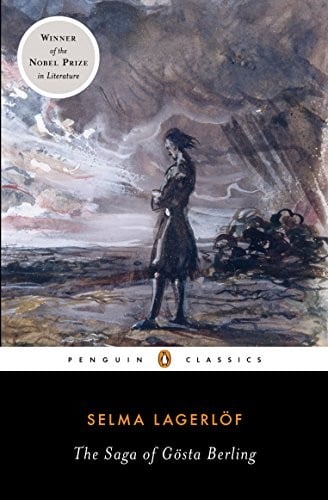
Start this bookNo. 19 on this list. The Saga of Gosta Berling · Selma Lagerlöf · 1891
Gösta Berling, a defrocked priest, joins a company of cavaliers on an estate in rural Sweden, where he embarks on a series of romantic adventures. Lagerlöf's debut novel, rich in folklore and Romanticism, established her as a major voice and paved the way for her Nobel Prize.
Moderate6.2 hours
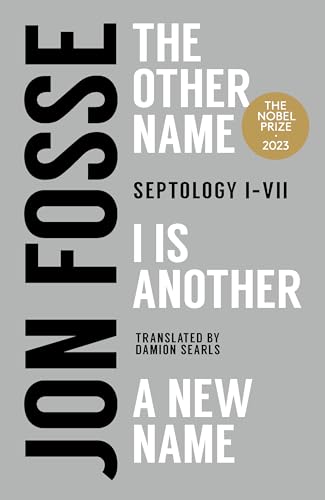
Start this bookNo. 20 on this list. Septology · Jon Fosse · 2019
Septology is too recent (2019-2021 in Norwegian, English translation completed 2022) to have established deep curricular presence. It appears on some contemporary European literature syllabi and has received significant attention in Scandinavian studies programs. The Nobel Prize win in 2023 will accelerate its canonization, but it has not yet achieved the widespread teaching presence of established Nobel-winning works like One Hundred Years of Solitude or Beloved.
Challenging12 hours
Start this book
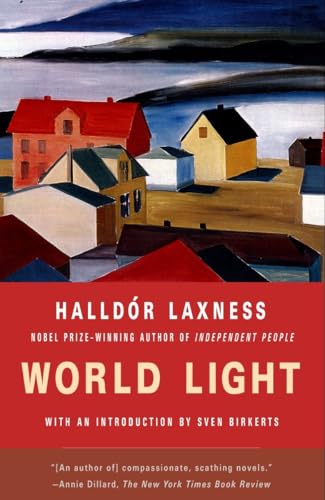
No. 21 on this list. World Light · Halldór Laxness · 1937
Included in: UNESCO Collection of Representative Works
World Light appears on only 2 university syllabi in the Open Syllabus Project (7.5th percentile), reflecting its limited taught presence in English-speaking academia. Despite being Laxness's most celebrated novel and central to Icelandic literary culture, it remains largely confined to Scandinavian and world literature courses outside Iceland.
Difficult25 hours
Start this bookNo. 22 on this list. The Charles Men · Verner von Heidenstam · 1897
The Charles Men stands as a cornerstone of Swedish national literature and romantic historical fiction. It secured Heidenstam's reputation as a leading figure in Swedish letters and contributed significantly to his 1916 Nobel Prize. Within Scandinavian literary history, the work holds secure canonical status, though it remains less known internationally than Swedish authors like Strindberg or Lagerlöf.
Moderate5.4 hours
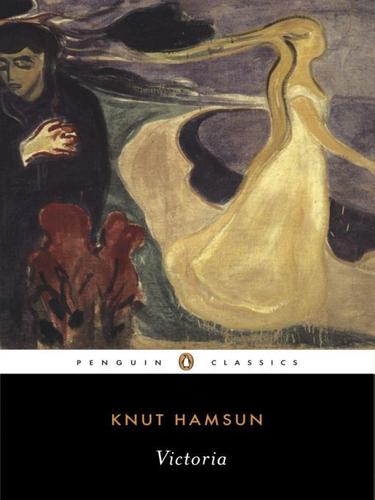
Start this bookNo. 23 on this list. Victoria · Knut Hamsun · 1898
Victoria's Wikipedia article spans 75 languages, placing it within reach of The Great Gatsby (70 languages) in global cultural recognition. The novel is widely taught in Scandinavian literature and European modernism courses, though it has not achieved the same anchor-text status on English-language syllabi as Hamsun's Hunger. It remains among the most-read Norwegian novels outside Norway.
Challenging2.4 hours
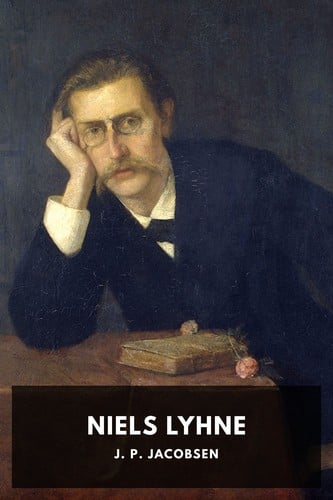
Read nowNo. 24 on this list. Niels Lyhne · Jens Peter Jacobsen · 1880
Niels Lyhne is canonical within Scandinavian and European world literature courses, where it is recognized as the defining novel of the Danish modern breakthrough of the 1870s-80s. It lacks the broad curriculum presence of Ibsen or Strindberg in English-speaking universities, but holds a secure place in any serious survey of 19th-century European fiction and is widely anthologized in Scandinavian literary studies. No syllabus data was found in the database, which likely reflects its niche status outside Scandinavia rather than genuine neglect in specialist courses.
Challenging7.1 hours
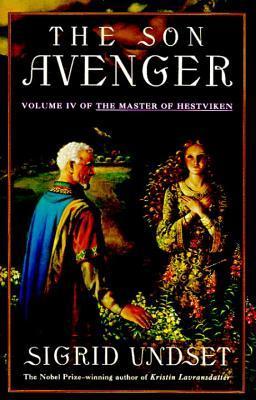
Start this bookNo. 25 on this list. The Master of Hestviken · Sigrid Undset · 1928
Undset's four-volume saga follows Olav Audunsson through medieval Norway: his secret childhood marriage, his years as an outlaw, his guilt over a murder he cannot confess. The prose is dense with historical detail—farm life, church ritual, the texture of daily existence in the thirteenth century. Like her more famous Kristin Lavransdatter, this is Catholicism as lived faith, sin and grace playing out across decades. Undset won the Nobel Prize in 1928, and these novels show why: immersive, morally serious, unforgettable.
Challenging18 hours
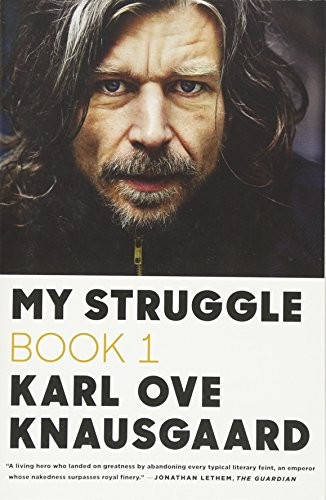
Start this bookNo. 26 on this list. My Struggle: Book 1 · Karl Ove Knausgaard · 2009
My Struggle: Book 1 has not yet penetrated the academic teaching canon — published in Norwegian in 2009 and in English translation in 2012, it is too recent to appear widely on syllabi and shows zero appearances in the Open Syllabus data. It is taught in some contemporary literature and autofiction courses, but has not achieved the settled curriculum presence of canonical novels.
Difficult52 hours
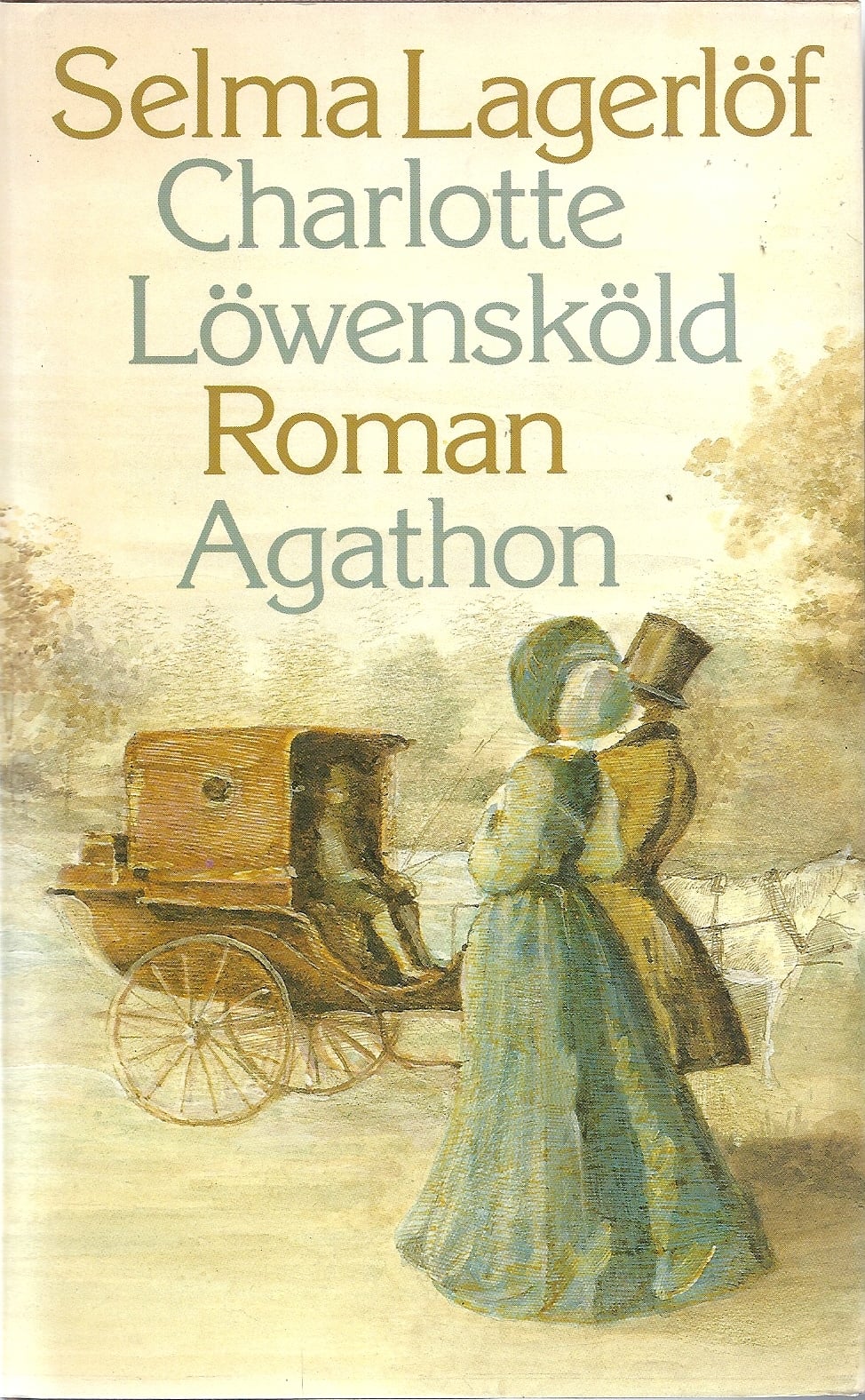
Start this bookNo. 27 on this list. Löwensköld Trilogy · Selma Lagerlöf · 1925
Three generations of Swedish women are shaped by a curse and a ring in 18th-century Sweden. Lagerlöf's trilogy combines historical fiction with supernatural elements in her characteristically vivid storytelling.
Moderate13 hours
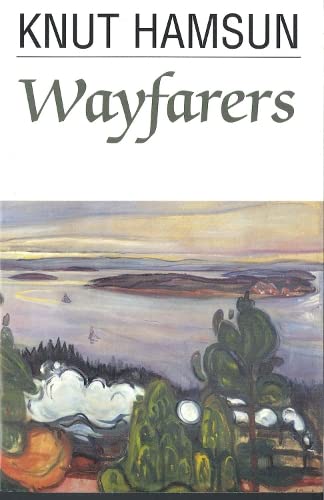
Start this bookNo. 28 on this list. Wayfarers · Knut Hamsun · 1927
August, an aging wanderer, returns to his Norwegian community with schemes and dreams. Hamsun's novel continues his exploration of the conflict between modern ambition and traditional life.
Challenging7.5 hours
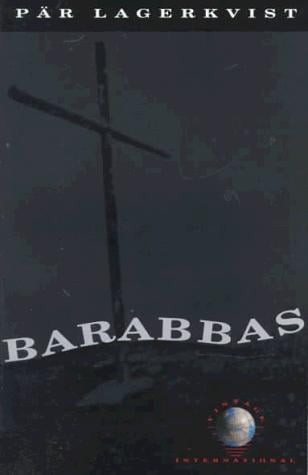
Read nowNo. 29 on this list. Barabbas · Pär Lagerkvist · 1950
Barabbas occupies a respected but not central place in the Western canon. Wikipedia coverage spans 39 languages, indicating global recognition, but syllabus data shows minimal university teaching presence. It appears in surveys of Scandinavian literature and Nobel Prize reading lists rather than in standard Western literature curricula.
Challenging3.3 hours
Start this bookNo. 30 on this list. Synnøve Solbakken · Bjørnstjerne Bjørnson · 1857
Synnøve Solbakken is a standard text in Norwegian literary history and has long been read in Norway as Bjørnson's breakthrough. Outside Scandinavia it is known mainly to students of nineteenth-century Nordic literature.
Moderate2.2 hours
Start this book
No. 31 on this list. In God's Way
Bjørnstjerne Bjørnson · 1889
No. 32 on this list. The Maid Silja
Frans Eemil Sillanpää · 1931
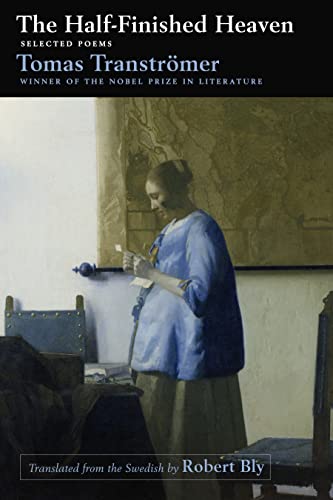
No. 33 on this list. The Half-Finished Heaven
Tomas Tranströmer · 1962
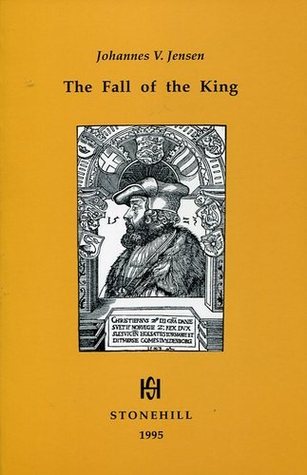
No. 34 on this list. The Fall of the King
Johannes V. Jensen · 1900
No. 35 on this list. A Happy Boy
Bjørnstjerne Bjørnson · 1860
No. 36 on this list. Meek Heritage
Frans Eemil Sillanpää · 1919
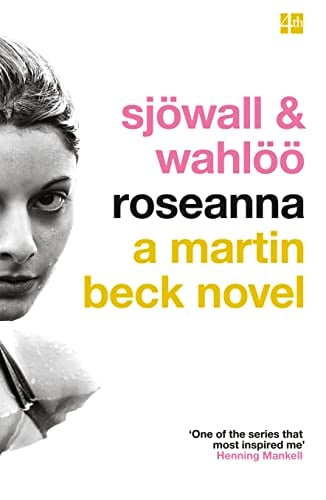
No. 37 on this list. Roseanna
Maj Sjöwall · 1965
No. 38 on this list. Melancholy
Jon Fosse · 1995
No. 39 on this list. The Ice Palace
Tarjei Vesaas · 1963
Included in: UNESCO Collection of Representative Works
No. 40 on this list. Pelle the Conqueror
Martin Andersen Nexø · 1910

No. 41 on this list. Fridolin's Songs
Erik Axel Karlfeldt · 1891
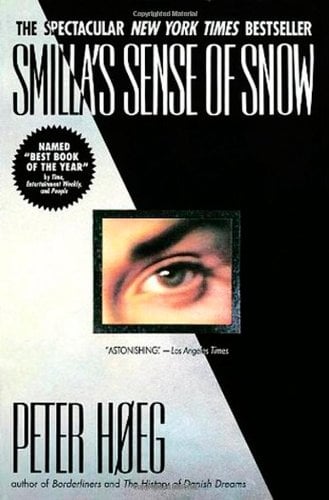
No. 42 on this list. Smilla's Sense of Snow
Peter Høeg · 1992
No. 43 on this list. The Devil's Star
Jo Nesbø · 2011
No. 44 on this list. The Pilgrim Kamanita
Karl Adolph Gjellerup · 1906
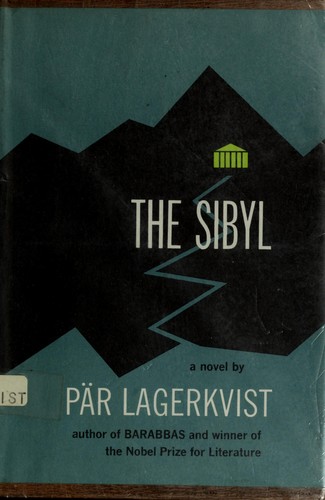
No. 45 on this list. The Sibyl
Pär Lagerkvist · 1956
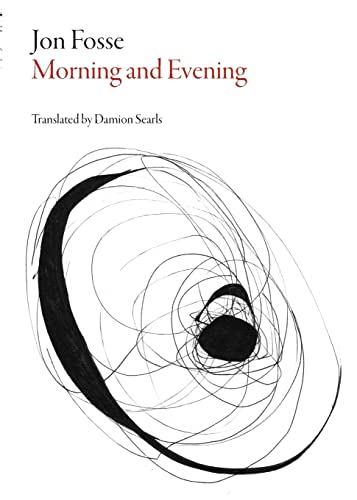
No. 46 on this list. Morning and Evening
Jon Fosse · 2000
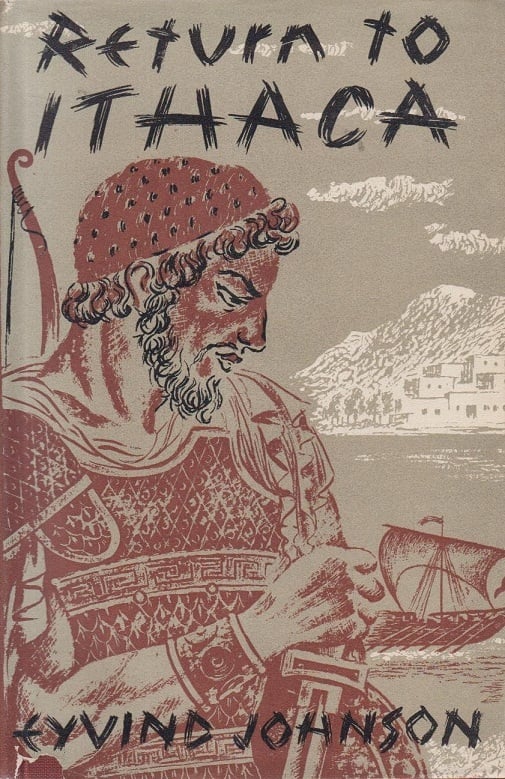
No. 47 on this list. Return to Ithaca
Eyvind Johnson · 1946
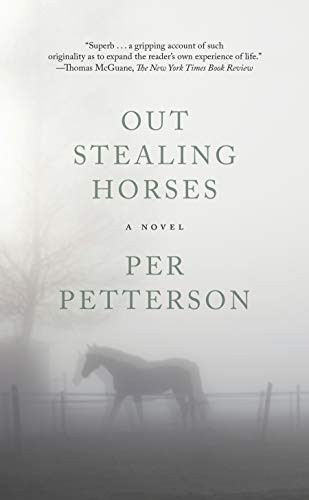
No. 48 on this list. Out Stealing Horses
Per Petterson · 2007
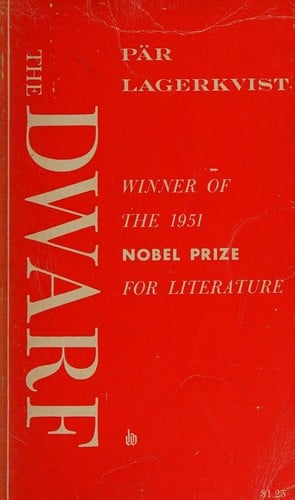
No. 49 on this list. The Dwarf
Pär Lagerkvist · 1944
No. 50 on this list. People in the Summer Night
Frans Eemil Sillanpää · 1934

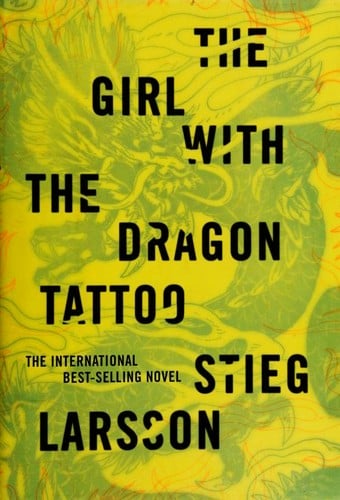
No. 51 on this list. The Girl with the Dragon Tattoo
Stieg Larsson · 2005
No. 52 on this list. The Long Journey
Johannes V. Jensen · 1908
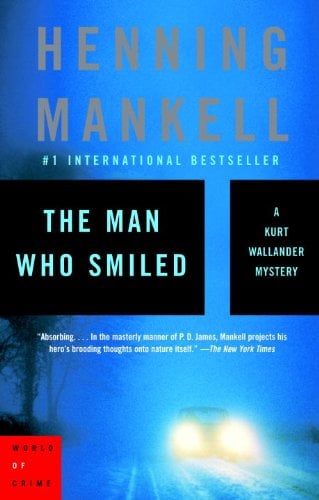
No. 53 on this list. The Man Who Smiled
Henning Mankell · 1994
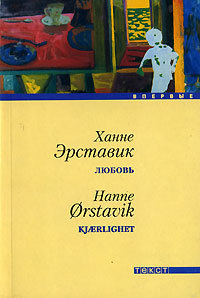
No. 54 on this list. Love, '97
Hanne Ørstavik · 2024
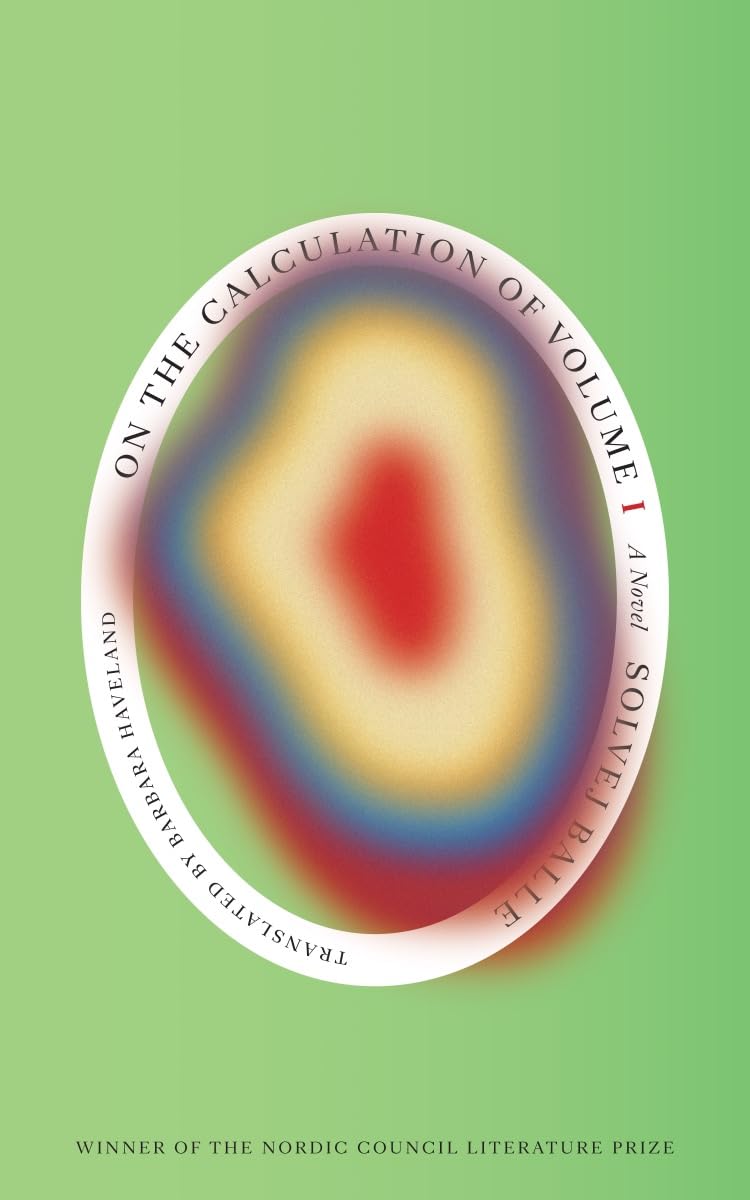
No. 55 on this list. On the Calculation of Volume I
Solvej Balle · 2025
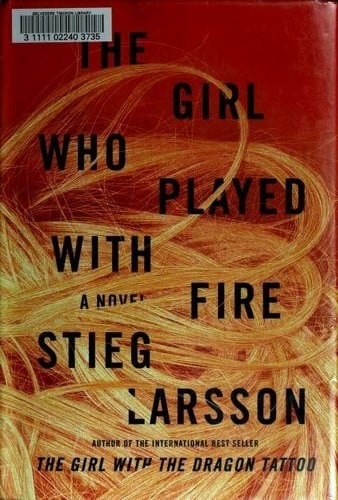
No. 56 on this list. The Girl Who Played with Fire
Stieg Larsson · 2009
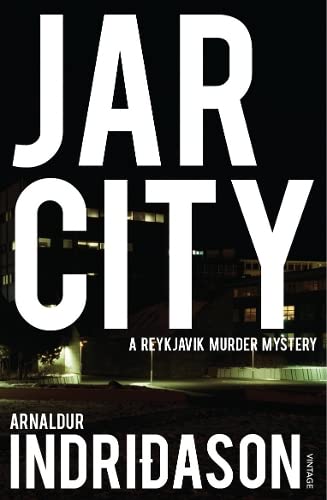
No. 57 on this list. Jar City
Arnaldur Indriðason · 2000
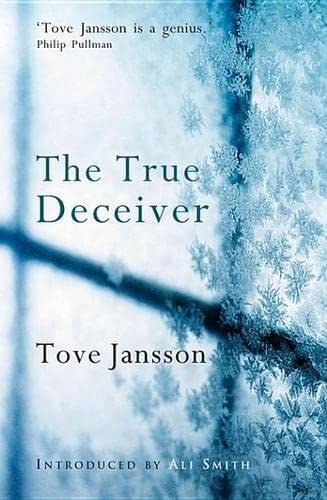
No. 58 on this list. The True Deceiver
Tove Jansson · 1982
No. 59 on this list. Faceless Killers
Henning Mankell · 1991
No. 60 on this list. The Snowman
Jo Nesbø · 2007
No. 61 on this list. The Sisters
Jonas Hassen Khemiri · 2025
No. 62 on this list. The Girl Who Kicked the Hornet’s Nest
Stieg Larsson · 2010
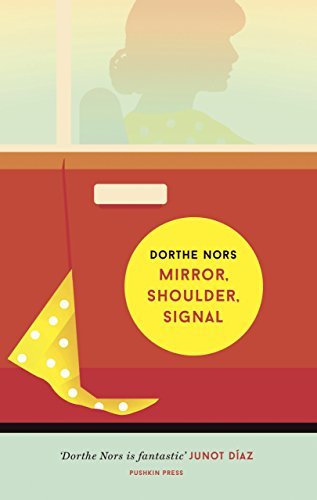
No. 63 on this list. Mirror, Shoulder, Signal
Dorthe Nors · 2017
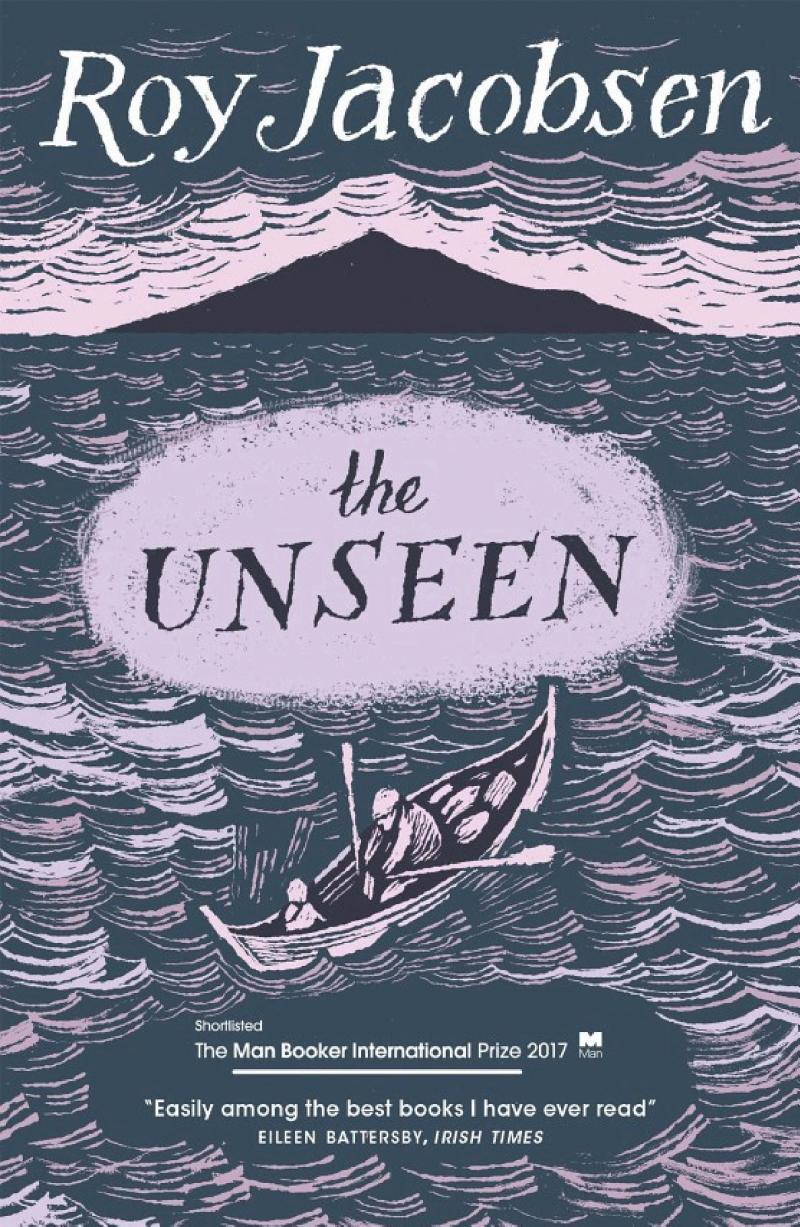
No. 64 on this list. The Unseen
Roy Jacobsen · 2017
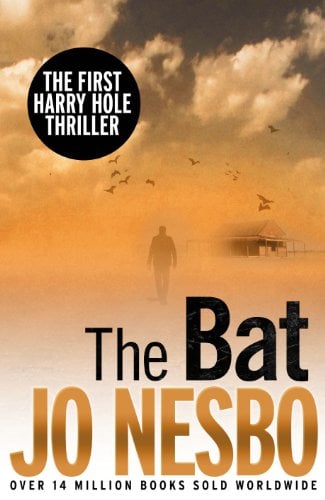
No. 65 on this list. The Bat
Jo Nesbø · 1997
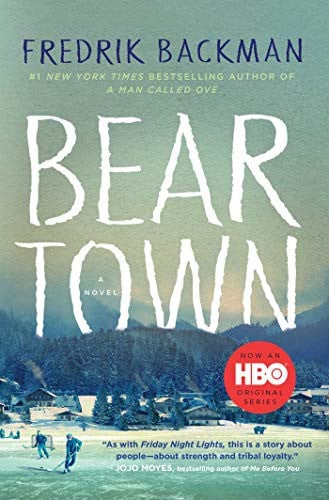
No. 66 on this list. Beartown
Fredrik Backman · 2022
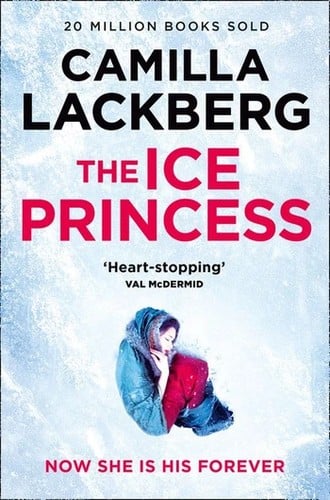
No. 67 on this list. The Ice Princess
Camilla Läckberg · 2003
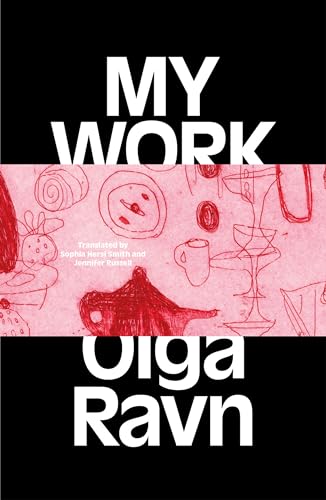
No. 68 on this list. My Work
Olga Ravn · 2020
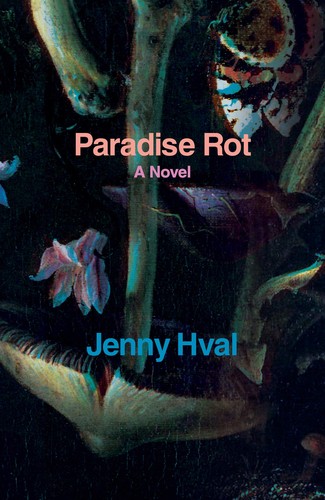
No. 69 on this list. Paradise Rot
Jenny Hval · 2009
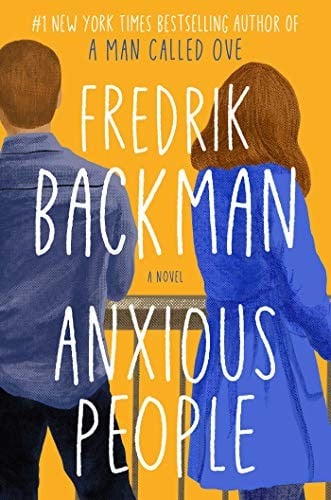
No. 70 on this list. Anxious People
Fredrik Backman · 2019
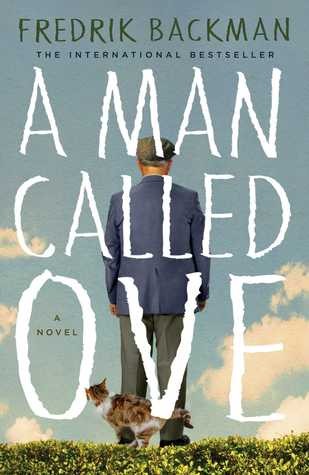
No. 71 on this list. A Man Called Ove
Fredrik Backman · 2012
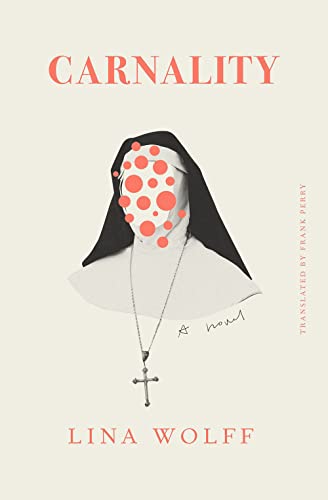
No. 72 on this list. Carnality
Lina Wolff · 2022
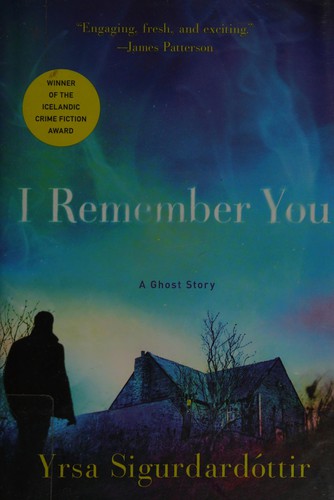
No. 73 on this list. I Remember You
Yrsa Sigurðardóttir · 2010
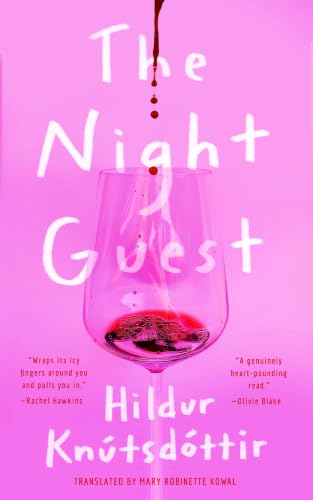
No. 74 on this list. The Night Guest
Hildur Knútsdóttir · 2021
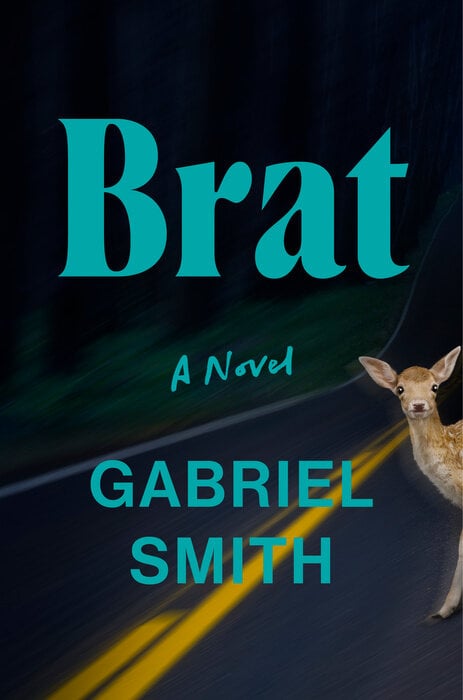
No. 75 on this list. Brat
Gabriel Smith · 1949
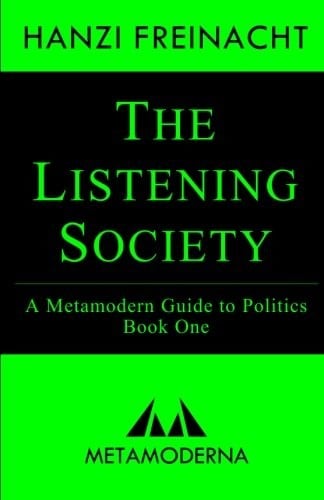
No. 76 on this list. The Listening Society: A Metamodern Guide to Politics, Book One
Hanzi Freinacht · 2017
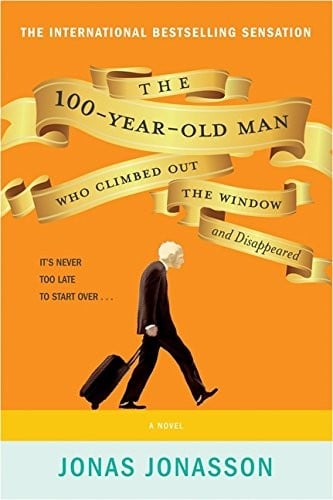
No. 77 on this list. The 100-Year-Old Man Who Climbed Out the Window and Disappeared
Jonas Jonasson · 2009
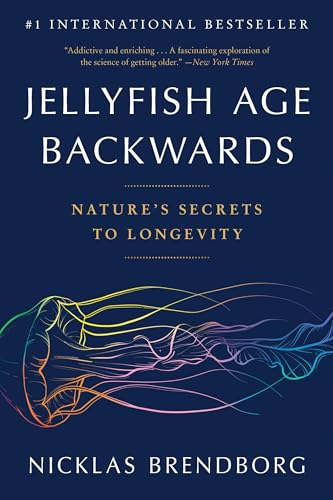
No. 78 on this list. Jellyfish Age Backwards: Nature's Secrets to Longevity
Nicklas Brendborg · 2023
No. 79 on this list. Nordic Ideology: A Metamodern Guide to Politics, Book Two
Hanzi Freinacht · 2019
No. 80 on this list. 12 Commandments: For Extraordinary People To Master Ordinary Life
Hanzi Freinacht · 2023
About this list
These 80 books are the highest-scoring eligible books from Scandinavia currently in the catalogue. About 588 hours of reading in all, for the 79 with measured lengths. Difficulty runs from 43 to 57 out of 100 for the middle half of the list; the summit is My Struggle: Book 1 at 73.
This list is ranked by literary regard, with a consistent order for equal scores. Membership follows authors and co-authors, not translators or editors. A book is here when ReadingRate files it under Scandinavian Literature as one of its primary reading domains. Catalogue coverage and the historical canon both limit what this list can represent.
When we matched the Canons dataset to our catalogue in October 2026, our canonical-status scores rose with the number of school curricula, publisher series and lists in it that cite a work: the median score was 72 for books one such source cites, 84 at two, 88 at three, 92 at four and 93 at five or more. Prizes are left out of that count. Outside the state curricula, the dataset’s sources choose mostly from what has been translated into English or French, so it is a weaker check on other literatures. Source: Canons (Andrew Piper), CC BY 4.0
Questions people actually ask
- What are the best books from Scandinavia?
- By literary regard, which weighs canonical status, critical standing and influence: Peer Gynt by Henrik Ibsen, A Doll's House by Henrik Ibsen, A Dream Play by August Strindberg, The Wild Duck by Henrik Ibsen and Miss Julie by August Strindberg. ReadingRate ranks 80 such books, each with a difficulty score and a reading-time estimate.
- Which books from Scandinavia should I read first?
- Start from difficulty, not from rank. The most approachable books on this list that still carry top literary regard are The Great Enigma: New Collected Poems by Tomas Tranströmer (about 1.1 hours), A Doll's House by Henrik Ibsen and The Wild Duck by Henrik Ibsen.
- What are the shortest of the best books from Scandinavia?
- Among the top 25, the shortest are The Great Enigma: New Collected Poems by Tomas Tranströmer (about 1.1 hours), Miss Julie by August Strindberg (about 2 hours) and Pippi Longstocking by Astrid Lindgren (about 1.2 hours), at an average pace of 250 words a minute adjusted for each book's difficulty.
- Which of the best books from Scandinavia are the established classics?
- By canonical status, how firmly a book sits in curricula, anthologies and the canon: A Doll's House by Henrik Ibsen, Peer Gynt by Henrik Ibsen, A Dream Play by August Strindberg, The Great Enigma: New Collected Poems by Tomas Tranströmer and The Wild Duck by Henrik Ibsen.
- Can I read any of these books from Scandinavia for free?
- 8 of the 80 open in ReadingRate's reader with a free account, from public-domain editions: A Doll's House, Jenny, The Wonderful Adventures of Nils, Victoria, Wayfarers and 3 more.
- How long would it take to read the top ten?
- About 48 hours, at an average pace of 250 words a minute adjusted for each book's difficulty: 24 days at two hours a day. Set your own pace on the page and the list's reading times change to it.
- How hard are books from Scandinavia to read?
- Most of this list sits between 43 and 57 on ReadingRate's 100-point difficulty scale, where 40 to 55 is moderate. The summit is My Struggle: Book 1 at 73. Every entry carries its own score, so a reader can pick a great book at a difficulty they will finish.
- How is this list ranked?
- On literary-regard data: how canonically established a work is, its critical standing, and its influence on later writing. It is not a readers’ poll, which is why recent bestsellers rarely appear. Membership follows authors and co-authors, not translators or editors. Lists by country, author, period, theme or difficulty keep to literature (fiction, poetry, drama and philosophy), their novels, poems and plays first and their philosophy after them; a list of a kind of book, such as memoir or criticism, keeps every book of that kind. Every list holds at most three works by one author. A book is here when ReadingRate files it under Scandinavian Literature as one of its primary reading domains.