Hours at an average pace
Showing 57 books
About 897 hours for 57 of 57 books with measured lengths. Estimates use 250 words a minute, adjusted for each book's difficulty. At 2 hours a day, about 449 days for those books.
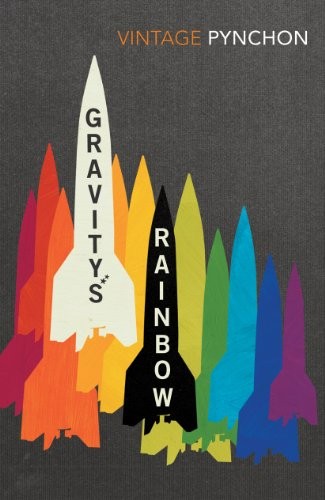
Thomas Pynchon constructs an encyclopedic paranoid masterwork spanning 760 pages of rocket science, Pavlovian conditioning, corporate conspiracy, and encyclopedic digression. Tyrone Slothrop, American lieutenant in wartime London, discovers his sexual conquests map perfectly onto V-2 rocket strike locations—but the erections precede the impacts. Was he conditioned as an infant by sinister behaviorist Laszlo Jamf? Does a corporate-military cartel control history itself? Pynchon provides evidence for every paranoid connection while confirming none. The novel sprawls across 1944-45 Europe, from London under rocket attack to occupied Germany's anarchic Zone, accumulating hundreds of characters, corporate entities, chemical formulas, and historical conspiracies. Pynchon's prose shifts registers violently: technical manuals on rocket engineering dissolve into vaudeville routines, then into lyrical meditations on death and entropy. The vocabulary demands encyclopedic knowledge—thermodynamics, organic chemistry, Tarot, Rilke, film history, brand names. Readers navigate specialized jargon without glossaries, track characters who appear once and vanish, decode references to real and imaginary corporations. The difficulty is purposeful: Pynchon creates textual experience of paranoid information overload. His central symbol, the V-2 rocket, carries impossible symbolic weight: phallic death-bringer, technological sublime, gravity's rainbow parabola from launch to silent impact. The rocket arrives before its sound—death you cannot hear coming. Pynchon explores how technology transforms human consciousness, how corporations and states use Pavlovian conditioning for control, how empire produces extinction (the dodo, the Herero genocide). Concrete plot events—Slothrop's investigation, Roger and Jessica's doomed love, Blicero's ritual rocket launch—carry enormous abstract weight about history, causation, and freedom. The novel asks whether patterns are real or paranoid projection: does Slothrop's conditioning prove control, or is it coincidence interpreted as conspiracy? Pynchon withholds answers. The structure mirrors paranoid thinking—everything potentially connects, secret cartels manipulate history, individual agency vanishes into systems. Slothrop himself fragments as the novel progresses, appearing less frequently, dissolving into scattered references, finally disappearing entirely. The dissolution is structural: as Slothrop loses coherence, so does the narrative. Subplots proliferate, the center fails to hold, entropy increases. The ending places readers in a movie theater in Los Angeles, present tense, as the 00000 rocket descends toward them. The novel freeze-frames before impact, leaving readers perpetually awaiting the explosion. No resolution occurs—narrative, thematic, or moral. Gravity's Rainbow withholds the satisfactions of conventional fiction while demanding enormous interpretive labor. Its encyclopedic scope, technical difficulty, and paranoid plotting make it among English literature's most challenging novels. Pynchon proved unreadability and importance could coexist, that difficulty itself could be the point. The novel's influence on postmodern fiction is incalculable—it established new possibilities for combining history, science, and popular culture in maximalist form. Reading it requires surrender to accumulation, pattern-seeking without resolution, immersion in encyclopedic detail that may or may not signify. The reward is experiencing consciousness under late capitalism: paranoid, fragmented, overwhelmed by information, seeking patterns in noise, awaiting the rocket's silent arrival.
No. 2 on this list. Measure for Measure
William Shakespeare · 1604
Difficult2.8 hours
Taught in schools: AQA GCSE and A-level English Literature (UK), WJEC/Eduqas GCSE and A-level English Literature (UK)
Included in: Great Books of the Western World
Measure for Measure appears on university syllabi across English literature, drama, law, and gender studies courses worldwide. It is one of Shakespeare's most-taught 'problem plays,' central to any serious study of his canon, with Wikipedia articles in dozens of languages. Less ubiquitous than Hamlet or Macbeth, but firmly within the core Shakespeare curriculum.
Angels in America is taught in American theater, drama, and queer studies programs at universities across the country and is consistently listed among the essential works of 20th-century American literature. Both parts of the play appear regularly on syllabi in literature, political science, and history courses. Its status as a defining document of the AIDS crisis and Reagan-era America makes it required context for anyone studying the period.
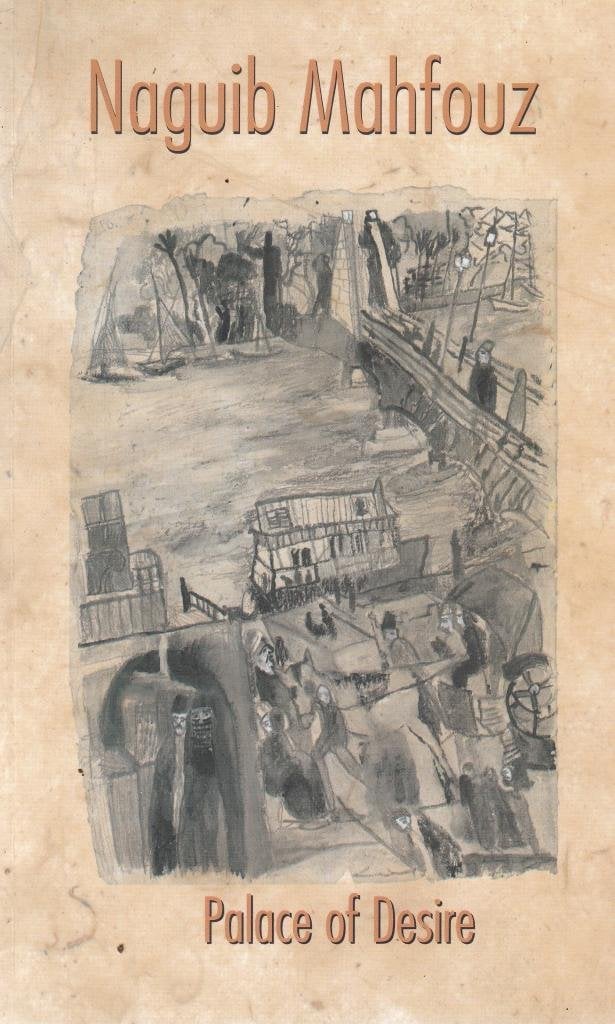
The Cairo Trilogy is Mahfouz's defining work, but individual volumes appear less frequently on syllabi than standalone classics. Palace of Desire appears on only 2 university syllabi in the Open Syllabus Project. The trilogy is a fixture in world literature and Arabic literature courses, though Western curricula tend to assign excerpts or the first volume rather than the full sequence.
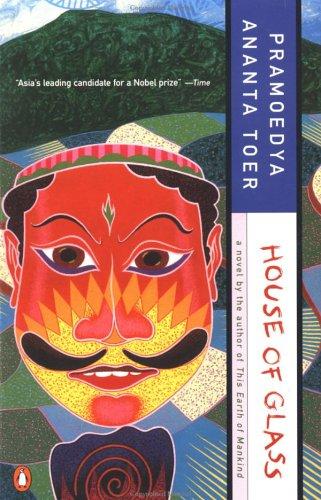
House of Glass is the concluding volume of the Buru Quartet, which is universally regarded as the most important work of Indonesian literature and one of the defining anticolonial novels of the twentieth century. It appears on numerous world literature reading lists and is taught at universities across Southeast Asia, Europe, and North America, though its presence in Western canons is less robust than its literary standing merits.
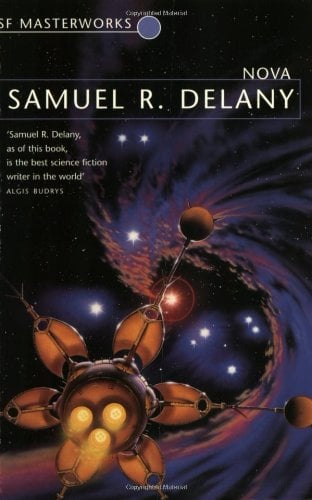
Nova holds a firm place in the SF literary canon, included in the SF Masterworks series and cited as a defining text of the New Wave movement. Its standing is strong within genre criticism but has not fully crossed into mainstream literary canonization.
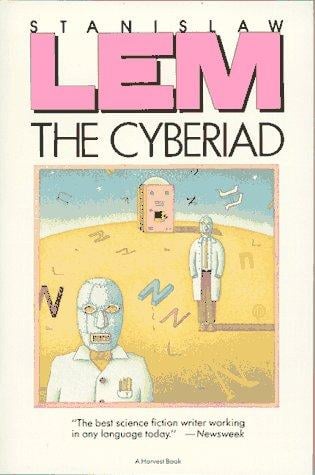
Trurl and Klapaucius are constructors — engineers of impossible things — who travel the universe building machines that write poetry, create dragons out of probability, and kidnap kings using algorithms. In the opening story, Trurl builds a machine that can make anything starting with the letter N. When it begins making Nothing — not ordinary nothing, but dynamic, aggressive Nothingness — it starts erasing the world one item at a time: the gruncheons go, then the pritons, then the zits, and the sky acquires holes that have never healed. Stanisław Lem writes fairy tales about robots, but the fairy tales are philosophical arguments in disguise. Each of the fifteen linked adventures runs a thought experiment: what happens when collective intelligence exceeds the scale at which militarism makes sense? Can a machine write great poetry if civilization wrote the poet? What does it mean to exist inside a simulation you cannot distinguish from reality? The deadpan fable narrator treats catastrophe and cosmic comedy with identical gravity, and the gap between that voice and what is actually happening is where all the meaning lives. The Cyberiad reads as slapstick adventure on the surface — Trurl escaping dungeon after dungeon with improbable ingenuity — and as philosophy underneath, where questions about consciousness, creation, and the purpose of intelligence are never resolved. Lem gives you both pleasures at once, and the math jokes are genuine.
No. 8 on this list. Spring Snow
Yukio Mishima · 1969
Difficult14 hours
Included in: UNESCO Collection of Representative Works
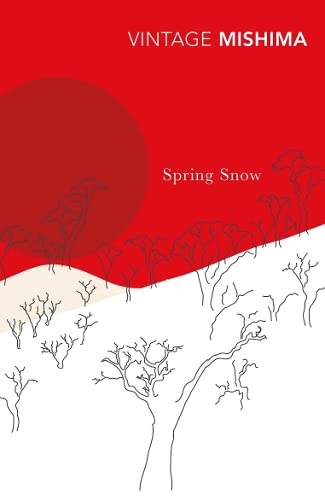
Spring Snow is the first volume of Mishima's Sea of Fertility tetralogy and is regularly taught in world literature and Japanese literature courses at universities globally. While no database syllabus data was retrieved, the novel is widely regarded as one of the essential works of 20th-century Japanese literature and appears frequently on recommended reading lists for modern world fiction.
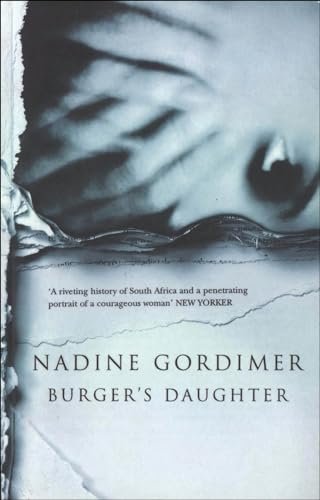
Burger's Daughter appears on 68 university syllabi (Open Syllabus Project, 45.8th percentile), placing it firmly in postcolonial and African literature courses though not in the top tier of globally canonical texts. Wikipedia articles exist in 7 languages — modest compared to landmark novels — but the article runs to over 61,000 characters and includes a dedicated reception section, indicating sustained critical discourse.
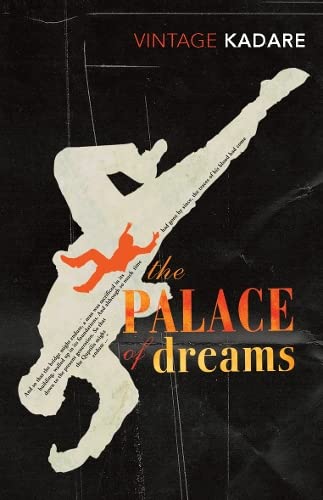
Mark-Alem Quprili wakes one morning to begin his first day at the Tabir Sarrail — the Palace of Dreams — where the Ottoman State collects, sorts, and interprets every dream dreamed by every subject across the Empire, searching for the one divine signal that might save or doom the Sultan. His family, the great Quprili dynasty that has given the Empire five Grand Viziers and as many imprisoned or decapitated members, arranged the appointment. The building swallows him whole: labyrinthine corridors, blue-green files stacked floor to ceiling, clerks bent over thousands of nightly visions from Kustendil to the European borders. Kadare wrote this novel in 1981 as allegory, the Ottoman machinery standing in for communist Albania under Enver Hoxha. The Palace of Dreams does not merely observe its citizens — it harvests their unconscious, processing the darker side of the population's inner life as raw material for state power. Mark-Alem, caught between his family's grandeur and the bureaucracy's anonymous terror, learns to alter dream interpretations to avoid culpability, to keep his head down while the system grinds. At dinner, his uncle Kurt speaks with reckless brilliance about the Tabir as the only institution where the masses make direct contact with the state. Nobody changes the subject in time. This is a Kafkaesque novel that knows exactly what it is doing with Kafka — the dreamworld is not metaphor but administrative fact, and the dread is the dread of the functionary who understands, too late, that he has become part of the machine.
No. 11 on this list. Naomi · Jun'ichirō Tanizaki · 1924
Naomi is a staple of Japanese literature and world literature courses at universities across the United States, Europe, and Japan — Tanizaki's most accessible novel and the one most commonly assigned to introduce his work. While not as universally required as Kafka or Fitzgerald, it appears consistently in syllabi on Japanese modernism and postcolonial readings of cultural identity. The 'Naomi-ism' phenomenon it catalyzed became shorthand in Japanese cultural criticism for the era's anxious Westernization.
Challenging6.5 hours
Start this bookNo. 12 on this list. The Lost Steps · Alejo Carpentier · 1953
A core text in Latin American literature and comparative literature courses worldwide, taught alongside García Márquez and Borges as a foundational work of the region's literary tradition. Less universally assigned than One Hundred Years of Solitude but standard in any serious Latin American or world literature syllabus. The novel's prologue, which theorizes 'lo real maravilloso,' makes it required reading for understanding 20th-century Latin American fiction.
Difficult11 hours
Start this bookNo. 13 on this list. Slowness · Milan Kundera · 1995
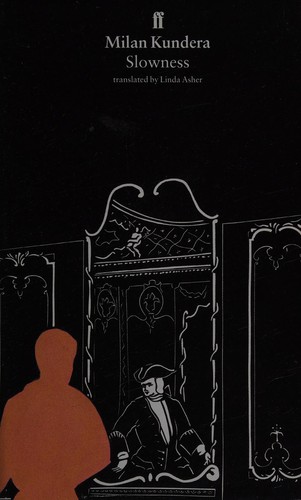
Slowness is widely taught in European literature and comparative literature courses, particularly as a late-career Kundera work written in French — a singular act that attracted sustained critical attention. No syllabus data was found in the database, but the novel appears on numerous university reading lists for postmodern and Central European literature. Its canonical status is solid within Kundera scholarship though less universal than his earlier novels like The Unbearable Lightness of Being.
Difficult3.3 hours
Start this bookNo. 14 on this list. The Confessions of Felix Krull · Thomas Mann · 1954
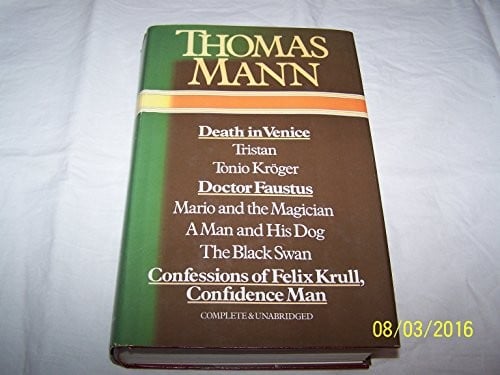
Felix Krull introduces himself in the opening pages as a man of exceptional gifts — charm, beauty, and a talent for deceit he regards as a form of artistry. Mann's confidence man begins in Rhineland Germany, faking an epileptic fit to avoid military service, then slides into Paris hotel life as a lift-boy and waiter, studying the wealthy guests who pass through his cage with the eye of a naturalist. When a young aristocrat, the Marquis de Venosta, asks Felix to take his place on a voyage to Lisbon so he can stay in Paris with his mistress, Felix accepts without hesitation. He becomes the Marquis entirely — adopting the title, the wardrobe, the social obligations, including conversations with a king. In Lisbon he falls simultaneously for a paleontologist's wife and her daughter, a situation the novel pursues to its famous abrupt ending. Mann worked on this picaresque novel intermittently from 1910 until his death in 1955, leaving it deliberately unfinished. The comedy is philosophical: Felix's frauds expose aristocratic convention as performance all the way down, and his Hermes-like nature — trickster, god of travelers and thieves — gives the social satire a mythological undertow. Mann writes sentences that curl back on themselves in self-admiring spirals that perfectly mirror his narrator. You read it trusting nothing Felix says and believing everything.
Challenging13 hours
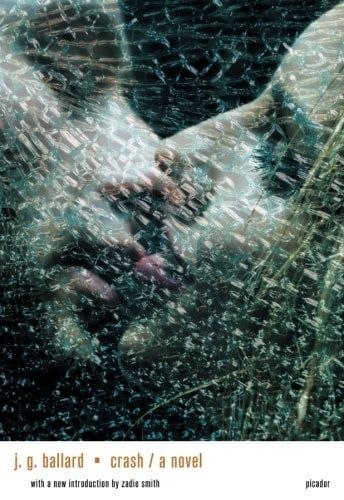
Start this bookNo. 15 on this list. Crash · J.G. Ballard · 1973
Crash appears regularly on university syllabi in cultural studies, media studies, and postmodern fiction courses, and appears on several 'great novels' lists including the Guardian's and Modern Library. It is firmly established as a significant postwar British novel taught across disciplines, though not in the volume of the most canonical literary texts (Beloved at 85, Great Gatsby at 95). Ballard's work is more consistently taught in British universities than American ones.
Challenging6.8 hours
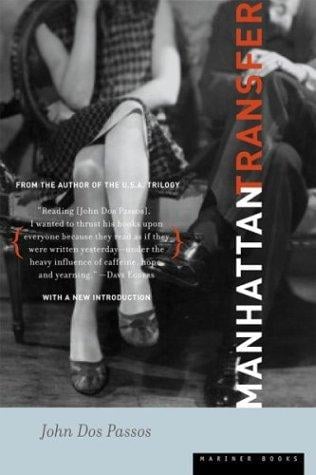
Start this bookNo. 16 on this list. Manhattan Transfer · John Dos Passos · 1925
On Le Monde's 100 Books of the Century, with a Wikipedia article in 8 languages. It is taught in American modernism courses, though less often than Dos Passos's U.S.A. trilogy or the novels of Fitzgerald and Hemingway.
Difficult16 hours
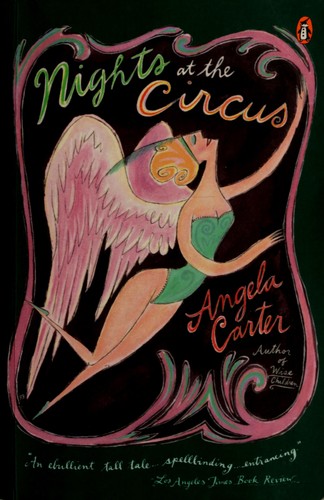
Read nowNo. 17 on this list. Nights at the Circus · Angela Carter · 1984
Nights at the Circus is a regular text in university courses on postmodern, feminist and magical-realist fiction, and probably Angela Carter's most studied novel. It is usually set alongside The Bloody Chamber as the core of her work.
Difficult13 hours
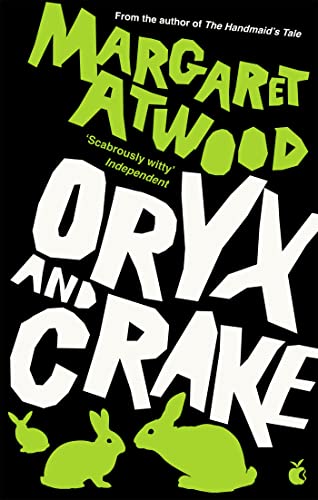
Start this bookNo. 18 on this list. Oryx and Crake · Margaret Atwood · 2003
Appears on 699 university syllabi (71st percentile in the Open Syllabus Project), placing it firmly in regular academic use across contemporary fiction, speculative fiction, and environmental humanities courses. Its Wikipedia article exists in 15 languages with dedicated reception and adaptations sections, indicating modest but real global reach. It ranks well below foundational canonical texts but well above most genre fiction.
Difficult14 hours
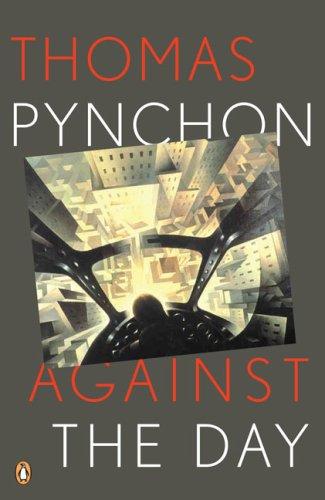
Start this bookNo. 19 on this list. Against the Day · Thomas Pynchon · 2006
A late major work by a central postmodern author, taught in contemporary American fiction courses, though it carries less syllabus weight than Gravity's Rainbow or The Crying of Lot 49.
Difficult68 hours
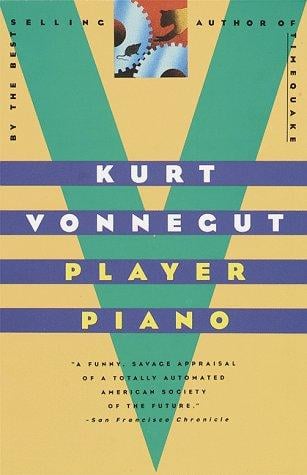
Start this bookNo. 20 on this list. Player Piano · Kurt Vonnegut · 1952
Player Piano appears regularly in university courses on dystopian fiction, American literature, and technology and society — a presence consistent with its place on both the Modern Library 100 Best Novels list and TIME's All-TIME 100 Novels. It is taught widely as the founding text of the American technological dystopia, though it does not reach the near-universal syllabus presence of Slaughterhouse-Five.
Challenging9.3 hours
Start this book


No. 21 on this list. Baron Wenckheim's Homecoming · László Krasznahorkai · 2016
Baron Wenckheim's Homecoming has not yet achieved wide syllabus presence and remains a niche text even within contemporary world literature courses. It is Krasznahorkai's final novel in a tetralogy, and while respected, it does not appear on standard reading lists. Its canonical potential rises with Krasznahorkai's 2025 Nobel Prize, but institutional adoption lags behind critical recognition.
Difficult28 hours
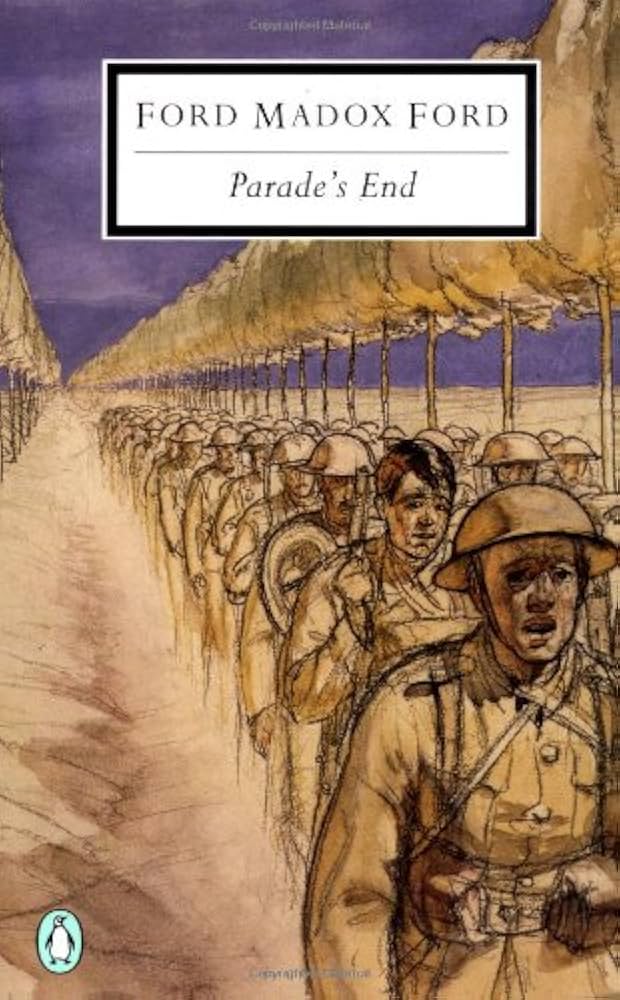
Start this bookNo. 22 on this list. Parade's End · Ford Madox Ford · 1928
Listed on the Modern Library 100 Best Novels and adapted as a BBC/HBO series in 2012, but Parade's End appears on relatively few university syllabi compared to canonical modernist texts. Wikipedia articles exist in only 4 languages. It occupies a curious position: universally praised by writers and critics but rarely assigned, overshadowed by Joyce, Woolf, and Lawrence in modernist curricula.
Difficult40 hours
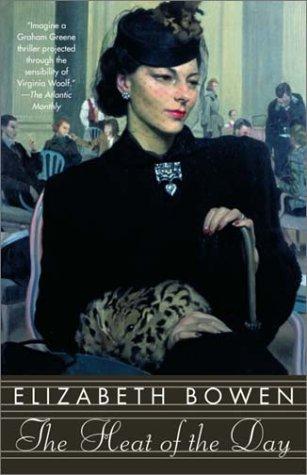
Start this bookNo. 23 on this list. The Heat of the Day · Elizabeth Bowen · 1948
Stella Rodney works for British intelligence in wartime London, living with the particular alertness of a city that may be bombed tonight and probably will not be bombed tonight. Then a man named Harrison appears at a concert and offers her a deal: he will suppress evidence that her lover, Robert Kelway, is passing secrets to the Germans—if Stella sleeps with Harrison instead. What follows is not a thriller. Elizabeth Bowen uses the architecture of espionage to examine something harder to name: how people maintain the fiction of knowing who they love, and why, when the bombs have already stripped so much else away. The prose is Jamesian in its density—sentences that circle their subjects, speakers who say precisely what they do not mean—and the bomb-damaged London streets carry the weight of a social order losing its grip. Robert's guilt or innocence remains genuinely uncertain; what Bowen illuminates instead is the grammar of complicity, the way loyalty and self-deception share a syntax. A novel that rewards rereading more than reading, and reading more than most novels do.
Difficult13 hours
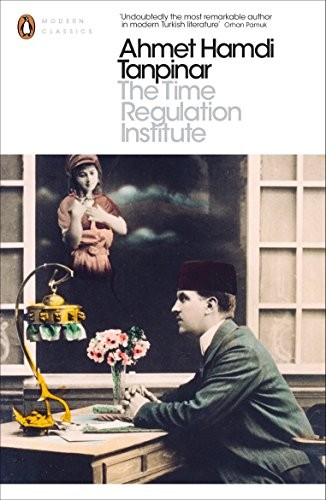
Start this bookNo. 24 on this list. The Time Regulation Institute · Ahmet Hamdi Tanpinar · 1961
The Time Regulation Institute is a classic of modern Turkish literature, studied in Turkey and increasingly on world-literature courses since the Penguin Classics translation by Maureen Freely and Alexander Dawe. It is now commonly listed beside Orhan Pamuk's novels as essential Turkish fiction in English.
Challenging16 hours
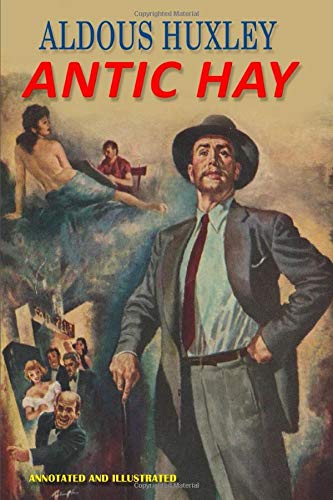
Start this bookNo. 25 on this list. Antic Hay · Aldous Huxley · 1923
Appearing in 1923, two years after Point Counter Point and a decade before Brave New World, Antic Hay is firmly in the second tier of the Huxley canon—important to scholars of the interwar satirical novel but not routinely assigned alongside his major works. It appears in 1920s British literature courses, in studies of the 'bright young things' cultural moment, and as context for Evelyn Waugh's early novels. Its canonical position is that of a brilliant minor work by a major author.
Challenging8.2 hours
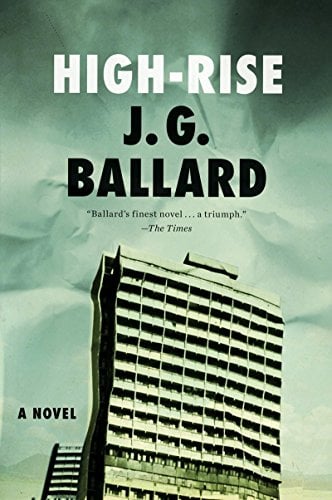
Start this bookNo. 26 on this list. High-Rise · J.G. Ballard · 1975
High-Rise appears regularly on British fiction and media studies syllabi, features on 'essential Ballard' lists across academic and critical contexts, and is among the dozen works routinely cited when Ballard's name appears in literary criticism. Without database syllabus count available, it sits below the major modernist canon but well within sustained literary attention — taught in contemporary fiction courses alongside writers like Angela Carter and Ian McEwan.
Challenging6 hours
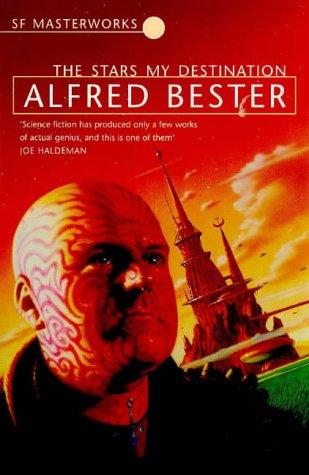
Start this bookNo. 27 on this list. The Stars My Destination · Alfred Bester · 1956
The Stars My Destination appears on genre-defining canon lists including Time Magazine's All-TIME 100 Novels and the Locus All-Century Poll, cementing its status as essential science fiction. It is taught in speculative fiction and American literature courses at the university level, though it has not penetrated mainstream literary curricula the way contemporary fiction crossovers have. No Wikipedia or syllabus data was available in the database, but its decades-long reputation within SF circles is well-established.
Difficult7.9 hours
Start this bookNo. 28 on this list. The Toilers of the Sea · Victor Hugo · 1866
Less widely taught than Hugo's Les Misérables or The Hunchback of Notre-Dame, The Toilers of the Sea occupies a secondary position in the Hugo canon. It appears on comparative literature syllabi and French literature surveys but rarely as a standalone assigned text in English-language universities. Its reputation rests more on specialists and Hugo enthusiasts than on broad curricular presence.
Difficult16 hours
Read nowNo. 29 on this list. A Mind at Peace · Ahmet Hamdi Tanpinar · 1949
Widely considered the defining Turkish modernist novel, included in UNESCO's Representative Works of Turkish Literature and taught in Turkish and Ottoman studies programs internationally. Its canonical status within Turkish literature is unquestioned — it occupies the position Ulysses holds in the Irish tradition. Outside Turkish studies departments in the West, however, it remains relatively unknown despite a widely available English translation.
Challenging14 hours
Start this bookNo. 30 on this list. John Henry Days · Colson Whitehead · 2001
J. Sutter arrives at Yeager Airport in Charleston, West Virginia, compulsively pocketing a receipt from the floor before boarding his connection to a small town called Talcott. He is a Black freelance journalist three months into a nonstop junket streak — attending one press event every day, eating and drinking on someone else's dime — and his current assignment is covering the unveiling of a US Postal Service stamp honoring John Henry. He is not alone: a whole pack of fellow mercenaries, nicknamed Tiny, Frenchie, One Eye, and Dave Brown, descend on the same motor lodge to eat prime rib and debate whether the occasion constitutes a trend piece or a comeback story. Whitehead builds the novel across five distinct strands: the 1996 festival, John Henry himself driving steel in a 19th-century railroad tunnel, a folk singer composing the ballad on a hilltop, Dave Brown's eyewitness account of Altamont 1969, and a set of contradictory historical letters from the 1920s establishing that no one can agree on who John Henry actually was. The result is a novel about the machinery by which America converts Black labor into mythology, then converts the mythology into a 32-cent postage stamp. Whitehead never states this thesis — he embeds it in the gap between the event and the coverage, between the man who swung the hammer and the journalists who cannot stop arguing about which category of puff piece his story deserves.
Difficult16 hours
Start this book

No. 31 on this list. The Appointment
Herta Müller · 1997
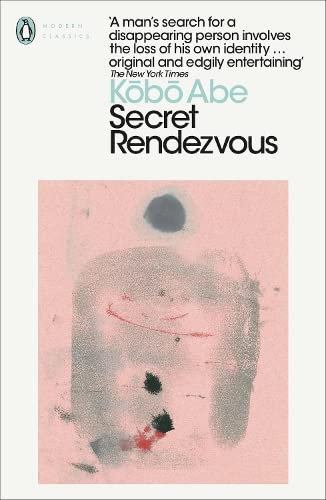
No. 32 on this list. Secret Rendezvous
Kobo Abe · 1977
No. 33 on this list. Zero K
Don DeLillo · 2016
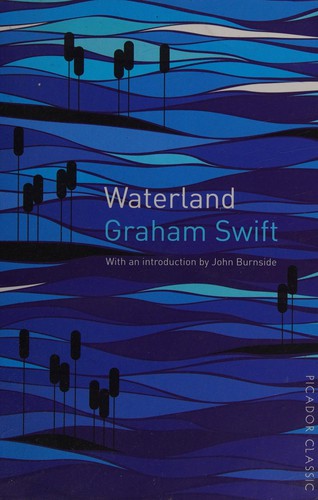
No. 34 on this list. Waterland
Graham Swift · 1983
Taught in schools: AQA GCSE and A-level English Literature (UK)
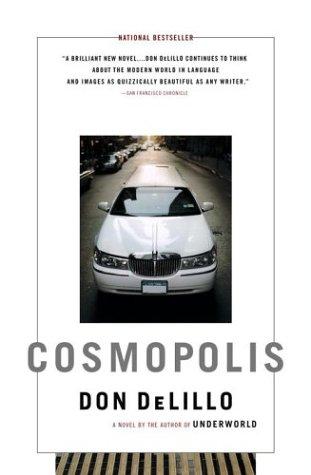
No. 35 on this list. Cosmopolis
Don DeLillo · 2003
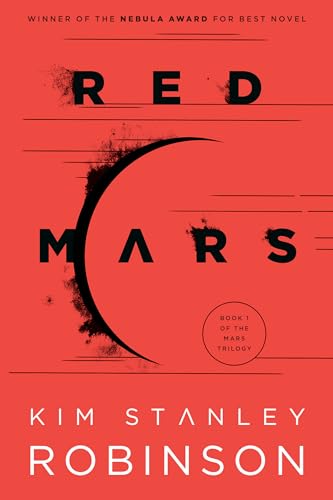
No. 36 on this list. Red Mars
Kim Stanley Robinson · 1993
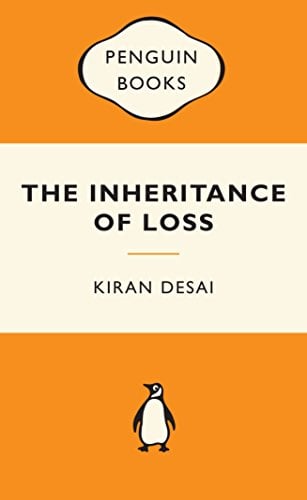
No. 37 on this list. The Inheritance of Loss
Kiran Desai · 2006
No. 38 on this list. Americana
Don DeLillo · 1971
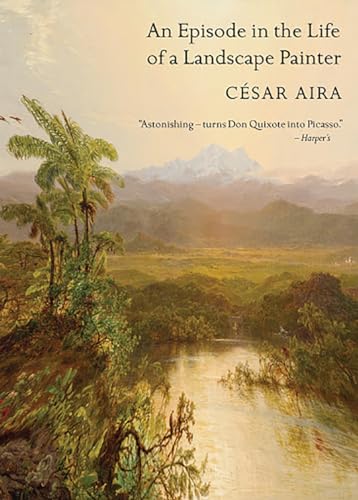
No. 39 on this list. An Episode in the Life of a Landscape Painter
César Aira · 2000
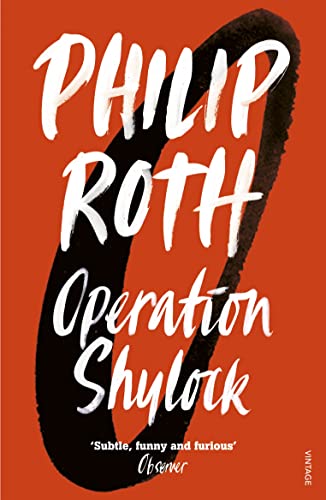
No. 40 on this list. Operation Shylock
Philip Roth · 1994

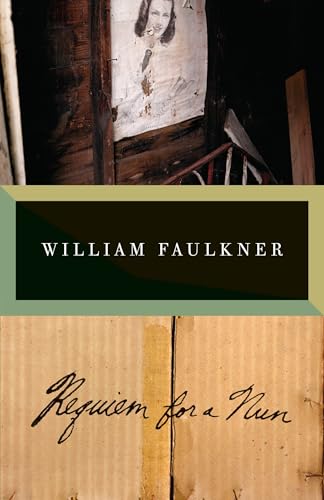
No. 41 on this list. Requiem for a Nun
William Faulkner · 1951
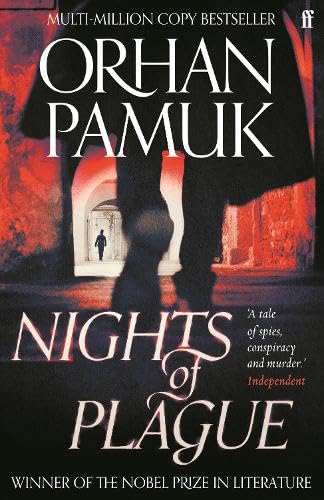
No. 42 on this list. Nights of Plague
Orhan Pamuk · 2021
No. 43 on this list. Fasting, Feasting
Anita Desai · 1999
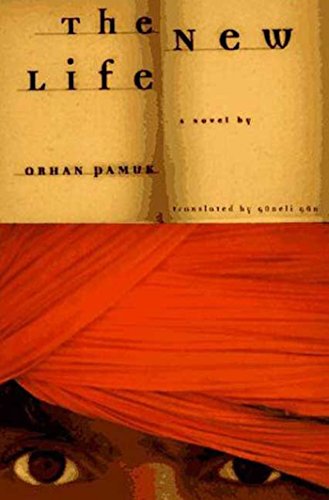
No. 44 on this list. The New Life
Orhan Pamuk · 1994
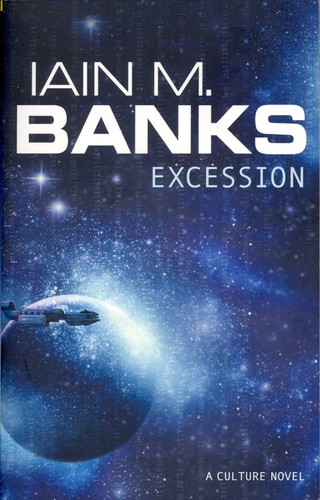
No. 45 on this list. Excession
Iain M. Banks · 1996
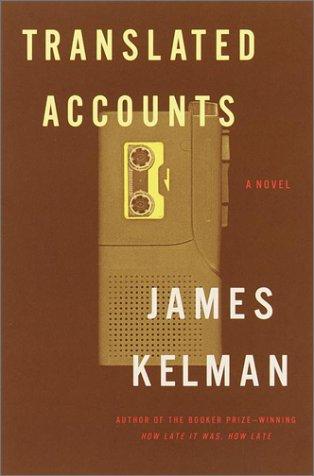
No. 46 on this list. Translated Accounts
James Kelman · 2001
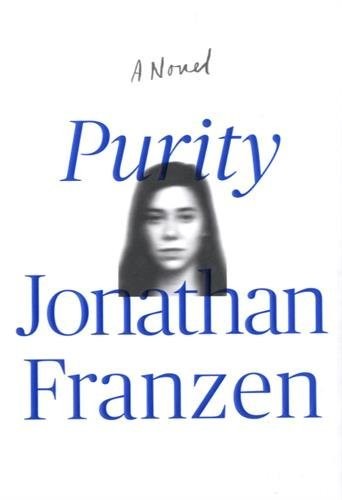
No. 47 on this list. Purity
Jonathan Franzen · 2015
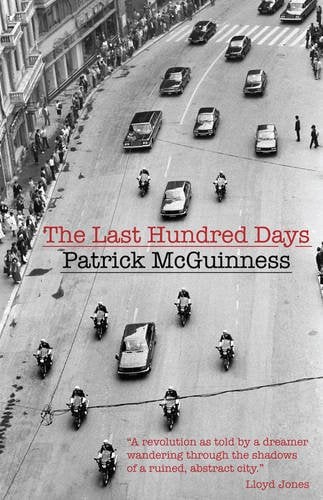
No. 48 on this list. The Last Hundred Days
Patrick McGuinness · 2011
No. 49 on this list. The Water Cure
Sophie Mackintosh · 2018
No. 50 on this list. Madness and Civilization: A History of Insanity in the Age of Reason
Michel Foucault · 1961
No. 51 on this list. Illuminations
Walter Benjamin · 1955
No. 52 on this list. The Arcades Project
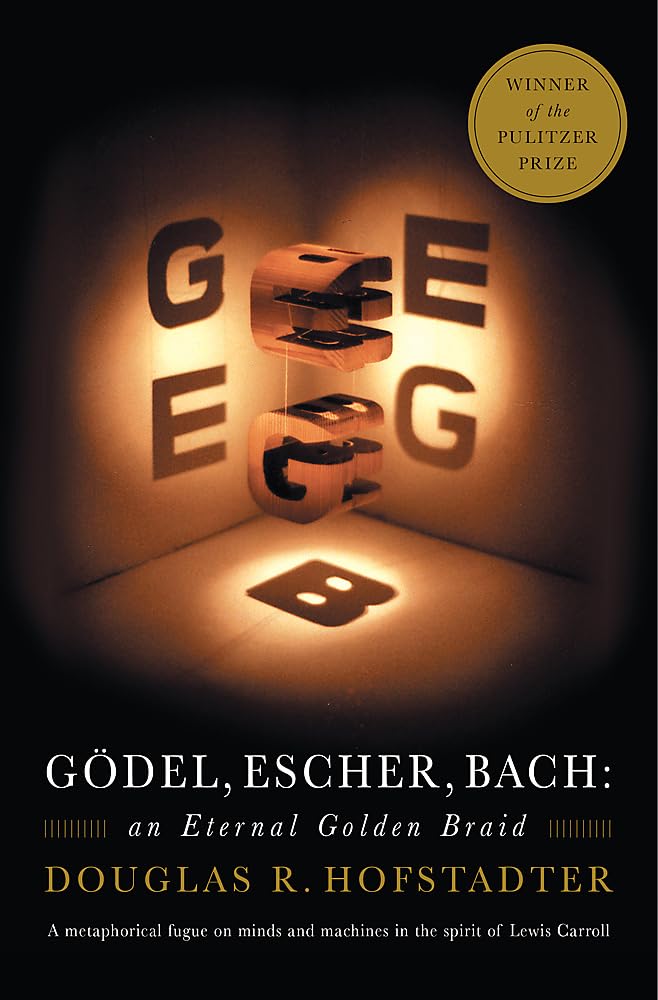
No. 53 on this list. Gödel, Escher, Bach: An Eternal Golden Braid
Douglas R. Hofstadter · 1979
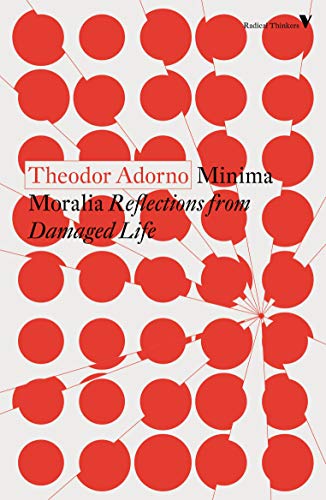
No. 54 on this list. Minima Moralia
Theodor W. Adorno · 1951
No. 55 on this list. The Theory of the Novel
Georg Lukács · 1916
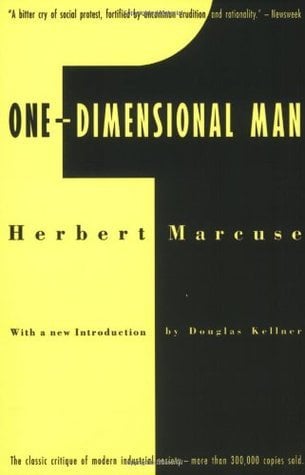
No. 56 on this list. One-Dimensional Man
Herbert Marcuse · 1964
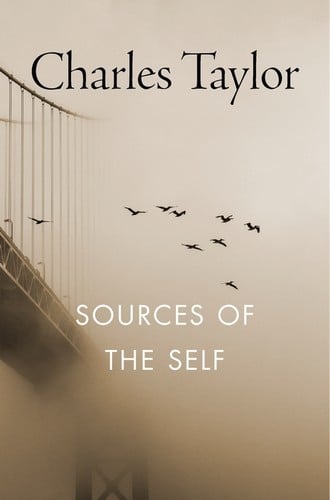
No. 57 on this list. Sources of the Self: The Making of the Modern Identity
Charles Taylor · 1989
About this list
These 57 books are the highest-scoring eligible challenging books about technology and modernity currently in the catalogue. About 897 hours of reading in all. Difficulty runs from 68 to 74 out of 100 for the middle half of the list; the summit is The Arcades Project at 87.
This list is ranked by literary regard, with a consistent order for equal scores. Membership follows authors and co-authors, not translators or editors. A book is here when ReadingRate files it under Technology & Modernity as one of its primary reading domains, at a confidence of 0.8 or more. Catalogue coverage and the historical canon both limit what this list can represent.
When we matched the Canons dataset to our catalogue in October 2026, our canonical-status scores rose with the number of school curricula, publisher series and lists in it that cite a work: the median score was 72 for books one such source cites, 84 at two, 88 at three, 92 at four and 93 at five or more. Prizes are left out of that count. Outside the state curricula, the dataset’s sources choose mostly from what has been translated into English or French, so it is a weaker check on other literatures. Source: Canons (Andrew Piper), CC BY 4.0
Questions people actually ask
- What are the best challenging books about technology and modernity?
- By literary regard, which weighs canonical status, critical standing and influence: Gravity's Rainbow by Thomas Pynchon, Measure for Measure by William Shakespeare, Angels in America: Perestroika by Tony Kushner, Palace of Desire by Naguib Mahfouz and House of Glass by Pramoedya Ananta Toer. ReadingRate ranks 57 such books, each with a difficulty score and a reading-time estimate.
- Which challenging books about technology and modernity should I read first?
- Start from difficulty, not from rank. The most approachable books on this list that still carry top literary regard are High-Rise by J.G. Ballard (about 6 hours), Americana by Don DeLillo and Excession by Iain M. Banks.
- What are the shortest of the best challenging books about technology and modernity?
- Among the top 25, the shortest are Measure for Measure by William Shakespeare (about 2.8 hours), Slowness by Milan Kundera (about 3.3 hours) and The Palace of Dreams by Ismail Kadare (about 5.4 hours), at an average pace of 250 words a minute adjusted for each book's difficulty.
- Which of the best challenging books about technology and modernity are the established classics?
- By canonical status, how firmly a book sits in curricula, anthologies and the canon: Madness and Civilization: A History of Insanity in the Age of Reason by Michel Foucault, Illuminations by Walter Benjamin, Gödel, Escher, Bach: An Eternal Golden Braid by Douglas R. Hofstadter, Gravity's Rainbow by Thomas Pynchon and Measure for Measure by William Shakespeare.
- Can I read any of these challenging books about technology and modernity for free?
- 3 of the 57 open in ReadingRate's reader with a free account, from public-domain editions: Measure for Measure, Manhattan Transfer and The Toilers of the Sea.
- How long would it take to read the top ten?
- About 149 hours, at an average pace of 250 words a minute adjusted for each book's difficulty: 75 days at two hours a day. Set your own pace on the page and the list's reading times change to it.
- How hard are challenging books about technology and modernity to read?
- Most of this list sits between 68 and 74 on ReadingRate's 100-point difficulty scale, where 40 to 55 is moderate. The summit is The Arcades Project at 87. Every entry carries its own score, so a reader can pick a great book at a difficulty they will finish.
- How is this list ranked?
- On literary-regard data: how canonically established a work is, its critical standing, and its influence on later writing. It is not a readers’ poll, which is why recent bestsellers rarely appear. Membership follows authors and co-authors, not translators or editors. Lists by country, author, period, theme or difficulty keep to literature (fiction, poetry, drama and philosophy), their novels, poems and plays first and their philosophy after them; a list of a kind of book, such as memoir or criticism, keeps every book of that kind. Every list holds at most three works by one author. A book is here when ReadingRate files it under Technology & Modernity as one of its primary reading domains, at a confidence of 0.8 or more.