Hours at an average pace
Showing 97 books
About 696 hours for 97 of 97 books with measured lengths. Estimates use 250 words a minute, adjusted for each book's difficulty. At 2 hours a day, about 349 days for those books.
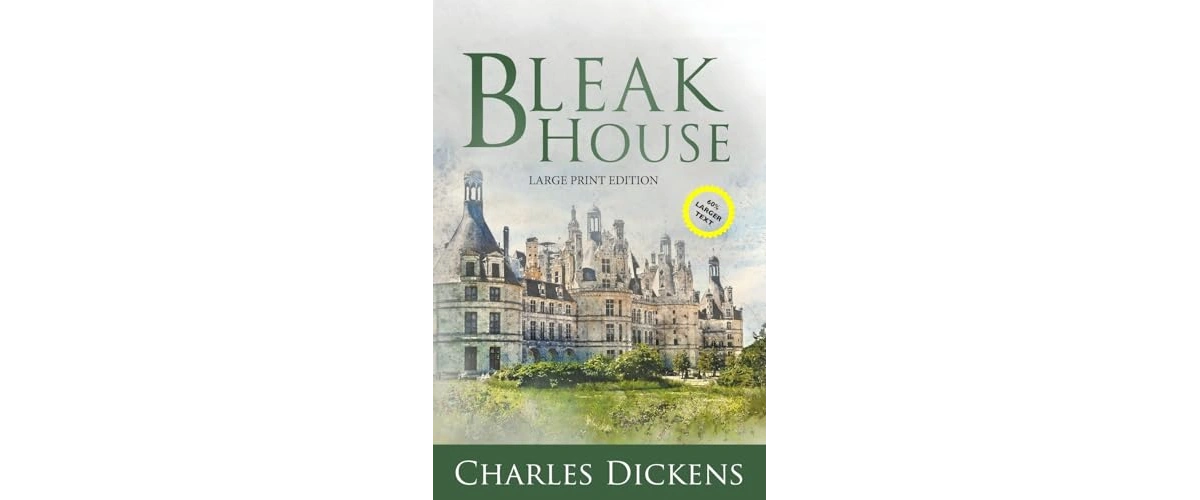
Central Victorian novel in English literature curricula; essential Dickens alongside Great Expectations; studied as peak of his social criticism and narrative ambition.
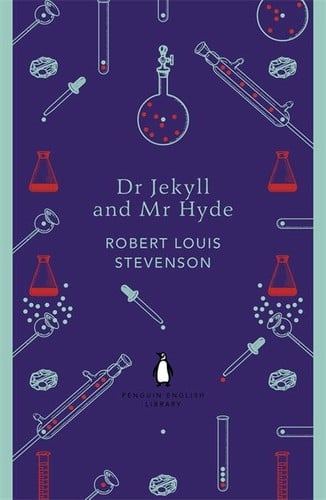
No. 2 on this list. The Strange Case of Dr Jekyll and Mr Hyde
Robert Louis Stevenson · 1886
Challenging1.9 hours
Taught in schools: AQA GCSE and A-level English Literature (UK), OCR GCSE and A-level English Literature (UK)
One of the most widely taught Victorian texts in English literature curricula at every level, from secondary school to university. The phrase 'Jekyll and Hyde' has entered common English as a synonym for dual personality. The novella appears on virtually every list of essential 19th-century fiction and is a fixture in Gothic literature, Victorian studies, and psychology-and-literature courses worldwide.
Holmes is a staple of English-language literature, taught widely in detective fiction and Victorian literature courses, and the stories are among the most-translated in the world. They are taught less as high literature than The Great Gatsby but are universally recognized.
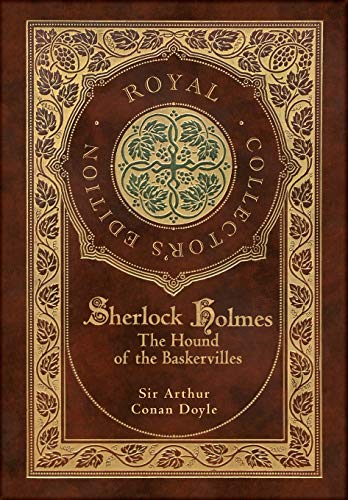
No. 4 on this list. The Hound of the Baskervilles
Arthur Conan Doyle · 1902
Easy3.5 hours
Taught in schools: CSEC English B – Caribbean Examinations Council
Sir Charles Baskerville dies on the Dartmoor moors, terror on his face, a giant hound's footprints nearby. A family curse tells of a spectral hound hunting the Baskervilles since the seventeenth century. Dr. Watson investigates while Holmes stays in London—or so it seems. The moor is fog-bound, treacherous, Gothic; the solution is pure Holmesian reason. Doyle killed Holmes at Reichenbach Falls in 1893 and resisted resurrection. This novel, serialized in 1901-02, is set before the death and doesn't quite bring Holmes back. But the public devoured it, and Holmes returned in full the following year. The Hound works both as mystery and Gothic atmosphere—the moor becomes a character, the hound hovers between supernatural and rational explanation until the last act. This is Doyle's most novelistic Holmes story, and many readers consider it the best.
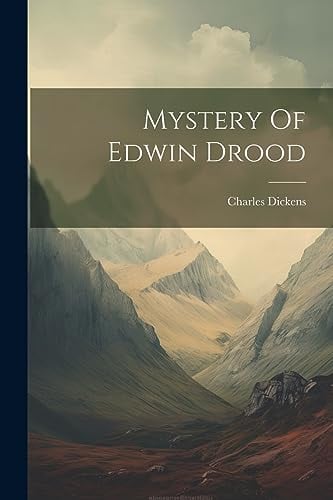
The Mystery of Edwin Drood appears regularly on Victorian literature and Dickens course syllabi at universities worldwide, taught both as a late Dickens text and as a unique object — a canonical novel frozen in its own incompletion. The unfinished mystery has been a pedagogical touchstone for discussions of narrative, authorship, and closure since Dickens's death. Its Wikipedia article exists in over 40 languages and includes dedicated sections on adaptations and reception, indicating significant global cultural reach beyond English-language scholarship.
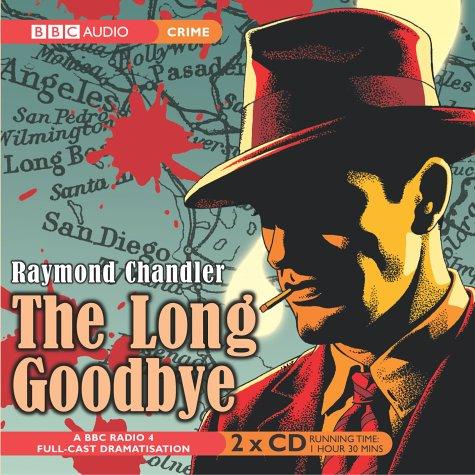
The Long Goodbye appears on the Modern Library's 100 Best Novels list and is taught in American literature and crime fiction courses at universities worldwide. It occupies an unusual position: firmly embedded in the literary canon despite being published as genre fiction, and widely cited as the novel that proved crime writing could aspire to the literary.
No. 7 on this list. The Moonstone
Wilkie Collins · 1868
Challenging18 hours
Taught in schools: AQA GCSE and A-level English Literature (UK), Pearson Edexcel GCSE and A-level English Literature (UK)
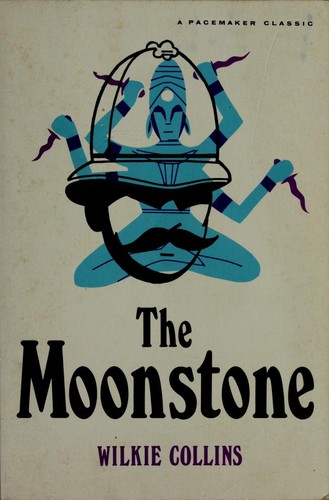
T.S. Eliot called it 'the first, the longest, and the best of modern English detective novels,' and it has anchored Victorian literature courses at universities worldwide for over a century. The Moonstone appears routinely on syllabi covering sensation fiction, the origins of detective fiction, and 19th-century narrative experiment. Its Wikipedia article spans more than 50 language editions, reflecting its standing as a genuine cornerstone of English literary history.
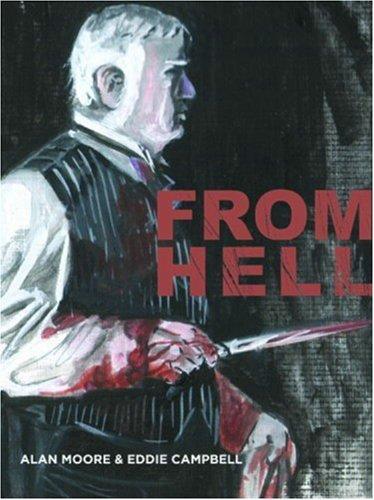
Widely regarded as one of the greatest graphic novels ever produced. A staple of comics criticism and increasingly taught in university courses.
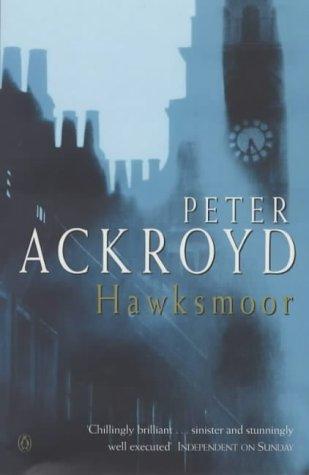
Hawksmoor holds significant position in postmodern British fiction and is widely taught in university literature courses. While not quite at the level of Ulysses or Beloved, it is consistently included in surveys of contemporary British literature and discussions of historiographic metafiction. The novel appears regularly on critical reading lists for postmodernism, Gothic revival, and late 20th-century British fiction, establishing its place in the extended literary canon.
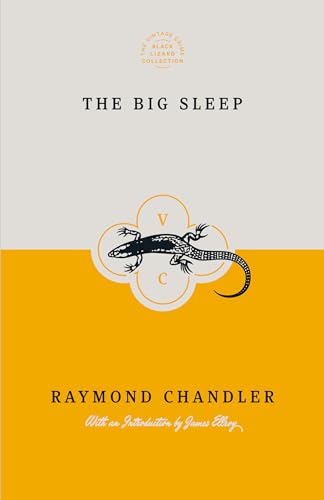
Widely taught in American literature courses as the defining hard-boiled detective novel. Appears on most lists of essential crime fiction and is a fixture in twentieth-century American literature curricula, though primarily within genre studies.
No. 11 on this list. Watchmen #1: At Midnight, All The Agents… · Alan Moore · 1986
The series is a staple of comics courses and is widely taught as the landmark graphic novel, though this single issue is taught less on its own.
Challenging43 min
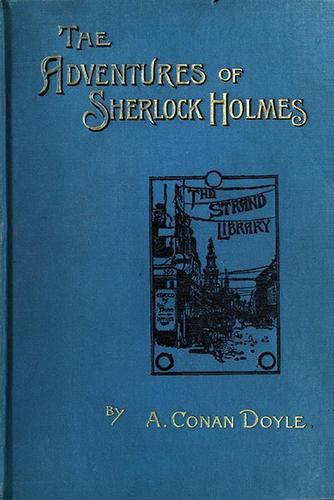
Start this bookNo. 12 on this list. The Adventures of Sherlock Holmes · Arthur Conan Doyle · 1892
The Adventures of Sherlock Holmes is one of the most widely read and recognized works of detective fiction in any language. Holmes is arguably the most famous fictional character after Hamlet. The stories appear in English literature surveys, genre studies, and Victorian literature courses. While not taught with the same frequency as canonical literary novels, the collection's cultural ubiquity and historical importance to the detective genre give it strong canonical standing. Wikipedia articles exist in dozens of languages, and the stories remain continuously in print worldwide.
Easy5.4 hours
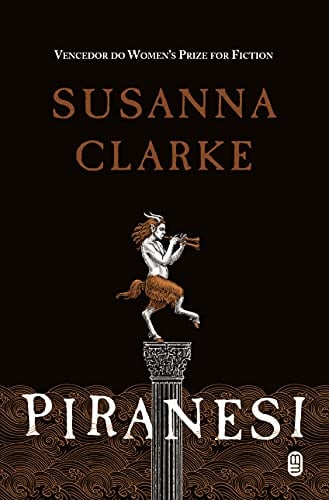
Read nowNo. 13 on this list. Piranesi · Susanna Clarke · 2021
Winner of the Women's Prize for Fiction (2021), with a Wikipedia presence in 39 languages — strong recognition for a novel published in 2020. Clarke's second novel after the celebrated Jonathan Strange & Mr Norrell, it arrived with significant literary anticipation and met it. Not yet in syllabi, which reflects recency rather than lack of merit.
Difficult7.8 hours
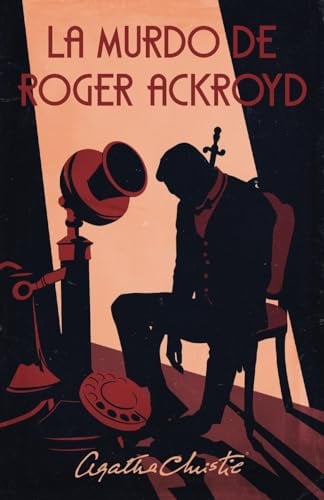
Start this bookNo. 14 on this list. The Murder of Roger Ackroyd · Agatha Christie · 1926
Taught in schools: AQA GCSE and A-level English Literature (UK)
Listed in Le Monde's 100 Books of the Century and taught on 258 university syllabi (60th percentile), with Wikipedia articles in 44 languages. It is the standard text for the Golden Age detective novel in genre and narrative-theory courses.
Moderate4.6 hours
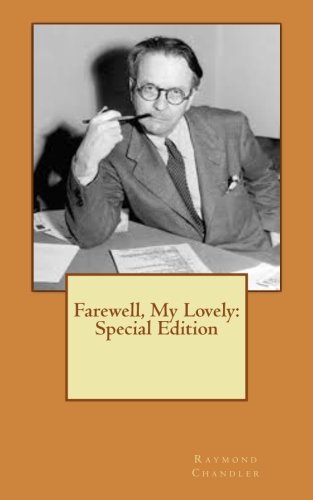
Read nowNo. 15 on this list. Farewell, My Lovely · Raymond Chandler · 1940
Farewell, My Lovely is taught regularly in American literature and genre fiction courses, and the Philip Marlowe series is considered canonical within hard-boiled detective fiction. While not as ubiquitously assigned as Fitzgerald or Hemingway, Chandler's work appears in both popular fiction studies and serious literary curricula, and the novel appears on numerous 'greatest novels' and 'greatest crime novels' lists including the Modern Library and Time magazine rankings.
Moderate5.4 hours
Start this bookNo. 16 on this list. The Woman in White · Wilkie Collins · 1859
Taught regularly in Victorian literature and detective/crime fiction courses at university level. The Woman in White is consistently recognized as the founding text of the sensation novel genre and appears on syllabi across English, comparative literature, and genre studies programs. Not at the level of Dickens or Hardy in breadth of assignment, but firmly in the Victorian canon.
Challenging20 hours
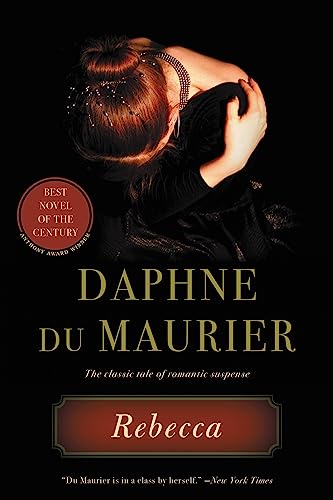
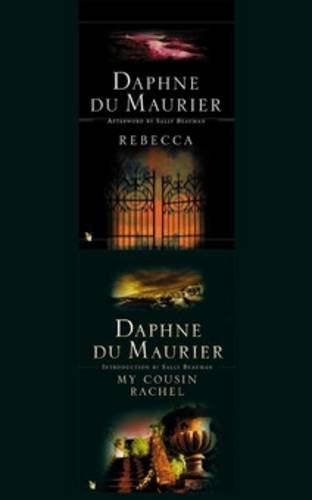
Read nowNo. 17 on this list. Rebecca · Daphne du Maurier · 1938
Taught in schools: AQA GCSE and A-level English Literature (UK)
Appears on 337 university syllabi (63rd percentile in Open Syllabus) and on the BBC Big Read Top 100 and 1001 Books You Must Read Before You Die. It is a standard text in courses on the gothic and on women's writing, and has been in print continuously since 1938.
Challenging15 hours
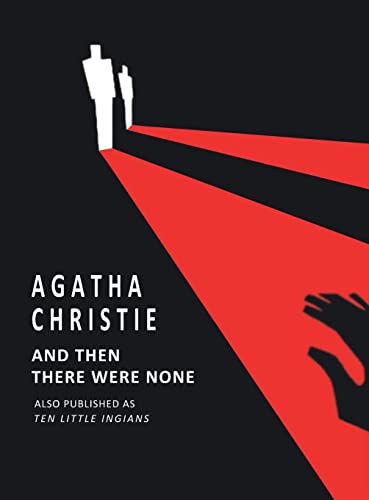
Start this bookNo. 18 on this list. And Then There Were None · Agatha Christie · 1939
Taught in schools: Hungarian literature curriculum (magyar nyelv és irodalom) (Hungary)
Christie's most celebrated novel holds a dominant place in the mystery canon and is widely recognized as the best-selling mystery of all time. It appears on virtually every 'greatest mysteries ever written' list — TIME's All-TIME 100 Novels, the BBC's Big Read — and is frequently taught in genre fiction courses. Its canonical standing within popular fiction far exceeds that of typical genre works, though it sits below the academic canonicity of literary fiction anchors like Gatsby or Beloved.
Easy2.8 hours
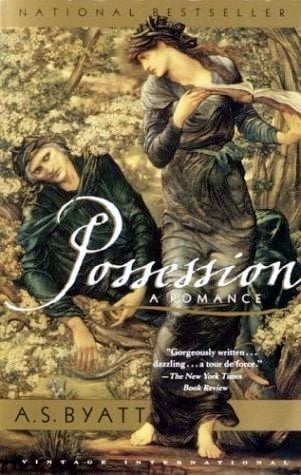
Start this bookNo. 19 on this list. Possession · A.S. Byatt · 1990
Taught regularly in postmodern fiction courses and neo-Victorian literature seminars. Appears on university syllabi exploring metafiction, historical fiction, and gender in Victorian studies. Not yet a universal high school text like canonical classics, but firmly established in undergraduate and graduate curricula as exemplar of 1990s literary fiction engaging with literary history.
Challenging16 hours
Start this bookNo. 20 on this list. Memento Mori · Muriel Spark · 1959
Memento Mori appears regularly on British literature syllabi and features on multiple 'best British novels of the 20th century' lists, including various critics' and publishers' canons. It is not universally taught at the introductory level — The Prime of Miss Jean Brodie holds that role for Spark — but it circulates steadily in graduate seminars on postwar British fiction and dark comedy traditions. The database returned no syllabus count, but Spark's broader canonical standing ensures the novel's ongoing presence.
Challenging5.2 hours
Start this book
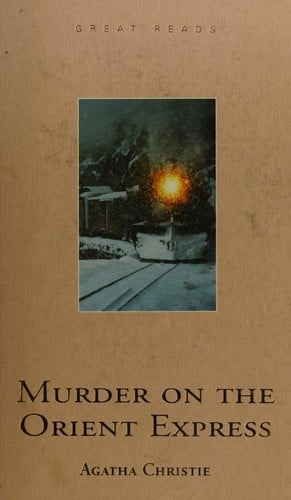
No. 21 on this list. Murder on the Orient Express · Agatha Christie · 1934
A fixture in mystery and detective fiction courses worldwide, and one of the most translated English-language novels of the twentieth century with Wikipedia articles in over 60 languages. Widely included on 'essential reading' and 'best mysteries' lists, though its presence in general literary syllabi is lower than canonical modernist works.
Easy3.3 hours
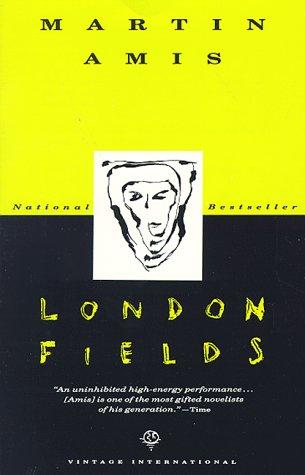
Start this bookNo. 22 on this list. London Fields · Martin Amis · 1989
Keith Talent is the worst man in London, and he knows it, and he is fine with it. A darts-obsessed petty criminal from a West London estate, Keith lives entirely within the tabloid vocabulary the age has given him: women, motor cars, the beautiful game. Nicola Six is the most seductive woman in London, and she knows she is going to be murdered. She has known it for years. Her project, as the millennium closes in and the world holds its nuclear breath, is to find her killer and arrange events accordingly. Into this trap walks Samson Young, an American writer in London on a dying man's borrowed flat, who begins to transcribe what he believes is a true story unfolding around him -- and who cannot resist shaping it. Martin Amis gives us three characters spiraling toward a crime that all of them, in different ways, are committing. The novel operates as both ruthless satire of Thatcherite England -- the dart flights, the booze, the lads, the tabloid ontology -- and as a cold meditation on desire, death, and the stories men tell about women. The prose is consistently brilliant and consistently uncomfortable, like watching a magician perform a trick you suspect is actually being done to you.
Difficult20 hours
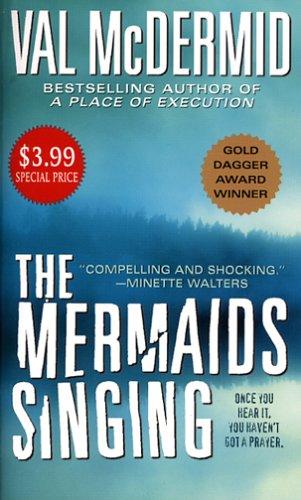
Start this bookNo. 23 on this list. The Mermaids Singing · Val McDermid · 1995
Gold Dagger winner. Launched one of crime fiction's most acclaimed series.
Easy6.5 hours
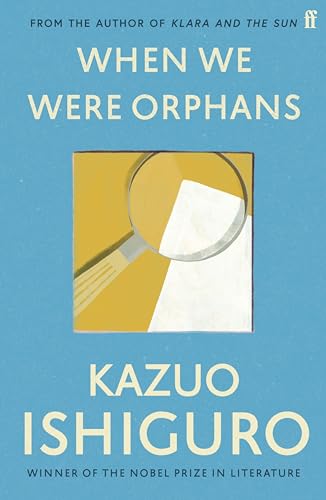
Start this bookNo. 24 on this list. When We Were Orphans · Kazuo Ishiguro · 2000
'You seldom read a novel that so convinces you it is extending the possibilities of fiction.' Sunday TimesEngland, 1930s. Christopher Banks has become the country's most celebrated detective, his cases the talk of London society. Yet one unsolved crime has always haunted him: the mysterious disappearance of his parents, in old Shanghai, when he was a small boy. Moving between London and Shanghai of the inter-war years, When We Were Orphans is a remarkable story of memory, intrigue and the need to return.
Challenging7.6 hours
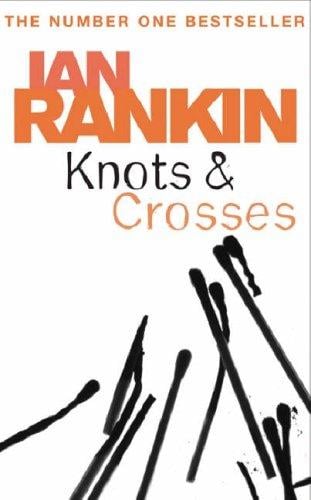
Start this bookNo. 25 on this list. Knots and Crosses · Ian Rankin · 1987
Launched one of crime fiction's most acclaimed series. The definitive Edinburgh detective.
Easy4.2 hours
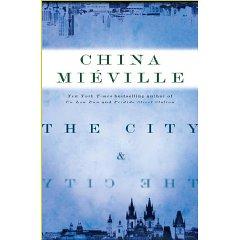
Start this bookNo. 26 on this list. The City & the City · China Miéville · 2009
The City & the City is firmly established as a modern classic within speculative fiction and taught regularly in SF studies courses. It lacks the broad syllabi presence of mainstream literary novels — no Open Syllabus data available — but it appears consistently on 'best of genre' lists and in academic discussions of contemporary SF. Its crossover mainstream critical success places it above most genre fiction on the canonicity scale.
Moderate6.7 hours
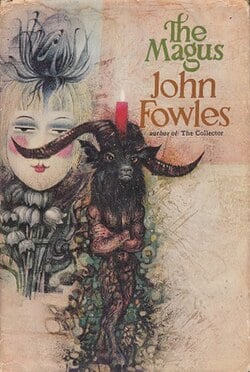
Start this bookNo. 27 on this list. The Magus · John Fowles · 1965
On the Modern Library's 100 Best Novels and continuously in print, The Magus is taught in courses on postmodern British fiction. Its cult readership is wider than its place on syllabi.
Challenging15 hours
Start this bookNo. 28 on this list. Gaudy Night · Dorothy L. Sayers · 1935
Harriet Vane returns to Shrewsbury College, Oxford, for a gaudy — the alumni reunion — and finds herself drawn back into a place she has both loved and fled. She is a detective novelist, a woman with a murder trial in her past, and someone who has spent years refusing to marry Lord Peter Wimsey. Oxford offers what she cannot find elsewhere: the life of the mind, clean and governed by evidence. But someone at Shrewsbury is sending poison-pen letters, defacing manuscripts, and leaving threatening notes in the quad at night. The attacks are petty, then vicious. They target the scholars themselves — the women who gave their lives to this place. Sayers wrote the most intellectually serious detective novel of the golden age. The mystery is real, but the book is actually about what it costs to choose work over love, or love over work, and whether the two can coexist. Harriet debates this question with Wimsey across formal dinners and long walks along the Cherwell while the college unravels around them. The Oxford setting is rendered with the precision of someone who knew it from inside: the stone corridors, the subfusc gowns, the rituals of a world built for men that women had only recently been allowed to enter. By the end, the culprit's motive turns out to be exactly what the book has been arguing about all along.
Challenging14 hours
Start this bookNo. 29 on this list. My Cousin Rachel · Daphne du Maurier · 1951
Recognized as a major du Maurier work and a landmark of mid-century Gothic romance, taught periodically in British literature surveys and gaining renewed academic attention in the 2000s as a feminist Gothic text, though it does not occupy the uppermost tier of the Western literary canon.
Challenging9.2 hours
Start this bookNo. 30 on this list. The Italian · Ann Radcliffe · 1796
The Italian is a fixture of Gothic and Romantic-era survey courses, though it's taught less universally than Radcliffe's own The Mysteries of Udolpho or than Frankenstein and Dracula within the wider Gothic canon. No syllabus or Wikipedia-language data was available for this title in our database, but it holds a stable place in history-of-the-novel curricula.
Moderate9.6 hours
Start this book
No. 31 on this list. The Nine Tailors
Dorothy L. Sayers · 1934
No. 32 on this list. Killing Floor
Lee Child · 1997
No. 33 on this list. The Curious Incident of the Dog in the Night-Time
Mark Haddon · 2003
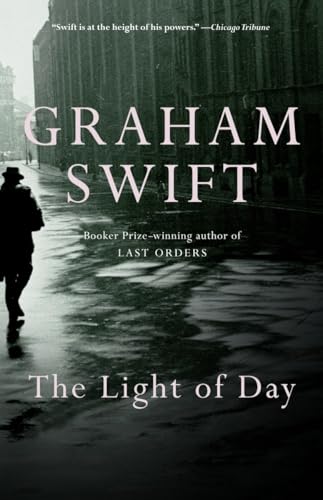
No. 34 on this list. The Light of Day
Graham Swift · 2003
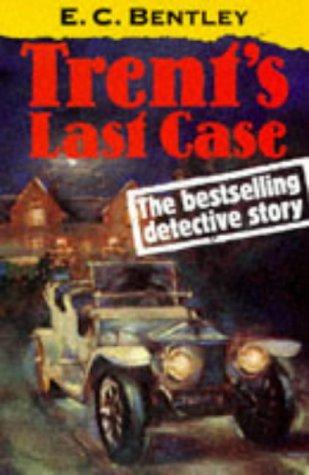
No. 35 on this list. Trent's Last Case
E.C. Bentley · 1913
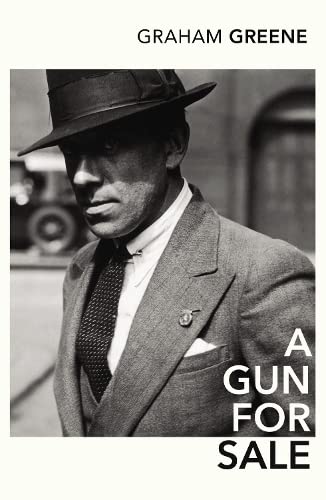
No. 36 on this list. A Gun for Sale
Graham Greene · 1936
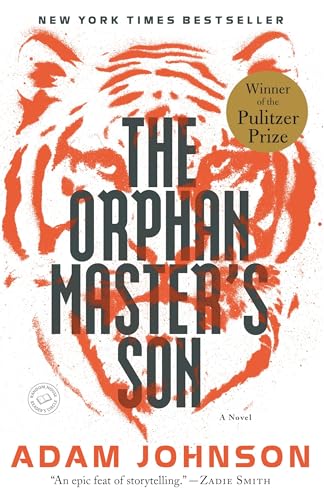
No. 37 on this list. The Orphan Master's Son
Adam Johnson · 2013
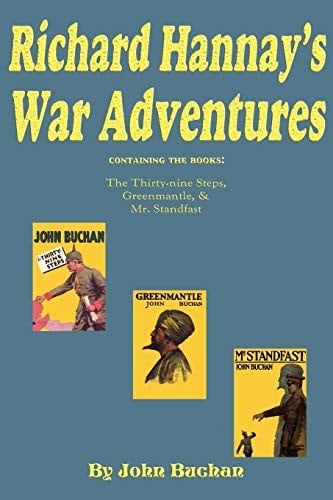
No. 38 on this list. The 39 Steps
John Buchan · 1915
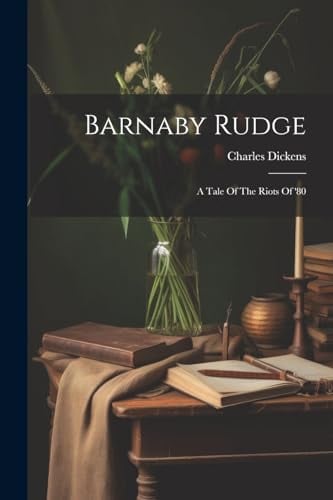
No. 39 on this list. Barnaby Rudge
Charles Dickens · 1841
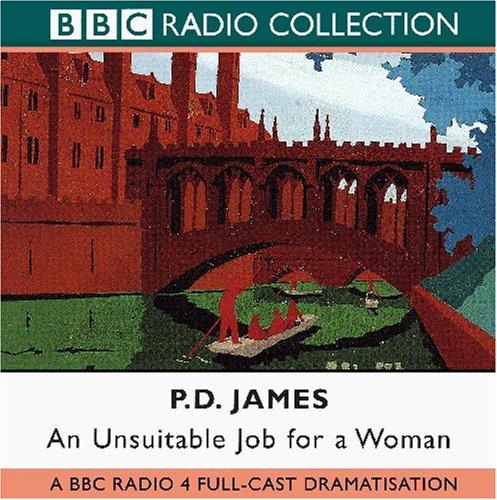
No. 40 on this list. An Unsuitable Job for a Woman
P. D. James · 1972
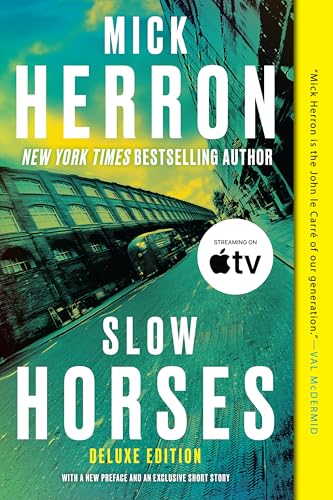
No. 41 on this list. Slow Horses
Mick Herron · 2010
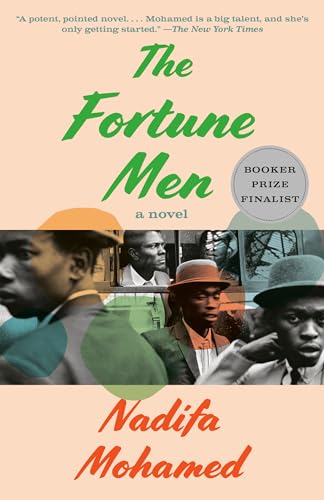
No. 42 on this list. The Fortune Men
Nadifa Mohamed · 2021
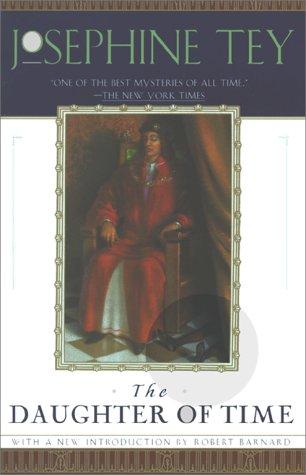
No. 43 on this list. The Daughter of Time
Josephine Tey · 1951
No. 44 on this list. Lady Audley's Secret
Mary Elizabeth Braddon · 1862
Taught in schools: Pearson Edexcel GCSE and A-level English Literature (UK)
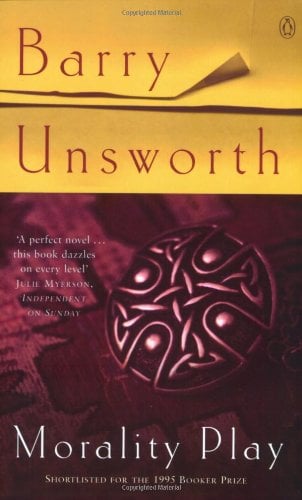
No. 45 on this list. Morality Play
Barry Unsworth · 1995
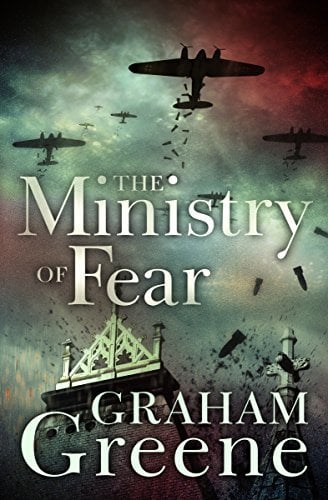
No. 46 on this list. The Ministry of Fear
Graham Greene · 1943
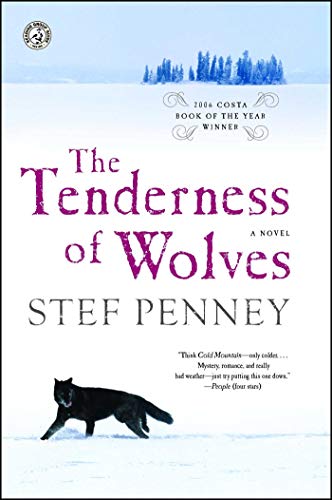
No. 47 on this list. The Tenderness of Wolves
Stef Penney · 2006
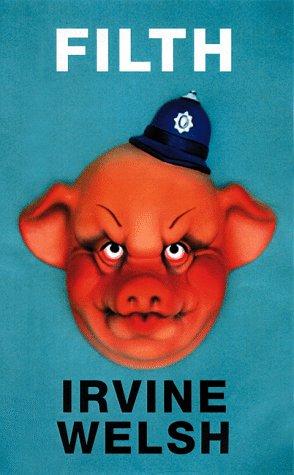
No. 48 on this list. Filth
Irvine Welsh · 1998
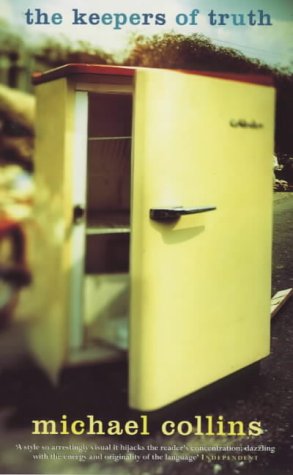
No. 49 on this list. The Keepers of Truth
Michael Collins · 2000
No. 50 on this list. Strong Poison
Dorothy L. Sayers · 1930
No. 51 on this list. The Romance of the Forest
Ann Radcliffe · 1791
No. 52 on this list. The Illusionist
Anita Mason · 1983
No. 53 on this list. The Water Cure
Sophie Mackintosh · 2018
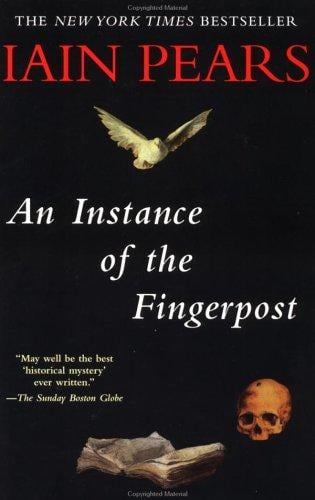
No. 54 on this list. An Instance of the Fingerpost
Iain Pears · 1997
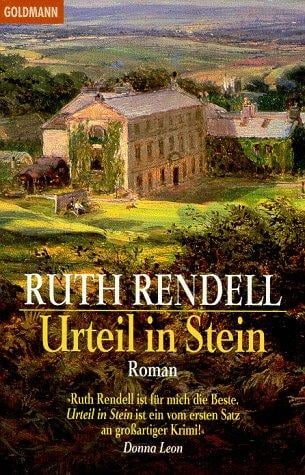
No. 55 on this list. A Judgement in Stone
Ruth Rendell · 1977
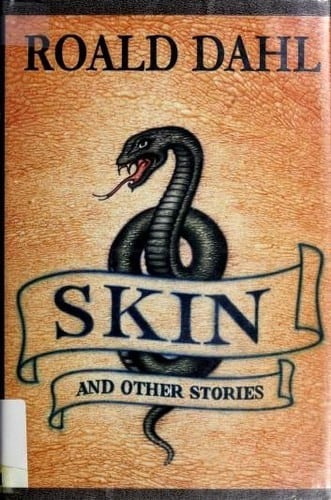
No. 56 on this list. Skin and Other Stories
Roald Dahl · 2002
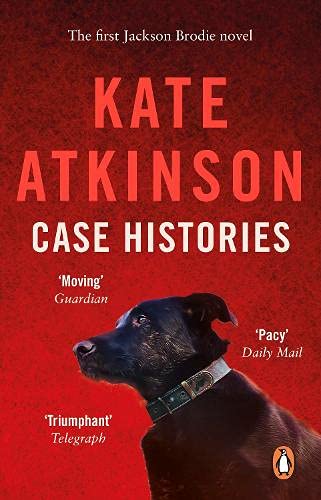
No. 57 on this list. Case Histories
Kate Atkinson · 2004
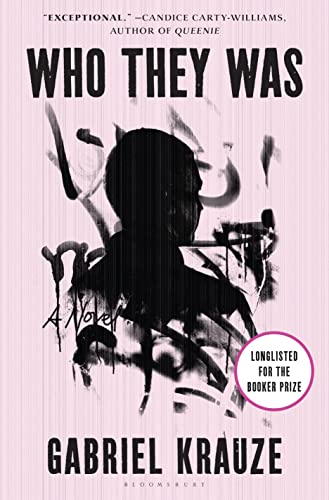
No. 58 on this list. Who They Was
Gabriel Krauze · 2020
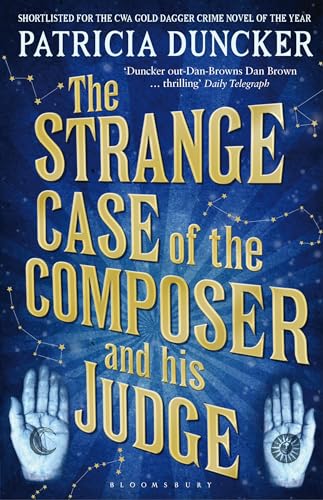
No. 59 on this list. The Strange Case of the Composer and His Judge
Patricia Duncker · 2008
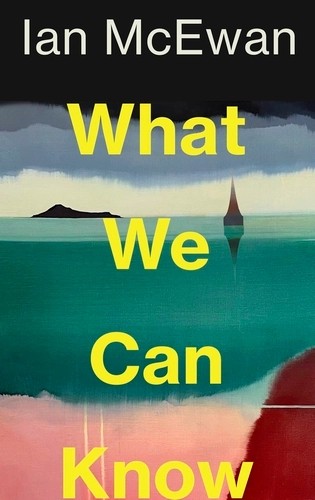
No. 60 on this list. What We Can Know
Ian McEwan · 2025
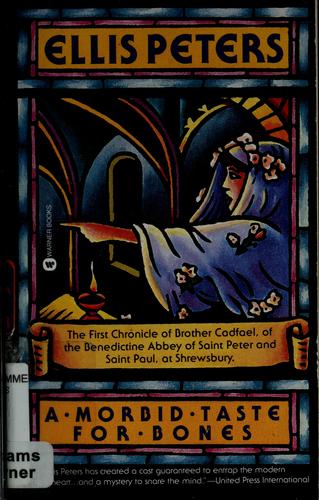
No. 61 on this list. A Morbid Taste for Bones
Ellis Peters · 1977
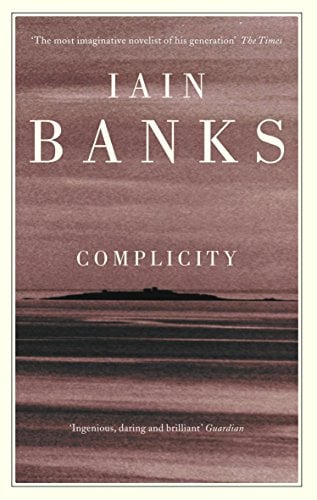
No. 62 on this list. Complicity
Iain Banks · 1993
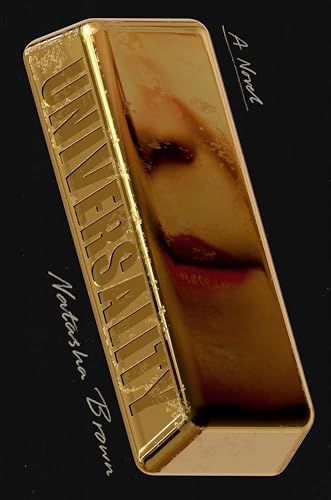
No. 63 on this list. Universality
Natasha Brown · 2025
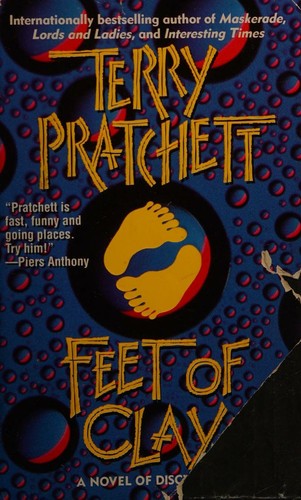
No. 64 on this list. Feet of Clay
Terry Pratchett · 1996
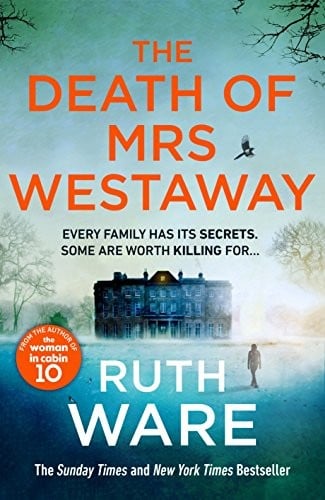
No. 65 on this list. The Death of Mrs. Westaway
Ruth Ware · 2018
No. 66 on this list. An Officer and a Spy
Robert Harris · 2013
No. 67 on this list. The Day of the Jackal
Frederick Forsyth · 1971
No. 68 on this list. Dance on My Grave
Aidan Chambers · 1982
No. 69 on this list. The No. 1 Ladies' Detective Agency
Alexander McCall Smith · 1998
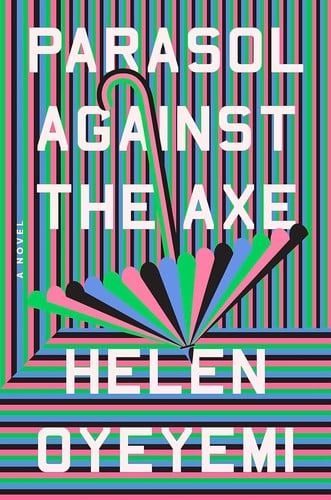
No. 70 on this list. Parasol Against the Axe
Helen Oyeyemi · 2024
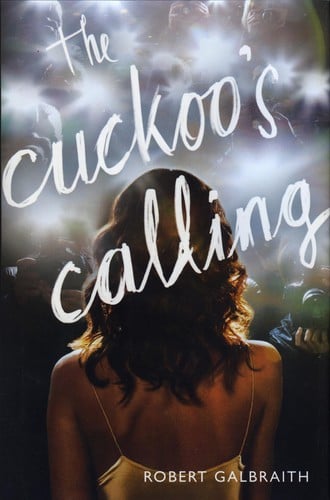
No. 71 on this list. The Cuckoo's Calling
Robert Galbraith · 2013
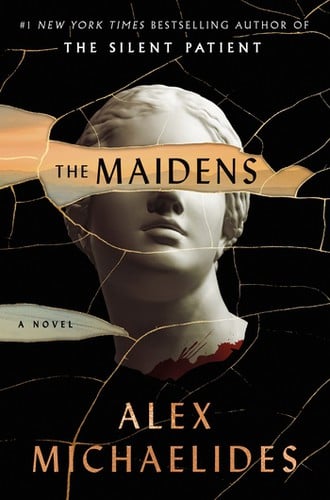
No. 72 on this list. The Maidens
Alex Michaelides · 2021
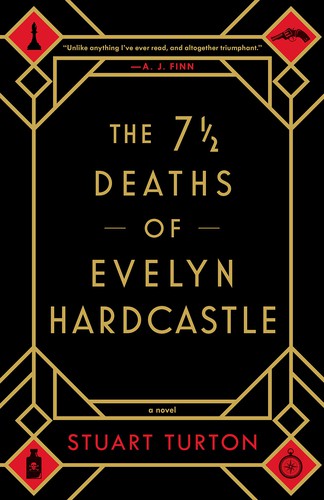
No. 73 on this list. The 7½ Deaths of Evelyn Hardcastle
Stuart Turton · 2018
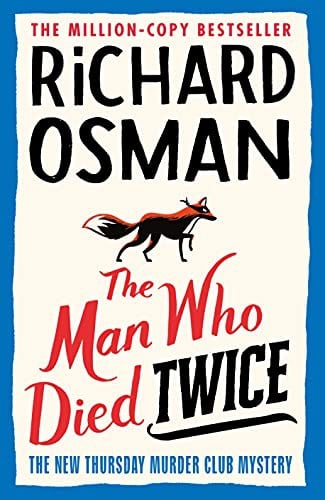
No. 74 on this list. The Man Who Died Twice
Richard Osman · 2021
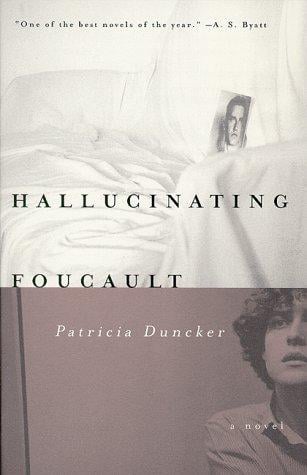
No. 75 on this list. Hallucinating Foucault
Patricia Duncker · 1996
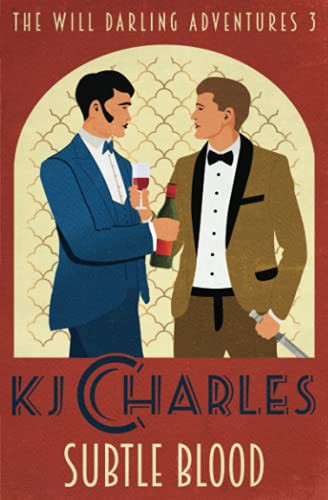
No. 76 on this list. Subtle Blood
KJ Charles · 2021
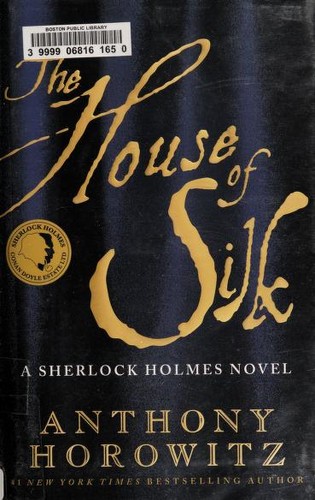
No. 77 on this list. The House of Silk
Anthony Horowitz · 2011
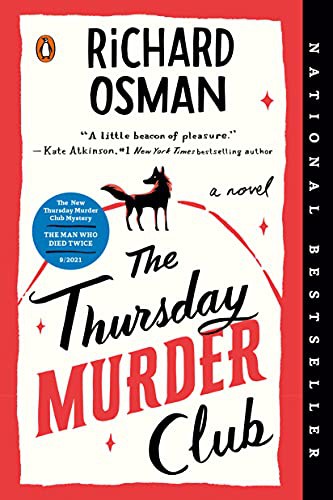
No. 78 on this list. The Thursday Murder Club
Richard Osman · 2020
No. 79 on this list. Yellow Dog
Martin Amis · 2003
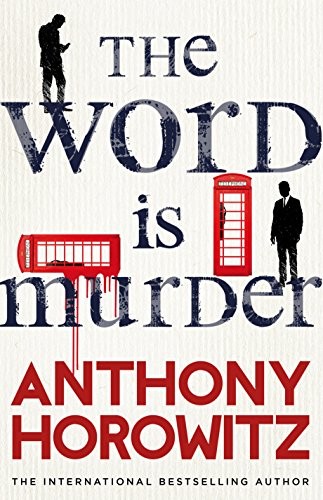
No. 80 on this list. The Word is Murder
Anthony Horowitz · 2017

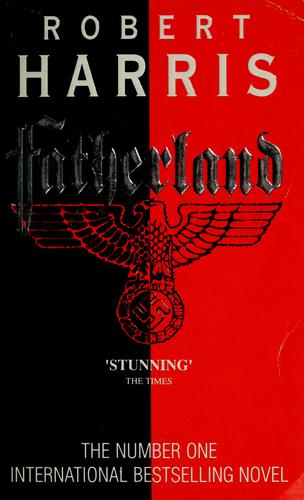
No. 81 on this list. Fatherland
Robert Harris · 1992
No. 82 on this list. The Last Devil to Die
Richard Osman · 2023
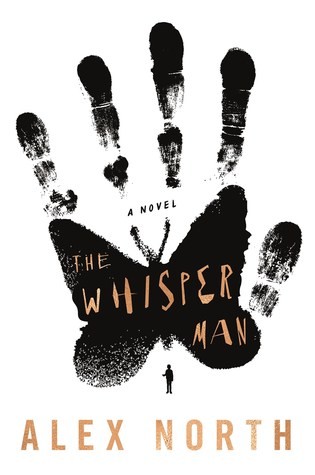
No. 83 on this list. The Whisper Man
Alex North · 2019
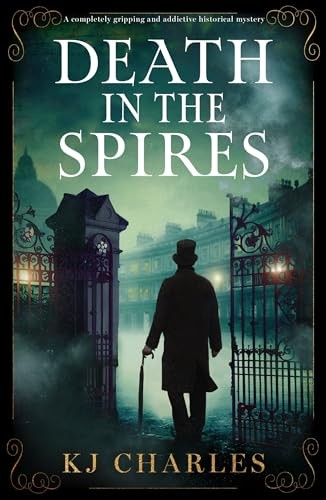
No. 84 on this list. Death in the Spires
KJ Charles · 2024
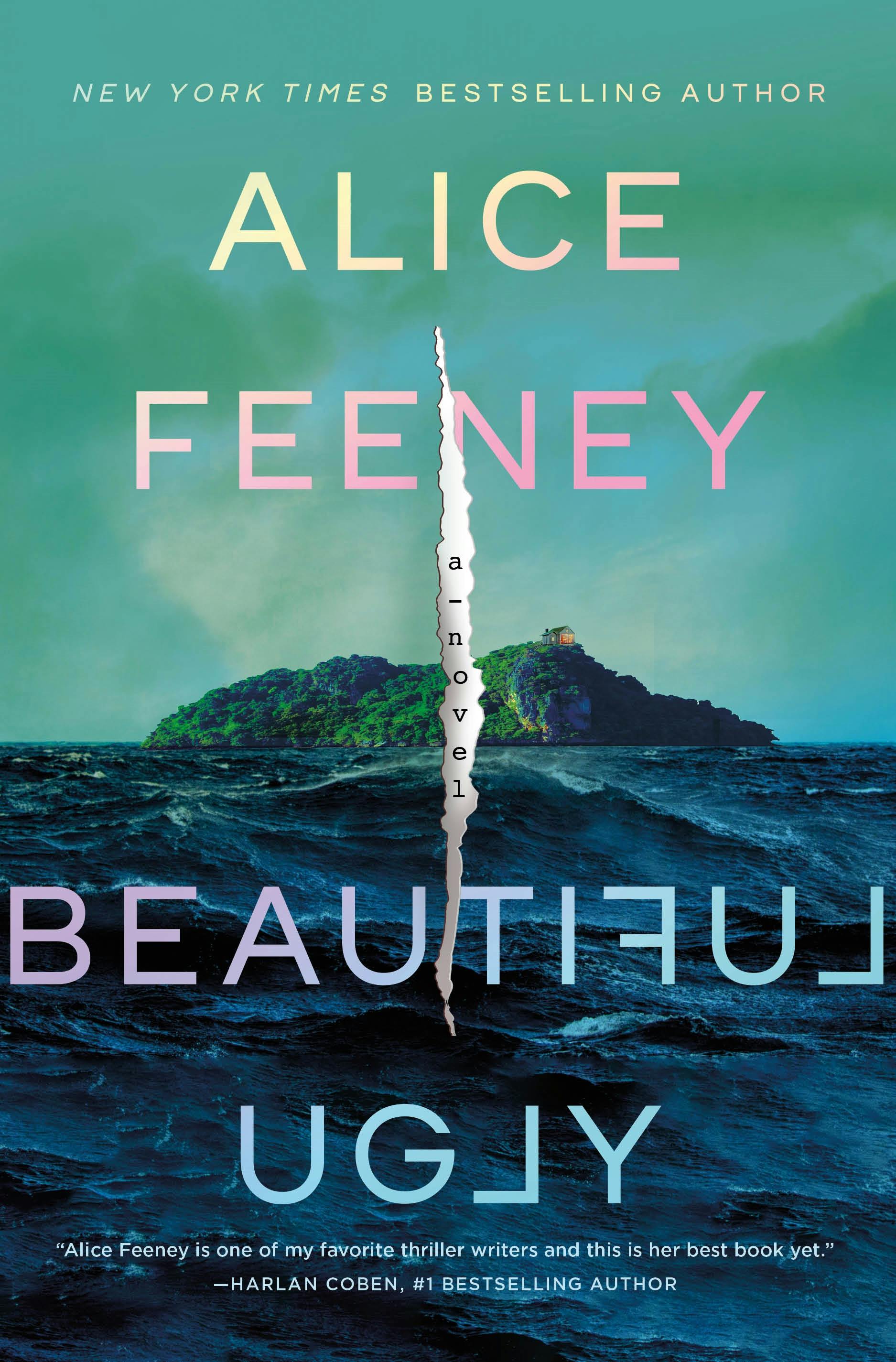
No. 85 on this list. Beautiful Ugly
Alice Feeney · 2025
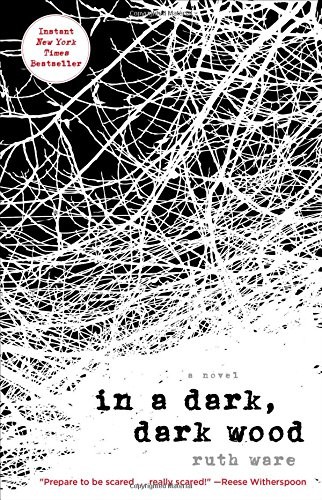
No. 86 on this list. In a Dark, Dark Wood
Ruth Ware · 2015
No. 87 on this list. An Unseen Attraction
KJ Charles · 2017
No. 88 on this list. I Am Watching You
Lisa Jewell · 2017
No. 89 on this list. The Woman in Cabin 10
Ruth Ware · 2016
No. 90 on this list. None of This Is True
Lisa Jewell · 2023

No. 91 on this list. The Chain
Adrian McKinty · 2019
No. 92 on this list. The Silent Patient
Alex Michaelides · 2019
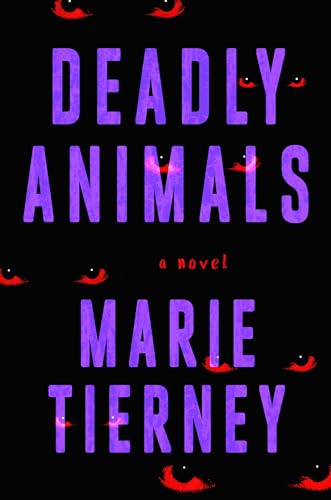
No. 93 on this list. Deadly Animals
Marie Tierney · 2024
No. 94 on this list. The Hunting Party
Lucy Foley · 2019
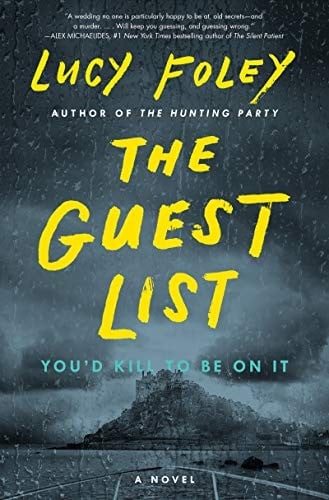
No. 95 on this list. The Guest List
Lucy Foley · 2020
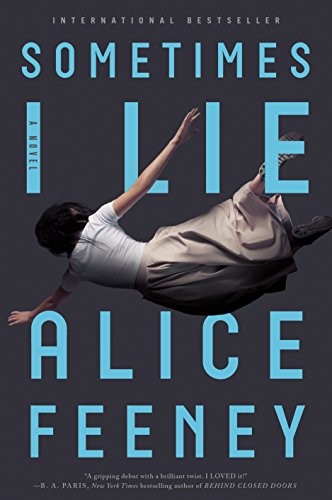
No. 96 on this list. Sometimes I Lie
Alice Feeney · 2017
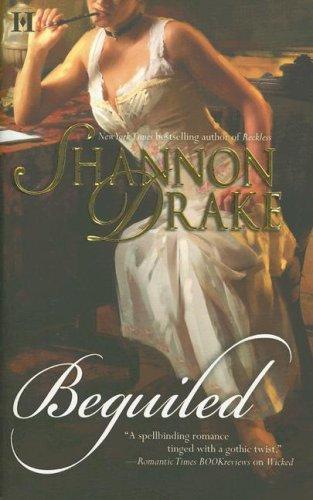
No. 97 on this list. Beguiled
Joanna Chambers · 2006
About this list
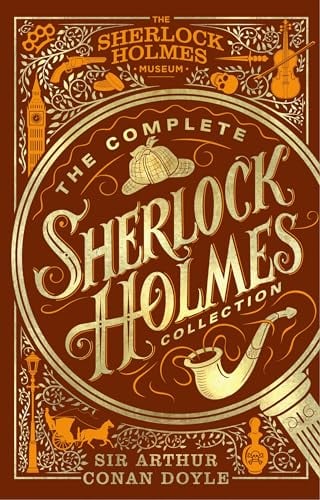
These 97 books are the highest-scoring eligible mystery and crime novels from Britain currently in the catalogue. By literary regard, it opens with Bleak House, The Strange Case of Dr Jekyll and Mr Hyde and The Complete Sherlock Holmes. About 696 hours of reading in all. Difficulty runs from 35 to 58 out of 100 for the middle half of the list; the summit is Piranesi at 76.
This list is ranked by literary regard, with a consistent order for equal scores. Membership follows authors and co-authors, not translators or editors. Catalogue coverage and the historical canon both limit what this list can represent, and genre labels are the catalogue’s own, gathered into broader kinds.
When we matched the Canons dataset to our catalogue in October 2026, our canonical-status scores rose with the number of school curricula, publisher series and lists in it that cite a work: the median score was 72 for books one such source cites, 84 at two, 88 at three, 92 at four and 93 at five or more. Prizes are left out of that count. Outside the state curricula, the dataset’s sources choose mostly from what has been translated into English or French, so it is a weaker check on other literatures. Source: Canons (Andrew Piper), CC BY 4.0
Questions people actually ask
- What are the best mystery and crime novels from Britain?
- By literary regard, which weighs canonical status, critical standing and influence, Bleak House, The Strange Case of Dr Jekyll and Mr Hyde, The Complete Sherlock Holmes, The Hound of the Baskervilles and The Mystery of Edwin Drood lead. ReadingRate ranks 97 such books, each with a difficulty score and a reading-time estimate.
- Where should I start with mystery and crime novels from Britain?
- Start from difficulty, not from rank. The most approachable books on this list that still carry top literary regard are The Complete Sherlock Holmes by Arthur Conan Doyle (about 5.6 hours), The Hound of the Baskervilles by Arthur Conan Doyle and The Mystery of Edwin Drood by Charles Dickens.
- How hard are mystery and crime novels from Britain to read?
- Most of this list sits between 35 and 58 on ReadingRate's 100-point difficulty scale, where 40 to 55 is moderate. The summit is Piranesi at 76. Every entry carries its own score, so a reader can pick a great book at a difficulty they will finish.
- How is this list ranked?
- On literary-regard data: how canonically established a work is, its critical standing, and its influence on later writing. It is not a readers’ poll, which is why recent bestsellers rarely appear. Membership follows authors and co-authors, not translators or editors. A list that is not a genre list keeps to literature (fiction, poetry, drama and philosophy), with philosophy taking no more than one slot in five while there is literature left to rank; every list holds at most three works by one author.