Hours at an average pace
Showing 100 books
About 1,258 hours for 99 of 100 books with measured lengths. Estimates use 250 words a minute, adjusted for each book's difficulty. At 2 hours a day, about 629 days for those books.
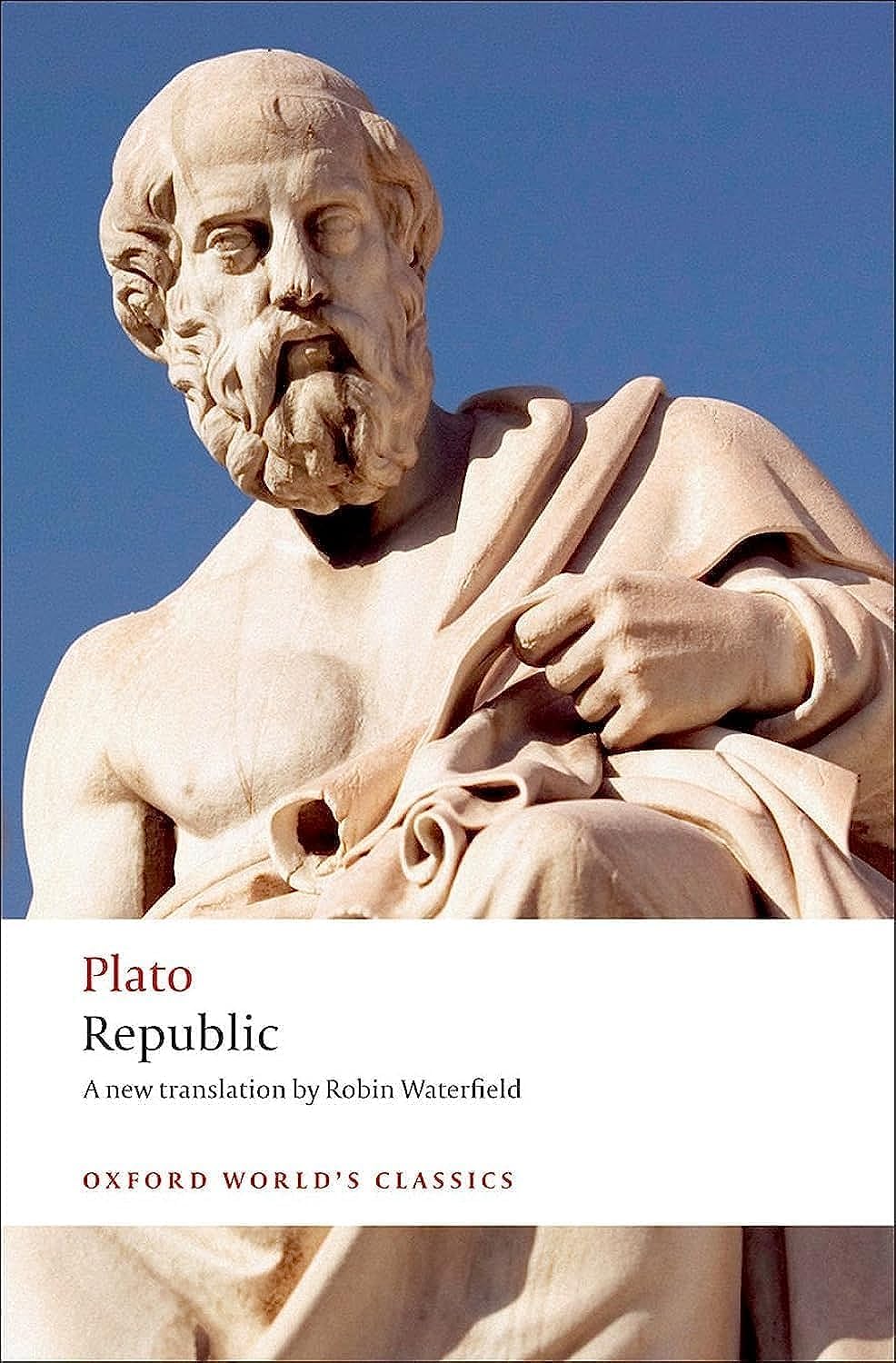
No. 1 on this list. Republic
Plato · c. 375 BCE
Challenging20 hours
Taught in schools: Lektury obowiązkowe – Polish national reading list (Poland), Turkish edebiyat curriculum (Turkey)
Included in: Great Books of the Western World
The Republic stands among the handful of most influential philosophical texts in Western history. It appears on every list of great books, anchors philosophy curricula worldwide, and defines the Western philosophical tradition alongside Aristotle's works.
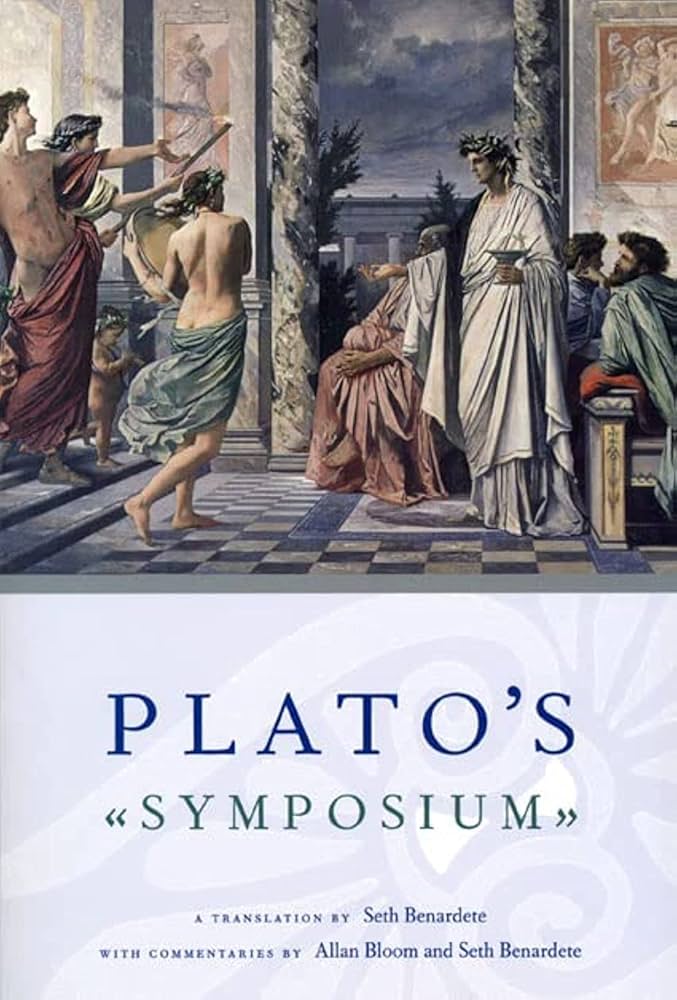
The Symposium is required reading in virtually every philosophy, classics, and great books curriculum worldwide. It appears on syllabi for philosophy of love, Platonic metaphysics, ancient literature, gender studies, and queer theory courses. Its influence has extended beyond the academy — the concept of 'Platonic love' and Aristophanes' myth of the divided self have entered everyday language. No significant Western education omits it.
The Critique of Judgment is core curriculum in every philosophy department worldwide, foundational to the discipline of aesthetics, and required reading in the history of modern philosophy. While structured literary-syllabus data is unavailable in the database, its status as one of Kant's three Critiques—alongside the Critique of Pure Reason and Critique of Practical Reason—places it among the canonical texts of Western philosophy. It appears across thousands of university syllabi globally.
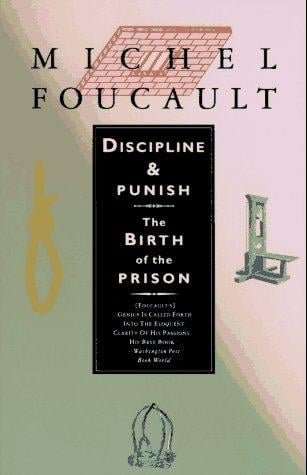
Discipline and Punish is required reading in sociology, criminology, philosophy, cultural studies, history, and literary theory courses worldwide. It appears on thousands of university syllabi across disciplines, making it comparable in canonical weight to the most taught works of 20th-century thought. It is considered foundational for understanding modern social institutions across every field of the humanities and social sciences.
Being and Time is required reading in virtually every philosophy curriculum worldwide and stands as one of the most taught works in continental philosophy. It appears on syllabi for philosophy, phenomenology, existentialism, cultural theory, and theology, and has been translated into dozens of languages. Few 20th-century philosophical texts achieve this breadth of curricular presence.
Orientalism is required reading in postcolonial studies, comparative literature, cultural studies, history, and Middle Eastern studies curricula worldwide. It appears on thousands of university syllabi across disciplines and is considered foundational to the field of postcolonial criticism. No academic in the humanities can avoid engagement with Said's argument, making it one of the most canonical critical texts of the late 20th century.
Of Grammatology is one of the most assigned texts in philosophy, literary theory, and the humanities broadly. It appears on virtually every graduate-level syllabus in continental philosophy, critical theory, and comparative literature. It is the foundational text of deconstruction, a movement that reshaped humanities scholarship from the 1970s through the present. Any 'canon' of 20th-century philosophical works includes it without question.
On War is the foundational text of modern strategic theory, required reading in virtually every military academy and war college worldwide for nearly two centuries. It appears across thousands of syllabi in political science, international relations, military history, and strategic studies. Wikipedia articles exist in 50+ languages, and Clausewitz's name has become synonymous with strategic thought itself.
No. 9 on this list. The History of Sexuality, Volume 1: An Introduction
Michel Foucault · 1976
Difficult7 hours
Required reading in virtually every university gender studies, cultural theory, sociology, and philosophy program in the Western world. No database syllabus data was retrieved, but this text is among the most universally assigned in humanities education globally, appearing on curricula alongside Derrida and Althusser as a foundational poststructuralist text. It is considered indispensable entry-level reading for anyone studying sexuality, power, or discourse.
No. 10 on this list. Madness and Civilization: A History of Insanity in the Age of Reason
Michel Foucault · 1961
Difficult11 hours
Madness and Civilization is one of the most widely assigned texts in the humanities, appearing on syllabi in philosophy, history, sociology, psychology, and cultural studies departments worldwide. It is a foundational text of post-structuralism and critical theory, and its presence in university curricula has been continuous since the 1960s. It is routinely listed among the most important nonfiction works of the twentieth century.
No. 11 on this list. Preface to Lyrical Ballads · William Wordsworth · 1800
The Preface to Lyrical Ballads is the founding manifesto of English Romanticism and appears on every university syllabus in Romantic literature, literary theory, and criticism courses. It is required reading in virtually all English literature programs and is cited as the document that defined the terms of English poetry for the 19th century. Its presence in literary education is as reliable as any text in the tradition.
Moderate3.8 hours
Start this bookNo. 12 on this list. Beyond Good and Evil · Friedrich Nietzsche · 1886
Beyond Good and Evil is standard reading in philosophy curricula worldwide and appears on virtually every serious 'books everyone should read' list. While not primarily a literature syllabus fixture, its presence in university courses across disciplines — philosophy, political theory, literary theory, cultural studies — is near-universal. No comparable work of 19th-century philosophy commands broader global readership.
Difficult8 hours
Read nowNo. 13 on this list. The Sacred Wood · T. S. Eliot · 1920
The most influential book of literary criticism in English in the twentieth century. 'Tradition and the Individual Talent' is the single most-taught critical essay.
Challenging3.9 hours
Start this bookNo. 14 on this list. The Gay Science · Friedrich Nietzsche · 1882
The Gay Science introduces 'God is dead' (§125), eternal recurrence (§341), and amor fati — three concepts that reshaped Western intellectual history and appear on virtually every continental philosophy syllabus worldwide. Though the database lacks syllabus count data for this work, the book's Wikipedia article exists in over 50 languages and it is assigned in philosophy, literary theory, theology, and cultural studies courses globally. Its canonical standing in philosophy exceeds most works, comparable to Descartes' Meditations or Kant's Groundwork.
Difficult18 hours
Start this bookNo. 15 on this list. Course in General Linguistics · Ferdinand de Saussure · 1916
Compiled after Saussure's death by Charles Bally and Albert Sechehaye from students' notes on his Geneva lectures, it is the founding text of modern linguistics and of structuralism. It is assigned in linguistics, semiotics and literary theory courses worldwide and excerpted in the major theory anthologies.
Challenging4.6 hours
Start this bookNo. 16 on this list. The Federalist Papers · Alexander Hamilton · 1788
The foundational text of American constitutional theory, cited by the Supreme Court.
Moderate14 hours
Start this bookNo. 17 on this list. Writing and Difference · Jacques Derrida · 1967
Writing and Difference is one of the foundational texts of deconstruction and a standard assignment in graduate programs in philosophy, comparative literature, and critical theory worldwide. Along with Of Grammatology (published the same year, 1967), it established Derrida as a major philosophical voice. It appears on virtually every syllabus for continental philosophy and literary theory at the graduate level.
Very Difficult30 hours
Start this bookNo. 18 on this list. Philosophical essays concerning human understanding · David Hume
The Enquiry is a staple of introductory philosophy and early-modern courses worldwide, usually paired with Descartes and Kant. It sits among the core texts of the empiricist tradition.
Moderate3.7 hours
Start this bookNo. 19 on this list. The Protestant Ethic and the Spirit of Capitalism · Max Weber · 1905
One of the founding texts of sociology, taught in introductory and theory courses alongside Marx and Durkheim and assigned across history, economics and religious studies. It ranked fourth in the International Sociological Association's 1998 poll of the books of the century.
Challenging16 hours
Read nowNo. 20 on this list. The Eighteenth Brumaire of Louis Bonaparte · Karl Marx · 1852
Assigned in political theory, sociology, philosophy, and history courses at universities globally — among the most widely taught Marx texts after Capital and The Communist Manifesto. Appears on syllabi from Harvard to the London School of Economics and features in virtually every introduction to Marxist political theory. The text's influence on academic political science has kept it continuously in print for 170 years.
Challenging4.1 hours
Start this book

No. 21 on this list. Self-Reliance and Other Essays · Ralph Waldo Emerson · 1841
Self-Reliance is required reading in virtually every American high school and university American literature course; 'Self-Reliance' alone is one of the most-taught essays in the American educational canon. The collection appears on 'great American nonfiction' lists consistently and defines the Transcendentalist movement in survey curricula. No formal database signals were returned, but broad educational and cultural consensus places it among the highest-canonical American texts.
Moderate8.5 hours
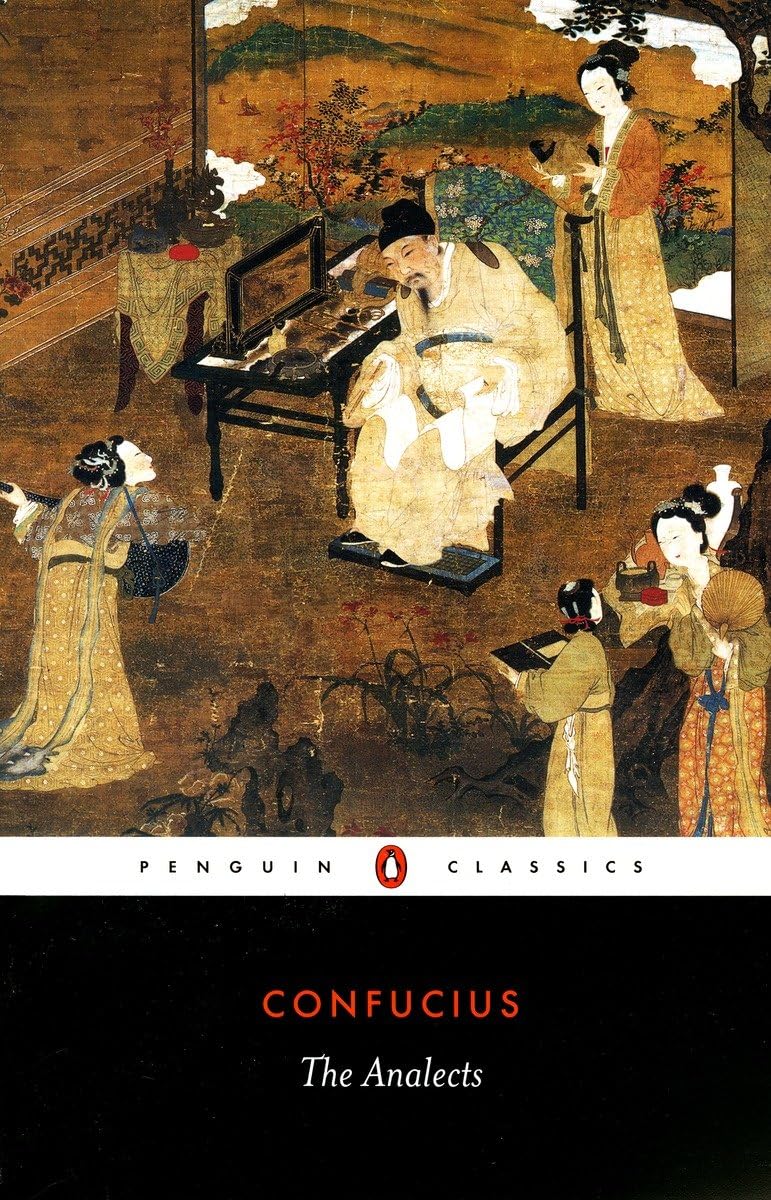
Start this bookNo. 22 on this list. Analects · Confucius · c. 479 BCE
Confucius's students recorded his sayings on ritual, filial piety, and the gentleman-scholar in terse dialogues that became the moral operating system for East Asian civilization. The examination system built on this text selected China's governing class for over a thousand years.
Moderate2 hours
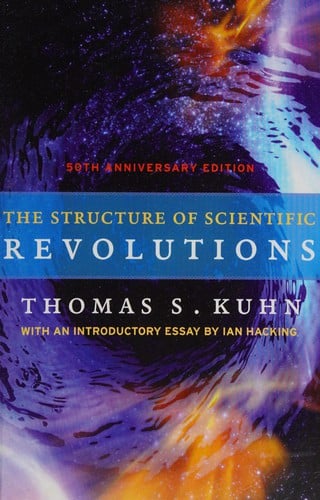
Read nowNo. 23 on this list. The Structure of Scientific Revolutions · Thomas S. Kuhn · 1962
Standard reading across philosophy and history of science, sociology and science and technology studies, and one of the most assigned academic books of the twentieth century. The phrase 'paradigm shift' entered everyday language from it.
Challenging5.6 hours
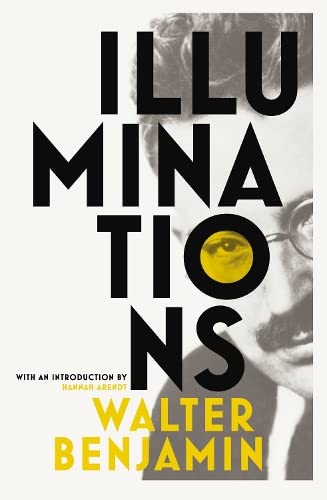
Start this bookNo. 24 on this list. Illuminations · Walter Benjamin · 1955
Illuminations is the essential anglophone introduction to Benjamin, edited and introduced by Hannah Arendt in 1968. It appears on syllabi across German Studies, Critical Theory, Media Studies, Film Studies, and Literary Theory departments worldwide. 'The Work of Art in the Age of Mechanical Reproduction' is one of the most-assigned critical essays in university education globally, and the 'Theses on the Philosophy of History' are required reading in philosophy and history programs. Canonical status approaching Beloved (85) and above Infinite Jest (78).
Difficult11 hours
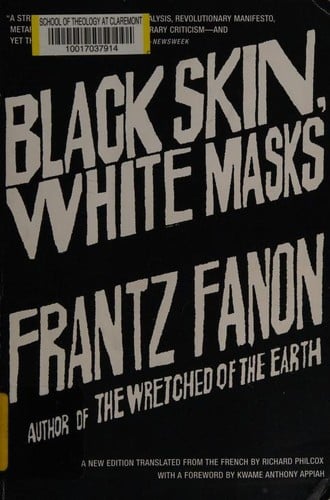
Start this bookNo. 25 on this list. Black Skin, White Masks · Frantz Fanon · 1952
One of the foundational texts of postcolonial theory and the phenomenology of race; essential reading in multiple fields.
Challenging6.6 hours
Start this bookNo. 26 on this list. The Arcades Project · Walter Benjamin
The Arcades Project is required reading in virtually every critical theory, cultural studies, and German Studies graduate program worldwide. Benjamin's concepts — the dialectical image, the flâneur, the wish-image, Jetztzeit — have become foundational vocabulary in the humanities. The book anchors syllabi in fields as disparate as architecture, urban studies, film theory, and literary criticism, making it one of the most cross-disciplinary canonical texts of the 20th century.
Very Difficult84 hours
Start this bookNo. 27 on this list. Pensées · Blaise Pascal · 1670
Included in: Great Books of the Western World, UNESCO Collection of Representative Works
One of the masterpieces of French prose and a foundational text of modern religious philosophy. Read continuously since the seventeenth century.
Moderate6.3 hours
Start this bookNo. 28 on this list. Postmodernism, or, The Cultural Logic of Late Capitalism · Fredric Jameson · 1991
Postmodernism is required reading in virtually every cultural studies and literary theory graduate program in the English-speaking world. The 1984 New Left Review essay version from which the book grew is one of the most-assigned academic articles in humanities graduate education. The book has remained in continuous use since its 1991 publication and has been translated into dozens of languages.
Difficult27 hours
Start this bookNo. 29 on this list. Zhuangzi · Zhuangzi · c. 300 BCE
One of the two foundational Daoist texts, taught in world philosophy, Chinese literature and religious studies courses everywhere, in multiple competing English editions.
Difficult17 hours
Start this bookNo. 30 on this list. Distinction: A Social Critique of the Judgement of Taste · Pierre Bourdieu · 1979
Distinction appears on thousands of sociology, anthropology, cultural studies, and education syllabi worldwide and is among the most-assigned texts in graduate social theory courses globally. The International Sociological Association voted it the second most important sociology book of the 20th century. Its curricular presence across multiple disciplines — from education to media studies to literary theory — places it in a small cohort of social science texts that have achieved genuine cross-disciplinary canonical status.
Difficult30 hours
Start this book
No. 31 on this list. Anti-Oedipus
Gilles Deleuze · 1972
No. 32 on this list. Democracy in America
Alexis de Tocqueville · 1835
No. 33 on this list. The Birth of Tragedy
Friedrich Nietzsche · 1872
No. 34 on this list. Selections from the Prison Notebooks
Antonio Gramsci · 1948
No. 35 on this list. Dialectic of Enlightenment
Theodor W. Adorno · 1944
No. 36 on this list. Fear and Trembling
Søren Kierkegaard · 1843
No. 37 on this list. The Wretched of the Earth
Frantz Fanon · 1961
No. 38 on this list. Essays: First and Second Series
Ralph Waldo Emerson · 1844
No. 39 on this list. Renaissance Self-Fashioning: From More to Shakespeare
Stephen Greenblatt · 1980
No. 40 on this list. Aesthetic Theory
Theodor W. Adorno · 1970
No. 41 on this list. Essays
Michel de Montaigne · 1580
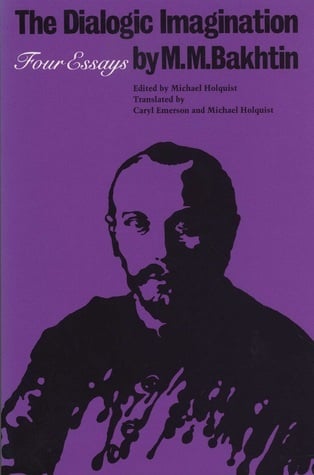
No. 42 on this list. The Dialogic Imagination: Four Essays
Mikhail Bakhtin · 1975
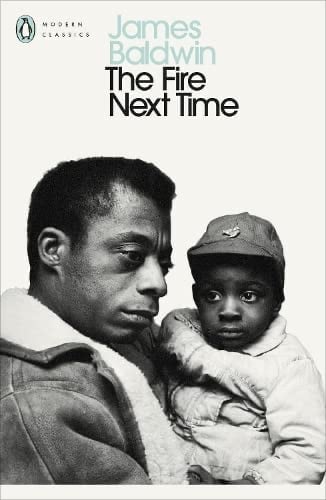
No. 43 on this list. The Fire Next Time
James Baldwin · 1963
No. 44 on this list. Seven Types of Ambiguity
William Empson · 1930
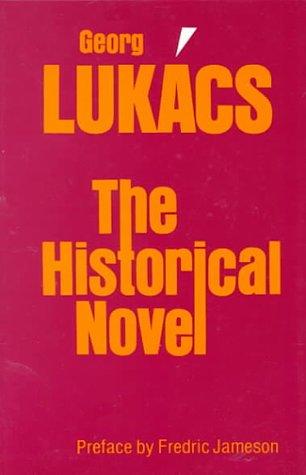
No. 45 on this list. The Historical Novel
György Lukács · 1937
No. 46 on this list. The New Journalism
E. W. Johnson · 1973
No. 47 on this list. The Dark Night of the Soul
John of the Cross · 1578
No. 48 on this list. The Frogs
Aristophanes · c. 405 BCE
Taught in schools: Montenegrin literature curriculum (crnogorski jezik i književnost) (Montenegro)
Included in: Great Books of the Western World
No. 49 on this list. Gödel, Escher, Bach: An Eternal Golden Braid
Douglas R. Hofstadter · 1979
No. 50 on this list. The Story of Art
E.H. Gombrich · 1950

No. 51 on this list. Ars Poetica
Horace · c. 19 BCE
No. 52 on this list. Beowulf and the Critics
J. R. R. Tolkien · 2002
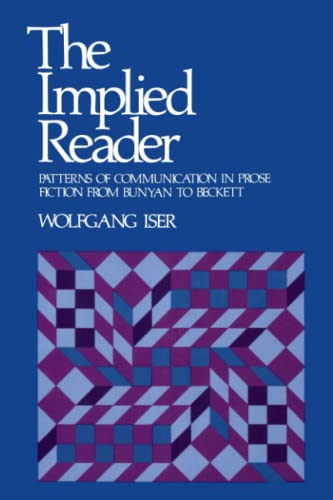
No. 53 on this list. The Implied Reader: Patterns of Communication in Prose Fiction from Bunyan to Beckett
Wolfgang Iser · 1972
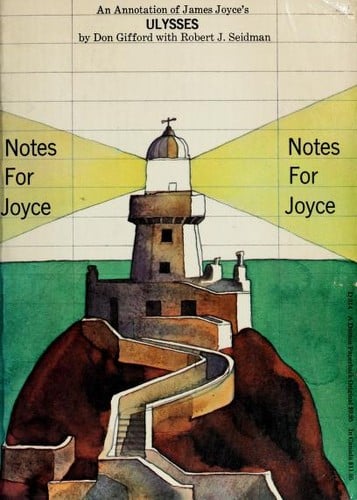
No. 54 on this list. Joyce's Ulysses
Don Gifford · 1974
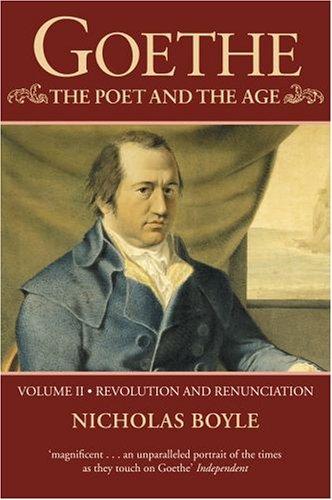
No. 55 on this list. Goethe: The Poet and the Age
Nicholas Boyle · 1991
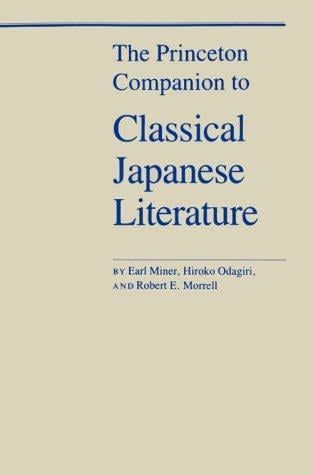
No. 56 on this list. The Princeton Companion to Classical Japanese Literature
Earl Miner · 1985
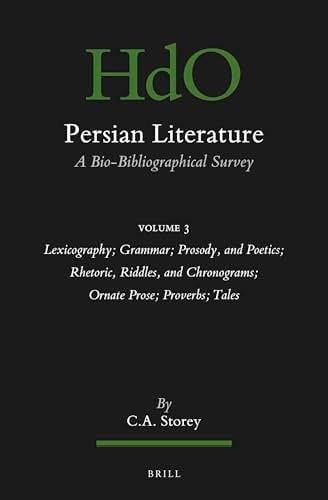
No. 57 on this list. Persian Literature: A Bio-Bibliographical Survey
Charles Ambrose Storey · 1927
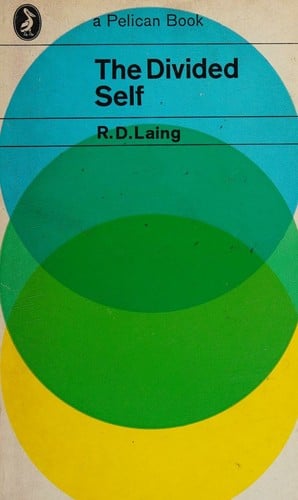
No. 58 on this list. The Divided Self: An Existential Study in Sanity and Madness
R. D. Laing · 1960
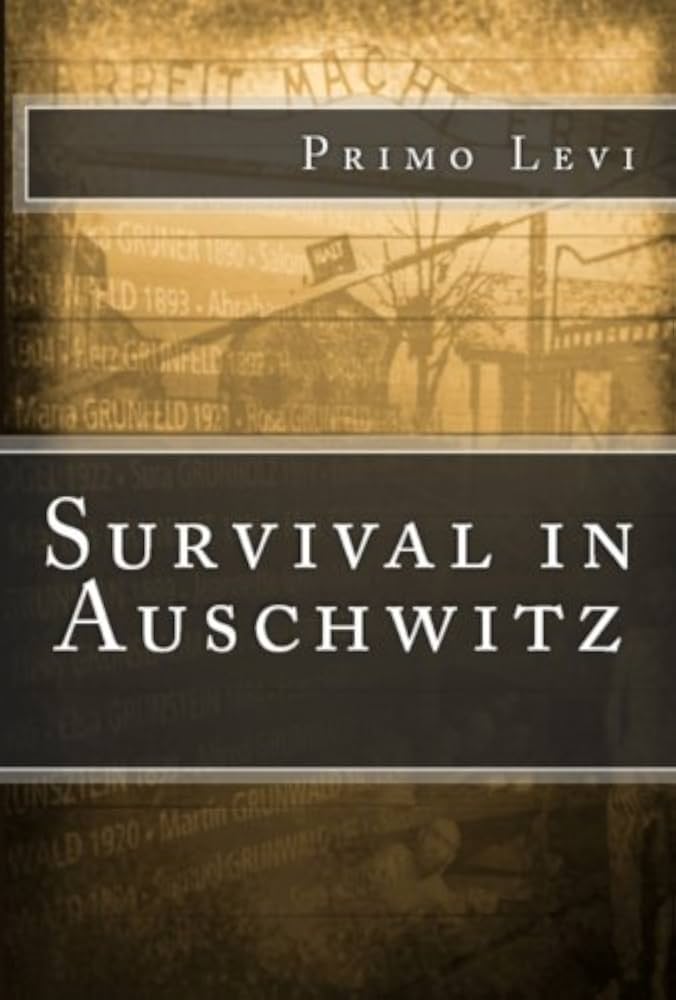
No. 59 on this list. Survival in Auschwitz
Primo Levi · 1947
Taught in schools: Lithuanian literature curriculum (lietuvių kalba ir literatūra)
No. 60 on this list. Politics and the English Language
George Orwell · 1946
No. 61 on this list. The American Renaissance: Art and Expression in the Age of Emerson and Whitman
F.O. Matthiessen · 1941
No. 62 on this list. Archaeologies of the Future: The Desire Called Utopia and Other Science Fictions
Fredric Jameson · 2005
No. 63 on this list. The Novel of Formation
Jerome Hamilton Buckley · 1987
No. 64 on this list. Notes of a Native Son
James Baldwin · 1955
No. 65 on this list. Anatomy of Criticism: Four Essays
Northrop Frye · 1957
No. 66 on this list. What Is History?
E.H. Carr · 1961
No. 67 on this list. Culture and Society: 1780–1950
Raymond Williams · 1958
No. 68 on this list. The Rhetoric of Fiction
Wayne C. Booth · 1961
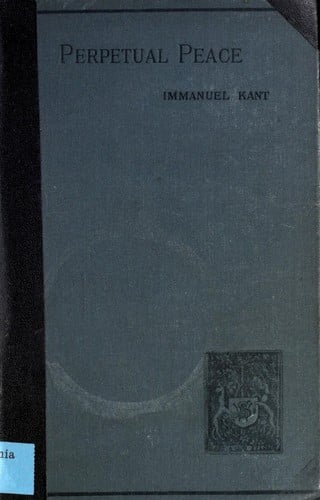
No. 69 on this list. Perpetual Peace
Immanuel Kant · 1795
No. 70 on this list. The Poetry of Du Fu
No. 71 on this list. Where I Lived, and What I Lived for
No. 72 on this list. The Act of Reading: A Theory of Aesthetic Response
Wolfgang Iser · 1978
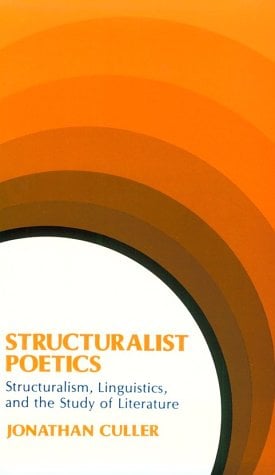
No. 73 on this list. Structuralist Poetics: Structuralism, Linguistics and the Study of Literature
Jonathan Culler · 1975
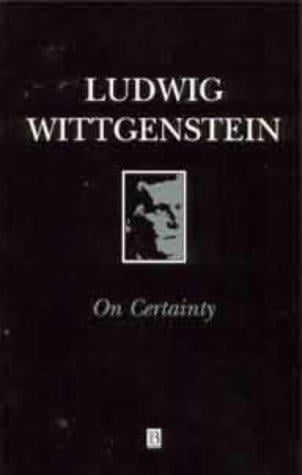
No. 74 on this list. On Certainty
Ludwig Wittgenstein · 1969
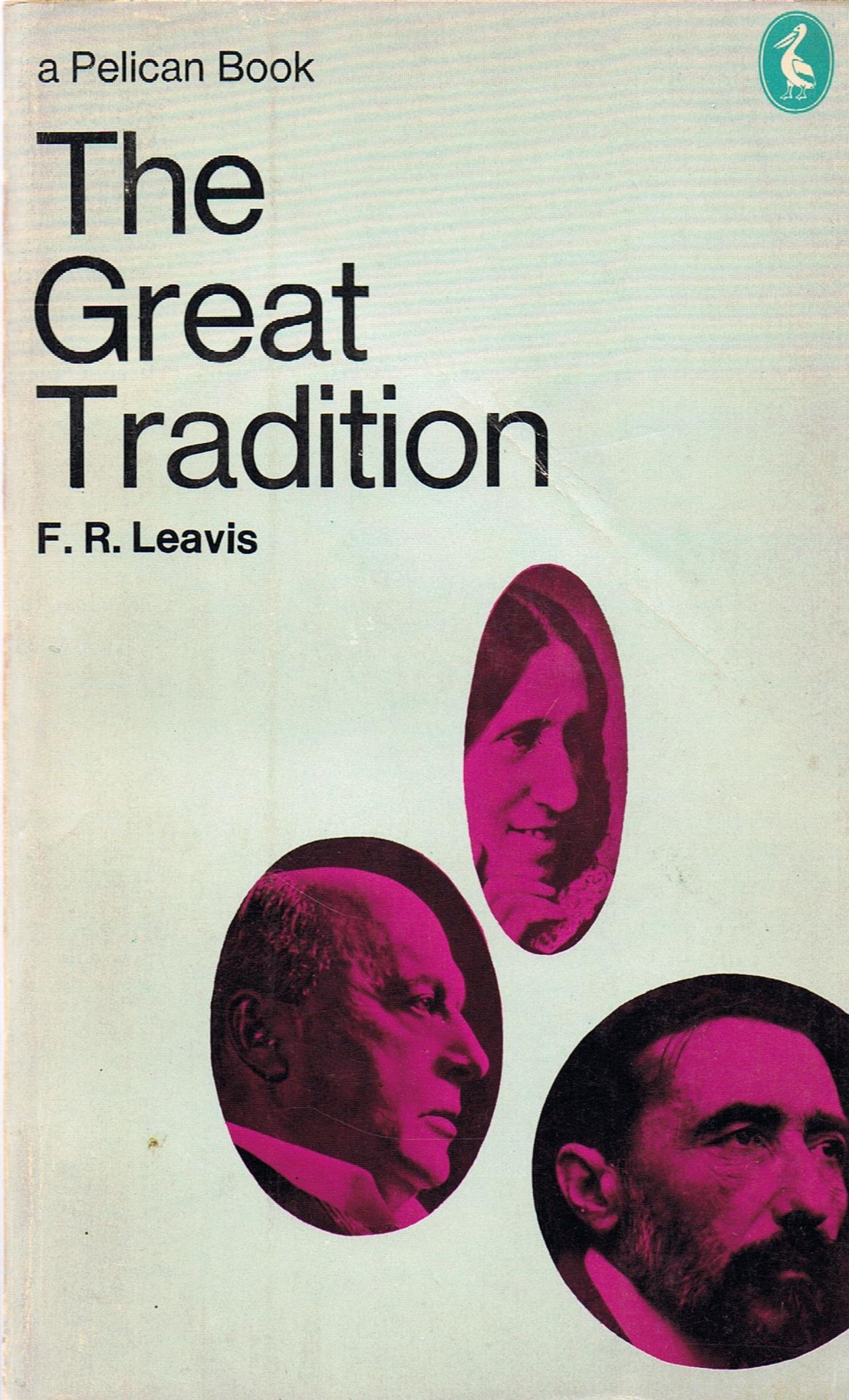
No. 75 on this list. The Great Tradition
F.R. Leavis · 1948
No. 76 on this list. Sites of Memory, Sites of Mourning: The Great War in European Cultural History
Jay Winter · 1995
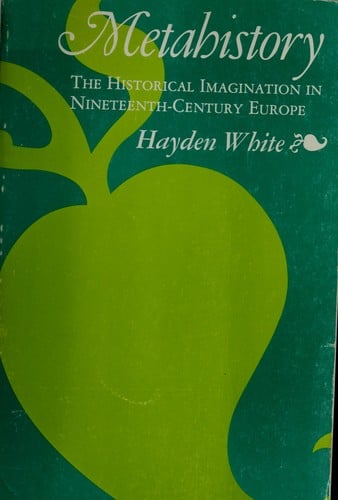
No. 77 on this list. Metahistory: The Historical Imagination in Nineteenth-Century Europe
Hayden White · 1973
No. 78 on this list. Problems of Dostoevsky's Poetics
Mikhail Bakhtin · 1929
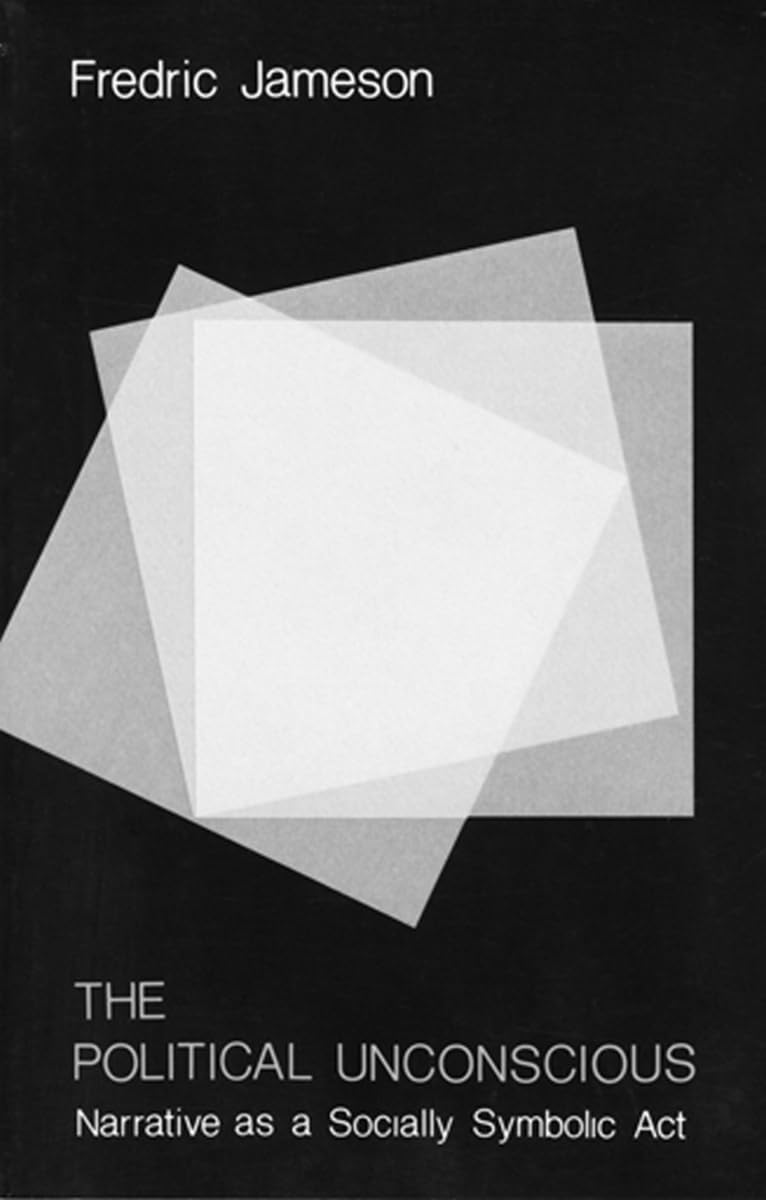
No. 79 on this list. The Political Unconscious: Narrative as a Socially Symbolic Act
Fredric Jameson · 1981
No. 80 on this list. Narrative Discourse: An Essay in Method
Gérard Genette · 1972
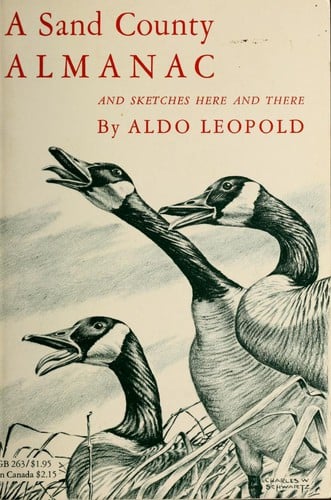
No. 81 on this list. Sand County Almanac
Aldo Leopold · 1949
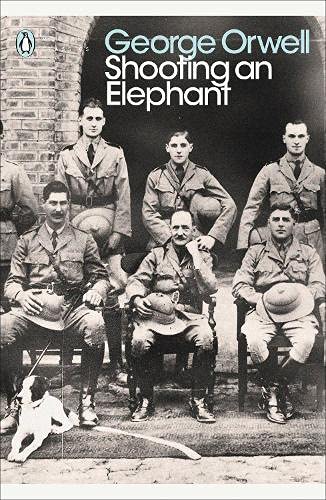
No. 82 on this list. Shooting an Elephant and Other Essays
George Orwell · 1950
No. 83 on this list. Ways of Seeing
John Berger · 1972
No. 84 on this list. Spatial Form in Modern Literature
Joseph Frank · 1945
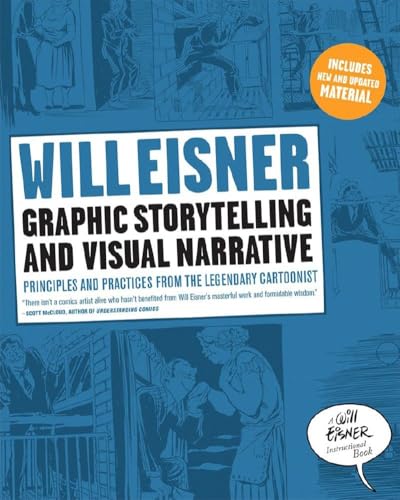
No. 85 on this list. Graphic Storytelling and Visual Narrative
Will Eisner · 1996
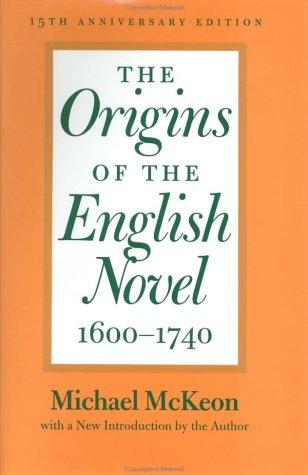
No. 86 on this list. The Origins of the English Novel, 1600–1740
Michael McKeon · 1987
No. 87 on this list. Structure, Sign, and Play
Jacques Derrida · 1966
No. 88 on this list. De Vulgari Eloquentia
Dante Alighieri · 1304
No. 89 on this list. Blindness and Insight
Paul de Man · 1971
No. 90 on this list. The Poetics of Prose
Tzvetan Todorov · 1971
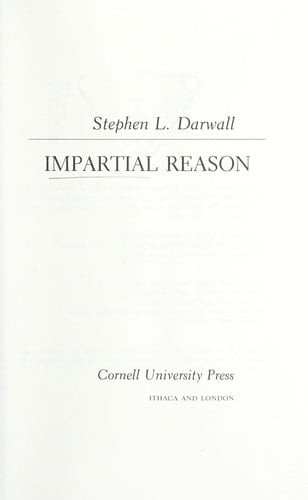
No. 91 on this list. The Location of Culture
Homi K. Bhabha · 1994
No. 92 on this list. The Witness of Poetry
Czesław Miłosz · 1983
No. 93 on this list. Biographia Literaria
Samuel Taylor Coleridge · 1817
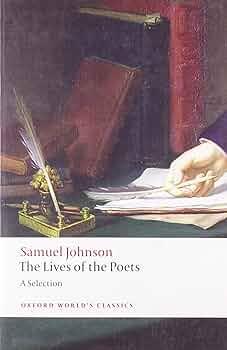
No. 94 on this list. The Lives of the Poets
Samuel Johnson · 1781
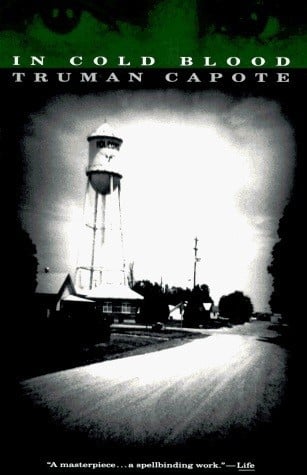
No. 95 on this list. In Cold Blood
Truman Capote · 1966
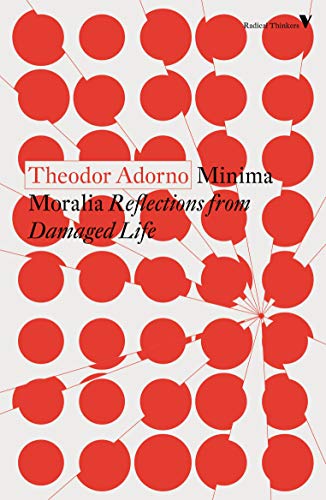
No. 96 on this list. Minima Moralia
Theodor W. Adorno · 1951
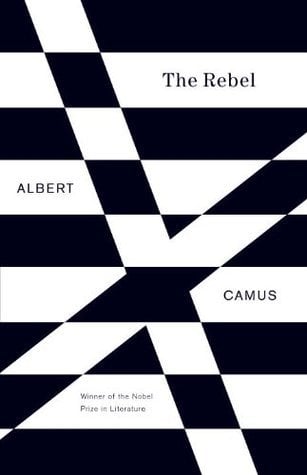
No. 97 on this list. The Rebel: An Essay on Man in Revolt
Albert Camus · 1951
No. 98 on this list. The Essays
Francis Bacon · 1625
No. 99 on this list. Preface to Cromwell
Victor Hugo · 1827
No. 100 on this list. Theory of Literature
René Wellek · 1949
About this list
These 100 books are the highest-scoring eligible essay collections by men currently in the catalogue. By literary regard, it opens with Republic, Symposium and Critique of Judgment. About 1,258 hours of reading in all, for the 99 with measured lengths. Difficulty runs from 54 to 73 out of 100 for the middle half of the list; the summit is Aesthetic Theory at 91.
This list is ranked by literary regard, with a consistent order for equal scores. Membership follows authors and co-authors, not translators or editors. Catalogue coverage and the historical canon both limit what this list can represent, and genre labels are the catalogue’s own, gathered into broader kinds.
When we matched the Canons dataset to our catalogue in October 2026, our canonical-status scores rose with the number of school curricula, publisher series and lists in it that cite a work: the median score was 72 for books one such source cites, 84 at two, 88 at three, 92 at four and 93 at five or more. Prizes are left out of that count. Outside the state curricula, the dataset’s sources choose mostly from what has been translated into English or French, so it is a weaker check on other literatures. Source: Canons (Andrew Piper), CC BY 4.0
Questions people actually ask
- What are the best essay collections by men?
- By literary regard, which weighs canonical status, critical standing and influence, Republic, Symposium, Critique of Judgment, Discipline and Punish and Being and Time lead. ReadingRate ranks 100 such books, each with a difficulty score and a reading-time estimate.
- Where should I start with essay collections by men?
- Start from difficulty, not from rank. The most approachable books on this list that still carry top literary regard are Politics and the English Language by George Orwell (about 16 min), The New Journalism by E. W. Johnson and Graphic Storytelling and Visual Narrative by Will Eisner.
- How hard are essay collections by men to read?
- Most of this list sits between 54 and 73 on ReadingRate's 100-point difficulty scale, where 40 to 55 is moderate. The summit is Aesthetic Theory at 91. Every entry carries its own score, so a reader can pick a great book at a difficulty they will finish.
- How is this list ranked?
- On literary-regard data: how canonically established a work is, its critical standing, and its influence on later writing. It is not a readers’ poll, which is why recent bestsellers rarely appear. Membership follows authors and co-authors, not translators or editors. A list that is not a genre list keeps to literature (fiction, poetry, drama and philosophy), with philosophy taking no more than one slot in five while there is literature left to rank; every list holds at most three works by one author.