Hours at an average pace
Showing 100 books
About 883 hours for 100 of 100 books with measured lengths. Estimates use 250 words a minute, adjusted for each book's difficulty. At 2 hours a day, about 442 days for those books.
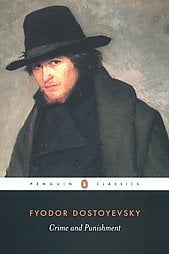
No. 1 on this list. Crime and Punishment
Fyodor Dostoevsky · 1866
Difficult24 hours
Taught in schools: Common Core text exemplars (Appendix B) (US), Lektury obowiązkowe – Polish national reading list (Poland), Lithuanian literature curriculum (lietuvių kalba ir literatūra)
Included in: Bokklubben World Library
Crime and Punishment is required reading in virtually every world literature curriculum and Russian literature course. It appears on 711 university syllabi (Open Syllabus) and is available in 82 Wikipedia languages, placing it among the most globally recognized novels ever written. It consistently appears on canonical 'greatest novels' lists, including TIME's All-TIME 100 Novels.
One of the most anthologised short stories in English and a standard school text.
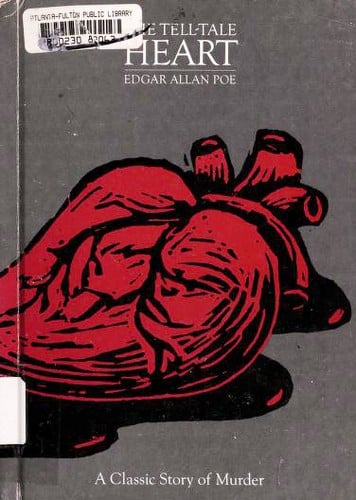
No. 3 on this list. The Tell-Tale Heart
Edgar Allan Poe · 1843
Moderate33 min
Taught in schools: Pacific Senior Secondary Certificate – English
One of the most taught short stories in the English-speaking world.
The New York Trilogy stands as the defining work of American postmodern noir and one of the most influential experimental novels of the 1980s. It appears consistently on syllabi for postmodern fiction, metafiction, and American literature courses, and is cited as a foundational text in discussions of the detective genre's literary transformation. Published in the US by Penguin Books (1987 combined edition), it has remained continuously in print for four decades. It appears on numerous "greatest novels" lists and is central to critical discourse on identity, authorship, and the limitations of language in contemporary fiction.
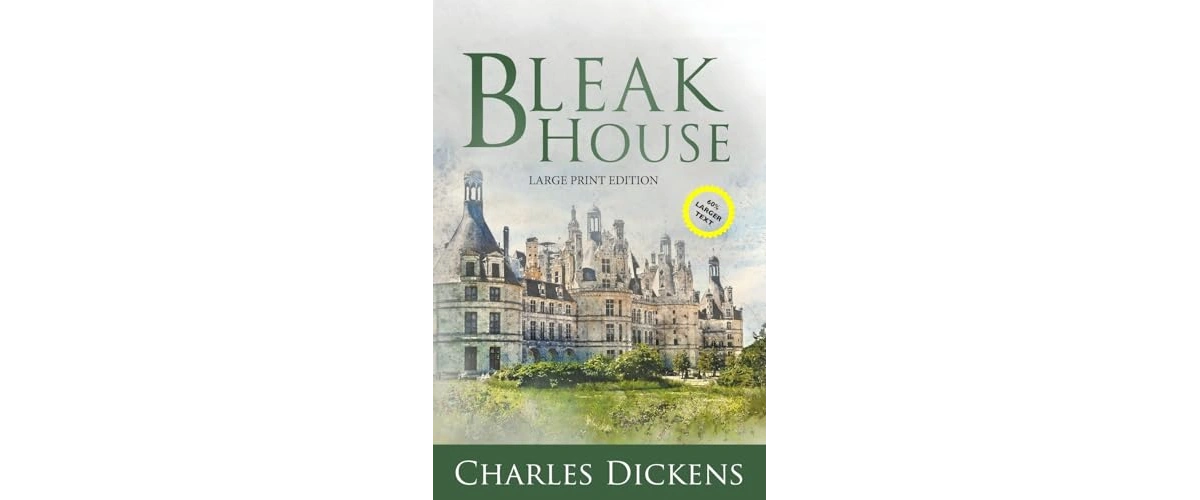
Central Victorian novel in English literature curricula; essential Dickens alongside Great Expectations; studied as peak of his social criticism and narrative ambition.
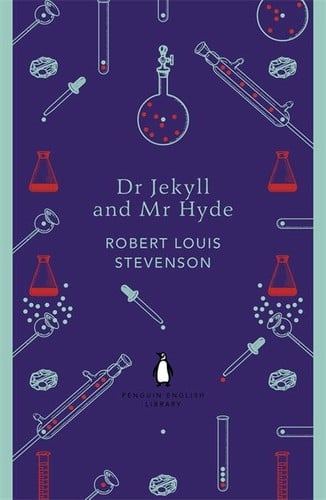
No. 6 on this list. The Strange Case of Dr Jekyll and Mr Hyde
Robert Louis Stevenson · 1886
Challenging1.9 hours
Taught in schools: AQA GCSE and A-level English Literature (UK), OCR GCSE and A-level English Literature (UK)
One of the most widely taught Victorian texts in English literature curricula at every level, from secondary school to university. The phrase 'Jekyll and Hyde' has entered common English as a synonym for dual personality. The novella appears on virtually every list of essential 19th-century fiction and is a fixture in Gothic literature, Victorian studies, and psychology-and-literature courses worldwide.
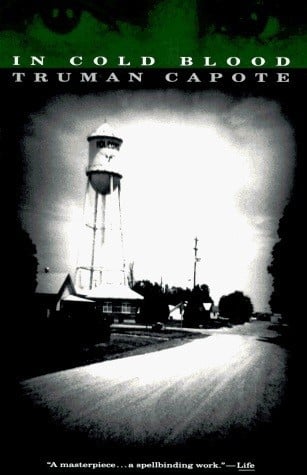
Required reading in virtually every American journalism school and most creative nonfiction courses. Appears on Modern Library and Time's All-Time 100 Novels lists. The book that established 'literary journalism' and 'the nonfiction novel' as serious forms. No significant discussion of 20th-century American nonfiction omits it.
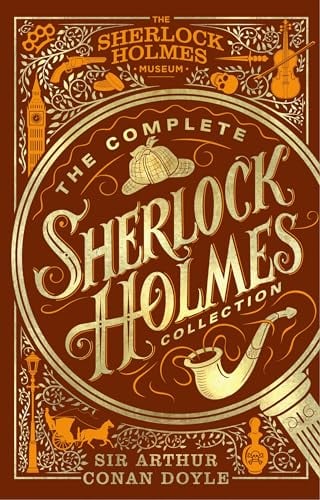
Holmes is a staple of English-language literature, taught widely in detective fiction and Victorian literature courses, and the stories are among the most-translated in the world. They are taught less as high literature than The Great Gatsby but are universally recognized.
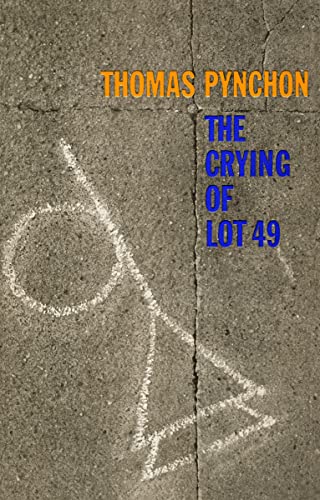
Oedipa Maas learns she has been named executor of Pierce Inverarity's estate, a California real estate mogul and former lover whose tangled holdings require investigation. Traveling to the fictional San Narciso with co-executor Metzger, a lawyer, she begins noticing a mysterious symbol—a muted post horn—appearing in unexpected places. Her research into a Jacobean revenge play performed locally reveals references to Tristero, an underground postal system that may have operated in opposition to official mail services for centuries. As Oedipa pursues leads through bizarre informants—Mike Fallopian explaining the Peter Pinguid Society, John Nefastis demonstrating his entropy-reversing machine, professor Emory Bortz debating theatrical textual variants—she cannot determine whether she has discovered a genuine conspiracy or descended into paranoia. Her husband Mucho suffers breakdowns at his disk jockey job while Metzger abandons both the investigation and their affair. Characters appear with improbable names and suspect motives, stamps contain hidden messages, and evidence proliferates without resolving into coherent truth. The novel concludes with Oedipa attending an auction where a mysterious bidder may reveal the conspiracy's reality, but the narrative ends the moment before revelation, suspending her permanently between competing interpretations of American communication, meaning, and madness.
No. 10 on this list. The Hound of the Baskervilles
Arthur Conan Doyle · 1902
Easy3.5 hours
Taught in schools: CSEC English B – Caribbean Examinations Council
Sir Charles Baskerville dies on the Dartmoor moors, terror on his face, a giant hound's footprints nearby. A family curse tells of a spectral hound hunting the Baskervilles since the seventeenth century. Dr. Watson investigates while Holmes stays in London—or so it seems. The moor is fog-bound, treacherous, Gothic; the solution is pure Holmesian reason. Doyle killed Holmes at Reichenbach Falls in 1893 and resisted resurrection. This novel, serialized in 1901-02, is set before the death and doesn't quite bring Holmes back. But the public devoured it, and Holmes returned in full the following year. The Hound works both as mystery and Gothic atmosphere—the moor becomes a character, the hound hovers between supernatural and rational explanation until the last act. This is Doyle's most novelistic Holmes story, and many readers consider it the best.
No. 11 on this list. The Mystery of Edwin Drood · Charles Dickens · 1870
The Mystery of Edwin Drood appears regularly on Victorian literature and Dickens course syllabi at universities worldwide, taught both as a late Dickens text and as a unique object — a canonical novel frozen in its own incompletion. The unfinished mystery has been a pedagogical touchstone for discussions of narrative, authorship, and closure since Dickens's death. Its Wikipedia article exists in over 40 languages and includes dedicated sections on adaptations and reception, indicating significant global cultural reach beyond English-language scholarship.
Challenging6.9 hours
Read nowNo. 12 on this list. My Name Is Red · Orhan Pamuk · 2003
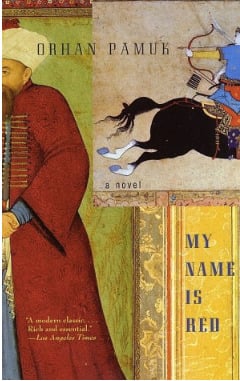
In sixteenth-century Istanbul, the Sultan commissions a secret book to celebrate his magnificence, but the assignment to create illuminations in the European style triggers a theological crisis and a murder. Master Elegant Effendi speaks from a well where his killer has abandoned his corpse, demanding that his death be avenged and properly buried. Black returns to the city after twelve years abroad, drawn by nostalgia and loss, only to become entangled in the mystery and in his childhood devotion to Shekure, Enishte Effendi's ravishing daughter. The dead man, the bereaved family, the competing miniaturists Osman and Butterfly, and the household itself—each voice emerges from the narrative to confess secrets and suspicions. What begins as a hunt for a murderer expands into an interrogation of art itself, specifically whether the depiction of human figures violates Islamic law and destroys the soul. The conflict between Ottoman miniature tradition, with its rejection of perspective and realism, and the infiltrating European techniques of representation gives the mystery its metaphysical weight. Pamuk employs an architectural narrative that shifts perspective constantly, allowing a dog, the color red, and a gold coin to testify alongside human characters, creating a polyphonic structure where each voice exposes a different layer of religious anxiety, artistic ambition, and personal desire. The novel moves toward its resolution with gathering momentum despite this apparent fragmentation, tightening around questions of identity, authenticity, and the costs of aesthetic choice.
Challenging16 hours
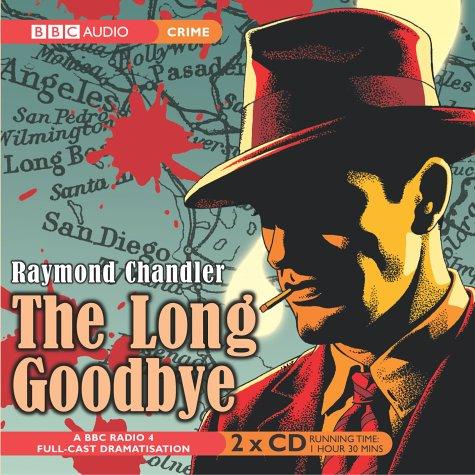
Start this bookNo. 13 on this list. The Long Goodbye · Raymond Chandler · 1953
The Long Goodbye appears on the Modern Library's 100 Best Novels list and is taught in American literature and crime fiction courses at universities worldwide. It occupies an unusual position: firmly embedded in the literary canon despite being published as genre fiction, and widely cited as the novel that proved crime writing could aspire to the literary.
Challenging9.1 hours
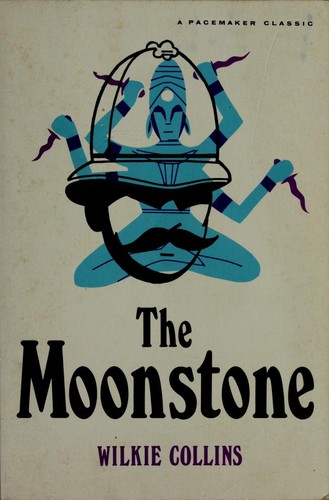
Start this bookNo. 14 on this list. The Moonstone · Wilkie Collins · 1868
Taught in schools: AQA GCSE and A-level English Literature (UK), Pearson Edexcel GCSE and A-level English Literature (UK)
T.S. Eliot called it 'the first, the longest, and the best of modern English detective novels,' and it has anchored Victorian literature courses at universities worldwide for over a century. The Moonstone appears routinely on syllabi covering sensation fiction, the origins of detective fiction, and 19th-century narrative experiment. Its Wikipedia article spans more than 50 language editions, reflecting its standing as a genuine cornerstone of English literary history.
Challenging18 hours
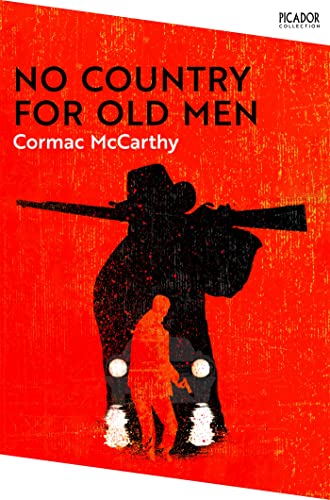
Read nowNo. 15 on this list. No Country for Old Men · Cormac McCarthy · 2005
Regularly included in syllabi for contemporary American literature and crime fiction courses. The 2007 Coen Brothers adaptation—Best Picture winner—dramatically expanded cultural reach and cemented the novel in the popular imagination. McCarthy's status as a major American literary figure ensures it appears on most critical inventories of important post-2000 American fiction.
Challenging6.8 hours
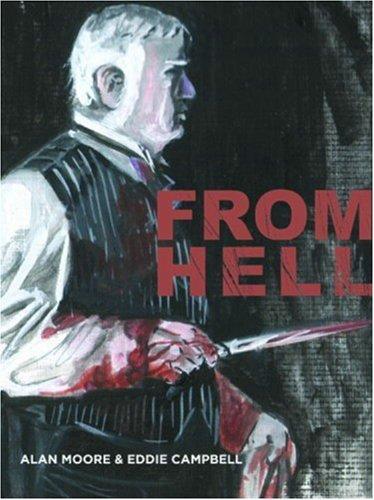
Start this bookNo. 16 on this list. From Hell · Alan Moore · 1999
Widely regarded as one of the greatest graphic novels ever produced. A staple of comics criticism and increasingly taught in university courses.
Moderate8 hours
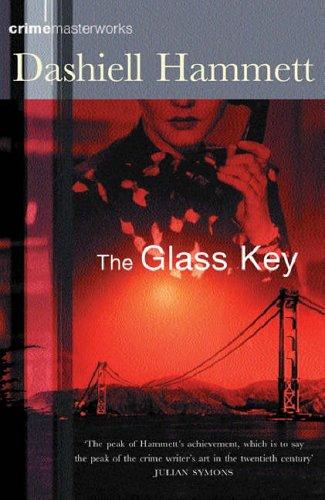
Start this bookNo. 17 on this list. The Glass Key · Dashiell Hammett · 1931
Considered Hammett's finest novel by many critics—Raymond Chandler called it 'the most completely plotted detective novel ever written' and André Gide singled it out as a masterpiece. The Glass Key appears in numerous 'greatest crime novels' lists and holds Library of America status, but it is taught primarily in genre studies courses rather than mainstream American literature surveys, placing it below Hammett's more widely assigned The Maltese Falcon.
Moderate4.3 hours
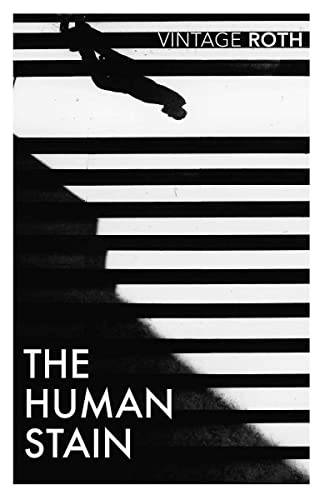
Start this bookNo. 18 on this list. The Human Stain · Philip Roth · 2001
Part of Roth's 'American Trilogy' — widely referenced in American fiction surveys and on reading lists for postwar American literature. Wikipedia article available in 9 languages with a dedicated reception section and adaptations section (2003 film with Anthony Hopkins and Nicole Kidman). The Open Syllabus data records no standalone syllabus appearances, suggesting it is typically taught as part of the trilogy rather than alone.
Challenging13 hours
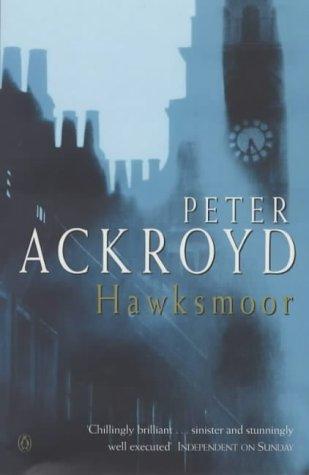
Start this bookNo. 19 on this list. Hawksmoor · Peter Ackroyd · 1985
Hawksmoor holds significant position in postmodern British fiction and is widely taught in university literature courses. While not quite at the level of Ulysses or Beloved, it is consistently included in surveys of contemporary British literature and discussions of historiographic metafiction. The novel appears regularly on critical reading lists for postmodernism, Gothic revival, and late 20th-century British fiction, establishing its place in the extended literary canon.
Challenging9.4 hours
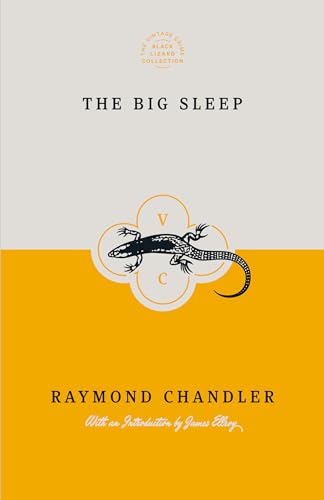
Start this bookNo. 20 on this list. The Big Sleep · Raymond Chandler · 1939
Widely taught in American literature courses as the defining hard-boiled detective novel. Appears on most lists of essential crime fiction and is a fixture in twentieth-century American literature curricula, though primarily within genre studies.
Moderate4.6 hours
Start this book
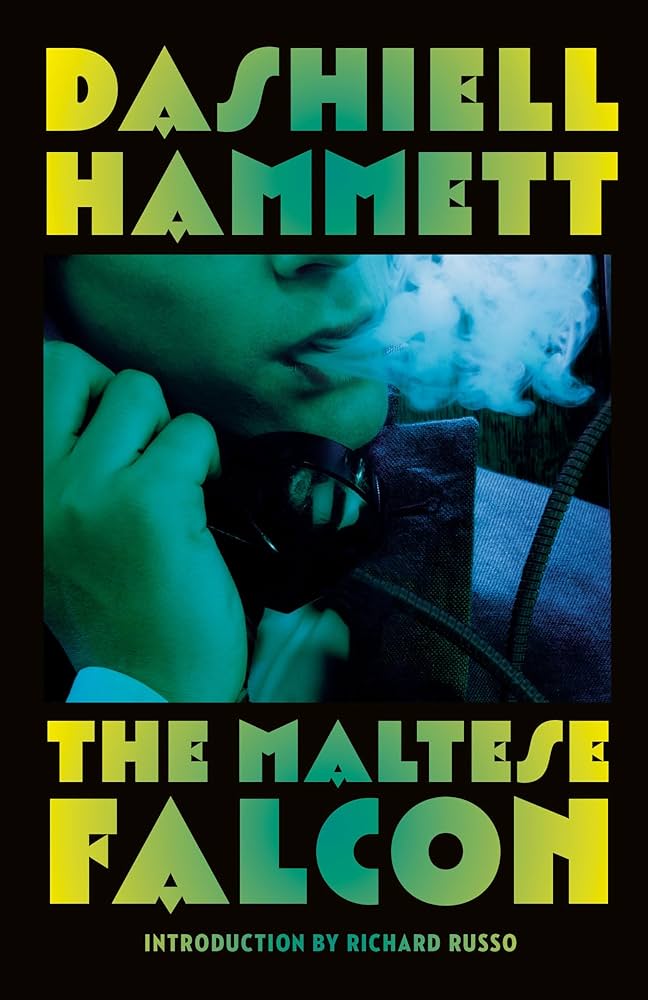
No. 21 on this list. The Maltese Falcon · Dashiell Hammett · 1930
Listed on the Modern Library 100 Best Novels (1998) and appears on 544 university syllabi according to Open Syllabus — placing it at the 68th percentile among taught books. With Wikipedia articles in 7 languages, The Maltese Falcon occupies a firm but not commanding canonical position: foundational to crime fiction and American literature courses, less universally required than Fitzgerald or Hemingway.
Challenging5.4 hours
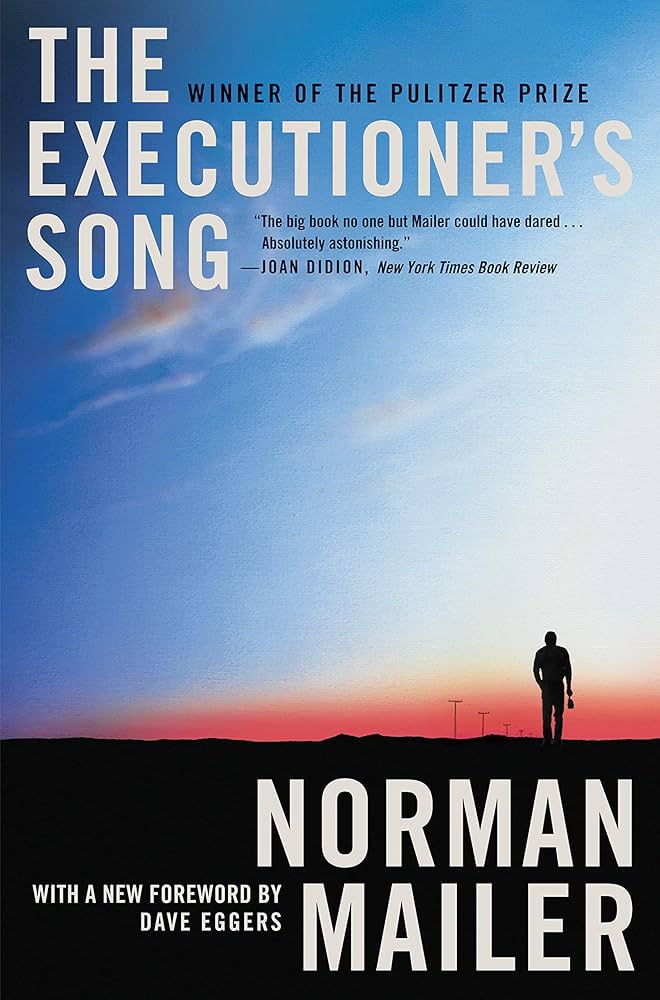
Start this bookNo. 22 on this list. The Executioner's Song · Norman Mailer · 1980
The book won the 1980 Pulitzer Prize for Fiction and is regularly taught in creative nonfiction and American literature courses. It's considered a landmark in the 'nonfiction novel' genre that Capote pioneered with In Cold Blood. The work appears on major reading lists as an essential text for understanding both 1970s America and the possibilities of documentary literature.
Moderate26 hours
Start this bookNo. 23 on this list. Watchmen #1: At Midnight, All The Agents… · Alan Moore · 1986
The series is a staple of comics courses and is widely taught as the landmark graphic novel, though this single issue is taught less on its own.
Challenging43 min
Start this bookNo. 24 on this list. The Day of the Owl · Leonardo Sciascia · 1961
The standard first text on the Mafia in literature, taught in Italian and comparative crime-fiction courses, and continuously in print in NYRB Classics and Granta editions.
Challenging3.5 hours
Start this bookNo. 25 on this list. The Adventures of Sherlock Holmes · Arthur Conan Doyle · 1892
The Adventures of Sherlock Holmes is one of the most widely read and recognized works of detective fiction in any language. Holmes is arguably the most famous fictional character after Hamlet. The stories appear in English literature surveys, genre studies, and Victorian literature courses. While not taught with the same frequency as canonical literary novels, the collection's cultural ubiquity and historical importance to the detective genre give it strong canonical standing. Wikipedia articles exist in dozens of languages, and the stories remain continuously in print worldwide.
Easy5.4 hours
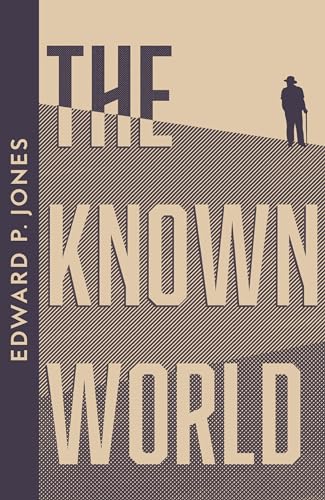
Read nowNo. 26 on this list. The Known World · Edward P. Jones · 2004
Pulitzer Prize winner (2004), widely taught in African American literature and American history courses. Growing presence in contemporary fiction syllabi but not yet at universal canonical status like 'Beloved.' Recognized as essential within specific academic contexts.
Challenging11 hours
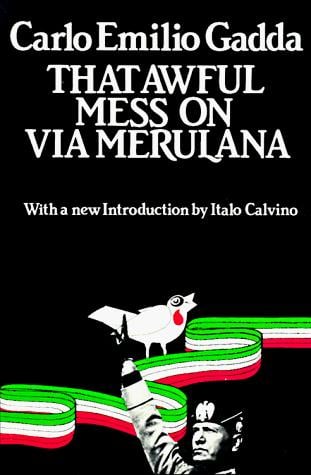
Start this bookNo. 27 on this list. That Awful Mess on the Via Merulana · Carlo Emilio Gadda · 1957
The novel holds a secure place in the European modernist canon—Calvino's introduction compares it to Ulysses, Remembrance of Things Past, and The Man without Qualities as one of four key twentieth-century novels in their respective national literatures. It is widely taught in Italian literature courses and appears on syllabi focused on postwar European fiction. Outside Italy, its canonical status is significant but not universal, as the difficulty of translating Gadda's dialect layers limits its classroom penetration in Anglophone universities.
Difficult17 hours
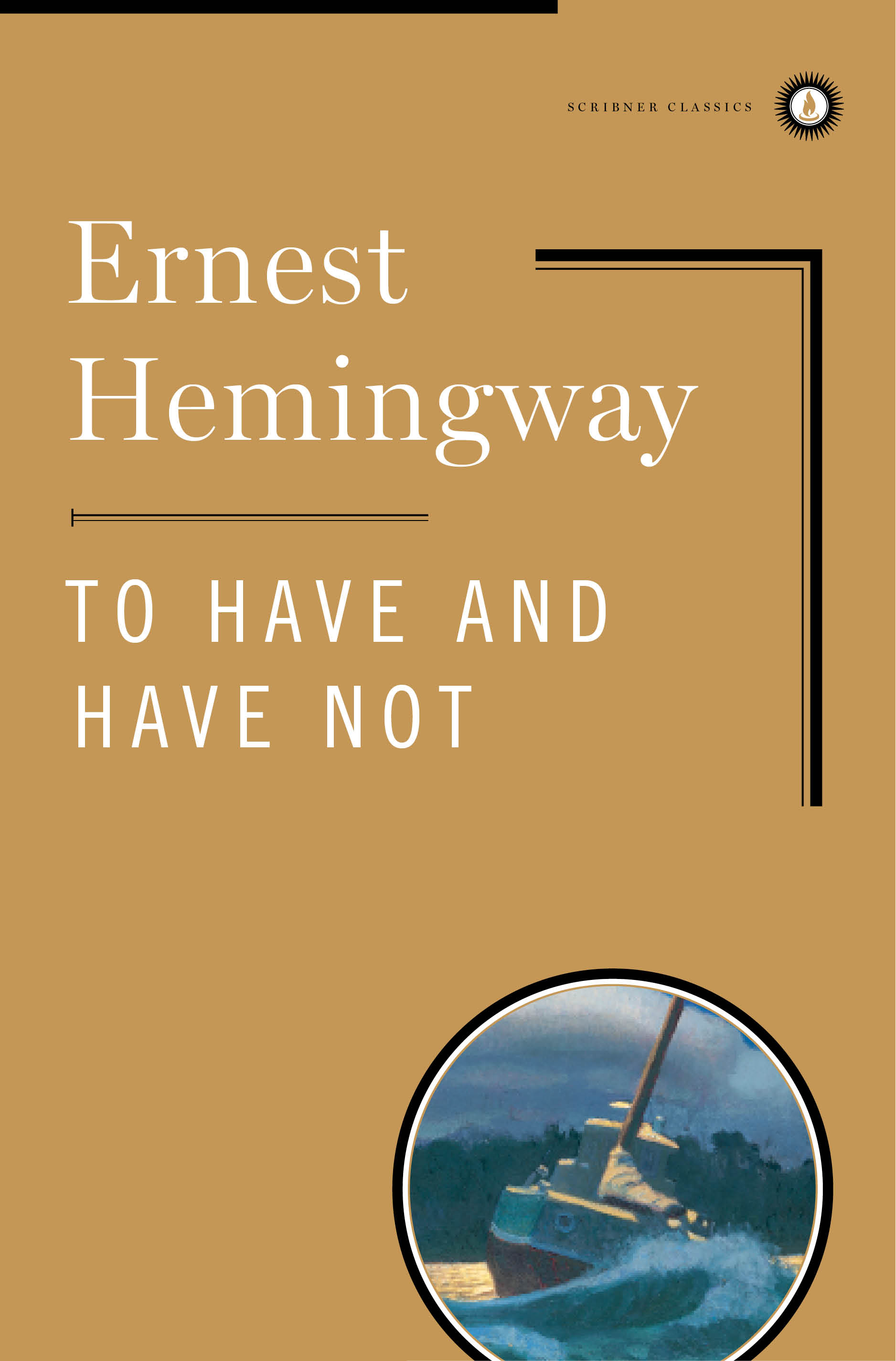
Start this bookNo. 28 on this list. To Have and Have Not · Ernest Hemingway · 1937
A recognized Hemingway novel taught in American literature courses and appearing regularly on university syllabi for modernist and American fiction studies. While not as widely assigned as The Sun Also Rises or A Farewell to Arms, it holds a secure place in the Hemingway canon and on curated reading lists of 20th-century American fiction.
Challenging4.7 hours
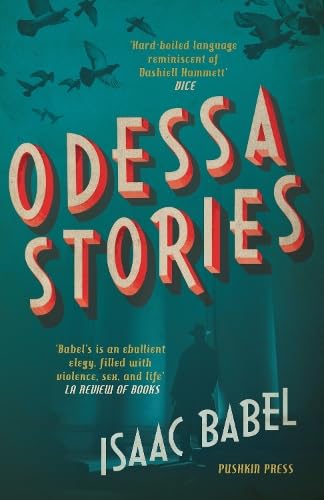
Start this bookNo. 29 on this list. Odessa Tales · Isaac Babel · 1931
A celebrated work of Russian and Jewish literature, widely anthologized and studied alongside Red Cavalry.
Easy1.1 hours
Start this bookNo. 30 on this list. Farewell, My Lovely · Raymond Chandler · 1940
Farewell, My Lovely is taught regularly in American literature and genre fiction courses, and the Philip Marlowe series is considered canonical within hard-boiled detective fiction. While not as ubiquitously assigned as Fitzgerald or Hemingway, Chandler's work appears in both popular fiction studies and serious literary curricula, and the novel appears on numerous 'greatest novels' and 'greatest crime novels' lists including the Modern Library and Time magazine rankings.
Moderate5.4 hours
Start this book
No. 31 on this list. The Woman in White
Wilkie Collins · 1859
No. 32 on this list. Intruder in the Dust
William Faulkner · 1948
No. 33 on this list. The Truth about the Savolta Case
Eduardo Mendoza · 1975
No. 34 on this list. Fer-de-Lance
Rex Stout · 1934
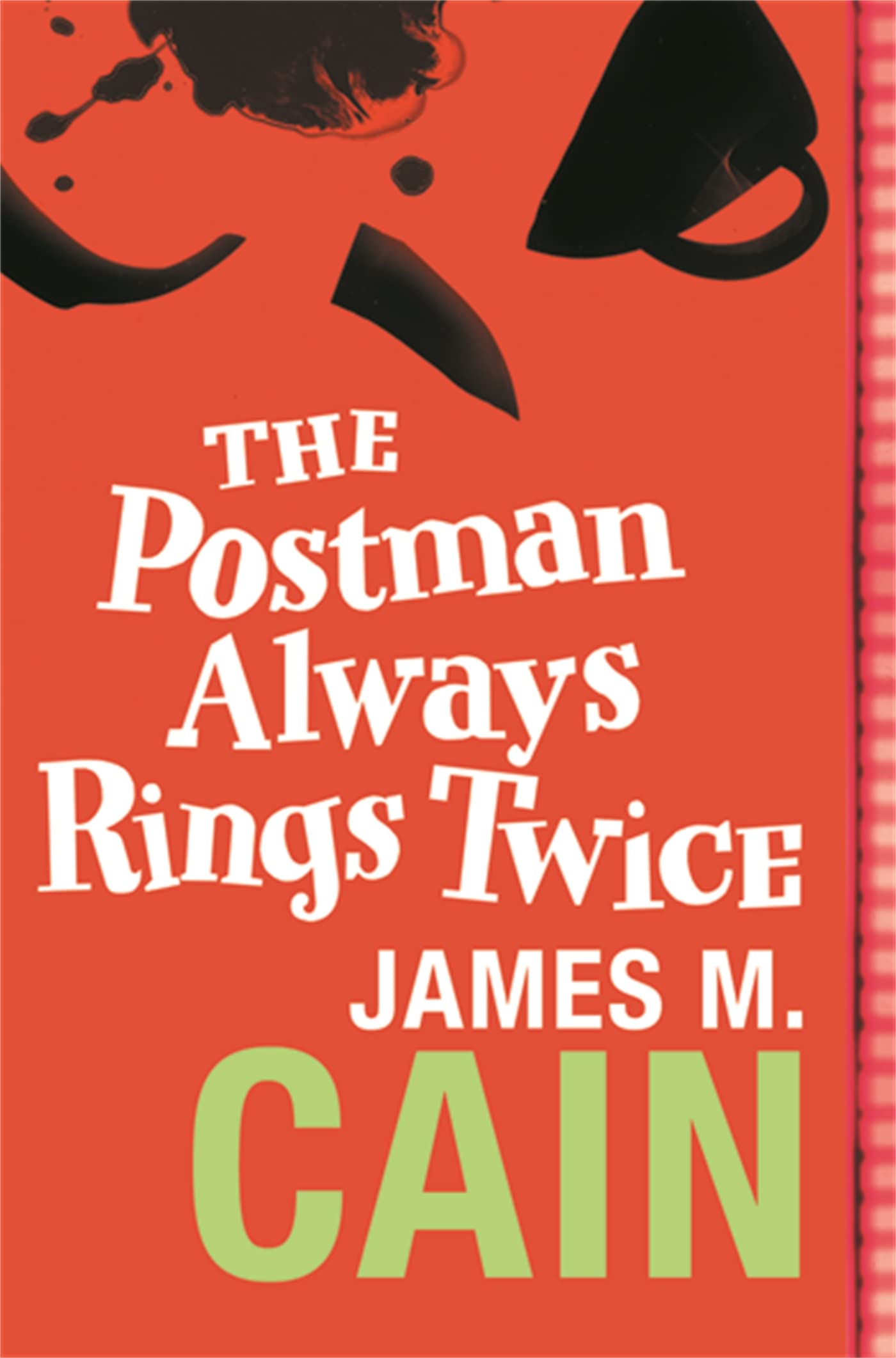
No. 35 on this list. The Postman Always Rings Twice
James M. Cain · 1934
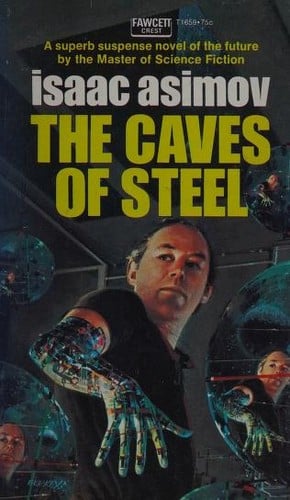
No. 36 on this list. The Caves of Steel
Isaac Asimov · 1954
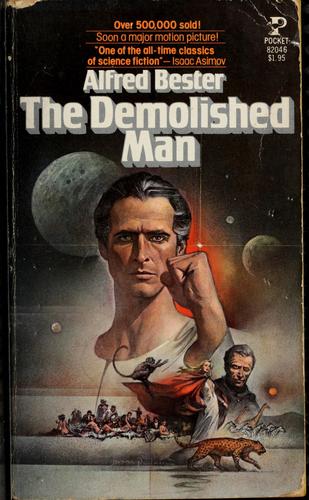
No. 37 on this list. The Demolished Man
Alfred Bester · 1953
No. 38 on this list. A Wild Sheep Chase
Haruki Murakami · 1982
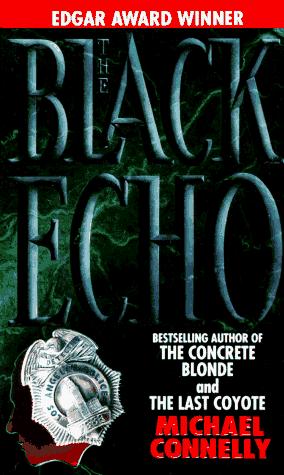
No. 39 on this list. The Black Echo
Michael Connelly · 1992
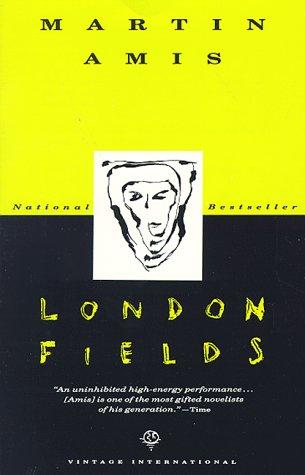
No. 40 on this list. London Fields
Martin Amis · 1989
No. 41 on this list. Red Harvest
Dashiell Hammett · 1929
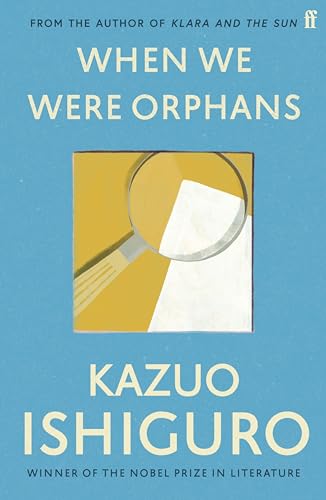
No. 42 on this list. When We Were Orphans
Kazuo Ishiguro · 2000
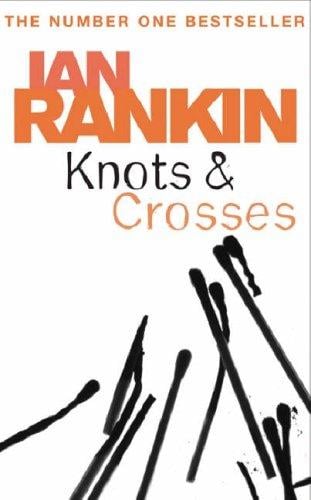
No. 43 on this list. Knots and Crosses
Ian Rankin · 1987
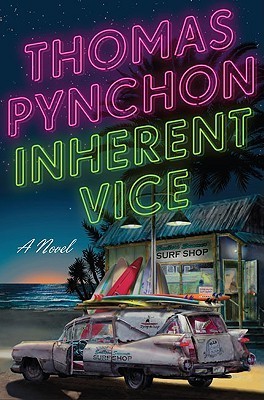
No. 44 on this list. Inherent Vice
Thomas Pynchon · 2009
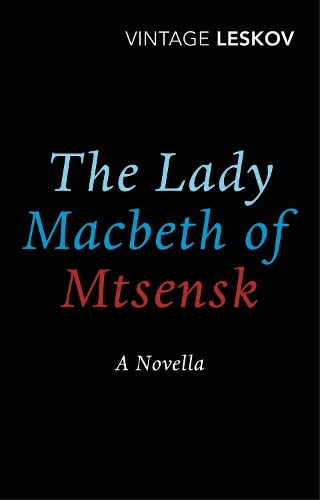
No. 45 on this list. Lady Macbeth of Mtsensk
Nikolai Leskov · 1865
Taught in schools: Russian FGOS literature standard
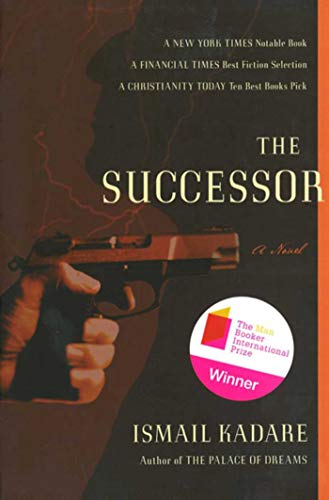
No. 46 on this list. The Successor
Ismail Kadare · 2003
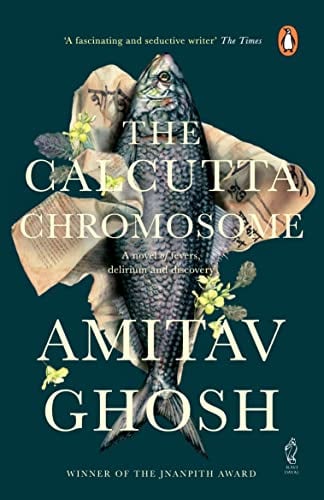
No. 47 on this list. The Calcutta Chromosome
Amitav Ghosh · 1995
No. 48 on this list. Inspector Imanishi Investigates
Seichō Matsumoto · 1961
No. 49 on this list. A Manuscript of Ashes
Antonio Muñoz Molina · 1986
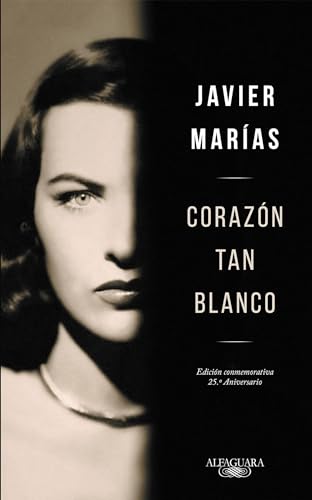
No. 50 on this list. A Heart So White
Javier Marías · 1997
No. 51 on this list. The City & the City
China Miéville · 2009
No. 52 on this list. Life for Sale
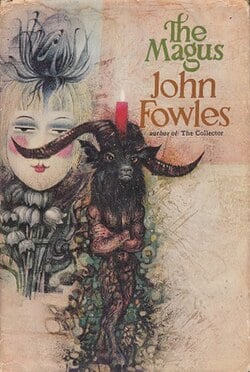
No. 53 on this list. The Magus
John Fowles · 1965
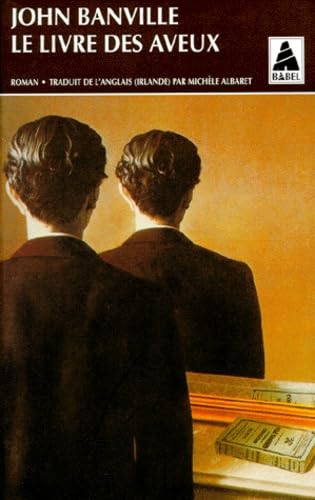
No. 54 on this list. The Book of Evidence
John Banville · 1989
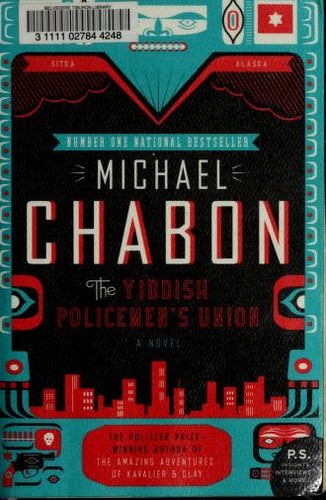
No. 55 on this list. The Yiddish Policemen's Union
Michael Chabon · 2007
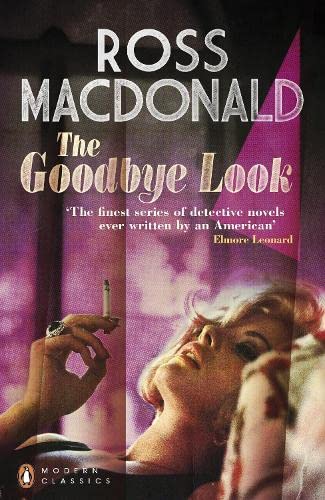
No. 56 on this list. The Goodbye Look
Ross Macdonald · 1969
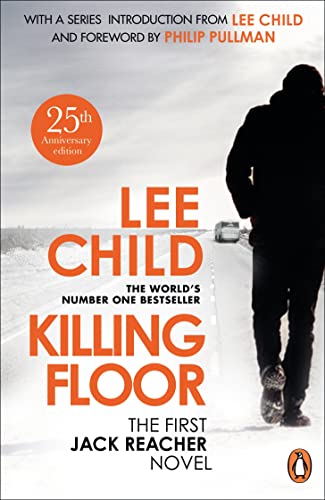
No. 57 on this list. Killing Floor
Lee Child · 1997
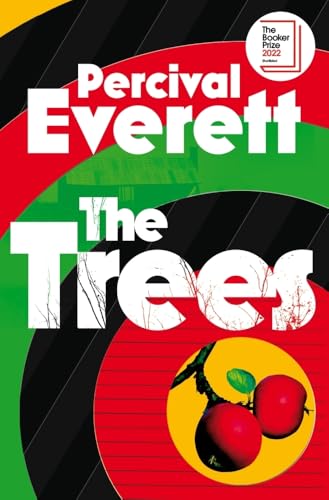
No. 58 on this list. The Trees
Percival Everett · 2022
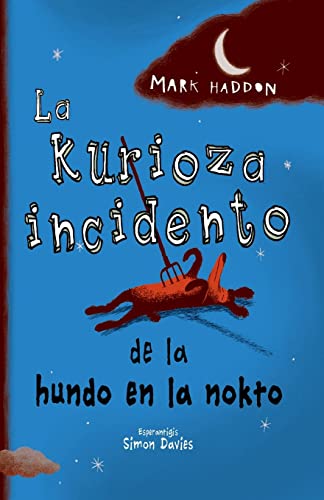
No. 59 on this list. The Curious Incident of the Dog in the Night-Time
Mark Haddon · 2003
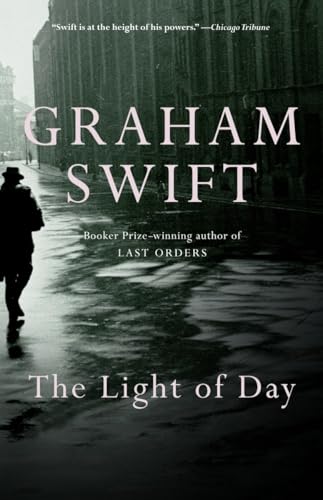
No. 60 on this list. The Light of Day
Graham Swift · 2003

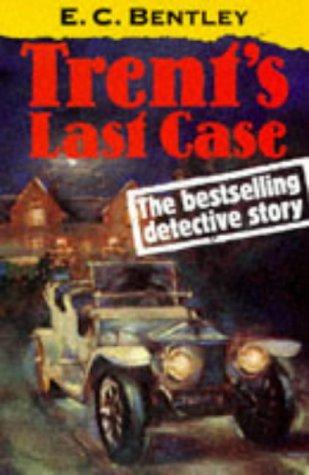
No. 61 on this list. Trent's Last Case
E.C. Bentley · 1913
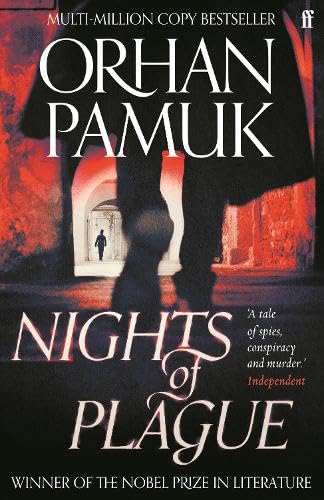
No. 62 on this list. Nights of Plague
Orhan Pamuk · 2021
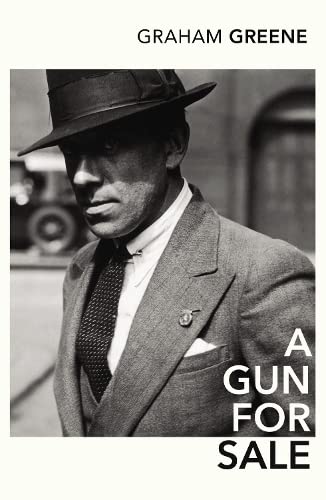
No. 63 on this list. A Gun for Sale
Graham Greene · 1936
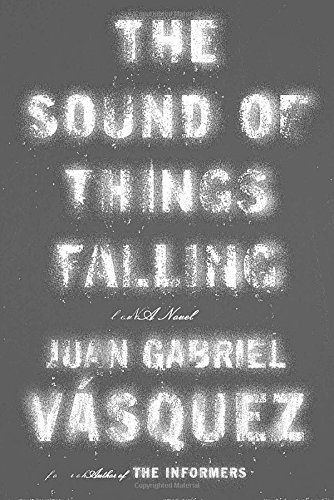
No. 64 on this list. The Sound of Things Falling
Juan Gabriel Vásquez · 2014
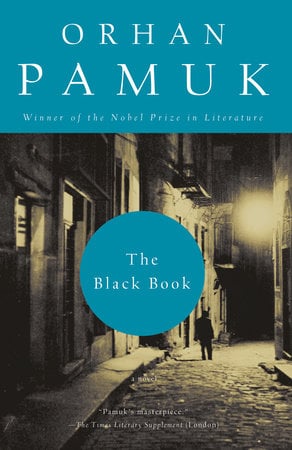
No. 65 on this list. The Black Book
Orhan Pamuk · 1990
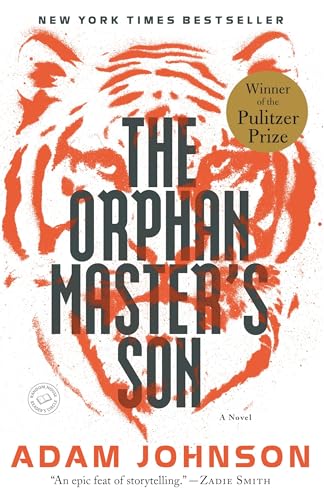
No. 66 on this list. The Orphan Master's Son
Adam Johnson · 2013
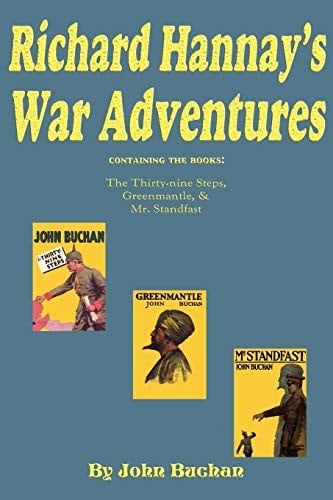
No. 67 on this list. The 39 Steps
John Buchan · 1915
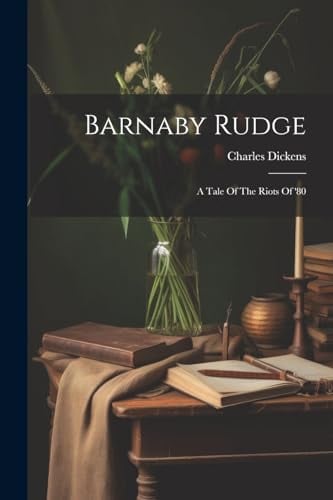
No. 68 on this list. Barnaby Rudge
Charles Dickens · 1841
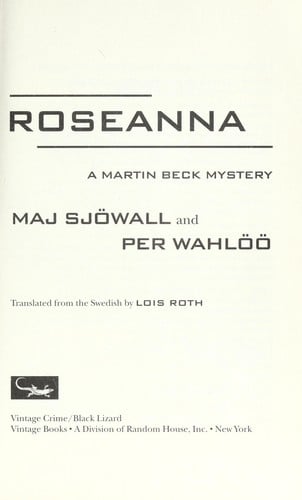
No. 69 on this list. Roseanna
Per Wahlöö · 1965
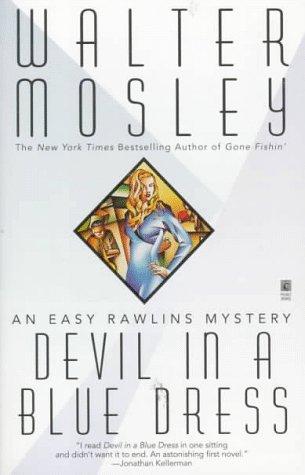
No. 70 on this list. Devil in a Blue Dress
Walter Mosley · 1990
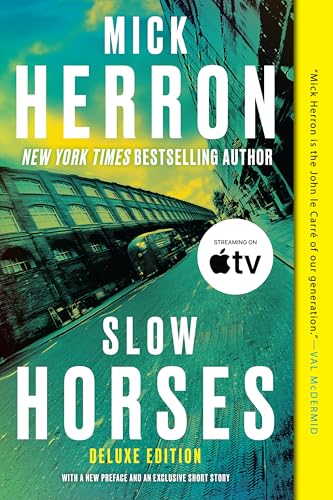
No. 71 on this list. Slow Horses
Mick Herron · 2010
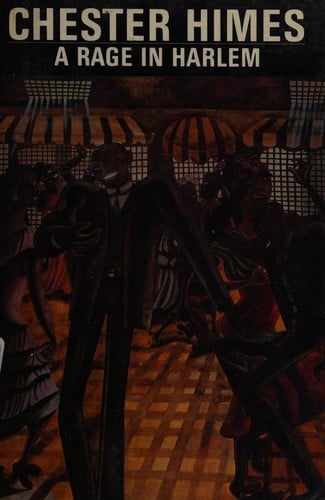
No. 72 on this list. A Rage in Harlem
Chester Himes · 1957
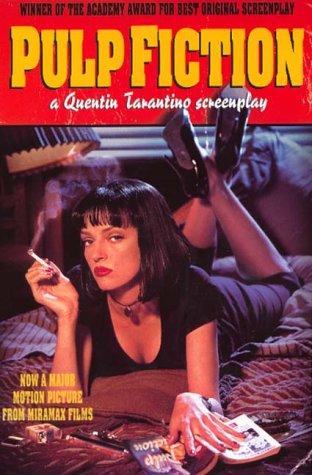
No. 73 on this list. Pulp Fiction: A Quentin Tarantino Screenplay
Quentin Tarantino · 1994
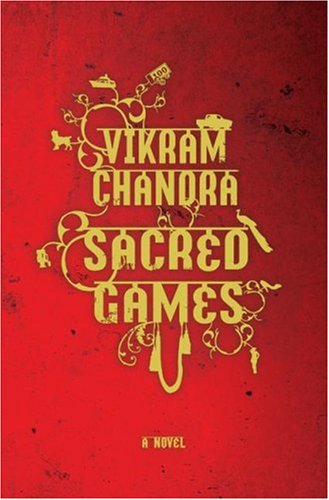
No. 74 on this list. Sacred Games
Vikram Chandra · 2006
No. 75 on this list. The Devil's Star
Jo Nesbø · 2011
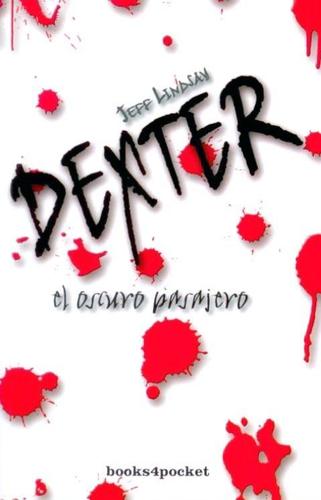
No. 76 on this list. Darkly Dreaming Dexter
Jeff Lindsay · 2004
No. 77 on this list. L.A. Confidential
James Ellroy · 1990
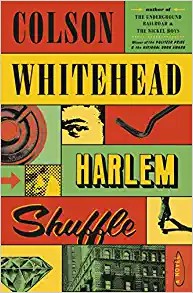
No. 78 on this list. Harlem Shuffle
Colson Whitehead · 2021
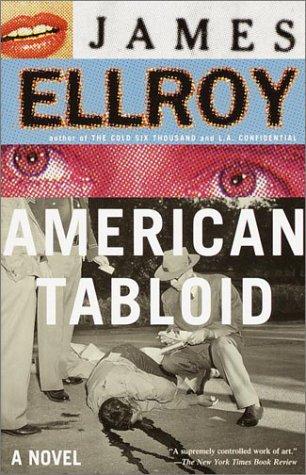
No. 79 on this list. American Tabloid
James Ellroy · 2001
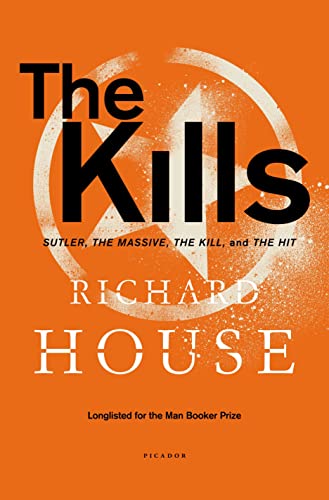
No. 80 on this list. The Kills
Richard House · 2013
No. 81 on this list. Smilla's Sense of Snow
Peter Høeg · 1992
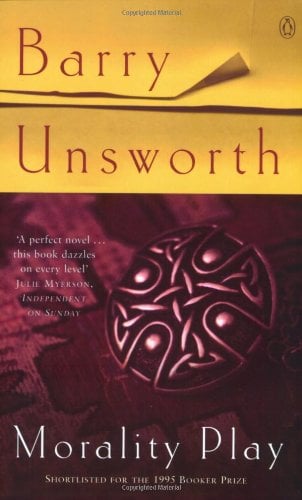
No. 82 on this list. Morality Play
Barry Unsworth · 1995
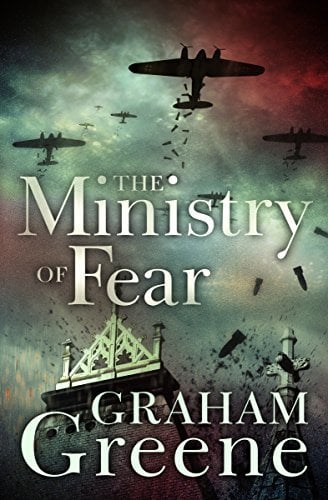
No. 83 on this list. The Ministry of Fear
Graham Greene · 1943
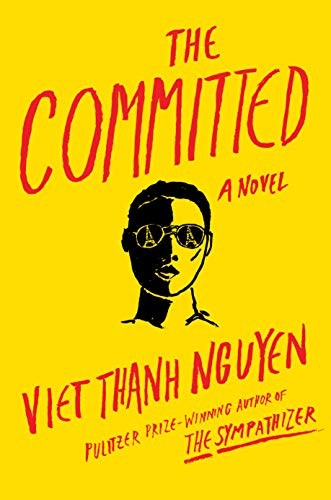
No. 84 on this list. The Committed
Viet Thanh Nguyen · 2021
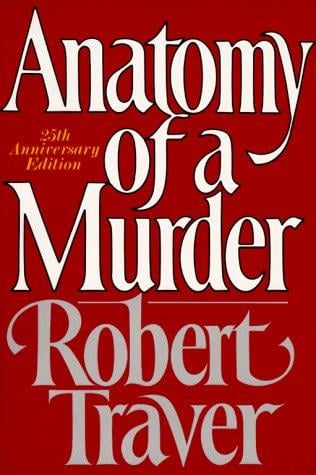
No. 85 on this list. Anatomy of a Murder
Robert Traver · 1958
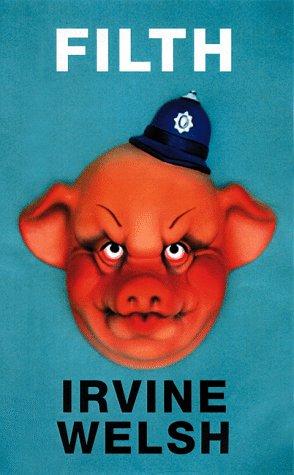
No. 86 on this list. Filth
Irvine Welsh · 1998
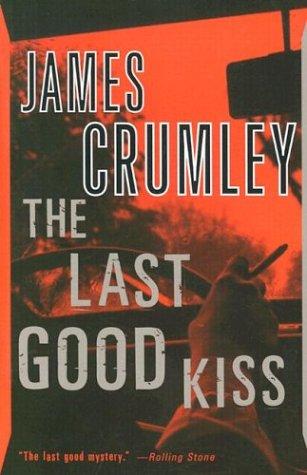
No. 87 on this list. The Last Good Kiss
James Crumley · 1978
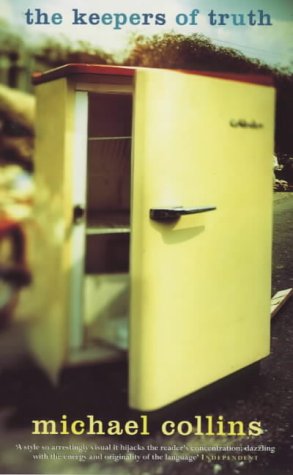
No. 88 on this list. The Keepers of Truth
Michael Collins · 2000
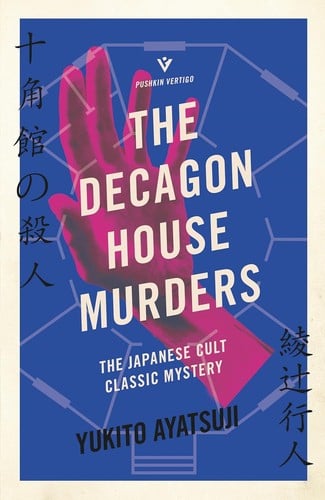
No. 89 on this list. The Decagon House Murders
Yukito Ayatsuji · 1987
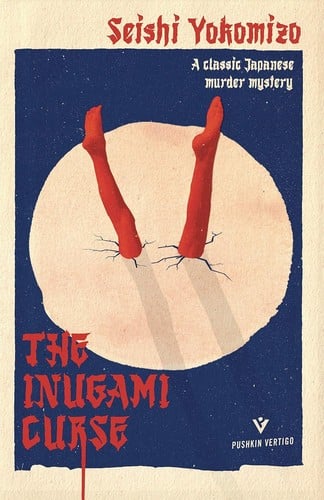
No. 90 on this list. The Inugami Curse
Seishi Yokomizo · 1951
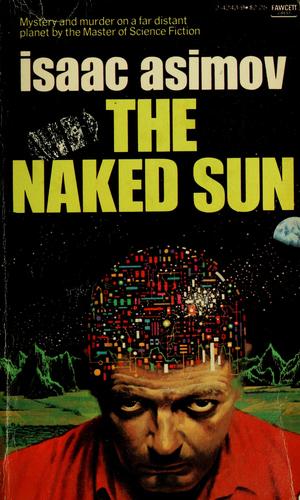
No. 91 on this list. The Naked Sun
Isaac Asimov · 1957
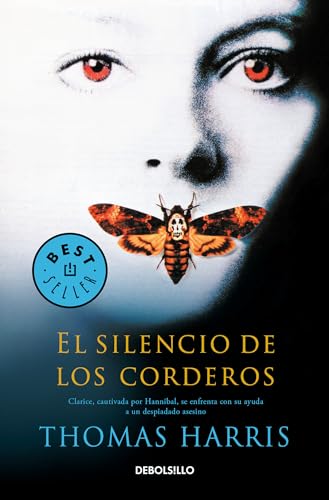
No. 92 on this list. The Silence of the Lambs
Thomas Harris · 1988
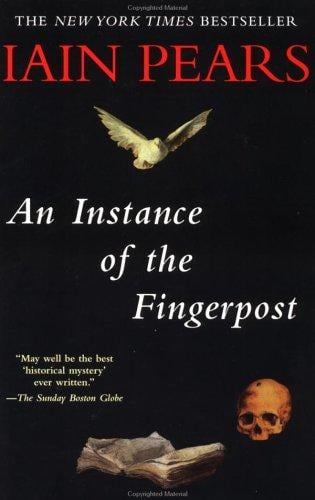
No. 93 on this list. An Instance of the Fingerpost
Iain Pears · 1997
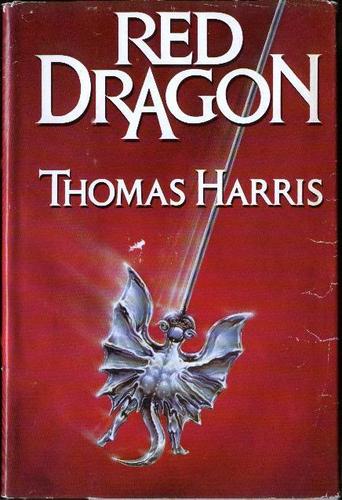
No. 94 on this list. Red Dragon
Thomas Harris · 1981
No. 95 on this list. The Club Dumas
Arturo Pérez-Reverte · 1993
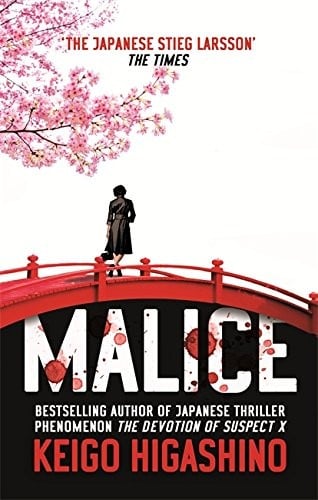
No. 96 on this list. Malice
Keigo Higashino · 1996
No. 97 on this list. The Fencing Master
Arturo Pérez-Reverte · 1988
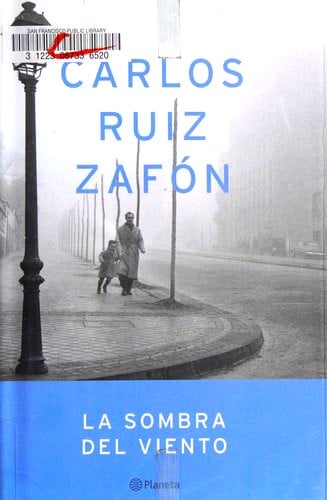
No. 98 on this list. The Shadow of the Wind
Carlos Ruiz Zafón · 2001
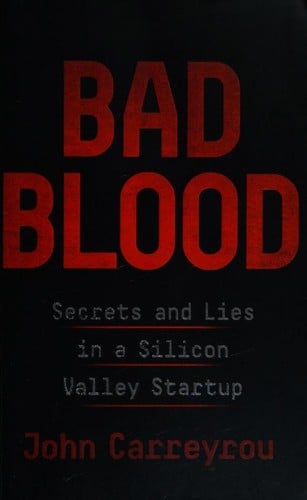
No. 99 on this list. Bad Blood: Secrets and Lies in a Silicon Valley Startup
John Carreyrou · 2018
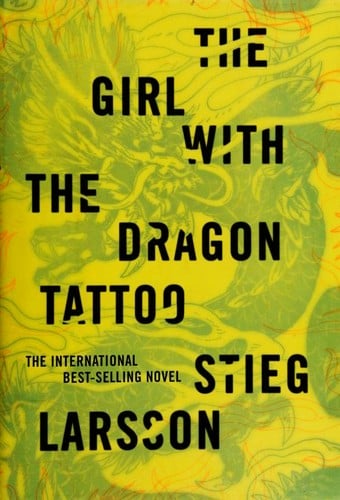
No. 100 on this list. The Girl with the Dragon Tattoo
Stieg Larsson · 2005
About this list
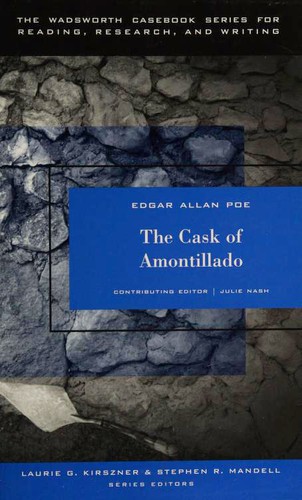
These 100 books are the highest-scoring eligible mystery and crime novels by men currently in the catalogue. By literary regard, it opens with Crime and Punishment, The Cask of Amontillado and The Tell-Tale Heart. About 883 hours of reading in all. Difficulty runs from 46 to 64 out of 100 for the middle half of the list; the summit is The New York Trilogy at 87.
This list is ranked by literary regard, with a consistent order for equal scores. Membership follows authors and co-authors, not translators or editors. Catalogue coverage and the historical canon both limit what this list can represent, and genre labels are the catalogue’s own, gathered into broader kinds.
When we matched the Canons dataset to our catalogue in October 2026, our canonical-status scores rose with the number of school curricula, publisher series and lists in it that cite a work: the median score was 72 for books one such source cites, 84 at two, 88 at three, 92 at four and 93 at five or more. Prizes are left out of that count. Outside the state curricula, the dataset’s sources choose mostly from what has been translated into English or French, so it is a weaker check on other literatures. Source: Canons (Andrew Piper), CC BY 4.0
Questions people actually ask
- What are the best mystery and crime novels by men?
- By literary regard, which weighs canonical status, critical standing and influence, Crime and Punishment, The Cask of Amontillado, The Tell-Tale Heart, The New York Trilogy and Bleak House lead. ReadingRate ranks 100 such books, each with a difficulty score and a reading-time estimate.
- Where should I start with mystery and crime novels by men?
- Start from difficulty, not from rank. The most approachable books on this list that still carry top literary regard are The Complete Sherlock Holmes by Arthur Conan Doyle (about 5.6 hours), The Hound of the Baskervilles by Arthur Conan Doyle and The Tell-Tale Heart by Edgar Allan Poe.
- How hard are mystery and crime novels by men to read?
- Most of this list sits between 46 and 64 on ReadingRate's 100-point difficulty scale, where 40 to 55 is moderate. The summit is The New York Trilogy at 87. Every entry carries its own score, so a reader can pick a great book at a difficulty they will finish.
- How is this list ranked?
- On literary-regard data: how canonically established a work is, its critical standing, and its influence on later writing. It is not a readers’ poll, which is why recent bestsellers rarely appear. Membership follows authors and co-authors, not translators or editors. A list that is not a genre list keeps to literature (fiction, poetry, drama and philosophy), with philosophy taking no more than one slot in five while there is literature left to rank; every list holds at most three works by one author.