Hours at an average pace
Showing 100 books
About 973 hours for 100 of 100 books with measured lengths. Estimates use 250 words a minute, adjusted for each book's difficulty. At 2 hours a day, about 487 days for those books.
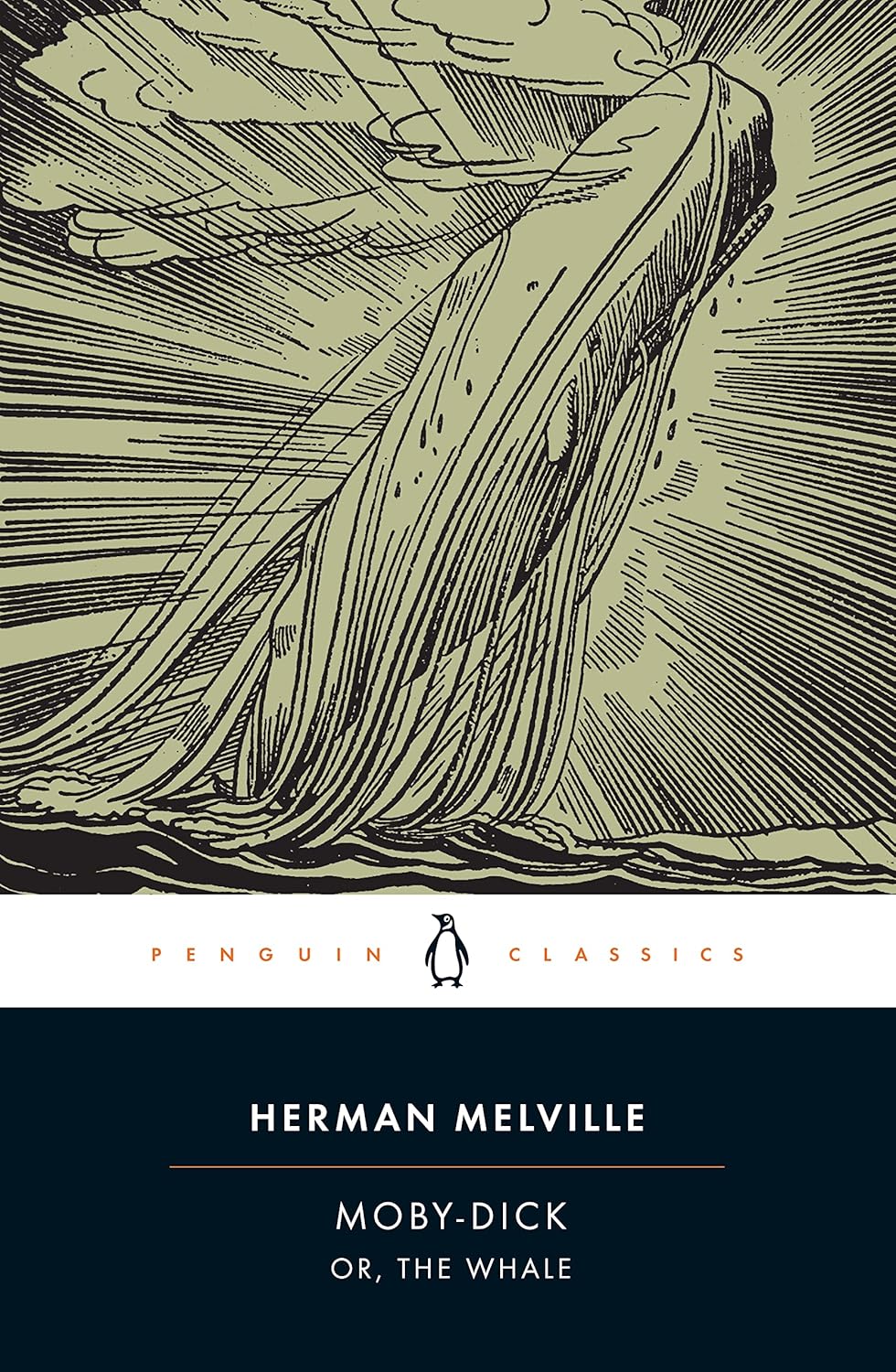
No. 1 on this list. Moby-Dick
Herman Melville · 1851
Difficult26 hours
Included in: Bokklubben World Library, Great Books of the Western World
Melville poured cetology, Shakespearean soliloquy, sermon, sea shanty, and metaphysical dread into one whaling voyage, creating a book that operates simultaneously as adventure novel, encyclopedia, and prose poem about obsession. Nothing in American literature before or since has this range of register in a single work.
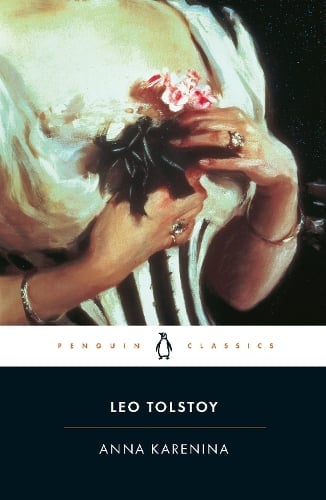
No. 2 on this list. Anna Karenina
Leo Tolstoy · 1877
Challenging26 hours
Taught in schools: Hungarian literature curriculum (magyar nyelv és irodalom) (Hungary), Lithuanian literature curriculum (lietuvių kalba ir literatūra), Russian FGOS literature standard
Included in: Bokklubben World Library
Appears on 334 university syllabi and has a Wikipedia article in 82 languages, placing it among the most globally recognized novels ever written. Consistently named to lists of the greatest novels—TIME All-TIME 100 Novels (2005) and Le Monde's 100 Books of the Century (1999)—and taught wherever world literature courses exist. Its status as a masterpiece of the novel form is essentially uncontested across literary traditions.
No. 3 on this list. Adventures of Huckleberry Finn
Mark Twain · 1884
Moderate7.5 hours
Taught in schools: Pearson Edexcel GCSE and A-level English Literature (UK)
Included in: Bokklubben World Library, Great Books of the Western World
Adventures of Huckleberry Finn is taught in virtually every American high school and university American literature course, and is among the most debated and analyzed works in the American canon. Its Wikipedia article spans 62 languages with a dedicated reception section, reflecting global critical discourse sustained for over 140 years. Ernest Hemingway's declaration that all modern American literature comes from this one book cemented its place as the foundational American novel.
No. 4 on this list. Crime and Punishment
Fyodor Dostoevsky · 1866
Difficult24 hours
Taught in schools: Common Core text exemplars (Appendix B) (US), Lektury obowiązkowe – Polish national reading list (Poland), Lithuanian literature curriculum (lietuvių kalba ir literatūra)
Included in: Bokklubben World Library
Crime and Punishment is required reading in virtually every world literature curriculum and Russian literature course. It appears on 711 university syllabi (Open Syllabus) and is available in 82 Wikipedia languages, placing it among the most globally recognized novels ever written. It consistently appears on canonical 'greatest novels' lists, including TIME's All-TIME 100 Novels.
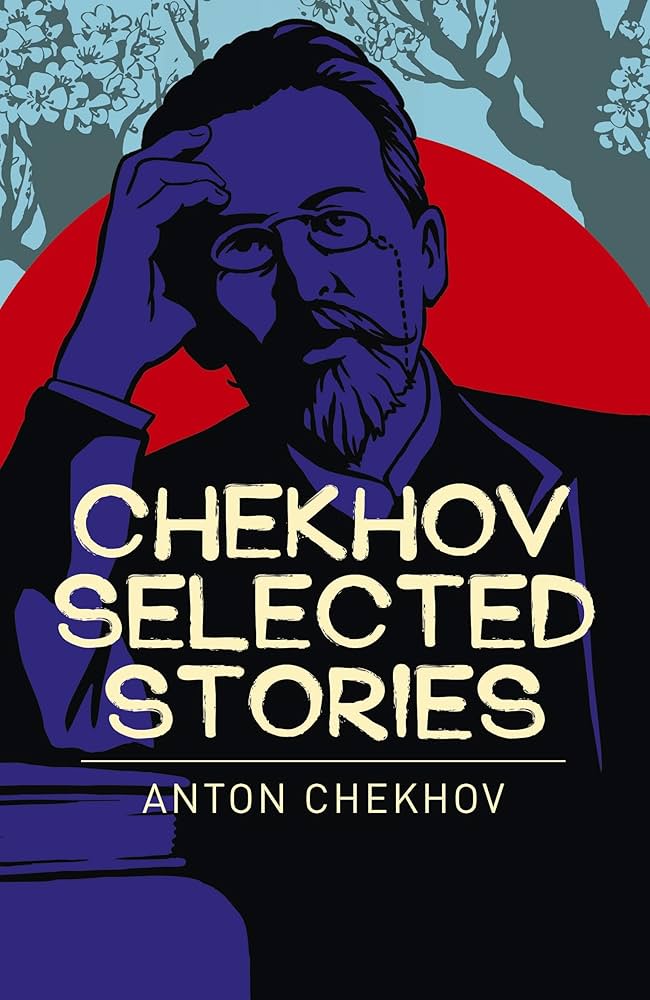
Chekhov anchors the short-story unit of virtually every world-literature and creative-writing syllabus in the English-speaking world, and "The Lady with the Dog," "Gooseberries," and "Ward No. 6" are among the most frequently anthologized stories in any language. Our database has no syllabus or Wikipedia-language data recorded against this specific collection entry, but that reflects the absence of one fixed "Selected Stories" edition to track rather than any gap in his standing.
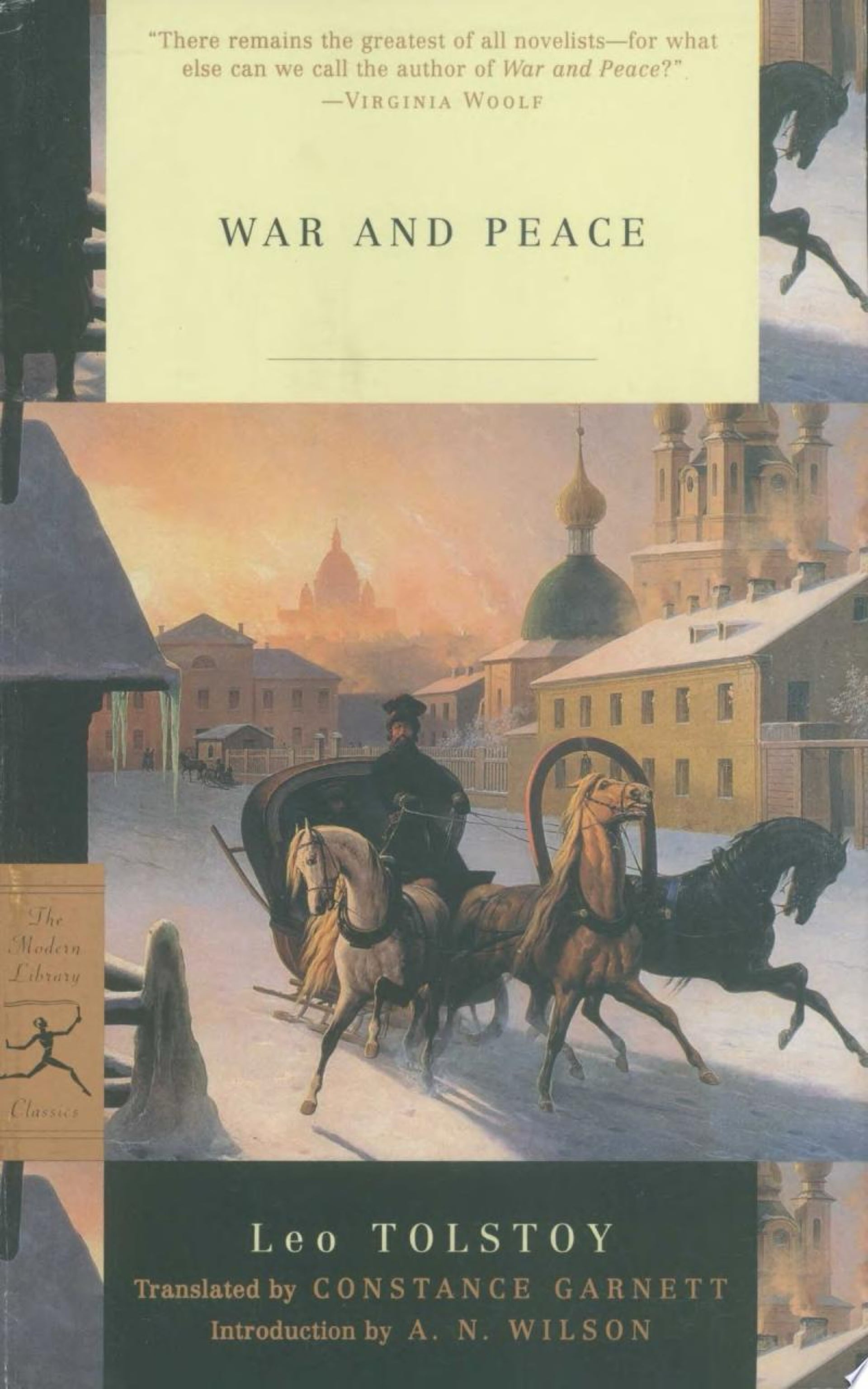
No. 6 on this list. War and Peace
Leo Tolstoy · 1869
Moderate39 hours
Taught in schools: Russian FGOS literature standard, Turkish edebiyat curriculum (Turkey)
Included in: Bibliothèque de la Pléiade, Bokklubben World Library, Great Books of the Western World
War and Peace appears on 120 university syllabi (Open Syllabus) and has Wikipedia articles in 80 languages, placing it among the most globally recognized novels ever written. It features on the BBC Big Read Top 100, the 1001 Books You Must Read Before You Die list, and the Open Syllabus Top 500 Literature canon, with a prestige NYRB Classics edition. The book is referenced universally as the archetype of the sweeping Russian novel.
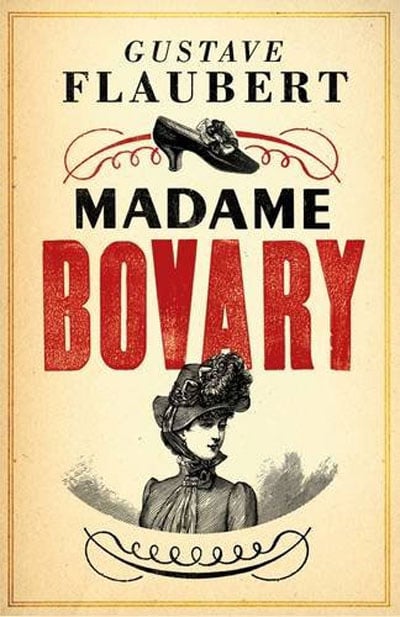
Appears on 986 university syllabi according to the Open Syllabus Project, placing it in the top tier of world literature taught in higher education. Wikipedia articles exist in 63 languages with dedicated Reception and Adaptations sections, confirming its status as a global canonical text. Listed on the Open Syllabus Top 500 Literature and 1001 Books You Must Read Before You Die.
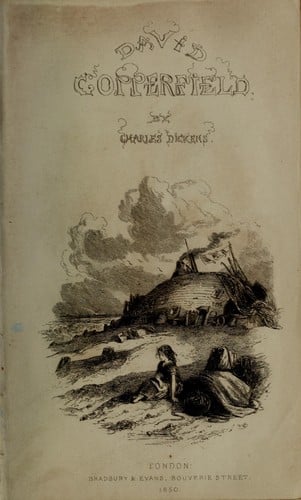
No. 8 on this list. David Copperfield
Charles Dickens · 1850
Moderate24 hours
Taught in schools: WJEC/Eduqas GCSE and A-level English Literature (UK)
David Copperfield is firmly established in the Western literary canon as one of Dickens's supreme achievements and a defining example of the Victorian Bildungsroman. It remains widely taught, studied, and adapted across cultures.
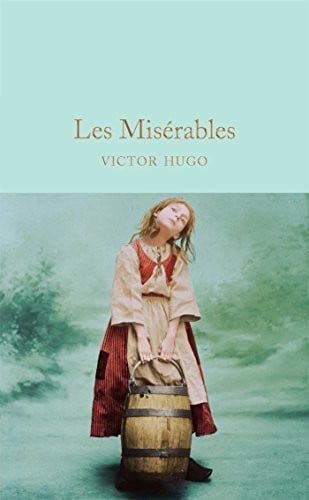
No. 9 on this list. Les Misérables
Victor Hugo · 1862
Challenging51 hours
Taught in schools: Turkish edebiyat curriculum (Turkey)
Les Misérables has a Wikipedia article available in 71 languages and a 73,000-character article with dedicated reception and adaptations sections — indicators of global cultural reach matched by few 19th-century novels. It is treated as a foundational text in French literature courses worldwide and appears on most lists of essential world fiction. Its canonical status in francophone secondary and university education is comparable to Hamlet's in English curricula.
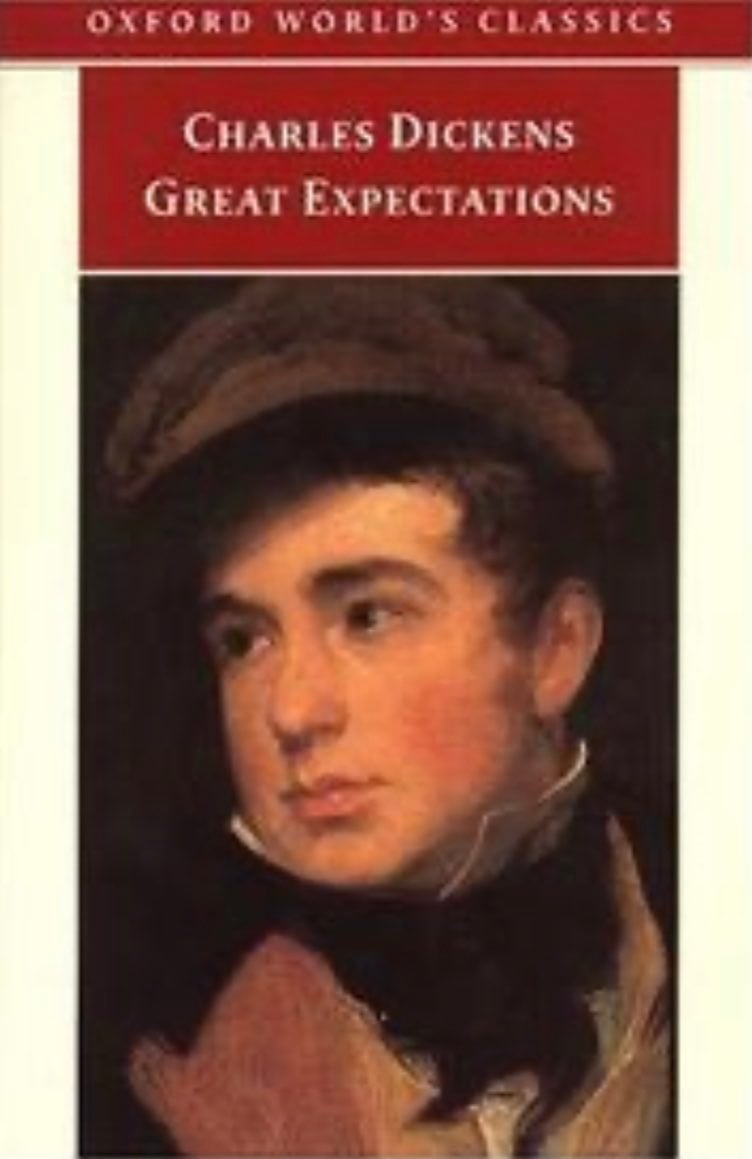
No. 10 on this list. Great Expectations
Charles Dickens · 1861
Moderate12 hours
Taught in schools: AQA GCSE and A-level English Literature (UK), OCR GCSE and A-level English Literature (UK), Pearson Edexcel GCSE and A-level English Literature (UK)
Included in: Bokklubben World Library
Dickens tracked Pip's journey from a Kent forge to London's moneyed drawing rooms to expose the way class aspiration corrodes character — then made the reader complicit in Pip's snobbery before pulling back the curtain on who his true benefactor was. It is his most psychologically honest novel, and the one where his plotting matches his moral intelligence.
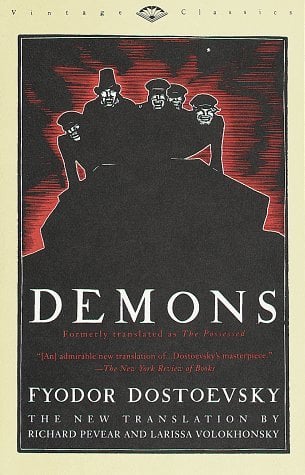
No. 11 on this list. Demons · Fyodor Dostoevsky · 1872
Included in: Bokklubben World Library
A revolutionary cell takes hold of a provincial Russian town, manipulating liberal reformers and committing murder in the name of progress. Based partly on the Nechaev affair—a real case where a revolutionary leader murdered a skeptical member of his group—Dostoevsky creates a portrait of ideological possession that proved prophetic. Nikolai Stavrogin, beautiful and morally empty, inspires devotion he cannot reciprocate. Pyotr Verkhovensky, cunning and nihilistic, orchestrates chaos he believes will bring utopia. Around them swirl liberals, revolutionaries, idealists, and cynics whose ideas have disconnected from reality. The novel is Dostoevsky's darkest political vision: a society where borrowed Western ideas have corrupted Russian souls, where the best lack all conviction and the worst are full of passionate intensity. Also published as The Possessed or The Devils.
Challenging22 hours
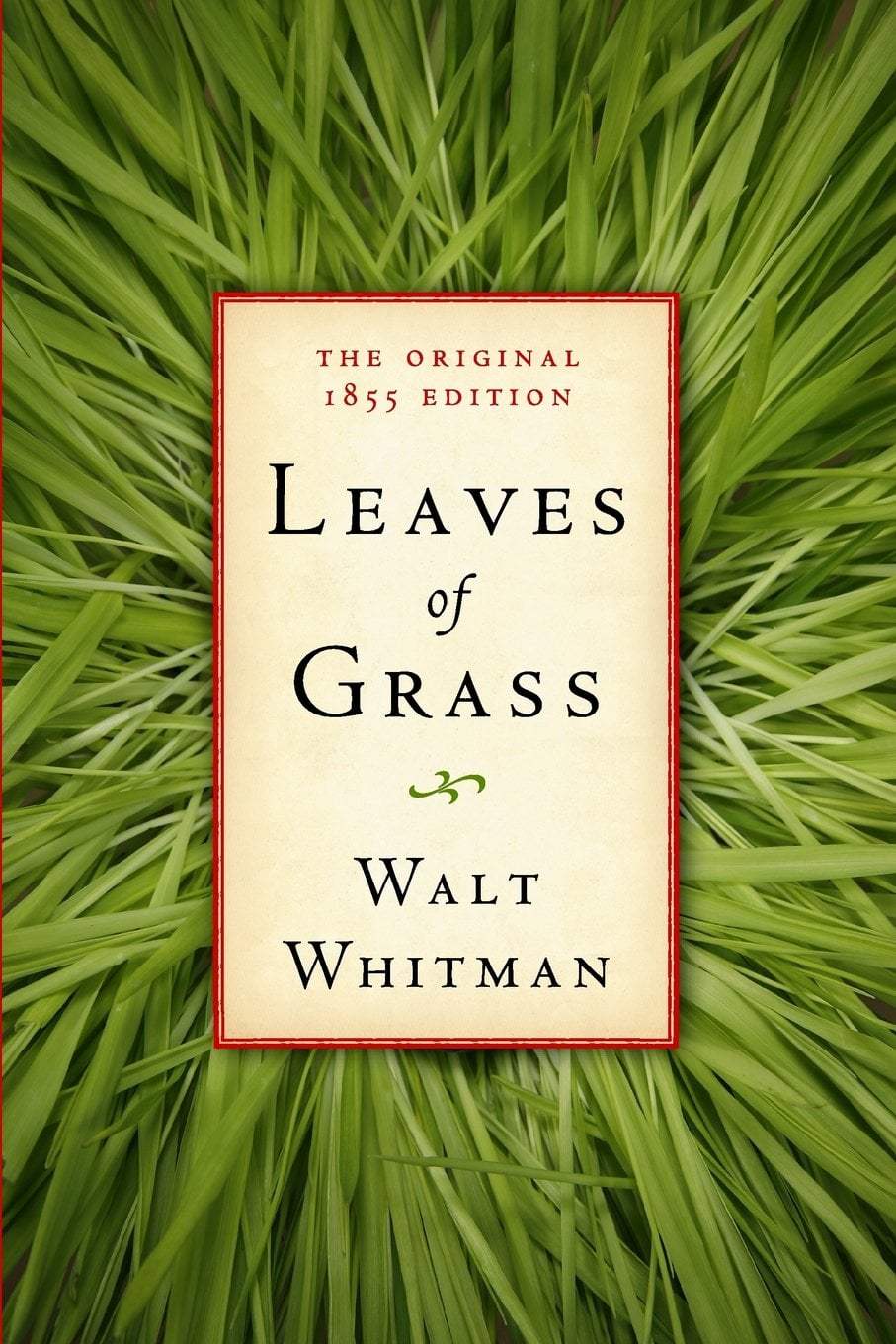
Read nowNo. 12 on this list. Leaves of Grass · Walt Whitman · 1855
Included in: Bokklubben World Library
Whitman's opening salvo—"I celebrate myself, and sing myself"—broke every rule of Victorian verse: no fixed meter, no rhyme, no inherited diction, just the American vernacular cataloging dockworkers, prostitutes, and prairies in ecstatic cadences. Every free-verse poet since writes in the wake of this book.
Moderate8.5 hours
Read nowNo. 13 on this list. The Idiot · Fyodor Dostoevsky · 1869
Taught in schools: Russian FGOS literature standard
Included in: Bokklubben World Library
Prince Myshkin steps off a train into St. Petersburg after four years in a Swiss sanatorium, cured of his epilepsy but carrying no money, no connections, and a disposition so transparently good that everyone around him assumes he is simple. He is not simple. He sees directly into people — their vanity, their suffering, their better selves — and says so without calculation, which the society he enters reads as idiocy. Within days he is entangled with two women: Nastasya Filippovna, a celebrated beauty who has been kept and ruined by a wealthy patron and who tears through every room she enters, and Aglaya Epanchina, young and proud and surrounded by suitors. Both fall in love with him. He loves both. He cannot save either. Dostoevsky set out to portray a 'positively beautiful man' and then placed him in conditions designed to break such a man apart. The question the novel drives toward — whether goodness has any purchase on the world, whether beauty can save or only destroy — is never answered. What accumulates instead is a portrait of Russian society in the 1860s: the new money, the decayed gentry, the radical youths, the drawing rooms where everyone performs and no one is seen. Myshkin alone refuses to perform, which makes him simultaneously the novel's moral center and its most helpless figure. The final scene — two men sitting in darkness beside a dead woman — is among the most harrowing endings in 19th-century fiction.
Challenging19 hours
Read nowNo. 14 on this list. Peer Gynt · Henrik Ibsen · 1867
Peer Gynt is a cornerstone of the Scandinavian theatrical canon and is regularly staged worldwide, from the National Theatre to major European opera houses. Edvard Grieg's 1876 incidental music gave the work cultural reach extending far beyond theatre audiences. It appears on world drama syllabi internationally and is central to any survey of 19th-century European literature.
Challenging4 hours
Start this bookNo. 15 on this list. The Lady with the Dog · Anton Chekhov · 1899
Taught in schools: Russian FGOS literature standard
Among the most anthologized and taught short stories in any language, a staple of fiction courses and writing workshops. It is frequently named as the greatest short story ever written.
Challenging32 min
Read nowNo. 16 on this list. A Doll's House · Henrik Ibsen · 1879
Taught in schools: AQA GCSE and A-level English Literature (UK), Common Core text exemplars (Appendix B) (US), Leaving Certificate English – NCCA / State Examinations Commission (Ireland)
Included in: Bokklubben World Library, Great Books of the Western World
Ibsen made a wife walk out on her husband and children in the final scene, and the sound of that door slamming ricocheted across Europe, igniting debates about marriage, autonomy, and women's legal personhood that reshaped law and culture for the next century. The play invented modern social drama by treating a domestic argument as a political event.
Moderate1.8 hours
Read nowNo. 17 on this list. The Scarlet Letter · Nathaniel Hawthorne · 1850
Taught in schools: Common Core text exemplars (Appendix B) (US), CSEC English B – Caribbean Examinations Council
Appears on 1,893 university syllabi (Open Syllabus, 81.9th percentile), a fixture of American literature courses and AP high school curricula across the United States. Wikipedia articles exist in 38 languages, and the work has continuous presence in American literary education since its 1850 publication.
Difficult9.4 hours
Read nowNo. 18 on this list. The Seagull · Anton Chekhov · 1896
Taught in schools: Hungarian literature curriculum (magyar nyelv és irodalom) (Hungary), Russian FGOS literature standard
One of Chekhov's four major plays and a permanent part of the world repertory and of drama syllabi. Its 1898 Moscow Art Theatre revival is the founding event of that theatre, which still carries a seagull on its curtain.
Challenging2.1 hours
Read nowNo. 19 on this list. The Return of the Native · Thomas Hardy · 1878
The Return of the Native stands as one of Hardy's major tragic novels and a cornerstone of Victorian fiction. Egdon Heath's status as literary landscape rivals any in English literature, and the novel appears consistently in academic curricula and critical studies of the Victorian novel.
Challenging11 hours
Read nowNo. 20 on this list. Bartleby, the Scrivener · Herman Melville · 1853
One of the most taught and analyzed short stories in American literature, a foundational text of literary modernism.
Moderate56 min
Read now
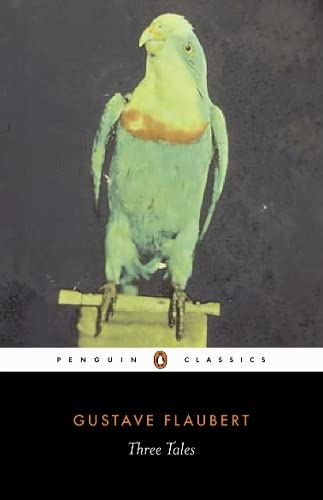
No. 21 on this list. Three Tales · Gustave Flaubert · 1877
"A Simple Heart" is one of the most anthologized short stories in world literature and appears across university syllabi in French literature and world literature courses. The collection as a whole is standard reading in 19th-century realism curricula globally. No scraped syllabus data was returned, but the collection's presence in major anthologies and its continuous critical attention over 140 years place it firmly in the high-canonical range.
Difficult5.6 hours
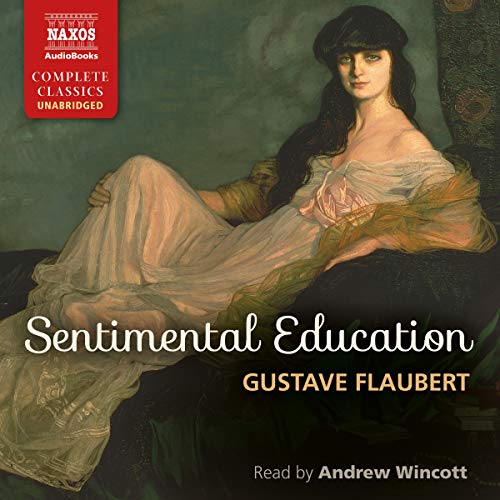
Start this bookNo. 22 on this list. Sentimental Education · Gustave Flaubert · 1869
Included in: Bokklubben World Library
Wikipedia article available in 27 languages with dedicated reception and adaptations sections, indicating sustained global readership. Taught in French literature and comparative literature courses at universities worldwide, though less universally assigned than Madame Bovary.
Challenging18 hours
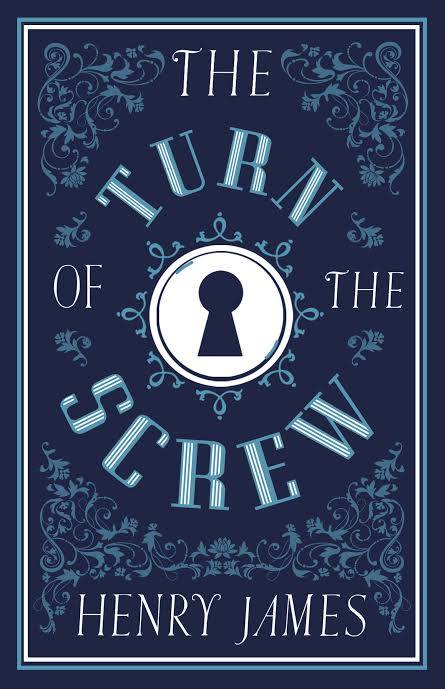
Read nowNo. 23 on this list. The Turn of the Screw · Henry James · 1898
Taught in schools: CSEC English B – Caribbean Examinations Council
Essential Gothic literature and James studies text; widely taught in ghost story, Victorian, and modernist courses; definitive example of narrative ambiguity and unreliable narration.
Difficult5.5 hours
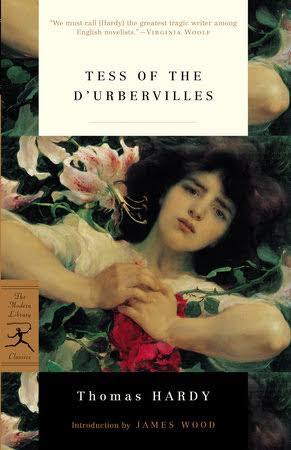
Read nowNo. 24 on this list. Tess of the d'Urbervilles · Thomas Hardy · 1891
Taught in schools: AQA GCSE and A-level English Literature (UK), Pearson Edexcel GCSE and A-level English Literature (UK)
Hardy built the most damning indictment of Victorian sexual morality around a woman whose "purity" the subtitle insists upon while every institution in the novel — church, law, family, class — conspires to destroy her for losing it. Tess Durbeyfield's fate demonstrated that the realist novel could prosecute an entire society's hypocrisy.
Challenging11 hours
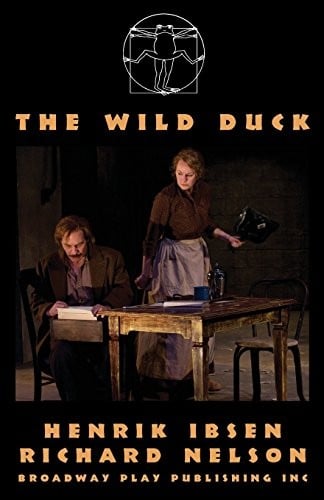
Read nowNo. 25 on this list. The Wild Duck · Henrik Ibsen · 1884
Taught in schools: Hungarian literature curriculum (magyar nyelv és irodalom) (Hungary)
Included in: Great Books of the Western World
The Wild Duck is a cornerstone of the Western dramatic canon, taught in virtually every university drama program and included in all standard collections of world theater. Though the database returns no syllabus count, Ibsen is the most taught non-English-language playwright in English-speaking universities, and this play—alongside Hedda Gabler and A Doll's House—appears on every major drama syllabus. It is consistently ranked among Ibsen's finest works and among the ten most important plays of the nineteenth century.
Moderate2.2 hours
Start this bookNo. 26 on this list. The Death of Ivan Ilyich · Leo Tolstoy · 1886
Taught in schools: Hungarian literature curriculum (magyar nyelv és irodalom) (Hungary), Russian FGOS literature standard
Included in: Bokklubben World Library
Universally regarded as one of the greatest novellas ever written. Studied across literature and philosophy courses.
Moderate1.2 hours
Start this bookNo. 27 on this list. Bleak House · Charles Dickens · 1853
Central Victorian novel in English literature curricula; essential Dickens alongside Great Expectations; studied as peak of his social criticism and narrative ambition.
Challenging34 hours
Read nowNo. 28 on this list. The Strange Case of Dr Jekyll and Mr Hyde · Robert Louis Stevenson · 1886
Taught in schools: AQA GCSE and A-level English Literature (UK), OCR GCSE and A-level English Literature (UK)
One of the most widely taught Victorian texts in English literature curricula at every level, from secondary school to university. The phrase 'Jekyll and Hyde' has entered common English as a synonym for dual personality. The novella appears on virtually every list of essential 19th-century fiction and is a fixture in Gothic literature, Victorian studies, and psychology-and-literature courses worldwide.
Challenging1.9 hours
Read nowNo. 29 on this list. The Portrait of a Lady · Henry James · 1881
Appears on 26 university syllabi per Open Syllabus (35th percentile), placing it as a canonical text in American and Victorian literature courses rather than a universally assigned one. With Wikipedia coverage in 22 languages and an adaptations section, the novel holds a recognized place in global literary culture. It anchors most serious treatments of the nineteenth-century psychological novel.
Difficult25 hours
Read nowNo. 30 on this list. The Mayor of Casterbridge · Thomas Hardy · 1886
Taught in schools: Leaving Certificate English – NCCA / State Examinations Commission (Ireland), WJEC/Eduqas GCSE and A-level English Literature (UK)
The Mayor of Casterbridge stands as one of Hardy's major tragic novels, regularly taught in universities and included in canonical lists. While not quite achieving Tess of the d'Urbervilles' or Jude the Obscure's cultural prominence, it's recognized as essential Hardy and a definitive expression of Victorian tragic naturalism. The novel appears in Norton, Penguin, Oxford World's Classics editions and scholarly studies treat it as central to understanding nineteenth-century fiction's evolution toward modernism.
Challenging11 hours
Read now
No. 31 on this list. Noli Me Tangere
José Rizal · 1887
Included in: Biblioteca Ayacucho, UNESCO Collection of Representative Works
No. 32 on this list. A Sportsman's Sketches
Ivan Turgenev · 1852
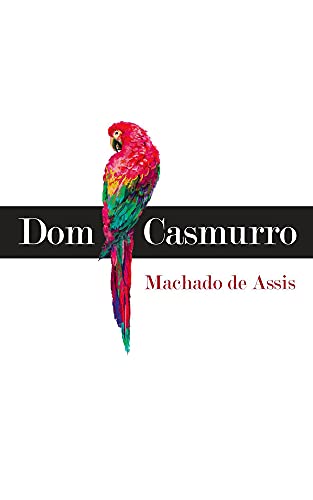
No. 33 on this list. Dom Casmurro
Machado de Assis · 1899
Taught in schools: FUVEST leituras obrigatórias (USP vestibular) (Brazil)
No. 34 on this list. Les Contemplations
Victor Hugo · 1856
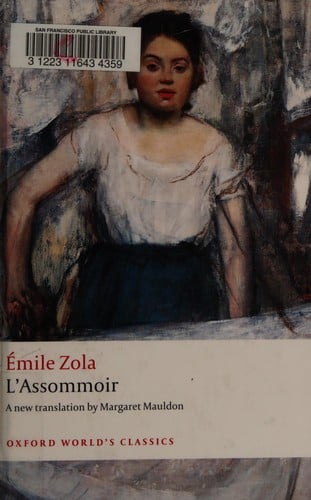
No. 35 on this list. L'Assommoir
Émile Zola · 1877
No. 36 on this list. Benito Cereno
Herman Melville · 1855
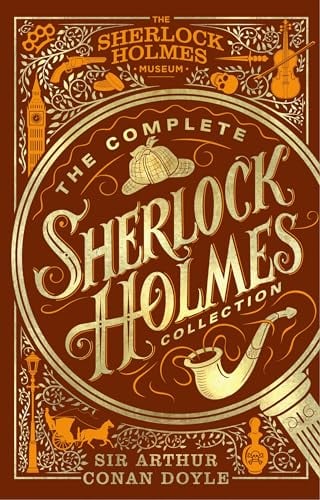
No. 37 on this list. The Complete Sherlock Holmes
Arthur Conan Doyle · 1887
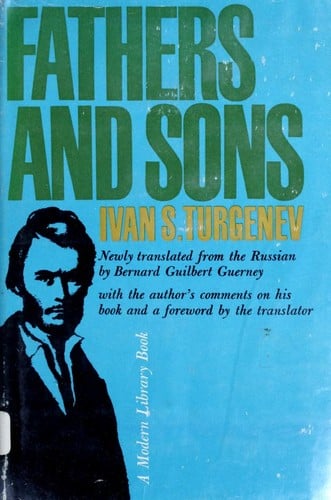
No. 38 on this list. Fathers and Sons
Ivan Turgenev · 1862
Taught in schools: Common Core text exemplars (Appendix B) (US), Russian FGOS literature standard, Turkish edebiyat curriculum (Turkey)
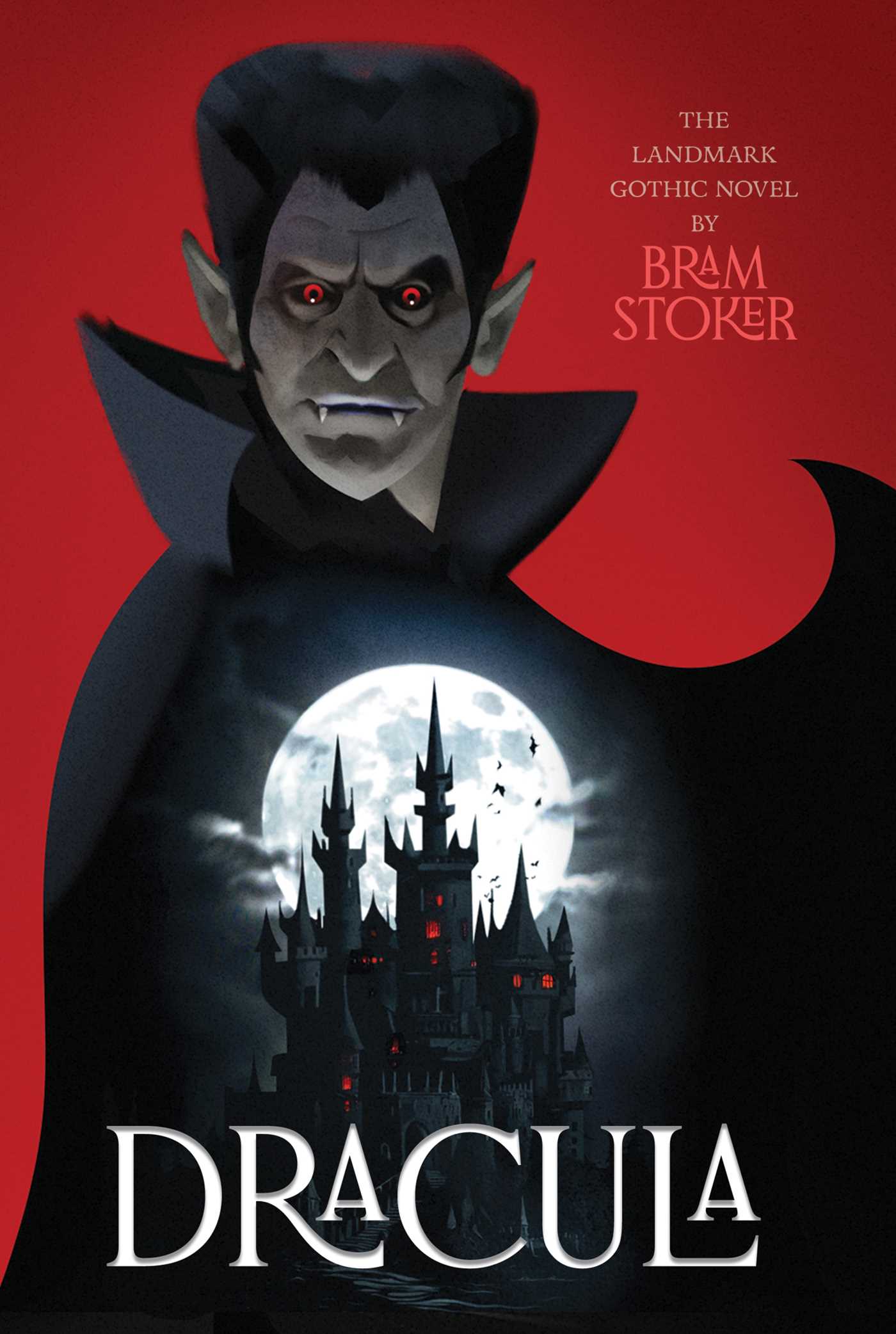
No. 39 on this list. Dracula
Bram Stoker · 1897
Taught in schools: CSEC English B – Caribbean Examinations Council, Leaving Certificate English – NCCA / State Examinations Commission (Ireland), OCR GCSE and A-level English Literature (UK)
Included in: Bibliothèque de la Pléiade
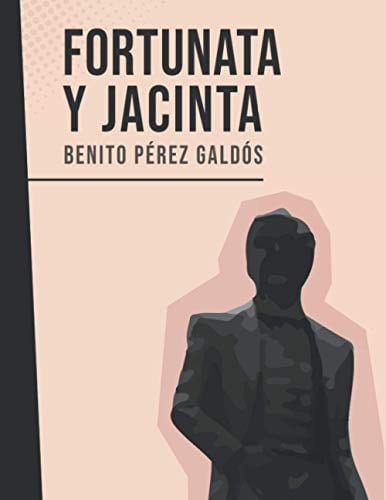
No. 40 on this list. Fortunata and Jacinta
Benito Pérez Galdós · 1887
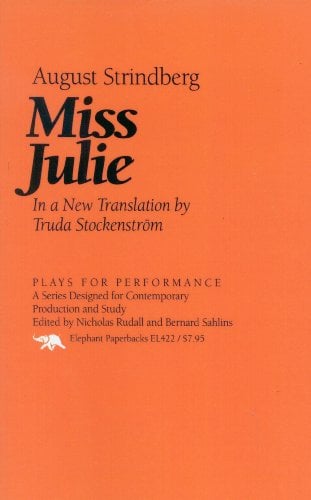
No. 41 on this list. Miss Julie
August Strindberg · 1888
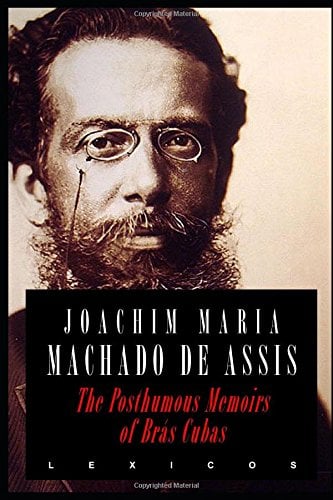
No. 42 on this list. The Posthumous Memoirs of Brás Cubas
Machado de Assis · 1881
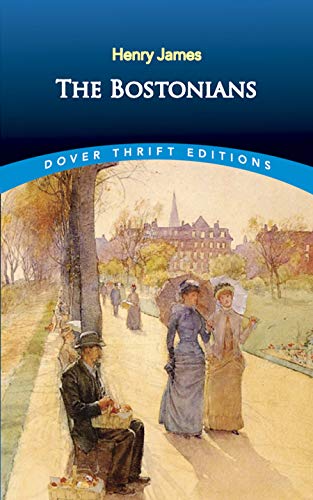
No. 43 on this list. The Bostonians
Henry James · 1886
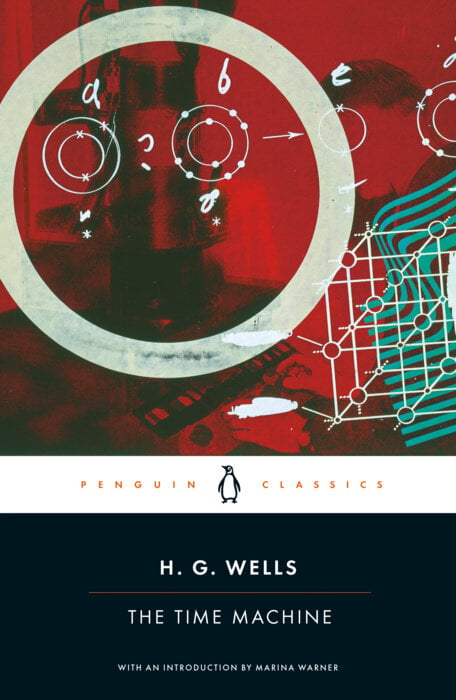
No. 44 on this list. The Time Machine
H.G. Wells · 1895
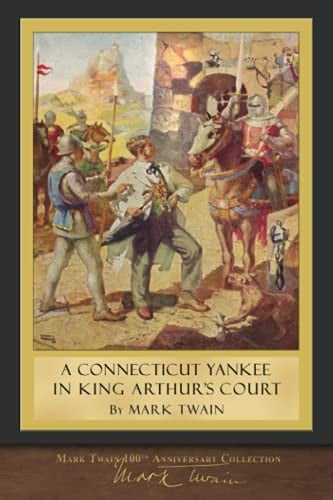
No. 45 on this list. A Connecticut Yankee in King Arthur's Court
Mark Twain · 1889
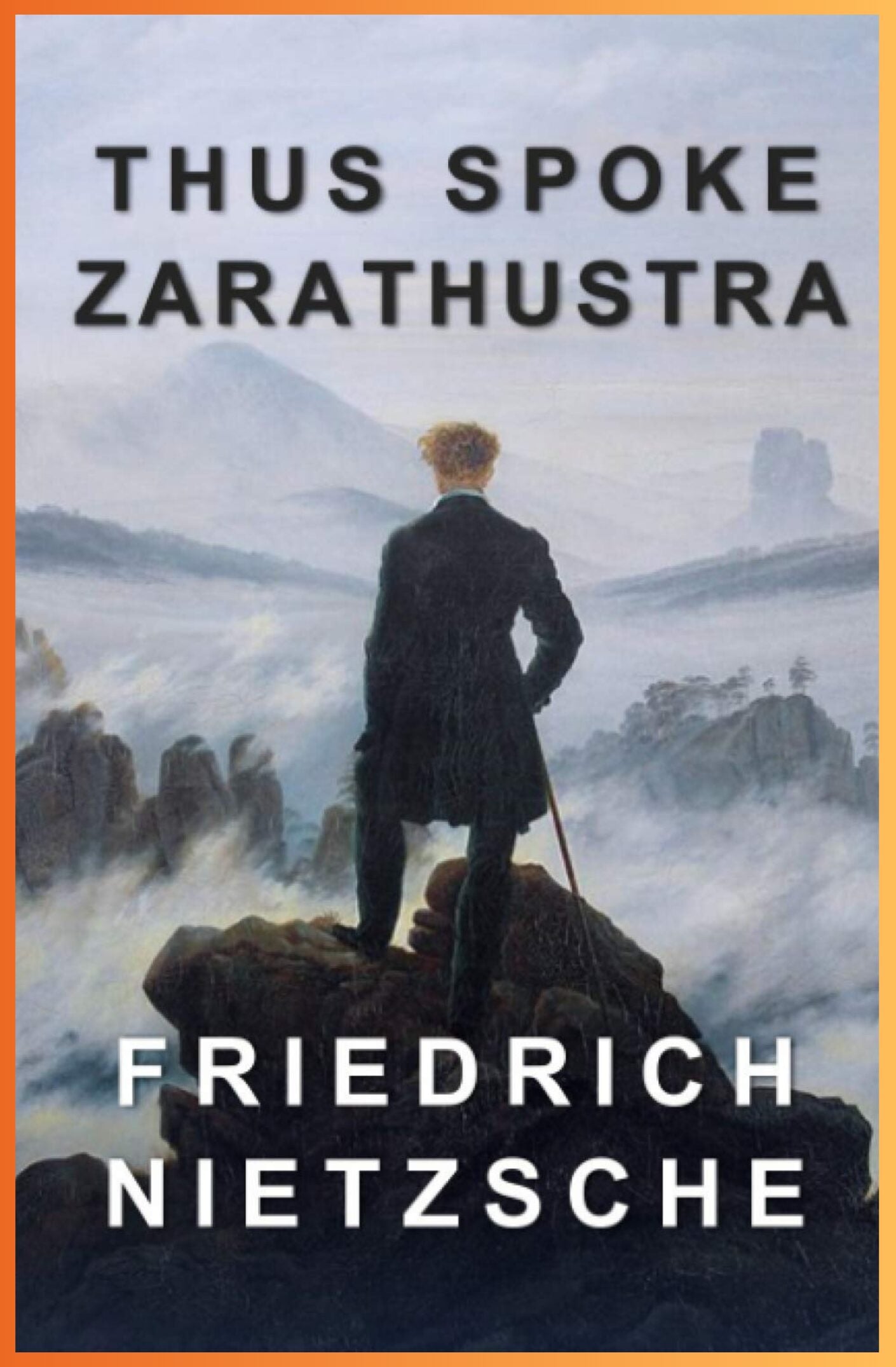
No. 46 on this list. Thus Spoke Zarathustra
Friedrich Nietzsche · 1885
No. 47 on this list. The Moonstone
Wilkie Collins · 1868
Taught in schools: AQA GCSE and A-level English Literature (UK), Pearson Edexcel GCSE and A-level English Literature (UK)
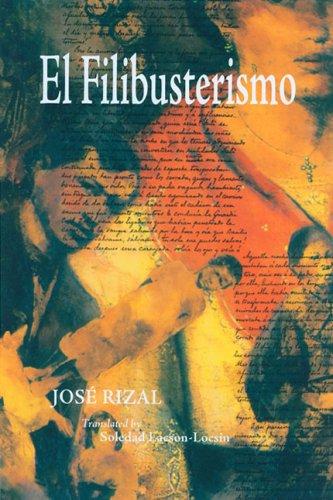
No. 48 on this list. El Filibusterismo
José Rizal · 1891
Included in: UNESCO Collection of Representative Works
No. 49 on this list. 20,000 Leagues Under the Sea
Jules Verne · 1870
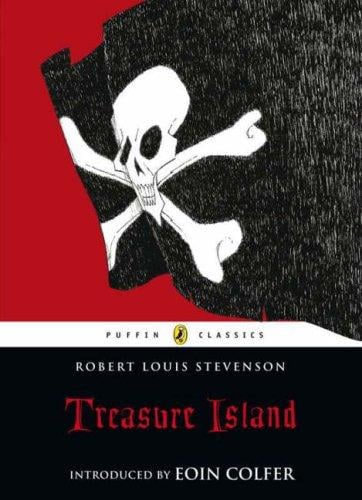
No. 50 on this list. Treasure Island
Robert Louis Stevenson · 1883
Taught in schools: Pacific Senior Secondary Certificate – English
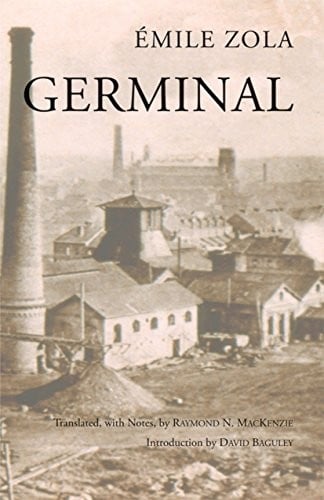
No. 51 on this list. Germinal
Émile Zola · 1885
No. 52 on this list. The Father
August Strindberg · 1887
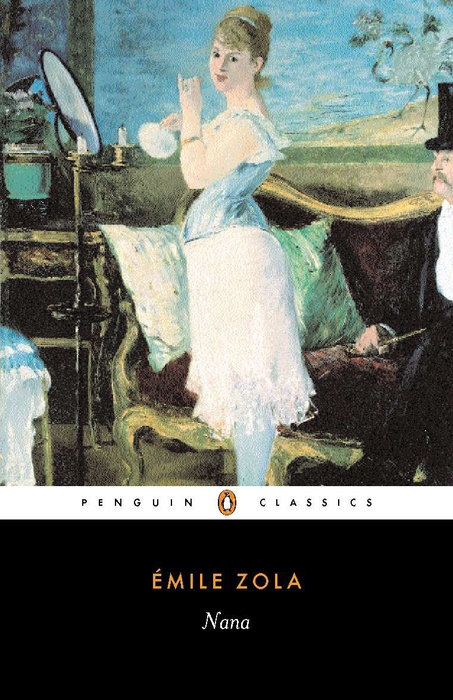
No. 53 on this list. Nana
Émile Zola · 1880
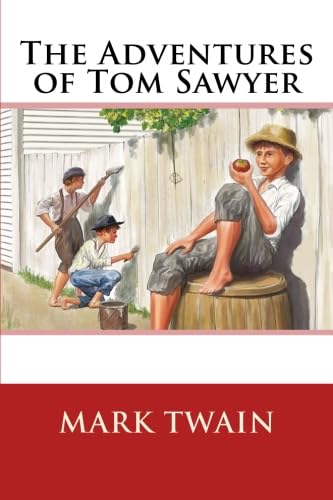
No. 54 on this list. The Adventures of Tom Sawyer
Mark Twain · 1876
Taught in schools: Common Core text exemplars (Appendix B) (US)
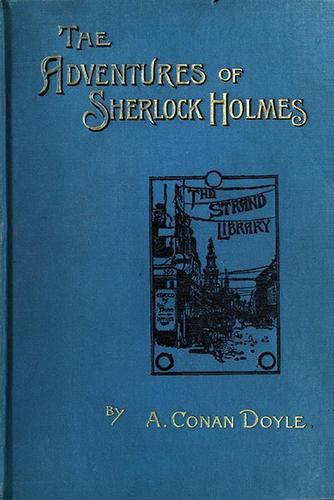
No. 55 on this list. The Adventures of Sherlock Holmes
Arthur Conan Doyle · 1892
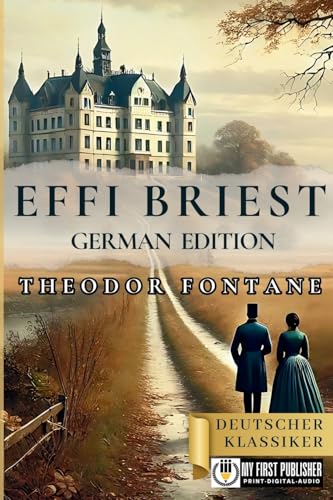
No. 56 on this list. Effi Briest
Theodor Fontane · 1895
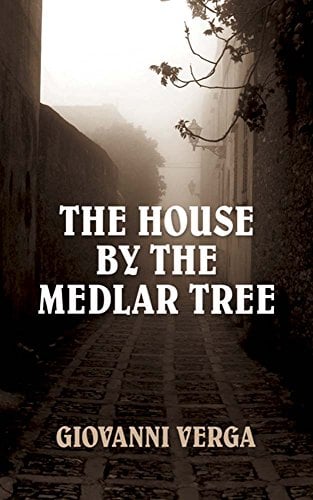
No. 57 on this list. The House by the Medlar Tree
Giovanni Verga · 1881
No. 58 on this list. Quincas Borba
Machado de Assis · 1891
Included in: Biblioteca Ayacucho, UNESCO Collection of Representative Works
No. 59 on this list. Pierre and Jean
Guy de Maupassant · 1888
No. 60 on this list. On the Eve
Ivan Turgenev · 1860
Taught in schools: Russian FGOS literature standard
No. 61 on this list. The Way We Live Now
Anthony Trollope · 1875
No. 62 on this list. Twenty Thousand Leagues Under the Sea
Jules Verne · 1870
No. 63 on this list. Mastro-don Gesualdo
Giovanni Verga · 1889
Included in: UNESCO Collection of Representative Works
No. 64 on this list. The Stechlin
Theodor Fontane · 1898
No. 65 on this list. Journey to the Center of the Earth
Jules Verne · 1864
No. 66 on this list. The Woman in White
Wilkie Collins · 1859
No. 67 on this list. The Marble Faun
Nathaniel Hawthorne · 1860
No. 68 on this list. The House of the Seven Gables
Nathaniel Hawthorne · 1851
No. 69 on this list. The Weavers
Gerhart Hauptmann · 1892
No. 70 on this list. The Golovlyov Family
Mikhail Saltykov-Shchedrin · 1880

No. 71 on this list. Ninety-Three
Victor Hugo · 1874
No. 72 on this list. Carmilla
Sheridan Le Fanu · 1872
No. 73 on this list. A Woman's Life
Guy de Maupassant · 1883
No. 74 on this list. Bel-Ami
Guy de Maupassant · 1885
No. 75 on this list. Oblomov
Ivan Goncharov · 1859
Taught in schools: Russian FGOS literature standard
No. 76 on this list. McTeague
Frank Norris · 1899
No. 77 on this list. Pelleas and Melisande
Maurice Maeterlinck · 1893
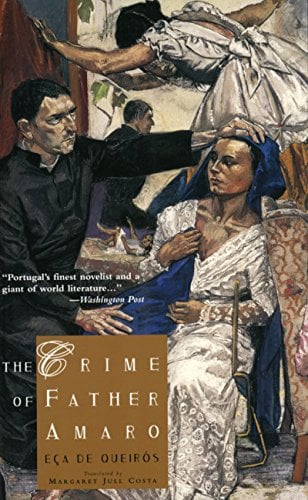
No. 78 on this list. The Crime of Father Amaro
José Maria de Eça de Queirós · 1875
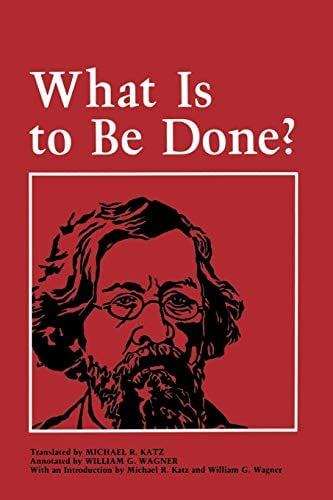
No. 79 on this list. What Is to Be Done?
Nikolai Chernyshevsky · 1863
Taught in schools: Russian FGOS literature standard
No. 80 on this list. Inferno
August Strindberg · 1897
No. 81 on this list. The Princess and the Goblin
George MacDonald · 1872
No. 82 on this list. Lady Macbeth of Mtsensk
Nikolai Leskov · 1865
Taught in schools: Russian FGOS literature standard
No. 83 on this list. Doña Perfecta
Benito Pérez Galdós · 1876
No. 84 on this list. Barchester Towers
Anthony Trollope · 1857
No. 85 on this list. The Charles Men
Verner von Heidenstam · 1897
No. 86 on this list. Kidnapped
Robert Louis Stevenson · 1886
No. 87 on this list. The Promised Land
Władysław Reymont · 1899
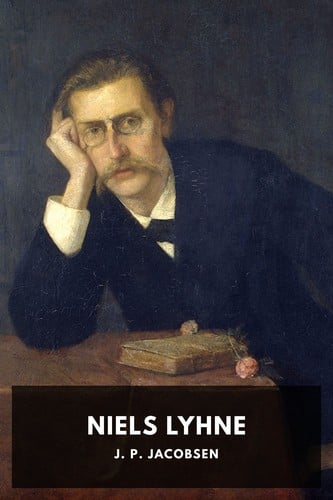
No. 88 on this list. Niels Lyhne
Jens Peter Jacobsen · 1880
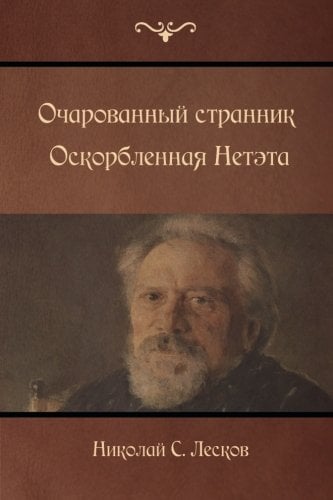
No. 89 on this list. The Enchanted Wanderer
Nikolai Leskov · 1873
Taught in schools: Russian FGOS literature standard
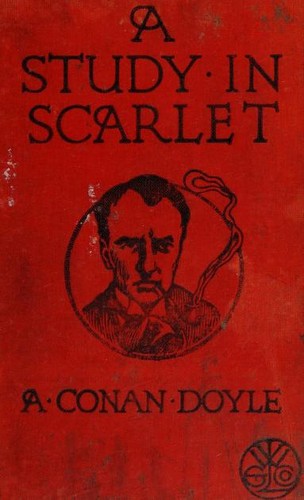
No. 90 on this list. A Study in Scarlet
Arthur Conan Doyle · 1887
No. 91 on this list. Indian Summer
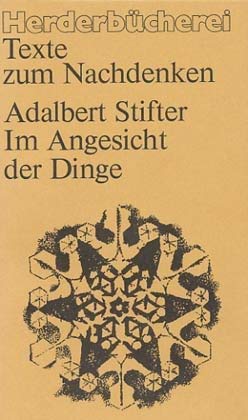
Adalbert Stifter · 1857
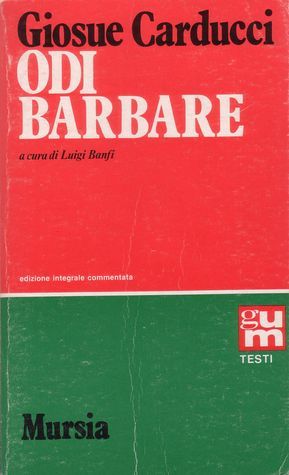
No. 92 on this list. Odi barbare
Giosuè Carducci · 1877
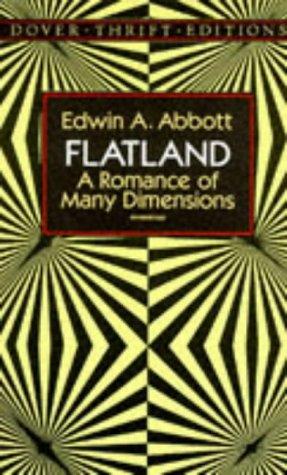
No. 93 on this list. Flatland
Edwin A. Abbott · 1884
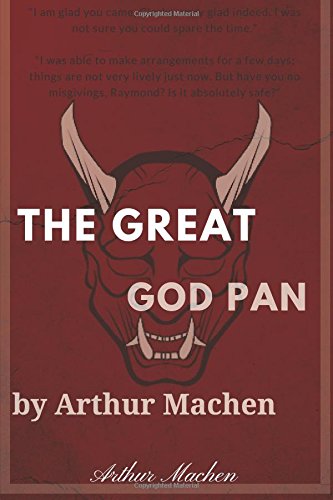
No. 94 on this list. The Great God Pan
Arthur Machen · 1894
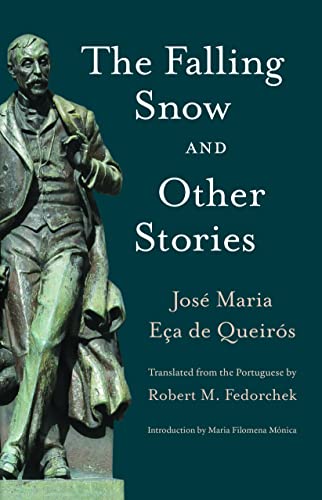
No. 95 on this list. The Maias
José Maria de Eça de Queirós · 1888
Included in: UNESCO Collection of Representative Works
No. 96 on this list. Mireille
Frédéric Mistral · 1859
No. 97 on this list. Fridolin's Songs
Erik Axel Karlfeldt · 1891
No. 98 on this list. The Black Tulip
Alexandre Dumas · 1850
No. 99 on this list. Phantastes
George MacDonald · 1858
No. 100 on this list. The King in Yellow
Robert W. Chambers · 1895
About this list
These 100 books are the highest-scoring eligible Victorian and 19th-century books by men currently in the catalogue. About 973 hours of reading in all. Difficulty runs from 48 to 65 out of 100 for the middle half of the list; the summit is The Turn of the Screw at 77.
This list is ranked by literary regard, with a consistent order for equal scores. Membership follows authors and co-authors, not translators or editors. A book is here when ReadingRate files it under Victorian & 19th Century Literature as one of its primary reading domains, and only when its author’s lifetime places it in the period. Catalogue coverage and the historical canon both limit what this list can represent.
When we matched the Canons dataset to our catalogue in October 2026, our canonical-status scores rose with the number of school curricula, publisher series and lists in it that cite a work: the median score was 72 for books one such source cites, 84 at two, 88 at three, 92 at four and 93 at five or more. Prizes are left out of that count. Outside the state curricula, the dataset’s sources choose mostly from what has been translated into English or French, so it is a weaker check on other literatures. Source: Canons (Andrew Piper), CC BY 4.0
Questions people actually ask
- What are the best Victorian and 19th-century books by men?
- By literary regard, which weighs canonical status, critical standing and influence: Moby-Dick by Herman Melville, Anna Karenina by Leo Tolstoy, Adventures of Huckleberry Finn by Mark Twain, Crime and Punishment by Fyodor Dostoevsky and Selected Stories by Anton Chekhov. ReadingRate ranks 100 such books, each with a difficulty score and a reading-time estimate.
- Which Victorian and 19th-century books by men should I read first?
- Start from difficulty, not from rank. The most approachable books on this list that still carry top literary regard are The Complete Sherlock Holmes by Arthur Conan Doyle (about 5.6 hours), Treasure Island by Robert Louis Stevenson and Fortunata and Jacinta by Benito Pérez Galdós.
- What are the shortest of the best Victorian and 19th-century books by men?
- Among the top 25, the shortest are The Lady with the Dog by Anton Chekhov (about 32 min), Bartleby, the Scrivener by Herman Melville (about 56 min) and The Seagull by Anton Chekhov (about 2.1 hours), at an average pace of 250 words a minute adjusted for each book's difficulty.
- Which of the best Victorian and 19th-century books by men are the established classics?
- By canonical status, how firmly a book sits in curricula, anthologies and the canon: Moby-Dick by Herman Melville, Great Expectations by Charles Dickens, Anna Karenina by Leo Tolstoy, Adventures of Huckleberry Finn by Mark Twain and Crime and Punishment by Fyodor Dostoevsky.
- Can I read any of these Victorian and 19th-century books by men for free?
- 45 of the 100 open in ReadingRate's reader with a free account, from public-domain editions: Moby-Dick, Anna Karenina, Adventures of Huckleberry Finn, Crime and Punishment, War and Peace and 40 more.
- How long would it take to read the top ten?
- About 231 hours, at an average pace of 250 words a minute adjusted for each book's difficulty: 116 days at two hours a day. Set your own pace on the page and the list's reading times change to it.
- How hard are Victorian and 19th-century books by men to read?
- Most of this list sits between 48 and 65 on ReadingRate's 100-point difficulty scale, where 40 to 55 is moderate. The summit is The Turn of the Screw at 77. Every entry carries its own score, so a reader can pick a great book at a difficulty they will finish.
- How is this list ranked?
- On literary-regard data: how canonically established a work is, its critical standing, and its influence on later writing. It is not a readers’ poll, which is why recent bestsellers rarely appear. Membership follows authors and co-authors, not translators or editors. Lists by country, author, period, theme or difficulty keep to literature (fiction, poetry, drama and philosophy), their novels, poems and plays first and their philosophy after them; a list of a kind of book, such as memoir or criticism, keeps every book of that kind. Every list holds at most three works by one author. A book is here when ReadingRate files it under Victorian & 19th Century Literature as one of its primary reading domains, and only when its author’s lifetime places it in the period.