Hours at an average pace
Showing 100 books
About 981 hours for 99 of 100 books with measured lengths. Estimates use 250 words a minute, adjusted for each book's difficulty. At 2 hours a day, about 491 days for those books.
The Poetics is required reading in virtually every university curriculum touching literature, classics, philosophy, rhetoric, or dramatic theory worldwide. It appears on syllabi across disciplines in every major educational system. No other single work in Western literary culture has maintained this breadth of curricular presence across two and a half millennia.
Orientalism is required reading in postcolonial studies, comparative literature, cultural studies, history, and Middle Eastern studies curricula worldwide. It appears on thousands of university syllabi across disciplines and is considered foundational to the field of postcolonial criticism. No academic in the humanities can avoid engagement with Said's argument, making it one of the most canonical critical texts of the late 20th century.
No. 3 on this list. The Interpretation of Dreams
Sigmund Freud · 1899
Moderate13 hours
Included in: Great Books of the Western World
Freud's founding work of psychoanalysis is taught across psychology, literary theory, philosophy and the history of ideas, and is a standard text in courses on modernism. Few works published around 1900 hold a comparable place across so many disciplines.
Of Grammatology is one of the most assigned texts in philosophy, literary theory, and the humanities broadly. It appears on virtually every graduate-level syllabus in continental philosophy, critical theory, and comparative literature. It is the foundational text of deconstruction, a movement that reshaped humanities scholarship from the 1970s through the present. Any 'canon' of 20th-century philosophical works includes it without question.
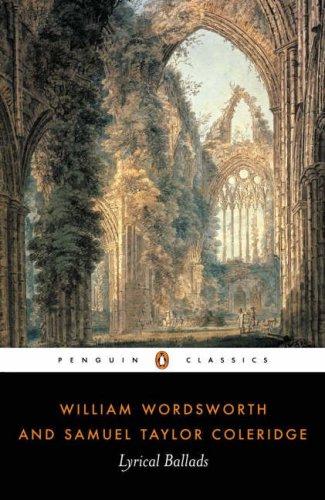
The Preface to Lyrical Ballads is the founding manifesto of English Romanticism and appears on every university syllabus in Romantic literature, literary theory, and criticism courses. It is required reading in virtually all English literature programs and is cited as the document that defined the terms of English poetry for the 19th century. Its presence in literary education is as reliable as any text in the tradition.
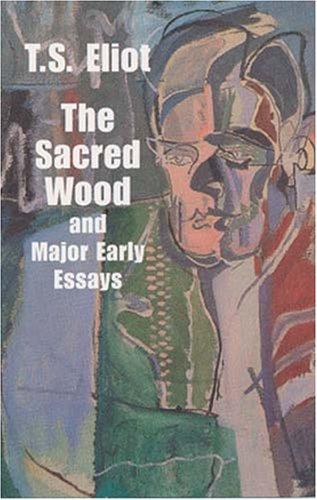
The most influential book of literary criticism in English in the twentieth century. 'Tradition and the Individual Talent' is the single most-taught critical essay.
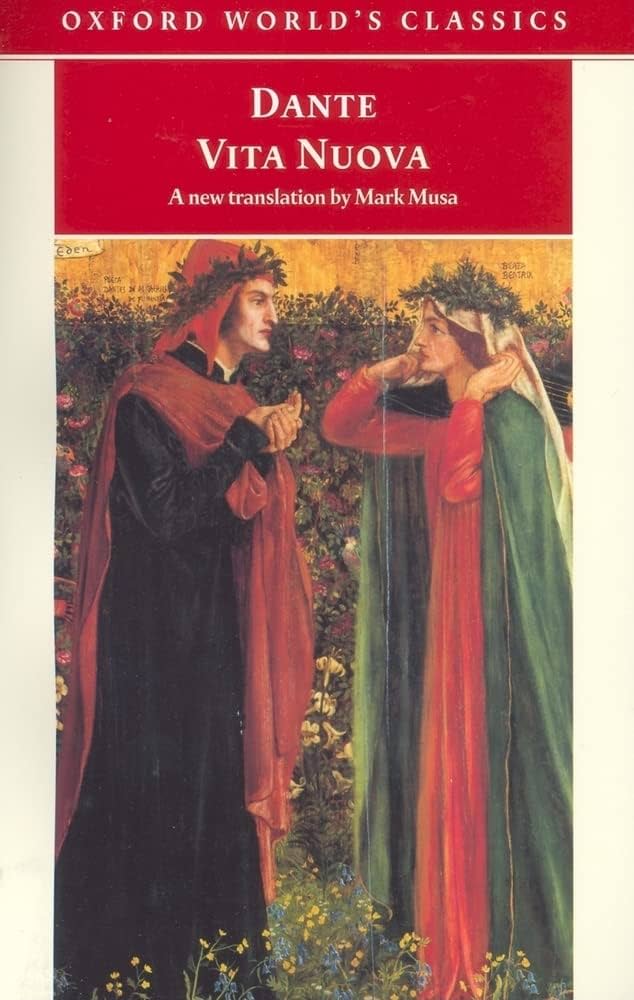
Vita Nuova is taught in virtually every medieval Italian literature program worldwide and appears in most comparative literature and Romance philology curricula. It is the foundational text of the dolce stil novo movement and the biographical prologue to the Divine Comedy, one of the most studied works in Western literary history. Wikipedia entries exist in more than 80 languages, and the work has been continuously in print and commentary since Boccaccio's 14th-century biography of Dante.
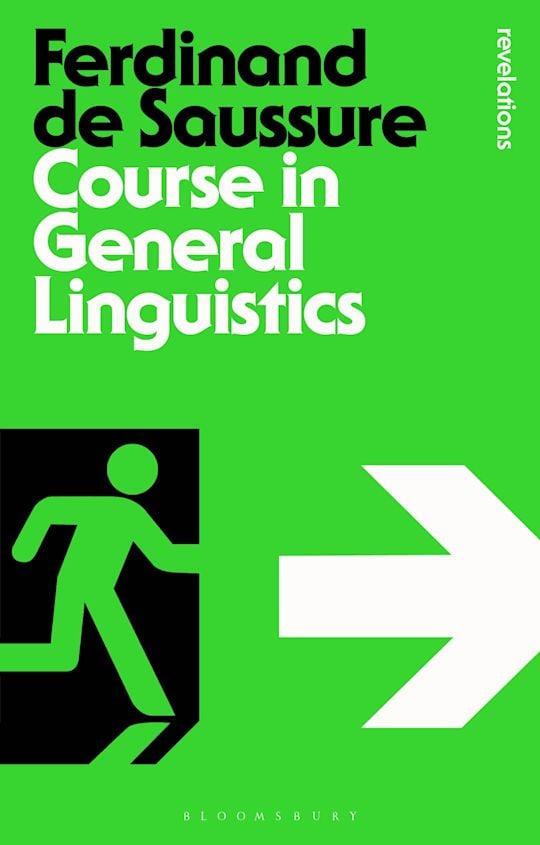
Compiled after Saussure's death by Charles Bally and Albert Sechehaye from students' notes on his Geneva lectures, it is the founding text of modern linguistics and of structuralism. It is assigned in linguistics, semiotics and literary theory courses worldwide and excerpted in the major theory anthologies.
Writing and Difference is one of the foundational texts of deconstruction and a standard assignment in graduate programs in philosophy, comparative literature, and critical theory worldwide. Along with Of Grammatology (published the same year, 1967), it established Derrida as a major philosophical voice. It appears on virtually every syllabus for continental philosophy and literary theory at the graduate level.
No. 10 on this list. The Total Library: Non-Fiction, 1922–1986
Jorge Luis Borges · 1999
Challenging13 hours
Borges is the central figure of 20th-century Spanish-language literature; his critical essays are canonical.
No. 11 on this list. Richard III · William Shakespeare · 1597
Taught in schools: CAPE Literatures in English – Caribbean Examinations Council
Included in: Great Books of the Western World
Richard III is among the most frequently performed Shakespeare plays and a staple of secondary school and university curricula worldwide. Its opening monologue — 'Now is the winter of our discontent' — is among the most memorized passages in English literature. The play appears on virtually every Shakespeare survey and features in courses on history plays, villainy, and political drama.
Challenging2.8 hours
Read nowNo. 12 on this list. The Order of Things: An Archaeology of the Human Sciences · Michel Foucault · 1966
Listed on Le Monde's 100 Books of the Century (winner status), included in the Open Syllabus Top 500 for Literature, and published by NYRB Classics. The Order of Things is a staple of philosophy, social science, and humanities syllabi worldwide. It became a bestseller in France upon publication in 1966 — an extraordinary feat for a work of epistemological archaeology.
Difficult24 hours
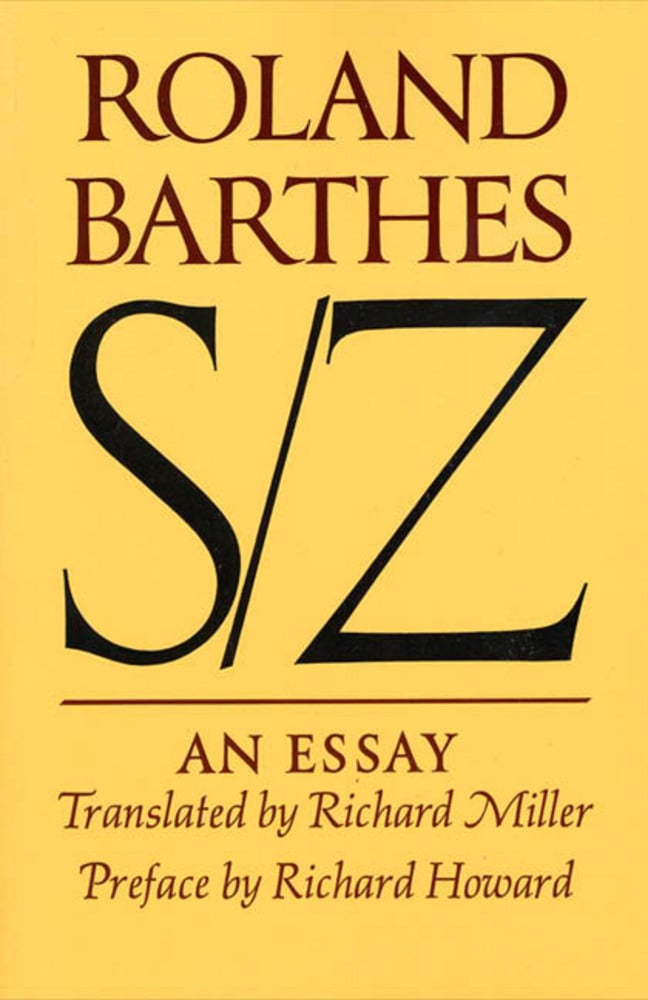
Start this bookNo. 13 on this list. S/Z · Roland Barthes · 1970
S/Z appears on virtually every graduate syllabus in comparative literature, literary theory, cultural studies, and semiotics. It is foundational reading alongside Derrida's Of Grammatology and Foucault's Archaeology of Knowledge. Though data signals show zero recorded appearances in this database, its actual syllabus presence is massive — it is one of the most assigned texts in humanities graduate programs worldwide. Wikipedia articles exist in dozens of languages.
Difficult13 hours
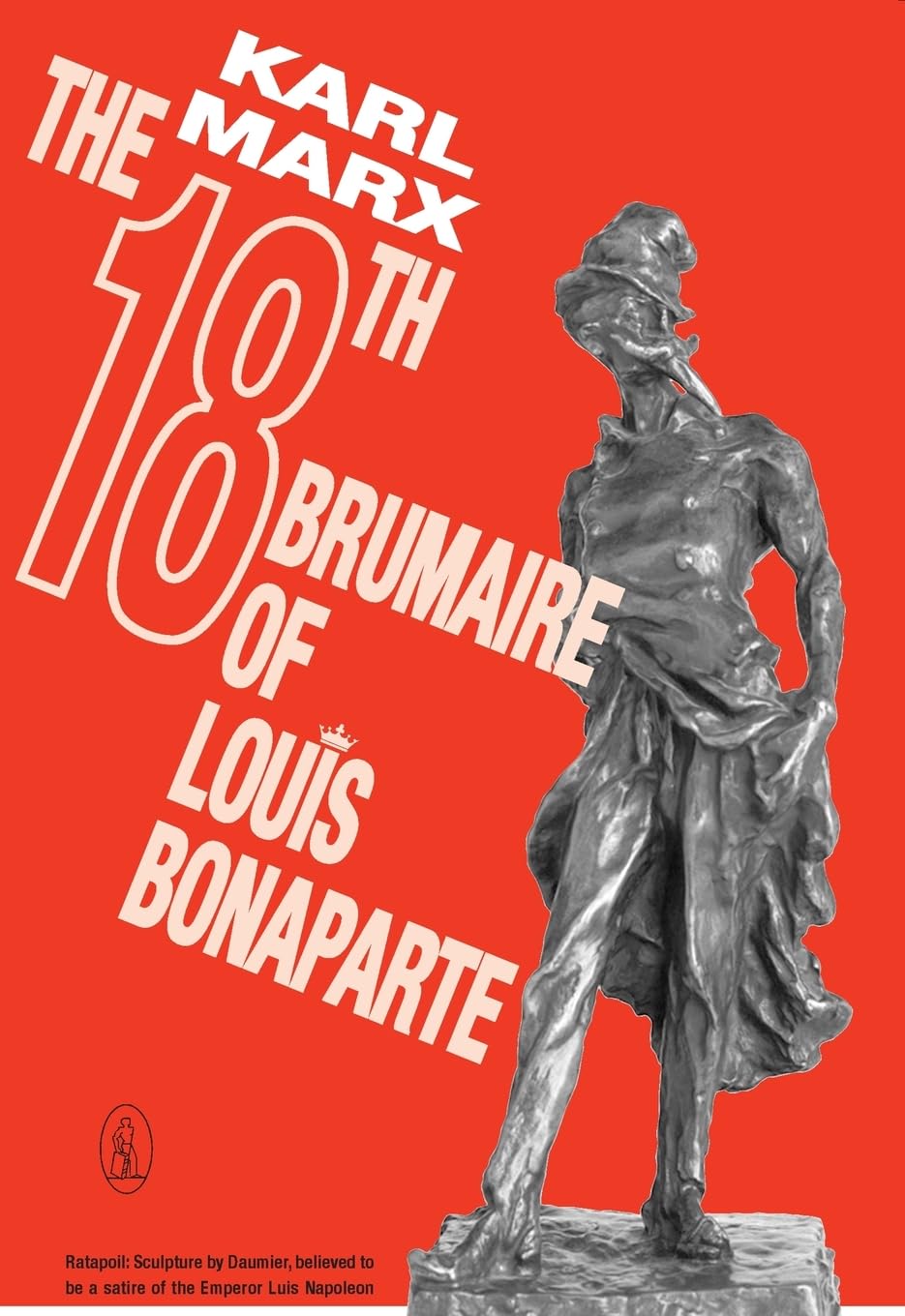
Start this bookNo. 14 on this list. The Eighteenth Brumaire of Louis Bonaparte · Karl Marx · 1852
Assigned in political theory, sociology, philosophy, and history courses at universities globally — among the most widely taught Marx texts after Capital and The Communist Manifesto. Appears on syllabi from Harvard to the London School of Economics and features in virtually every introduction to Marxist political theory. The text's influence on academic political science has kept it continuously in print for 170 years.
Challenging4.1 hours
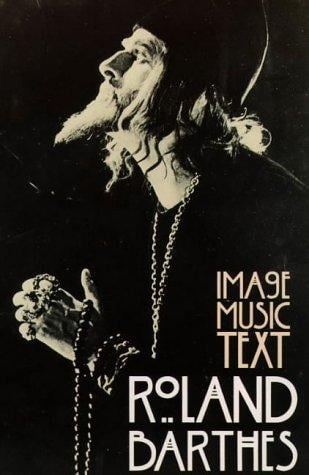
Start this bookNo. 15 on this list. Image-Music-Text · Roland Barthes · 1977
'The Death of the Author' is one of the most frequently assigned essays in English-language literary theory courses, routinely anthologized in the Norton Anthology of Theory and Criticism alongside 'From Work to Text.' The collection sits just behind Mythologies in general classroom ubiquity but ahead of it on graduate theory syllabi, where 'Death of the Author' is close to a required text.
Difficult7.4 hours
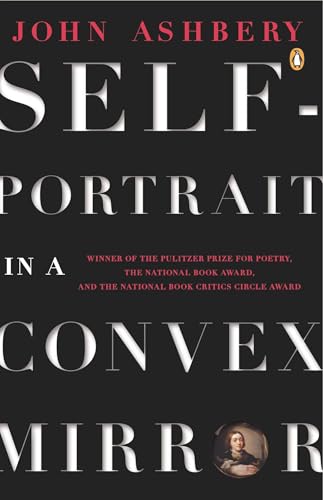
Start this bookNo. 16 on this list. Self-Portrait in a Convex Mirror · John Ashbery · 1975
Won the Pulitzer Prize, National Book Award, and National Book Critics Circle Award — the only book to win all three. Central to the American poetry canon.
Challenging1.3 hours
Start this bookNo. 17 on this list. Pale Fire · Vladimir Nabokov · 1962
Nabokov disguised a novel as a 999-line poem with a lunatic's commentary, and the gap between what the commentator thinks he is explaining and what the reader discovers he is revealing became the most elaborate unreliable-narrator trap in fiction. The book is simultaneously a parody of academic scholarship, a detective story, and a meditation on exile — and no two readers have ever agreed on which layer is the real one.
Difficult9.1 hours
Start this bookNo. 18 on this list. The Birth of Tragedy · Friedrich Nietzsche · 1872
One of the most influential works in aesthetics and classical reception in Western thought.
Difficult6.1 hours
Start this bookNo. 19 on this list. The Clouds · Aristophanes · c. 423 BCE
Taught in schools: Lektury obowiązkowe – Polish national reading list (Poland)
Included in: Great Books of the Western World
The Clouds appears on virtually every classical literature and ancient philosophy syllabus, often assigned alongside Plato's Apology — which explicitly names the play as contributing to popular sentiment against Socrates. It is one of only eleven surviving plays by Aristophanes, and among those, one of the most studied. No book with this syllabus footprint in classics departments falls below 85.
Challenging1.2 hours
Start this bookNo. 20 on this list. Renaissance Self-Fashioning: From More to Shakespeare · Stephen Greenblatt · 1980
Renaissance Self-Fashioning is the founding text of New Historicism, the dominant mode of literary scholarship from the 1980s through 2000s, and appears on virtually every graduate syllabus in Renaissance literature, literary theory, and cultural studies. Though external data signals show zero entries — likely a cataloguing gap — the book's actual syllabus presence at research universities is pervasive, comparable to major canonical works in its field.
Challenging12 hours
Start this book
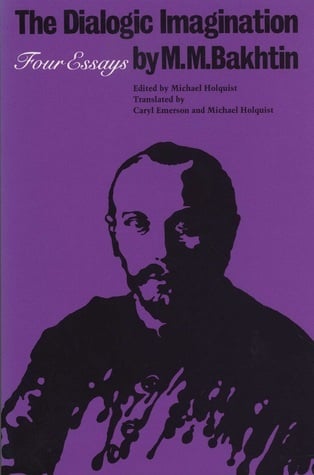
No. 21 on this list. The Dialogic Imagination: Four Essays · Mikhail Bakhtin · 1975
The 1981 English edition by Caryl Emerson and Michael Holquist gathered the essays in which Bakhtin set out heteroglossia and the chronotope, and 'Discourse in the Novel' and 'Epic and Novel' are among the most assigned essays in novel theory. It is a fixture of graduate theory curricula.
Difficult9.7 hours
Start this bookNo. 22 on this list. Seven Types of Ambiguity · William Empson · 1930
Seven Types of Ambiguity appears on virtually every literary criticism, New Criticism, and critical theory syllabus in Anglophone universities. It is among the half-dozen foundational texts of 20th-century literary criticism alongside Practical Criticism and The Well-Wrought Urn, taught consistently from undergraduate survey courses through graduate theory seminars. The database contains no syllabus count, but its unbroken pedagogical presence for nearly a century places it alongside Beloved (85) or above in canonical weight.
Challenging10 hours
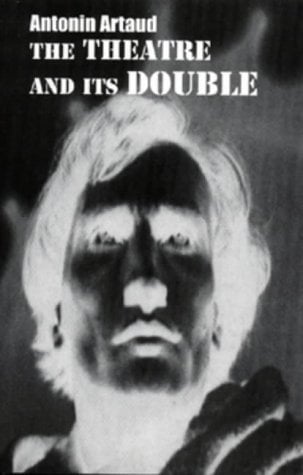
Start this bookNo. 23 on this list. The Theatre and Its Double · Antonin Artaud · 1938
Listed among Le Monde's 100 Books of the Century (1999) and the Open Syllabus Top 500 in Literature, with Wikipedia presence in 10 languages. The Theatre and Its Double is essential reading in theatre studies programs worldwide. Published by NYRB Classics. Every contemporary theatre practitioner and scholar encounters Artaud's theories in courses on performance studies, avant-garde theatre, modernism, and cultural theory.
Difficult11 hours
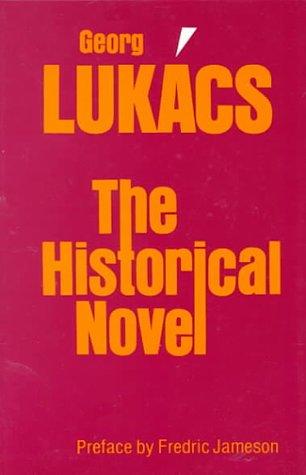
Start this bookNo. 24 on this list. The Historical Novel · György Lukács · 1937
The originating theoretical text for the scholarly study of historical fiction; no subsequent work on the genre can ignore it.
Difficult9.9 hours
Start this bookNo. 25 on this list. The Unnamable · Samuel Beckett · 1953
Included in: Bokklubben World Library
The Unnamable is taught in advanced modernism, postmodernism, and philosophy-of-language courses at universities worldwide, though less universally than Waiting for Godot. It anchors the Beckett Trilogy, which is among the canonical texts of twentieth-century literature in English and French. The Wikipedia and syllabus data signals appear underreported for this work.
Difficult27 hours
Start this bookNo. 26 on this list. The Frogs · Aristophanes · c. 405 BCE
Taught in schools: Montenegrin literature curriculum (crnogorski jezik i književnost) (Montenegro)
Included in: Great Books of the Western World
Dionysus, god of theater and wine, has a problem: Athens has run out of good tragedians. Euripides is dead, Sophocles is dead, and the city's stages are filling up with lesser men. So Dionysus disguises himself as Heracles — borrowed lion-skin and all — and descends into the underworld to bring Euripides back. He takes his slave Xanthias with him, who spends most of the play pointing out that his master is a coward. What begins as a slapstick adventure through Hades — complete with a chorus of literal frogs croaking "Brekekekex koax koax" as Dionysus rows across the Styx — turns into a formal literary debate. Aeschylus and Euripides, both dead, compete for the underworld's throne of poetry. They weigh each other's verses on an actual scale. They trade insults about meters, politics, and moral purpose. Aristophanes wrote this in 405 BCE, the year Athens was losing the Peloponnesian War, and the play's question — what should poetry do for a city in crisis? — had an edge that wasn't merely academic. The comedy is loud, obscene, and intellectually serious in the same breath. Read it expecting a play that treats literary criticism as a matter of civic life and death.
Challenging1.1 hours
Start this bookNo. 27 on this list. The Story of Art · E.H. Gombrich · 1950
One of the most assigned art history textbooks globally, continuously in print since 1950 and translated into more than 30 languages. A fixture in introductory art history courses at universities worldwide, it has sold millions of copies and remains the default entry point for the discipline.
Easy8.6 hours
Start this bookNo. 28 on this list. Ars Poetica · Horace · c. 19 BCE
The single most influential text on poetics between Aristotle and the Romantics. Foundation of neoclassical literary theory.
Moderate32 min
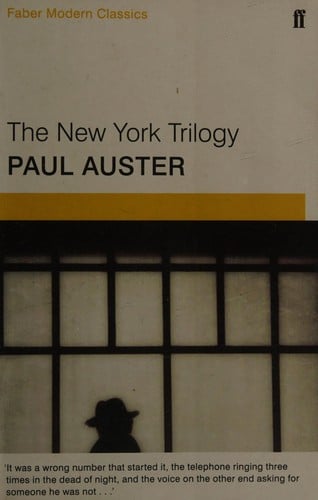
Start this bookNo. 29 on this list. The New York Trilogy · Paul Auster · 1987
The New York Trilogy stands as the defining work of American postmodern noir and one of the most influential experimental novels of the 1980s. It appears consistently on syllabi for postmodern fiction, metafiction, and American literature courses, and is cited as a foundational text in discussions of the detective genre's literary transformation. Published in the US by Penguin Books (1987 combined edition), it has remained continuously in print for four decades. It appears on numerous "greatest novels" lists and is central to critical discourse on identity, authorship, and the limitations of language in contemporary fiction.
Very Difficult19 hours
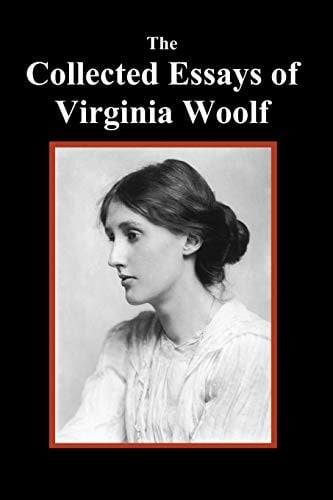
Start this bookNo. 30 on this list. The Collected Essays of Virginia Woolf · Virginia Woolf · 1966
The Collected Essays and The Common Reader are staples of university courses in modernism, literary criticism, and women's writing globally. While no Wikipedia or syllabus data was returned for this specific collection, Woolf's essays are foundational to any survey of 20th-century literary criticism and have been continuously in print since the 1920s.
Moderate5.4 hours
Start this book
No. 31 on this list. The Epistemology of the Closet
Eve Kosofsky Sedgwick · 1990
No. 32 on this list. The Implied Reader: Patterns of Communication in Prose Fiction from Bunyan to Beckett
Wolfgang Iser · 1972
No. 33 on this list. The Princeton Companion to Classical Japanese Literature
Earl Miner · 1985
No. 34 on this list. Persian Literature: A Bio-Bibliographical Survey
Charles Ambrose Storey · 1927
No. 35 on this list. The American Renaissance: Art and Expression in the Age of Emerson and Whitman
F.O. Matthiessen · 1941
No. 36 on this list. Archaeologies of the Future: The Desire Called Utopia and Other Science Fictions
Fredric Jameson · 2005
No. 37 on this list. The Novel of Formation
Jerome Hamilton Buckley · 1987
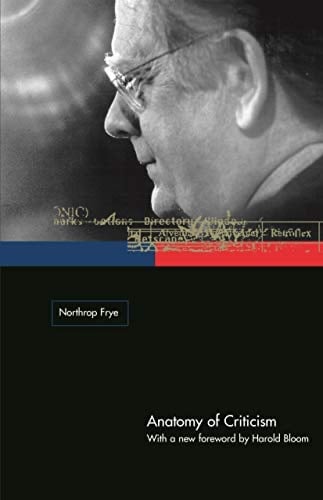
No. 38 on this list. Anatomy of Criticism: Four Essays
Northrop Frye · 1957
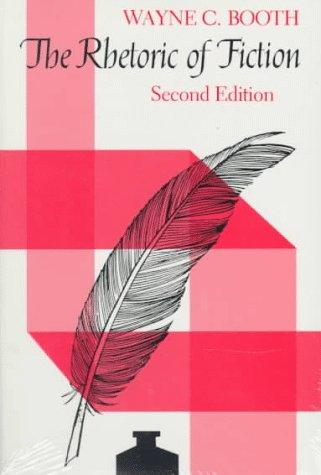
No. 39 on this list. The Rhetoric of Fiction
Wayne C. Booth · 1961
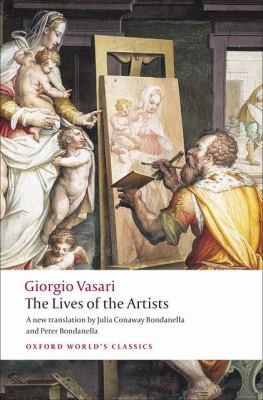
No. 40 on this list. The Lives of the Artists
Giorgio Vasari · 1550
No. 41 on this list. The Act of Reading: A Theory of Aesthetic Response
Wolfgang Iser · 1978
No. 42 on this list. Structuralist Poetics: Structuralism, Linguistics and the Study of Literature
Jonathan Culler · 1975
No. 43 on this list. The Great Tradition
F.R. Leavis · 1948
No. 44 on this list. Metahistory: The Historical Imagination in Nineteenth-Century Europe
Hayden White · 1973
No. 45 on this list. Problems of Dostoevsky's Poetics
Mikhail Bakhtin · 1929
No. 46 on this list. Narrative Discourse: An Essay in Method
Gérard Genette · 1972
No. 47 on this list. A Lover's Discourse: Fragments
Roland Barthes · 1977
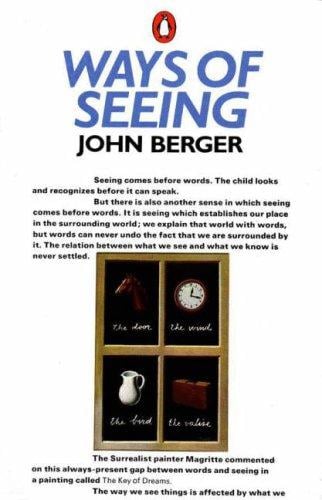
No. 48 on this list. Ways of Seeing
John Berger · 1972
No. 49 on this list. Spatial Form in Modern Literature
Joseph Frank · 1945
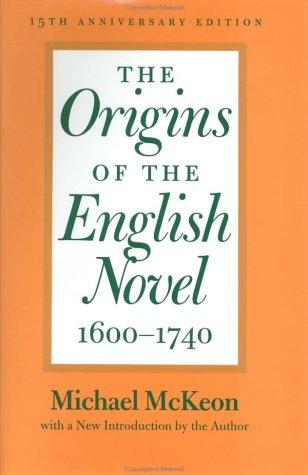
No. 50 on this list. The Origins of the English Novel, 1600–1740
Michael McKeon · 1987
No. 51 on this list. Structure, Sign, and Play
Jacques Derrida · 1966
No. 52 on this list. De Vulgari Eloquentia
Dante Alighieri · 1304
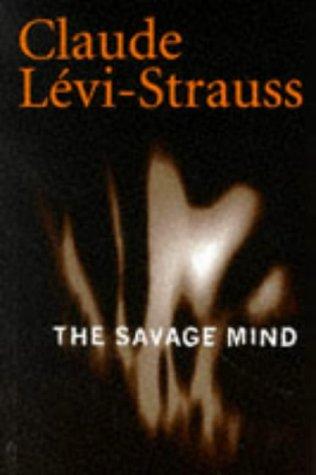
No. 53 on this list. The Savage Mind
Claude Lévi-Strauss · 1962
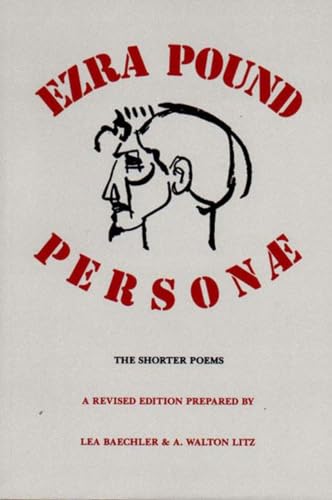
No. 54 on this list. Personae
Ezra Pound · 1926
No. 55 on this list. The Poetics of Prose
Tzvetan Todorov · 1971
No. 56 on this list. The Location of Culture
Homi K. Bhabha · 1994
No. 57 on this list. Amores
Ovid · c. 16 BCE
No. 58 on this list. The Witness of Poetry
Czesław Miłosz · 1983
No. 59 on this list. Biographia Literaria
Samuel Taylor Coleridge · 1817
No. 60 on this list. The Lives of the Poets
Samuel Johnson · 1781
No. 61 on this list. Preface to Cromwell
Victor Hugo · 1827
No. 62 on this list. Theory of Literature
René Wellek · 1949
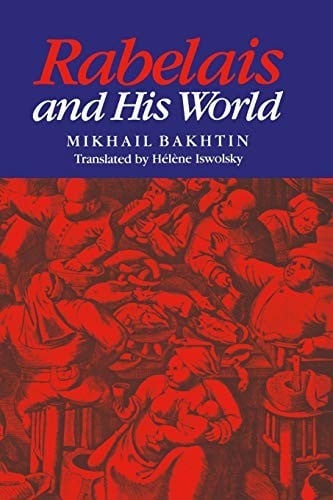
No. 63 on this list. Rabelais and His World
Mikhail Bakhtin · 1965
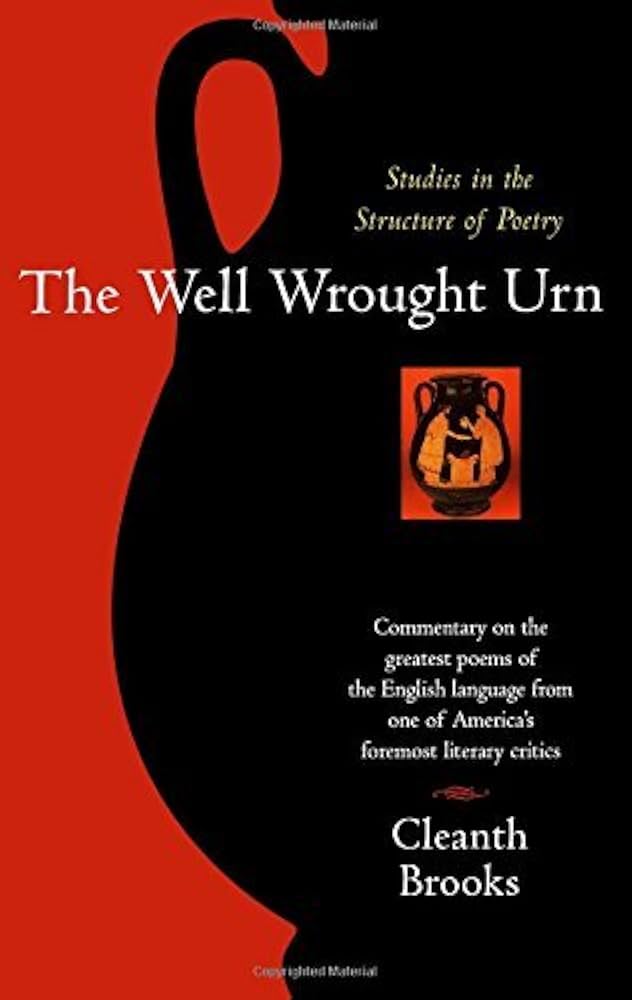
No. 64 on this list. The Well Wrought Urn: Studies in the Structure of Poetry
Cleanth Brooks · 1947
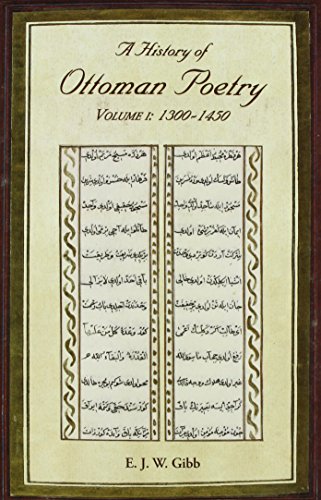
No. 65 on this list. Turkish Literature: A Bio-Bibliographical Survey
E.J.W. Gibb · 1900
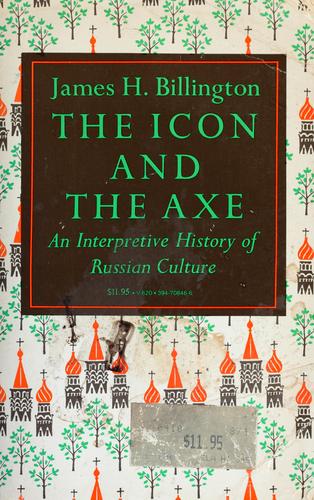
No. 66 on this list. The Icon and the Axe: An Interpretive History of Russian Culture
James Billington · 1966
No. 67 on this list. Areopagitica
John Milton · 1644
Included in: Great Books of the Western World
No. 68 on this list. Introduction to Poetics
Tzvetan Todorov · 1968
No. 69 on this list. Exercises in Style
Raymond Queneau · 1947
No. 70 on this list. Preface to Shakespeare
Samuel Johnson · 1765
No. 71 on this list. Tolstoy or Dostoevsky: An Essay in the Old Criticism
George Steiner · 1959
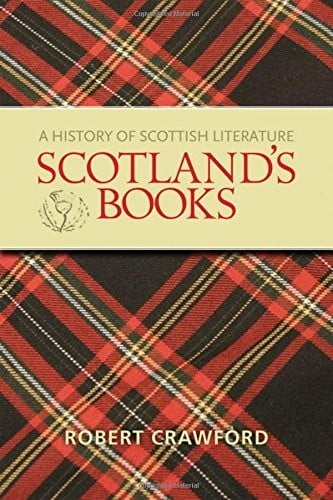
No. 72 on this list. Scotland's Books
Robert Crawford · 2007
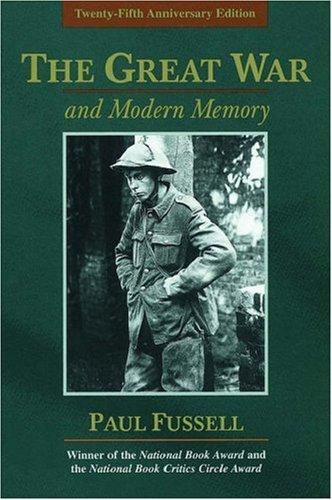
No. 73 on this list. The Great War and Modern Memory
Paul Fussell · 1975
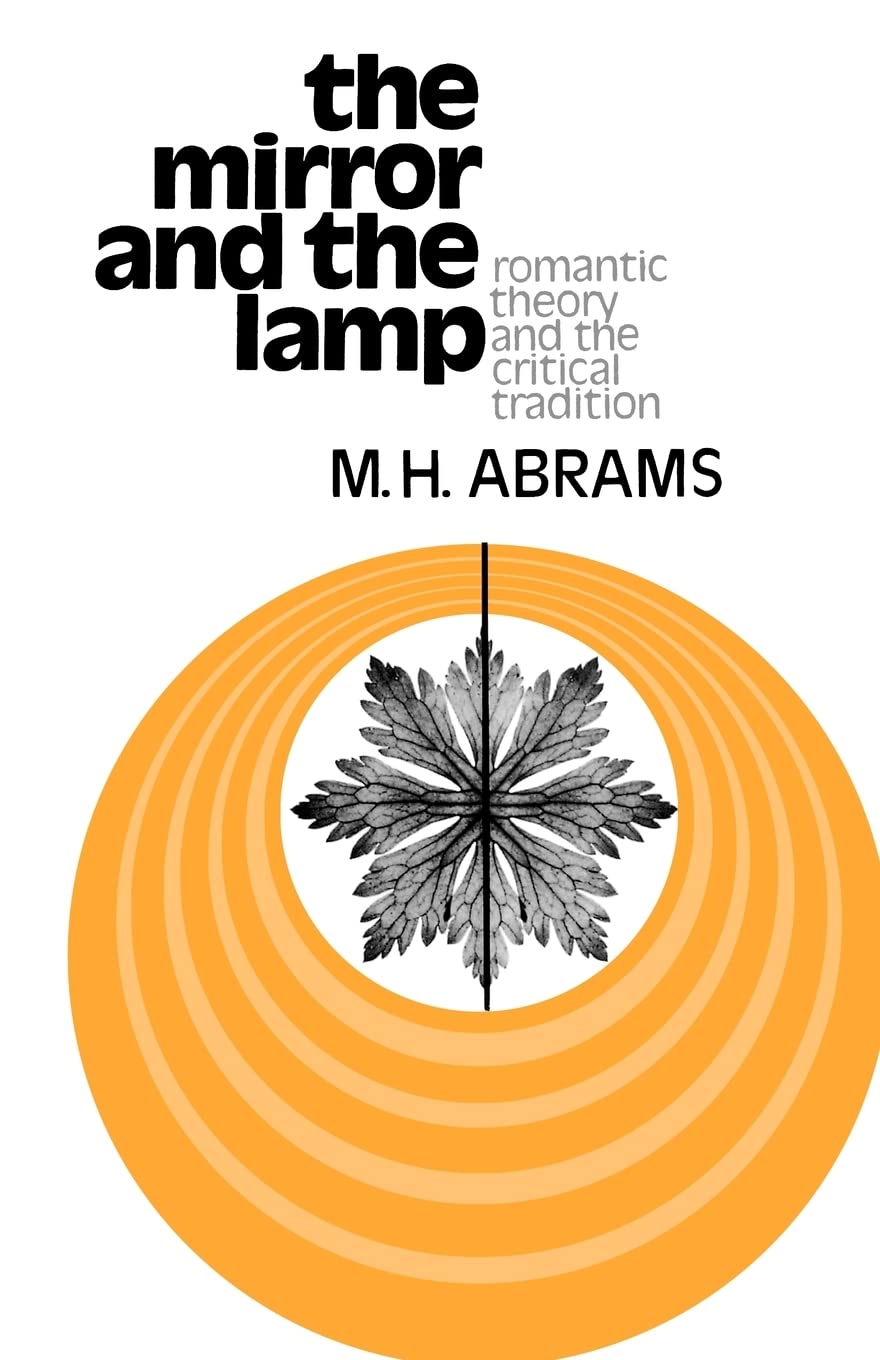
No. 74 on this list. The Mirror and the Lamp: Romantic Theory and the Critical Tradition
M. H. Abrams · 1953
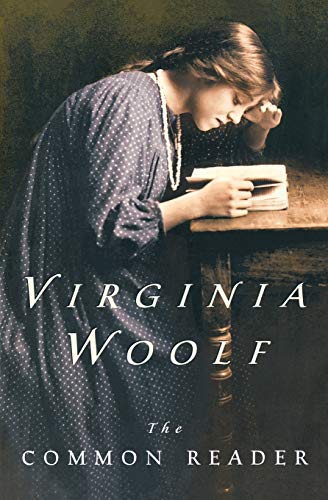
No. 75 on this list. The Common Reader
Virginia Woolf · 1925
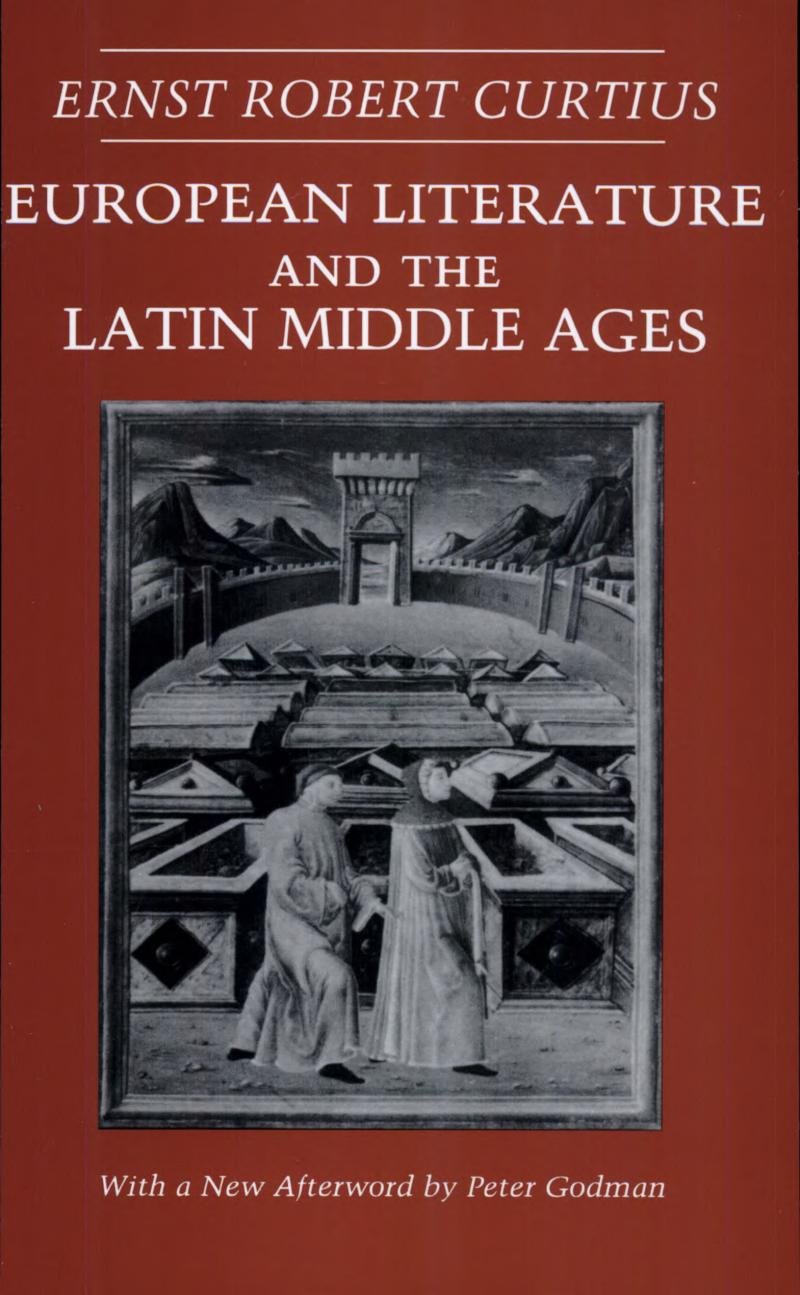
No. 76 on this list. European Literature and the Latin Middle Ages
Ernst Robert Curtius · 1948
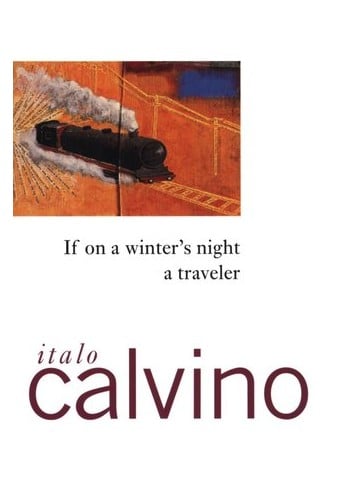
No. 77 on this list. If on a Winter’s Night a Traveler
Italo Calvino · 1982
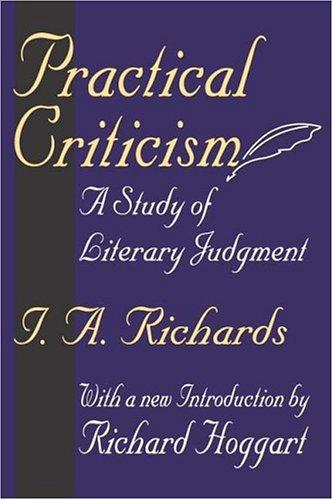
No. 78 on this list. Practical Criticism
I.A. Richards · 1929
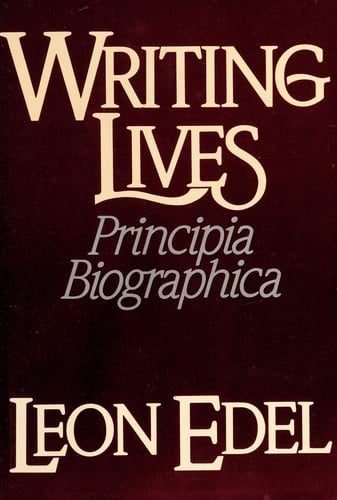
No. 79 on this list. Writing Lives
Leon Edel · 1984
No. 80 on this list. Love and Death in the American Novel
Leslie Fiedler · 1960
No. 81 on this list. Epic and Empire: Politics and Generic Form from Virgil to Milton
David Quint · 1993
No. 82 on this list. Self-Consuming Artifacts: The Experience of Seventeenth-Century Literature
Stanley Fish · 1972
No. 83 on this list. Mimesis
Erich Auerbach · 1946
No. 84 on this list. Laocoon: An Essay on the Limits of Painting and Poetry
Gotthold Ephraim Lessing · 1766
No. 85 on this list. The Rise of the Novel: Studies in Defoe, Richardson and Fielding
Ian Watt · 1957
No. 86 on this list. Morphology of the Folktale
Vladimir Propp · 1928
No. 87 on this list. The Empty Space
Peter Brook · 1968
No. 88 on this list. The Defence of Poesy
Philip Sidney · 1595
No. 89 on this list. Brecht on Theatre: The Development of an Aesthetic
Bertolt Brecht · 1964
No. 90 on this list. Traditional Chinese Stories: Themes and Variations
C. T. Hsia · 1968
No. 91 on this list. The Auroras of Autumn
Wallace Stevens · 1950
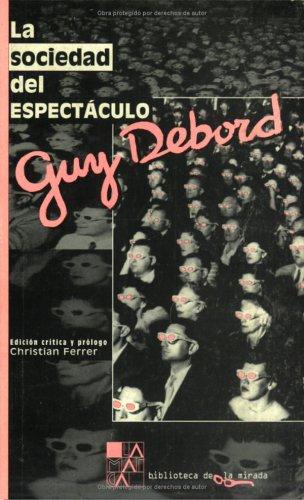
No. 92 on this list. The Society of the Spectacle
Guy Debord · 1967
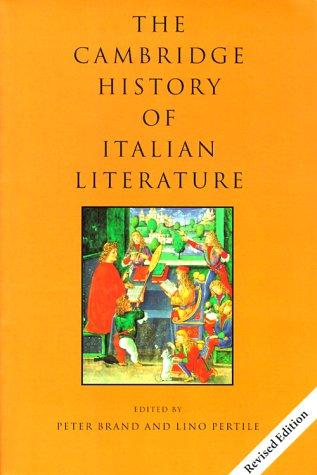
No. 93 on this list. The Cambridge History of Italian Literature
Peter Brand · 1996
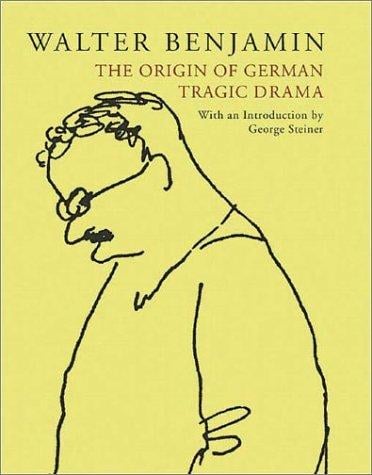
No. 94 on this list. The Origin of German Tragic Drama
Walter Benjamin · 1928
No. 95 on this list. On the Sublime
Longinus · 100
No. 96 on this list. Natyashastra
Bharata Muni · c. 200 BCE
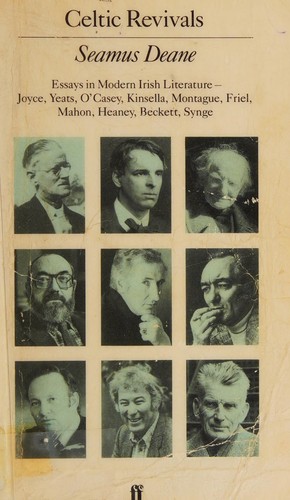
No. 97 on this list. Celtic Revivals
Seamus Deane · 1985
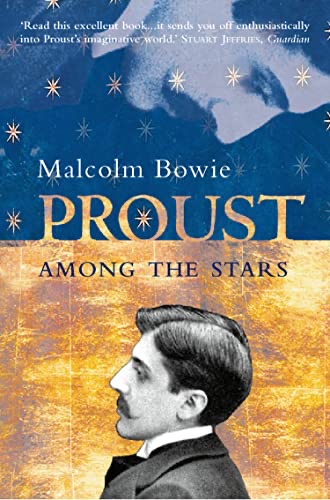
No. 98 on this list. Proust Among the Stars
Malcolm Bowie · 2001
No. 99 on this list. Marxism and Literature
Raymond Williams · 1977
No. 100 on this list. Supernatural Horror in Literature
H.P. Lovecraft · 1927

About this list
These 100 books are the highest-scoring eligible books of criticism and theory currently in the catalogue. About 981 hours of reading in all, for the 99 with measured lengths. Difficulty runs from 55 to 71 out of 100 for the middle half of the list; the summit is The New York Trilogy at 87.
This list is ranked by literary regard, with a consistent order for equal scores. Membership follows authors and co-authors, not translators or editors. A book is here when ReadingRate files it under Criticism & Theory as one of its primary reading domains, at a confidence of 0.8 or more. Catalogue coverage and the historical canon both limit what this list can represent.
When we matched the Canons dataset to our catalogue in October 2026, our canonical-status scores rose with the number of school curricula, publisher series and lists in it that cite a work: the median score was 72 for books one such source cites, 84 at two, 88 at three, 92 at four and 93 at five or more. Prizes are left out of that count. Outside the state curricula, the dataset’s sources choose mostly from what has been translated into English or French, so it is a weaker check on other literatures. Source: Canons (Andrew Piper), CC BY 4.0
Questions people actually ask
- What are the best books of criticism and theory?
- By literary regard, which weighs canonical status, critical standing and influence: Poetics by Aristotle, Orientalism by Edward W. Said, The Interpretation of Dreams by Sigmund Freud, Of Grammatology by Jacques Derrida and Preface to Lyrical Ballads by William Wordsworth. ReadingRate ranks 100 such books, each with a difficulty score and a reading-time estimate.
- Which books of criticism and theory should I read first?
- Start from difficulty, not from rank. The most approachable books on this list that still carry top literary regard are The Empty Space by Peter Brook (about 3.6 hours), Amores by Ovid and Ars Poetica by Horace.
- What are the shortest of the best books of criticism and theory?
- Among the top 25, the shortest are Self-Portrait in a Convex Mirror by John Ashbery (about 1.3 hours), The Clouds by Aristophanes (about 1.2 hours) and Vita Nuova by Dante Alighieri (about 1.7 hours), at an average pace of 250 words a minute adjusted for each book's difficulty.
- Which of the best books of criticism and theory are the established classics?
- By canonical status, how firmly a book sits in curricula, anthologies and the canon: Poetics by Aristotle, Orientalism by Edward W. Said, Of Grammatology by Jacques Derrida, The Interpretation of Dreams by Sigmund Freud and Preface to Lyrical Ballads by William Wordsworth.
- Can I read any of these books of criticism and theory for free?
- 6 of the 100 open in ReadingRate's reader with a free account, from public-domain editions: The Interpretation of Dreams, Vita Nuova, Richard III, Amores, Areopagitica and 1 more.
- How long would it take to read the top ten?
- About 116 hours, at an average pace of 250 words a minute adjusted for each book's difficulty: 59 days at two hours a day. Set your own pace on the page and the list's reading times change to it.
- How hard are books of criticism and theory to read?
- Most of this list sits between 55 and 71 on ReadingRate's 100-point difficulty scale, where 40 to 55 is moderate. The summit is The New York Trilogy at 87. Every entry carries its own score, so a reader can pick a great book at a difficulty they will finish.
- How is this list ranked?
- On literary-regard data: how canonically established a work is, its critical standing, and its influence on later writing. It is not a readers’ poll, which is why recent bestsellers rarely appear. Membership follows authors and co-authors, not translators or editors. Lists by country, author, period, theme or difficulty keep to literature (fiction, poetry, drama and philosophy), their novels, poems and plays first and their philosophy after them; a list of a kind of book, such as memoir or criticism, keeps every book of that kind. Every list holds at most three works by one author. A book is here when ReadingRate files it under Criticism & Theory as one of its primary reading domains, at a confidence of 0.8 or more.