Hours at an average pace
Showing 100 books
About 534 hours for 100 of 100 books with measured lengths. Estimates use 250 words a minute, adjusted for each book's difficulty. At 2 hours a day, about 267 days for those books.
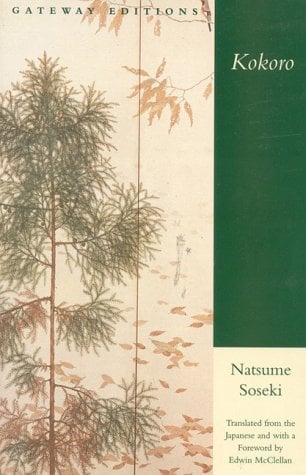
No. 1 on this list. Kokoro
Natsume Sōseki · 1914
Moderate4.5 hours
Included in: UNESCO Collection of Representative Works
Kokoro is universally regarded as the supreme masterpiece of modern Japanese literature and one of the most important novels of the twentieth century in any language. It is the single most commonly assigned novel in Japanese high schools and universities, and appears on literature syllabi worldwide. It has been continuously in print since 1914 and has been translated into dozens of languages. It is a permanent fixture of every serious list of world literature, from the Penguin Classics and Oxford World Classics catalogs to Harold Bloom's discussions of global literary achievement.
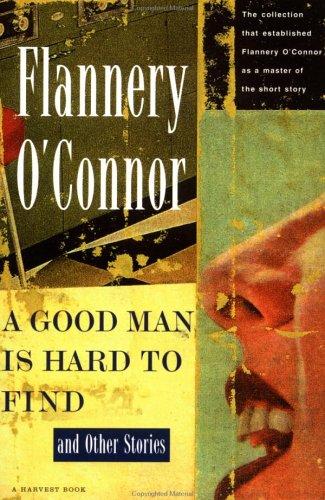
One of the most important short story collections in American literature. The title story alone is among the most widely taught and analyzed works of American fiction.
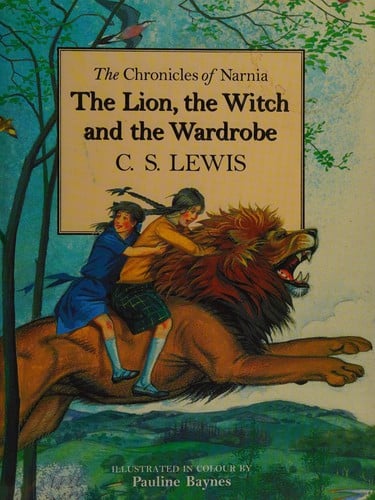
The Lion, the Witch and the Wardrobe is taught in elementary and middle schools worldwide and is considered essential children's literature. It appears on countless reading lists and is often children's introduction to fantasy literature. The Narnia series is foundational to understanding modern fantasy and children's fiction.
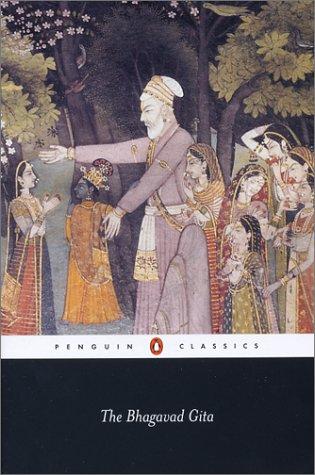
The Gita—a 700-verse dialogue between the warrior prince Arjuna and his charioteer Krishna, who is an avatar of God—is embedded within the Mahabharata but has been read as a standalone scripture for centuries. On the eve of a catastrophic battle, Arjuna sees his kinsmen arrayed on both sides and refuses to fight. Krishna's response unfolds the central teachings of Hindu philosophy: karma yoga (the path of selfless action), bhakti yoga (the path of devotion), and jnana yoga (the path of knowledge). Krishna argues that Arjuna must act—not because the outcome matters but because action without attachment to results is the nature of dharma. The Gita's synthesis of duty and detachment, action and renunciation, has made it the most widely read scripture in Hinduism and one of the most influential philosophical texts in world literature. Gandhi called it his 'eternal mother'; Oppenheimer quoted it upon witnessing the first nuclear explosion. Its teachings on duty, selflessness, and the nature of consciousness continue to resonate across cultures and centuries.
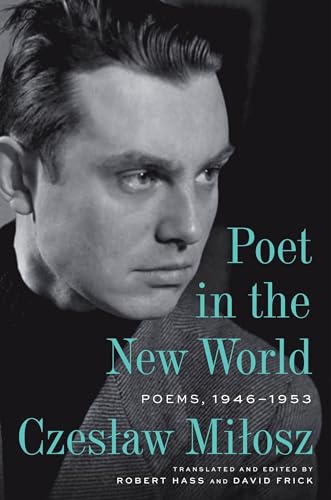
Nobel laureate and one of the most important poets of the twentieth century. Central to Polish literature and increasingly recognized in world poetry.
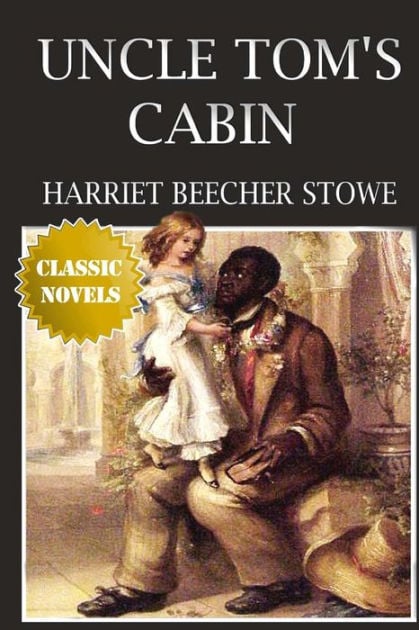
Uncle Tom's Cabin holds essential historical status in American literature and history curricula. Lincoln's alleged remark—'So this is the little lady who started this great war'—marks its political impact. The novel appears on lists of books that changed America, taught in courses on 19th-century literature, abolitionism, and protest fiction. Its canonical position rests on historical consequence more than literary innovation.
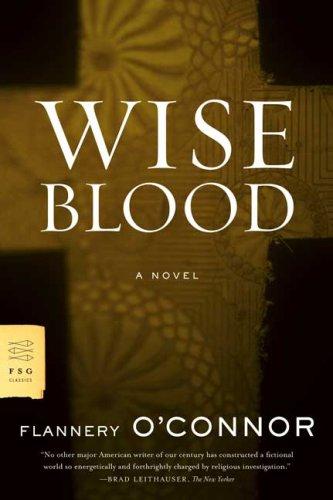
A landmark of Southern Gothic fiction and American literature, widely taught and critically analyzed. One of the defining novels of postwar American fiction.
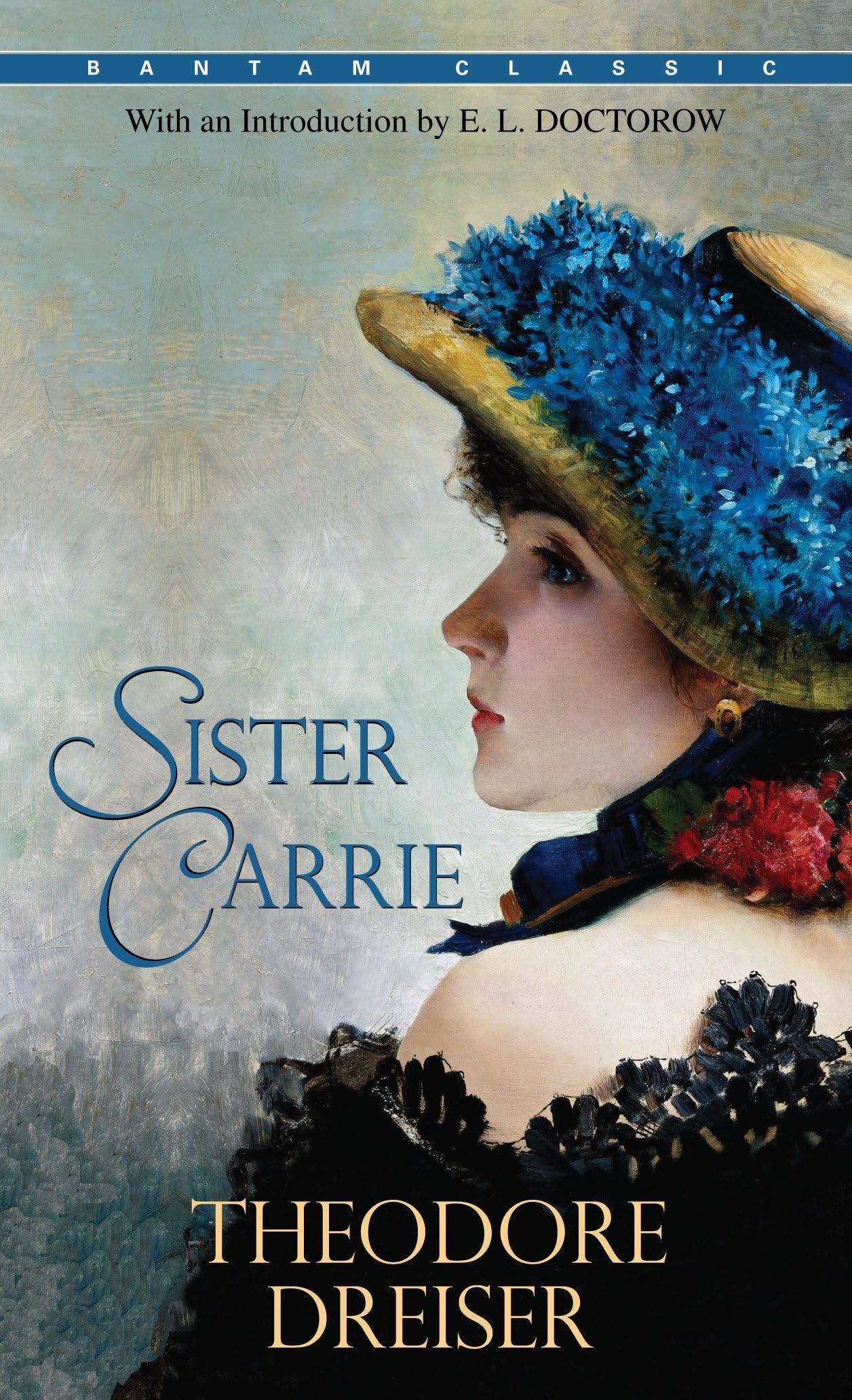
Appears on 1,040 university syllabi and sits on the Modern Library 100 Best Novels list. It is a standard text for American naturalism and the Gilded Age city.
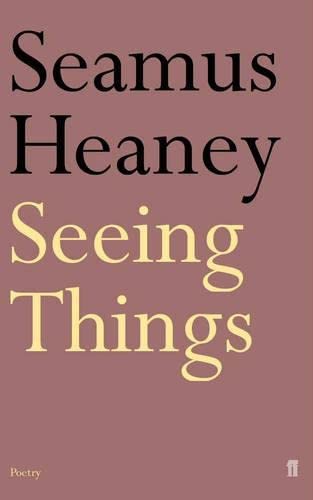
One of the most admired collections by a Nobel laureate poet. Considered a turning point in Heaney's career and among his finest work.
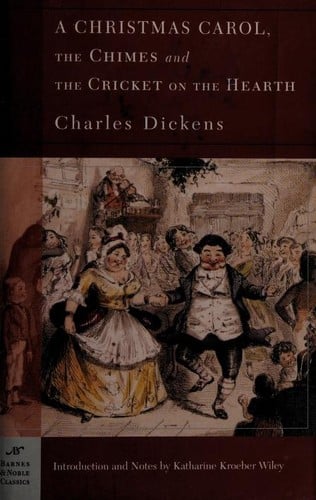
A Christmas Carol is a staple of school reading and holiday tradition, and its retellings are everywhere. The companion tales are less taught, which pulls the collection below the major-canon fixtures.
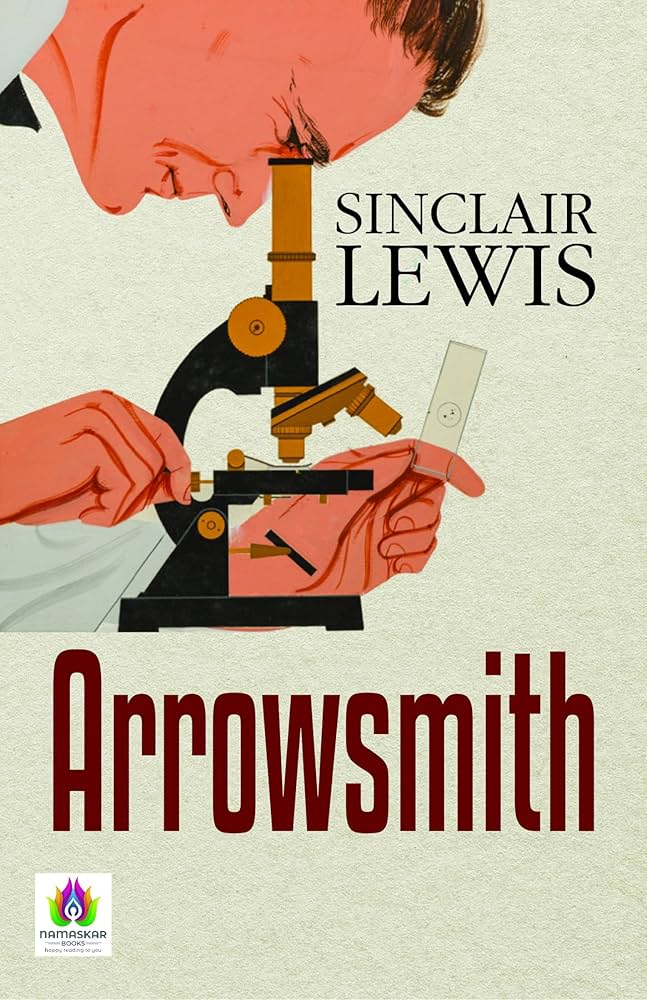
No. 11 on this list. Arrowsmith · Sinclair Lewis · 1925
Martin Arrowsmith, an idealistic young doctor, struggles to maintain his scientific integrity as he moves from small-town practice to research laboratories to public health work. At every turn, commercialism, politics, and human weakness threaten to corrupt his quest for truth. Lewis's novel about the conflict between pure science and institutional pressure won the Pulitzer Prize (which he famously declined).
Moderate11 hours
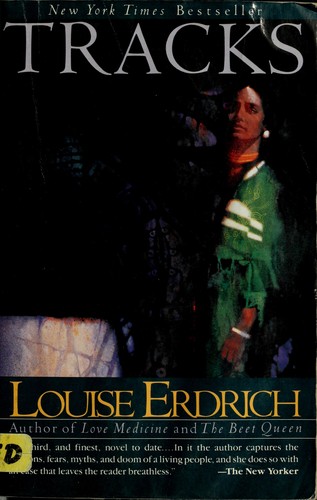
Read nowNo. 12 on this list. Tracks · Louise Erdrich · 1988
A central work in Erdrich's interconnected cycle and widely taught in American literature courses. Considered one of her strongest early novels.
Moderate4.1 hours
Start this bookNo. 13 on this list. Adam Bede · George Eliot · 1859
Adam Bede appears regularly on Victorian literature and 19th-century British fiction syllabi at universities worldwide, and is the standard entry point to George Eliot's work in courses that cannot assign the longer Middlemarch. It is included in most survey courses of the Victorian novel. Its canonical status within the Eliot corpus is secondary only to Middlemarch and The Mill on the Floss, but within the broader Victorian canon it holds a secure if not dominant position — consistently anthologized, consistently in print, and consistently cited as a foundational work of Victorian realism.
Moderate13 hours
Read nowNo. 14 on this list. Thérèse Raquin · Émile Zola · 1867
Widely read and taught as a foundational naturalist text, though less prominent than Germinal or L'Assommoir in the Zola canon.
Easy3.6 hours
Start this bookNo. 15 on this list. The Screwtape Letters · C.S. Lewis · 1942
One of the most widely read works of Christian literature in the twentieth century. A staple of church reading groups and university courses on Lewis.
Moderate2.2 hours
Start this bookNo. 16 on this list. Monster · Walter Dean Myers · 1999
Steve Harmon is sixteen years old and on trial for felony murder. He may have acted as a lookout for a Harlem drugstore robbery that left the owner dead — or he may not have. The question hangs over Walter Dean Myers's 1999 novel, which Steve narrates in the only form that makes sense to him: a screenplay. He writes himself as the protagonist, titles the film Monster — the word the prosecutor used to describe him — and cuts between courtroom scenes and flashback journal entries while his mother cries in the gallery and his lawyer calculates the odds. The form is not a gimmick. A screenplay externalizes action and dialogue while burying interiority in stage directions, and that gap is exactly where Myers puts the book's central problem: we watch Steve perform innocence without ever being certain whether we are watching performance or truth. The trial exposes Harlem's carceral machinery — the way young Black men get classified, processed, and destroyed — but Monster refuses to let that machinery fully explain Steve. He asks, on the last page, who he is. Myers doesn't answer. Readers will spend time after the last page deciding whether that's evasion or honesty, and what it says about how they read a defendant's face.
Easy1.7 hours
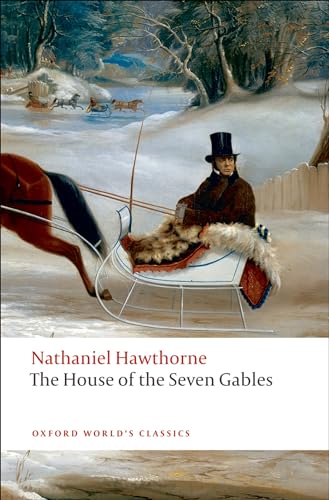
Start this bookNo. 17 on this list. The House of the Seven Gables · Nathaniel Hawthorne · 1851
A major work of the American Renaissance, widely taught alongside The Scarlet Letter though less frequently read outside academic settings.
Moderate6.5 hours
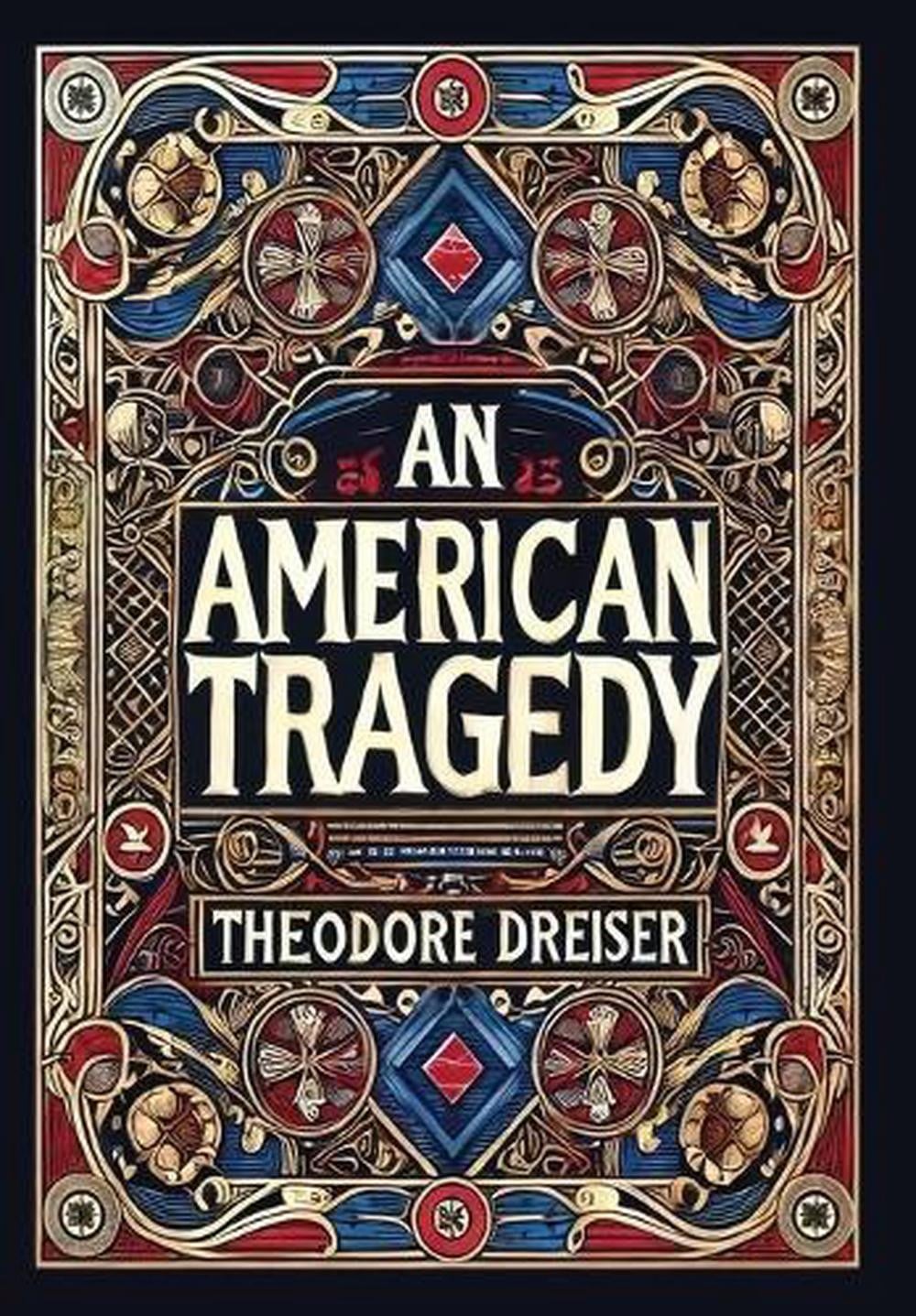
Start this bookNo. 18 on this list. An American Tragedy · Theodore Dreiser · 1925
An American Tragedy appears on both TIME's All-TIME 100 Novels and Modern Library's 100 Best Novels, two of the most authoritative canons in American literature. With 75 syllabus appearances (46.87th percentile in the Open Syllabus database), it is a fixture in American literature survey courses though not as universally assigned as Fitzgerald or Hemingway. Wikipedia covers it in 23 languages with a dedicated Reception section, reflecting steady international recognition.
Moderate22 hours
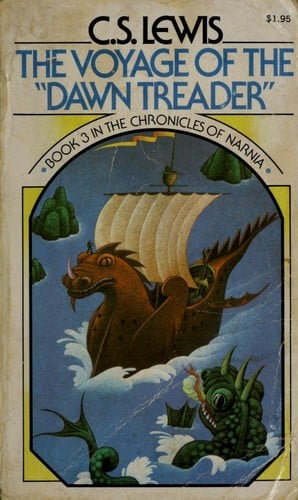
Read nowNo. 19 on this list. The Voyage of the Dawn Treader · C.S. Lewis · 1952
The Chronicles of Narnia as a series holds a stable position on children's literature reading lists and required-reading recommendations across the English-speaking world. No syllabus data appears in the database for this specific entry, but Lewis's series figures on virtually every 'essential fantasy' and 'essential children's literature' canon list published since the 1970s.
Easy3.7 hours
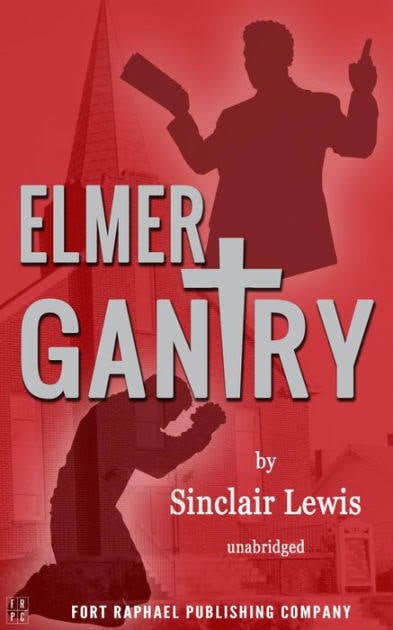
Start this bookNo. 20 on this list. Elmer Gantry · Sinclair Lewis · 1927
One of Sinclair Lewis's major satires of the 1920s, alongside Main Street and Babbitt. It appears on only 5 university syllabi in Open Syllabus data, but its title character's name became a byword for the hypocritical preacher.
Easy9.3 hours
Read now
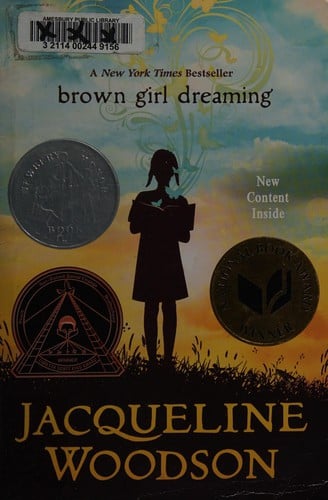
No. 21 on this list. Brown Girl Dreaming · Jacqueline Woodson · 2014
Brown Girl Dreaming is standard reading in American middle school and high school curricula, particularly in units on memoir, poetry, and Civil Rights-era literature. It appears on numerous recommended reading lists for young adults and is included in many school districts' required reading programs. Its canonical status is strong within YA and middle-grade education but has not yet reached the broader university literary canon.
Easy1.9 hours
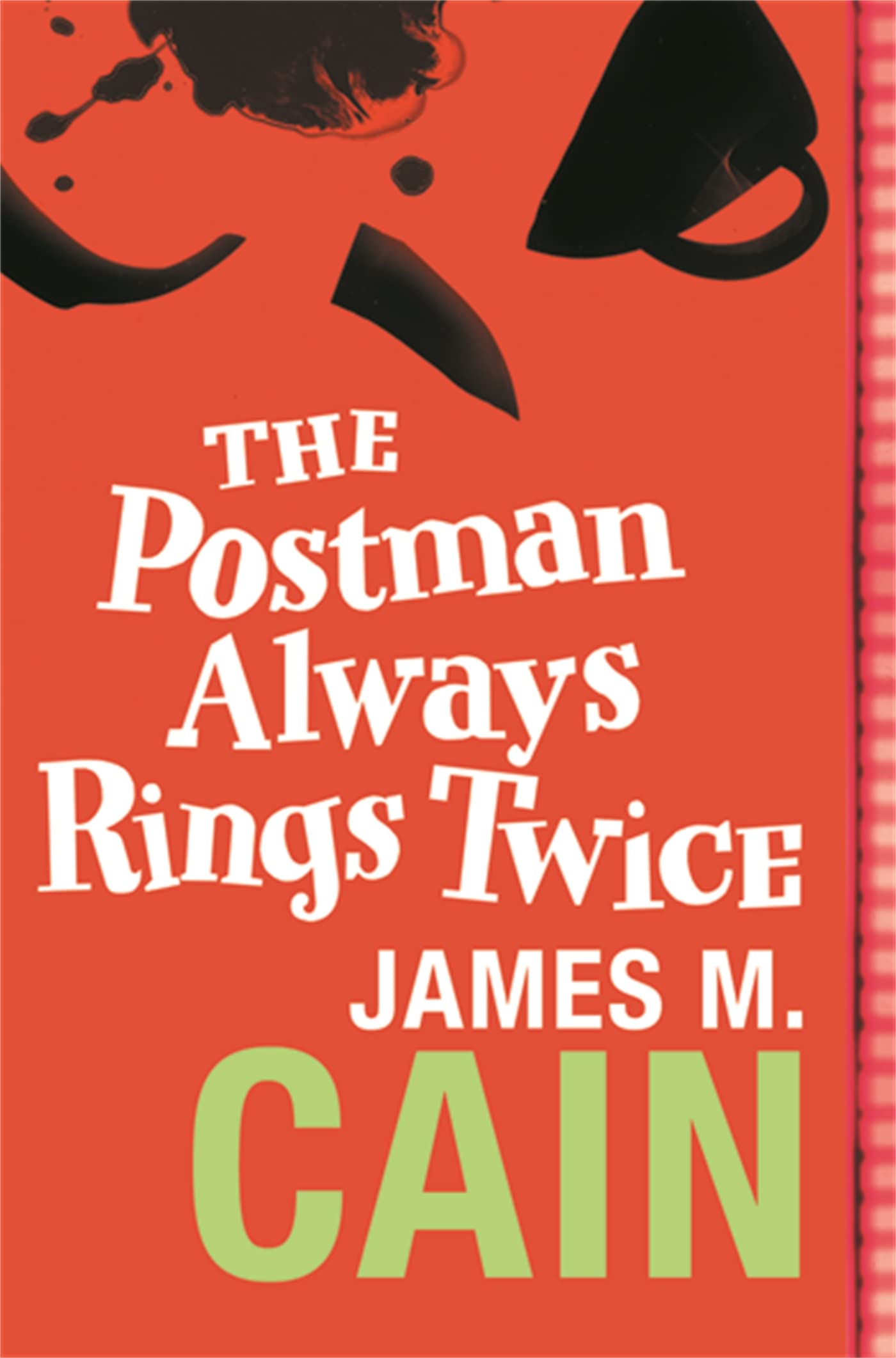
Start this bookNo. 22 on this list. The Postman Always Rings Twice · James M. Cain · 1934
On the Modern Library 100 Best Novels (1998) and 137 university syllabi (53rd percentile in Open Syllabus). It is a core text in courses on American crime fiction, noir and film adaptation.
Easy2.1 hours
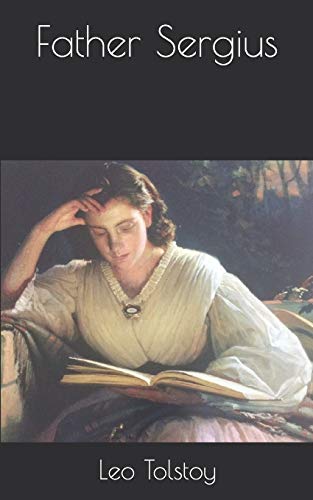
Start this bookNo. 23 on this list. Father Sergius · Leo Tolstoy · 1898
Father Sergius appears on university syllabi in Tolstoy studies and 19th-century Russian literature courses, but it occupies a secondary position relative to War and Peace, Anna Karenina, and The Death of Ivan Ilyich. No syllabus or Wikipedia data was returned by the data signals tool, consistent with the novella's status as a respected but not widely-taught shorter work. It appears in major collected editions of Tolstoy but is rarely the primary text in survey courses.
Moderate1.1 hours
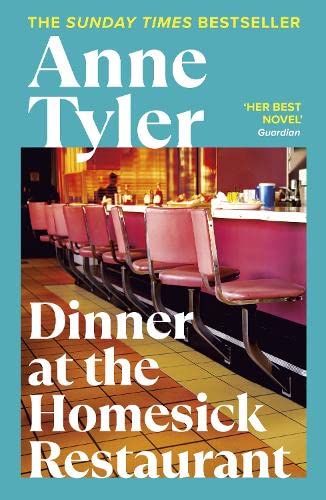
Read nowNo. 24 on this list. Dinner at the Homesick Restaurant · Anne Tyler · 1982
Widely considered Tyler's best novel. A finalist for the Pulitzer Prize and frequently included in lists of the best American novels of the twentieth century.
Easy5.5 hours
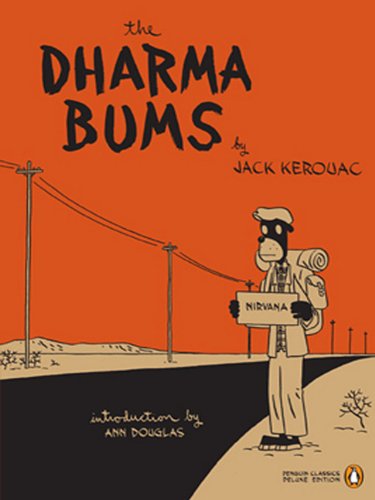
Start this bookNo. 25 on this list. The Dharma Bums · Jack Kerouac · 1958
One of the defining texts of the Beat Generation, widely read and taught alongside On the Road. A central document of American counterculture.
Very Easy3.2 hours
Start this bookNo. 26 on this list. The Flies · Jean-Paul Sartre · 1943
Taught in schools: UNAM Escuela Nacional Preparatoria – programas de Literatura (Mexico)
A major work of existentialist theater and an important document of intellectual resistance during the occupation. Regularly taught and performed.
Easy1.8 hours
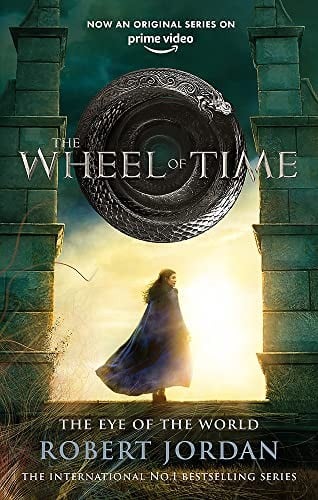
Start this bookNo. 27 on this list. The Eye of the World · Robert Jordan · 1990
The Eye of the World launched one of fantasy's most influential series. While not considered literary fiction, it holds canonical status within the epic fantasy genre, frequently cited alongside Tolkien's work as foundational to modern fantasy.
Easy16 hours
Start this bookNo. 28 on this list. The Old Curiosity Shop · Charles Dickens · 1841
The Old Curiosity Shop appears in every major Dickens collected edition (Penguin Classics, Oxford World's Classics, Chapman and Hall) and is taught in Victorian literature courses at universities worldwide. Nell's death was one of the most discussed literary events of the 19th century, with contemporary accounts of readers in tears on both sides of the Atlantic. It sits below Oliver Twist and Great Expectations in the teaching hierarchy but is a firm fixture of the Dickens canon.
Moderate13 hours
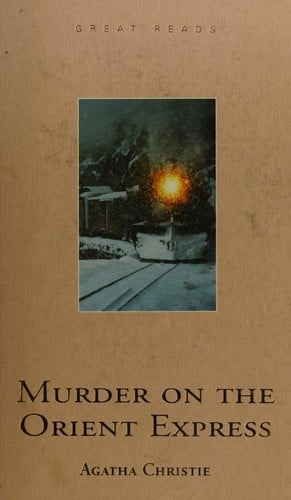
Read nowNo. 29 on this list. Murder on the Orient Express · Agatha Christie · 1934
A fixture in mystery and detective fiction courses worldwide, and one of the most translated English-language novels of the twentieth century with Wikipedia articles in over 60 languages. Widely included on 'essential reading' and 'best mysteries' lists, though its presence in general literary syllabi is lower than canonical modernist works.
Easy3.3 hours
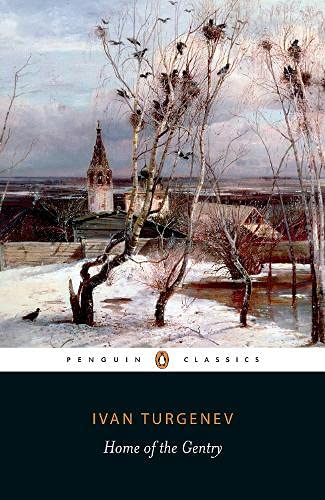
Start this bookNo. 30 on this list. Home of the Gentry · Ivan Turgenev · 1859
Taught in schools: Russian FGOS literature standard
Home of the Gentry is a standard text in Russian literature curricula, regularly anthologized alongside Turgenev's major works. It is less central to Western syllabi than Fathers and Sons but figures prominently in courses on 19th-century European realism. No data from Open Syllabus is available in the database, but its presence in scholarly editions and collected works reflects sustained institutional regard.
Moderate4.1 hours
Start this book
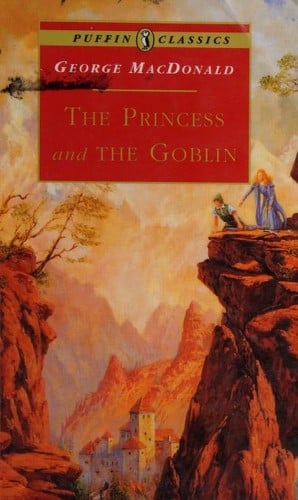
No. 31 on this list. The Princess and the Goblin
George MacDonald · 1872
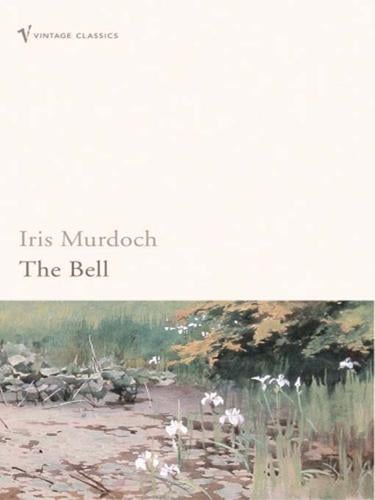
No. 32 on this list. The Bell
Iris Murdoch · 1958
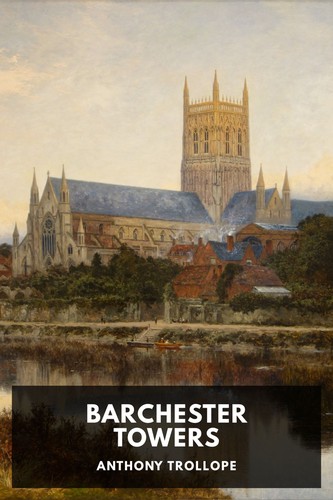
No. 33 on this list. Barchester Towers
Anthony Trollope · 1857
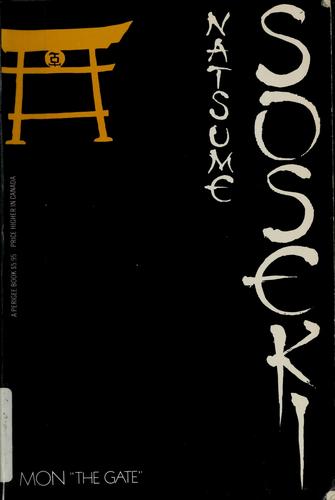
No. 34 on this list. The Gate
Natsume Sōseki · 1910
Included in: UNESCO Collection of Representative Works
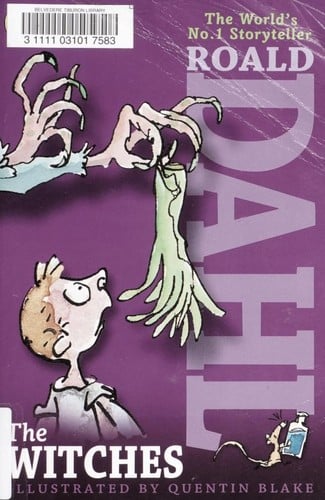
No. 35 on this list. The Witches
Roald Dahl · 1983
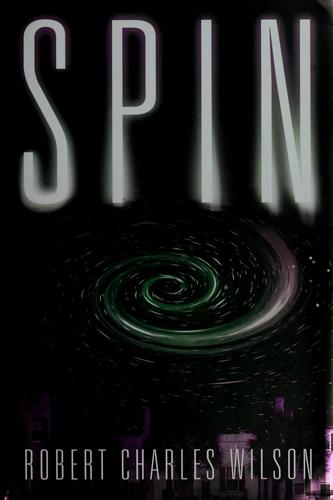
No. 36 on this list. Spin
Robert Charles Wilson · 2005
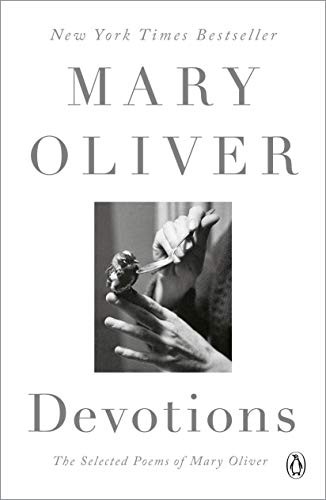
No. 37 on this list. Devotions
Mary Oliver · 2017
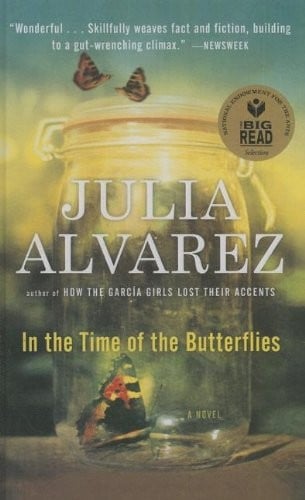
No. 38 on this list. In the Time of the Butterflies
Julia Alvarez · 1994
Taught in schools: UNAM Escuela Nacional Preparatoria – programas de Literatura (Mexico)
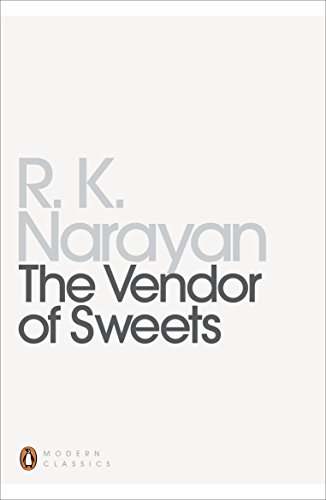
No. 39 on this list. The Vendor of Sweets
R.K. Narayan · 1967
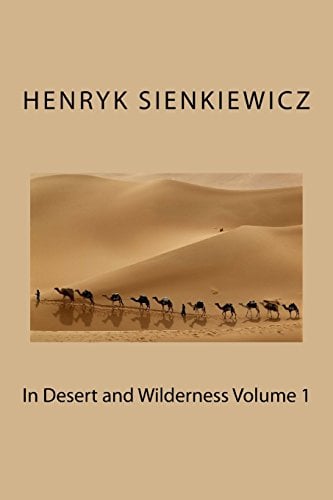
No. 40 on this list. In Desert and Wilderness
Henryk Sienkiewicz · 1911
No. 41 on this list. The Little Sister
Raymond Chandler · 1988
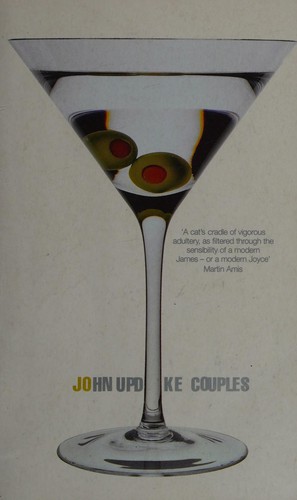
No. 42 on this list. Couples
John Updike · 1968
No. 43 on this list. Marianela
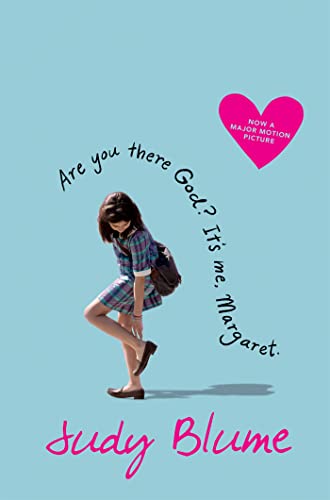
No. 44 on this list. Are You There God? It's Me, Margaret
Judy Blume · 1970
Taught in schools: CSEC English B – Caribbean Examinations Council
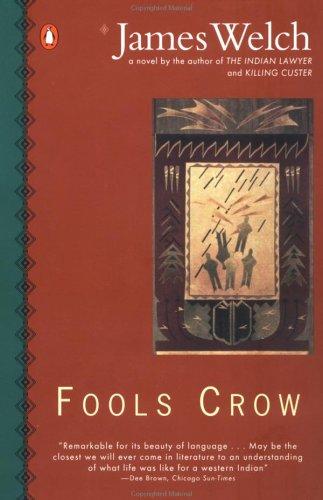
No. 45 on this list. Fools Crow
James Welch · 1986
No. 46 on this list. The Devil
Leo Tolstoy · 1911
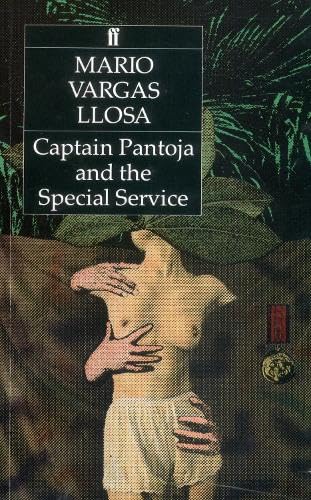
No. 47 on this list. Captain Pantoja and the Special Service
Mario Vargas Llosa · 1973
No. 48 on this list. All-Star Superman
Grant Morrison · 2011
No. 49 on this list. Before Sunrise
Gerhart Hauptmann · 1930
No. 50 on this list. Angels
Denis Johnson · 1983


No. 51 on this list. Ashes
Grazia Deledda · 1904
No. 52 on this list. The Last Question
Isaac Asimov · 2007
No. 53 on this list. Journey in the Dark
Martin Flavin · 1944
No. 54 on this list. Romola
George Eliot · 1863
No. 55 on this list. The Dutch House
Ann Patchett · 2019
No. 56 on this list. Casino Royale
Ian Fleming · 1953
No. 57 on this list. Batman: Year One
Frank Miller · 2007
No. 58 on this list. Following the Equator
Mark Twain · 1897
No. 59 on this list. Boyhood
Leo Tolstoy · 1854
No. 60 on this list. The Rebel Angels
Robertson Davies · 1981


No. 61 on this list. Scenes of Clerical Life
George Eliot · 1858
No. 62 on this list. Please Look After Mom
Shin Kyung-sook · 2008
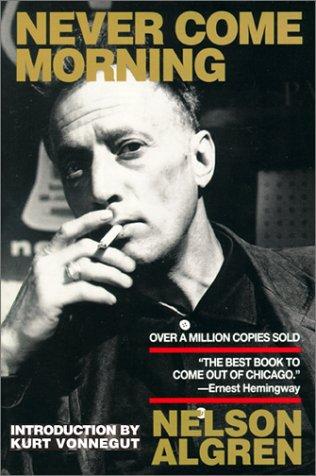
No. 63 on this list. Never Come Morning
Nelson Algren · 1942
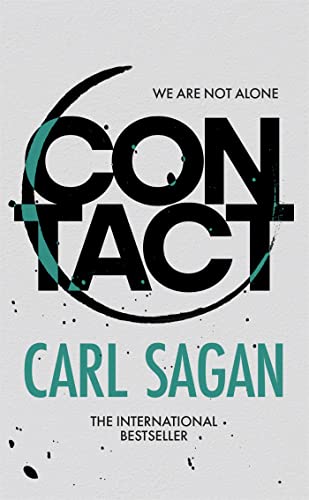
No. 64 on this list. Contact
Carl Sagan · 1985
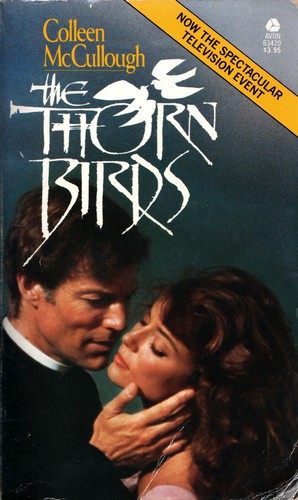
No. 65 on this list. The Thorn Birds
Colleen McCullough · 1977
No. 66 on this list. Prohibido suicidarse en primavera
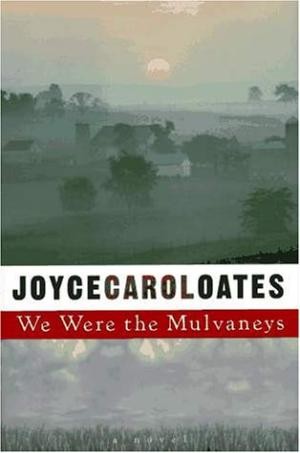
No. 67 on this list. We Were the Mulvaneys
Joyce Carol Oates · 1996
No. 68 on this list. Only Dull People Are Brilliant at Breakfast
No. 69 on this list. The Ministry of Fear
Graham Greene · 1943
No. 70 on this list. In the Forest
Edna O'Brien · 2002

No. 71 on this list. Pawn of Prophecy
David Eddings · 1982
No. 72 on this list. Knulp
Hermann Hesse · 1988
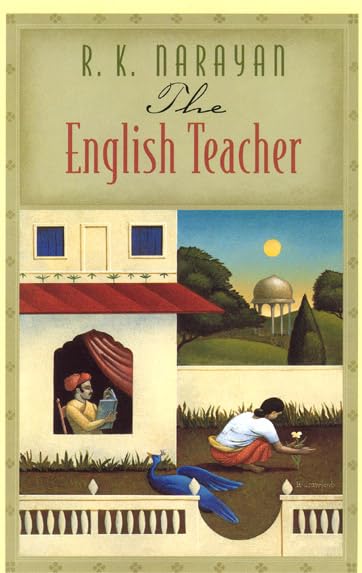
No. 73 on this list. The English Teacher
R.K. Narayan · 1945
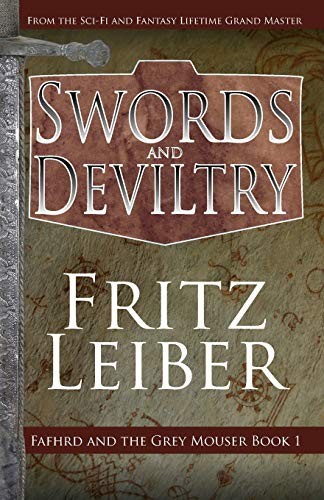
No. 74 on this list. Swords and Deviltry
Fritz Leiber · 1970
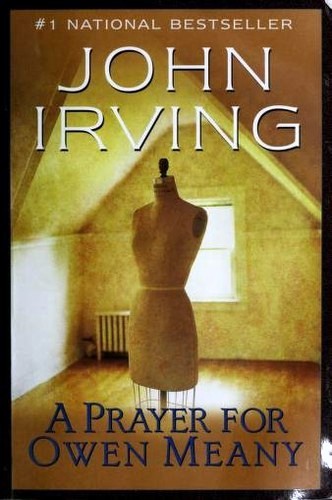
No. 75 on this list. A Prayer for Owen Meany
John Irving · 1989
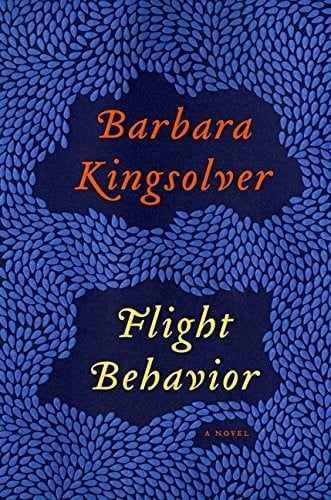
No. 76 on this list. Flight Behavior
Barbara Kingsolver · 2012
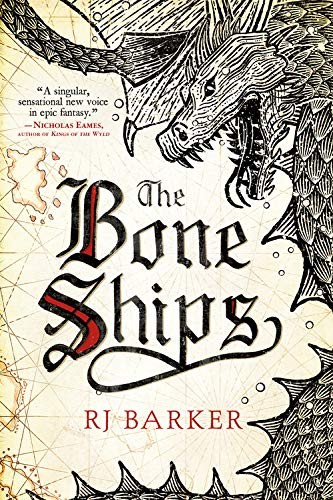
No. 77 on this list. The Bone Ships
R. J. Barker · 2019
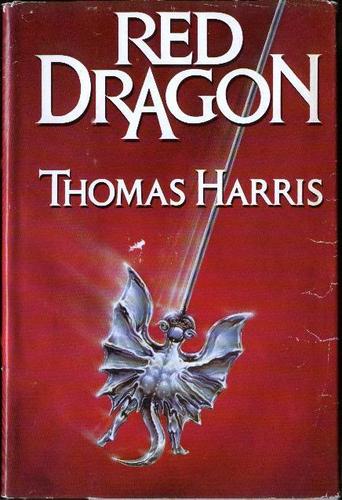
No. 78 on this list. Red Dragon
Thomas Harris · 1981
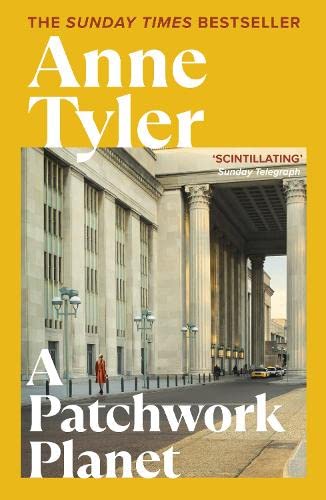
No. 79 on this list. A Patchwork Planet
Anne Tyler · 1999
No. 80 on this list. Kingdom Come
Mark Waid · 1997


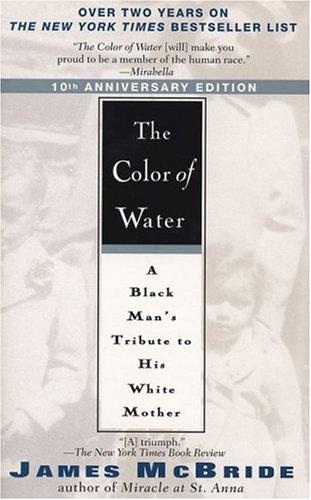
No. 81 on this list. The Color of Water
James McBride · 1996
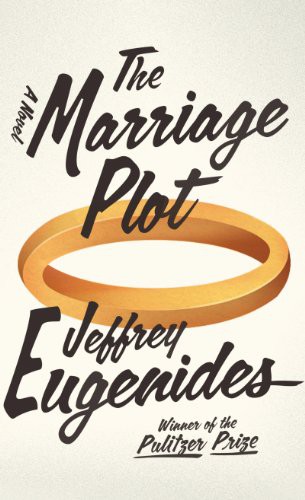
No. 82 on this list. The Marriage Plot
Jeffrey Eugenides · 2011
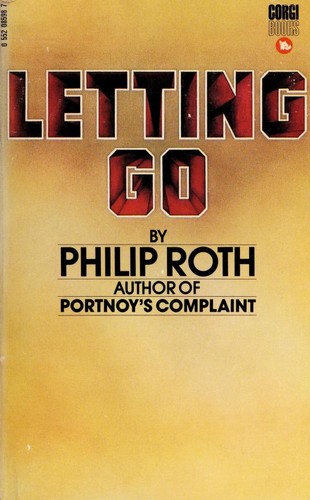
No. 83 on this list. Letting Go
Philip Roth · 1962
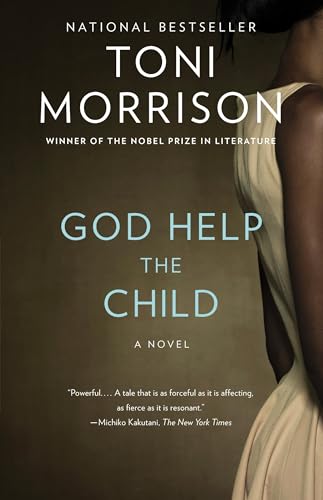
No. 84 on this list. God Help the Child
Toni Morrison · 2015
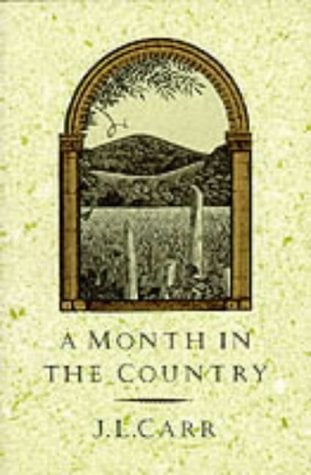
No. 85 on this list. A Month in the Country
J.L. Carr · 1980
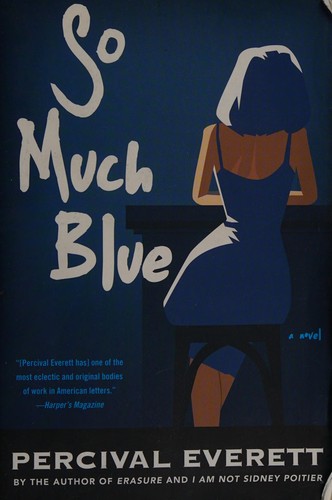
No. 86 on this list. So Much Blue
Percival Everett · 2017
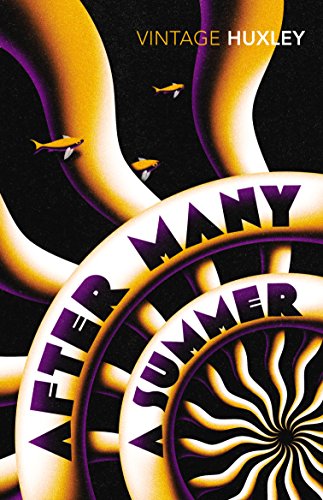
No. 87 on this list. After Many a Summer Dies the Swan
Aldous Huxley · 1939
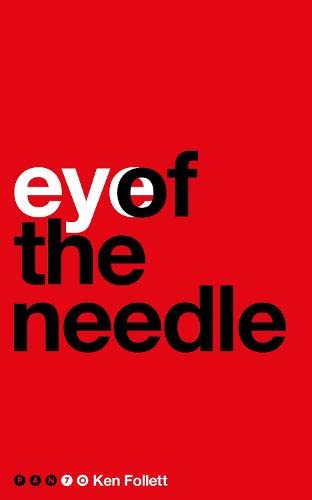
No. 88 on this list. Eye of the Needle
Ken Follett · 1978
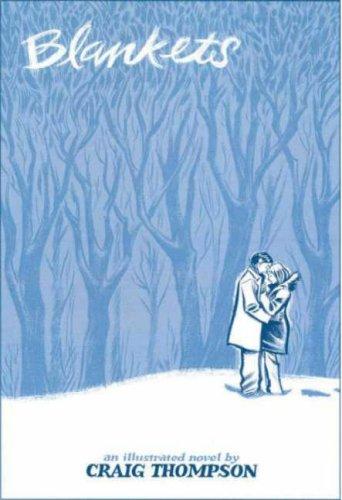
No. 89 on this list. Blankets
Craig Thompson · 2003
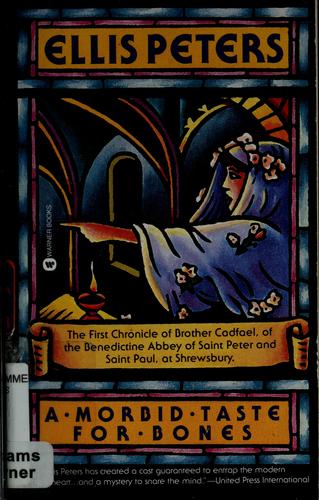
No. 90 on this list. A Morbid Taste for Bones
Ellis Peters · 1977
No. 91 on this list. Hullabaloo in the Guava Orchard
Kiran Desai · 1999
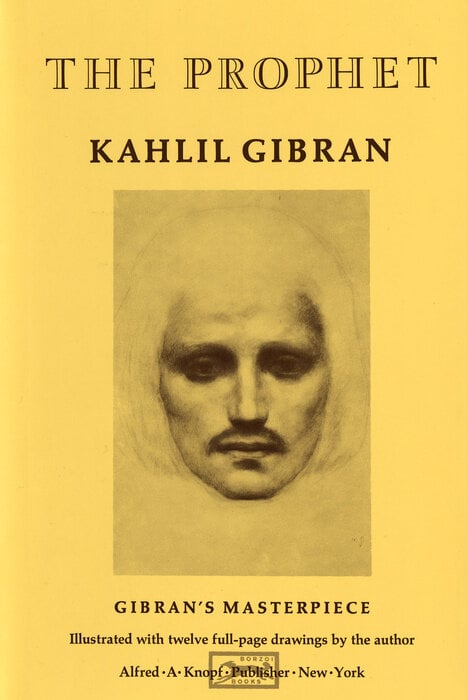
No. 92 on this list. The Prophet
Kahlil Gibran · 2003
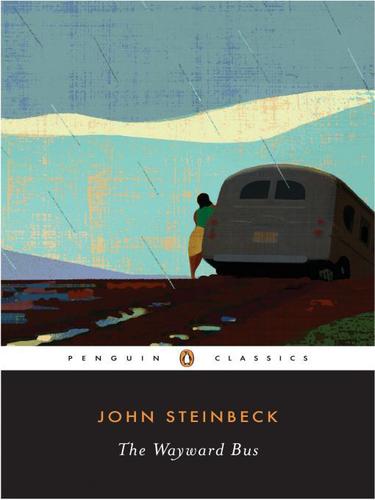
No. 93 on this list. The Wayward Bus
John Steinbeck · 1947
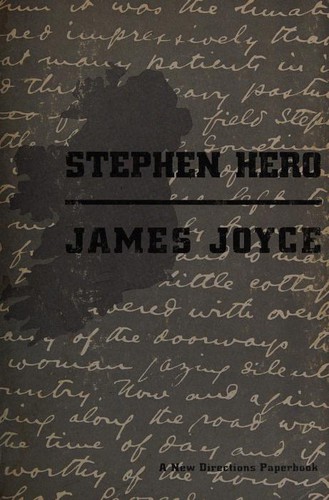
No. 94 on this list. Stephen Hero
James Joyce · 1944
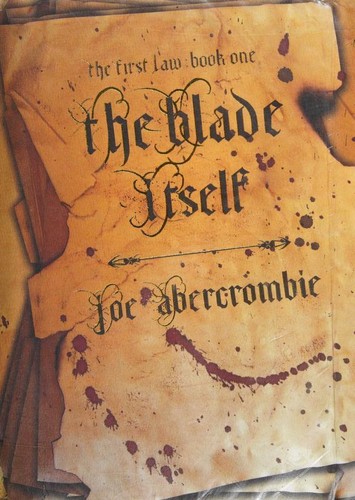
No. 95 on this list. The Blade Itself
Joe Abercrombie · 2006
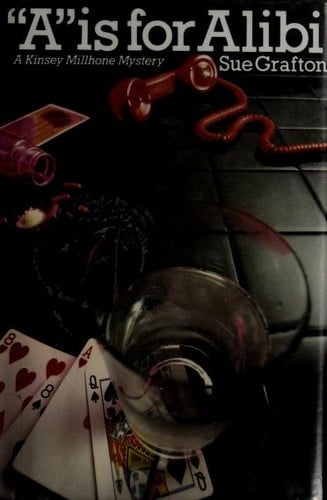
No. 96 on this list. "A" Is for Alibi
Sue Grafton · 1982
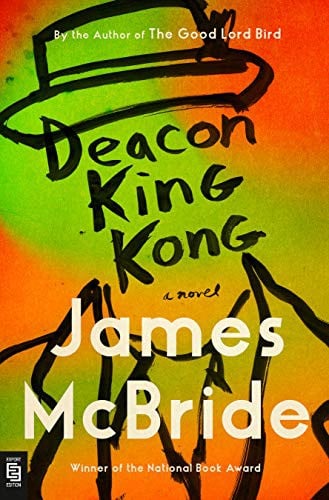
No. 97 on this list. Deacon King Kong
James McBride · 2020
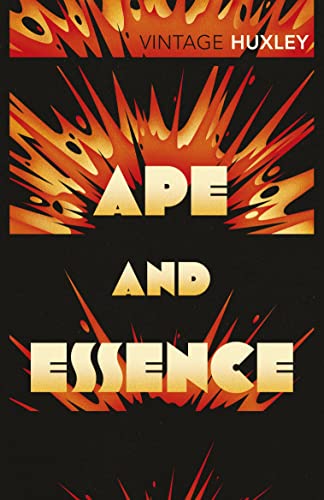
No. 98 on this list. Ape and Essence
Aldous Huxley · 1948
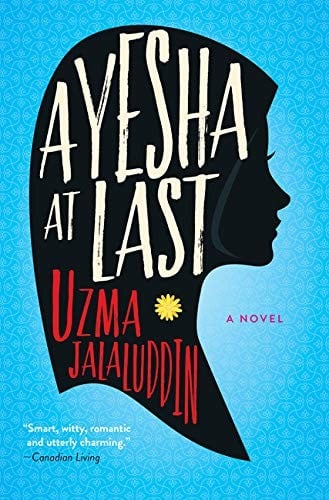
No. 99 on this list. Ayesha at Last
Uzma Jalaluddin · 2018
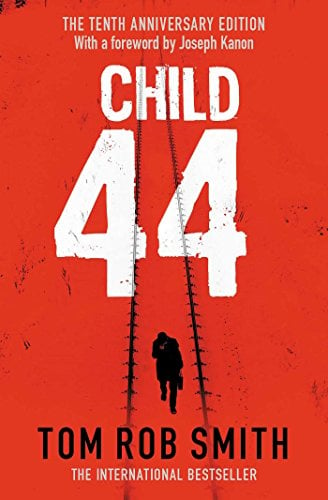
No. 100 on this list. Child 44
Tom Rob Smith · 2008

About this list
These 100 books are the highest-scoring eligible easy books about faith and spirituality currently in the catalogue. About 534 hours of reading in all. Difficulty runs from 33 to 41 out of 100 for the middle half of the list; the summit is Before Sunrise at 45.
This list is ranked by literary regard, with a consistent order for equal scores. Membership follows authors and co-authors, not translators or editors. A book is here when ReadingRate files it under Faith & Spirituality as one of its primary reading domains, at a confidence of 0.8 or more. Catalogue coverage and the historical canon both limit what this list can represent.
When we matched the Canons dataset to our catalogue in October 2026, our canonical-status scores rose with the number of school curricula, publisher series and lists in it that cite a work: the median score was 72 for books one such source cites, 84 at two, 88 at three, 92 at four and 93 at five or more. Prizes are left out of that count. Outside the state curricula, the dataset’s sources choose mostly from what has been translated into English or French, so it is a weaker check on other literatures. Source: Canons (Andrew Piper), CC BY 4.0
Questions people actually ask
- What are the best easy books about faith and spirituality?
- By literary regard, which weighs canonical status, critical standing and influence: Kokoro by Natsume Sōseki, A Good Man Is Hard to Find by Flannery O'Connor, The Lion, the Witch and the Wardrobe by C.S. Lewis, The Bhagavad Gita by Vyasa and Selected Poems of Czesław Miłosz by Czesław Miłosz. ReadingRate ranks 100 such books, each with a difficulty score and a reading-time estimate.
- Which easy books about faith and spirituality should I read first?
- Start from difficulty, not from rank. The most approachable books on this list that still carry top literary regard are The Lion, the Witch and the Wardrobe by C.S. Lewis (about 2.1 hours), The Bhagavad Gita by Vyasa and A Christmas Carol / The Chimes / The Cricket on the Hearth by Charles Dickens.
- What are the shortest of the best easy books about faith and spirituality?
- Among the top 25, the shortest are Seeing Things by Seamus Heaney (about 57 min), Father Sergius by Leo Tolstoy (about 1.1 hours) and The Bhagavad Gita by Vyasa (about 1.4 hours), at an average pace of 250 words a minute adjusted for each book's difficulty.
- Which of the best easy books about faith and spirituality are the established classics?
- By canonical status, how firmly a book sits in curricula, anthologies and the canon: Kokoro by Natsume Sōseki, The Lion, the Witch and the Wardrobe by C.S. Lewis, The Bhagavad Gita by Vyasa, Uncle Tom's Cabin by Harriet Beecher Stowe and A Good Man Is Hard to Find by Flannery O'Connor.
- Can I read any of these easy books about faith and spirituality for free?
- 15 of the 100 open in ReadingRate's reader with a free account, from public-domain editions: Uncle Tom's Cabin, Sister Carrie, Arrowsmith, Adam Bede, An American Tragedy and 10 more.
- How long would it take to read the top ten?
- About 43 hours, at an average pace of 250 words a minute adjusted for each book's difficulty: 22 days at two hours a day. Set your own pace on the page and the list's reading times change to it.
- How hard are easy books about faith and spirituality to read?
- Most of this list sits between 33 and 41 on ReadingRate's 100-point difficulty scale, where 40 to 55 is moderate. The summit is Before Sunrise at 45. Every entry carries its own score, so a reader can pick a great book at a difficulty they will finish.
- How is this list ranked?
- On literary-regard data: how canonically established a work is, its critical standing, and its influence on later writing. It is not a readers’ poll, which is why recent bestsellers rarely appear. Membership follows authors and co-authors, not translators or editors. Lists by country, author, period, theme or difficulty keep to literature (fiction, poetry, drama and philosophy), their novels, poems and plays first and their philosophy after them; a list of a kind of book, such as memoir or criticism, keeps every book of that kind. Every list holds at most three works by one author. A book is here when ReadingRate files it under Faith & Spirituality as one of its primary reading domains, at a confidence of 0.8 or more.