Hours at an average pace
Showing 65 books
About 878 hours for 65 of 65 books with measured lengths. Estimates use 250 words a minute, adjusted for each book's difficulty. At 2 hours a day, about 439 days for those books.
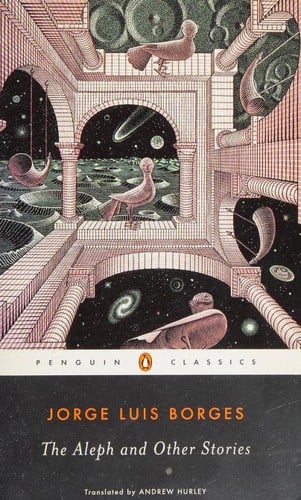
No. 1 on this list. The Aleph
Jorge Luis Borges · 1949
Difficult7.8 hours
Taught in schools: Literatura, Diseño Curricular – Provincia de Buenos Aires (Argentina), UNAM Escuela Nacional Preparatoria – programas de Literatura (Mexico)
Borges and his short fiction appear on university syllabi worldwide — in world literature, Latin American literature, postmodernism, and comparative literature courses. 'The Aleph,' 'The Circular Ruins,' and 'Death and the Compass' are among the most frequently anthologized stories in the Western canon. Though no formal syllabus count is available in the database, Borges is standard reading at virtually every English-language university.
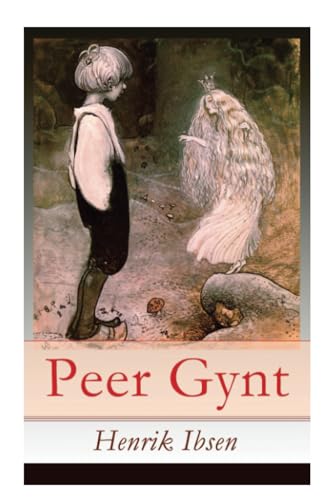
Peer Gynt is a cornerstone of the Scandinavian theatrical canon and is regularly staged worldwide, from the National Theatre to major European opera houses. Edvard Grieg's 1876 incidental music gave the work cultural reach extending far beyond theatre audiences. It appears on world drama syllabi internationally and is central to any survey of 19th-century European literature.
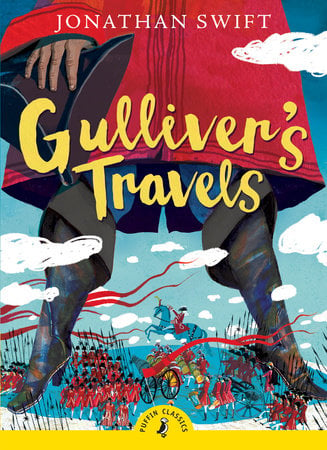
No. 3 on this list. Gulliver's Travels
Jonathan Swift · 1726
Challenging10 hours
Taught in schools: CSEC English B – Caribbean Examinations Council, Hungarian literature curriculum (magyar nyelv és irodalom) (Hungary)
Included in: Bokklubben World Library, Great Books of the Western World
Swift shrinks his protagonist to six inches in Lilliput, inflates him to a giant in Brobdingnag, then deposits him among rational horses who regard humans as vermin. No other satire in English has so thoroughly weaponized scale and perspective to indict politics, science, and the species itself.
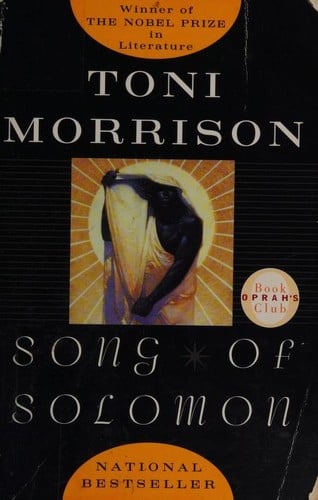
Morrison sent a young Black man on a mythic quest through four generations of his family's buried history, fusing African-American folklore, biblical allusion, and the cadences of blues and gospel into a narrative structure no American novel had attempted before. The novel proved that flight — literal and metaphorical — could carry the full weight of Black American experience from slavery to self-knowledge.
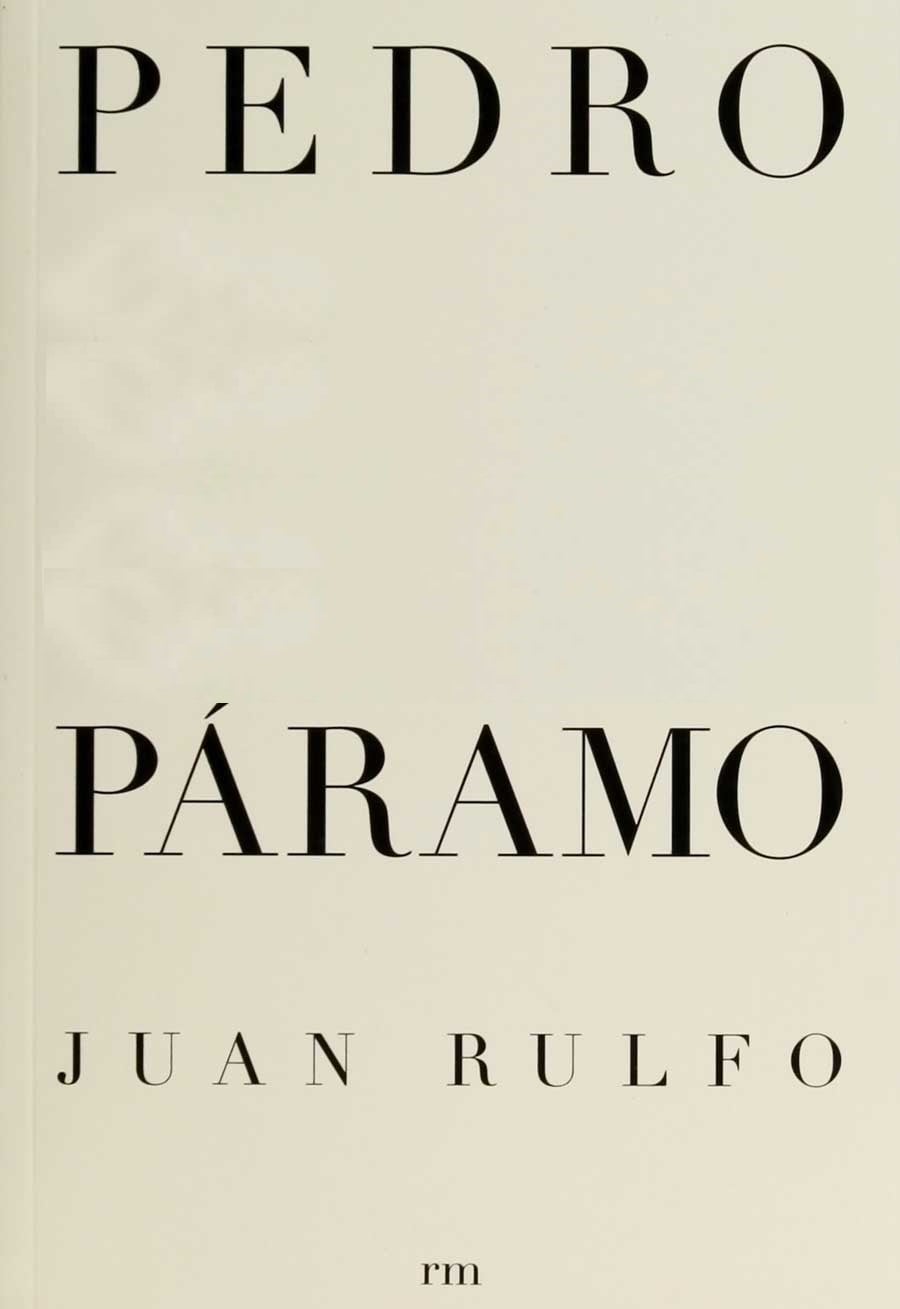
No. 5 on this list. Pedro Páramo
Juan Rulfo · 1955
Difficult3.6 hours
Taught in schools: Literatura, Diseño Curricular – Provincia de Buenos Aires (Argentina), UNAM Escuela Nacional Preparatoria – programas de Literatura (Mexico)
Included in: Bokklubben World Library
Pedro Páramo is the foundational text of Latin American modernism, present in nearly every world literature curriculum globally. Its Wikipedia article spans 26 languages. García Márquez credited it with teaching him how to write One Hundred Years of Solitude — a direct line of influence that alone ensures canonical permanence. Penguin Modern Classics published it in 1961.
Required reading in virtually every medieval and Middle English literature course at anglophone universities. The poem appears on thousands of syllabi and features in Great Books curricula worldwide. Tolkien and E.V. Gordon's 1925 scholarly edition set the standard text; Simon Armitage's 2007 translation reached mainstream audiences. The poem occupies the same canonical tier as Chaucer's Canterbury Tales for the period it represents.
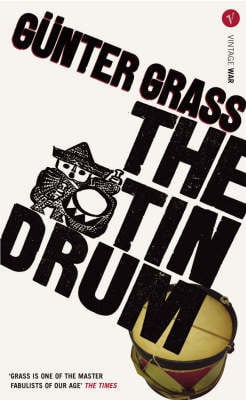
No. 7 on this list. The Tin Drum
Günter Grass · 1959
Difficult27 hours
Included in: Bokklubben World Library
The Tin Drum appears on approximately 200 university syllabi according to Open Syllabus Project data (57th percentile), placing it firmly in world literature and 20th-century European fiction curricula. Wikipedia coverage spans 35 languages with dedicated Reception and Adaptations sections, indicating sustained international engagement. The novel is widely regarded as the defining work of postwar German literature, though its syllabus presence falls short of canonical American fixtures like The Great Gatsby.
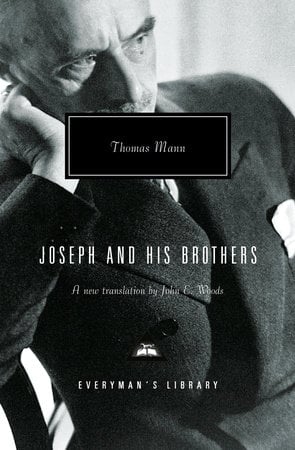
Joseph and His Brothers appears regularly on European and world literature curricula, particularly in German literature courses and modernism seminars. It features on multiple 'greatest novels' lists including Le Monde's 100 Books of the Century. The tetralogy is less frequently taught than Mann's shorter works (Death in Venice, The Magic Mountain) owing to its length, but its canonical standing within the Mann oeuvre and 20th-century literature broadly is secure. The database shows no syllabus or Wikipedia data, but scholarly consensus places this among the defining works of European modernism.
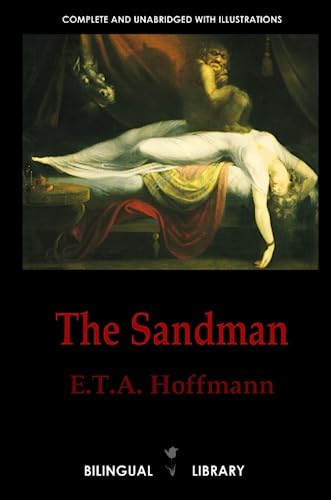
The Sandman is canonical in German literature courses, Romantic literature surveys, Gothic fiction studies, and psychoanalytic literary criticism worldwide. Freud's 1919 essay 'The Uncanny' uses it as the central specimen, ensuring its presence on psychoanalysis and literary theory syllabi for over a century. While it lacks the broad English-language curriculum presence of Frankenstein or Great Expectations, it is effectively required reading in any serious study of German Romanticism, the Gothic tradition, or the history of uncanny fiction.
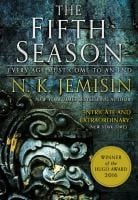
The Fifth Season won the Hugo Award for Best Novel in 2016, the first book in what became an unprecedented trilogy of consecutive Hugo wins for Jemisin—a feat unmatched in the award's history. It appears on contemporary science fiction and fantasy syllabi and in critical discussions of the genre's formal and political possibilities. Its position in the canon is still consolidating, but its influence on subsequent speculative fiction is already evident.

No. 11 on this list. The Street of Crocodiles · Bruno Schulz · 1934
Taught in schools: Lektury obowiązkowe – Polish national reading list (Poland)
A standard text in world-literature and modernism syllabi and the central work of Polish literary modernism after Gombrowicz.
Difficult7.1 hours
Start this bookNo. 12 on this list. Midnight's Children · Salman Rushdie · 1981
Included in: Bokklubben World Library
Appears on 781 university syllabi according to Open Syllabus (72nd percentile), with a Wikipedia article in 40 languages. Required reading in postcolonial literature courses worldwide. Won the Booker Prize (1981), then the Booker of Bookers in both 1993 and 2008—the prize committee's pick for the best Booker winner across 25 and 40 years respectively. Listed on TIME All-TIME 100 Novels, Modern Library 100 Best Novels, and Le Monde's 100 Books of the Century.
Challenging21 hours
Start this bookNo. 13 on this list. The Kingdom of This World · Alejo Carpentier · 1949
Taught in schools: Literatura, Diseño Curricular – Provincia de Buenos Aires (Argentina)
The Kingdom of This World is widely taught in Latin American literature courses and postcolonial studies programs worldwide. The novel launched the concept of 'lo real maravilloso' (the marvelous real), which Carpentier articulated in its famous prologue — making it a required theoretical as well as literary text. No specific syllabus count data is available, but its presence on comparative literature and world fiction syllabi is consistent and decades-long.
Challenging2.7 hours
Start this bookNo. 14 on this list. The Golden Ass · Apuleius · 170
Included in: Oxford World's Classics
The Golden Ass is the only Latin prose novel to survive complete from antiquity, making it a required text in virtually every classical literature and ancient novel course worldwide. Though the database returned no formal syllabus entries, the work appears across comparative literature, mythology, and world literature curricula at universities globally. It features in most canonical 'great books' programs and was included in Harold Bloom's Western Canon.
Difficult12 hours
Start this bookNo. 15 on this list. The Bloody Chamber · Angela Carter · 1979
Taught in schools: OCR GCSE and A-level English Literature (UK)
The Bloody Chamber is among the most-taught works of feminist fiction in British and American university literature programs, appearing on A-level and undergraduate syllabi across the English-speaking world for over four decades. It anchors feminist fairy tale criticism as a field and appears on most 20th-century fiction retrospective lists. Its canonical standing exceeds Infinite Jest (78) in terms of institutional adoption.
Difficult7.2 hours
Start this bookNo. 16 on this list. The House of the Spirits · Isabel Allende · 1982
Taught in schools: Literatura, Diseño Curricular – Provincia de Buenos Aires (Argentina), UNAM Escuela Nacional Preparatoria – programas de Literatura (Mexico)
The House of the Spirits appears on a substantial number of university syllabi in Latin American literature, world literature, and postcolonial studies courses across the US and Europe. It features on several '100 best novels' lists and is considered essential reading in its genre. While not as universally assigned as canonical Anglo-American works, it holds a firm place in the world literature curriculum, particularly in Spanish-language departments and courses on magical realism.
Challenging19 hours
Start this bookNo. 17 on this list. Treacle Walker · Alan Garner · 2022
Published in 2021, Treacle Walker is too recent for canonical judgment, but Garner's lifelong integration of British folklore into literary fiction gives it strong claims. As his late-career distillation of myth, archaeology, and language, it consolidates his reputation as a major British fantasist.
Challenging1.5 hours
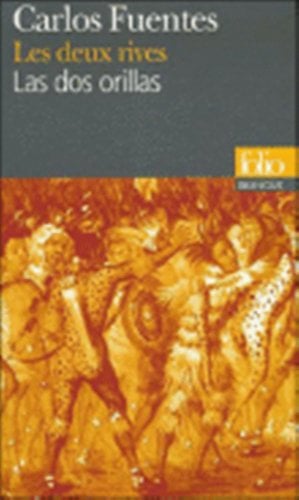
Start this bookNo. 18 on this list. Terra Nostra · Carlos Fuentes · 1975
Terra Nostra is widely recognized as a canonical work of postmodern historical fiction and is regularly assigned in Latin American literature graduate courses and world literature programs. It appears consistently on critical lists of the greatest novels of the 20th century (including Harold Bloom's Western Canon), though it remains less universally assigned than One Hundred Years of Solitude. The novel's standing is secure in academic literary culture but requires significant dedication from general readers, limiting its reach beyond specialist contexts.
Difficult57 hours
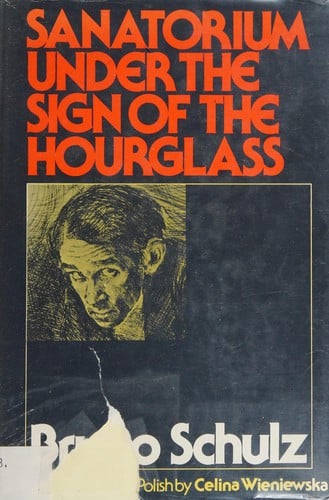
Start this bookNo. 19 on this list. Sanatorium Under the Sign of the Hourglass · Bruno Schulz · 1937
Standard in Central European and modernism courses and inseparable from Schulz's first collection in most curricula.
Difficult8.4 hours
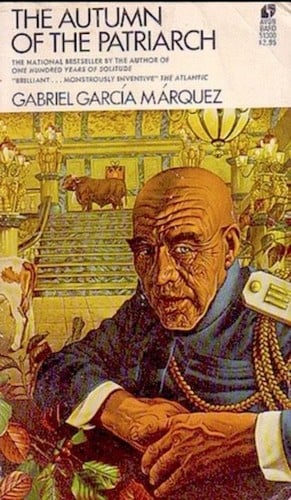
Start this bookNo. 20 on this list. The Autumn of the Patriarch · Gabriel García Márquez · 1975
Appears on 31 university syllabi (37th percentile in Open Syllabus) and has Wikipedia articles in 27 languages. Less universally taught than One Hundred Years of Solitude, it occupies a secondary but established position in the Garcia Marquez canon. Assigned in world literature, Latin American studies, and courses on the dictator novel tradition.
Difficult11 hours
Start this book
No. 21 on this list. Lanark: A Life in Four Books · Alasdair Gray · 1981
Lanark is widely regarded as the most significant Scottish novel of the twentieth century and appears on many British university literature syllabi, particularly in Scottish literature and postmodern fiction courses. It lacks the global curriculum penetration of Ulysses or Beloved — its reputation is regionally intense rather than internationally ubiquitous. Harold Bloom placed it among essential works of Western literature in The Western Canon.
Difficult31 hours
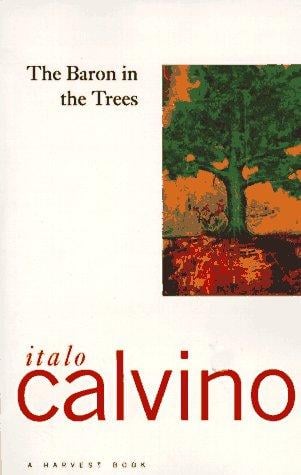
Start this bookNo. 22 on this list. The Baron in the Trees · Italo Calvino · 1957
Taught in comparative literature and Italian literature courses at universities worldwide, and a fixture of world literature reading lists. Part of Calvino's celebrated 'Our Ancestors' trilogy, which is frequently assigned as a unit. While not as universally present in English-language curricula as Kafka or García Márquez, its standing in the global literary canon is firm.
Challenging7.7 hours
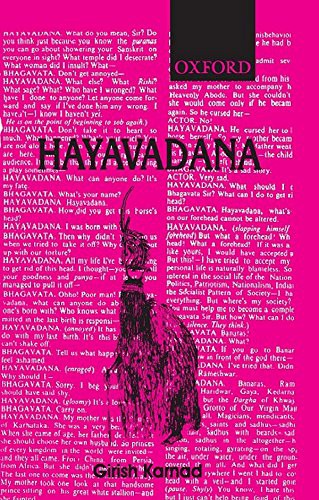
Start this bookNo. 23 on this list. Hayavadana · Girish Karnad · 1971
A standard text in Indian drama and world-theatre courses and the key example of the theatre of roots movement.
Challenging1.8 hours
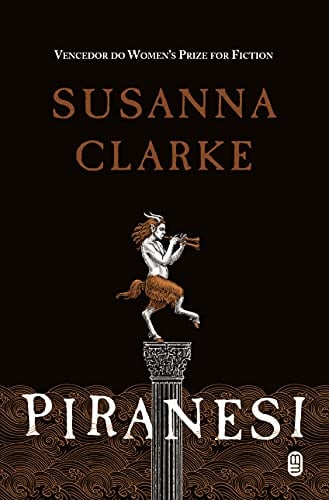
Start this bookNo. 24 on this list. Piranesi · Susanna Clarke · 2021
Winner of the Women's Prize for Fiction (2021), with a Wikipedia presence in 39 languages — strong recognition for a novel published in 2020. Clarke's second novel after the celebrated Jonathan Strange & Mr Norrell, it arrived with significant literary anticipation and met it. Not yet in syllabi, which reflects recency rather than lack of merit.
Difficult7.8 hours
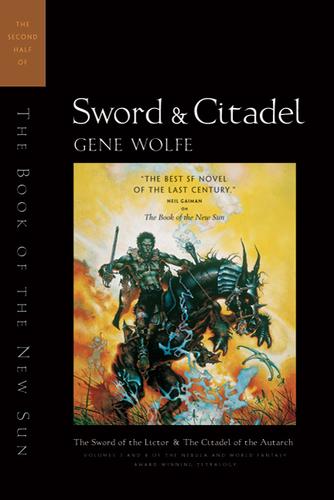
Start this bookNo. 25 on this list. Sword & Citadel · Gene Wolfe · 1994
The Book of the New Sun is widely regarded as a landmark of science fiction and fantasy and is taught in genre courses, but it sits outside most mainstream literary syllabi.
Difficult14 hours
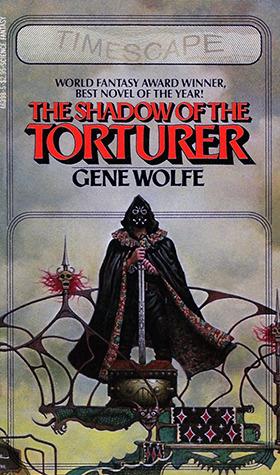
Start this bookNo. 26 on this list. The Shadow of the Torturer · Gene Wolfe · 1980
Highly canonical within science fiction and fantasy — frequently appears on 'best SF ever written' lists compiled by Locus, the SFWA, and major genre institutions. Less present in mainstream academic literature syllabi, though it appears in university SF and genre fiction courses. The novel's reputation is deep within its field rather than broad across disciplines.
Difficult12 hours
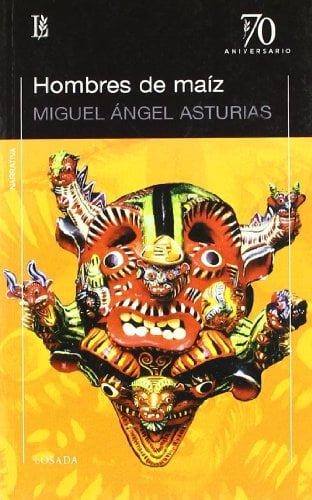
Start this bookNo. 27 on this list. Men of Maize · Miguel Ángel Asturias · 1949
Taught in schools: Literatura, Diseño Curricular – Provincia de Buenos Aires (Argentina), UNAM Escuela Nacional Preparatoria – programas de Literatura (Mexico)
Included in: UNESCO Collection of Representative Works
Men of Maize holds canonical status within Latin American literature and postcolonial studies, widely recognized as a foundational text in indigenous literary resistance. It appears regularly in university curricula focused on Latin American modernism and magical realism's precursors. However, its difficulty and cultural specificity limit its presence in general survey courses compared to more accessible works of the Boom generation.
Challenging10 hours
Start this bookNo. 28 on this list. The Book of the New Sun · Gene Wolfe · 1980
The Book of the New Sun has achieved canonical status within literary science fiction and fantasy, regularly appearing on 'essential reading' lists in those genres and taught in some university courses on genre literature. It has not penetrated mainstream literary curricula, which rarely address SF regardless of quality. The series occupies a position analogous to Tolkien or Le Guin—foundational within genre, recognized at the margins of the literary mainstream but not yet integrated into it.
Difficult16 hours
Start this bookNo. 29 on this list. The Stone Raft · José Saramago · 1986
The Stone Raft appears in world literature and Iberian literature courses but is not a curriculum staple in the way that Blindness has become. It has been translated into over twenty languages and holds a recognized place in Saramago's oeuvre, but its syllabus presence is modest compared to post-Nobel works that benefit from sustained pedagogical attention.
Difficult12 hours
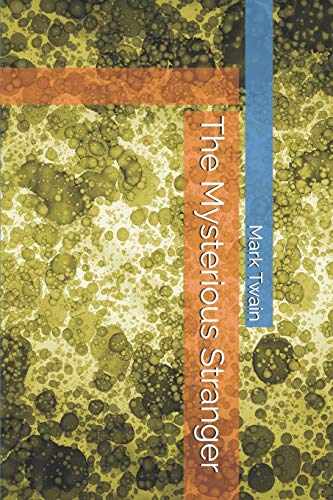
Start this bookNo. 30 on this list. The Mysterious Stranger · Mark Twain · 1916
In 1590, in the drowsy Austrian village of Eseldorf, three boys meet a charming young stranger who lights a pipe with his breath and conjures fruit from their pockets. He tells them his name is Philip Traum. He tells them he is an angel — specifically, Satan's nephew, untouched by the Fall and therefore without any Moral Sense. He is delightful company. The stranger makes miniature humans out of clay, watches them develop a civilization, then casually crushes them. He manipulates fate so that Nikolaus, Theodor's closest friend, drowns saving a girl rather than live sixty-two years as a paralyzed invalid. He considers this kindness. Theodor, narrating from old age, agrees with him throughout — and the reader must decide whether to follow. Mark Twain wrote The Mysterious Stranger between 1898 and 1908 without finishing it. Editors completed the manuscript after his death, location of the seam undisclosed. The novella is the culmination of Twain's late period: God is indicted directly in Satan's closing monologue ('mouths mercy and invented hell'), and the final revelation — that the universe, history, and the narrator himself are a dream inside a vagrant thought — is delivered without apology. The Moral Sense, which separates humans from animals, is the cruelest gift ever given: it allows suffering to be recognized, then does nothing to prevent it. This is Twain at his furthest from Hannibal.
Challenging3.5 hours
Read now
No. 31 on this list. The Nonexistent Knight
Italo Calvino · 1959
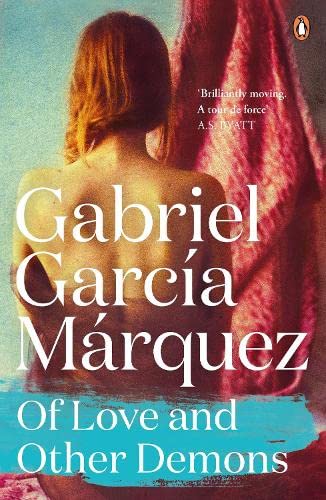
No. 32 on this list. Of Love and Other Demons
Gabriel García Márquez · 1994
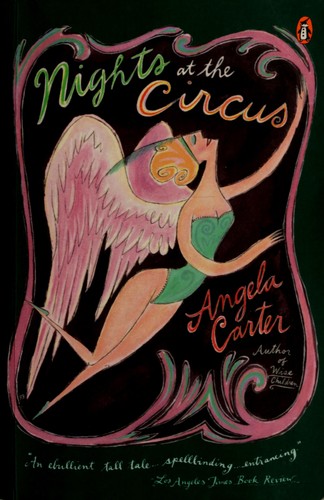
No. 33 on this list. Nights at the Circus
Angela Carter · 1984
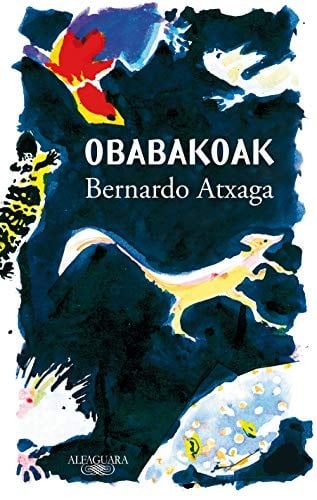
No. 34 on this list. Obabakoak
Bernardo Atxaga · 1988
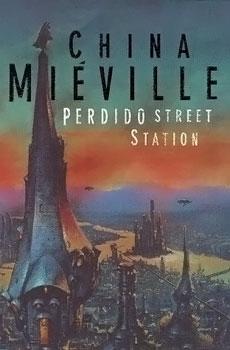
No. 35 on this list. Perdido Street Station
China Miéville · 2000
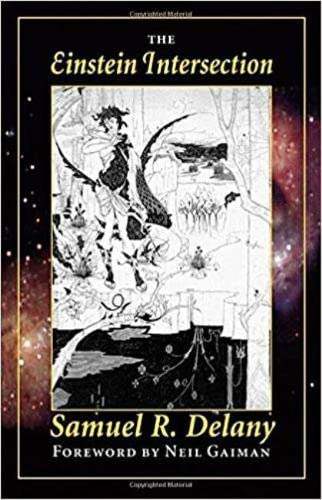
No. 36 on this list. The Einstein Intersection
Samuel R. Delany · 1967
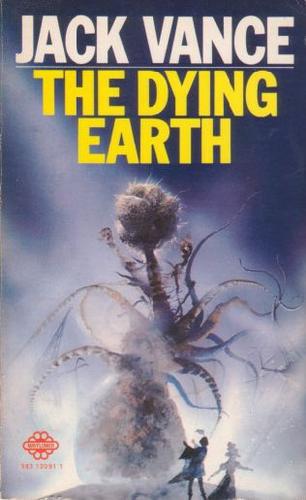
No. 37 on this list. The Dying Earth
Jack Vance · 1950
No. 38 on this list. Carpentaria
Alexis Wright · 2006
No. 39 on this list. Exit West
Mohsin Hamid · 2017
No. 40 on this list. Her Body and Other Parties
Carmen Maria Machado · 2017
No. 41 on this list. Frontier
Can Xue · 2008
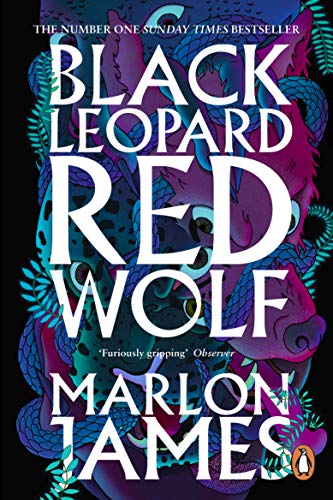
No. 42 on this list. Black Leopard, Red Wolf
Marlon James · 2019
No. 43 on this list. The Books of Jacob
Olga Tokarczuk · 2014
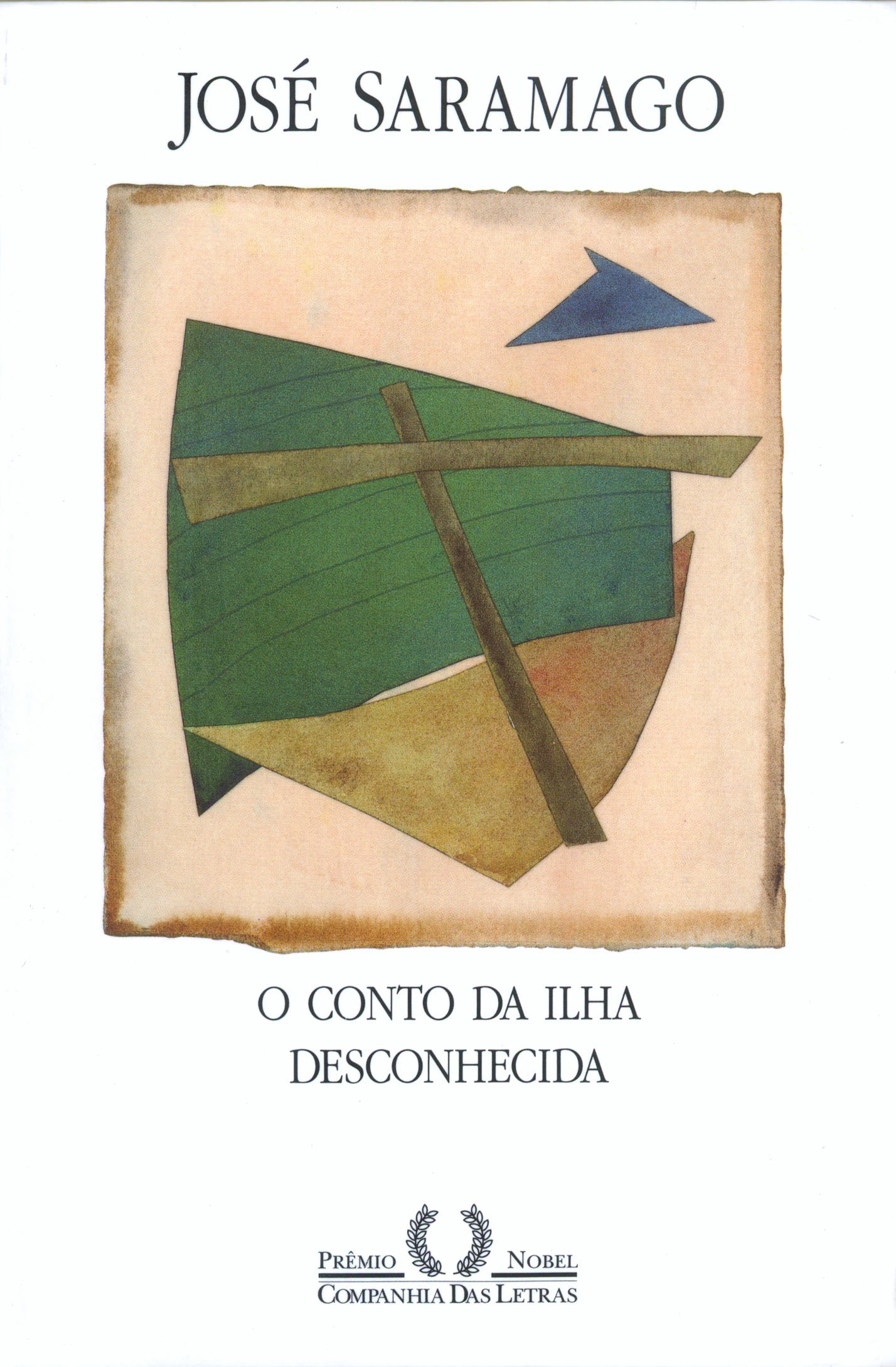
No. 44 on this list. O conto da ilha desconhecida
José Saramago · 1998
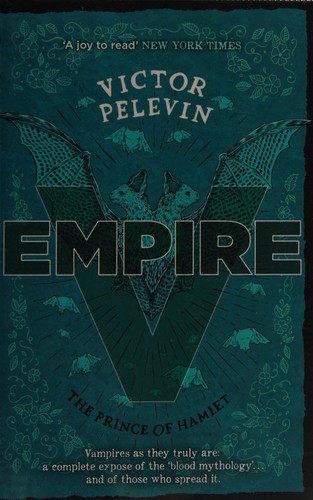
No. 45 on this list. Empire V
Viktor Pelevin · 2006
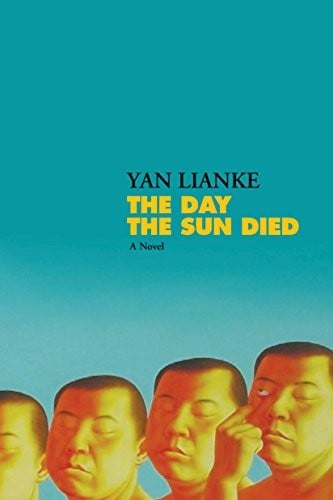
No. 46 on this list. The Day the Sun Died
Yan Lianke · 2015
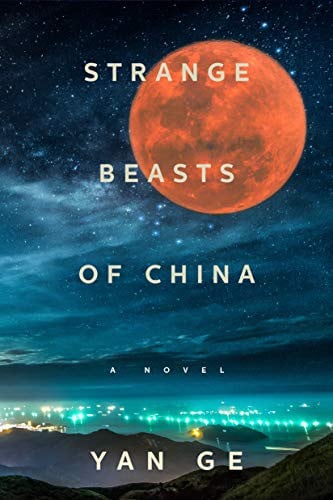
No. 47 on this list. Strange Beasts of China
Yan Ge · 2006
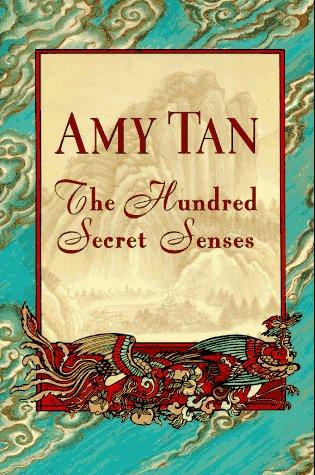
No. 48 on this list. The Hundred Secret Senses
Amy Tan · 1995
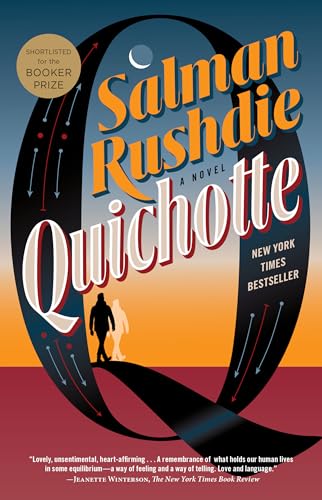
No. 49 on this list. Quichotte
Salman Rushdie · 2019
No. 50 on this list. Songs of Enchantment
Ben Okri · 1993
No. 51 on this list. Beauty Is a Wound
Eka Kurniawan · 2002
No. 52 on this list. Babel
R.F. Kuang · 2022
No. 53 on this list. Pure Colour
Sheila Heti · 2022
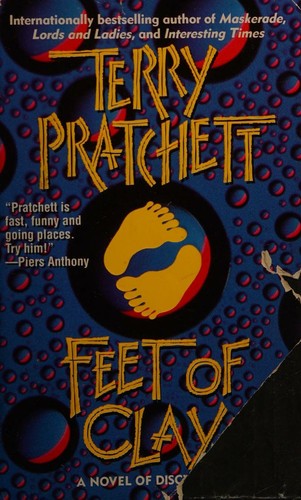
No. 54 on this list. Feet of Clay
Terry Pratchett · 1996
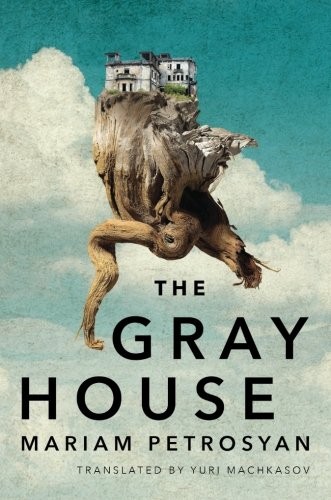
No. 55 on this list. Дом в котором
Mariam Petrosyan · 2009
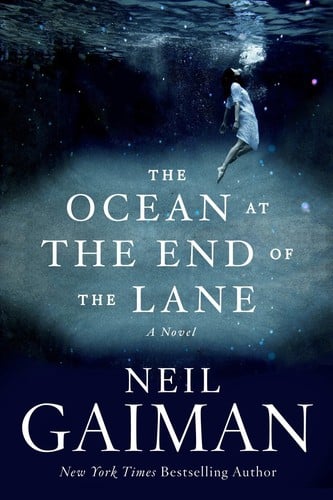
No. 56 on this list. The Ocean at the End of the Lane
Neil Gaiman · 2013
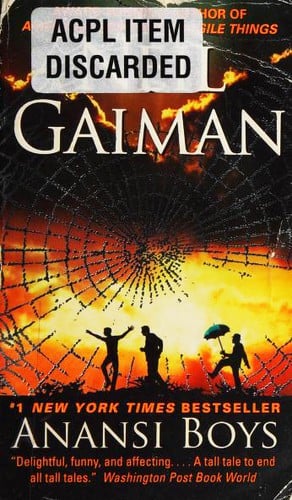
No. 57 on this list. Anansi Boys
Neil Gaiman · 2005
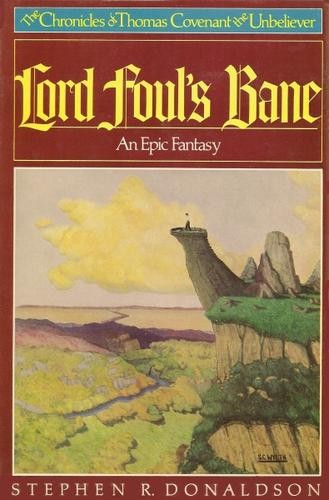
No. 58 on this list. Lord Foul's Bane
Stephen R. Donaldson · 1977
No. 59 on this list. Night's Master
Tanith Lee · 1978
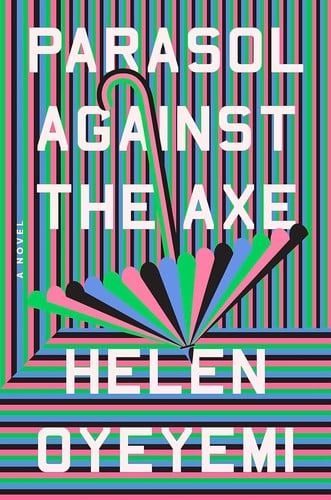
No. 60 on this list. Parasol Against the Axe
Helen Oyeyemi · 2024
About this list
These 65 books are the highest-scoring eligible challenging fantasy novels currently in the catalogue. By literary regard, it opens with The Aleph, Peer Gynt and Gulliver's Travels. About 878 hours of reading in all. Difficulty runs from 66 to 74 out of 100 for the middle half of the list; the summit is Terra Nostra at 82.
This list is ranked by literary regard, with a consistent order for equal scores. Membership follows authors and co-authors, not translators or editors. Catalogue coverage and the historical canon both limit what this list can represent, and genre labels are the catalogue’s own, gathered into broader kinds.
When we matched the Canons dataset to our catalogue in October 2026, our canonical-status scores rose with the number of school curricula, publisher series and lists in it that cite a work: the median score was 72 for books one such source cites, 84 at two, 88 at three, 92 at four and 93 at five or more. Prizes are left out of that count. Outside the state curricula, the dataset’s sources choose mostly from what has been translated into English or French, so it is a weaker check on other literatures. Source: Canons (Andrew Piper), CC BY 4.0
Questions people actually ask
- What are the best challenging fantasy novels?
- By literary regard, which weighs canonical status, critical standing and influence, The Aleph, Peer Gynt, Gulliver's Travels, Song of Solomon and Pedro Páramo lead. ReadingRate ranks 65 such books, each with a difficulty score and a reading-time estimate.
- Where should I start with challenging fantasy novels?
- Start from difficulty, not from rank. The most approachable books on this list that still carry top literary regard are Gulliver's Travels by Jonathan Swift (about 10 hours), Peer Gynt by Henrik Ibsen and Pedro Páramo by Juan Rulfo.
- How hard are challenging fantasy novels to read?
- Most of this list sits between 66 and 74 on ReadingRate's 100-point difficulty scale, where 40 to 55 is moderate. The summit is Terra Nostra at 82. Every entry carries its own score, so a reader can pick a great book at a difficulty they will finish.
- How is this list ranked?
- On literary-regard data: how canonically established a work is, its critical standing, and its influence on later writing. It is not a readers’ poll, which is why recent bestsellers rarely appear. Membership follows authors and co-authors, not translators or editors. A list that is not a genre list keeps to literature (fiction, poetry, drama and philosophy), with philosophy taking no more than one slot in five while there is literature left to rank; every list holds at most three works by one author.