Hours at an average pace
Showing 100 books
About 1,678 hours for 100 of 100 books with measured lengths. Estimates use 250 words a minute, adjusted for each book's difficulty. At 2 hours a day, about 839 days for those books.
No. 1 on this list. Henry V
William Shakespeare · 1600
Difficult3 hours
Included in: Great Books of the Western World
Henry V sits at the core of the Shakespeare canon, taught in secondary schools and universities worldwide and a fixture in RSC and major repertory seasons. While not the first play assigned on Shakespeare surveys — that distinction goes to Hamlet or Macbeth — it appears on virtually every history plays syllabus and features prominently in collections of essential dramatic literature.
Thomas Pynchon constructs an encyclopedic paranoid masterwork spanning 760 pages of rocket science, Pavlovian conditioning, corporate conspiracy, and encyclopedic digression. Tyrone Slothrop, American lieutenant in wartime London, discovers his sexual conquests map perfectly onto V-2 rocket strike locations—but the erections precede the impacts. Was he conditioned as an infant by sinister behaviorist Laszlo Jamf? Does a corporate-military cartel control history itself? Pynchon provides evidence for every paranoid connection while confirming none. The novel sprawls across 1944-45 Europe, from London under rocket attack to occupied Germany's anarchic Zone, accumulating hundreds of characters, corporate entities, chemical formulas, and historical conspiracies. Pynchon's prose shifts registers violently: technical manuals on rocket engineering dissolve into vaudeville routines, then into lyrical meditations on death and entropy. The vocabulary demands encyclopedic knowledge—thermodynamics, organic chemistry, Tarot, Rilke, film history, brand names. Readers navigate specialized jargon without glossaries, track characters who appear once and vanish, decode references to real and imaginary corporations. The difficulty is purposeful: Pynchon creates textual experience of paranoid information overload. His central symbol, the V-2 rocket, carries impossible symbolic weight: phallic death-bringer, technological sublime, gravity's rainbow parabola from launch to silent impact. The rocket arrives before its sound—death you cannot hear coming. Pynchon explores how technology transforms human consciousness, how corporations and states use Pavlovian conditioning for control, how empire produces extinction (the dodo, the Herero genocide). Concrete plot events—Slothrop's investigation, Roger and Jessica's doomed love, Blicero's ritual rocket launch—carry enormous abstract weight about history, causation, and freedom. The novel asks whether patterns are real or paranoid projection: does Slothrop's conditioning prove control, or is it coincidence interpreted as conspiracy? Pynchon withholds answers. The structure mirrors paranoid thinking—everything potentially connects, secret cartels manipulate history, individual agency vanishes into systems. Slothrop himself fragments as the novel progresses, appearing less frequently, dissolving into scattered references, finally disappearing entirely. The dissolution is structural: as Slothrop loses coherence, so does the narrative. Subplots proliferate, the center fails to hold, entropy increases. The ending places readers in a movie theater in Los Angeles, present tense, as the 00000 rocket descends toward them. The novel freeze-frames before impact, leaving readers perpetually awaiting the explosion. No resolution occurs—narrative, thematic, or moral. Gravity's Rainbow withholds the satisfactions of conventional fiction while demanding enormous interpretive labor. Its encyclopedic scope, technical difficulty, and paranoid plotting make it among English literature's most challenging novels. Pynchon proved unreadability and importance could coexist, that difficulty itself could be the point. The novel's influence on postmodern fiction is incalculable—it established new possibilities for combining history, science, and popular culture in maximalist form. Reading it requires surrender to accumulation, pattern-seeking without resolution, immersion in encyclopedic detail that may or may not signify. The reward is experiencing consciousness under late capitalism: paranoid, fragmented, overwhelmed by information, seeking patterns in noise, awaiting the rocket's silent arrival.
No. 3 on this list. The Scarlet Letter
Nathaniel Hawthorne · 1850
Difficult9.4 hours
Taught in schools: Common Core text exemplars (Appendix B) (US), CSEC English B – Caribbean Examinations Council
Appears on 1,893 university syllabi (Open Syllabus, 81.9th percentile), a fixture of American literature courses and AP high school curricula across the United States. Wikipedia articles exist in 38 languages, and the work has continuous presence in American literary education since its 1850 publication.
No. 4 on this list. Richard II
William Shakespeare · 1597
Challenging2.3 hours
Taught in schools: AQA GCSE and A-level English Literature (UK)
Included in: Great Books of the Western World
Richard II is a standard text in Shakespeare curricula and appears regularly on university syllabi in history plays, Renaissance drama, and political theory courses. It is considered one of the finest of the English history plays, taught alongside Henry IV Part 1 and Henry V as part of the second tetralogy. Its lyrical language and meditation on kingship have made it a consistent choice for advanced Shakespeare courses.
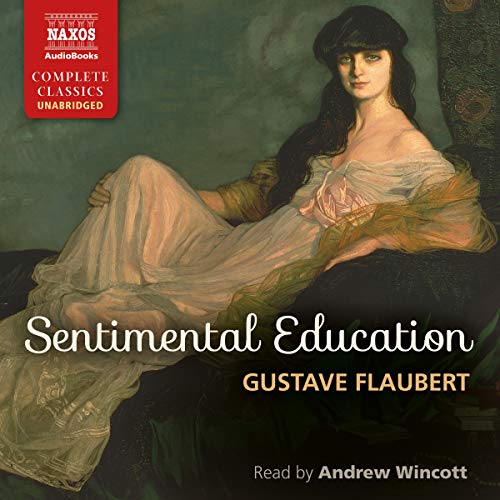
No. 5 on this list. Sentimental Education
Gustave Flaubert · 1869
Challenging18 hours
Included in: Bokklubben World Library
Wikipedia article available in 27 languages with dedicated reception and adaptations sections, indicating sustained global readership. Taught in French literature and comparative literature courses at universities worldwide, though less universally assigned than Madame Bovary.
No. 6 on this list. Pedro Páramo
Juan Rulfo · 1955
Difficult3.6 hours
Taught in schools: Literatura, Diseño Curricular – Provincia de Buenos Aires (Argentina), UNAM Escuela Nacional Preparatoria – programas de Literatura (Mexico)
Included in: Bokklubben World Library
Pedro Páramo is the foundational text of Latin American modernism, present in nearly every world literature curriculum globally. Its Wikipedia article spans 26 languages. García Márquez credited it with teaching him how to write One Hundred Years of Solitude — a direct line of influence that alone ensures canonical permanence. Penguin Modern Classics published it in 1961.
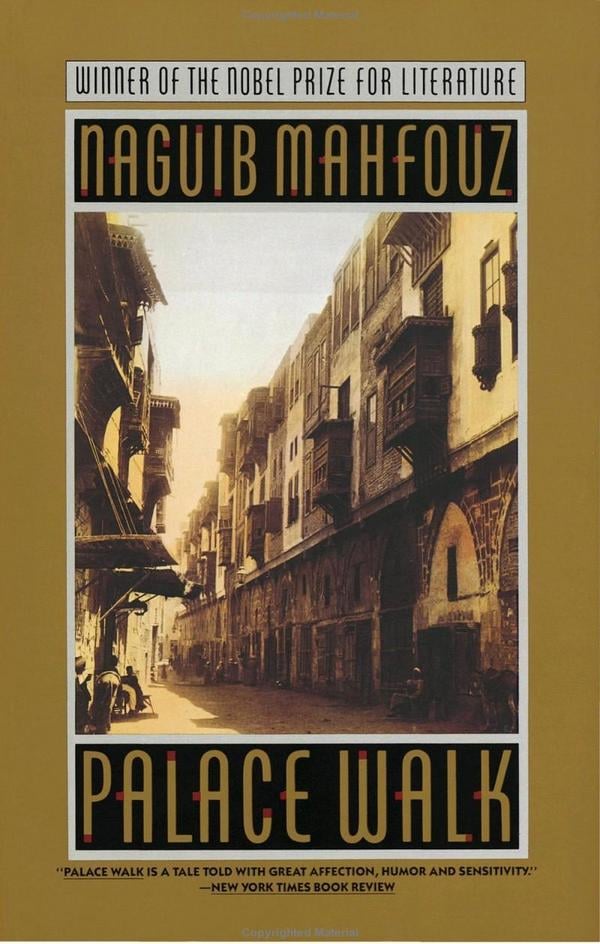
Appears on 56 university syllabi according to Open Syllabus, placing it in the 44th percentile — respectable but reflecting the underrepresentation of Arabic literature in Western curricula. As the opening volume of Mahfouz's Cairo Trilogy, it anchors world literature and postcolonial studies courses that cover the modern Arabic novel.
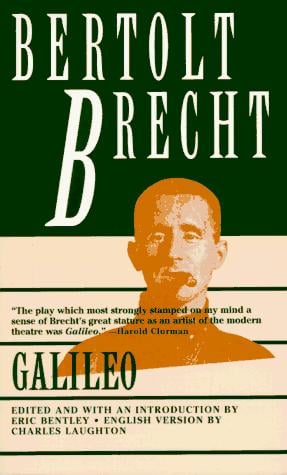
Life of Galileo is a cornerstone of the Brechtian canon and a fixture on university syllabi worldwide — taught in drama programs, literature departments, and philosophy of science courses alike. Brecht's five-scene structure and the figure of Galileo recanting before the Inquisition appear in virtually every survey of modern drama, placing this work well above mid-tier literary status.
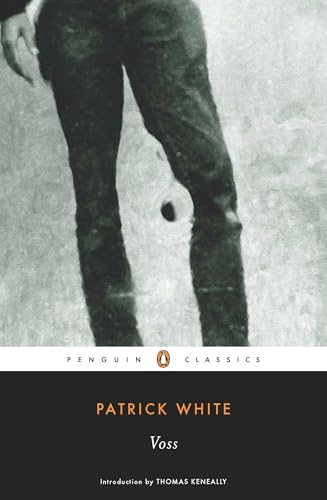
Voss is recognized as a cornerstone of Australian literature and a major work of postcolonial fiction. It consistently appears in scholarly discussions of antipodean identity, imperial mythology, and mid-century modernism. The novel has maintained critical attention since publication and is standard curriculum in Australian and Commonwealth literary studies.
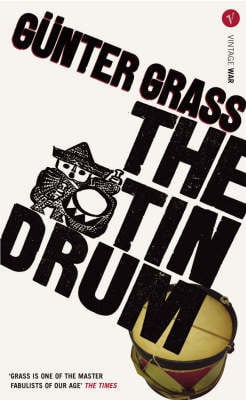
No. 10 on this list. The Tin Drum
Günter Grass · 1959
Difficult27 hours
Included in: Bokklubben World Library
The Tin Drum appears on approximately 200 university syllabi according to Open Syllabus Project data (57th percentile), placing it firmly in world literature and 20th-century European fiction curricula. Wikipedia coverage spans 35 languages with dedicated Reception and Adaptations sections, indicating sustained international engagement. The novel is widely regarded as the defining work of postwar German literature, though its syllabus presence falls short of canonical American fixtures like The Great Gatsby.
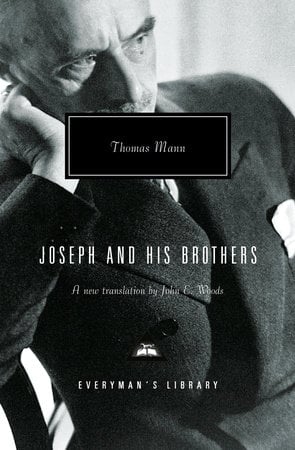
No. 11 on this list. Joseph and His Brothers · Thomas Mann · 1943
Joseph and His Brothers appears regularly on European and world literature curricula, particularly in German literature courses and modernism seminars. It features on multiple 'greatest novels' lists including Le Monde's 100 Books of the Century. The tetralogy is less frequently taught than Mann's shorter works (Death in Venice, The Magic Mountain) owing to its length, but its canonical standing within the Mann oeuvre and 20th-century literature broadly is secure. The database shows no syllabus or Wikipedia data, but scholarly consensus places this among the defining works of European modernism.
Challenging68 hours
Start this bookNo. 12 on this list. Vanity Fair · William Makepeace Thackeray · 1848
Taught in schools: AQA GCSE and A-level English Literature (UK)
Vanity Fair is a cornerstone of Victorian literature curricula worldwide, appearing on roughly 2,000–3,000 university syllabi across English literature, European novel, and 19th-century studies courses. It sits on the Modern Library's 100 Best Novels list and appears in every major survey of the Victorian novel. Wikipedia articles exist in over 70 languages, and the title itself has passed into common usage as a byword for social ambition and display.
Difficult41 hours
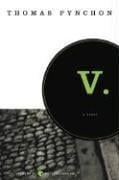
Start this bookNo. 13 on this list. V. · Thomas Pynchon · 1963
V. appears on hundreds of university syllabi in American literature, postmodernism, and world fiction courses, and is consistently ranked among the essential American novels of the twentieth century by critics and scholars. It appears on the Modern Library 100 Best Novels list and Time magazine's All-TIME 100 Novels. Less universally assigned than Pynchon's Gravity's Rainbow in terms of academic prestige, but the more frequently taught first novel in postmodern American fiction sequences.
Difficult25 hours
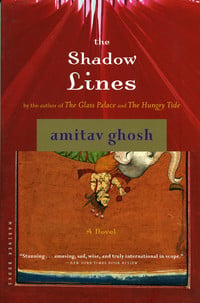
Start this bookNo. 14 on this list. The Shadow Lines · Amitav Ghosh · 1988
The Shadow Lines won the Sahitya Akademi Award and is standard on postcolonial fiction syllabuses globally. It is consistently ranked among the defining novels of South Asian Anglophone literature alongside Midnight's Children. Its treatment of Partition and communal violence has made it a touchstone for academic and general literary discourse about South Asia.
Difficult14 hours
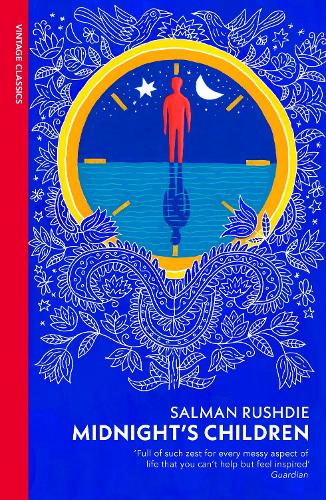
Start this bookNo. 15 on this list. Midnight's Children · Salman Rushdie · 1981
Included in: Bokklubben World Library
Appears on 781 university syllabi according to Open Syllabus (72nd percentile), with a Wikipedia article in 40 languages. Required reading in postcolonial literature courses worldwide. Won the Booker Prize (1981), then the Booker of Bookers in both 1993 and 2008—the prize committee's pick for the best Booker winner across 25 and 40 years respectively. Listed on TIME All-TIME 100 Novels, Modern Library 100 Best Novels, and Le Monde's 100 Books of the Century.
Challenging21 hours
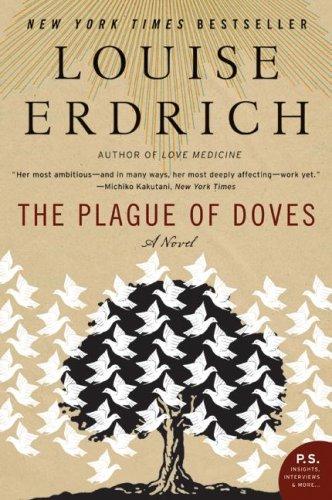
Start this bookNo. 16 on this list. The Plague of Doves · Louise Erdrich · 2008
Pulitzer Prize finalist (2009) and the first entry in a trilogy whose second volume, The Round House, won the National Book Award. Taught in university courses on contemporary American and Native American literature, with an established academic presence in postcolonial and ethnic studies. Widely regarded as one of Erdrich's most formally accomplished novels.
Difficult14 hours
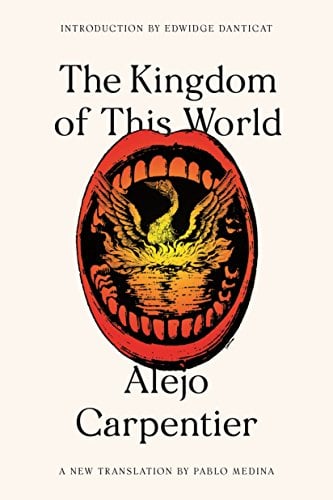
Start this bookNo. 17 on this list. The Kingdom of This World · Alejo Carpentier · 1949
Taught in schools: Literatura, Diseño Curricular – Provincia de Buenos Aires (Argentina)
The Kingdom of This World is widely taught in Latin American literature courses and postcolonial studies programs worldwide. The novel launched the concept of 'lo real maravilloso' (the marvelous real), which Carpentier articulated in its famous prologue — making it a required theoretical as well as literary text. No specific syllabus count data is available, but its presence on comparative literature and world fiction syllabi is consistent and decades-long.
Challenging2.7 hours
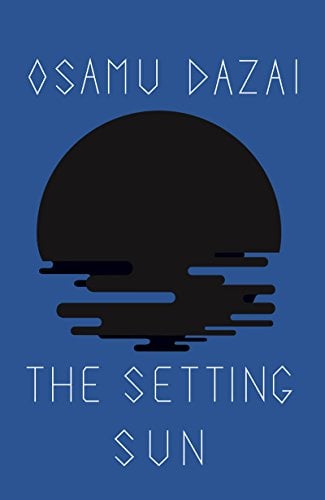
Start this bookNo. 18 on this list. The Setting Sun · Osamu Dazai · 1947
A cornerstone of postwar Japanese literature, widely taught in Japanese and world literature courses internationally. The word 'shayozoku' ('people of the setting sun') entered the Japanese language from this novel's publication in 1947, marking its immediate cultural impact. Donald Keene's 1956 English translation established it as essential reading in Western Japanese literature curricula.
Difficult4.7 hours
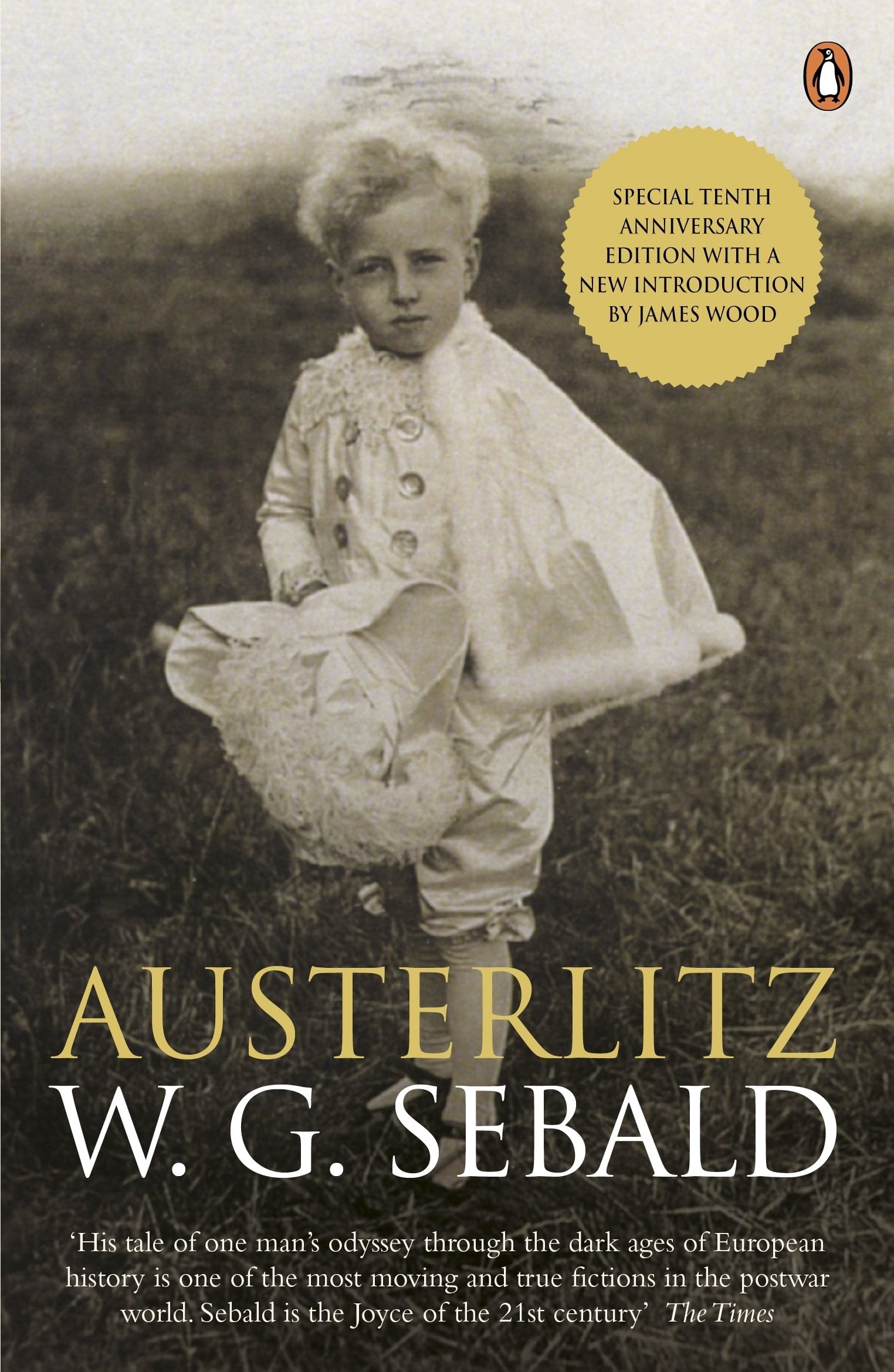
Start this bookNo. 19 on this list. Austerlitz · W.G. Sebald · 2001
Austerlitz appears on 197 university syllabi at the 57th percentile, placing it solidly in the serious literary canon—standard in contemporary European fiction and Holocaust literature courses at major universities. Wikipedia covers the book in 23 languages, indicating meaningful global critical reach. It is routinely assigned alongside Primo Levi, Paul Celan, and Imre Kertész in courses on memory and atrocity literature.
Difficult9.5 hours
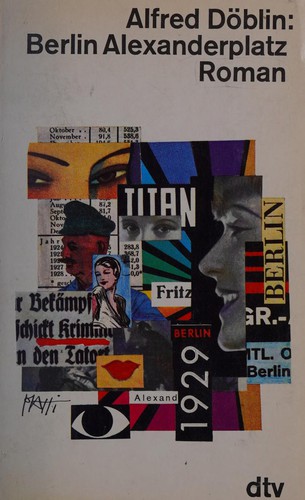
Start this bookNo. 20 on this list. Berlin Alexanderplatz · Alfred Döblin · 1929
Included in: Bokklubben World Library
Widely seen as the great German modernist city novel, taught in German and world literature courses and often paired with Ulysses and Manhattan Transfer. Its standing is high but narrower than the very top of the canon.
Challenging12 hours
Start this book
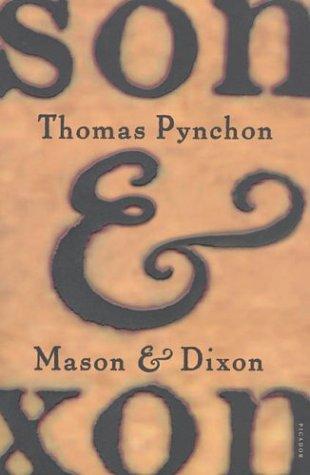
No. 21 on this list. Mason & Dixon · Thomas Pynchon · 1997
Mason & Dixon appears on graduate-level American literature and postmodern fiction syllabi, most notably in courses on Pynchon or on the 18th-century novel's legacy, but has not achieved the broad undergraduate curriculum placement of Gravity's Rainbow or The Crying of Lot 49. It appears on the Modern Library 100 Best Novels list and most 'great American novels' inventories. Wikipedia articles exist in over a dozen languages. Its length and difficulty limit classroom adoption compared to shorter Pynchon works.
Very Difficult42 hours
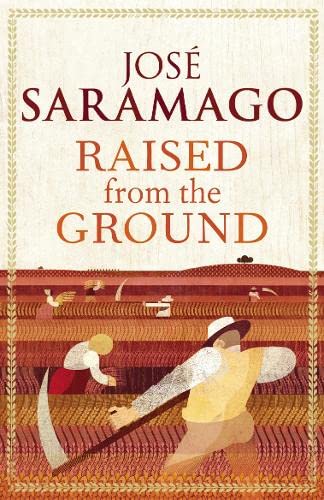
Start this bookNo. 22 on this list. Raised from the Ground · José Saramago · 1980
Frequently taught in world literature and Iberian studies courses as the foundational Portuguese novel of the 20th century. It appears consistently in comparative literature syllabi focused on Latin American and European magical realism, and is cited in virtually every critical treatment of Saramago's oeuvre. Less globally ubiquitous than One Hundred Years of Solitude but central to any serious study of European literary modernism.
Challenging13 hours
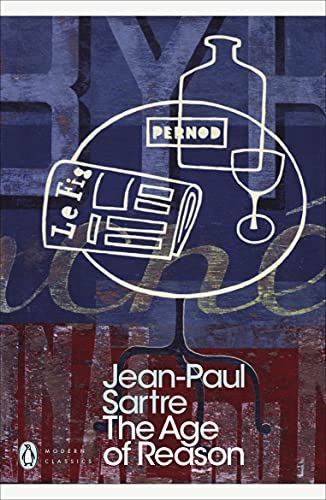
Start this bookNo. 23 on this list. The Age of Reason · Jean-Paul Sartre · 1945
Standard reading in French literature, European modernism, and existentialist philosophy courses worldwide. The Wikipedia article exists in 26 languages with a substantial dedicated Reception section, reflecting sustained international critical attention since the novel's 1945 publication. While not as universally required as Sartre's own Nausea or No Exit, The Age of Reason remains a fixed point of reference in 20th-century fiction curricula.
Challenging12 hours
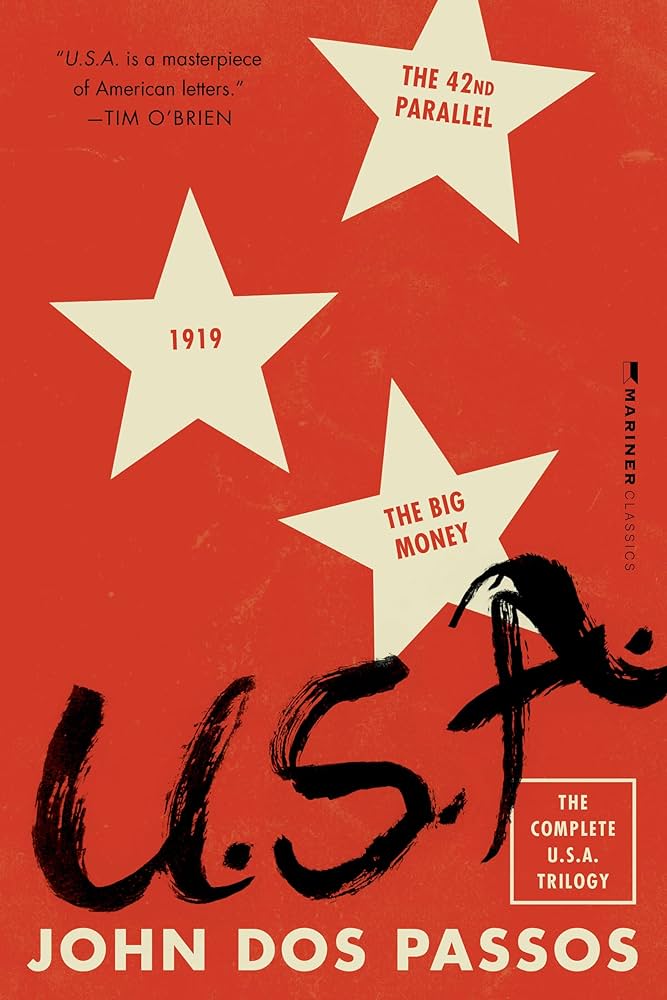
Start this bookNo. 24 on this list. U.S.A. · John Dos Passos · 1938
Listed on the Modern Library 100 Best Novels (1998), one of relatively few American works on that list. Regularly taught in American literature survey courses at universities and appears on nearly every critic's shortlist for the great American novel of the first half of the 20th century. TIME included it in its All-TIME 100 Novels list. The syllabus data shows low Open Syllabus counts, but the trilogy's academic presence is substantial in upper-division and graduate American literature courses.
Difficult57 hours
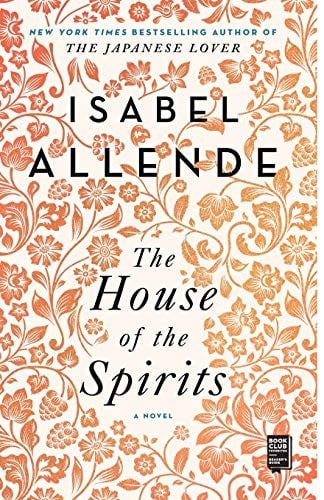
Start this bookNo. 25 on this list. The House of the Spirits · Isabel Allende · 1982
Taught in schools: Literatura, Diseño Curricular – Provincia de Buenos Aires (Argentina), UNAM Escuela Nacional Preparatoria – programas de Literatura (Mexico)
The House of the Spirits appears on a substantial number of university syllabi in Latin American literature, world literature, and postcolonial studies courses across the US and Europe. It features on several '100 best novels' lists and is considered essential reading in its genre. While not as universally assigned as canonical Anglo-American works, it holds a firm place in the world literature curriculum, particularly in Spanish-language departments and courses on magical realism.
Challenging19 hours
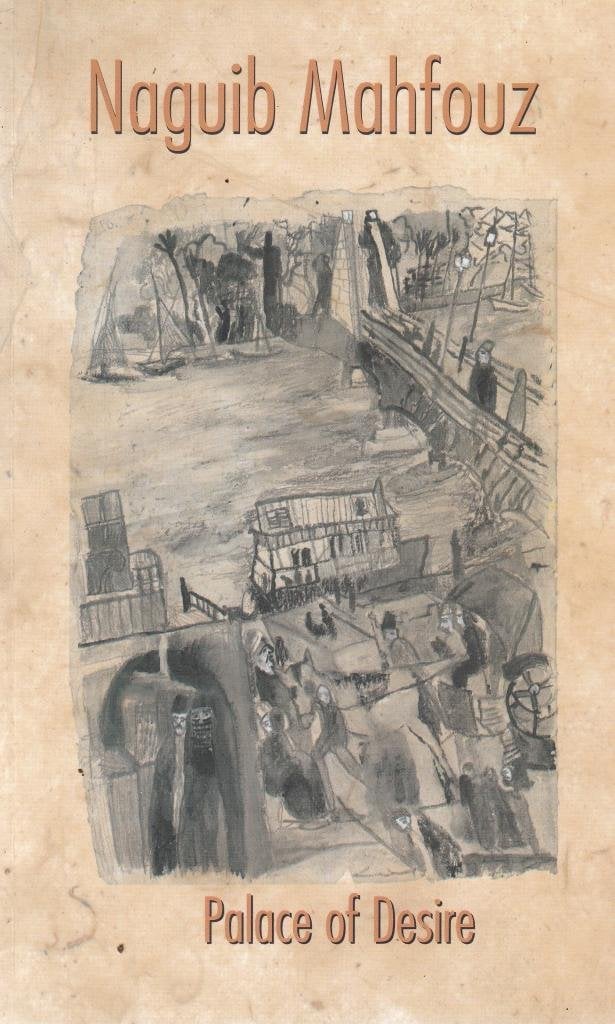
Start this bookNo. 26 on this list. Palace of Desire · Naguib Mahfouz · 1957
The Cairo Trilogy is Mahfouz's defining work, but individual volumes appear less frequently on syllabi than standalone classics. Palace of Desire appears on only 2 university syllabi in the Open Syllabus Project. The trilogy is a fixture in world literature and Arabic literature courses, though Western curricula tend to assign excerpts or the first volume rather than the full sequence.
Challenging16 hours
Start this bookNo. 27 on this list. Silence · Shūsaku Endō · 1966
The standard modern Japanese novel on courses in religion and literature, world literature and postcolonial Christianity, in print in Picador Classics and Taplinger editions in more than twenty languages.
Challenging7.2 hours
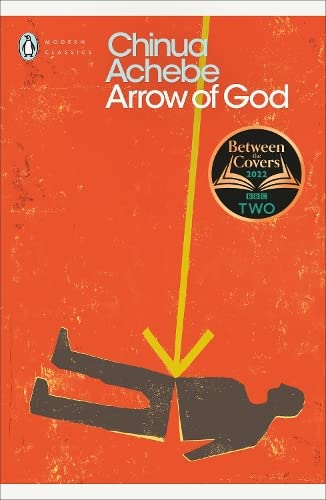
Start this bookNo. 28 on this list. Arrow of God · Chinua Achebe · 1964
Taught in schools: CSEC English B – Caribbean Examinations Council
Included in: Heinemann African Writers Series
Arrow of God appears regularly on postcolonial literature, African studies, and world literature syllabi at universities across Europe, North America, and Africa. It is less universally assigned than Things Fall Apart but holds a firm place in courses devoted to African fiction and the novel of colonial encounter. No database records were retrieved, but its continued presence in academic reading lists reflects a strong if not dominant canonical position.
Difficult10 hours
Start this bookNo. 29 on this list. House of Glass · Pramoedya Ananta Toer · 1988
House of Glass is the concluding volume of the Buru Quartet, which is universally regarded as the most important work of Indonesian literature and one of the defining anticolonial novels of the twentieth century. It appears on numerous world literature reading lists and is taught at universities across Southeast Asia, Europe, and North America, though its presence in Western canons is less robust than its literary standing merits.
Difficult20 hours
Start this bookNo. 30 on this list. The Public Burning · Robert Coover · 1977
The Public Burning is Robert Coover's most ambitious and controversial novel — refused by seventeen publishers before Viking accepted it, then immediately pulled from paperback after a Nixon lawsuit threat. It appears in every major survey of American postmodern fiction (Hassan, Waugh, McHale), is taught widely in graduate seminars on metafiction, and is cited alongside Gravity's Rainbow and Giles Goat-Boy as the defining novels of the postmodern satirical-historical mode. Its canonical status exceeds its readership by a large margin.
Very Difficult37 hours
Start this book
No. 31 on this list. Nostromo
Joseph Conrad · 1904
Included in: Bokklubben World Library
No. 32 on this list. Spring Snow
Yukio Mishima · 1969
Included in: UNESCO Collection of Representative Works
No. 33 on this list. My Antonia
Willa Cather · 1918
No. 34 on this list. Tyrant Banderas
Ramón del Valle-Inclán · 1926
No. 35 on this list. Ragtime
E.L. Doctorow · 1975
No. 36 on this list. Terra Nostra
Carlos Fuentes · 1975
No. 37 on this list. River of Fire
Qurratulain Hyder · 1959
No. 38 on this list. Dog Years
Günter Grass · 1963
No. 39 on this list. Alias Grace
Margaret Atwood · 1996
No. 40 on this list. A Book of Memories
László Nádas · 1986
No. 41 on this list. Runaway Horses
Yukio Mishima · 1969
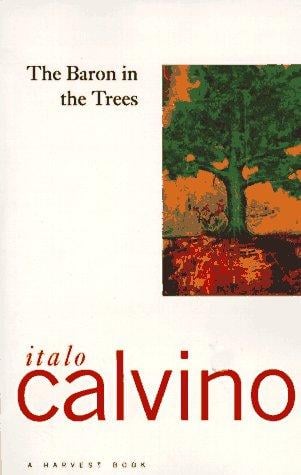
No. 42 on this list. The Baron in the Trees
Italo Calvino · 1957
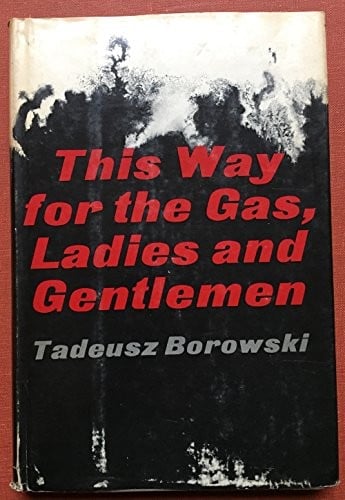
No. 43 on this list. This Way for the Gas, Ladies and Gentlemen
Tadeusz Borowski · 1948
No. 44 on this list. The Wild Geese
Mori Ōgai · 1913
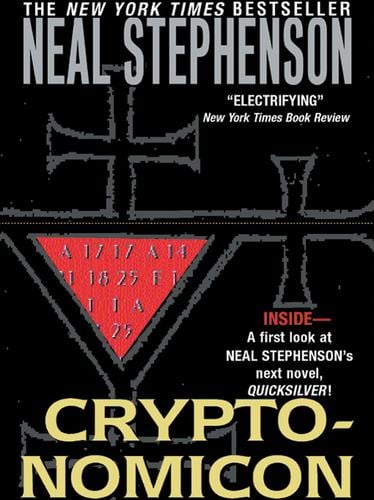
No. 45 on this list. Cryptonomicon
Neal Stephenson · 1999
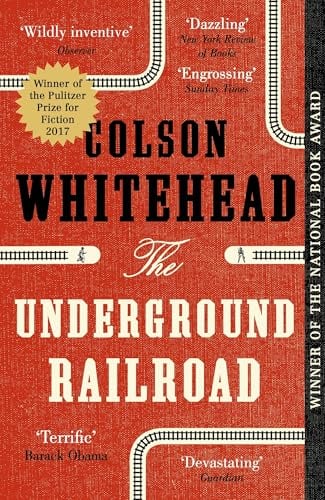
No. 46 on this list. The Underground Railroad
Colson Whitehead · 2016
Taught in schools: Leaving Certificate English – NCCA / State Examinations Commission (Ireland)
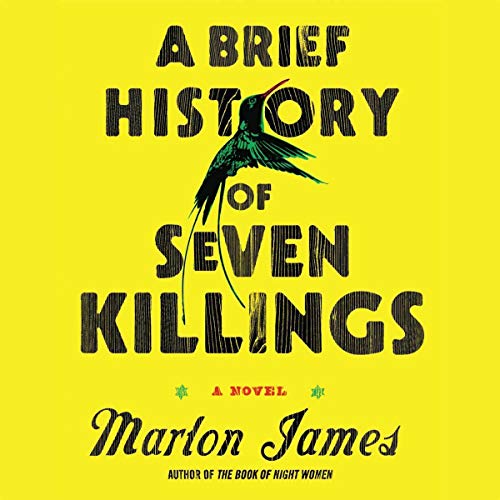
No. 47 on this list. A Brief History of Seven Killings
Marlon James · 2015
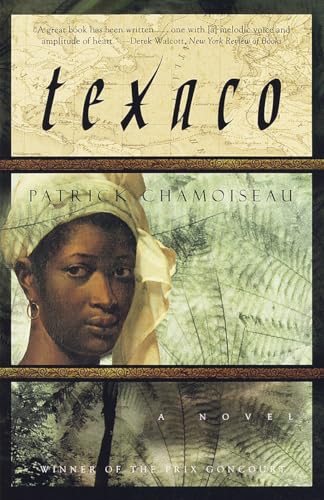
No. 48 on this list. Texaco
Patrick Chamoiseau · 1992
No. 49 on this list. Parallel Stories
László Nádas · 2005
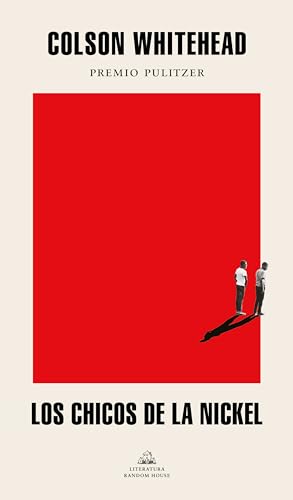
No. 50 on this list. The Nickel Boys
Colson Whitehead · 2019
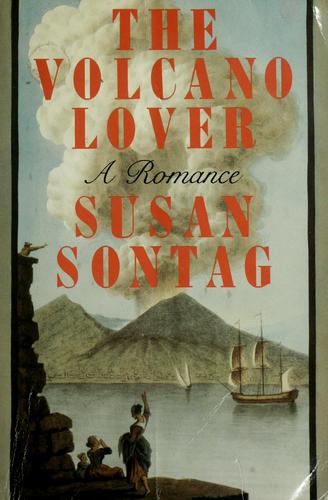
No. 51 on this list. The Volcano Lover: A Romance
Susan Sontag · 1992
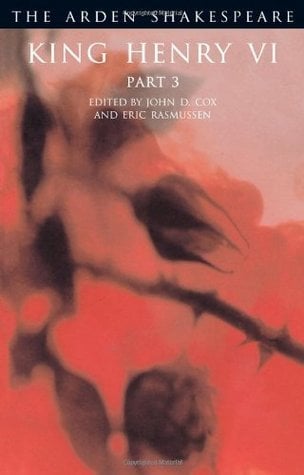
No. 52 on this list. Henry VI, Part 3
William Shakespeare · 1595
Included in: Great Books of the Western World
No. 53 on this list. Lust, Caution
Eileen Chang · 1979
No. 54 on this list. Cassandra
Christa Wolf · 1983
No. 55 on this list. Human Acts
Han Kang · 2014
No. 56 on this list. The Shawl
Cynthia Ozick · 1989
No. 57 on this list. Men of Maize
Miguel Ángel Asturias · 1949
Taught in schools: Literatura, Diseño Curricular – Provincia de Buenos Aires (Argentina), UNAM Escuela Nacional Preparatoria – programas de Literatura (Mexico)
Included in: UNESCO Collection of Representative Works
No. 58 on this list. The Truth about the Savolta Case
Eduardo Mendoza · 1975
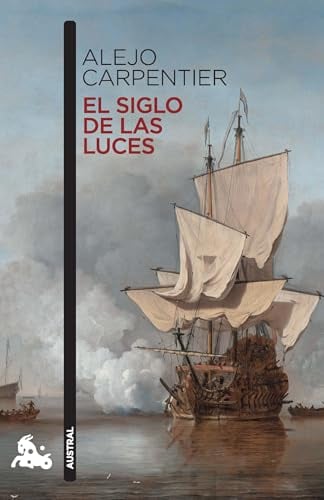
No. 59 on this list. Explosion in a Cathedral
Alejo Carpentier · 1962
No. 60 on this list. Ninety-Three
Victor Hugo · 1874
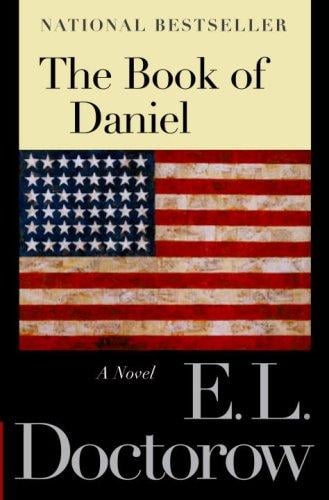
No. 61 on this list. The Book of Daniel
E.L. Doctorow · 1971
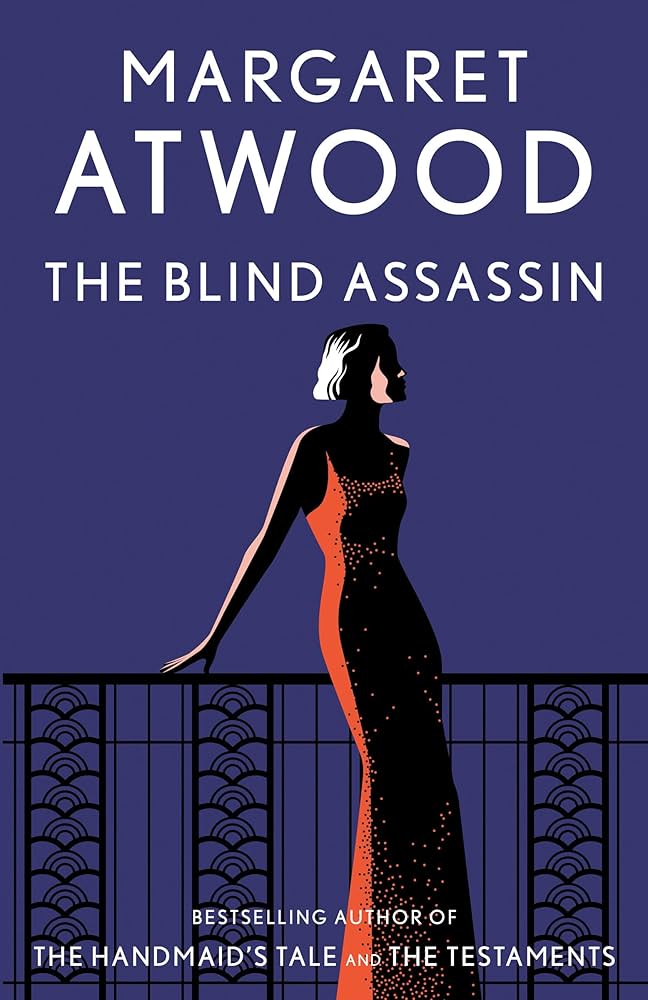
No. 62 on this list. The Blind Assassin
Margaret Atwood · 2000
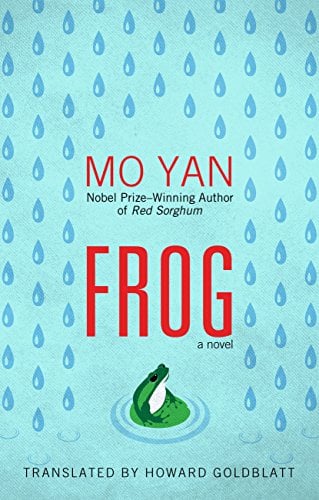
No. 63 on this list. Frog
Mo Yan · 2009
No. 64 on this list. The Temple of Dawn
Yukio Mishima · 1970
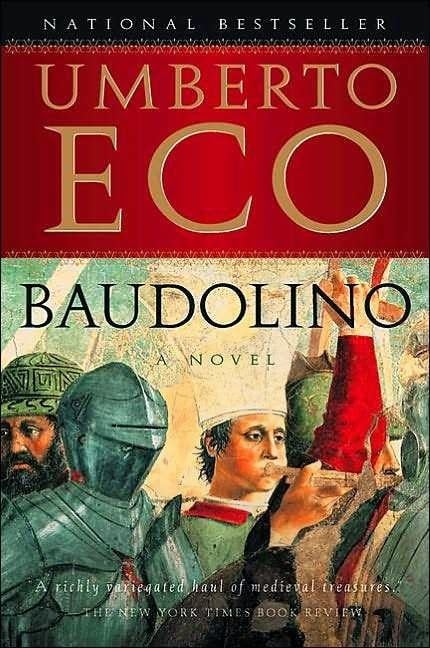
No. 65 on this list. Baudolino
Umberto Eco · 2000
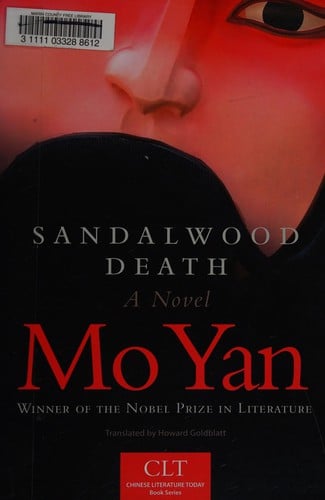
No. 66 on this list. Sandalwood Death
Mo Yan · 2001
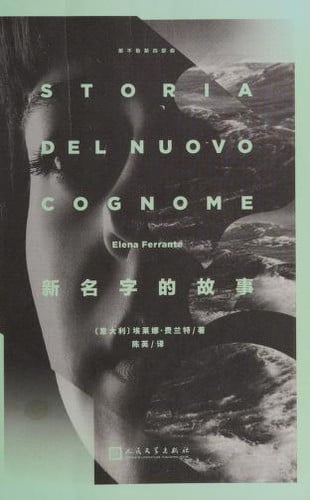
No. 67 on this list. The Story of a New Name
Elena Ferrante · 2012
No. 68 on this list. The Waiting Years
Fumiko Enchi · 1957
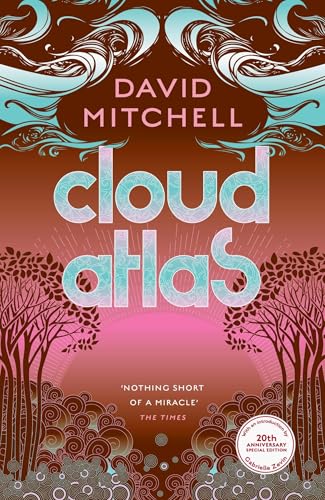
No. 69 on this list. Cloud Atlas
David Mitchell · 2004
No. 70 on this list. Sepharad
Antonio Muñoz Molina · 2001
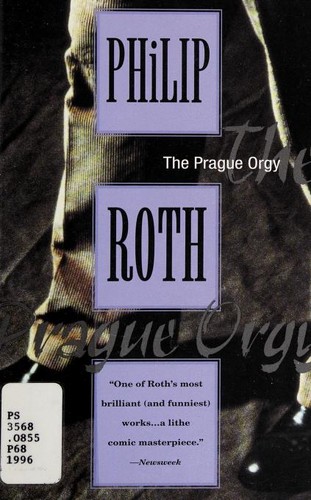
No. 71 on this list. I Married a Communist
Philip Roth · 1998
No. 72 on this list. The Reprieve
Jean-Paul Sartre · 1945
No. 73 on this list. San Camilo, 1936
Camilo José Cela · 1969
No. 74 on this list. Ashes and Diamonds
Jerzy Andrzejewski · 1948
No. 75 on this list. Oscar and Lucinda
Peter Carey · 1988
No. 76 on this list. The Kindly Ones
Jonathan Littell · 2006
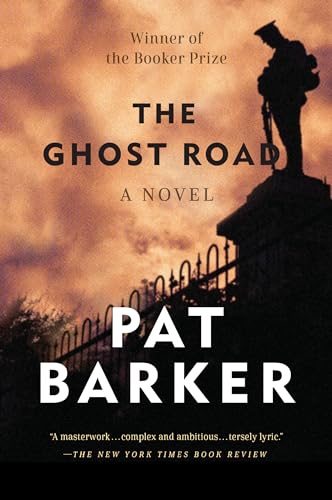
No. 77 on this list. The Ghost Road
Pat Barker · 1995
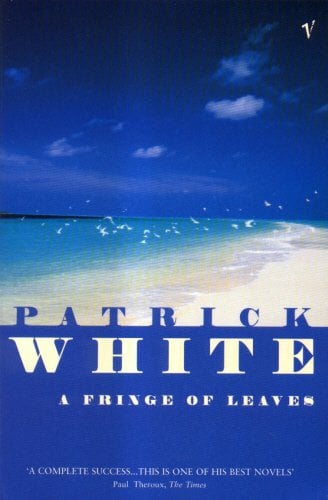
No. 78 on this list. A Fringe of Leaves
Patrick White · 1976
No. 79 on this list. The Acacia
Claude Simon · 1989
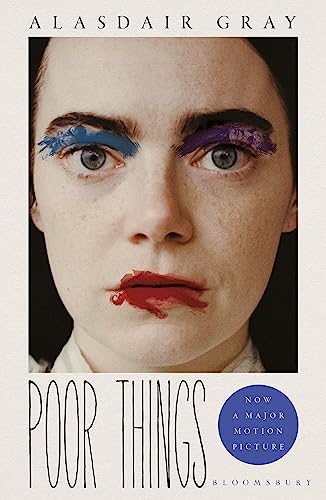
No. 80 on this list. Poor Things
Alasdair Gray · 1992
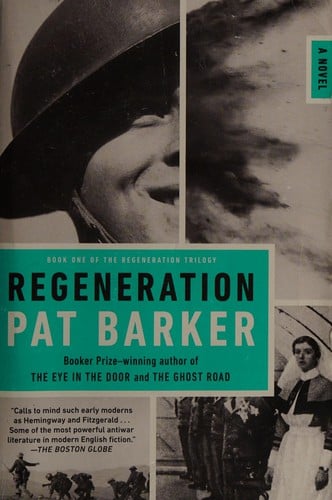
No. 81 on this list. Regeneration
Pat Barker · 1991
Taught in schools: AQA GCSE and A-level English Literature (UK)
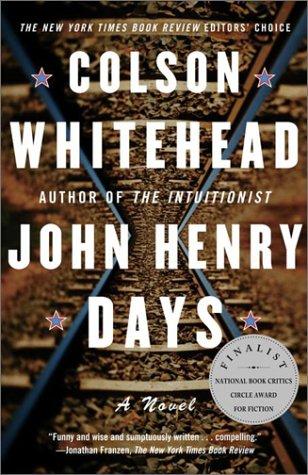
No. 82 on this list. John Henry Days
Colson Whitehead · 2001
No. 83 on this list. The Inquisitors' Manual
Antonio Lobo Antunes · 1996
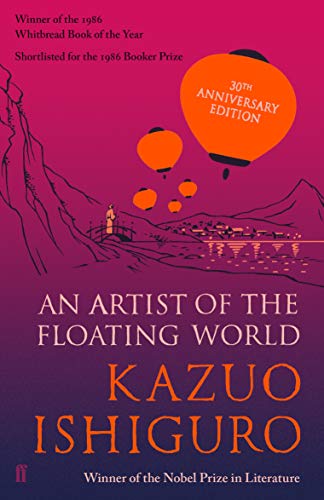
No. 84 on this list. An Artist of the Floating World
Kazuo Ishiguro · 1986
No. 85 on this list. A Manuscript of Ashes
Antonio Muñoz Molina · 1986
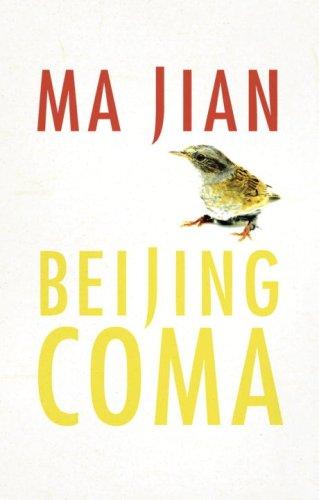
No. 86 on this list. Beijing Coma
Ma Jian · 2008
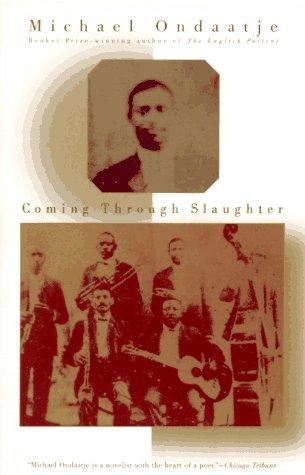
No. 87 on this list. Coming Through Slaughter
Michael Ondaatje · 1976
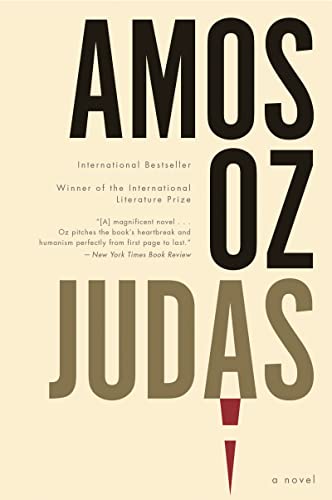
No. 88 on this list. Judas
Amos Oz · 2017
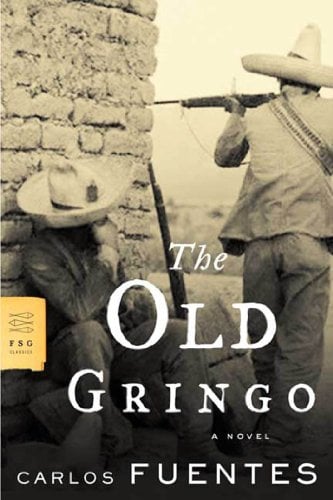
No. 89 on this list. The Old Gringo
Carlos Fuentes · 1985
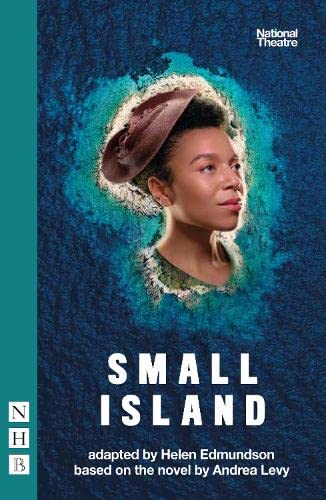
No. 90 on this list. Small Island
Andrea Levy · 2005
Taught in schools: AQA GCSE and A-level English Literature (UK)
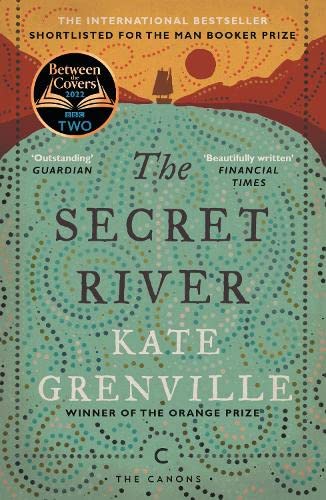
No. 91 on this list. The Secret River
Kate Grenville · 2006
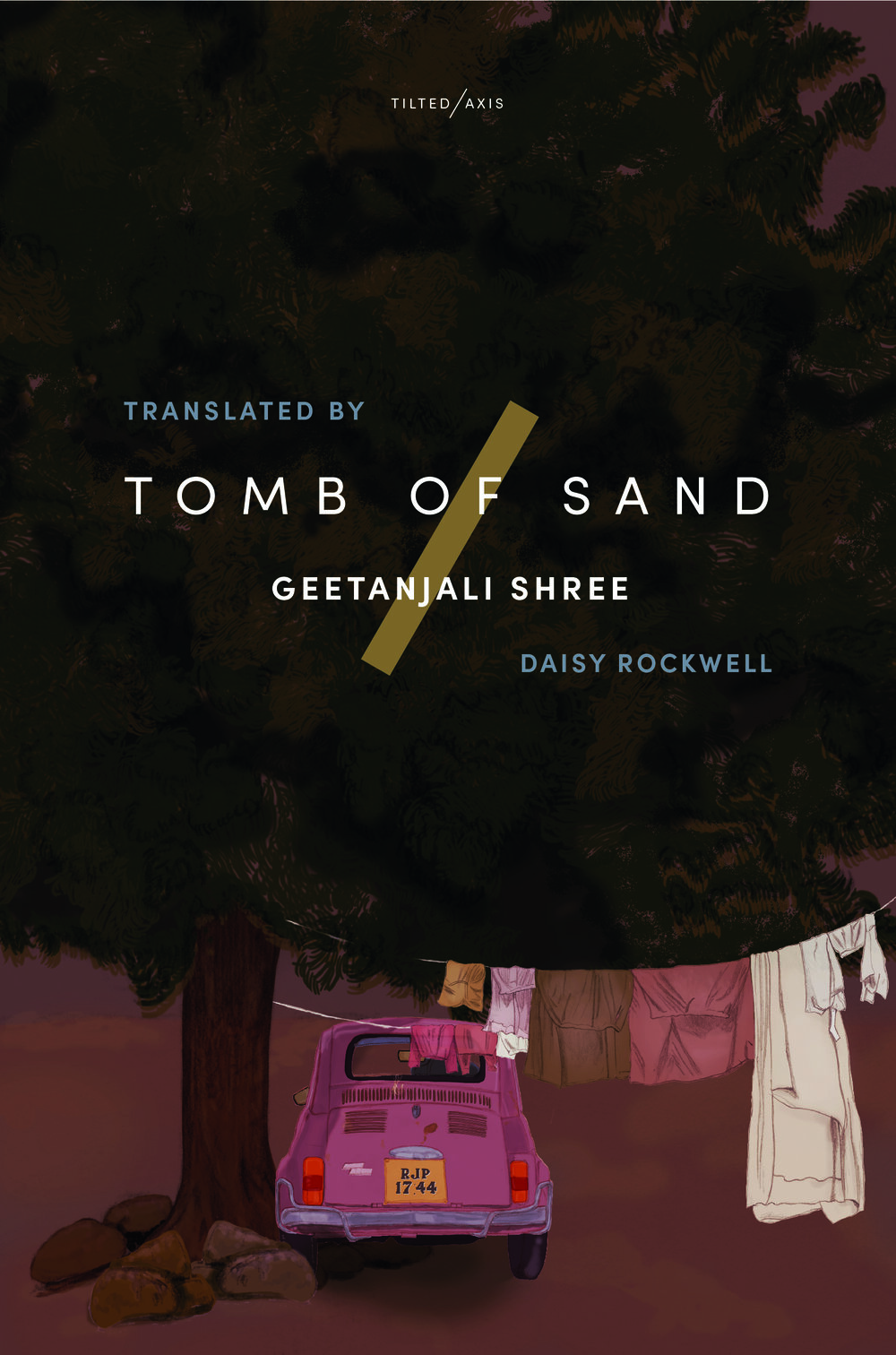
No. 92 on this list. Tomb of Sand
Geetanjali Shree · 2022
No. 93 on this list. An Episode in the Life of a Landscape Painter
César Aira · 2000
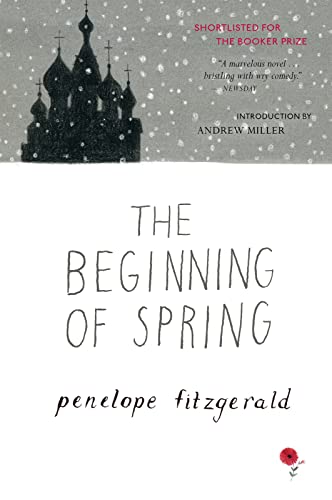
No. 94 on this list. The Beginning of Spring
Penelope Fitzgerald · 1988
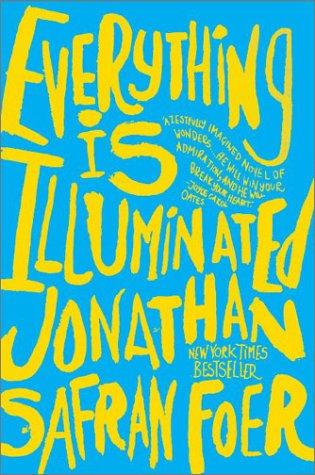
No. 95 on this list. Everything Is Illuminated
Jonathan Safran Foer · 2002
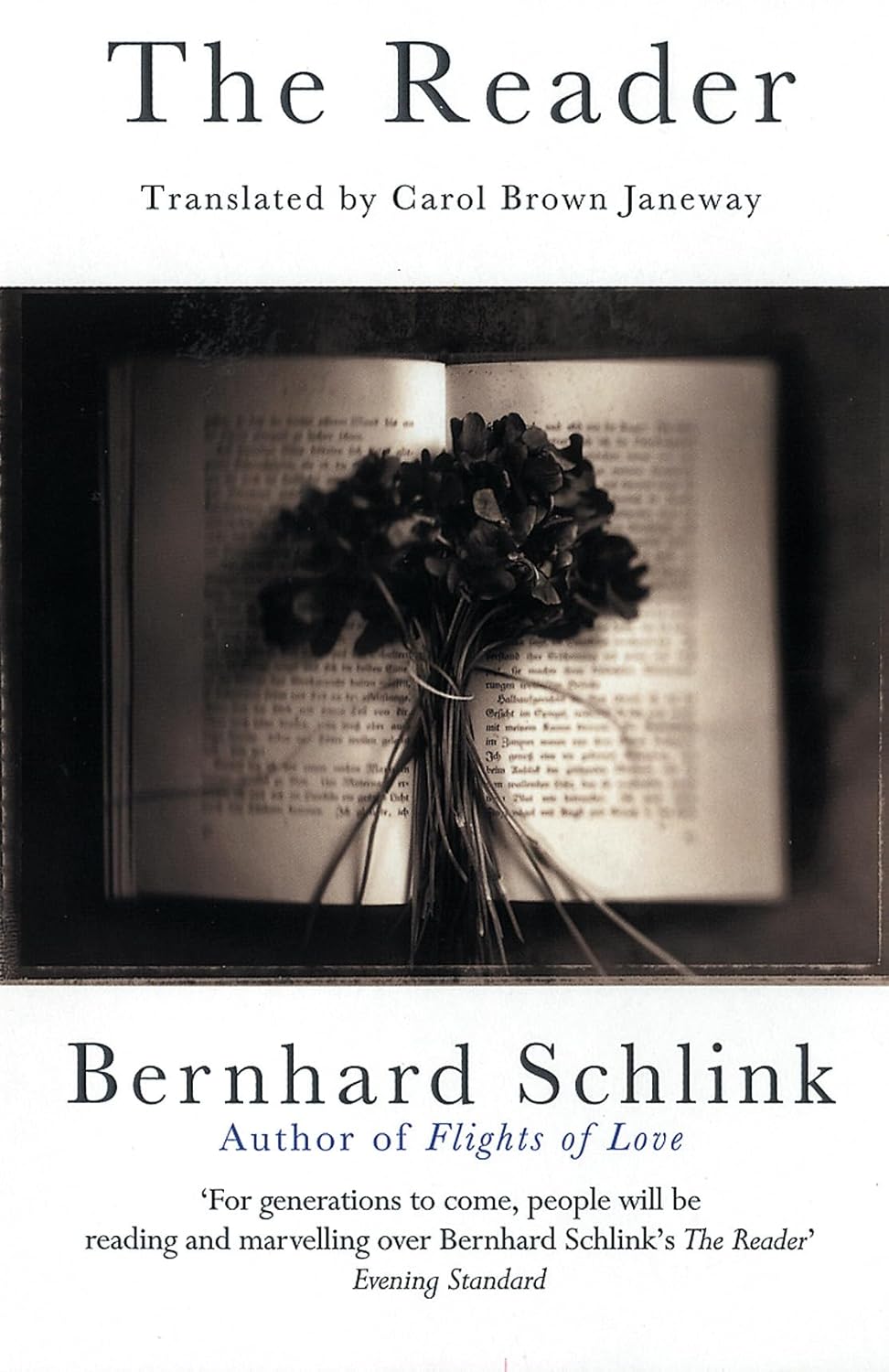
No. 96 on this list. The Reader
Bernhard Schlink · 1995
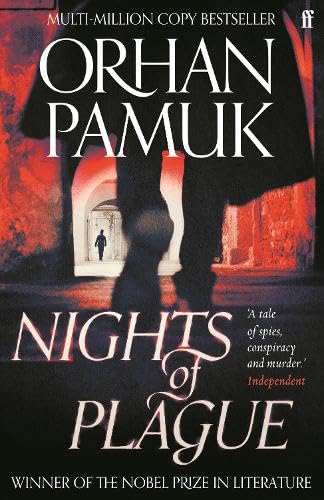
No. 97 on this list. Nights of Plague
Orhan Pamuk · 2021
No. 98 on this list. The Books of Jacob
Olga Tokarczuk · 2014
No. 99 on this list. Jerusalem
Selma Lagerlöf · 1901
No. 100 on this list. The Enchantress of Florence
Salman Rushdie · 2008
About this list
These 100 books are the highest-scoring eligible challenging historical novels currently in the catalogue. By literary regard, it opens with Henry V, Gravity's Rainbow and The Scarlet Letter. About 1,678 hours of reading in all. Difficulty runs from 67 to 74 out of 100 for the middle half of the list; the summit is The Public Burning at 86.
This list is ranked by literary regard, with a consistent order for equal scores. Membership follows authors and co-authors, not translators or editors. Catalogue coverage and the historical canon both limit what this list can represent, and genre labels are the catalogue’s own, gathered into broader kinds.
When we matched the Canons dataset to our catalogue in October 2026, our canonical-status scores rose with the number of school curricula, publisher series and lists in it that cite a work: the median score was 72 for books one such source cites, 84 at two, 88 at three, 92 at four and 93 at five or more. Prizes are left out of that count. Outside the state curricula, the dataset’s sources choose mostly from what has been translated into English or French, so it is a weaker check on other literatures. Source: Canons (Andrew Piper), CC BY 4.0
Questions people actually ask
- What are the best challenging historical novels?
- By literary regard, which weighs canonical status, critical standing and influence, Henry V, Gravity's Rainbow, The Scarlet Letter, Richard II and Sentimental Education lead. ReadingRate ranks 100 such books, each with a difficulty score and a reading-time estimate.
- Where should I start with challenging historical novels?
- Start from difficulty, not from rank. The most approachable books on this list that still carry top literary regard are Berlin Alexanderplatz by Alfred Döblin (about 12 hours), Silence by Shūsaku Endō and Pedro Páramo by Juan Rulfo.
- How hard are challenging historical novels to read?
- Most of this list sits between 67 and 74 on ReadingRate's 100-point difficulty scale, where 40 to 55 is moderate. The summit is The Public Burning at 86. Every entry carries its own score, so a reader can pick a great book at a difficulty they will finish.
- How is this list ranked?
- On literary-regard data: how canonically established a work is, its critical standing, and its influence on later writing. It is not a readers’ poll, which is why recent bestsellers rarely appear. Membership follows authors and co-authors, not translators or editors. A list that is not a genre list keeps to literature (fiction, poetry, drama and philosophy), with philosophy taking no more than one slot in five while there is literature left to rank; every list holds at most three works by one author.