Hours at an average pace
Showing 91 books
About 1,680 hours for 91 of 91 books with measured lengths. Estimates use 250 words a minute, adjusted for each book's difficulty. At 2 hours a day, about 840 days for those books.
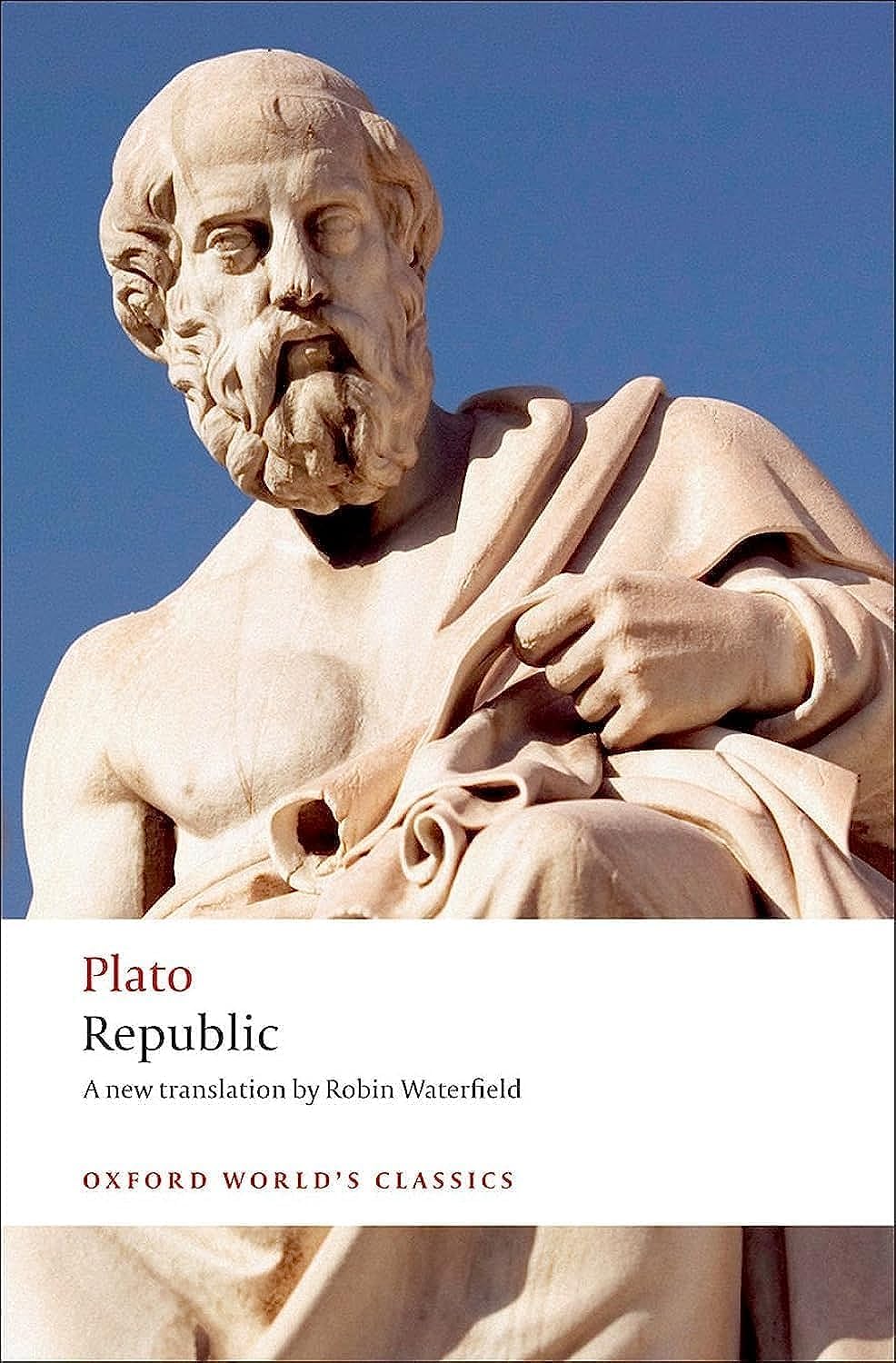
No. 1 on this list. Republic
Plato · c. 375 BCE
Challenging20 hours
Taught in schools: Lektury obowiązkowe – Polish national reading list (Poland), Turkish edebiyat curriculum (Turkey)
Included in: Great Books of the Western World
The Republic stands among the handful of most influential philosophical texts in Western history. It appears on every list of great books, anchors philosophy curricula worldwide, and defines the Western philosophical tradition alongside Aristotle's works.
The Critique of Judgment is core curriculum in every philosophy department worldwide, foundational to the discipline of aesthetics, and required reading in the history of modern philosophy. While structured literary-syllabus data is unavailable in the database, its status as one of Kant's three Critiques—alongside the Critique of Pure Reason and Critique of Practical Reason—places it among the canonical texts of Western philosophy. It appears across thousands of university syllabi globally.
Philosophical Investigations is required reading in virtually every anglophone philosophy department and appears on syllabi for philosophy of language, philosophy of mind, and analytic philosophy courses worldwide. Wikipedia carries a detailed article available in over 50 languages. It is consistently listed among the most important books of the 20th century across disciplinary surveys.
The Summa Theologica is required reading in virtually every Catholic seminary and philosophy of religion program globally, and is foundational in scholastic philosophy curricula. Pope Leo XIII's encyclical Aeterni Patris (1879) formally designated it the basis for Catholic philosophical and theological education worldwide. It is among the most cited texts in Western intellectual history.
Discipline and Punish is required reading in sociology, criminology, philosophy, cultural studies, history, and literary theory courses worldwide. It appears on thousands of university syllabi across disciplines, making it comparable in canonical weight to the most taught works of 20th-century thought. It is considered foundational for understanding modern social institutions across every field of the humanities and social sciences.
Being and Time is required reading in virtually every philosophy curriculum worldwide and stands as one of the most taught works in continental philosophy. It appears on syllabi for philosophy, phenomenology, existentialism, cultural theory, and theology, and has been translated into dozens of languages. Few 20th-century philosophical texts achieve this breadth of curricular presence.
Of Grammatology is one of the most assigned texts in philosophy, literary theory, and the humanities broadly. It appears on virtually every graduate-level syllabus in continental philosophy, critical theory, and comparative literature. It is the foundational text of deconstruction, a movement that reshaped humanities scholarship from the 1970s through the present. Any 'canon' of 20th-century philosophical works includes it without question.
No. 8 on this list. The History of Sexuality, Volume 1: An Introduction
Michel Foucault · 1976
Difficult7 hours
Required reading in virtually every university gender studies, cultural theory, sociology, and philosophy program in the Western world. No database syllabus data was retrieved, but this text is among the most universally assigned in humanities education globally, appearing on curricula alongside Derrida and Althusser as a foundational poststructuralist text. It is considered indispensable entry-level reading for anyone studying sexuality, power, or discourse.
No. 9 on this list. Madness and Civilization: A History of Insanity in the Age of Reason
Michel Foucault · 1961
Difficult11 hours
Madness and Civilization is one of the most widely assigned texts in the humanities, appearing on syllabi in philosophy, history, sociology, psychology, and cultural studies departments worldwide. It is a foundational text of post-structuralism and critical theory, and its presence in university curricula has been continuous since the 1960s. It is routinely listed among the most important nonfiction works of the twentieth century.
No. 10 on this list. Dream of the Red Chamber
Cao Xueqin · 1791
Difficult97 hours
Included in: UNESCO Collection of Representative Works
Cao Xueqin chronicled the decline of an aristocratic Chinese clan through the consciousness of over four hundred distinct characters, weaving Buddhist philosophy, classical poetry, and granular domestic life into a novel of a scope that European fiction would not attempt for another century. It remains the central work of Chinese narrative art.

No. 11 on this list. Beyond Good and Evil · Friedrich Nietzsche · 1886
Beyond Good and Evil is standard reading in philosophy curricula worldwide and appears on virtually every serious 'books everyone should read' list. While not primarily a literature syllabus fixture, its presence in university courses across disciplines — philosophy, political theory, literary theory, cultural studies — is near-universal. No comparable work of 19th-century philosophy commands broader global readership.
Difficult8 hours
Read nowNo. 12 on this list. The Gay Science · Friedrich Nietzsche · 1882
The Gay Science introduces 'God is dead' (§125), eternal recurrence (§341), and amor fati — three concepts that reshaped Western intellectual history and appear on virtually every continental philosophy syllabus worldwide. Though the database lacks syllabus count data for this work, the book's Wikipedia article exists in over 50 languages and it is assigned in philosophy, literary theory, theology, and cultural studies courses globally. Its canonical standing in philosophy exceeds most works, comparable to Descartes' Meditations or Kant's Groundwork.
Difficult18 hours
Start this bookNo. 13 on this list. The Principal Upanishads · Anonymous (Vedic Tradition)
The foundation of Vedanta and of all later Indian philosophy, required reading in religious studies and philosophy programmes worldwide.
Difficult13 hours
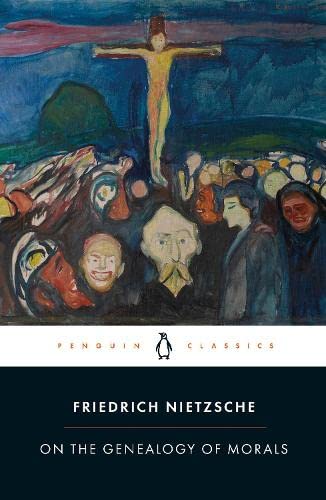
Start this bookNo. 14 on this list. On the Genealogy of Morality · Friedrich Nietzsche · 1887
Friedrich Nietzsche opens by promising a history of morality and delivers something more unsettling: a prosecution. In three linked essays, he traces where our moral concepts actually came from — not from reason or God, but from power, debt, and pain. The first essay tracks how the word 'good' belonged originally to the aristocrat who named himself that way, then watches the slave revolt in morality invert the table of values entirely, creating 'evil' as a name for the strong. The second follows the concept of guilt back to the creditor-debtor relationship, where punishment began not as justice but as the pleasure of cruelty legitimized by contract. The third anatomizes the ascetic priest — the figure who turns suffering into meaning, who wins power over the powerful by teaching them to hate themselves. Nietzsche writes in long hypotactic periods that build to sudden one-line reversals, embedding Latin phrases and German coinages into arguments that span etymology, biology, and cultural history simultaneously. The tone is the provocation: he performs the very diagnosis he conducts, and readers who take his endorsements of aristocratic violence at face value have missed the argument. This is the book that taught Foucault to ask how systems of knowledge produce what they claim merely to describe. It demands and rewards slow, combative reading.
Challenging9.8 hours
Start this bookNo. 15 on this list. Writing and Difference · Jacques Derrida · 1967
Writing and Difference is one of the foundational texts of deconstruction and a standard assignment in graduate programs in philosophy, comparative literature, and critical theory worldwide. Along with Of Grammatology (published the same year, 1967), it established Derrida as a major philosophical voice. It appears on virtually every syllabus for continental philosophy and literary theory at the graduate level.
Very Difficult30 hours
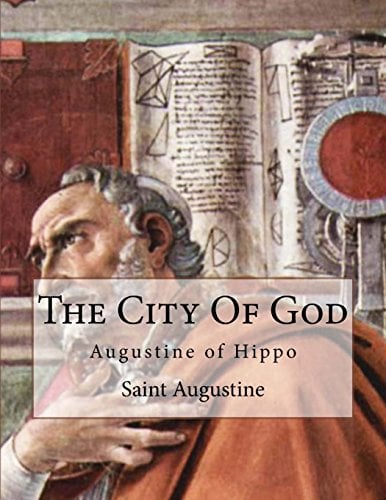
Start this bookNo. 16 on this list. City of God · Augustine of Hippo · 426
Included in: Great Books of the Western World
City of God is foundational to Western civilization, taught in every university theology, philosophy, and medieval studies program globally. It appears on syllabi across disciplines—history, political theory, religious studies, philosophy—and has been continuously in print and in commentary since the 5th century. The Wikipedia data showing only 5 languages likely reflects a disambiguation page rather than the work's actual encyclopedic presence.
Challenging40 hours
Start this bookNo. 17 on this list. Utopia · Thomas More · 1516
Utopia is a fixture in political philosophy, early modern history, and English literature curricula globally. The word 'utopia' entered every major European language, a feat achieved by fewer than a dozen literary works. It appears on thousands of university syllabi across disciplines — philosophy, political science, history, English, Renaissance studies — and is universally recognized as foundational reading.
Challenging4.3 hours
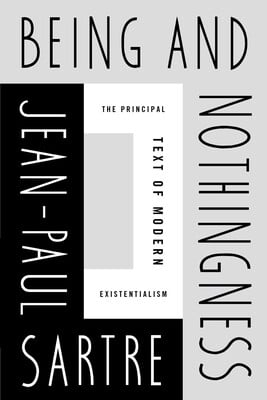
Start this bookNo. 18 on this list. Being and Nothingness · Jean-Paul Sartre · 1943
Being and Nothingness appears on 1,351 university syllabi according to Open Syllabus data (78th percentile), placing it firmly among the most-taught philosophical texts in higher education. It is listed among Le Monde's 100 Books of the Century (1999) and the Open Syllabus Top 500 in Literature. Its Wikipedia article in 37 languages confirms broad international academic reach.
Difficult49 hours
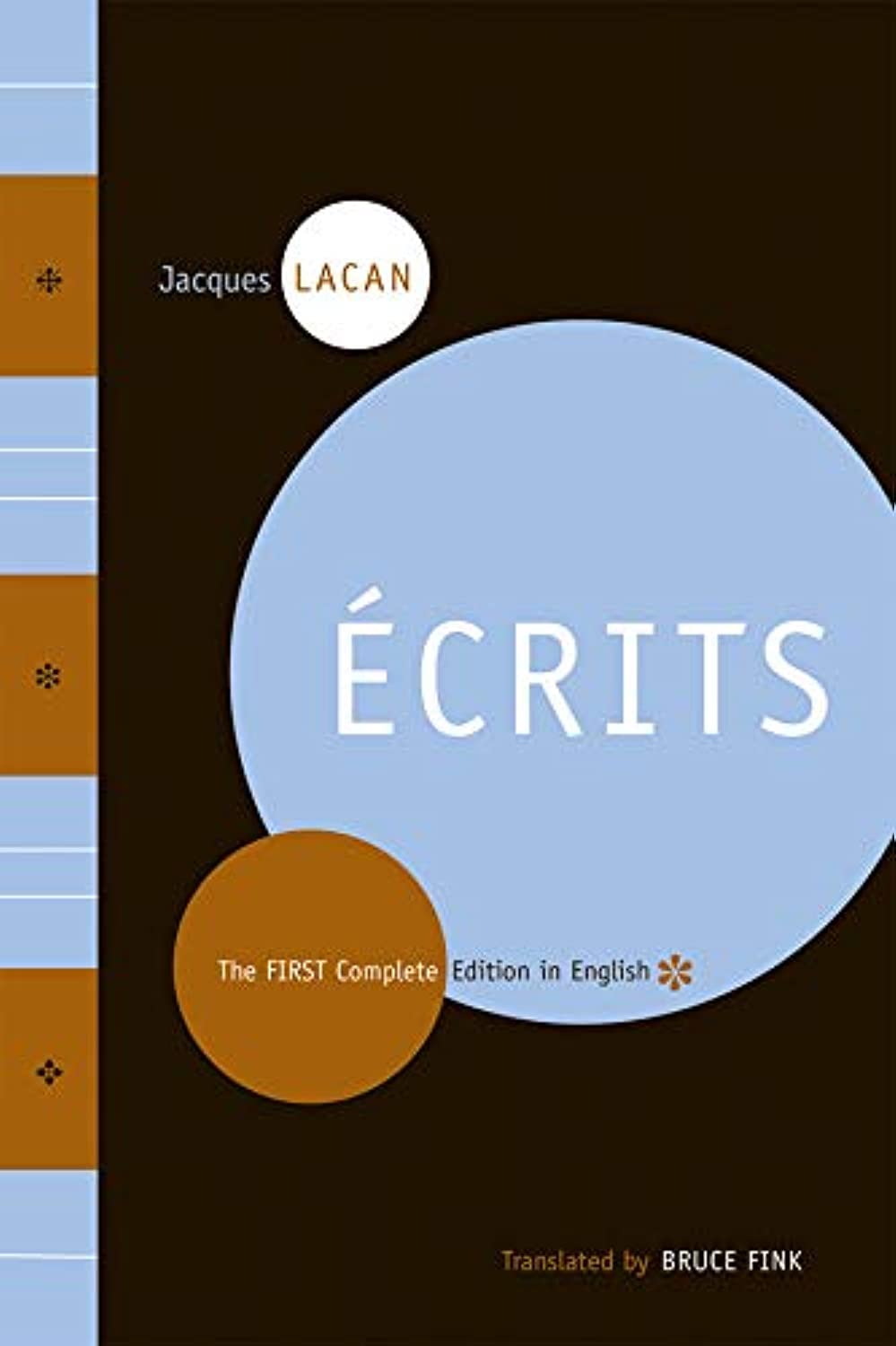
Start this bookNo. 19 on this list. Écrits · Jacques Lacan · 1966
Listed among Le Monde's 100 Books of the Century and the Open Syllabus Top 500 in literature. Wikipedia presence in 65 languages (attributed to the Jacques Lacan article) indicates global institutional reach. Standard assignment in literature, philosophy, cultural studies, film theory, and feminist theory courses worldwide — unusual for a psychoanalytic text to penetrate this many disciplines.
Very Difficult29 hours
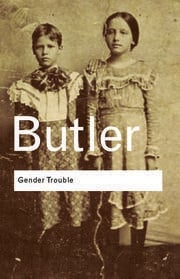
Start this bookNo. 20 on this list. Gender Trouble: Feminism and the Subversion of Identity · Judith Butler · 1990
Gender Trouble is taught on virtually every gender studies, feminist theory, and queer theory syllabus globally, appearing widely in sociology, philosophy, cultural studies, and political science courses. Butler's text has been described by scholars as one of the most influential academic books of the 20th century and is as close to canonical as any work in the humanities published after 1980. Its position on university reading lists across North America, Europe, and beyond is unambiguous — a status granted to very few academic monographs.
Difficult9.7 hours
Start this book
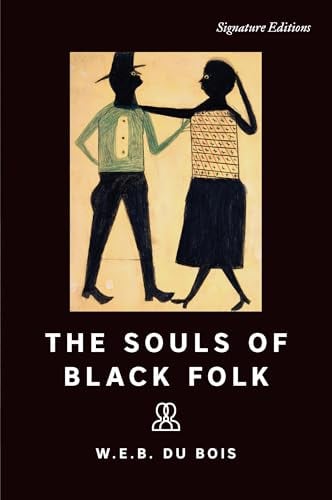
No. 21 on this list. The Souls of Black Folk · W. E. B. Du Bois · 1903
Required reading in American universities across sociology, African American studies, history, and literature departments, appearing on more syllabi than almost any other work of American nonfiction. Continuously in print since 1903, it appears on virtually every list of essential American books and is considered foundational to American intellectual history.
Challenging6.3 hours
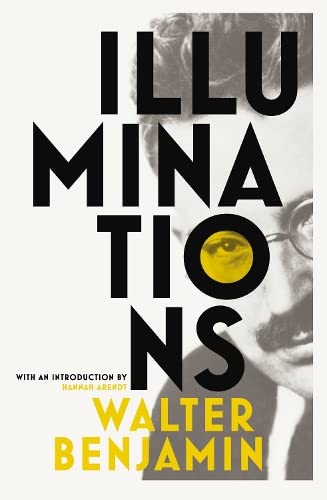
Read nowNo. 22 on this list. Illuminations · Walter Benjamin · 1955
Illuminations is the essential anglophone introduction to Benjamin, edited and introduced by Hannah Arendt in 1968. It appears on syllabi across German Studies, Critical Theory, Media Studies, Film Studies, and Literary Theory departments worldwide. 'The Work of Art in the Age of Mechanical Reproduction' is one of the most-assigned critical essays in university education globally, and the 'Theses on the Philosophy of History' are required reading in philosophy and history programs. Canonical status approaching Beloved (85) and above Infinite Jest (78).
Difficult11 hours
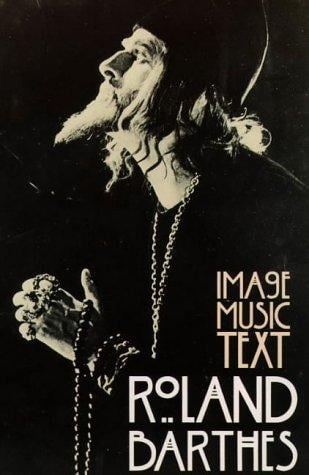
Start this bookNo. 23 on this list. Image-Music-Text · Roland Barthes · 1977
'The Death of the Author' is one of the most frequently assigned essays in English-language literary theory courses, routinely anthologized in the Norton Anthology of Theory and Criticism alongside 'From Work to Text.' The collection sits just behind Mythologies in general classroom ubiquity but ahead of it on graduate theory syllabi, where 'Death of the Author' is close to a required text.
Difficult7.4 hours
Start this bookNo. 24 on this list. The Arcades Project · Walter Benjamin
The Arcades Project is required reading in virtually every critical theory, cultural studies, and German Studies graduate program worldwide. Benjamin's concepts — the dialectical image, the flâneur, the wish-image, Jetztzeit — have become foundational vocabulary in the humanities. The book anchors syllabi in fields as disparate as architecture, urban studies, film theory, and literary criticism, making it one of the most cross-disciplinary canonical texts of the 20th century.
Very Difficult84 hours
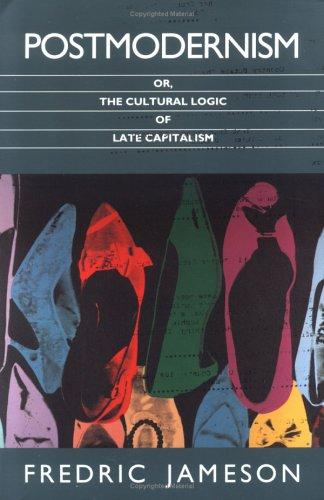
Start this bookNo. 25 on this list. Postmodernism, or, The Cultural Logic of Late Capitalism · Fredric Jameson · 1991
Postmodernism is required reading in virtually every cultural studies and literary theory graduate program in the English-speaking world. The 1984 New Left Review essay version from which the book grew is one of the most-assigned academic articles in humanities graduate education. The book has remained in continuous use since its 1991 publication and has been translated into dozens of languages.
Difficult27 hours
Start this bookNo. 26 on this list. Zhuangzi · Zhuangzi · c. 300 BCE
One of the two foundational Daoist texts, taught in world philosophy, Chinese literature and religious studies courses everywhere, in multiple competing English editions.
Difficult17 hours
Start this bookNo. 27 on this list. Gulliver's Travels · Jonathan Swift · 1726
Taught in schools: CSEC English B – Caribbean Examinations Council, Hungarian literature curriculum (magyar nyelv és irodalom) (Hungary)
Included in: Bokklubben World Library, Great Books of the Western World
Swift shrinks his protagonist to six inches in Lilliput, inflates him to a giant in Brobdingnag, then deposits him among rational horses who regard humans as vermin. No other satire in English has so thoroughly weaponized scale and perspective to indict politics, science, and the species itself.
Challenging10 hours
Read nowNo. 28 on this list. Anti-Oedipus · Gilles Deleuze · 1972
Anti-Oedipus is canonical within Continental philosophy, critical theory, cultural studies, and queer theory — it appears on graduate syllabi wherever poststructuralism, Marxist theory, or affect theory is taught. Wikipedia data is absent from the database, but the work maintains Wikipedia articles in over 30 languages and is among the most-cited texts in humanities graduate education worldwide. Its status is more specialized than Orientalism but more widely taught than Negative Dialectics.
Very Difficult29 hours
Start this bookNo. 29 on this list. Selections from the Prison Notebooks · Antonio Gramsci · 1948
Antonio Gramsci wrote the Prison Notebooks in a fascist jail between 1929 and 1935, hiding his Marxist analysis behind the euphemism 'philosophy of praxis' to evade censors. The result is one of the twentieth century's most influential works of political theory, and one of its most difficult to read straight through. Gramsci asks why socialist revolutions succeeded in Russia but failed in Western Europe, and the answer reshapes everything. Western states, he argues, maintain power not primarily through coercion but through 'hegemony' — the active consent of the governed, manufactured through civil institutions: schools, churches, newspapers, and the accumulated common sense of a culture. Overthrowing a state requires first dismantling that consent, a long 'war of position' rather than a frontal assault. The 'organic intellectual' — not the detached scholar but the thinker who articulates a class's interests from within — is the instrument of that war. These concepts travel far beyond their original context. Stuart Hall used hegemony to analyze Thatcherism. Gayatri Spivak's subaltern studies grew from Gramsci's subaltern. Ernesto Laclau and Chantal Mouffe built post-Marxist theory on his foundations. Reading the Notebooks is not like reading an argument — it is like reading a theorist thinking, contradicting himself, circling back, leaving threads unfinished. That is both the text's difficulty and its intellectual honesty.
Difficult33 hours
Start this bookNo. 30 on this list. Roland Barthes by Roland Barthes · Roland Barthes · 1975
Considered one of the landmark texts of poststructuralism and a foundational work in autobiography theory. Barthes by Barthes is universally included in advanced literary theory curricula and sits alongside S/Z and Camera Lucida as his most studied works.
Very Difficult5 min
Start this book

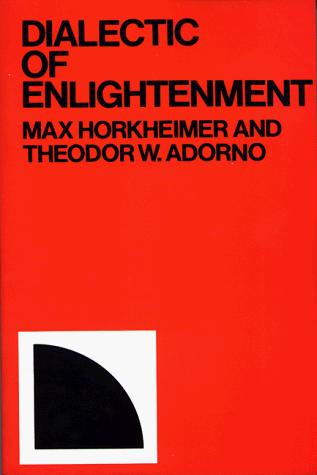
No. 31 on this list. Dialectic of Enlightenment
Theodor W. Adorno · 1944
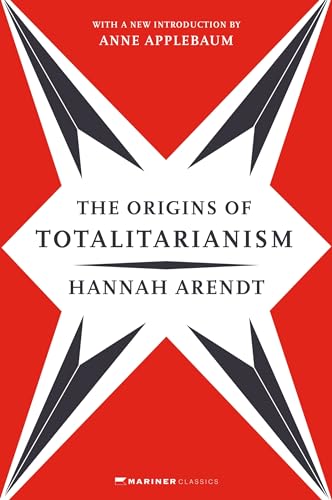
No. 32 on this list. The Origins of Totalitarianism
Hannah Arendt · 1951
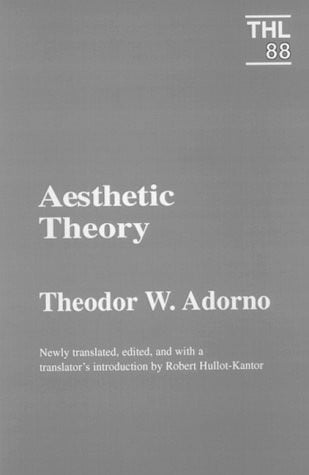
No. 33 on this list. Aesthetic Theory
Theodor W. Adorno · 1970
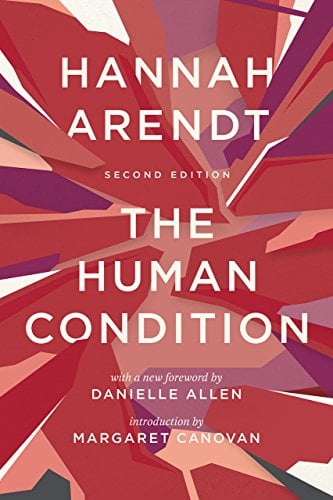
No. 34 on this list. The Human Condition
Hannah Arendt · 1958
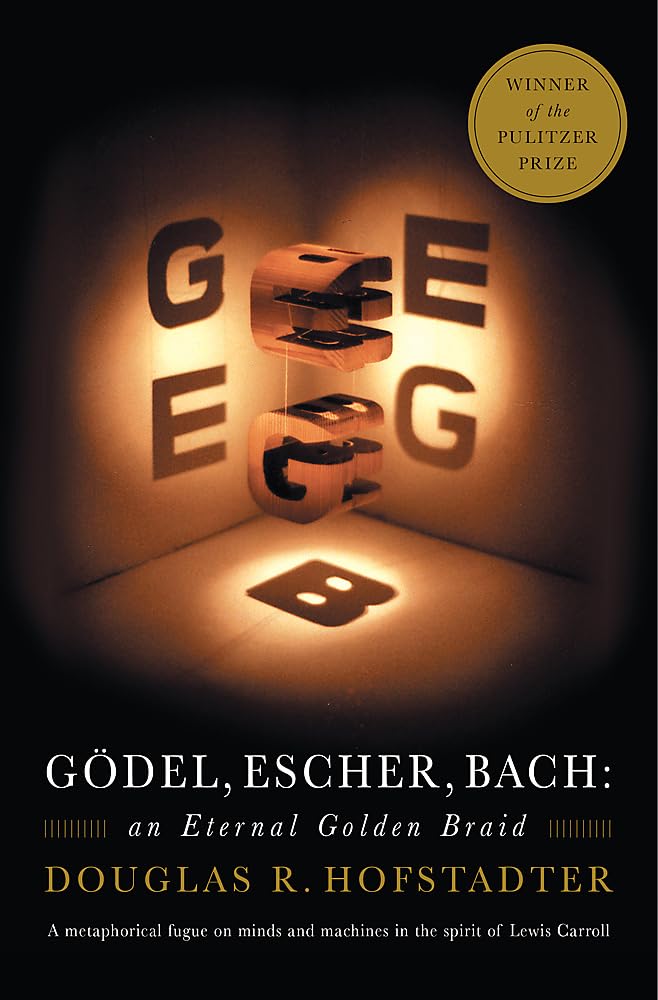
No. 35 on this list. Gödel, Escher, Bach: An Eternal Golden Braid
Douglas R. Hofstadter · 1979
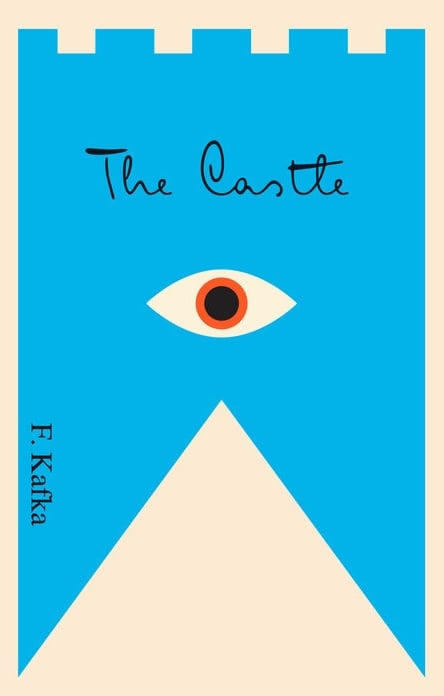
No. 36 on this list. The Castle
Franz Kafka · 1926
Included in: Bokklubben World Library
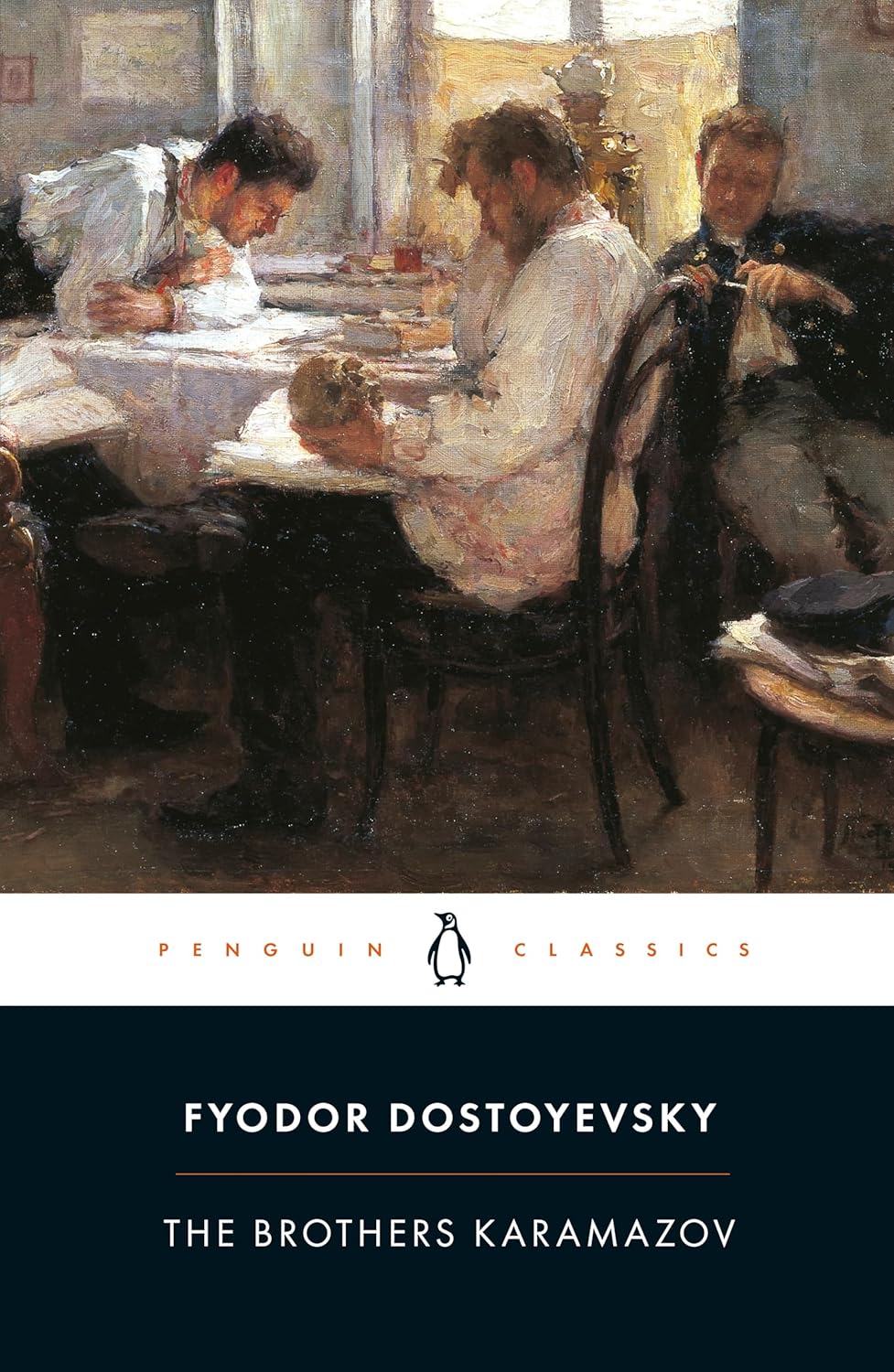
No. 37 on this list. The Brothers Karamazov
Fyodor Dostoevsky · 1880
Included in: Bokklubben World Library, Great Books of the Western World
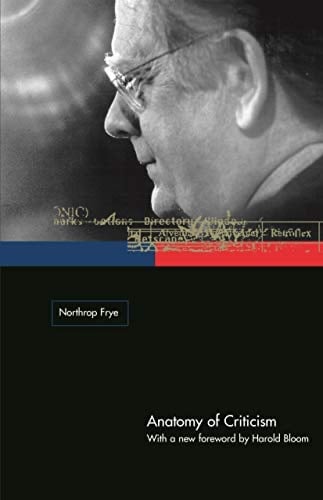
No. 38 on this list. Anatomy of Criticism: Four Essays
Northrop Frye · 1957
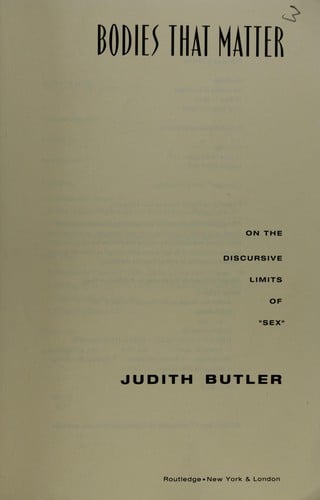
No. 39 on this list. Bodies That Matter
Judith Butler · 1993
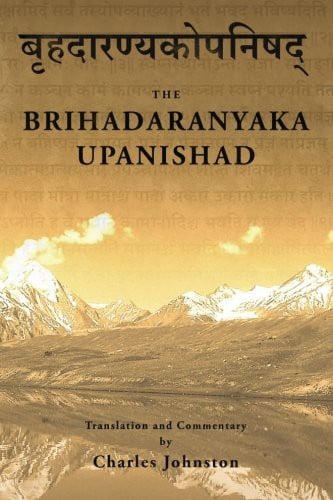
No. 40 on this list. Brihadaranyaka Upanishad
No. 41 on this list. Doctor Faustus
Thomas Mann · 1947
No. 42 on this list. De Vulgari Eloquentia
Dante Alighieri · 1304
No. 43 on this list. Blindness and Insight
Paul de Man · 1971
No. 44 on this list. The Savage Mind
Claude Lévi-Strauss · 1962
No. 45 on this list. The Location of Culture
Homi K. Bhabha · 1994
No. 46 on this list. Biographia Literaria
Samuel Taylor Coleridge · 1817
No. 47 on this list. Minima Moralia
Theodor W. Adorno · 1951
No. 48 on this list. The Book of Disquiet
Included in: Bokklubben World Library
No. 49 on this list. The Rebel: An Essay on Man in Revolt
Albert Camus · 1951
No. 50 on this list. Gravity and Grace
Simone Weil · 1947

No. 51 on this list. New Science
Giambattista Vico · 1725
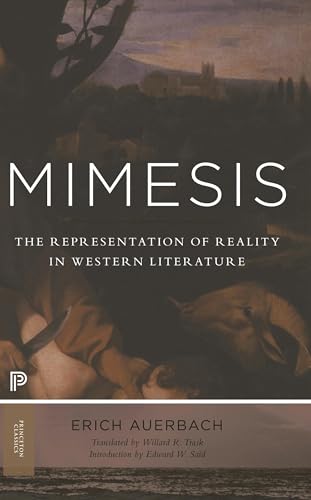
No. 52 on this list. Mimesis
Erich Auerbach · 1946
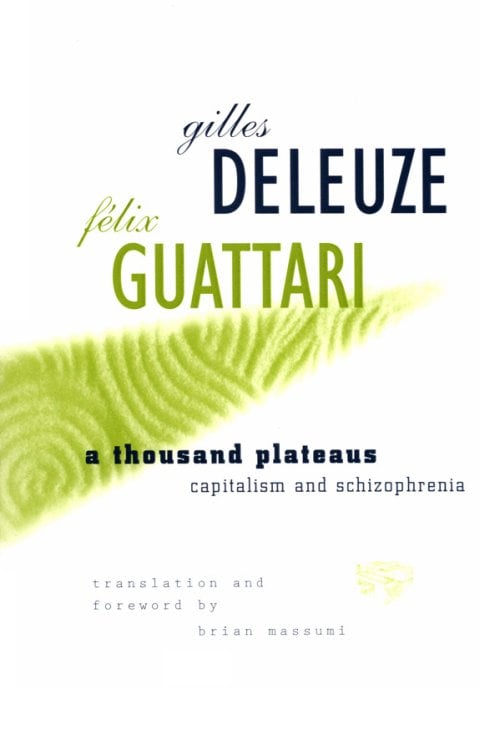
No. 53 on this list. A Thousand Plateaus
Gilles Deleuze · 1980
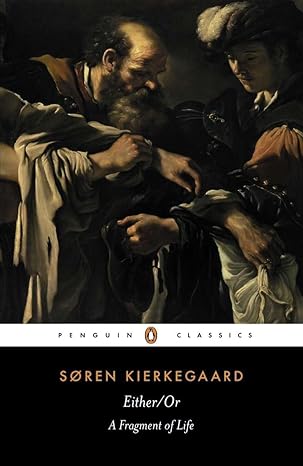
No. 54 on this list. Either/Or
Søren Kierkegaard · 1843
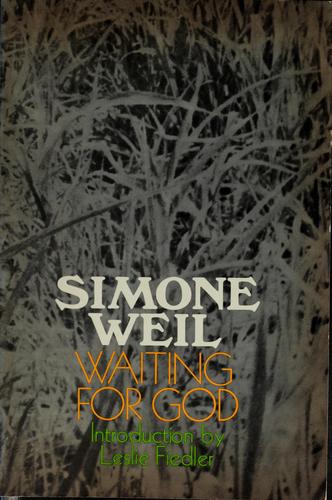
No. 55 on this list. Waiting for God
Simone Weil · 1950
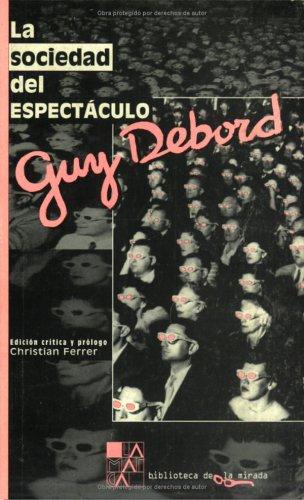
No. 56 on this list. The Society of the Spectacle
Guy Debord · 1967
No. 57 on this list. Time and Narrative
Paul Ricoeur · 1984
No. 58 on this list. The Origin of German Tragic Drama
Walter Benjamin · 1928
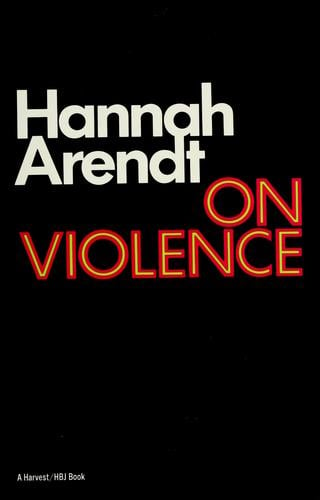
No. 59 on this list. On Violence
Hannah Arendt · 1969
No. 60 on this list. Natyashastra
Bharata Muni · c. 200 BCE

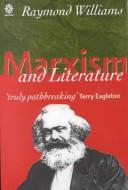
No. 61 on this list. Marxism and Literature
Raymond Williams · 1977
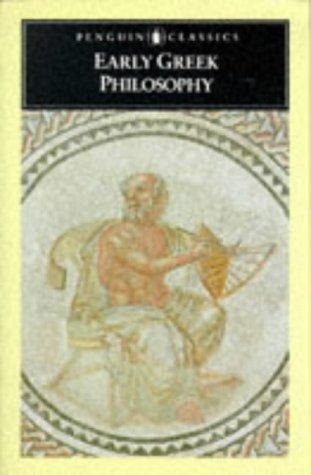
No. 62 on this list. Early Greek Philosophy
Jonathan Barnes · 1979
No. 63 on this list. The Theory of the Novel
Georg Lukács · 1916
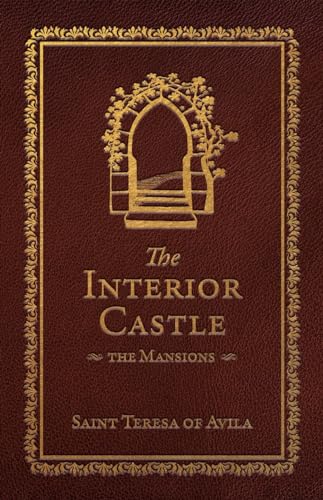
No. 64 on this list. The Interior Castle
Teresa of Ávila · 1588
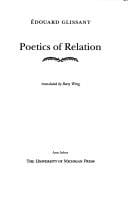
No. 65 on this list. Poetics of Relation
Édouard Glissant · 1990
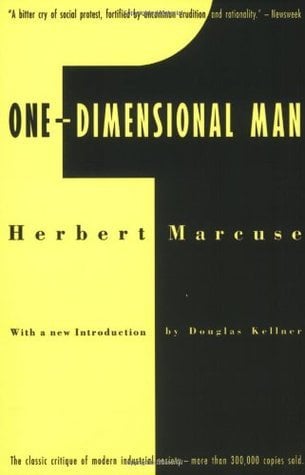
No. 66 on this list. One-Dimensional Man
Herbert Marcuse · 1964
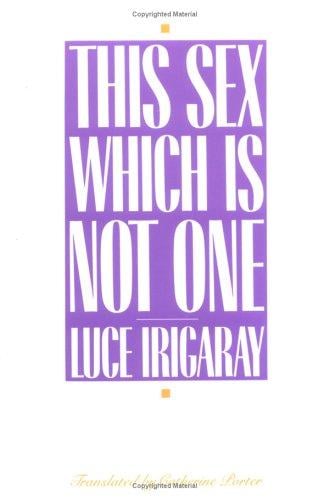
No. 67 on this list. This Sex Which Is Not One
Luce Irigaray · 1977
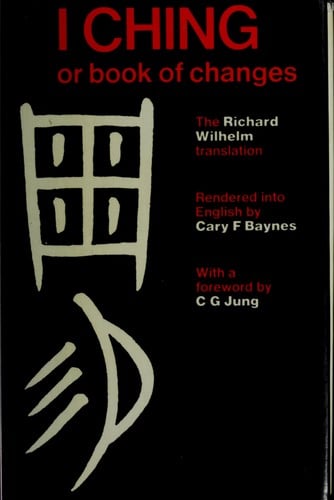
No. 68 on this list. I Ching: The Book of Changes
No. 69 on this list. Writing Degree Zero
Roland Barthes · 1953
No. 70 on this list. Undoing Gender
Judith Butler · 2004
No. 71 on this list. The Passion According to G.H.
Clarice Lispector · 1964
Taught in schools: FUVEST leituras obrigatórias (USP vestibular) (Brazil)
No. 72 on this list. Sources of the Self: The Making of the Modern Identity
Charles Taylor · 1989
No. 73 on this list. The Idea of the Holy
Rudolf Otto · 1917
No. 74 on this list. Critique of Pure Reason
Immanuel Kant · 1781
No. 75 on this list. Myth and Archive: A Theory of Latin American Narrative
Roberto González Echevarría · 1990
No. 76 on this list. The Anxiety of Influence
Harold Bloom · 1973
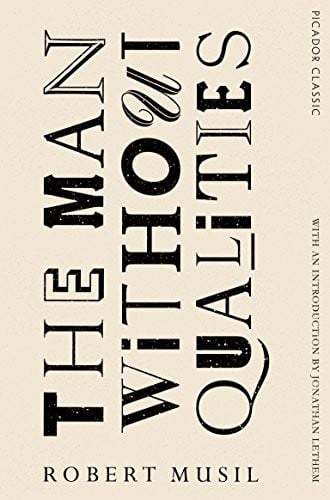
No. 77 on this list. The Man Without Qualities
Robert Musil · 1930
Included in: Bokklubben World Library
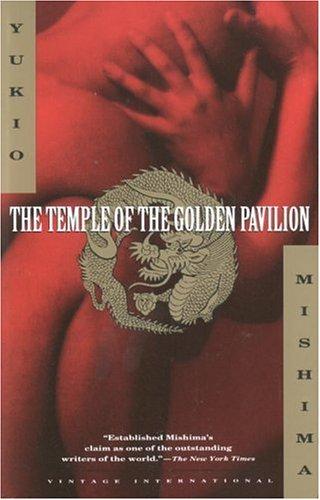
No. 78 on this list. The Temple of the Golden Pavilion
Yukio Mishima · 1956
Included in: UNESCO Collection of Representative Works
No. 79 on this list. The Tragic Sense of Life
Miguel de Unamuno · 1913
No. 80 on this list. The Hour of the Star
Clarice Lispector · 1977
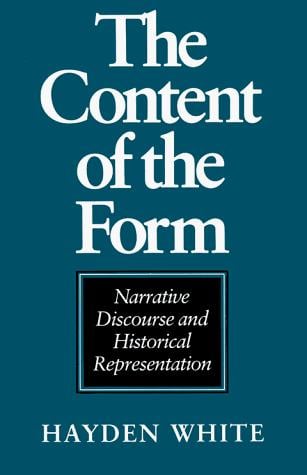
No. 81 on this list. The Content of the Form: Narrative Discourse and Historical Representation
Hayden White · 1987
No. 82 on this list. Simone Weil: An Anthology
No. 83 on this list. The Postmodern Condition: A Report on Knowledge
Jean-François Lyotard · 1979
No. 84 on this list. The Captive Mind
Czesław Miłosz · 1953
No. 85 on this list. The Phenomenology of Spirit
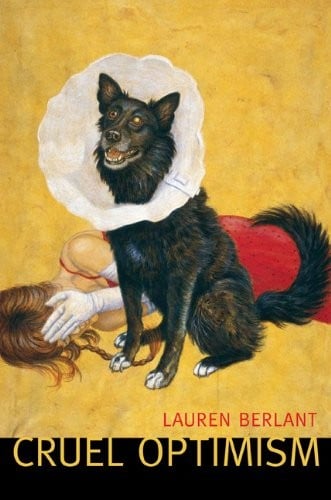
No. 86 on this list. Cruel Optimism
Lauren Berlant · 2011
No. 87 on this list. The Literary Mind and the Carving of Dragons
Liu Xie · 501
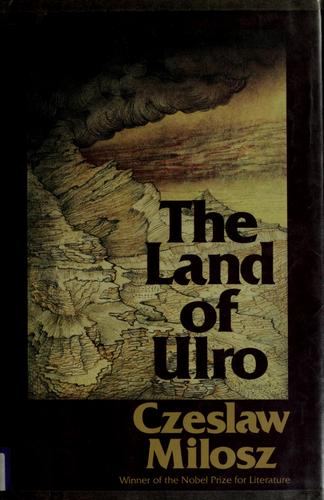
No. 88 on this list. The Land of Ulro
Czesław Miłosz · 1977
No. 89 on this list. Simulacra and Simulation
Jean Baudrillard · 1981
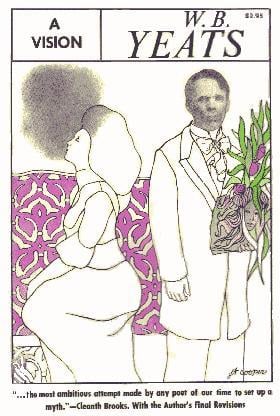
No. 90 on this list. A Vision
William Butler Yeats · 1925

About this list
These 91 books are the highest-scoring eligible challenging philosophy books currently in the catalogue. By literary regard, it opens with Republic, Critique of Judgment and Philosophical Investigations. About 1,680 hours of reading in all. Difficulty runs from 69 to 79 out of 100 for the middle half of the list; the summit is Écrits at 94.
This list is ranked by literary regard, with a consistent order for equal scores. Membership follows authors and co-authors, not translators or editors. Catalogue coverage and the historical canon both limit what this list can represent, and genre labels are the catalogue’s own, gathered into broader kinds.
When we matched the Canons dataset to our catalogue in October 2026, our canonical-status scores rose with the number of school curricula, publisher series and lists in it that cite a work: the median score was 72 for books one such source cites, 84 at two, 88 at three, 92 at four and 93 at five or more. Prizes are left out of that count. Outside the state curricula, the dataset’s sources choose mostly from what has been translated into English or French, so it is a weaker check on other literatures. Source: Canons (Andrew Piper), CC BY 4.0
Questions people actually ask
- What are the best challenging philosophy books?
- By literary regard, which weighs canonical status, critical standing and influence, Republic, Critique of Judgment, Philosophical Investigations, Summa Theologica and Discipline and Punish lead. ReadingRate ranks 91 such books, each with a difficulty score and a reading-time estimate.
- Where should I start with challenging philosophy books?
- Start from difficulty, not from rank. The most approachable books on this list that still carry top literary regard are The Captive Mind by Czesław Miłosz (about 7.5 hours), Gulliver's Travels by Jonathan Swift and The Temple of the Golden Pavilion by Yukio Mishima.
- How hard are challenging philosophy books to read?
- Most of this list sits between 69 and 79 on ReadingRate's 100-point difficulty scale, where 40 to 55 is moderate. The summit is Écrits at 94. Every entry carries its own score, so a reader can pick a great book at a difficulty they will finish.
- How is this list ranked?
- On literary-regard data: how canonically established a work is, its critical standing, and its influence on later writing. It is not a readers’ poll, which is why recent bestsellers rarely appear. Membership follows authors and co-authors, not translators or editors. A list that is not a genre list keeps to literature (fiction, poetry, drama and philosophy), with philosophy taking no more than one slot in five while there is literature left to rank; every list holds at most three works by one author.