Hours at an average pace
Showing 100 books
About 426 hours for 100 of 100 books with measured lengths. Estimates use 250 words a minute, adjusted for each book's difficulty. At 2 hours a day, about 214 days for those books.
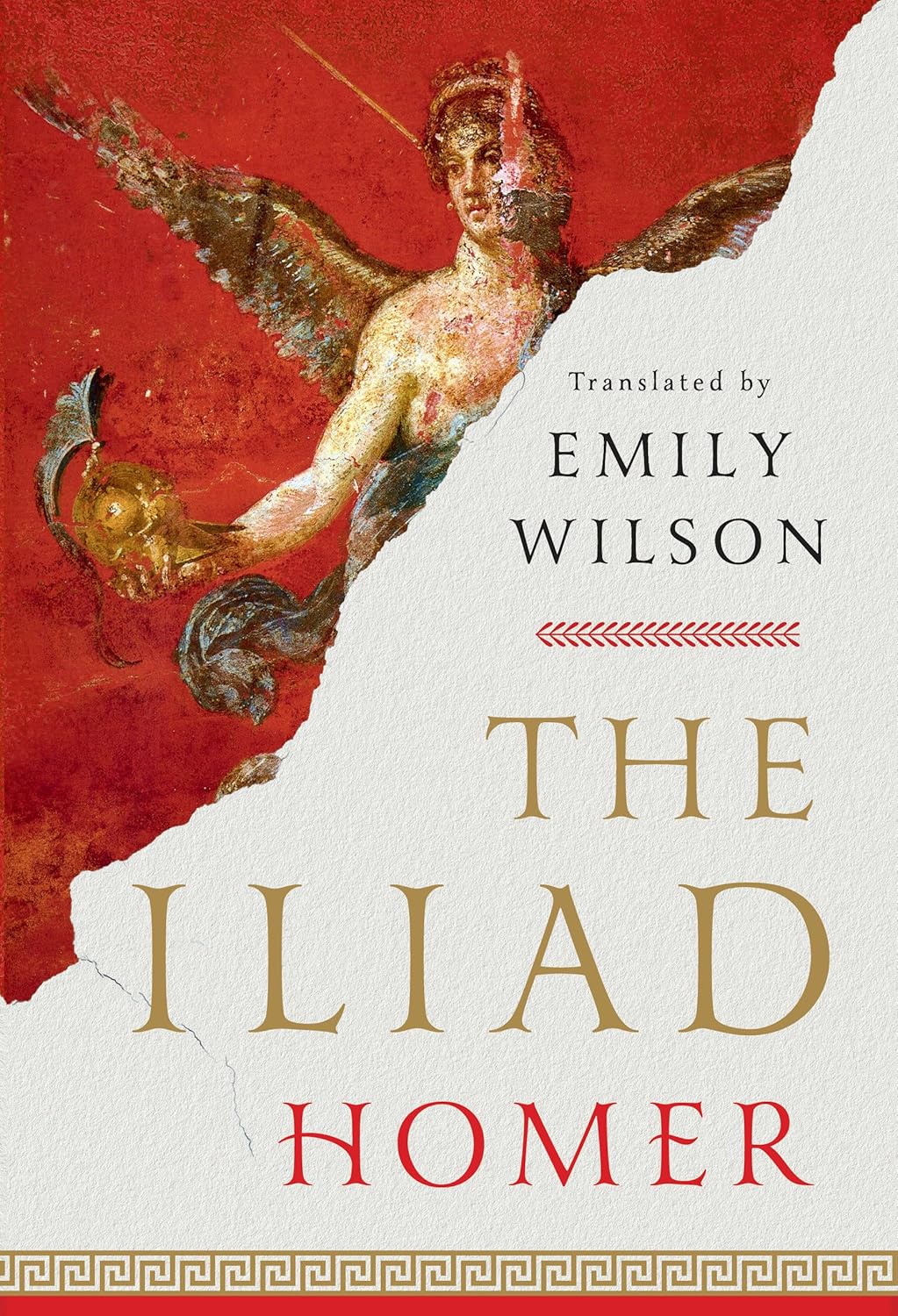
No. 1 on this list. Iliad
Homer · c. 750 BCE
Challenging13 hours
Taught in schools: Montenegrin literature curriculum (crnogorski jezik i književnost) (Montenegro)
Included in: Bokklubben World Library, Great Books of the Western World
The foundational war poem of Western civilization, and still the most unflinching. Homer gives Achilles' rage the same weight as Hector's tenderness with his son, refusing to let either side own the meaning of the slaughter.
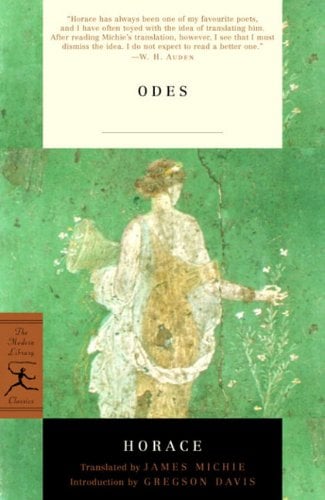
Horace's Odes have been required reading in classical curricula for over two thousand years without interruption — studied in Rome, medieval monasteries, Renaissance courts, and modern universities alike. The phrase 'carpe diem' originates in Odes I.11 and has entered every major world language. The Wikipedia article appears in only 1 language in the current database, but this reflects a data gap: the Odes are among the most-taught texts in any Western classics or humanities program, with presence on thousands of university syllabi globally.
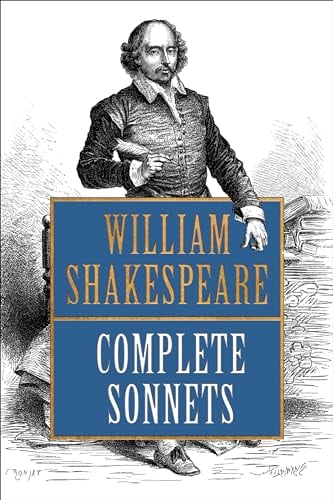
The single most important sonnet sequence in English and among the most celebrated poems ever written.
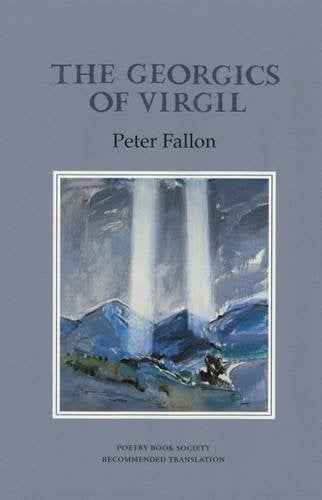
No. 4 on this list. Georgics
Virgil · c. 29 BCE
Moderate1.6 hours
Included in: Great Books of the Western World
The Georgics is a cornerstone of Western classical education, appearing on university syllabi worldwide wherever Latin literature, pastoral poetry, or the history of agriculture is taught. It stands alongside the Aeneid and Eclogues as the essential Virgilian triad; no serious study of Latin poetry omits it. Its influence on English poets from Dryden through Seamus Heaney has kept it continuously present in anglophone literary education as well.
Recited in the five daily prayers of over a billion Muslims and central to the required curriculum of Islamic studies, Middle East studies, and comparative religion departments worldwide, with millions of hafiz who memorize the entire text. No syllabus or Wikipedia-language data was returned for this record, but its canonical standing within its own tradition and in academic religious studies is effectively total.
No. 6 on this list. On the Nature of Things
Lucretius · c. 55 BCE
Moderate5.5 hours
Included in: Great Books of the Western World
De Rerum Natura is one of the most significant surviving texts from antiquity, taught in classics, philosophy, and history of science programs at universities worldwide. It represents the fullest extant exposition of Epicurean atomism in any language and appears on virtually every list of essential classical works. Its rediscovery by Poggio Bracciolini in 1417 is credited with catalyzing Renaissance intellectual culture.
No. 7 on this list. Aeneid
Virgil · c. 19 BCE
Challenging9.4 hours
Included in: Bokklubben World Library, Great Books of the Western World
Virgil reverse-engineered Homer to give Rome a founding myth that justified empire, pietas, and destiny — and in the process invented the idea that a national epic could be a deliberate literary construction rather than an inherited oral tradition. Dante, Milton, and every poet who tried to write a civilization into existence started here.
Vita Nuova is taught in virtually every medieval Italian literature program worldwide and appears in most comparative literature and Romance philology curricula. It is the foundational text of the dolce stil novo movement and the biographical prologue to the Divine Comedy, one of the most studied works in Western literary history. Wikipedia entries exist in more than 80 languages, and the work has been continuously in print and commentary since Boccaccio's 14th-century biography of Dante.
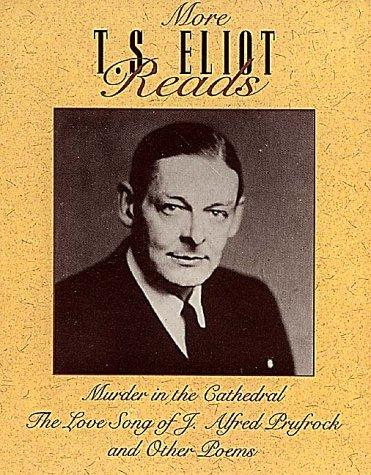
No. 9 on this list. The Love Song of J. Alfred Prufrock
T. S. Eliot · 1915
Challenging14 min
Taught in schools: Common Core text exemplars (Appendix B) (US)
One of the most taught poems in English, standard in introductory poetry courses, modernism surveys and the major anthologies. First printed in Poetry magazine in 1915 at Ezra Pound's urging, it is usually treated as the start of modernist verse in English.
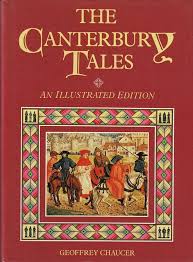
No. 10 on this list. The Canterbury Tales
Geoffrey Chaucer · 1400
Challenging22 hours
Taught in schools: UNAM Escuela Nacional Preparatoria – programas de Literatura (Mexico)
Included in: Bokklubben World Library, Great Books of the Western World
Chaucer assembled a cross-section of fourteenth-century English society — knight, pardoner, wife, miller — and let each tell a tale in a voice so particular that the frame story became a laboratory for vernacular English prose and poetry. He proved that the language of London could carry the literary weight that had belonged to Latin and French.
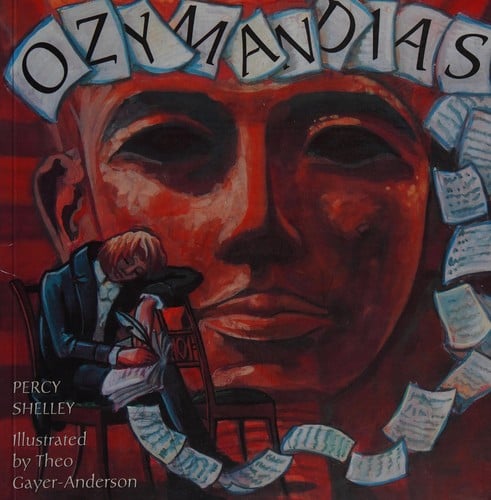
No. 11 on this list. Ozymandias · Percy Bysshe Shelley · 1818
Ozymandias is among the most anthologized poems in the English language, a fixture of high school and university poetry units on Romanticism. No syllabus or Wikipedia-language data was available in ReadingRate's database for this entry, but its presence in virtually every major poetry anthology and British Romanticism syllabus puts it near the top of the canon regardless.
Challenging1 min
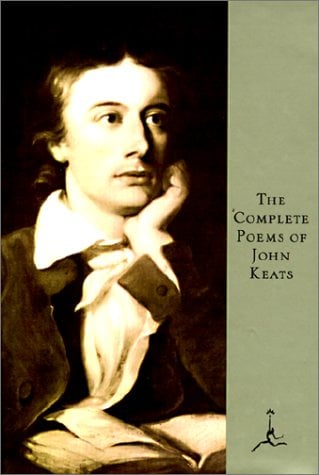
Start this bookNo. 12 on this list. Complete Poems · John Keats · 1820
No modern syllabus or award-tracking data applies to a poet who died in 1821, but Keats's odes are among the most anthologized and taught poems in the English language, a fixture of every survey of Romantic and British literature. His Wikipedia presence is extensive and translated into dozens of languages, on par with the other major Romantics.
Challenging6 hours
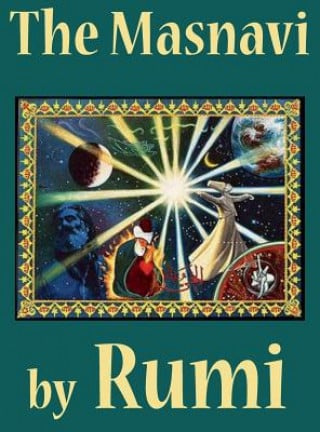
Start this bookNo. 13 on this list. Masnavi · Rumi · 1273
Included in: Bokklubben World Library, UNESCO Collection of Representative Works
Rumi poured twenty-five thousand couplets of mystical poetry into a single work that uses merchant tales, animal fables, Quranic commentary, and bawdy jokes to dramatize the soul's journey toward divine love. The Masnavi became the foundational text of Sufi literary tradition and remains the most widely read poem in the Persian-speaking world.
Challenging7.8 hours
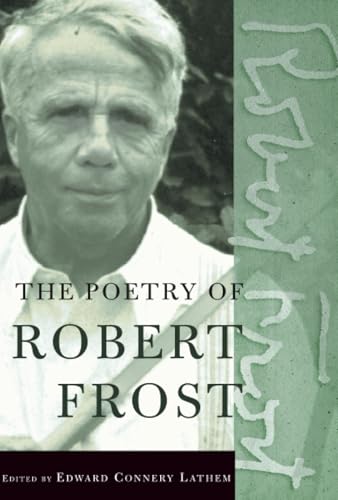
Start this bookNo. 14 on this list. Collected Poems · Robert Frost · 1930
Frost appears on virtually every American high school and university English curriculum. 'The Road Not Taken,' 'Mending Wall,' and 'Stopping by Woods on a Snowy Evening' are among the most-taught poems in the English language, and the Collected Poems is the standard edition used in academic settings. His work is a fixture of the canon in a way shared by almost no other 20th-century American poet.
Challenging5.4 hours
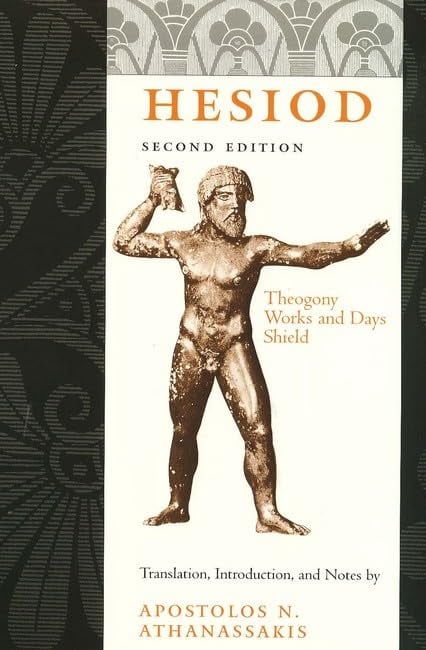
Start this bookNo. 15 on this list. Works and Days · Hesiod · c. 700 BCE
Taught in schools: Hungarian literature curriculum (magyar nyelv és irodalom) (Hungary)
Hesiod addresses his brother Perses, who has squandered his inheritance and bribed corrupt judges to get more. The occasion is petty and local — a sibling dispute in the village of Askra, a bad place at the foot of Mount Helikon. From this nugget of irritation, Hesiod builds outward into cosmology, myth, ethics, and practical instruction. He tells how Zeus hid prosperity from men after Prometheus stole fire, how Pandora released suffering from a jar, and how mankind has declined through five ages from gold to iron. Then he turns practical: when to plough (when the Pleiades rise), what timber to use for a plough-tree (holm oak), how to dress against the winter north wind, how to harvest grapes. A.E. Stallings' translation renders all this in rhyming iambic couplets — plain-spoken, aphoristic, occasionally wry. The poem ends with sixty lines on lucky and unlucky days, which days to geld livestock, which to open a storage jar, which to be born. What makes Works and Days strange and durable is this combination: the most practical agricultural manual in Greek literature, framed by the oldest surviving account of why human life is hard and what a person can do about it.
Moderate1.6 hours
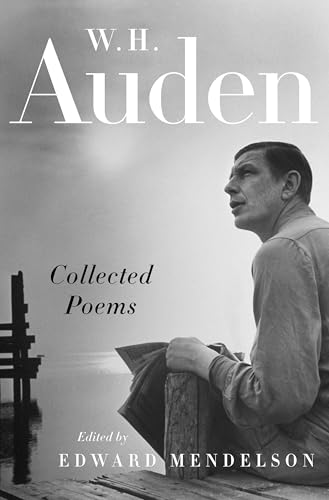
Start this bookNo. 16 on this list. Collected Poems of W.H. Auden · W.H. Auden · 1976
One of the most important English-language poets of the twentieth century, central to the modern canon alongside Yeats and Eliot.
Moderate2.3 hours
Start this bookNo. 17 on this list. Tao Te Ching · Laozi
The Tao Te Ching is one of the most translated texts in human history — second only to the Bible in total translations, with over 250 English versions alone. It anchors courses in world philosophy, comparative religion, East Asian studies, and literature at virtually every major university. Its Wikipedia article exists in over 80 languages.
Challenging4.1 hours
Read nowNo. 18 on this list. Leaves of Grass · Walt Whitman · 1855
Included in: Bokklubben World Library
Whitman's opening salvo—"I celebrate myself, and sing myself"—broke every rule of Victorian verse: no fixed meter, no rhyme, no inherited diction, just the American vernacular cataloging dockworkers, prostitutes, and prairies in ecstatic cadences. Every free-verse poet since writes in the wake of this book.
Moderate8.5 hours
Read nowNo. 19 on this list. Lycidas · John Milton · 1638
Included in: Great Books of the Western World
A fixture of the Norton Anthology and of every Milton and Renaissance poetry course, and the standard example of the English pastoral elegy. Its place in anthologies and survey courses has been secure since the eighteenth century.
Moderate6 min
Read nowNo. 20 on this list. Epic of Gilgamesh · Anonymous
The Epic of Gilgamesh is the oldest surviving great literary work and is universally taught in world literature, ancient history, comparative literature, and religion courses at all levels. It appears in every comprehensive anthology of world literature and is foundational to understanding how narrative, religion, and mortality entered written culture. Unquestioned canonical status as a civilization-defining text.
Moderate2.6 hours
Start this book
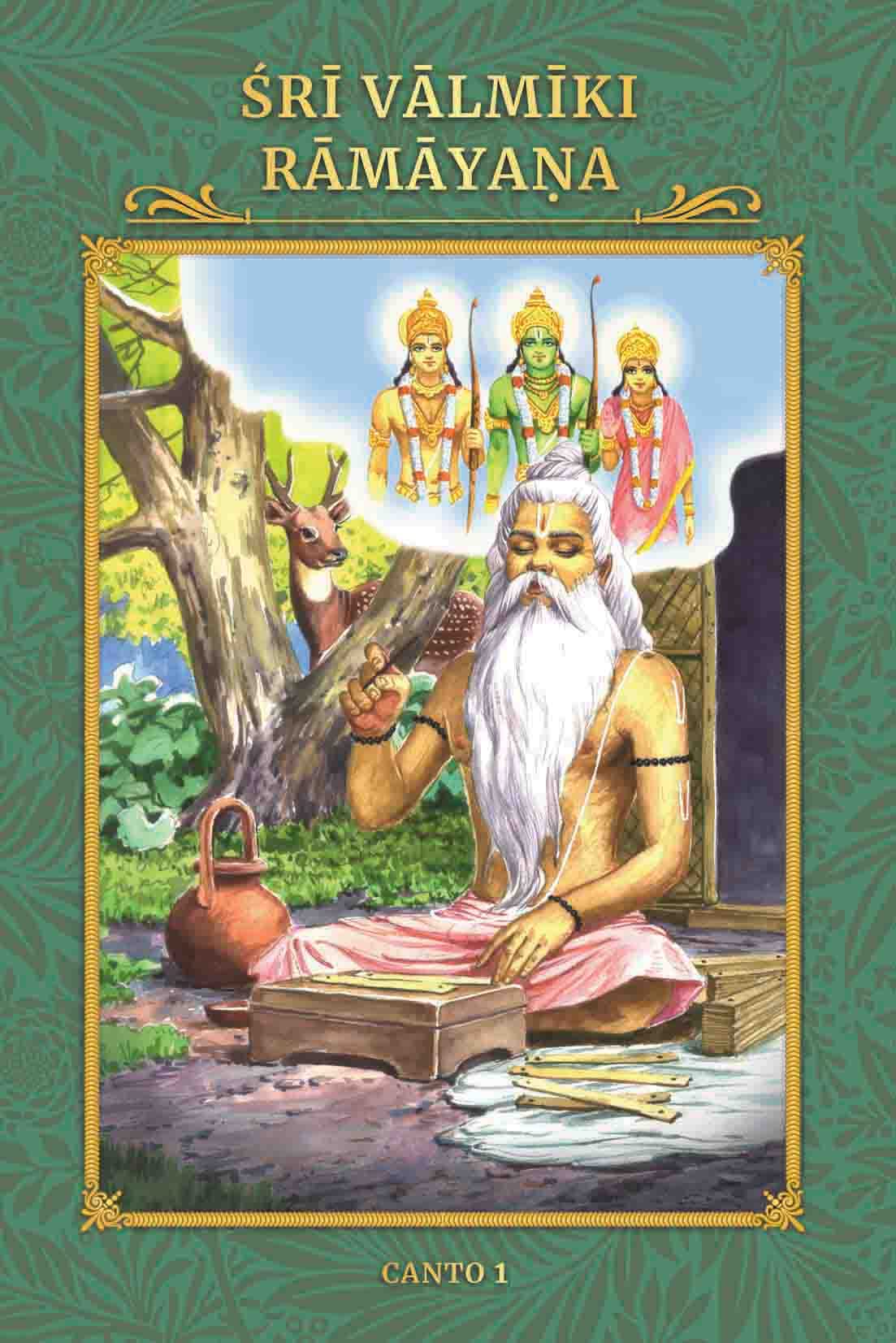
No. 21 on this list. Ramayana · Valmiki · c. 500 BCE
Valmiki's poem established the archetype of the righteous exile — a prince who surrenders his kingdom, rescues his wife from a demon king, and returns to rule — and in doing so provided South and Southeast Asia with a moral and narrative grammar that has shaped religion, theater, sculpture, and statecraft for over two millennia.
Moderate8.5 hours
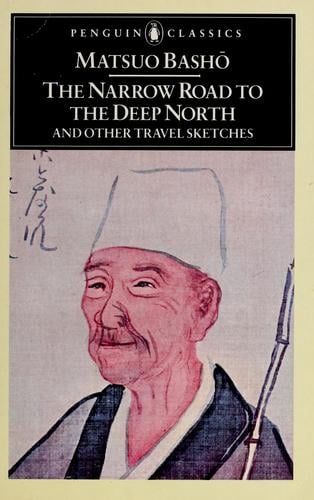
Read nowNo. 22 on this list. The Narrow Road to the Deep North and Other Travel Sketches · Matsuo Bashō · 1702
The central text of classical Japanese travel writing, compulsory in Japanese education and standard in world-literature and poetry courses everywhere, in print in Penguin Classics and multiple competing translations.
Challenging2.2 hours
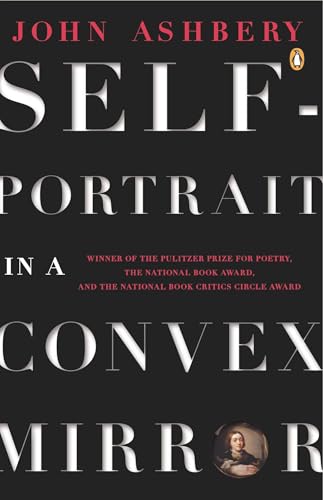
Start this bookNo. 23 on this list. Self-Portrait in a Convex Mirror · John Ashbery · 1975
Won the Pulitzer Prize, National Book Award, and National Book Critics Circle Award — the only book to win all three. Central to the American poetry canon.
Challenging1.3 hours
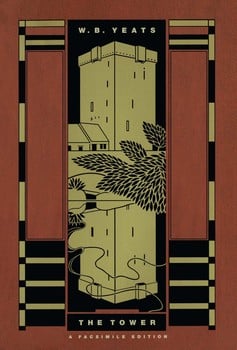
Start this bookNo. 24 on this list. The Tower · William Butler Yeats · 1928
Yeats wrote the poems in this collection in his sixties, and the proximity of death stripped his verse of Celtic twilight and replaced it with granite: "Sailing to Byzantium," "Leda and the Swan," and "Among School Children" are here, each one forging private obsession into formal perfection. The volume represents the rare case of a major poet reaching his peak decades after his reputation was already secured.
Challenging40 min
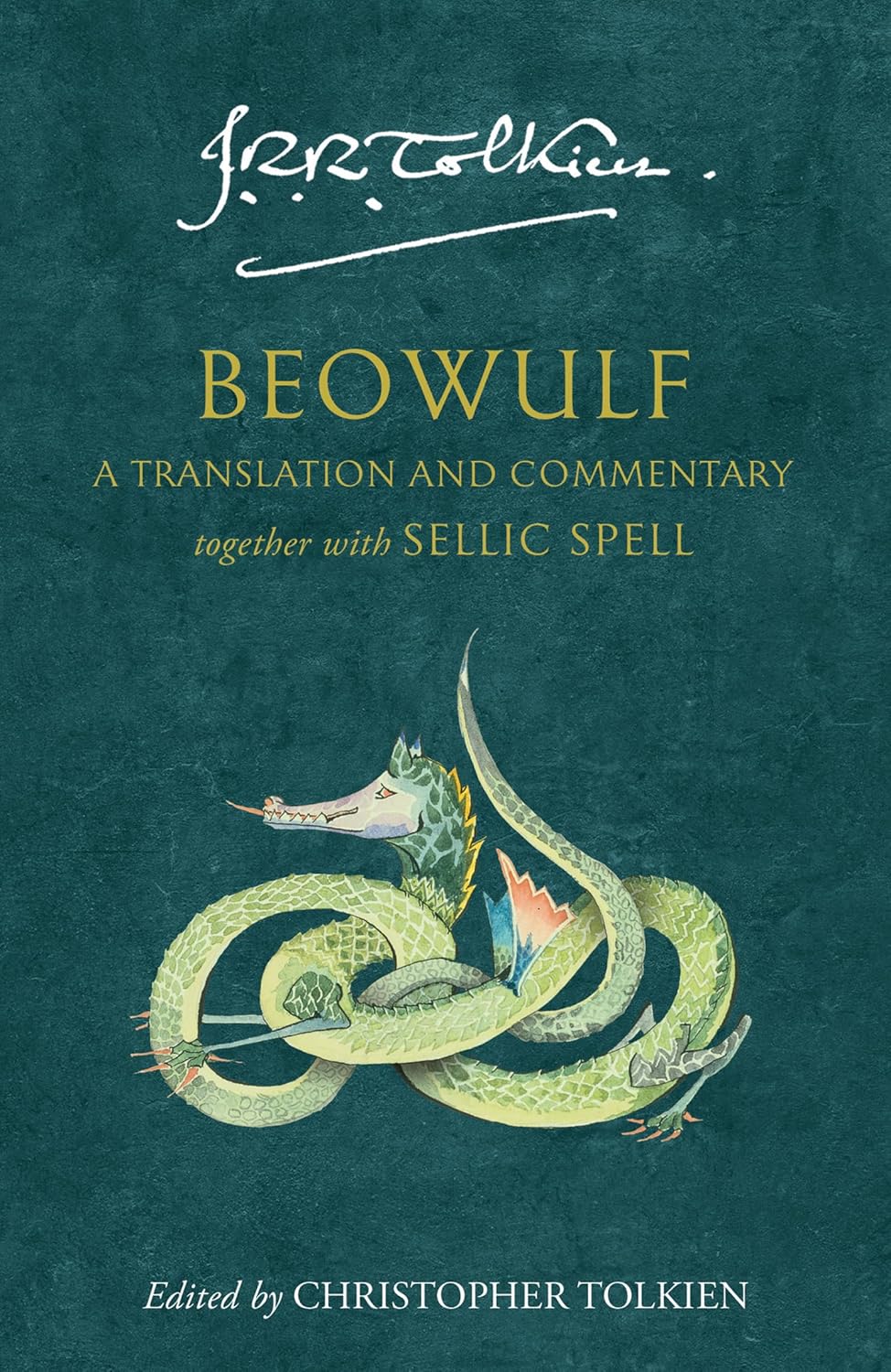
Read nowNo. 25 on this list. Beowulf · Anonymous
The oldest surviving long poem in Old English transforms a Scandinavian hero's monster-fights into a meditation on the transience of glory and the duty of a leader to spend his life for his people. Its recovery from a single fire-damaged manuscript preserved the founding work of English-language literary tradition.
Challenging3.4 hours
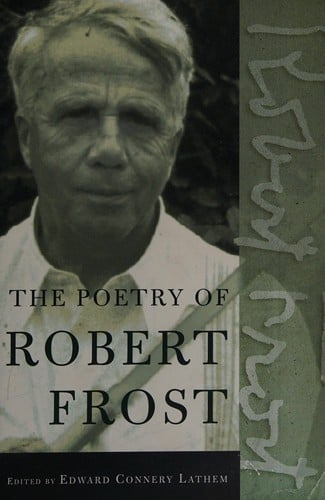
Read nowNo. 26 on this list. The Poetry of Robert Frost · Robert Frost · 1979
'The Road Not Taken' and 'Stopping by Woods on a Snowy Evening' are taught at every level of American schooling, and Frost appears in nearly every American poetry anthology and survey course. He is a core figure of the twentieth-century American canon.
Moderate11 hours
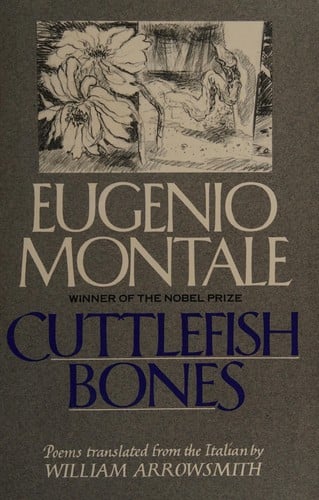
Start this bookNo. 27 on this list. Cuttlefish Bones · Eugenio Montale · 1925
Montale's 1925 debut collection presents a Mediterranean landscape fractured into discrete, observed moments. The poems inhabit a stark geography of cliffs, withered gardens, and coastal stone—Liguria rendered as both literal place and emotional correlative. Images accumulate without resolution: a cuttlebone washed ashore, lizards on parched earth, the "harsh grating" of cicadas. The speaker moves through this terrain with precise attention but no explanatory frame, registering sensory data without interpretive commentary. Verb tenses shift; temporal progression collapses. A wall of cactus resists metaphor, remains simply wall. This refusal of ornament distinguishes Montale from his Romantic predecessors. The collection enacts a poetics of negative capability—what remains unstated carries more weight than declaration. Individual poems accumulate like the book's governing image: bones on a beach, fragments of form, stripped of context yet demanding attention. The work's sparse diction and angular syntax establish modernism's austere aesthetic while maintaining connection to observable reality. Death, absence, and the incompleteness of human understanding pervade the collection, not as abstract philosophy but as the texture of looking at a specific landscape.
Challenging5.1 hours
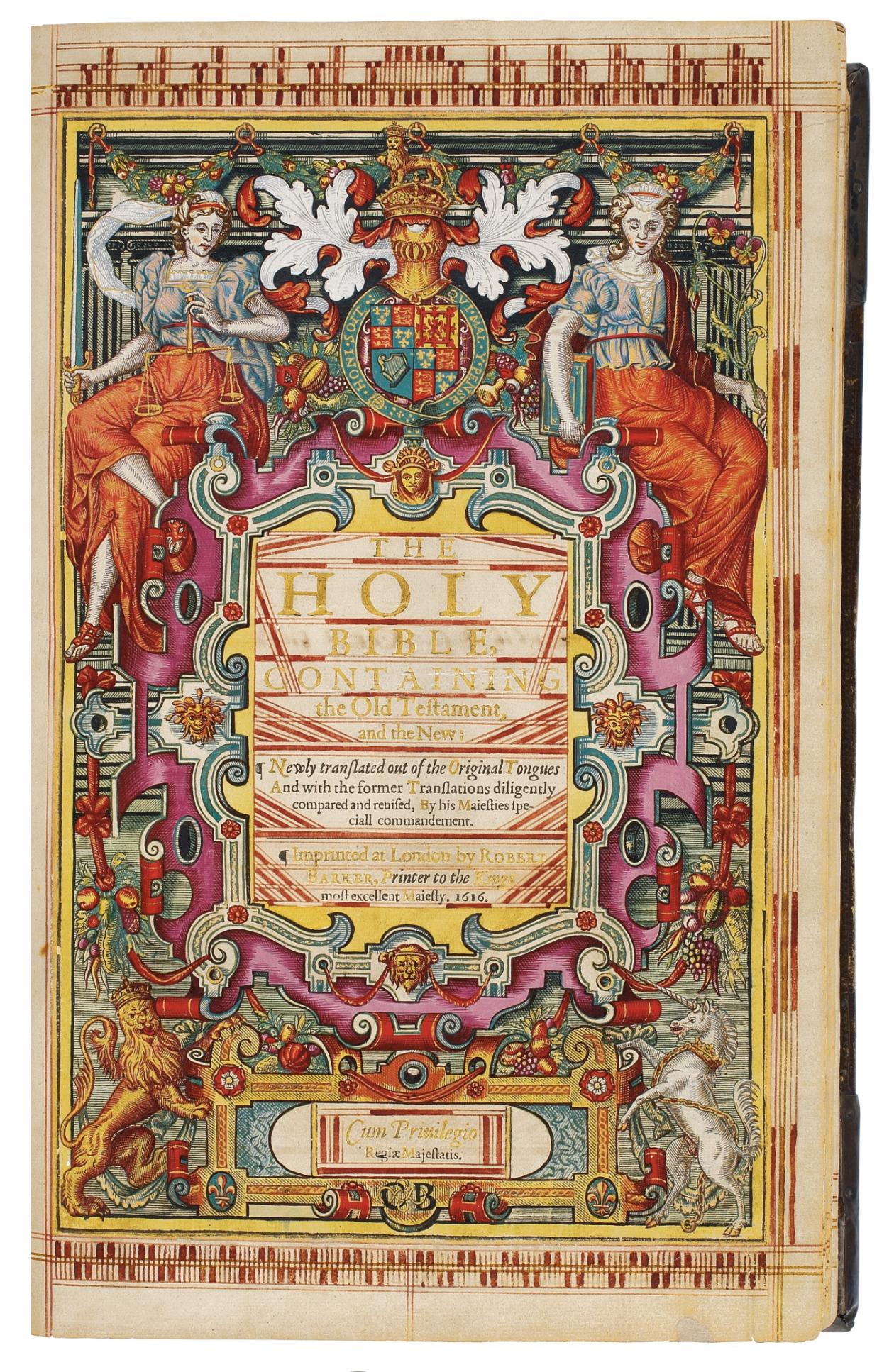
Start this bookNo. 28 on this list. King James Bible · Anonymous
The King James Bible is the most widely distributed text in Western civilization and the single most influential book in the English literary tradition. The Book of Job appears on virtually every humanities syllabus touching religion, philosophy, or literature, and has been central to theology, literary study, and philosophical discourse for two millennia. Milton, Blake, Keats, Tennyson, Dostoevsky, Kafka, and Toni Morrison have all engaged directly with Job; the 1611 KJV translation shaped English prose style for four centuries.
Challenging66 hours
Start this bookNo. 29 on this list. The Selected Poems of Li Po · Li Bai · 762
Memorised in Chinese primary schools, standard in every world literature and Chinese poetry syllabus, and available in New Directions, Penguin and Anchor editions.
Challenging2.3 hours
Start this bookNo. 30 on this list. The Raven · Edgar Allan Poe · 1845
Taught in schools: Common Core text exemplars (Appendix B) (US)
It is among the most anthologized American poems and a staple of school and college literature courses. It is widely taught alongside Poe's tales.
Moderate1.1 hours
Start this book
No. 31 on this list. The Prelude
William Wordsworth · 1850
No. 32 on this list. Tirukkural
Thiruvalluvar · 100
No. 33 on this list. Ars Poetica
Horace · c. 19 BCE
No. 34 on this list. Venus and Adonis
William Shakespeare · 1593
No. 35 on this list. Odyssey
Homer · c. 725 BCE
No. 36 on this list. Collected Poems of Constantine Cavafy
Constantine P. Cavafy · 1935
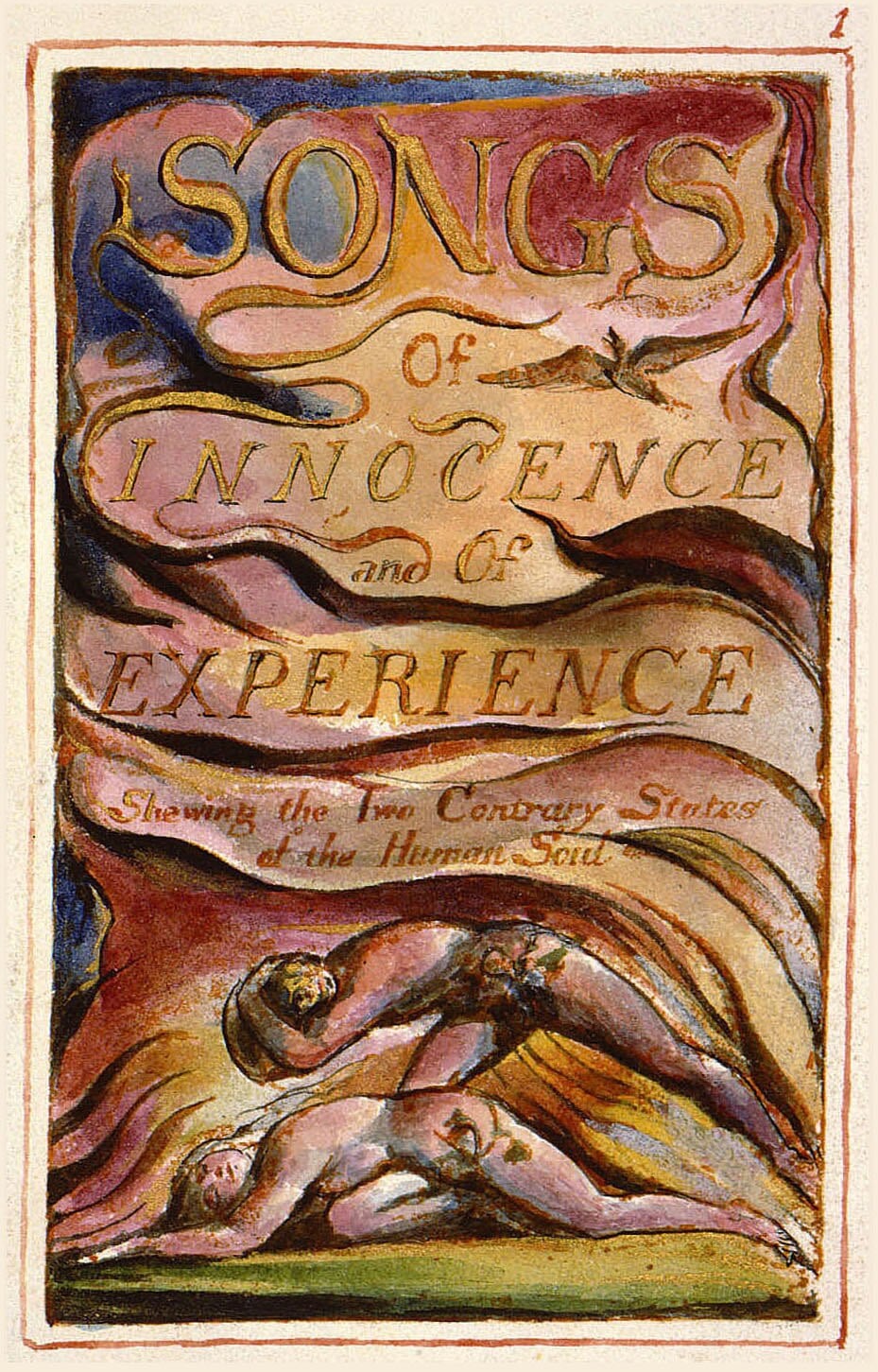
No. 37 on this list. Songs of Innocence and of Experience
William Blake · 1794
Taught in schools: AQA GCSE and A-level English Literature (UK)
No. 38 on this list. Samson Agonistes
John Milton · 1671
Included in: Great Books of the Western World
No. 39 on this list. The Hollow Men
T. S. Eliot · 1925
No. 40 on this list. Don Juan
Lord Byron · 1824
No. 41 on this list. Heroides
Ovid · c. 15 BCE
No. 42 on this list. The Conference of the Birds
Attar of Nishapur · 1177
No. 43 on this list. Amores
Ovid · c. 16 BCE
No. 44 on this list. Twenty Love Poems and a Song of Despair
Pablo Neruda · 1924
Taught in schools: UNAM Escuela Nacional Preparatoria – programas de Literatura (Mexico)
No. 45 on this list. Gita Govinda
Jayadeva · 1200
Included in: UNESCO Collection of Representative Works
No. 46 on this list. North of Boston
Robert Frost · 1914
No. 47 on this list. Gypsy Ballads
Federico García Lorca · 1928
Included in: Bokklubben World Library
No. 48 on this list. Fields of Castile
Antonio Machado · 1912
No. 49 on this list. Les Contemplations
Victor Hugo · 1856
No. 50 on this list. The Book of the Duchess
Geoffrey Chaucer · 1368
No. 51 on this list. Paradise Regained
John Milton · 1671
No. 52 on this list. Pan Tadeusz
Adam Mickiewicz · 1834
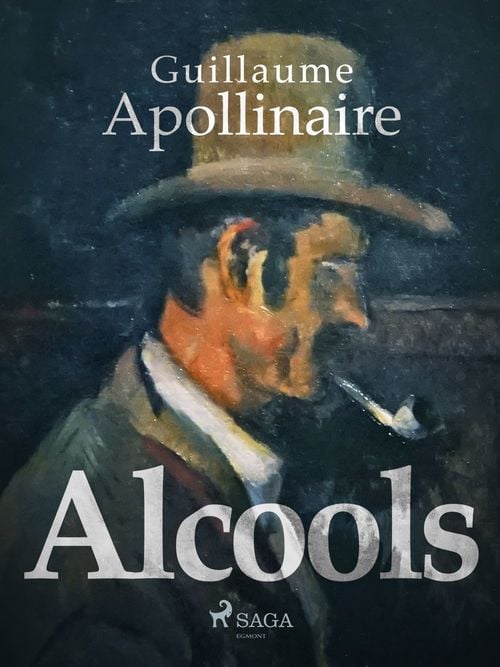
No. 53 on this list. Alcools
Guillaume Apollinaire · 1913
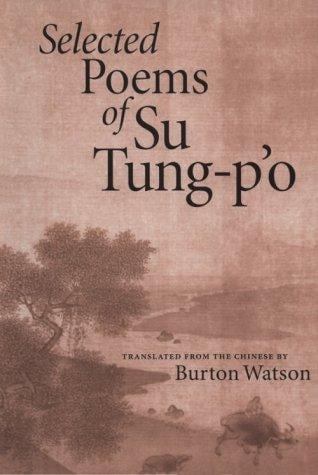
No. 54 on this list. Selected Poems of Su Tung-p’o
Su Shi · 1101
No. 55 on this list. Blood Wedding
Federico García Lorca · 1933
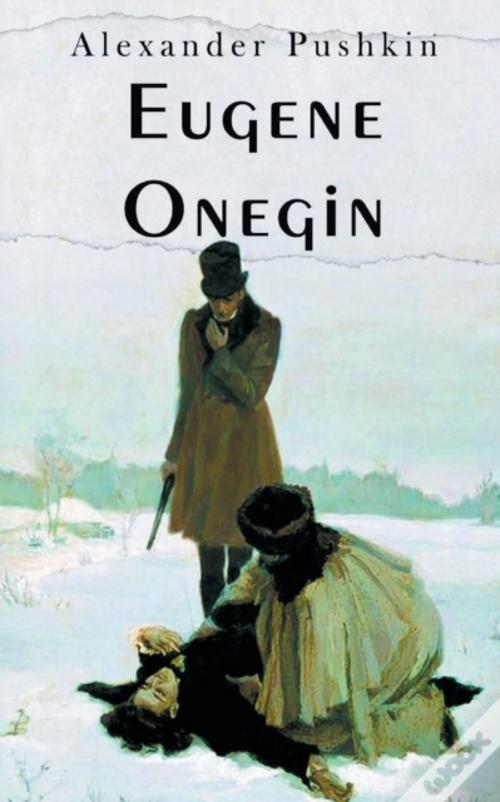
No. 56 on this list. Eugene Onegin
Alexander Pushkin · 1833
Taught in schools: Hungarian literature curriculum (magyar nyelv és irodalom) (Hungary), Russian FGOS literature standard
No. 57 on this list. The Weary Blues
Langston Hughes · 1926
No. 58 on this list. Orlando Furioso
Ludovico Ariosto · 1516
Taught in schools: UNAM Escuela Nacional Preparatoria – programas de Literatura (Mexico)
No. 59 on this list. The Selected Poems of Wang Wei
Wang Wei · 761
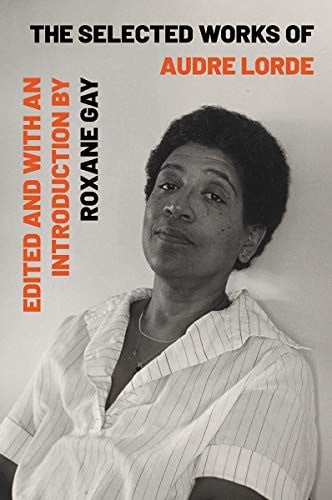
No. 60 on this list. The Selected Works of Audre Lorde
Audre Lorde · 2020
No. 61 on this list. The Book of Songs
No. 62 on this list. The Poetic Edda
No. 63 on this list. Poet in New York
Federico García Lorca · 1940
No. 64 on this list. Selected Poems of Garcilaso de la Vega
Garcilaso de la Vega · 1543
No. 65 on this list. The Auroras of Autumn
Wallace Stevens · 1950
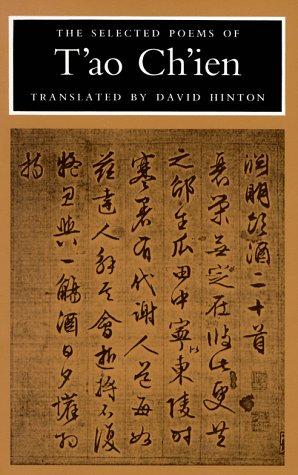
No. 66 on this list. The Selected Poems of T’ao Ch’ien
Tao Yuanming · 427
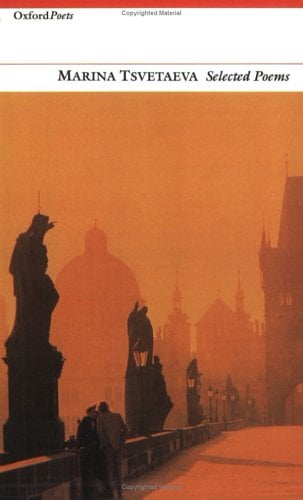
No. 67 on this list. Selected Poems of Marina Tsvetaeva
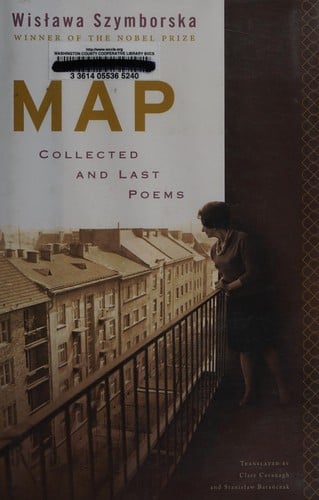
No. 68 on this list. Map: Collected and Last Poems
Wisława Szymborska · 2015
No. 69 on this list. Dreamtigers
Jorge Luis Borges · 1960
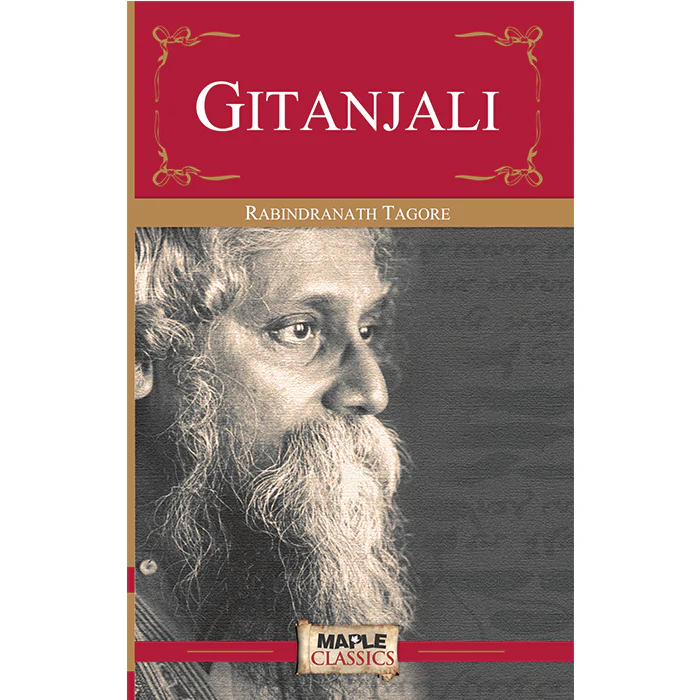
No. 70 on this list. Gitanjali
Rabindranath Tagore · 1910
Included in: UNESCO Collection of Representative Works
No. 71 on this list. Poems New and Collected
Wisława Szymborska · 1998
No. 72 on this list. Death of a Naturalist
Seamus Heaney · 1966
No. 73 on this list. Field Work
Seamus Heaney · 1979
Taught in schools: WJEC/Eduqas GCSE and A-level English Literature (UK)
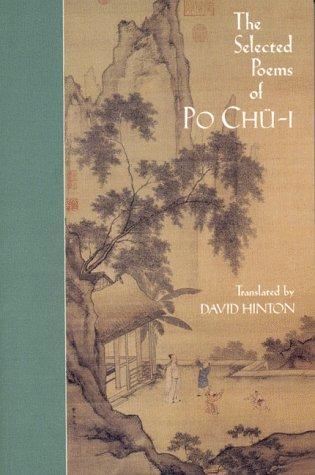
No. 74 on this list. Selected Poems of Po Chü-i
Bai Juyi · 846
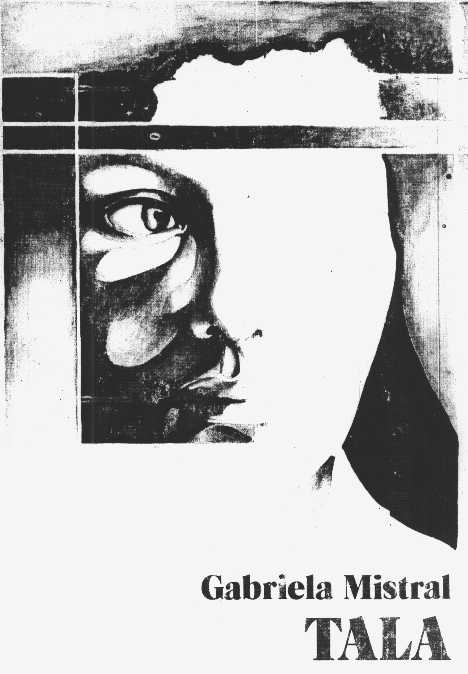
No. 75 on this list. Tala
Gabriela Mistral · 1938
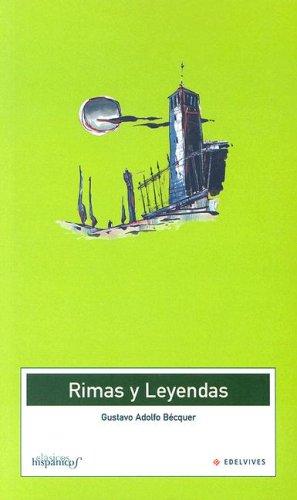
No. 76 on this list. Rhymes and Legends
Gustavo Adolfo Bécquer · 1871
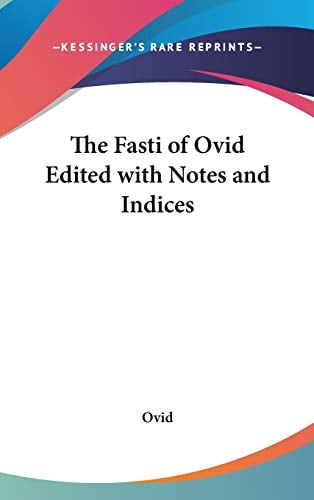
No. 77 on this list. Fasti
Ovid · 8
No. 78 on this list. Canto General
Pablo Neruda · 1950
Taught in schools: Literatura, Diseño Curricular – Provincia de Buenos Aires (Argentina), UNAM Escuela Nacional Preparatoria – programas de Literatura (Mexico)
No. 79 on this list. Brand
Henrik Ibsen · 1866
No. 80 on this list. The Complete Poems of Li Qingzhao
Li Qingzhao · 1155
No. 81 on this list. Verses on the Death of His Father
Jorge Manrique · 1476
No. 82 on this list. Laments
Jan Kochanowski · 1580
Taught in schools: Lektury obowiązkowe – Polish national reading list (Poland)
No. 83 on this list. Mac Flecknoe
John Dryden · 1682
No. 84 on this list. The Phoenix and the Turtle
William Shakespeare · 1601
No. 85 on this list. Solitudes, Galleries and Other Poems
Antonio Machado · 1907
No. 86 on this list. The Unending Lightning
Miguel Hernández · 1936
No. 87 on this list. Rubaiyat of Omar Khayyam
Omar Khayyam · 1120
Taught in schools: Armenian secondary literature
Included in: UNESCO Collection of Representative Works
No. 88 on this list. Capital of Pain
Paul Éluard · 1926
No. 89 on this list. Prometheus Unbound
Percy Bysshe Shelley · 1820
No. 90 on this list. The Arrivants
Kamau Brathwaite · 1973
Taught in schools: CSEC English B – Caribbean Examinations Council
No. 91 on this list. Wild Grass
Lu Xun · 1927
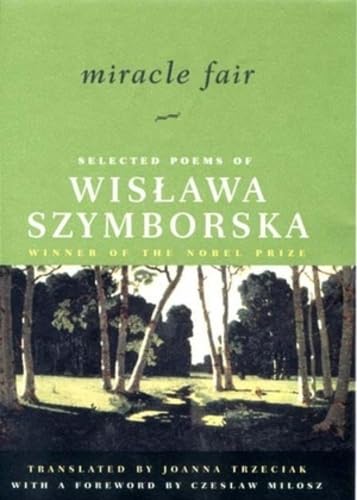
No. 92 on this list. Selected Poems of Wisława Szymborska
Wisława Szymborska · 1998
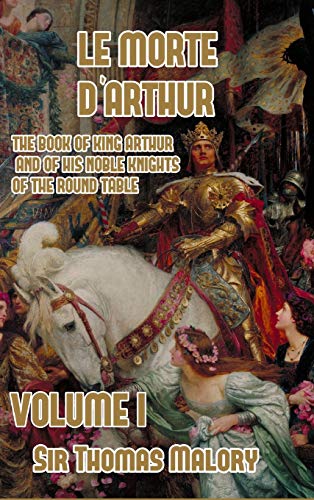
No. 93 on this list. Le Morte d'Arthur
Thomas Malory · 1485
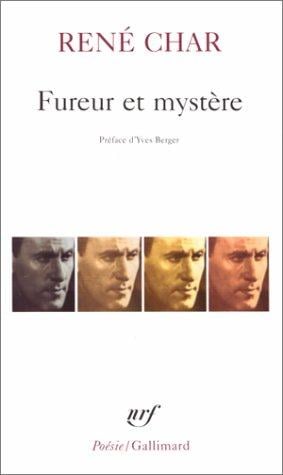
No. 94 on this list. Furor and Mystery
René Char · 1948
No. 95 on this list. They Came to See a Poet: Selected Poems
Tadeusz Różewicz · 1991
No. 96 on this list. Storyteller
Leslie Marmon Silko · 1981
No. 97 on this list. Beside the River Sar
Rosalía de Castro · 1884
No. 98 on this list. Lunch Poems
Frank O'Hara · 1964
No. 99 on this list. Ash-Wednesday
T. S. Eliot · 1930
No. 100 on this list. The Satin Slipper
Paul Claudel · 1929
About this list
These 100 books are the highest-scoring eligible moderately difficult poetry collections currently in the catalogue. By literary regard, it opens with Iliad, Odes and Sonnets. About 426 hours of reading in all. Difficulty runs from 52 to 60 out of 100 for the middle half of the list; the summit is Blood Wedding at 64.
This list is ranked by literary regard, with a consistent order for equal scores. Membership follows authors and co-authors, not translators or editors. Catalogue coverage and the historical canon both limit what this list can represent, and genre labels are the catalogue’s own, gathered into broader kinds.
When we matched the Canons dataset to our catalogue in October 2026, our canonical-status scores rose with the number of school curricula, publisher series and lists in it that cite a work: the median score was 72 for books one such source cites, 84 at two, 88 at three, 92 at four and 93 at five or more. Prizes are left out of that count. Outside the state curricula, the dataset’s sources choose mostly from what has been translated into English or French, so it is a weaker check on other literatures. Source: Canons (Andrew Piper), CC BY 4.0
Questions people actually ask
- What are the best moderately difficult poetry collections?
- By literary regard, which weighs canonical status, critical standing and influence, Iliad, Odes, Sonnets, Georgics and The Koran lead. ReadingRate ranks 100 such books, each with a difficulty score and a reading-time estimate.
- Where should I start with moderately difficult poetry collections?
- Start from difficulty, not from rank. The most approachable books on this list that still carry top literary regard are The Raven by Edgar Allan Poe (about 1.1 hours), Amores by Ovid and The Weary Blues by Langston Hughes.
- How hard are moderately difficult poetry collections to read?
- Most of this list sits between 52 and 60 on ReadingRate's 100-point difficulty scale, where 40 to 55 is moderate. The summit is Blood Wedding at 64. Every entry carries its own score, so a reader can pick a great book at a difficulty they will finish.
- How is this list ranked?
- On literary-regard data: how canonically established a work is, its critical standing, and its influence on later writing. It is not a readers’ poll, which is why recent bestsellers rarely appear. Membership follows authors and co-authors, not translators or editors. A list that is not a genre list keeps to literature (fiction, poetry, drama and philosophy), with philosophy taking no more than one slot in five while there is literature left to rank; every list holds at most three works by one author.