Hours at an average pace
Showing 79 books
About 962 hours for 78 of 79 books with measured lengths. Estimates use 250 words a minute, adjusted for each book's difficulty. At 2 hours a day, about 481 days for those books.
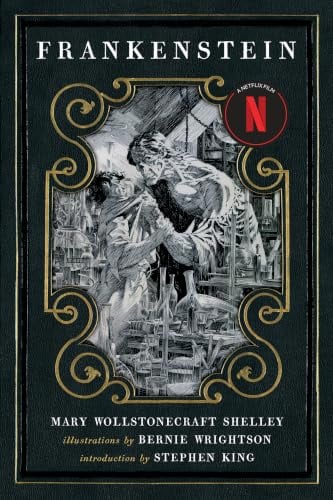
No. 1 on this list. Frankenstein
Mary Shelley · 1818
Challenging8.8 hours
Taught in schools: AQA GCSE and A-level English Literature (UK), CSEC English B – Caribbean Examinations Council, Pearson Edexcel GCSE and A-level English Literature (UK)
Included in: Bibliothèque de la Pléiade
Frankenstein appears on 6,955 university syllabi according to the Open Syllabus Project, placing it in the 96th percentile of all tracked works. Wikipedia articles exist in 74 languages, with a 79,000-character article carrying dedicated Reception and Adaptations sections. It is taught not only in literature courses but in philosophy, bioethics, and technology studies worldwide.
Widely taught in philosophy, ethics, and literature courses globally. Anthologized in hundreds of collections and featured on virtually every 'essential short fiction' list. Its presence in academic syllabi rivals Borges and Kafka in ethics curricula, where it functions as a standard thought-experiment text.
The Fifth Season won the Hugo Award for Best Novel in 2016, the first book in what became an unprecedented trilogy of consecutive Hugo wins for Jemisin—a feat unmatched in the award's history. It appears on contemporary science fiction and fantasy syllabi and in critical discussions of the genre's formal and political possibilities. Its position in the canon is still consolidating, but its influence on subsequent speculative fiction is already evident.
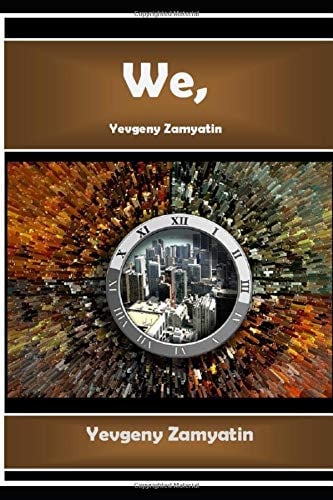
No. 4 on this list. We
Yevgeny Zamyatin · 1924
Challenging6.2 hours
Taught in schools: Russian FGOS literature standard
We is recognized as the founding text of the dystopian novel genre, directly influencing Aldous Huxley's Brave New World and, through Orwell's own acknowledgment, 1984. It appears regularly in syllabi covering 20th-century fiction, dystopian literature, and Russian modernism. Despite suppression in the Soviet Union for decades, the novel has been widely republished in prestige editions and is considered essential reading in comparative literature courses.
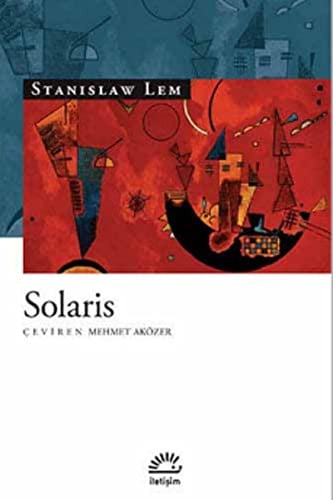
Solaris is the most canonically recognized work of Eastern European science fiction, taught in SF studies, philosophy of science, and world literature courses at universities across Europe, North America, and East Asia. Its Wikipedia article exists in over 50 languages. The Tarkovsky film adaptation (1972) cemented its cultural standing. Within speculative fiction it holds a position equivalent to Ulysses in modernist literature — the work against which all philosophical SF is measured.
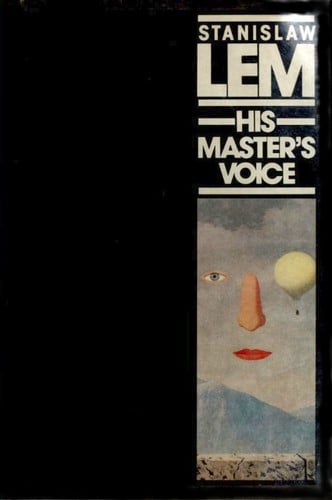
His Master's Voice holds a firm canonical position within science fiction studies and Eastern European literature curricula, though it remains outside the mainstream Western literary canon. No syllabus data appears in the database, but the novel is consistently cited in SF critical histories as one of Lem's three or four most important works alongside Solaris and The Cyberiad. It appears in translations across at least 20 languages and features on 'essential SF' lists compiled by critics, not algorithms.
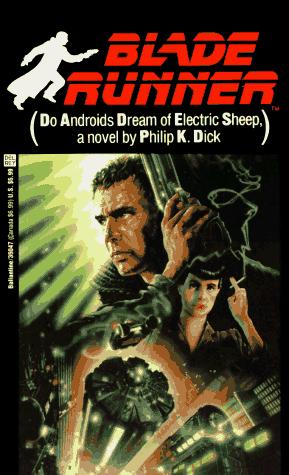
The novel is a fixture in science fiction curricula and appears on virtually every list of essential SF reading, from the Library of America to university courses in literature and philosophy. Published in Penguin Modern Classics, it has maintained continuous print presence for over fifty years. Its status is firmly canonical within SF, though it falls short of the universal literary curriculum presence of Orwell or Huxley.
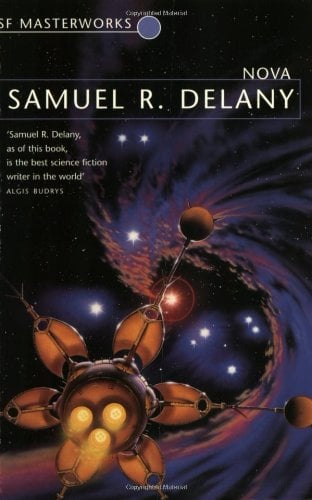
Nova holds a firm place in the SF literary canon, included in the SF Masterworks series and cited as a defining text of the New Wave movement. Its standing is strong within genre criticism but has not fully crossed into mainstream literary canonization.
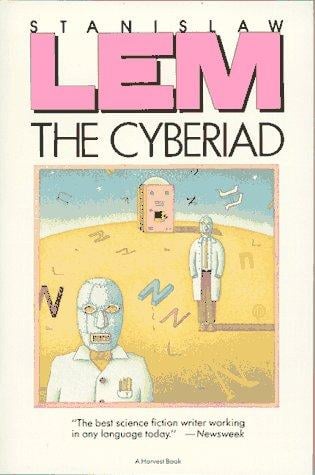
Trurl and Klapaucius are constructors — engineers of impossible things — who travel the universe building machines that write poetry, create dragons out of probability, and kidnap kings using algorithms. In the opening story, Trurl builds a machine that can make anything starting with the letter N. When it begins making Nothing — not ordinary nothing, but dynamic, aggressive Nothingness — it starts erasing the world one item at a time: the gruncheons go, then the pritons, then the zits, and the sky acquires holes that have never healed. Stanisław Lem writes fairy tales about robots, but the fairy tales are philosophical arguments in disguise. Each of the fifteen linked adventures runs a thought experiment: what happens when collective intelligence exceeds the scale at which militarism makes sense? Can a machine write great poetry if civilization wrote the poet? What does it mean to exist inside a simulation you cannot distinguish from reality? The deadpan fable narrator treats catastrophe and cosmic comedy with identical gravity, and the gap between that voice and what is actually happening is where all the meaning lives. The Cyberiad reads as slapstick adventure on the surface — Trurl escaping dungeon after dungeon with improbable ingenuity — and as philosophy underneath, where questions about consciousness, creation, and the purpose of intelligence are never resolved. Lem gives you both pleasures at once, and the math jokes are genuine.
Cosmicomics appears regularly on syllabi for world literature, experimental fiction, and postmodern narrative courses internationally, though it commands less institutional presence than Anglo-American canonical texts. Database signals show no listed entries, but Calvino's place in the Western literary curriculum is well-established through his broader body of work, of which this is among the most-taught titles.
No. 11 on this list. Parable of the Talents · Octavia E. Butler · 1998
Winner of the Nebula Award for Best Novel (1999). Widely taught in speculative fiction, Afrofuturism, and American dystopia courses. The Parable duology is among the most assigned works in contemporary SF syllabi and is firmly canonical within the genre; its canonical standing in broader American literary culture continues to grow.
Challenging13 hours
Start this bookNo. 12 on this list. Dhalgren · Samuel R. Delany · 1975
Dhalgren is deeply canonical within science fiction, appearing on Locus Magazine's All-Time Best SF Novels list and TIME Magazine's 100 Best English-Language Novels (2005 list). It is a fixture of university SF, experimental fiction, and queer literature courses. Absent from mainstream American literature syllabi, it is nonetheless essential reading in genre studies and postmodern fiction contexts — a narrower canonicity than Beloved or The Great Gatsby, but genuine and sustained.
Difficult46 hours
Start this bookNo. 13 on this list. Invitation to a Beheading · Vladimir Nabokov · 1936
Invitation to a Beheading is consistently included in surveys of essential 20th-century European fiction and appears in Russian literature and modernist fiction courses worldwide. It features on Modern Library's lists and is considered one of Nabokov's major pre-American works; while less universally assigned than Lolita or Pale Fire, it is firmly inside the literary canon's second tier.
Difficult7 hours
Start this bookNo. 14 on this list. The Man in the High Castle · Philip K. Dick · 1962
In 1962, the Axis won World War II. Japan administers the Pacific States of America; Germany controls the Eastern Seaboard. Robert Childan sells antique Americana to Japanese collectors in San Francisco, calculating every bow and honorific. Frank Frink fabricates jewelry in a back room, hiding the fact that he is Jewish. Juliana Frink, his ex-wife, teaches judo in a Colorado canyon town and picks up an Italian truck driver who seems too interested in a banned novel called The Grasshopper Lies Heavy — a book in which the Allies won. Philip K. Dick runs the whole novel through the I Ching: characters consult it, the author used it to write the book, and the novel's structure mirrors its logic of shifting hexagrams and ambiguous counsel. The result is a story that keeps asking whether any version of reality — the one we're reading, the one the characters inhabit, the one the banned novel imagines — is the true one. What makes the book strange is its texture: small commercial anxieties, racial hierarchies, fake antiques, and authentic ones, all rendered with documentary flatness while the ground shifts beneath every scene. Dick writes a world built on lies and asks, without ever quite answering, whether truth is something that can be recovered or only glimpsed.
Difficult9 hours
Start this bookNo. 15 on this list. Lanark: A Life in Four Books · Alasdair Gray · 1981
Lanark is widely regarded as the most significant Scottish novel of the twentieth century and appears on many British university literature syllabi, particularly in Scottish literature and postmodern fiction courses. It lacks the global curriculum penetration of Ulysses or Beloved — its reputation is regionally intense rather than internationally ubiquitous. Harold Bloom placed it among essential works of Western literature in The Western Canon.
Difficult31 hours
Start this bookNo. 16 on this list. Heart of a Dog · Mikhail Bulgakov · 1925
Heart of a Dog is a fixture in world literature and Russian literature courses at universities across Europe, North America, and beyond. Suppressed in the Soviet Union until 1987, its belated publication intensified its canonical status as an essential document of Soviet-era dissent. It appears in dozens of Wikipedia languages and on syllabi covering 20th-century European fiction and political satire.
Difficult3.8 hours
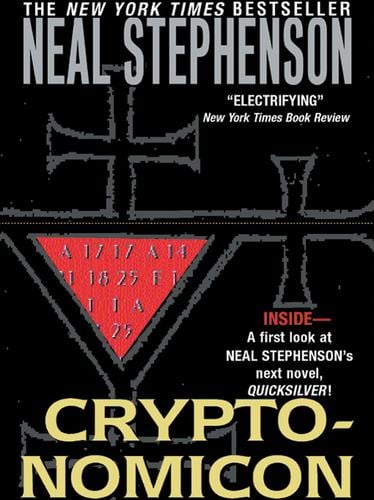
Start this bookNo. 17 on this list. Cryptonomicon · Neal Stephenson · 1999
Cryptonomicon occupies an unusual position: it is widely regarded as a landmark in its subgenre — techno-thriller crossed with literary novel — and is heavily referenced in discussions of fiction about cryptography, hacking culture, and digital privacy. It does not appear on standard literary syllabi, but it is routinely assigned in computer science departments, media studies courses, and cyberpunk/speculative fiction seminars. Its canonical status is high within its genre community but below the threshold of the broader literary canon.
Difficult47 hours
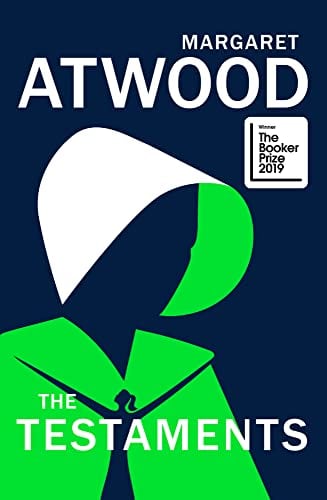
Start this bookNo. 18 on this list. The Testaments · Margaret Atwood · 2019
Co-winner of the Booker Prize in 2019 and a sequel to one of the most taught novels in the English-speaking world. Syllabus adoption is moderate — it appears in some university courses, particularly feminist literature and dystopian fiction, but less frequently than its predecessor. Its canonical status derives substantially from the cultural weight of The Handmaid's Tale rather than independent standing.
Difficult13 hours
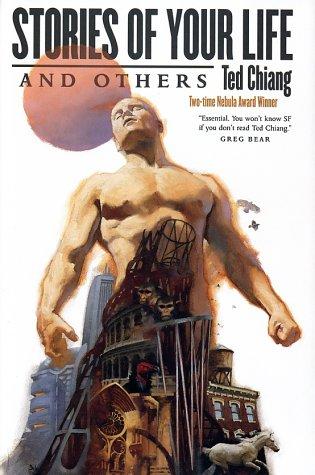
Start this bookNo. 19 on this list. Stories of Your Life and Others · Ted Chiang · 2002
Widely taught in science fiction, philosophy of mind, and speculative fiction university courses, though not a staple of mainstream literary syllabi in the way that canonical realist novels are. The 2016 film Arrival, adapted from the title story, brought the collection to a much broader audience and cemented its cultural presence. No syllabus data was returned from the database, but its reputation in academic SF contexts is well-documented.
Challenging8.4 hours
Start this bookNo. 20 on this list. Crash · J.G. Ballard · 1973
Crash appears regularly on university syllabi in cultural studies, media studies, and postmodern fiction courses, and appears on several 'great novels' lists including the Guardian's and Modern Library. It is firmly established as a significant postwar British novel taught across disciplines, though not in the volume of the most canonical literary texts (Beloved at 85, Great Gatsby at 95). Ballard's work is more consistently taught in British universities than American ones.
Challenging6.8 hours
Start this book
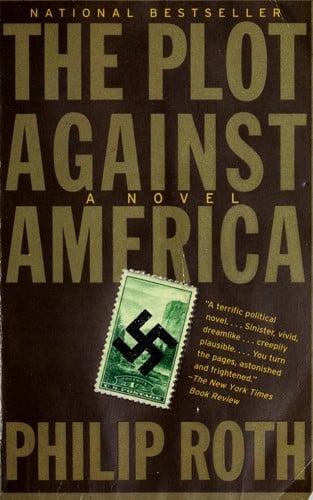
No. 21 on this list. The Plot Against America · Philip Roth · 2004
One of Roth's most widely read later novels, frequently invoked in political discussions. Not considered his absolute peak but an important late-career work.
Challenging15 hours
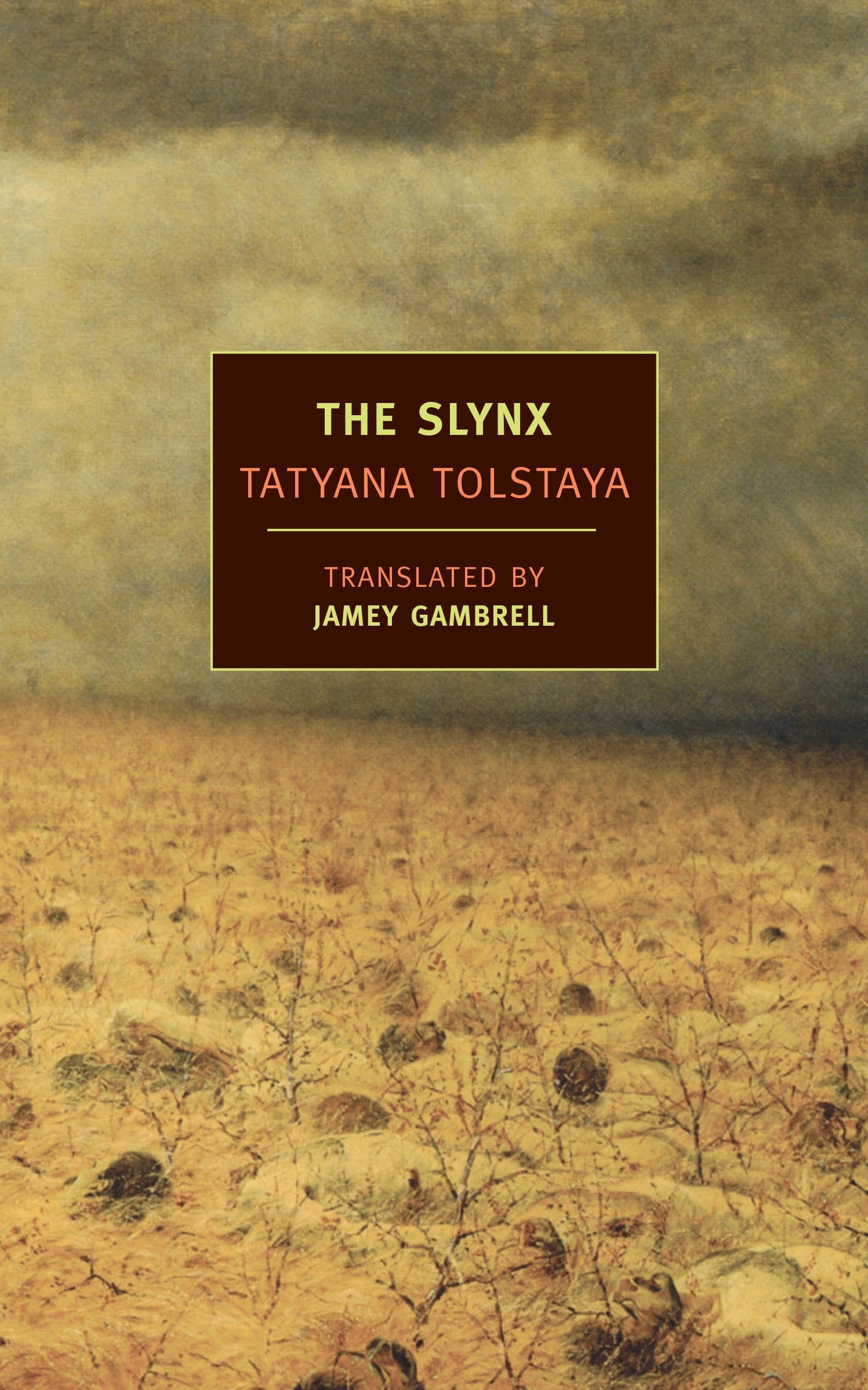
Start this bookNo. 22 on this list. The Slynx · Tatyana Tolstaya · 2000
The Slynx is a significant work in contemporary Russian literature and has been translated into over a dozen languages. It appears in courses on post-Soviet fiction, Russian satire, and dystopian literature but has not achieved the wide curricular presence of classics. In Russia, its reception has been mixed — praised by some as the most important Russian novel of the post-Soviet era, critiqued by others as too familiar in its anti-utopian framework. Its canonical status is still consolidating two decades after publication.
Very Difficult16 hours
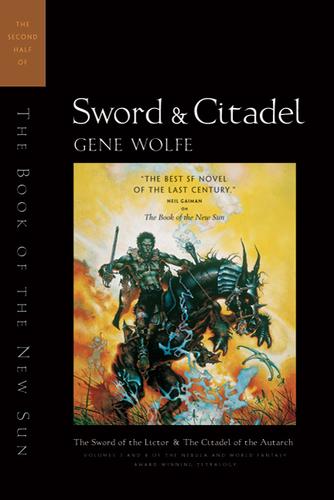
Start this bookNo. 23 on this list. Sword & Citadel · Gene Wolfe · 1994
The Book of the New Sun is widely regarded as a landmark of science fiction and fantasy and is taught in genre courses, but it sits outside most mainstream literary syllabi.
Difficult14 hours
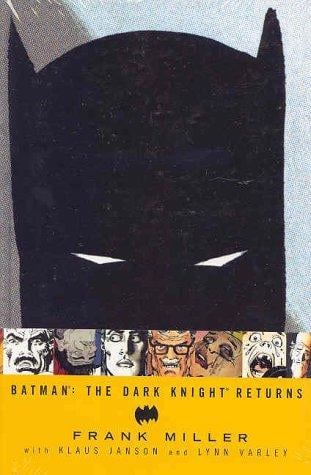
Start this bookNo. 24 on this list. Batman: The Dark Knight Returns · Frank Miller · 1986
Widely regarded as one of the works that redefined the superhero genre and established the graphic novel as a serious literary form. Not present in traditional literary syllabi, but canonical within comics studies and popular culture courses, appearing on virtually every 'essential graphic novels' list. Alongside Watchmen, it is considered a foundational text that changed what comics could be.
Challenging3 min
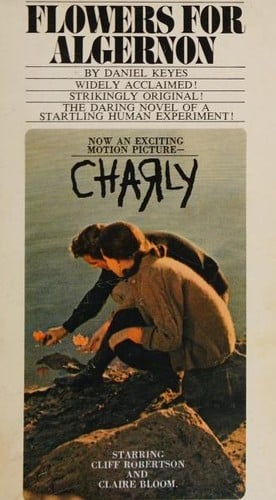
Start this bookNo. 25 on this list. Flowers for Algernon · Daniel Keyes · 1966
Flowers for Algernon is a fixture of American secondary education, taught widely in middle and high schools across the United States. It appears on the Modern Library reader list and most recommended science fiction canons, and has maintained continuous classroom presence since the 1960s.
Difficult10 hours
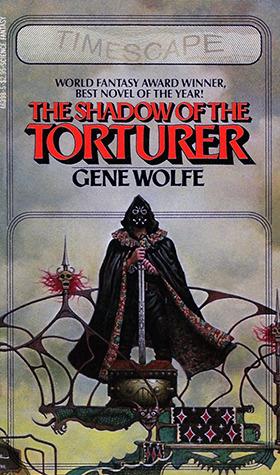
Start this bookNo. 26 on this list. The Shadow of the Torturer · Gene Wolfe · 1980
Highly canonical within science fiction and fantasy — frequently appears on 'best SF ever written' lists compiled by Locus, the SFWA, and major genre institutions. Less present in mainstream academic literature syllabi, though it appears in university SF and genre fiction courses. The novel's reputation is deep within its field rather than broad across disciplines.
Difficult12 hours
Start this bookNo. 27 on this list. Hard-Boiled Wonderland and the End of the World · Haruki Murakami · 1985
Widely assigned in contemporary world-literature and science-fiction courses and regarded by critics as the most structurally accomplished of Murakami's novels, in print in Vintage International worldwide.
Challenging15 hours
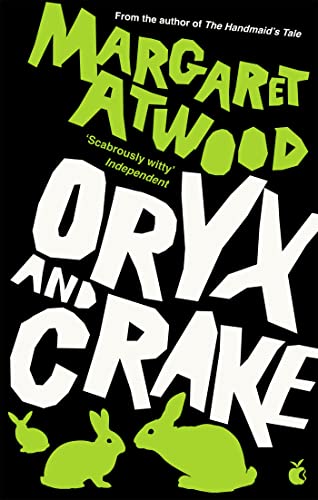
Start this bookNo. 28 on this list. Oryx and Crake · Margaret Atwood · 2003
Appears on 699 university syllabi (71st percentile in the Open Syllabus Project), placing it firmly in regular academic use across contemporary fiction, speculative fiction, and environmental humanities courses. Its Wikipedia article exists in 15 languages with dedicated reception and adaptations sections, indicating modest but real global reach. It ranks well below foundational canonical texts but well above most genre fiction.
Difficult14 hours
Start this bookNo. 29 on this list. The Book of the New Sun · Gene Wolfe · 1980
The Book of the New Sun has achieved canonical status within literary science fiction and fantasy, regularly appearing on 'essential reading' lists in those genres and taught in some university courses on genre literature. It has not penetrated mainstream literary curricula, which rarely address SF regardless of quality. The series occupies a position analogous to Tolkien or Le Guin—foundational within genre, recognized at the margins of the literary mainstream but not yet integrated into it.
Difficult16 hours
Start this bookNo. 30 on this list. The Invention of Morel · Adolfo Bioy Casares · 1940
Taught in schools: Literatura, Diseño Curricular – Provincia de Buenos Aires (Argentina)
Ranked by literary regard among eligible works in the current catalogue. This position reflects the available catalogue evidence.
Challenging6.4 hours
Start this book
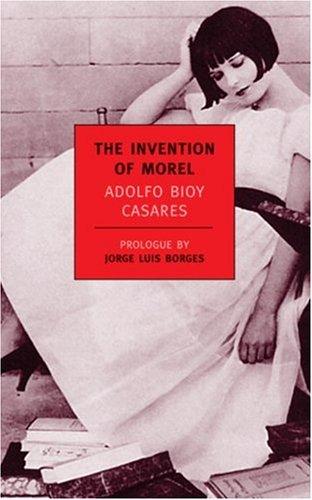
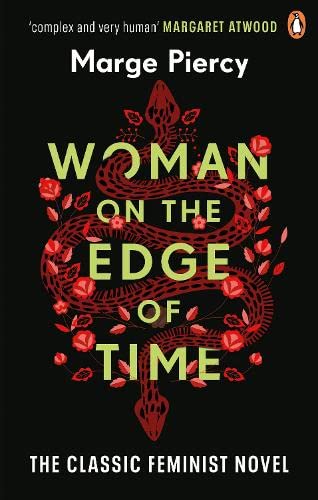
No. 31 on this list. Woman on the Edge of Time
Marge Piercy · 1976
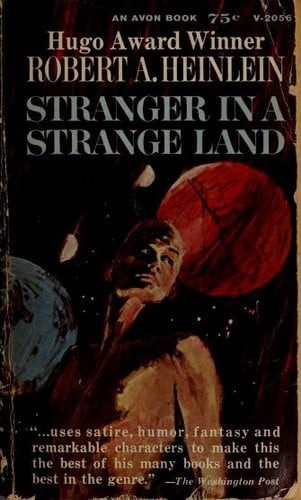
No. 32 on this list. Stranger in a Strange Land
Robert A. Heinlein · 1961
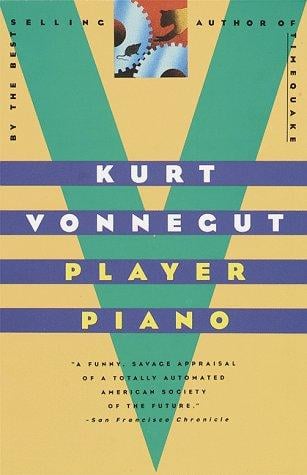
No. 33 on this list. Player Piano
Kurt Vonnegut · 1952
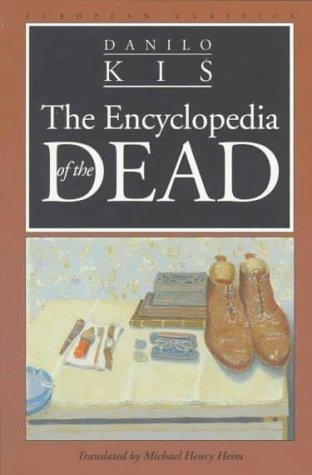
No. 34 on this list. The Encyclopedia of the Dead
Danilo Kiš · 1983
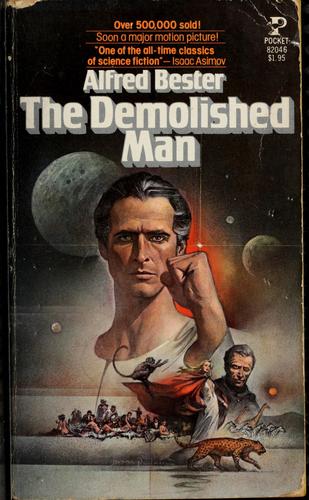
No. 35 on this list. The Demolished Man
Alfred Bester · 1953
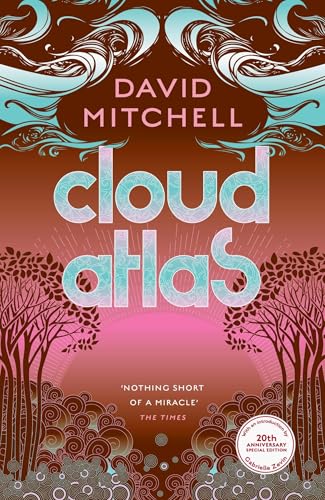
No. 36 on this list. Cloud Atlas
David Mitchell · 2004
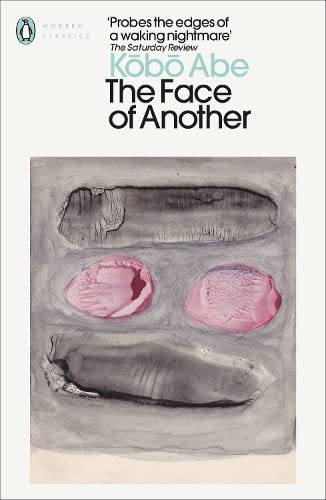
No. 37 on this list. The Face of Another
Kobo Abe · 1964
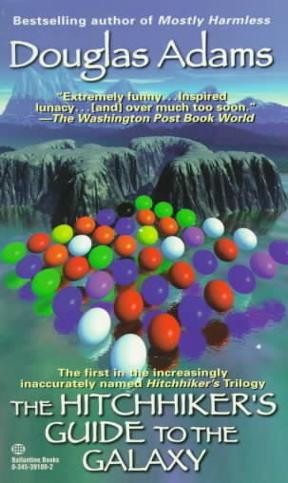
No. 38 on this list. The Hitchhiker's Guide to the Galaxy
Douglas Adams · 1979
Taught in schools: CSEC English B – Caribbean Examinations Council
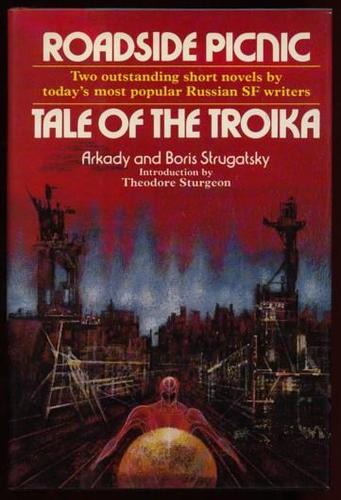
No. 39 on this list. Roadside Picnic
Arkady Strugatsky · 1972
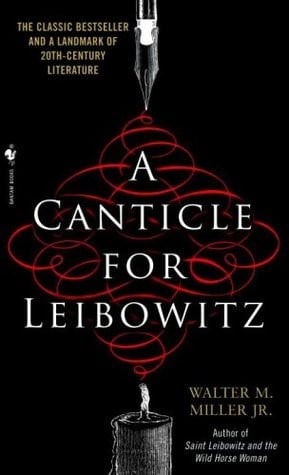
No. 40 on this list. A Canticle for Leibowitz
Walter M. Miller Jr. · 1960
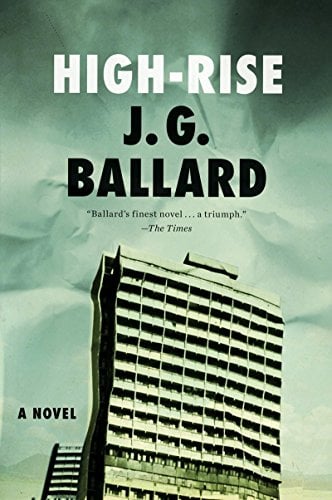
No. 41 on this list. High-Rise
J.G. Ballard · 1975
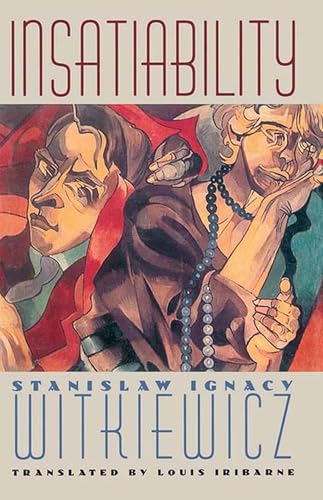
No. 42 on this list. Insatiability
Stanisław Ignacy Witkiewicz · 1930
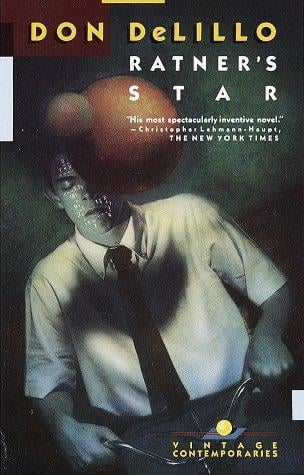
No. 43 on this list. Ratner's Star
Don DeLillo · 1976
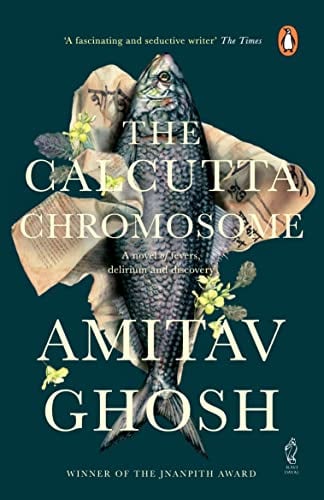
No. 44 on this list. The Calcutta Chromosome
Amitav Ghosh · 1995
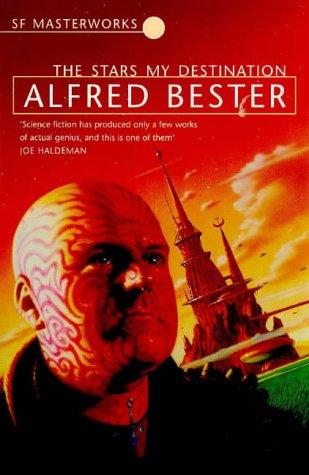
No. 45 on this list. The Stars My Destination
Alfred Bester · 1956
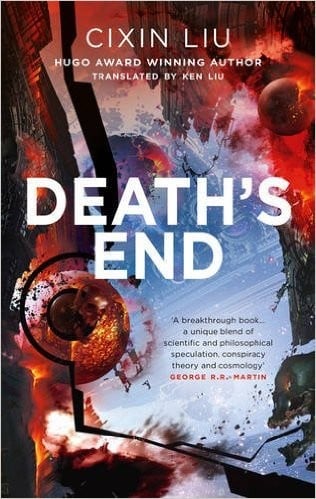
No. 46 on this list. Death's End
Liu Cixin · 2010
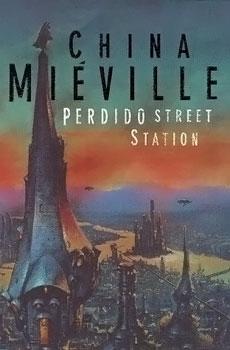
No. 47 on this list. Perdido Street Station
China Miéville · 2000
No. 48 on this list. Pastoralia
George Saunders · 2000
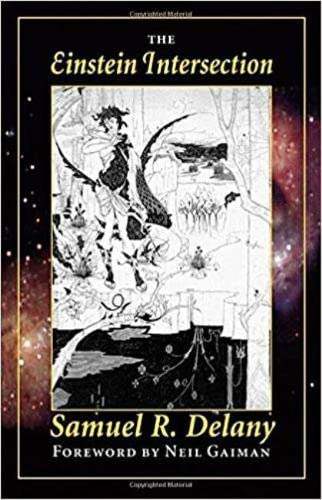
No. 49 on this list. The Einstein Intersection
Samuel R. Delany · 1967
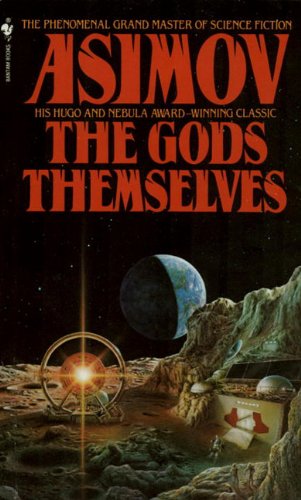
No. 50 on this list. The Gods Themselves
Isaac Asimov · 1972
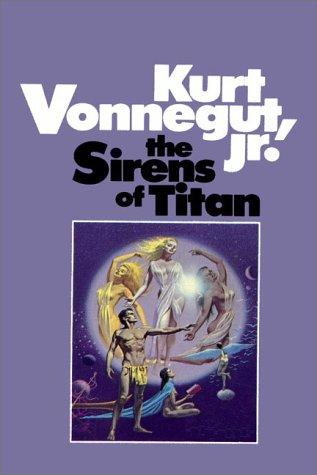
No. 51 on this list. The Sirens of Titan
Kurt Vonnegut · 1959
No. 52 on this list. Zero K
Don DeLillo · 2016
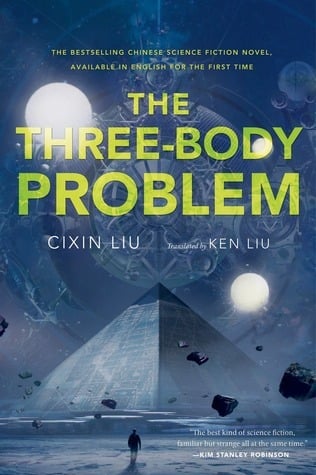
No. 53 on this list. The Three-Body Problem
Liu Cixin · 2008
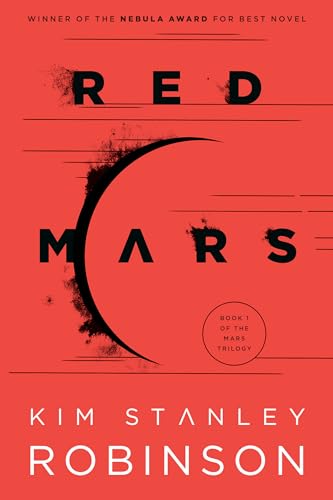
No. 54 on this list. Red Mars
Kim Stanley Robinson · 1993
No. 55 on this list. Harrow
Joy Williams · 2021
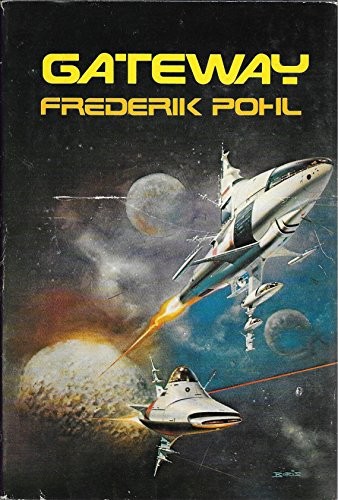
No. 56 on this list. Gateway
Frederik Pohl · 1977
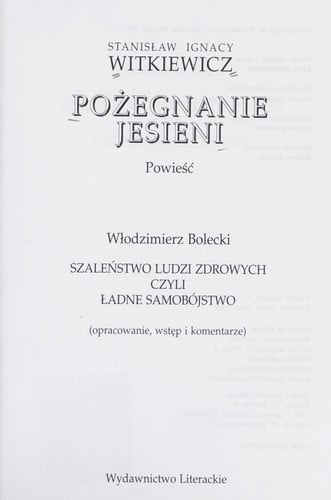
No. 57 on this list. Farewell to Autumn
Stanisław Ignacy Witkiewicz · 1927
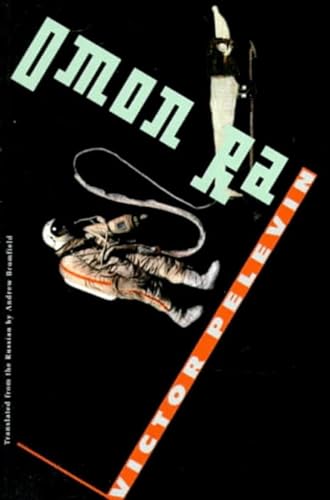
No. 58 on this list. Omon Ra
Viktor Pelevin · 1992
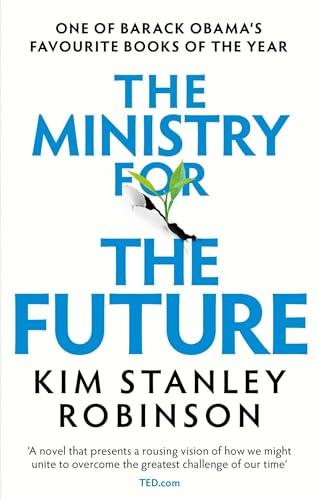
No. 59 on this list. The Ministry for the Future
Kim Stanley Robinson · 2020
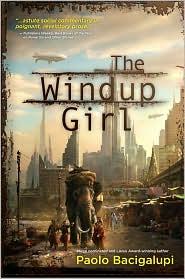
No. 60 on this list. The Windup Girl
Paolo Bacigalupi · 2009
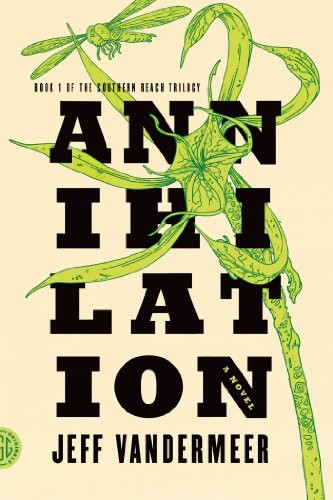
No. 61 on this list. Annihilation
Jeff VanderMeer · 2014
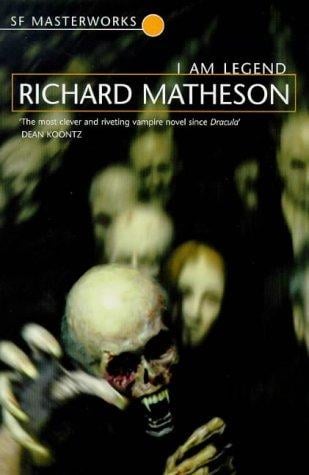
No. 62 on this list. I Am Legend
Richard Matheson · 1954
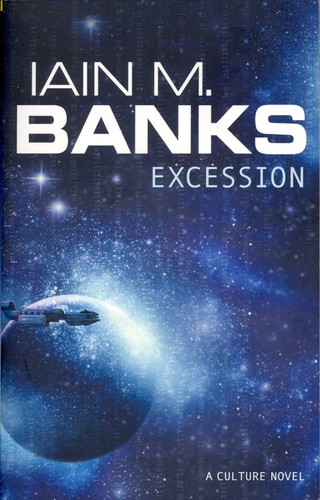
No. 63 on this list. Excession
Iain M. Banks · 1996
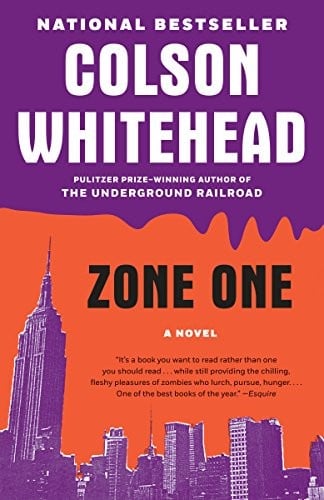
No. 64 on this list. Zone One
Colson Whitehead · 2011
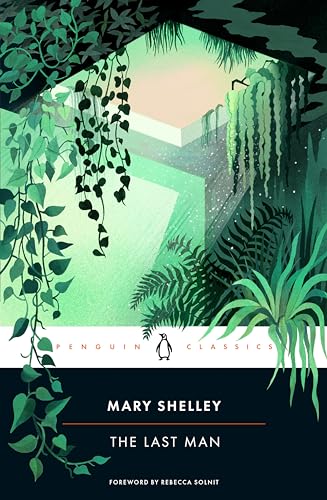
No. 65 on this list. The Last Man
Mary Shelley · 1826
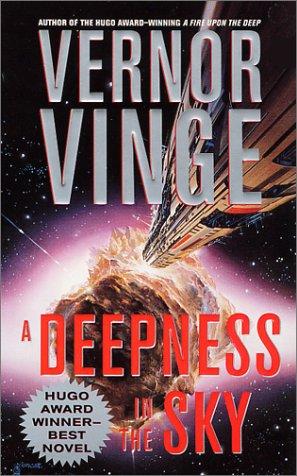
No. 66 on this list. A Deepness in the Sky
Vernor Vinge · 1999
No. 67 on this list. Ender's Game
Orson Scott Card · 1985
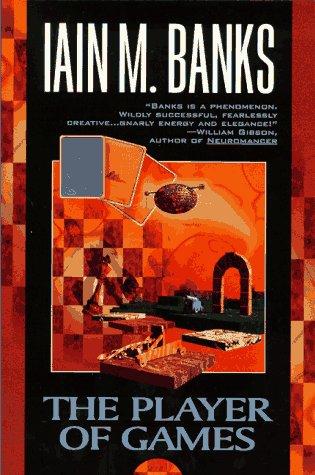
No. 68 on this list. The Player of Games
Iain M. Banks · 1988
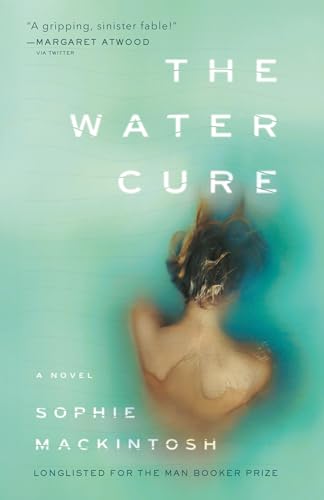
No. 69 on this list. The Water Cure
Sophie Mackintosh · 2018
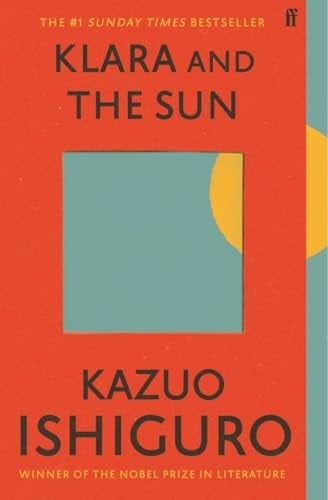
No. 70 on this list. Klara and the Sun
Kazuo Ishiguro · 2021
No. 71 on this list. The House on the Borderland
William Hope Hodgson · 1908
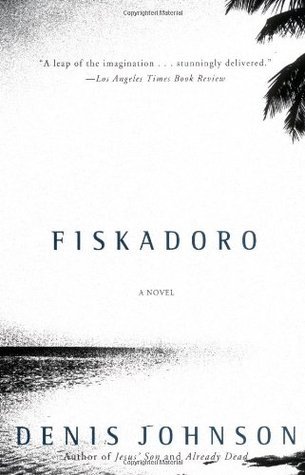
No. 72 on this list. Fiskadoro
Denis Johnson · 1985
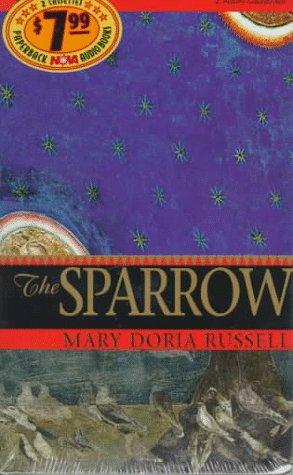
No. 73 on this list. The Sparrow
Mary Doria Russell · 1996
No. 74 on this list. The People in the Trees
Hanya Yanagihara · 2013
No. 75 on this list. The Literary Conference
César Aira · 2006
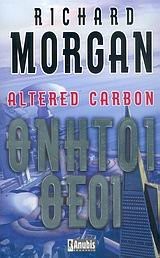
No. 76 on this list. Altered Carbon
Richard K. Morgan · 2002
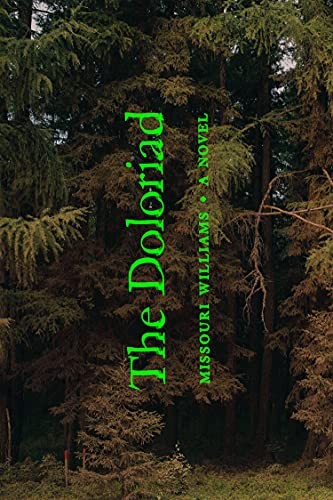
No. 77 on this list. The Doloriad
Missouri Williams · 2022
No. 78 on this list. Dreams of Amputation
Gary J. Shipley · 2013
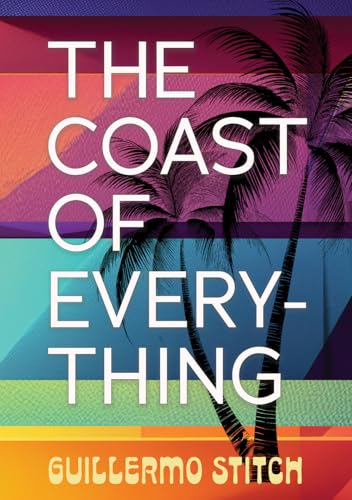
No. 79 on this list. The Coast of Everything
Guillermo Stitch · 2026

About this list
These 79 books are the highest-scoring eligible challenging science fiction novels currently in the catalogue. By literary regard, it opens with Frankenstein, The Ones Who Walk Away from Omelas and The Fifth Season. About 962 hours of reading in all, for the 78 with measured lengths. Difficulty runs from 67 to 75 out of 100 for the middle half of the list; the summit is The Slynx at 85.
This list is ranked by literary regard, with a consistent order for equal scores. Membership follows authors and co-authors, not translators or editors. Catalogue coverage and the historical canon both limit what this list can represent, and genre labels are the catalogue’s own, gathered into broader kinds.
When we matched the Canons dataset to our catalogue in October 2026, our canonical-status scores rose with the number of school curricula, publisher series and lists in it that cite a work: the median score was 72 for books one such source cites, 84 at two, 88 at three, 92 at four and 93 at five or more. Prizes are left out of that count. Outside the state curricula, the dataset’s sources choose mostly from what has been translated into English or French, so it is a weaker check on other literatures. Source: Canons (Andrew Piper), CC BY 4.0
Questions people actually ask
- What are the best challenging science fiction novels?
- By literary regard, which weighs canonical status, critical standing and influence, Frankenstein, The Ones Who Walk Away from Omelas, The Fifth Season, We and Solaris lead. ReadingRate ranks 79 such books, each with a difficulty score and a reading-time estimate.
- Where should I start with challenging science fiction novels?
- Start from difficulty, not from rank. The most approachable books on this list that still carry top literary regard are Parable of the Talents by Octavia E. Butler (about 13 hours), Batman: The Dark Knight Returns by Frank Miller and The Ones Who Walk Away from Omelas by Ursula K Le Guin.
- How hard are challenging science fiction novels to read?
- Most of this list sits between 67 and 75 on ReadingRate's 100-point difficulty scale, where 40 to 55 is moderate. The summit is The Slynx at 85. Every entry carries its own score, so a reader can pick a great book at a difficulty they will finish.
- How is this list ranked?
- On literary-regard data: how canonically established a work is, its critical standing, and its influence on later writing. It is not a readers’ poll, which is why recent bestsellers rarely appear. Membership follows authors and co-authors, not translators or editors. A list that is not a genre list keeps to literature (fiction, poetry, drama and philosophy), with philosophy taking no more than one slot in five while there is literature left to rank; every list holds at most three works by one author.