
Hours at an average pace
Showing 100 books
About 551 hours for 100 of 100 books with measured lengths. Estimates use 250 words a minute, adjusted for each book's difficulty. At 2 hours a day, about 276 days for those books.
The book that gave 'Freudian slip' to the language; among the most widely read works of psychological theory.
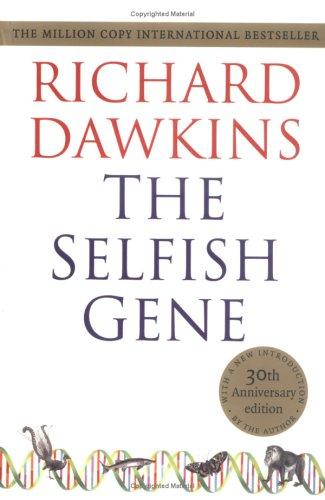
Four billion years ago, a molecule capable of copying itself appeared in the primordial soup. Everything since — every bacterium, beetle, and human being — is a machine built by those replicators to carry them forward. Richard Dawkins published this argument in 1976, and it reorganized how biologists, philosophers, and general readers think about evolution. The unit of selection, Dawkins argues, is not the species, not the group, not even the individual organism. It is the gene. Organisms are temporary coalitions built by genes competing for spots in the next generation. Altruism, cooperation, parent-offspring conflict, and sex ratios all follow from this single reorientation of perspective. Dawkins builds his case through thirteen chapters of escalating clarity, anchoring every theoretical claim in concrete animal behavior: penguins refusing to be the first in the water, praying mantises eating their mates mid-copulation, worker bees dying to protect the hive. The book's penultimate chapter introduces the meme — a unit of cultural replication analogous to the gene — as a second kind of replicator that has emerged in human minds. Written for the general reader who has no specialized knowledge but is unwilling to be patronized, The Selfish Gene remains the most precise and readable account of Darwinian logic ever written for a non-specialist audience.
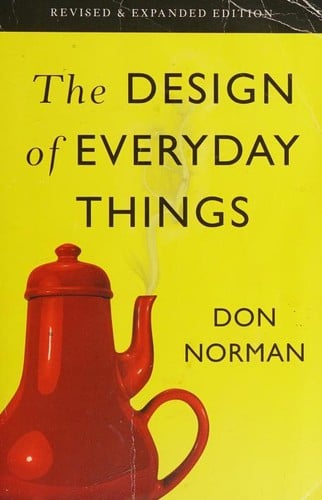
A foundational text in design education, required reading in virtually every industrial design, HCI, and UX program worldwide. The book has remained continuously in print since 1988 and appears on thousands of university syllabi across engineering, psychology, and design departments.
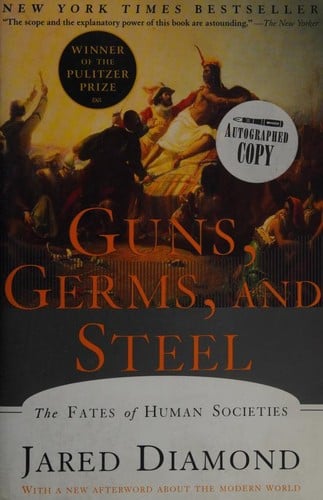
The verified data signals show no syllabus or Wikipedia entries on file for this title, but Guns, Germs, and Steel has been a fixture of introductory world-history, geography, and anthropology courses since the late 1990s and was adapted into a three-part PBS/National Geographic documentary in 2005. It sits below a literary classic like The Great Gatsby in curricular ubiquity but comfortably ahead of a work with only cult-course status.
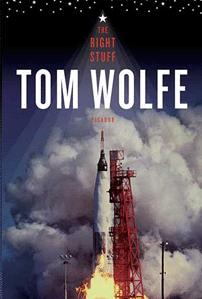
Widely assigned in American journalism, creative nonfiction, and cultural studies courses. The book appears on numerous 'best nonfiction' lists and is a fixture in New Journalism syllabi. Its phrases—'the right stuff,' 'pushing the envelope'—have entered common usage, a rare marker of cultural penetration for a nonfiction work.
A landmark in the history and critique of science; required reading in science studies, history, and sociology.
Cosmos is essential reading within the popular science canon and appears in science communication and astronomy courses at universities worldwide. It is not a standard humanities syllabus fixture like canonical fiction, but it is widely cited as the definitive popular astronomy text and has remained in continuous print since 1980.
The Demon-Haunted World is widely assigned in critical thinking, philosophy of science, and introductory science courses at universities across the English-speaking world. Its 'baloney detection kit' chapter is excerpted in dozens of textbooks and anthologies, and the book appears on most 'essential reading' lists for scientific literacy.
Coming into the Country was a national bestseller on publication in 1977 and is widely cited as McPhee's greatest single work and one of the defining books of American literary nonfiction. It is a fixture on creative nonfiction and environmental writing syllabi, though it lacks the universal high-school curriculum presence of works like To Kill a Mockingbird. Robert Macfarlane's 2015 foreword attests to its sustained influence across four decades.
A Brief History of Time is one of the most recognizable popular science books ever published, referenced across science communication courses and appearing on virtually every 'best popular science' reading list for decades. Its cultural recognition globally exceeds most literary novels. It lacks the literary canonical status of fiction that appears on university literature syllabi, but it is taught in history of science and science communication courses worldwide.
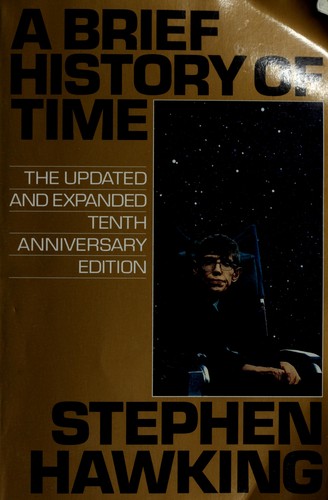
No. 11 on this list. The Double Helix · James D. Watson · 1968
One of the most important science memoirs ever written. Required reading in history of science courses.
Easy2.9 hours
Start this bookNo. 12 on this list. How We Die · Sherwin B. Nuland · 1994
A National Book Award winner and a standard text in medical humanities and bioethics courses, but not a staple of general literature curricula.
Easy6.5 hours
Start this bookNo. 13 on this list. Devotions · Mary Oliver · 2017
Mary Oliver appears regularly on undergraduate syllabi in American poetry surveys, creative writing programs, and environmental humanities courses. She is not a high school curriculum fixture at the level of Frost or Whitman, but Devotions is a standard course text. No syllabus data was returned from the database, but her presence in higher education is well documented.
Easy2.2 hours
Start this bookNo. 14 on this list. Consciousness Explained · Daniel C. Dennett · 1991
One of the landmark works in philosophy of mind. Required reading in the field.
Easy9.2 hours
Start this bookNo. 15 on this list. Aspects of the Novel · E.M. Forster · 1927
Forster's Clark Lectures at Cambridge—delivered when he was already the author of A Passage to India—remain the most readable introduction to the craft of fiction. He distinguishes between story ('The king died and then the queen died') and plot ('The king died and then the queen died of grief'), between flat characters (who can be summed up in a sentence) and round characters (who surprise convincingly), and between prophecy and fantasy. The distinction between flat and round characters has become so widely used that most readers encounter it without knowing its source. Forster writes with a novelist's wit and informality—he treats the great novelists as colleagues, not monuments—and his opinions are refreshingly direct: he considers Scott clumsy, Meredith pretentious, and James too concerned with pattern at the expense of life. The lectures are held together by his conviction that the novel's great virtue is its ability to show us the inner life of other people.
Easy2.6 hours
Read nowNo. 16 on this list. Braiding Sweetgrass: Indigenous Wisdom, Scientific Knowledge, and the Teachings of Plants · Robin Wall Kimmerer · 2013
Braiding Sweetgrass has become essential reading in environmental humanities, Indigenous studies, and ecology courses across North America. It appears on syllabi in environmental studies, ecology, and Native American studies programs and is frequently cited as a transformative text. No formal database data was available, but its adoption in higher education is broadly documented.
Moderate6.1 hours
Start this bookNo. 17 on this list. The Language Instinct · Steven Pinker · 1994
The most influential popular linguistics book since Chomsky. Widely assigned in universities.
Moderate9.3 hours
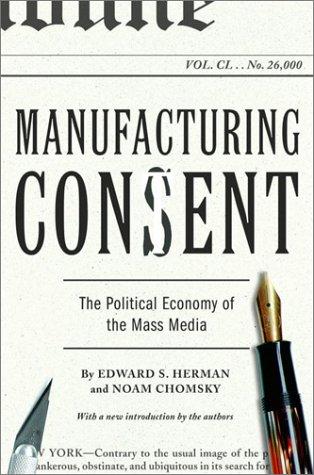
Start this bookNo. 18 on this list. Manufacturing Consent · Noam Chomsky · 1988
Chomsky and Herman's 'propaganda model' argues that the American mass media, despite being nominally free, systematically filters news to serve the interests of powerful elites. They identify five filters: concentrated ownership, advertising dependence, reliance on official sources, 'flak' from powerful interest groups, and anti-communism (later updated to anti-terrorism) as a control mechanism. The authors test their model with paired case studies: coverage of elections in El Salvador (a U.S. ally) versus Nicaragua (an enemy), treatment of a murdered Polish priest versus murdered Salvadoran clergy. In each case, they show that atrocities committed by U.S. allies received minimal coverage while similar or lesser offenses by official enemies received saturation attention. The book does not argue a conspiracy—the model works through self-censorship, institutional incentives, and shared assumptions rather than direct orders. It remains the most influential critique of media systems in the English language.
Easy6.9 hours
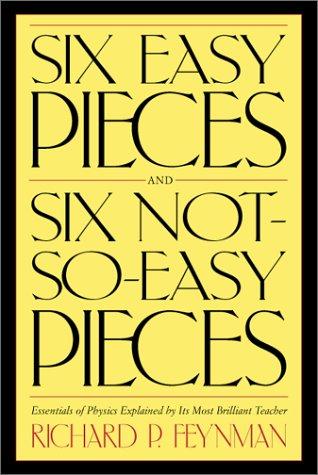
Start this bookNo. 19 on this list. Six Easy Pieces / Six Not-So-Easy Pieces · Richard P. Feynman · 2001
The Feynman Lectures are among the best-known physics texts, and these selections are widely read as popular introductions. They are read as science classics and less as literary curriculum.
Easy6.2 hours
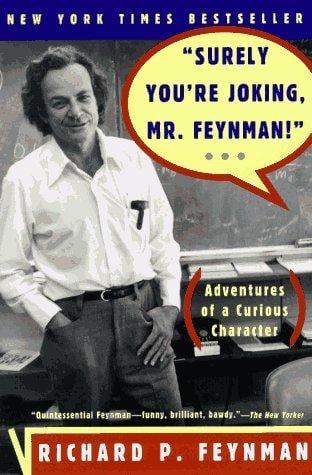
Start this bookNo. 20 on this list. Surely You're Joking, Mr. Feynman! · Richard P. Feynman · 1985
One of the most beloved science memoirs. A cultural touchstone for scientific curiosity.
Very Easy3.6 hours
Start this book
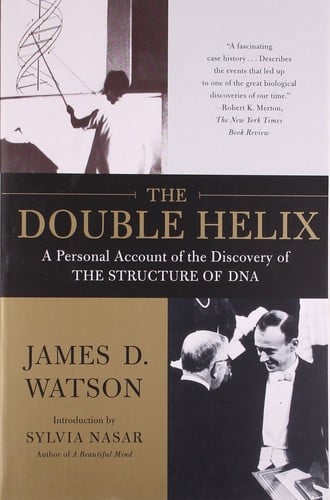
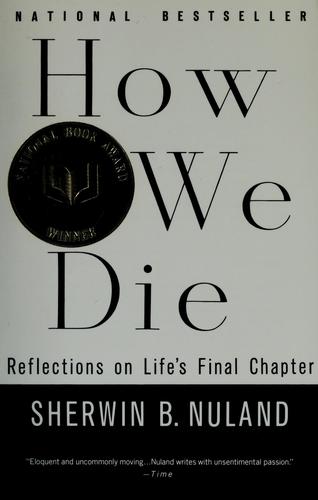
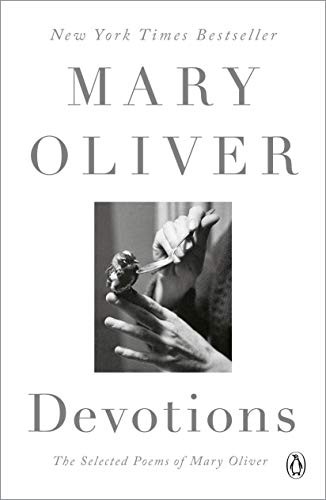
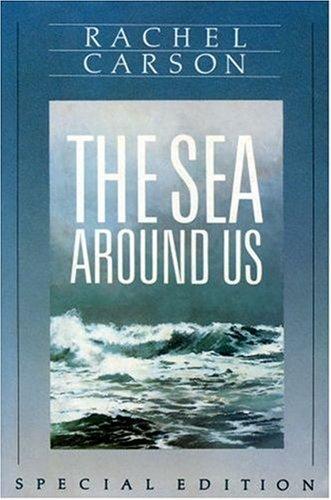
No. 21 on this list. The Sea Around Us · Rachel Carson · 1951
Carson's lyrical exploration of the ocean predates her more famous Silent Spring by a decade, but it established her reputation as a prose stylist of the highest order. She describes the formation of the oceans, the life of the deep sea floor, the mechanics of tides and currents, the migration of eels, and the geological history of island formation with a combination of scientific precision and literary beauty that had no precedent in nature writing. Carson makes the reader feel the immensity of geological time—continents forming and breaking apart, species evolving and vanishing over millions of years—while keeping the prose intimate and human-scaled. The book won the National Book Award and became a bestseller, introducing millions of readers to marine biology. Reading it now, knowing what Carson would go on to write about pesticides and what has since happened to the oceans, adds a layer of melancholy to her celebration of the sea's vast, indifferent beauty.
Easy3.5 hours
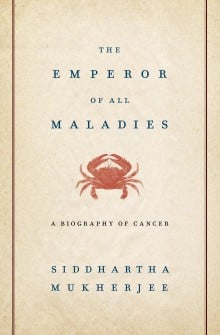
Start this bookNo. 22 on this list. The Emperor of All Maladies · Siddhartha Mukherjee · 2010
Pulitzer Prize winner. Already recognized as a landmark of medical writing.
Easy10 hours
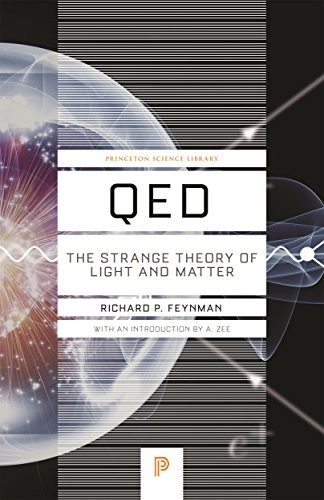
Start this bookNo. 23 on this list. QED · Richard Feynman · 1985
One of the greatest popular science books. The best lay explanation of QED.
Easy2.1 hours
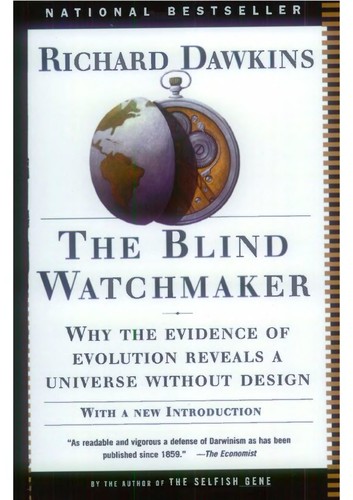
Start this bookNo. 24 on this list. The Blind Watchmaker · Richard Dawkins · 1986
One of the most important popular science books. Foundational to evolution communication.
Easy6.6 hours
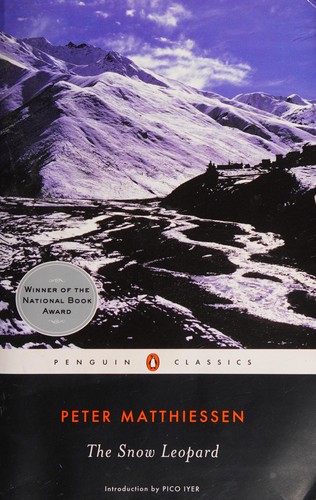
Start this bookNo. 25 on this list. The Snow Leopard · Peter Matthiessen · 1978
In 1973, Matthiessen accompanied the field biologist George Schaller on a trek through the Himalayas of Nepal to study the Himalayan blue sheep and, if extraordinarily lucky, to glimpse the snow leopard—one of the rarest and most elusive animals on earth. But the book is less about the leopard than about what Matthiessen brought to the mountains: the recent death of his wife Deborah from cancer, his practice of Zen Buddhism, and his need to find some way to live with loss. The journey takes two months on foot through terrain above 15,000 feet, in conditions of extreme cold and isolation, and Matthiessen records it in prose of crystalline precision—the light on snow, the flight of lammergeiers, the sound of wind through a defile. He weaves Buddhist philosophy throughout, not as doctrine but as a way of attending to what is present rather than grasping at what is gone. Whether the snow leopard appears becomes a koan: the search matters more than the finding, and the willingness to see clearly—even when what you see is absence—is itself a form of illumination.
Very Easy3.4 hours
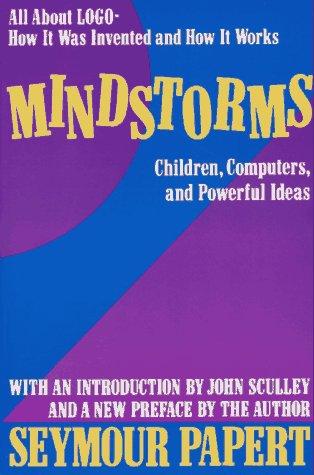
Start this bookNo. 26 on this list. Mindstorms · Seymour Papert · 1980
Foundational text of educational computing and constructionist learning.
Easy3 hours
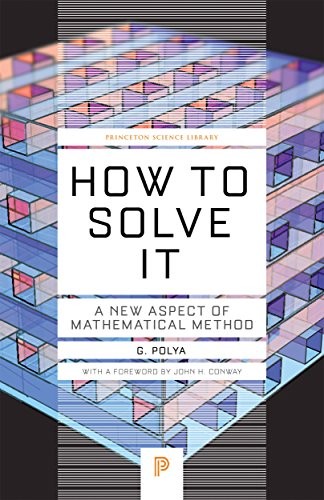
Start this bookNo. 27 on this list. How to Solve It · George Pólya · 1945
The definitive book on mathematical problem-solving. In print for 80 years.
Easy3.4 hours
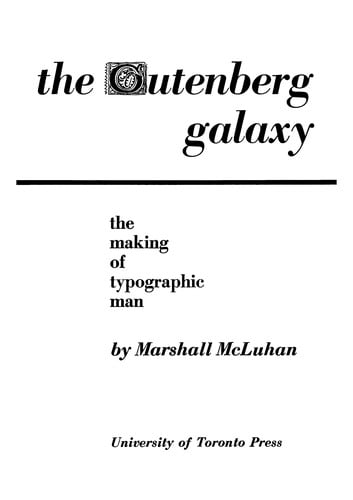
Start this bookNo. 28 on this list. The Gutenberg Galaxy · Marshall McLuhan · 1962
McLuhan's first major work argues that the invention of movable type in the fifteenth century created the modern Western mind. Print culture produced linear thinking, individualism, nationalism, the scientific method, and the Protestant Reformation—all consequences of the shift from oral/tribal culture to literate/visual culture. McLuhan writes in a deliberately non-linear, 'mosaic' style that mirrors the oral culture he describes, juxtaposing ideas from Shakespeare, Pope, Blake, Joyce, and dozens of other sources without conventional argumentative transitions. The book coined the term 'global village' and laid the groundwork for Understanding Media, published two years later. Academic critics found the method maddening—McLuhan makes sweeping claims without systematic evidence—but his core insight, that communication technologies reshape consciousness, has been confirmed by every subsequent technological revolution.
Easy3.9 hours
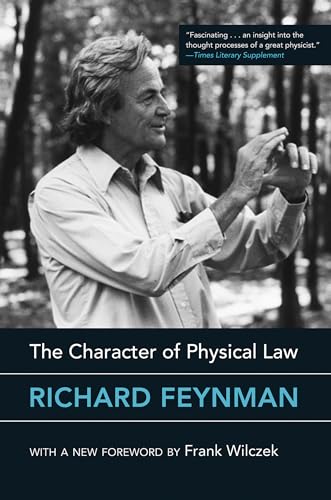
Start this bookNo. 29 on this list. The Character of Physical Law · Richard Feynman · 1965
A classic of science communication. The Messenger Lectures are legendary.
Easy2.7 hours
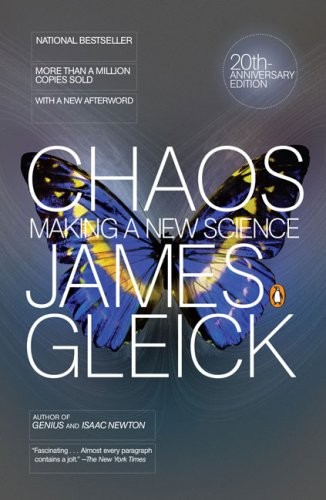
Start this bookNo. 30 on this list. Chaos · James Gleick · 1987
The definitive popular account of chaos theory. A National Book Award finalist.
Easy5.7 hours
Start this book
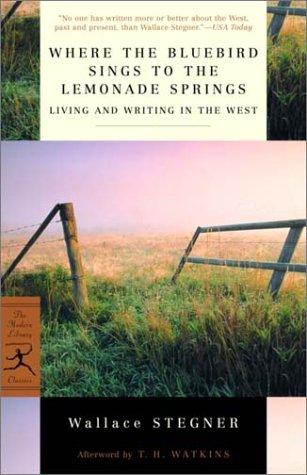
No. 31 on this list. Where the Bluebird Sings to the Lemonade Springs: Living and Writing in the West
Wallace Stegner · 2002
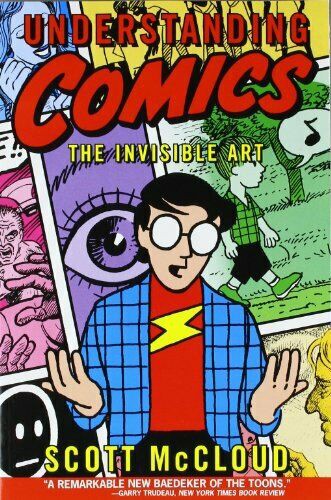
No. 32 on this list. Understanding Comics
Scott McCloud · 1993
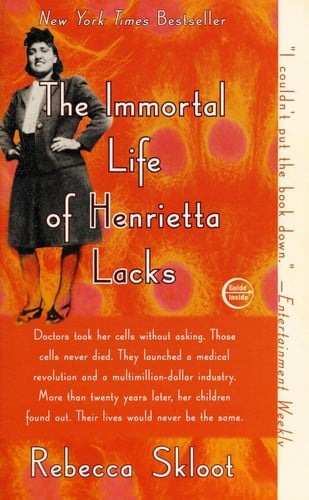
No. 33 on this list. The Immortal Life of Henrietta Lacks
Rebecca Skloot · 2010
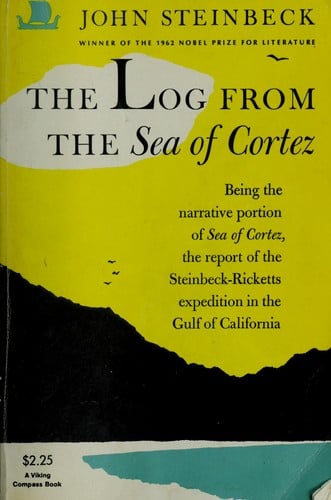
No. 34 on this list. The Log from the Sea of Cortez
John Steinbeck · 1951
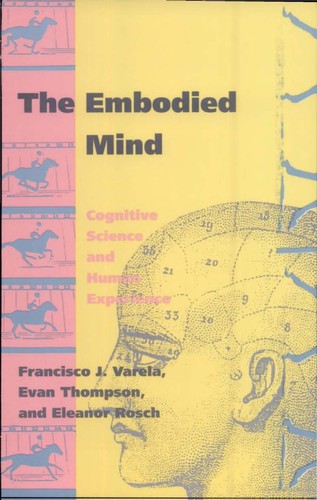
No. 35 on this list. The Embodied Mind
Francisco J. Varela · 1991
No. 36 on this list. Upstream
Mary Oliver · 2016
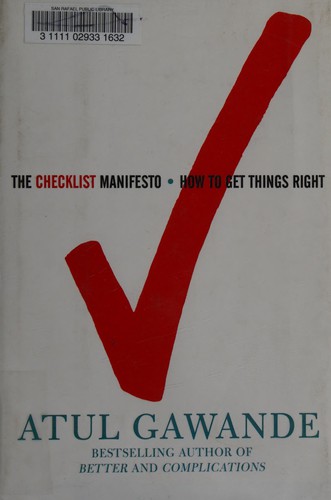
No. 37 on this list. The Checklist Manifesto: How to Get Things Right
Atul Gawande · 2010
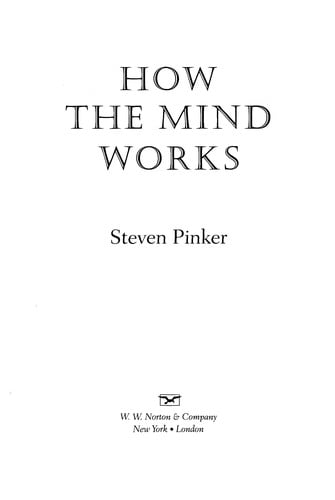
No. 38 on this list. How the Mind Works
Steven Pinker · 1997
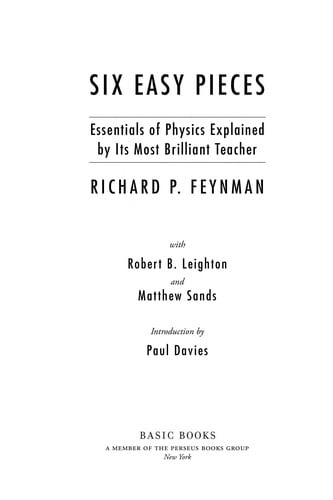
No. 39 on this list. Six Easy Pieces
Richard Feynman · 1994
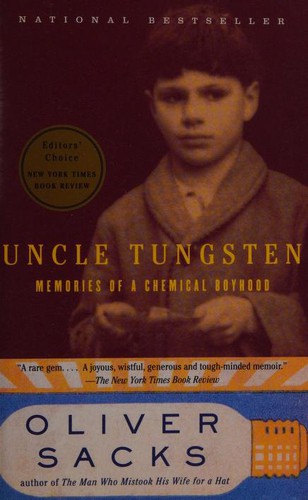
No. 40 on this list. Uncle Tungsten
Oliver Sacks · 2001
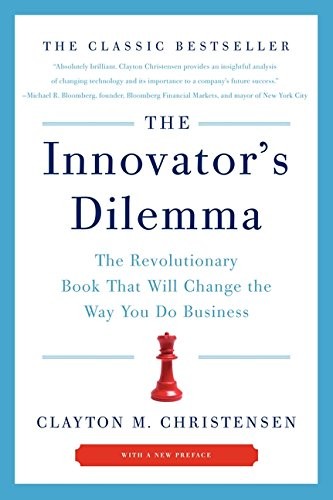
No. 41 on this list. The Innovator's Dilemma
Clayton M. Christensen · 1997
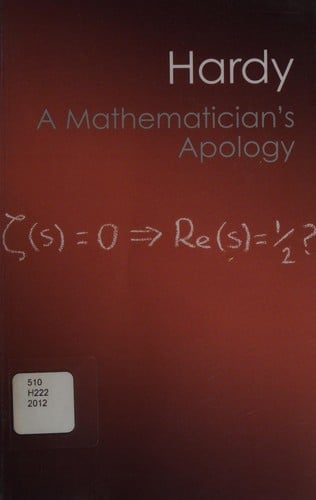
No. 42 on this list. A Mathematician's Apology
G.H. Hardy · 1940
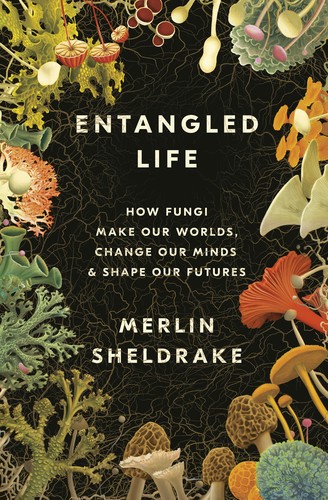
No. 43 on this list. Entangled Life
Merlin Sheldrake · 2020
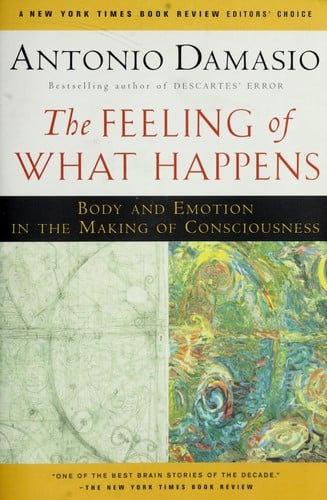
No. 44 on this list. The Feeling of What Happens
Antonio Damasio · 1999
No. 45 on this list. The Elegant Universe
Brian Greene · 1999
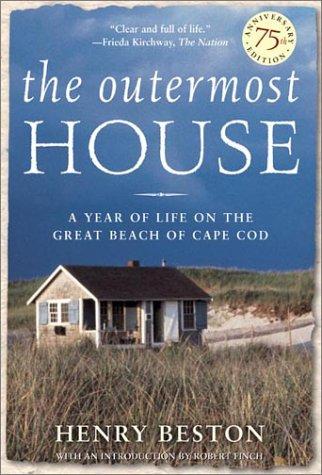
No. 46 on this list. The Outermost House
Henry Beston · 1928
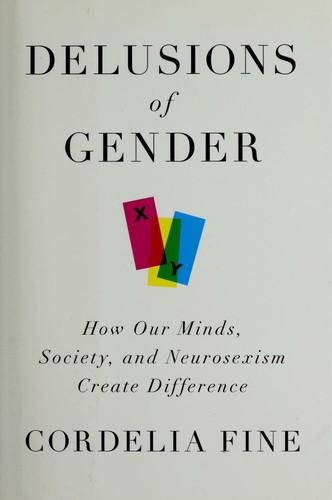
No. 47 on this list. Delusions of Gender: How Our Minds, Society, and Neurosexism Create Difference
Cordelia Fine · 2010
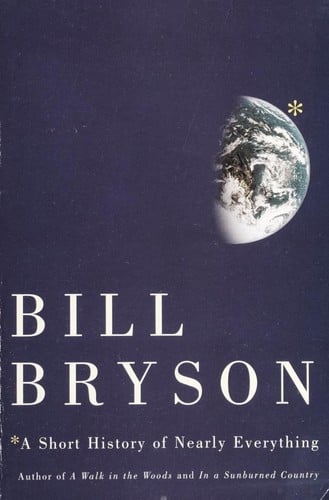
No. 48 on this list. A Short History of Nearly Everything
Bill Bryson · 2003
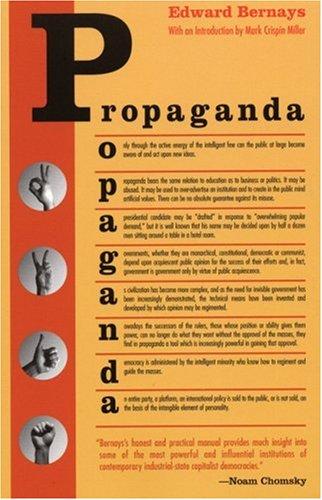
No. 49 on this list. Propaganda
Edward Bernays · 1928
No. 50 on this list. Pale Blue Dot
Carl Sagan · 1994
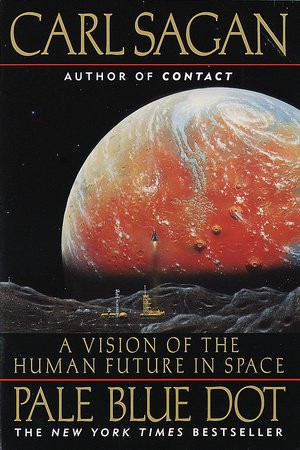
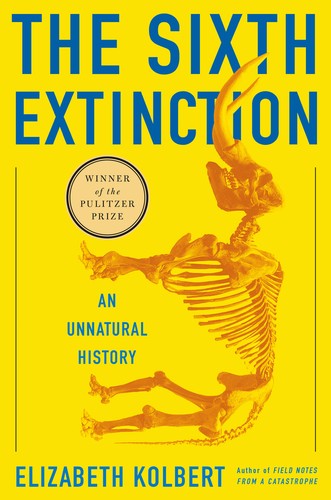
No. 51 on this list. The Sixth Extinction
Elizabeth Kolbert · 2014
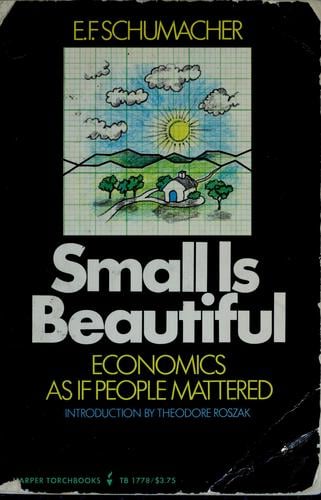
No. 52 on this list. Small Is Beautiful
E.F. Schumacher · 1973
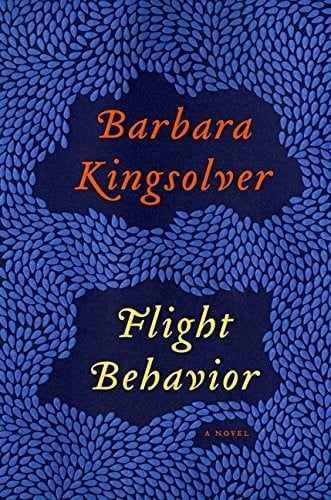
No. 53 on this list. Flight Behavior
Barbara Kingsolver · 2012
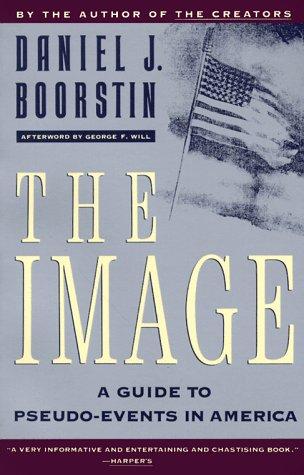
No. 54 on this list. The Image
Daniel J. Boorstin · 1962
No. 55 on this list. Desert Solitaire
Edward Abbey · 1968
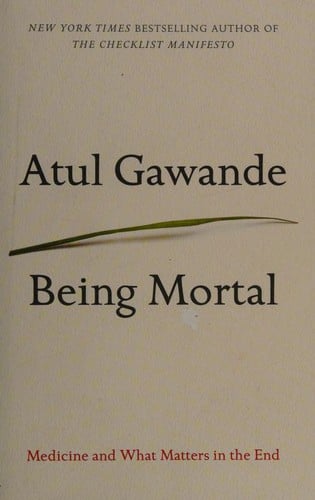
No. 56 on this list. Being Mortal
Atul Gawande · 2014
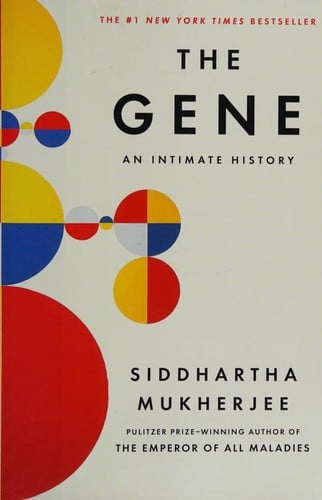
No. 57 on this list. The Gene
Siddhartha Mukherjee · 2016
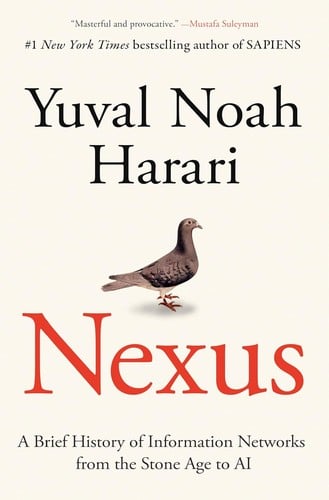
No. 58 on this list. Nexus: A Brief History of Information Networks from the Stone Age to AI
Yuval Noah Harari · 2024
No. 59 on this list. Behave
Robert M. Sapolsky · 2017
No. 60 on this list. All Creatures Great and Small (All Creatures Great and Small, #1-2)
James Herriot · 1972

No. 61 on this list. Make It Stick: The Science of Successful Learning
Henry L. Roediger · 2014
No. 62 on this list. Outliers: The Story of Success
Malcolm Gladwell · 2008
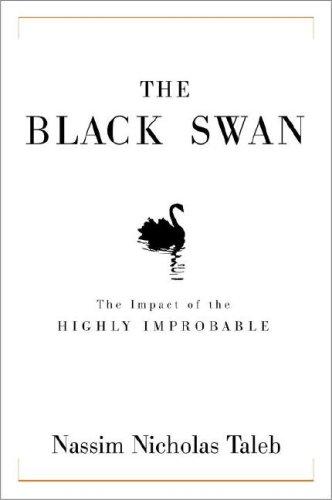
No. 63 on this list. The Black Swan
Nassim Nicholas Taleb · 2007
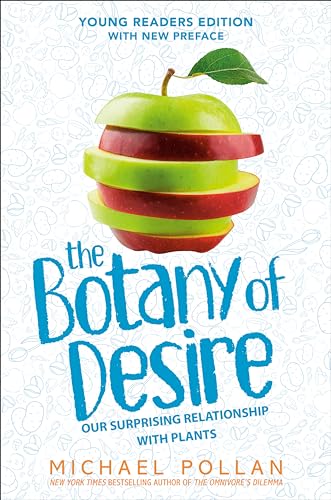
No. 64 on this list. The Botany of Desire
Michael Pollan · 2001
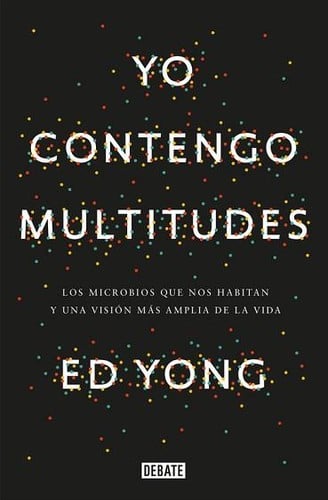
No. 65 on this list. I Contain Multitudes: The Microbes Within Us and a Grander View of Life
Ed Yong · 2016
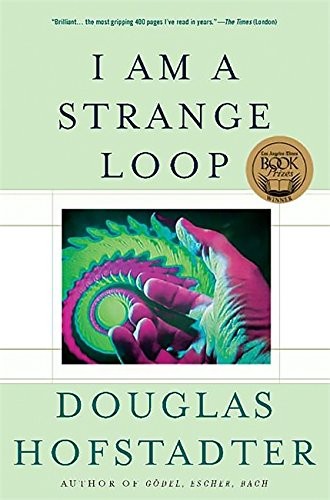
No. 66 on this list. I Am a Strange Loop
Douglas Hofstadter · 2007
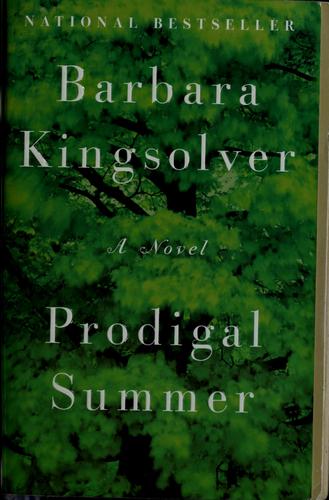
No. 67 on this list. Prodigal Summer
Barbara Kingsolver · 2000
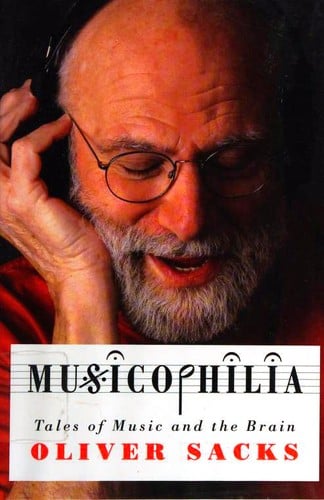
No. 68 on this list. Musicophilia
Oliver Sacks · 2007
No. 69 on this list. Einstein: His Life and Universe
Walter Isaacson · 2007
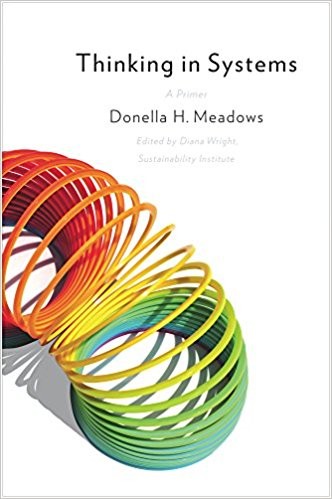
No. 70 on this list. Thinking in Systems
Donella H. Meadows · 2008
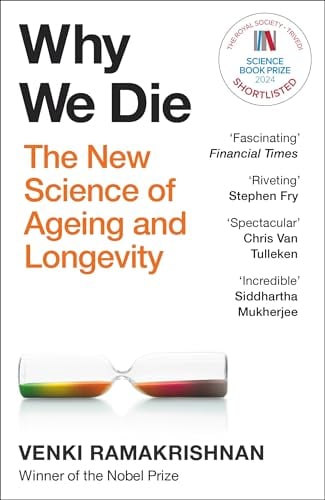
No. 71 on this list. Why We Die: The New Science of Ageing and the Quest for Immortality
Venki Ramakrishnan · 2024
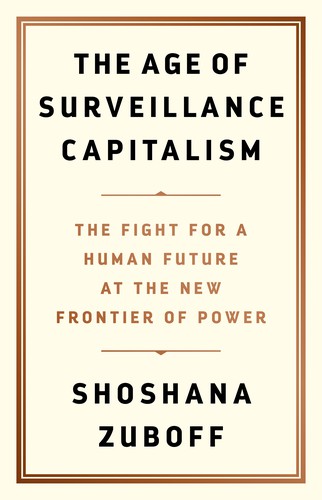
No. 72 on this list. The Age of Surveillance Capitalism
Shoshana Zuboff · 2019
No. 73 on this list. 1491
Charles C. Mann · 2005
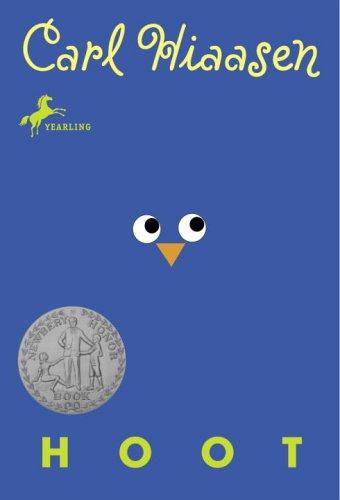
No. 74 on this list. Hoot
Carl Hiaasen · 2002
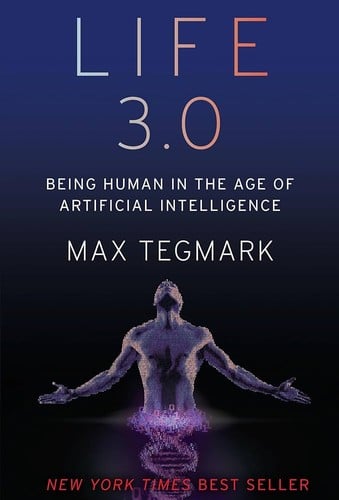
No. 75 on this list. Life 3.0
Max Tegmark · 2017
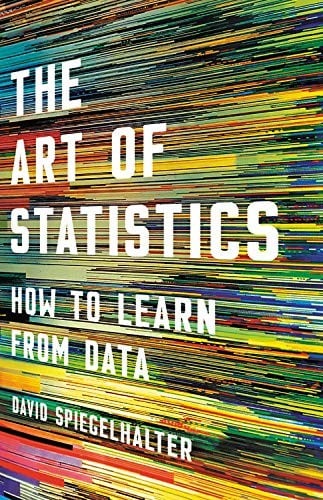
No. 76 on this list. The Art of Statistics: Learning from Data
David Spiegelhalter · 2020
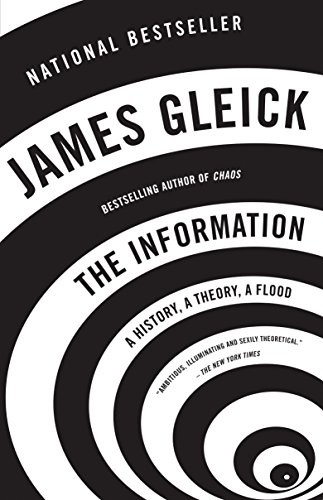
No. 77 on this list. The Information
James Gleick · 2011
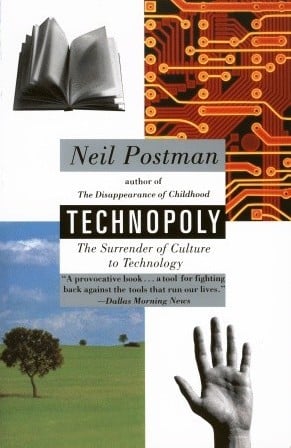
No. 78 on this list. Technopoly
Neil Postman · 1992
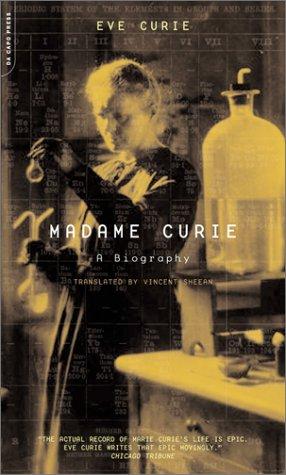
No. 79 on this list. Madame Curie: A Biography
Ève Curie · 2001
No. 80 on this list. The God Delusion
Richard Dawkins · 2006
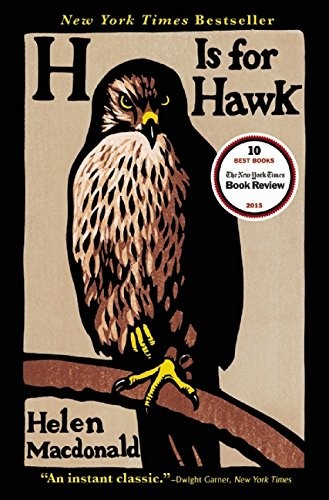
No. 81 on this list. H Is for Hawk
Helen Macdonald · 2014
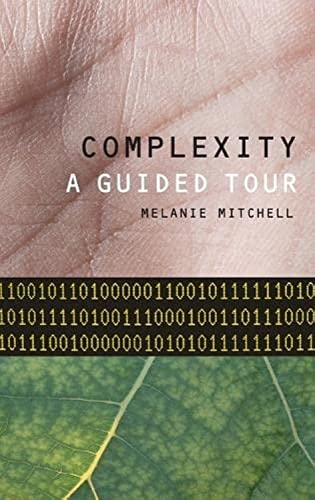
No. 82 on this list. Complexity
Melanie Mitchell · 2011
No. 83 on this list. In Defense of Food
Michael Pollan · 2008
No. 84 on this list. How to Change Your Mind
Michael Pollan · 2018
No. 85 on this list. Sync
Steven H. Strogatz · 2003
No. 86 on this list. The Body Keeps the Score
Bessel van der Kolk · 2014
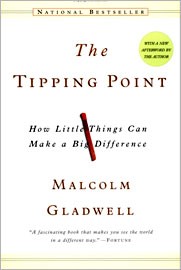
No. 87 on this list. The Tipping Point
Malcolm Gladwell · 2000
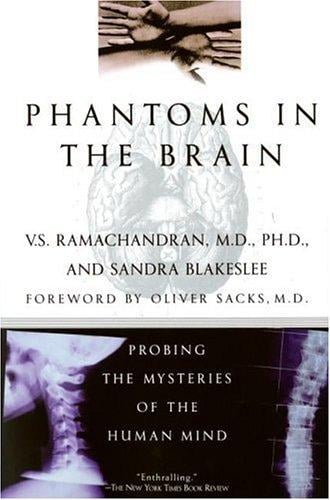
No. 88 on this list. Phantoms in the Brain
V. S. Ramachandran · 1998
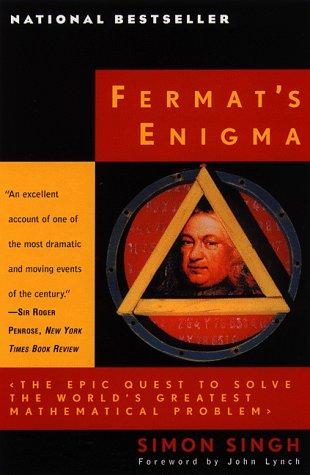
No. 89 on this list. Fermat's Enigma
Simon Singh · 1997
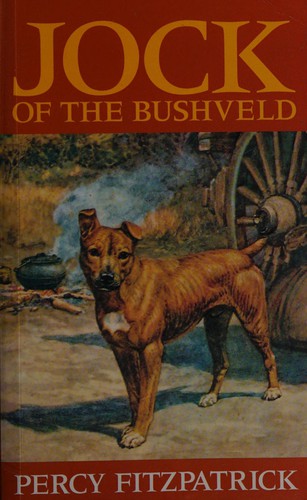
No. 90 on this list. Jock of the Bushveld
J. Percy FitzPatrick · 1907
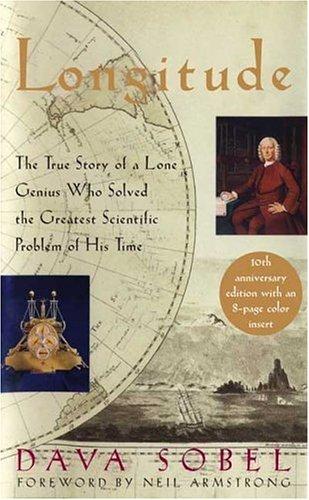
No. 91 on this list. Longitude
Dava Sobel · 1995
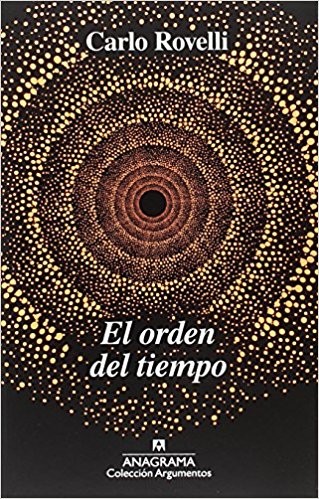
No. 92 on this list. The Order of Time
Carlo Rovelli · 2017
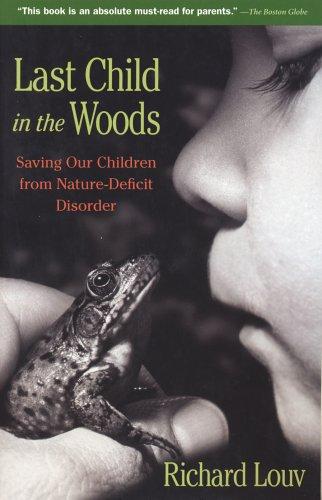
No. 93 on this list. Last Child in the Woods: Saving Our Children from Nature-Deficit Disorder
Richard Louv · 2006
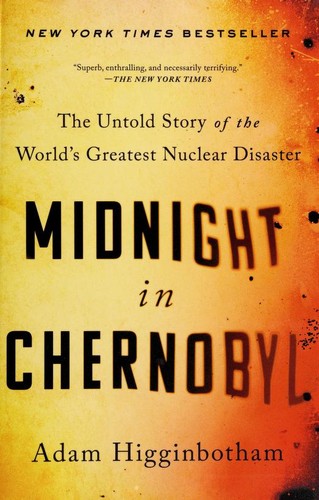
No. 94 on this list. Midnight in Chernobyl
Adam Higginbotham · 2019
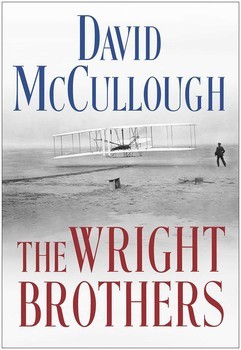
No. 95 on this list. The Wright Brothers
David McCullough · 2015
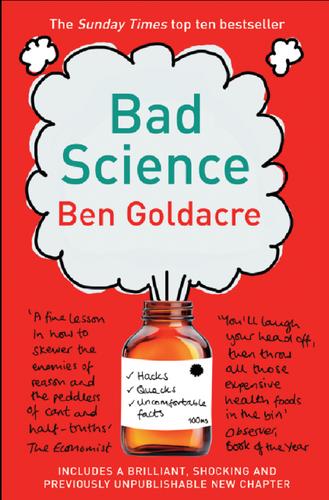
No. 96 on this list. Bad Science
Ben Goldacre · 2008
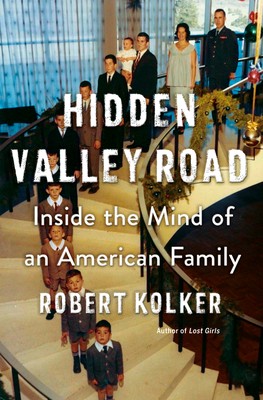
No. 97 on this list. Hidden Valley Road
Robert Kolker · 2020
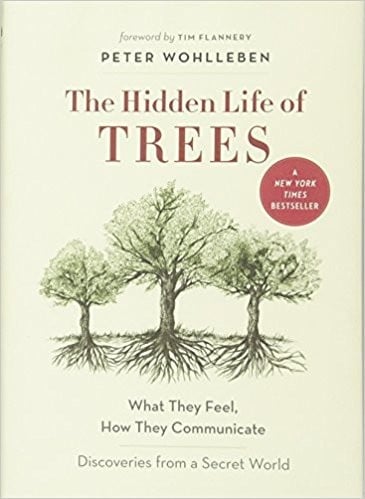
No. 98 on this list. The Hidden Life of Trees: What They Feel, How They Communicate
Peter Wohlleben · 2016
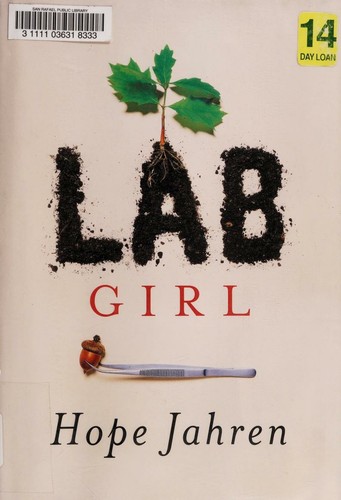
No. 99 on this list. Lab Girl
Hope Jahren · 2016
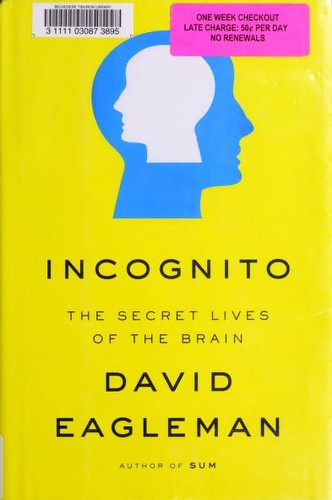
No. 100 on this list. Incognito: The Secret Lives of the Brain
David Eagleman · 2011
About this list
These 100 books are the highest-scoring eligible easy science books currently in the catalogue. By literary regard, it opens with The Psychopathology of Everyday Life, The Selfish Gene and The Design of Everyday Things. About 551 hours of reading in all. Difficulty runs from 28 to 38 out of 100 for the middle half of the list; the summit is Incognito: The Secret Lives of the Brain at 45.
This list is ranked by literary regard, with a consistent order for equal scores. Membership follows authors and co-authors, not translators or editors. Catalogue coverage and the historical canon both limit what this list can represent, and genre labels are the catalogue’s own, gathered into broader kinds.
When we matched the Canons dataset to our catalogue in October 2026, our canonical-status scores rose with the number of school curricula, publisher series and lists in it that cite a work: the median score was 72 for books one such source cites, 84 at two, 88 at three, 92 at four and 93 at five or more. Prizes are left out of that count. Outside the state curricula, the dataset’s sources choose mostly from what has been translated into English or French, so it is a weaker check on other literatures. Source: Canons (Andrew Piper), CC BY 4.0
Questions people actually ask
- What are the best easy science books?
- By literary regard, which weighs canonical status, critical standing and influence, The Psychopathology of Everyday Life, The Selfish Gene, The Design of Everyday Things, Guns, Germs, and Steel and The Right Stuff lead. ReadingRate ranks 100 such books, each with a difficulty score and a reading-time estimate.
- Where should I start with easy science books?
- Start from difficulty, not from rank. The most approachable books on this list that still carry top literary regard are The Selfish Gene by Richard Dawkins (about 6.4 hours), The Design of Everyday Things by Don Norman and The Psychopathology of Everyday Life by Sigmund Freud.
- How hard are easy science books to read?
- Most of this list sits between 28 and 38 on ReadingRate's 100-point difficulty scale, where 40 to 55 is moderate. The summit is Incognito: The Secret Lives of the Brain at 45. Every entry carries its own score, so a reader can pick a great book at a difficulty they will finish.
- How is this list ranked?
- On literary-regard data: how canonically established a work is, its critical standing, and its influence on later writing. It is not a readers’ poll, which is why recent bestsellers rarely appear. Membership follows authors and co-authors, not translators or editors. A list that is not a genre list keeps to literature (fiction, poetry, drama and philosophy), with philosophy taking no more than one slot in five while there is literature left to rank; every list holds at most three works by one author.