Hours at an average pace
Showing 100 books
About 506 hours for 98 of 100 books with measured lengths. Estimates use 250 words a minute, adjusted for each book's difficulty. At 2 hours a day, about 254 days for those books.
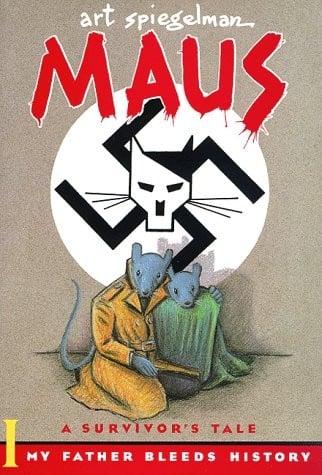
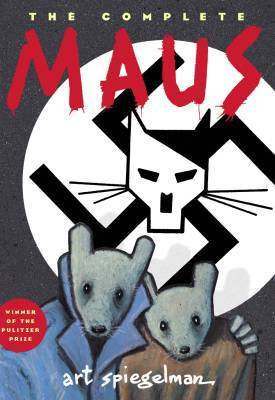
No. 1 on this list. Maus I: A Survivor's Tale: My Father Bleeds History
Art Spiegelman · 1991
Easy2.2 hours
Maus is widely taught in schools and universities as a central Holocaust text and as the key work of the graphic novel, and it won a Pulitzer Prize special award in 1992 for the combined work. It is now standard in comics studies and memory studies.
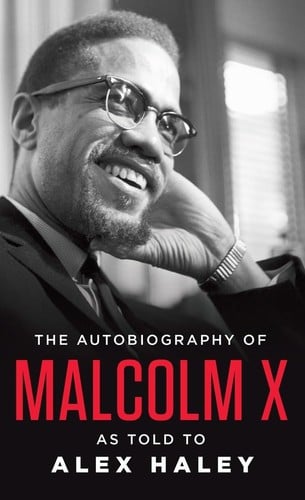
It is widely taught in American history and literature courses, is named among Time's most important nonfiction books of the century, and is an essential text in African American studies.
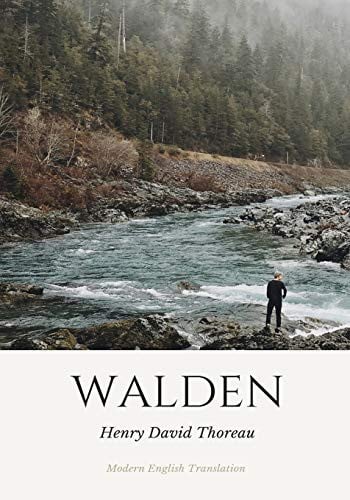
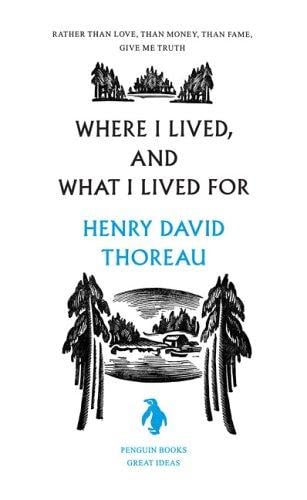
Thoreau moved to a cabin on a pond for two years and wrote a book that made solitude, bean-counting, and the observation of thawing mud into acts of radical philosophy. Walden supplied the intellectual template for civil disobedience, environmentalism, and voluntary simplicity — three movements that still run on its sentences.
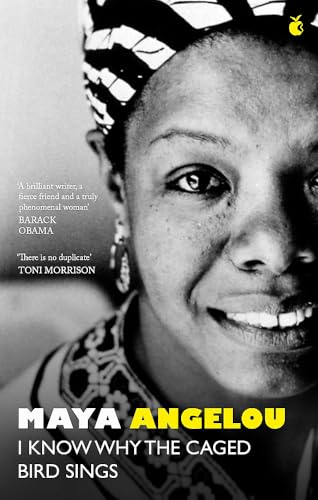
No. 4 on this list. I Know Why the Caged Bird Sings
Maya Angelou · 1969
Challenging8.1 hours
Taught in schools: CSEC English B – Caribbean Examinations Council, Pacific Senior Secondary Certificate – English, WBCHSE English and Alternative English syllabuses (India)
Taught in virtually every American high school and across university courses in African American literature, women's studies, and autobiography. One of the American Library Association's most frequently challenged books — a perverse testament to its ubiquity — and named among the most important American autobiographies of the 20th century on lists from the Modern Library and TIME.
The most anthologised chapter of Walden and a fixture of American school reading.
Widely taught in universities and high schools as the defining Holocaust graphic memoir, Maus appears on hundreds of literature and history syllabi worldwide. It is listed on virtually every major 'essential reading' and 'greatest books' compilation that includes graphic literature, from the Modern Library to Time's All-TIME 100 Novels. While not on syllabi at the scale of Fitzgerald or Austen, it holds unique canonical status as the book that forced academia to take comics seriously.
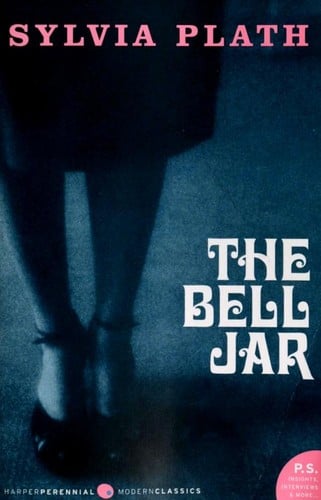
The Bell Jar is required reading in virtually every American women's literature and confessional writing course, and appears widely in high school curricula addressing mental health and mid-century American life. It holds a secure place on Modern Library and similar essential reading lists, and remains one of the most assigned novels in discussions of feminist literary history.
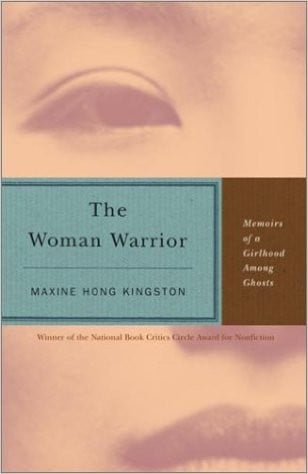
No. 8 on this list. The Woman Warrior: Memoirs of a Girlhood Among Ghosts
Maxine Hong Kingston · 1976
Moderate4.6 hours
The Woman Warrior is one of the most-taught memoirs in American university curricula, appearing on syllabi for American literature, Asian-American studies, women's studies, creative nonfiction, and multicultural education courses. It has been continuously in print since 1976 and appears on virtually every list of essential Asian-American literature. The Open Syllabus Project ranks it among the most frequently assigned texts in the humanities.
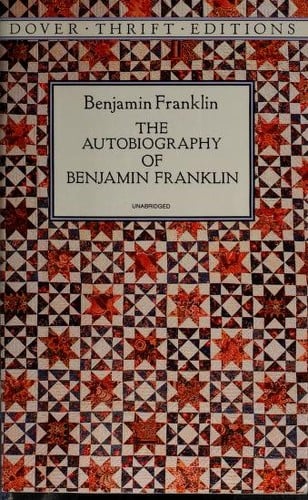
The Autobiography is among the most assigned texts in American literature and history courses at both high school and university level, serving as the foundational document of the American self-made-man tradition. No awards data is available in the database, but the work appears on virtually every syllabus of early American literature and is regularly included in surveys of American nonfiction. It is universally treated as essential reading for understanding American culture and civic ideology.
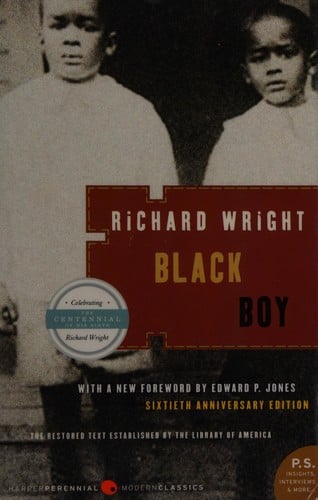
Black Boy is a fixture in American secondary and university curricula, routinely assigned in courses on African American literature, autobiography, and twentieth-century American history. It appears on widely used reading lists alongside Native Son and Frederick Douglass's Narrative. The book has maintained continuous institutional presence since its 1945 publication and Book-of-the-Month Club selection.
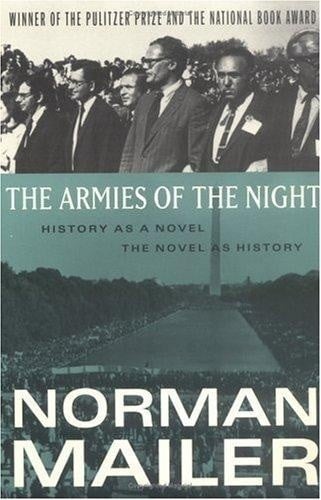
No. 11 on this list. The Armies of the Night · Norman Mailer · 1968
Won both the Pulitzer Prize for General Nonfiction and the National Book Award in 1969 — an extraordinarily rare double — cementing its place in the American literary canon. Taught regularly in American literature, journalism, and creative nonfiction courses. Appears on most authoritative 'great American nonfiction' lists alongside In Cold Blood and Let Us Now Praise Famous Men.
Moderate7.1 hours
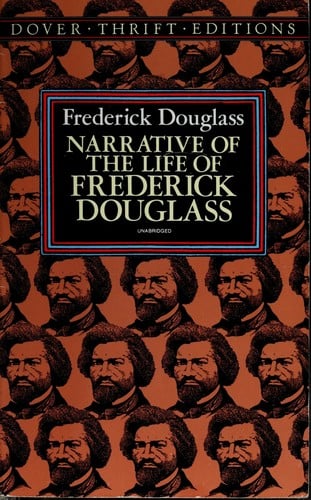
Start this bookNo. 12 on this list. Narrative of the Life of Frederick Douglass · Frederick Douglass · 1845
Frederick Douglass was born into slavery on a Maryland plantation and never knew his exact birthday. His mother, a field hand, walked twelve miles at night to lie beside him before returning to work at dawn. She died when he was seven; he felt it as a stranger's death. From this opening act of separation, Douglass traces his path from Eastern Shore plantations to Baltimore streets to the abolitionist stage -- and at each turn, the question is the same: what does slavery do to human beings, both Black and white? The book's most startling insight arrives in a Baltimore parlor, where Sophia Auld begins teaching the boy his letters. Her husband forbids it, and Douglass understands instantly: if reading makes a slave unfit for bondage, then reading is the way out. He trades bread for lessons with white children on the street. The pivotal scene comes years later, when Douglass fights the slave-breaker Covey to a standstill: 'You have seen how a man was made a slave; you shall see how a slave was made a man.' Written in 1845, while Douglass was still legally property, this is testimony with the names left in -- masters, overseers, farms, the murdered and the murderers. Every page is an act of defiance.
Very Easy2 hours
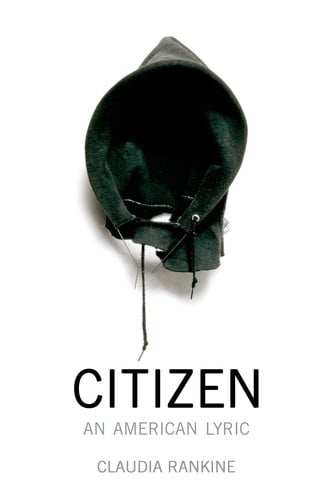
Read nowNo. 13 on this list. Citizen: An American Lyric · Claudia Rankine · 2014
Citizen has become required reading across university courses in American literature, race studies, creative writing, and cultural criticism within a decade of its 2014 publication—a speed of canonization rarely seen in contemporary poetry. It appears on hundreds of syllabi and on nearly every 'essential American poetry' list of the 2010s. Its Wikipedia article exists in multiple languages, and the book is cited in academic work across disciplines from legal theory to art history.
Difficult1.7 hours
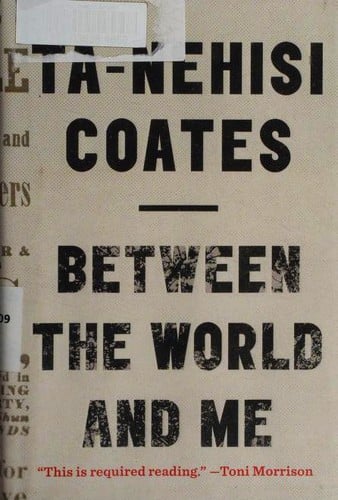
Start this bookNo. 14 on this list. Between the World and Me · Ta-Nehisi Coates · 2015
Winner of the 2015 National Book Award for Nonfiction and a Pulitzer Prize finalist, Between the World and Me became required reading in hundreds of university courses across African American studies, American studies, sociology, and political philosophy within a year of publication. It appears on syllabi at a rate comparable to other major contemporary nonfiction works and has become a standard text in discussions of race in America.
Moderate2.5 hours
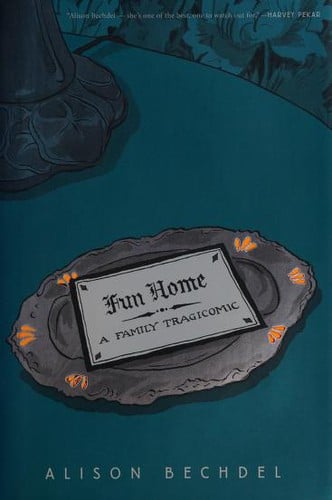
Start this bookNo. 15 on this list. Fun Home · Alison Bechdel · 2006
Fun Home is foundational in graphic novel studies, queer memoir, and contemporary comics curricula at the university level. It appears on syllabi in English, gender studies, and art courses across North America, though it does not yet occupy the traditional Western canon. Its inclusion in Time's All-TIME 100 Graphic Novels list marks it as essential reading within its form.
Challenging5.3 hours
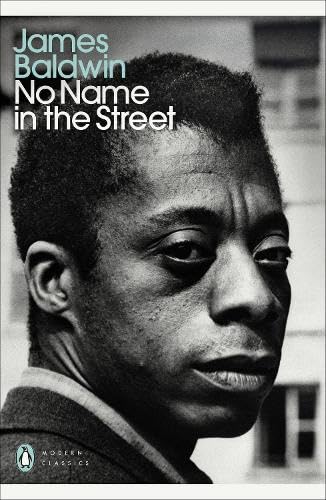
Start this bookNo. 16 on this list. No Name in the Street · James Baldwin · 1972
James Baldwin begins in memory: a suit, bought in Hollywood in the early 1960s, that he kept for years after it came back to him stained with blood. From that image, he unfolds a decade of American wreckage — the assassinations of Medgar Evers, Malcolm X, and Martin Luther King Jr., the imprisonment of his friend Tony Maynard, the slow collapse of the civil rights movement into something harder and more desperate. Published in 1972, No Name in the Street moves between Baldwin's time in the American South, Paris, Hollywood, and Harlem, building not a conventional memoir but a reckoning. He names what he witnessed: the cowardice of liberals, the terror wielded by the state, the particular loneliness of a Black American who has lived abroad and returned to find his country unchanged and yet transformed. The prose is Baldwin at his most demanding — long, coiling sentences that circle a point before arriving at it with sudden precision. This is not a book that consoles. Baldwin is interested in what actually happened and what it cost, and he refuses to let America's self-image soften the record. Readers who want argument rather than story, and who can follow a mind thinking across politics, memory, and moral philosophy simultaneously, will find it essential.
Moderate3.4 hours
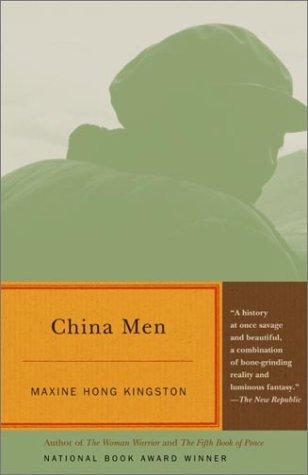
Start this bookNo. 17 on this list. China Men · Maxine Hong Kingston · 1980
China Men appears regularly on syllabi in Asian-American literature, women's literature, and American studies courses. It is one of the two books — alongside The Woman Warrior — that established Kingston as the field's foundational figure. The book lacks the universal high school assignment status of Beloved or To Kill a Mockingbird but is a standard text in its academic subfields.
Challenging11 hours
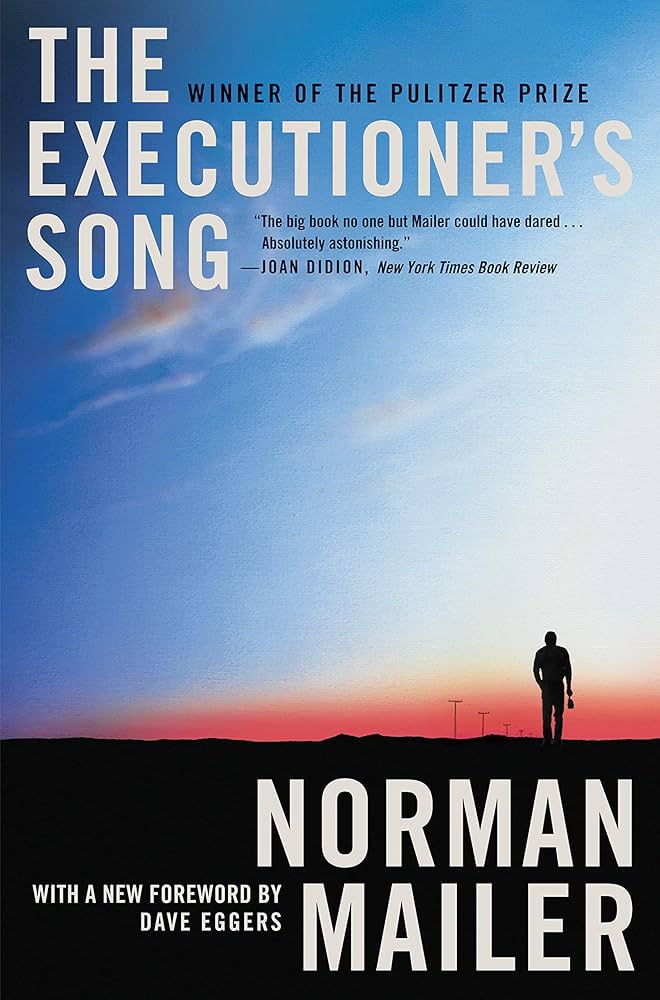
Start this bookNo. 18 on this list. The Executioner's Song · Norman Mailer · 1980
The book won the 1980 Pulitzer Prize for Fiction and is regularly taught in creative nonfiction and American literature courses. It's considered a landmark in the 'nonfiction novel' genre that Capote pioneered with In Cold Blood. The work appears on major reading lists as an essential text for understanding both 1970s America and the possibilities of documentary literature.
Moderate26 hours
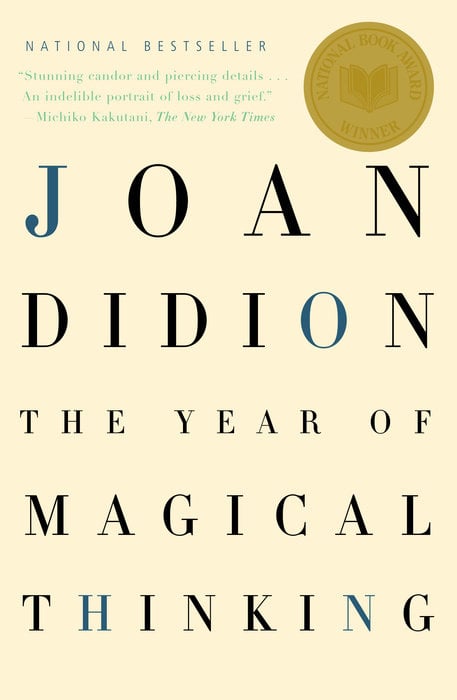
Start this bookNo. 19 on this list. The Year of Magical Thinking · Joan Didion · 2005
The Year of Magical Thinking is widely taught in creative nonfiction and grief studies courses and has become the benchmark text for memoir about loss. Wikipedia carries articles in 6 languages with a dedicated reception section. It has not achieved the universal curriculum presence of fiction landmarks, but within the genre of literary memoir it holds unquestioned canonical status.
Moderate3.4 hours
Start this bookNo. 20 on this list. Storyteller · Leslie Marmon Silko · 1981
Storyteller appears on hundreds of university syllabi in Native American literature, American literature, and women's studies courses, making it required reading in its subfield. It is consistently cited among the essential works of Indigenous American writing and is included in major survey anthologies of American literature. While not at the saturation level of Beloved (85) or The Great Gatsby (95), it is a fixture in any serious Native American literature curriculum.
Challenging4.9 hours
Start this book
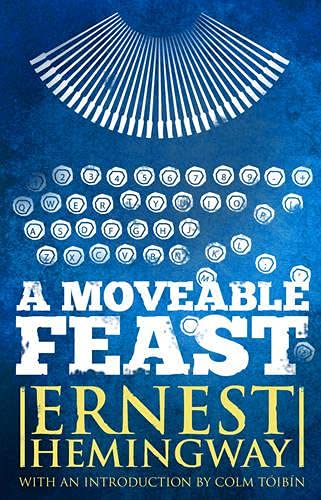
No. 21 on this list. A Moveable Feast · Ernest Hemingway · 1964
Widely read and frequently assigned. One of the most famous literary memoirs in English.
Challenging3.9 hours
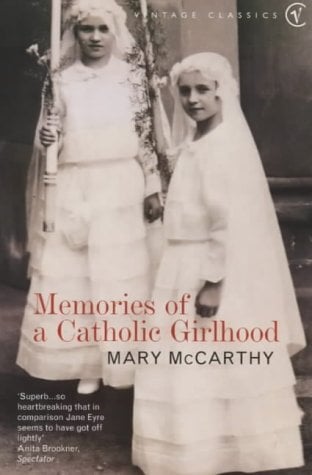
Start this bookNo. 22 on this list. Memories of a Catholic Girlhood · Mary McCarthy · 1957
A fixture in American literary memoir courses and women's writing curricula since the 1960s. Widely included in syllabi on 20th-century American autobiography and widely cited in academic discussions of the memoir form. While the database shows no syllabus or Wikipedia data, McCarthy's reputation and this book's influence on the literary memoir genre place it well within the canonical range.
Easy11 hours
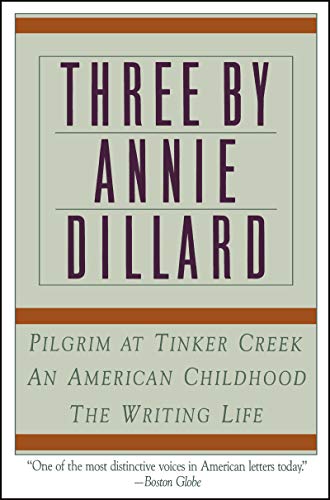
Start this bookNo. 23 on this list. The Writing Life · Annie Dillard · 1989
Annie Dillard sits down to write, and the writing refuses to cooperate. In this slim, fierce book, she tracks what actually happens when a person tries to put words on a page—the false starts, the chapters torn out and burned, the years spent in rented rooms going nowhere. She watches a stunt pilot named Dave Rahm perform aerobatics over Bellingham, Washington, and sees in his total commitment to the air exactly what writing demands: every maneuver burns fuel, and the fuel runs out. The inchworm that climbs to the tip of a branch and waves its front half wildly in empty space, searching for the next thing to grab—that's the writer too. Dillard moves between a writing shack on Cape Cod, a desk in Virginia, and the mountains of the Pacific Northwest, and in each place the same problem waits. She is not writing about writing in the abstract. She is writing about the peculiar violence of the work: how you dismantle a book to save it, how you follow a line of thought into territory you cannot map in advance. Readers expecting a how-to manual will find instead something harder and stranger—a record of what the life costs.
Easy1.4 hours
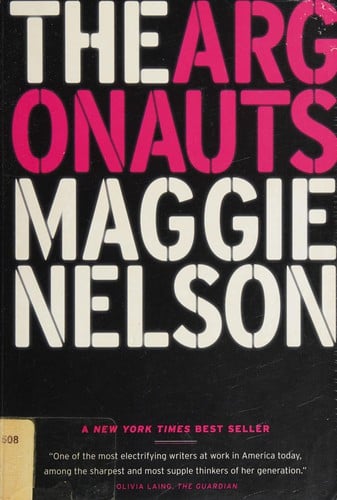
Start this bookNo. 24 on this list. The Argonauts · Maggie Nelson · 2015
Maggie Nelson falls in love with Harry Dodge in Los Angeles in 2007. Harry is an artist, genderfluid, beginning to take testosterone. Nelson is a poet and critic who has spent years devoted to Wittgenstein's idea that the inexpressible is contained in the expressed. They move in together. They get a house in Silver Lake. Nelson gets pregnant through IVF. Harry's mother begins to die. The book follows these events — the relationship, the pregnancy, the birth, the dying — but it does not tell them in sequence. It spirals around them, pulling in Judith Butler on gender, Barthes on the lover's discourse, Winnicott on the good-enough mother, Eve Kosofsky Sedgwick on queer reading, each citation drawn into the orbit of a specific scene: a hospital bed, a stack of cocks in a shower stall, a newborn placed on a chest while in another state a woman stops breathing. The form Nelson invented for this — no chapters, theory embedded in memoir, autobiography fused with polemic — has been widely imitated but rarely matched. The book argues, by enacting it, that the most radical domestic arrangements look ordinary from the outside. What makes it hold together is not its argument but its prose: specific, emotionally exact, and committed to showing what happens when language meets the body it cannot contain.
Difficult4.8 hours
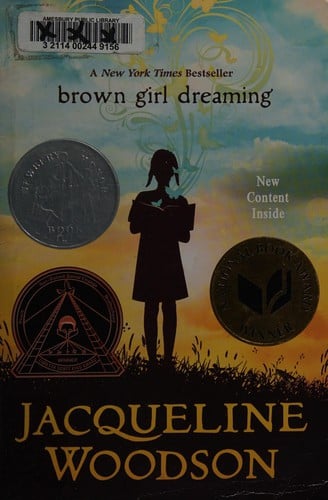
Start this bookNo. 25 on this list. Brown Girl Dreaming · Jacqueline Woodson · 2014
Brown Girl Dreaming is standard reading in American middle school and high school curricula, particularly in units on memoir, poetry, and Civil Rights-era literature. It appears on numerous recommended reading lists for young adults and is included in many school districts' required reading programs. Its canonical status is strong within YA and middle-grade education but has not yet reached the broader university literary canon.
Easy1.9 hours
Start this bookNo. 26 on this list. The Liars' Club · Mary Karr · 1995
Mary Karr was seven years old when a family doctor knelt before her in a dark room and asked to see the marks. It took her three decades to unfreeze that memory — and the rest of her childhood along with it. The Liars' Club is the account of growing up in Leechfield, a Texas refinery town, with a father who told magnificent stories in a rented room and a mother who set fire to the children's belongings in the backyard. Karr writes in Texas vernacular that has the grain and velocity of spoken speech. She renders her child-self's comprehension honestly — limited, funny, often oblivious to the damage being done — while her adult narrator tracks exactly what that damage was. The book's structure is a slow detonation: the opening scene poses a mystery, the chapters that follow supply the shrapnel, and the final section delivers the revelation about the mother that explains everything. Where most memoir softens the past, Karr reports it. The Liars' Club is the book that proved the form could hold the same psychological complexity as a novel.
Easy7.1 hours
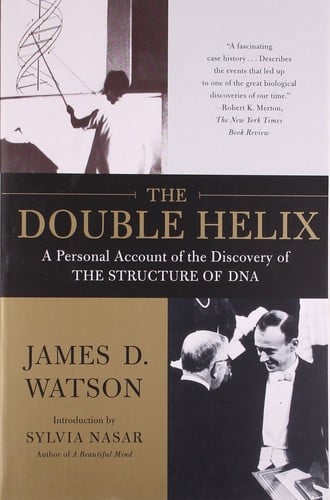
Start this bookNo. 27 on this list. The Double Helix · James D. Watson · 1968
One of the most important science memoirs ever written. Required reading in history of science courses.
Easy2.9 hours
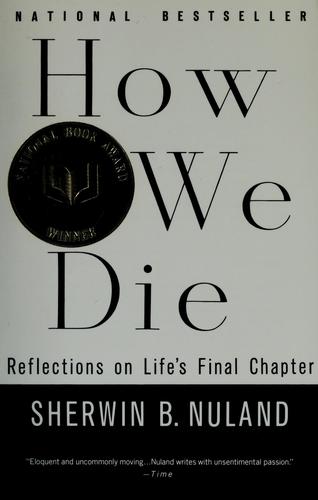
Start this bookNo. 28 on this list. How We Die · Sherwin B. Nuland · 1994
A National Book Award winner and a standard text in medical humanities and bioethics courses, but not a staple of general literature curricula.
Easy6.5 hours
Start this bookNo. 29 on this list. Just Kids · Patti Smith · 2010
Just Kids occupies a respected but not yet firmly canonical position. It appears on some university syllabi in creative writing and memoir courses, and is frequently referenced in discussions of contemporary nonfiction. However, it has not achieved the kind of universal curricular presence that marks canonical works -- it is more likely to appear on 'recommended reading' lists than required ones. Its standing is strong within memoir and music-adjacent literary culture but less established in broader literary studies.
Very Easy3.9 hours
Start this bookNo. 30 on this list. Dust Tracks on a Road · Zora Neale Hurston · 1942
Regularly taught in African American literature surveys and autobiography courses, but overshadowed canonically by Their Eyes Were Watching God. The book's initial hostile reception — criticized for its racial politics — complicated its early canonization. Since Hurston's rediscovery in the 1970s, it has secured a stable place in American autobiography syllabi.
Moderate5.1 hours
Start this book
No. 31 on this list. A Heartbreaking Work of Staggering Genius
Dave Eggers · 2000
No. 32 on this list. Heavy: An American Memoir
Kiese Laymon · 2018
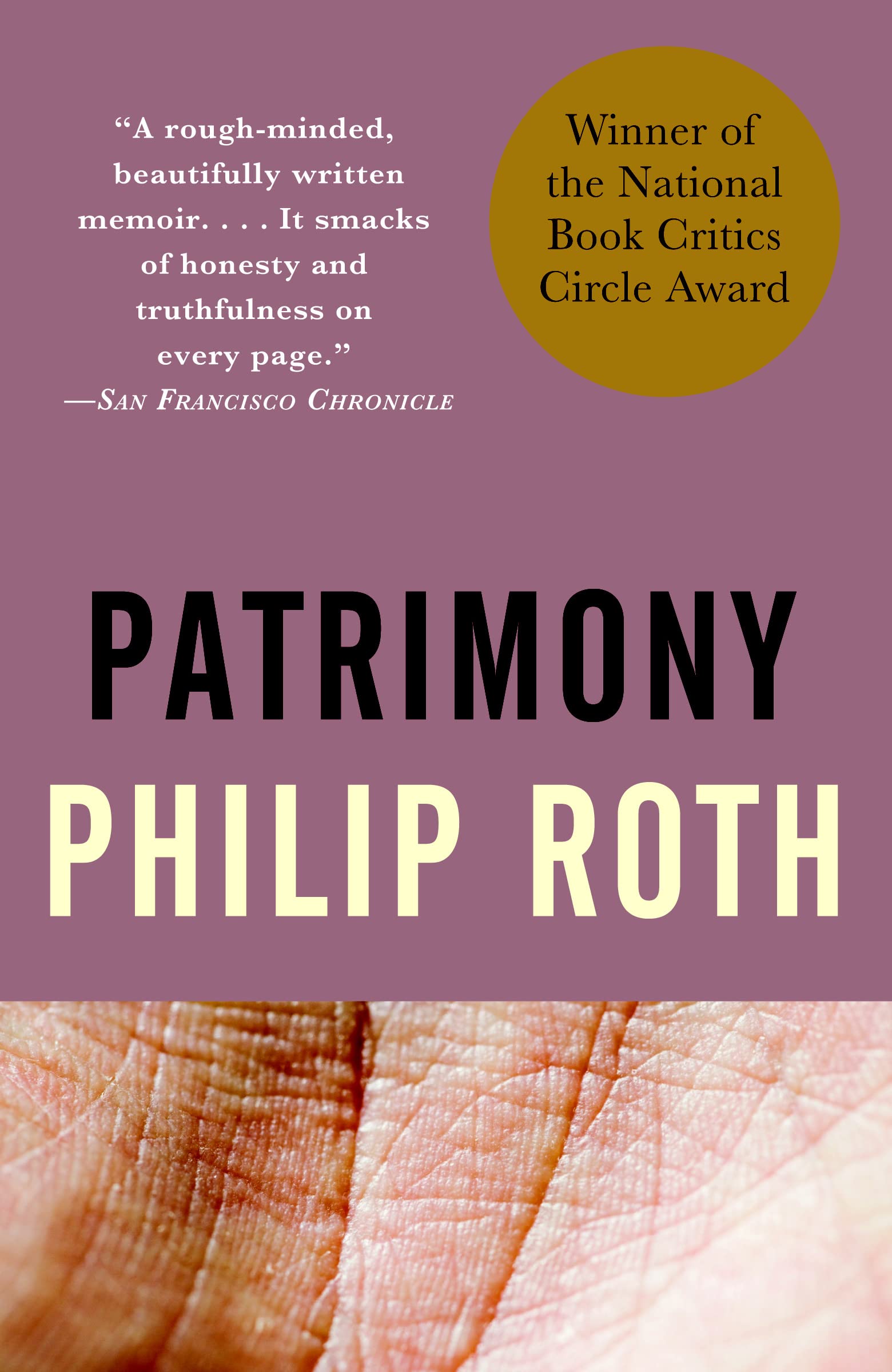
No. 33 on this list. Patrimony
Philip Roth · 1991
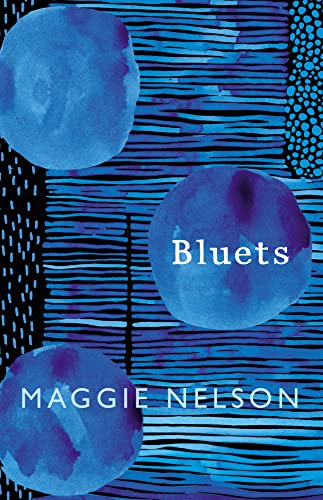
No. 34 on this list. Bluets
Maggie Nelson · 2009
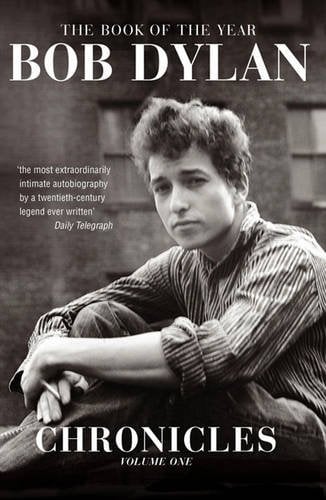
No. 35 on this list. Chronicles: Volume One
Bob Dylan · 2004
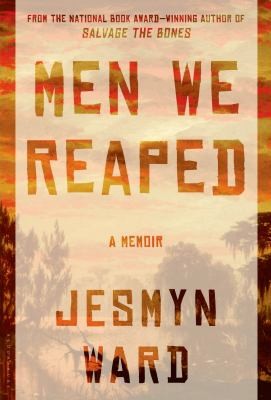
No. 36 on this list. Men We Reaped
Jesmyn Ward · 2013
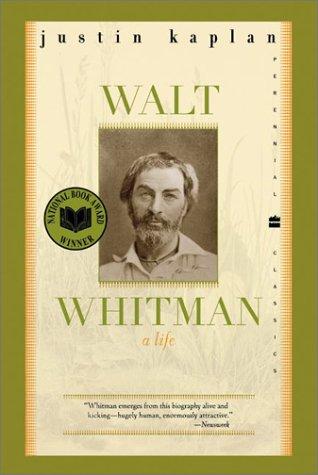
No. 37 on this list. Walt Whitman: A Life
Justin Kaplan · 1980
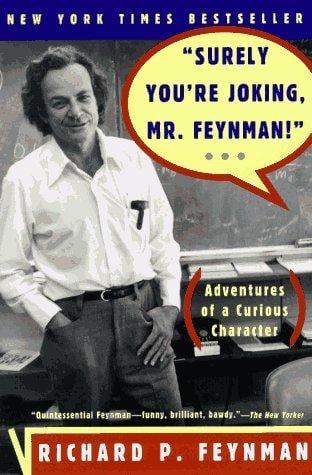
No. 38 on this list. Surely You're Joking, Mr. Feynman!
Richard P. Feynman · 1985
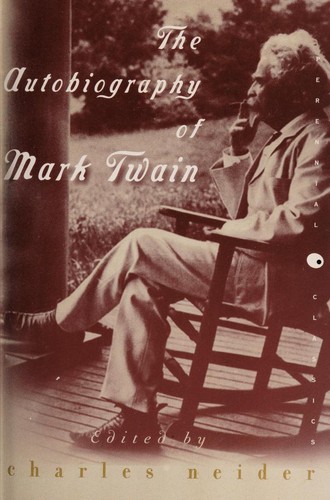
No. 39 on this list. The Autobiography of Mark Twain
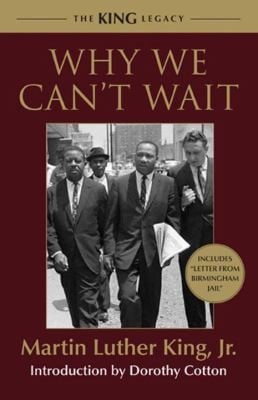
No. 40 on this list. Why We Can't Wait
Martin Luther King Jr. · 1964
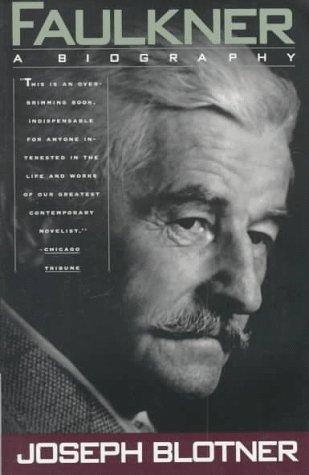
No. 41 on this list. Faulkner: A Biography
Joseph Blotner · 1974
No. 42 on this list. Dispatches
Michael Herr · 1977
No. 43 on this list. A Field Guide to Getting Lost
Rebecca Solnit · 2005
No. 44 on this list. The Empathy Exams
Leslie Jamison · 2014
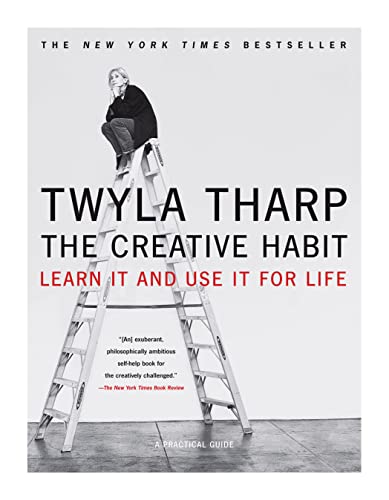
No. 45 on this list. The Creative Habit: Learn It and Use It for Life
Twyla Tharp · 2003
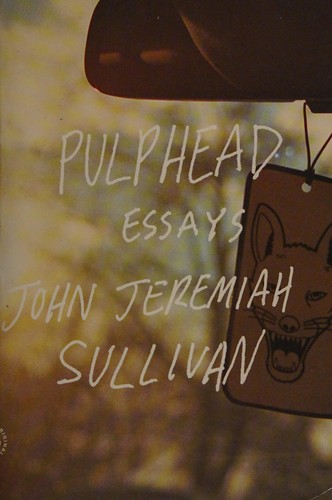
No. 46 on this list. Pulphead
John Jeremiah Sullivan · 2011
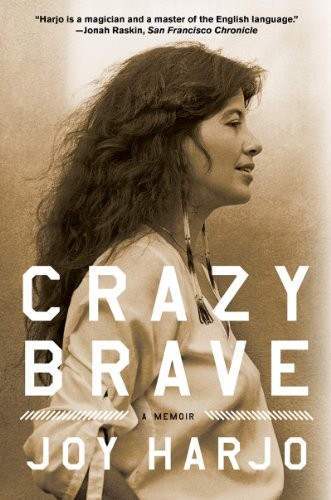
No. 47 on this list. Crazy Brave: A Memoir
Joy Harjo · 2012
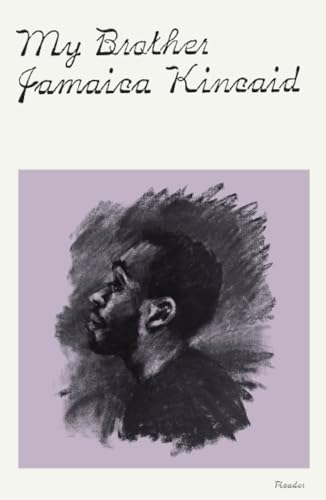
No. 48 on this list. My Brother
Jamaica Kincaid · 1998
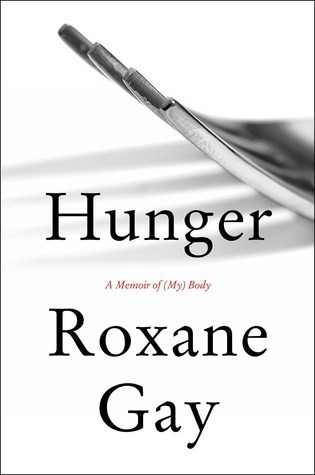
No. 49 on this list. Hunger: A Memoir of (My) Body
Roxane Gay · 2017
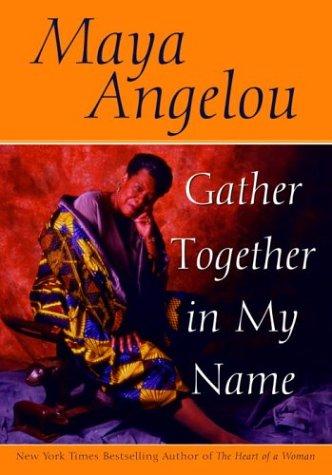
No. 50 on this list. Gather Together in My Name
Maya Angelou · 1997
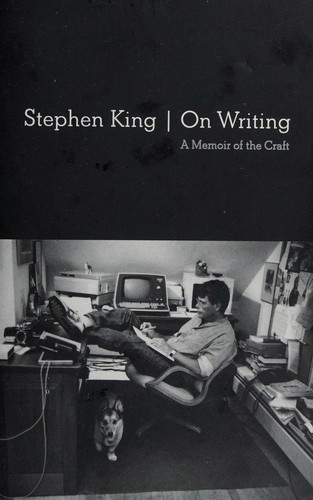
No. 51 on this list. On Writing
Stephen King · 2000
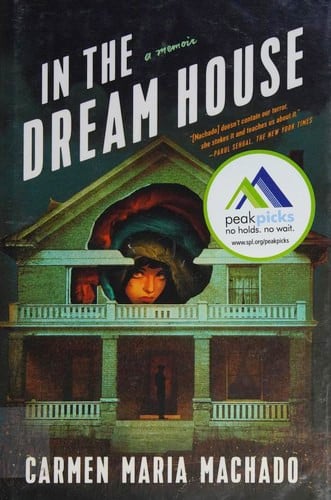
No. 52 on this list. In the Dream House
Carmen Maria Machado · 2019
No. 53 on this list. Minor Feelings
Cathy Park Hong · 2020
No. 54 on this list. The Rosy Crucifixion
Henry Miller · 1949
No. 55 on this list. The Spectator Bird
Wallace Stegner · 1977
No. 56 on this list. Create Dangerously: The Immigrant Artist at Work
Edwidge Danticat · 2010
No. 57 on this list. Ravelstein
Saul Bellow · 2000
No. 58 on this list. The Art of Death
Edwidge Danticat · 2018
No. 59 on this list. The Great Railway Bazaar
Paul Theroux · 1975
No. 60 on this list. Desert Solitaire
Edward Abbey · 1968
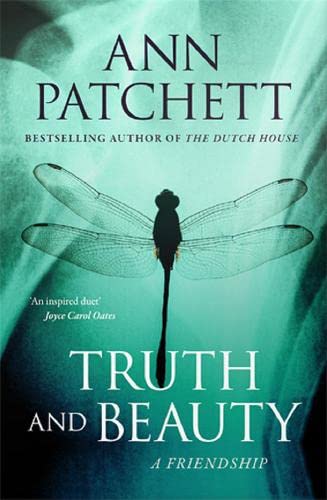
No. 61 on this list. Truth and Beauty
Ann Patchett · 2005
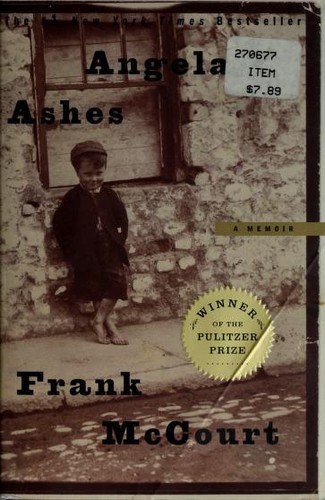
No. 62 on this list. Angela's Ashes
Frank McCourt · 1996
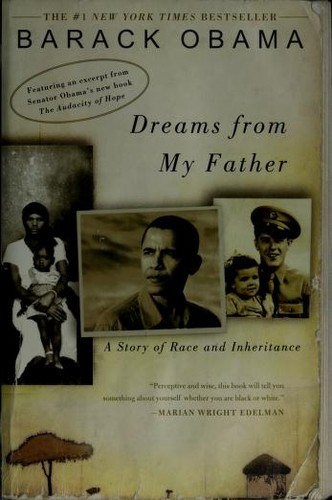
No. 63 on this list. Dreams from My Father
Barack Obama · 1995
No. 64 on this list. Gay Bar: Why We Went Out
Jeremy Atherton Lin · 2021
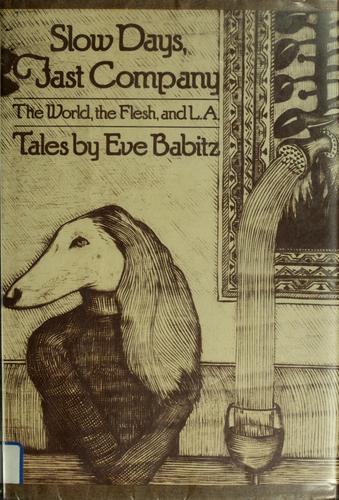
No. 65 on this list. Slow Days, Fast Company
Eve Babitz · 1977
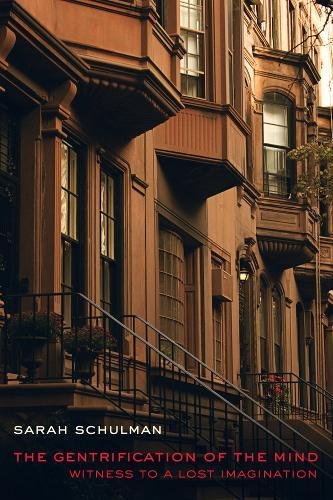
No. 66 on this list. The Gentrification of the Mind: Witness to a Lost Imagination
Sarah Schulman · 2012
No. 67 on this list. Girl, Interrupted
Susanna Kaysen · 1993
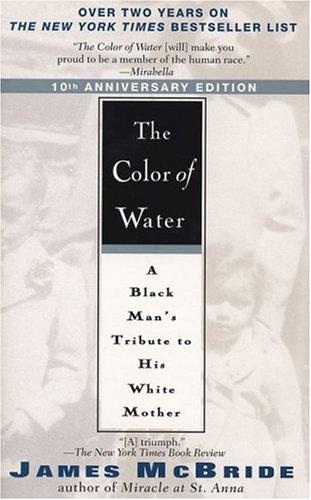
No. 68 on this list. The Color of Water
James McBride · 1996
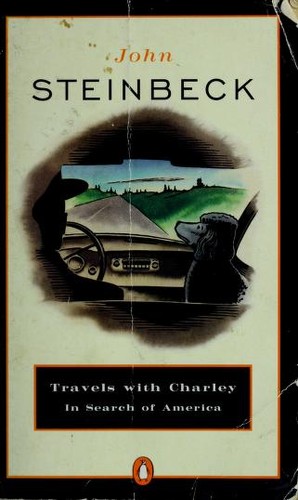
No. 69 on this list. Travels with Charley
John Steinbeck · 1962
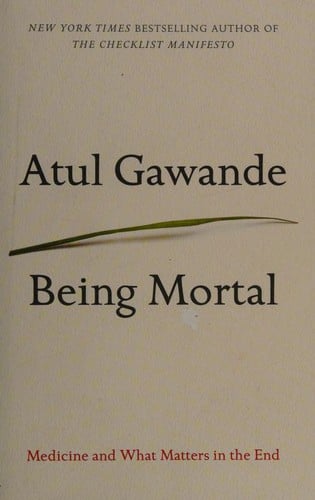
No. 70 on this list. Being Mortal
Atul Gawande · 2014
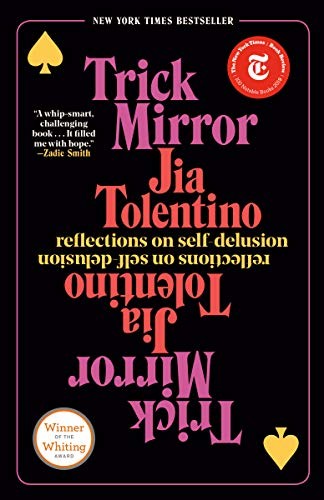
No. 71 on this list. Trick Mirror
Jia Tolentino · 2019
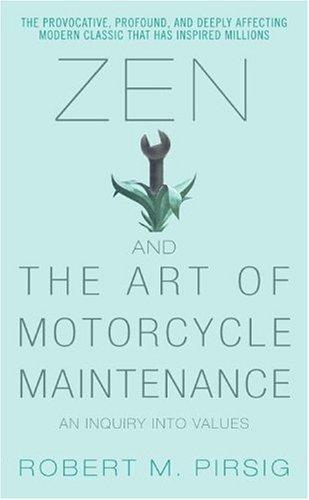
No. 72 on this list. Zen and the Art of Motorcycle Maintenance
Robert M. Pirsig · 1974
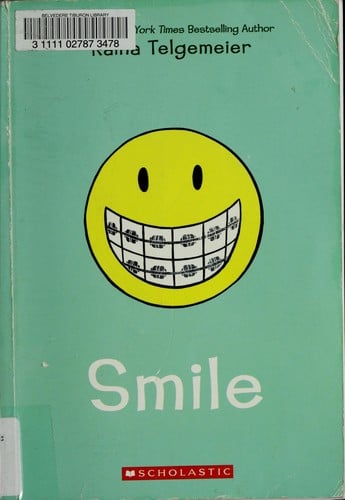
No. 73 on this list. Smile
Raina Telgemeier · 2010
No. 74 on this list. Vibration Cooking or the Travel Notes of a Geechee Girl
Vertamae Smart-Grosvenor · 1970
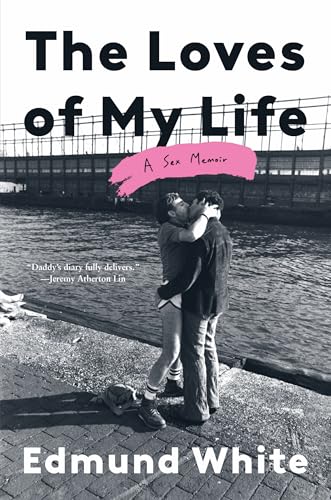
No. 75 on this list. The Loves of My Life: A Sex Memoir
Edmund White · 2025
No. 76 on this list. The Solace of Open Spaces
Gretel Ehrlich · 1985
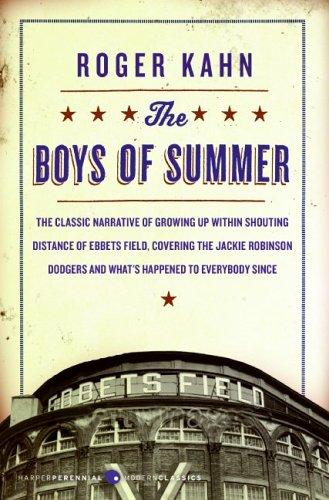
No. 77 on this list. The Boys of Summer
Roger Kahn · 1972
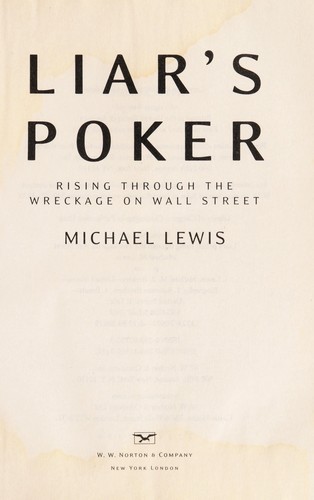
No. 78 on this list. Liar's Poker
Michael Lewis · 1989
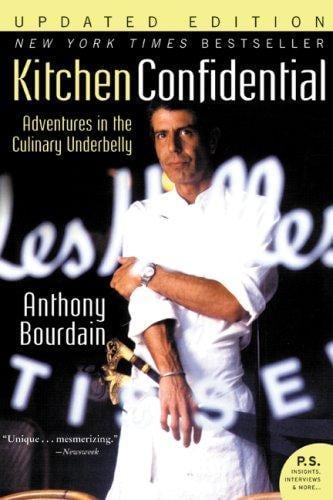
No. 79 on this list. Kitchen Confidential
Anthony Bourdain · 2000
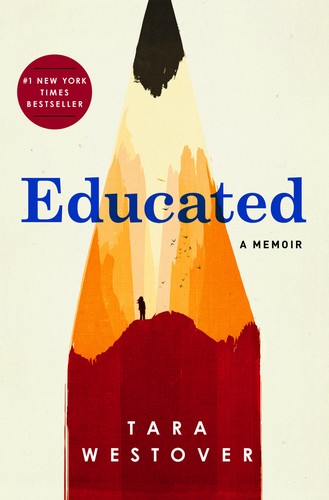
No. 80 on this list. Educated
Tara Westover · 2018
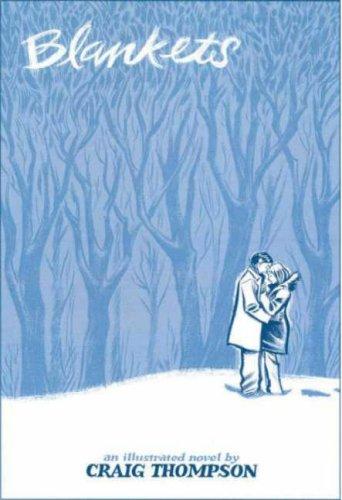
No. 81 on this list. Blankets
Craig Thompson · 2003
No. 82 on this list. The Farewell Symphony
Edmund White · 1997
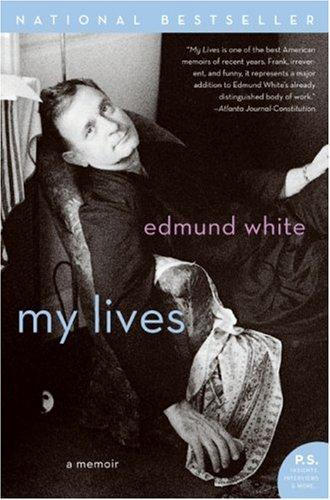
No. 83 on this list. My Lives: A Memoir
Edmund White · 2007
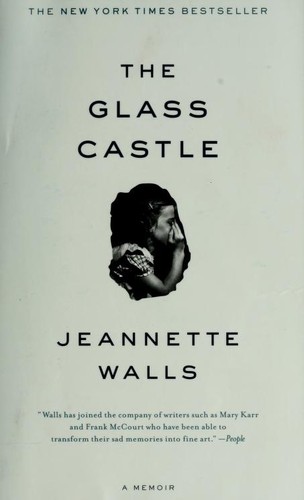
No. 84 on this list. The Glass Castle
Jeannette Walls · 2005
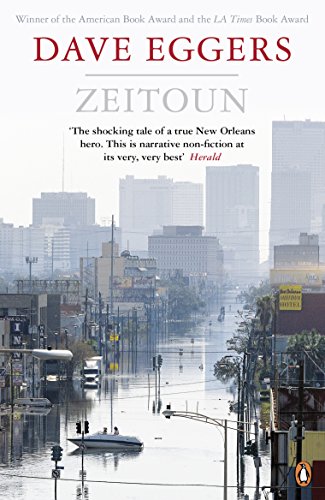
No. 85 on this list. Zeitoun
Dave Eggers · 2009
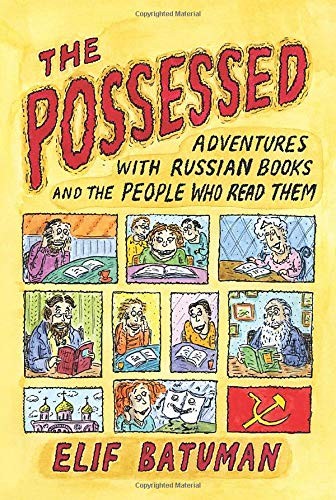
No. 86 on this list. The Possessed: Adventures with Russian Books and the People Who Read Them
Elif Batuman · 2010
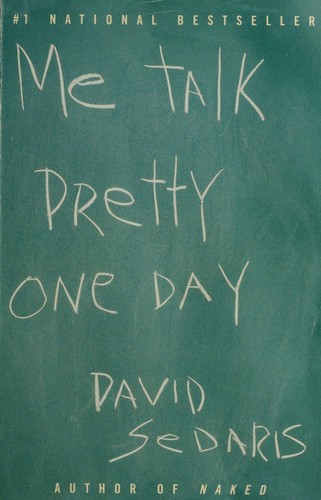
No. 87 on this list. Me Talk Pretty One Day
David Sedaris · 2000
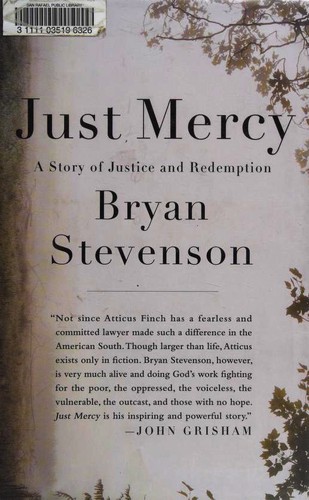
No. 88 on this list. Just Mercy
Bryan Stevenson · 2014
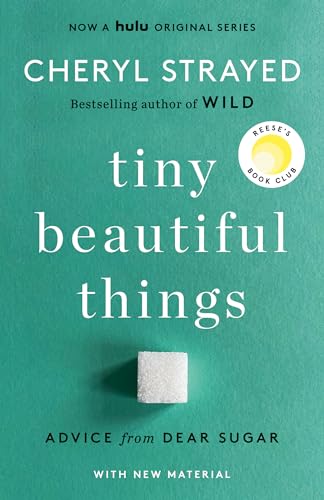
No. 89 on this list. Tiny Beautiful Things: Advice from Dear Sugar
Cheryl Strayed · 2012
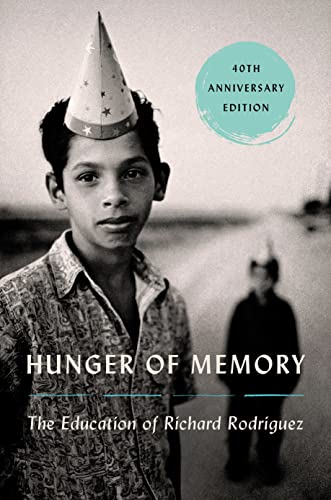
No. 90 on this list. Hunger of Memory
Richard Rodriguez · 1982
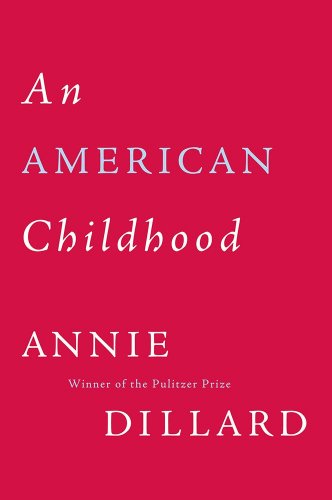
No. 91 on this list. An American Childhood
Annie Dillard · 1987
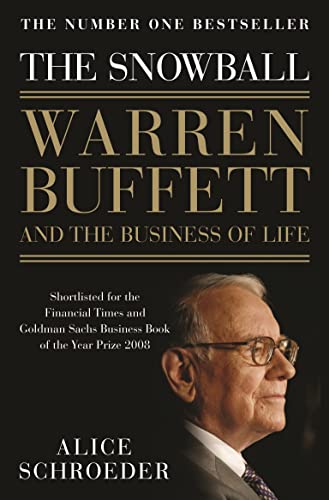
No. 92 on this list. The Snowball
Alice Schroeder · 2009
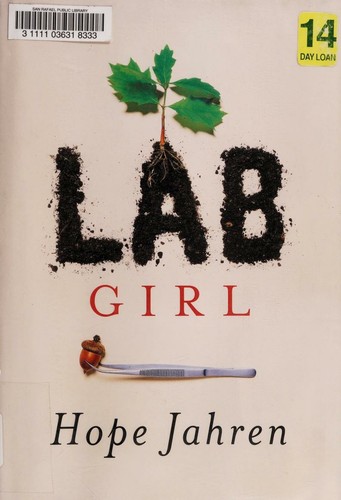
No. 93 on this list. Lab Girl
Hope Jahren · 2016
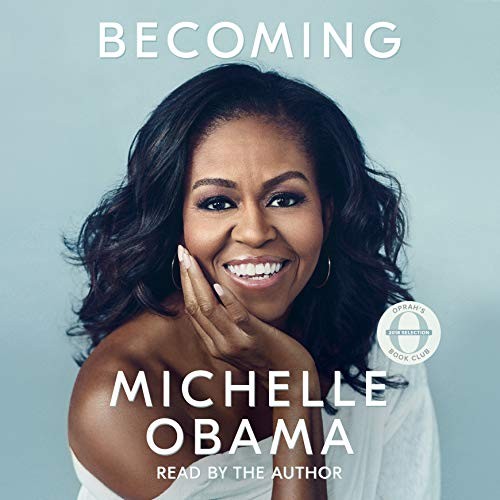
No. 94 on this list. Becoming
Michelle Obama · 2018
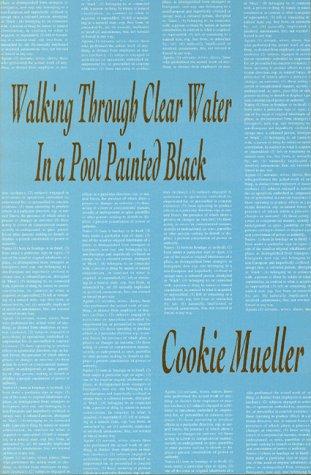
No. 95 on this list. Walking Through Clear Water in a Pool Painted Black
Cookie Mueller · 1990
No. 96 on this list. Monsters: A Fan's Dilemma
Claire Dederer · 2023
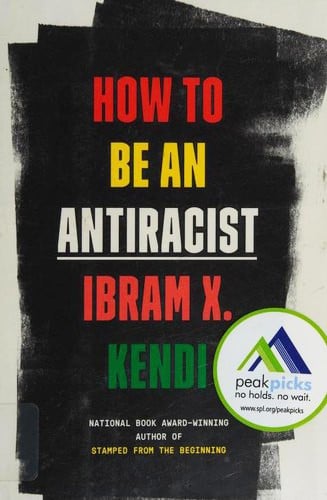
No. 97 on this list. How to Be an Antiracist
Ibram X. Kendi · 2019
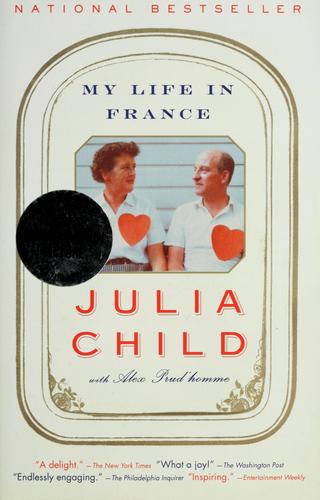
No. 98 on this list. My Life in France
Julia Child · 2006
No. 99 on this list. Hillbilly Elegy: A Memoir of a Family and Culture in Crisis
J.D. Vance · 2016
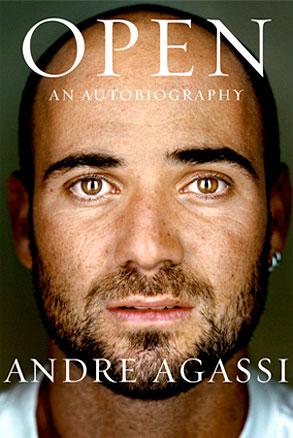
No. 100 on this list. Open
Andre Agassi · 2009
About this list
These 100 books are the highest-scoring eligible memoirs from the United States currently in the catalogue. By literary regard, it opens with Maus I: A Survivor's Tale: My Father Bleeds History, The Autobiography of Malcolm X and Walden. About 506 hours of reading in all, for the 98 with measured lengths. Difficulty runs from 24 to 53 out of 100 for the middle half of the list; the summit is Chronicles: Volume One at 74.
This list is ranked by literary regard, with a consistent order for equal scores. Membership follows authors and co-authors, not translators or editors. Catalogue coverage and the historical canon both limit what this list can represent, and genre labels are the catalogue’s own, gathered into broader kinds.
When we matched the Canons dataset to our catalogue in October 2026, our canonical-status scores rose with the number of school curricula, publisher series and lists in it that cite a work: the median score was 72 for books one such source cites, 84 at two, 88 at three, 92 at four and 93 at five or more. Prizes are left out of that count. Outside the state curricula, the dataset’s sources choose mostly from what has been translated into English or French, so it is a weaker check on other literatures. Source: Canons (Andrew Piper), CC BY 4.0
Questions people actually ask
- What are the best memoirs from the United States?
- By literary regard, which weighs canonical status, critical standing and influence, Maus I: A Survivor's Tale: My Father Bleeds History, The Autobiography of Malcolm X, Walden, I Know Why the Caged Bird Sings and Where I Lived, and What I Lived for lead. ReadingRate ranks 100 such books, each with a difficulty score and a reading-time estimate.
- Where should I start with memoirs from the United States?
- Start from difficulty, not from rank. The most approachable books on this list that still carry top literary regard are Narrative of the Life of Frederick Douglass by Frederick Douglass (about 2 hours), Maus I: A Survivor's Tale: My Father Bleeds History by Art Spiegelman and The Autobiography of Malcolm X by Malcolm X.
- How hard are memoirs from the United States to read?
- Most of this list sits between 24 and 53 on ReadingRate's 100-point difficulty scale, where 40 to 55 is moderate. The summit is Chronicles: Volume One at 74. Every entry carries its own score, so a reader can pick a great book at a difficulty they will finish.
- How is this list ranked?
- On literary-regard data: how canonically established a work is, its critical standing, and its influence on later writing. It is not a readers’ poll, which is why recent bestsellers rarely appear. Membership follows authors and co-authors, not translators or editors. A list that is not a genre list keeps to literature (fiction, poetry, drama and philosophy), with philosophy taking no more than one slot in five while there is literature left to rank; every list holds at most three works by one author.