Hours at an average pace
Showing 76 books
About 702 hours for 76 of 76 books with measured lengths. Estimates use 250 words a minute, adjusted for each book's difficulty. At 2 hours a day, about 352 days for those books.
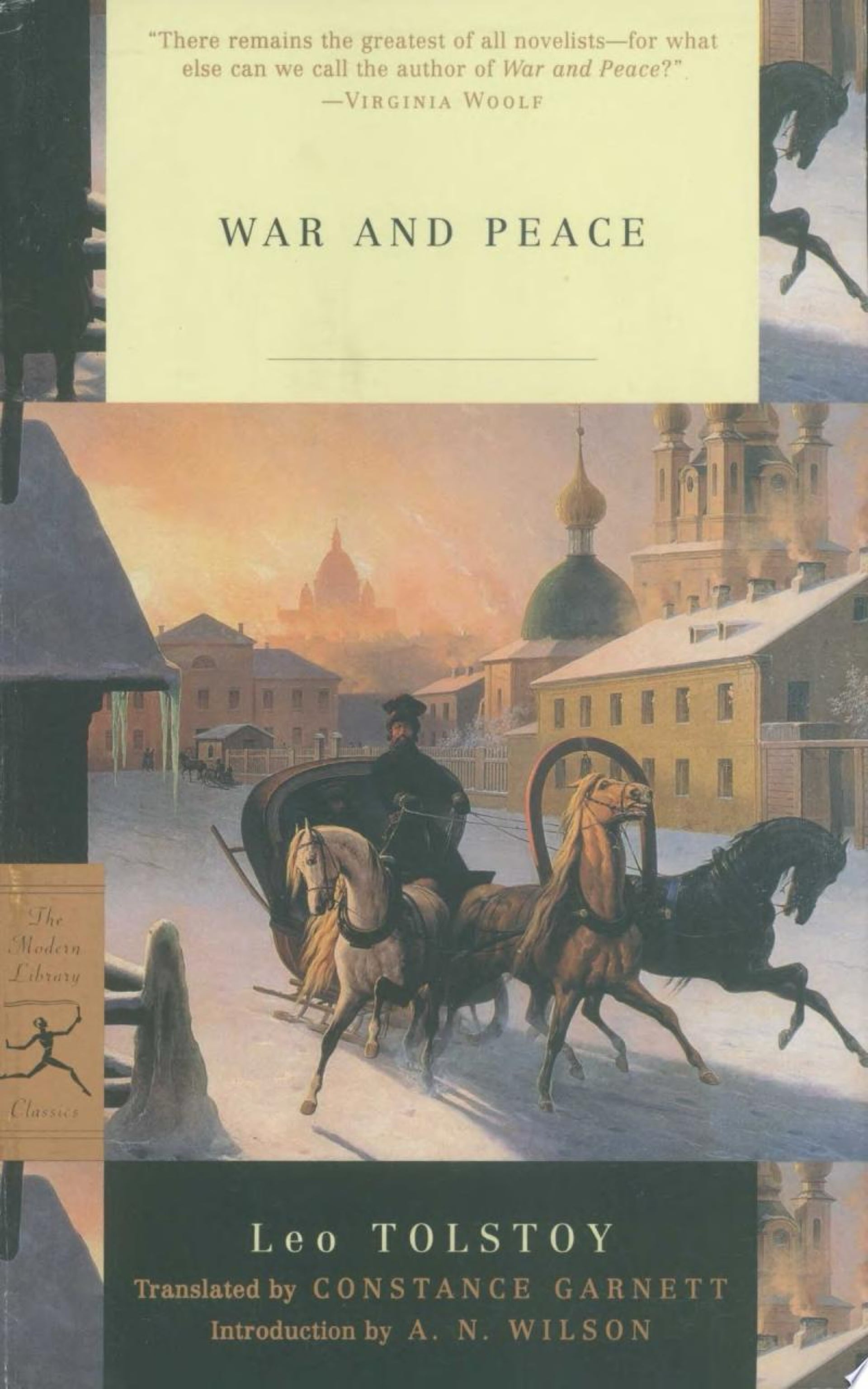
No. 1 on this list. War and Peace
Leo Tolstoy · 1869
Moderate39 hours
Taught in schools: Russian FGOS literature standard, Turkish edebiyat curriculum (Turkey)
Included in: Bibliothèque de la Pléiade, Bokklubben World Library, Great Books of the Western World
War and Peace appears on 120 university syllabi (Open Syllabus) and has Wikipedia articles in 80 languages, placing it among the most globally recognized novels ever written. It features on the BBC Big Read Top 100, the 1001 Books You Must Read Before You Die list, and the Open Syllabus Top 500 Literature canon, with a prestige NYRB Classics edition. The book is referenced universally as the archetype of the sweeping Russian novel.
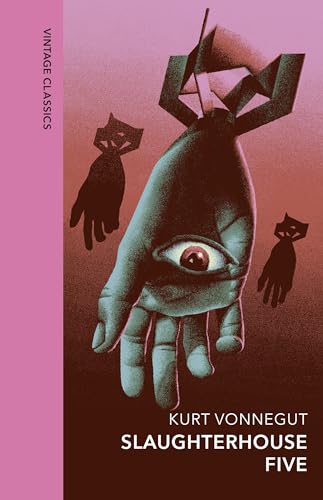
Vonnegut unstuck his protagonist from time and used the resulting shattered chronology to convey what no linear war novel could: the way trauma scrambles cause and effect until the firebombing of Dresden and a zoo on an alien planet occupy the same plane of reality. The deadpan sentence "So it goes" after every death became the definitive literary response to mass killing.
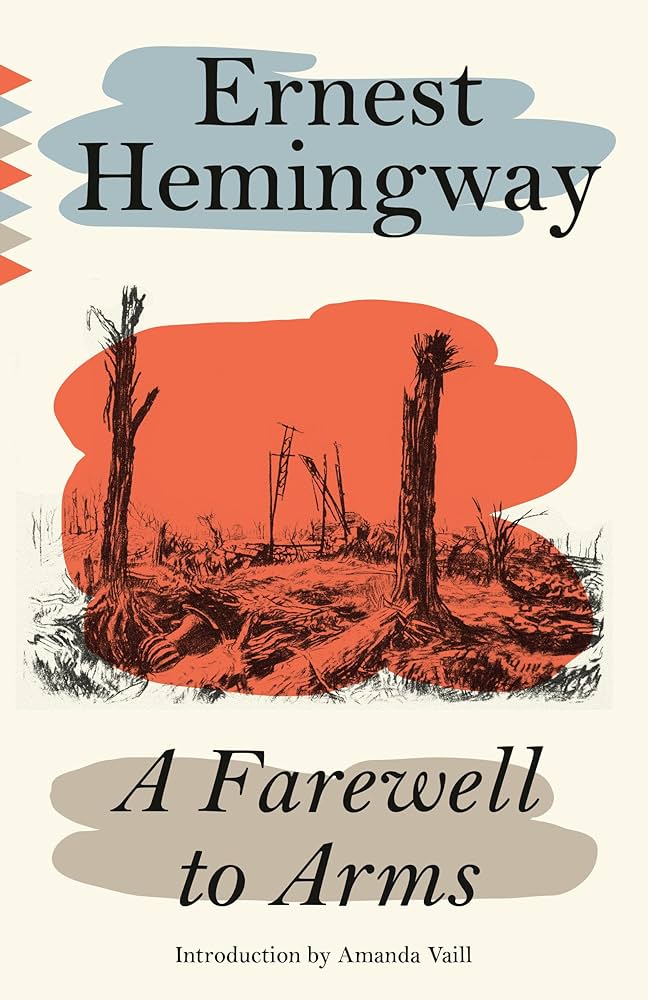
No. 3 on this list. A Farewell to Arms
Ernest Hemingway · 1929
Moderate6 hours
Taught in schools: AQA GCSE and A-level English Literature (UK), Common Core text exemplars (Appendix B) (US), CSEC English B – Caribbean Examinations Council
Included in: UNESCO Collection of Representative Works
A Farewell to Arms secured canonical status immediately upon publication in 1929, establishing itself as a foundational modernist war narrative and remains a standard text in American literature curricula. Its influence on subsequent war fiction and its representation of the Lost Generation make it exemplary of early 20th-century literary achievement.
The novel is a staple of American high school and college courses and a foundational war novel. Its 2006 date reflects an edition of a 1895 classic.
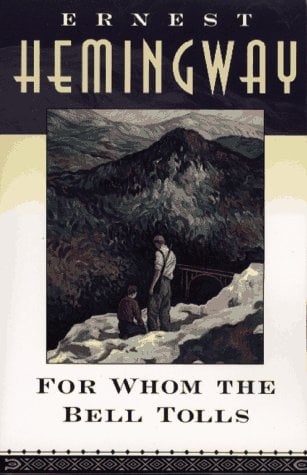
No. 5 on this list. For Whom the Bell Tolls
Ernest Hemingway · 1940
Moderate12 hours
Taught in schools: Turkish edebiyat curriculum (Turkey)
A staple of American literature curricula and regularly taught in courses on modernism, the Spanish Civil War, and Hemingway's oeuvre. Its canonical status is secure though slightly lower than The Sun Also Rises among scholars, while remaining widely assigned at both secondary and university levels.
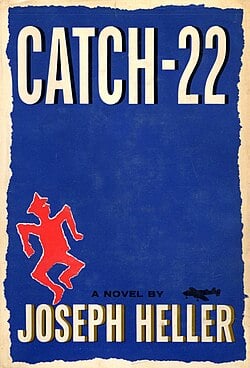
Yossarian wants to be grounded from combat missions, but anyone who asks to be grounded is sane enough to fly—that's the catch. Heller's circular logic gave the English language a new word and gave war fiction its most sustained assault on bureaucratic absurdity since Jaroslav Hašek's Good Soldier Švejk.
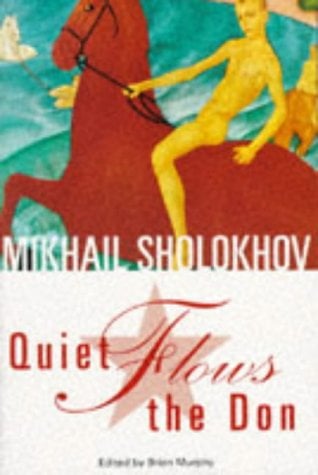
No. 7 on this list. And Quiet Flows the Don
Mikhail Sholokhov · 1928
Moderate13 hours
Taught in schools: Russian FGOS literature standard
And Quiet Flows the Don holds secure canonical position as foundational twentieth-century epic, particularly within Russian literary tradition and Soviet pedagogy. Its 1965 Nobel Prize recognition and permanent inclusion in world literature curricula establish uncontested canonical standing, though some post-Soviet scholarship questions authorship claims.
Nord appears on French literature syllabi covering Céline's oeuvre and in comparative literature courses on World War II fiction, but it sits firmly in the shadow of Journey to the End of the Night, which absorbs most of the canonical attention. Rarely taught as a standalone text outside specialist courses on 20th-century French prose or the literature of collaboration.
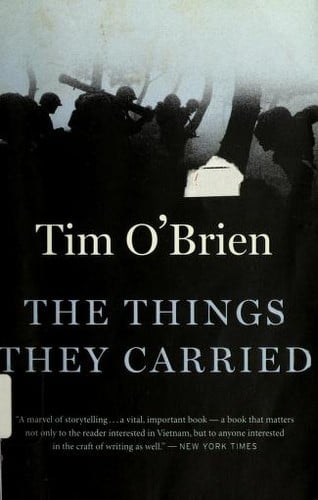
The Things They Carried is one of the most widely taught works in American high school and university curricula, appearing on thousands of syllabi in American literature, war literature, and creative writing courses. It consistently appears on canonical reading lists and "great American novels" compendiums, cementing its place as the defining literary account of the Vietnam War experience.
Life and Fate is increasingly treated as one of the great novels of the twentieth century and appears on syllabi for 20th-century European literature, Russian literature, Holocaust studies, and courses on totalitarianism. Its Wikipedia article exists in over 35 languages. Its canonical position has risen sharply since its Western publication and continues to grow as it is recognized alongside War and Peace as a defining Russian epic.

No. 11 on this list. Black Rain · Masuji Ibuse · 1966
The standard literary text on Hiroshima in Japanese and world-literature courses, in print in Kodansha International and Bantam editions and translated into more than fifteen languages.
Challenging8.3 hours
Start this bookNo. 12 on this list. Half of a Yellow Sun · Chimamanda Ngozi Adichie · 2007
Appears on 835 university syllabi (73rd percentile, Open Syllabus Project), making it a standard text in postcolonial literature, African studies, and diaspora fiction courses. Wikipedia articles exist in 18 languages with a substantial article (38,294 characters) including dedicated reception and adaptations sections, indicating broad but not globally ubiquitous cultural reach.
Challenging14 hours
Start this bookNo. 13 on this list. Four Generations Under One Roof · Lao She · 1949
A standard text in Chinese literature courses and one of the most adapted modern Chinese novels for television, though less read abroad than Rickshaw Boy.
Challenging23 hours
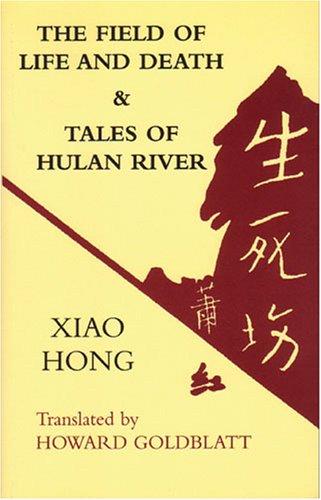
Start this bookNo. 14 on this list. The Field of Life and Death · Xiao Hong · 1935
Standard in modern Chinese literature and Chinese women's writing courses, published by Indiana University Press in Goldblatt's translation.
Challenging4.4 hours
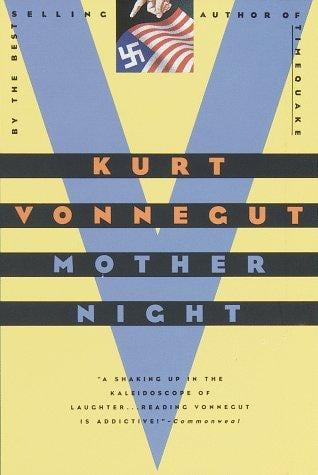
Start this bookNo. 15 on this list. Mother Night · Kurt Vonnegut · 1961
Howard W. Campbell, Jr. is writing his confession from an Israeli prison cell, awaiting trial as a Nazi war criminal. He was also, he claims, an American spy — passing coded information through the emphases and pauses of his radio broadcasts. The Government of the United States neither confirms nor denies this. His only proof is an unbroken neck. Campbell spent the war performing anti-Semitism for Goebbels while embedding signals for the Allies; he spent fifteen postwar years in a Greenwich Village attic, drinking toasts to his dead wife and carving a chess set. Vonnegut gives him one moral at the front of the book and means it: we are what we pretend to be, so we must be careful about what we pretend to be. The novel surrounds Campbell with a gallery of grotesques — an aging SS man who joined the Hungarian SS as a Jew, the Black Fuehrer of Harlem, a Russian master spy who turns out to be a genuine painter and a genuine friend — each demonstrating the same principle from a different angle. The prose is Vonnegut at his most controlled: short sentences, black comedy, no comfort. The question the novel asks — whether a man who served evil for good reasons is innocent — gets no answer. Campbell supplies one anyway, by deciding to hang himself. It is the most honest thing he does.
Challenging4.1 hours
Start this bookNo. 16 on this list. The Path to the Nest of Spiders · Italo Calvino · 1947
The standard first novel of Italian neorealism on university syllabi, taught alongside Vittorini and Pavese, and in print in Ecco and Penguin editions.
Challenging3.8 hours
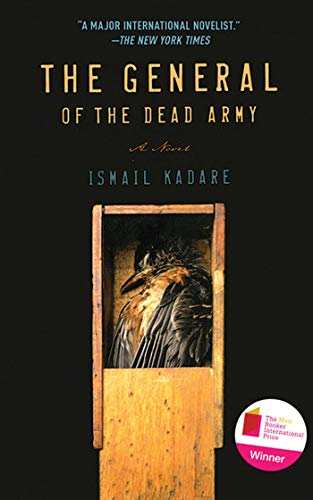
Start this bookNo. 17 on this list. The General of the Dead Army · Ismail Kadare · 1963
Listed in Le Monde's 100 Books of the Century and the work that introduced Kadare to Western readers after its 1970 French translation. It is studied in courses on Balkan and Eastern European literature.
Challenging6.9 hours
Start this bookNo. 18 on this list. The Silence of the Sea · Vercors · 1942
A German officer, Werner von Ebrennac, is billeted in a French household—an old man and his niece. They refuse to speak to him. Every night he speaks to them of his love for France, his hope for Franco-German culture, his belief the occupation will lead to understanding. They remain silent. He goes on speaking. Eventually he learns the truth about Nazi intentions and requests transfer to the Eastern Front. Vercors wrote this novella in 1941 and published it clandestinely in 1942 through Éditions de Minuit, which he founded. It circulated through the Resistance as a symbol of dignified refusal. The silence is the weapon of the occupied. The German's humanity makes the political point sharper—he is wrong precisely because he believes. The prose is spare, the situation archetypal, the effect devastating. After the war, every Frenchman claimed to have been as silent and as brave.
Moderate49 min
Start this bookNo. 19 on this list. One of Ours · Willa Cather · 1923
Claude Wheeler opened his eyes before the sun was up and vigorously shook his younger brother, who lay in the other half of the same bed. "Ralph, Ralph, get awake! Come down and help me wash the car." "What for?" "Why, aren't we going to the circus today?" "Car's all right. Let me alone." The boy turned over and pulled the sheet up to his face, to shut out the light which was beginning to come through the curtainless windows. Claude rose and dressed, - a simple operation which took very little time. He crept down two flights of stairs, feeling his way in the dusk, his red hair standing up in peaks, like a cock's comb. He went through the kitchen into the adjoining washroom, which held two porcelain stands with running water. Everybody had washed before going to bed, apparently, and the bowls were ringed with a dark sediment which the hard, alkaline water had not dissolved. Shutting the door on this disorder, he turned back to the kitchen, took Mahailey's tin basin, doused his face and head in cold water, and began to plaster down his wet hair.
Moderate8.2 hours
Read nowNo. 20 on this list. Pas pleurer · Lydie Salvayre · 2014
Winning the Prix Goncourt in 2014 secured Pas pleurer's position in contemporary French literature, though its canonical standing remains emergent rather than established. The novel addresses the enduring literary theme of the Spanish Civil War while contributing to the francophone tradition of linguistic experimentation with exile and bilingualism, placing it in conversation with Camus, Modiano, and postcolonial French writers.
Challenging4.1 hours
Start this book
No. 21 on this list. Zinky Boys · Svetlana Alexievich · 1991
Zinky Boys is taught in courses on Soviet literature, oral history methodology, war literature, and post-communist memory across European and North American universities. No database data is available for this specific title's syllabus appearances, but Alexievich's work as a whole gained canonical status after her 2015 Nobel Prize, and Zinky Boys is among her most cited individual works alongside Chernobyl Prayer and The Unwomanly Face of War.
Moderate5.1 hours
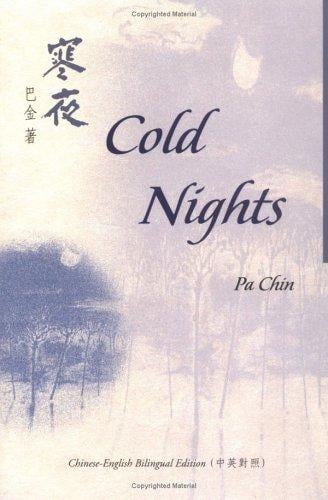
Start this bookNo. 22 on this list. Cold Nights · Ba Jin · 1947
Standard in modern Chinese literature courses as the counterweight to Family, and available in a Chinese University Press English edition.
Moderate6 hours
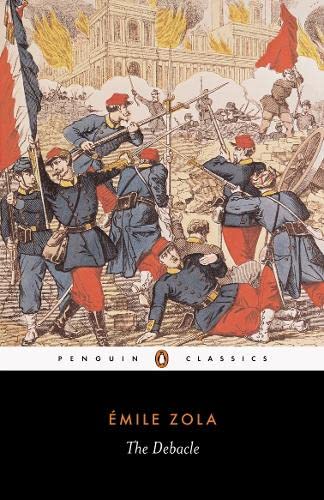
Start this bookNo. 23 on this list. The Debacle · Émile Zola · 1892
The Debacle was Zola's bestselling novel at publication and stands as one of the key entries in the Rougon-Macquart cycle, though it is considerably less taught today than Germinal or L'Assommoir. No syllabus or Wikipedia data is available in the database, but the novel holds an important place in French literary history.
Challenging19 hours
Start this bookNo. 24 on this list. Jerusalem Delivered · Torquato Tasso · 1581
A cornerstone of Italian Renaissance literature and a fixture of comparative-epic and Renaissance-studies syllabi, though it holds a narrower footprint in general English-language curricula than Idylls of the King or Paradise Lost. No syllabus or Wikipedia signal data was available for this record; its canonical standing rests on its place in the Italian tradition alongside Dante, Petrarch, and Ariosto.
Moderate9.1 hours
Start this bookNo. 25 on this list. A Memoir of the Warsaw Uprising · Miron Białoszewski · 1970
A standard text in Polish schools and in courses on war testimony and documentary prose.
Challenging6.5 hours
Start this bookNo. 26 on this list. School of the Sun · Ana María Matute · 1959
Widely taught in Spanish literature courses as the key novel of childhood under the Civil War and Matute's most studied book.
Challenging5.3 hours
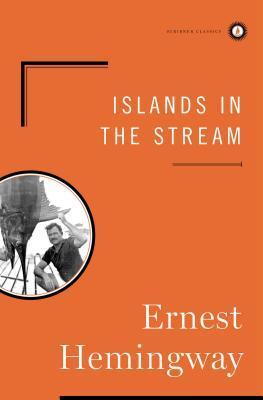
Start this bookNo. 27 on this list. Islands in the Stream · Ernest Hemingway · 1970
Islands in the Stream appears on university syllabi in Hemingway retrospectives and courses on American modernism, though it holds a secondary place compared to A Farewell to Arms, The Sun Also Rises, and For Whom the Bell Tolls. Its posthumous publication in 1970 — edited from incomplete manuscripts — has complicated its canonical standing, and it tends to appear in courses dedicated to Hemingway's full body of work rather than as a standalone required text. No syllabus or Wikipedia data is available in the database, but its inclusion in major Hemingway studies is consistent.
Challenging11 hours
Start this bookNo. 28 on this list. The Narrow Road to the Deep North · Richard Flanagan · 2014
The Booker winner is increasingly taught in Australian and war-literature courses, though its Wikipedia reach is still limited. It stands as a modern classic of Australian fiction rather than a fixture of world syllabi.
Challenging9.6 hours
Start this bookNo. 29 on this list. The White Guard · Mikhail Bulgakov · 1925
Taught in schools: Russian FGOS literature standard
The White Guard holds an important place in Russian literature curricula and is widely acknowledged as Bulgakov's first major novel, but it lacks the global syllabus penetration of canonical English-language works. It is taught in Slavic literature departments and world literature courses but rarely appears in general Western undergraduate reading lists the way Crime and Punishment or Anna Karenina does. No Wikipedia or Open Syllabus data was returned for this entry.
Challenging8.5 hours
Start this bookNo. 30 on this list. The Good Soldier Svejk · Jaroslav Hasek · 1923
No Open Syllabus or Wikipedia-language data was retrievable for this record, which understates its real footprint: it's a fixture of Central European and world-literature curricula and has been translated into dozens of languages, though it sits outside the core Anglo-American canon that drives most syllabus counts.
Moderate18 hours
Start this book
No. 31 on this list. From Here to Eternity
James Jones · 1952
No. 32 on this list. Two Women
Alberto Moravia · 1957
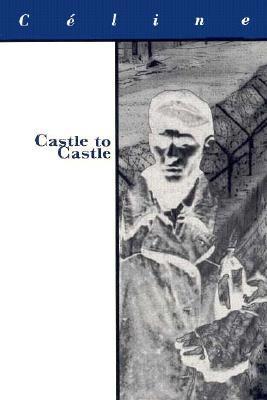
No. 33 on this list. Castle to Castle
Louis-Ferdinand Céline · 1957
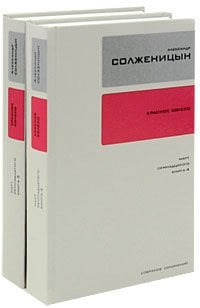
No. 34 on this list. August 1914
Aleksandr Solzhenitsyn · 1971
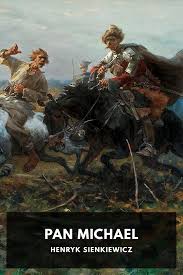
No. 35 on this list. Pan Michael
Henryk Sienkiewicz · 1888
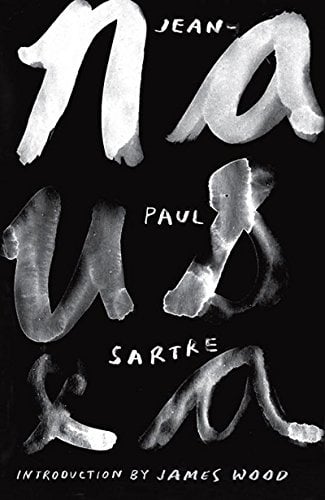
No. 36 on this list. Troubled Sleep
Jean-Paul Sartre · 1949
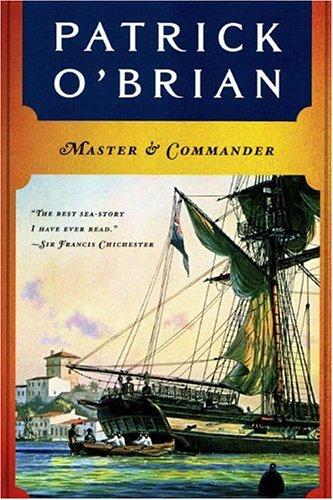
No. 37 on this list. Master and Commander
Patrick O'Brian · 1969
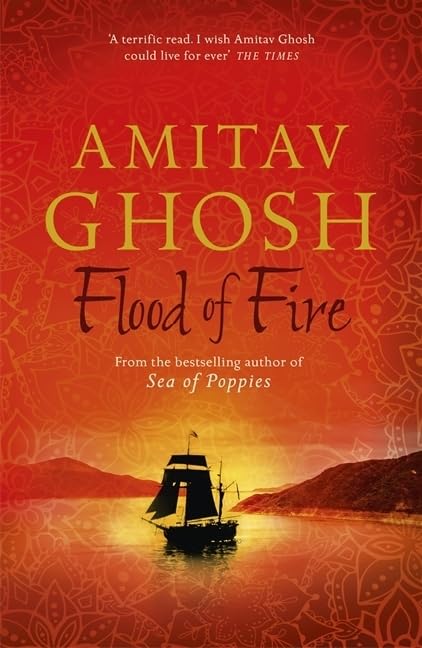
No. 38 on this list. Flood of Fire
Amitav Ghosh · 2015
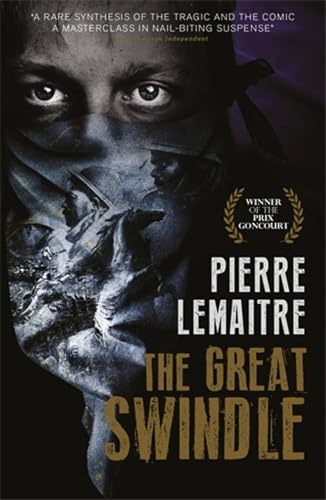
No. 39 on this list. See You Up There
Pierre Lemaitre · 2013
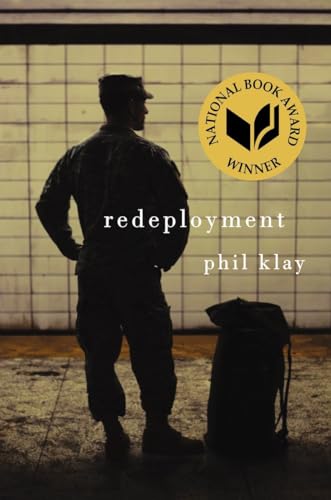
No. 40 on this list. Redeployment
Phil Klay · 2014
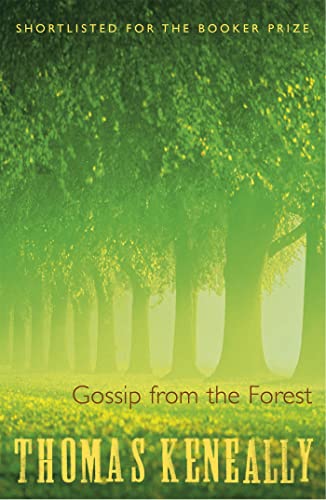
No. 41 on this list. Gossip from the Forest
Thomas Keneally · 1975
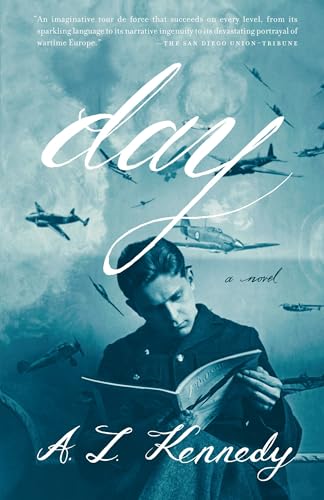
No. 42 on this list. Day
A.L. Kennedy · 2007
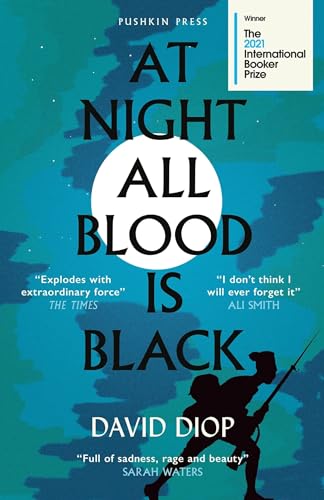
No. 43 on this list. At Night All Blood Is Black
David Diop · 2021
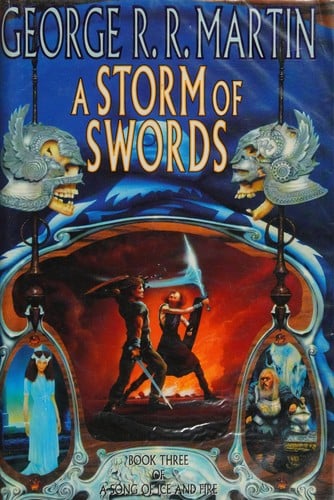
No. 44 on this list. A Storm of Swords
George R.R. Martin · 2000
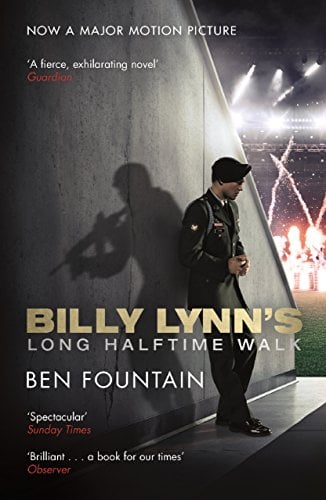
No. 45 on this list. Billy Lynn's Long Halftime Walk
Ben Fountain · 2012
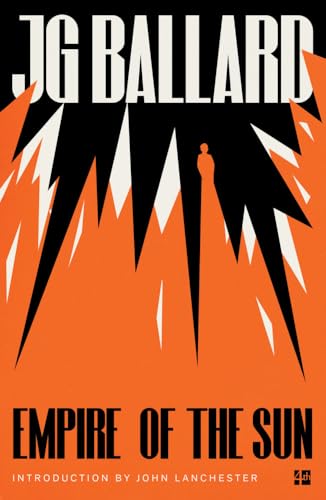
No. 46 on this list. Empire of the Sun
J.G. Ballard · 1984
Taught in schools: CSEC English B – Caribbean Examinations Council
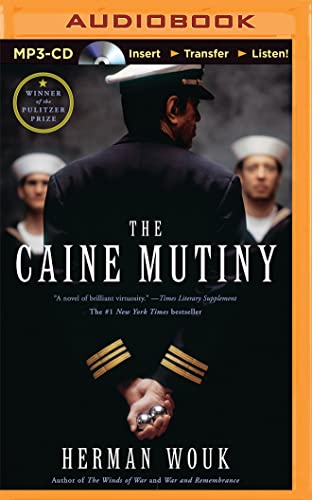
No. 47 on this list. The Caine Mutiny
Herman Wouk · 1952
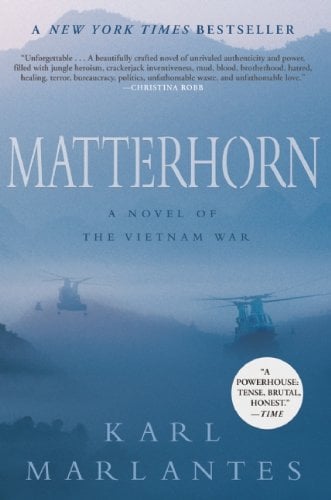
No. 48 on this list. Matterhorn
Karl Marlantes · 2010
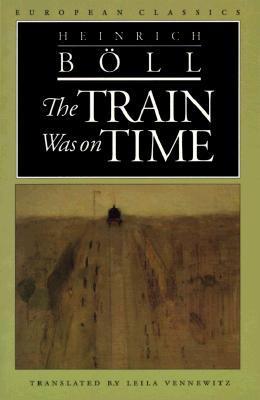
No. 49 on this list. The Train Was on Time
Heinrich Böll · 1949
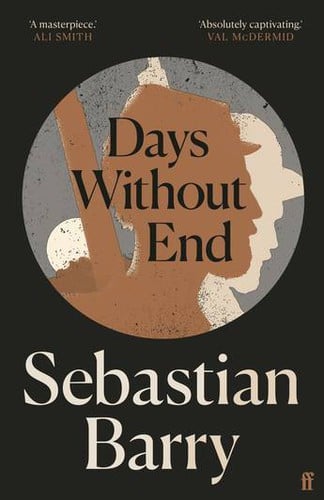
No. 50 on this list. Days Without End
Sebastian Barry · 2017
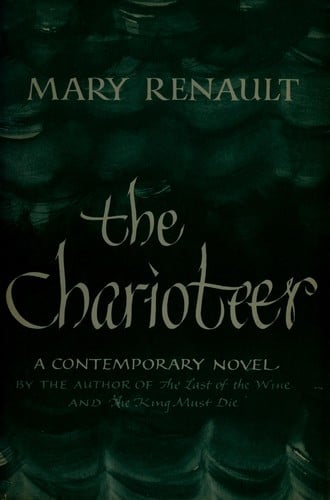
No. 51 on this list. The Charioteer
Mary Renault · 1953
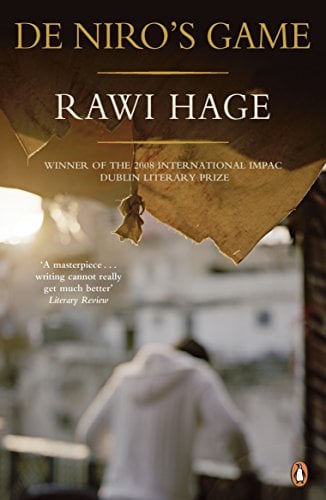
No. 52 on this list. De Niro's Game
Rawi Hage · 2008
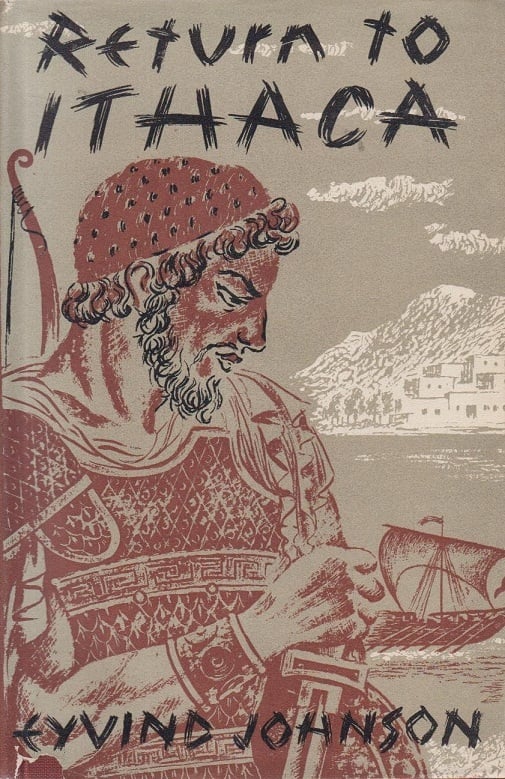
No. 53 on this list. Return to Ithaca
Eyvind Johnson · 1946
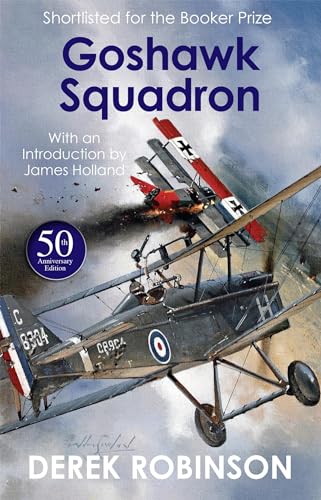
No. 54 on this list. Goshawk Squadron
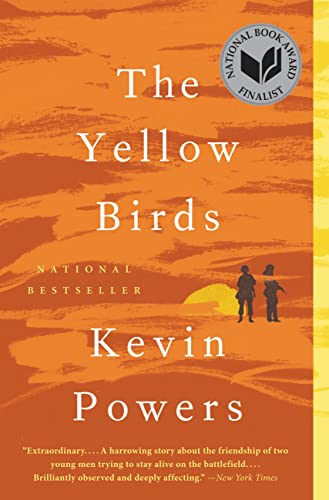
No. 55 on this list. The Yellow Birds
Kevin Powers · 2012
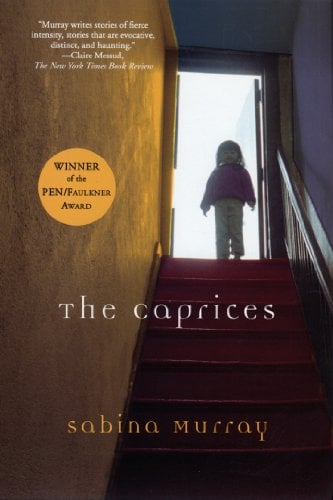
No. 56 on this list. The Caprices
Sabina Murray · 2003
No. 57 on this list. An Ice-Cream War
William Boyd · 1982
No. 58 on this list. Confederates
Thomas Keneally · 1979
No. 59 on this list. Black Butterflies
Priscilla Morris · 2023
No. 60 on this list. The Sojourn
Andrew Krivak · 2011
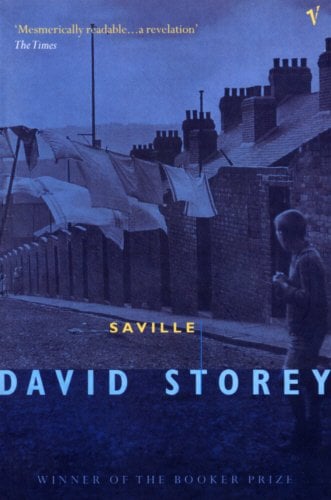
No. 61 on this list. Saville
David Storey · 1976
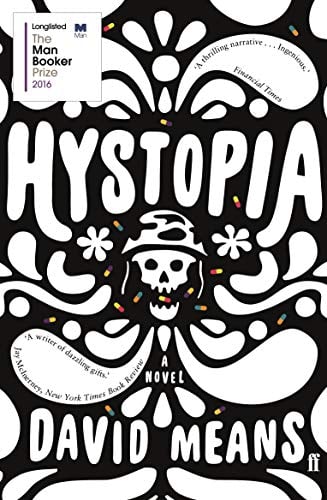
No. 62 on this list. Hystopia
David Means · 2016
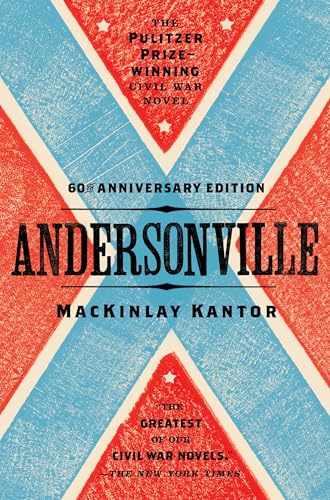
No. 63 on this list. Andersonville
MacKinlay Kantor · 1956
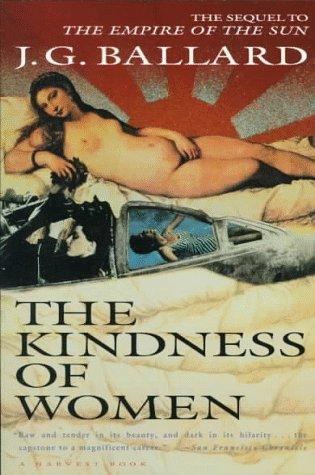
No. 64 on this list. The Kindness of Women
J.G. Ballard · 1991
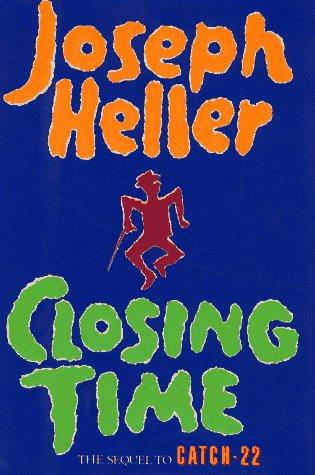
No. 65 on this list. Closing Time
Joseph Heller · 1995
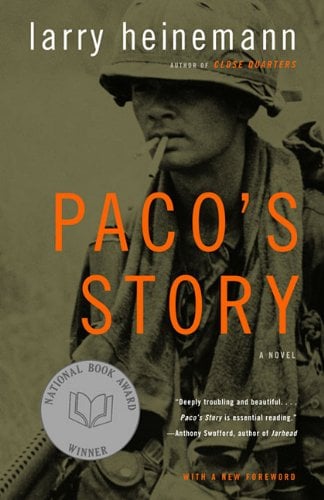
No. 66 on this list. Paco's Story
Larry Heinemann · 1987
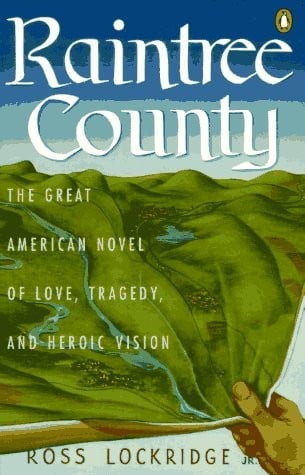
No. 67 on this list. Raintree County
Ross Lockridge Jr. · 1994
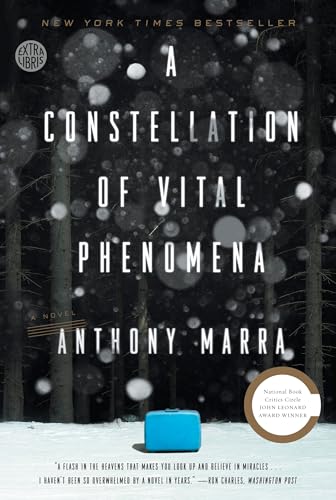
No. 68 on this list. A Constellation of Vital Phenomena
Anthony Marra · 2013
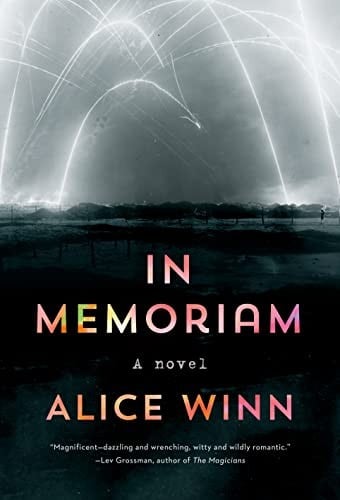
No. 69 on this list. In Memoriam
Alice Winn · 2023
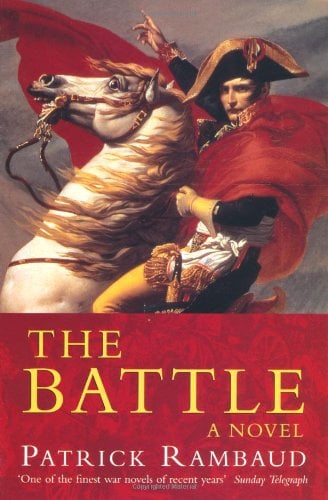
No. 70 on this list. The Battle
Patrick Rambaud · 1997
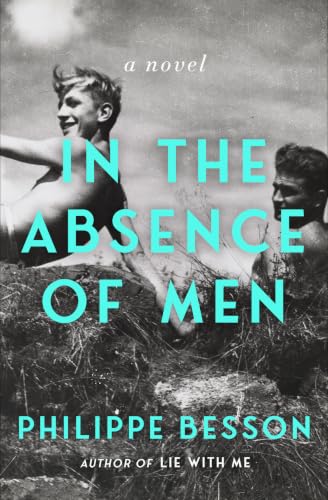
No. 71 on this list. In the Absence of Men
Philippe Besson · 2001
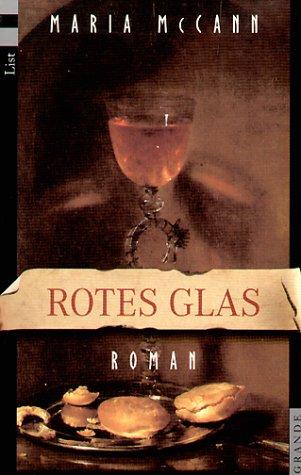
No. 72 on this list. As Meat Loves Salt
Maria McCann · 2001
No. 73 on this list. In Late Summer
Magdalena Blažević · 2022
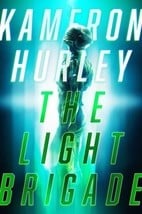
No. 74 on this list. The Light Brigade
Kameron Hurley · 2019
No. 75 on this list. Cherry
Nico Walker · 1980
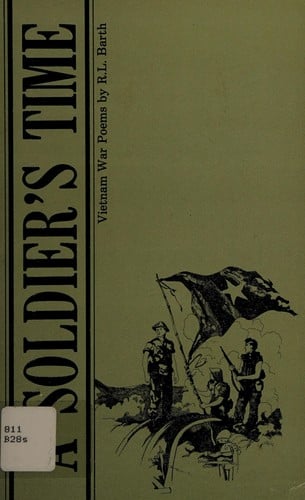
No. 76 on this list. A Soldier's Time: Vietnam War Poems
R.L. Barth · 1988
About this list
These 76 books are the highest-scoring eligible moderately difficult war novels currently in the catalogue. By literary regard, it opens with War and Peace, Slaughterhouse-Five and A Farewell to Arms. About 702 hours of reading in all. Difficulty runs from 49 to 59 out of 100 for the middle half of the list; the summit is A Memoir of the Warsaw Uprising at 65.
This list is ranked by literary regard, with a consistent order for equal scores. Membership follows authors and co-authors, not translators or editors. Catalogue coverage and the historical canon both limit what this list can represent, and genre labels are the catalogue’s own, gathered into broader kinds.
When we matched the Canons dataset to our catalogue in October 2026, our canonical-status scores rose with the number of school curricula, publisher series and lists in it that cite a work: the median score was 72 for books one such source cites, 84 at two, 88 at three, 92 at four and 93 at five or more. Prizes are left out of that count. Outside the state curricula, the dataset’s sources choose mostly from what has been translated into English or French, so it is a weaker check on other literatures. Source: Canons (Andrew Piper), CC BY 4.0
Questions people actually ask
- What are the best moderately difficult war novels?
- By literary regard, which weighs canonical status, critical standing and influence, War and Peace, Slaughterhouse-Five, A Farewell to Arms, The Red Badge of Courage and For Whom the Bell Tolls lead. ReadingRate ranks 76 such books, each with a difficulty score and a reading-time estimate.
- Where should I start with moderately difficult war novels?
- Start from difficulty, not from rank. The most approachable books on this list that still carry top literary regard are And Quiet Flows the Don by Mikhail Sholokhov (about 13 hours), For Whom the Bell Tolls by Ernest Hemingway and A Farewell to Arms by Ernest Hemingway.
- How hard are moderately difficult war novels to read?
- Most of this list sits between 49 and 59 on ReadingRate's 100-point difficulty scale, where 40 to 55 is moderate. The summit is A Memoir of the Warsaw Uprising at 65. Every entry carries its own score, so a reader can pick a great book at a difficulty they will finish.
- How is this list ranked?
- On literary-regard data: how canonically established a work is, its critical standing, and its influence on later writing. It is not a readers’ poll, which is why recent bestsellers rarely appear. Membership follows authors and co-authors, not translators or editors. A list that is not a genre list keeps to literature (fiction, poetry, drama and philosophy), with philosophy taking no more than one slot in five while there is literature left to rank; every list holds at most three works by one author.