Hours at an average pace
Showing 100 books
About 794 hours for 100 of 100 books with measured lengths. Estimates use 250 words a minute, adjusted for each book's difficulty. At 2 hours a day, about 398 days for those books.
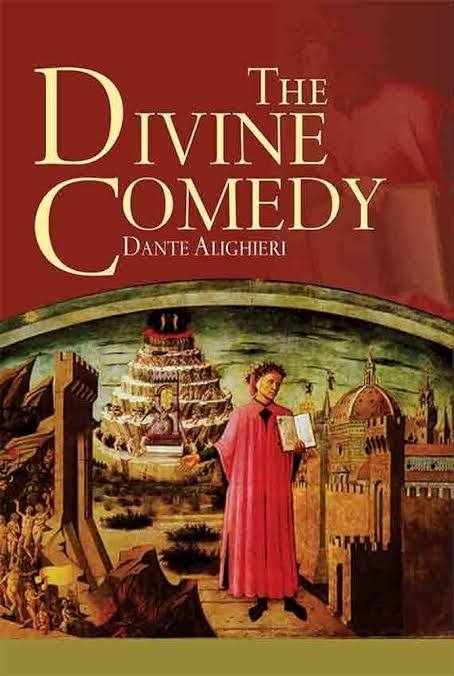
No. 1 on this list. Divine Comedy
Dante Alighieri · 1320
Challenging11 hours
Taught in schools: Armenian secondary literature, Lektury obowiązkowe – Polish national reading list (Poland), UNAM Escuela Nacional Preparatoria – programas de Literatura (Mexico)
Included in: Bokklubben World Library, Great Books of the Western World, UNESCO Collection of Representative Works
Dante built a complete architecture of the afterlife so precise you can map it, then populated it with real people he knew. The result fused theology, politics, and autobiography into a single narrative structure that no poem has matched in ambition or execution.
No. 2 on this list. Paradise Lost
John Milton · 1667
Challenging8.4 hours
Taught in schools: AQA GCSE and A-level English Literature (UK), WJEC/Eduqas GCSE and A-level English Literature (UK)
Included in: Great Books of the Western World
Milton retold the fall of man in blank verse of such muscular grandeur that Satan became the most charismatic figure in English poetry — not because Milton failed, but because he understood that rebellion requires eloquence. The poem reshaped the English language's sense of what a long sentence could do.
No. 3 on this list. Adventures of Huckleberry Finn
Mark Twain · 1884
Moderate7.5 hours
Taught in schools: Pearson Edexcel GCSE and A-level English Literature (UK)
Included in: Bokklubben World Library, Great Books of the Western World
Adventures of Huckleberry Finn is taught in virtually every American high school and university American literature course, and is among the most debated and analyzed works in the American canon. Its Wikipedia article spans 62 languages with a dedicated reception section, reflecting global critical discourse sustained for over 140 years. Ernest Hemingway's declaration that all modern American literature comes from this one book cemented its place as the foundational American novel.
No. 4 on this list. On the Nature of Things
Lucretius · c. 55 BCE
Moderate5.5 hours
Included in: Great Books of the Western World
De Rerum Natura is one of the most significant surviving texts from antiquity, taught in classics, philosophy, and history of science programs at universities worldwide. It represents the fullest extant exposition of Epicurean atomism in any language and appears on virtually every list of essential classical works. Its rediscovery by Poggio Bracciolini in 1417 is credited with catalyzing Renaissance intellectual culture.
No. 5 on this list. Antony and Cleopatra
William Shakespeare · 1607
Challenging2.7 hours
Taught in schools: WJEC/Eduqas GCSE and A-level English Literature (UK)
Included in: Great Books of the Western World
Antony and Cleopatra appears on virtually every Shakespeare survey and major tragedy course in English-speaking universities. It is included in all complete works editions — Oxford, Arden, Folger, Norton — and features on most 'essential Shakespeare' reading lists. While taught less frequently than Hamlet or King Lear, it holds permanent status as one of the four or five major late tragedies.
No. 6 on this list. Thus Spake Zarathustra A book for all and none
Difficult13 hours
A standard text in philosophy and German-literature courses, and one of the most widely read works of modern philosophy worldwide. Often the entry point to Nietzsche. It ranks with Notes from Underground in curricula, though less often assigned in full than Crime and Punishment.
No. 7 on this list. Les Misérables
Victor Hugo · 1862
Challenging51 hours
Taught in schools: Turkish edebiyat curriculum (Turkey)
Les Misérables has a Wikipedia article available in 71 languages and a 73,000-character article with dedicated reception and adaptations sections — indicators of global cultural reach matched by few 19th-century novels. It is treated as a foundational text in French literature courses worldwide and appears on most lists of essential world fiction. Its canonical status in francophone secondary and university education is comparable to Hamlet's in English curricula.
No. 8 on this list. Henry V
William Shakespeare · 1600
Difficult3 hours
Included in: Great Books of the Western World
Henry V sits at the core of the Shakespeare canon, taught in secondary schools and universities worldwide and a fixture in RSC and major repertory seasons. While not the first play assigned on Shakespeare surveys — that distinction goes to Hamlet or Macbeth — it appears on virtually every history plays syllabus and features prominently in collections of essential dramatic literature.
No. 9 on this list. Works and Days
Hesiod · c. 700 BCE
Moderate1.6 hours
Taught in schools: Hungarian literature curriculum (magyar nyelv és irodalom) (Hungary)
Hesiod addresses his brother Perses, who has squandered his inheritance and bribed corrupt judges to get more. The occasion is petty and local — a sibling dispute in the village of Askra, a bad place at the foot of Mount Helikon. From this nugget of irritation, Hesiod builds outward into cosmology, myth, ethics, and practical instruction. He tells how Zeus hid prosperity from men after Prometheus stole fire, how Pandora released suffering from a jar, and how mankind has declined through five ages from gold to iron. Then he turns practical: when to plough (when the Pleiades rise), what timber to use for a plough-tree (holm oak), how to dress against the winter north wind, how to harvest grapes. A.E. Stallings' translation renders all this in rhyming iambic couplets — plain-spoken, aphoristic, occasionally wry. The poem ends with sixty lines on lucky and unlucky days, which days to geld livestock, which to open a storage jar, which to be born. What makes Works and Days strange and durable is this combination: the most practical agricultural manual in Greek literature, framed by the oldest surviving account of why human life is hard and what a person can do about it.
No. 10 on this list. Richard III
William Shakespeare · 1597
Challenging2.8 hours
Taught in schools: CAPE Literatures in English – Caribbean Examinations Council
Included in: Great Books of the Western World
Richard III is among the most frequently performed Shakespeare plays and a staple of secondary school and university curricula worldwide. Its opening monologue — 'Now is the winter of our discontent' — is among the most memorized passages in English literature. The play appears on virtually every Shakespeare survey and features in courses on history plays, villainy, and political drama.
No. 11 on this list. Prometheus Bound · Aeschylus · c. 430 BCE
Included in: Great Books of the Western World
Prometheus Bound is standard curriculum in classics departments, Western civilization courses, and world literature programs at universities globally. It appears on virtually every 'foundations of Western literature' syllabus alongside Homer and Sophocles. Though the database shows no tracked syllabus entries, the work has 2,500 years of unbroken canonical transmission.
Challenging47 min
Start this bookNo. 12 on this list. Hippolytus · Euripides · c. 428 BCE
Included in: Great Books of the Western World
Hippolytus is a cornerstone of classical literature curricula worldwide, appearing in virtually every Greek tragedy anthology and university drama syllabus. It is one of only 17 surviving plays by Euripides and is consistently featured in courses on Western drama, classical antiquity, and the history of theatre. No direct Open Syllabus data was available, but its canonical presence in the Western literary tradition is unambiguous.
Challenging2.3 hours
Start this bookNo. 13 on this list. Ajax · Sophocles · c. 450 BCE
Included in: Great Books of the Western World
Ajax is required reading in classical studies and Greek tragedy courses worldwide, representing one of only seven surviving plays by Sophocles. As part of the canonical triumvirate of Greek tragedians alongside Aeschylus and Euripides, Sophocles's works — including Ajax — appear on syllabi in classics, comparative literature, and world literature programs across every major university. The play has been in continuous circulation for over 2,400 years.
Challenging56 min
Read nowNo. 14 on this list. Oresteia · Aeschylus · c. 458 BCE
Included in: Great Books of the Western World
Aeschylus tracked a cycle of blood vengeance across three plays — from Agamemnon's murder through Orestes' matricide to a divine trial that replaces revenge with law — and in doing so dramatized the origin of justice itself. The trilogy is the oldest complete work of Western drama and still the most ambitious argument that civilization depends on replacing private retribution with public institutions.
Challenging3.1 hours
Start this bookNo. 15 on this list. Ramayana · Valmiki · c. 500 BCE
Valmiki's poem established the archetype of the righteous exile — a prince who surrenders his kingdom, rescues his wife from a demon king, and returns to rule — and in doing so provided South and Southeast Asia with a moral and narrative grammar that has shaped religion, theater, sculpture, and statecraft for over two millennia.
Moderate8.5 hours
Read nowNo. 16 on this list. Electra · Sophocles · c. 410 BCE
Included in: Great Books of the Western World
Electra is required reading in virtually every university classics and comparative literature program. All seven of Sophocles' surviving plays form the backbone of Western classical studies, and Electra — alongside Oedipus Rex and Antigone — is among the most taught. It appears on syllabi across departments from literature to philosophy to theater.
Moderate50 min
Read nowNo. 17 on this list. Brave New World · Aldous Huxley · 1932
Taught in schools: UNAM Escuela Nacional Preparatoria – programas de Literatura (Mexico)
Huxley imagined a world that controls its population not through pain but through pleasure — soma, engineered happiness, and the abolition of family — and thereby identified the dystopia that Orwell missed: the one people choose voluntarily. The novel's anxiety about technology as narcotic has only grown sharper with time.
Moderate4.4 hours
Start this bookNo. 18 on this list. A Doll's House · Henrik Ibsen · 1879
Taught in schools: AQA GCSE and A-level English Literature (UK), Common Core text exemplars (Appendix B) (US), Leaving Certificate English – NCCA / State Examinations Commission (Ireland)
Included in: Bokklubben World Library, Great Books of the Western World
Ibsen made a wife walk out on her husband and children in the final scene, and the sound of that door slamming ricocheted across Europe, igniting debates about marriage, autonomy, and women's legal personhood that reshaped law and culture for the next century. The play invented modern social drama by treating a domestic argument as a political event.
Moderate1.8 hours
Read nowNo. 19 on this list. Bérénice · Jean Racine · 1670
Included in: Great Books of the Western World
Bérénice is a cornerstone of French classical literature, taught in virtually every French lycée and featured in world literature and drama curricula internationally. Alongside Phèdre and Andromaque, it is one of the three works most associated with Racine's genius and is considered essential reading for anyone studying French neoclassical theatre.
Moderate50 min
Start this bookNo. 20 on this list. A House for Mr. Biswas · V.S. Naipaul · 1961
Taught in schools: CSEC English B – Caribbean Examinations Council
Naipaul tracked one man's forty-year struggle to own a house of his own in colonial Trinidad, and by treating that modest ambition with the gravity of epic, wrote the definitive novel about the immigrant's war between dignity and dispossession. Mr. Biswas's defeats are so granular and so cumulative that the house, when it finally comes, means more than any literary symbol has a right to.
Moderate13 hours
Start this book
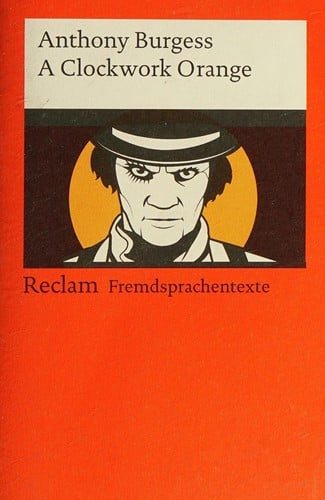
No. 21 on this list. A Clockwork Orange · Anthony Burgess · 1962
The essential novel of violence, free will, and state control. Core text in courses on dystopian fiction and ethics. Nadsat, the invented slang, demonstrated how language shapes consciousness. Kubrick's 1971 film became inseparable from the novel.
Moderate4.1 hours
Start this bookNo. 22 on this list. Collected Stories · William Faulkner · 1951
Collected Stories won the National Book Award in 1951 and remains central to American short fiction canon. These stories appear regularly in anthologies and academic syllabi. While perhaps overshadowed by Faulkner's novels, the collection represents an essential component of his Yoknapatawpha saga and demonstrates his mastery across forms.
Challenging22 hours
Start this bookNo. 23 on this list. Water Margin · Shi Nai'an
Included in: Bibliothèque de la Pléiade
One of Four Great Classical Novels; foundational for martial arts genre.
Moderate33 hours
Start this bookNo. 24 on this list. Age of Iron · J.M. Coetzee · 1990
Age of Iron occupies a secure place in the Coetzee canon alongside Disgrace and Waiting for the Barbarians, and is regularly included in postcolonial and South African literature curricula worldwide. Its apartheid-era historical weight gives it documentary as well as aesthetic canonical status.
Difficult7.5 hours
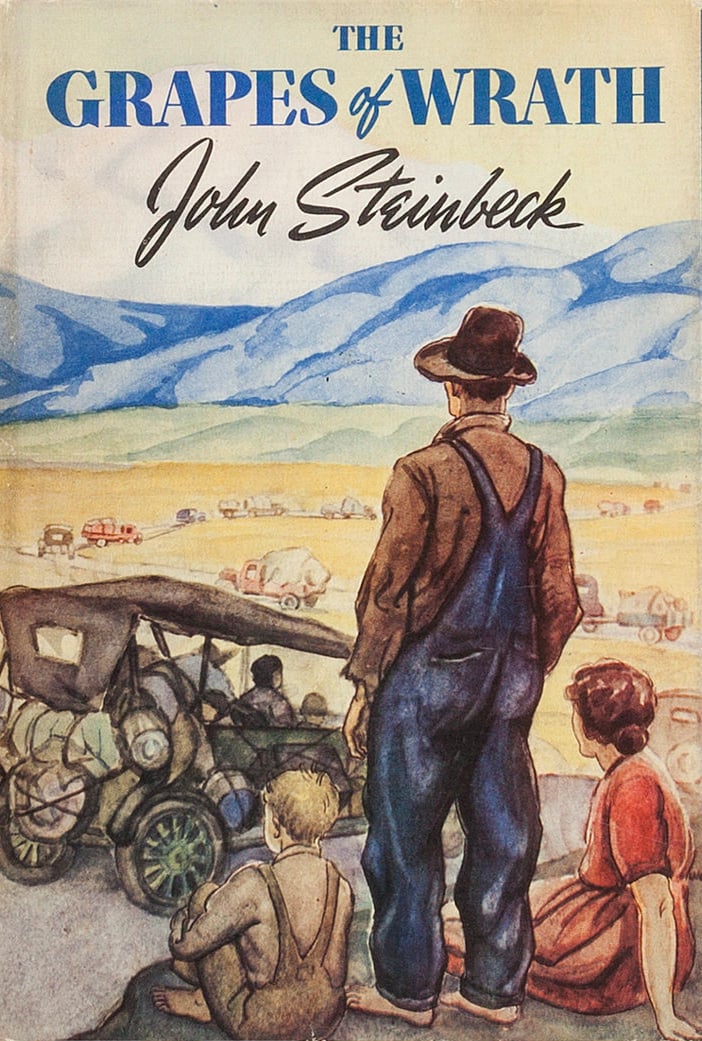
Start this bookNo. 25 on this list. The Grapes of Wrath · John Steinbeck · 1939
Taught in schools: Common Core text exemplars (Appendix B) (US), OCR GCSE and A-level English Literature (UK), Pacific Senior Secondary Certificate – English
Appears on 727 university syllabi (Open Syllabus Project, 71.5th percentile) and has Wikipedia articles in 58 languages. Listed on the Modern Library 100 Best Novels, TIME's All-TIME 100 Novels, Le Monde's 100 Books of the Century, and the BBC Big Read Top 100, establishing it as a fixture of American literary curricula.
Challenging13 hours
Start this bookNo. 26 on this list. Andromaque · Jean Racine · 1667
Andromaque, widowed queen of Troy, has one goal: protect her son Astyanax, the last living heir of Hector. Standing between her son's life and his death is Pyrrhus, the Greek king who killed her husband and now holds them both captive — and who, inconveniently, is in love with her. Pyrrhus will spare the boy if she marries him. She refuses. He turns back to his betrothed, Hermione. Then he returns to Andromaque again. This chain of unrequited desire — Oreste loves Hermione, Hermione loves Pyrrhus, Pyrrhus loves Andromaque, Andromaque loves only the dead Hector — is the entire engine of the play. Racine wrote Andromaque in 1667, when he was thirty, and it made him famous overnight. The alexandrine verse is strict and relentless, each character arguing their case with the precision of a lawyer and the desperation of someone who knows they are losing. What distinguishes this from other tragedies is how little pity Racine allows anyone: every character is both victim and tormentor. By the final act, Pyrrhus is dead, Hermione has killed herself, and Oreste has gone mad. Andromaque survives, which in context feels like its own punishment.
Moderate57 min
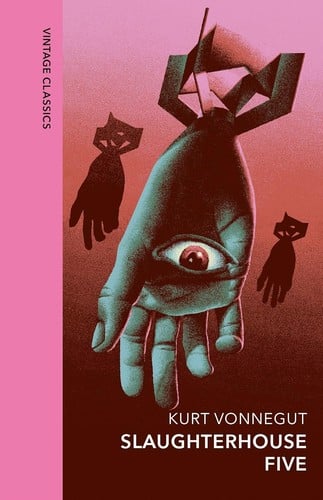
Start this bookNo. 27 on this list. Slaughterhouse-Five · Kurt Vonnegut · 1999
One of the most widely taught American novels of the twentieth century, in high school and university courses on war literature and postmodern fiction. Its 1969 text is the standard for anti-war reading lists.
Moderate3.5 hours
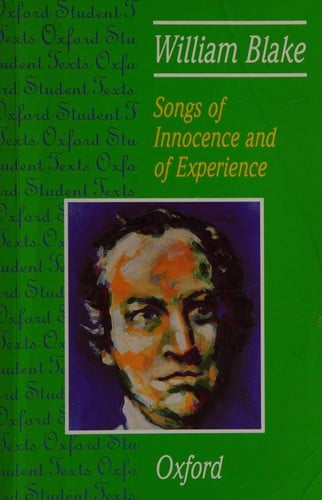
Start this bookNo. 28 on this list. Songs of Innocence and of Experience · William Blake · 1794
Taught in schools: AQA GCSE and A-level English Literature (UK)
Blake etched, printed, and hand-colored each plate himself, fusing lyric poetry with visual art in a form no one had attempted before. The paired "Lamb" and "Tyger" compress an entire theology into forty-four lines: innocence asks who made you; experience asks how dare He.
Challenging46 min
Read nowNo. 29 on this list. The House of the Dead · Fyodor Dostoevsky · 1862
Fyodor Dostoevsky spent four years in a Siberian prison camp after the tsar commuted his death sentence at the last moment. He came out a different writer. The House of the Dead channels that experience through Alexander Petrovich Goryanchikov, a nobleman convicted of murdering his wife, who records the daily life of the katorga — the forced labor camp — with the precision of a naturalist and the unease of someone who cannot stop looking. The other prisoners steal, scheme, perform folk plays, and occasionally show flashes of unexpected grace. Goryanchikov watches all of it without rendering verdicts. The book does not explain what prison does to men; it shows men inside prison, and lets the accumulated detail do the work. Dostoevsky writes with a clinical restraint unusual for him — no murder plots, no philosophical speeches, no epileptic crises. What remains is a documentary of degradation that refuses to moralize, which is exactly what makes the moral weight so heavy. Readers expecting Dostoevsky's trademark feverish psychology will find something quieter here: a sustained act of witness.
Challenging13 hours
Read nowNo. 30 on this list. The Portrait of a Lady · Henry James · 1881
Appears on 26 university syllabi per Open Syllabus (35th percentile), placing it as a canonical text in American and Victorian literature courses rather than a universally assigned one. With Wikipedia coverage in 22 languages and an adaptations section, the novel holds a recognized place in global literary culture. It anchors most serious treatments of the nineteenth-century psychological novel.
Difficult25 hours
Read now
No. 31 on this list. The Crucible
Arthur Miller · 1953
No. 32 on this list. Shakuntala
Kalidasa · 400
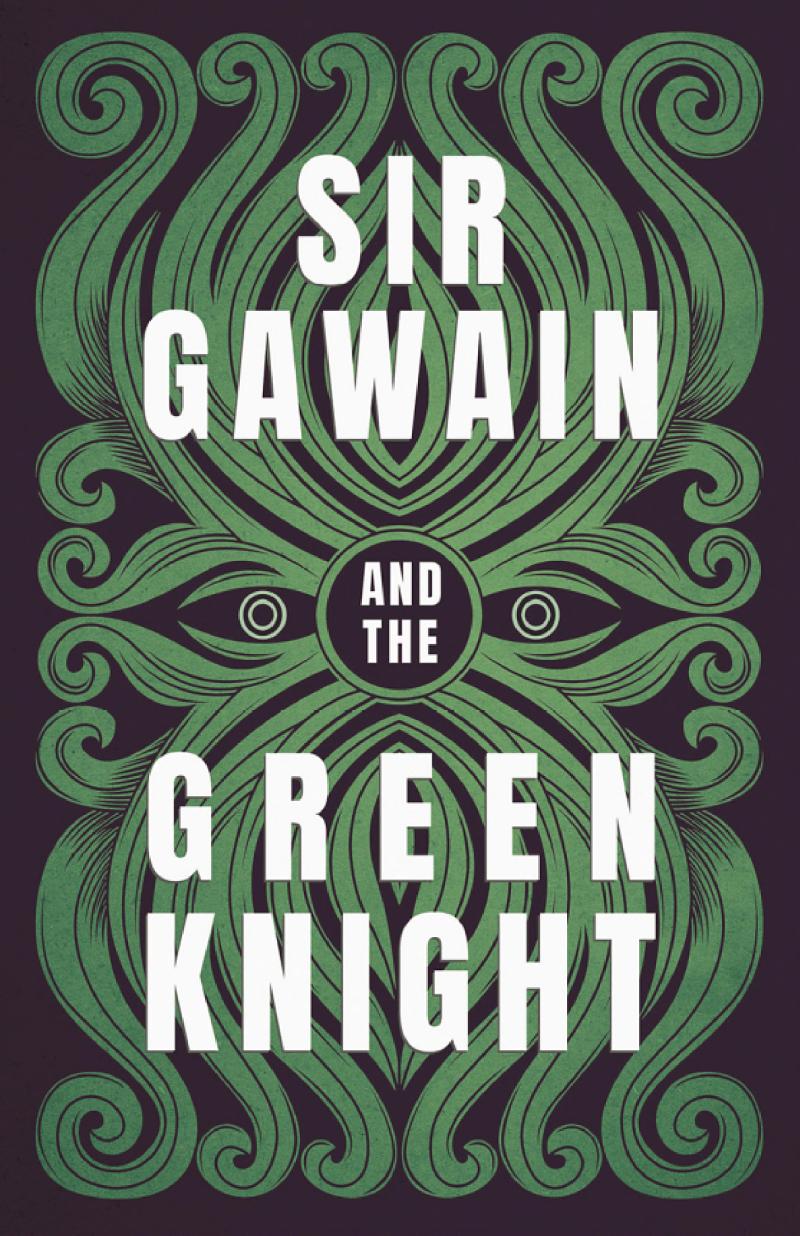
No. 33 on this list. Sir Gawain and the Green Knight
The Pearl Poet · 1375
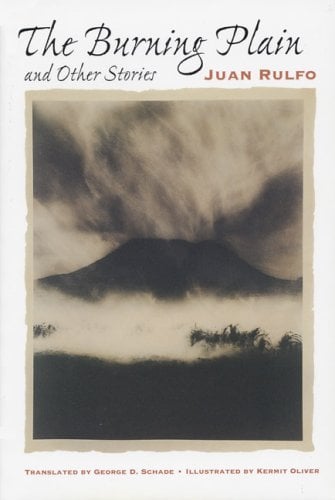
No. 34 on this list. The Burning Plain and Other Stories
Juan Rulfo · 1953
Taught in schools: UNAM Escuela Nacional Preparatoria – programas de Literatura (Mexico)
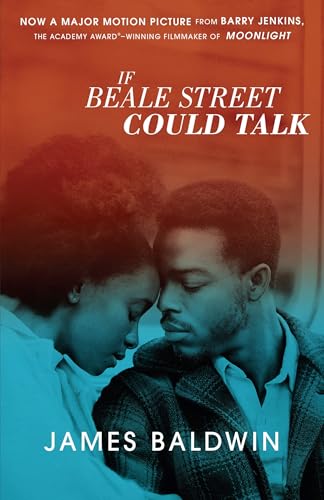
No. 35 on this list. If Beale Street Could Talk
James Baldwin · 1974
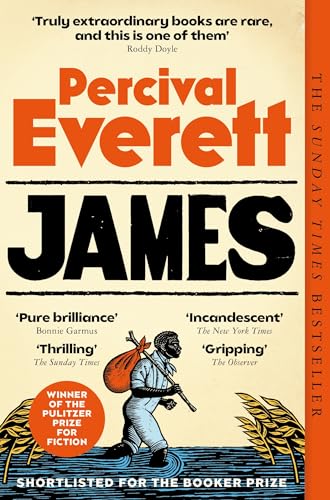
No. 36 on this list. James
Percival Everett · 2025
No. 37 on this list. Go Down, Moses
William Faulkner · 1942
No. 38 on this list. Philoctetes
Sophocles · c. 409 BCE
Included in: Great Books of the Western World
No. 39 on this list. Buddenbrooks
Thomas Mann · 1901
Included in: Bokklubben World Library
No. 40 on this list. Ivanhoe
Walter Scott · 1819
No. 41 on this list. A Grain of Wheat
Ngugi wa Thiong'o · 1967
Included in: Heinemann African Writers Series
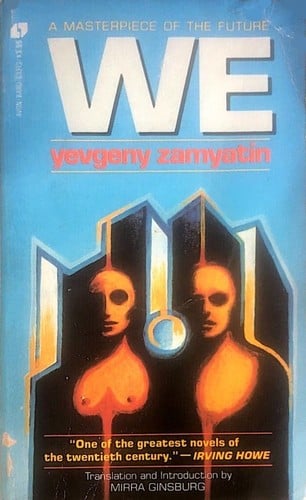
No. 42 on this list. We
Yevgeny Zamyatin · 1924
Taught in schools: Russian FGOS literature standard
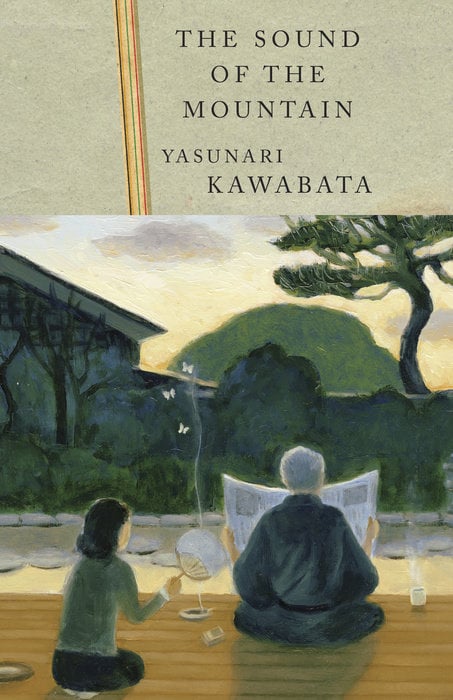
No. 43 on this list. The Sound of the Mountain
Yasunari Kawabata · 1949
Included in: Bokklubben World Library, UNESCO Collection of Representative Works
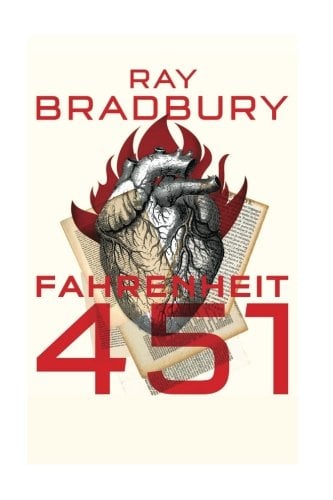
No. 44 on this list. Fahrenheit 451
Ray Bradbury · 1953
Taught in schools: Common Core text exemplars (Appendix B) (US), Pacific Senior Secondary Certificate – English
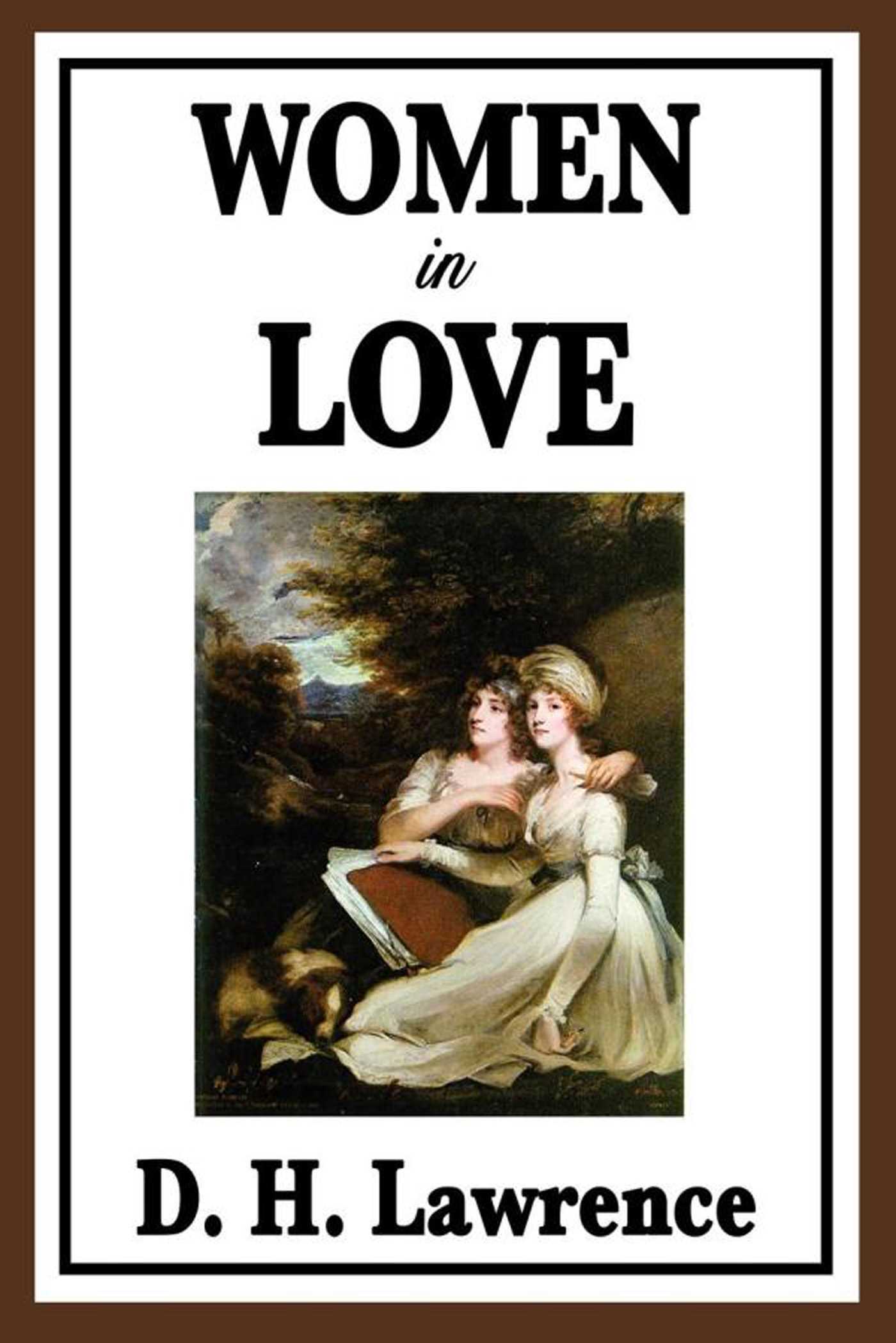
No. 45 on this list. Women in Love
D.H. Lawrence · 1920
No. 46 on this list. Blood Knot
Athol Fugard · 1961
No. 47 on this list. The School for Wives
Molière · 1662
Included in: Great Books of the Western World
No. 48 on this list. The Axion Esti
Odysseas Elytis · 1959
No. 49 on this list. Mr. Sammler's Planet
Saul Bellow · 1971
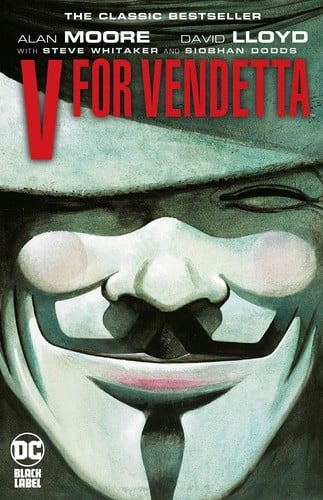
No. 50 on this list. V for Vendetta
Alan Moore · 1989
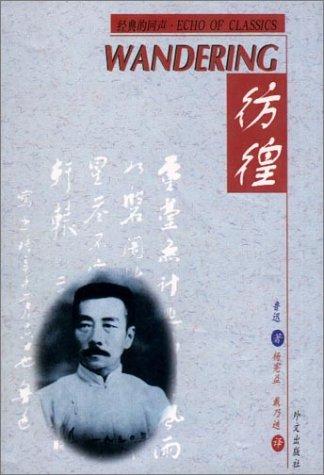
No. 51 on this list. Wandering
Lu Xun · 1926
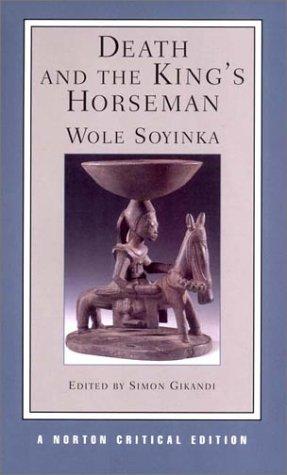
No. 52 on this list. Death and the King's Horseman
Wole Soyinka · 1975
Taught in schools: Common Core text exemplars (Appendix B) (US)
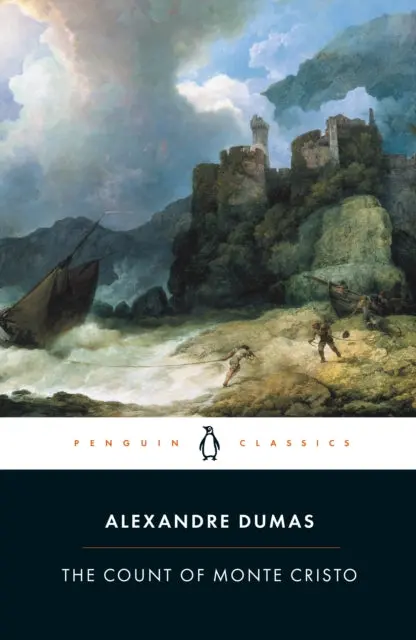
No. 53 on this list. The Count of Monte Cristo
Alexandre Dumas · 1844
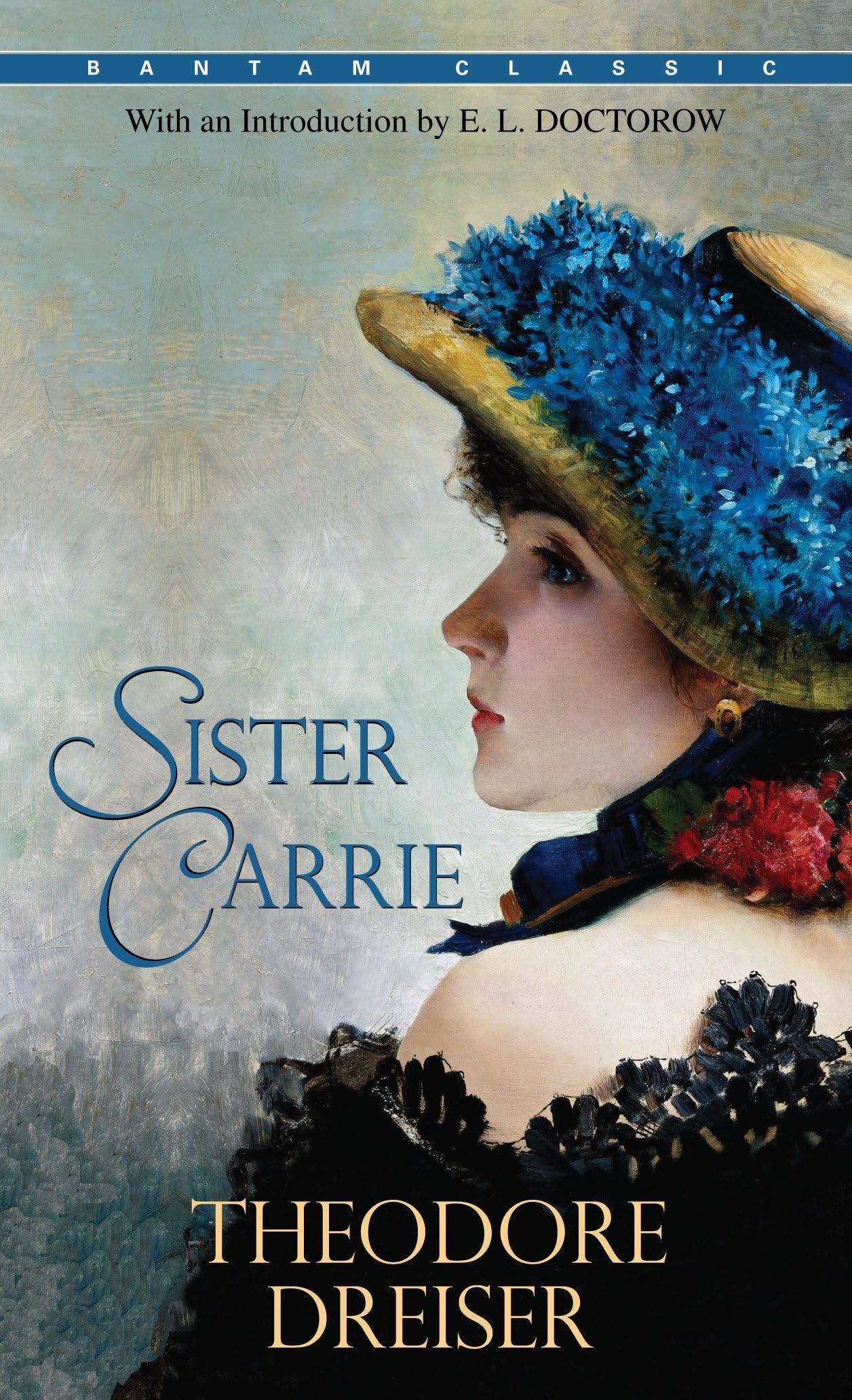
No. 54 on this list. Sister Carrie
Theodore Dreiser · 1900
No. 55 on this list. Hadji Murad
Leo Tolstoy · 1912
No. 56 on this list. Ward No. 6
Anton Chekhov · 1892
No. 57 on this list. The Home and the World
Rabindranath Tagore · 1916
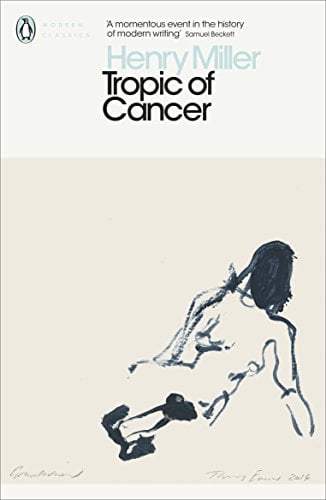
No. 58 on this list. Tropic of Cancer
Henry Miller · 1934
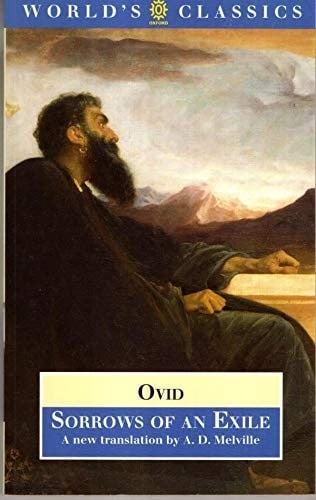
No. 59 on this list. Tristia
Ovid · 12
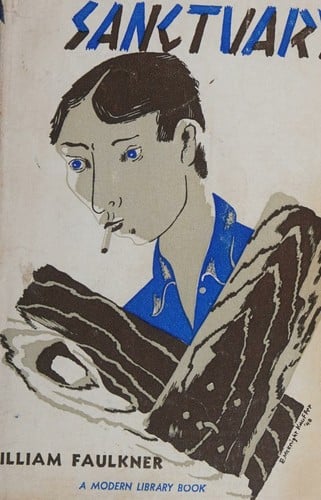
No. 60 on this list. Sanctuary
William Faulkner · 1931
Taught in schools: CSEC English B – Caribbean Examinations Council
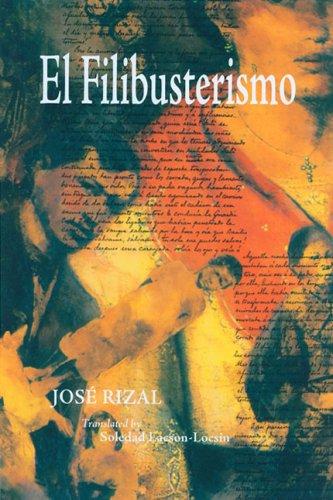
No. 61 on this list. El Filibusterismo
José Rizal · 1891
Included in: UNESCO Collection of Representative Works
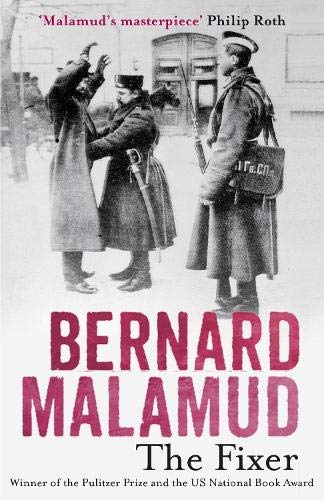
No. 62 on this list. The Fixer
Bernard Malamud · 1967
No. 63 on this list. Mourning Becomes Electra
Eugene O'Neill · 1931
Included in: Great Books of the Western World
No. 64 on this list. Canto General
Pablo Neruda · 1950
Taught in schools: Literatura, Diseño Curricular – Provincia de Buenos Aires (Argentina), UNAM Escuela Nacional Preparatoria – programas de Literatura (Mexico)
No. 65 on this list. Washington Square
Henry James · 1880
No. 66 on this list. Brand
Henrik Ibsen · 1866
No. 67 on this list. A Personal Matter
Kenzaburō Ōe · 1964
No. 68 on this list. Rabbit, Run
John Updike · 1960
No. 69 on this list. Far from the Madding Crowd
Thomas Hardy · 1874
Taught in schools: CSEC English B – Caribbean Examinations Council
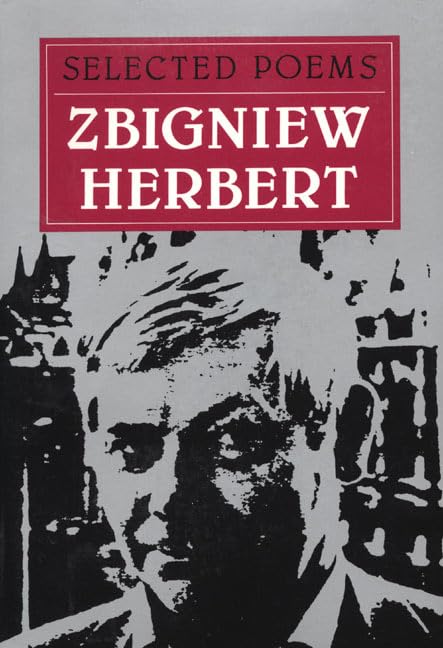
No. 70 on this list. Selected Poems of Zbigniew Herbert
Zbigniew Herbert · 1977
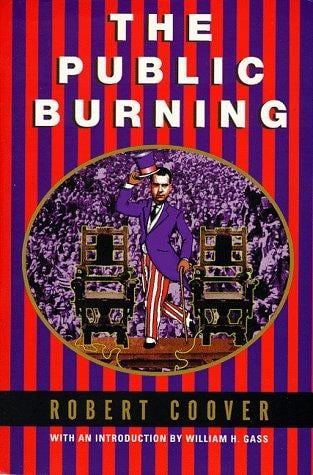
No. 71 on this list. The Public Burning
Robert Coover · 1977
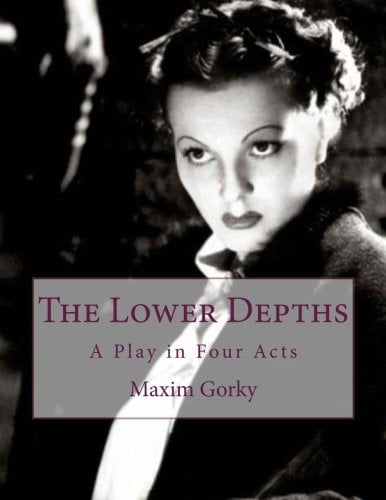
No. 72 on this list. The Lower Depths
Maxim Gorky · 1902
Taught in schools: Russian FGOS literature standard
No. 73 on this list. Sizwe Bansi Is Dead
Athol Fugard · 1972
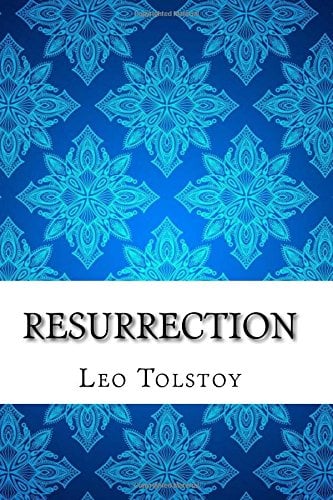
No. 74 on this list. Resurrection
Leo Tolstoy · 1899
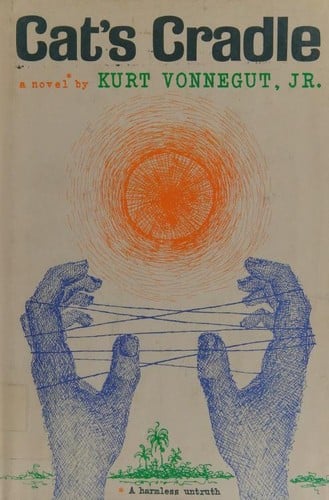
No. 75 on this list. Cat's Cradle
Kurt Vonnegut · 1963
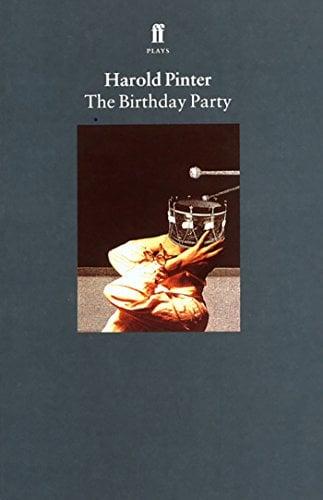
No. 76 on this list. The Birthday Party
Harold Pinter · 1957
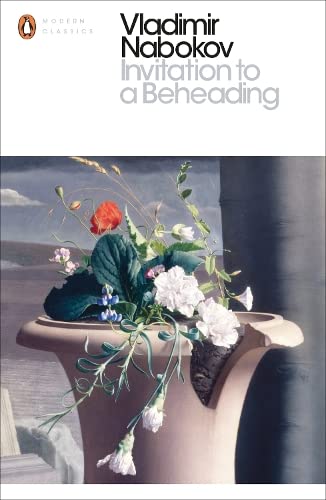
No. 77 on this list. Invitation to a Beheading
Vladimir Nabokov · 1936
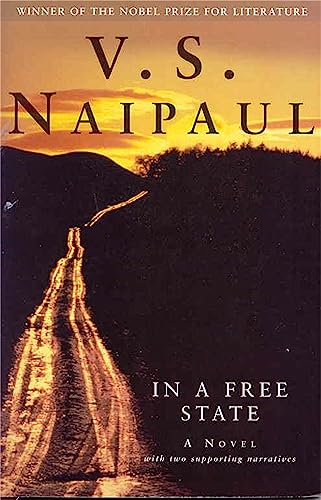
No. 78 on this list. In a Free State
V.S. Naipaul · 1971
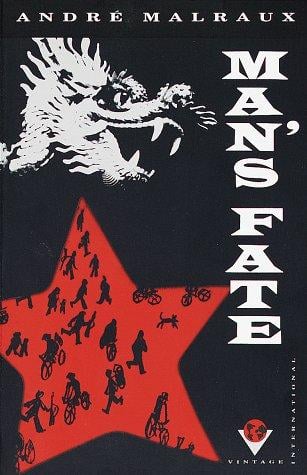
No. 79 on this list. Man's Fate
André Malraux · 1933
No. 80 on this list. Iphigenia
Jean Racine · 1674
No. 81 on this list. Rubaiyat of Omar Khayyam
Omar Khayyam · 1120
Taught in schools: Armenian secondary literature
Included in: UNESCO Collection of Representative Works
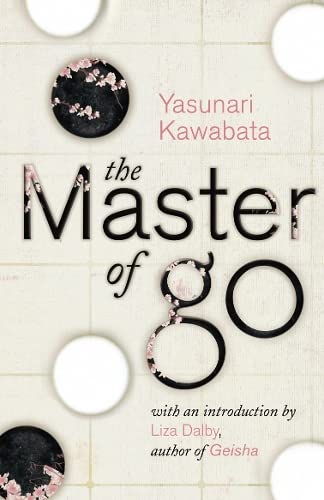
No. 82 on this list. The Master of Go
Yasunari Kawabata · 1954
No. 83 on this list. Divan of Hafez
Hafez · 1390
No. 84 on this list. A Book of Memories
László Nádas · 1986
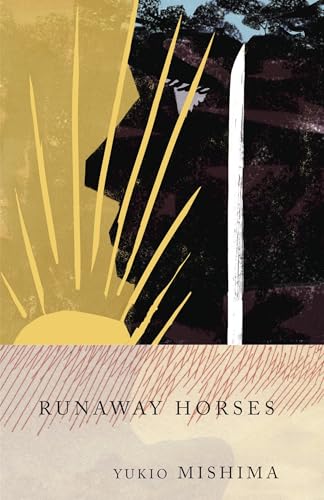
No. 85 on this list. Runaway Horses
Yukio Mishima · 1969
No. 86 on this list. The Baron in the Trees
Italo Calvino · 1957
No. 87 on this list. Dangling Man
Saul Bellow · 1944
No. 88 on this list. The Last Day of a Condemned Man
Victor Hugo · 1829
No. 89 on this list. The Known World
Edward P. Jones · 2004
No. 90 on this list. Memed, My Hawk
Yasar Kemal · 1955
Included in: UNESCO Collection of Representative Works
No. 91 on this list. Poor Folk
Fyodor Dostoevsky · 1846
Taught in schools: Kazakh literature curriculum (Kazakhstan)
No. 92 on this list. Cryptonomicon
Neal Stephenson · 1999
No. 93 on this list. The Underground Railroad
Colson Whitehead · 2016
Taught in schools: Leaving Certificate English – NCCA / State Examinations Commission (Ireland)
No. 94 on this list. On the Eve
Ivan Turgenev · 1860
Taught in schools: Russian FGOS literature standard
No. 95 on this list. Prometheus Unbound
Percy Bysshe Shelley · 1820
No. 96 on this list. The Sandman
Neil Gaiman · 1989
No. 97 on this list. Rudin
Ivan Turgenev · 1856
Taught in schools: Russian FGOS literature standard
No. 98 on this list. Deep Rivers
José María Arguedas · 1958
Taught in schools: UNAM Escuela Nacional Preparatoria – programas de Literatura (Mexico)
No. 99 on this list. The Nickel Boys
Colson Whitehead · 2019
No. 100 on this list. His Dark Materials
Philip Pullman · 1995
About this list
These 100 books are the highest-scoring eligible books about freedom and justice by men currently in the catalogue. About 794 hours of reading in all. Difficulty runs from 51 to 64 out of 100 for the middle half of the list; the summit is The Public Burning at 86.
This list is ranked by literary regard, with a consistent order for equal scores. Membership follows authors and co-authors, not translators or editors. A book is here when ReadingRate files it under Freedom & Justice as one of its primary reading domains, at a confidence of 0.8 or more. Catalogue coverage and the historical canon both limit what this list can represent.
When we matched the Canons dataset to our catalogue in October 2026, our canonical-status scores rose with the number of school curricula, publisher series and lists in it that cite a work: the median score was 72 for books one such source cites, 84 at two, 88 at three, 92 at four and 93 at five or more. Prizes are left out of that count. Outside the state curricula, the dataset’s sources choose mostly from what has been translated into English or French, so it is a weaker check on other literatures. Source: Canons (Andrew Piper), CC BY 4.0
Questions people actually ask
- What are the best books about freedom and justice by men?
- By literary regard, which weighs canonical status, critical standing and influence: Divine Comedy by Dante Alighieri, Paradise Lost by John Milton, Adventures of Huckleberry Finn by Mark Twain, On the Nature of Things by Lucretius and Antony and Cleopatra by William Shakespeare. ReadingRate ranks 100 such books, each with a difficulty score and a reading-time estimate.
- Which books about freedom and justice by men should I read first?
- Start from difficulty, not from rank. The most approachable books on this list that still carry top literary regard are The School for Wives by Molière (about 1.2 hours), Ivanhoe by Walter Scott and Sister Carrie by Theodore Dreiser.
- What are the shortest of the best books about freedom and justice by men?
- Among the top 25, the shortest are Prometheus Bound by Aeschylus (about 47 min), Ajax by Sophocles (about 56 min) and Electra by Sophocles (about 50 min), at an average pace of 250 words a minute adjusted for each book's difficulty.
- Which of the best books about freedom and justice by men are the established classics?
- By canonical status, how firmly a book sits in curricula, anthologies and the canon: Divine Comedy by Dante Alighieri, Paradise Lost by John Milton, Adventures of Huckleberry Finn by Mark Twain, Ramayana by Valmiki and Oresteia by Aeschylus.
- Can I read any of these books about freedom and justice by men for free?
- 24 of the 100 open in ReadingRate's reader with a free account, from public-domain editions: Divine Comedy, Paradise Lost, Adventures of Huckleberry Finn, Antony and Cleopatra, Les Misérables and 19 more.
- How long would it take to read the top ten?
- About 106 hours, at an average pace of 250 words a minute adjusted for each book's difficulty: 54 days at two hours a day. Set your own pace on the page and the list's reading times change to it.
- How hard are books about freedom and justice by men to read?
- Most of this list sits between 51 and 64 on ReadingRate's 100-point difficulty scale, where 40 to 55 is moderate. The summit is The Public Burning at 86. Every entry carries its own score, so a reader can pick a great book at a difficulty they will finish.
- How is this list ranked?
- On literary-regard data: how canonically established a work is, its critical standing, and its influence on later writing. It is not a readers’ poll, which is why recent bestsellers rarely appear. Membership follows authors and co-authors, not translators or editors. Lists by country, author, period, theme or difficulty keep to literature (fiction, poetry, drama and philosophy), their novels, poems and plays first and their philosophy after them; a list of a kind of book, such as memoir or criticism, keeps every book of that kind. Every list holds at most three works by one author. A book is here when ReadingRate files it under Freedom & Justice as one of its primary reading domains, at a confidence of 0.8 or more.