Hours at an average pace
Showing 100 books
About 977 hours for 100 of 100 books with measured lengths. Estimates use 250 words a minute, adjusted for each book's difficulty. At 2 hours a day, about 489 days for those books.
No. 1 on this list. Ulysses
James Joyce · 1922
Very Difficult47 hours
Included in: Bokklubben World Library
Ulysses appears on 1,017 university syllabi (75th percentile, Open Syllabus Project) and features on the Modern Library's #1 Best Novels list, Le Monde's 100 Books of the Century, TIME's All-TIME 100 Novels, and the BBC Big Read. Wikipedia covers it in 36 languages. Published in Everyman's Library and Penguin Classics, it has maintained continuous academic circulation since its 1934 US publication.
No. 2 on this list. Six Characters in Search of an Author
Luigi Pirandello · 1921
Challenging1.9 hours
Taught in schools: UNAM Escuela Nacional Preparatoria – programas de Literatura (Mexico)
Included in: Great Books of the Western World
Pirandello sent six fictional characters onto a stage to confront the actors rehearsing their story, detonating the boundary between author, character, and performer decades before anyone used the word "metafiction." The play asked who owns a story — the person who wrote it or the person who lives it — and left the question permanently unresolved.
No. 3 on this list. Twelfth Night
William Shakespeare · 1602
Challenging1.8 hours
Taught in schools: AQA GCSE and A-level English Literature (UK), CAPE Literatures in English – Caribbean Examinations Council, Pearson Edexcel GCSE and A-level English Literature (UK)
Included in: Great Books of the Western World
Twelfth Night is among the most widely taught and performed Shakespeare comedies and a near-universal fixture in secondary school and university Shakespeare curricula. Its themes of disguise, gender ambiguity, and unrequited love have made it a central text in gender studies, queer theory, and Renaissance drama courses. It appears on more syllabi than any other Shakespeare comedy except perhaps A Midsummer Night's Dream.
No. 4 on this list. As You Like It
William Shakespeare · 1600
Moderate1.6 hours
Taught in schools: CSEC English B – Caribbean Examinations Council, WBCHSE English and Alternative English syllabuses (India)
Included in: Great Books of the Western World
As You Like It appears on thousands of university syllabi worldwide and is regularly staged by major theater companies. Its central monologue — 'All the world's a stage' — is among the most quoted passages in English literature, cementing its place in the core Shakespeare canon alongside Hamlet and Midsummer Night's Dream.
Frost appears on virtually every American high school and university English curriculum. 'The Road Not Taken,' 'Mending Wall,' and 'Stopping by Woods on a Snowy Evening' are among the most-taught poems in the English language, and the Collected Poems is the standard edition used in academic settings. His work is a fixture of the canon in a way shared by almost no other 20th-century American poet.
No. 6 on this list. Richard III
William Shakespeare · 1597
Challenging2.8 hours
Taught in schools: CAPE Literatures in English – Caribbean Examinations Council
Included in: Great Books of the Western World
Richard III is among the most frequently performed Shakespeare plays and a staple of secondary school and university curricula worldwide. Its opening monologue — 'Now is the winter of our discontent' — is among the most memorized passages in English literature. The play appears on virtually every Shakespeare survey and features in courses on history plays, villainy, and political drama.
No. 7 on this list. The Metamorphosis
Franz Kafka · 1915
Moderate1.4 hours
Taught in schools: Common Core text exemplars (Appendix B) (US), Lithuanian literature curriculum (lietuvių kalba ir literatūra)
Included in: Great Books of the Western World
The Metamorphosis appears in Wikipedia across 70 languages and has been in continuous print for over a century via Penguin Modern Classics and dozens of other prestige publishers. It is taught in comparative literature, modernism, and world literature courses at universities globally. The Open Syllabus data (0 appearances) likely reflects the novella being assigned within collected editions rather than as a standalone text.
No. 8 on this list. Ajax
Sophocles · c. 450 BCE
Challenging56 min
Included in: Great Books of the Western World
Ajax is required reading in classical studies and Greek tragedy courses worldwide, representing one of only seven surviving plays by Sophocles. As part of the canonical triumvirate of Greek tragedians alongside Aeschylus and Euripides, Sophocles's works — including Ajax — appear on syllabi in classics, comparative literature, and world literature programs across every major university. The play has been in continuous circulation for over 2,400 years.
Kafka's short fiction is taught in university literature courses worldwide, and 'A Hunger Artist' is among his most frequently anthologized works. It appears in virtually every Kafka collection and features in major short story anthologies. The work has sustained academic and pedagogical attention since its posthumous publication in 1922.
No. 10 on this list. Leaves of Grass
Walt Whitman · 1855
Moderate8.5 hours
Included in: Bokklubben World Library
Whitman's opening salvo—"I celebrate myself, and sing myself"—broke every rule of Victorian verse: no fixed meter, no rhyme, no inherited diction, just the American vernacular cataloging dockworkers, prostitutes, and prairies in ecstatic cadences. Every free-verse poet since writes in the wake of this book.
No. 11 on this list. The Bacchae · Euripides · c. 405 BCE
Included in: Great Books of the Western World, Oxford World's Classics
One of 18 surviving tragedies from Euripides, performed continuously since antiquity. Central to Greek drama syllabi worldwide, frequently translated and adapted (including Dionysus in 69, The Bacchae 2.1). Essential text for understanding both Greek tragedy's development and the cultural conflicts of 5th-century Athens. Influenced later treatments of divine-human conflict from Ovid's Metamorphoses to modern drama.
Moderate1.3 hours
Read nowNo. 12 on this list. The Bourgeois Gentleman · Molière · 1670
Included in: Great Books of the Western World
Le Bourgeois Gentilhomme is required reading in French literature courses worldwide and appears in virtually every major world drama anthology. Commissioned by Louis XIV for the royal court in 1670, it has remained one of Molière's most performed plays for over three and a half centuries, cementing its place among the indispensable works of European theater.
Moderate1.2 hours
Start this bookNo. 13 on this list. Peer Gynt · Henrik Ibsen · 1867
Peer Gynt is a cornerstone of the Scandinavian theatrical canon and is regularly staged worldwide, from the National Theatre to major European opera houses. Edvard Grieg's 1876 incidental music gave the work cultural reach extending far beyond theatre audiences. It appears on world drama syllabi internationally and is central to any survey of 19th-century European literature.
Challenging4 hours
Start this bookNo. 14 on this list. Three Sisters · Anton Chekhov · 1901
Taught in schools: Hungarian literature curriculum (magyar nyelv és irodalom) (Hungary), Russian FGOS literature standard
Taught in every course on modern drama and staged continuously by major companies since its 1901 Moscow Art Theatre premiere. The sisters' longing for Moscow is one of the best-known situations in world theatre.
Challenging2.4 hours
Read nowNo. 15 on this list. The Lady with the Dog · Anton Chekhov · 1899
Taught in schools: Russian FGOS literature standard
Among the most anthologized and taught short stories in any language, a staple of fiction courses and writing workshops. It is frequently named as the greatest short story ever written.
Challenging32 min
Read nowNo. 16 on this list. A Doll's House · Henrik Ibsen · 1879
Taught in schools: AQA GCSE and A-level English Literature (UK), Common Core text exemplars (Appendix B) (US), Leaving Certificate English – NCCA / State Examinations Commission (Ireland)
Included in: Bokklubben World Library, Great Books of the Western World
Ibsen made a wife walk out on her husband and children in the final scene, and the sound of that door slamming ricocheted across Europe, igniting debates about marriage, autonomy, and women's legal personhood that reshaped law and culture for the next century. The play invented modern social drama by treating a domestic argument as a political event.
Moderate1.8 hours
Read nowNo. 17 on this list. The Miser · Molière · 1668
Taught in schools: Lektury obowiązkowe – Polish national reading list (Poland), UNAM Escuela Nacional Preparatoria – programas de Literatura (Mexico)
Included in: Great Books of the Western World
The Miser is a staple of French literature and world theater curricula across universities globally, ranking among the most performed and studied comedies of the Western canon. While no syllabus count is in the database, it appears consistently on comparative literature, French studies, and drama course lists. Its presence in world literature anthologies across dozens of languages reflects its canonical standing.
Moderate1.4 hours
Start this bookNo. 18 on this list. The Adventures of Augie March · Saul Bellow · 1954
Taught in schools: Common Core text exemplars (Appendix B) (US)
Bellow opened the floodgates of American prose with a first sentence — "I am an American, Chicago born" — that declared the immigrant son's right to the whole language, high and low, lyrical and street-smart, in a single breath. The novel proved that the American picaresque could carry philosophical weight without sacrificing velocity, and it liberated a generation of novelists from Hemingway's tight-lipped restraint.
Challenging19 hours
Start this bookNo. 19 on this list. A House for Mr. Biswas · V.S. Naipaul · 1961
Taught in schools: CSEC English B – Caribbean Examinations Council
Naipaul tracked one man's forty-year struggle to own a house of his own in colonial Trinidad, and by treating that modest ambition with the gravity of epic, wrote the definitive novel about the immigrant's war between dignity and dispossession. Mr. Biswas's defeats are so granular and so cumulative that the house, when it finally comes, means more than any literary symbol has a right to.
Moderate13 hours
Start this bookNo. 20 on this list. The Unnamable · Samuel Beckett · 1953
Included in: Bokklubben World Library
The Unnamable is taught in advanced modernism, postmodernism, and philosophy-of-language courses at universities worldwide, though less universally than Waiting for Godot. It anchors the Beckett Trilogy, which is among the canonical texts of twentieth-century literature in English and French. The Wikipedia and syllabus data signals appear underreported for this work.
Difficult27 hours
Start this book
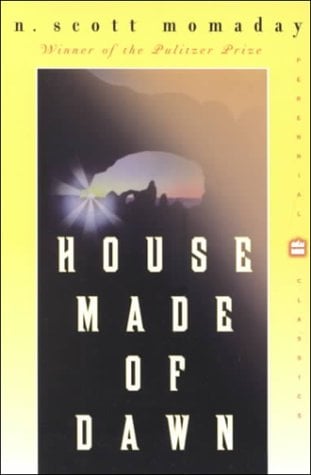
No. 21 on this list. House Made of Dawn · N. Scott Momaday · 1969
House Made of Dawn appears on virtually every Native American literature syllabus and most American literature surveys covering the post-1960 period. It is the foundational text of the Native American literary renaissance and required reading in courses on multicultural American literature, modernism, and postwar fiction.
Challenging5.6 hours
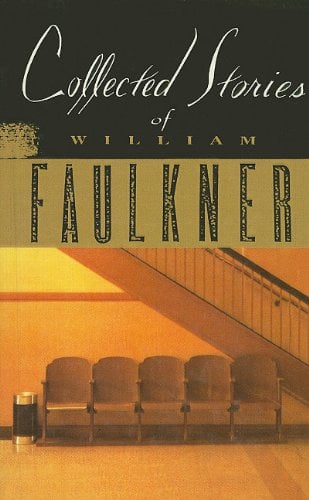
Start this bookNo. 22 on this list. Collected Stories · William Faulkner · 1951
Collected Stories won the National Book Award in 1951 and remains central to American short fiction canon. These stories appear regularly in anthologies and academic syllabi. While perhaps overshadowed by Faulkner's novels, the collection represents an essential component of his Yoknapatawpha saga and demonstrates his mastery across forms.
Challenging22 hours
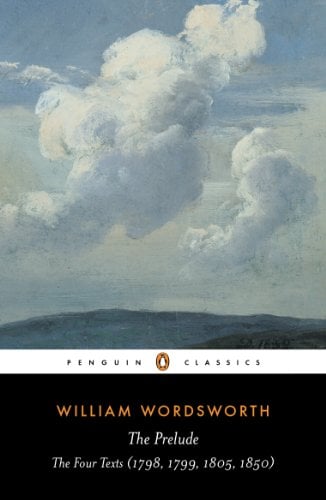
Start this bookNo. 23 on this list. The Prelude · William Wordsworth · 1850
A fixture of every survey of English Romanticism and nearly every anthology of British poetry, though as a single long poem it draws less raw syllabus volume than assigned novels—closer to Beloved's discipline-specific canonicity than a mass-market fixture like Gatsby.
Challenging4.6 hours
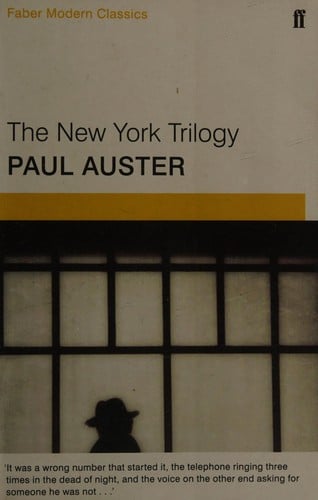
Start this bookNo. 24 on this list. The New York Trilogy · Paul Auster · 1987
The New York Trilogy stands as the defining work of American postmodern noir and one of the most influential experimental novels of the 1980s. It appears consistently on syllabi for postmodern fiction, metafiction, and American literature courses, and is cited as a foundational text in discussions of the detective genre's literary transformation. Published in the US by Penguin Books (1987 combined edition), it has remained continuously in print for four decades. It appears on numerous "greatest novels" lists and is central to critical discourse on identity, authorship, and the limitations of language in contemporary fiction.
Very Difficult19 hours
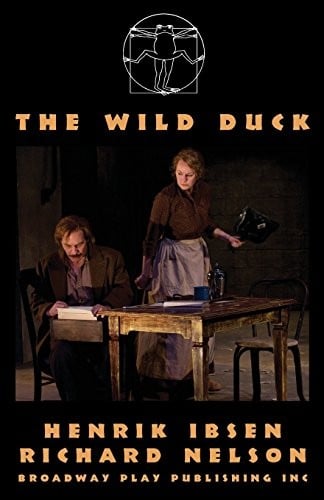
Start this bookNo. 25 on this list. The Wild Duck · Henrik Ibsen · 1884
Taught in schools: Hungarian literature curriculum (magyar nyelv és irodalom) (Hungary)
Included in: Great Books of the Western World
The Wild Duck is a cornerstone of the Western dramatic canon, taught in virtually every university drama program and included in all standard collections of world theater. Though the database returns no syllabus count, Ibsen is the most taught non-English-language playwright in English-speaking universities, and this play—alongside Hedda Gabler and A Doll's House—appears on every major drama syllabus. It is consistently ranked among Ibsen's finest works and among the ten most important plays of the nineteenth century.
Moderate2.2 hours
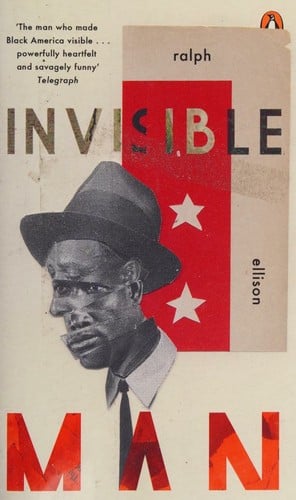
Start this bookNo. 26 on this list. Invisible Man · Ralph Ellison · 1953
Included in: Bokklubben World Library
Appears on 2,200 university syllabi (83rd percentile among all tracked works), making it one of the most-taught American novels in higher education. Included on the Modern Library 100 Best Novels, TIME's All-TIME 100 Novels, and 1001 Books You Must Read Before You Die. Its Wikipedia article spans 17 languages, reflecting steady global reach.
Difficult22 hours
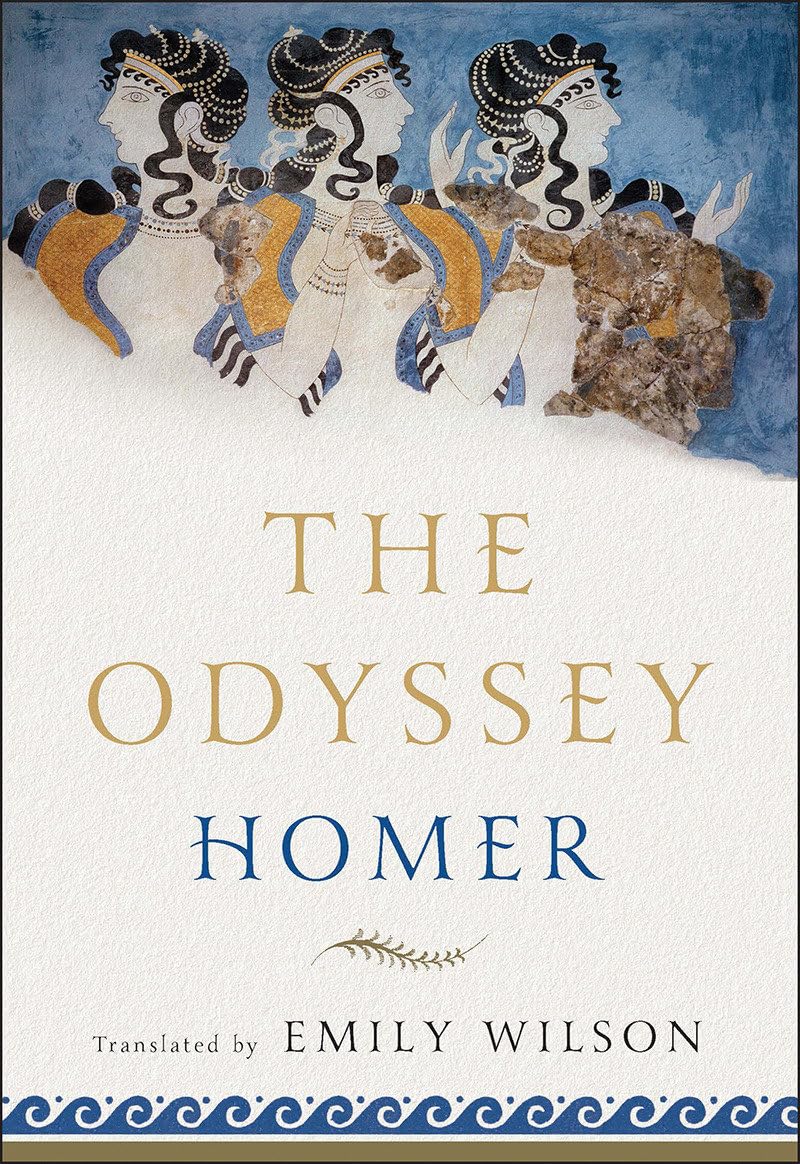
Start this bookNo. 27 on this list. Odyssey · Homer · c. 725 BCE
Homer invented the homecoming plot: the cunning survivor who lies, adapts, and improvises his way back to the life he left behind. Three thousand years later, every story about the long way home — from Huckleberry Finn to Star Trek — runs on the engine the Odyssey built.
Challenging8.6 hours
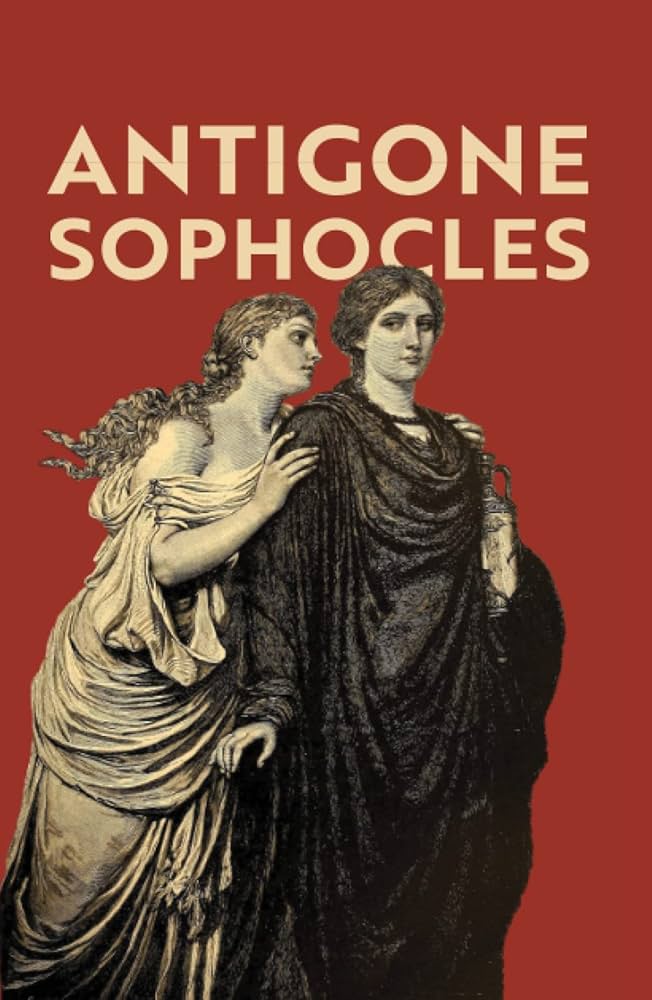
Read nowNo. 28 on this list. Antigone · Sophocles · c. 441 BCE
Taught in schools: Hungarian literature curriculum (magyar nyelv és irodalom) (Hungary), Lektury obowiązkowe – Polish national reading list (Poland), Montenegrin literature curriculum (crnogorski jezik i književnost) (Montenegro)
Included in: Great Books of the Western World
Sophocles gave a young woman one impossible choice — obey the state or bury her brother — and built from it the foundational argument about what happens when human law and moral law collide. Every subsequent debate about civil disobedience, from Thoreau to Martin Luther King, restates the question Antigone asked first.
Moderate2.6 hours
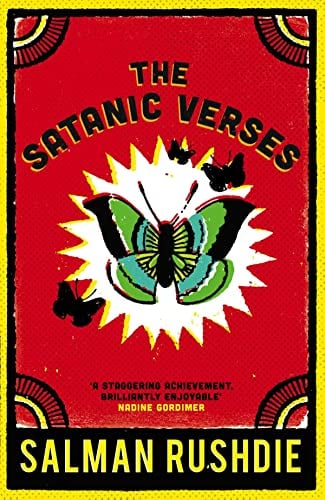
Read nowNo. 29 on this list. The Satanic Verses · Salman Rushdie · 1988
The Satanic Verses occupies singular position in late-twentieth-century literature due to the fatwa issued by Ayatollah Khomeini, making it perhaps the most internationally controversial novel of its era. Beyond the political firestorm, it stands as landmark postcolonial fiction and exemplar of British multicultural literature. The novel appears on standard lists of essential postmodern works and remains central to discussions of migration, identity, and religion in global fiction. Its notoriety ensures permanent place in literary and political history.
Difficult26 hours
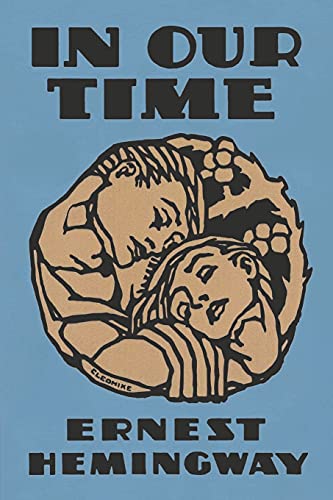
Start this bookNo. 30 on this list. In Our Time · Ernest Hemingway · 1925
In Our Time is widely taught in American literature survey courses as the foundational text of Hemingway's iceberg style. It appears on thousands of university syllabi and is the required starting point for understanding modernist short fiction in America. The Modern Library and most major American literature curricula treat it as essential.
Challenging17 min
Start this book
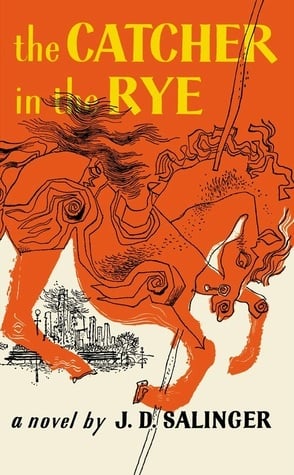
No. 31 on this list. The Catcher in the Rye
J.D. Salinger · 1951
Taught in schools: CSEC English B – Caribbean Examinations Council, Montenegrin literature curriculum (crnogorski jezik i književnost) (Montenegro)
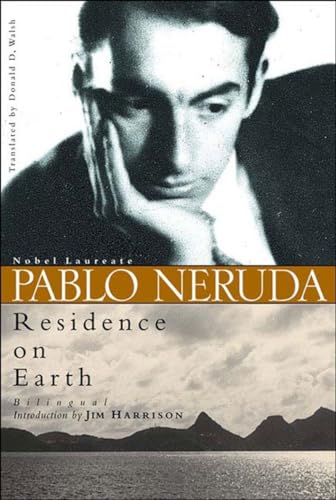
No. 32 on this list. Residence on Earth
Pablo Neruda · 1933
No. 33 on this list. Pamela
Samuel Richardson · 1740
No. 34 on this list. Clarissa
Samuel Richardson · 1748
No. 35 on this list. The Strange Case of Dr Jekyll and Mr Hyde
Robert Louis Stevenson · 1886
Taught in schools: AQA GCSE and A-level English Literature (UK), OCR GCSE and A-level English Literature (UK)
No. 36 on this list. A Hero of Our Time
Mikhail Lermontov · 1840
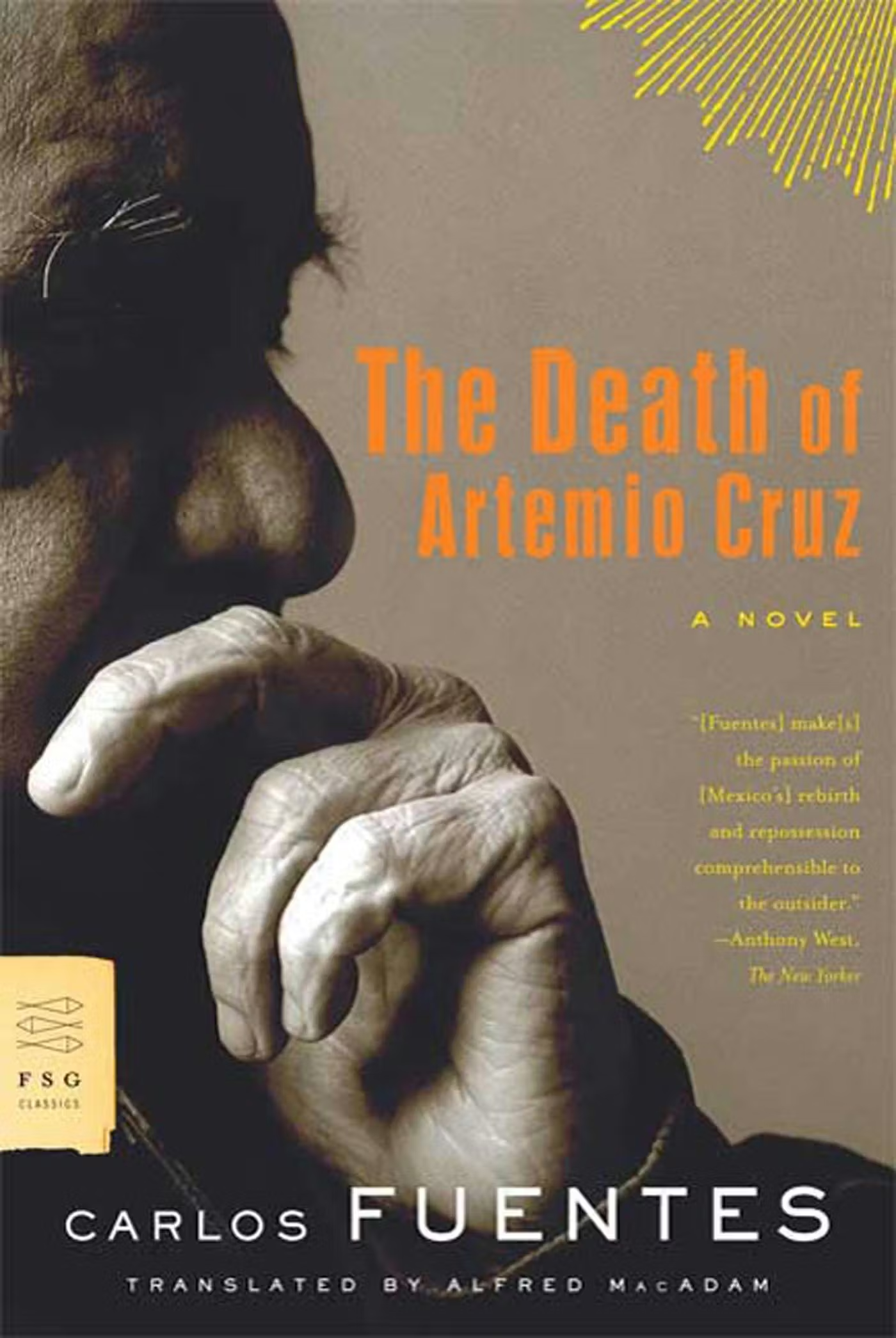
No. 37 on this list. The Death of Artemio Cruz
Carlos Fuentes · 1962
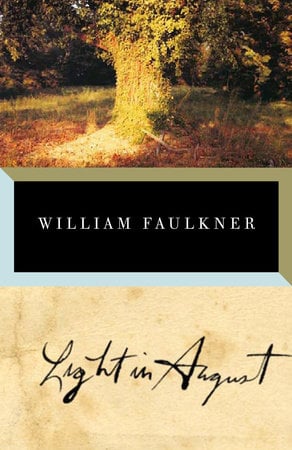
No. 38 on this list. Light in August
William Faulkner · 1932
No. 39 on this list. Paterson
William Carlos Williams · 1963
No. 40 on this list. Call to Arms
Lu Xun · 1923
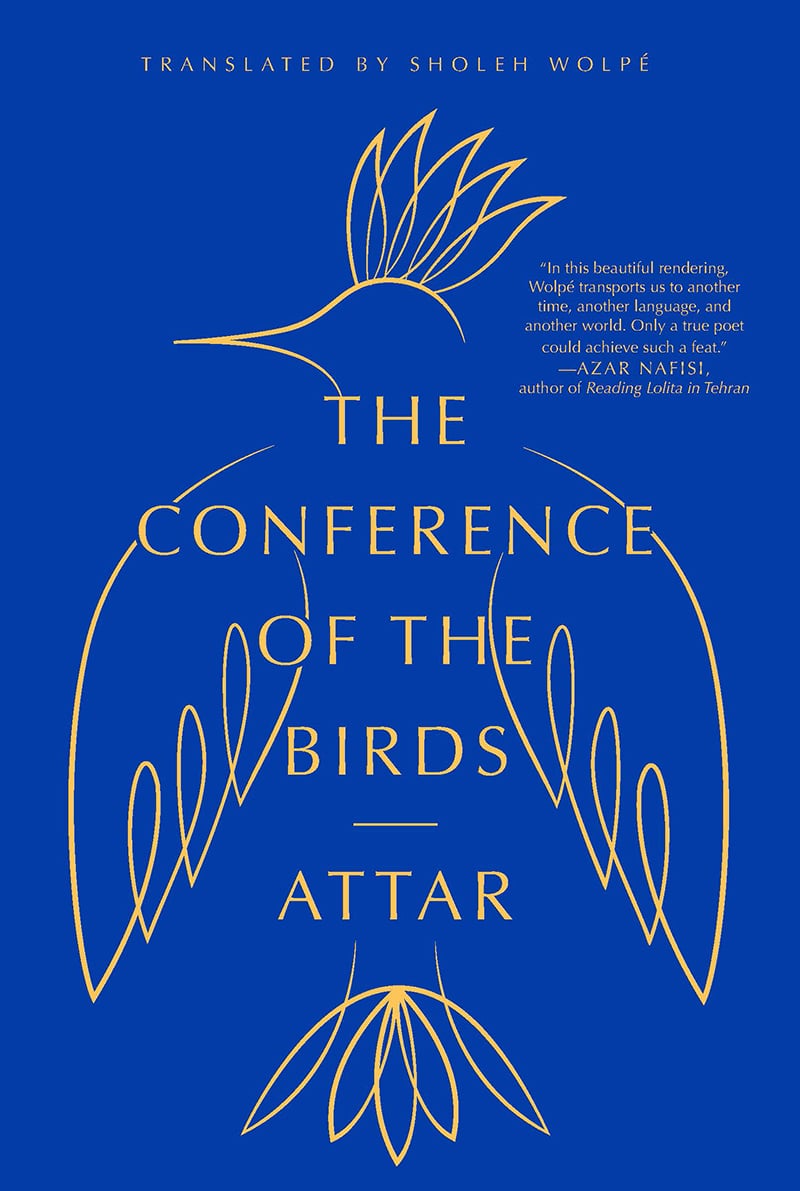
No. 41 on this list. The Conference of the Birds
Attar of Nishapur · 1177
No. 42 on this list. A Sportsman's Sketches
Ivan Turgenev · 1852
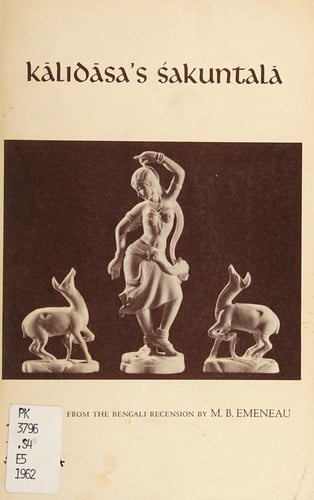
No. 43 on this list. Shakuntala
Kalidasa · 400
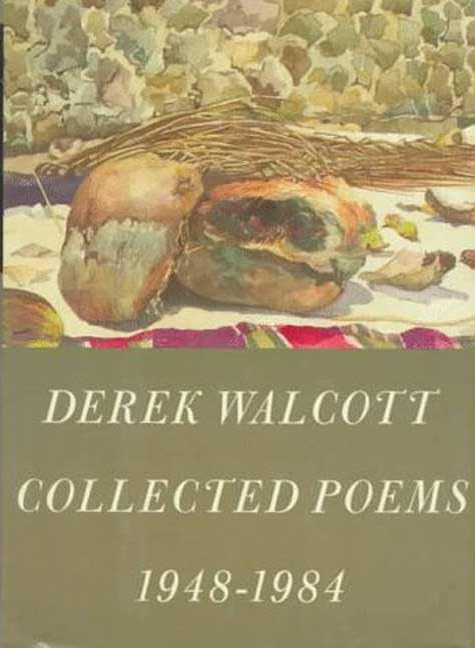
No. 44 on this list. Collected Poems of Derek Walcott
Derek Walcott · 1986
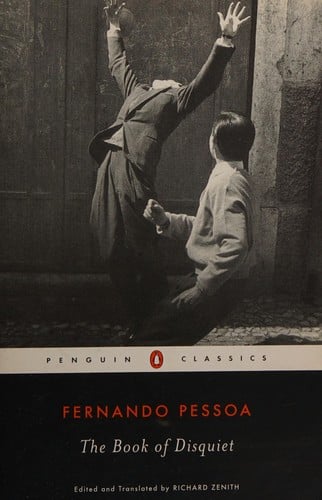
No. 45 on this list. The Book of Disquiet
Included in: Bokklubben World Library
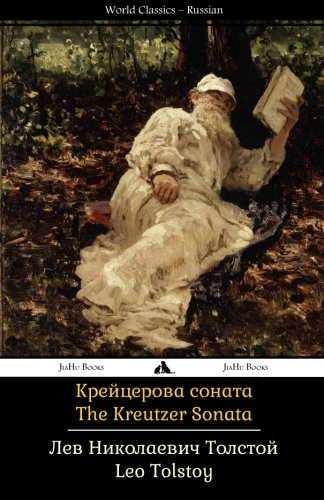
No. 46 on this list. The Kreutzer Sonata
Leo Tolstoy · 1889
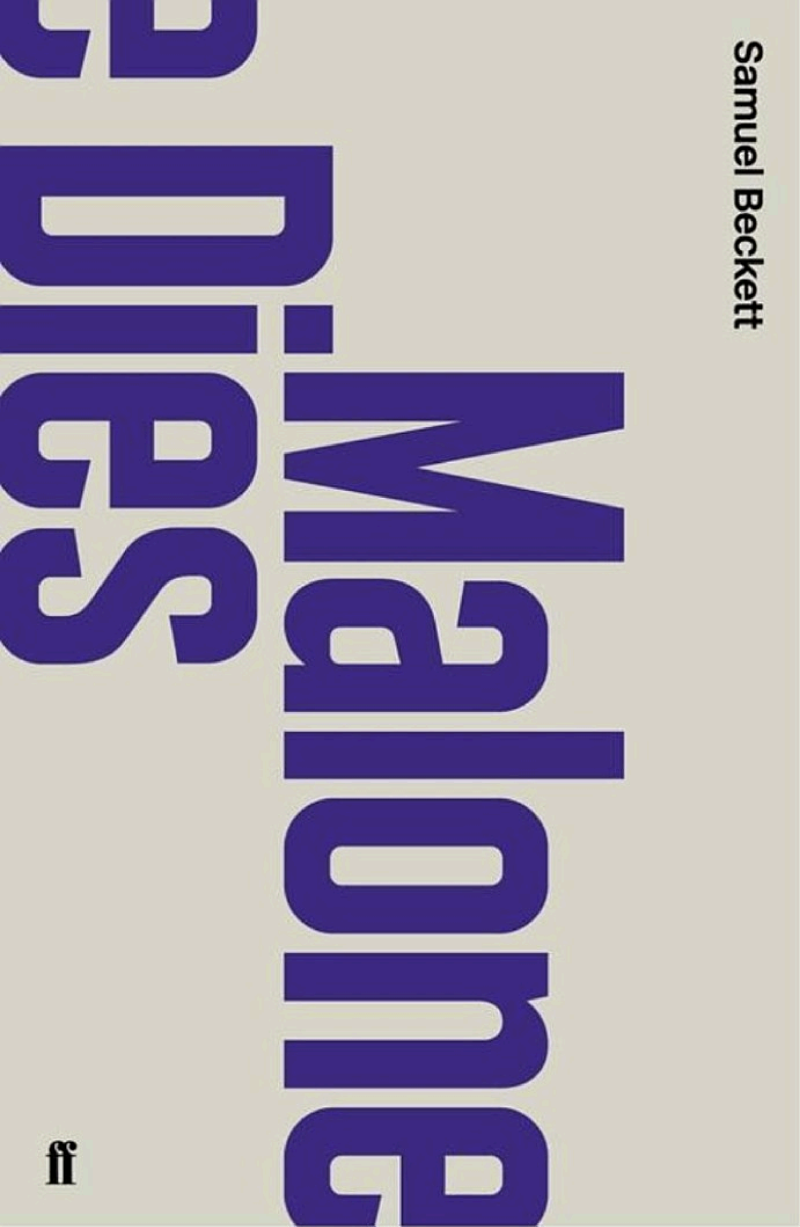
No. 47 on this list. Malone Dies
Samuel Beckett · 1951
Included in: Bokklubben World Library
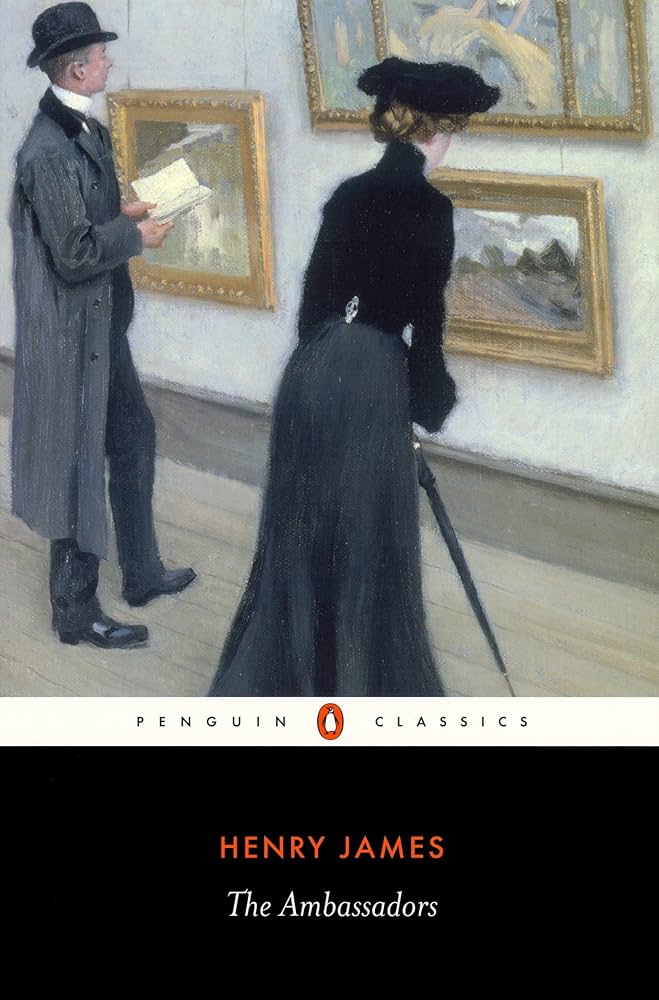
No. 48 on this list. The Ambassadors
Henry James · 1903
No. 49 on this list. Dombey and Son
Charles Dickens · 1848
No. 50 on this list. Joseph and His Brothers
Thomas Mann · 1943
No. 51 on this list. The Iceman Cometh
Eugene O'Neill · 1946
No. 52 on this list. Martin Chuzzlewit
Charles Dickens · 1844
No. 53 on this list. Molloy
Samuel Beckett · 1951
Included in: Bokklubben World Library
No. 54 on this list. V.
Thomas Pynchon · 1963
No. 55 on this list. Life & Times of Michael K
J.M. Coetzee · 1983
Taught in schools: UNAM Escuela Nacional Preparatoria – programas de Literatura (Mexico)
No. 56 on this list. The English Patient
Michael Ondaatje · 1992
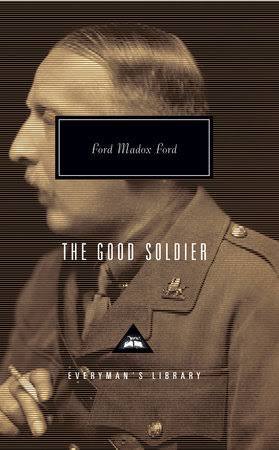
No. 57 on this list. The Good Soldier
Ford Madox Ford · 1915
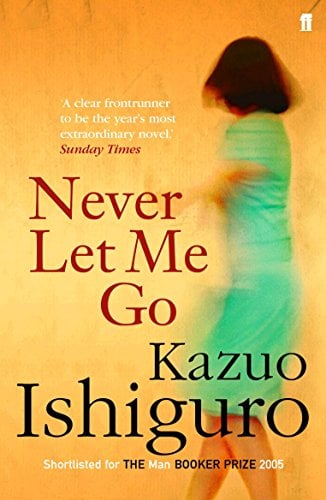
No. 58 on this list. Never Let Me Go
Kazuo Ishiguro · 2005
Taught in schools: AQA GCSE and A-level English Literature (UK), OCR GCSE and A-level English Literature (UK), Pearson Edexcel GCSE and A-level English Literature (UK)
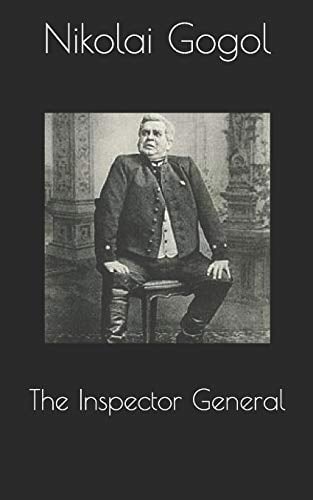
No. 59 on this list. The Inspector General
Nikolai Gogol · 1836
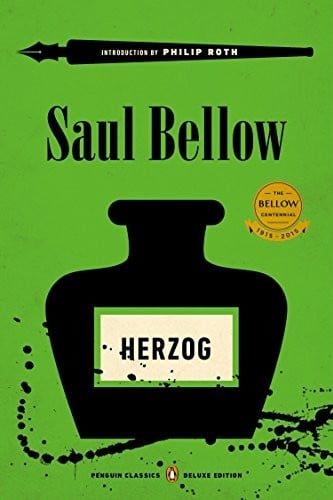
No. 60 on this list. Herzog
Saul Bellow · 1965
No. 61 on this list. The Piano Lesson
August Wilson · 1987
No. 62 on this list. Season of Migration to the North
Tayeb Salih · 1966
Included in: Bokklubben World Library, Heinemann African Writers Series
No. 63 on this list. Our Mutual Friend
Charles Dickens · 1865
No. 64 on this list. Miss Julie
August Strindberg · 1888
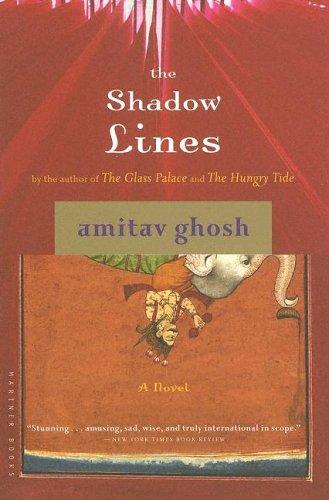
No. 65 on this list. The Shadow Lines
Amitav Ghosh · 1988
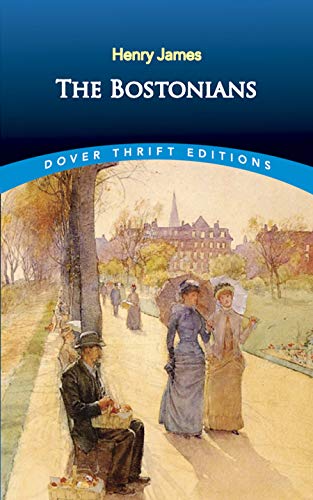
No. 66 on this list. The Bostonians
Henry James · 1886
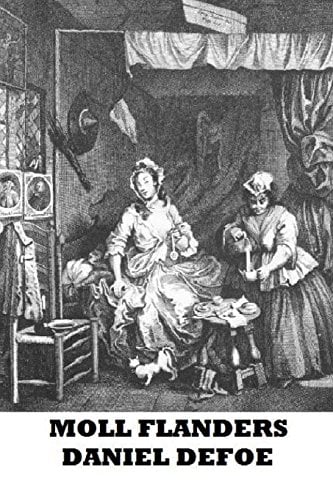
No. 67 on this list. Moll Flanders
Daniel Defoe · 1722
No. 68 on this list. A Grain of Wheat
Ngugi wa Thiong'o · 1967
Included in: Heinemann African Writers Series
No. 69 on this list. Vertigo
W.G. Sebald · 1990
No. 70 on this list. Midnight's Children
Salman Rushdie · 1981
Included in: Bokklubben World Library
No. 71 on this list. Tom Jones
Henry Fielding · 1749
Included in: Great Books of the Western World
No. 72 on this list. Exile and the Kingdom
Albert Camus · 1957
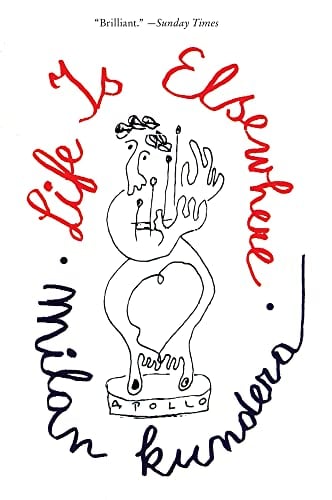
No. 73 on this list. Life Is Elsewhere
Milan Kundera · 1973
No. 74 on this list. Siddhartha
Hermann Hesse · 1922
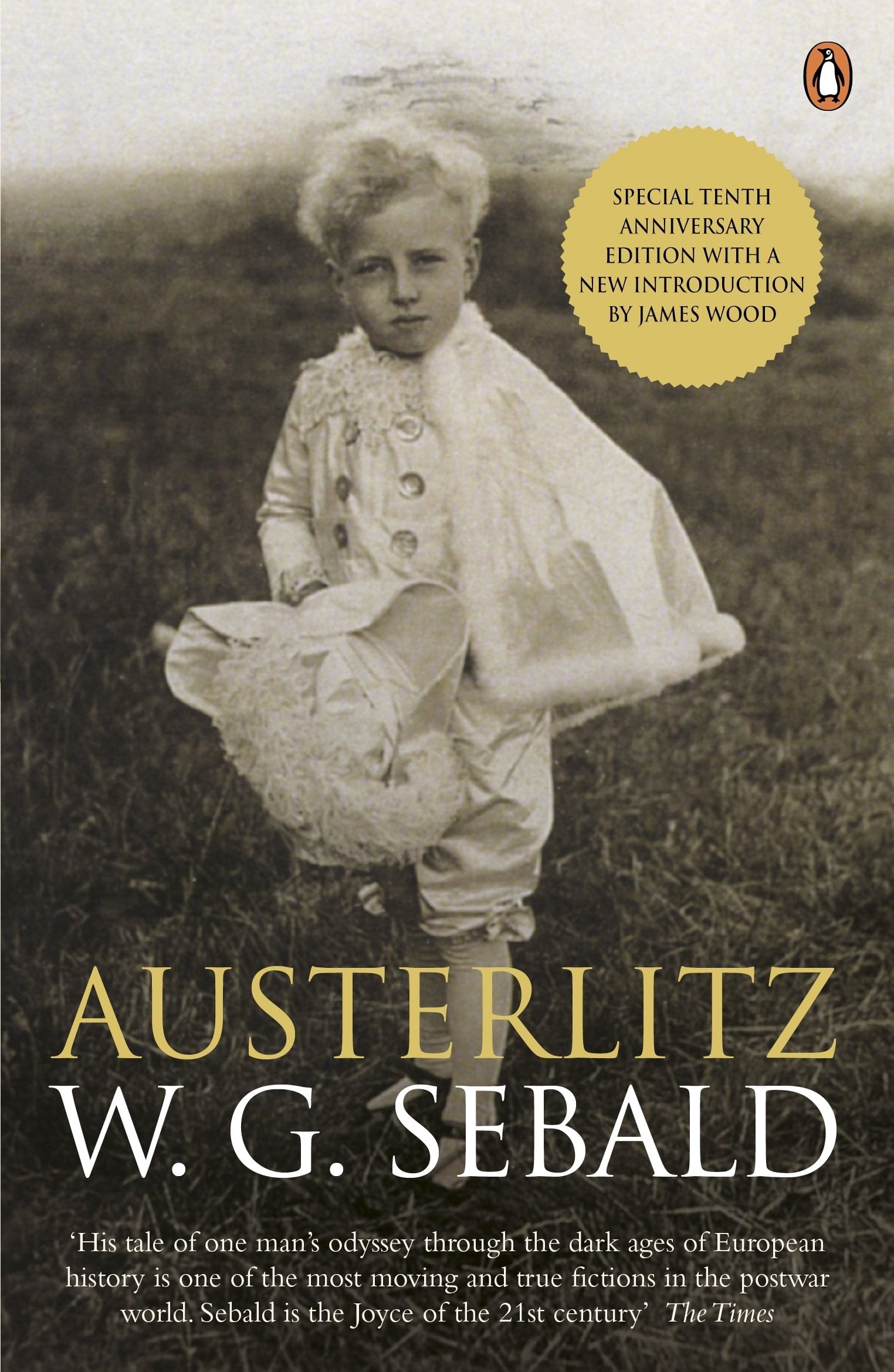
No. 75 on this list. Austerlitz
W.G. Sebald · 2001
No. 76 on this list. Blood Knot
Athol Fugard · 1961
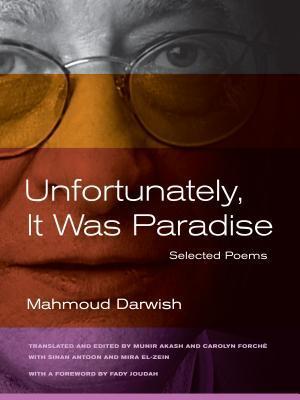
No. 77 on this list. Unfortunately, It Was Paradise
Mahmoud Darwish · 2003
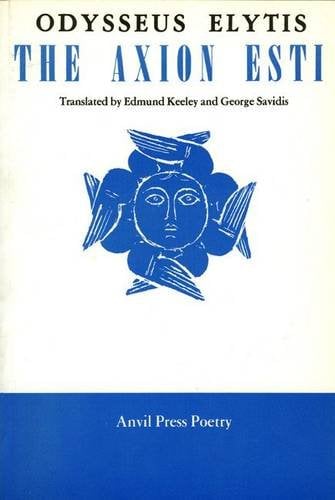
No. 78 on this list. The Axion Esti
Odysseas Elytis · 1959
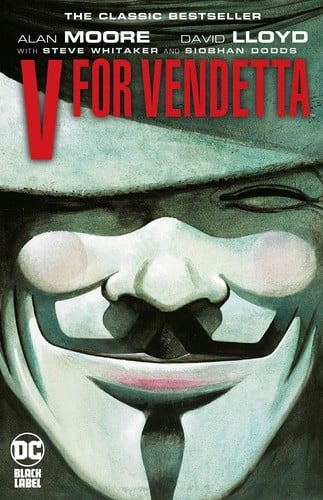
No. 79 on this list. V for Vendetta
Alan Moore · 1989
No. 80 on this list. Marks of Identity
Juan Goytisolo · 1966
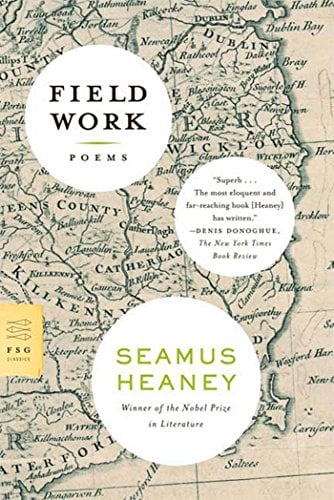
No. 81 on this list. Field Work
Seamus Heaney · 1979
Taught in schools: WJEC/Eduqas GCSE and A-level English Literature (UK)
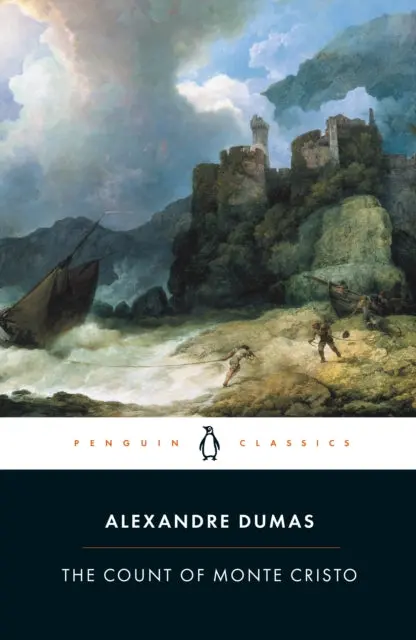
No. 82 on this list. The Count of Monte Cristo
Alexandre Dumas · 1844
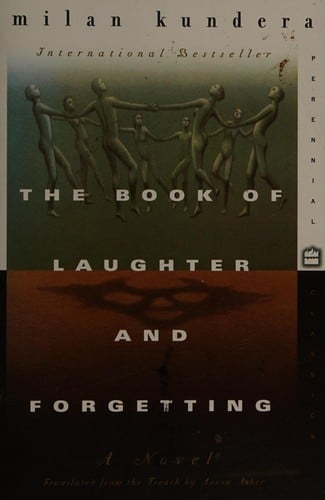
No. 83 on this list. The Book of Laughter and Forgetting
Milan Kundera · 1979
No. 84 on this list. Athalie
Jean Racine · 1691
No. 85 on this list. Diary of a Madman
Nikolai Gogol · 1835
No. 86 on this list. Sister Carrie
Theodore Dreiser · 1900
No. 87 on this list. The Nose
Nikolai Gogol · 1836
Taught in schools: Hungarian literature curriculum (magyar nyelv és irodalom) (Hungary)
No. 88 on this list. Ward No. 6
Anton Chekhov · 1892
No. 89 on this list. The Emigrants
W.G. Sebald · 1992
No. 90 on this list. The Cossacks
Leo Tolstoy · 1863
No. 91 on this list. Do Androids Dream of Electric Sheep?
Philip K. Dick · 1968
No. 92 on this list. The Home and the World
Rabindranath Tagore · 1916
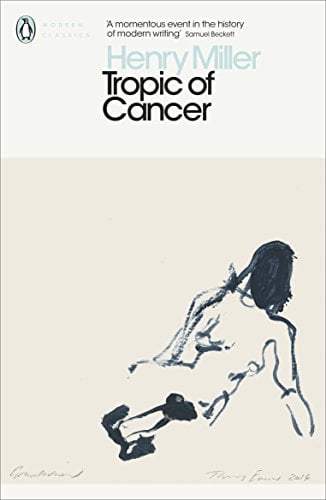
No. 93 on this list. Tropic of Cancer
Henry Miller · 1934
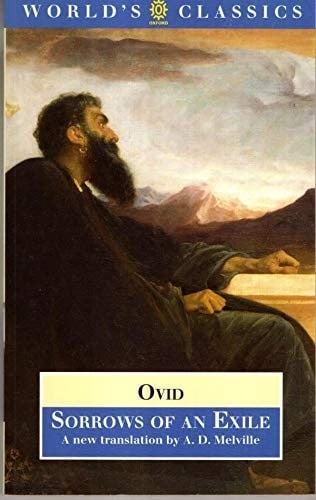
No. 94 on this list. Tristia
Ovid · 12
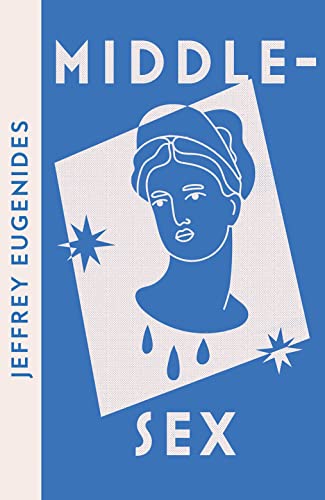
No. 95 on this list. Middlesex
Jeffrey Eugenides · 2003
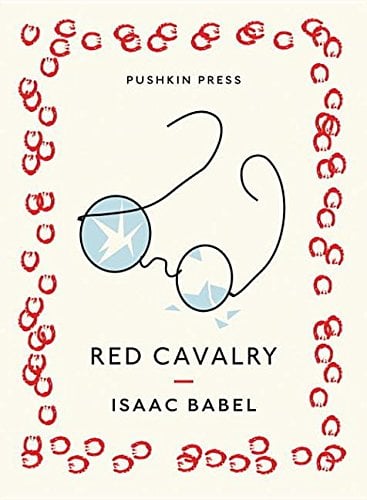
No. 96 on this list. Red Cavalry
Isaac Babel · 1926
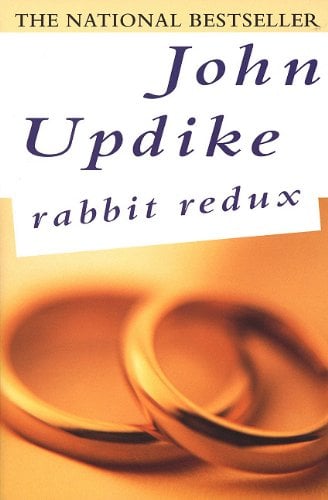
No. 97 on this list. Rabbit Redux
John Updike · 1971
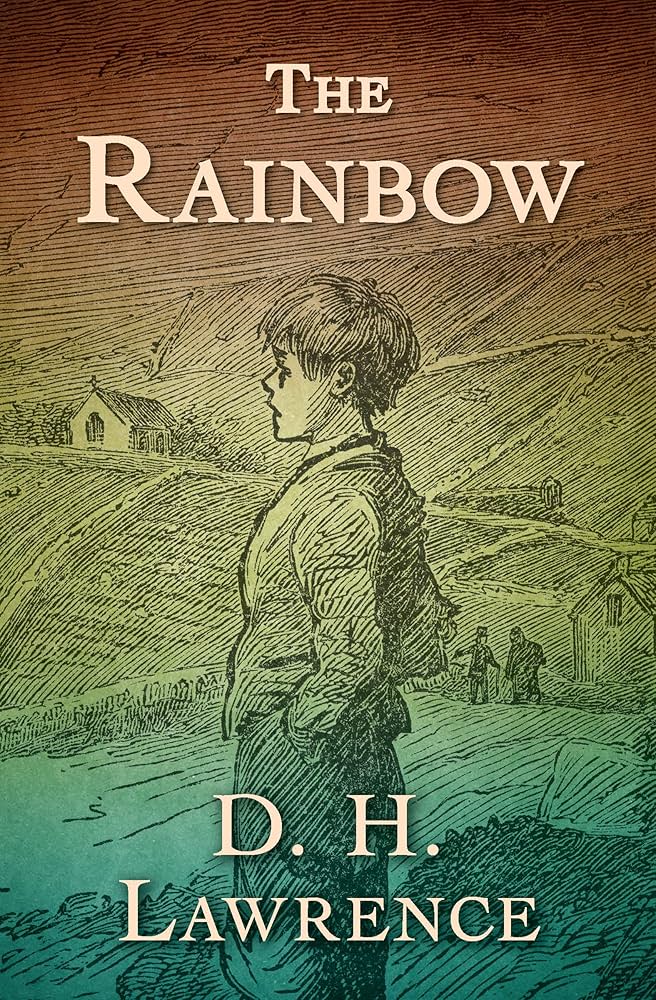
No. 98 on this list. The Rainbow
D.H. Lawrence · 1915
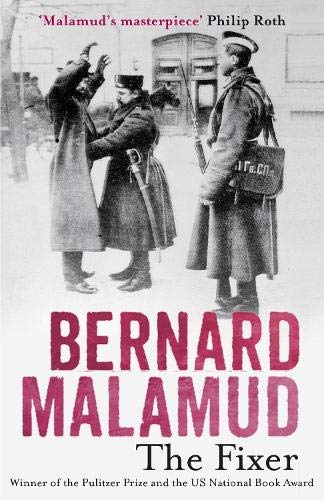
No. 99 on this list. The Fixer
Bernard Malamud · 1967
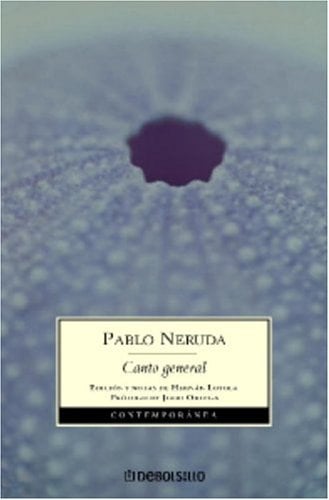
No. 100 on this list. Canto General
Pablo Neruda · 1950
Taught in schools: Literatura, Diseño Curricular – Provincia de Buenos Aires (Argentina), UNAM Escuela Nacional Preparatoria – programas de Literatura (Mexico)
About this list
These 100 books are the highest-scoring eligible books about identity and the self by men currently in the catalogue. About 977 hours of reading in all. Difficulty runs from 54 to 68 out of 100 for the middle half of the list; the summit is Ulysses at 89.
This list is ranked by literary regard, with a consistent order for equal scores. Membership follows authors and co-authors, not translators or editors. A book is here when ReadingRate files it under Identity & Self as one of its primary reading domains, at a confidence of 0.8 or more. Catalogue coverage and the historical canon both limit what this list can represent.
When we matched the Canons dataset to our catalogue in October 2026, our canonical-status scores rose with the number of school curricula, publisher series and lists in it that cite a work: the median score was 72 for books one such source cites, 84 at two, 88 at three, 92 at four and 93 at five or more. Prizes are left out of that count. Outside the state curricula, the dataset’s sources choose mostly from what has been translated into English or French, so it is a weaker check on other literatures. Source: Canons (Andrew Piper), CC BY 4.0
Questions people actually ask
- What are the best books about identity and the self by men?
- By literary regard, which weighs canonical status, critical standing and influence: Ulysses by James Joyce, Six Characters in Search of an Author by Luigi Pirandello, Twelfth Night by William Shakespeare, As You Like It by William Shakespeare and Collected Poems by Robert Frost. ReadingRate ranks 100 such books, each with a difficulty score and a reading-time estimate.
- Which books about identity and the self by men should I read first?
- Start from difficulty, not from rank. The most approachable books on this list that still carry top literary regard are Sister Carrie by Theodore Dreiser (about 9.4 hours), V for Vendetta by Alan Moore and Pamela by Samuel Richardson.
- What are the shortest of the best books about identity and the self by men?
- Among the top 25, the shortest are The Lady with the Dog by Anton Chekhov (about 32 min), Ajax by Sophocles (about 56 min) and The Bourgeois Gentleman by Molière (about 1.2 hours), at an average pace of 250 words a minute adjusted for each book's difficulty.
- Which of the best books about identity and the self by men are the established classics?
- By canonical status, how firmly a book sits in curricula, anthologies and the canon: Odyssey by Homer, Ulysses by James Joyce, Six Characters in Search of an Author by Luigi Pirandello, The Bacchae by Euripides and Twelfth Night by William Shakespeare.
- Can I read any of these books about identity and the self by men for free?
- 27 of the 100 open in ReadingRate's reader with a free account, from public-domain editions: Ulysses, Six Characters in Search of an Author, Twelfth Night, As You Like It, Richard III and 22 more.
- How long would it take to read the top ten?
- About 84 hours, at an average pace of 250 words a minute adjusted for each book's difficulty: 42 days at two hours a day. Set your own pace on the page and the list's reading times change to it.
- How hard are books about identity and the self by men to read?
- Most of this list sits between 54 and 68 on ReadingRate's 100-point difficulty scale, where 40 to 55 is moderate. The summit is Ulysses at 89. Every entry carries its own score, so a reader can pick a great book at a difficulty they will finish.
- How is this list ranked?
- On literary-regard data: how canonically established a work is, its critical standing, and its influence on later writing. It is not a readers’ poll, which is why recent bestsellers rarely appear. Membership follows authors and co-authors, not translators or editors. Lists by country, author, period, theme or difficulty keep to literature (fiction, poetry, drama and philosophy), their novels, poems and plays first and their philosophy after them; a list of a kind of book, such as memoir or criticism, keeps every book of that kind. Every list holds at most three works by one author. A book is here when ReadingRate files it under Identity & Self as one of its primary reading domains, at a confidence of 0.8 or more.