Hours at an average pace
Showing 100 books
About 802 hours for 100 of 100 books with measured lengths. Estimates use 250 words a minute, adjusted for each book's difficulty. At 2 hours a day, about 401 days for those books.
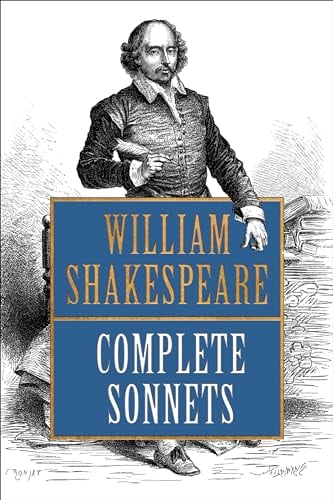
The single most important sonnet sequence in English and among the most celebrated poems ever written.
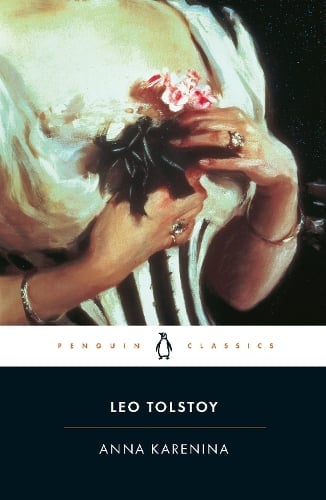
No. 2 on this list. Anna Karenina
Leo Tolstoy · 1877
Challenging26 hours
Taught in schools: Hungarian literature curriculum (magyar nyelv és irodalom) (Hungary), Lithuanian literature curriculum (lietuvių kalba ir literatūra), Russian FGOS literature standard
Included in: Bokklubben World Library
Appears on 334 university syllabi and has a Wikipedia article in 82 languages, placing it among the most globally recognized novels ever written. Consistently named to lists of the greatest novels—TIME All-TIME 100 Novels (2005) and Le Monde's 100 Books of the Century (1999)—and taught wherever world literature courses exist. Its status as a masterpiece of the novel form is essentially uncontested across literary traditions.
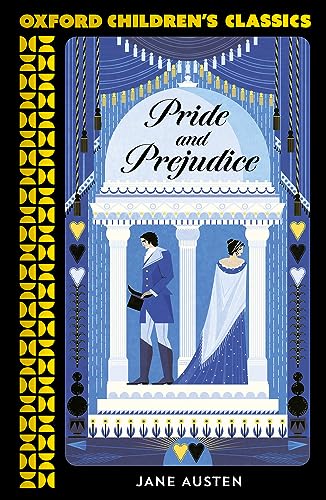
No. 3 on this list. Pride and Prejudice
Jane Austen · 1813
Moderate8.6 hours
Taught in schools: AQA GCSE and A-level English Literature (UK), Cambridge IGCSE Literature in English (0475), Common Core text exemplars (Appendix B) (US)
Included in: Bokklubben World Library
Appears on 2,313 university syllabi — placing it at the 84th percentile of all taught books globally — and Wikipedia covers the novel in 74 languages. Listed in the BBC Big Read Top 100, 1001 Books You Must Read Before You Die, and published in prestige editions by both Penguin Classics and Everyman's Library. One of the most consistently taught novels in English literature.
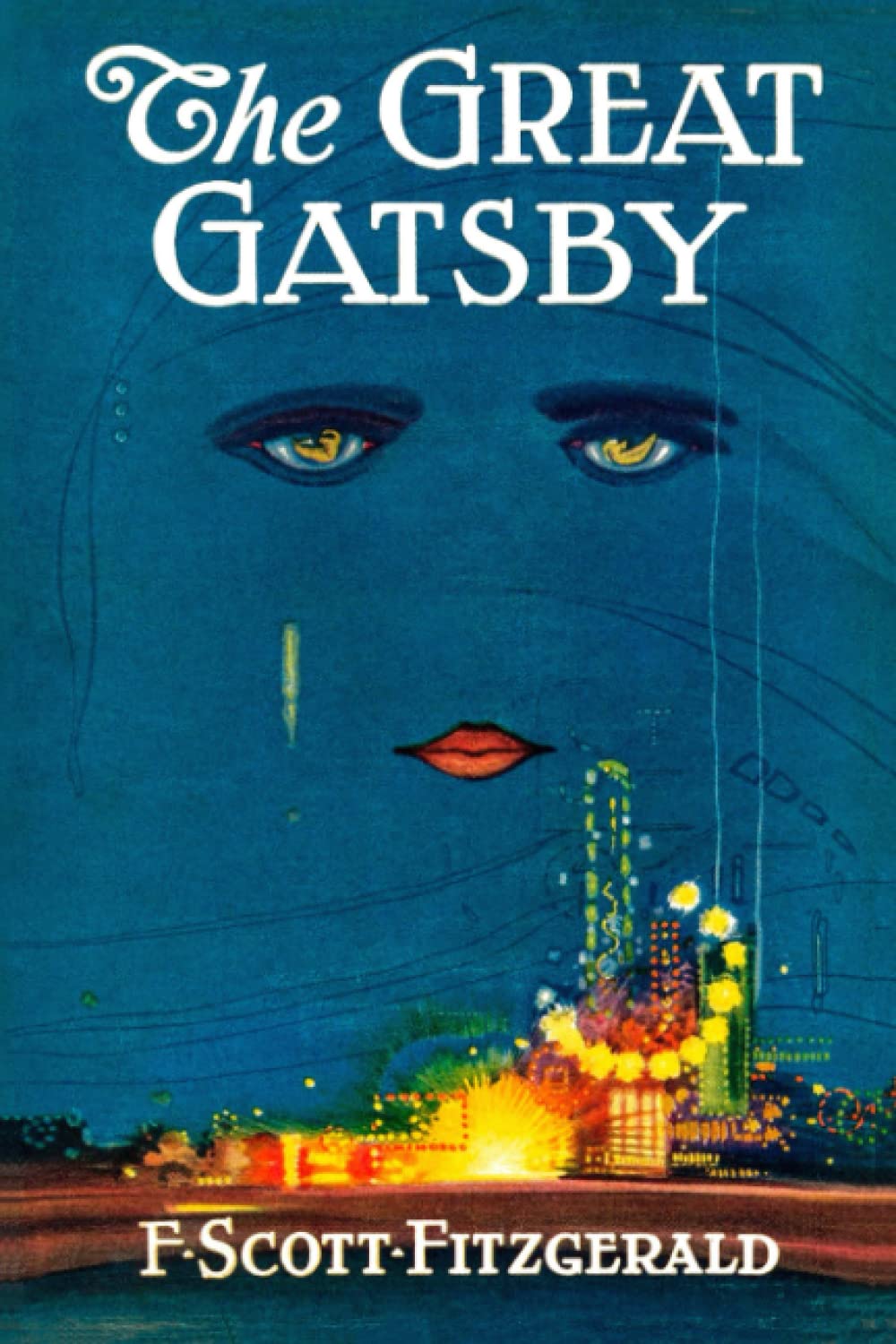
No. 4 on this list. The Great Gatsby
F. Scott Fitzgerald · 1925
Moderate3.4 hours
Taught in schools: AQA GCSE and A-level English Literature (UK), CAPE Literatures in English – Caribbean Examinations Council, Common Core text exemplars (Appendix B) (US)
Included in: Great Books of the Western World
Fitzgerald distilled the self-invention at the core of American life into 180 pages of lapidary prose, centering it on a man whose dream is so vivid it becomes indistinguishable from delusion. The green light at the end of Daisy's dock entered the language as shorthand for desire that is more beautiful for being unreachable.
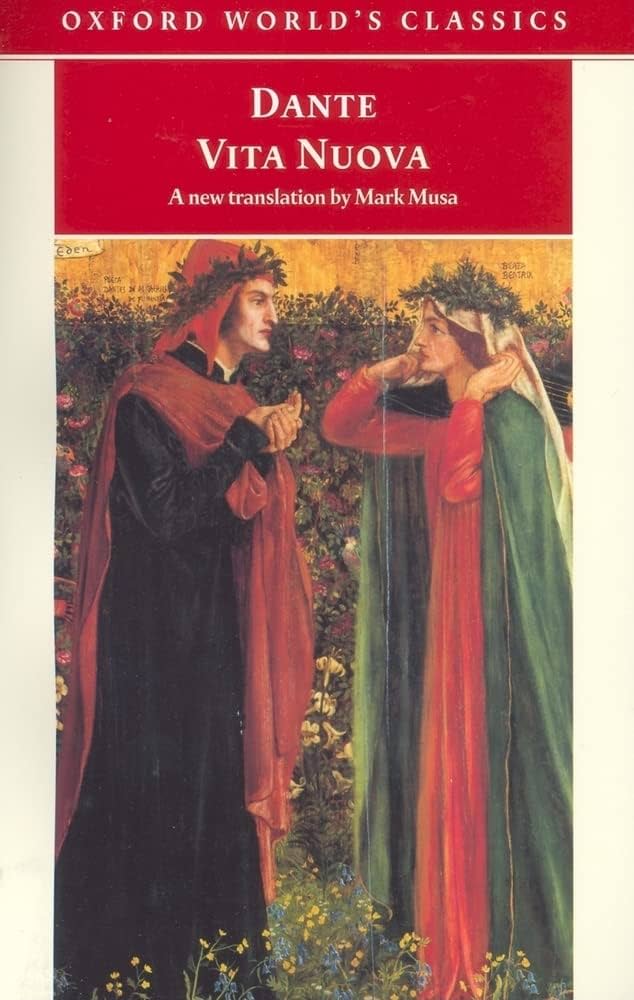
Vita Nuova is taught in virtually every medieval Italian literature program worldwide and appears in most comparative literature and Romance philology curricula. It is the foundational text of the dolce stil novo movement and the biographical prologue to the Divine Comedy, one of the most studied works in Western literary history. Wikipedia entries exist in more than 80 languages, and the work has been continuously in print and commentary since Boccaccio's 14th-century biography of Dante.
No. 6 on this list. The Love Song of J. Alfred Prufrock
T. S. Eliot · 1915
Challenging14 min
Taught in schools: Common Core text exemplars (Appendix B) (US)
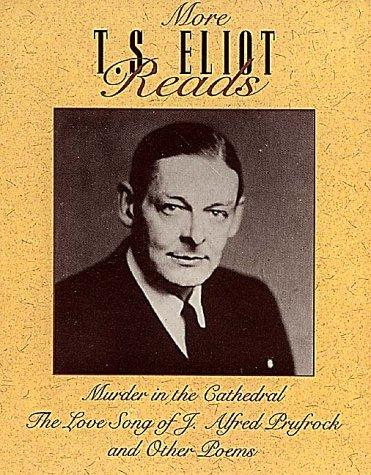
One of the most taught poems in English, standard in introductory poetry courses, modernism surveys and the major anthologies. First printed in Poetry magazine in 1915 at Ezra Pound's urging, it is usually treated as the start of modernist verse in English.
No. 7 on this list. The Tale of Genji
Murasaki Shikibu · 1010
Challenging8.6 hours
Included in: Bokklubben World Library, UNESCO Collection of Representative Works
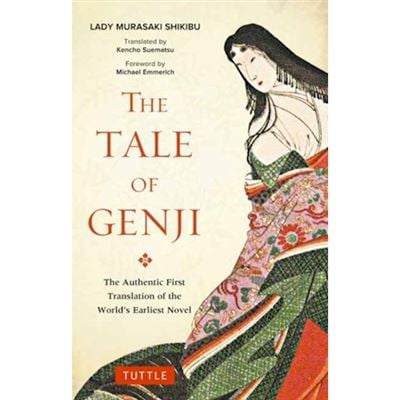
Written by a Heian court lady six centuries before Don Quixote, The Tale of Genji traces the emotional life of a prince and his descendants through a world governed by aesthetic refinement, seasonal feeling, and erotic longing — inventing the psychological novel before the concept existed in any other literary tradition.
Three Essays on the Theory of Sexuality is a foundational text in psychology, psychoanalysis, sexuality studies, and cultural theory curricula worldwide. Listed among Le Monde's 100 Books of the Century (1999), the Open Syllabus Top 500 in Literature, and available on Wikipedia in 20 languages. Taught in psychology, philosophy, literature, gender studies, and history of science courses, it is considered inescapable for anyone studying psychoanalysis or the history of sexuality.
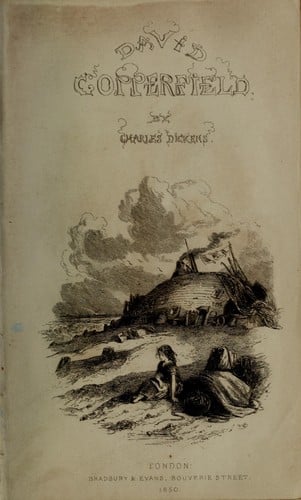
No. 9 on this list. David Copperfield
Charles Dickens · 1850
Moderate24 hours
Taught in schools: WJEC/Eduqas GCSE and A-level English Literature (UK)
David Copperfield is firmly established in the Western literary canon as one of Dickens's supreme achievements and a defining example of the Victorian Bildungsroman. It remains widely taught, studied, and adapted across cultures.
No. 10 on this list. Twelfth Night
William Shakespeare · 1602
Challenging1.8 hours
Taught in schools: AQA GCSE and A-level English Literature (UK), CAPE Literatures in English – Caribbean Examinations Council, Pearson Edexcel GCSE and A-level English Literature (UK)
Included in: Great Books of the Western World
Twelfth Night is among the most widely taught and performed Shakespeare comedies and a near-universal fixture in secondary school and university Shakespeare curricula. Its themes of disguise, gender ambiguity, and unrequited love have made it a central text in gender studies, queer theory, and Renaissance drama courses. It appears on more syllabi than any other Shakespeare comedy except perhaps A Midsummer Night's Dream.
No. 11 on this list. Othello · William Shakespeare · 1603
Taught in schools: AQA GCSE and A-level English Literature (UK), CAPE Literatures in English – Caribbean Examinations Council, Pacific Senior Secondary Certificate – English
Included in: Bokklubben World Library, Great Books of the Western World
Shakespeare took a love story between a Black general and a Venetian noblewoman and destroyed it through the most precisely engineered manipulation in dramatic literature — Iago's campaign unfolds with the logic of a chess game, each move exploiting a specific vulnerability. The play remains the most penetrating study of how jealousy, once planted, manufactures its own evidence.
Challenging2.2 hours
Read nowNo. 12 on this list. Collected Poems of W.H. Auden · W.H. Auden · 1976
One of the most important English-language poets of the twentieth century, central to the modern canon alongside Yeats and Eliot.
Moderate2.3 hours
Start this bookNo. 13 on this list. Hippolytus · Euripides · c. 428 BCE
Included in: Great Books of the Western World
Hippolytus is a cornerstone of classical literature curricula worldwide, appearing in virtually every Greek tragedy anthology and university drama syllabus. It is one of only 17 surviving plays by Euripides and is consistently featured in courses on Western drama, classical antiquity, and the history of theatre. No direct Open Syllabus data was available, but its canonical presence in the Western literary tradition is unambiguous.
Challenging2.3 hours
Start this bookNo. 14 on this list. Middlemarch · George Eliot · 1871
Taught in schools: AQA GCSE and A-level English Literature (UK)
Included in: Bokklubben World Library, Great Books of the Western World
Appears on 1,070 university syllabi (75th percentile by Open Syllabus), anchoring Victorian literature courses worldwide. Wikipedia covers it in 25 languages with a substantial 52,926-character article including dedicated Reception and Adaptations sections. Virginia Woolf's declaration that it is 'one of the few English novels written for grown-up people' has given it a persistent critical shorthand that appears on nearly every canonical 'greatest novels' list.
Moderate22 hours
Read nowNo. 15 on this list. The Idiot · Fyodor Dostoevsky · 1869
Taught in schools: Russian FGOS literature standard
Included in: Bokklubben World Library
Prince Myshkin steps off a train into St. Petersburg after four years in a Swiss sanatorium, cured of his epilepsy but carrying no money, no connections, and a disposition so transparently good that everyone around him assumes he is simple. He is not simple. He sees directly into people — their vanity, their suffering, their better selves — and says so without calculation, which the society he enters reads as idiocy. Within days he is entangled with two women: Nastasya Filippovna, a celebrated beauty who has been kept and ruined by a wealthy patron and who tears through every room she enters, and Aglaya Epanchina, young and proud and surrounded by suitors. Both fall in love with him. He loves both. He cannot save either. Dostoevsky set out to portray a 'positively beautiful man' and then placed him in conditions designed to break such a man apart. The question the novel drives toward — whether goodness has any purchase on the world, whether beauty can save or only destroy — is never answered. What accumulates instead is a portrait of Russian society in the 1860s: the new money, the decayed gentry, the radical youths, the drawing rooms where everyone performs and no one is seen. Myshkin alone refuses to perform, which makes him simultaneously the novel's moral center and its most helpless figure. The final scene — two men sitting in darkness beside a dead woman — is among the most harrowing endings in 19th-century fiction.
Challenging19 hours
Read nowNo. 16 on this list. Three Sisters · Anton Chekhov · 1901
Taught in schools: Hungarian literature curriculum (magyar nyelv és irodalom) (Hungary), Russian FGOS literature standard
Taught in every course on modern drama and staged continuously by major companies since its 1901 Moscow Art Theatre premiere. The sisters' longing for Moscow is one of the best-known situations in world theatre.
Challenging2.4 hours
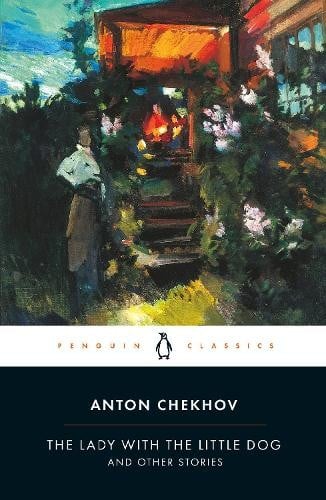
Read nowNo. 17 on this list. The Lady with the Dog · Anton Chekhov · 1899
Taught in schools: Russian FGOS literature standard
Among the most anthologized and taught short stories in any language, a staple of fiction courses and writing workshops. It is frequently named as the greatest short story ever written.
Challenging32 min
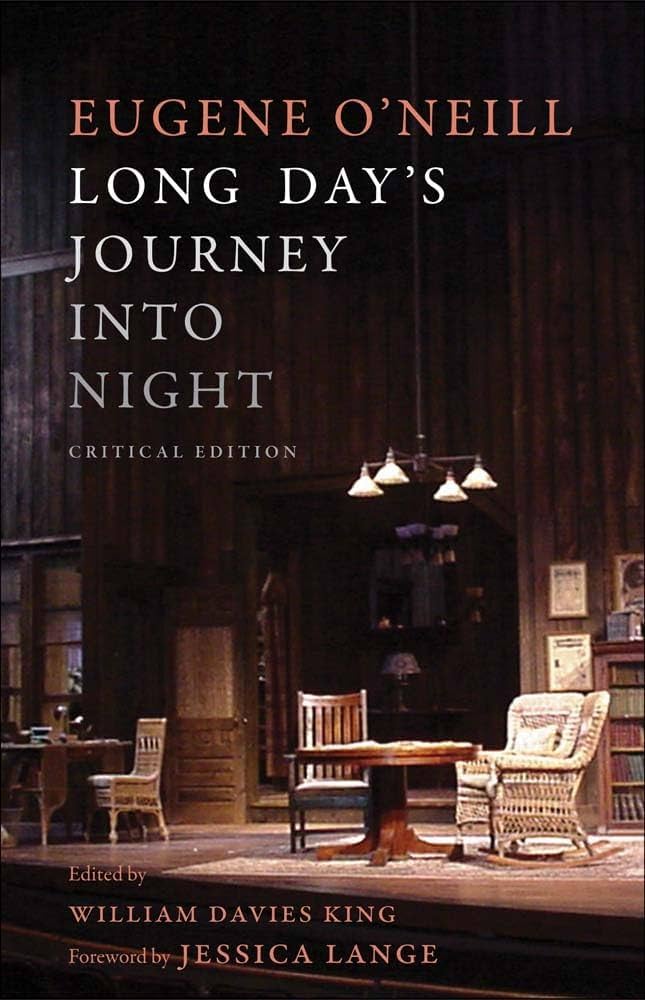
Read nowNo. 18 on this list. Long Day's Journey into Night · Eugene O'Neill · 1956
O'Neill dramatized his own family — the morphine-addicted mother, the alcoholic father, the doomed brother — with such lacerating honesty that he ordered the play sealed until twenty-five years after his death. The result is the most autobiographically raw masterpiece in American theater, a four-act cycle of blame and forgiveness that never grants its characters the relief of a resolution.
Moderate4.6 hours
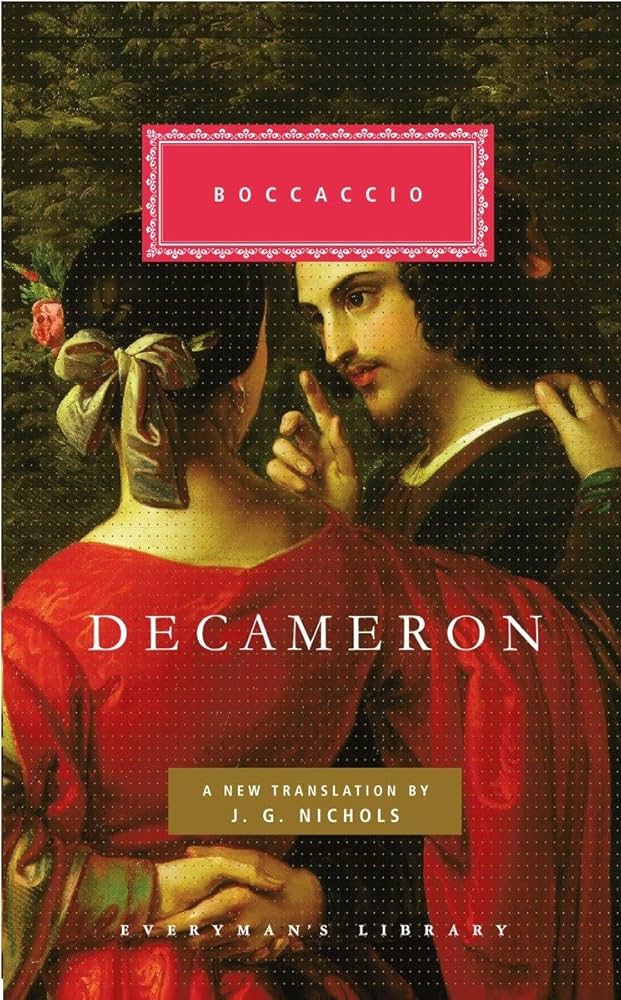
Start this bookNo. 19 on this list. The Decameron · Giovanni Boccaccio · 1353
Included in: Bokklubben World Library
Ten young Florentines flee the Black Death and tell a hundred stories—bawdy, tragic, satirical—that give prose fiction its first great architecture. Chaucer borrowed from it, and the frame-narrative technique Boccaccio perfected here became the scaffolding for centuries of European storytelling.
Moderate20 hours
Read nowNo. 20 on this list. The Hunchback of Notre-Dame · Victor Hugo · 1831
Among Hugo most famous novels. Sparked Gothic Revival and cathedral preservation movement.
Challenging16 hours
Start this book
No. 21 on this list. A Dream Play · August Strindberg · 1902
Recognized as one of the most important and innovative plays in Western drama. A foundational text of expressionism and the avant-garde theatre.
Moderate2.1 hours
Start this bookNo. 22 on this list. Buddenbrooks: The Decline of a Family · Thomas Mann
A Nobel-winning author's first novel, taught widely in German and world literature courses as the model family chronicle.
Moderate15 hours
Start this bookNo. 23 on this list. A House for Mr. Biswas · V.S. Naipaul · 1961
Taught in schools: CSEC English B – Caribbean Examinations Council
Naipaul tracked one man's forty-year struggle to own a house of his own in colonial Trinidad, and by treating that modest ambition with the gravity of epic, wrote the definitive novel about the immigrant's war between dignity and dispossession. Mr. Biswas's defeats are so granular and so cumulative that the house, when it finally comes, means more than any literary symbol has a right to.
Moderate13 hours
Start this bookNo. 24 on this list. The Seagull · Anton Chekhov · 1896
Taught in schools: Hungarian literature curriculum (magyar nyelv és irodalom) (Hungary), Russian FGOS literature standard
One of Chekhov's four major plays and a permanent part of the world repertory and of drama syllabi. Its 1898 Moscow Art Theatre revival is the founding event of that theatre, which still carries a seagull on its curtain.
Challenging2.1 hours
Read nowNo. 25 on this list. Le Morte d'Arthur · Thomas Malory · 1485
Le Morte d'Arthur is the standard English telling of the Arthurian legend and a fixture of courses on medieval and early modern English literature. It is the source most English-language readers know for Arthur, Lancelot, Guinevere and the Grail quest.
Moderate29 hours
Start this bookNo. 26 on this list. The Return of the Native · Thomas Hardy · 1878
The Return of the Native stands as one of Hardy's major tragic novels and a cornerstone of Victorian fiction. Egdon Heath's status as literary landscape rivals any in English literature, and the novel appears consistently in academic curricula and critical studies of the Victorian novel.
Challenging11 hours
Read nowNo. 27 on this list. Wilhelm Meister's Apprenticeship · Johann Wolfgang von Goethe · 1796
Wilhelm Meister's Apprenticeship is taught in comparative literature and world literature courses globally, and is considered essential reading for understanding the development of European prose fiction. Its position as the founding text of the Bildungsroman places it on syllabi wherever German literature or the novel as a form is studied seriously. No database signals were available, but its literary-historical importance is universally acknowledged.
Challenging19 hours
Read nowNo. 28 on this list. Emma · Jane Austen · 1815
Taught in schools: AQA GCSE and A-level English Literature (UK), CSEC English B – Caribbean Examinations Council
Included in: Great Books of the Western World, Oxford World's Classics
Emma is taught in virtually every survey of British literature and appears on most lists of essential novels. It is Austen's longest and most complex work, considered by some critics her masterpiece. The novel appears in high school AP courses, undergraduate surveys, and graduate seminars. It has been adapted countless times for film and television. Its status in the Western canon is unassailable, ranking just below Pride and Prejudice in popular awareness but equal or higher in critical estimation.
Challenging12 hours
Read nowNo. 29 on this list. Sense and Sensibility · Jane Austen · 1811
Taught in schools: OCR GCSE and A-level English Literature (UK), WJEC/Eduqas GCSE and A-level English Literature (UK)
Austen first published novel. Less celebrated than Pride and Prejudice or Emma but firmly canonical.
Moderate8.7 hours
Read nowNo. 30 on this list. Le Cid · Pierre Corneille · 1637
Taught in schools: Hungarian literature curriculum (magyar nyelv és irodalom) (Hungary)
Included in: UNESCO Collection of Representative Works
Rodrigue has just killed a man in a duel. The man was the father of Chimène, the woman he loves. Now Chimène must demand his execution — and she does, publicly, before the king, even as she still loves him. This is the central knot of Corneille's 1637 tragicomedy, and he never loosens it: honor requires each of them to destroy the other, yet neither stops loving the other for a moment. Set in medieval Seville, Le Cid moves with the brisk efficiency of classical French theater — five acts, a single crisis, no wasted scenes. Rodrigue kills Count Gormaz to avenge his father's humiliation. He then defeats a Moorish invasion almost as an afterthought, becoming a national hero just as Chimène presses her case against him. The king delays, the Infanta nurses her own secret love for Rodrigue, and the play ends not with resolution but with a promise: wait a year, let time do its work. What makes Le Cid endure is the Cornelian dilemma at its core — the forced choice between love and duty, where doing the right thing is also the most brutal thing. Corneille gives both Rodrigue and Chimène equal moral weight. Neither is wrong. The alexandrine verse they speak is formal, even stiff to modern ears, but underneath it two people are trying to hold themselves together while being torn apart.
Moderate1.2 hours
Start this book

No. 31 on this list. Jane Eyre
Charlotte Brontë · 1847
Taught in schools: AQA GCSE and A-level English Literature (UK), Common Core text exemplars (Appendix B) (US), CSEC English B – Caribbean Examinations Council
No. 32 on this list. A Farewell to Arms
Ernest Hemingway · 1929
Taught in schools: AQA GCSE and A-level English Literature (UK), Common Core text exemplars (Appendix B) (US), CSEC English B – Caribbean Examinations Council
Included in: UNESCO Collection of Representative Works
No. 33 on this list. Tess of the d'Urbervilles
Thomas Hardy · 1891
Taught in schools: AQA GCSE and A-level English Literature (UK), Pearson Edexcel GCSE and A-level English Literature (UK)
No. 34 on this list. Medea
Euripides · c. 431 BCE
Taught in schools: Montenegrin literature curriculum (crnogorski jezik i književnost) (Montenegro)
Included in: Bokklubben World Library, Great Books of the Western World, Oxford World's Classics
No. 35 on this list. Collected Poems of Constantine Cavafy
Constantine P. Cavafy · 1935
No. 36 on this list. Heroides
Ovid · c. 15 BCE
No. 37 on this list. Their Eyes Were Watching God
Zora Neale Hurston · 1937
Taught in schools: Common Core text exemplars (Appendix B) (US)
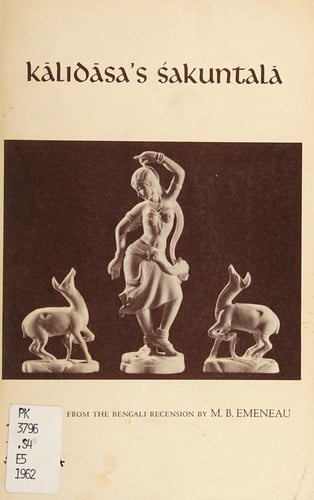
No. 38 on this list. Shakuntala
Kalidasa · 400
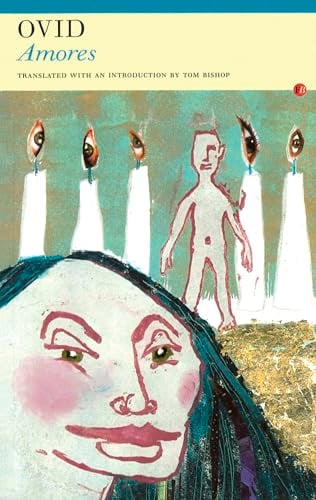
No. 39 on this list. Amores
Ovid · c. 16 BCE
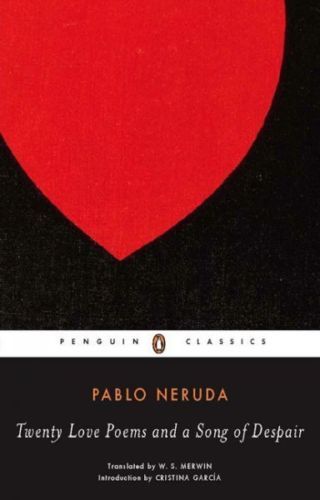
No. 40 on this list. Twenty Love Poems and a Song of Despair
Pablo Neruda · 1924
Taught in schools: UNAM Escuela Nacional Preparatoria – programas de Literatura (Mexico)
No. 41 on this list. Hills Like White Elephants
Ernest Hemingway · 1927
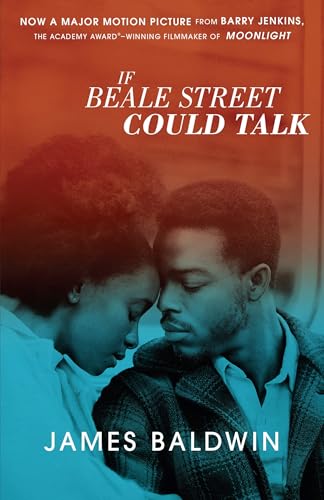
No. 42 on this list. If Beale Street Could Talk
James Baldwin · 1974
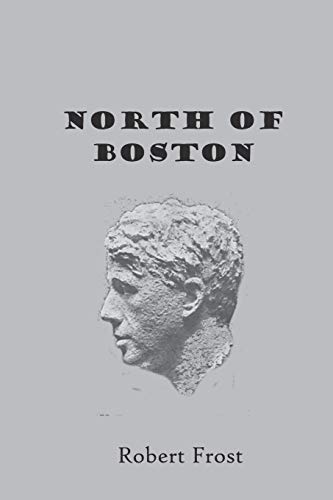
No. 43 on this list. North of Boston
Robert Frost · 1914
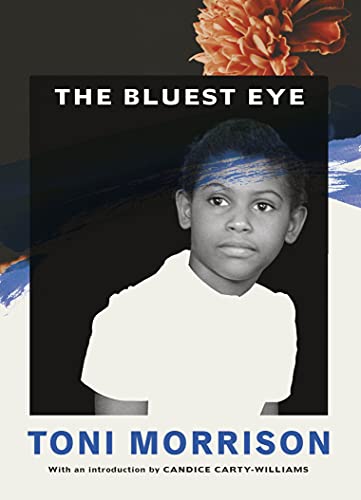
No. 44 on this list. The Bluest Eye
Toni Morrison · 1970
Taught in schools: Common Core text exemplars (Appendix B) (US)
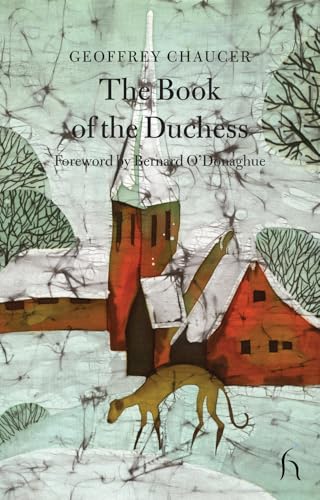
No. 45 on this list. The Book of the Duchess
Geoffrey Chaucer · 1368
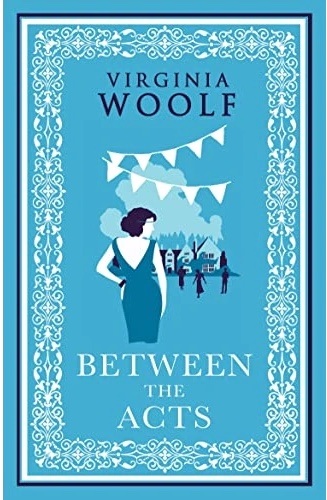
No. 46 on this list. Between the Acts
Virginia Woolf · 1941
No. 47 on this list. Alcools
Guillaume Apollinaire · 1913
No. 48 on this list. Jude the Obscure
Thomas Hardy · 1895
No. 49 on this list. The Charterhouse of Parma
Stendhal · 1839
No. 50 on this list. Eugene Onegin
Alexander Pushkin · 1833
Taught in schools: Hungarian literature curriculum (magyar nyelv és irodalom) (Hungary), Russian FGOS literature standard
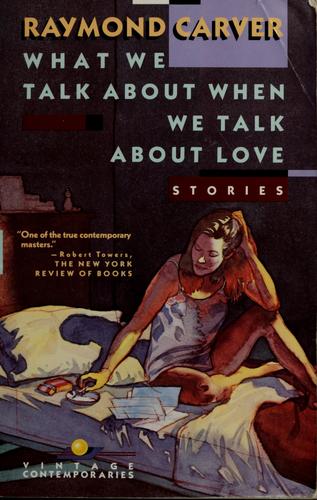
No. 51 on this list. What We Talk About When We Talk About Love
Raymond Carver · 1981
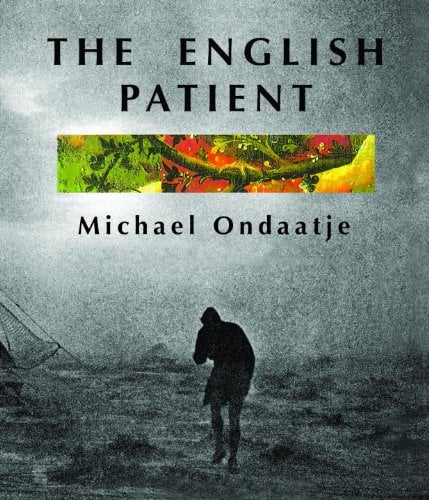
No. 52 on this list. The English Patient
Michael Ondaatje · 1992
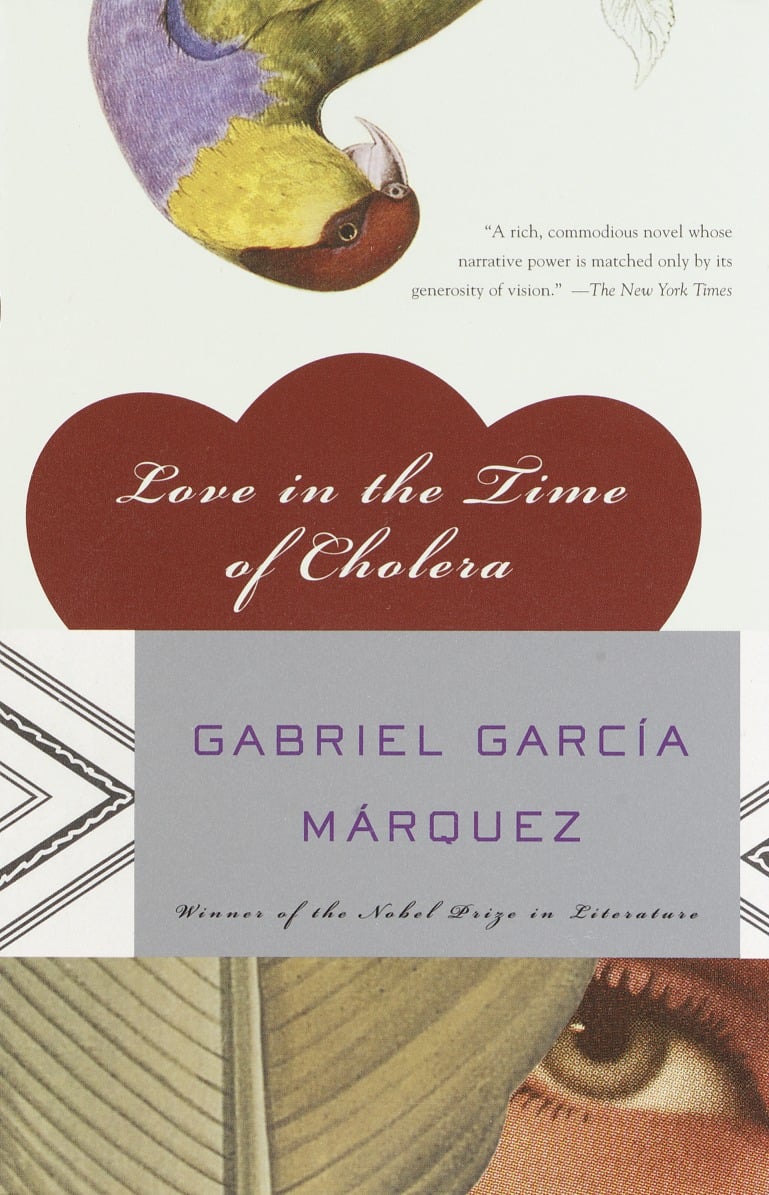
No. 53 on this list. Love in the Time of Cholera
Gabriel García Márquez · 1985
Included in: Bokklubben World Library
No. 54 on this list. Orlando Furioso
Ludovico Ariosto · 1516
Taught in schools: UNAM Escuela Nacional Preparatoria – programas de Literatura (Mexico)
No. 55 on this list. Herzog
Saul Bellow · 1965
No. 56 on this list. Fences
August Wilson · 1985
No. 57 on this list. Sons and Lovers
D.H. Lawrence · 1913
Included in: Bokklubben World Library
No. 58 on this list. Voices from Chernobyl
Svetlana Alexievich · 1997
No. 59 on this list. Buddenbrooks
Thomas Mann · 1901
Included in: Bokklubben World Library
No. 60 on this list. For Whom the Bell Tolls
Ernest Hemingway · 1940
Taught in schools: Turkish edebiyat curriculum (Turkey)
No. 61 on this list. The Mystery of Edwin Drood
Charles Dickens · 1870
No. 62 on this list. Moll Flanders
Daniel Defoe · 1722
No. 63 on this list. A Grain of Wheat
Ngugi wa Thiong'o · 1967
Included in: Heinemann African Writers Series
No. 64 on this list. Selected Poems of Marina Tsvetaeva
No. 65 on this list. Salammbô
Gustave Flaubert · 1862
No. 66 on this list. Eugénie Grandet
Honoré de Balzac · 1833
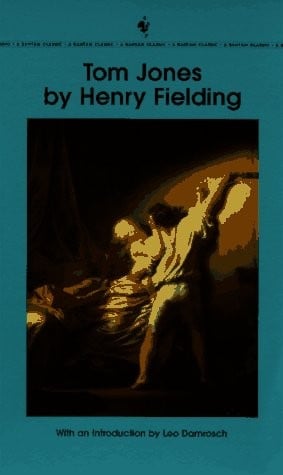
No. 67 on this list. Tom Jones
Henry Fielding · 1749
Included in: Great Books of the Western World
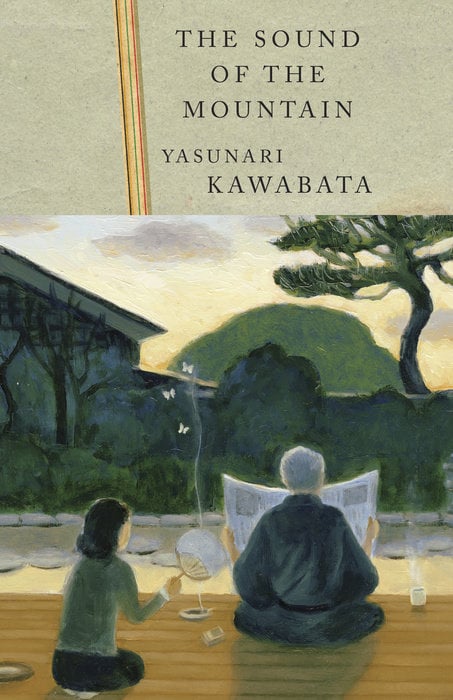
No. 68 on this list. The Sound of the Mountain
Yasunari Kawabata · 1949
Included in: Bokklubben World Library, UNESCO Collection of Representative Works
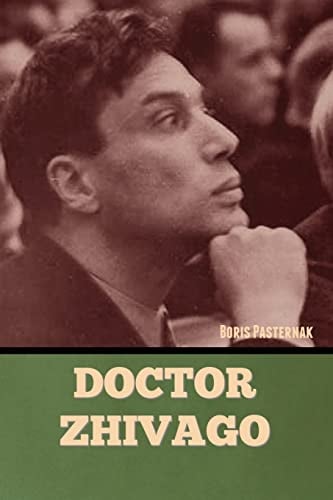
No. 69 on this list. Doctor Zhivago
Boris Pasternak · 1957
Taught in schools: Russian FGOS literature standard
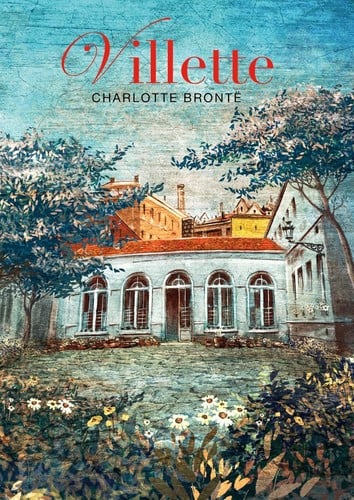
No. 70 on this list. Villette
Charlotte Brontë · 1853
No. 71 on this list. Women in Love
D.H. Lawrence · 1920
No. 72 on this list. The Age of Innocence
Edith Wharton · 1921
No. 73 on this list. Runaway
Alice Munro · 2004
No. 74 on this list. Jerusalem Delivered
Torquato Tasso · 1581
No. 75 on this list. Mr. Sammler's Planet
Saul Bellow · 1971
No. 76 on this list. The Awakening
Kate Chopin · 1899
Taught in schools: AQA GCSE and A-level English Literature (UK)
No. 77 on this list. Field Work
Seamus Heaney · 1979
Taught in schools: WJEC/Eduqas GCSE and A-level English Literature (UK)
No. 78 on this list. Main Street
Sinclair Lewis · 1920
No. 79 on this list. The Man Who Loved Children
Christina Stead · 1940
No. 80 on this list. The Day of the Locust
Nathanael West · 1939
No. 81 on this list. Diary of a Madman
Nikolai Gogol · 1835
No. 82 on this list. The Unbearable Lightness of Being
Milan Kundera · 1984
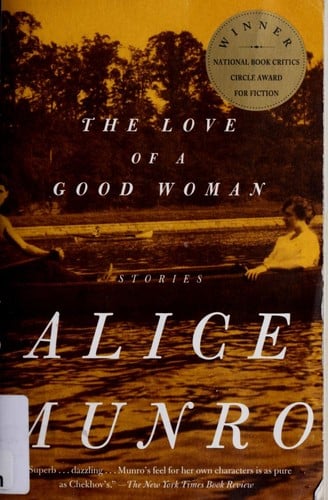
No. 83 on this list. The Love of a Good Woman
Alice Munro · 1998
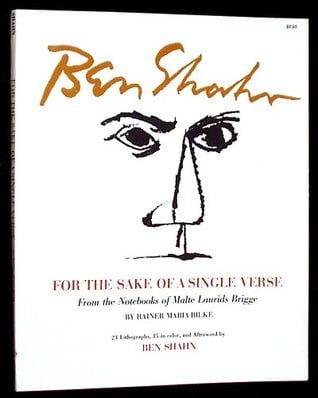
No. 84 on this list. The Notebooks of Malte Laurids Brigge
Rainer Maria Rilke · 1910
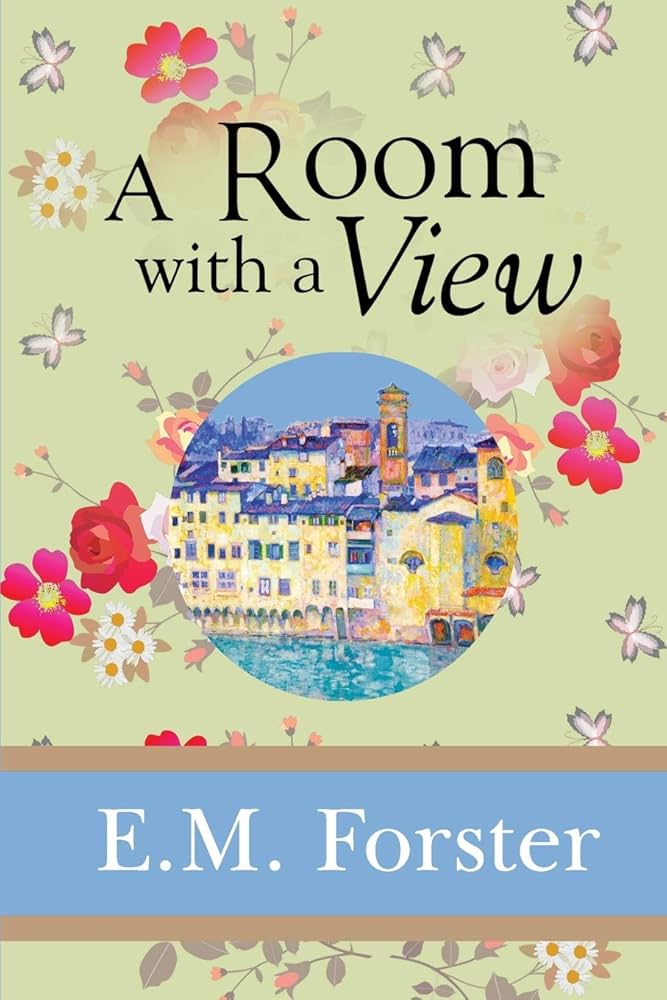
No. 85 on this list. A Room with a View
E.M. Forster · 1908
Taught in schools: AQA GCSE and A-level English Literature (UK), WJEC/Eduqas GCSE and A-level English Literature (UK)
No. 86 on this list. Fasti
Ovid · 8
No. 87 on this list. Tropic of Cancer
Henry Miller · 1934
No. 88 on this list. The Mill on the Floss
George Eliot · 1860
Taught in schools: AQA GCSE and A-level English Literature (UK)
No. 89 on this list. The Rainbow
D.H. Lawrence · 1915
No. 90 on this list. Mourning Becomes Electra
Eugene O'Neill · 1931
Included in: Great Books of the Western World
No. 91 on this list. Washington Square
Henry James · 1880
No. 92 on this list. Brand
Henrik Ibsen · 1866
No. 93 on this list. The Beggar Maid
Alice Munro · 1980
No. 94 on this list. Rabbit, Run
John Updike · 1960
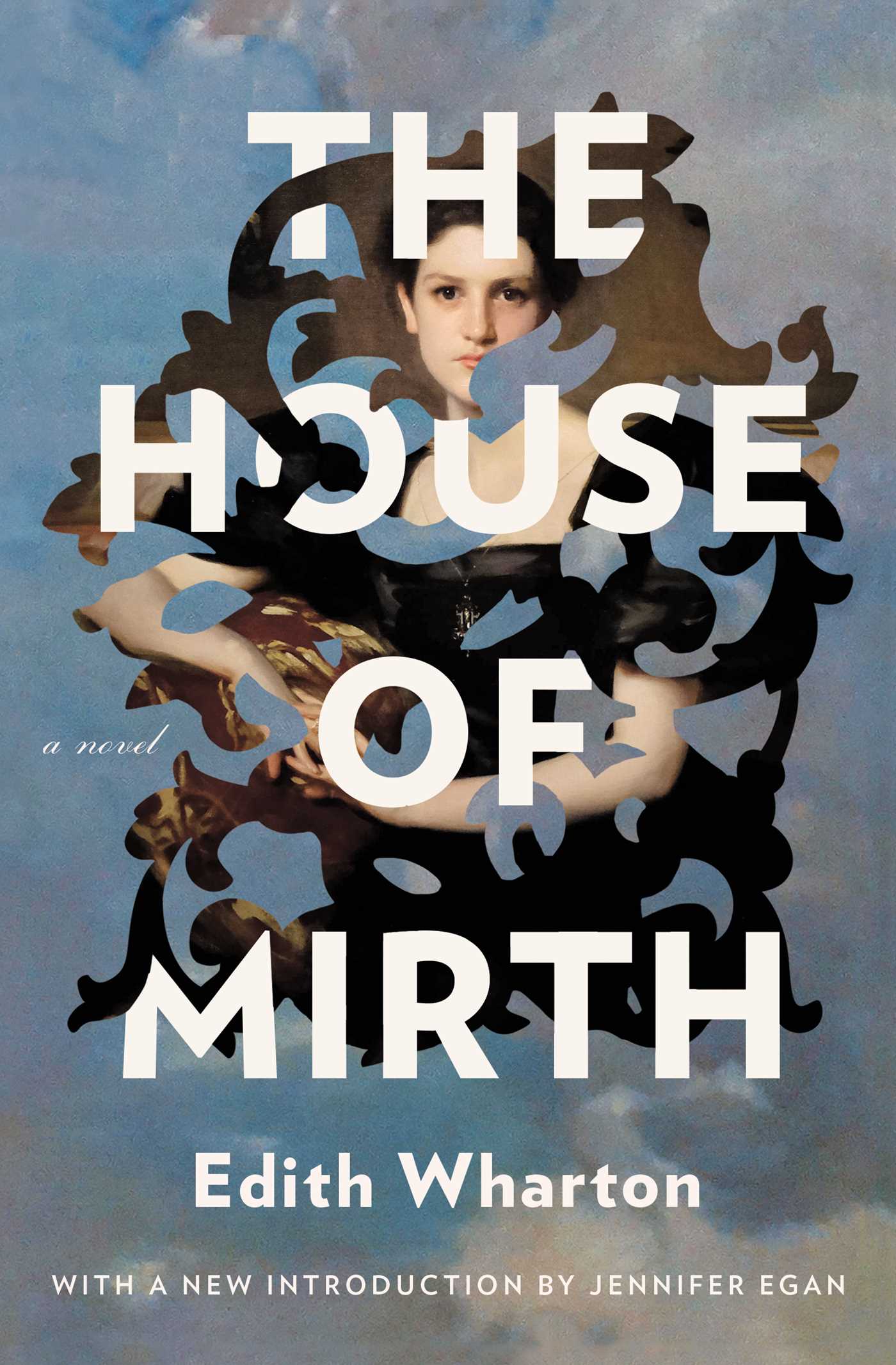
No. 95 on this list. The House of Mirth
Edith Wharton · 1905
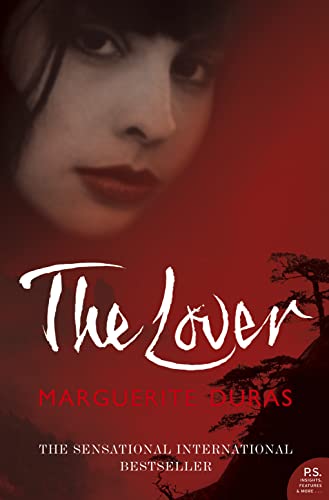
No. 96 on this list. The Lover
Marguerite Duras · 1984
No. 97 on this list. Will You Please Be Quiet, Please?
Raymond Carver · 1976
No. 98 on this list. The Berlin Stories
Christopher Isherwood · 1945
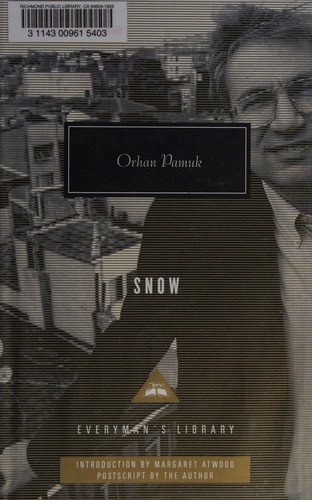
No. 99 on this list. Snow
Orhan Pamuk · 2002
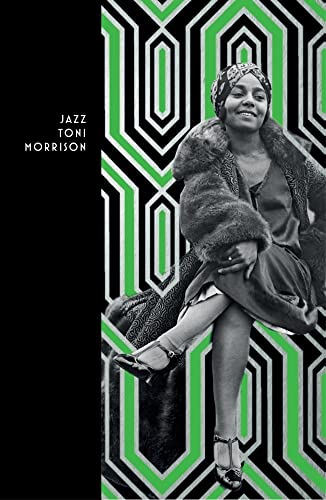
No. 100 on this list. Jazz
Toni Morrison · 1992
About this list
These 100 books are the highest-scoring eligible moderately difficult books about love and desire currently in the catalogue. About 802 hours of reading in all. Difficulty runs from 51 to 60 out of 100 for the middle half of the list; the summit is Three Essays on the Theory of Sexuality at 65.
This list is ranked by literary regard, with a consistent order for equal scores. Membership follows authors and co-authors, not translators or editors. A book is here when ReadingRate files it under Love & Desire as one of its primary reading domains, at a confidence of 0.8 or more. Catalogue coverage and the historical canon both limit what this list can represent.
When we matched the Canons dataset to our catalogue in October 2026, our canonical-status scores rose with the number of school curricula, publisher series and lists in it that cite a work: the median score was 72 for books one such source cites, 84 at two, 88 at three, 92 at four and 93 at five or more. Prizes are left out of that count. Outside the state curricula, the dataset’s sources choose mostly from what has been translated into English or French, so it is a weaker check on other literatures. Source: Canons (Andrew Piper), CC BY 4.0
Questions people actually ask
- What are the best moderately difficult books about love and desire?
- By literary regard, which weighs canonical status, critical standing and influence: Sonnets by William Shakespeare, Anna Karenina by Leo Tolstoy, Pride and Prejudice by Jane Austen, The Great Gatsby by F. Scott Fitzgerald and Vita Nuova by Dante Alighieri. ReadingRate ranks 100 such books, each with a difficulty score and a reading-time estimate.
- Which moderately difficult books about love and desire should I read first?
- Start from difficulty, not from rank. The most approachable books on this list that still carry top literary regard are Runaway by Alice Munro (about 5.5 hours), A House for Mr. Biswas by V.S. Naipaul and The Love of a Good Woman by Alice Munro.
- What are the shortest of the best moderately difficult books about love and desire?
- Among the top 25, the shortest are The Love Song of J. Alfred Prufrock by T. S. Eliot (about 14 min), The Lady with the Dog by Anton Chekhov (about 32 min) and Sonnets by William Shakespeare (about 1.4 hours), at an average pace of 250 words a minute adjusted for each book's difficulty.
- Which of the best moderately difficult books about love and desire are the established classics?
- By canonical status, how firmly a book sits in curricula, anthologies and the canon: Sonnets by William Shakespeare, The Great Gatsby by F. Scott Fitzgerald, Anna Karenina by Leo Tolstoy, Pride and Prejudice by Jane Austen and The Love Song of J. Alfred Prufrock by T. S. Eliot.
- Can I read any of these moderately difficult books about love and desire for free?
- 42 of the 100 open in ReadingRate's reader with a free account, from public-domain editions: Sonnets, Anna Karenina, Pride and Prejudice, The Great Gatsby, Vita Nuova and 37 more.
- How long would it take to read the top ten?
- About 80 hours, at an average pace of 250 words a minute adjusted for each book's difficulty: 41 days at two hours a day. Set your own pace on the page and the list's reading times change to it.
- How hard are moderately difficult books about love and desire to read?
- Most of this list sits between 51 and 60 on ReadingRate's 100-point difficulty scale, where 40 to 55 is moderate. The summit is Three Essays on the Theory of Sexuality at 65. Every entry carries its own score, so a reader can pick a great book at a difficulty they will finish.
- How is this list ranked?
- On literary-regard data: how canonically established a work is, its critical standing, and its influence on later writing. It is not a readers’ poll, which is why recent bestsellers rarely appear. Membership follows authors and co-authors, not translators or editors. Lists by country, author, period, theme or difficulty keep to literature (fiction, poetry, drama and philosophy), their novels, poems and plays first and their philosophy after them; a list of a kind of book, such as memoir or criticism, keeps every book of that kind. Every list holds at most three works by one author. A book is here when ReadingRate files it under Love & Desire as one of its primary reading domains, at a confidence of 0.8 or more.