Hours at an average pace
Showing 62 books
About 915 hours for 62 of 62 books with measured lengths. Estimates use 250 words a minute, adjusted for each book's difficulty. At 2 hours a day, about 458 days for those books.
No. 1 on this list. Eclogues
Virgil · c. 37 BCE
Challenging58 min
Included in: Great Books of the Western World
The Eclogues are required reading in classical studies curricula worldwide, appearing on thousands of university syllabi in Latin, comparative literature, and humanities courses. They are among the most translated and discussed poems from antiquity, with Wikipedia articles in over 50 languages and continuous scholarly attention spanning two millennia. Eclogue IV alone has generated centuries of theological and literary debate.
No. 2 on this list. The Waste Land
T. S. Eliot · 1922
Very Difficult1.4 hours
Taught in schools: Pacific Senior Secondary Certificate – English
Included in: Great Books of the Western World
Eliot shattered the conventions of English-language poetry by splicing together fragments of six languages, Grail legend, and London pub talk into a single 434-line collage that made modernism unavoidable. No poem before it had turned cultural disintegration itself into a formal principle.
Finnegans Wake appears on 108 university syllabi (Open Syllabus, 50th percentile) and holds a Wikipedia article in 39 languages. It is listed on the Modern Library 100 Best Novels and published by NYRB Classics. Syllabus presence is lower than Ulysses because the book is taught almost exclusively in graduate Joyce seminars and advanced modernism courses — its difficulty makes undergraduate adoption rare.
The Cantos appear on virtually every graduate-level modernist poetry syllabus and are the unavoidable centerpiece of Pound studies worldwide. The Pisan Cantos alone are canonical across multiple national literary traditions. While shorter Pound poems are more widely assigned at the undergraduate level, the full poem is central to any serious study of 20th-century Anglo-American poetry.
No. 5 on this list. Metamorphoses
Ovid · 8
Difficult15 hours
Taught in schools: Hungarian literature curriculum (magyar nyelv és irodalom) (Hungary)
Included in: Bokklubben World Library
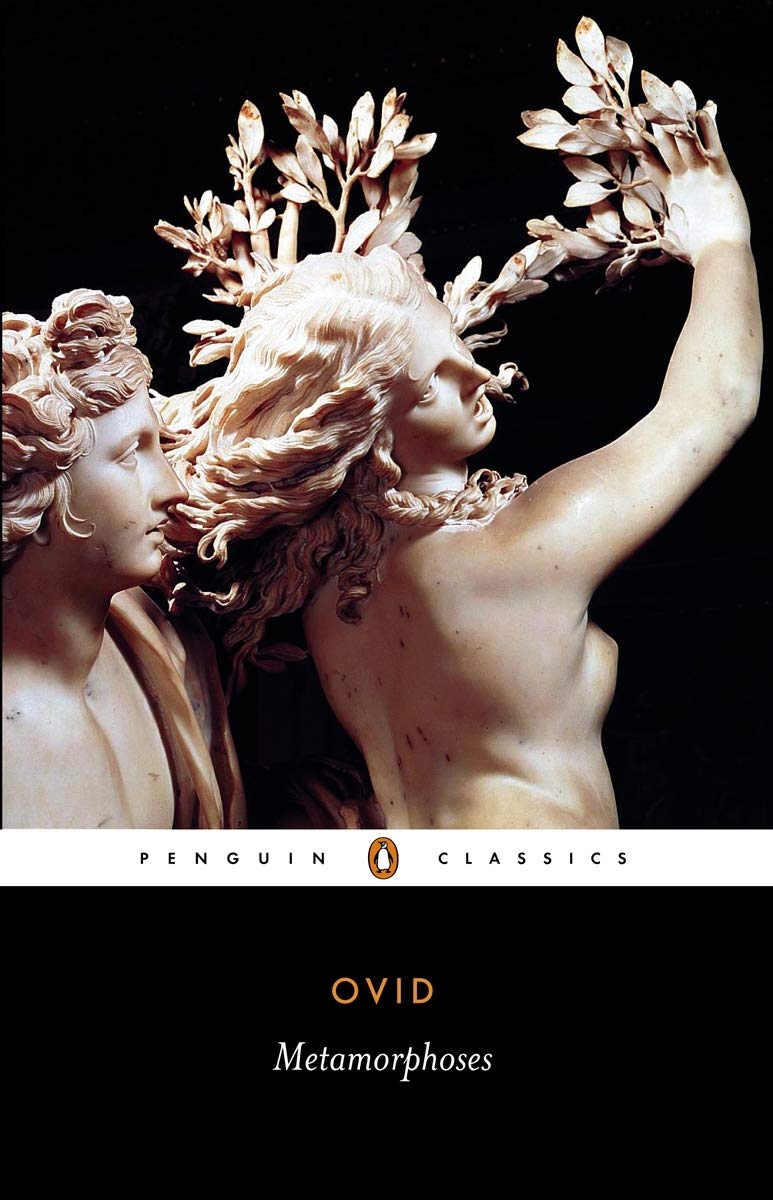
Ovid's Metamorphoses, composed around 8 CE, stands as one of the supreme achievements of classical literature—a sprawling epic in fifteen books (this edition presents Books I-VII) that weaves together approximately 250 Greek and Roman myths united by the theme of transformation. Written in elegant Latin hexameters and here rendered into English prose by Henry T. Riley (1851), the work traces a chronological arc from the creation of the cosmos through the deification of Julius Caesar, creating what Ovid called "a perpetual song" of bodies changed into new forms. The narrative moves with extraordinary fluidity between tales of divine passion and punishment, mortal hubris and heroism, featuring such iconic episodes as Apollo's pursuit of Daphne, Phaethon's disastrous ride in the sun-chariot, Perseus's rescue of Andromeda, and Medea's terrible vengeance. Ovid demonstrates remarkable psychological acuity in depicting emotional states—love, jealousy, rage, grief—and their transformative power. His treatment often subverts traditional heroic narratives, giving voice to victims and exploring the darker aspects of divine behavior with irony and pathos. The work serves simultaneously as mythological compendium, artistic showcase, and subtle political commentary. Its influence on Western culture proves immeasurable: it has served as the primary source for classical mythology across centuries, inspiring masterworks of visual art, literature, music, and drama from the medieval period through modernity. This translation includes extensive scholarly apparatus with historical context, geographical notes, and interpretive commentary, making the complex mythological material accessible while preserving the work's literary power and enduring relevance to questions of identity, change, and the human condition.
No. 6 on this list. Troilus and Cressida
William Shakespeare · 1609
Difficult3.1 hours
Included in: Great Books of the Western World
Troilus, a young Trojan prince, has fallen in love with Cressida just as the war with Greece enters its seventh year. Her uncle Pandarus brokers their union; they spend a single night together before she is traded to the Greeks in a prisoner exchange. In the Greek camp, Diomedes moves in. Troilus follows and watches it happen, unable to reconcile what his eyes show him with what he believes about faith and love. Running alongside this is a war machine in paralysis. Achilles sulks in his tent while the Greek generals hold councils on hierarchy and strategy that change nothing. Hector debates whether to fight a war he knows is unjust, then fights it anyway. Thersites, a deformed Greek soldier, follows everyone around cataloguing their stupidity with inexhaustible venom — war and lechery, he announces repeatedly, is all there is. Shakespeare wrote this play around 1602, and it does not behave like his others. The love story ends in betrayal rather than union. The heroes are vain, the strategies fail, and the climax — Hector murdered unarmed by Achilles and a pack of Myrmidons — is a deliberate outrage against the conventions of heroic drama. Pandarus delivers the final speech, offering the audience his syphilis. The play refuses catharsis. Readers expecting Shakespeare to redeem his characters or their world will find nothing of the kind.
Voss is recognized as a cornerstone of Australian literature and a major work of postcolonial fiction. It consistently appears in scholarly discussions of antipodean identity, imperial mythology, and mid-century modernism. The novel has maintained critical attention since publication and is standard curriculum in Australian and Commonwealth literary studies.
Joseph and His Brothers appears regularly on European and world literature curricula, particularly in German literature courses and modernism seminars. It features on multiple 'greatest novels' lists including Le Monde's 100 Books of the Century. The tetralogy is less frequently taught than Mann's shorter works (Death in Venice, The Magic Mountain) owing to its length, but its canonical standing within the Mann oeuvre and 20th-century literature broadly is secure. The database shows no syllabus or Wikipedia data, but scholarly consensus places this among the defining works of European modernism.
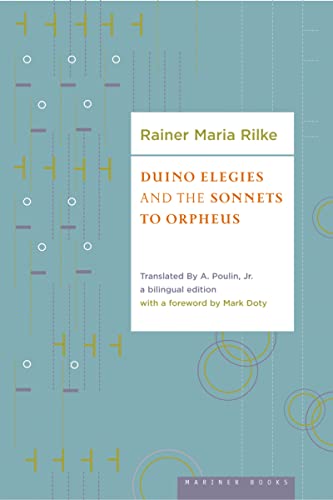
In February 1922, Rainer Maria Rilke retreated to Chateau de Muzot in Switzerland and composed fifty-five sonnets in three weeks. He addressed them to Orpheus — the Greek poet-god who descended into death to reclaim Eurydice and was torn apart by the Maenads for refusing them. The occasion was the recent death of Vera Knoop, a nineteen-year-old dancer Rilke barely knew; her death opened something. A tree ascends in the first line. Animals cluster around it in silence, listening. What Rilke is after is the premise that true song is not desire or communication but reality — breath as invisible poem, the moment when inner and outer stop being distinct. Orpheus moves through the cycle not as a character but as a principle: he is already dead, he already belongs to both realms, and because of this he can praise everything, including loss. The Sonnets instruct readers to will transformation, to be ahead of all parting, to whisper 'I am flowing' to the earth. They do not resolve their questions about death and being; they teach acceptance of irresolution as the condition of consciousness. Reading them asks for slow, repeated attention — each poem is compact and dense, and the cycle's meaning accumulates across all fifty-five. This is poetry as philosophical practice, the lyric at maximum pressure.
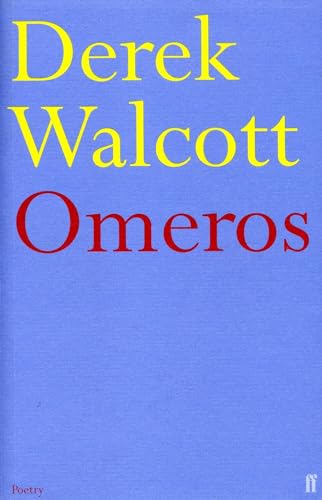
Winner of the Nobel Prize in Literature (1992, shortly after publication). Widely taught in postcolonial literature courses and contemporary poetry seminars. Included in Harold Bloom's Western Canon. Frequently anthologized in major poetry collections and world literature surveys. Recognized as defining achievement in Caribbean/postcolonial epic tradition.
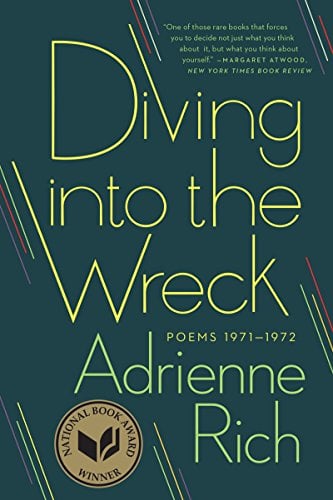
No. 11 on this list. Diving into the Wreck · Adrienne Rich · 1973
The title poem appears in virtually every major American poetry anthology and is standard reading in feminist literature, American poetry, and contemporary poetry courses. The collection sits firmly in the literary canon, comparable to Beloved (85) in academic reach if not in the broadest syllabi. No database data was returned, but Rich's place in American poetry curricula is well established.
Difficult47 min
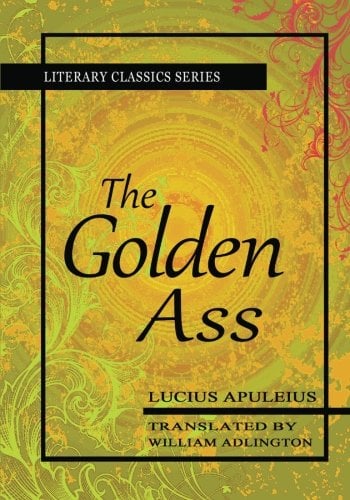
Start this bookNo. 12 on this list. The Golden Ass · Apuleius · 170
Included in: Oxford World's Classics
The Golden Ass is the only Latin prose novel to survive complete from antiquity, making it a required text in virtually every classical literature and ancient novel course worldwide. Though the database returned no formal syllabus entries, the work appears across comparative literature, mythology, and world literature curricula at universities globally. It features in most canonical 'great books' programs and was included in Harold Bloom's Western Canon.
Difficult12 hours
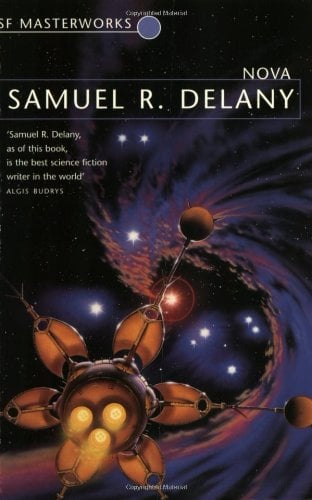
Start this bookNo. 13 on this list. Nova · Samuel R. Delany · 1968
Nova holds a firm place in the SF literary canon, included in the SF Masterworks series and cited as a defining text of the New Wave movement. Its standing is strong within genre criticism but has not fully crossed into mainstream literary canonization.
Difficult9.9 hours
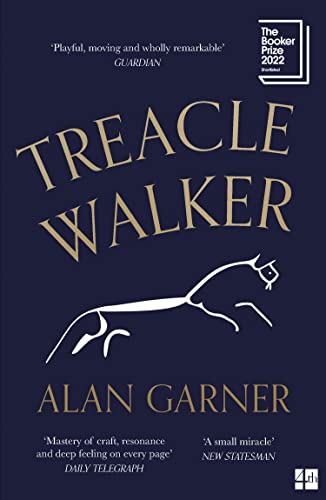
Start this bookNo. 14 on this list. Treacle Walker · Alan Garner · 2022
Published in 2021, Treacle Walker is too recent for canonical judgment, but Garner's lifelong integration of British folklore into literary fiction gives it strong claims. As his late-career distillation of myth, archaeology, and language, it consolidates his reputation as a major British fantasist.
Challenging1.5 hours
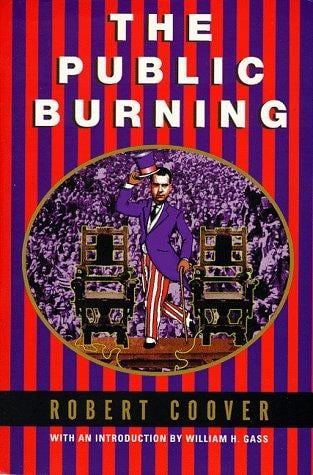
Start this bookNo. 15 on this list. The Public Burning · Robert Coover · 1977
The Public Burning is Robert Coover's most ambitious and controversial novel — refused by seventeen publishers before Viking accepted it, then immediately pulled from paperback after a Nixon lawsuit threat. It appears in every major survey of American postmodern fiction (Hassan, Waugh, McHale), is taught widely in graduate seminars on metafiction, and is cited alongside Gravity's Rainbow and Giles Goat-Boy as the defining novels of the postmodern satirical-historical mode. Its canonical status exceeds its readership by a large margin.
Very Difficult37 hours
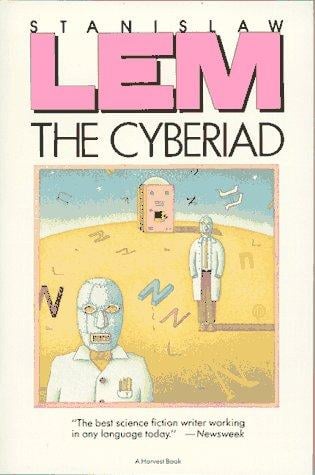
Start this bookNo. 16 on this list. The Cyberiad · Stanisław Lem · 1965
Trurl and Klapaucius are constructors — engineers of impossible things — who travel the universe building machines that write poetry, create dragons out of probability, and kidnap kings using algorithms. In the opening story, Trurl builds a machine that can make anything starting with the letter N. When it begins making Nothing — not ordinary nothing, but dynamic, aggressive Nothingness — it starts erasing the world one item at a time: the gruncheons go, then the pritons, then the zits, and the sky acquires holes that have never healed. Stanisław Lem writes fairy tales about robots, but the fairy tales are philosophical arguments in disguise. Each of the fifteen linked adventures runs a thought experiment: what happens when collective intelligence exceeds the scale at which militarism makes sense? Can a machine write great poetry if civilization wrote the poet? What does it mean to exist inside a simulation you cannot distinguish from reality? The deadpan fable narrator treats catastrophe and cosmic comedy with identical gravity, and the gap between that voice and what is actually happening is where all the meaning lives. The Cyberiad reads as slapstick adventure on the surface — Trurl escaping dungeon after dungeon with improbable ingenuity — and as philosophy underneath, where questions about consciousness, creation, and the purpose of intelligence are never resolved. Lem gives you both pleasures at once, and the math jokes are genuine.
Challenging8.4 hours
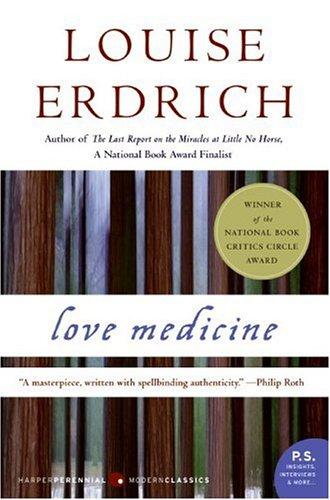
Start this bookNo. 17 on this list. Love Medicine · Louise Erdrich · 1984
Love Medicine appears on hundreds of university syllabi in American literature, Native American literature, and multicultural fiction courses, making it one of the most-taught works of Indigenous American fiction. It is frequently included in survey courses covering post-1960s American literature, and Erdrich's debut has maintained continuous academic attention for four decades. Its canonical standing falls below that of Morrison's Beloved but well above cult literary works.
Difficult10 hours
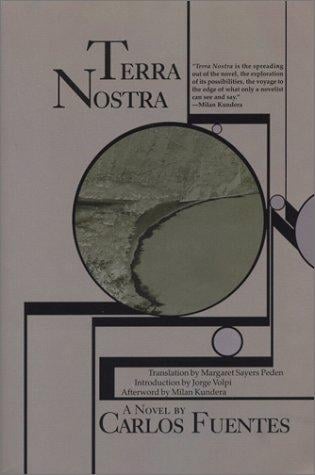
Start this bookNo. 18 on this list. Terra Nostra · Carlos Fuentes · 1975
Terra Nostra is widely recognized as a canonical work of postmodern historical fiction and is regularly assigned in Latin American literature graduate courses and world literature programs. It appears consistently on critical lists of the greatest novels of the 20th century (including Harold Bloom's Western Canon), though it remains less universally assigned than One Hundred Years of Solitude. The novel's standing is secure in academic literary culture but requires significant dedication from general readers, limiting its reach beyond specialist contexts.
Difficult57 hours
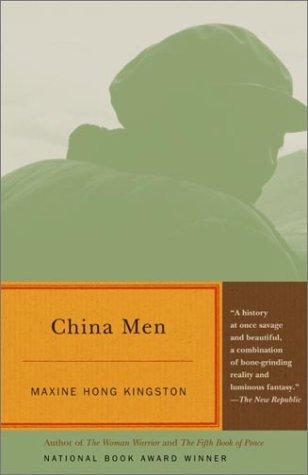
Start this bookNo. 19 on this list. China Men · Maxine Hong Kingston · 1980
China Men appears regularly on syllabi in Asian-American literature, women's literature, and American studies courses. It is one of the two books — alongside The Woman Warrior — that established Kingston as the field's foundational figure. The book lacks the universal high school assignment status of Beloved or To Kill a Mockingbird but is a standard text in its academic subfields.
Challenging11 hours
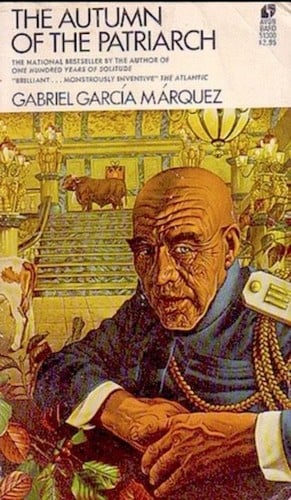
Start this bookNo. 20 on this list. The Autumn of the Patriarch · Gabriel García Márquez · 1975
Appears on 31 university syllabi (37th percentile in Open Syllabus) and has Wikipedia articles in 27 languages. Less universally taught than One Hundred Years of Solitude, it occupies a secondary but established position in the Garcia Marquez canon. Assigned in world literature, Latin American studies, and courses on the dictator novel tradition.
Difficult11 hours
Start this book
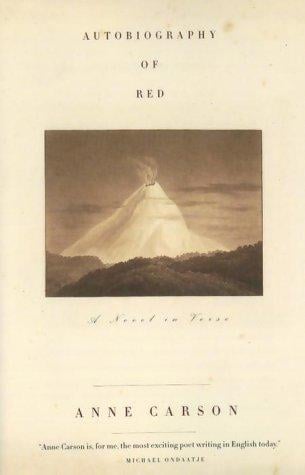
No. 21 on this list. Autobiography of Red · Anne Carson · 1999
Widely taught in contemporary poetry and classics-reception courses.
Difficult4.6 hours
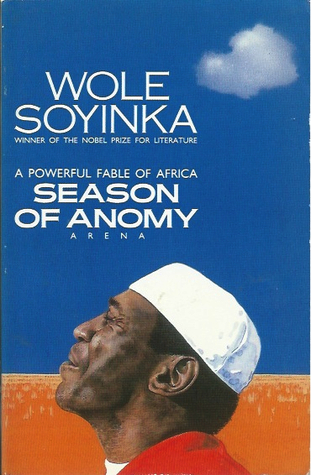
Start this bookNo. 22 on this list. Season of Anomy · Wole Soyinka · 1973
Season of Anomy is taught in postcolonial literature, African literature, and world literature courses at university level across English-speaking West Africa, the UK, and North America, appearing on course syllabi focused on Soyinka specifically and on the African novel more broadly. It holds a secure position in postcolonial literary studies without reaching the near-universal curricular presence of Achebe's Things Fall Apart.
Difficult11 hours
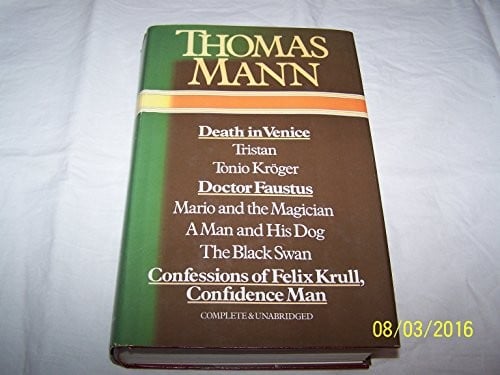
Start this bookNo. 23 on this list. The Confessions of Felix Krull · Thomas Mann · 1954
Felix Krull introduces himself in the opening pages as a man of exceptional gifts — charm, beauty, and a talent for deceit he regards as a form of artistry. Mann's confidence man begins in Rhineland Germany, faking an epileptic fit to avoid military service, then slides into Paris hotel life as a lift-boy and waiter, studying the wealthy guests who pass through his cage with the eye of a naturalist. When a young aristocrat, the Marquis de Venosta, asks Felix to take his place on a voyage to Lisbon so he can stay in Paris with his mistress, Felix accepts without hesitation. He becomes the Marquis entirely — adopting the title, the wardrobe, the social obligations, including conversations with a king. In Lisbon he falls simultaneously for a paleontologist's wife and her daughter, a situation the novel pursues to its famous abrupt ending. Mann worked on this picaresque novel intermittently from 1910 until his death in 1955, leaving it deliberately unfinished. The comedy is philosophical: Felix's frauds expose aristocratic convention as performance all the way down, and his Hermes-like nature — trickster, god of travelers and thieves — gives the social satire a mythological undertow. Mann writes sentences that curl back on themselves in self-admiring spirals that perfectly mirror his narrator. You read it trusting nothing Felix says and believing everything.
Challenging13 hours
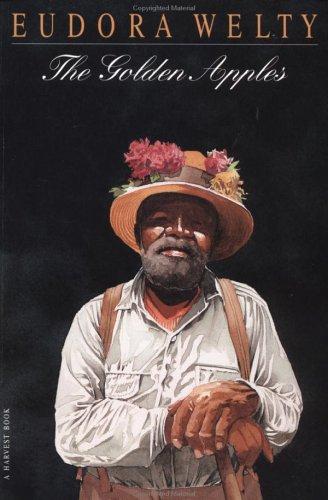
Start this bookNo. 24 on this list. The Golden Apples · Eudora Welty · 1949
Virgie Rainey swallowed a button the day King MacLain came back to Morgana and then fled his own front porch before knocking. That's where Eudora Welty's sequence of seven stories begins—with a gossipy neighbor churning butter and narrating what she barely witnessed. The Golden Apples spans fifty years of life in Morgana, Mississippi: King's twin sons growing up without him, the German piano teacher Miss Eckhart pouring Beethoven into children who will barely remember her, a girl nearly drowning at a summer camp while a boy scout named Loch Morrison watches from the bank with the calculating dispassion of someone taking notes. Welty writes in multiple voices, each distinct—the vernacular monologue of 'Shower of Gold,' the double-stranded telescope-and-memory narration of 'June Recital,' the hallucinatory street-walking of 'Music from Spain'—and all of them circle the same problem: what we owe one another across the distance of separate selves. The book's mythological scaffolding (Perseus, Orpheus, Zeus's golden shower, Yeats's wandering Aengus) operates beneath the surface, surfacing only in charged moments. The final image—Virgie on a courthouse stile in October rain, hearing through it 'the running of the horse and bear, the stroke of the leopard, the dragon's crusty slither'—earns its strangeness. This is literary fiction that demands full attention and rewards rereading.
Difficult12 hours
Start this bookNo. 25 on this list. The Dead Father · Donald Barthelme · 1975
The Dead Father appears on university syllabi for postmodern American literature, though it is less commonly taught than Barthelme's short fiction. It is recognized as his most sustained novelistic achievement and appears on major postmodernism reading lists. Its canonical position is secure within American postmodern literary studies, though it lacks the broad curriculum presence of more accessible works.
Difficult5.5 hours
Start this bookNo. 26 on this list. Men of Maize · Miguel Ángel Asturias · 1949
Taught in schools: Literatura, Diseño Curricular – Provincia de Buenos Aires (Argentina), UNAM Escuela Nacional Preparatoria – programas de Literatura (Mexico)
Included in: UNESCO Collection of Representative Works
Men of Maize holds canonical status within Latin American literature and postcolonial studies, widely recognized as a foundational text in indigenous literary resistance. It appears regularly in university curricula focused on Latin American modernism and magical realism's precursors. However, its difficulty and cultural specificity limit its presence in general survey courses compared to more accessible works of the Boom generation.
Challenging10 hours
Start this bookNo. 27 on this list. The Guyana Quartet · Wilson Harris · 1985
The Guyana Quartet holds a secure place in Caribbean and postcolonial literary curricula, taught regularly in world literature and Commonwealth literature courses at the university level. However, it has not penetrated the broader Western canon in the way that Achebe's or Walcott's work has — its difficulty limits adoption. No significant syllabus data was returned from the Open Syllabus database, though academic reputation exceeds what this absence suggests.
Difficult24 hours
Start this bookNo. 28 on this list. Against the Day · Thomas Pynchon · 2006
A late major work by a central postmodern author, taught in contemporary American fiction courses, though it carries less syllabus weight than Gravity's Rainbow or The Crying of Lot 49.
Difficult68 hours
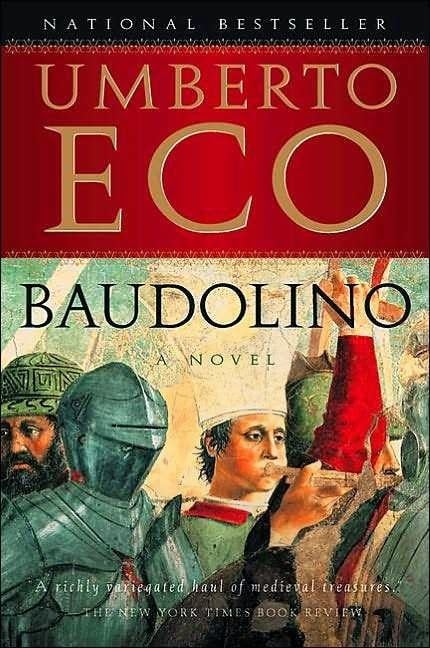
Start this bookNo. 29 on this list. Baudolino · Umberto Eco · 2000
Baudolino (2000) occupies a mid-tier canonical position — widely taught in postmodern fiction and medieval studies courses in Europe, and assigned in world literature surveys alongside The Name of the Rose. It does not appear on the major English-language syllabi with the frequency of Eco's debut novel. Wikipedia coverage spans approximately 30 languages, indicating strong European readership but not the global footprint of The Great Gatsby or One Hundred Years of Solitude.
Difficult19 hours
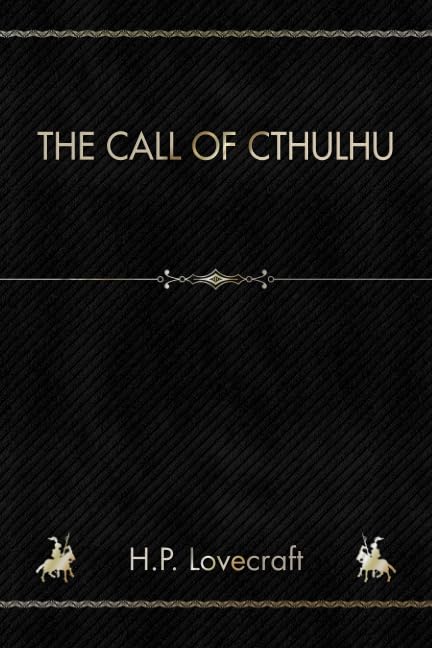
Start this bookNo. 30 on this list. The Call of Cthulhu and Other Stories · H.P. Lovecraft · 1928
Francis Wayland Thurston inherits his granduncle's papers and finds himself assembling, from scattered notes and newspaper clippings, evidence of something vast and ancient stirring beneath the Pacific. That is the structure of 'The Call of Cthulhu': not a story told but a dossier accumulated, each document pushing the narrator — and the reader — one step closer to a conclusion that cannot be survived with sanity intact. H.P. Lovecraft wrote most of these stories in the 1920s from a boarding house in Providence, Rhode Island, and they read like dispatches from a man genuinely convinced of humanity's cosmic irrelevance. His narrators are professors, antiquarians, and artists — educated men whose reason becomes the instrument of their undoing. The more they understand, the worse it gets. What makes Lovecraft distinctive is what he refuses to show. Cthulhu is never described so precisely that you can picture it. The horror lives in the gap between what the narrator can report and what the reader's imagination fills in. Sentences spiral into qualifications; adjectives pile up ('eldritch,' 'non-Euclidean,' 'cyclopean') because no single word will do. This collection gathers the core Mythos stories — 'The Dunwich Horror,' 'The Shadow over Innsmouth,' 'The Outsider' — that established a template for supernatural dread that horror writers still work against or within. Read them at night, alone.
Difficult17 hours
Start this book
No. 31 on this list. Snow White
Donald Barthelme · 1967
No. 32 on this list. The Twyborn Affair
Patrick White · 1979
No. 33 on this list. Septology
Jon Fosse · 2019
No. 34 on this list. The Robber Bride
Margaret Atwood · 1993
No. 35 on this list. The Einstein Intersection
Samuel R. Delany · 1967
No. 36 on this list. John Henry Days
Colson Whitehead · 2001
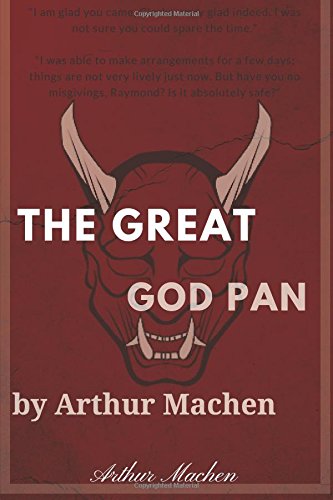
No. 37 on this list. The Great God Pan
Arthur Machen · 1894
No. 38 on this list. Red Doc>
Anne Carson · 2013
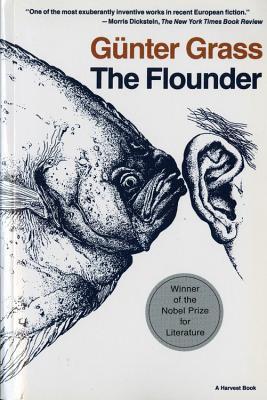
No. 39 on this list. The Flounder
Günter Grass · 1977
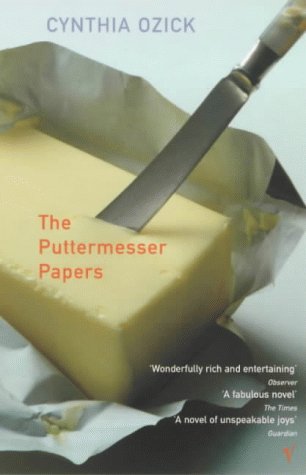
No. 40 on this list. The Puttermesser Papers
Cynthia Ozick · 1997
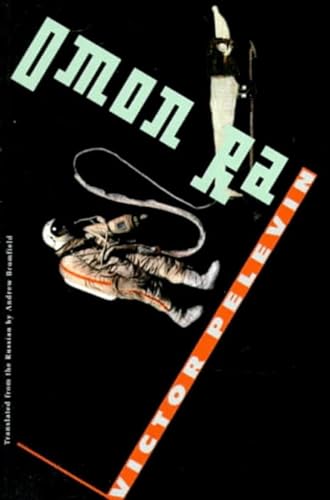
No. 41 on this list. Omon Ra
Viktor Pelevin · 1992
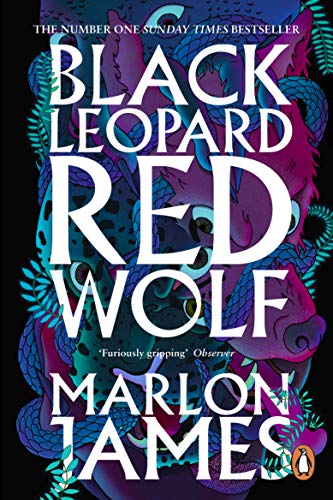
No. 42 on this list. Black Leopard, Red Wolf
Marlon James · 2019
No. 43 on this list. Generation P
Viktor Pelevin · 1999
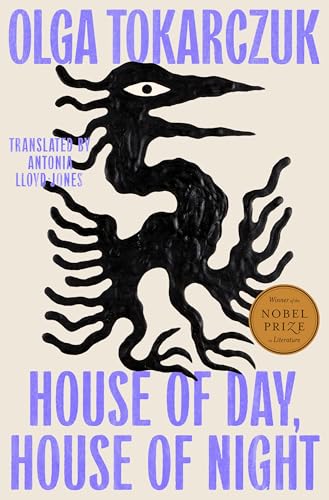
No. 44 on this list. House of Day, House of Night
Olga Tokarczuk · 1998
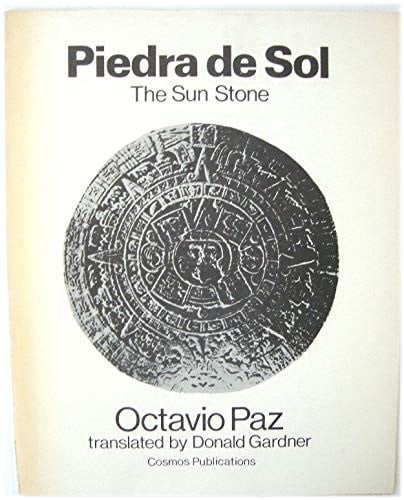
No. 45 on this list. Sun Stone
Octavio Paz · 1957
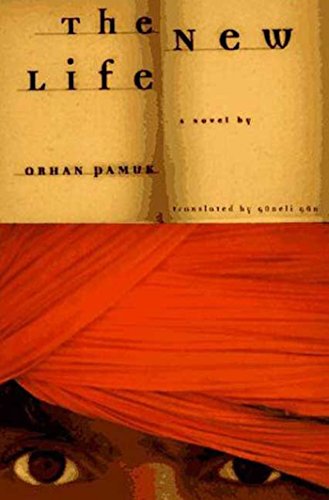
No. 46 on this list. The New Life
Orhan Pamuk · 1994
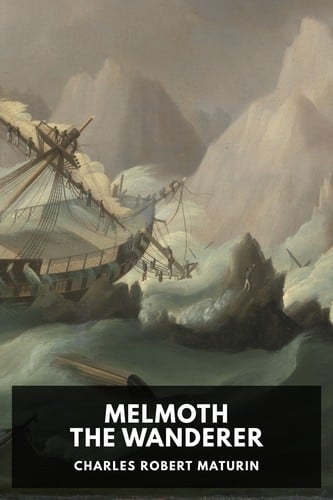
No. 47 on this list. Melmoth the Wanderer
Charles Maturin · 1820
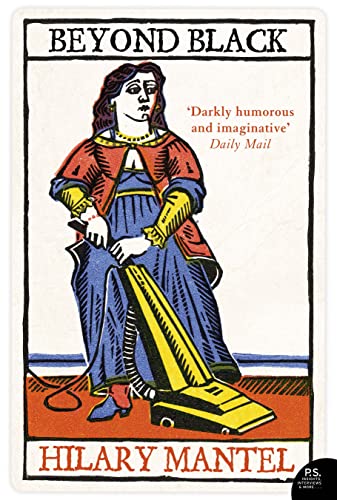
No. 48 on this list. Beyond Black
Hilary Mantel · 2005
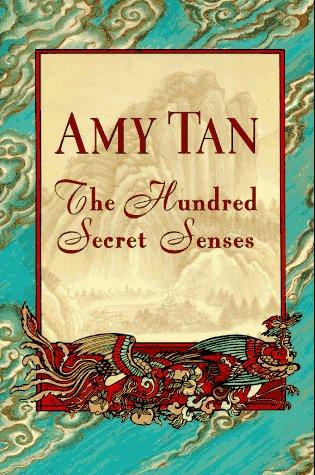
No. 49 on this list. The Hundred Secret Senses
Amy Tan · 1995
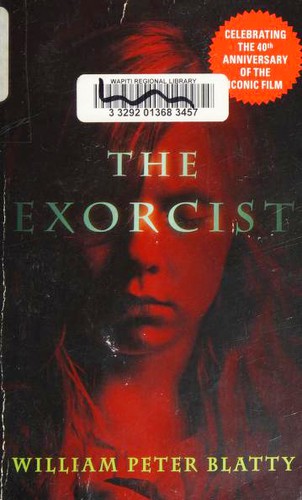
No. 50 on this list. The Exorcist
William Peter Blatty · 1971
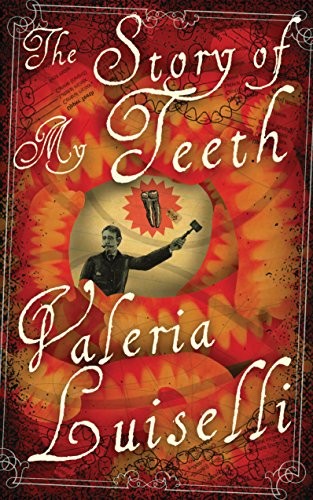
No. 51 on this list. The Story of My Teeth
Valeria Luiselli · 2013
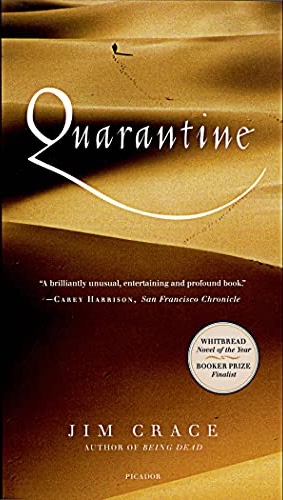
No. 52 on this list. Quarantine
Jim Crace · 1997
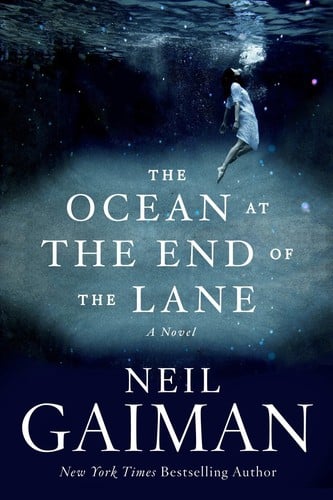
No. 53 on this list. The Ocean at the End of the Lane
Neil Gaiman · 2013
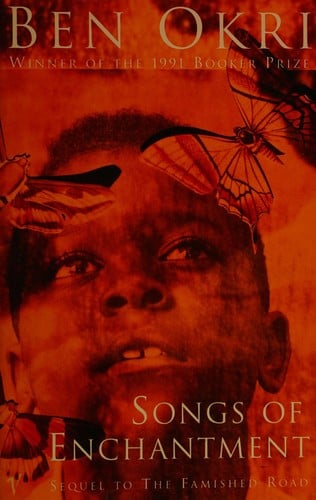
No. 54 on this list. Songs of Enchantment
Ben Okri · 1993
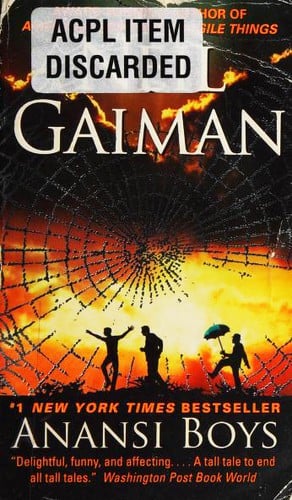
No. 55 on this list. Anansi Boys
Neil Gaiman · 2005
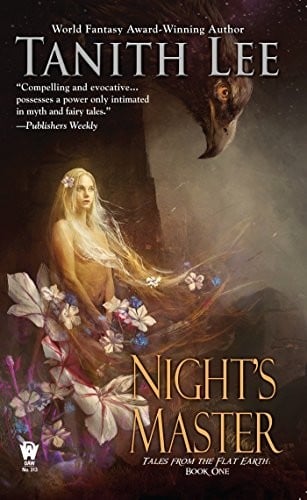
No. 56 on this list. Night's Master
Tanith Lee · 1978
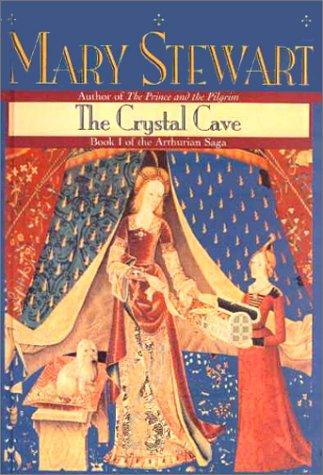
No. 57 on this list. The Crystal Cave
Mary Stewart · 1970
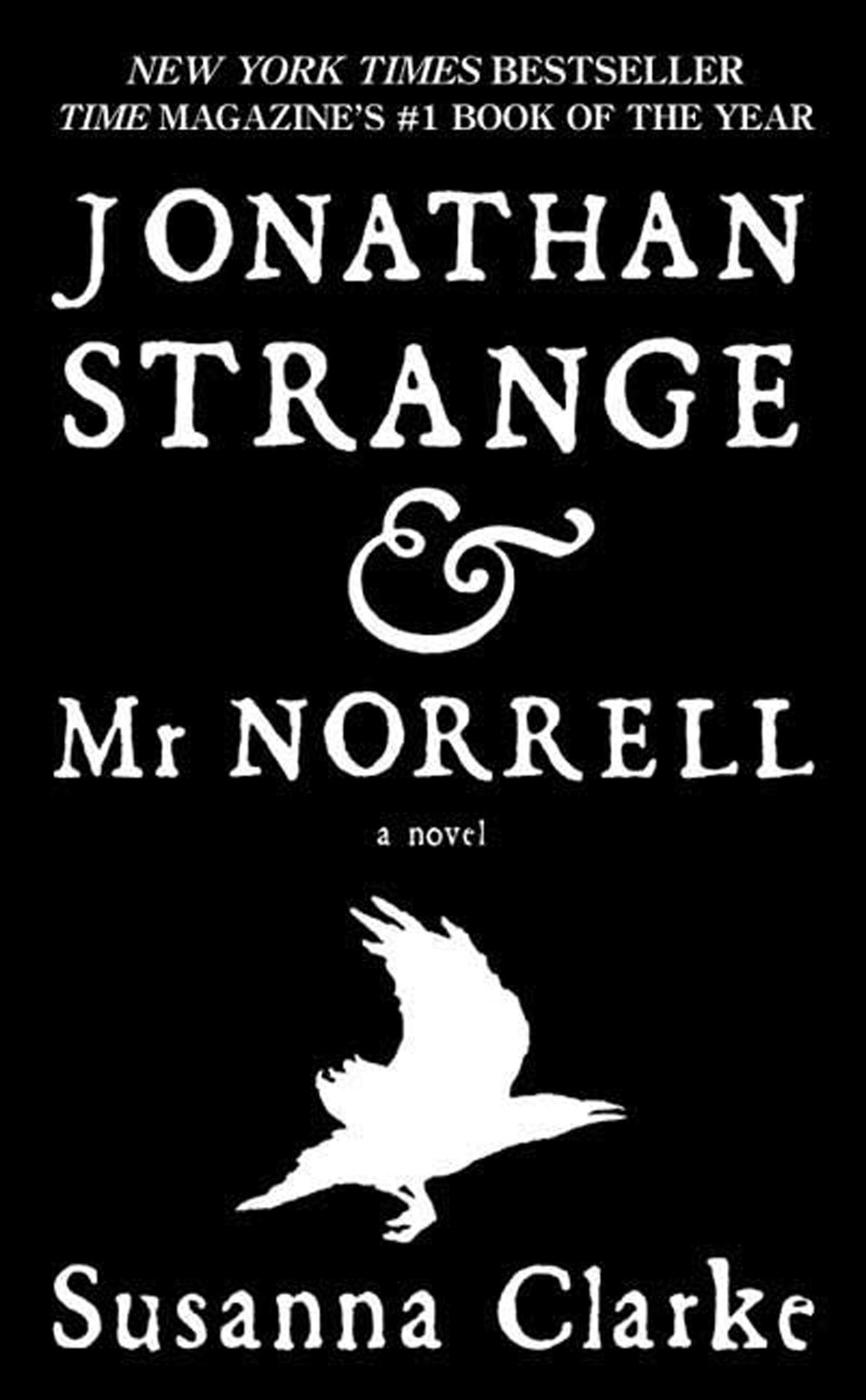
No. 58 on this list. Jonathan Strange & Mr Norrell
Susanna Clarke · 2004
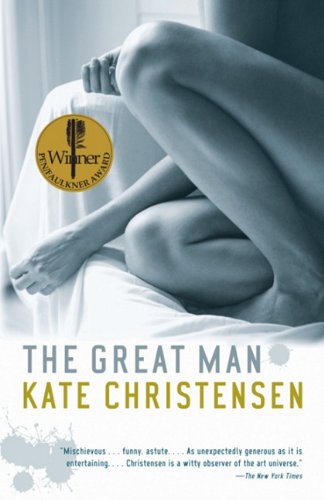
No. 59 on this list. The Great Man
Kate Christensen · 2008
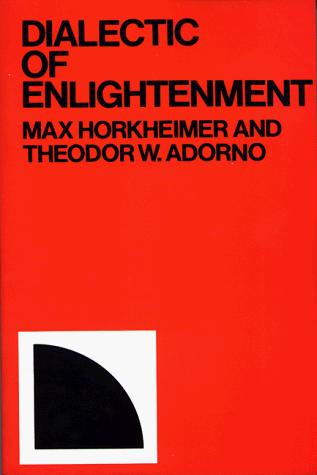
No. 60 on this list. Dialectic of Enlightenment
Theodor W. Adorno · 1944
About this list
These 62 books are the highest-scoring eligible challenging books of myth and folklore currently in the catalogue. About 915 hours of reading in all. Difficulty runs from 68 to 76 out of 100 for the middle half of the list; the summit is Finnegans Wake at 94.
This list is ranked by literary regard, with a consistent order for equal scores. Membership follows authors and co-authors, not translators or editors. A book is here when ReadingRate files it under Myth & Folklore as one of its primary reading domains, at a confidence of 0.8 or more. Catalogue coverage and the historical canon both limit what this list can represent.
When we matched the Canons dataset to our catalogue in October 2026, our canonical-status scores rose with the number of school curricula, publisher series and lists in it that cite a work: the median score was 72 for books one such source cites, 84 at two, 88 at three, 92 at four and 93 at five or more. Prizes are left out of that count. Outside the state curricula, the dataset’s sources choose mostly from what has been translated into English or French, so it is a weaker check on other literatures. Source: Canons (Andrew Piper), CC BY 4.0
Questions people actually ask
- What are the best challenging books of myth and folklore?
- By literary regard, which weighs canonical status, critical standing and influence: Eclogues by Virgil, The Waste Land by T. S. Eliot, Finnegans Wake by James Joyce, The Cantos by Ezra Pound and Metamorphoses by Ovid. ReadingRate ranks 62 such books, each with a difficulty score and a reading-time estimate.
- Which challenging books of myth and folklore should I read first?
- Start from difficulty, not from rank. The most approachable books on this list that still carry top literary regard are China Men by Maxine Hong Kingston (about 11 hours), Autobiography of Red by Anne Carson and Omeros by Derek Walcott.
- What are the shortest of the best challenging books of myth and folklore?
- Among the top 25, the shortest are Diving into the Wreck by Adrienne Rich (about 47 min), The Waste Land by T. S. Eliot (about 1.4 hours) and Eclogues by Virgil (about 58 min), at an average pace of 250 words a minute adjusted for each book's difficulty.
- Which of the best challenging books of myth and folklore are the established classics?
- By canonical status, how firmly a book sits in curricula, anthologies and the canon: Eclogues by Virgil, The Waste Land by T. S. Eliot, Metamorphoses by Ovid, The Cantos by Ezra Pound and Voss by Patrick White.
- Can I read any of these challenging books of myth and folklore for free?
- 4 of the 62 open in ReadingRate's reader with a free account, from public-domain editions: Eclogues, The Waste Land, Metamorphoses and Troilus and Cressida.
- How long would it take to read the top ten?
- About 183 hours, at an average pace of 250 words a minute adjusted for each book's difficulty: 92 days at two hours a day. Set your own pace on the page and the list's reading times change to it.
- How hard are challenging books of myth and folklore to read?
- Most of this list sits between 68 and 76 on ReadingRate's 100-point difficulty scale, where 40 to 55 is moderate. The summit is Finnegans Wake at 94. Every entry carries its own score, so a reader can pick a great book at a difficulty they will finish.
- How is this list ranked?
- On literary-regard data: how canonically established a work is, its critical standing, and its influence on later writing. It is not a readers’ poll, which is why recent bestsellers rarely appear. Membership follows authors and co-authors, not translators or editors. Lists by country, author, period, theme or difficulty keep to literature (fiction, poetry, drama and philosophy), their novels, poems and plays first and their philosophy after them; a list of a kind of book, such as memoir or criticism, keeps every book of that kind. Every list holds at most three works by one author. A book is here when ReadingRate files it under Myth & Folklore as one of its primary reading domains, at a confidence of 0.8 or more.