Hours at an average pace
Showing 80 books
About 997 hours for 80 of 80 books with measured lengths. Estimates use 250 words a minute, adjusted for each book's difficulty. At 2 hours a day, about 499 days for those books.
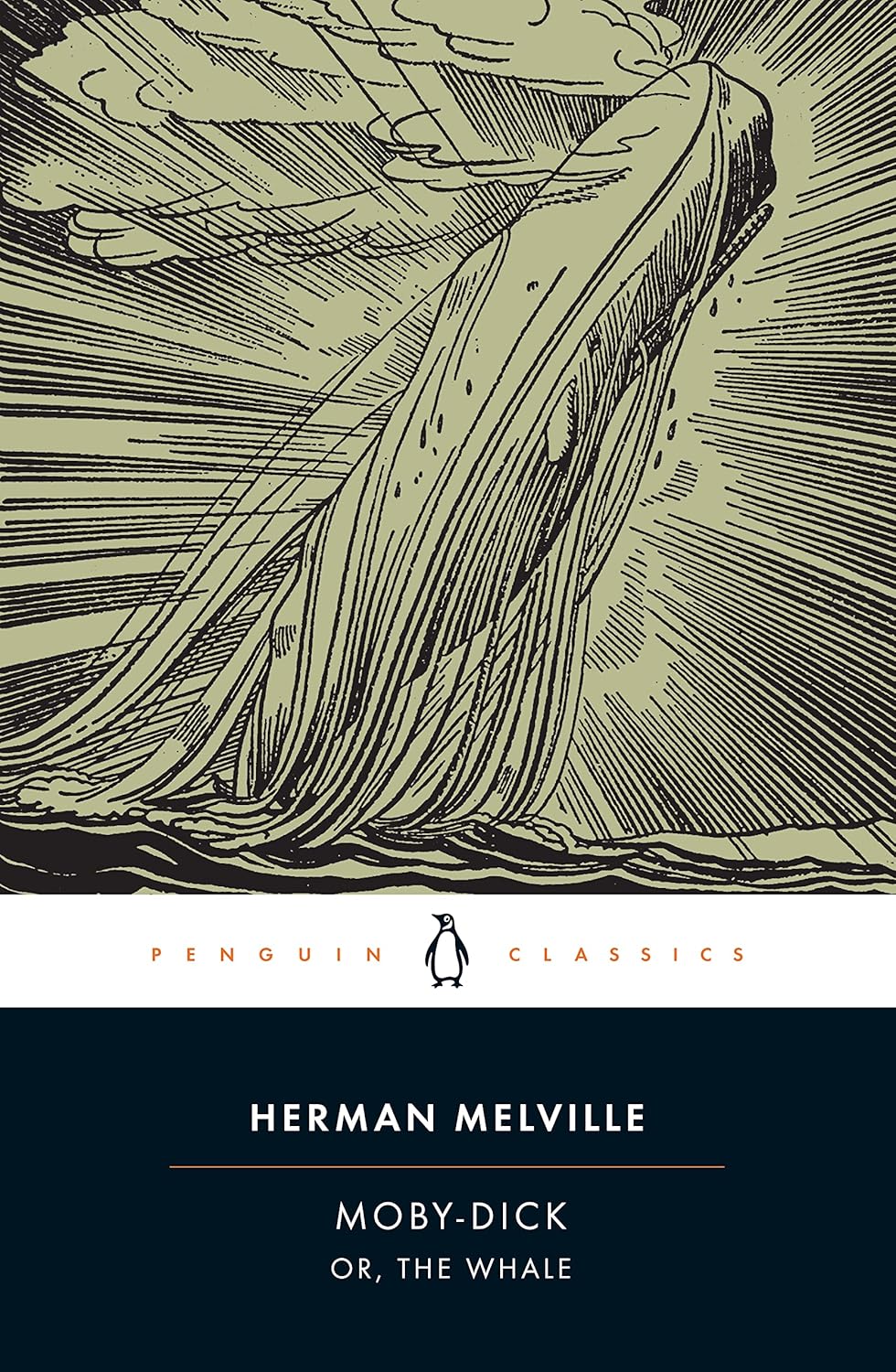
No. 1 on this list. Moby-Dick
Herman Melville · 1851
Difficult26 hours
Included in: Bokklubben World Library, Great Books of the Western World
Melville poured cetology, Shakespearean soliloquy, sermon, sea shanty, and metaphysical dread into one whaling voyage, creating a book that operates simultaneously as adventure novel, encyclopedia, and prose poem about obsession. Nothing in American literature before or since has this range of register in a single work.
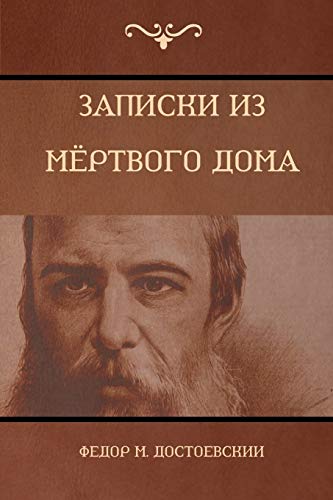
Fyodor Dostoevsky spent four years in a Siberian prison camp after the tsar commuted his death sentence at the last moment. He came out a different writer. The House of the Dead channels that experience through Alexander Petrovich Goryanchikov, a nobleman convicted of murdering his wife, who records the daily life of the katorga — the forced labor camp — with the precision of a naturalist and the unease of someone who cannot stop looking. The other prisoners steal, scheme, perform folk plays, and occasionally show flashes of unexpected grace. Goryanchikov watches all of it without rendering verdicts. The book does not explain what prison does to men; it shows men inside prison, and lets the accumulated detail do the work. Dostoevsky writes with a clinical restraint unusual for him — no murder plots, no philosophical speeches, no epileptic crises. What remains is a documentary of degradation that refuses to moralize, which is exactly what makes the moral weight so heavy. Readers expecting Dostoevsky's trademark feverish psychology will find something quieter here: a sustained act of witness.
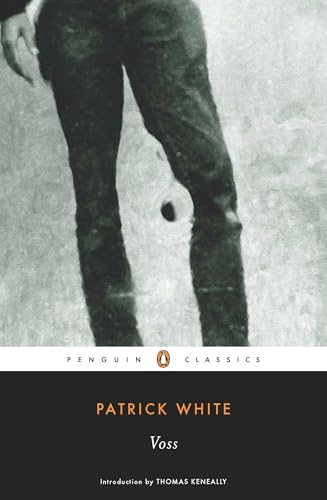
Voss is recognized as a cornerstone of Australian literature and a major work of postcolonial fiction. It consistently appears in scholarly discussions of antipodean identity, imperial mythology, and mid-century modernism. The novel has maintained critical attention since publication and is standard curriculum in Australian and Commonwealth literary studies.
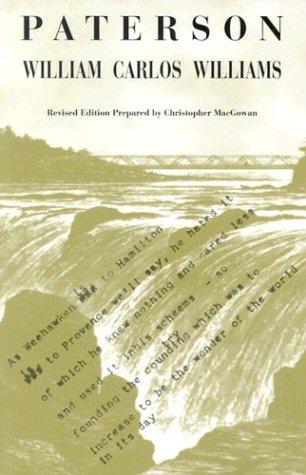
Paterson is anthologized in every major American poetry collection (Norton, Heath, Library of America) and taught in American modernism, long poem, and 20th-century poetry courses at virtually every research university. It is one of the defining long poems of the American century, alongside The Waste Land, The Cantos, and Four Quartets. While less widely taught than Shakespeare or Fitzgerald, it occupies a canonical position in American literary studies comparable to Beloved (85).
Required reading in virtually every medieval and Middle English literature course at anglophone universities. The poem appears on thousands of syllabi and features in Great Books curricula worldwide. Tolkien and E.V. Gordon's 1925 scholarly edition set the standard text; Simon Armitage's 2007 translation reached mainstream audiences. The poem occupies the same canonical tier as Chaucer's Canterbury Tales for the period it represents.
No. 6 on this list. The Burning Plain and Other Stories
Juan Rulfo · 1953
Challenging3.4 hours
Taught in schools: UNAM Escuela Nacional Preparatoria – programas de Literatura (Mexico)
In seventeen stories set across the parched hills of Jalisco, Mexico, Rulfo's peasants carry their dead with them — sometimes literally. A man hauls his father's corpse on his back through the mountains. An old woman refuses to believe her son is a murderer. Soldiers and sharecroppers and abandoned wives speak in short, exact sentences, and the landscape answers with dust and silence. The dead narrate their own stories without announcing they are dead; readers piece it together from the wrong temperature of the prose. Rulfo strips everything from his fiction — backstory, explanation, transitions — until only the essential pressure remains. The Burning Plain was published in 1953, two years before Pedro Páramo, and it shares that novel's method: grief without sentimentality, violence without drama, the supernatural arriving with the matter-of-fact normalness of weather. Gabriel García Márquez said he memorized the entire book and recited it to friends. That is the correct response. These stories end before they explain themselves, in the way that real catastrophe does.
Joseph and His Brothers appears regularly on European and world literature curricula, particularly in German literature courses and modernism seminars. It features on multiple 'greatest novels' lists including Le Monde's 100 Books of the Century. The tetralogy is less frequently taught than Mann's shorter works (Death in Venice, The Magic Mountain) owing to its length, but its canonical standing within the Mann oeuvre and 20th-century literature broadly is secure. The database shows no syllabus or Wikipedia data, but scholarly consensus places this among the defining works of European modernism.
In February 1922, Rainer Maria Rilke retreated to Chateau de Muzot in Switzerland and composed fifty-five sonnets in three weeks. He addressed them to Orpheus — the Greek poet-god who descended into death to reclaim Eurydice and was torn apart by the Maenads for refusing them. The occasion was the recent death of Vera Knoop, a nineteen-year-old dancer Rilke barely knew; her death opened something. A tree ascends in the first line. Animals cluster around it in silence, listening. What Rilke is after is the premise that true song is not desire or communication but reality — breath as invisible poem, the moment when inner and outer stop being distinct. Orpheus moves through the cycle not as a character but as a principle: he is already dead, he already belongs to both realms, and because of this he can praise everything, including loss. The Sonnets instruct readers to will transformation, to be ahead of all parting, to whisper 'I am flowing' to the earth. They do not resolve their questions about death and being; they teach acceptance of irresolution as the condition of consciousness. Reading them asks for slow, repeated attention — each poem is compact and dense, and the cycle's meaning accumulates across all fifty-five. This is poetry as philosophical practice, the lyric at maximum pressure.
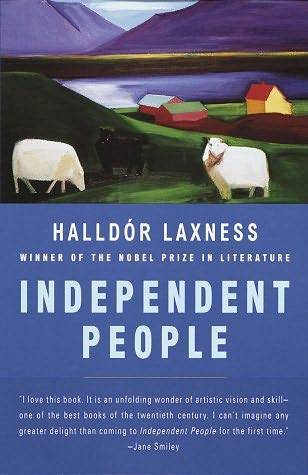
No. 9 on this list. Independent People
Halldór Laxness · 1934
Difficult24 hours
Included in: Bokklubben World Library
Wikipedia presence in only 9 languages and no Open Syllabus appearances indicate it is not widely taught outside Scandinavia. However, Independent People appears regularly on canonical world literature lists, including Time magazine's All-TIME 100 Novels, and is considered Laxness's defining work — the novel most associated with his 1955 Nobel Prize.
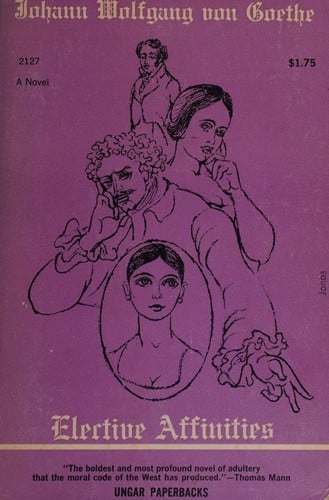
A fixture in German literature curricula worldwide and central to comparative literature courses treating the European novel of ideas. Available in Penguin Classics, Oxford World's Classics, and numerous scholarly editions. Considered alongside Faust and The Sorrows of Young Werther as Goethe's essential prose fiction, though less taught at secondary level than those more accessible works.
No. 11 on this list. Lust · Elfriede Jelinek · 1989
Jelinek is a Nobel Prize winner (2004), and Lust is among her most-discussed novels, central to courses in feminist literature, Austrian literature, and avant-garde fiction. The Wikipedia article on Lust exists in 58 languages, indicating significant global recognition. However, the novel is not a fixture of general literary survey courses in the way that Jelinek's work as a whole is taught — it is a specialist text, assigned where Jelinek is the focus or feminist radical fiction is the subject. Its explicit content limits its classroom reach. Canonical within feminist literary studies; less so in general world literature curricula.
Difficult9.3 hours
Start this bookNo. 12 on this list. The Axion Esti · Odysseas Elytis · 1959
The Axion Esti stands as the central work of modern Greek poetry and one of the most significant long poems of the 20th century. It holds canonical status in Greek literature comparable to The Waste Land in English, widely taught in Greek schools and universities. The work's international recognition increased substantially after Elytis received the Nobel Prize in Literature (1979), though it remains less widely read outside Greece than other Nobel-honored poetry.
Challenging38 min
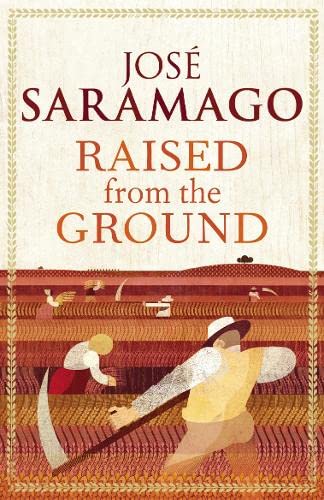
Start this bookNo. 13 on this list. Raised from the Ground · José Saramago · 1980
Frequently taught in world literature and Iberian studies courses as the foundational Portuguese novel of the 20th century. It appears consistently in comparative literature syllabi focused on Latin American and European magical realism, and is cited in virtually every critical treatment of Saramago's oeuvre. Less globally ubiquitous than One Hundred Years of Solitude but central to any serious study of European literary modernism.
Challenging13 hours
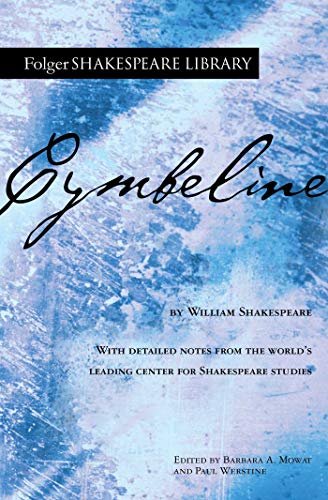
Start this bookNo. 14 on this list. Cymbeline · William Shakespeare · 1611
Included in: Great Books of the Western World
Cymbeline is a regular presence in university Shakespeare courses and appears in collected editions universally, but it occupies the second tier of the canon — studied more as a late romance alongside The Winter's Tale and The Tempest than as a standalone essential. It lacks the curricular centrality of Hamlet, Macbeth, or King Lear, and general readers are unlikely to encounter it outside academic contexts. Its place in the late-romances grouping grants it moderate canonical standing, above Pericles but well below the great tragedies.
Difficult3.4 hours
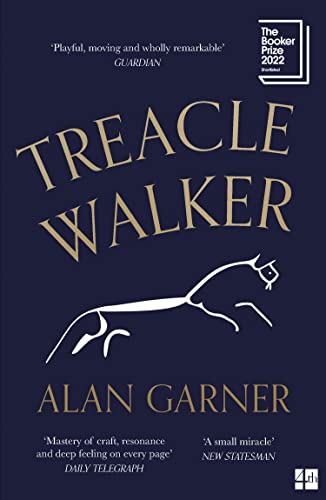
Read nowNo. 15 on this list. Treacle Walker · Alan Garner · 2022
Published in 2021, Treacle Walker is too recent for canonical judgment, but Garner's lifelong integration of British folklore into literary fiction gives it strong claims. As his late-career distillation of myth, archaeology, and language, it consolidates his reputation as a major British fantasist.
Challenging1.5 hours
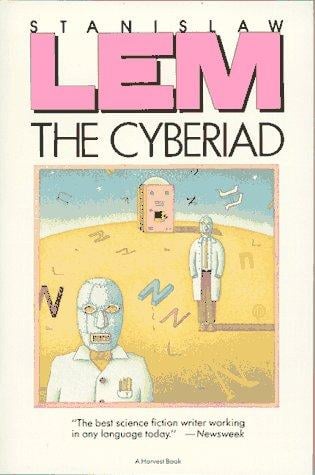
Start this bookNo. 16 on this list. The Cyberiad · Stanisław Lem · 1965
Trurl and Klapaucius are constructors — engineers of impossible things — who travel the universe building machines that write poetry, create dragons out of probability, and kidnap kings using algorithms. In the opening story, Trurl builds a machine that can make anything starting with the letter N. When it begins making Nothing — not ordinary nothing, but dynamic, aggressive Nothingness — it starts erasing the world one item at a time: the gruncheons go, then the pritons, then the zits, and the sky acquires holes that have never healed. Stanisław Lem writes fairy tales about robots, but the fairy tales are philosophical arguments in disguise. Each of the fifteen linked adventures runs a thought experiment: what happens when collective intelligence exceeds the scale at which militarism makes sense? Can a machine write great poetry if civilization wrote the poet? What does it mean to exist inside a simulation you cannot distinguish from reality? The deadpan fable narrator treats catastrophe and cosmic comedy with identical gravity, and the gap between that voice and what is actually happening is where all the meaning lives. The Cyberiad reads as slapstick adventure on the surface — Trurl escaping dungeon after dungeon with improbable ingenuity — and as philosophy underneath, where questions about consciousness, creation, and the purpose of intelligence are never resolved. Lem gives you both pleasures at once, and the math jokes are genuine.
Challenging8.4 hours
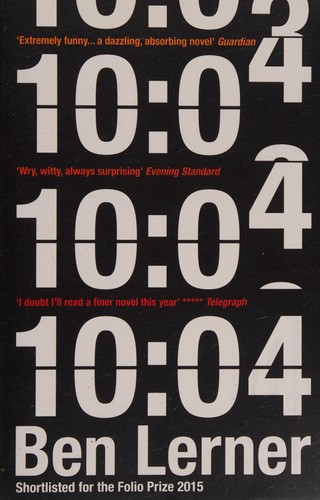
Start this bookNo. 17 on this list. 10:04 · Ben Lerner · 2014
10:04 is widely taught in MFA programs and contemporary American fiction courses and appears on many "best novels of the decade" lists for the 2010s, but it has not yet achieved the settled canonical status of older landmarks. Its reputation is strong within literary and academic circles—particularly in discussions of autofiction and the contemporary American novel—while remaining largely unknown to general readers.
Very Difficult10 hours
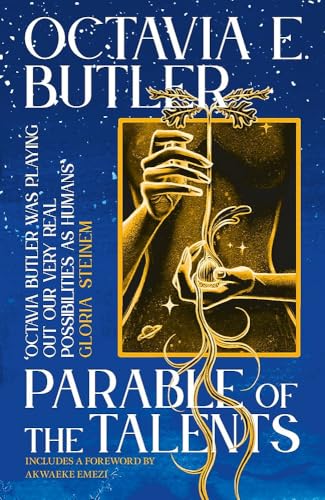
Start this bookNo. 18 on this list. Parable of the Talents · Octavia E. Butler · 1998
Winner of the Nebula Award for Best Novel (1999). Widely taught in speculative fiction, Afrofuturism, and American dystopia courses. The Parable duology is among the most assigned works in contemporary SF syllabi and is firmly canonical within the genre; its canonical standing in broader American literary culture continues to grow.
Challenging13 hours
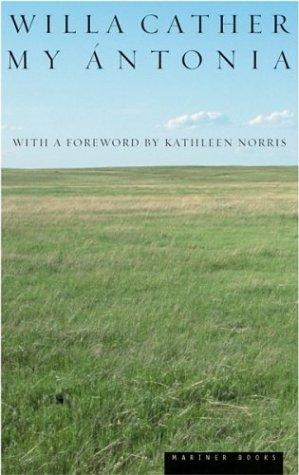
Start this bookNo. 19 on this list. My Antonia · Willa Cather · 1918
My Antonia appears on thousands of university syllabi across American literature, women's literature, and immigrant experience courses. It is included on the Modern Library's 100 Best Novels list and is a fixture in American high school and university curricula, representing the prairie immigrant experience as few other novels do.
Challenging8.4 hours
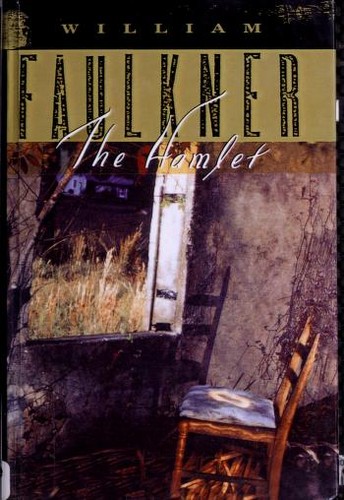
Read nowNo. 20 on this list. The Hamlet · William Faulkner · 1940
The Hamlet is consistently taught in American modernism and Southern literature courses as a key Faulkner text, though it receives less curriculum attention than The Sound and the Fury or As I Lay Dying. The Snopes trilogy as a whole is recognized as one of American literature's major long-form projects, and The Hamlet is its foundation. It appears on syllabi focused on Faulkner, Southern Gothic, and American regionalism, but has not achieved the broad high-school penetration of Faulkner's most canonical works.
Difficult43 hours
Start this book
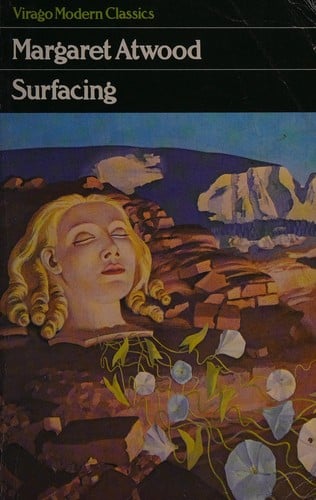
No. 21 on this list. Surfacing · Margaret Atwood · 1972
Surfacing is widely taught in Canadian literature, feminist literature, and postcolonial studies courses at universities across North America and the UK. It appears on virtually every Canadian literary canon list and is considered essential reading for understanding the development of Canadian fiction as a distinct literary tradition. No syllabus data was available in the database, but its presence in academic curricula is well established.
Difficult7.9 hours
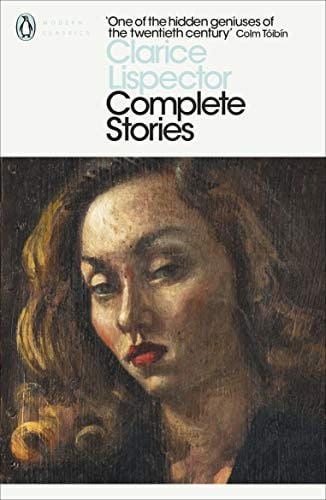
Start this bookNo. 22 on this list. The Complete Stories · Clarice Lispector
Lispector holds a firm place in comparative literature and Latin American literature syllabi globally, and her work appears in women's writing and world literature courses at major universities. No Open Syllabus data is available for this specific collection, but Lispector as an author is consistently included in world literature canons alongside Borges and García Márquez. The 2015 New Directions translation by Katrina Dodson dramatically expanded her anglophone reach and prestige.
Difficult22 hours
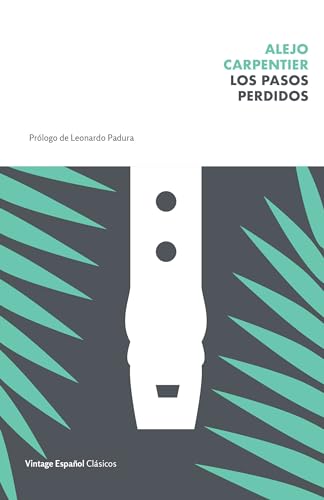
Start this bookNo. 23 on this list. The Lost Steps · Alejo Carpentier · 1953
A core text in Latin American literature and comparative literature courses worldwide, taught alongside García Márquez and Borges as a foundational work of the region's literary tradition. Less universally assigned than One Hundred Years of Solitude but standard in any serious Latin American or world literature syllabus. The novel's prologue, which theorizes 'lo real maravilloso,' makes it required reading for understanding 20th-century Latin American fiction.
Difficult11 hours
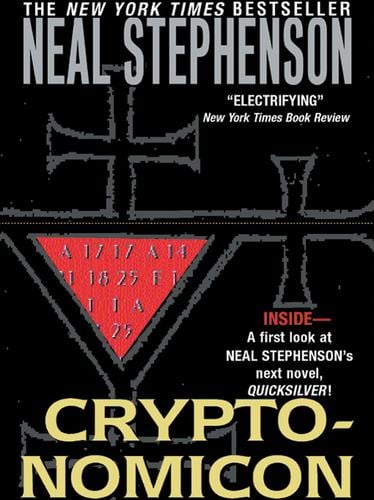
Start this bookNo. 24 on this list. Cryptonomicon · Neal Stephenson · 1999
Cryptonomicon occupies an unusual position: it is widely regarded as a landmark in its subgenre — techno-thriller crossed with literary novel — and is heavily referenced in discussions of fiction about cryptography, hacking culture, and digital privacy. It does not appear on standard literary syllabi, but it is routinely assigned in computer science departments, media studies courses, and cyberpunk/speculative fiction seminars. Its canonical status is high within its genre community but below the threshold of the broader literary canon.
Difficult47 hours
Start this bookNo. 25 on this list. A Number · Caryl Churchill · 2002
One of Churchill's most frequently performed plays and a standard text in contemporary drama courses. Widely recognized as a landmark of twenty-first-century theater.
Difficult58 min
Start this bookNo. 26 on this list. The Counterfeiters · André Gide · 1925
Appears on 15 university syllabi (29th percentile, Open Syllabus) and has Wikipedia entries in only 2 languages—modest signals for a Nobel laureate's landmark novel. The Counterfeiters features in French literature courses and world literature surveys but has not entered the English-language curriculum the way Gide's Strait Is the Gate or even The Immoralist have. Le Monde ranked it among the 100 Books of the Century (1999), establishing its European canonical status.
Difficult13 hours
Read nowNo. 27 on this list. Stories of Your Life and Others · Ted Chiang · 2002
Widely taught in science fiction, philosophy of mind, and speculative fiction university courses, though not a staple of mainstream literary syllabi in the way that canonical realist novels are. The 2016 film Arrival, adapted from the title story, brought the collection to a much broader audience and cemented its cultural presence. No syllabus data was returned from the database, but its reputation in academic SF contexts is well-documented.
Challenging8.4 hours
Start this bookNo. 28 on this list. The Aunt's Story · Patrick White · 1948
Taught in schools: CSEC English B – Caribbean Examinations Council
Theodora Goodman is not beautiful, not charming, not destined for anything her family can name. Growing up at Meroe, a New South Wales property, she watches her sister marry and move away while she remains — the one who sees too clearly, feels too much, belongs nowhere. When their mother dies, Theodora boards a ship for Europe and checks into a hotel on the French Riviera filled with displaced, broken Europeans between the wars. There she begins absorbing the other guests — their voices, their stories, their grief — until the boundary between her consciousness and theirs ceases to hold. White's second novel moves in three distinct registers: the concrete social world of Australian pastoral life, the surrealist hothouse of the hotel's 'Jardin Exotique,' and finally the hallucinatory American wilderness where Theodora encounters Holstius and the question of her sanity or sanctity is left entirely open. Patrick White writes as if consciousness were a landscape he could survey — long sentences that spiral inward, objects that carry the weight of a character's entire emotional history, irony folded so deep into the prose it feels like sincerity. Reading this novel is an experience of gradual immersion: the world grows stranger, and then it grows strange enough to be true.
Difficult12 hours
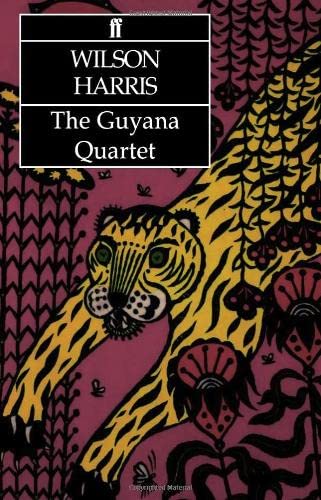
Start this bookNo. 29 on this list. The Guyana Quartet · Wilson Harris · 1985
The Guyana Quartet holds a secure place in Caribbean and postcolonial literary curricula, taught regularly in world literature and Commonwealth literature courses at the university level. However, it has not penetrated the broader Western canon in the way that Achebe's or Walcott's work has — its difficulty limits adoption. No significant syllabus data was returned from the Open Syllabus database, though academic reputation exceeds what this absence suggests.
Difficult24 hours
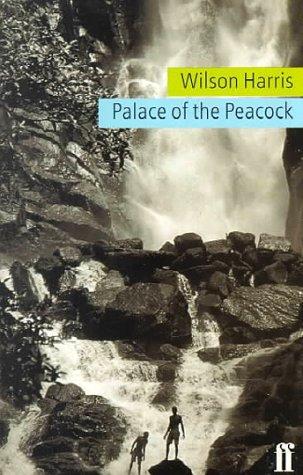
Start this bookNo. 30 on this list. Palace of the Peacock · Wilson Harris · 1960
Palace of the Peacock appears on most Caribbean literature syllabi and postcolonial literature courses globally, and is included in the Penguin Modern Classics series—a standard marker of canonical recognition. It is consistently cited as the foundational text of Anglophone Guyanese fiction and a cornerstone of West Indian literature alongside Walcott's poetry and Naipaul's novels. No database syllabus data was returned, but academic presence in postcolonial studies is well-established.
Difficult5.2 hours
Start this book
No. 31 on this list. Seamarks
Saint-John Perse · 1957
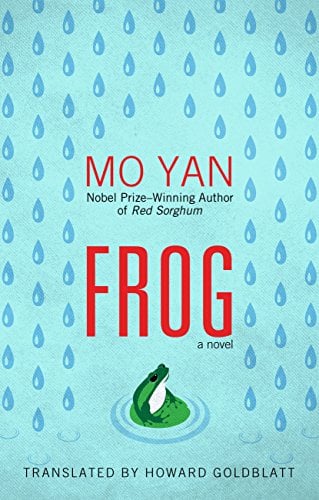
No. 32 on this list. Frog
Mo Yan · 2009
No. 33 on this list. Woman on the Edge of Time
Marge Piercy · 1976
No. 34 on this list. Omensetter's Luck
William Gass · 1966
No. 35 on this list. The Sheltering Sky
Paul Bowles · 1949
No. 36 on this list. A Happy Death
Albert Camus · 1971
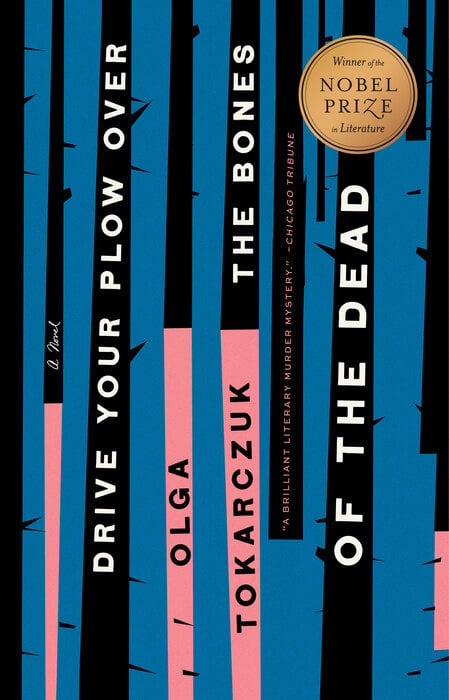
No. 37 on this list. Drive Your Plow Over the Bones of the Dead
Olga Tokarczuk · 2019
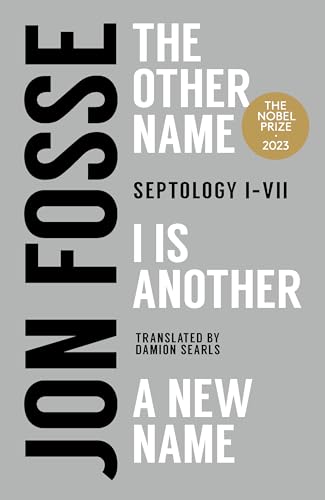
No. 38 on this list. Septology
Jon Fosse · 2019
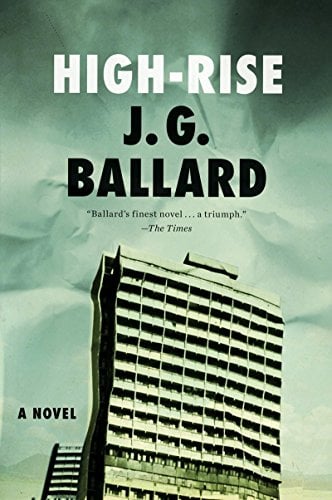
No. 39 on this list. High-Rise
J.G. Ballard · 1975
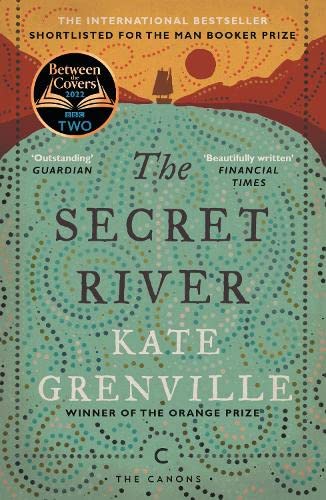
No. 40 on this list. The Secret River
Kate Grenville · 2006
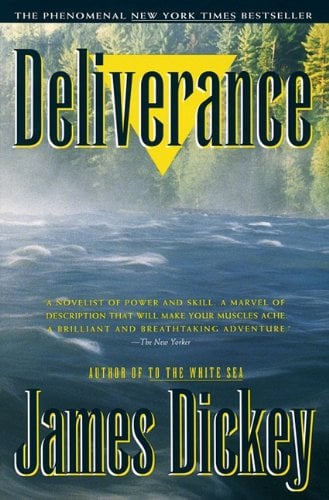
No. 41 on this list. Deliverance
James Dickey · 1970
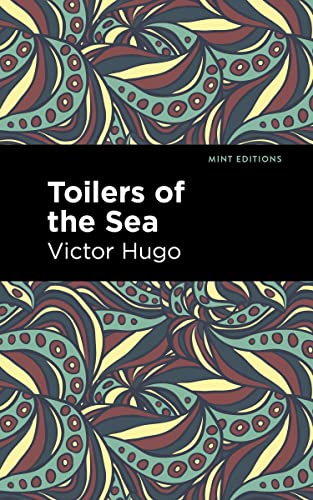
No. 42 on this list. The Toilers of the Sea
Victor Hugo · 1866
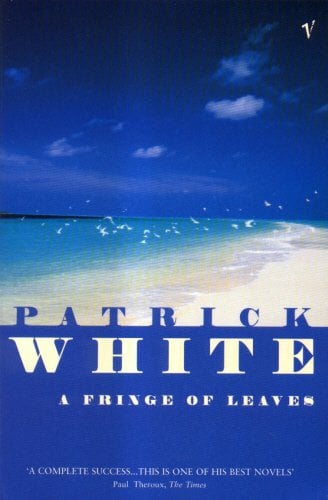
No. 43 on this list. A Fringe of Leaves
Patrick White · 1976
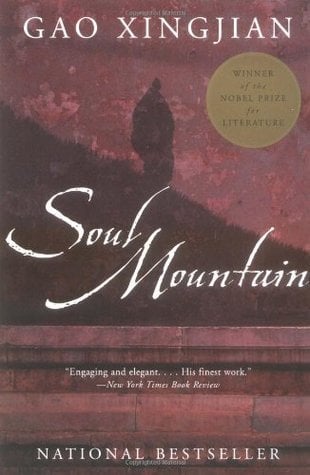
No. 44 on this list. Soul Mountain
Gao Xingjian · 1990
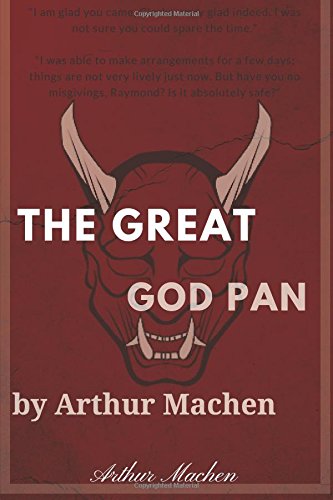
No. 45 on this list. The Great God Pan
Arthur Machen · 1894
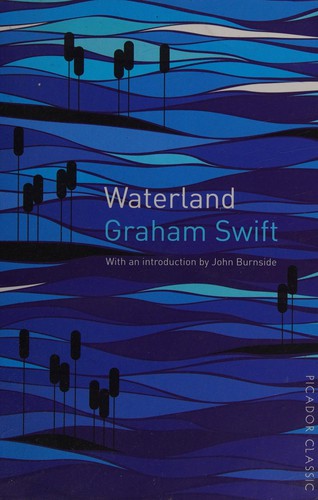
No. 46 on this list. Waterland
Graham Swift · 1983
Taught in schools: AQA GCSE and A-level English Literature (UK)
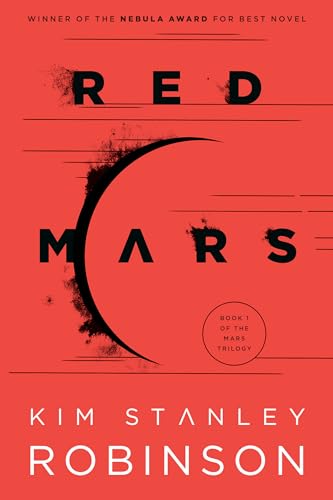
No. 47 on this list. Red Mars
Kim Stanley Robinson · 1993
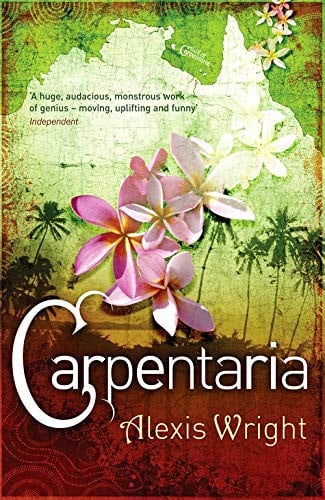
No. 48 on this list. Carpentaria
Alexis Wright · 2006
No. 49 on this list. The House on the Hill
Cesare Pavese · 1948
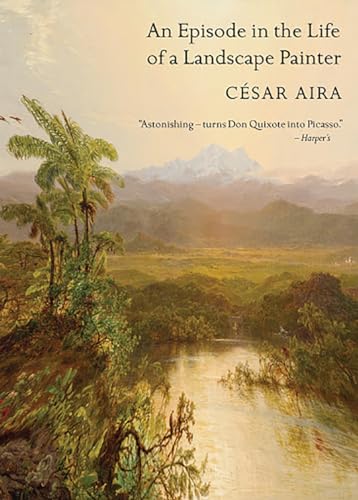
No. 50 on this list. An Episode in the Life of a Landscape Painter
César Aira · 2000
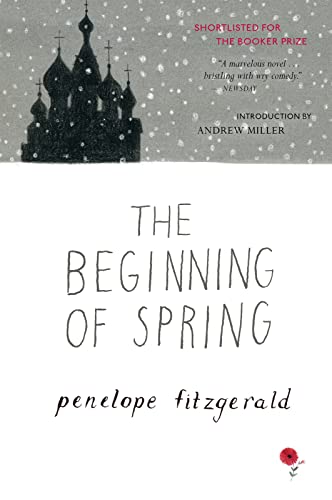
No. 51 on this list. The Beginning of Spring
Penelope Fitzgerald · 1988
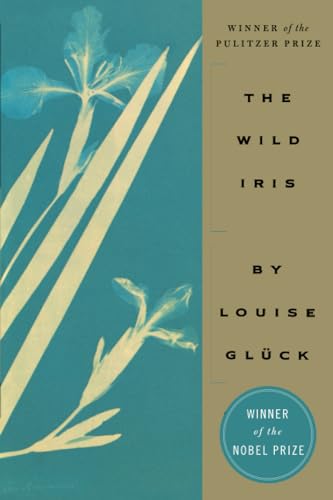
No. 52 on this list. The Wild Iris
Louise Glück · 1992
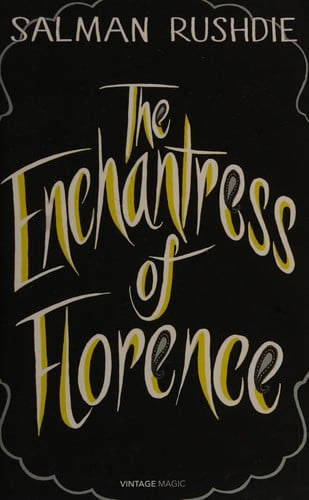
No. 53 on this list. The Enchantress of Florence
Salman Rushdie · 2008
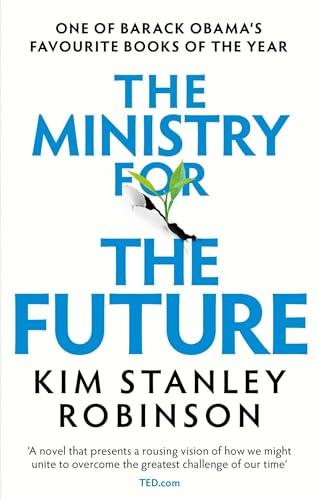
No. 54 on this list. The Ministry for the Future
Kim Stanley Robinson · 2020
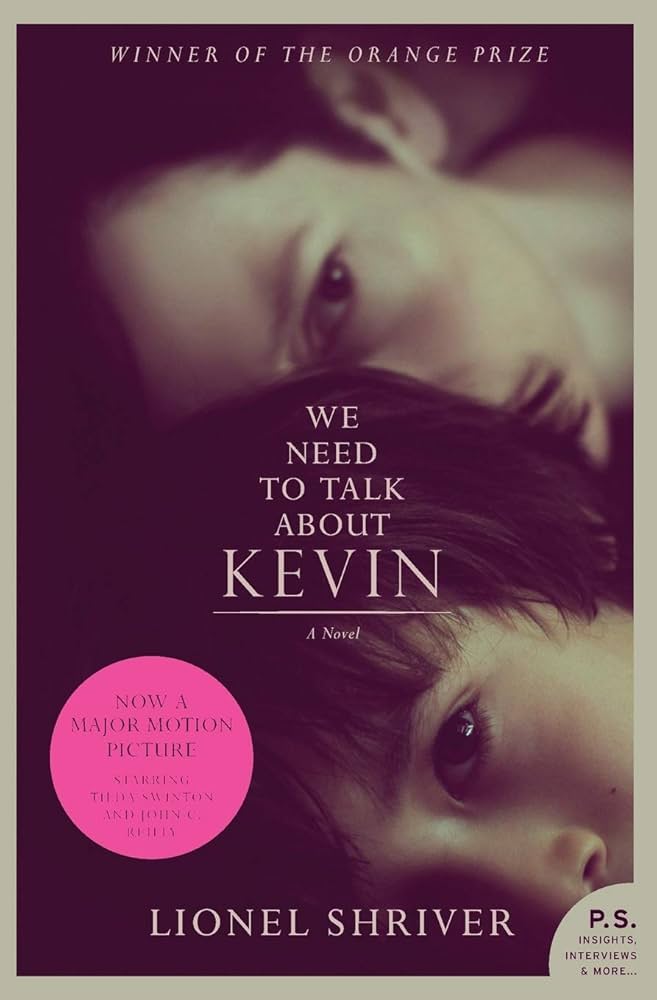
No. 55 on this list. We Need to Talk About Kevin
Lionel Shriver · 2005
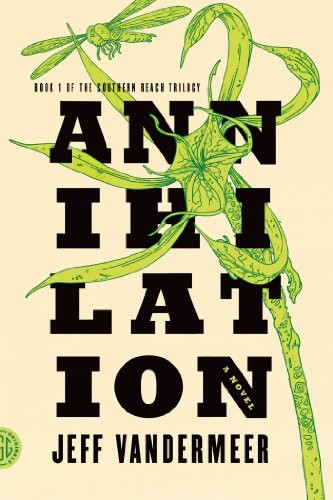
No. 56 on this list. Annihilation
Jeff VanderMeer · 2014
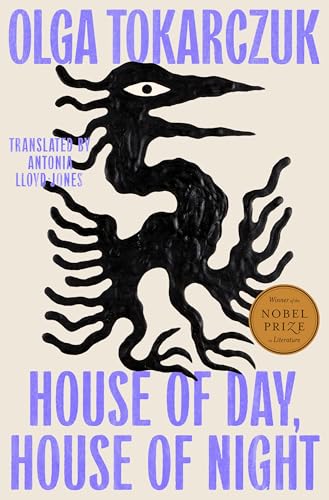
No. 57 on this list. House of Day, House of Night
Olga Tokarczuk · 1998
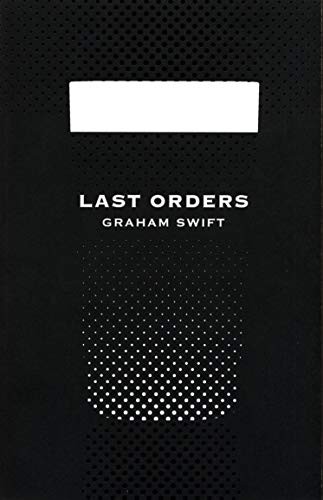
No. 58 on this list. Last Orders
Graham Swift · 1996
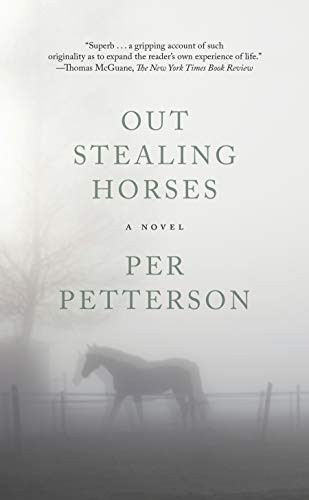
No. 59 on this list. Out Stealing Horses
Per Petterson · 2007
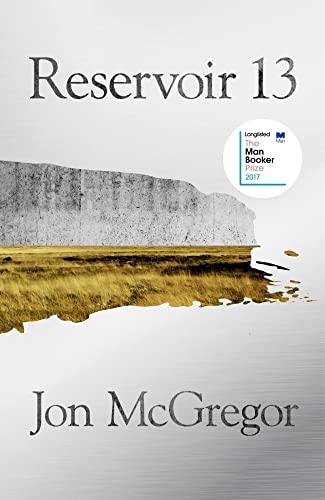
No. 60 on this list. Reservoir 13
Jon McGregor · 2017
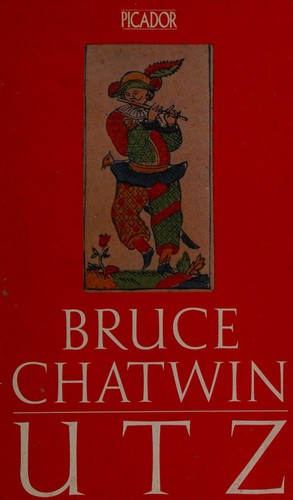
No. 61 on this list. Utz
Bruce Chatwin · 1988
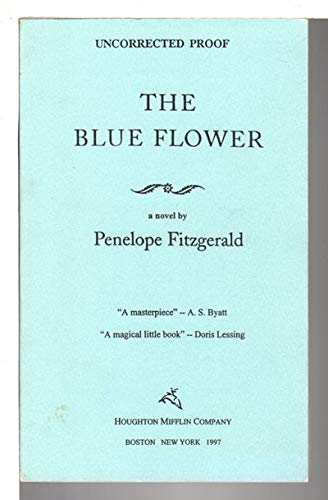
No. 62 on this list. The Blue Flower
Penelope Fitzgerald · 1998
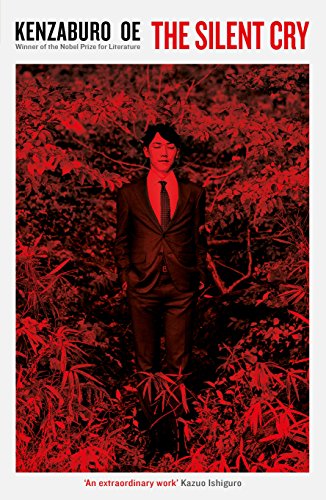
No. 63 on this list. The Silent Cry
Kenzaburō Ōe · 1967
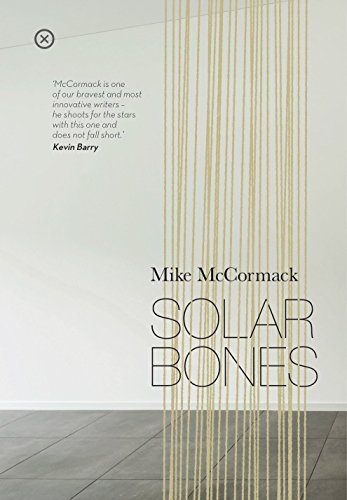
No. 64 on this list. Solar Bones
Mike McCormack · 2017
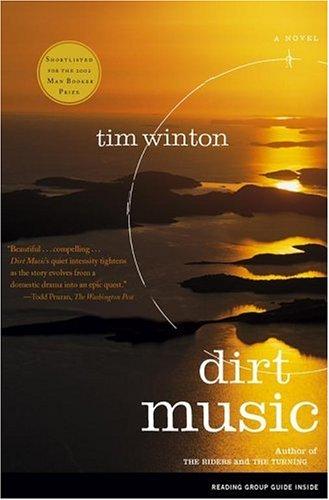
No. 65 on this list. Dirt Music
Tim Winton · 2002
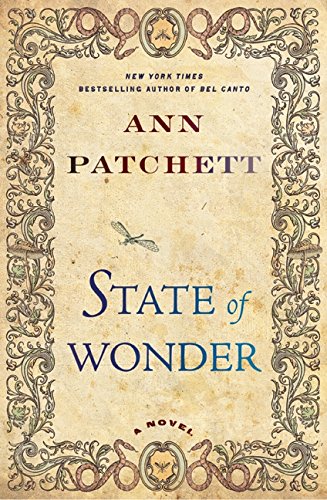
No. 66 on this list. State of Wonder
Ann Patchett · 2012
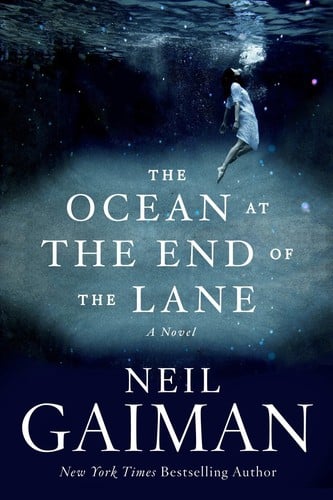
No. 67 on this list. The Ocean at the End of the Lane
Neil Gaiman · 2013
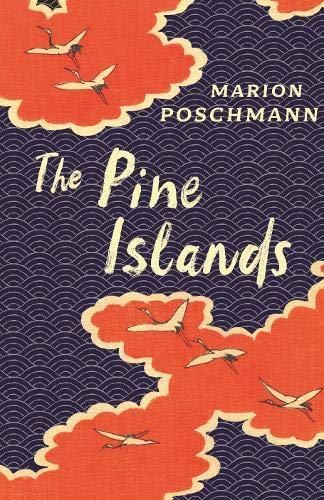
No. 68 on this list. The Pine Islands
Marion Poschmann · 2019
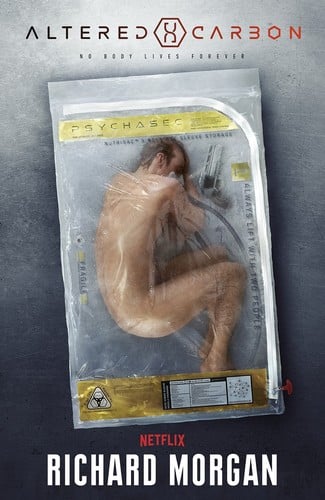
No. 69 on this list. Altered Carbon
Richard K. Morgan · 2002
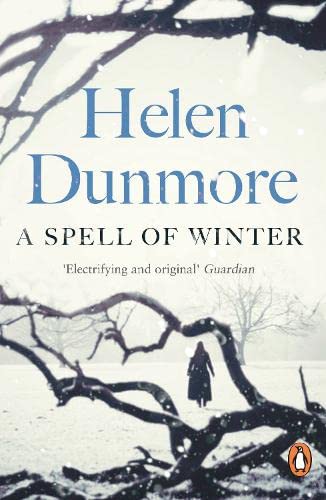
No. 70 on this list. A Spell of Winter
Helen Dunmore · 1997
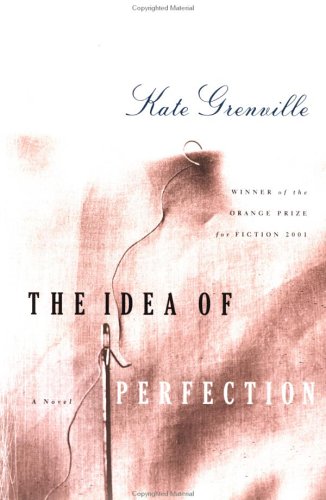
No. 71 on this list. The Idea of Perfection
Kate Grenville · 2001
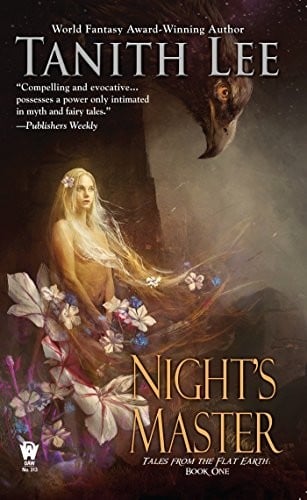
No. 72 on this list. Night's Master
Tanith Lee · 1978
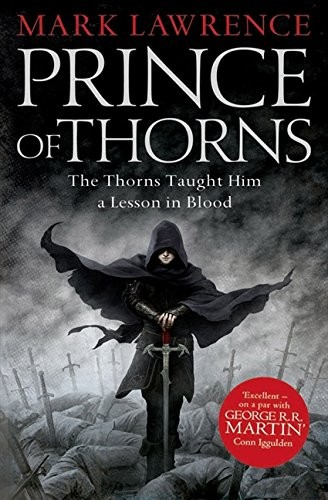
No. 73 on this list. Prince of Thorns
Mark Lawrence · 2011
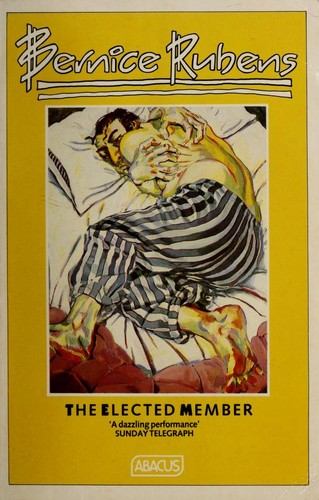
No. 74 on this list. The Elected Member
Bernice Rubens · 1970
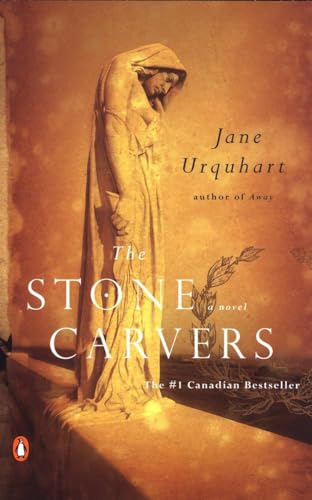
No. 75 on this list. The Stone Carvers
Jane Urquhart · 2001
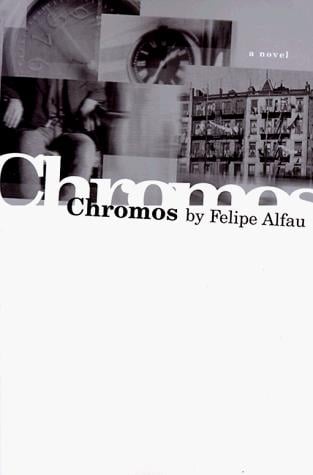
No. 76 on this list. Chromos
Felipe Alfau · 1990
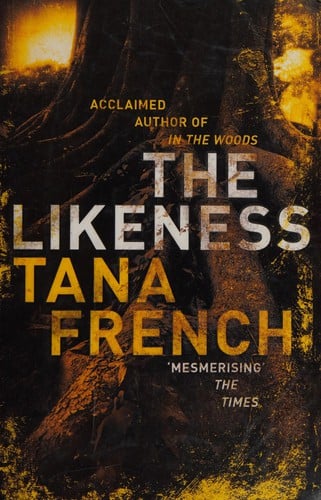
No. 77 on this list. The Likeness
Tana French · 2008
No. 78 on this list. The Origins of Totalitarianism
Hannah Arendt · 1951
No. 79 on this list. The Savage Mind
Claude Lévi-Strauss · 1962
No. 80 on this list. Either/Or
Søren Kierkegaard · 1843
About this list
These 80 books are the highest-scoring eligible challenging books about nature and the environment currently in the catalogue. About 997 hours of reading in all. Difficulty runs from 67 to 73 out of 100 for the middle half of the list; the summit is 10:04 at 85.
This list is ranked by literary regard, with a consistent order for equal scores. Membership follows authors and co-authors, not translators or editors. A book is here when ReadingRate files it under Nature & Environment as one of its primary reading domains, at a confidence of 0.8 or more. Catalogue coverage and the historical canon both limit what this list can represent.
When we matched the Canons dataset to our catalogue in October 2026, our canonical-status scores rose with the number of school curricula, publisher series and lists in it that cite a work: the median score was 72 for books one such source cites, 84 at two, 88 at three, 92 at four and 93 at five or more. Prizes are left out of that count. Outside the state curricula, the dataset’s sources choose mostly from what has been translated into English or French, so it is a weaker check on other literatures. Source: Canons (Andrew Piper), CC BY 4.0
Questions people actually ask
- What are the best challenging books about nature and the environment?
- By literary regard, which weighs canonical status, critical standing and influence: Moby-Dick by Herman Melville, The House of the Dead by Fyodor Dostoevsky, Voss by Patrick White, Paterson by William Carlos Williams and Sir Gawain and the Green Knight by The Pearl Poet. ReadingRate ranks 80 such books, each with a difficulty score and a reading-time estimate.
- Which challenging books about nature and the environment should I read first?
- Start from difficulty, not from rank. The most approachable books on this list that still carry top literary regard are My Antonia by Willa Cather (about 8.4 hours), The Burning Plain and Other Stories by Juan Rulfo and Elective Affinities by Johann Wolfgang von Goethe.
- What are the shortest of the best challenging books about nature and the environment?
- Among the top 25, the shortest are The Axion Esti by Odysseas Elytis (about 38 min), A Number by Caryl Churchill (about 58 min) and Treacle Walker by Alan Garner (about 1.5 hours), at an average pace of 250 words a minute adjusted for each book's difficulty.
- Which of the best challenging books about nature and the environment are the established classics?
- By canonical status, how firmly a book sits in curricula, anthologies and the canon: Moby-Dick by Herman Melville, Voss by Patrick White, Sir Gawain and the Green Knight by The Pearl Poet, The Origins of Totalitarianism by Hannah Arendt and The House of the Dead by Fyodor Dostoevsky.
- Can I read any of these challenging books about nature and the environment for free?
- 6 of the 80 open in ReadingRate's reader with a free account, from public-domain editions: Moby-Dick, The House of the Dead, Cymbeline, My Antonia, The Counterfeiters and 1 more.
- How long would it take to read the top ten?
- About 174 hours, at an average pace of 250 words a minute adjusted for each book's difficulty: 88 days at two hours a day. Set your own pace on the page and the list's reading times change to it.
- How hard are challenging books about nature and the environment to read?
- Most of this list sits between 67 and 73 on ReadingRate's 100-point difficulty scale, where 40 to 55 is moderate. The summit is 10:04 at 85. Every entry carries its own score, so a reader can pick a great book at a difficulty they will finish.
- How is this list ranked?
- On literary-regard data: how canonically established a work is, its critical standing, and its influence on later writing. It is not a readers’ poll, which is why recent bestsellers rarely appear. Membership follows authors and co-authors, not translators or editors. Lists by country, author, period, theme or difficulty keep to literature (fiction, poetry, drama and philosophy), their novels, poems and plays first and their philosophy after them; a list of a kind of book, such as memoir or criticism, keeps every book of that kind. Every list holds at most three works by one author. A book is here when ReadingRate files it under Nature & Environment as one of its primary reading domains, at a confidence of 0.8 or more.